SENJIE Healthy & Technology SENJIE Healthy & Technology

China Best Surgical Tweezers Wholesale Supplier?

Time:2026-10-11 Author:Sienna
0%

Choosing a China Surgical Tweezers wholesale supplier requires more than comparing unit prices. It requires evidence, testing, and practical experience.

The global surgical instruments market reflects steady demand. Fortune Business Insights valued it at approximately USD 17.52 billion in 2023. The report projects growth to about USD 27.28 billion by 2032. These figures cover broader instruments, not Surgical Tweezers alone. The niche remains less transparent. That matters.

A reliable supplier should explain alloy selection, tip alignment, surface finishing, spring tension, and cleaning performance. A surgeon should feel controlled pressure, not unexpected resistance. The tips must close evenly under a bright examination lamp. Small defects become large problems during delicate procedures.

The World Health Organization emphasizes quality assurance throughout medical-device supply chains. ISO 7153-1 also provides guidance on materials used for surgical instruments. These references cannot replace supplier audits. They can improve purchasing decisions.

Dr. Atul Gawande wrote, “We have trained ourselves to think of medicine as an art, but it is also a science.” His observation applies to instrument sourcing. Surgical Tweezers require both tactile judgment and measurable specifications.

China offers extensive manufacturing capacity, customization, and competitive wholesale pricing. However, not every factory provides the same inspection depth. Some product pages look impressive but reveal little about testing. That is an uncomfortable reality.

This guide examines how to assess Chinese suppliers, compare product designs, verify documentation, and reduce avoidable quality risks. The best choice may not be the cheapest quotation. It is the supplier that can repeatedly deliver precise, clean, durable instruments with traceable production records.
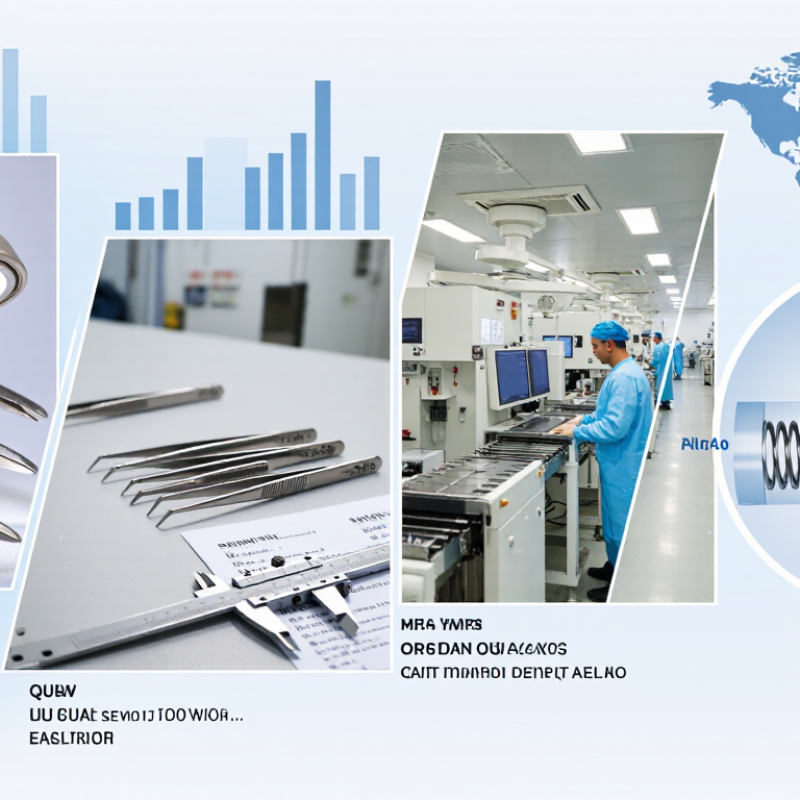
China Best Surgical Tweezers Wholesale Supplier?

What Are Surgical Tweezers and How Are They Used?

Surgical tweezers are small, handheld instruments used to grasp, lift, or position tissue and medical materials. Their spring action gives the user controlled movement without bulky handles. Common designs include dressing tweezers, toothed tissue tweezers, and fine-point models for delicate work. The correct shape depends on the procedure.

A smooth, non-toothed tip can hold gauze or fragile tissue with less surface damage. Toothed tips provide a firmer grip on skin or tougher tissue, but excessive pressure may cause injury. Bayonet-style tweezers improve visibility during procedures. Small details matter. Tip alignment must be checked under good lighting.

In professional practice, surgical tweezers require careful cleaning, inspection, and sterilization according to facility procedures. Stainless steel construction, a consistent finish, and corrosion resistance support repeated use. They are not disposable by default. That assumption can create problems. Before purchasing wholesale, buyers should request samples, material information, dimensional tolerances, packaging details, and quality records from the supplier. A dependable China-based supplier should explain production controls and accept reasonable inspection requirements. Even experienced buyers can miss slight tip gaps, so testing several pieces remains worthwhile.

Which Surgical Tweezer Types Are Available in China?

China’s surgical tweezer suppliers offer a broad range of designs for hospitals, laboratories, and medical distributors. Common options include toothed and non-toothed dissecting tweezers. Adson tweezers often have a short, wide grip for controlled tissue handling. Debakey patterns use fine atraumatic teeth and are selected for delicate procedures. Bayonet tweezers improve visibility during ENT and microsurgical work. Ophthalmic and micro tweezers provide narrower tips for small operative fields.

Materials usually include medical-grade stainless steel, titanium, or specialized alloys. Stainless steel suits routine sterilization and repeated use. Titanium is lighter and resists corrosion, but it may cost more. Straight, curved, angled, and serrated tips support different handling needs. Some suppliers provide custom lengths, tip textures, surface finishes, and laser marking. Small details matter. A rough tip can damage gloves or tissue, while excessive spring tension can tire the user.

When comparing a wholesale supplier, request material certificates, dimensional drawings, inspection records, and sterilization guidance. Check jaw alignment under bright light. The tips should meet evenly without a visible gap. Catalogue terms can vary between factories, so photos alone are not enough. A prototype may feel excellent, yet production batches can differ slightly. This is where sampling and documented quality checks become essential. Supplier experience with medical instruments, traceable processes, and clear communication often matter more than the lowest quotation.

China Best Surgical Tweezers Wholesale Supplier? Which Surgical Tweezer Types Are Available in China?

Common reusable surgical tweezer types available from Chinese medical-instrument manufacturers, shown by representative overall length.

Surgical tweezers are commonly offered in stainless steel, with different jaw designs for tissue handling, dressing, dissection, microsurgery, and procedures requiring angled access. The lengths shown are representative standard sizes and may vary by supplier, pattern, and instrument specification. Buyers should confirm material grade, tip design, surface finish, sterilization compatibility, and custom packaging before placing a wholesale order.

How to Evaluate a Chinese Surgical Tweezers Supplier

How to Evaluate a Chinese Surgical Tweezers Supplier

A reliable supplier should provide more than attractive pricing and polished product photos. Start with technical documentation, including material certificates, dimensional drawings, inspection records, and sterilization compatibility. ISO 7153-1 identifies stainless steels commonly used for surgical instruments, but “stainless” alone proves little. Ask for the exact grade, surface treatment, hardness range, and corrosion-test method.

WHO’s 2016 Global Guidelines for the Prevention of Surgical Site Infection report that surgical-site infections affect about 11% of patients in low- and middle-income countries. Cleanable, corrosion-resistant instruments therefore deserve serious attention. Request samples and inspect the tweezer tips under magnification. The jaws should meet evenly, hold fine suture material, and open without rough resistance. Small defects matter. Test repeated cleaning cycles, because performance can change after use.

Supplier quality systems also require close review. Confirm ISO 13485 certification, certificate scope, issuing body, and recent audit status. Check whether each batch has traceability from raw material to final inspection. The U.S. FDA’s reprocessing guidance emphasizes validated cleaning, disinfection, and sterilization processes for reusable devices. Ask the supplier for cleaning instructions and packaging evidence, not vague assurances. Review production capacity, sampling plans, complaint handling, and replacement policies. Factory audits are useful, though they are not perfect. A few days of observation cannot reveal every weakness. Yet direct verification is stronger than trusting a quotation alone.

What Quality Standards Should Surgical Tweezers Meet?

China Best Surgical Tweezers Wholesale Supplier?

Surgical tweezers should meet clear safety, material, and performance standards. Stainless steel must resist corrosion during repeated cleaning and sterilization. Material documentation should identify the steel grade and relevant testing methods. Standards such as ISO 7153-1 can support material selection for surgical instruments. A reliable supplier should also operate under a documented quality system, such as ISO 13485.

In practical purchasing, inspect each tweezer under bright light. The tips should align evenly, close smoothly, and show no burrs or sharp edges. Serrations must hold tissue securely without tearing it. The surface should feel smooth, especially around the handle and tip. Ask for passivation records, dimensional checks, sterilization compatibility, and batch traceability. Sampling only a few pieces can miss problems. A polished surface alone can mislead. I would also test grip fatigue, although this step is often overlooked.

Tips: Request pre-shipment samples and compare them with approved drawings. Check tip alignment at several angles. Record test results by lot number. Ask how rejected instruments are controlled. If packaging looks weak or labels are unclear, pause the order. Quality is not proven by appearance alone; consistent inspection matters. Suppliers should provide transparent documents, responsive technical support, and corrective actions when defects appear.

How to Choose the Right Wholesale Supplier for Your Needs

Choosing the best China surgical tweezers wholesale supplier begins with intended use, not the lowest quotation. A distributor should ask about tissue handling, tip geometry, length, surface finish, and sterilization cycles. Fortune Business Insights’ 2024 Surgical Instruments Market report valued the global market at USD 13.73 billion in 2023. That scale attracts capable factories, but also inconsistent sellers. Ask for material specifications, inspection records, and production-lot traceability. Small details matter.

A credible supplier should demonstrate documented quality controls and, where applicable, valid ISO 13485 certification. The supplier should explain steel inspection, machining, alignment checks, burr removal, and final cleaning. ISO 13485 is not a performance guarantee. I would still request samples from the intended production batch. Measure jaw alignment under magnification, test grip consistency, and inspect hinges after repeated opening. The World Health Organization’s Global Patient Safety Report 2024 states that about one in ten patients experiences harm in healthcare. Preventable harm represents a substantial share. Instrument quality cannot remove every risk, but weak inspection adds avoidable risk.

Compare suppliers using a written scorecard covering defect rates, sampling plans, lead times, packaging, replacement policies, and response speed. Require clear labeling for material grade and cleaning instructions. Verify whether claims come from internal testing or independent laboratories. Price is not proof. A low quotation can hide rework, mixed specifications, or delayed corrections. Do not confuse fluent sales language with engineering competence. I would leave room for doubt when a supplier refuses raw inspection data.

FAQS

What types of surgical tweezers are commonly available from Chinese suppliers?

Common types include toothed, non-toothed, Adson, Debakey, bayonet, ophthalmic, and micro tweezers. Each design supports different handling needs. Tip shape matters.

Which materials are used for surgical tweezers?

Medical-grade stainless steel, titanium, and specialized alloys are common choices. Stainless steel supports repeated cleaning and sterilization. Titanium is lighter and more corrosion-resistant, but usually costs more.

How should I choose the correct tweezer tip?

Choose straight, curved, angled, or serrated tips according to the procedure. Narrow tips suit small operative fields. A rough tip may damage tissue or gloves.

What should I inspect on a tweezer sample?

Check the jaws under bright light and magnification. They should meet evenly without visible gaps. The tips should close smoothly and hold fine suture material.

Which documents should a supplier provide?

Request material certificates, dimensional drawings, inspection records, and sterilization guidance. Ask for the exact steel grade and surface-treatment details. “Stainless” alone proves very little.

How can I evaluate production consistency?

Compare production samples with approved drawings and specifications. Review batch traceability from raw material to final inspection. One excellent prototype does not guarantee every later batch.

What quality-system information should I request?

Confirm the quality certification, certificate scope, issuing body, and recent audit status. Ask about sampling plans, rejected products, complaints, and replacement policies. Paperwork can still be incomplete.

Why are cleaning and sterilization instructions important?

Reusable tweezers must tolerate validated cleaning, disinfection, and sterilization processes. Request written instructions and packaging evidence. Test repeated cleaning cycles when possible, because performance may change.

Conclusion

Surgical Tweezers are precision instruments designed to hold, separate, or manipulate delicate tissue and materials during medical procedures, laboratory work, and professional healthcare applications. China offers a wide selection, including straight, curved, serrated, non-serrated, pointed, blunt, tissue, dressing, and micro tweezers. Each type serves a different purpose, so buyers should consider the intended procedure, grip requirements, tip design, size, and material before placing a wholesale order.

When evaluating a Chinese supplier, focus on manufacturing experience, product consistency, customization capabilities, inspection procedures, packaging, communication, and delivery reliability. Quality Surgical Tweezers should be made from suitable medical-grade materials, provide smooth alignment and accurate tip closure, resist corrosion, and maintain performance after appropriate cleaning and sterilization. A dependable wholesale supplier should also offer clear specifications, samples for evaluation, transparent pricing, stable production capacity, and responsive after-sales support. Comparing several qualified suppliers can help buyers select products that meet their application needs while achieving a practical balance between quality, service, and cost.

Sienna

Sienna

Sienna is a skilled marketing professional with a deep expertise in our company’s core products and services. With a passion for innovation and detail, she plays a pivotal role in crafting insightful blog posts that not only highlight the unique features of our offerings but also provide valuable......