SENJIE Healthy & Technology
SENJIE Healthy & Technology
SENJIE Healthy & Technology
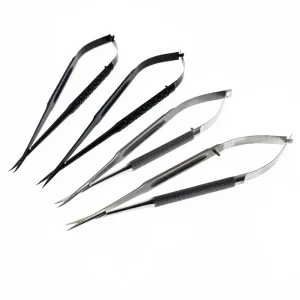
Explore our core manufacturing collection, featuring neurosurgical micro-scissors, high-performance orthopedic power tools, and specialized surgical retractors engineered for maximum tactile precision and longevity.
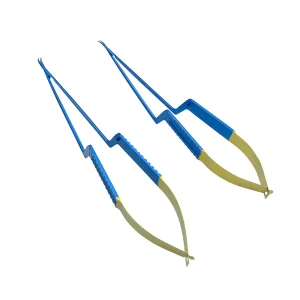
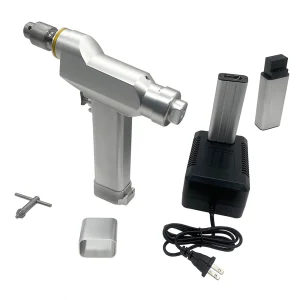
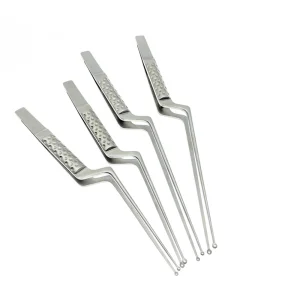
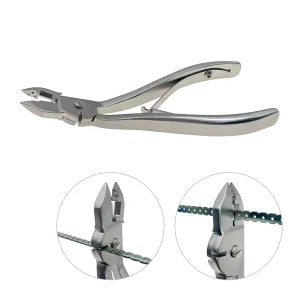
Neurosurgery represents the pinnacle of surgical precision. Over the past decade, the design and manufacturing paradigms of neurosurgical scissors have undergone dramatic shifts, driven by advancements in materials science, ergonomics, and minimally invasive techniques.
Modern neurosurgical operations demand clean tissue division without mechanical sliding. The integration of patented micro-serrations—often called "Shark Blade" technology—provides an anchor on slippery meninges, blood vessels, and neural sheaths. This design ensures that the shear force is directed exactly along the cutting plane, avoiding the sliding effect typical of older bevel designs.
While surgical-grade stainless steel (such as 420 and 440C) remains the industry standard for general instruments, neurosurgical scissors increasingly leverage titanium alloys and tungsten carbide inserts. Titanium reduces the weight of the instrument by up to 45%, minimizing surgeon fatigue during long craniotomies, while tungsten carbide provides a cutting edge that remains sharp up to five times longer.
Operating under high-intensity surgical microscopes requires instruments with anti-glare surfaces. Modern factories apply Physical Vapor Deposition (PVD) to coat blades with titanium nitride (TiN) or diamond-like carbon (DLC). These black or gold non-reflective coatings eliminate glare, improve corrosion resistance, and add superficial hardness to the blades.
Clinical Insight (EEAT Focus): The transition from hand-honed bevels to automated CNC micro-milling has reduced blade profile tolerances to under 3 microns. In micro-anastomosis procedures, this level of precision prevents microscopic tearing of the vascular intima, directly translating to higher postoperative patency rates.
Hospital groups, medical device brand owners, and international B2B distributors navigate complex purchasing landscapes. Procurement is no longer solely about price per unit; it is an assessment of compliance safety, production scalability, and supply chain audit readiness.
| Regulatory & Buyer Demands | Traditional Factory Output | China Factory 4.0 Standard (Our Facility) |
|---|---|---|
| Traceability of Raw Materials | Batch-level paper records, risk of material blending | Yes Full digital tracking from raw ingot (ISO 7153-1) to final product |
| MDR & FDA Compliance | Basic certificates, minimal technical files | Comprehensive technical documentation, biocompatibility testing ready |
| Precision Tolerances | ±0.05 mm (Manual hand-grinding variations) | ±0.005 mm Multi-axis Swiss CNC automated milling |
| Sterilization Validation | Generic autoclave claims without parameters | Validated for 134°C Autoclave, STERRAD plasma, and EO compatibility |
North America (25% Main Market): Focuses heavily on FDA 510(k) status, material hardness (Rockwell C Scale 50-56 HRc), and smooth logistics. Buyers require strict adherence to ASTM F899 standards for surgical-grade stainless steel.
South America (25% Main Market): Demands cost-effective, high-durability instruments capable of undergoing thousands of autoclave cycles without rust or oxidation. Partnering with factories that provide direct certificate bundles (like ISO 13485) is essential.
Southeast Asia (15% Main Market): Rapidly expanding healthcare infrastructures require responsive OEM services, fast production turnaround, and sample processing capabilities to match regional surgical variations.
Our modern manufacturing facilities embody the concepts of Medical Device Factory 4.0. By blending traditional artisan heat-treatment secrets with smart technology, we deliver premium performance with high efficiency.
Our manufacturing processes are engineered to mitigate the supply chain bottlenecks that often plague global B2B sourcing. Through automated raw material sourcing, predictive maintenance on CNC machinery, and cloud-based ERP logistics tracking, we maintain consistent production lead times. Whether executing OEM custom modifications or fulfilling high-volume standard product runs, our factory delivers unmatched consistency.
Incoming raw steel undergoes spectrometer testing to verify chromium, nickel, and carbon ratios. Only certified medical steel moves to the forging line.
Advanced CNC milling establishes the basic profile of the micro-scissors and instruments, followed by computer-controlled vacuum heat treatment to achieve optimal hardness.
Experienced technicians align, hone, and fit the scissors under microscopic amplification, ensuring the blades interface seamlessly along the entire cutting length.
Every batch undergoes random and client-directed testing, including copper sulfate corrosion testing, boil testing, and functional cutting performance checks.
Surgical instruments must perform reliably in high-stakes environments. Our product line spans multiple specialized fields, ensuring each instrument's design aligns with specific surgical realities.
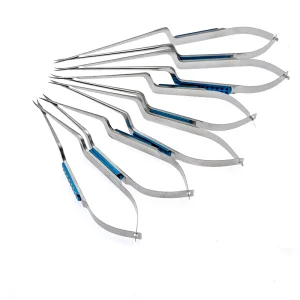
Our micro-neurosurgery scissors and micro tumor forceps allow surgeons to execute precise dissections around delicate cranial nerves, cerebral vessels, and soft tumors. The non-slip "Shark Blade" technology ensures minimal tissue manipulation.
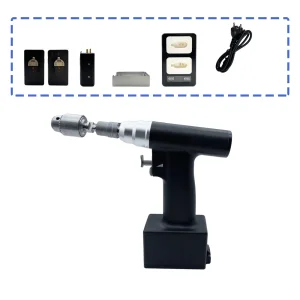
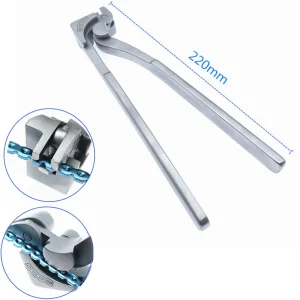
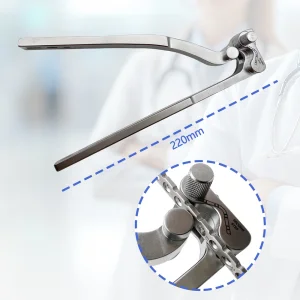
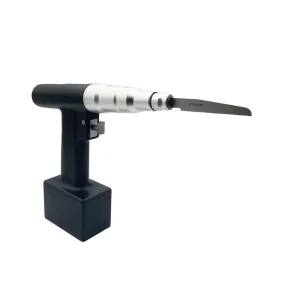
Featuring electric orthopedic bone drills, reciprocating saws, and plate-bending forceps, this line supports trauma surgery, osteotomies, and fracture fixation. It provides high torque, long battery life, and complete autoclave compatibility.
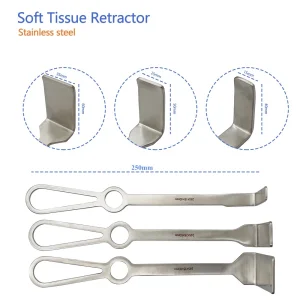
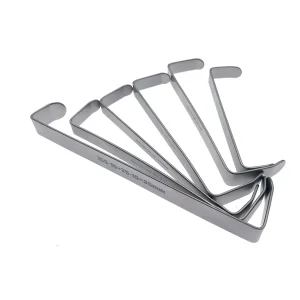
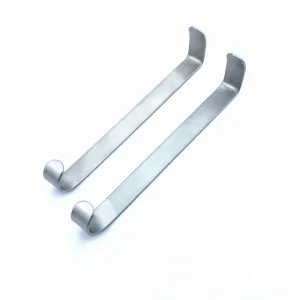
Designed to withstand the harsh environments of veterinary clinics, our line of Farabeuf appendix retractors, flat-hook bone retractors, and veterinary benders provides reliable performance for animal hospitals and research labs.
Transparency is the foundation of E-E-A-T. We invite B2B buyers and regulatory auditors to view our manufacturing floors, testing setups, and shipping preparation processes through our real-time factory gallery.
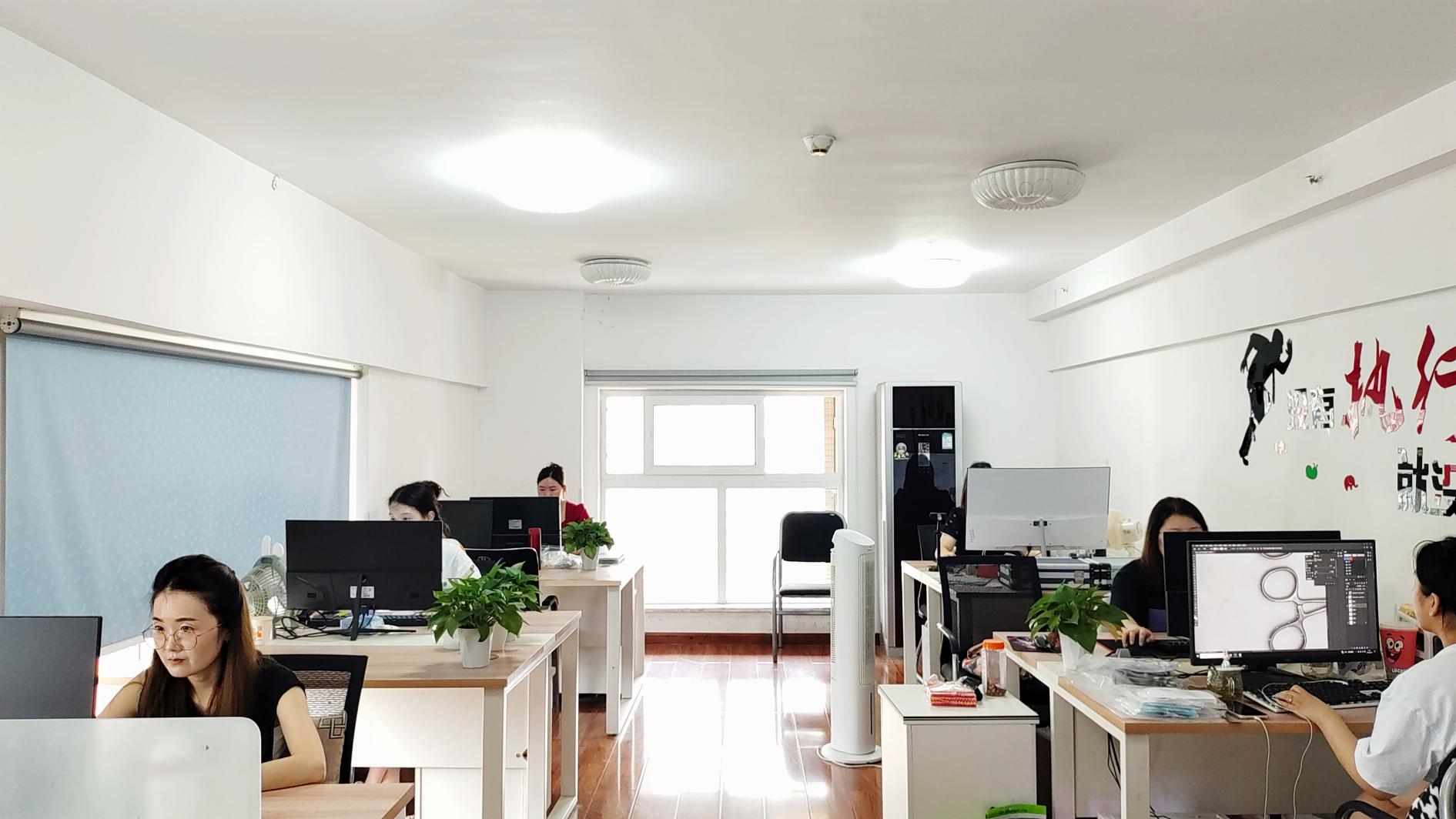
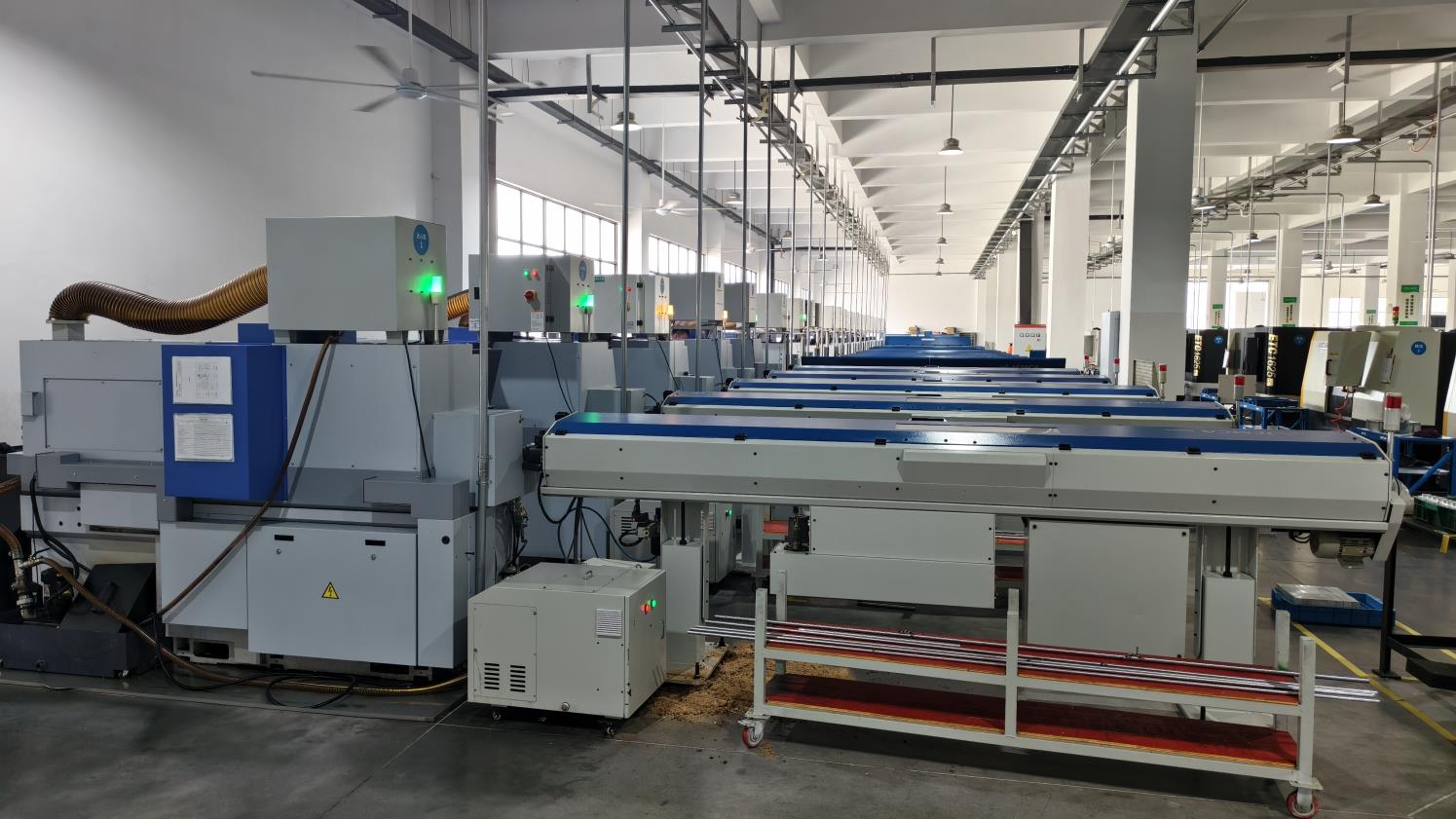
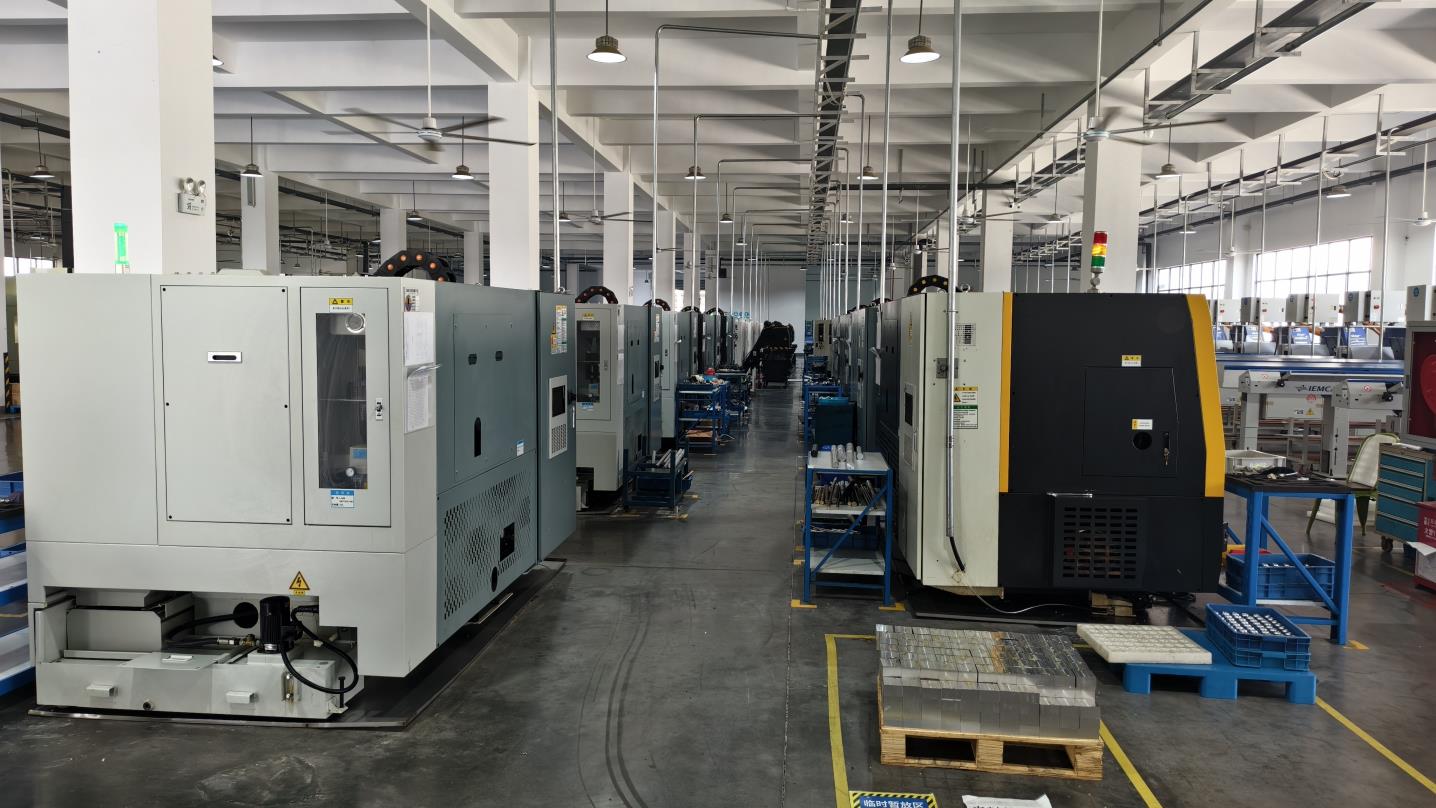
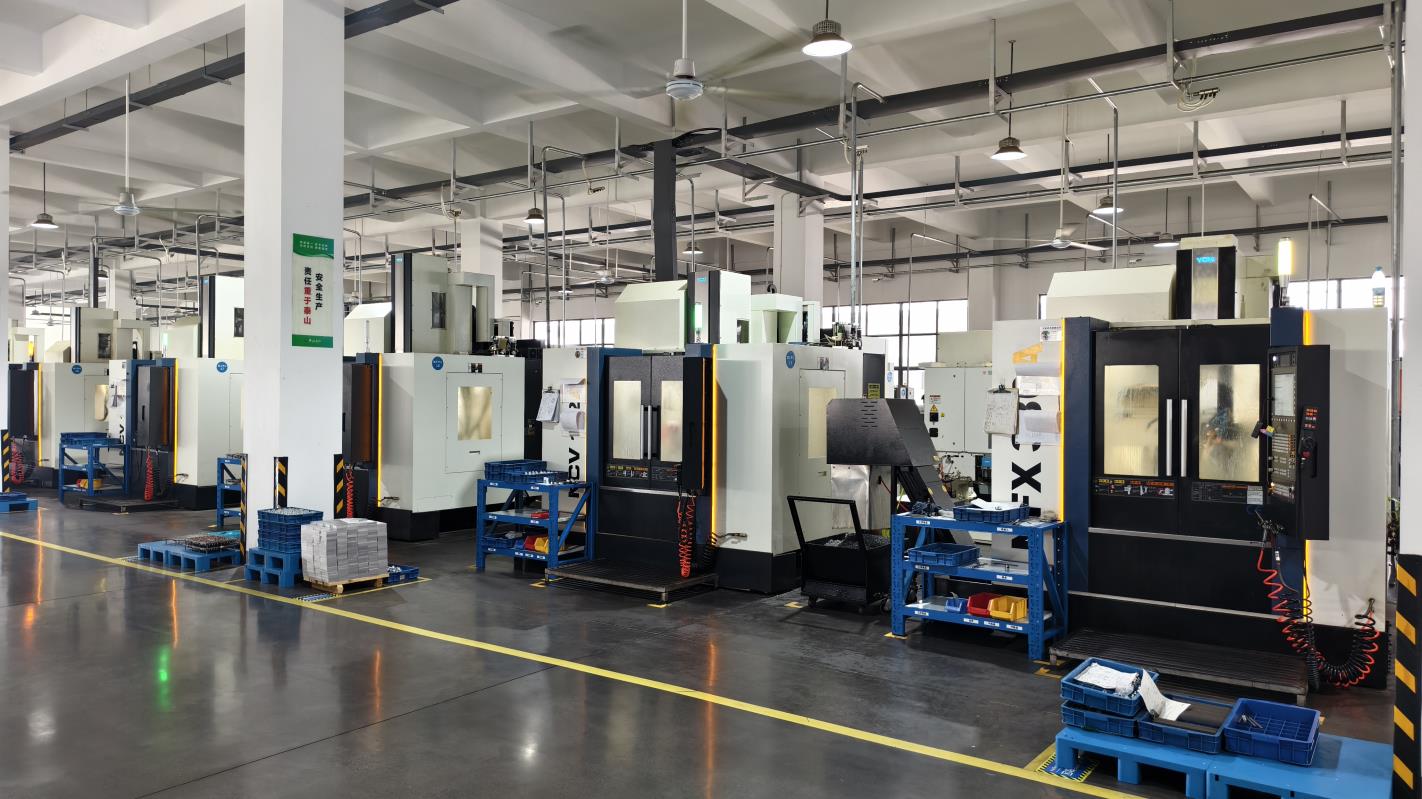
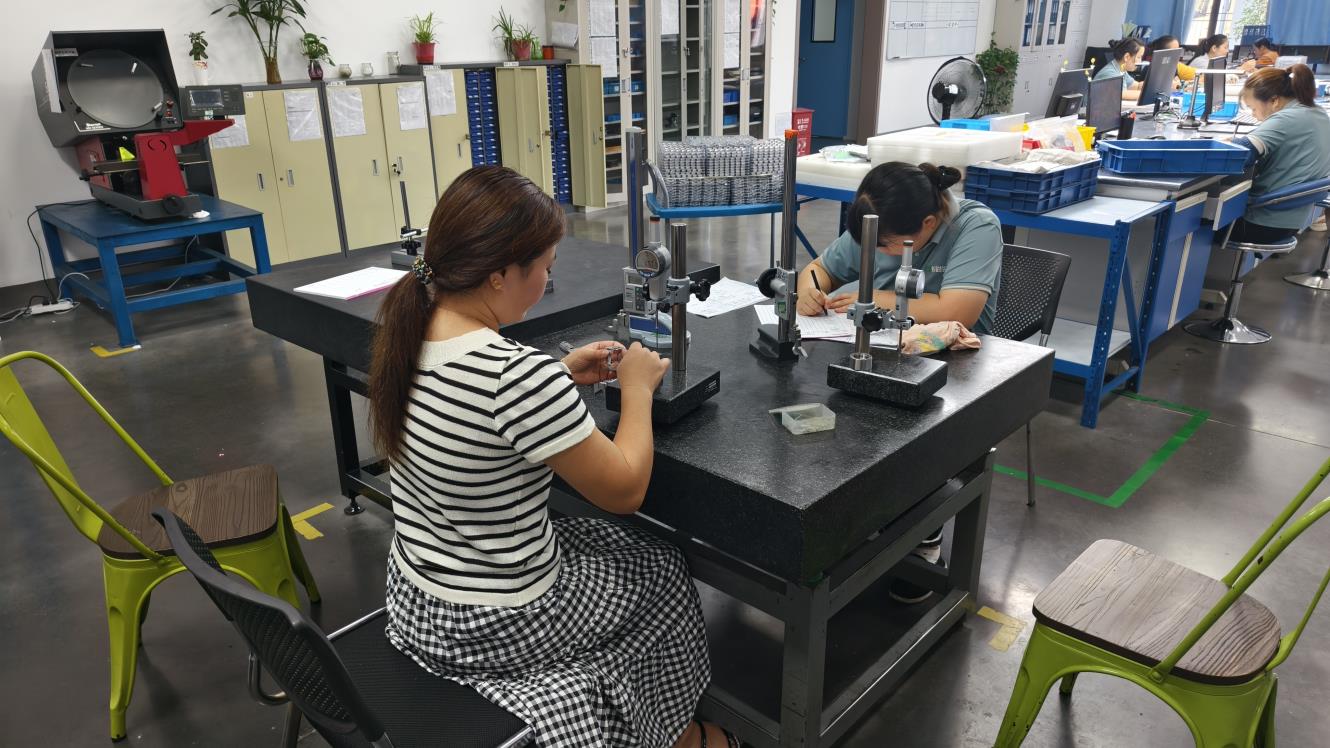
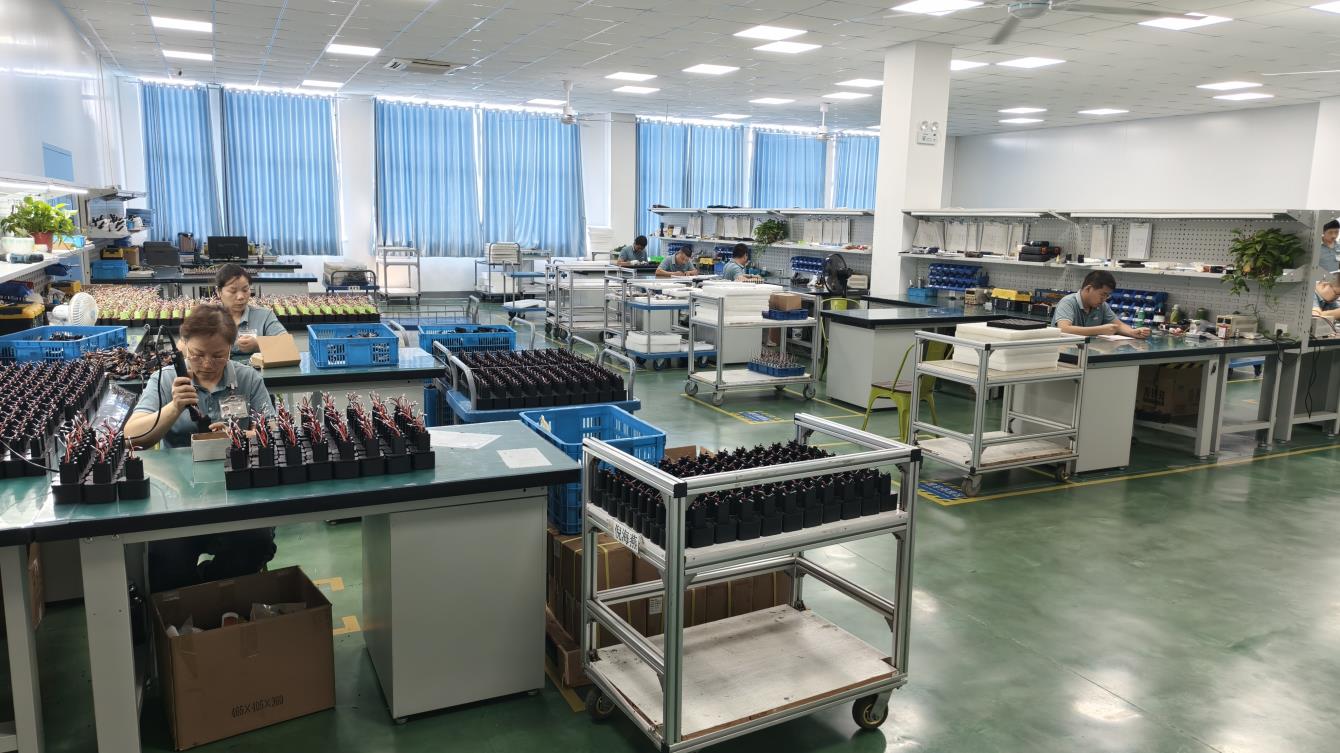
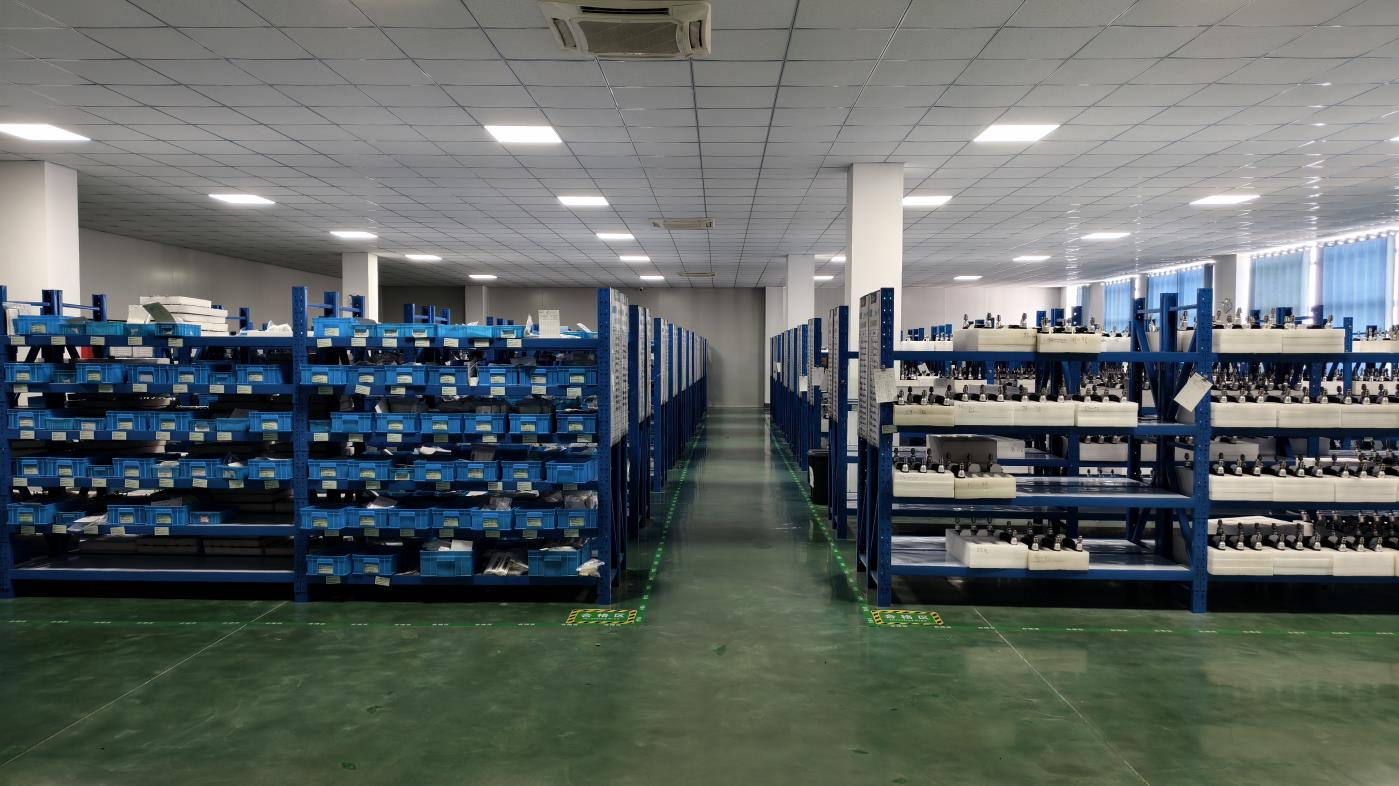
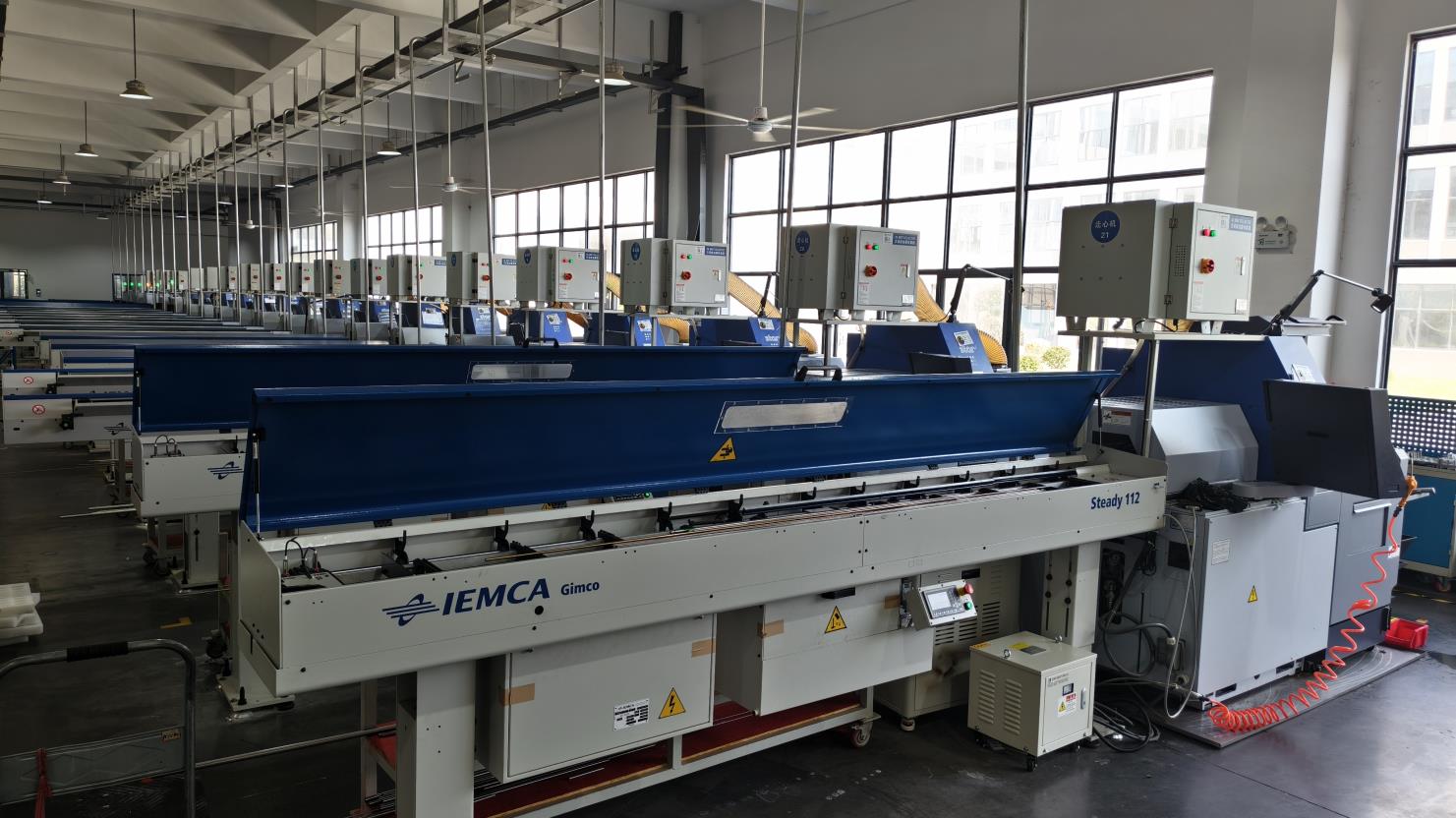
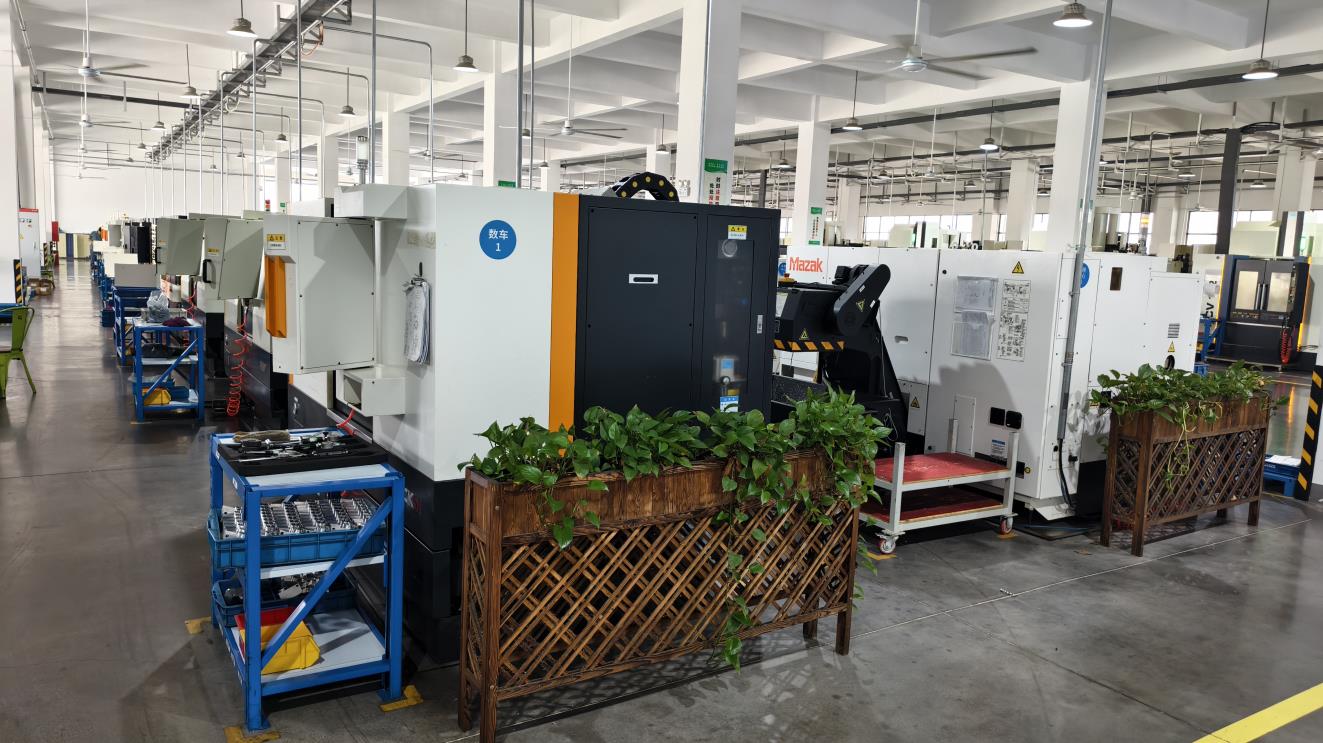
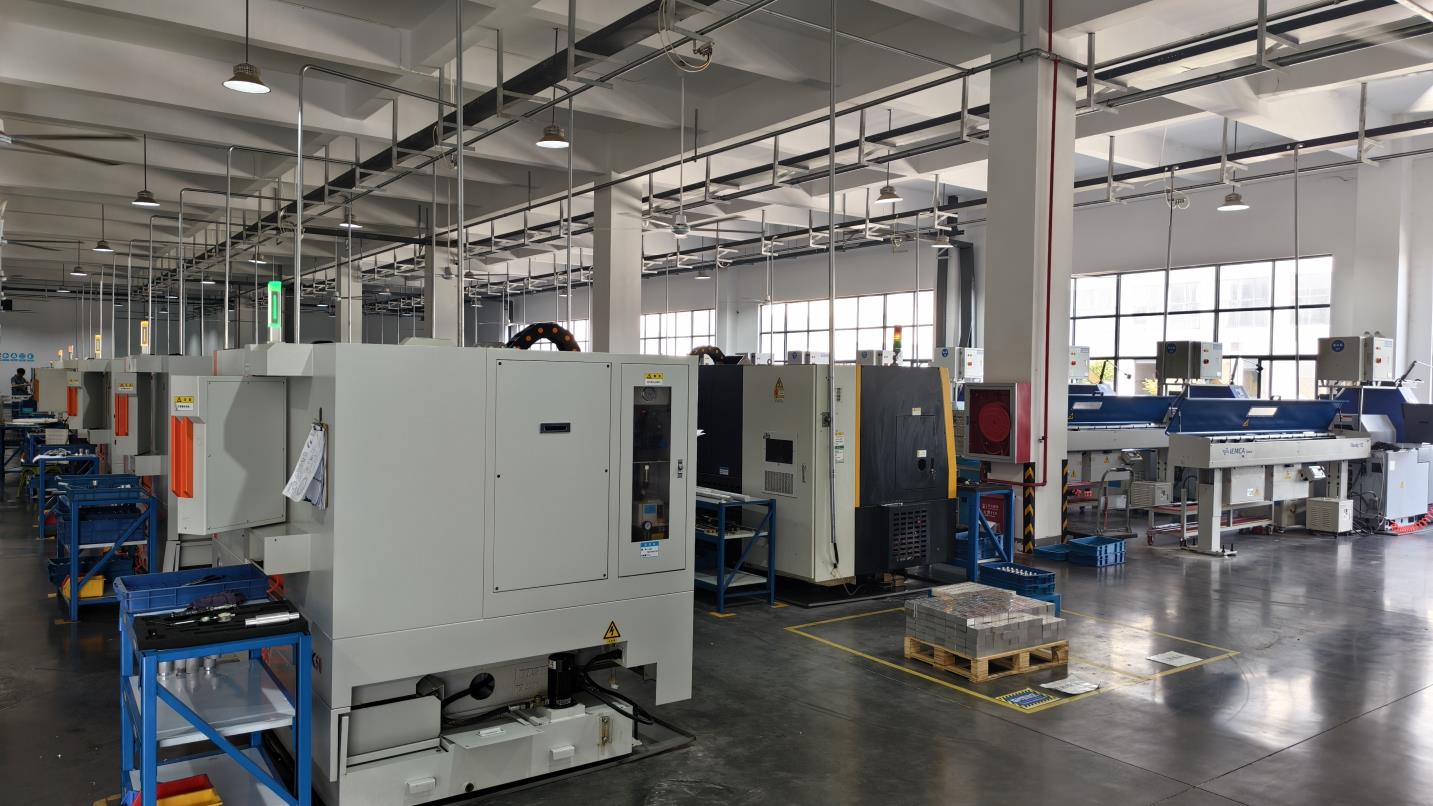
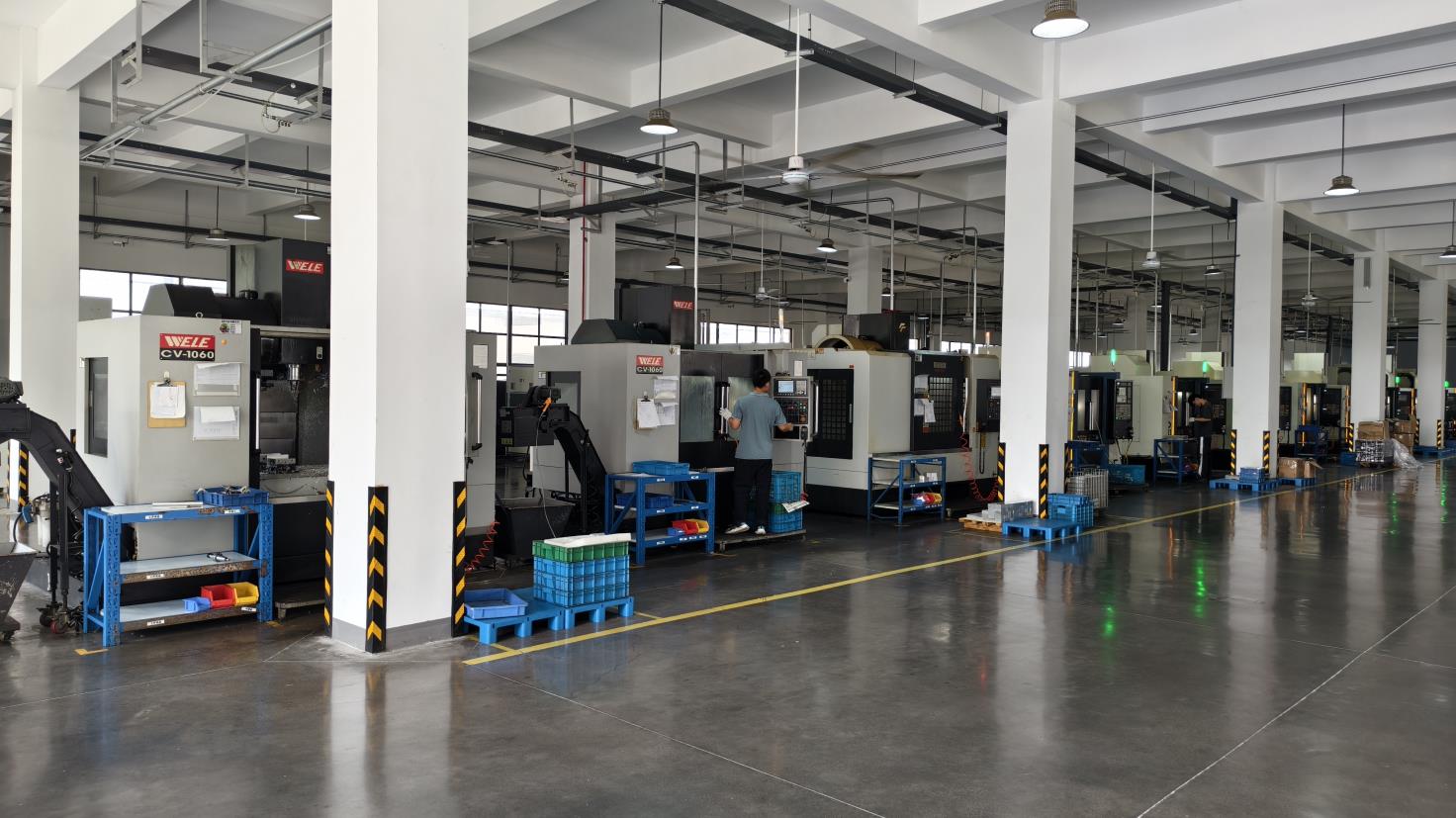
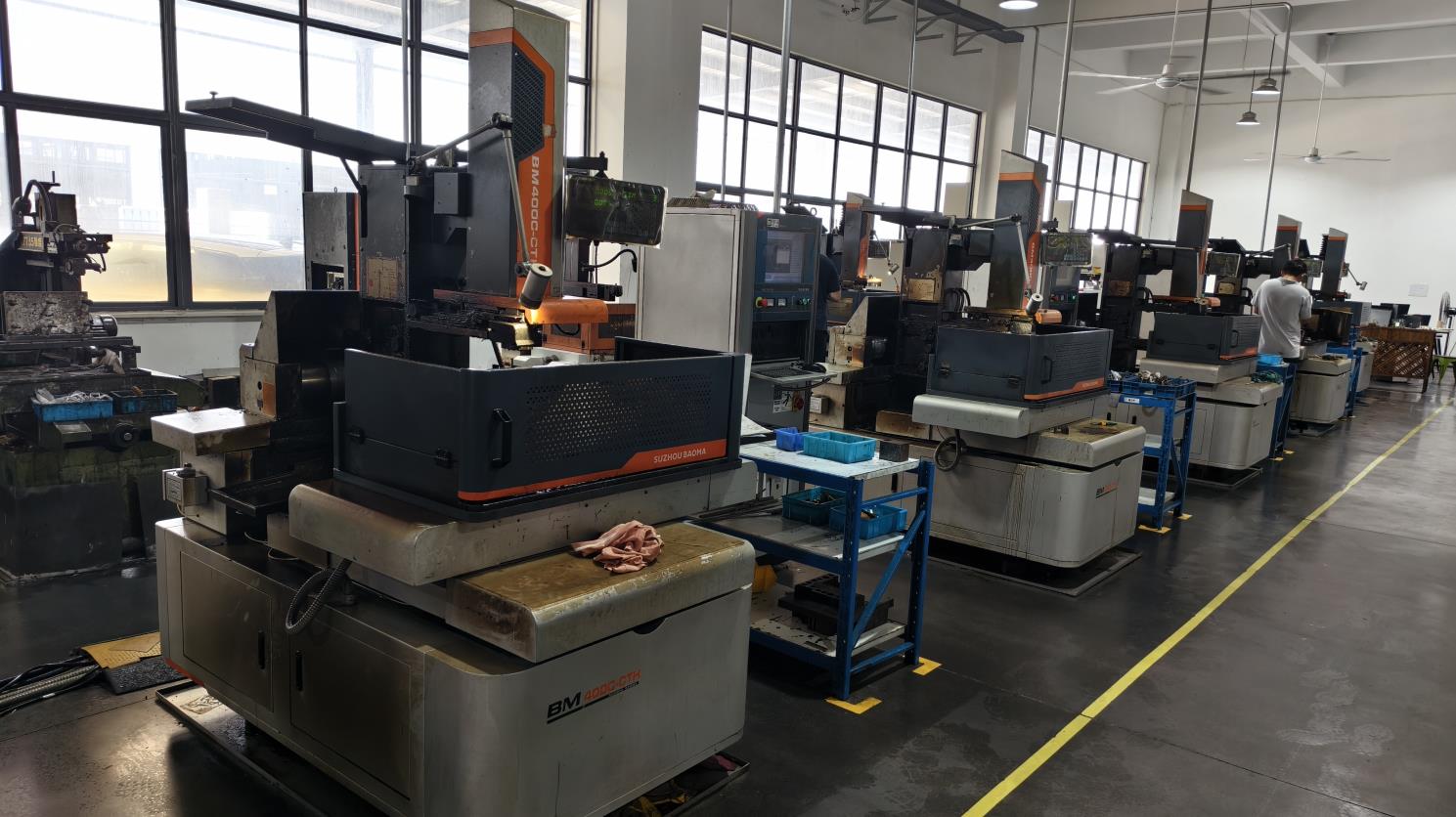
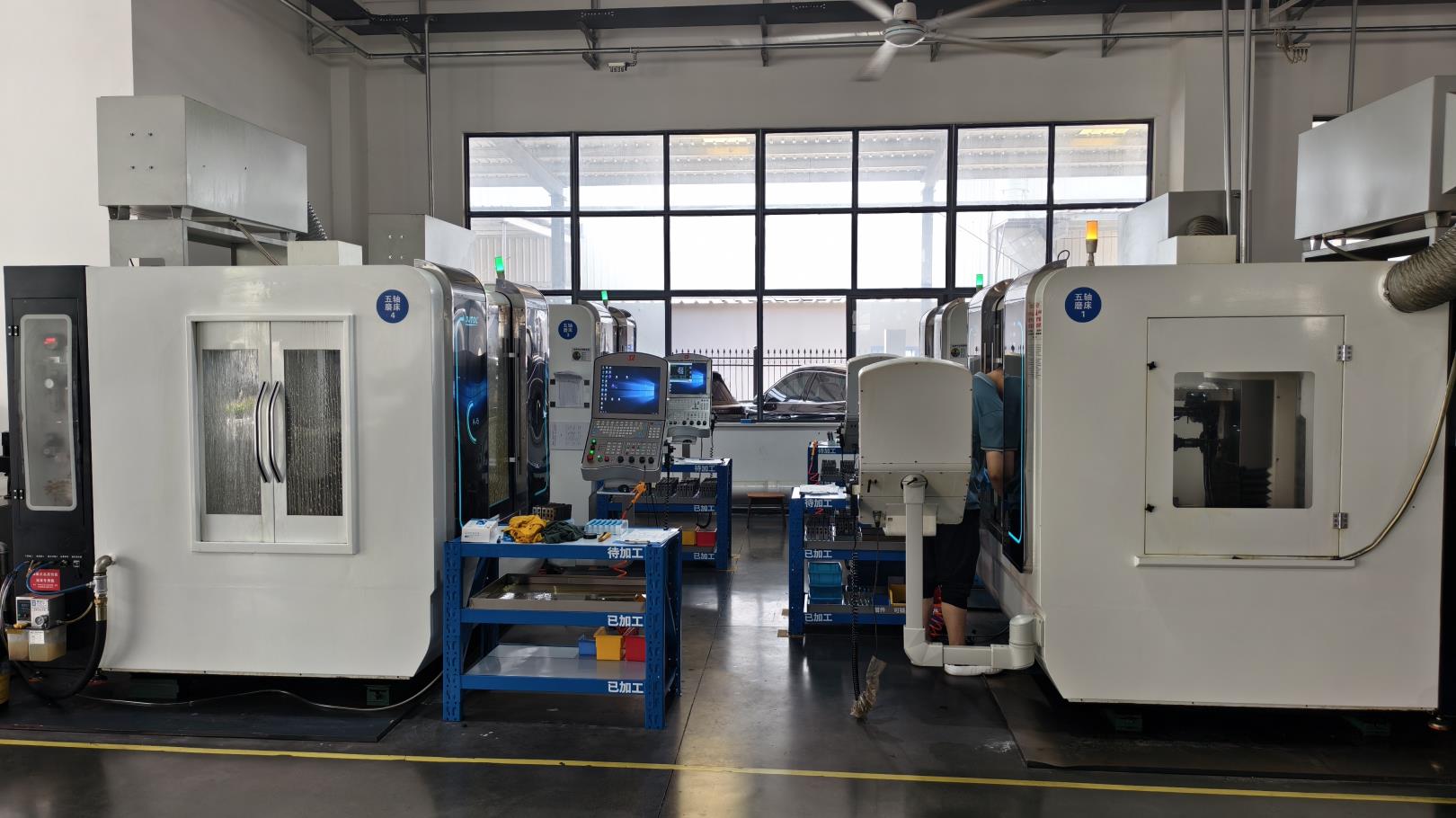
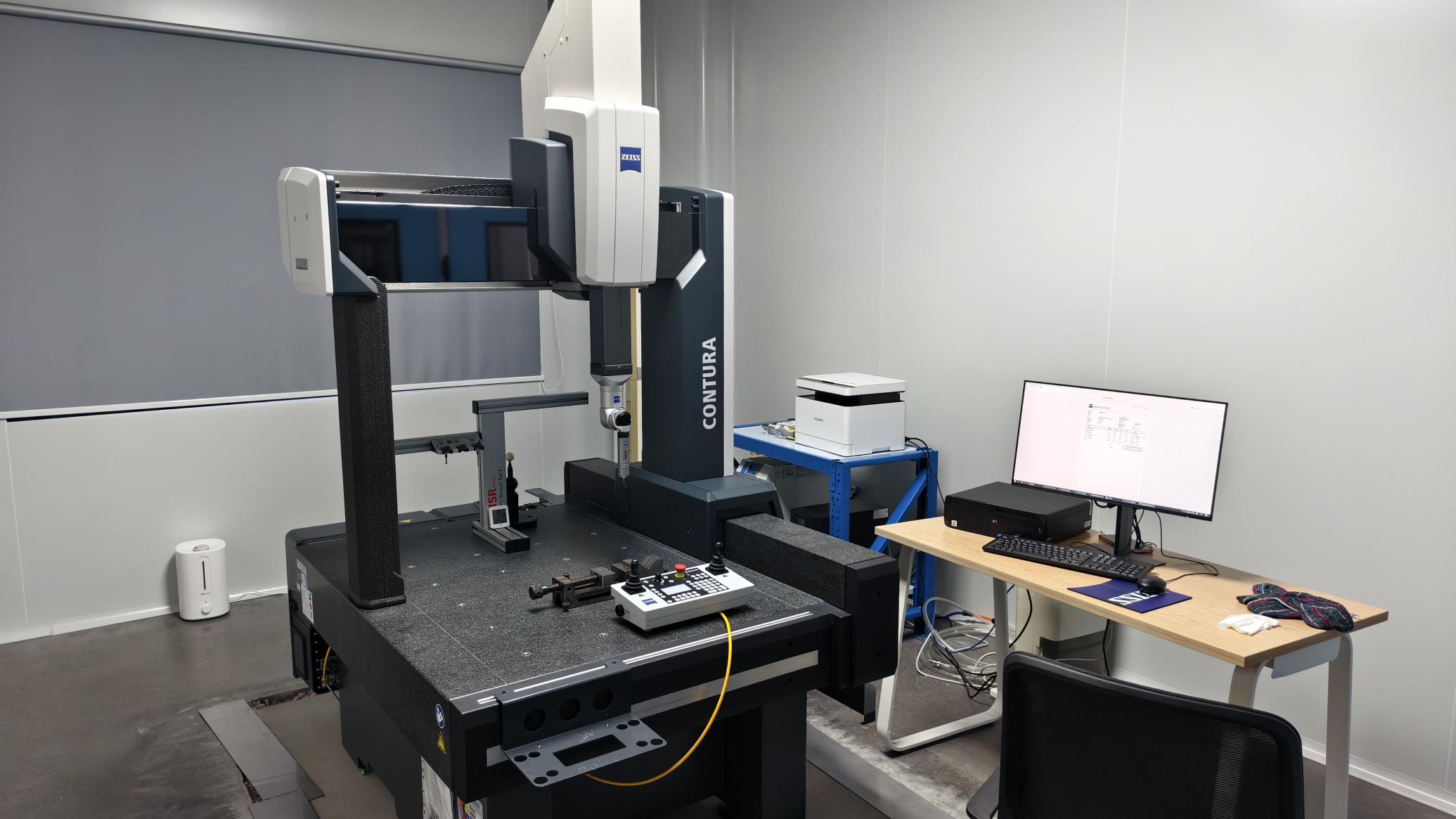
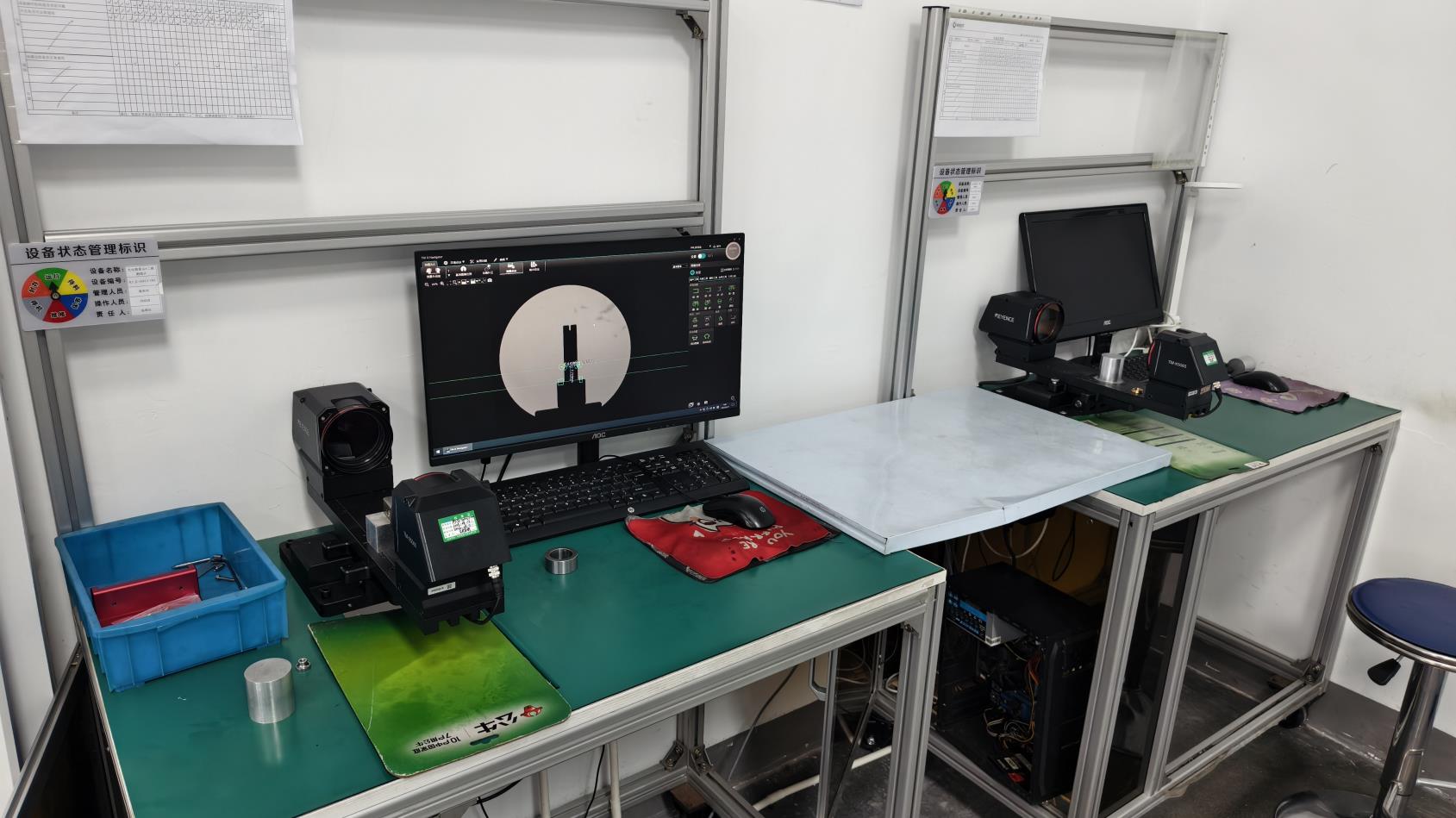
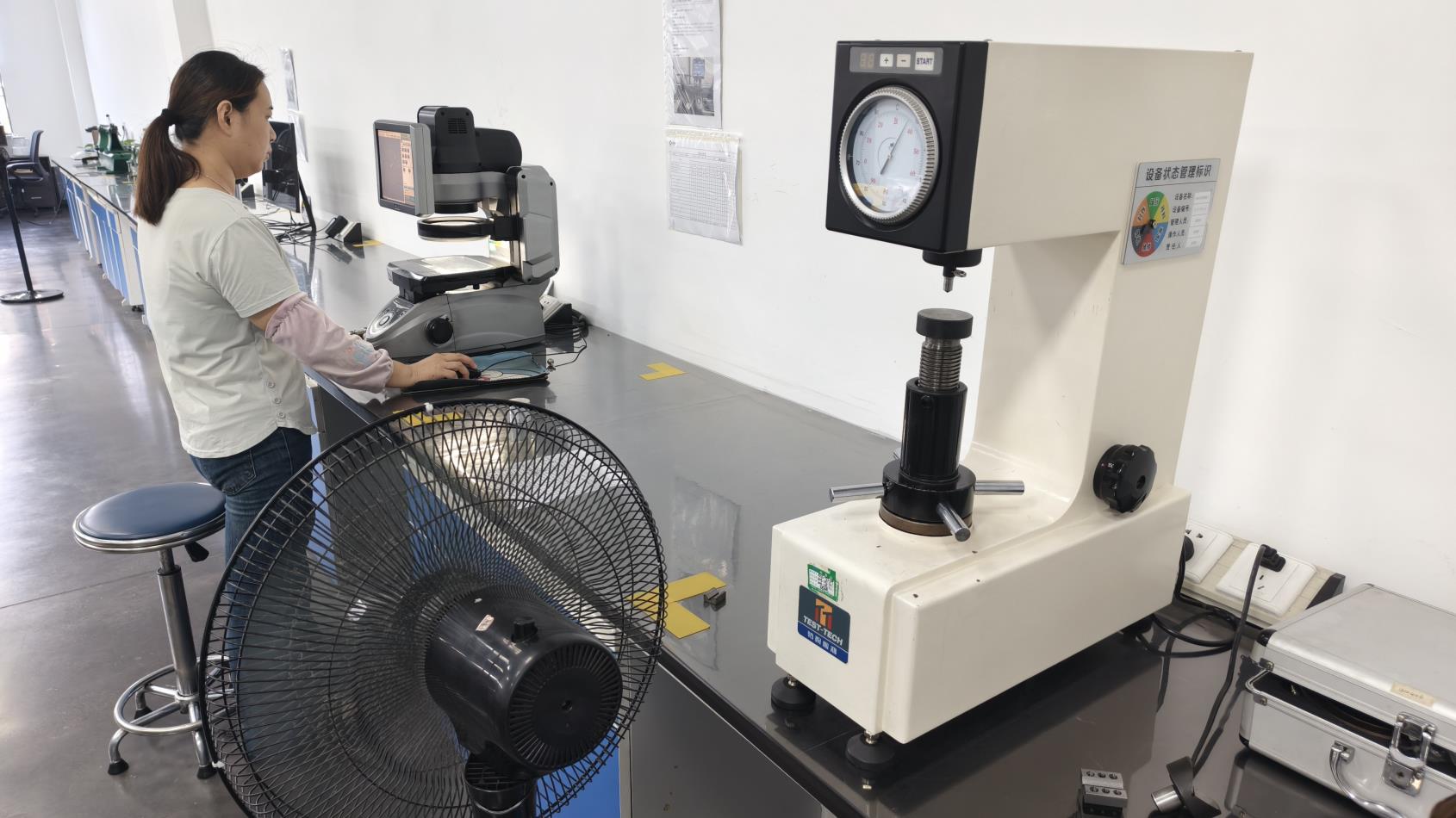
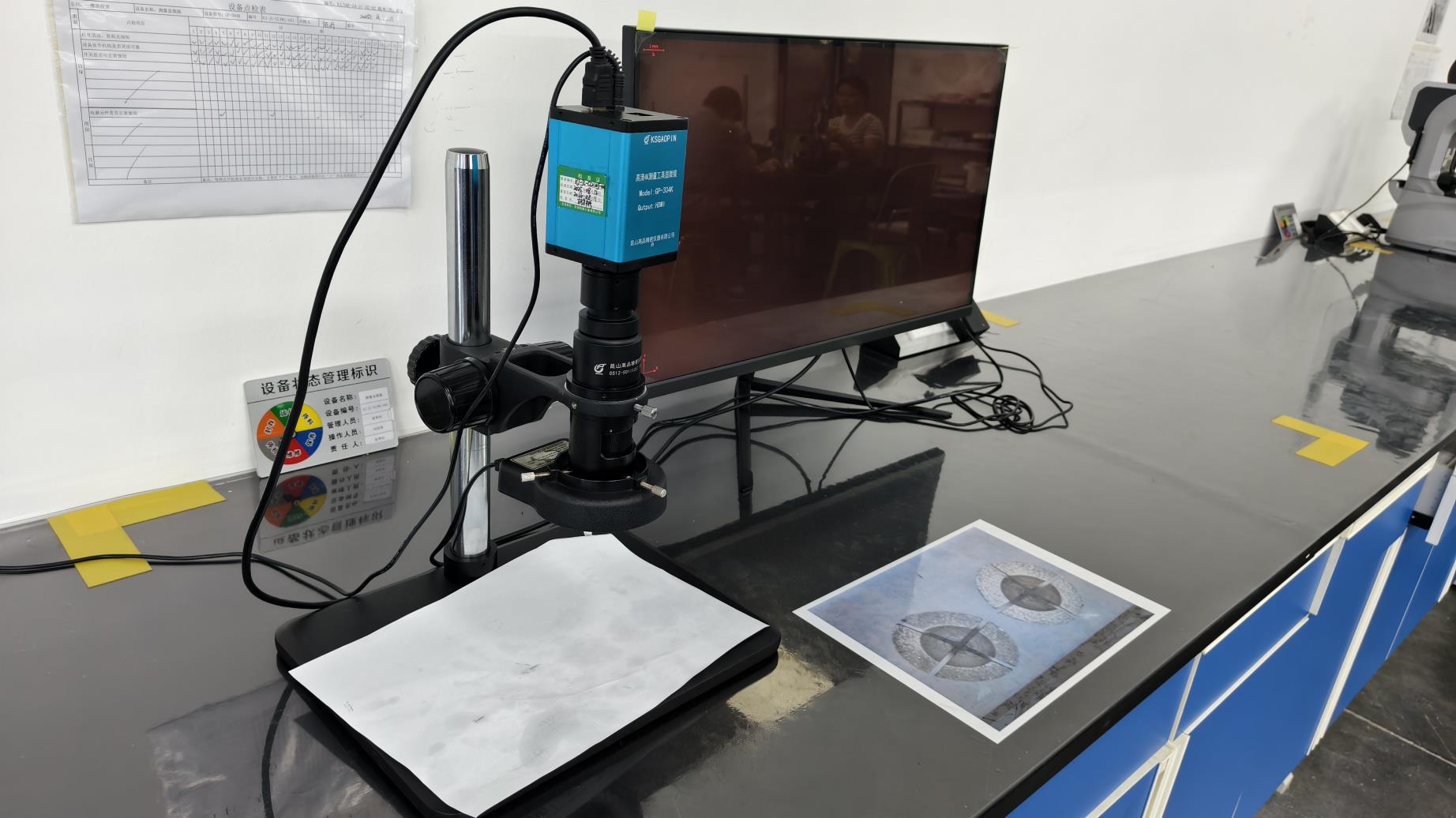
Below is the audited factory profile indicating our capabilities, quality oversight systems, and operational history. We welcome compliance site audits by third-party international agencies.
Full export credentials for North America, South America, and Southeast Asia.
Clear answers to critical technical questions asked by surgical instrument procurement managers, distributors, and compliance directors.
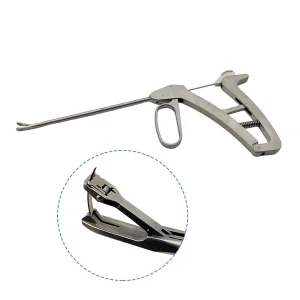
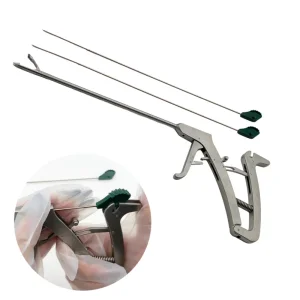
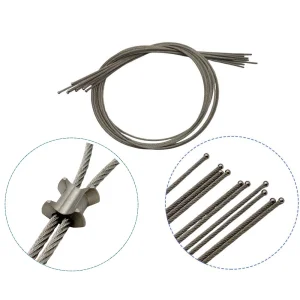
Explore our secondary collection of instruments, including orthopedics retractors, arthroscopy suture passers, and heavy-duty electric cutting tools designed for high-stress veterinary and human surgeries.