SENJIE Healthy & Technology
SENJIE Healthy & Technology
SENJIE Healthy & Technology
Select, high-performance surgical instrumentation designed for orthopedic, micro-spinal, and soft tissue manipulation. Fully compliant with international sterile management standards.
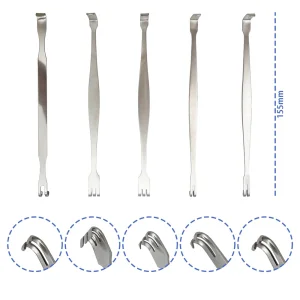
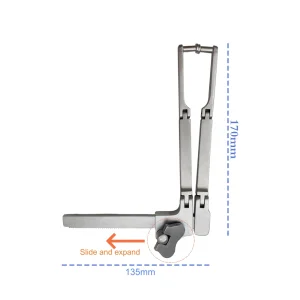
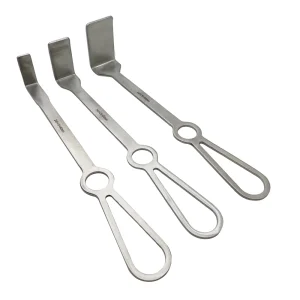
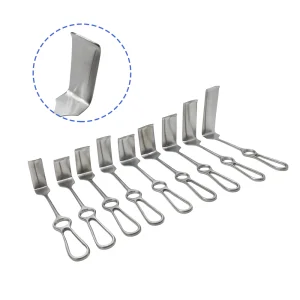
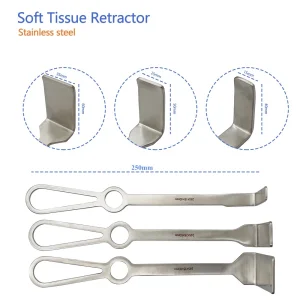
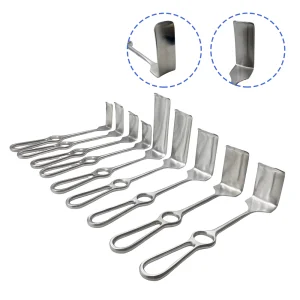
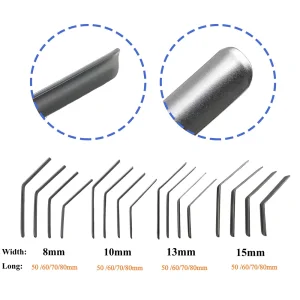
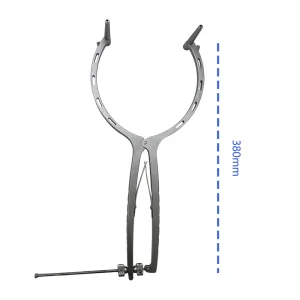
The landscape of orthopedic surgery is undergoing a seismic shift. As healthcare ecosystems globally emphasize patient outcomes, shortened hospital stays, and reduced post-operative complication rates, the demand for sophisticated, clinical-grade surgical instruments has intensified. Among these, orthopedic retractors stand as critical enablers of surgical visualization. Without stable, non-traumatic retraction, the visualization of complex musculoskeletal structures—ranging from delicate cervical spine roots to large structural femoral anatomy—remains compromised.
Historically, surgical retraction relied heavily on manual handheld retractors, requiring constant physical effort from surgical assistants and introducing variability in tension and retraction angles. Today, the global surgical sector is accelerating toward self-retaining retractors, micro-tubular endoscope casings, and specialized distraction sets. This technological transition is driven by the rapid growth of Minimally Invasive Surgery (MIS). By minimizing incision sizes, MIS minimizes muscle tissue disruption, preserves local blood supply, and reduces surgical site infections (SSIs). However, smaller incisions compress the surgeon’s visual field, placing immense technical demands on the retraction systems used. Modern retractors must provide maximum structural exposure while occupying minimal physical real estate within the surgical portal.
From a macroeconomic perspective, industrial manufacturing facilities specializing in orthopedic hardware are consolidating their supply chains to support both human clinical operations and the booming veterinary orthopedic market. Factors such as the growth in companion pet orthopedic procedures, increased geriatric populations requiring joint replacements, and high-energy sports injuries globally have collectively driven the compound annual growth rate (CAGR) of the orthopedic surgical instrument market. Consequently, identifying high-capacity, legally compliant, and technically advanced factories has become a top priority for B2B procurement professionals, healthcare distributors, and OEM brand operators.
B2B buyers—representing clinical distribution networks, private hospital purchasing syndicates, or national veterinary care brands—face a complex matrix of requirements when sourcing surgical hardware. Procurement is no longer just about cost-per-unit; it is a multi-dimensional equation balancing traceability, engineering tolerance, and regulatory compliance.
Instruments must be forged from high-tensile, biocompatible materials like AISI 304, 316LVM, or surgical titanium. Any compromise in raw material purity can result in intra-operative fracture or surface degradation during autoclaving cycles.
Modern clinics frequently request custom blade configurations, modified angles, and custom handle designs (e.g., anodized aluminum handles for optimized weight and ergonomics). Sourcing factories must possess robust OEM/ODM processing capabilities.
Accessing major target markets like North America and Europe requires factories to prove strict adherence to quality management protocols. Traceability of raw materials and rigorous QC inspection reports are non-negotiable.
Additionally, the global supply chain crisis highlighted the value of geographical versatility and localized support. B2B buyers look for manufacturing partners that can provide reliable lead times, custom labeling, and flexible minimum order quantities (MOQs) for specialized items (e.g., micro-tubular casing systems and dedicated cervical distractors). Establishing a direct relationship with a verified factory eliminates broker margins and accelerates technical feedback loops, ensuring that user-end enhancements required by surgeons are implemented directly on the production line.
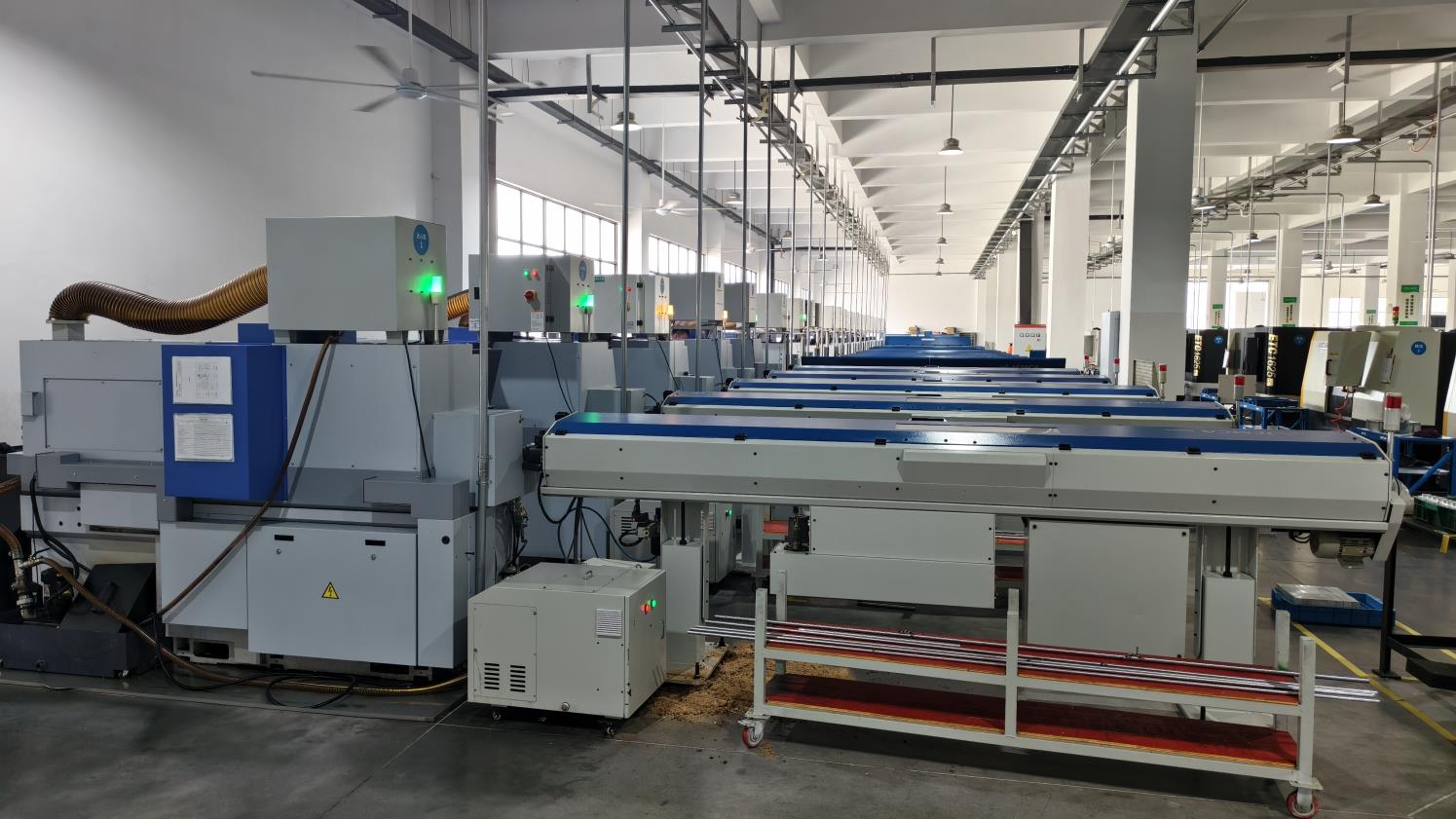
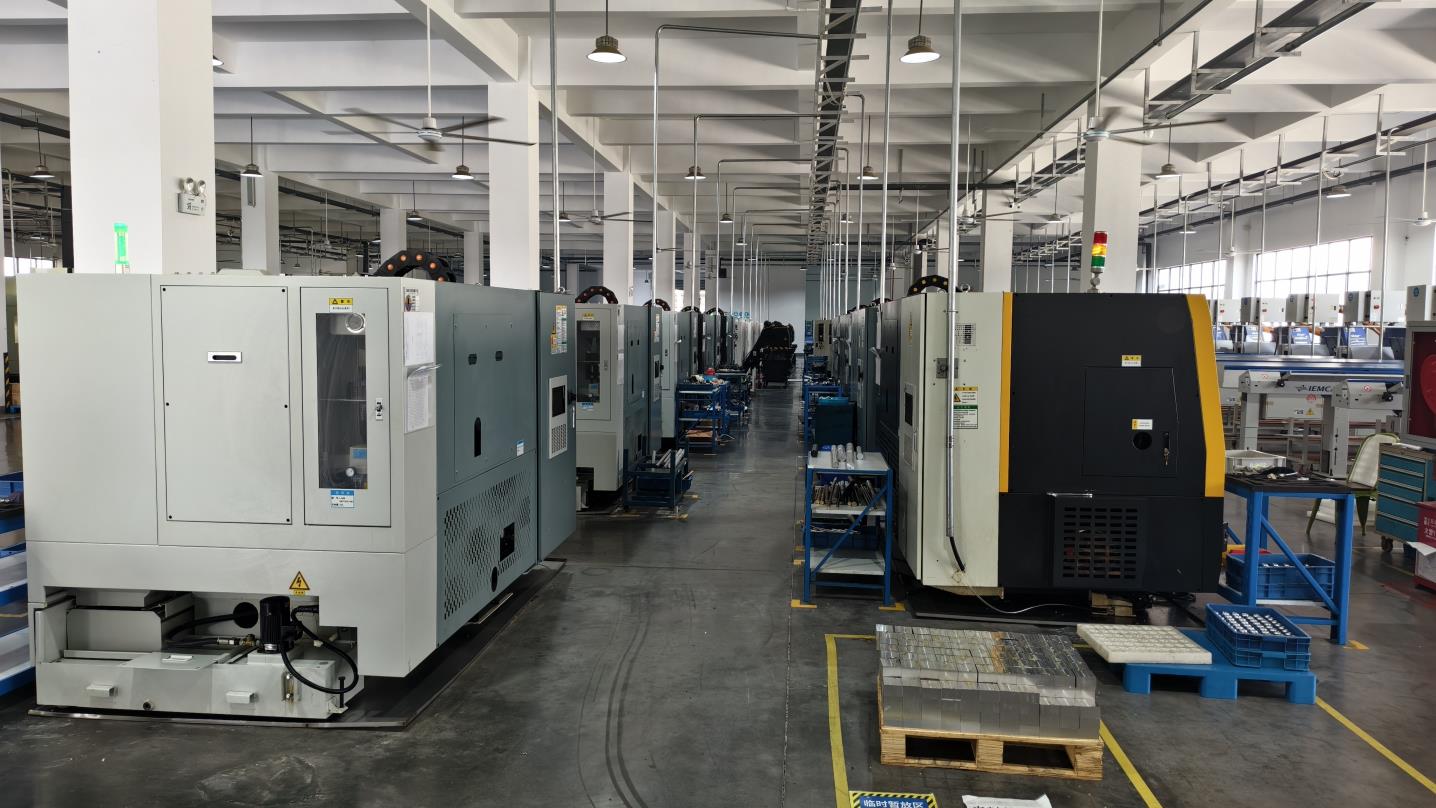
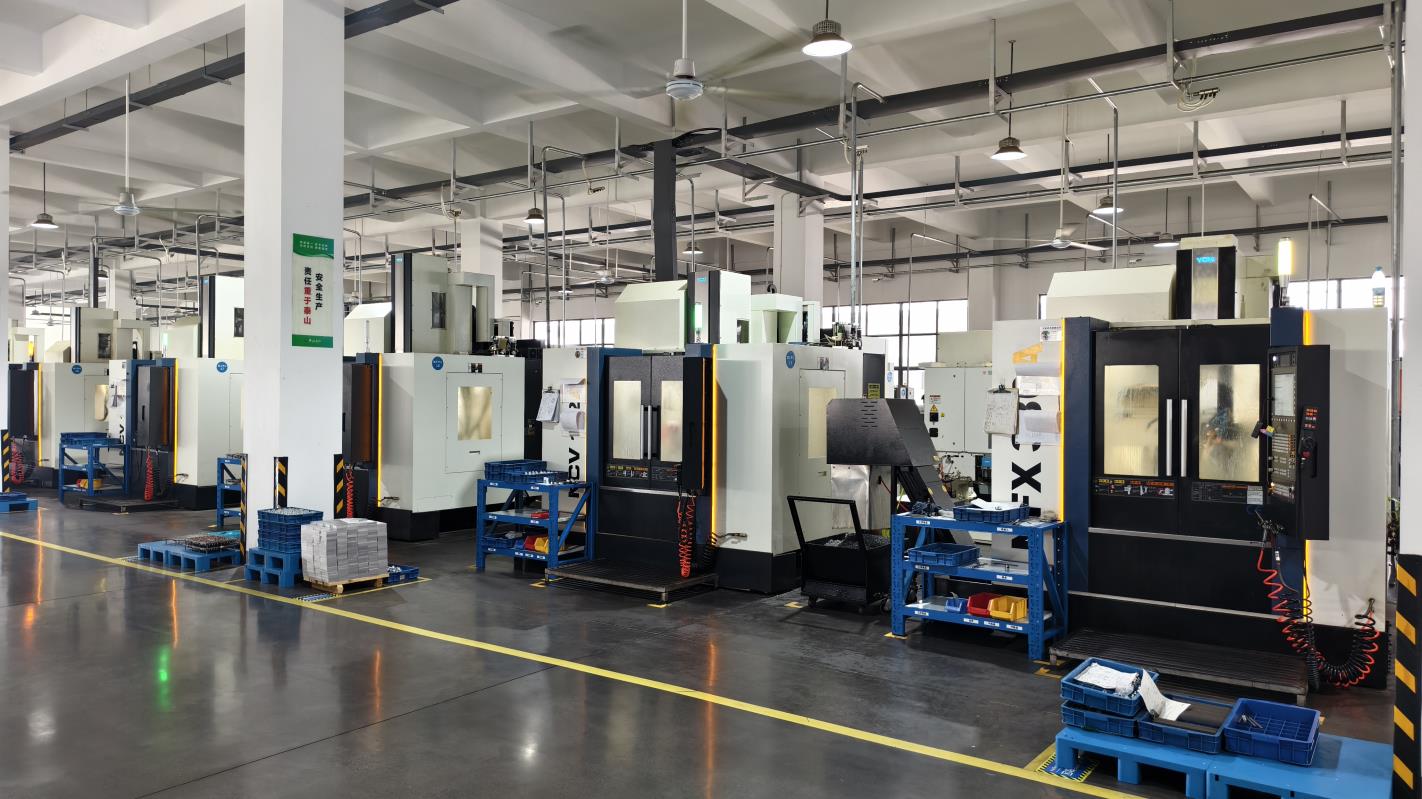
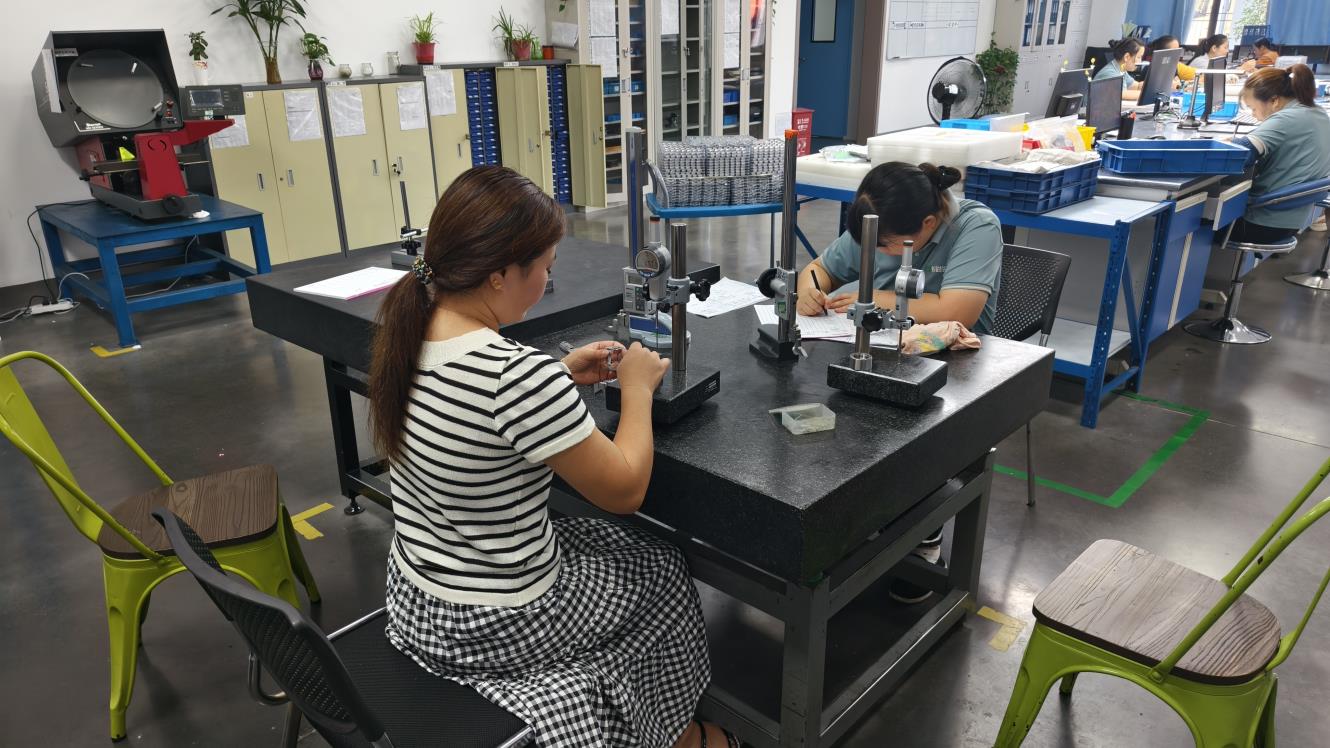
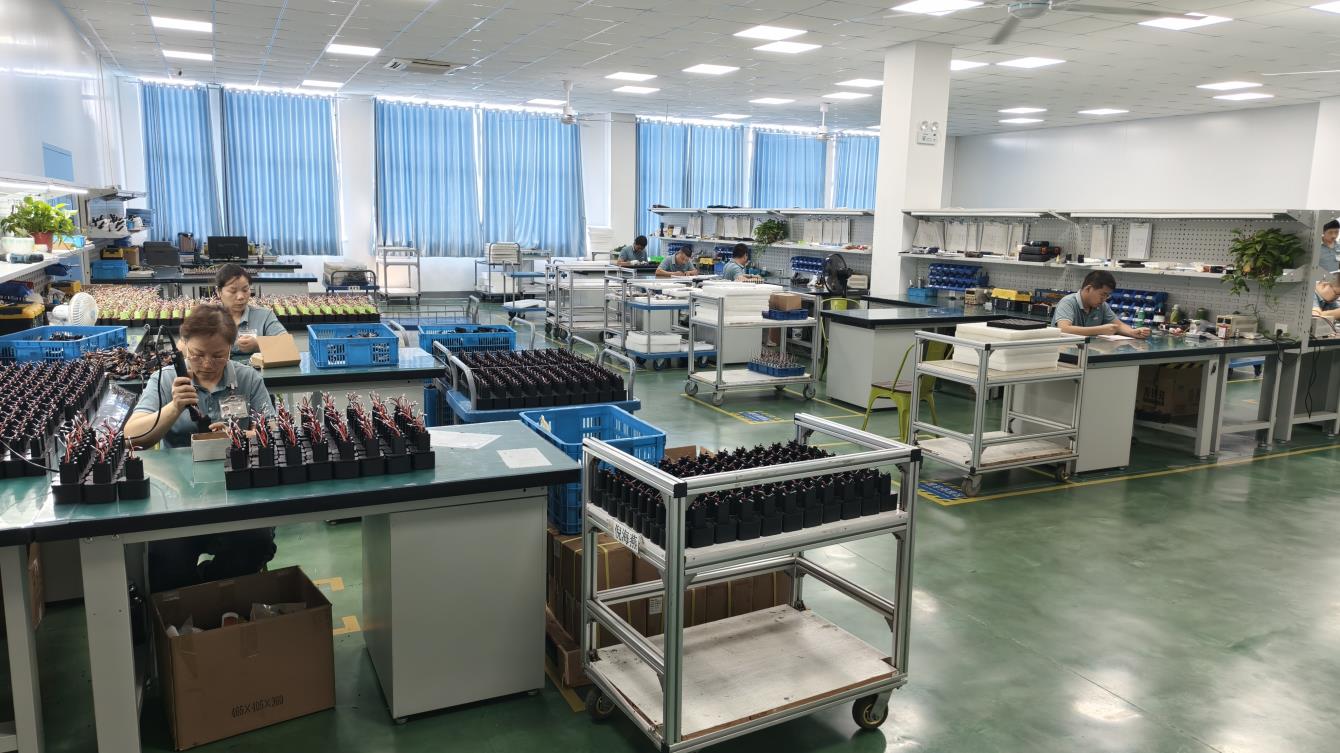
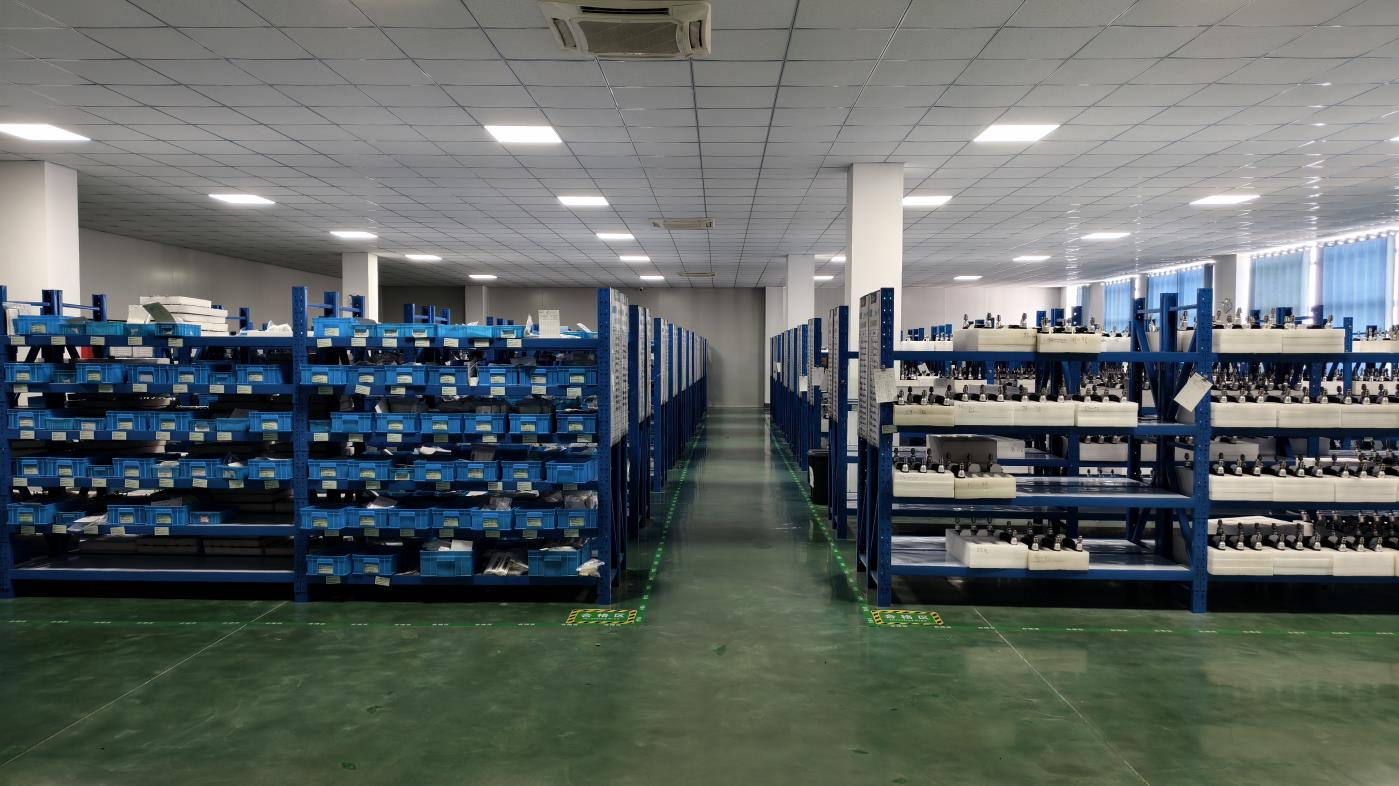
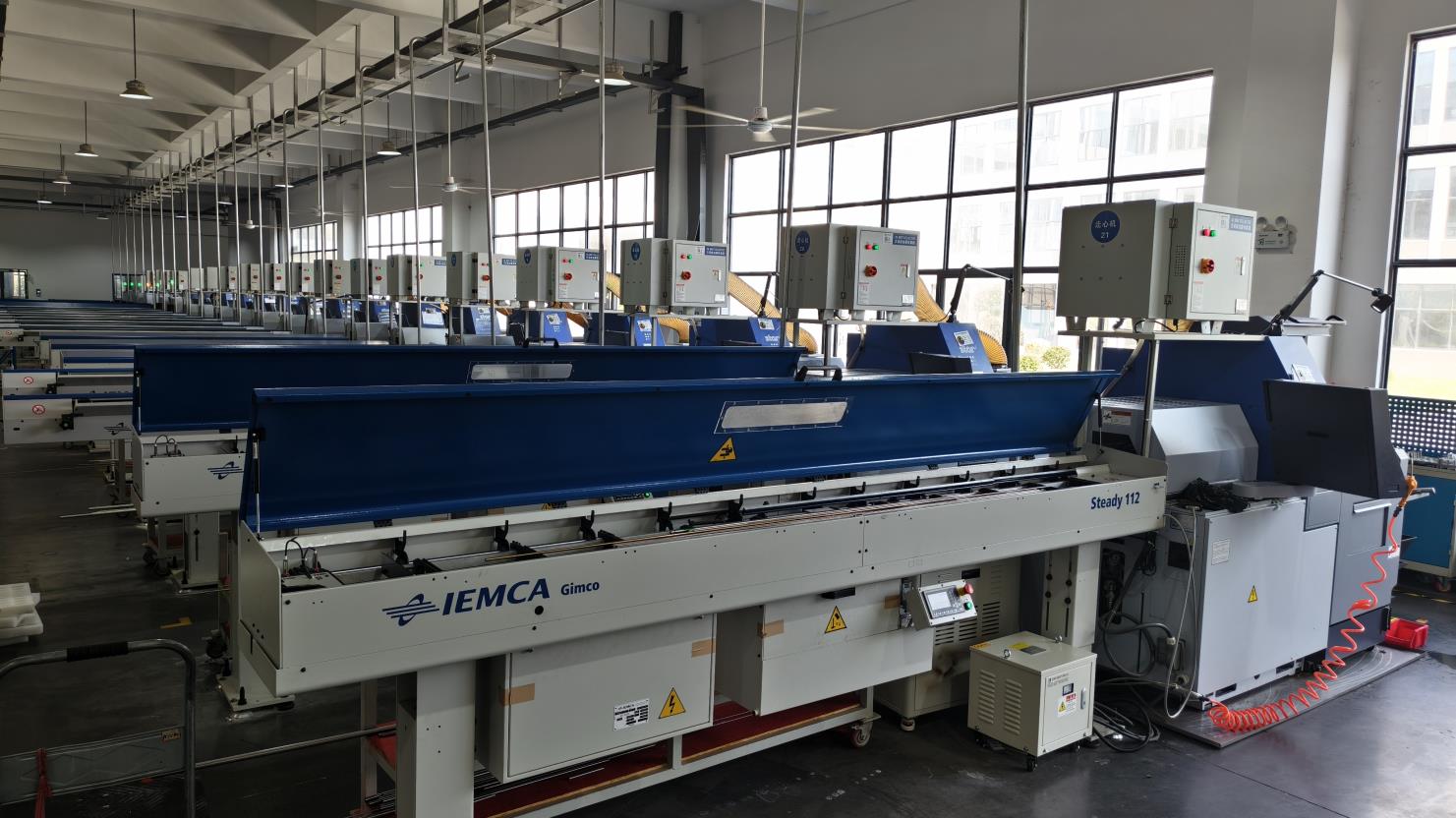
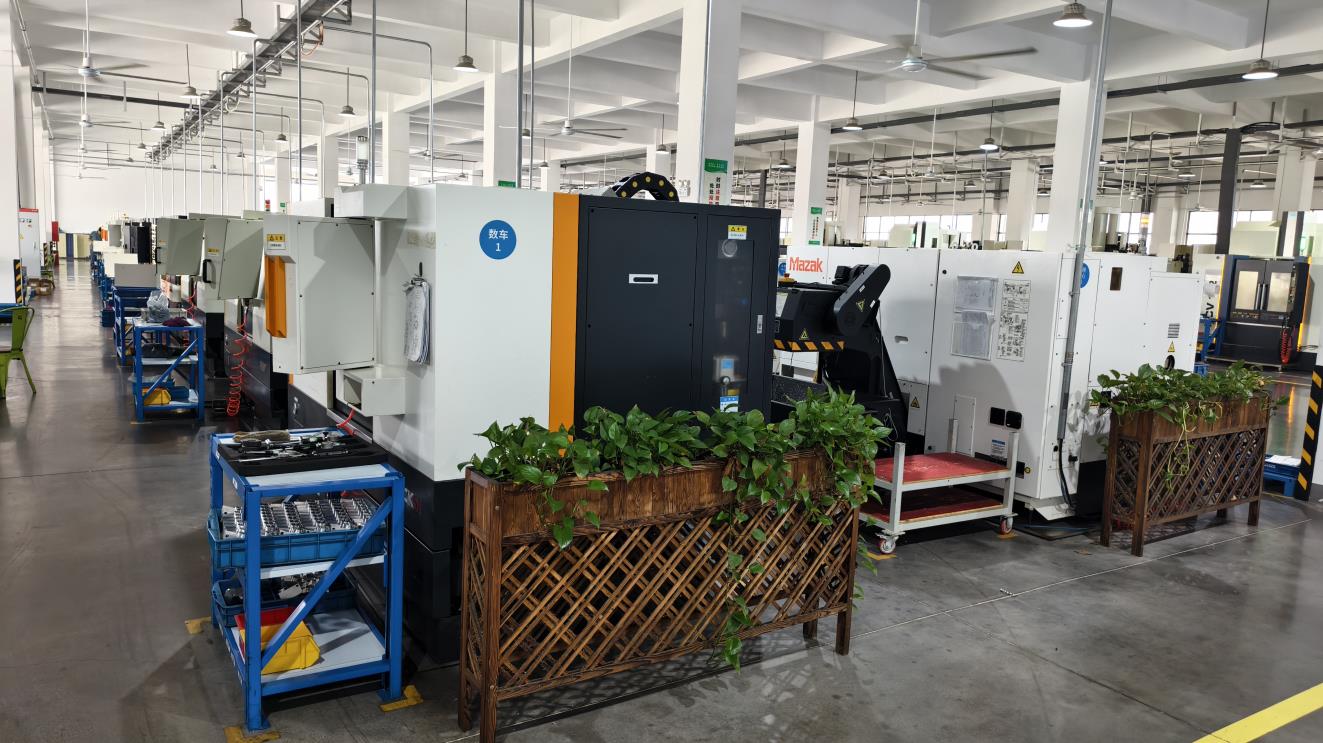
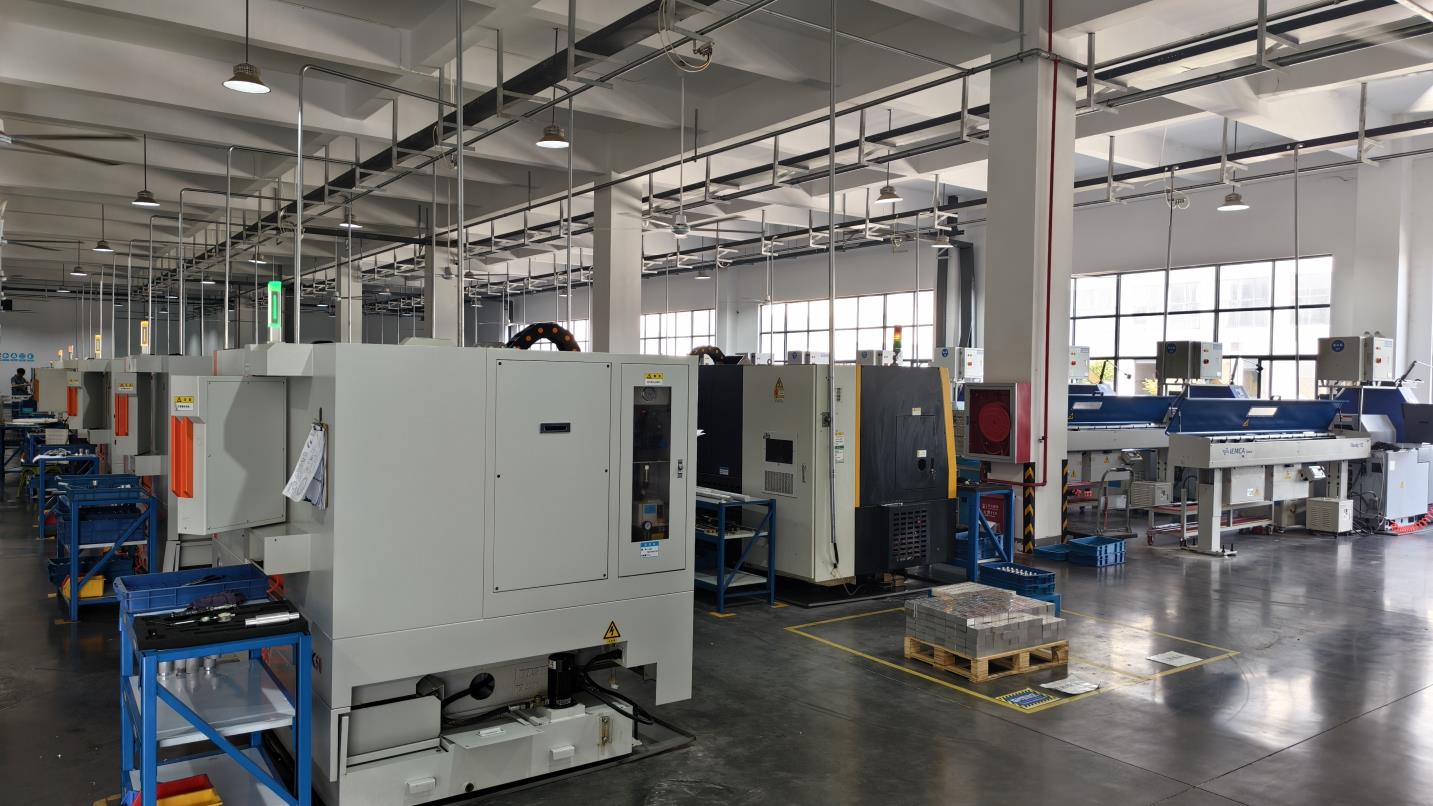
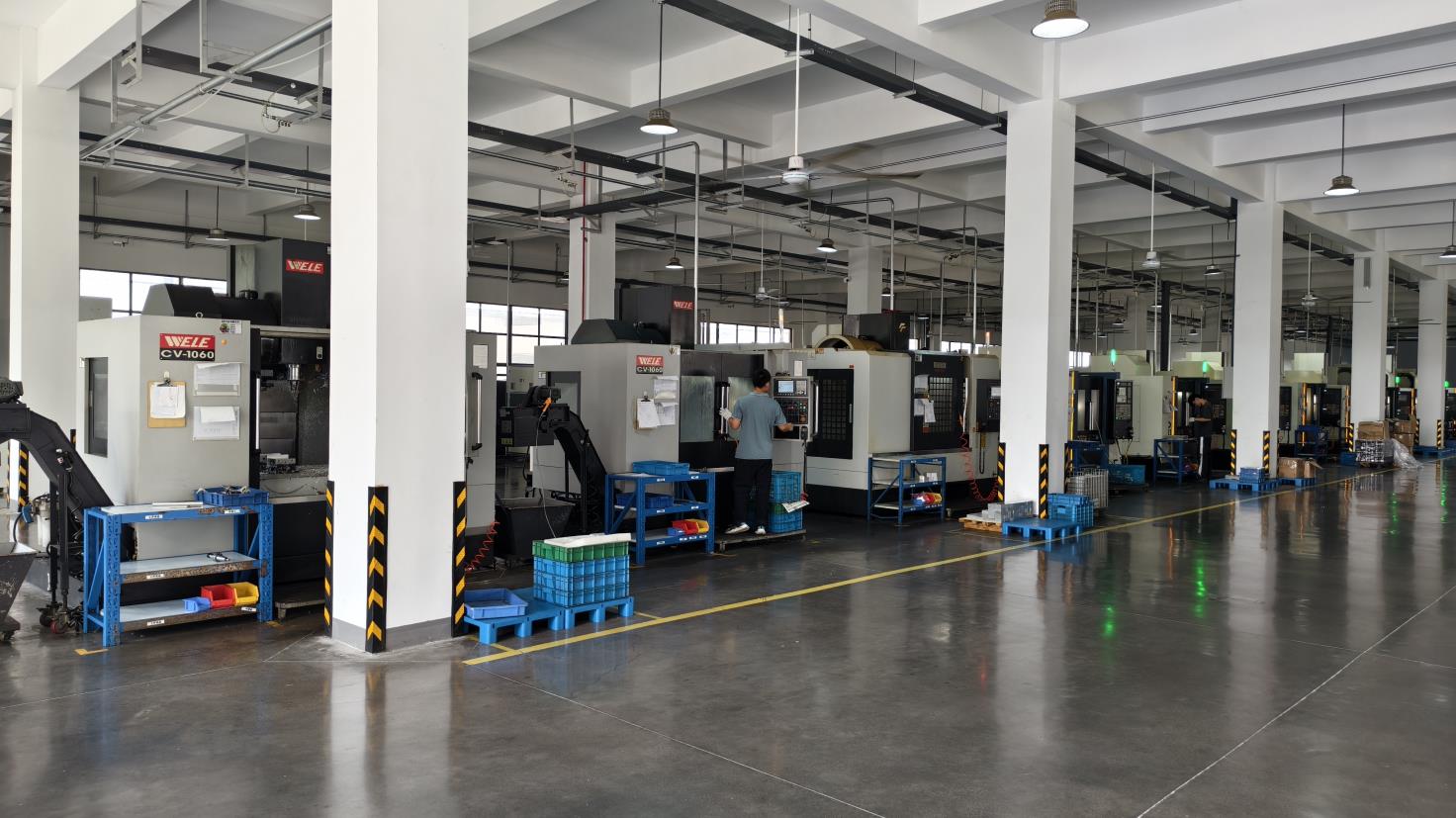
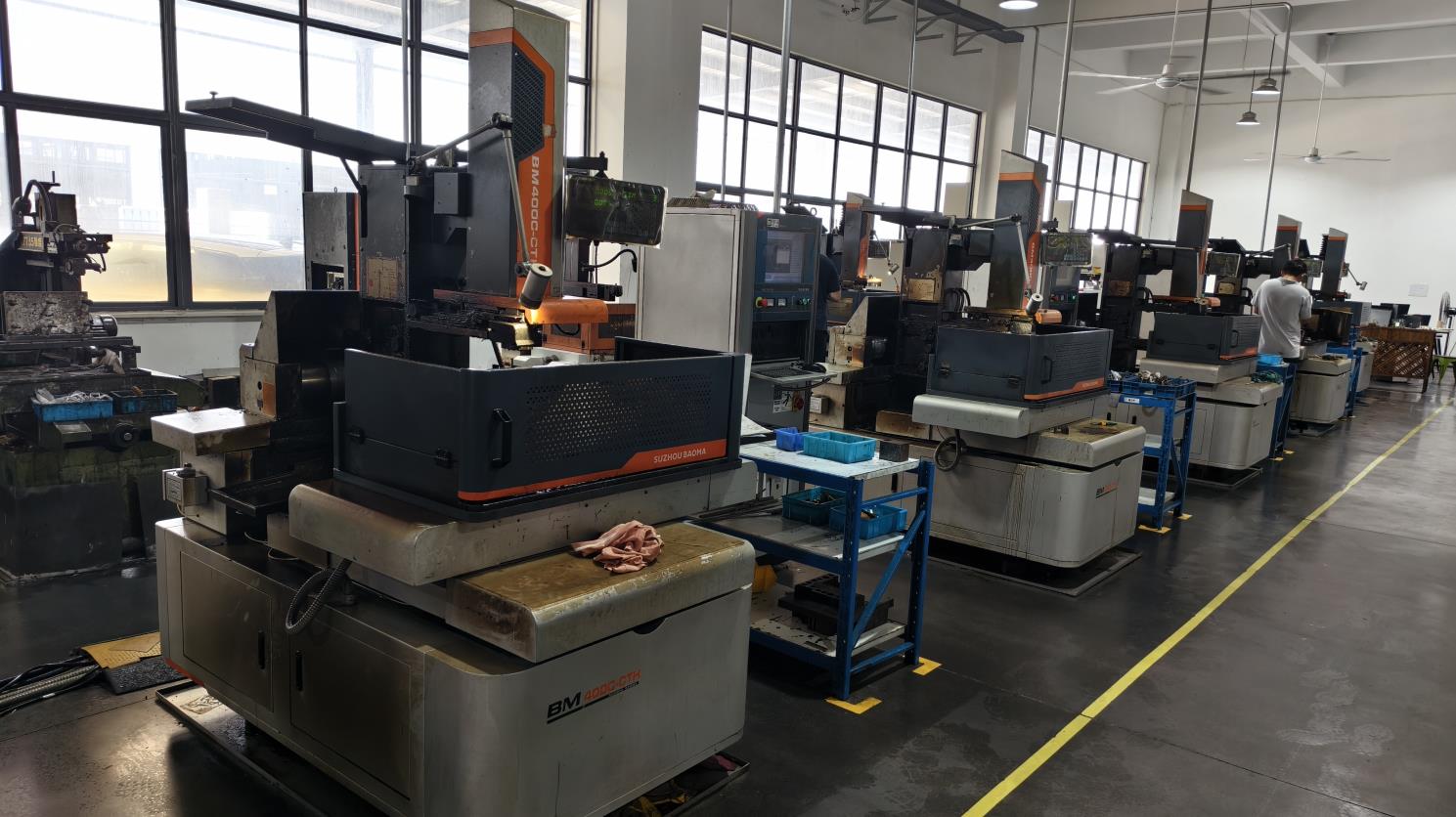
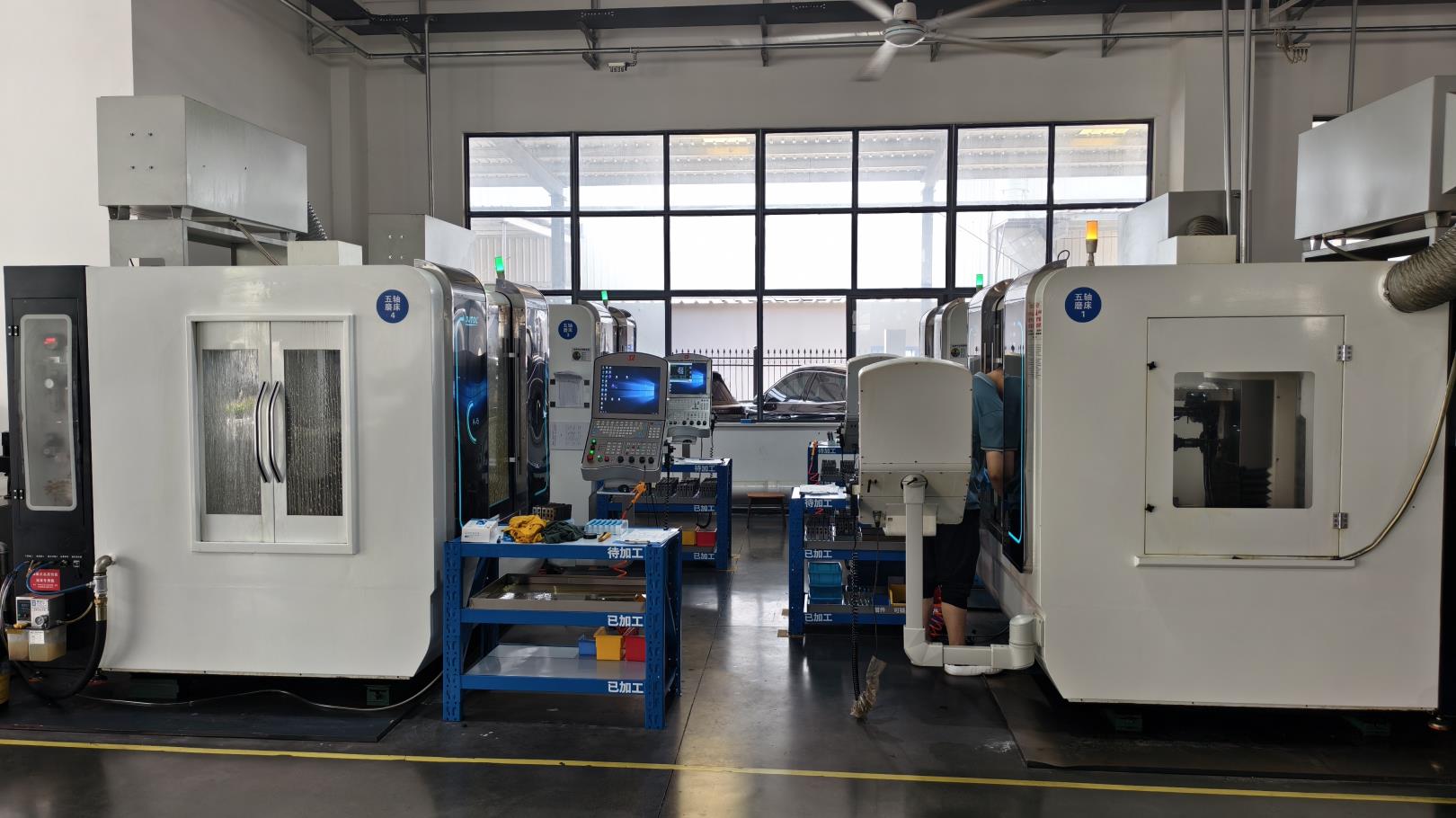
To align with Google's E-E-A-T guidelines for commercial verification and operational transparency, the underlying manufacturing capabilities of the production partner must be thoroughly documented. Below is the audited factory profile outlining key operating metrics, quality control structures, and commercial trade profiles.
The manufacturing of orthopedic instruments requires strict engineering compliance. A retractor is not simply a piece of bent metal; it is a biomechanical tool designed to apply a consistent force vector to human or animal tissue without causing localized ischemia or structural necrosis.
Consider the mechanical challenges involved in hip arthroplasty or spinal decompression. In these deep-field operations, the retractor blades must withstand continuous leverage forces of up to several hundred newtons. If the metal exhibits elasticity or yields under tension, the surgical view is compromised, creating immediate clinical risks. Sourcing partners must implement high-precision heat-treatment processes (vacuum hardening) to achieve optimal HRC (Rockwell Hardness) parameters, ensuring the instruments resist bending while retaining their structural integrity.
Furthermore, surface finish engineering plays an essential role in preventing light glare under high-intensity operating theater LED lamps. Bright, specular reflections from standard polished metal can cause visual fatigue for the surgeon. Advanced factories utilize specialized matte finishes, glass-bead blasting, or dark PVD (Physical Vapor Deposition) coatings to minimize glare.
Compliance is the absolute gatekeeper for medical device imports. Sourcing directors must verify that their manufacturing partners meet localized regulations depending on the target market. Whether it is compliance with the FDA (Food and Drug Administration) in North America, CE marking in the European Union, or PMDA regulations in Japan, factories must demonstrate robust regulatory preparedness.
Specifically, for the European market, the transition from MDD to MDR (Medical Device Regulation) has significantly raised the compliance threshold for Class I and Class I-reusable instruments (which includes most manual orthopedic retractors). Under MDR, reusable surgical instruments must undergo third-party auditing by a Notified Body to verify cleanability, sterilization procedures, and maintenance protocols. Choosing a factory with established traceability systems and comprehensive technical files simplifies this process for importers, reducing regulatory risks.
For North American procurement, registration with the FDA’s Establishment Registration & Device Listing database is essential. This ensures that every stage of manufacture, from forging to final packaging, is traceable. It also guarantees that materials meet ASTM standards for surgical instrument alloys, preventing potential customs holds or product recalls.
The next decade will redefine surgical retraction technology. Sourcing agents must align with manufacturers that actively invest in research and development to support emerging surgical trends:

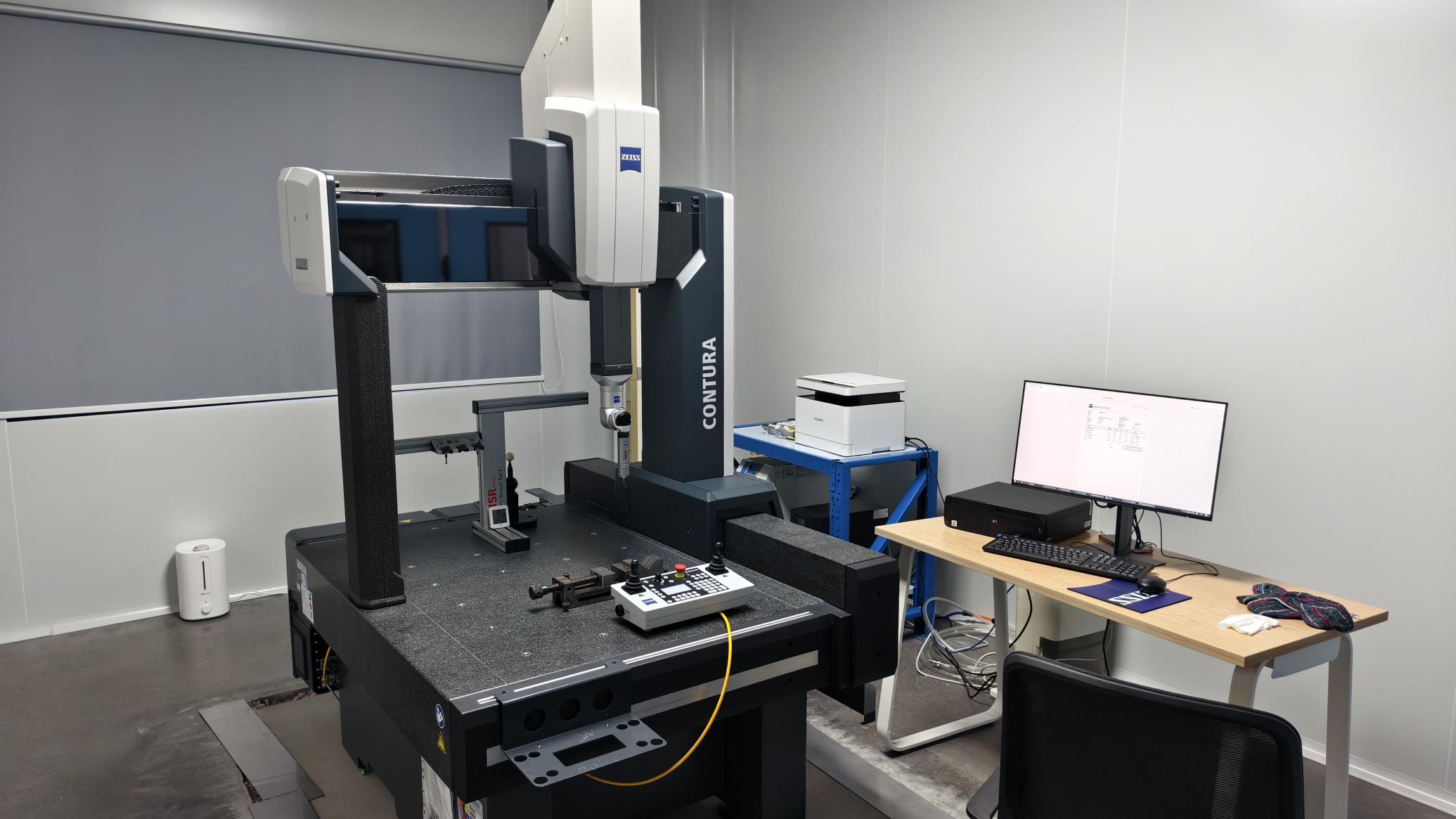
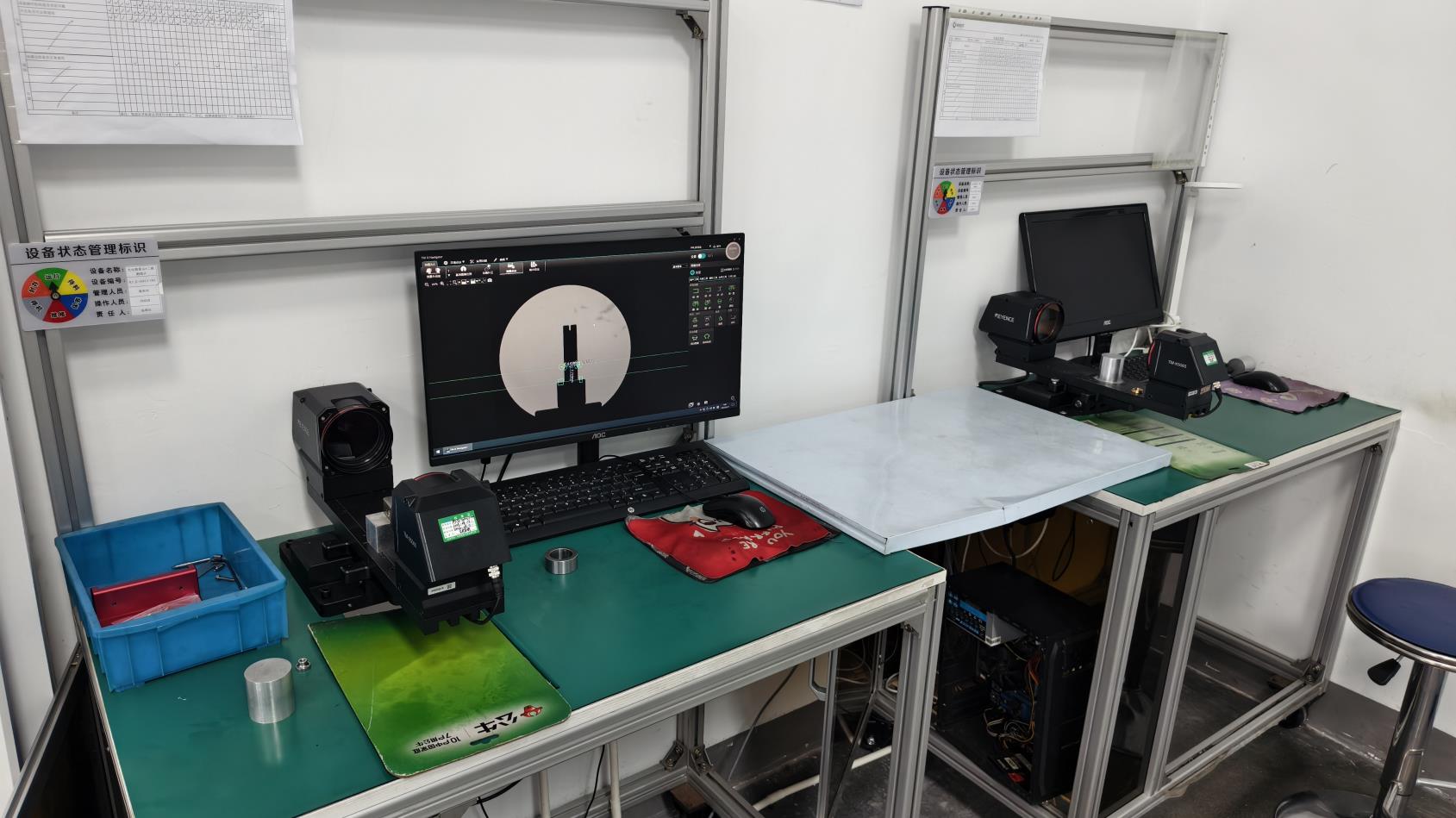
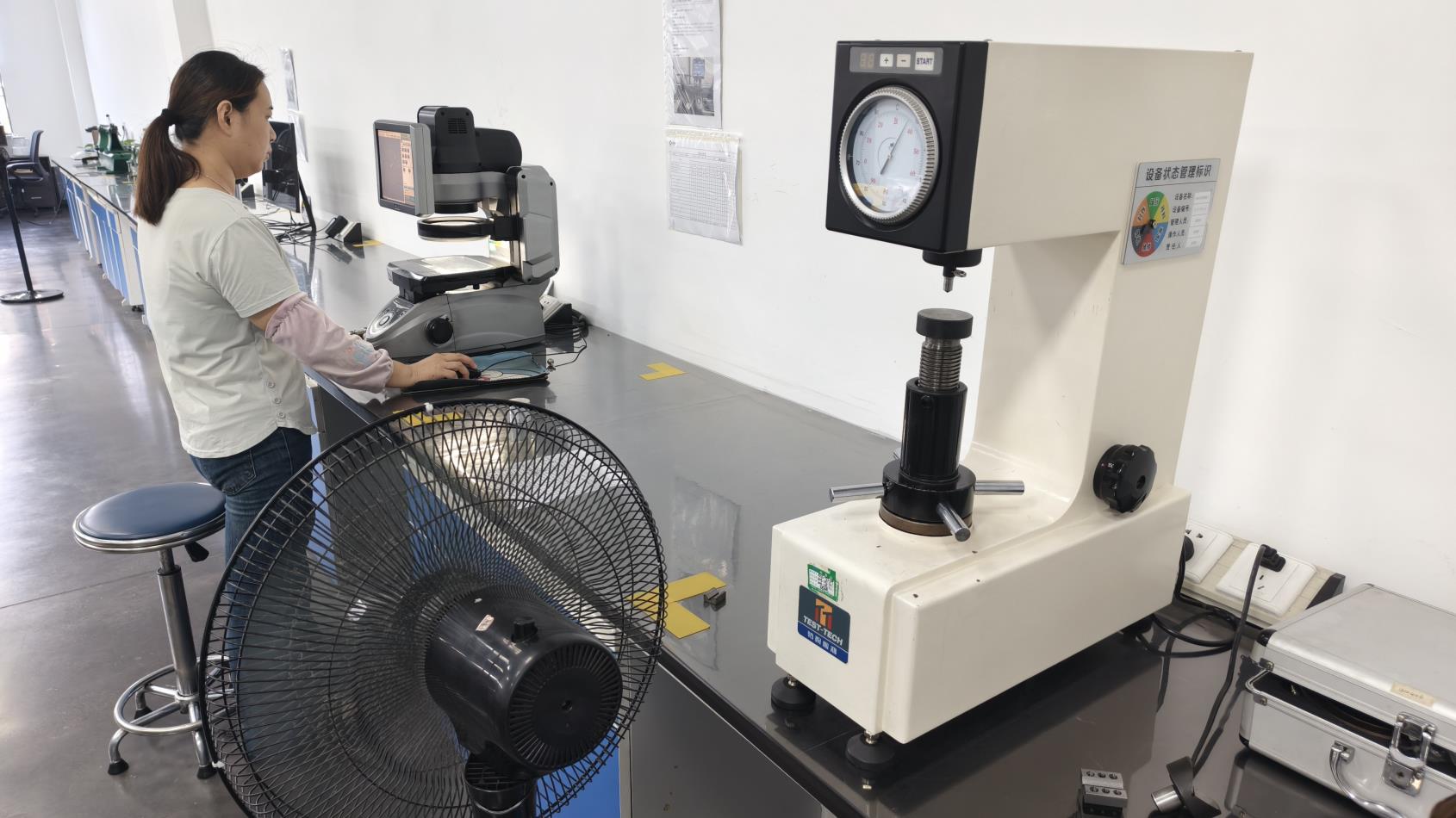
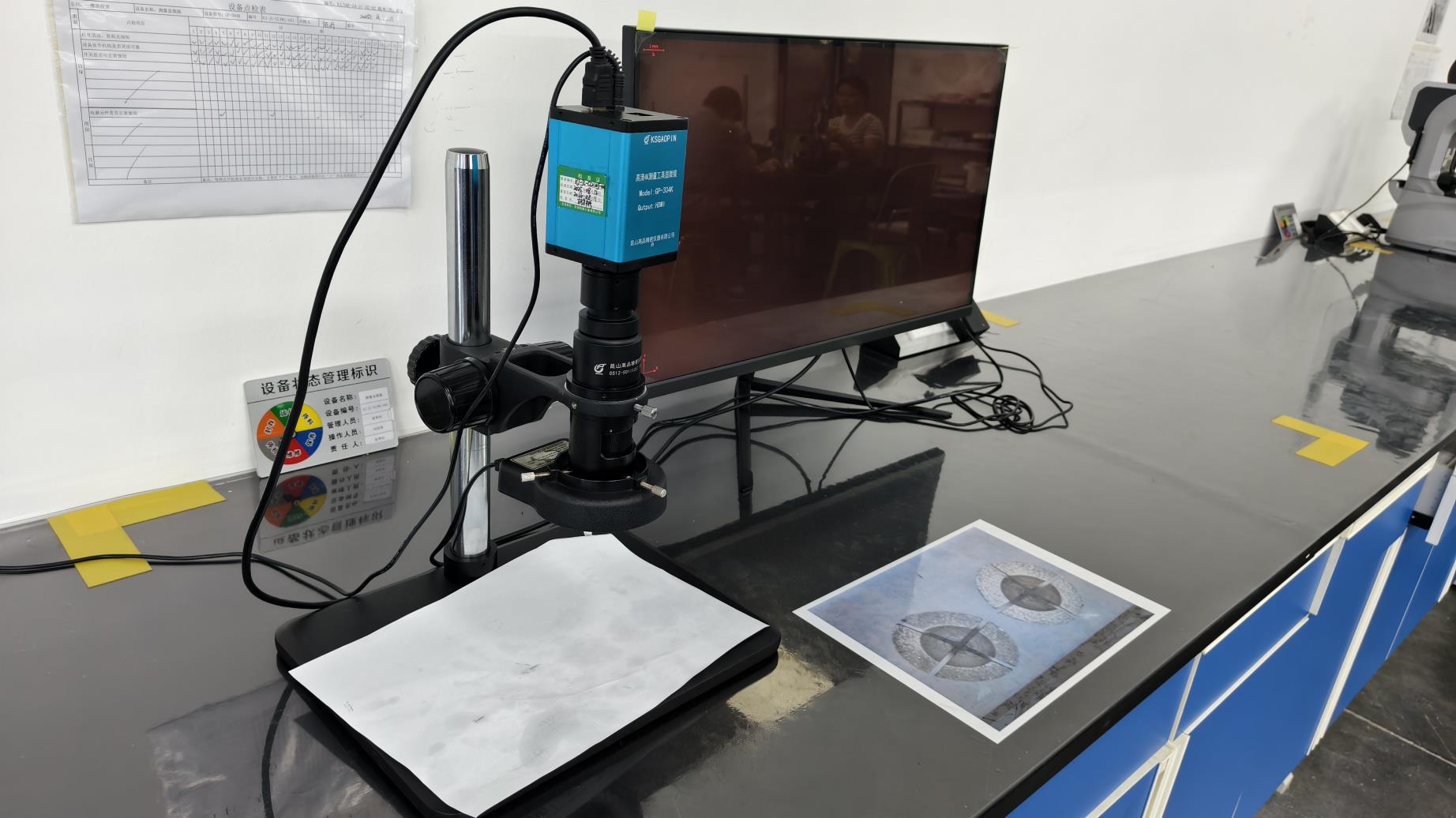
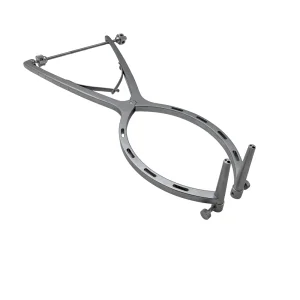
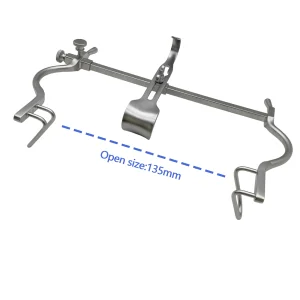
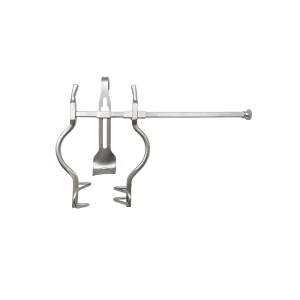
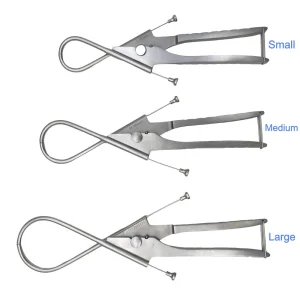
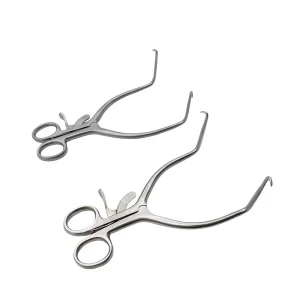
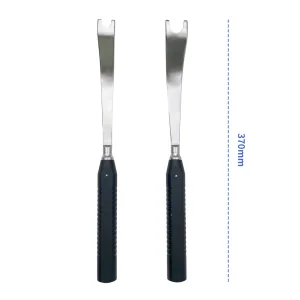
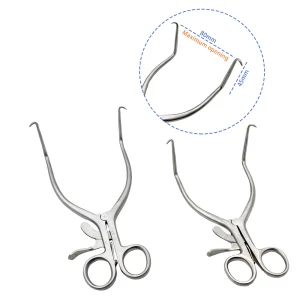
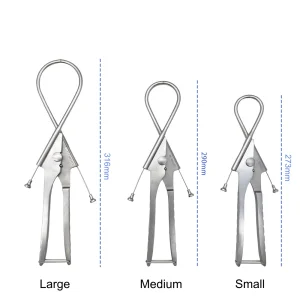
Highly specialized devices engineered for precise distraction, wire guiding, and deep abdominal or cavity access in human and animal surgical environments.