SENJIE Healthy & Technology
Global Orthopedic Instruments Industry: Market Outlook and Dynamics
The global market for orthopedic instrumentation is experiencing unprecedented growth, driven by a combination of demographic shifts and technological breakthroughs. As the global population ages and the prevalence of degenerative bone diseases increases, the demand for highly precise, reliable, and durable orthopedic surgical kits has surged. Orthopedic instruments are no longer seen merely as mechanical tools; they are complex extensions of the surgeon's hands, designed to interface with advanced biocompatible implants.
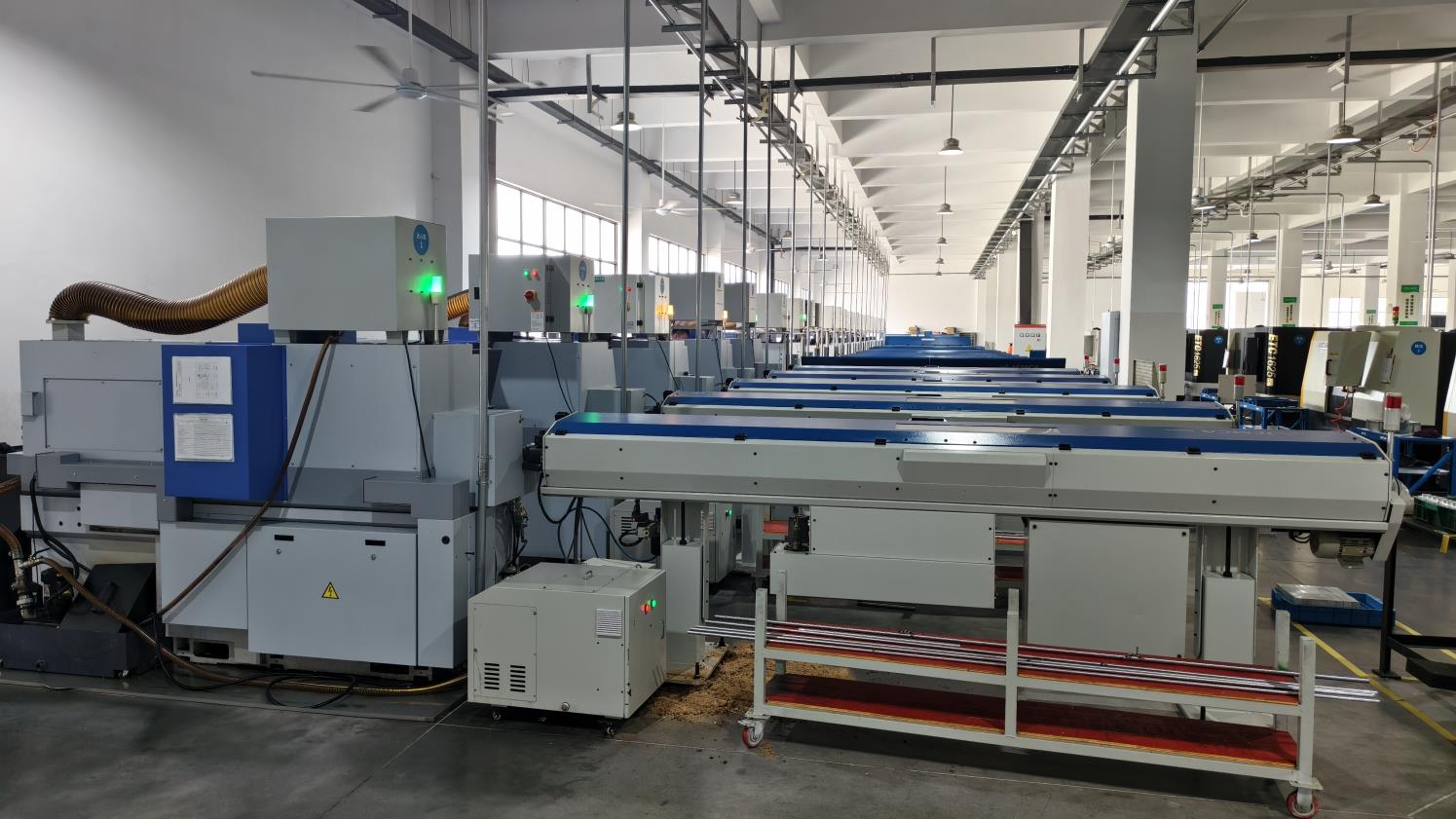
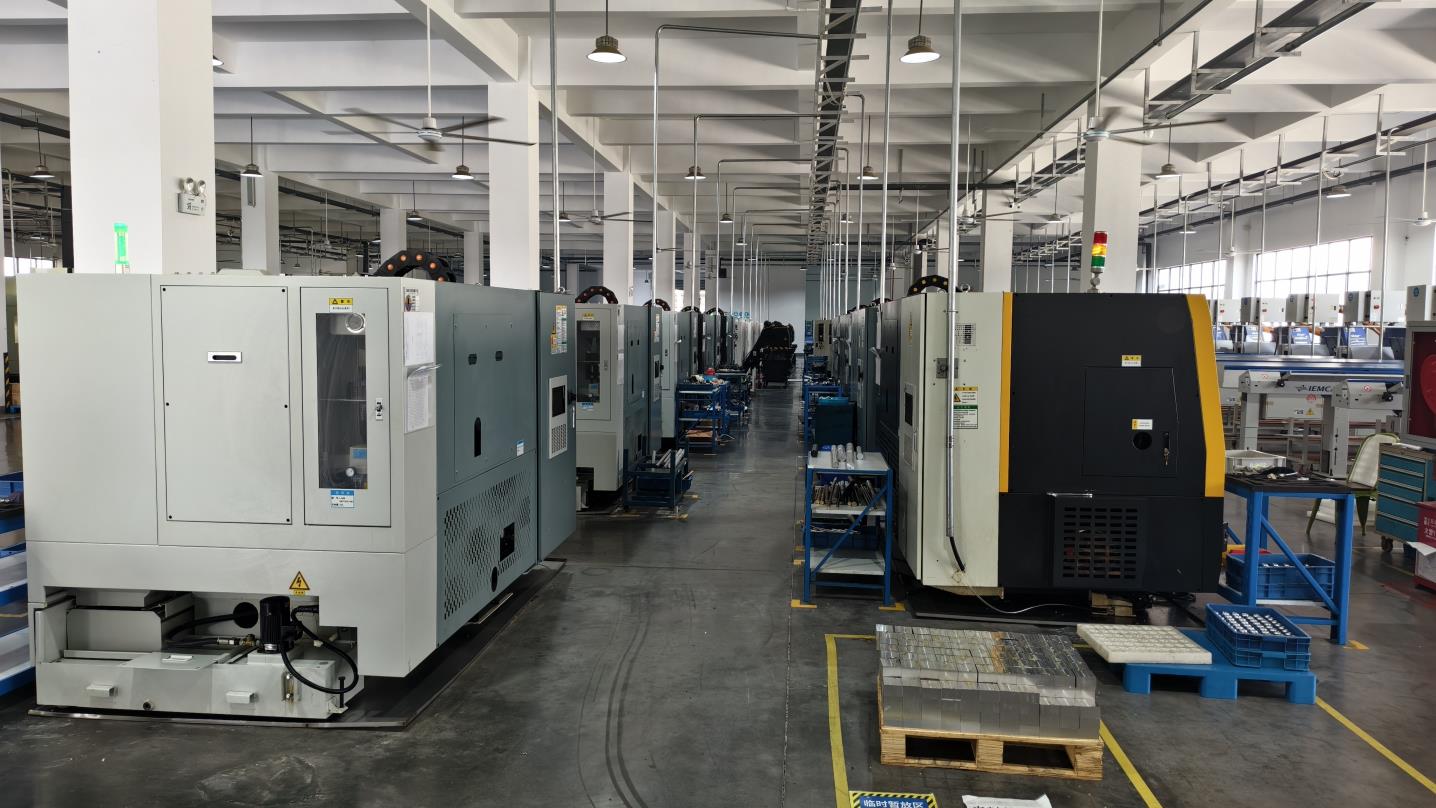
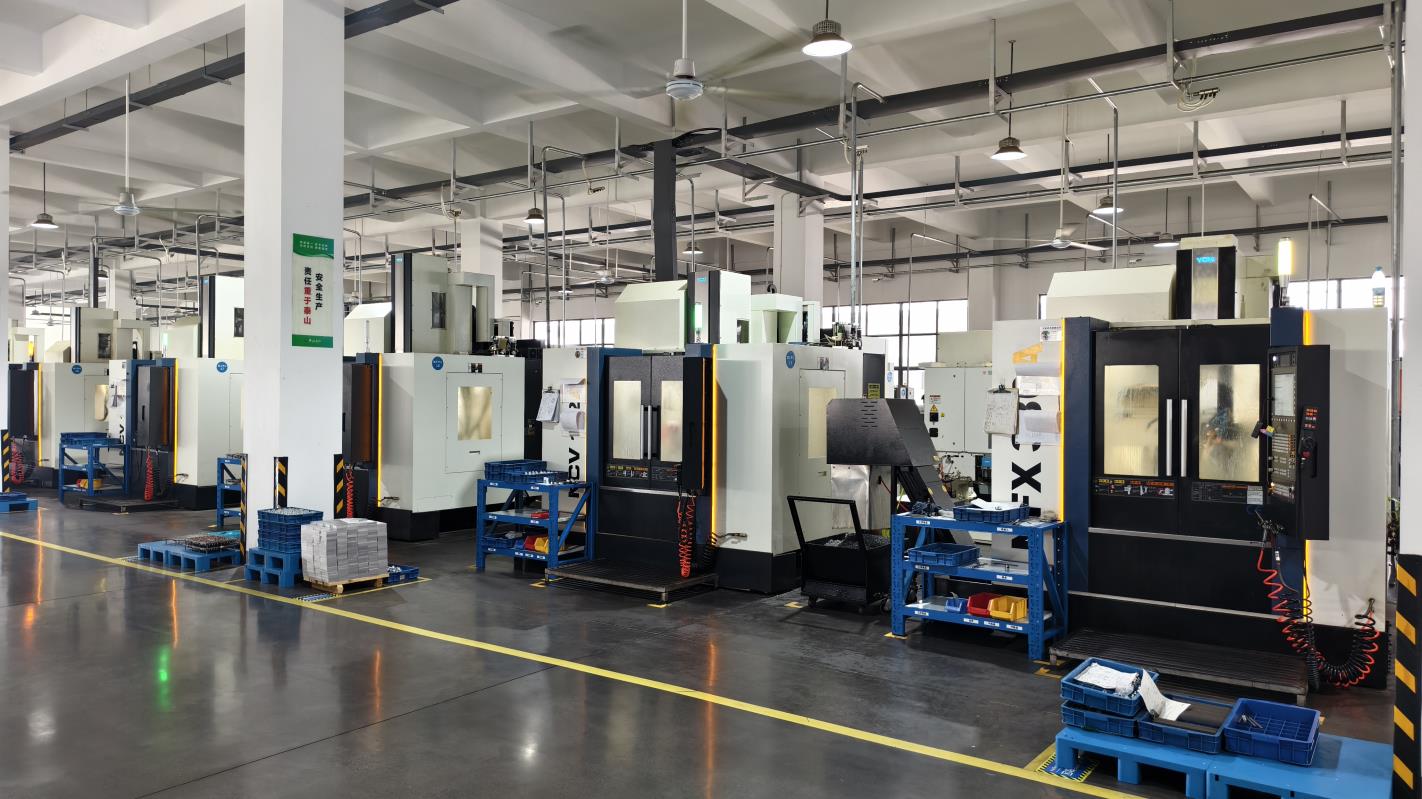
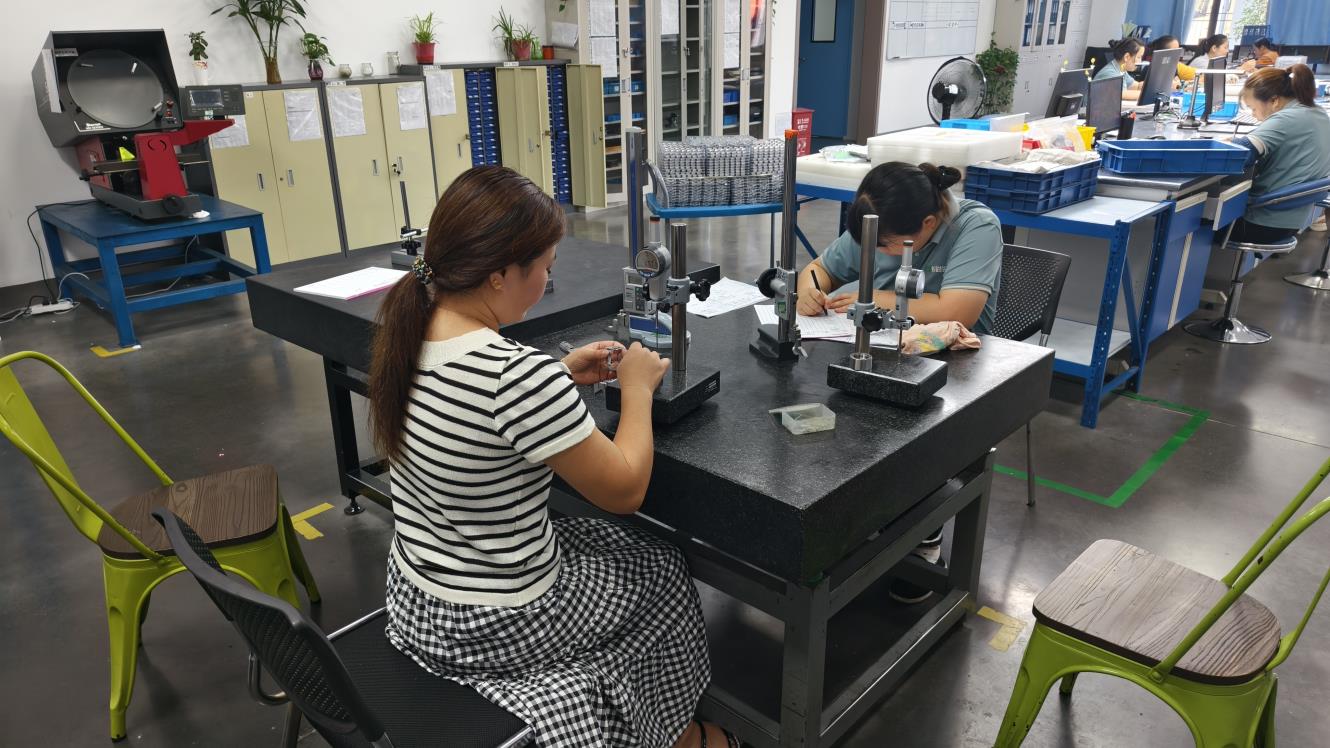
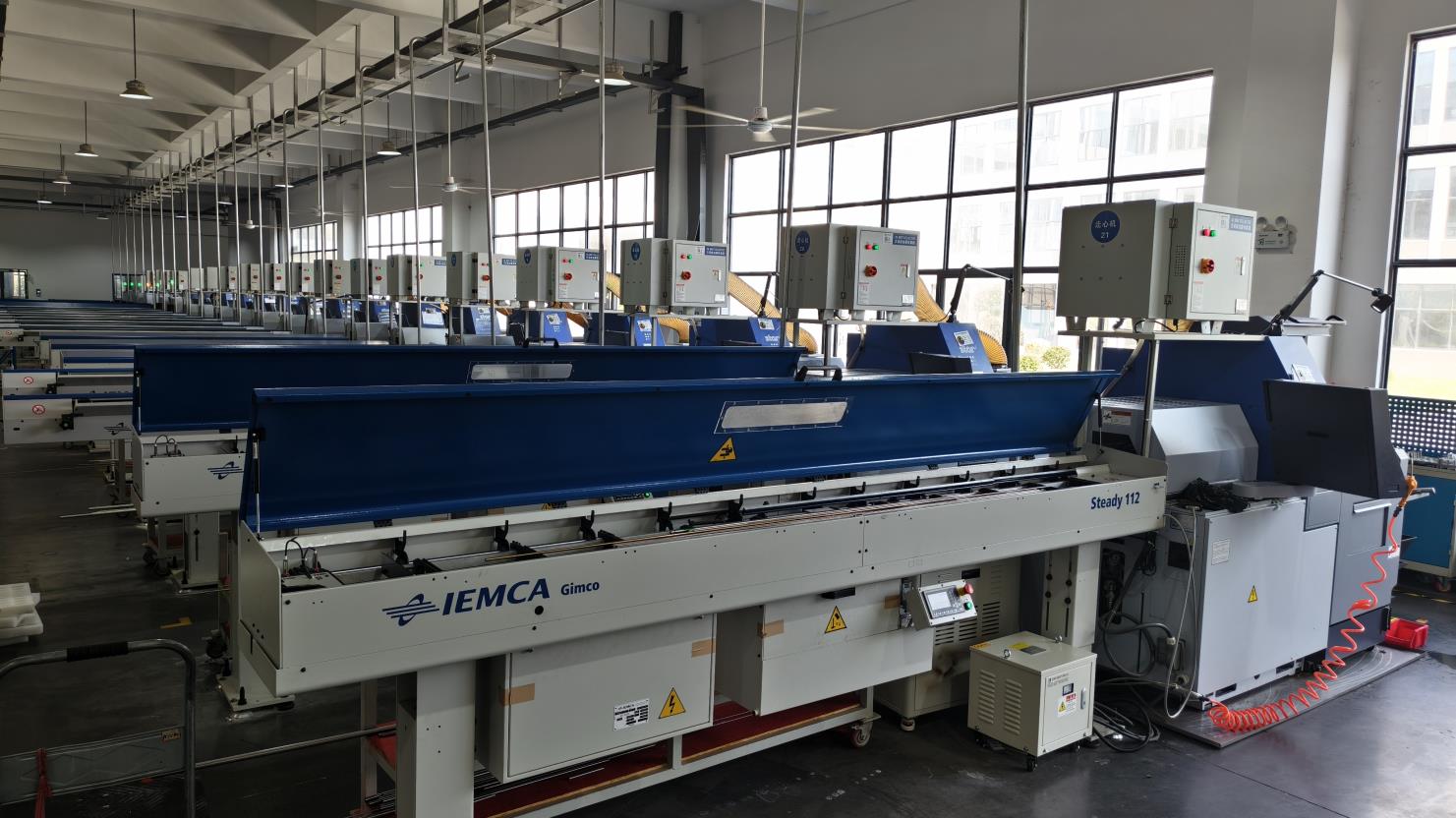
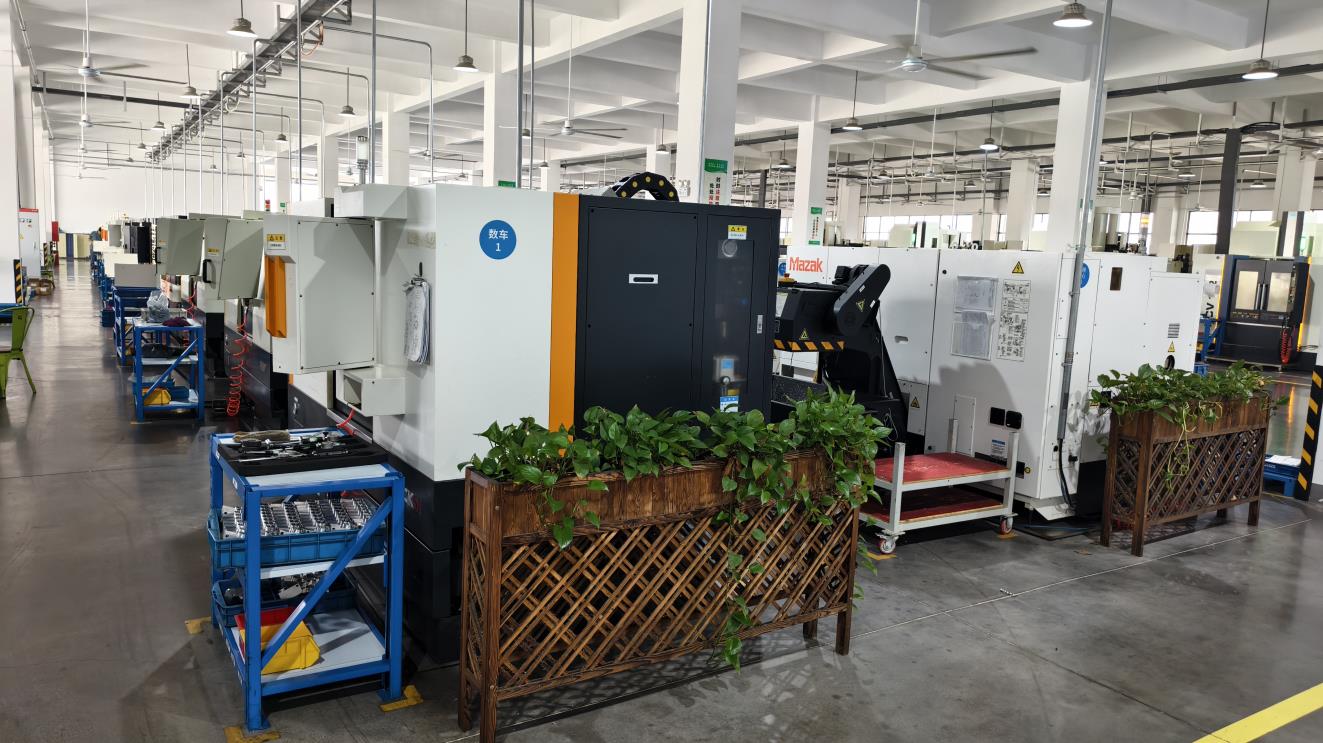
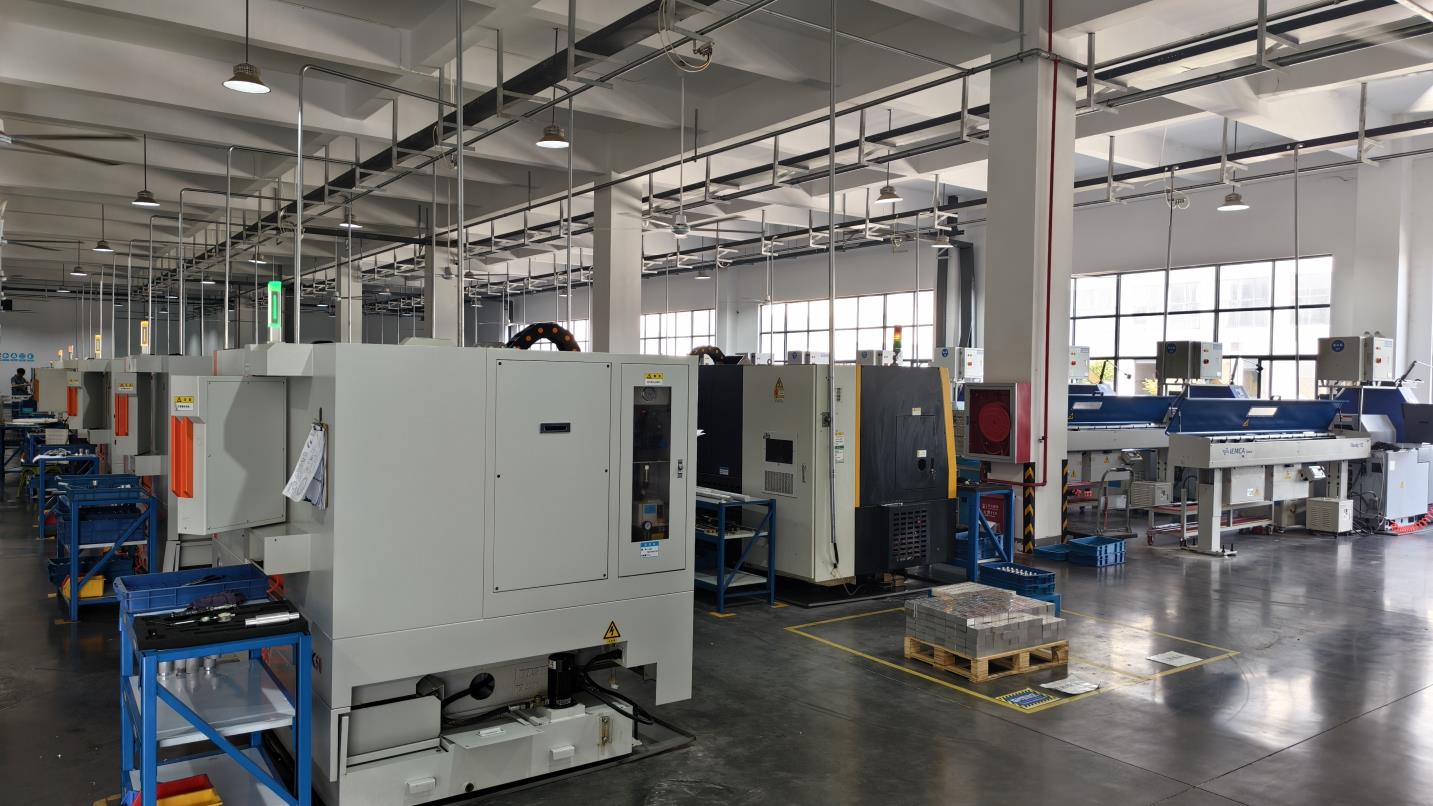
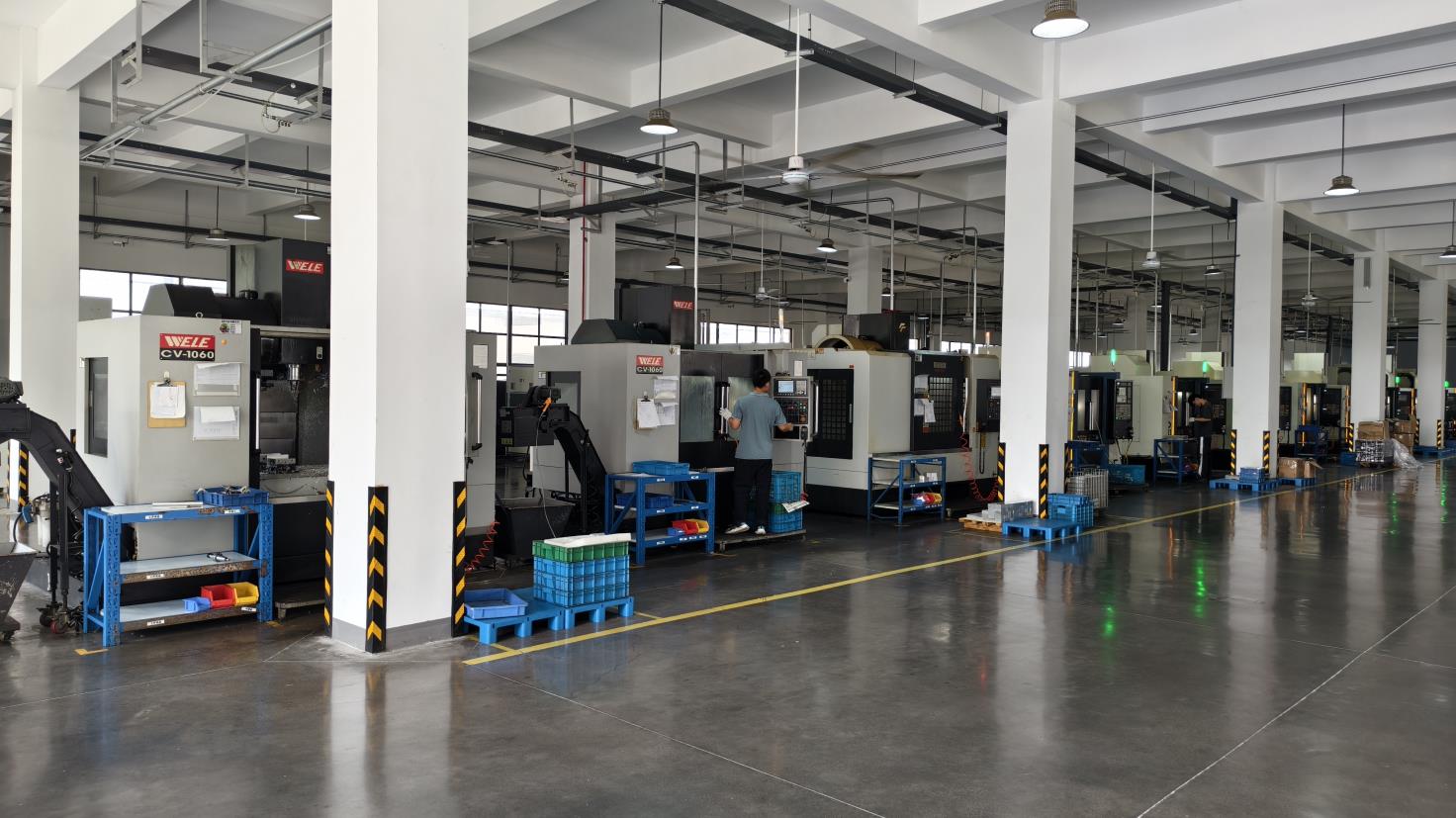
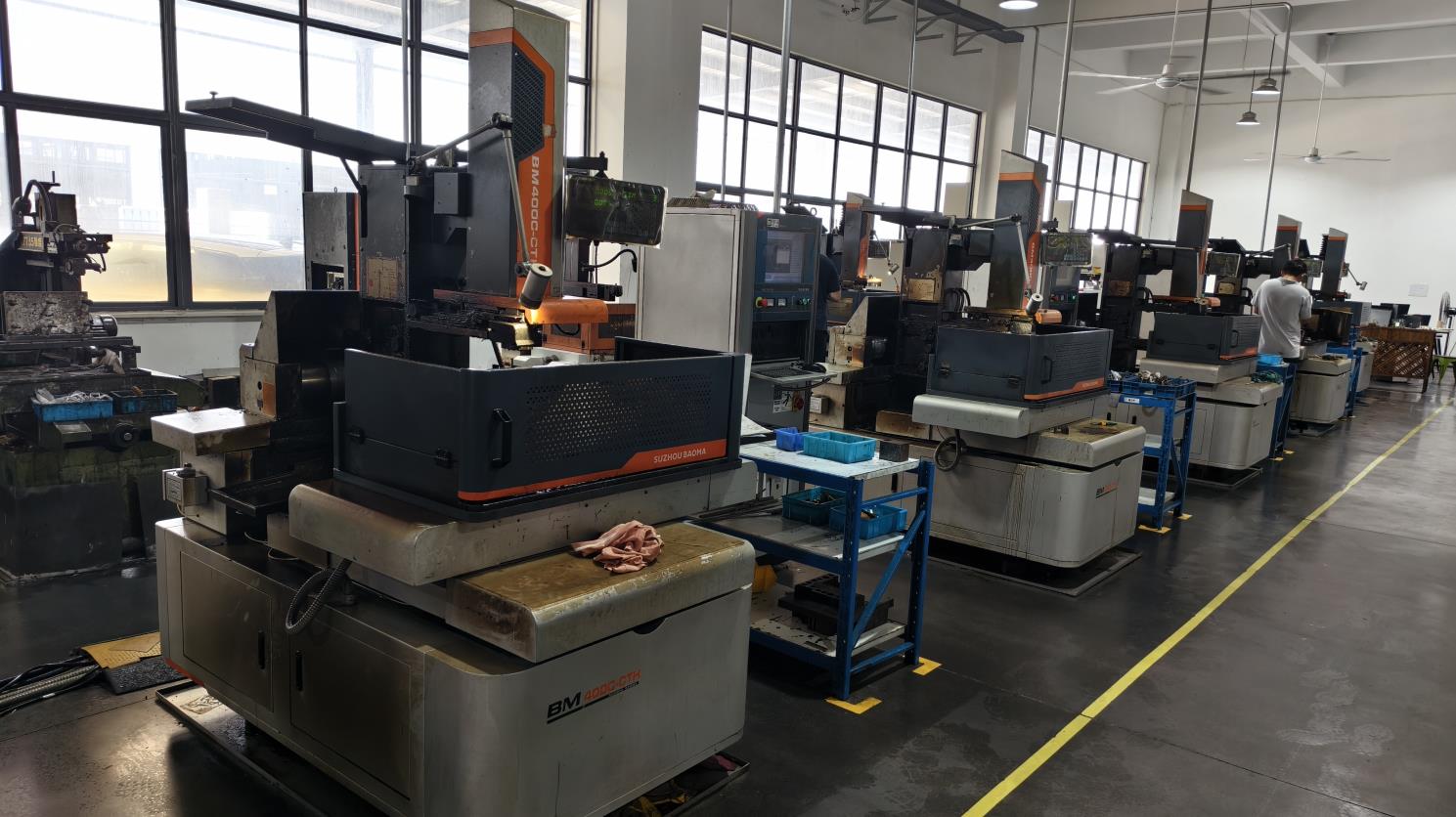
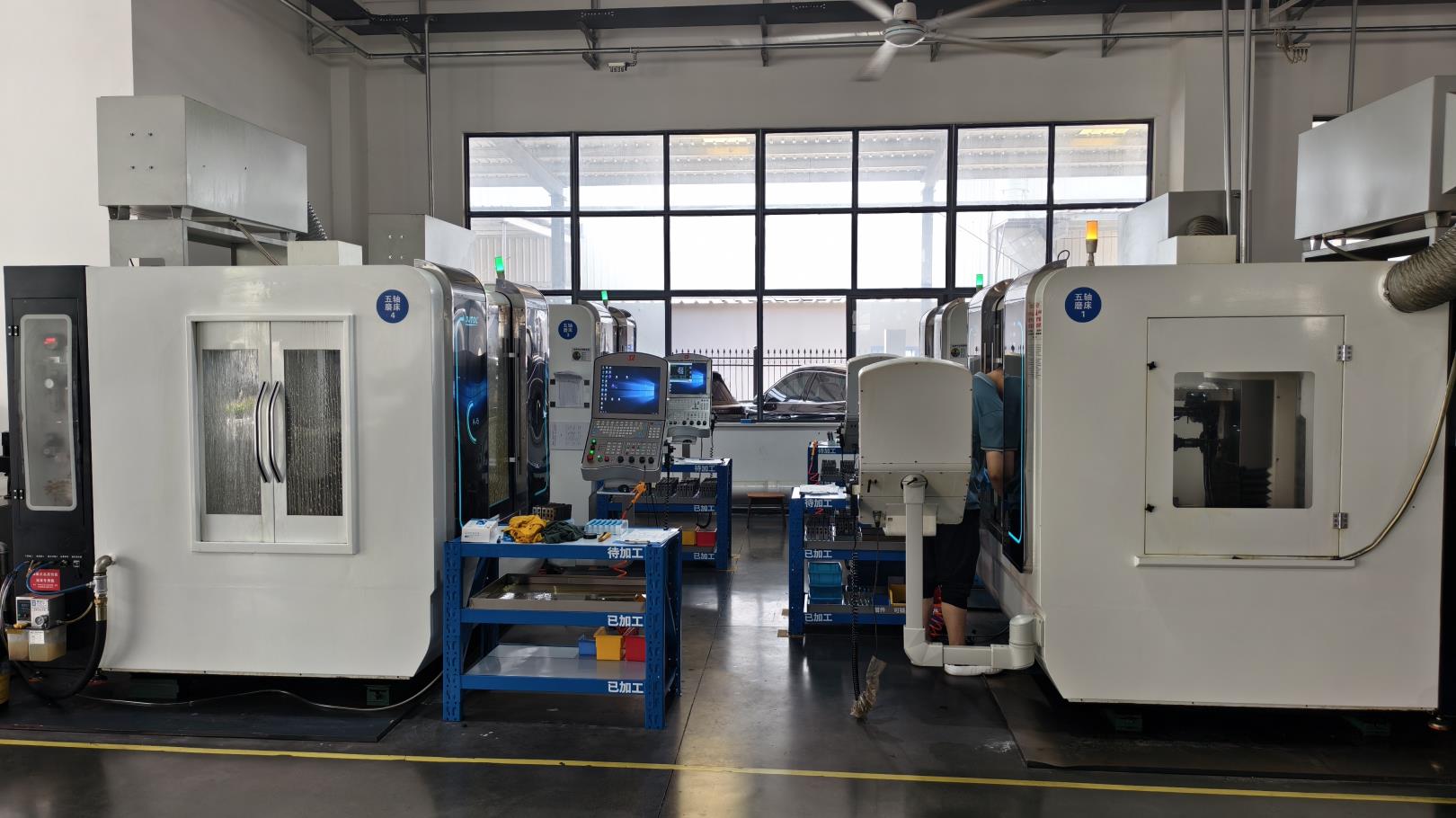
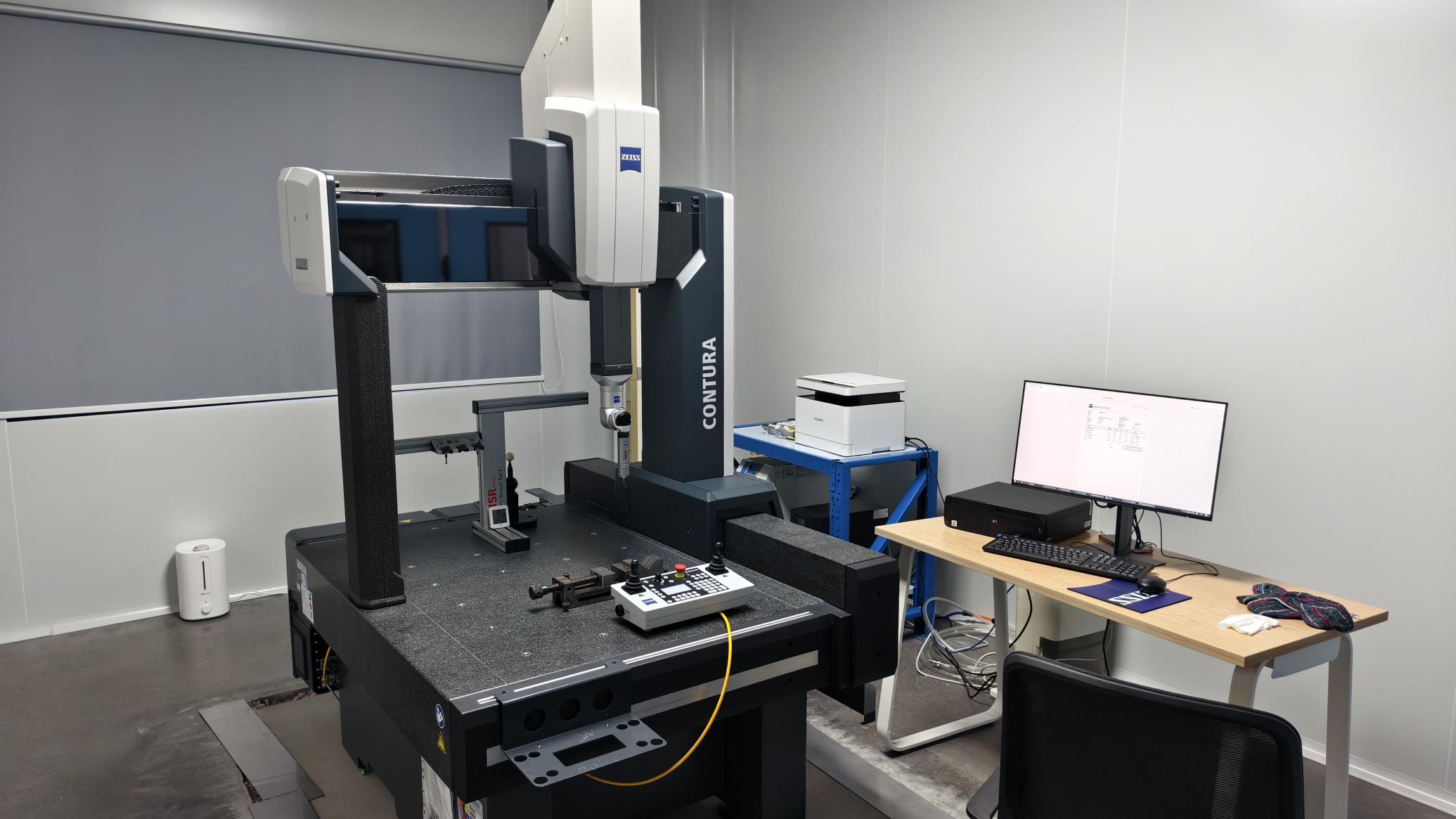
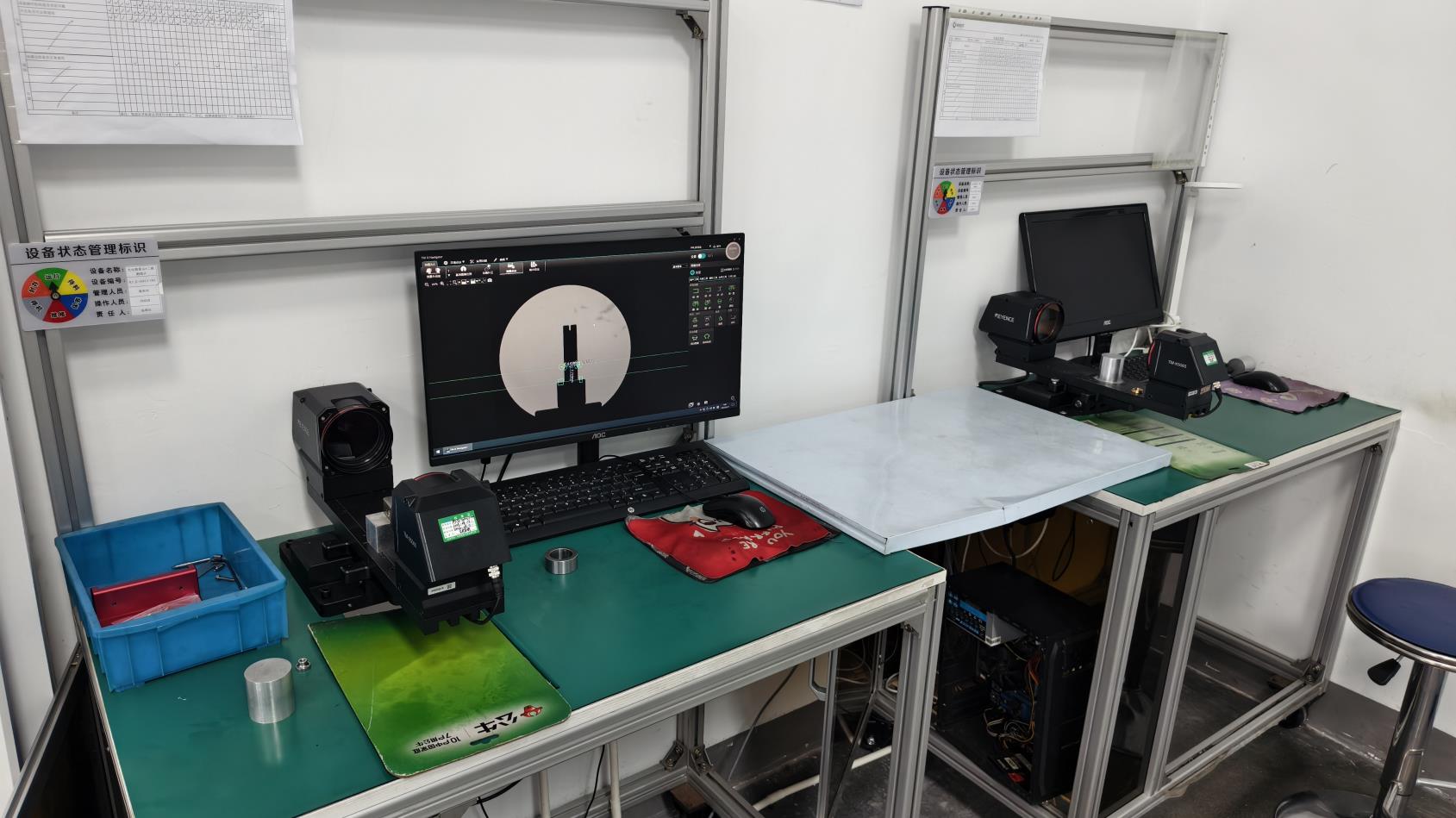
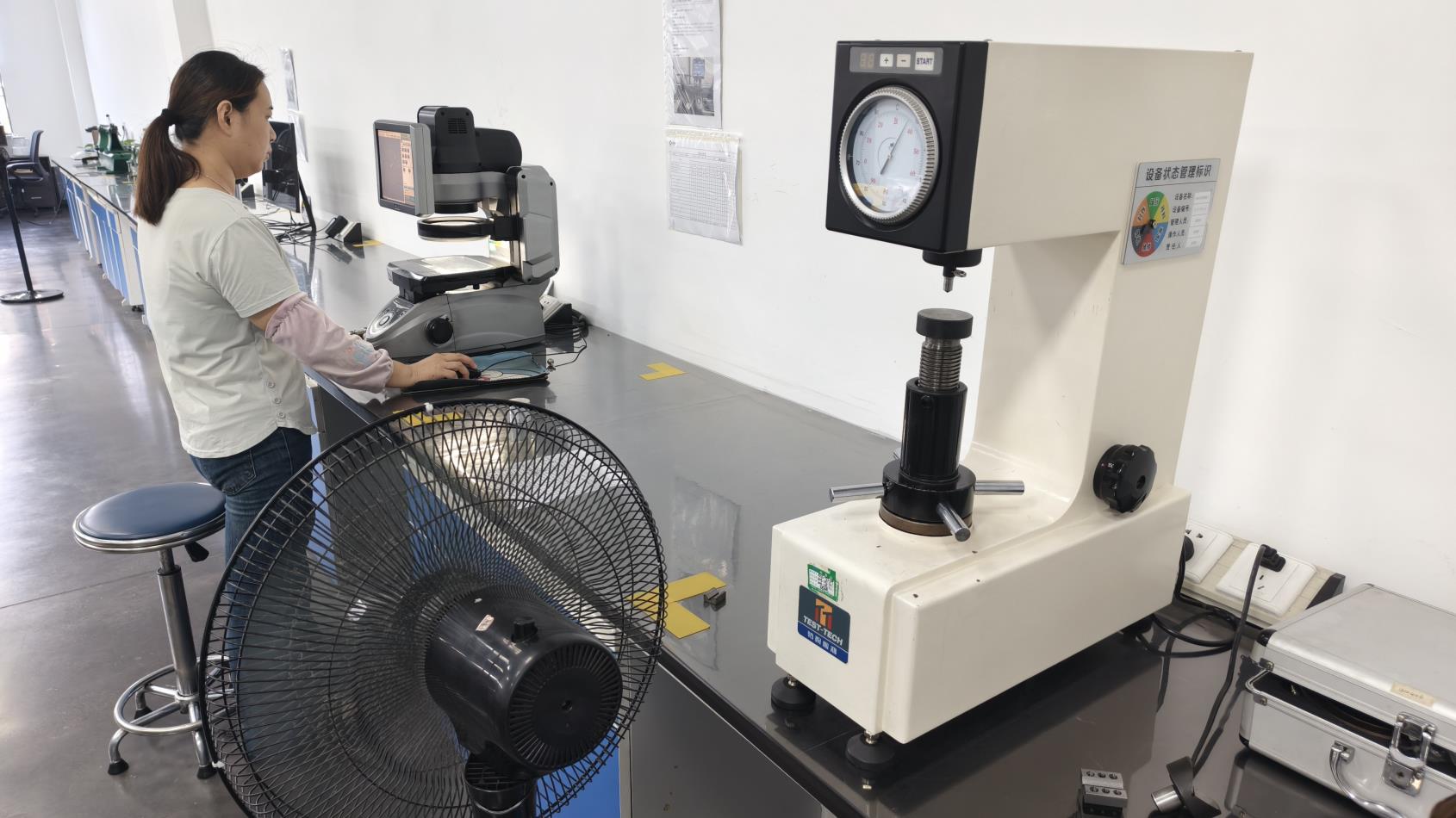
Today, the production of orthopedic instrument sets involves tight collaborations between clinical experts and metallurgical engineers. Regulatory bodies worldwide, including the US FDA and European CE, have tightened requirements, focusing heavily on mechanical tolerances, raw material traceability, and biocompatibility. To meet these stringent global standards, manufacturers must utilize advanced manufacturing techniques such as multi-axis CNC machining, Swiss-type turning, and state-of-the-art passivation to prevent intraoperative corrosion and ensure structural integrity over thousands of autoclave cycles.
"High-performance orthopedic instruments are defined by their metallurgy and micro-level tolerances. Achieving an anatomical fit for bone plates and consistent torque delivery for cannulated compression screws requires absolute engineering consistency."
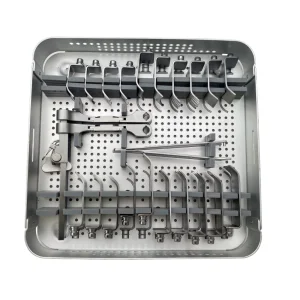
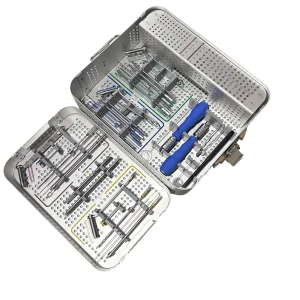
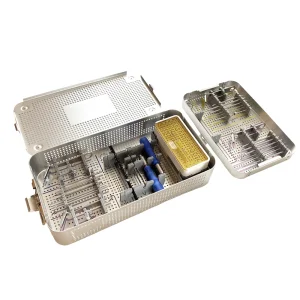
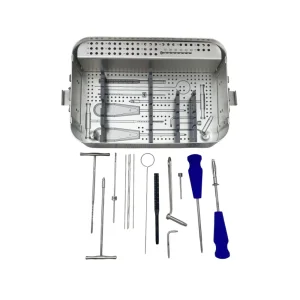
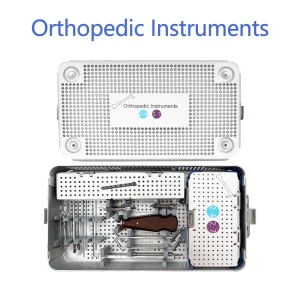
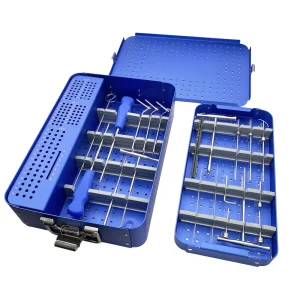
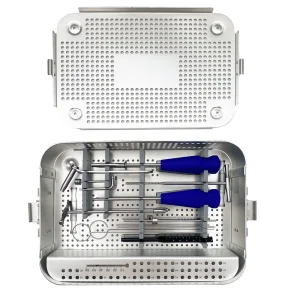
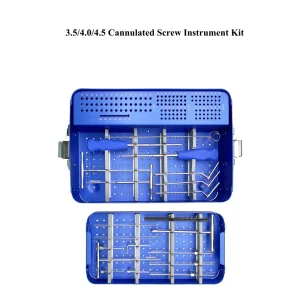
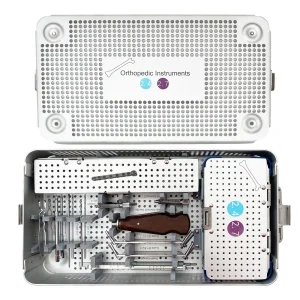
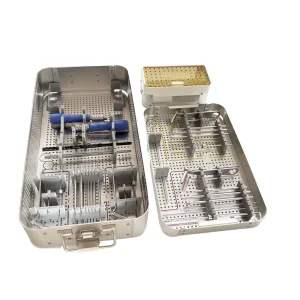
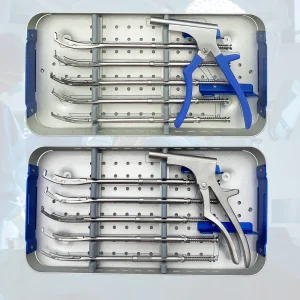
Current trends highlight a massive migration towards customized surgical kits and specialized veterinary instruments. Multi-axial locking plate systems and headless cannulated screw systems are now commonplace in trauma and reconstructive surgeries, requiring highly specialized instrumentation for correct depth alignment, tapping, and torque measurement. The procurement paradigm has shifted from buying individual instruments to sourcing complete, integrated sets housed in specialized, autoclavable sterilization trays.