SENJIE Healthy & Technology
SENJIE Healthy & Technology
SENJIE Healthy & Technology
Explore our top-performing precision forceps engineered to medical-grade standards. These instruments offer tactile feedback, ergonomic gripping force, and superior metallurgical durability for modern operating theaters.
In the rapidly advancing arena of modern clinical surgery, orthopedic forceps serve as the fundamental extension of a surgeon's hands. The global market for orthopedic surgical instruments has transitioned from basic structural formats to highly specialized, clinically focused variants. Devices such as Nucleus Pulposus Forceps, Kerrison Rongeurs, and Bone Reduction Forceps must fulfill rigorous biomechanical and metallurgical criteria. These instruments are designed to safely navigate complex skeletal architectures, perform structural bone decompressions, and firmly stabilize bone fragments under dynamic pressure.
Clinical success in procedures like microdiscectomies, spinal stenosis decompression, and fracture internal fixation is deeply tied to the structural integrity and precision of these devices. Globally, the commercial demand is divided between human healthcare facilities and the rapidly expanding veterinary orthopedics sector. Advanced hospital systems demand consistent performance, resistance to stress fatigue, and sterilization durability across hundreds of autoclaving cycles. As a result, professional B2B procurement teams must establish partnerships with specialized factories that blend advanced metallurgy with repeatable manufacturing precision.
China's advanced industrial ecosystem has evolved far beyond high-volume replication. Today, leading Chinese manufacturers lead in the application of CAD/CAM engineering, CNC multi-axis milling, and automated polishing protocols for surgical-grade instruments. This structural shift allows factories to combine localized supply chains with strict compliance with international medical regulations.
By utilizing multi-axis CNC wire cutting and Metal Injection Molding (MIM), Chinese factories achieve dimensional tolerances down to ±0.01mm. This ensures that delicate components like Kerrison jaws open and close smoothly without mechanical binding.
Automated electro-chemical passivation processes remove free iron from instrument surfaces, creating a protective chromium oxide layer. This stage is critical for preventing spot corrosion during pressurized autoclave sterilization cycles.
Our production lines support agile manufacturing setups, allowing seamless shifting between human medical configurations and customized veterinary geometries (e.g., specialized instruments for avian, feline, and canine anatomy).
Different orthopedic procedures demand distinct force distributions, tactile sensitivity, and geometry. Selecting the appropriate forceps type depends on the target anatomical structure and the surgical objective:
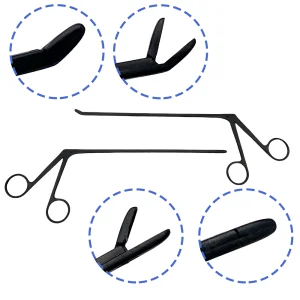
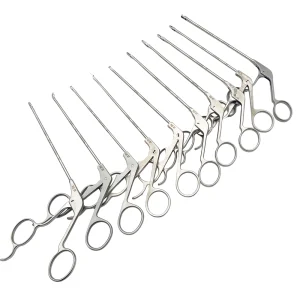
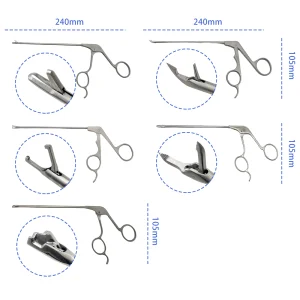
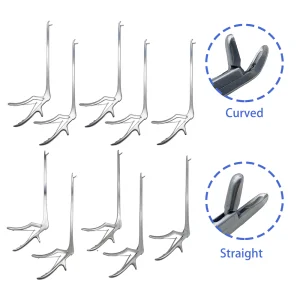
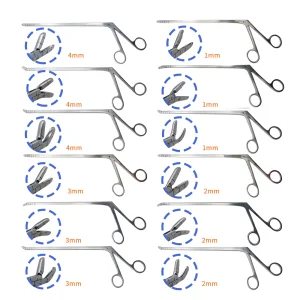
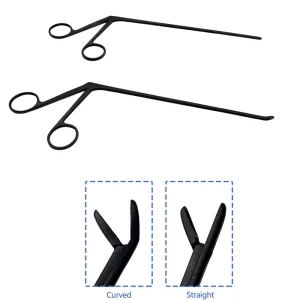
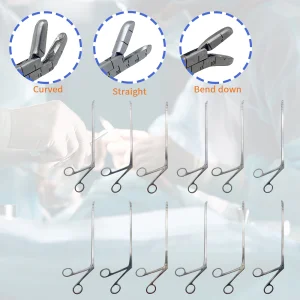
Used in lumbar and cervical microdiscectomies, these instruments require thin, long shafts (typically 220mm) and high tactile sensitivity. A clean, precise bite is necessary to retrieve herniated disc tissue without placing excess tension on nearby spinal nerve roots. Our factory offers both straight and curved geometries, featuring textured gripping patterns to handle fibrous tissue cleanly.
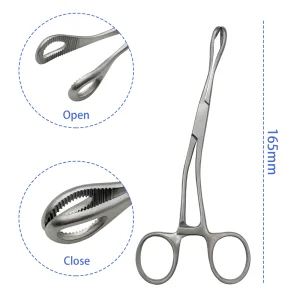
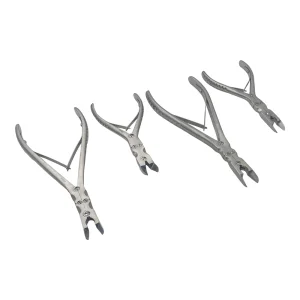
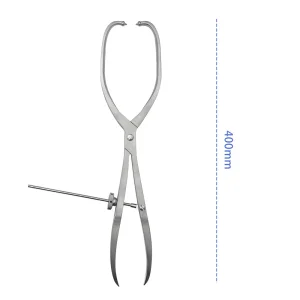
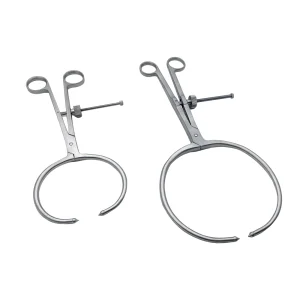
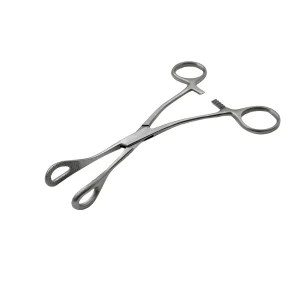
Bone reduction requires robust mechanical leverage. Our pointed, ball-pointed, and grooved reduction forceps are designed to stabilize bone fragments during internal fixation without damaging the periosteum. Specialized large pelvic reduction forceps (extending up to 40cm) utilize speed locks to maintain constant tension, allowing surgeons to focus on plate and screw placement.
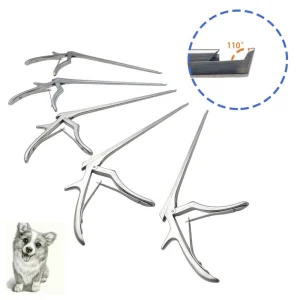
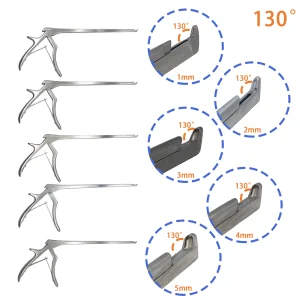
For spinal decompression and laminectomy, the Kerrison Rongeur is indispensable. Designed with jaw widths from 1mm to 5mm and a double-action hinge mechanism, it multiplies hand-grip pressure to cleanly cut through calcified ligaments and bone. Autoclavable, medical-grade stainless steel maintains sharp cutting surfaces over long-term clinical use.
To support global distribution and hospital procurement, our factory operates under verified quality control protocols and international trade parameters. Below is the structured profile outlining our production and operational capabilities:
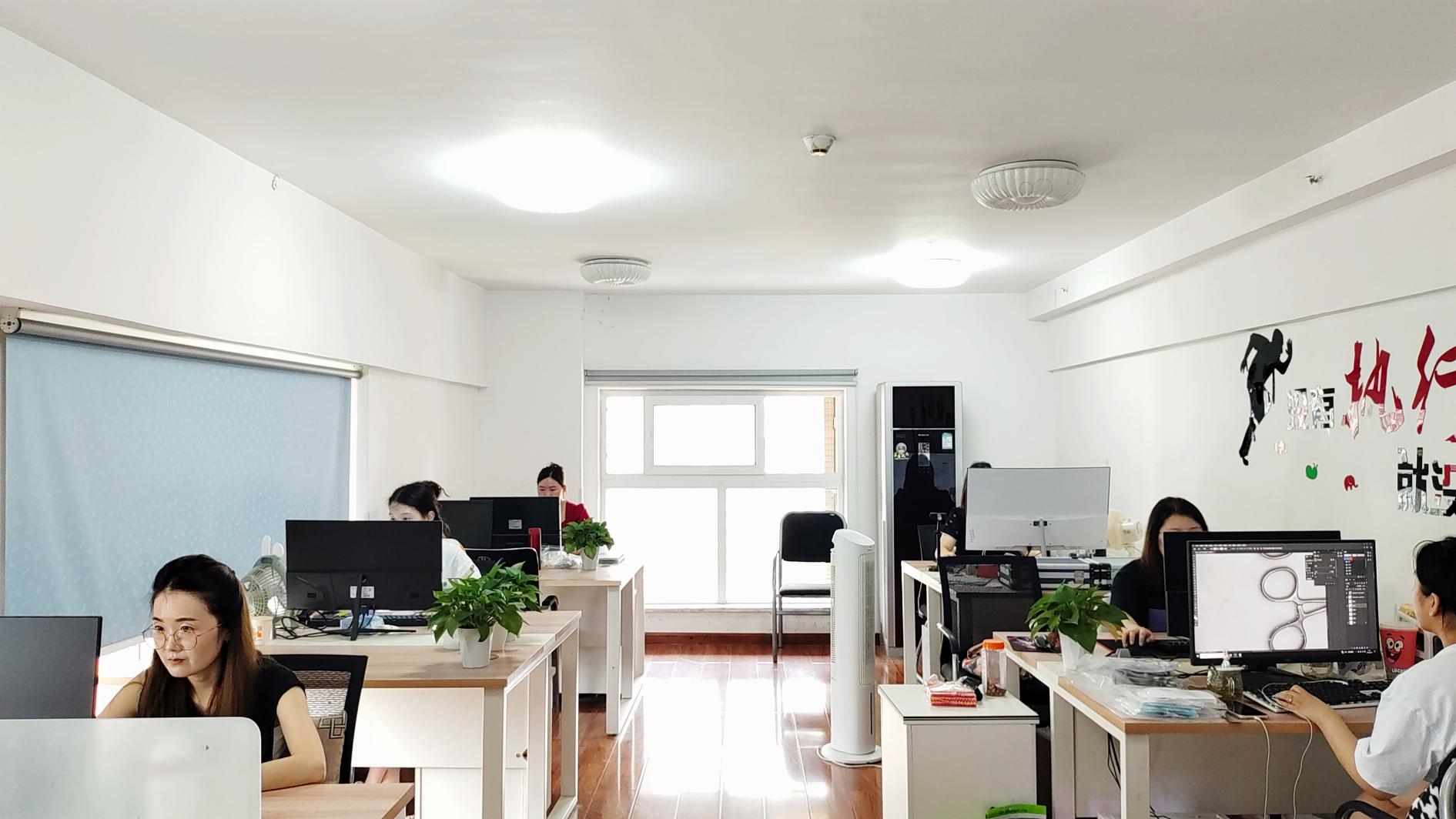
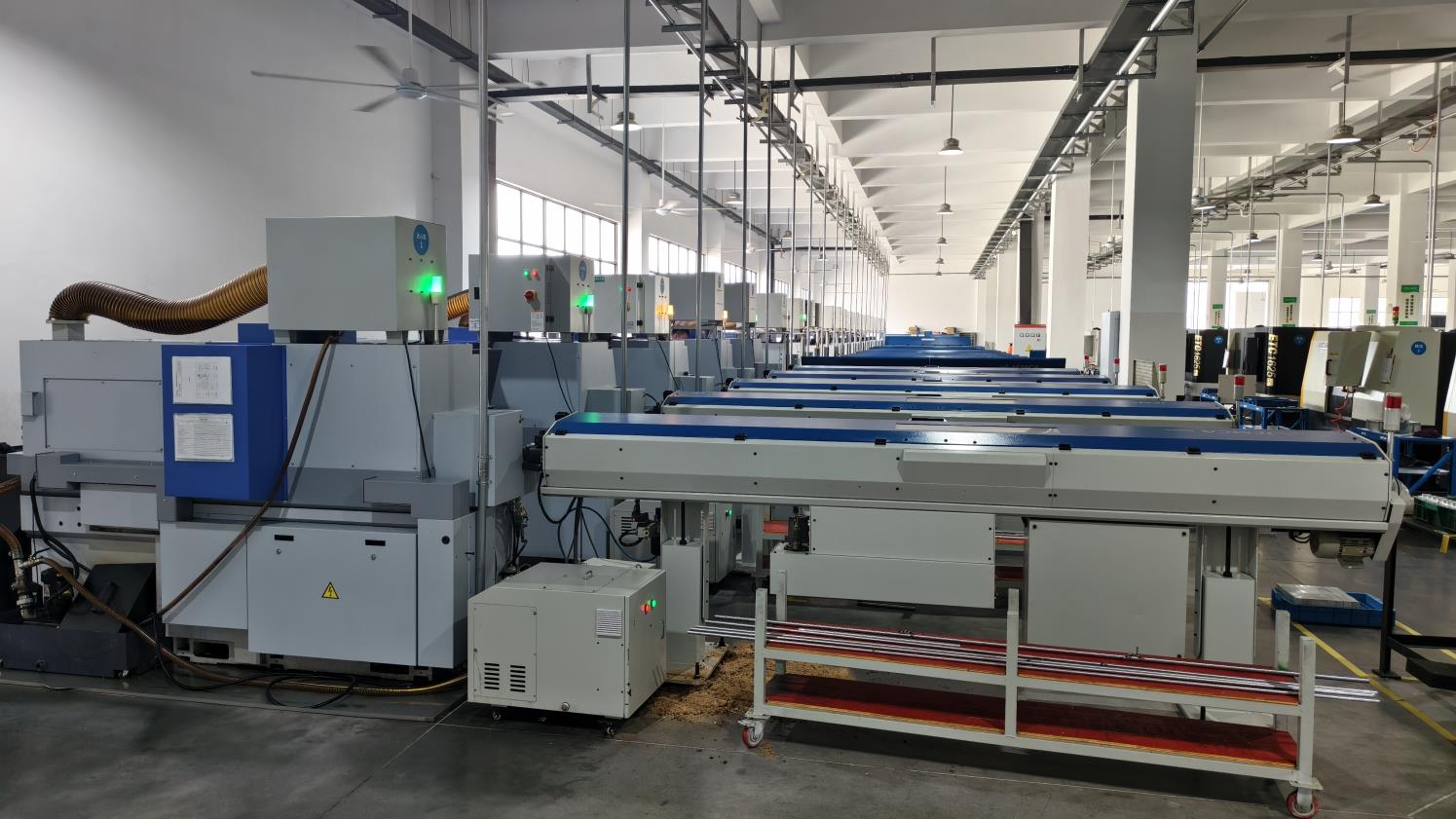
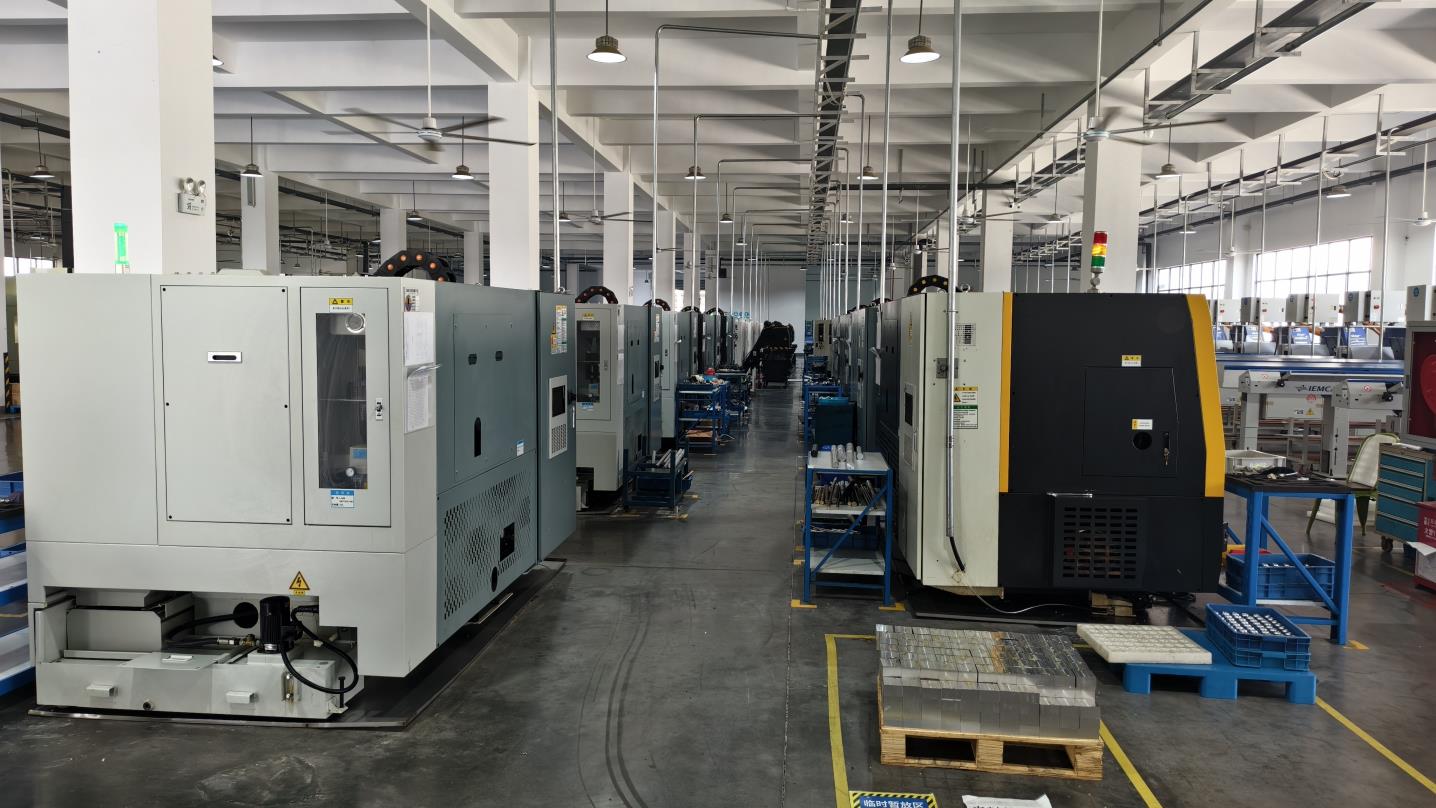
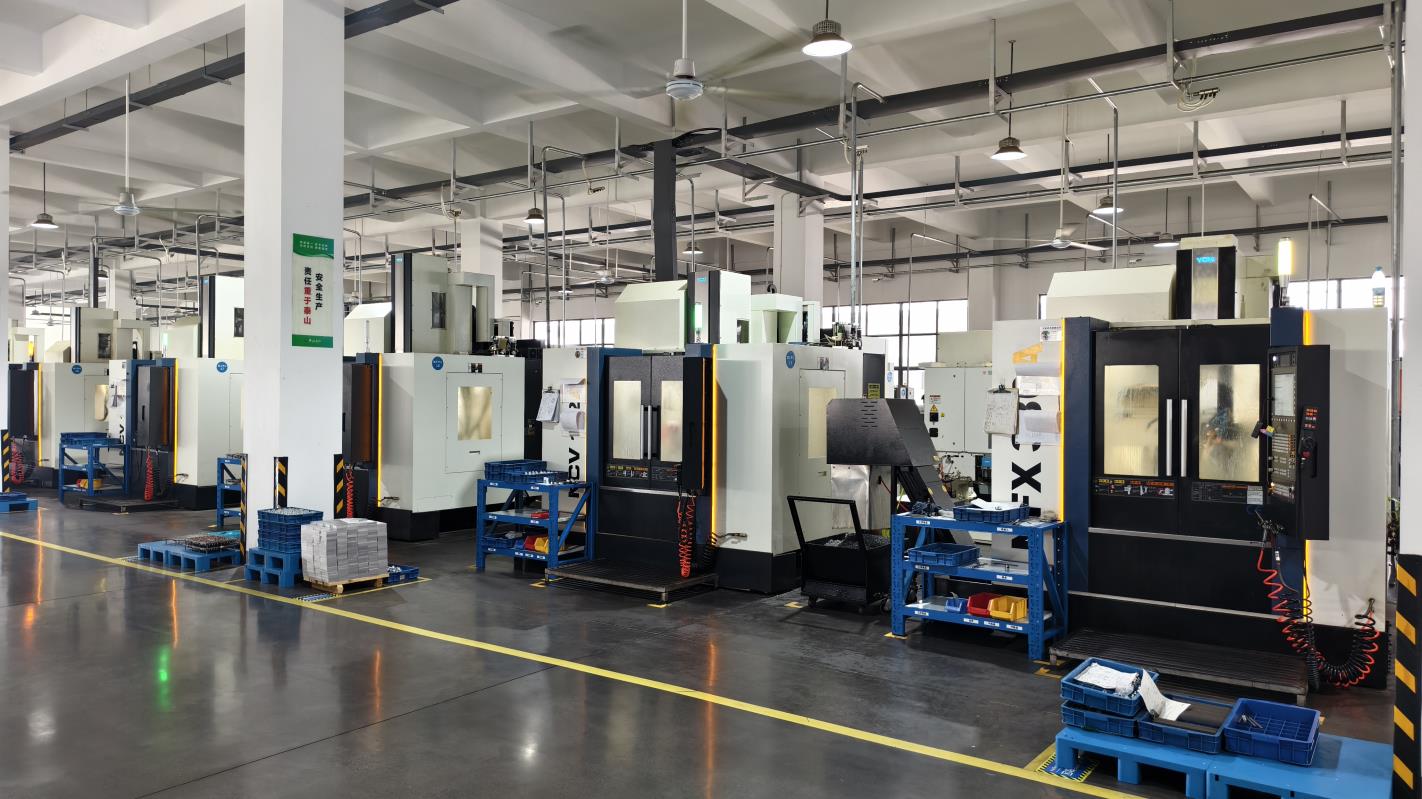
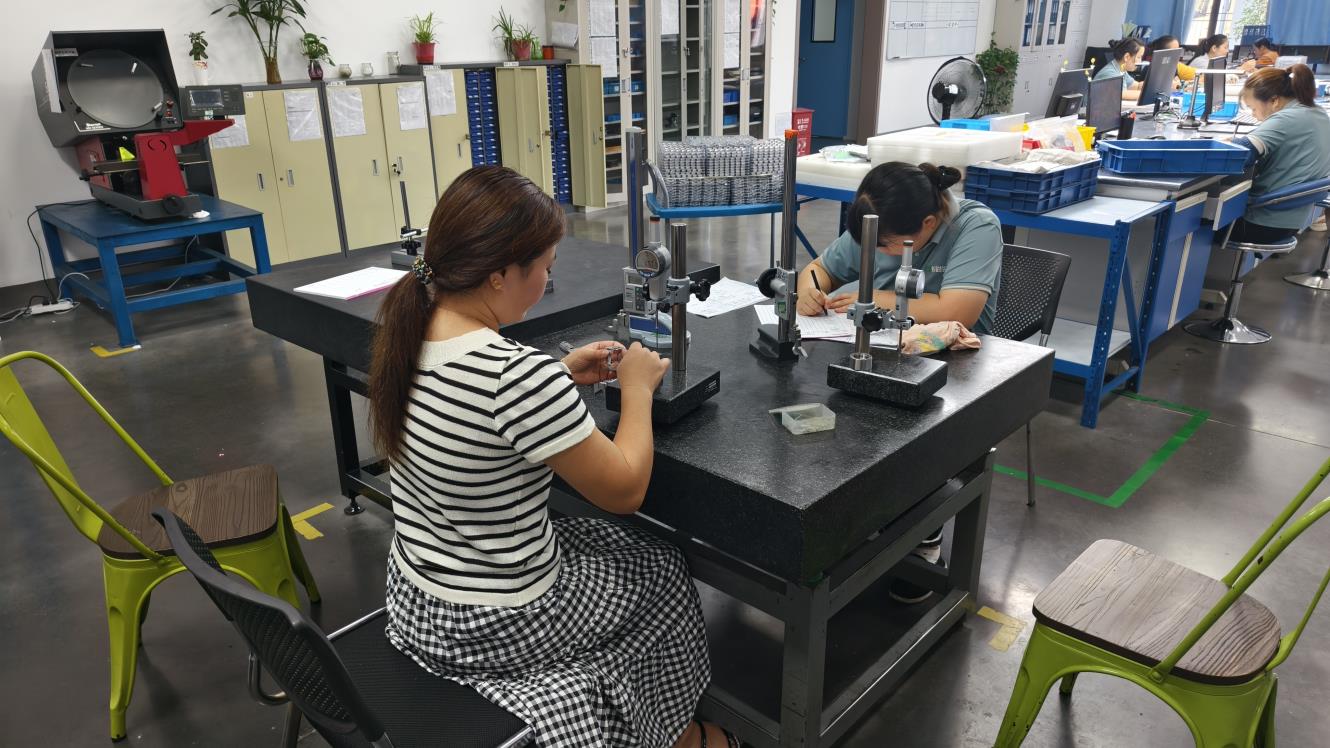
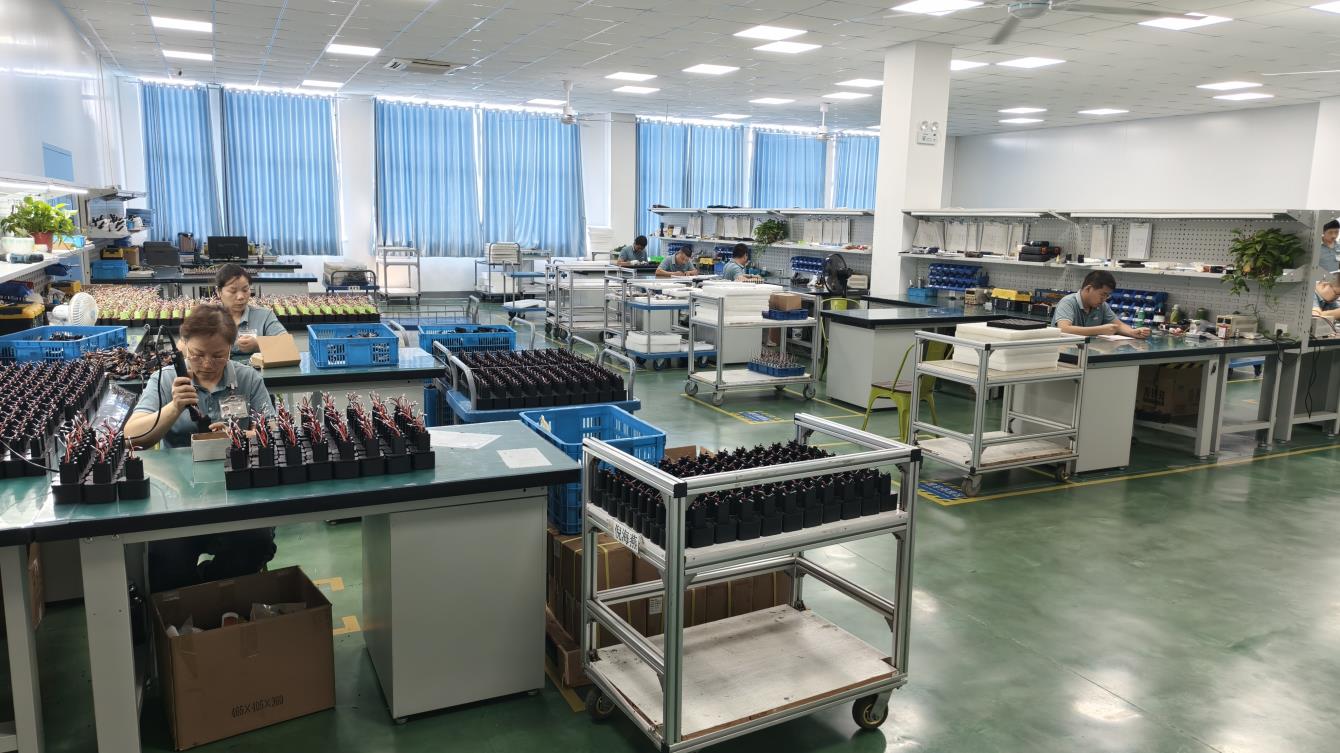
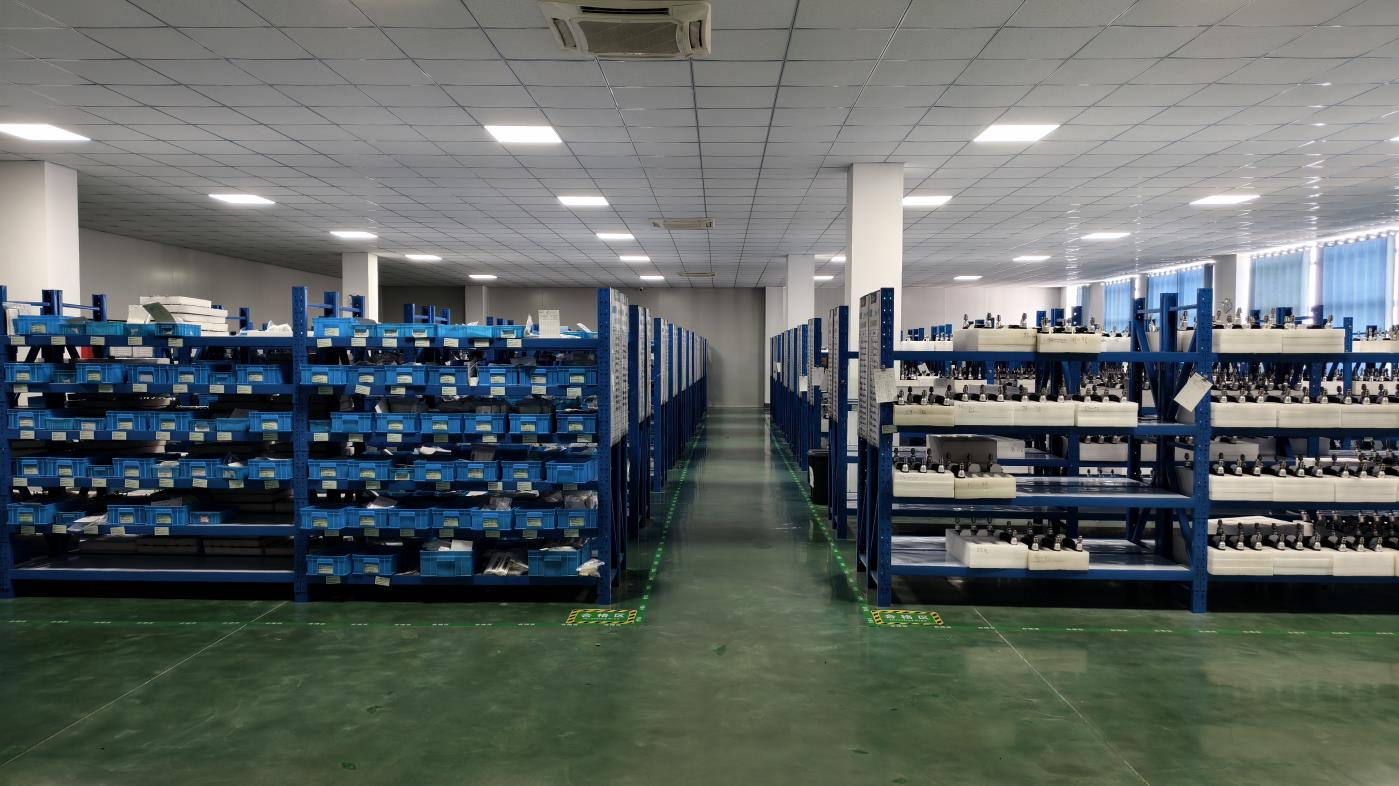
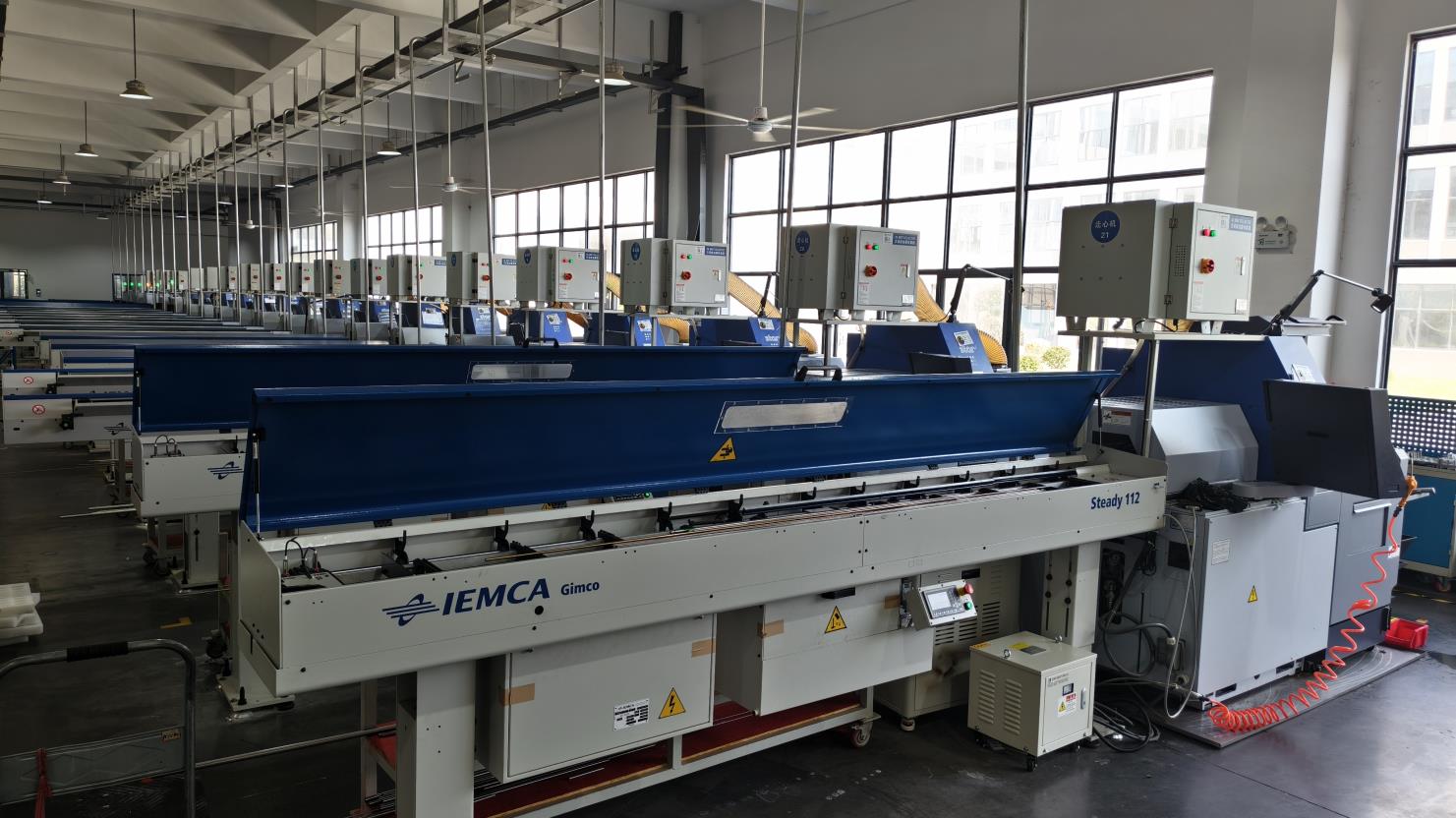
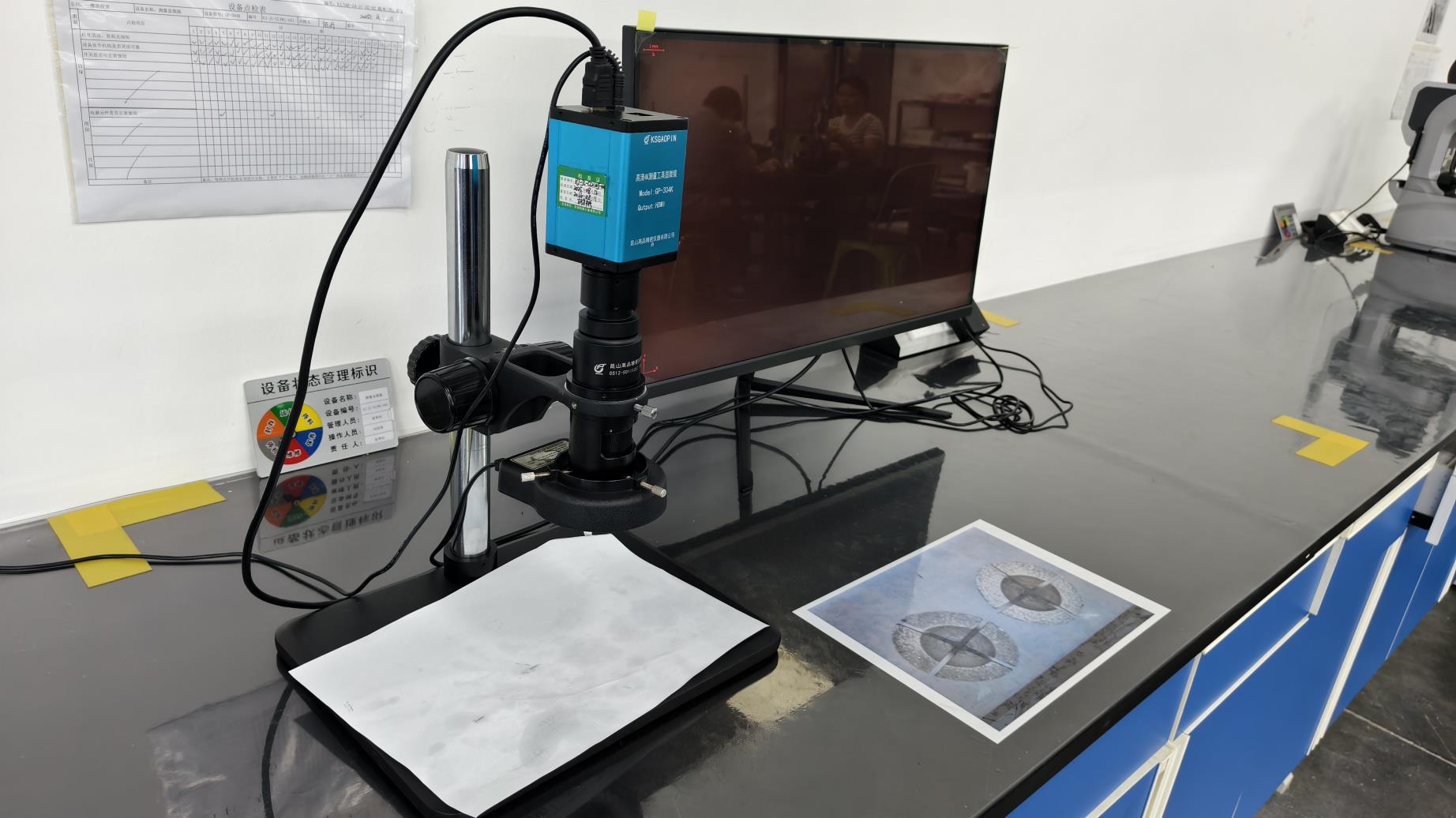
Transparency is essential for establishing reliable supply chains. Below are actual images showing our workshop floors, advanced CNC machining setups, polishing areas, and quality control departments.
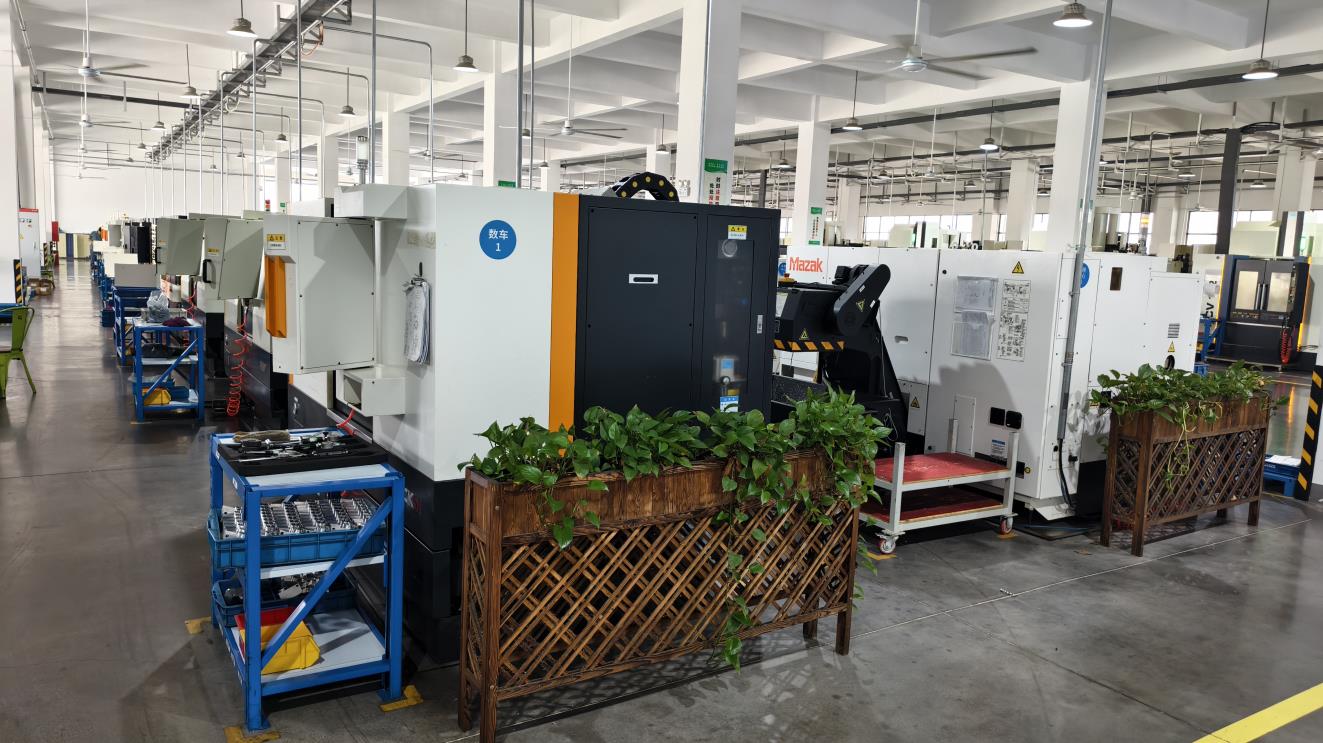
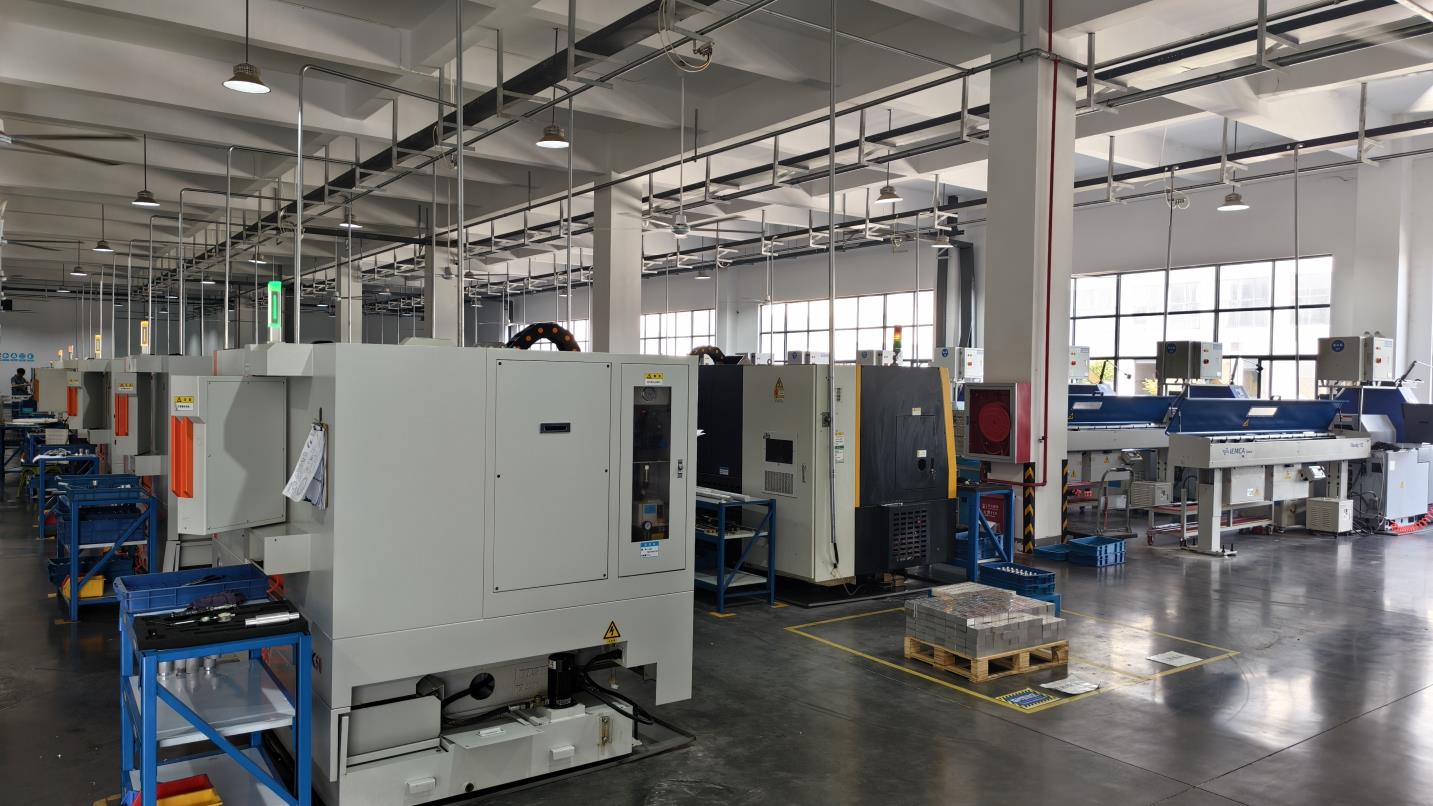
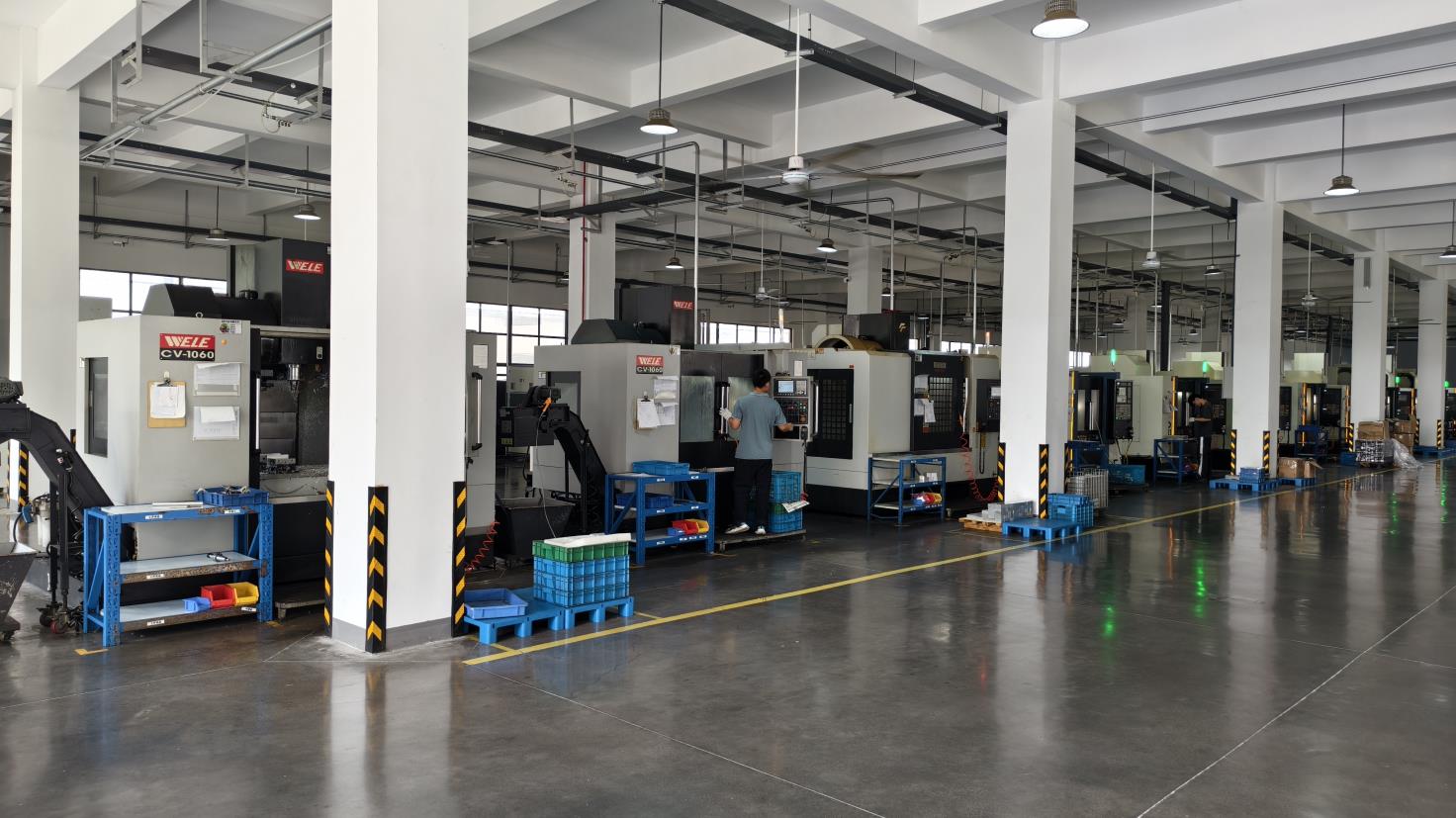
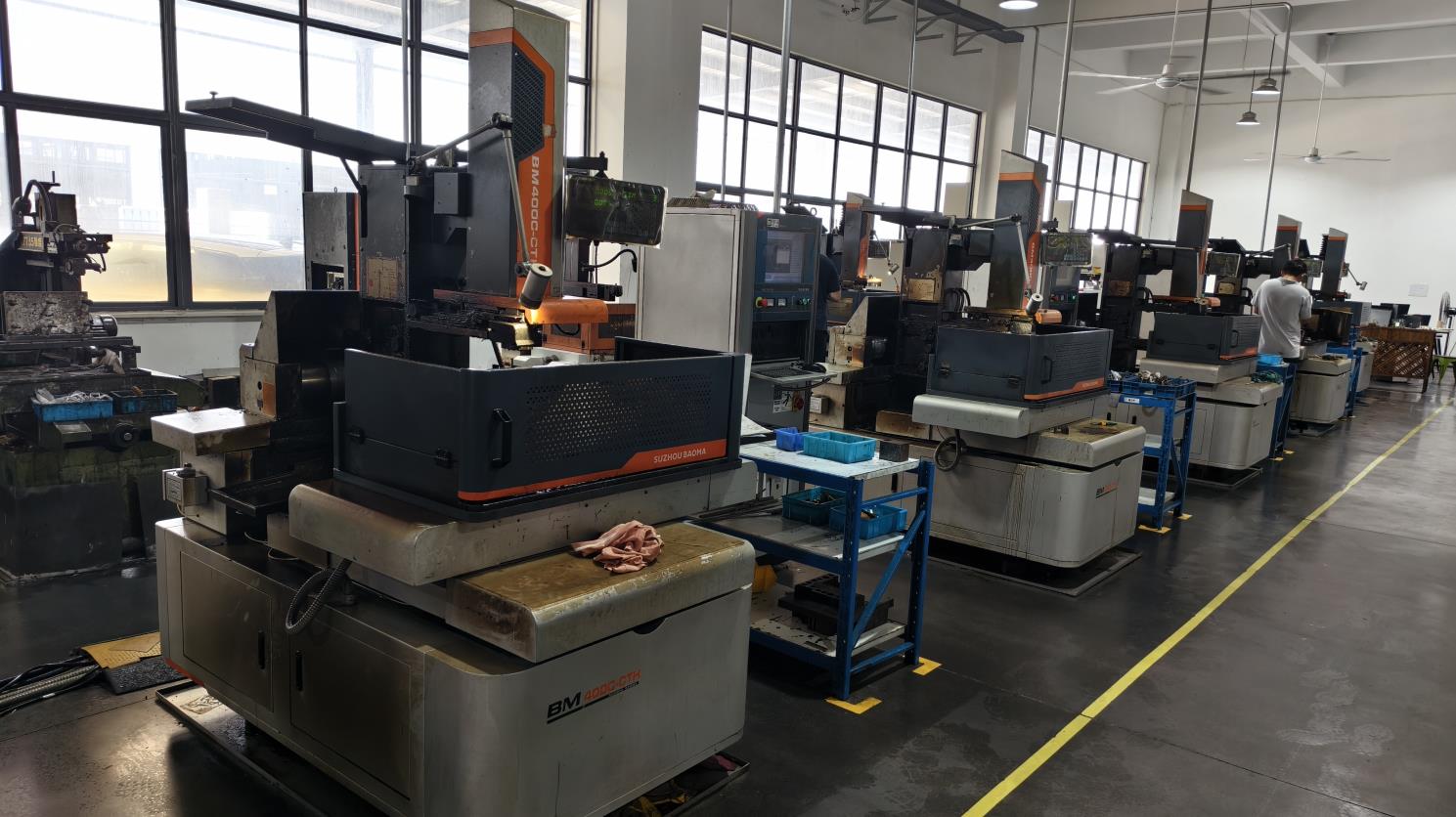
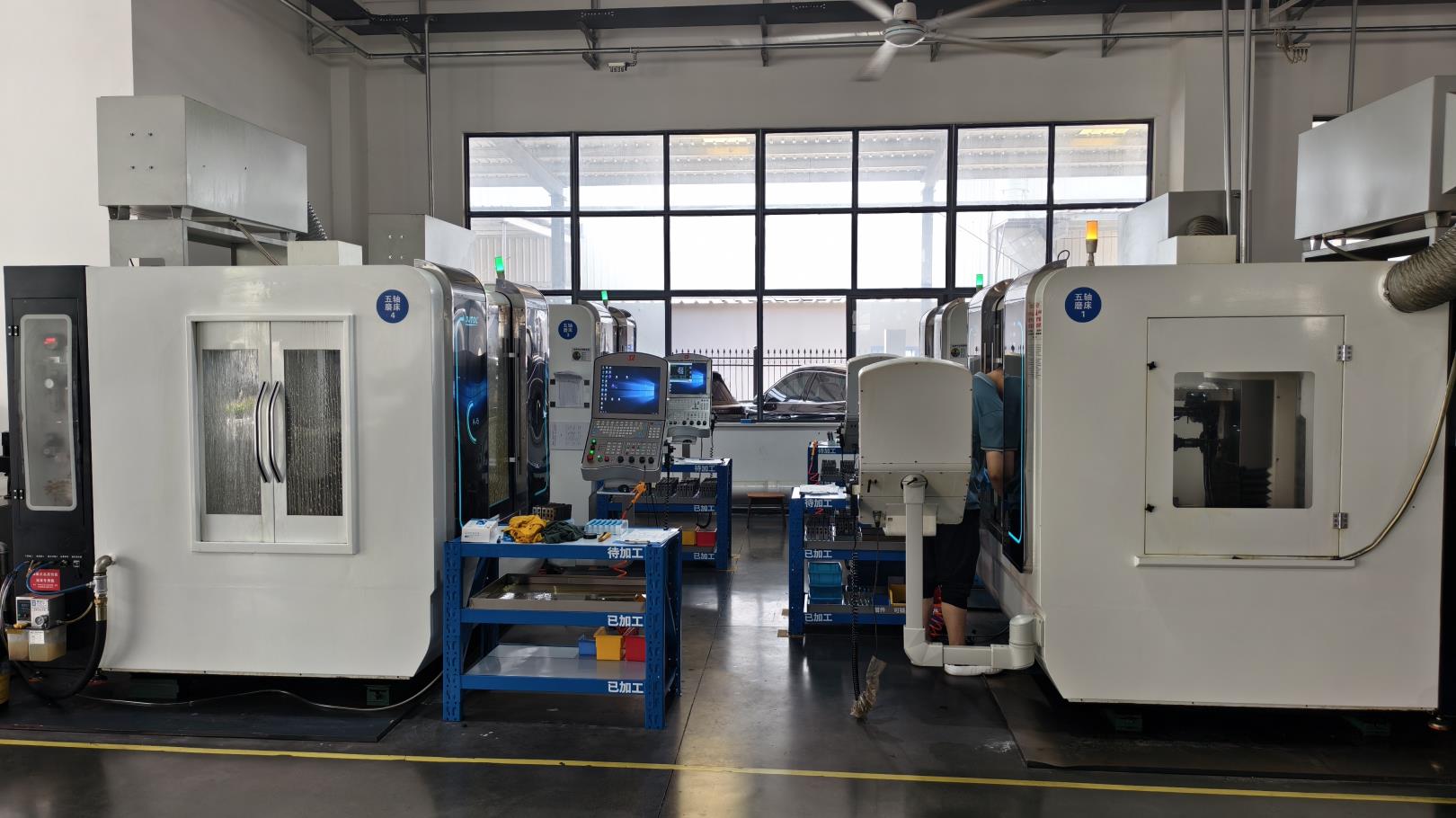
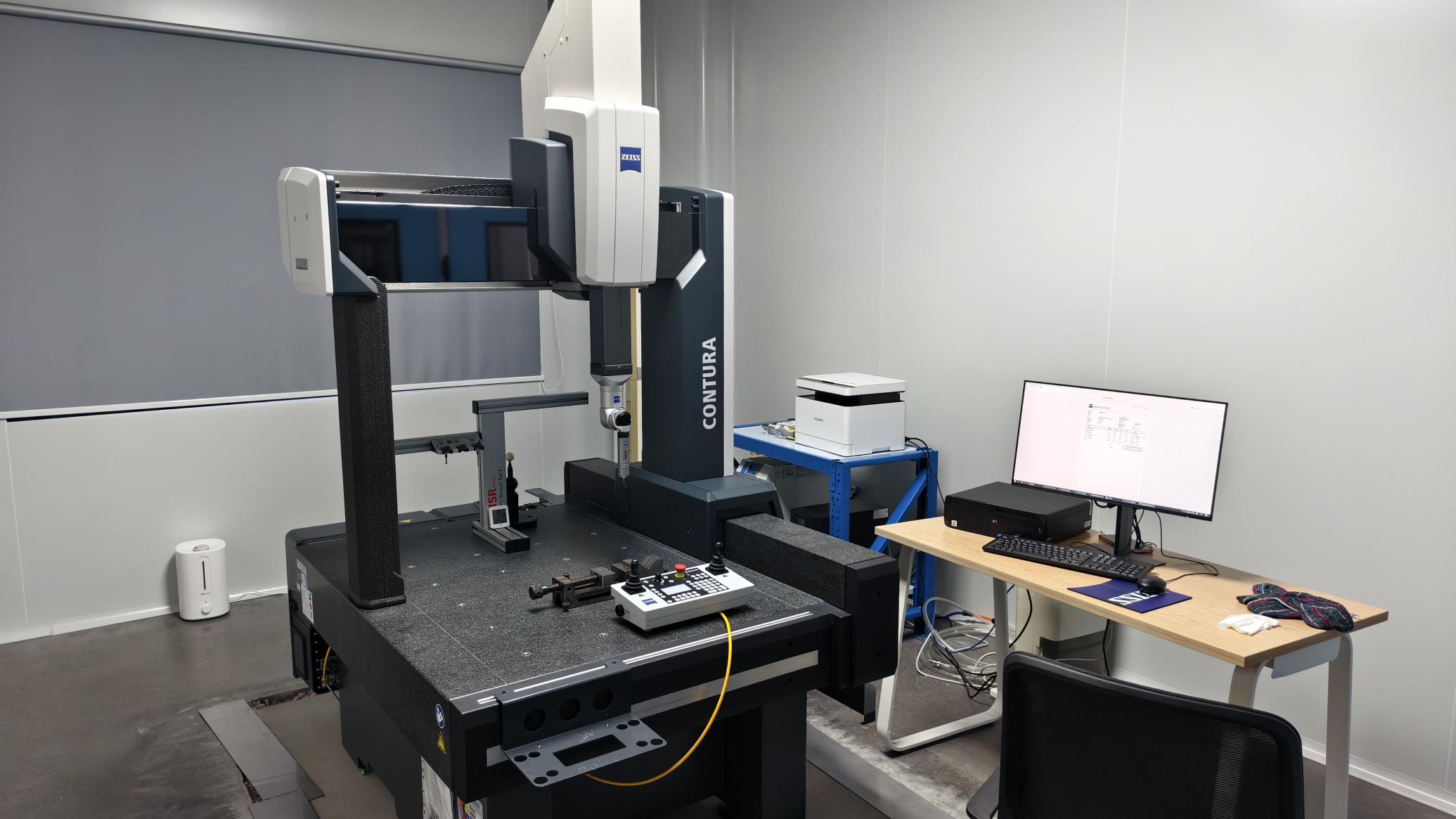
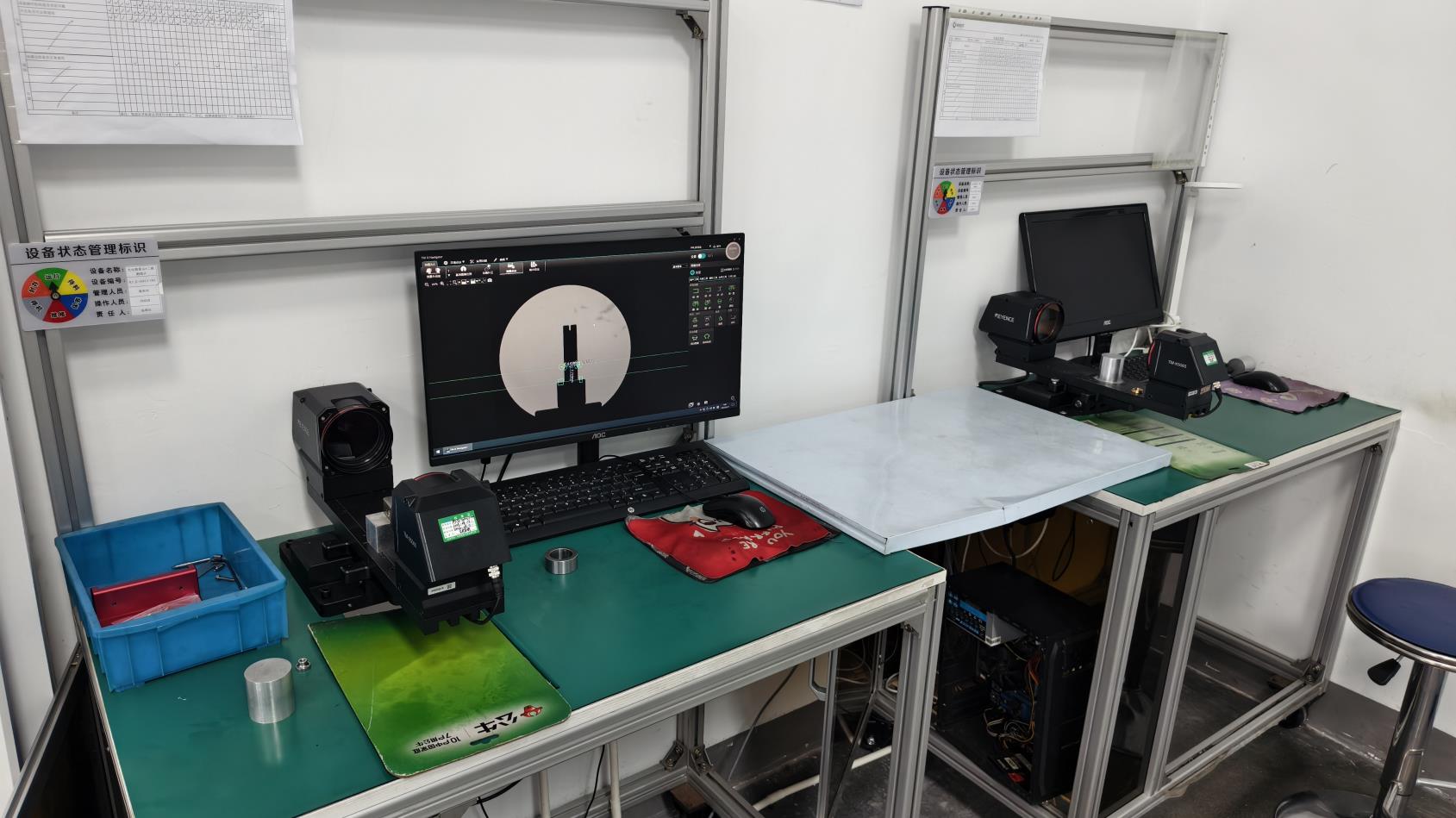
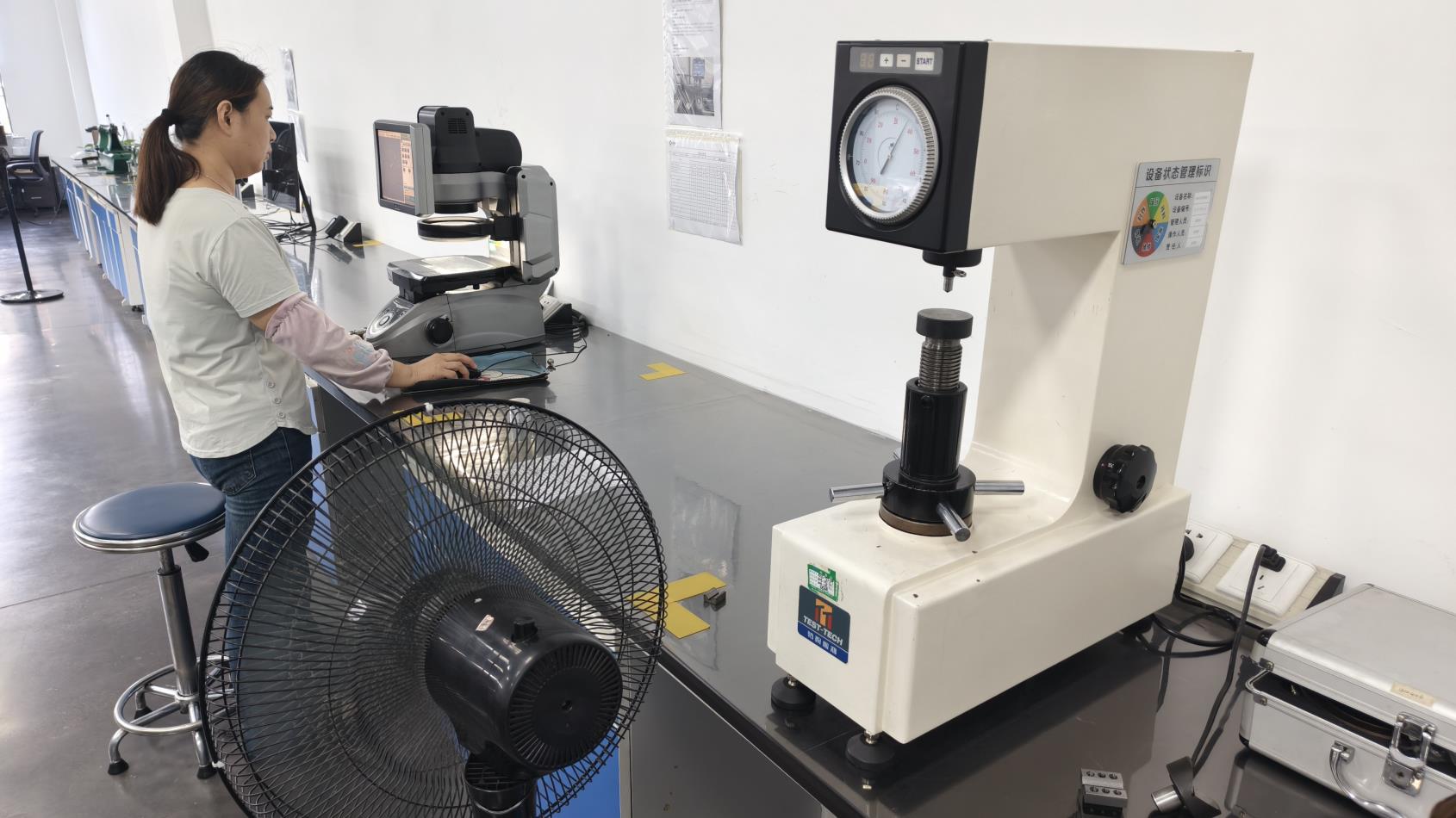
When sourcing orthopedic instruments at a global scale, procurement decisions should look beyond purchase price. Technical buyers should focus on three primary operational metrics:
By partnering directly with a qualified exporter, distributors can source custom modifications—such as specific jaw widths, custom angles, or custom laser etchings—directly from the primary factory.
Common technical queries answered by our QC department regarding materials, customization, and export policies.
We primarily use premium Martensitic Stainless Steels (such as AISI 410, 420, and 630). These grades are selected because they can be heat-treated to achieve the hardness required for sharp cutting edges, while maintaining good rust resistance and structural strength under high load.
Every instrument undergoes a multi-stage chemical passivation process. This treatment strips away free iron particles from the surface, forming a stable, corrosion-resistant chromium oxide layer. Additionally, we conduct ASTM F1089 boil tests on every production batch to verify corrosion resistance before shipment.
Yes. We support custom manufacturing based on physical samples or engineering drawings. We can adjust jaw sizes (from 1mm up to large-animal dimensions), modify shaft curves, and provide custom laser engraving to match your brand's specifications.
For standard catalog items, orders are typically prepared for export within 15 to 30 days. For custom designs or OEM modifications requiring new tooling, the manufacturing timeline is generally 45 to 60 days, depending on the complexity of the design.
Every single instrument is hand-aligned and calibrated by experienced technicians. The tension is checked with specialized load gauges, and we perform test cuts on synthetic media to ensure clean bites across the entire length of the jaw.
Our manufacturing processes comply with ISO 13485 quality standards. We provide Certificate of Conformity documents, raw material analysis reports, and customs-compliant export paperwork for smooth clearance in North America, Europe, and Latin America.
Yes. We welcome third-party inspection firms (such as SGS or TÜV) hired by the buyer to perform random sampling, dimensional audits, and functional testing on our factory floor before final packaging.
Each instrument is packed in an individual, protective anti-static bag with protective caps on all sharp edges. They are then placed inside structured, impact-resistant inner boxes and shipped in export-grade corrugated outer cartons to prevent movement and damage during transit.
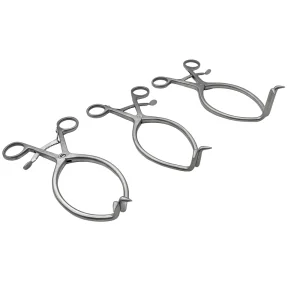
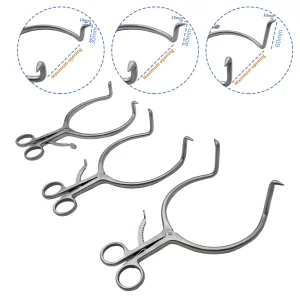
Browse our specialized retractor configurations, bone holding tools, and arthroscopic instruments designed for complex reconstructive and joint surgeries.