 SENJIE Healthy & Technology
SENJIE Healthy & Technology
SENJIE Healthy & Technology
Engineered to allow precise contouring of medical bone plates while preserving structural integrity and preventing localized stress cracking.
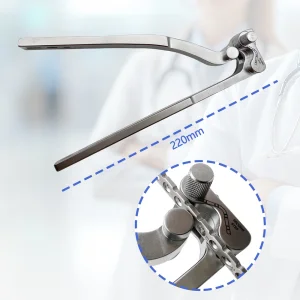
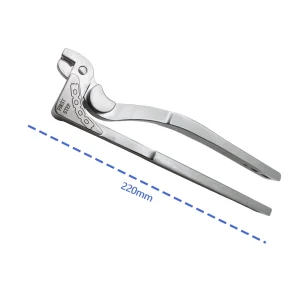
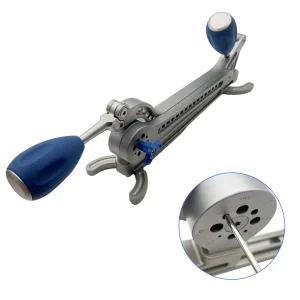
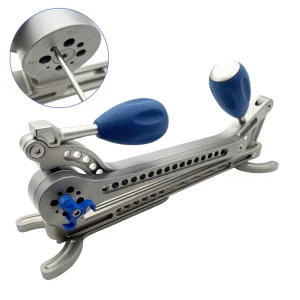
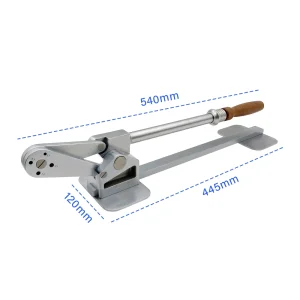
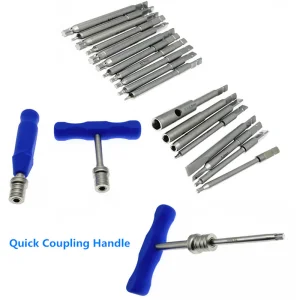
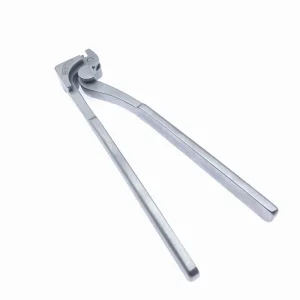
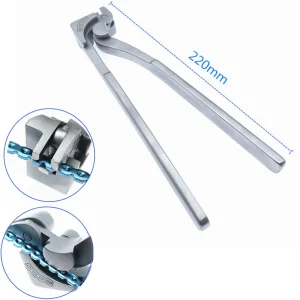
In the biomechanics of internal fixation, orthopedic reconstruction plates must be adapted precisely to match the complicated anatomical geometries of the host skeleton. As a premier orthopedics instruments bending irons manufacturer & supplier, we recognize that bending a plate is not simply a matter of manual deformation, but a highly sophisticated process involving physical metallurgy. High-strength materials, such as surgical-grade 316LVM stainless steel (ASTM F138) and Titanium Grade 5 (Ti-6Al-4V ELI), exhibit distinct elastic deformation zones, yield strengths, and plastic deformation limits.
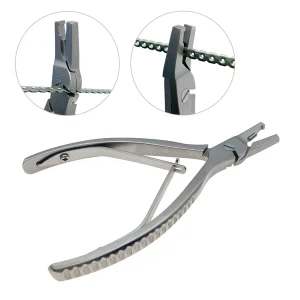
When bending force is applied using manual combination bending pliers or specialized bending irons, the material on the outer radius of the curve undergoes significant tensile stress, while the inner radius is subjected to compressive forces. If the bend is applied too rapidly, or with incorrect leverage, it can lead to micro-cracking, lattice displacement, or local crystallization defects. These anomalies function as stress concentrators, dramatically reducing the fatigue limit of the implant and risking premature in vivo failure.
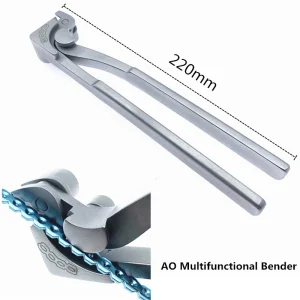
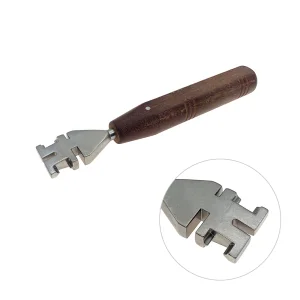
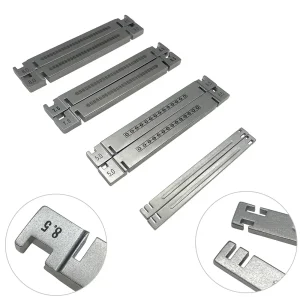
Our specialized instruments, including the AO Manual Combination Bending Pliers and Mini Orthopedic Surgical Bending Irons, are engineered with precise pivot centers and micro-smoothed contacting contours. This reduces surface notch stress and prevents cross-contamination of metals (such as carbon transfer from tool to implant), which could otherwise initiate localized galvanic or crevice corrosion under physiological conditions.
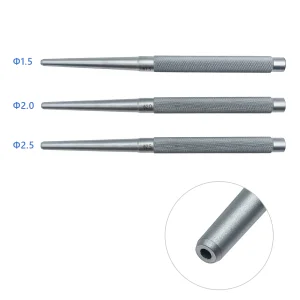
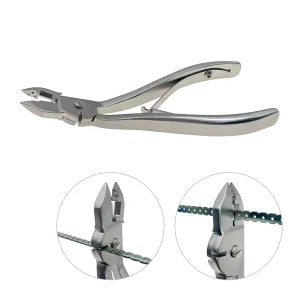
The global demand for high-quality orthopedic instruments is expanding at an unprecedented rate, driven by a growing geriatric population, rising incidents of high-energy motor vehicle trauma, and the continuous growth of specialized veterinary healthcare. As veterinary orthopedic surgeries mirror human clinical standards, instruments like the Mini Plate Bending Cutting Forceps and Kirschner Wire Punch are being adopted by veterinary teaching hospitals globally.
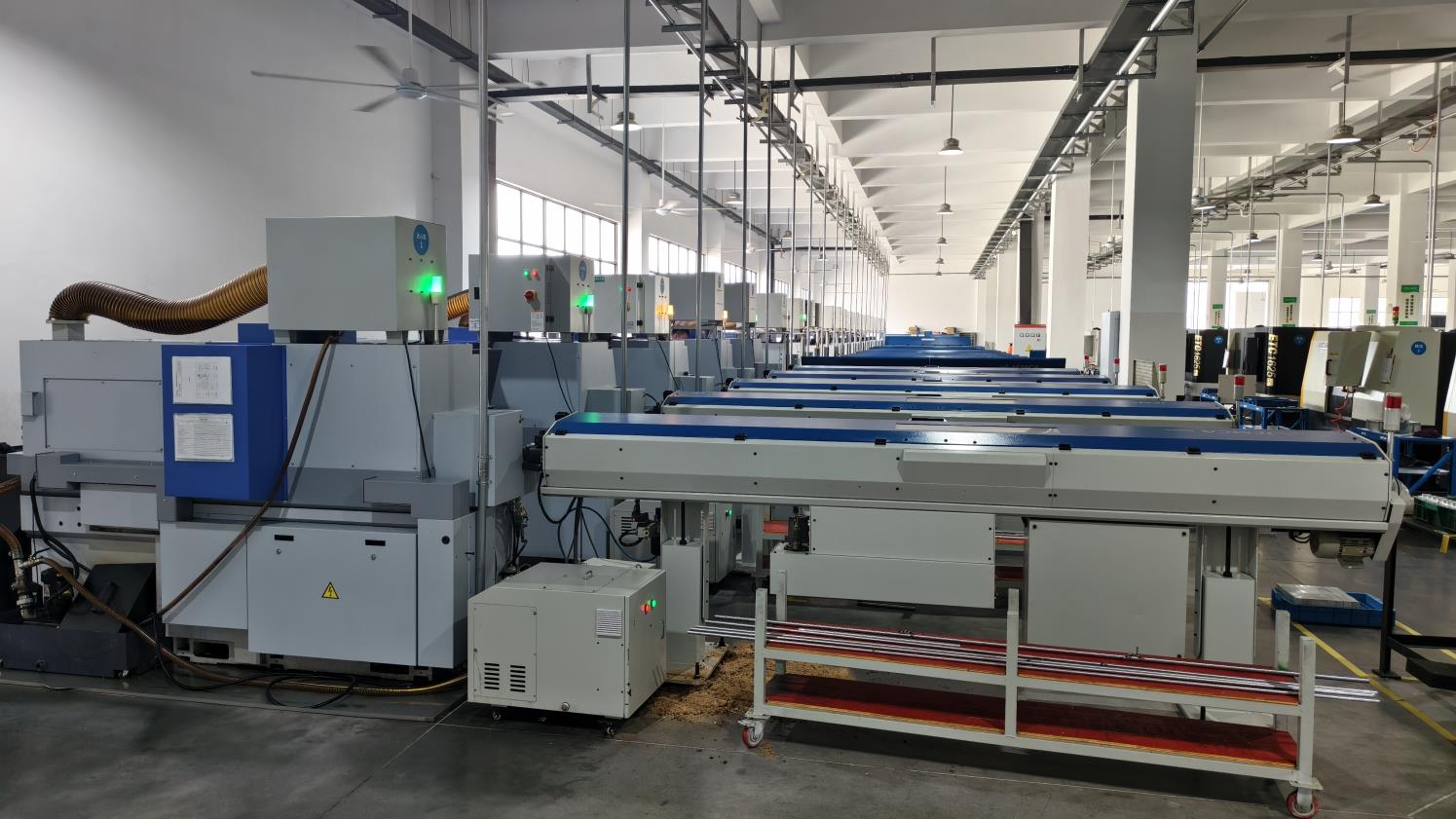
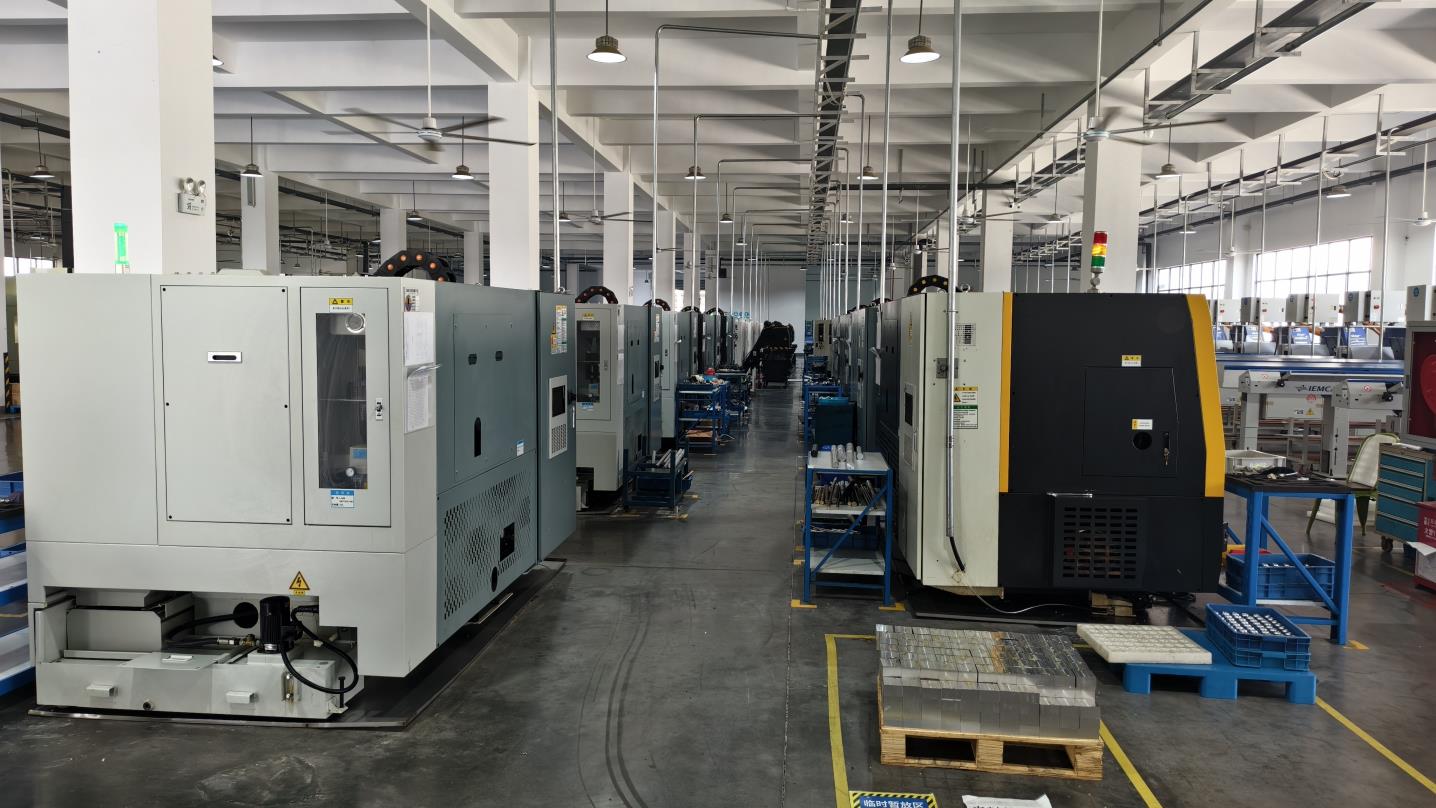
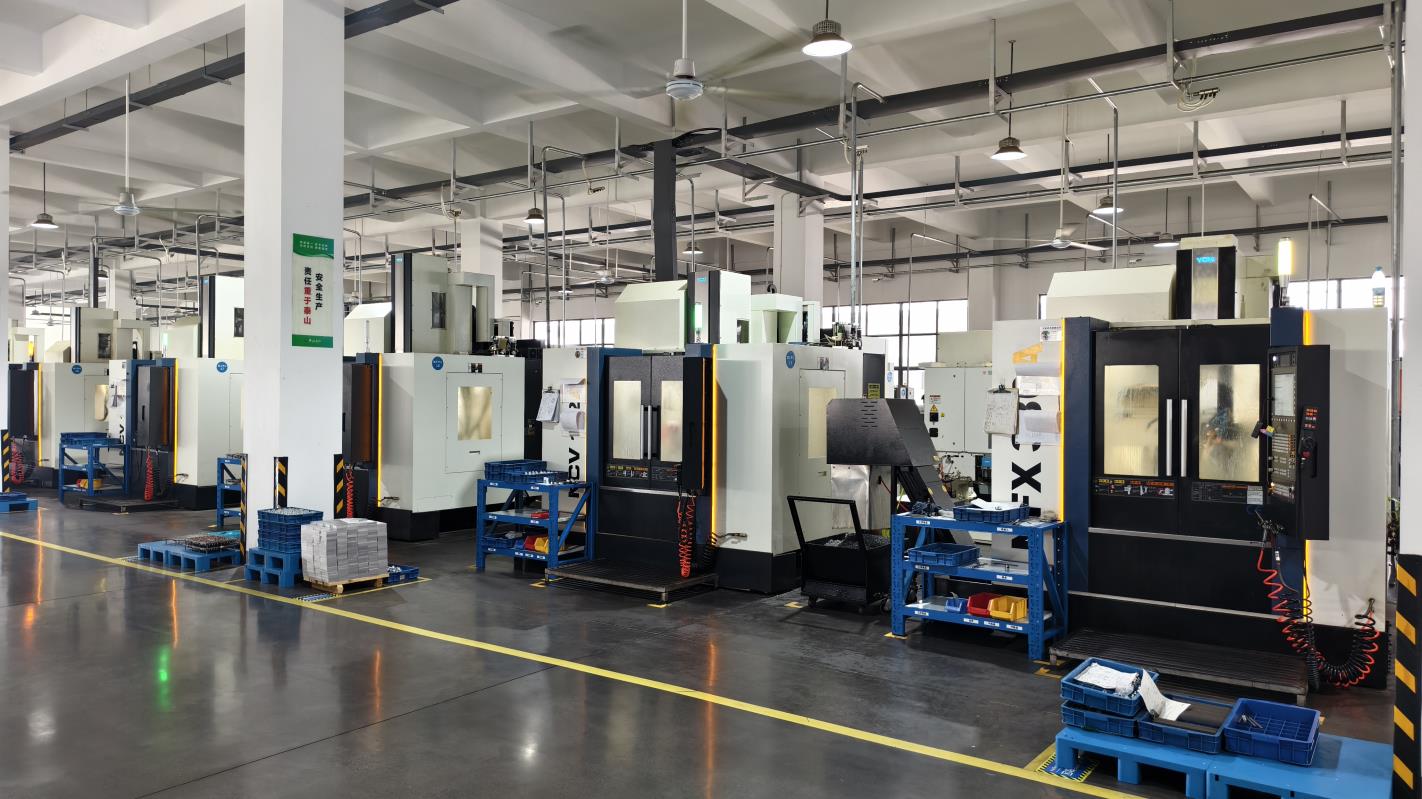
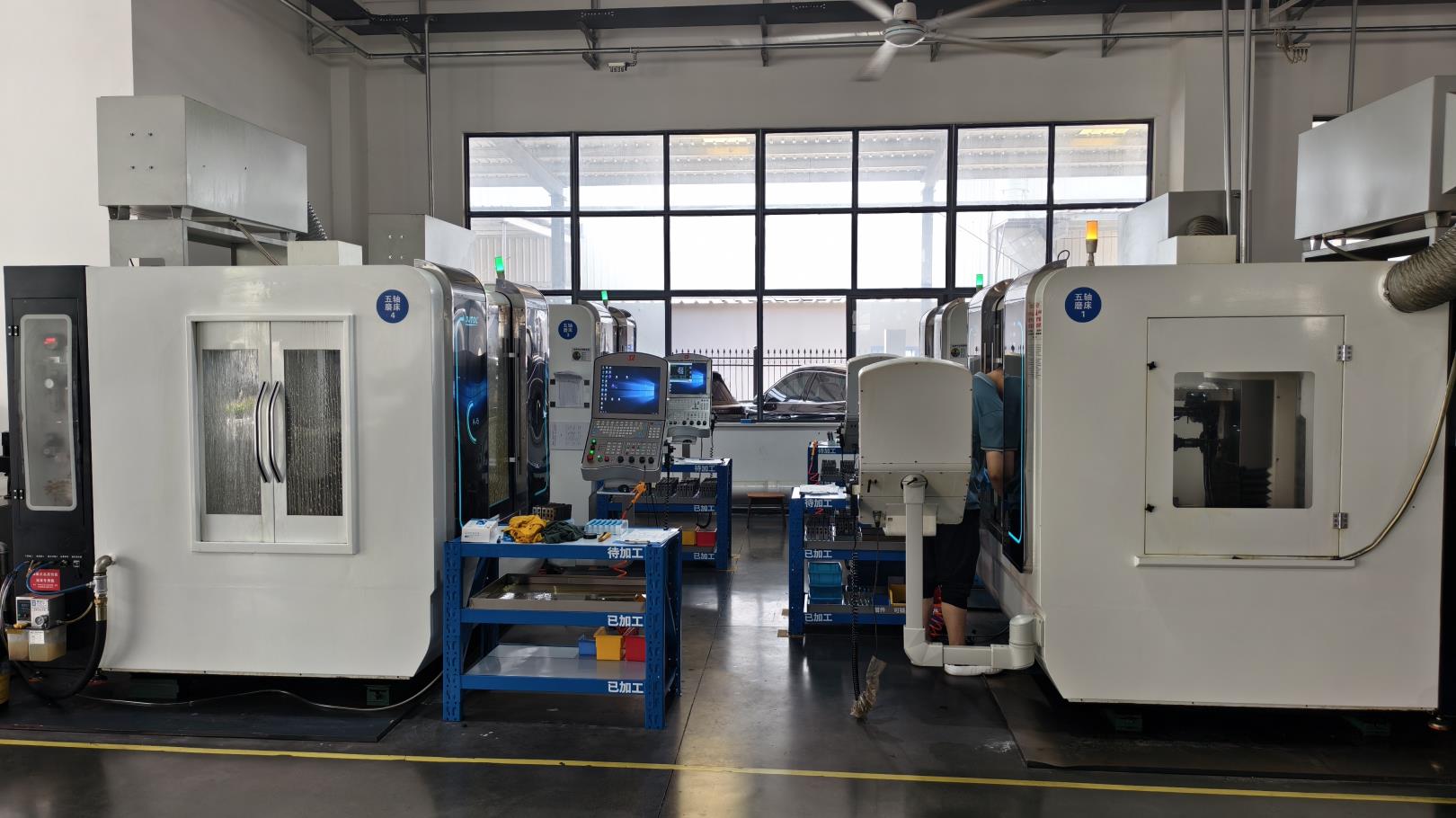
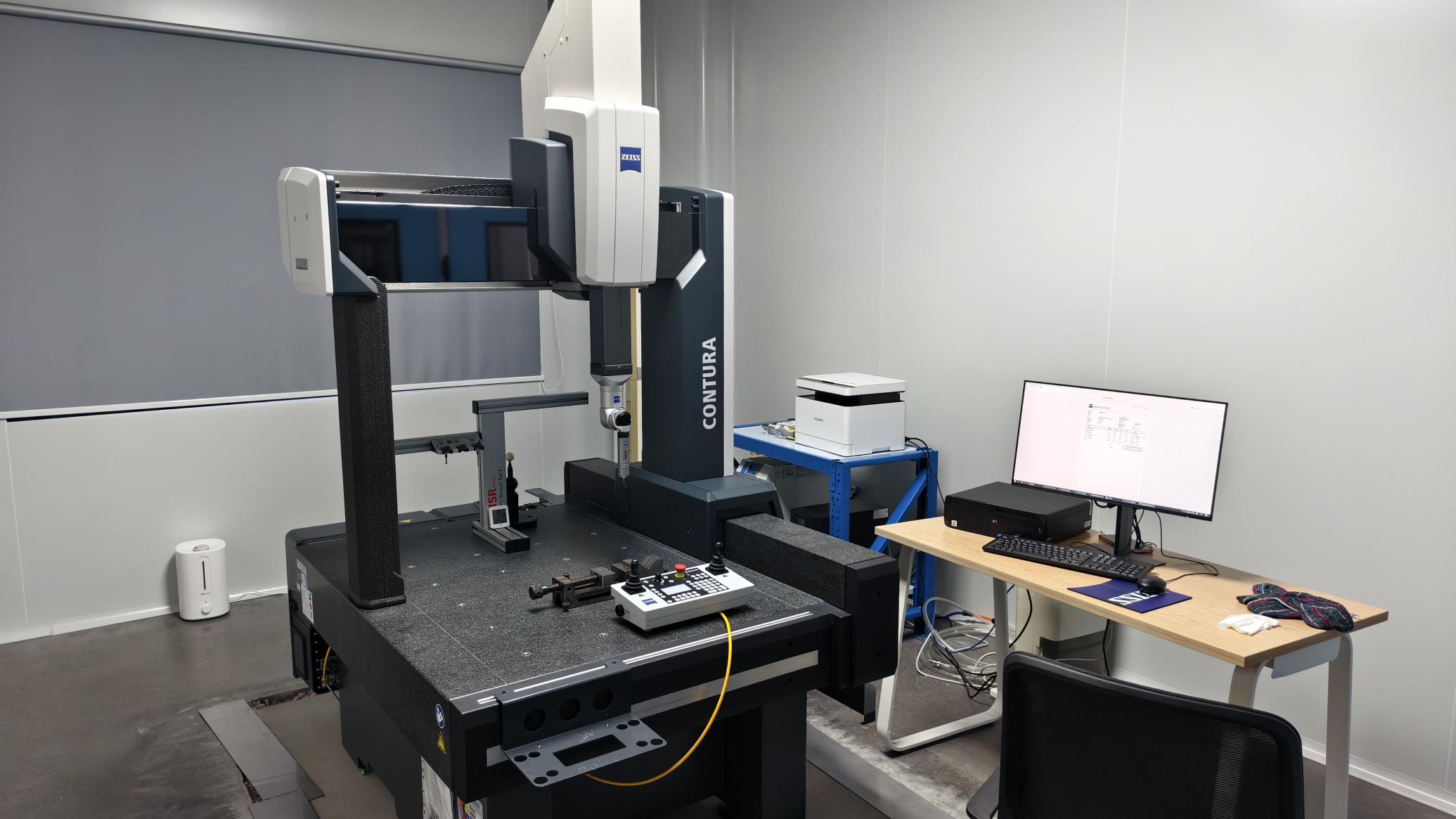
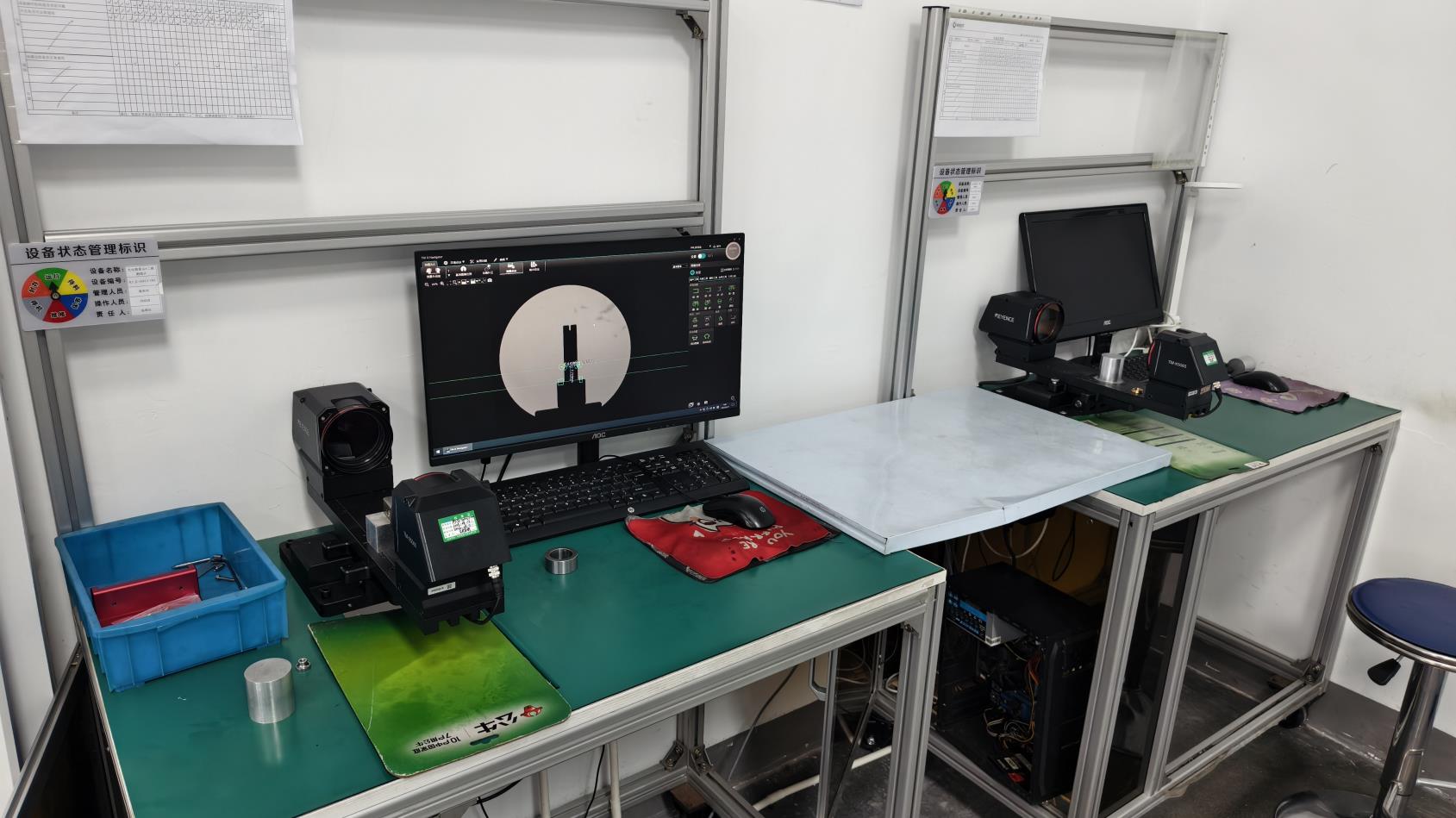
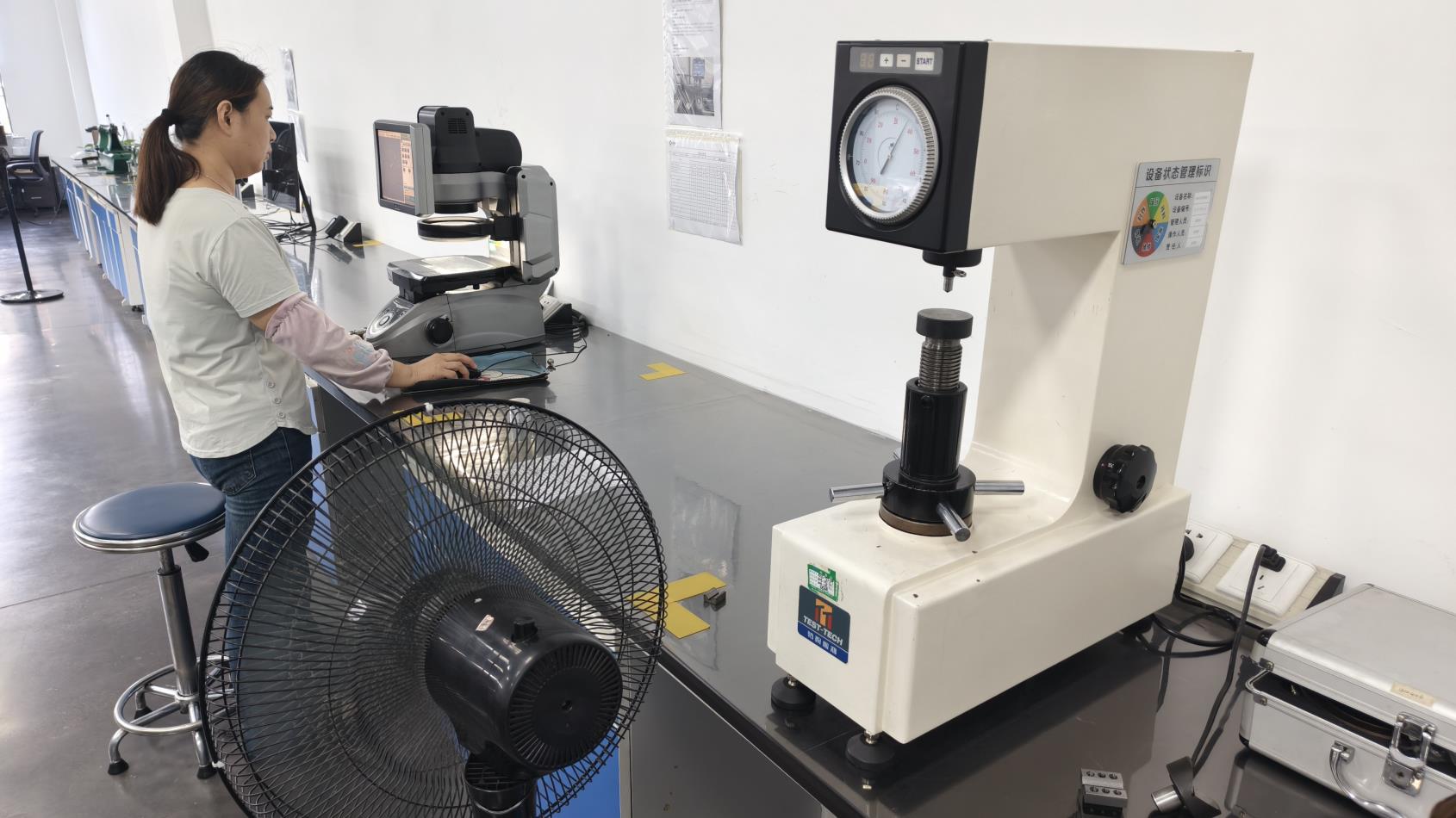
Currently, the supply chain for orthopedic hardware is centered on high-precision manufacturing nodes capable of complying with regulatory frameworks such as the EU Medical Device Regulation (MDR) and U.S. FDA Class II requirements. Raw materials must be traced from the melt source down to the finished item. Our processing accommodates customized orders, providing services ranging from sample processing to custom graphic processing, meeting the requirements of wholesalers, retail medical distributors, and private brands.
| Regional Markets | Distribution Percentage | Standard Compliance & Material Options | Preferred Client Demographics |
|---|---|---|---|
| North America | 25% | ASTM F138 Stainless, ASTM F136 Ti6Al4V, FDA Traceable | Brand business, Hospital networks, Wholesalers |
| South America | 25% | ISO 5832-1 Compliant Surgical Grade Materials | Retail distributors, Regional import agents |
| Southeast Asia | 15% | High-tensile Stainless Steel, Economic Durability | Private veterinary clinics, Brand business partners |
| Other Global Regions | 35% | Multi-tiered custom solutions, raw material certification | Customized brand buyers, OEM research laboratories |
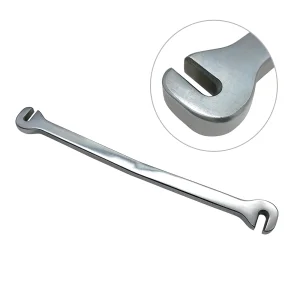
In anatomical reconstruction, clinical requirements dictate tool selection. For example, in mandibular or pelvic reconstruction (for both human traumatology and small animal surgical procedures), surgeons utilize reconstructive plates featuring notched corridors that facilitate multi-directional bending. For these applications, the Multifunctional AO Reconstruction Plate Bender is crucial. It allows the surgeon to create out-of-plane twists (3D bending) without collapsing the adjacent locking screw holes.
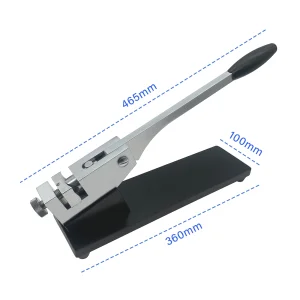
Conversely, large-animal veterinary surgery (such as equine or canine femoral fractures) requires robust, heavy-duty plates capable of bearing loads up to several thousand Newtons. For these situations, instruments such as the Large Bone Plate Bending Press Machine and Table Rod Cutting Forceps (1.5 to 6.0mm) are required. These instruments provide mechanical leverage, allowing surgical staff to pre-contour thick plates or cut high-diameter Kirschner wires cleanly inside the operating suite, reducing surgical time and minimizing tissue exposure.
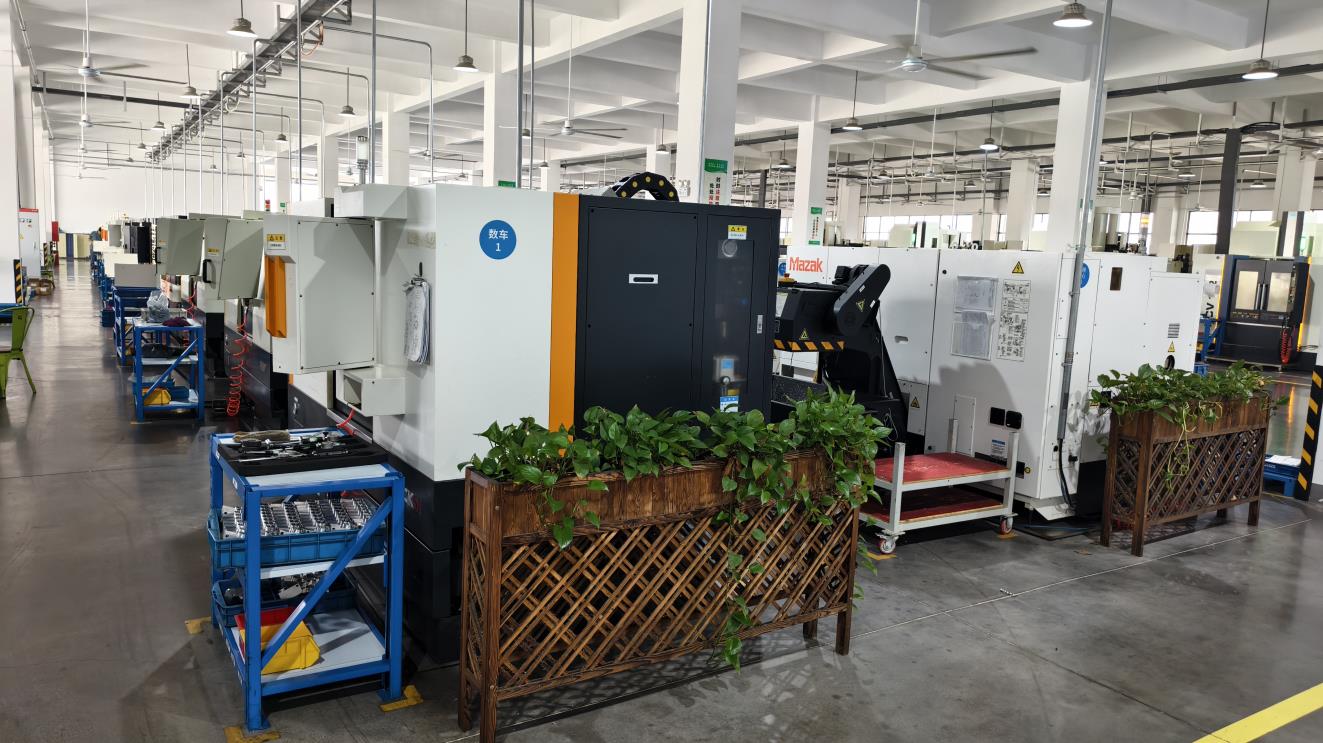
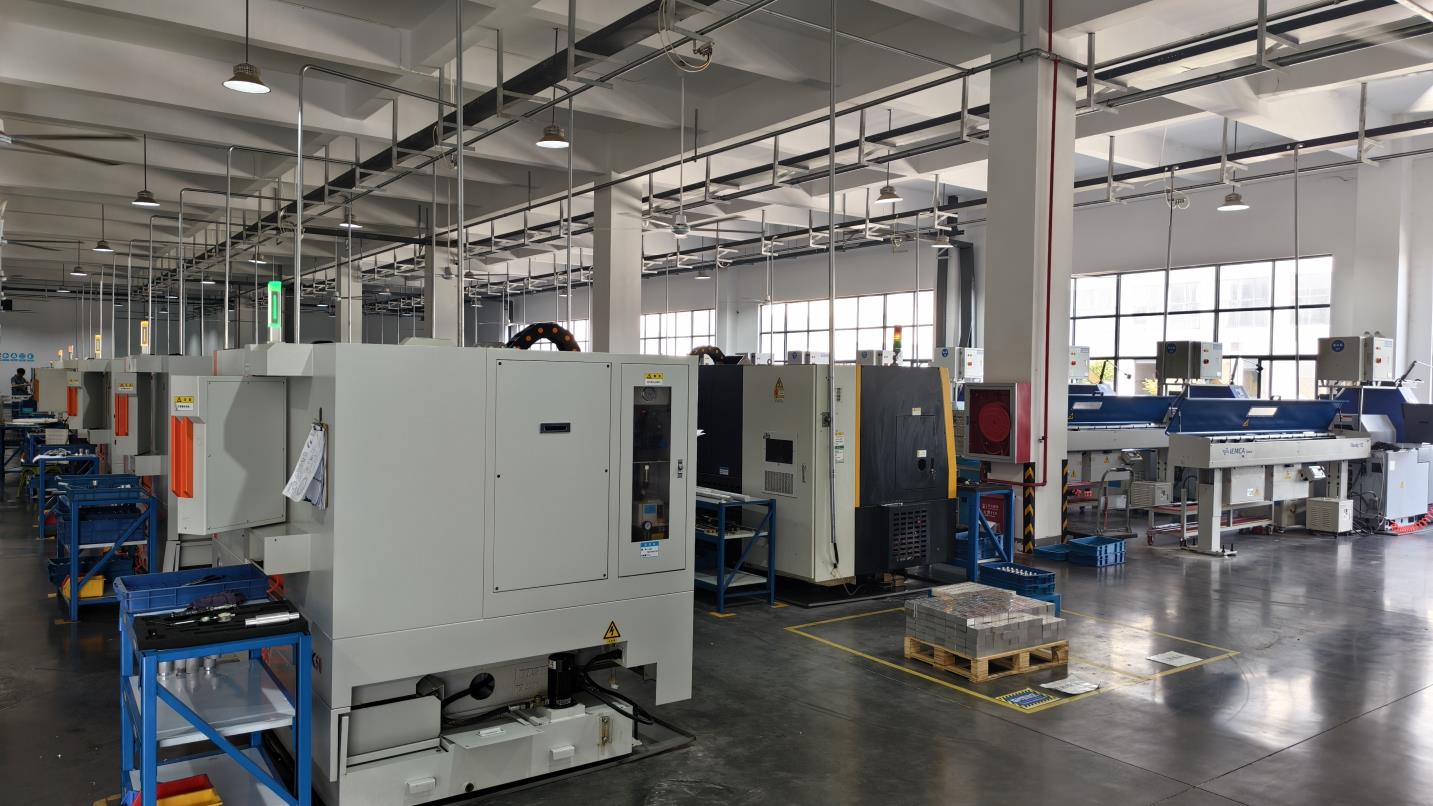
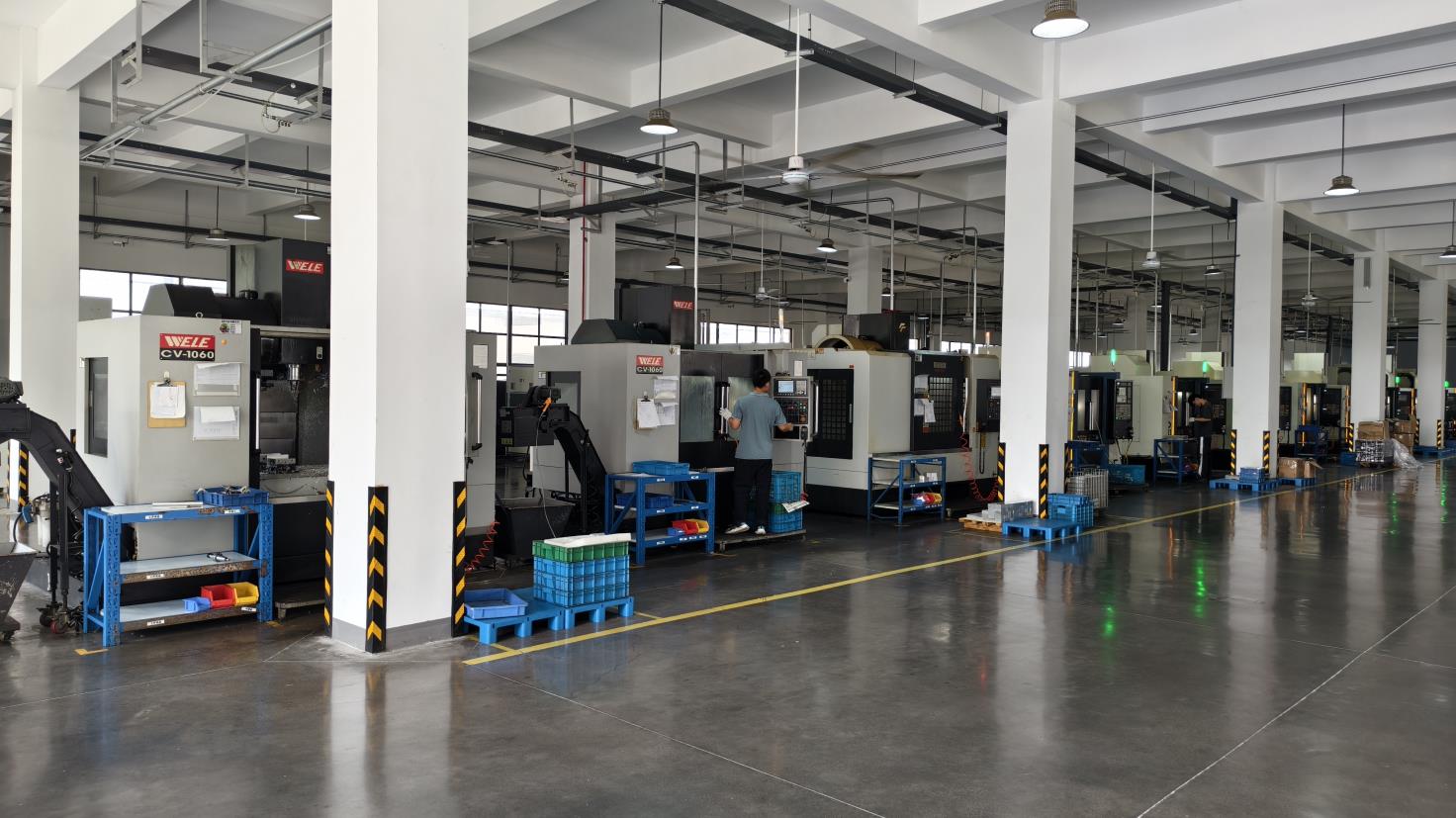
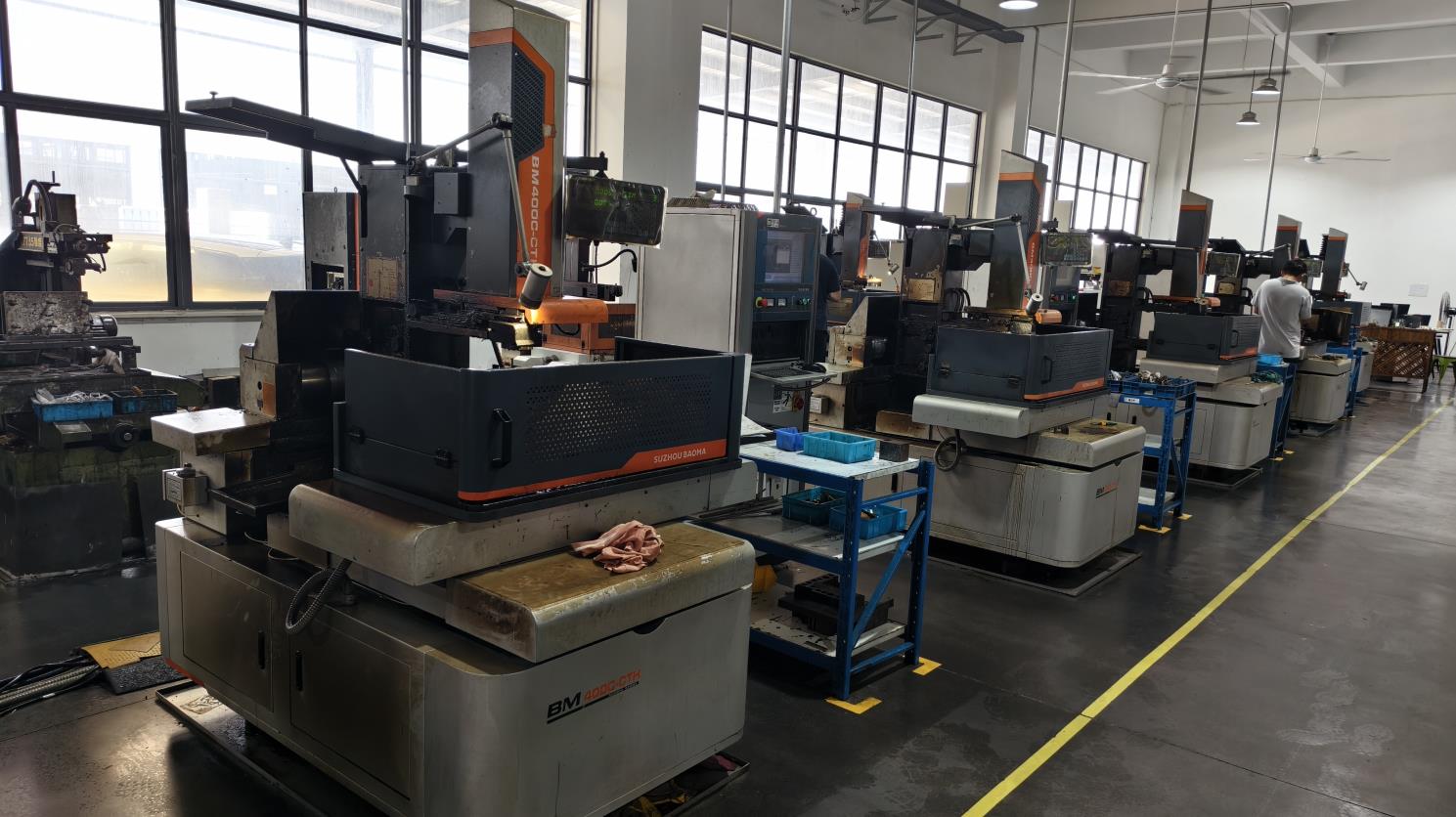
The orthopedic instrumentation landscape is evolving rapidly, driven by the integration of digital surgical workflows and advanced metallurgy. The long-term technical roadmap highlights several key directions:
1. Surface Passivation and Tribology: Contemporary manufacturing techniques demand precise control over the passive oxide layer on surgical stainless steel and titanium. Our state-of-the-art passivation and polishing techniques ensure that bending irons do not transfer trace elements or compromise the corrosion-resistance profile of the implant.
2. Integration with 3D Pre-Planning: Digital pre-bent models generated from patient CT scans allow manufacturers to pre-contour plates using CNC-controlled bending systems. However, manual intraoperative adjustments using tools like the Large Fragment Bender Orthopedic Bending Irons remain critical for fine adjustments during real-time bone reduction.
3. Ergonomics and Tool Weight Optimization: High-leverage instruments are being designed with lighter, hollow core components, or biocompatible polymer grips. This maintains structural durability while minimizing physical strain on the surgical team.
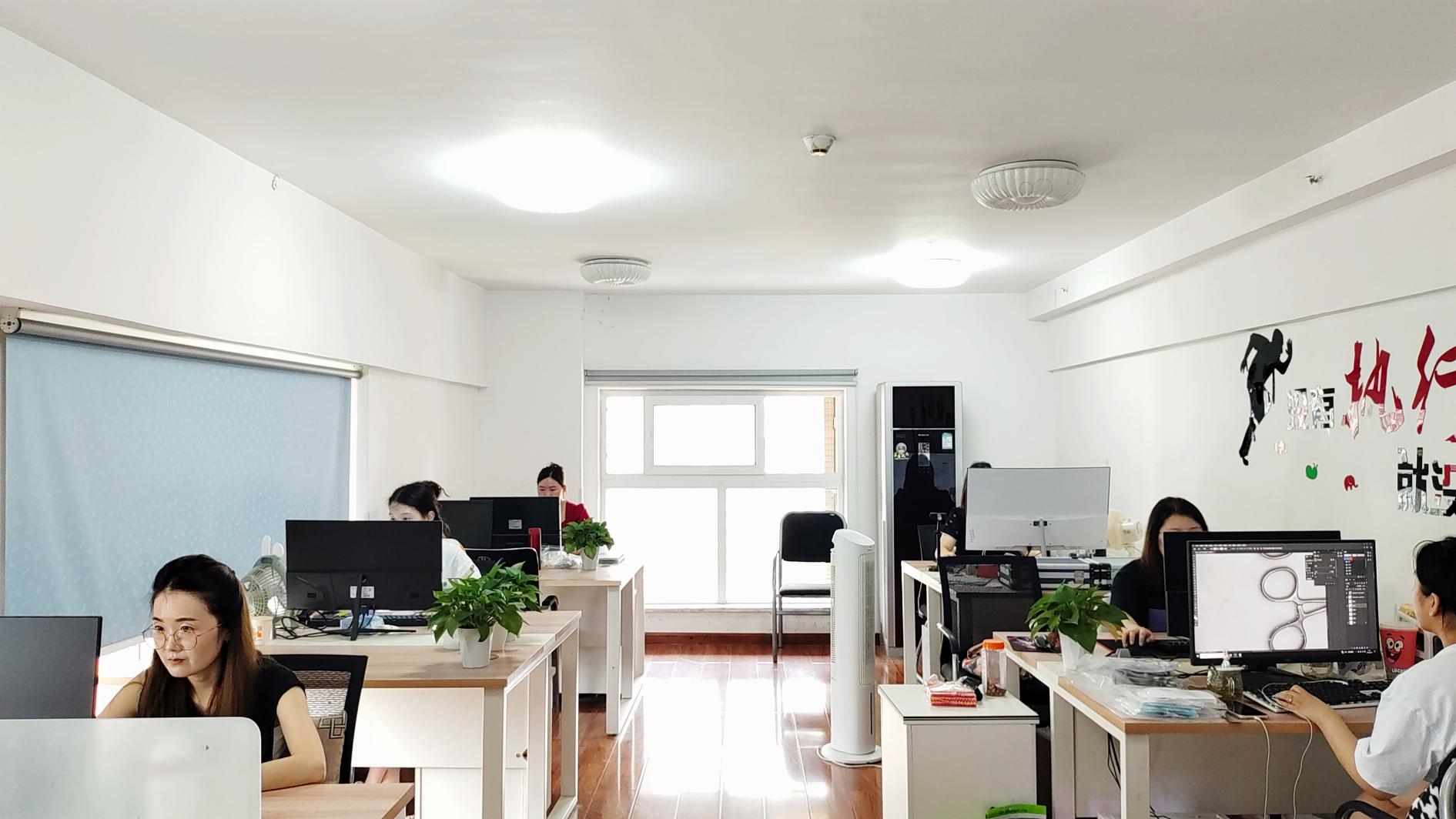
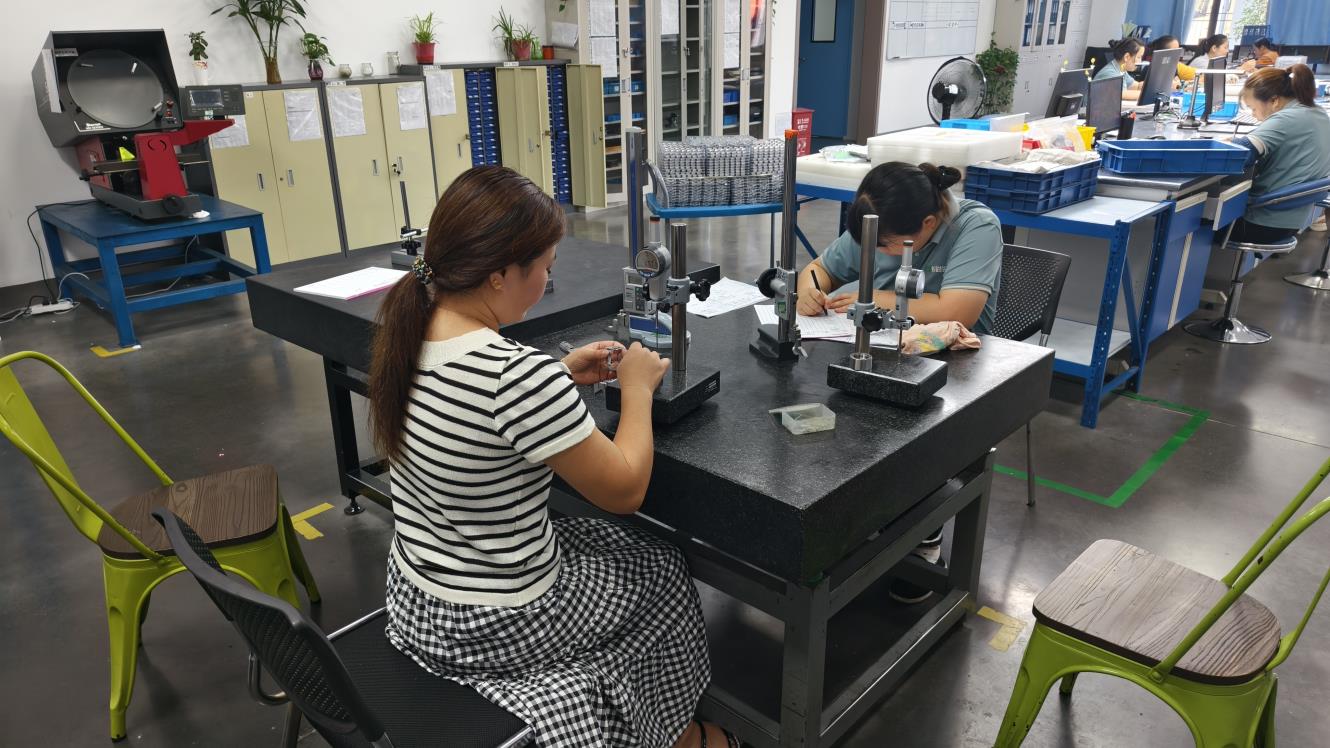
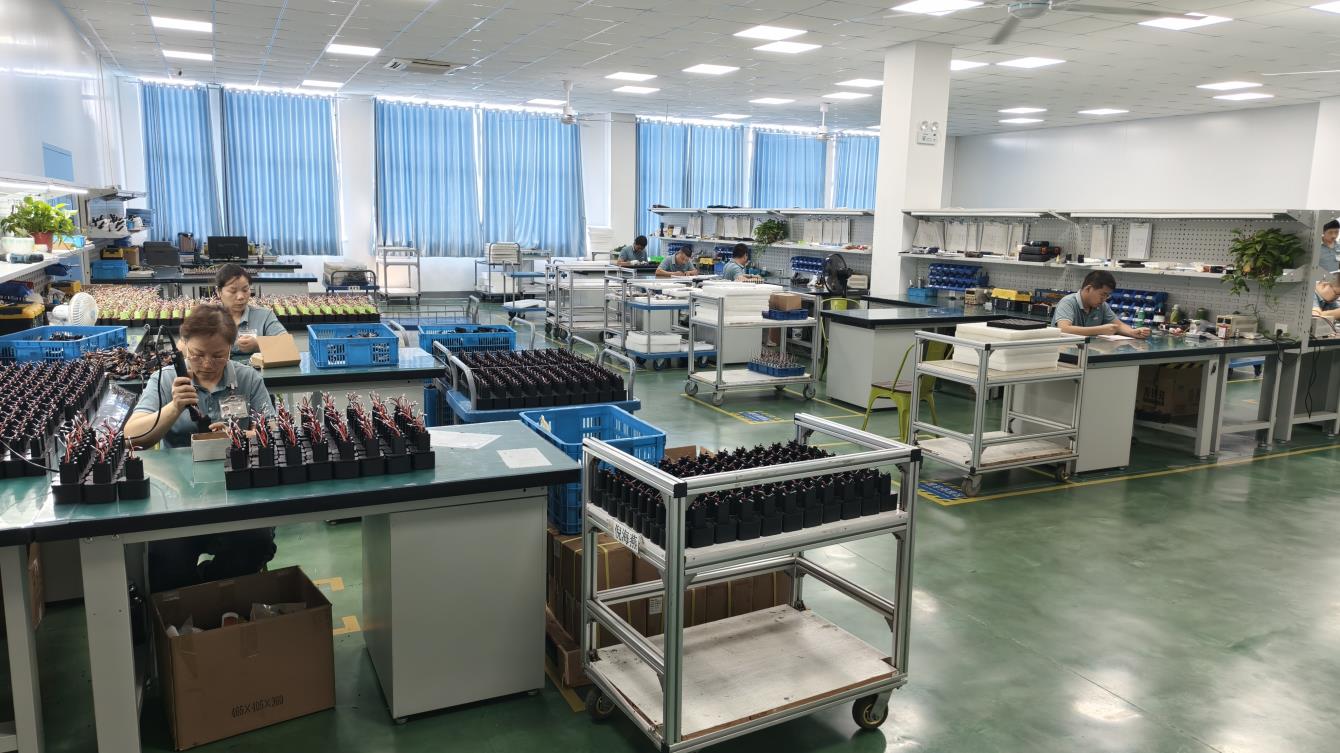
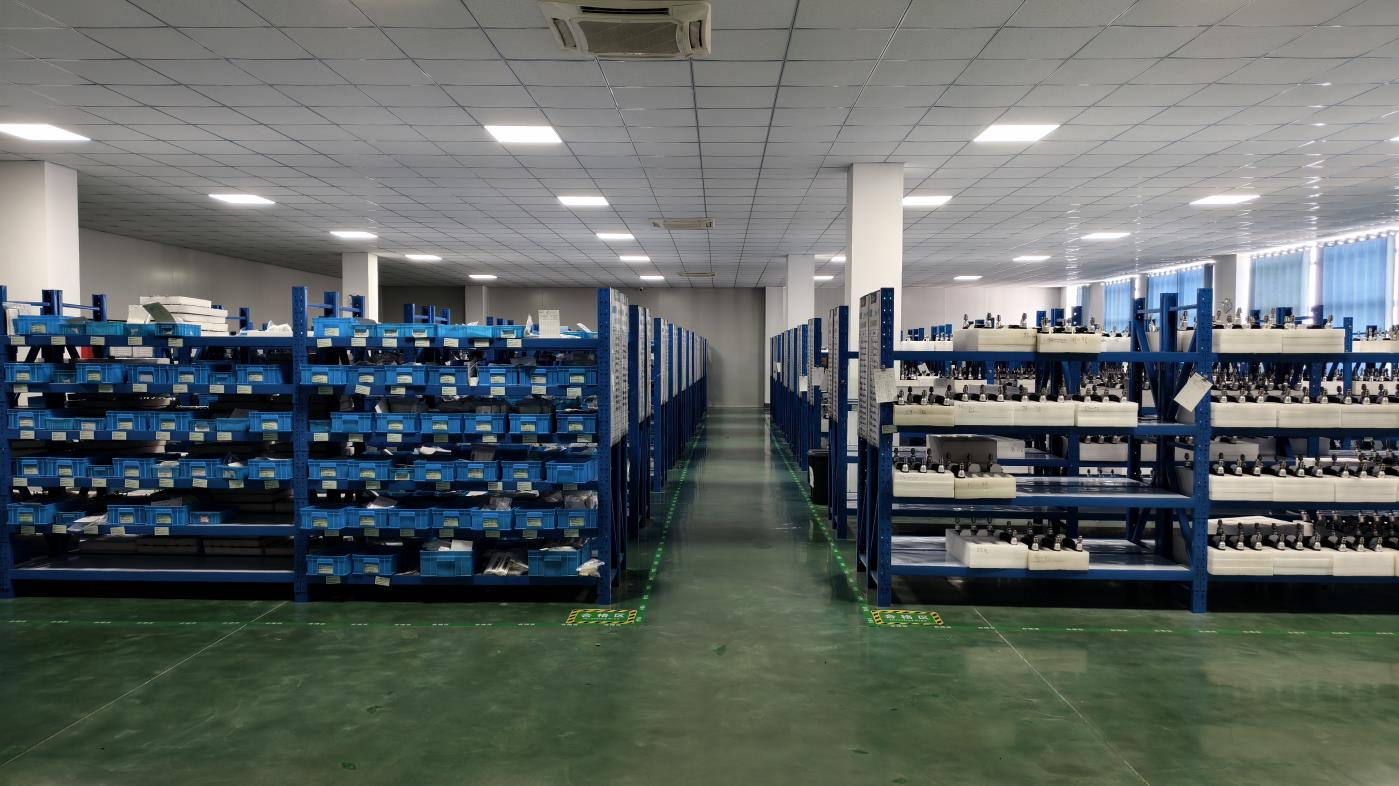
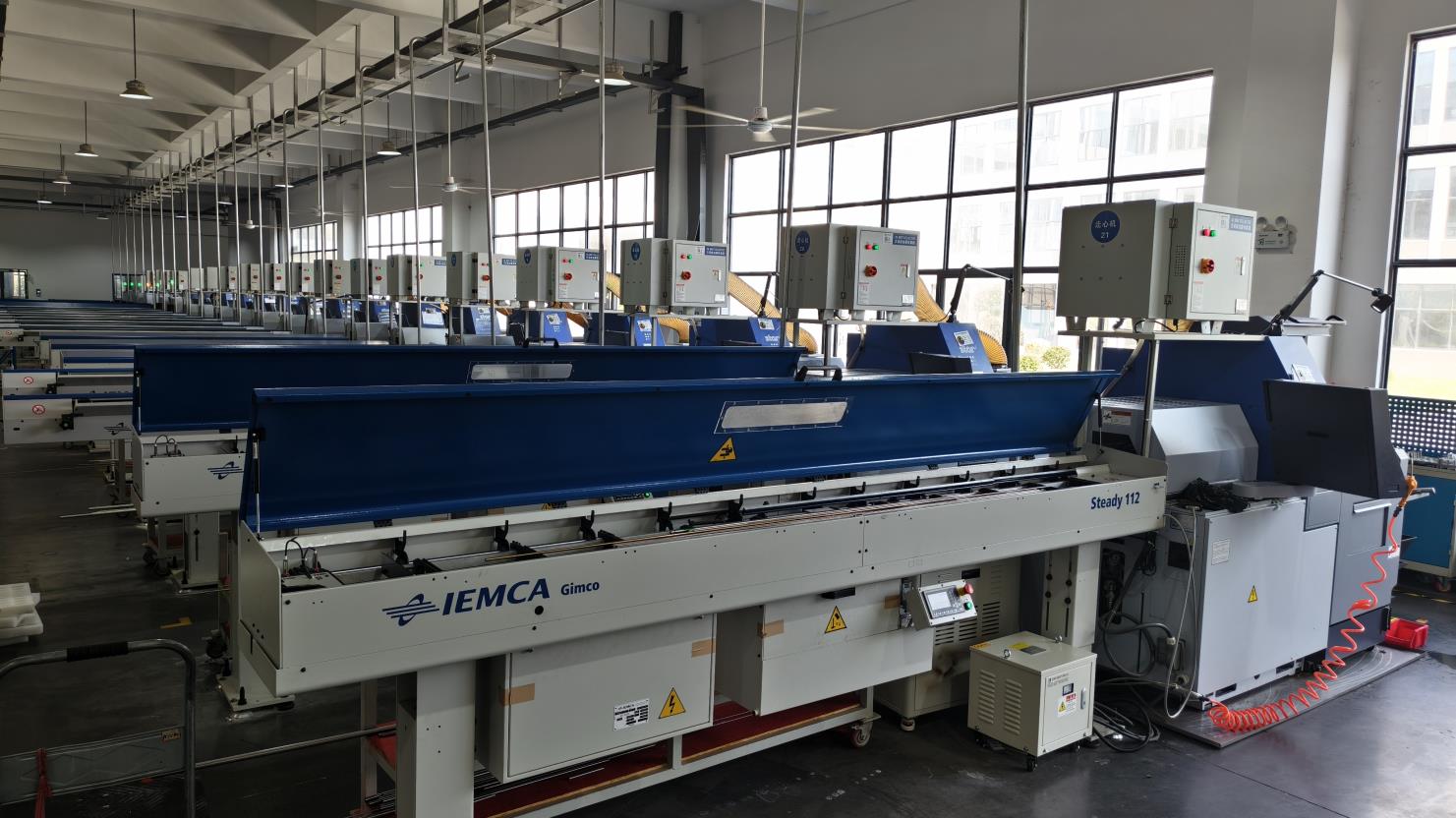
Transparent company data verified through independent audits, showing our capabilities and quality control processes.
Established on 2019-11-20, we have built a manufacturing and export network with 6 years of experience in producing high-quality orthopedic instruments for the global market.
We implement strict quality control protocols, including raw material traceability, random testing, and customized client inspections managed by 3 specialized QA/QC inspectors.
We support varied customization options, including sample processing, graphic processing, and customized on-demand manufacturing, serving wholesalers and private brands.
Providing surgical teams with precision control and leverage for demanding internal fixation procedures.
Providing expert answers to common engineering and sourcing questions regarding orthopedic plate adaptation instruments.
A: High-quality bending irons and combination pliers are designed with specific support slots and protective pins. These insert directly into the plate holes, absorbing the localized torque and bending stress. This prevents deformation of the threaded locking portion of the hole, ensuring the locking screws can still be inserted cleanly and secure the bone plate at the correct angle.
A: In the human and veterinary surgical space, surgical instruments undergo constant autoclave sterilization cycles. If the raw steel contains high sulfur, phosphorus, or iron inclusions, the tool will rust or suffer from stress corrosion cracking within a few cycles. Raw material heat traceability guarantees that the tools are manufactured from premium surgical-grade stainless steel (such as AISI 304 or 420 series), protecting hospitals and private practitioners from liability.
A: As a dedicated manufacturer, we support comprehensive customization, including sample processing, graphical blueprint adaptation, and laser logo etching. Wholesalers and brand businesses can customize dimensions, surface finishes (e.g., satin finish, mirror finish, or blue titanium anodizing), and request specialized packaging tailored to their target markets.
A: Yes. All of our instruments, including the AO Multifunctional Bender and Mini Plate Bending Cutting Forceps, are fabricated using corrosion-resistant medical-grade stainless steel. They are fully autoclavable and capable of undergoing standard sterilization cycles (such as steam sterilization at 134°C for 4 minutes or 121°C for 15 minutes) without degradation or loss of structural strength.