SENJIE Healthy & Technology SENJIE Healthy & Technology

How to Choose the Best Orthopedic Drills for Your Needs?

Time:2026-08-07 Author:Sophia
0%

When it comes to selecting the best orthopedic drills for your needs, expert opinion is invaluable. Dr. Michael Thompson, a renowned orthopedic surgeon, emphasizes, "The right drill can make or break a successful procedure." This quote highlights the importance of choosing high-quality orthopedic drills tailored to specific surgical requirements.

Choosing the correct orthopedic drill is not a simple task. Numerous factors must be taken into account, including the type of surgery, bone density, and material compatibility. Each drill model has its own unique features, which can significantly impact surgical outcomes. A well-designed drill improves precision and minimizes patient trauma, ultimately leading to faster recovery times.

Additionally, it is essential to reflect on the continuous evolution of technology in orthopedic tools. New innovations emerge constantly, making it easy to feel overwhelmed by choices. Evaluating your options and seeking honest feedback can help clarify the best path. Remember that an informed decision stems from understanding the intricacies of orthopedic drills and their applications in practice.
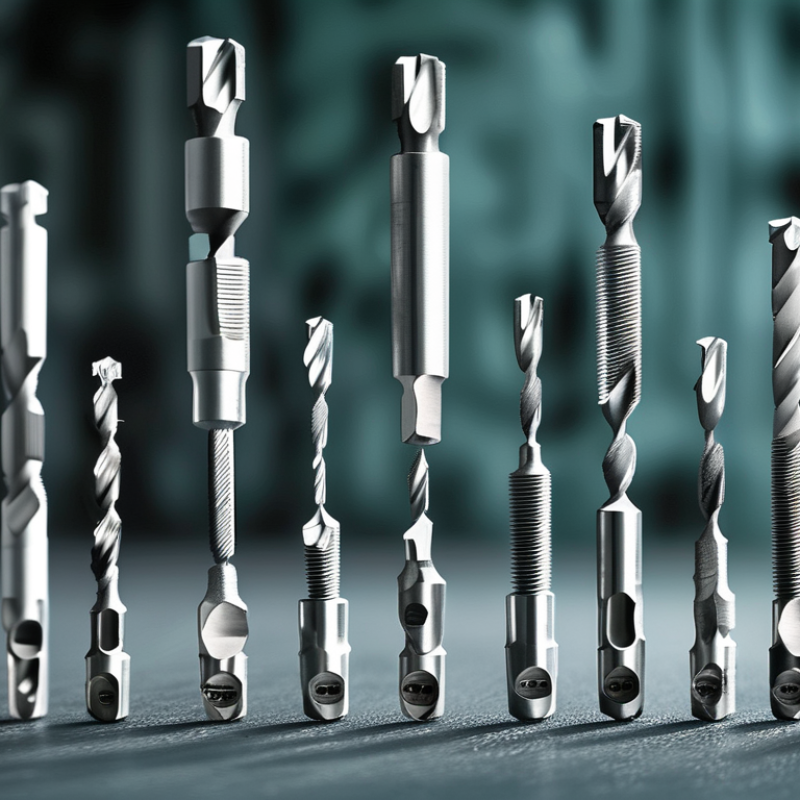
How to Choose the Best Orthopedic Drills for Your Needs?

Factors to Consider When Selecting Orthopedic Drills for Surgical Procedures

When selecting orthopedic drills for surgical procedures, there are several critical factors to consider. One important aspect is the drill's speed and torque settings. These features can significantly affect the precision of surgical work. High-speed drills are essential for cutting through dense bone. However, excessive speed can lead to overheating. It’s crucial to find a balance that allows for effective drilling without damage.

Another vital factor is ergonomics. A well-designed drill can reduce hand fatigue during long procedures. Surgeons should look for lightweight options with a comfortable grip. The drill's weight distribution affects overall control. Surgeons must feel confident in their tools. An uncomfortable drill can lead to miscalculations in surgery.

Additionally, consider the compatibility of drills with various attachments. Different surgical procedures require specific drill bits. Having a versatile drill can save time and enhance efficiency in the operating room. Regularly evaluating the tools used is essential for continuous improvement. This reflection can lead to better purchasing decisions in the future. Always keep a mindset of improvement and adaptability in your surgical toolkit.

Types of Orthopedic Drills: Functionality and Application in Various Surgeries

Orthopedic drills play a vital role in various surgical procedures. These tools are categorized based on their functionality and specific applications. For example, battery-powered drills offer great portability, making them suitable for surgeries performed in remote locations or emergency settings. On the other hand, corded drills typically provide more consistent power, which can be crucial during longer operations. According to a report by the Global Orthopedic Devices Market, the demand for advanced powered drills is on the rise, projected to achieve a compound annual growth rate (CAGR) of 7.3% from 2023 to 2030.

Specific types of orthopedic drills, such as cannulated drills, are crucial for precise operations. They allow for guided insertion of screws, minimizing damage to surrounding tissues. However, choosing the wrong drill can lead to complications. A study published in the Journal of Orthopedic Surgery indicates that improper drill selection can increase surgery time by up to 30%. Furthermore, ergonomic designs are becoming essential. Surgeons report less fatigue and improved accuracy with well-designed tools.

Training on drill usage is critical. Surgeons must practice with different types of drills to gain proficiency. A lack of hands-on experience can hinder operational efficiency and increase the risk of errors. It's essential to ensure surgeons are well-versed in the specific drill types they will use. This increases both patient safety and surgical outcomes.

Key Features of High-Quality Orthopedic Drills: Durability and Performance Metrics

When selecting orthopedic drills, durability and performance are crucial factors. High-quality drills are designed to withstand tough conditions. They should resist wear and tear. Durable materials enhance the longevity of drills. Each tool must perform consistently over time. Performance metrics often include speed, torque, and precision. A drill that can adapt to different procedures is invaluable.

It's essential to consider the weight and ergonomics of orthopedic drills. A lightweight drill can reduce fatigue during long surgeries. The grip should feel comfortable and secure. Look for features like adjustable settings to enhance versatility. However, many users overlook the importance of routine maintenance. A well-maintained drill operates more efficiently and lasts longer. Regular checks can prevent unexpected failures during critical moments.

Finding the right balance between performance and durability can be challenging. Every orthopedic procedure may require different specifications. Not every drill will meet every surgeon’s needs. Therefore, it's vital to research and test various options. Consulting with experienced colleagues may provide insights into reliable tools. Ultimately, investing in quality orthopedic drills enhances surgical outcomes and improves patient care.

How to Choose the Best Orthopedic Drills for Your Needs?

Feature Description Importance
Durability Ability to withstand repeated use without degradation. High - Ensures longevity and reliability in surgical settings.
Performance Metrics Includes speed, torque, and power output ratings. Critical - Affects the ease and efficacy of procedures.
Ergonomic Design Designed for comfort and reduced strain during use. Moderate - Important for prolonged usage.
Weight Lightweight construction for ease of handling. Moderate - Influences maneuverability in surgery.
Battery Life (for cordless models) Duration the drill can operate before needing a recharge. High - Essential for uninterrupted usage.
Noise Level Volume produced during operation. Low - Reduces discomfort in surgical environments.
Maintenance Requirements Ease of cleaning and servicing. Moderate - Impacts overall operational efficiency.

Understanding Drill Bits: Choosing the Right Size and Type for Orthopedic Use

Choosing the right drill bits for orthopedic procedures is essential for optimal outcomes. When selecting a drill bit, consider factors such as size, type, and material. Different surgical tasks require specific bit features. For instance, cancellous bone drilling often requires larger diameter bits, while cortical bone may need smaller, precision tips.

According to a report from the Orthopedic Device Industry, the right drill bit can reduce surgery time by up to 30%. This efficiency can lead to quicker recovery for patients. Studies show that inappropriate drill sizing could increase the risk of complications. A recent orthopedic survey highlighted that 25% of surgeons had faced issues due to incorrect bit selection.

**Tip:** Always measure the target bone structure before drilling.

Materials used in drill bits also vary. Titanium alloy bits are popular for their strength and reduced heat generation. This enhances longevity and performance. Some surgeons prefer carbide bits for hard tissue drilling, but their cost can be a factor. Practitioners often reflect on their past experiences with drill bit failures.

**Tip:** Regularly assess the wear of your drill bits.

Take time to understand the specific demands of your procedures. Match your drill bits to your individual needs and the unique anatomy of your patients.

Orthopedic Drill Bit Size and Type Comparison

Budgeting for Orthopedic Drills: Cost Analysis and Investment in Quality Tools

When budgeting for orthopedic drills, it's essential to analyze costs thoroughly. Quality tools significantly impact surgical outcomes. However, high prices don't always guarantee top performance. Conducting research can help identify drills that balance quality and affordability.

Factors influencing cost include material, brand reputation, and technology. Some advanced features may drive up the price. It's wise to assess whether you need state-of-the-art gadgets. Often, reliable mid-range options offer excellent performance without the premium.

Tips:
1. Review user testimonials to gauge real-world effectiveness.
2. Consider future needs. Investing in versatile tools can save money over time.
3. Don't overlook maintenance costs. A lower initial price may lead to higher repairs.

Investing wisely in orthopedic drills is vital. You may need to reflect on your current equipment and how it serves your needs. Prioritize purchases that enhance surgical efficiency over flashy features.

FAQS

: Why is durability important in orthopedic drills?

: Durability ensures that drills withstand tough conditions and resist wear.

How do performance metrics affect drill selection?

Performance metrics like speed, torque, and precision determine how well a drill functions during surgery.

What role does the weight of a drill play?

A lightweight drill reduces fatigue for surgeons during lengthy procedures, improving overall efficiency.

Why is routine maintenance essential?

Regular maintenance helps drills operate efficiently and prevents unexpected failures, especially during critical moments.

How can the right drill bit influence surgery time?

The correct drill bit can reduce surgery time by up to 30%, aiding quicker patient recovery.

What are the consequences of using the wrong drill bit size?

Incorrect sizing may lead to complications and can jeopardize patient outcomes, as reported by several surgeons.

What material is commonly preferred for drill bits and why?

Titanium alloy bits are favored for their strength and ability to generate less heat, enhancing longevity.

How often should drill bits be assessed for wear?

Regular assessments of drill bits are vital to prevent failures and ensure optimal performance during use.

What should surgeons consider when selecting drill bits?

Surgeons should match drill bits to the specific demands of procedures and the unique anatomy of patients.

Can surgeons benefit from consulting colleagues?

Yes, discussing with experienced peers may offer valuable insights into reliable tools and their performance.

Conclusion

Choosing the right orthopedic drills is crucial for ensuring successful surgical outcomes. When selecting these tools, it's important to consider several factors, such as the specific surgical procedures they will be used for, their functionality, and the types of surgeries involved. Different types of orthopedic drills serve various applications, and understanding their intended use can significantly impact performance.

Additionally, high-quality orthopedic drills are characterized by their durability and performance metrics, which can influence the effectiveness of surgical interventions. Selecting the right drill bits, including the appropriate size and type for specific orthopedic applications, is essential for precision. Finally, budgeting for orthopedic drills involves conducting a thorough cost analysis to ensure that quality tools are acquired, making them a worthwhile investment for healthcare facilities and practitioners.

Sophia

Sophia

Sophia is a dedicated marketing professional with an exceptional depth of knowledge about her company's products and services. With a keen understanding of market trends and customer needs, she crafts insightful blog posts that not only inform but also engage readers, enriching the company’s online......