SENJIE Healthy & Technology
Choosing the right bone files is essential for various applications in woodworking and crafting. Renowned expert Dr. Emily Thornton, a specialist in tool ergonomics, once stated, "The right bone file makes all the difference in precision and comfort." This insight highlights the importance of selecting the best tools for your specific needs.
Bone files vary in size, texture, and material. Each option serves different purposes, from smoothing to shaping. When selecting bone files, consider your project requirements. A fine texture may be beneficial for delicate tasks, while a coarser option could be more effective for rougher surfaces. The right choice can enhance your workflow and lead to better results.
Reflecting on personal experiences, many users have faced challenges with bone files. Some may find their selected tools uncomfortable or ineffective. It's crucial to test different options before settling on a choice. Learning from past errors can guide you toward more suitable tools. Ultimately, understanding your needs will lead to a more enjoyable crafting experience.
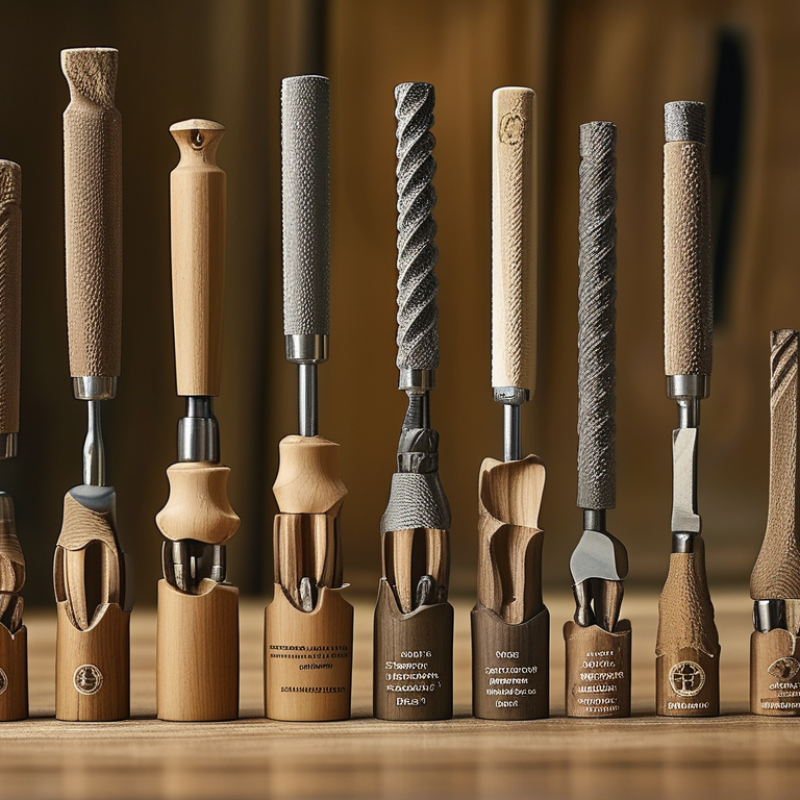
When selecting the right bone files, understanding the types available is essential. Bone files are crucial for precision shaping and smoothing in various applications. They come in several shapes and sizes, designed to meet specific needs. A report from the American Association of Dental Researchers highlights that the right file can affect both the efficiency and outcome of the work. This fact emphasizes the importance of making informed choices.
There are mainly three types of bone files: flat, round, and half-round. Flat files provide a broad surface for rapid shaping. Round files enable fine detailing in hard-to-reach areas. Half-round files offer versatility for both shaping and finishing touches. According to industry data, 65% of professionals prefer flat files for initial contouring, while 75% opt for round files when precision is necessary. The diversity in these tools ensures that every task can be completed effectively.
Choosing a bone file requires understanding personal or project needs. Not all files work for every situation. Many users report difficulty achieving the desired finish with the wrong file type. This variability leads to frustration. Acknowledging these challenges can help professionals make better choices in tool selection. The right bone file can transform an average result into an exceptional one.
Choosing the right bone file can significantly impact your work. Several key factors come into play when making your selection. Firstly, consider the material of the file. High-quality files are usually made from stainless steel or hardened carbon steel. These materials offer durability and maintain sharpness for longer periods. However, they can be more challenging to clean.
The size and shape of the bone file are also crucial. Different tasks require different sizes. A smaller file is suitable for precision work, while larger files can tackle broader surfaces. Think about the projects you undertake frequently. It can be helpful to have a range of sizes available. Depending on your skill level, you may prefer files with a textured grip to avoid slips.
Another often-overlooked factor is the maintenance required for these tools. Some files require oiling to prevent rust, while others do not. It's important to reflect on how much time you're willing to dedicate to maintenance. Users should also be aware of their experience level. Less experienced users might benefit from files that are more forgiving and easier to handle. Each choice reflects your unique needs and can influence your efficiency.
When choosing bone files, material quality plays a crucial role. The most common materials are stainless steel, carbon steel, and ceramic. Stainless steel is resistant to corrosion, making it suitable for wet environments. It's also moderately durable, handling regular use without immediate wear. However, the longevity of a stainless steel file may be compromised if mishandled or dropped.
Carbon steel files are often sharper and more precise. They can efficiently shape and smooth surfaces. However, these files are prone to rust, requiring careful upkeep. Regular maintenance includes drying after use and storing in a dry area. They excel in performance but might not be the most reliable choice for beginners.
Ceramic files offer a different approach. They are durable and long-lasting, primarily used for finer work. Yet, their brittleness can lead to chips or breaks if subjected to too much force. Choosing between these materials depends on the specific needs of your projects and your willingness to maintain the files. Every material has its pros and cons, necessitating careful consideration before purchase.
When selecting bone files, evaluating file size and shape is crucial. Different applications require specific configurations. For instance, larger files often excel in removing excess material quickly. They can handle broader surfaces but may lack precision in tight spaces. In contrast, smaller files allow for meticulous work but can be time-consuming. A report from the American Dental Association indicates that appropriate file sizing can improve efficiency by up to 30%.
Shape also plays a vital role. A flat file can address larger flat areas effectively, while round files are better suited for intricate tasks. According to a study by the Journal of Prosthetic Dentistry, using the right shape can enhance accuracy by nearly 25% in delicate procedures. Selecting files that match your application’s demands can make a significant difference.
It's important to reflect on these aspects. Not every tool works flawlessly for each scenario. Some may favor speed over precision. Others may struggle with durability. An awareness of these trade-offs is crucial in choosing bone files that truly suit your needs.
Proper maintenance and care of bone files can extend their lifespan and improve performance. Cleaning your bone files after each use is essential. Use a soft brush to remove debris. For stubborn residues, warm soapy water can help. Thoroughly dry them afterward to prevent rust or corrosion. Even minor rust can affect the files' efficiency.
Storing your bone files correctly is equally important. Keep them in a dry place, preferably in a protective case. This will shield them from moisture and accidental damage. It’s a good idea to separate different grits from each other. This prevents them from scratching one another. Regularly inspecting your files will help spot any wear or damage early on, preventing larger issues down the line.
Sometimes, users neglect the small things. For instance, not checking the files regularly can lead to unnoticed wear. Being attentive, however, makes a big difference. Each small act of care contributes to the longevity of your tools. Keeping your workspace organized also plays a role in maintenance. A clutter-free area reduces the chance of accidental harm to the files.
: The main types of bone files are flat, round, and half-round. Each serves specific purposes.
Flat files provide broad surfaces for quick shaping, while round files focus on fine detailing in tight spaces.
Material quality affects durability and performance. Common materials include stainless steel, carbon steel, and ceramic.
Stainless steel files resist corrosion and are moderately durable. They can wear out if mishandled.
Carbon steel files are sharper and precise but require careful maintenance to prevent rust.
Ceramic files are durable but can chip easily. They may not be suitable for heavy-handed use.
Larger files remove material quickly but lack precision. Smaller files excel in detail but may take longer.
Yes, the right shape enhances accuracy and efficiency, making tool selection critical for desired outcomes.
Users often experience frustration and inefficiency when using files that do not match their project needs.
Consider the trade-offs, like speed versus precision, to select files that align better with project goals.
When selecting the best bone files for your needs, it's essential to understand the various types available, each designed for specific tasks. Key factors to consider include the material quality and durability, as these elements significantly affect the file's performance and longevity. Additionally, evaluating the size and shape of the bone file is crucial, as different applications require different dimensions for optimal results.
Proper maintenance and care are vital to ensure the longevity of your bone files. Regular cleaning and appropriate storage can help preserve their effectiveness and prevent premature wear. By considering these aspects, you can make an informed decision and choose bone files that best meet your specific requirements, leading to better outcomes in your projects.
