SENJIE Healthy & Technology SENJIE Healthy & Technology

How to Choose the Best Orthopedic Saw for Surgical Needs?

Time:2026-08-22 Author:Madeline
0%

Choosing the right orthopedic saw is crucial for surgical success. An orthopedic saw is a specialized tool used in various procedures. It can influence the outcome of surgeries. Surgeons face numerous options in the market.

Not all orthopedic saws are created equal. Some are designed for specific procedures, like joint replacements. Others offer versatility across different types. Understanding the distinct features is vital. Factors like blade type, weight, and ergonomics play a role in effectiveness.

Surgeons must weigh their choices carefully. It's not just about performance; safety is paramount. Each orthopedic saw comes with its strengths and weaknesses. Reflecting on personal experiences with these tools can guide surgeons in their selection. A well-considered choice can enhance surgical precision and patient outcomes.
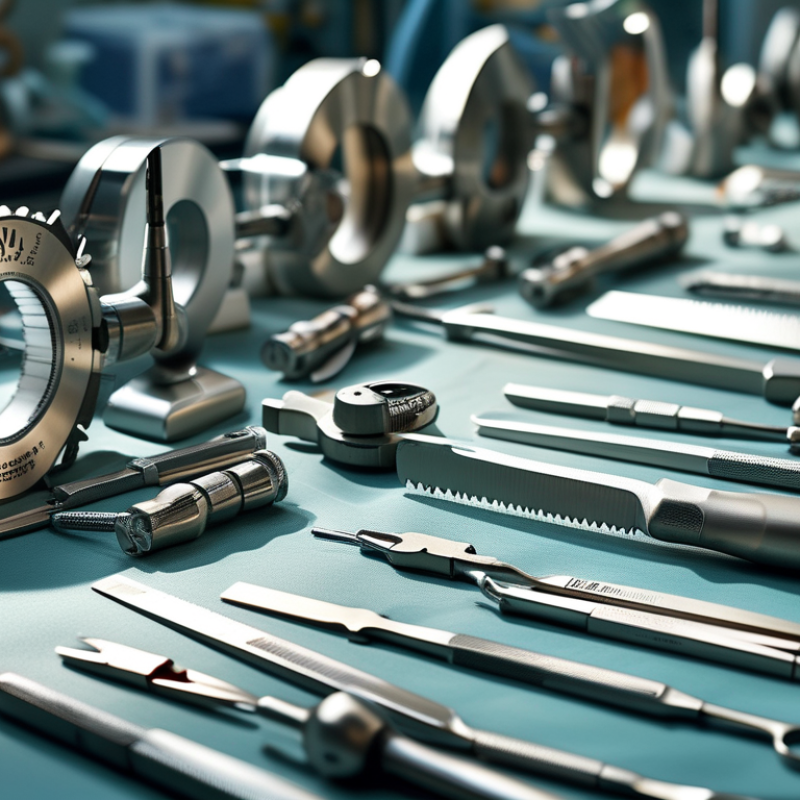
How to Choose the Best Orthopedic Saw for Surgical Needs?

Factors to Consider When Selecting an Orthopedic Saw

Choosing the right orthopedic saw is crucial for surgical success. Understanding the various factors is essential. One important aspect is the type of surgery performed. Different procedures require specific saw types. Surgeons should consider the saw’s speed and cutting efficiency. A fast saw can enhance performance but may also increase risks.

Another critical factor is weight and ergonomics. Lightweight saws reduce fatigue during long surgeries. Surgeons need a comfortable grip for precision. However, a too-light saw could lack the necessary power. It's vital to evaluate the balance between weight and performance.

For maintenance, easy-to-clean saws are preferable. They ensure hygiene and reduce infection risks. Surgeons should also consider the availability of replacement parts. A reliable source for parts is necessary to avoid downtimes. Assessing reviews from fellow surgeons can provide valuable insights into performance and issues. It's worth reflecting on previous experiences to make more informed choices.

Comparison of Key Factors in Choosing an Orthopedic Saw

This chart illustrates the importance of various factors when selecting an orthopedic saw for surgical needs. Each factor is rated on a scale from 1 to 10, indicating its significance in the purchasing decision.

Types of Orthopedic Saws and Their Applications

Orthopedic saws are crucial in surgical settings. They come in various types, each tailored for specific procedures. For instance, oscillating saws provide versatility in cutting bone during joint surgeries. These saws allow for precision and reduce damage to surrounding tissues. Their design ensures safety while maximizing efficiency in the operating room.

Electric saws are another common type. They offer consistent power and speed, essential for lengthy procedures. Surgeons often choose these tools when working with dense bone. Yet, the noise can be intense and may require additional hearing protection for the surgical team.

There are also reciprocating saws, which are characterized by a back-and-forth cutting motion. They are effective in both large and small bone surgeries. However, users need to be cautious about blade choice, as the wrong selection can lead to complications. This aspect also requires careful training and experience to master fully. Overall, the selection of saws should consider both the procedure and the surgeon's comfort level.

Material and Durability Requirements for Surgical Saws

Choosing the right material for surgical saws is crucial for ensuring durability and performance. Stainless steel is a popular choice due to its resistance to corrosion and ability to maintain sharp edges. It's known for its strength in various surgical conditions. Additionally, titanium saws are gaining traction. They are lighter, reducing fatigue during long procedures.

Durability requirements also extend to the saw's design. A well-designed saw should withstand high-pressure environments without compromising functionality. Some surgeons prefer saws with ergonomic handles that provide a firm grip. This can be crucial during complex surgeries where precision is essential. Look for saws that have undergone rigorous testing for long-term use.

However, not all saws meet the high standards required in the operating room. Some may show wear and tear after limited usage. It's important to reflect on your past experiences and analyze what worked well. Did the saw perform reliably under stress? Were there any unexpected failures? Feedback from fellow medical professionals can provide insights into the best options available.

Key Features to Look for in Orthopedic Surgical Saws

When selecting an orthopedic saw for surgical needs, there are several key features to consider. The weight and balance of the saw can significantly impact its maneuverability. Lighter saws are easier to handle, especially during lengthy procedures. Surgeons often prefer a saw that fits comfortably in their hand, reducing fatigue.

Blade design is crucial as well. A saw with sharp, durable blades ensures precise cuts and minimizes trauma to surrounding tissues. Consider the size range of blades available. A versatile selection allows for various surgical scenarios. Additionally, noise levels matter; quieter saws can enhance the surgical experience, allowing for better communication among the team.

It's also essential to evaluate the power source. Battery-operated saws offer flexibility, but they require careful monitoring of battery life. Surgeons should reflect on their preferences, as some may favor corded options for consistent power. Ultimately, consider your surgical environment and the specific procedures you perform. Each choice can impact surgical outcomes, making thoughtful selection vital.

Budget and Cost Considerations for Purchasing Orthopedic Saws

When choosing an orthopedic saw, budget considerations are crucial. A recent industry report highlighted that 45% of surgical centers prioritize cost when purchasing surgical instruments. This budget pressure often leads to compromises in quality. High-quality orthopedic saws can range from $5,000 to over $20,000. This wide price range requires careful thought about both immediate budget and long-term value.

It's essential to balance cost with functionality. Data shows that cheaper models might not withstand rigorous use, leading to more frequent replacements. A focus on durability is vital; devices that fail under stress waste resources and disrupt surgical schedules. Investing in a reliable saw can save costs in the long run due to reduced maintenance needs and increased efficiency.

Additionally, total cost of ownership should be considered. Beyond initial purchases, other expenses like maintenance and training add to your investment. A survey reported that 72% of hospitals overlook these hidden costs, impacting budget strategies. Examining all financial aspects ensures that decisions align with both operational needs and fiscal responsibility.

FAQS

: What types of orthopedic saws are commonly used in surgeries?

: Oscillating saws, electric saws, and reciprocating saws are common types. Each serves specific surgical needs.

How do oscillating saws benefit surgeons?

They provide versatility in cutting bone and minimize damage to surrounding tissues. Precision is key during joint surgeries.

What should be considered when choosing an orthopedic saw?

Weight, balance, and blade design are crucial. A comfortable saw reduces fatigue during long procedures.

Why is blade selection important for reciprocating saws?

The wrong blade can lead to complications. Users need training and experience for optimal results.

What are the budget considerations for purchasing orthopedic saws?

Cost varies widely, ranging from $5,000 to over $20,000. It's essential to balance cost and quality.

How can cheaper saw models impact surgical procedures?

They may not endure rigorous use, leading to more replacements. This can waste resources and disrupt the schedule.

What costs beyond initial purchase should be considered?

Maintenance and training costs are often overlooked. They add to the total investment in orthopedic saws.

How does noise affect the surgical experience?

Intense noise from electric saws can hinder communication among the team. Quieter saws enhance the overall environment.

Are battery-operated saws a good choice?

They offer flexibility but require monitoring of battery life. Surgeons may prefer corded options for consistent power.

Why is thoughtful selection of orthopedic saws vital?

Each choice impacts surgical outcomes. Reflecting on preferences and procedures leads to better overall performance.

Conclusion

Choosing the best orthopedic saw for surgical needs involves several critical factors. Firstly, it's essential to consider the various types of orthopedic saws available and their specific applications, as different surgeries may require distinct functionalities. One must also take into account the material and durability of the saw, as these impact its longevity and effectiveness in surgical procedures.

Key features such as ease of handling, precision, and safety mechanisms should not be overlooked when making a selection. Furthermore, budget and cost considerations are crucial, as they can significantly influence the purchasing decision without compromising on quality. Overall, a thorough assessment of these aspects will aid in selecting the most suitable orthopedic saw for optimal surgical outcomes.

Madeline

Madeline

Madeline is a dedicated marketing professional with a wealth of expertise in our company's core offerings. With a keen understanding of the industry, she brings a unique perspective to her role, consistently delivering high-quality content that highlights the superior aspects of our products. As......