SENJIE Healthy & Technology
In the evolving landscape of medical technology, Bone Drilling Equipment stands at the forefront, crucial for various surgical procedures. A report from Market Research Future suggests that the global bone drilling market is projected to reach USD 1.5 billion by 2027, growing at a compound annual growth rate (CAGR) of 6.2%. This data highlights increasing investments in orthopedic surgeries and the rising demand for precision tools.
The effectiveness of bone drilling devices directly influences surgical outcomes. Advanced features like ergonomic designs and improved material strength enhance clinician performance and patient recovery rates. Yet, the choice of equipment can be overwhelming for global buyers. A myriad of brands and technologies exist, each with unique benefits and potential drawbacks. For instance, while some tools offer superior speed and efficiency, they may lack the robustness needed for complex cases.
Ultimately, understanding the specifics of Bone Drilling Equipment becomes essential. Buyers must consider not only the technology but also industry standards and reliability. A well-informed selection process can pave the way for groundbreaking advancements in patient care and surgical precision.
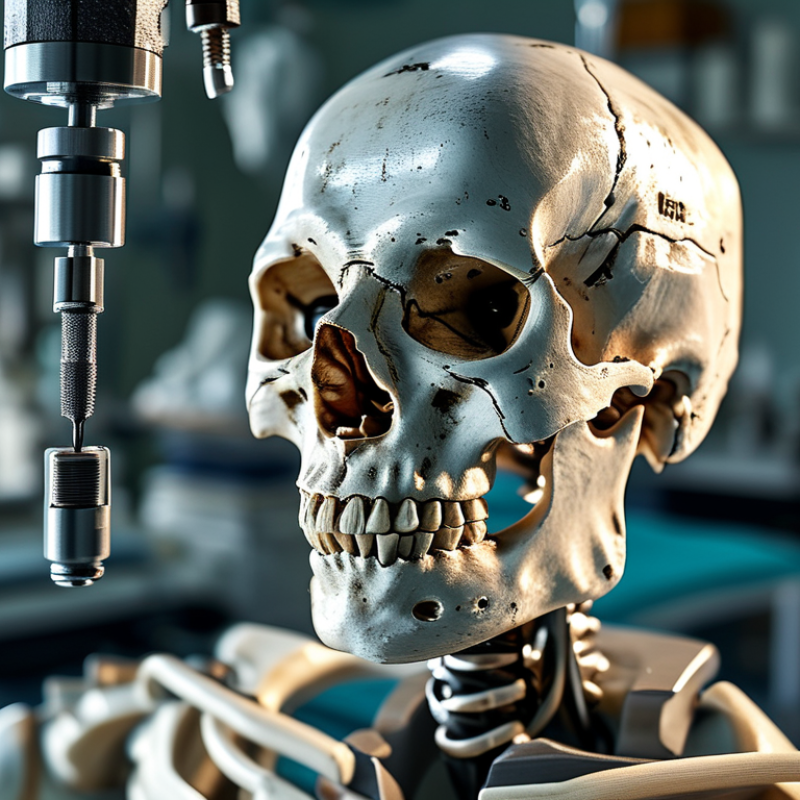
When exploring the global market for bone drilling equipment, buyers must consider various factors. One significant aspect is precision. High-quality bone drilling tools are designed to minimize errors during surgical procedures. They enhance safety and improve patient outcomes. However, achieving this precision often requires thorough testing and quality control.
Buyers should also think about ergonomics. Many tools currently on the market prioritize user comfort while maintaining effectiveness. A well-designed handle can make a difference during long surgeries. Yet, not all tools meet this standard. Some may cause fatigue or discomfort over time, leading to concerns during critical procedures.
Lastly, it is essential to understand the importance of ongoing support and training for the equipment. Many manufacturers offer training sessions or user manuals to enhance the skill set of medical professionals. However, not all provide sufficient resources. This gap can hinder the overall effectiveness of the equipment. Buyers must carefully evaluate these aspects before making a purchase.
When selecting bone drilling equipment, several key features should be considered. Precision is paramount. Equipment should offer accurate drilling capabilities. Studies indicate that precise drilling improves surgical outcomes by up to 30%. Reliability is also crucial. Equipment that consistently performs under pressure ensures safety for both surgeons and patients.
Durability is another factor. Bone drilling equipment must withstand repetitive use without compromising effectiveness. According to industry reports, equipment failure can lead to extended surgery times and increased patient risks. Choose equipment made from high-quality materials to ensure longevity.
**Tips**: Always check user reviews and feedback on performance. A piece that is less popular may present hidden issues. Additionally, consider the ease of use. Complicated interfaces can delay procedures. Aim for designs that prioritize surgeon usability.
Overall, evaluate the provider's reputation within the medical field. Established brands may offer efficiency and support that newer brands cannot guarantee. Balancing these factors leads to informed decisions in selecting bone drilling equipment.
| Equipment Type | Drill Diameter | Power Source | Weight | Key Features |
|---|---|---|---|---|
| Electric Bone Drill | 2.5 mm - 10 mm | Electric | 1.5 kg | Variable Speed Control, Ergonomic Design |
| Pneumatic Bone Drill | 3 mm - 12 mm | Pneumatic | 2 kg | High Torque, Lightweight, Compact |
| Handheld Bone Drill | 1 mm - 8 mm | Manual | 0.5 kg | Simplicity, No Batteries Required |
| Battery Operated Drill | 2 mm - 10 mm | Battery | 1.2 kg | Portable, Rechargeable Battery |
The bone drilling equipment market has seen significant growth recently, driven by advancements in medical technology. According to a 2022 market analysis, the demand for bone drilling equipment is projected to reach USD 1.5 billion by 2026, growing at a CAGR of 5.6%. This growth is largely fueled by the increasing prevalence of orthopedic surgeries, including joint replacements and fracture fixations.
Leading brands in this niche have focused on enhancing precision and user experience. Many manufacturers are integrating digital technology into their products. This integration improves accuracy and minimizes complications during procedures. However, there remain concerns about the steep learning curve associated with new technologies. Some users report difficulties in adapting to complex features.
Moreover, despite innovations, issues like equipment reliability often arise during surgeries. A recent survey indicated that 15% of users faced unexpected failures during critical operations. This reflects a need for continual improvements in the design and manufacturing of bone drilling tools. As the market evolves, addressing these concerns will be essential for both manufacturers and healthcare providers, aiming to ensure patient safety and procedural efficiency.
Bone drilling equipment has significantly evolved, driven by technological innovations. Advanced systems now leverage high-precision imaging and robotics. This enhances surgical accuracy and patient safety. According to a market report by Research and Markets, the global bone drilling market is projected to reach $1.2 billion by 2026, reflecting a 6.5% CAGR. Such growth illustrates the rising demand for more efficient tools in orthopedic surgeries.
One notable trend is the incorporation of software that supports real-time analytics. These systems can track drilling depth and torque, providing essential feedback to surgeons. As reported by the Journal of Bone Surgery, the use of computer-assisted bone drilling increases success rates by up to 30%. However, there are challenges, such as the potential for device malfunction or user error. Ensuring comprehensive training and regular equipment maintenance is vital.
Moreover, sustainability has become a focal point. Many manufacturers are exploring eco-friendly materials for drilling tools. While innovation is critical, it is essential to balance advancement with safety standards. The industry continues to face scrutiny regarding device sterilization and patient outcomes. Continuous assessment and improvement in these areas are required for lasting success.
When it comes to bone drilling equipment, safety standards are paramount. These guidelines ensure not only the efficiency of the equipment but also the safety of both the operator and patient. Key regulations typically involve the construction materials used, and the design of the equipment must allow for easy disinfection.
In many jurisdictions, the equipment must pass rigorous testing to guarantee it meets health and safety standards. It's not easy to navigate the complex landscape of regulations. Manufacturers must stay updated on local and international guidelines to ensure compliance. This can be a challenge, as regulations often evolve rapidly.
User training plays a crucial role in safety. Even the safest equipment can pose risks if not operated correctly. Regular training sessions help reinforce best practices. However, many facilities overlook this aspect. Investing in ongoing education is essential but sometimes neglected due to budget constraints or time limitations. The consequences of unsafe practices can be severe, underscoring the need for a focus on both equipment and operator readiness.
: Precision is crucial. Accurate drilling improves surgical outcomes significantly.
Ergonomics enhances user comfort. Comfortable handles reduce fatigue during long procedures.
Durable equipment avoids failure. This ensures shorter surgery times and reduces patient risks.
Lack of support can hinder effectiveness. It may leave users unprepared during critical procedures.
Reviews offer insights into performance. They may reveal hidden issues with less popular equipment.
Reliable equipment ensures consistent performance. It is essential for the safety of both surgeons and patients.
Adequate training resources enhance skills. Inadequate training can lead to ineffective use of equipment.
Complicated designs can delay procedures. Usability is key to maintaining surgical flow.
High-quality materials ensure longevity. This reduces the risk of equipment failure.
Yes, established providers often offer better support. This can lead to more efficient surgical outcomes.
Bone Drilling Equipment plays a crucial role in the medical field, particularly in orthopedic surgery and dental procedures. This article provides an overview of the top bone drilling equipment available for global buyers, highlighting essential features to consider when selecting the right tools for specific needs. Key aspects such as precision, ergonomics, and ease of use are emphasized to ensure optimal performance during surgical procedures.
Furthermore, the article explores the leading brands in the bone drilling equipment market and looks at recent innovations and technologies that enhance efficiency and safety. It also addresses the importance of adhering to safety standards and regulations to protect patients and healthcare professionals alike. With the continuous advancement in medical technology, staying informed on the latest developments in bone drilling equipment is vital for practitioners seeking to improve surgical outcomes.