SENJIE Healthy & Technology
SENJIE Healthy & Technology
SENJIE Healthy & Technology
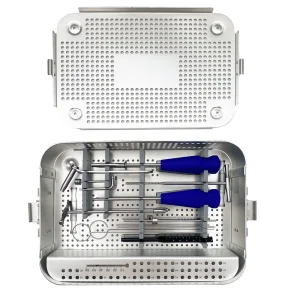
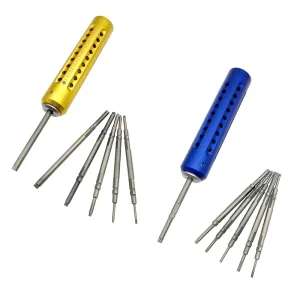
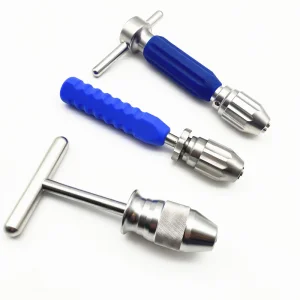
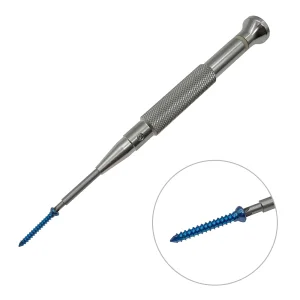
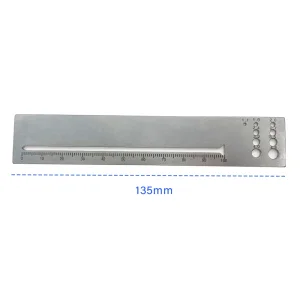
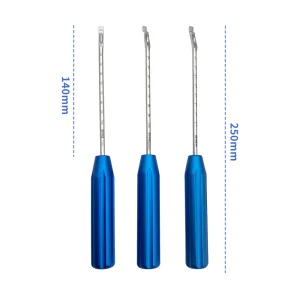
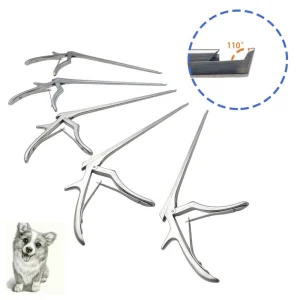
Our primary catalog of surgical clamps, drivers, and distraction systems built to demanding bio-tolerances.
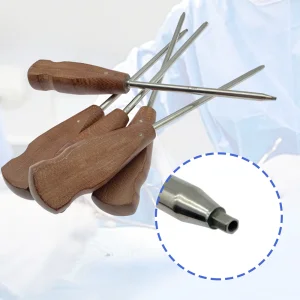
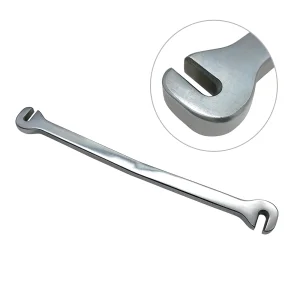
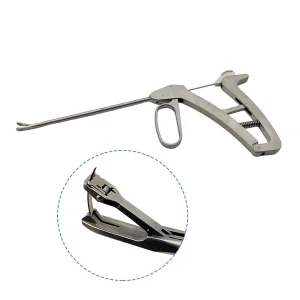
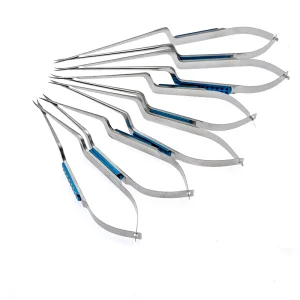
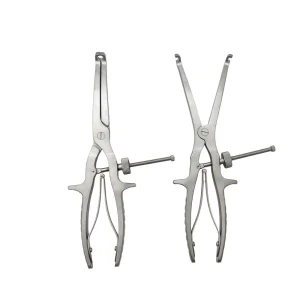
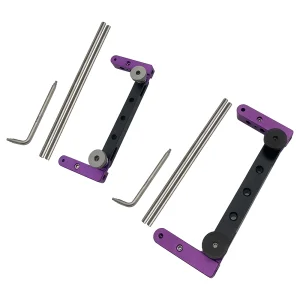
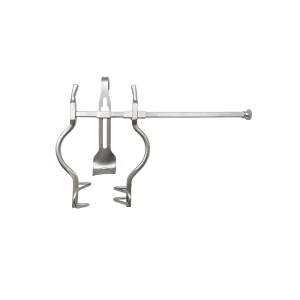
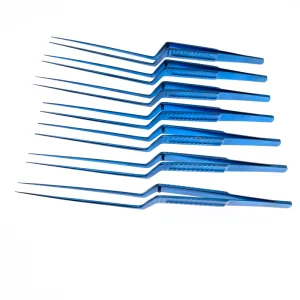
In global orthopedic surgery, safety and material stability are critical. Regulatory bodies like the European Union enforce strict guidelines through the Medical Device Regulation (MDR EU 2017/745). Orthopedic clamps, whether used for temporary bone reduction, external fixation, or intraoperative alignment, must meet high mechanical and biological performance metrics to earn CE certification.
CE marking confirms that an orthopedic clamp complies with European safety, health, and environmental protection requirements. For medical professionals and procurement departments, sourcing CE-certified orthopedic instrumentation is a core risk management requirement. Key standards include:
Manufactured using medical-grade stainless steel (316LVM) or titanium (Ti6Al4V) to prevent biological rejection and maintain tissue integrity.
Engineered for secure locking, slip resistance, and controlled force feedback during critical bone reduction procedures.
Designed to withstand repeated autoclave processing (134°C cycles) and exposure to chemical sanitizing agents without surface degradation.
China has transitioned from high-volume medical instrument manufacturing to a high-precision center for advanced orthopedic supply chains. This shift is driven by investments in high-tech machining facilities, modern cleanrooms, and strict quality control processes.
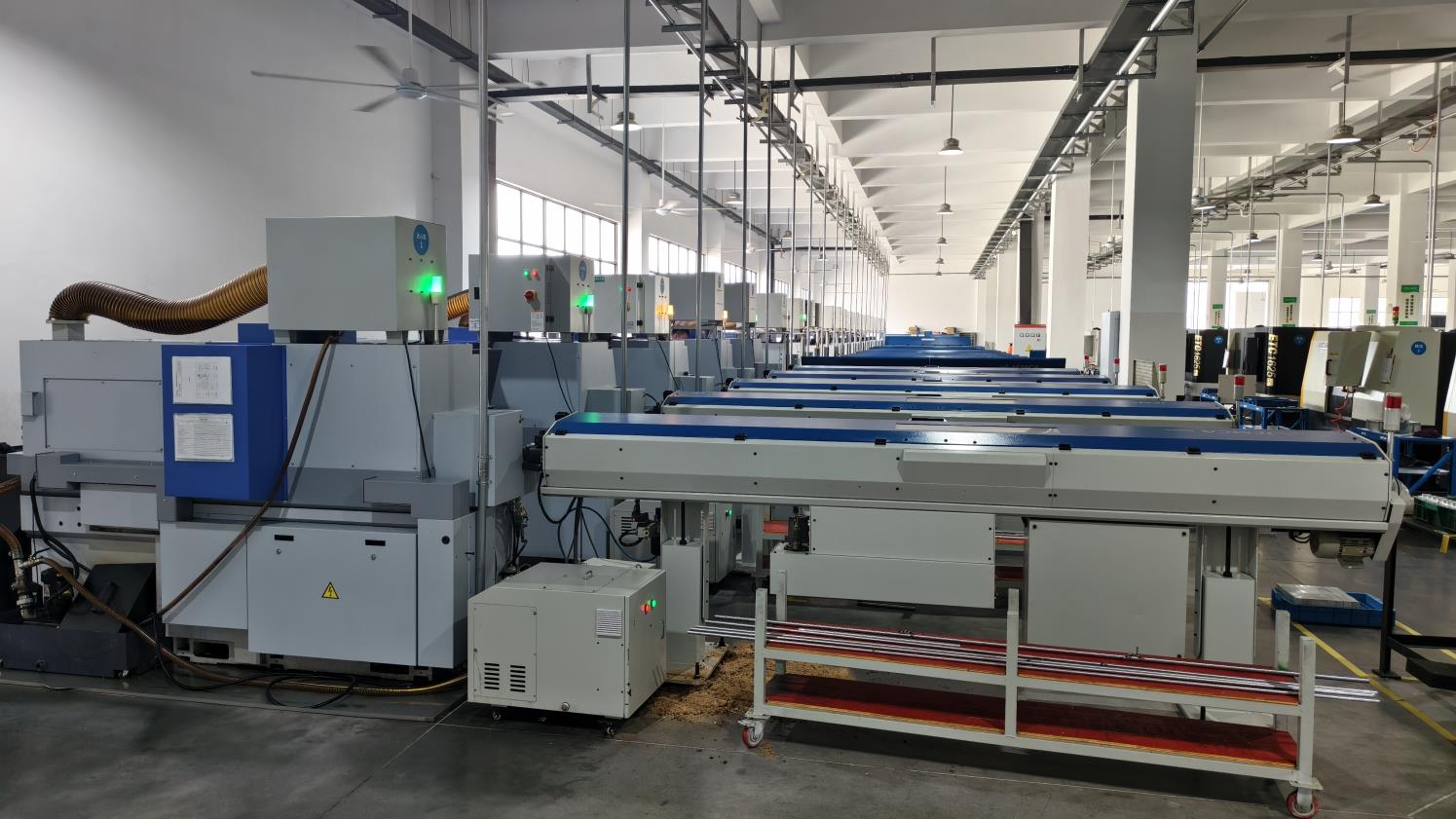
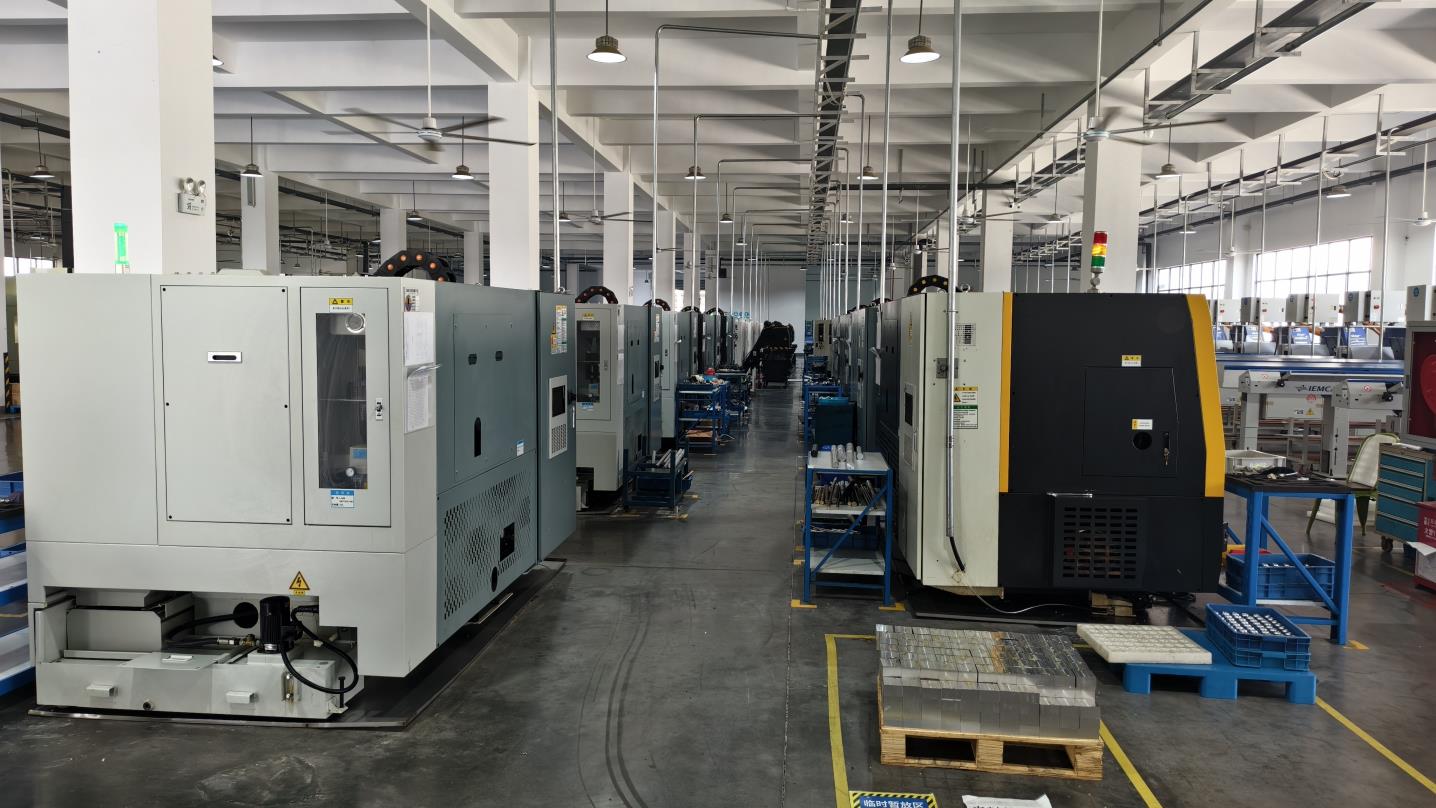
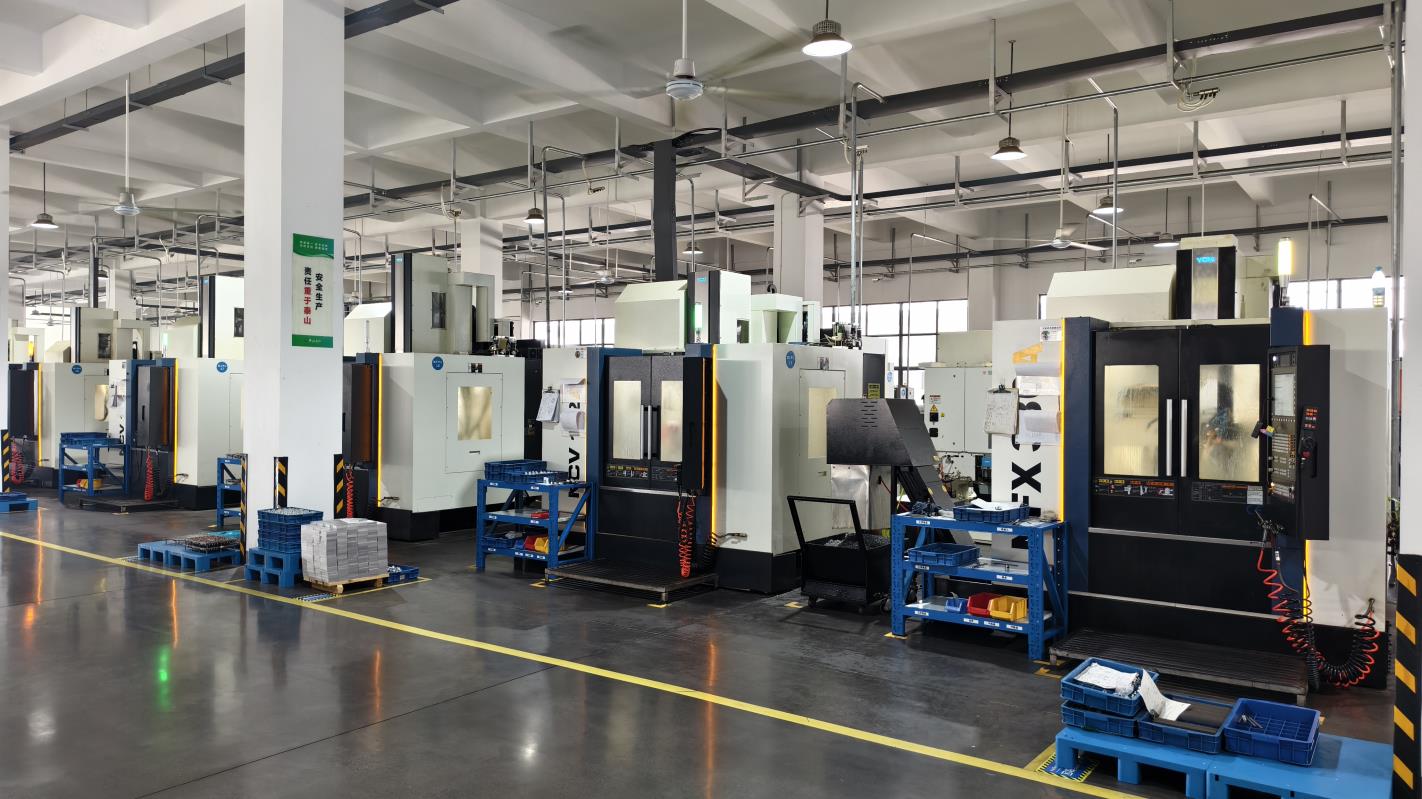
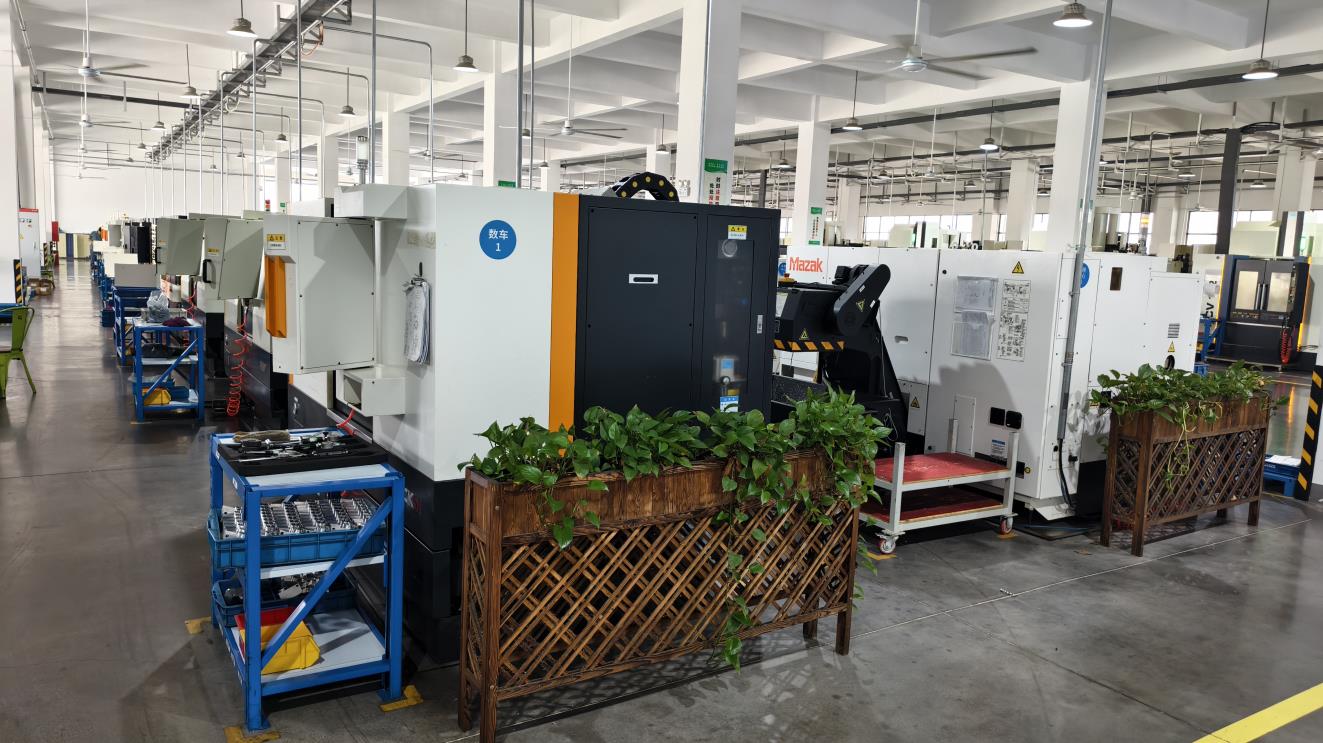
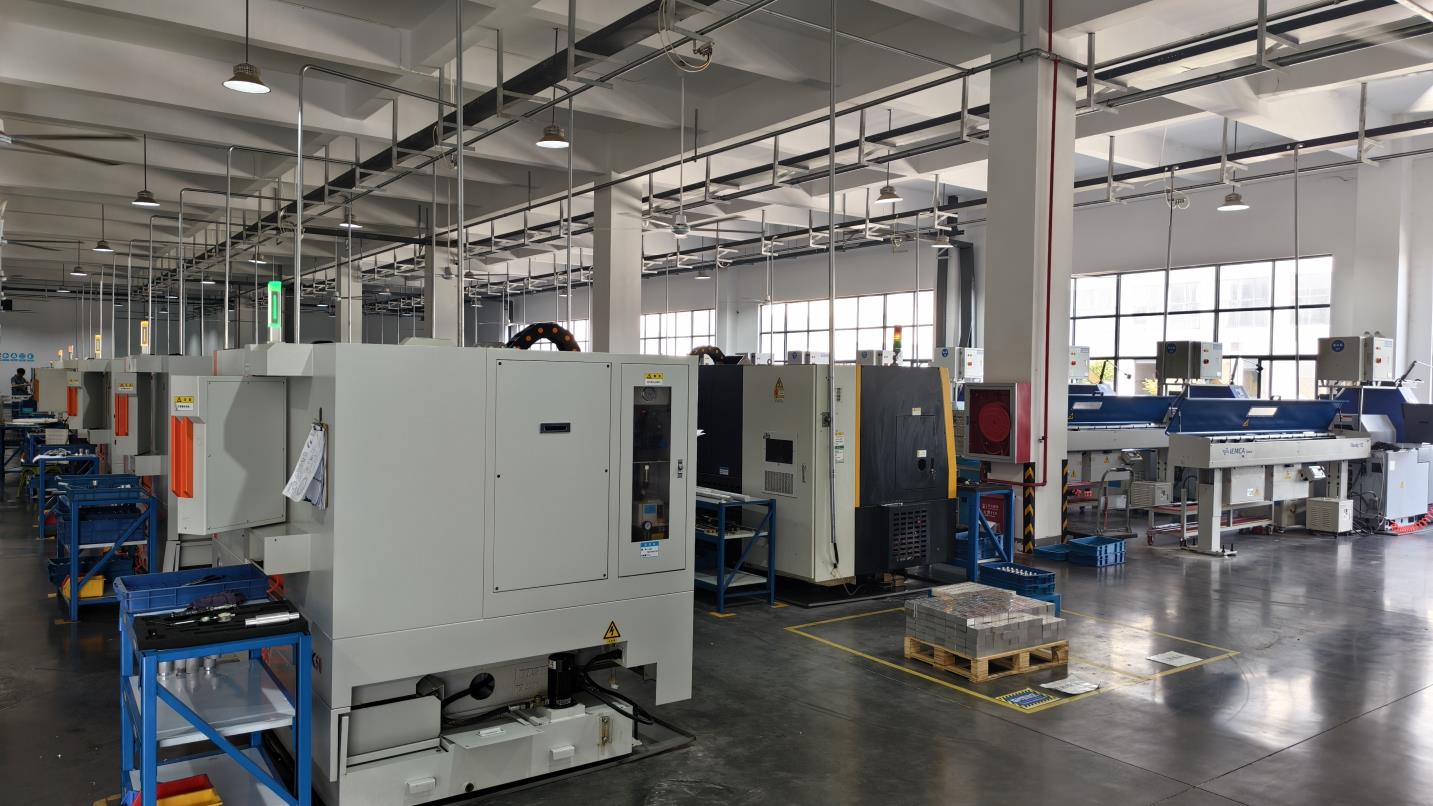
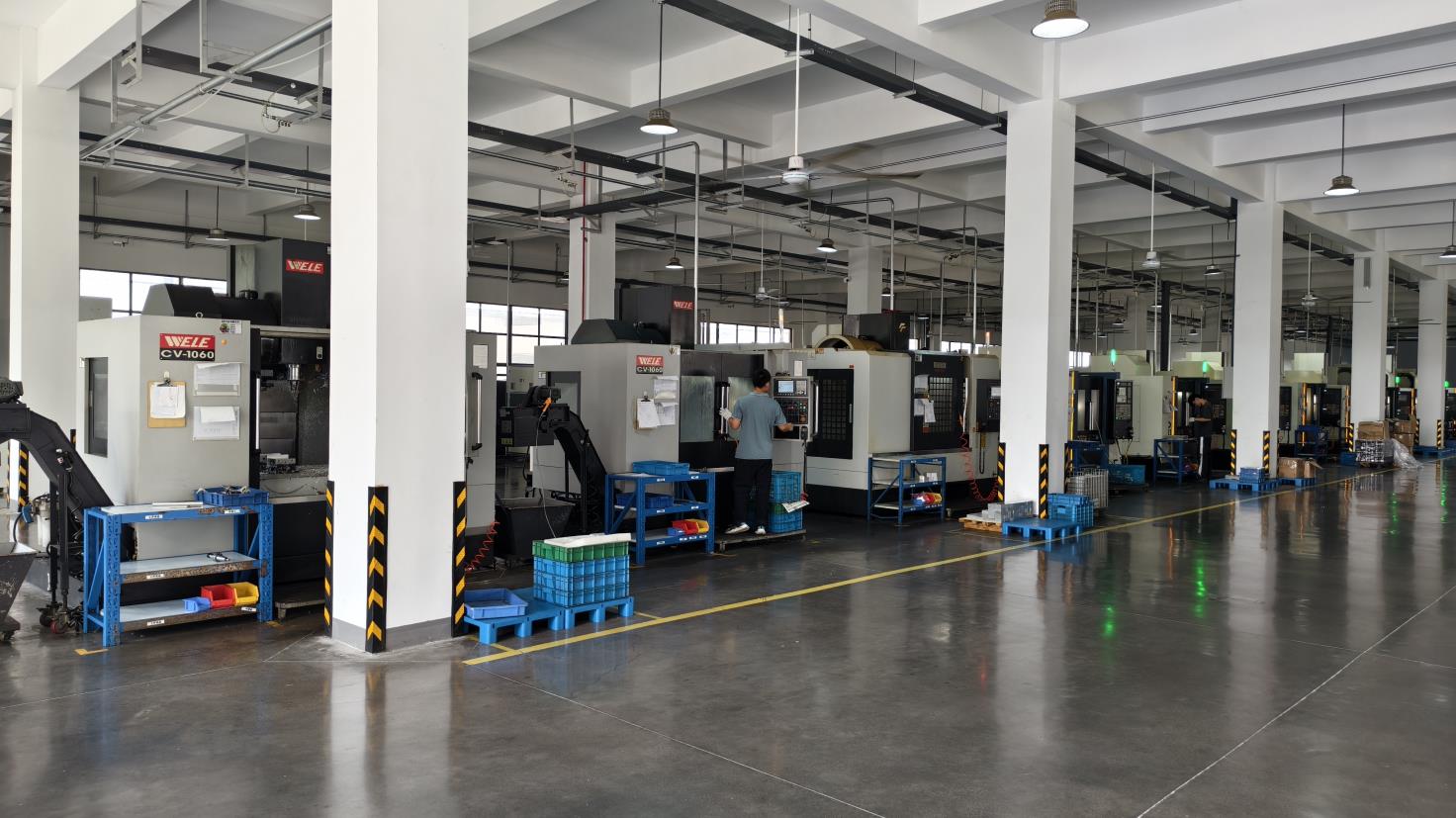
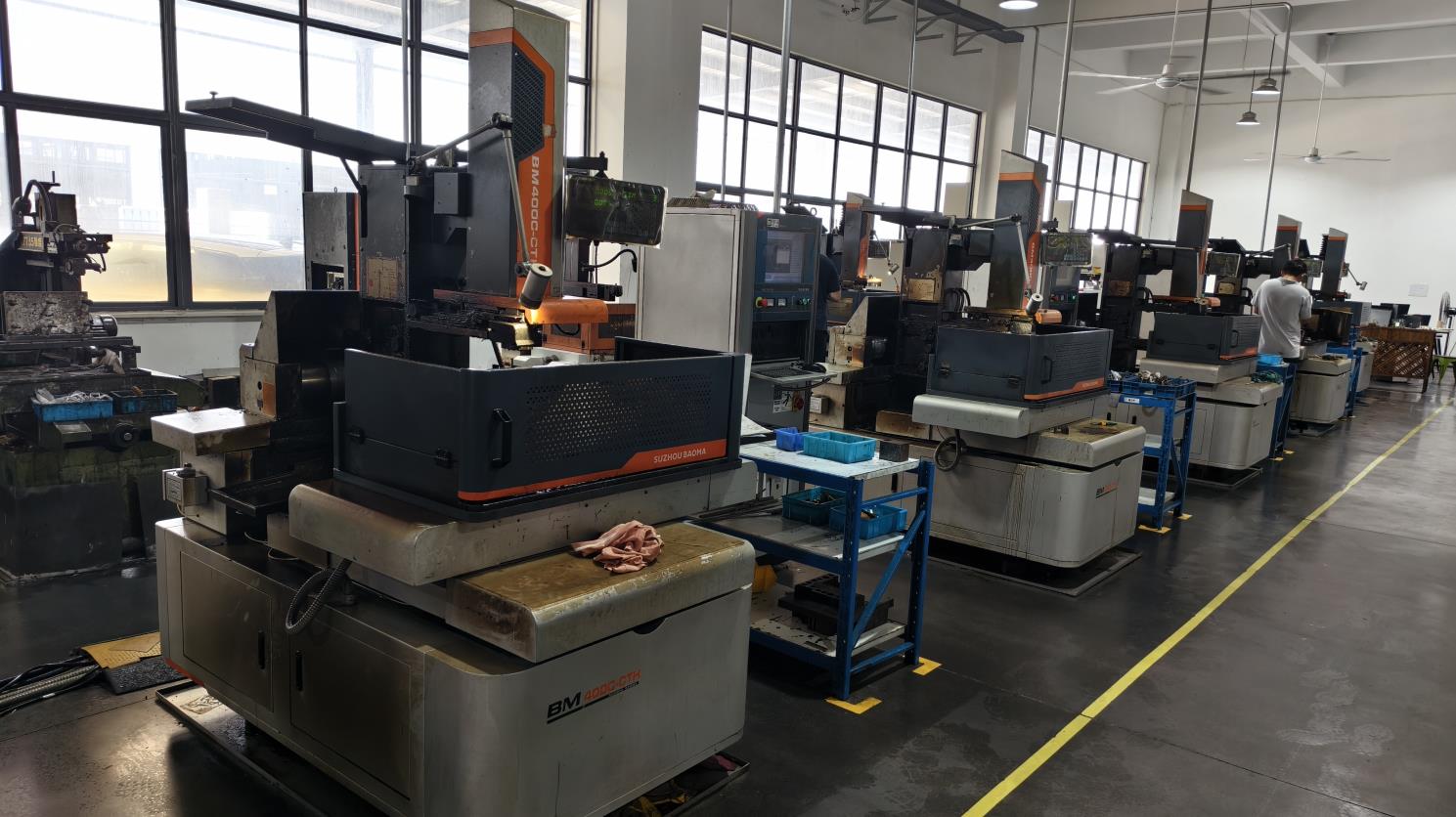
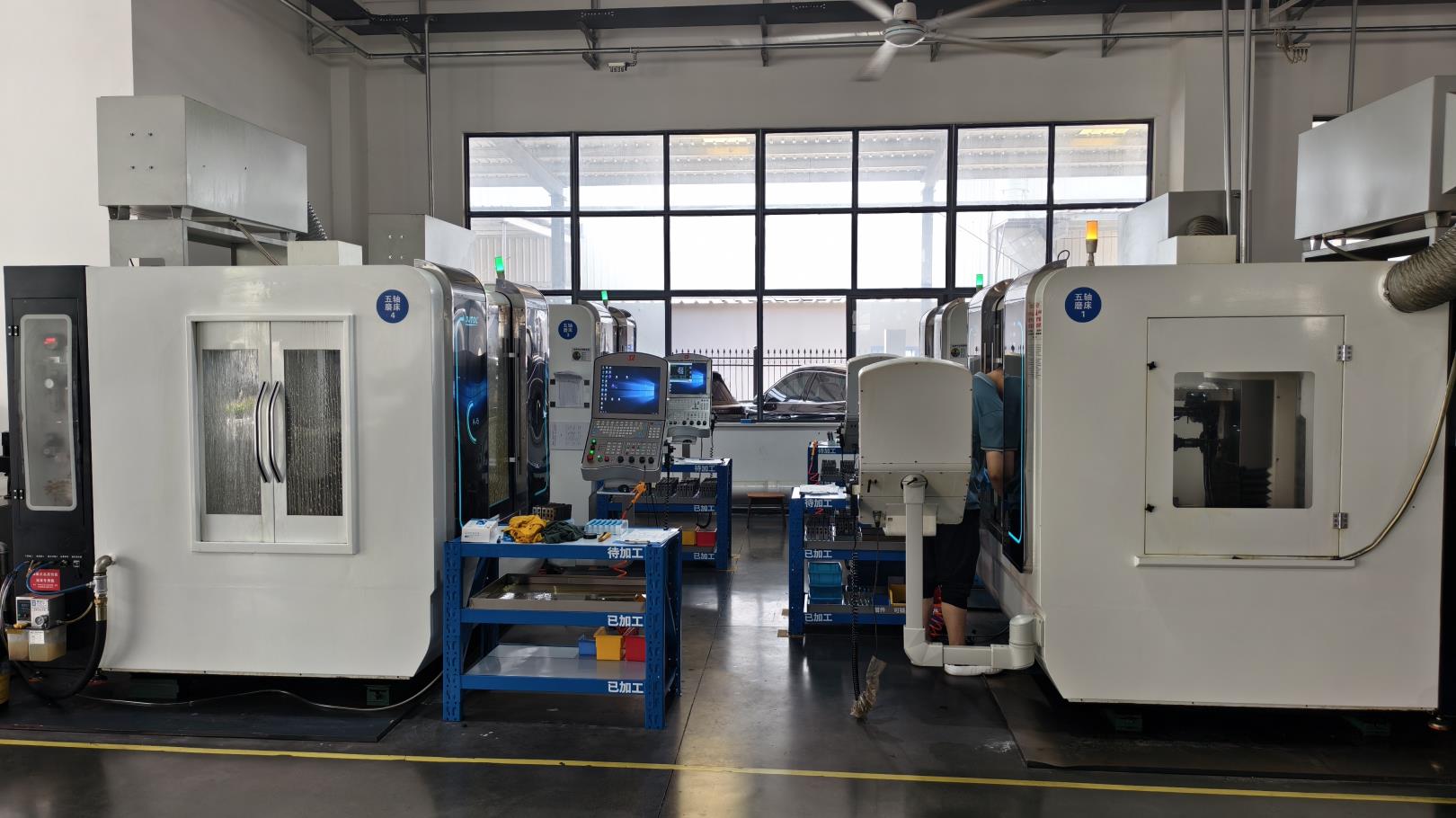
By using multi-axis CNC milling, wire electrical discharge machining (EDM), and automated polishing systems, Chinese factories achieve tight physical tolerances. These capabilities enable the production of complex orthopedic clamps that perform reliably under mechanical stress.
A summary of our production capacity, quality assurance steps, and global distribution profile.
| Profile Parameter | Details & Specifications |
|---|---|
| Company Registration Date | 2019-11-20 (Experienced medical technology provider) |
| Accepted Languages | English (Dedicated technical sales support available) |
| Quality Control Systems | Product support traceability of raw materials: Yes |
| Product Inspection Methods | Random inspection, custom protocol according to client's requirement |
| Main Market Distribution | North America (25%), South America (25%), Southeast Asia (15%), Others (35%) |
| Main Client Profiles | Brand businesses, medical device retailers, wholesalers, private clinical entities |
| Customization Options | Sample processing, graphic rendering processing, customized on-demand specifications |
Sourcing medical devices internationally involves managing regulatory, logistics, and quality assurance factors. B2B procurement managers face key considerations when selecting partners for orthopedic clamps and bone distraction devices:
The transition from MDD to MDR in Europe has altered compliance criteria. Sourcing teams must verify that suppliers provide up-to-date CE technical files, ISO 13485 certifications, and declarations of conformity. Our facility maintains clear certification histories to assist with international regulatory submissions.
Inferior raw materials can lead to mechanical failure, surface pitting, or corrosion during sterilization. To mitigate this risk, we use medical-grade materials and perform thorough passivation treatments, which are verified by chemistry lab reports on each batch.
Modern surgical methods often require custom instrumentation. B2B buyers frequently need specialized modifications, such as custom-configured bone holding tips or specialized benders. Our team supports designs from initial drawing analysis to CNC prototyping and production.
Orthopedic surgical systems are evolving toward minimally invasive techniques, lightweight materials, and specialized anatomy-specific designs. Orthopedic clamps play a central role across multiple disciplines:
Used to stabilize spiral, oblique, and transverse fractures during internal fixation. Clamps hold bone fragments in position without damaging the periosteum, assisting in natural healing.
Compression and distraction forceps assist surgeons in placing spinal rods, manipulating vertebral bodies, and adjusting construct alignment with high accuracy.
Veterinary surgeries require instrumentation scaled for different patient sizes. This includes specialized bone holding forceps for canine TPLO (Tibial Plateau Leveling Osteotomy) and pelvic stabilization.
Micro-scissors, suture passers, and fine-tipped forceps enable visualization and tissue control inside joint capsules, reducing recovery times for patients.
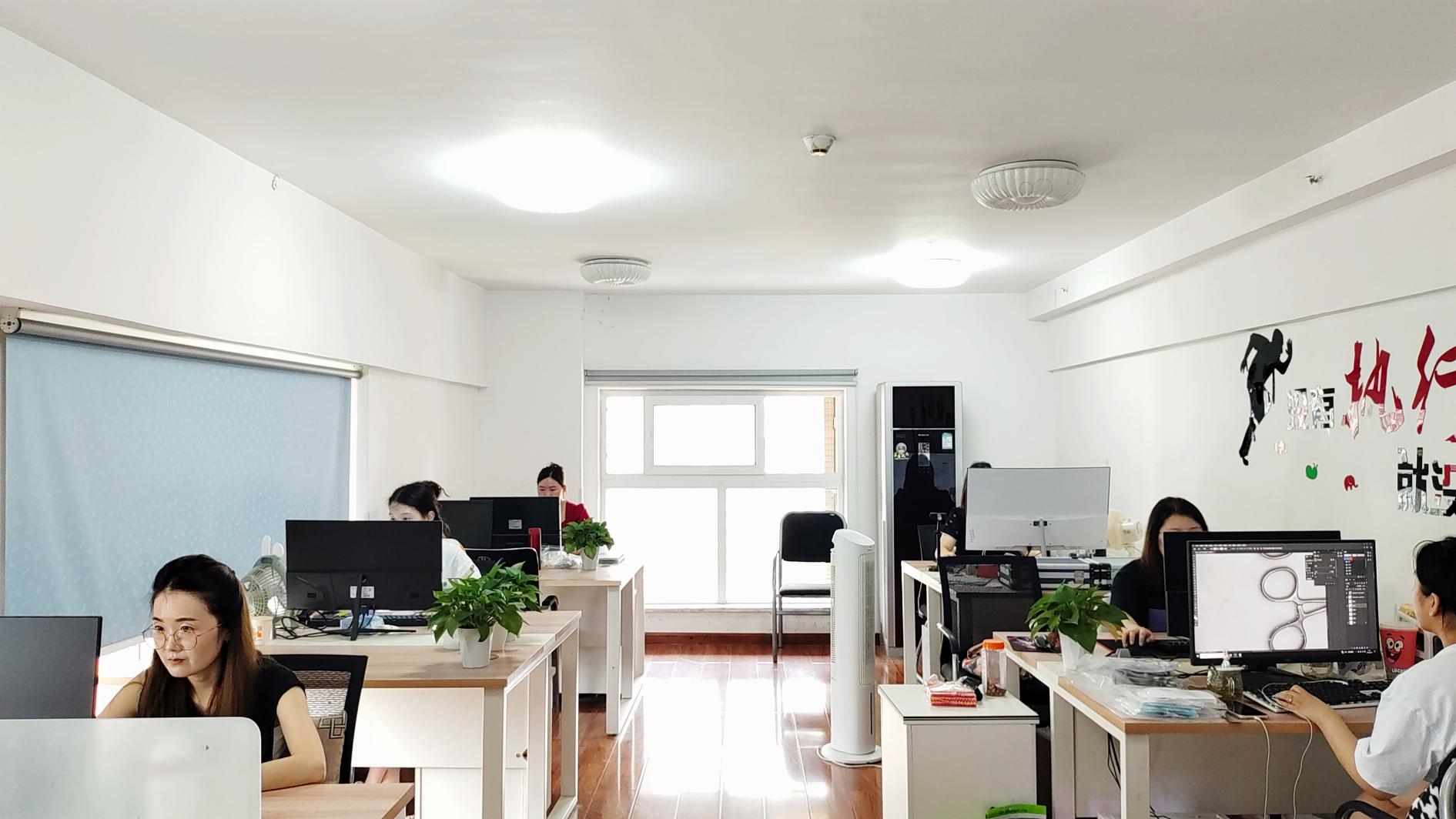
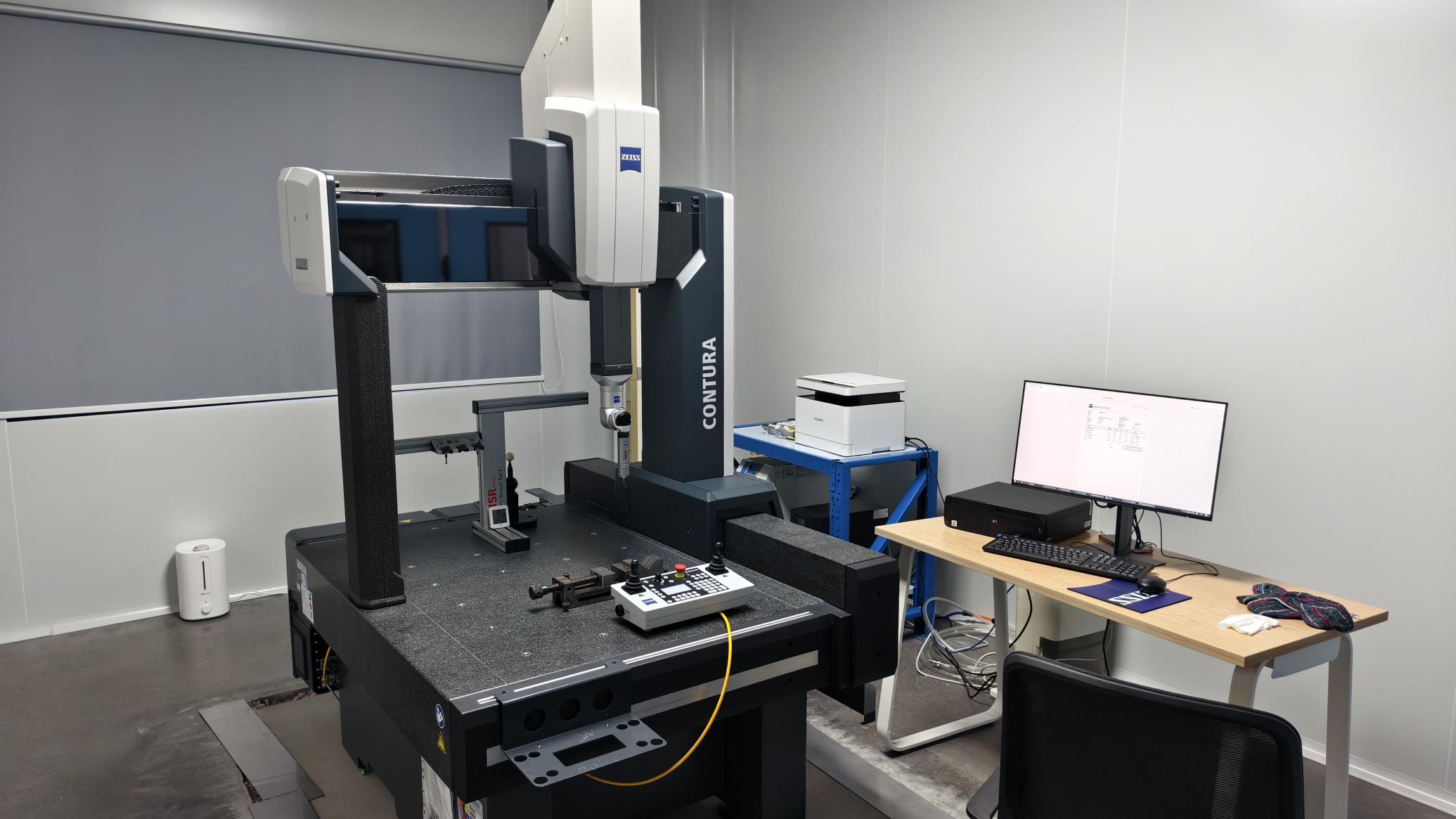
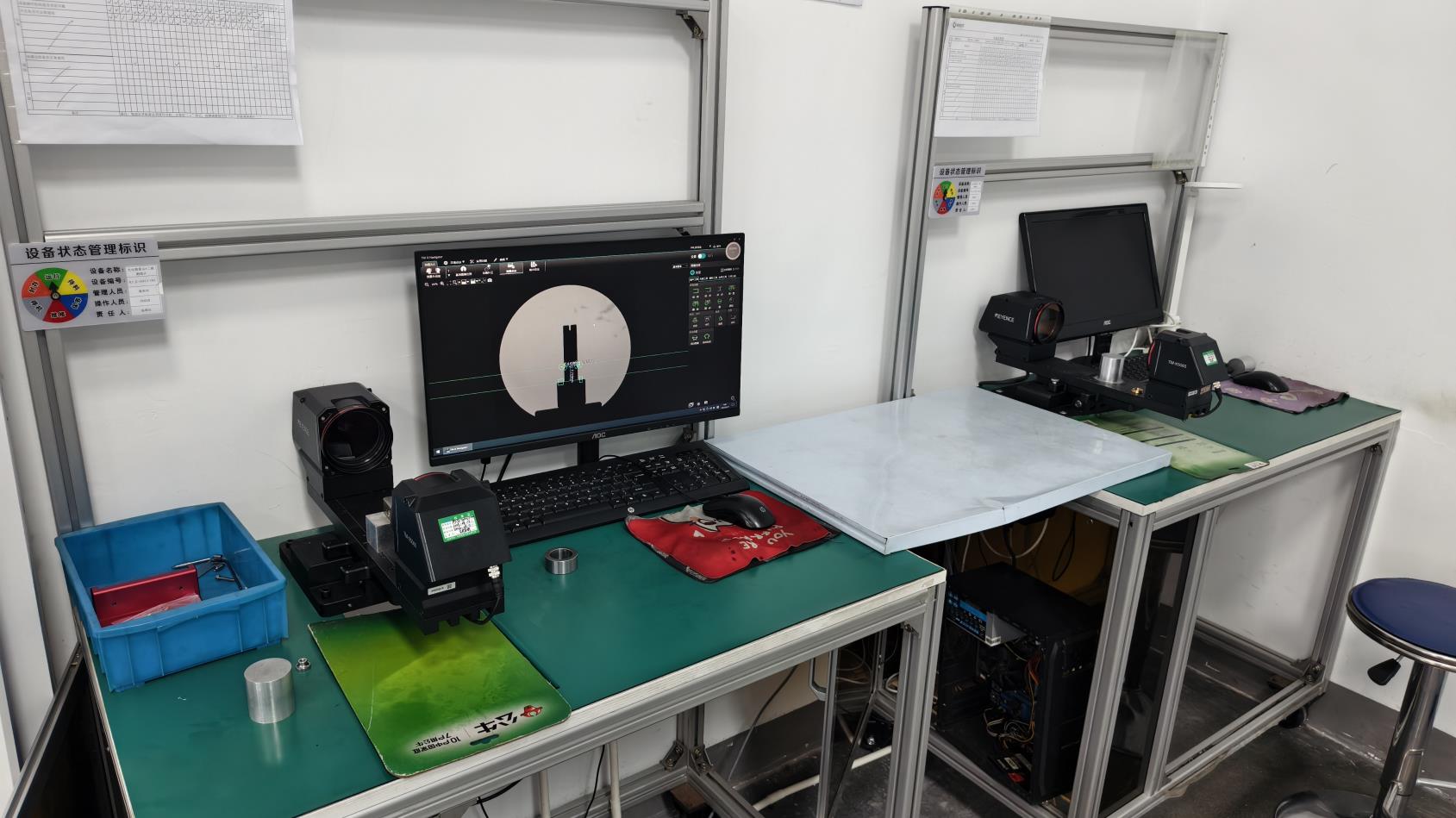
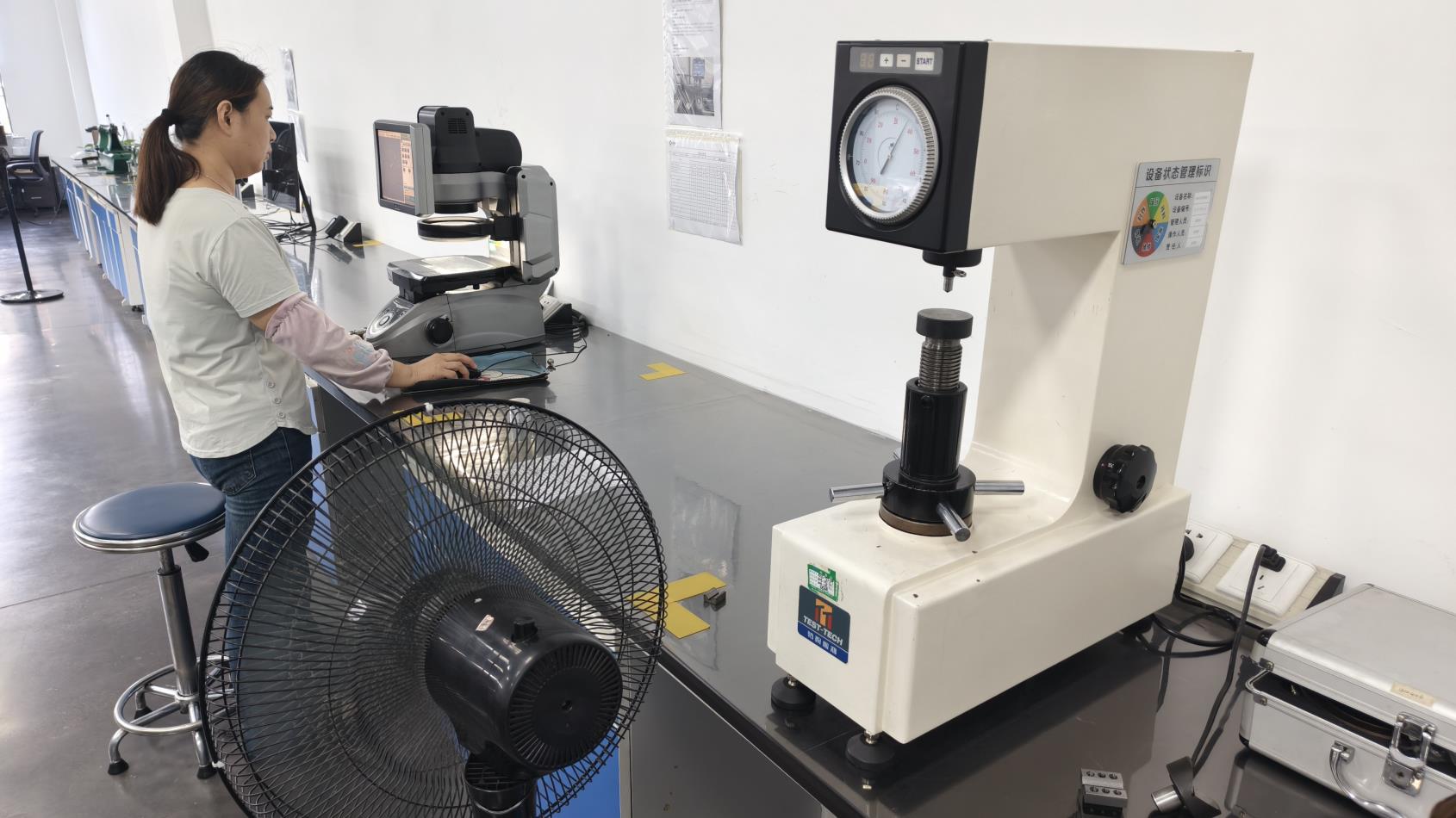
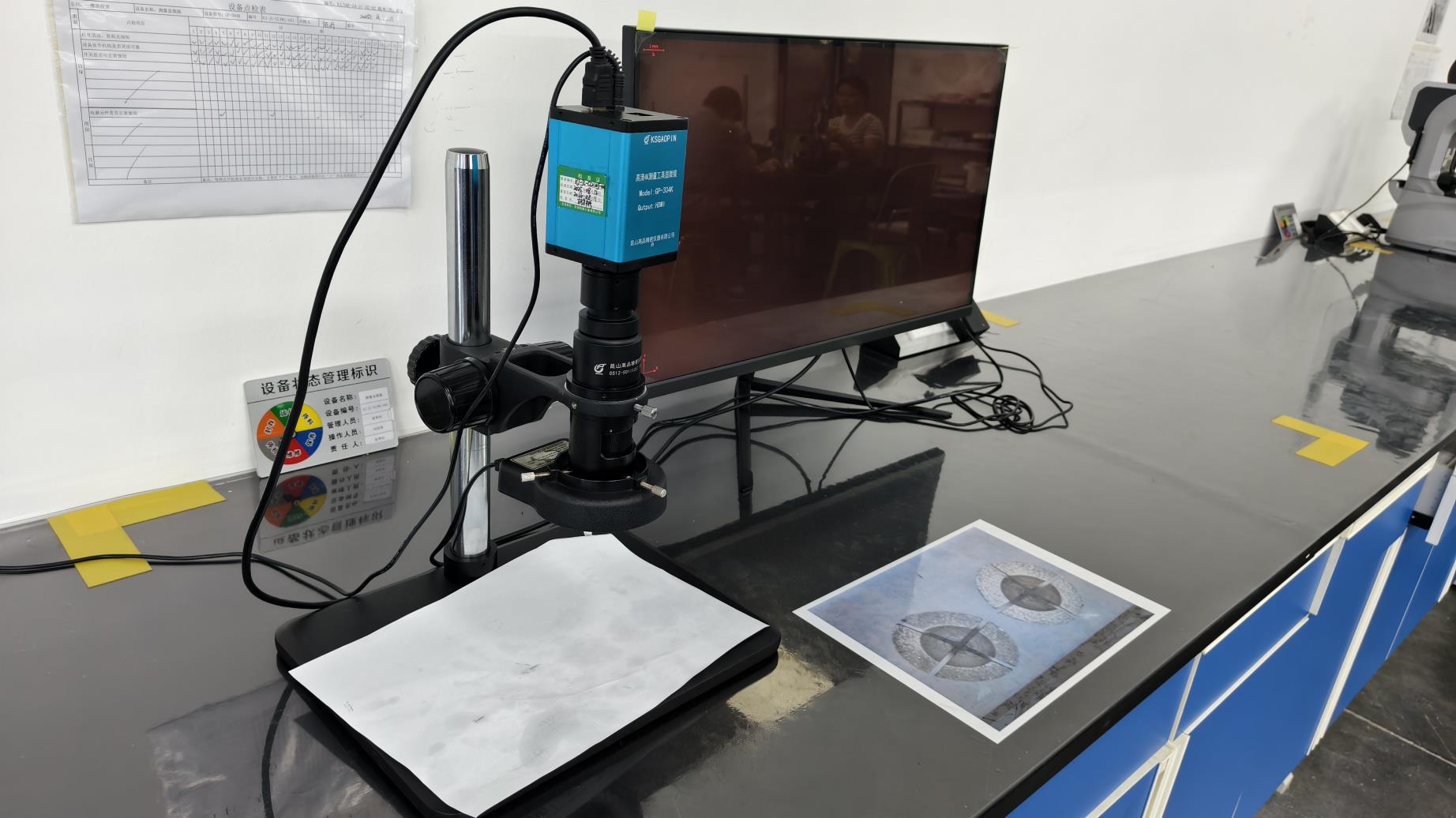
Inside our production lines: CNC machining, quality control checkpoints, and finished instrument storage.
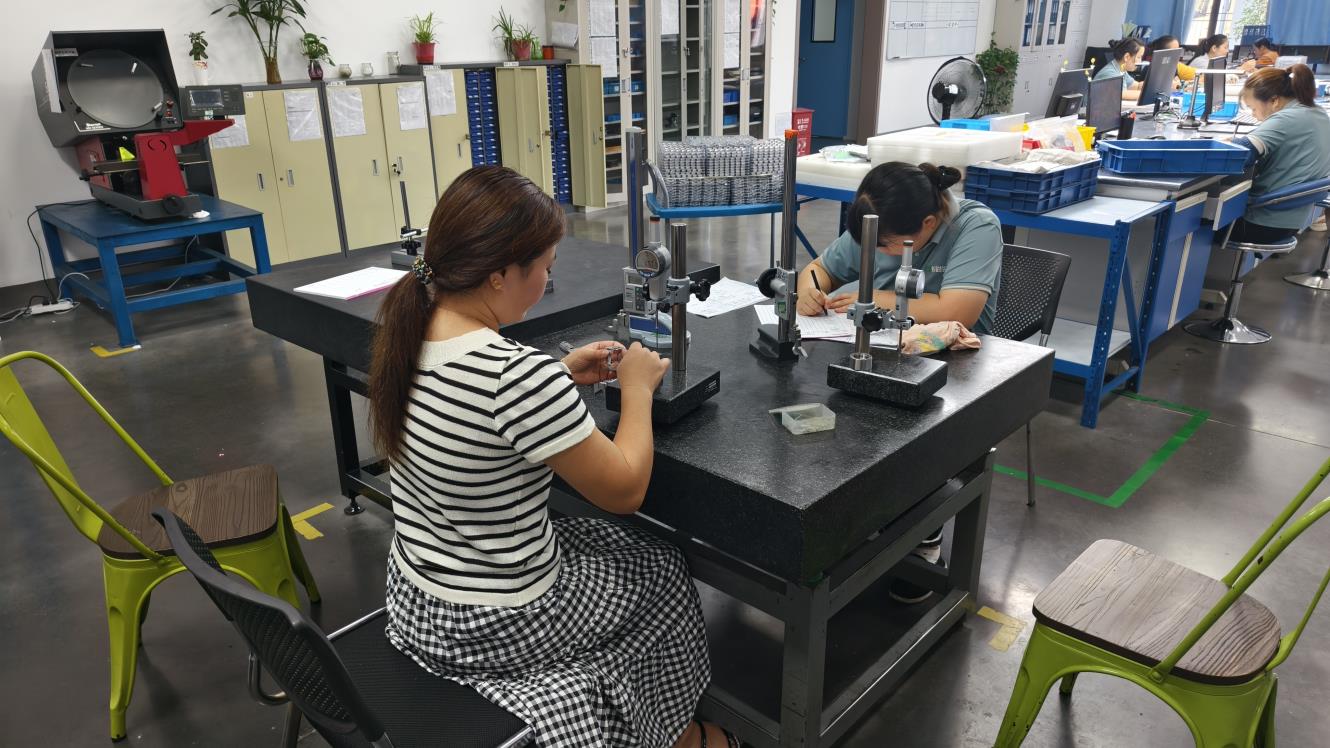
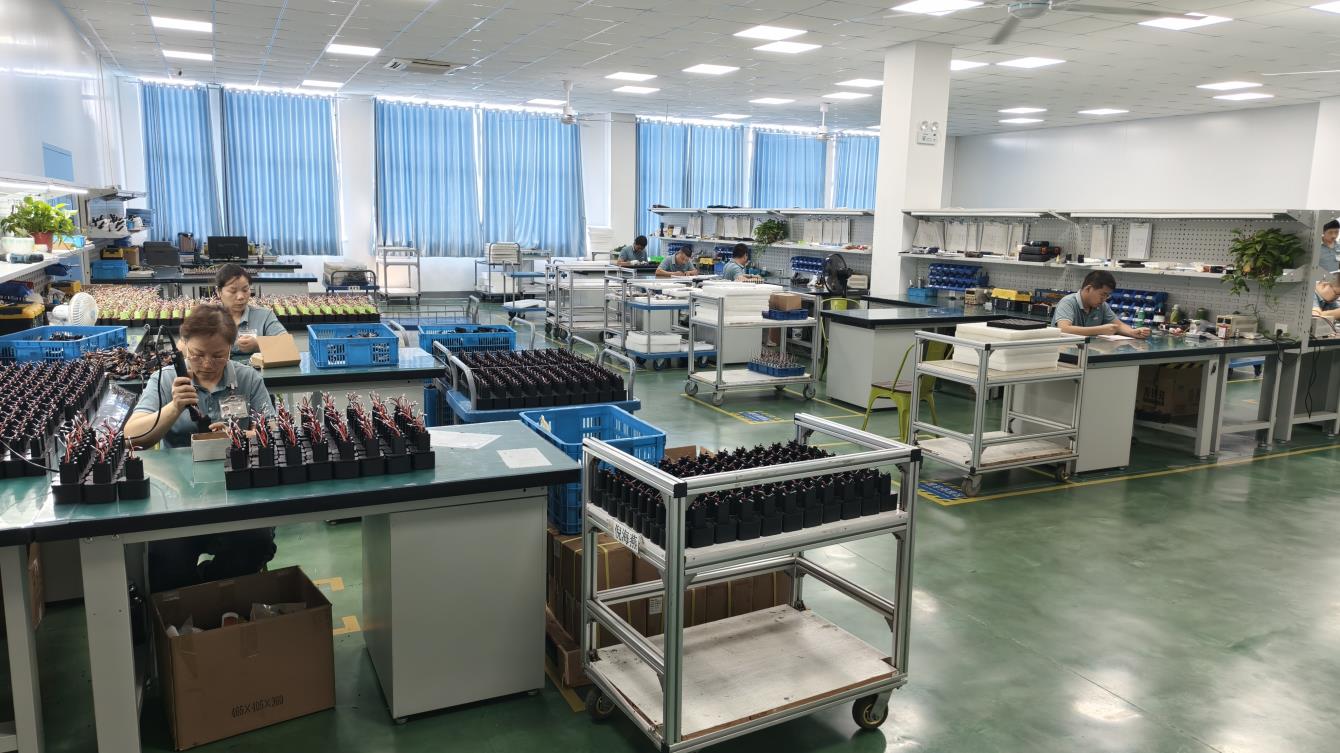
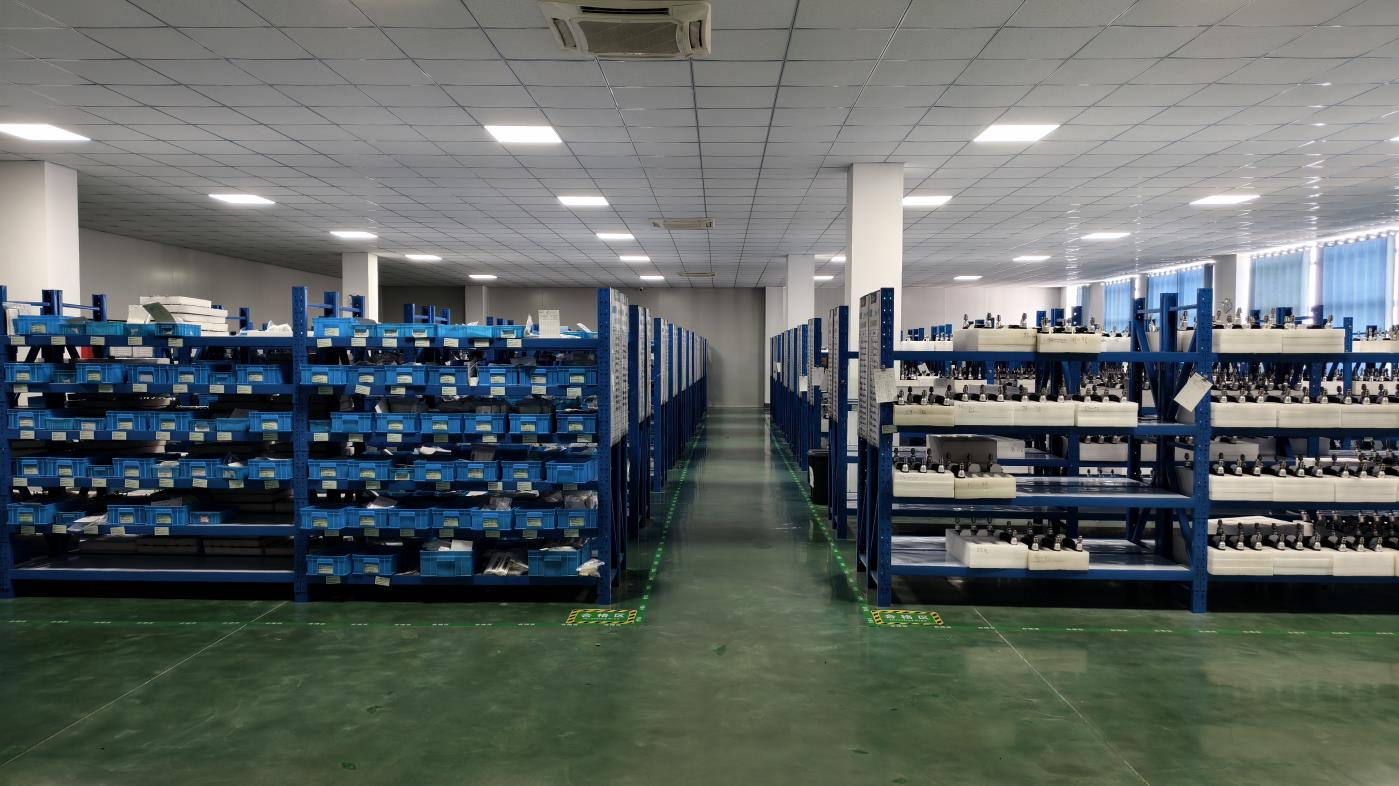
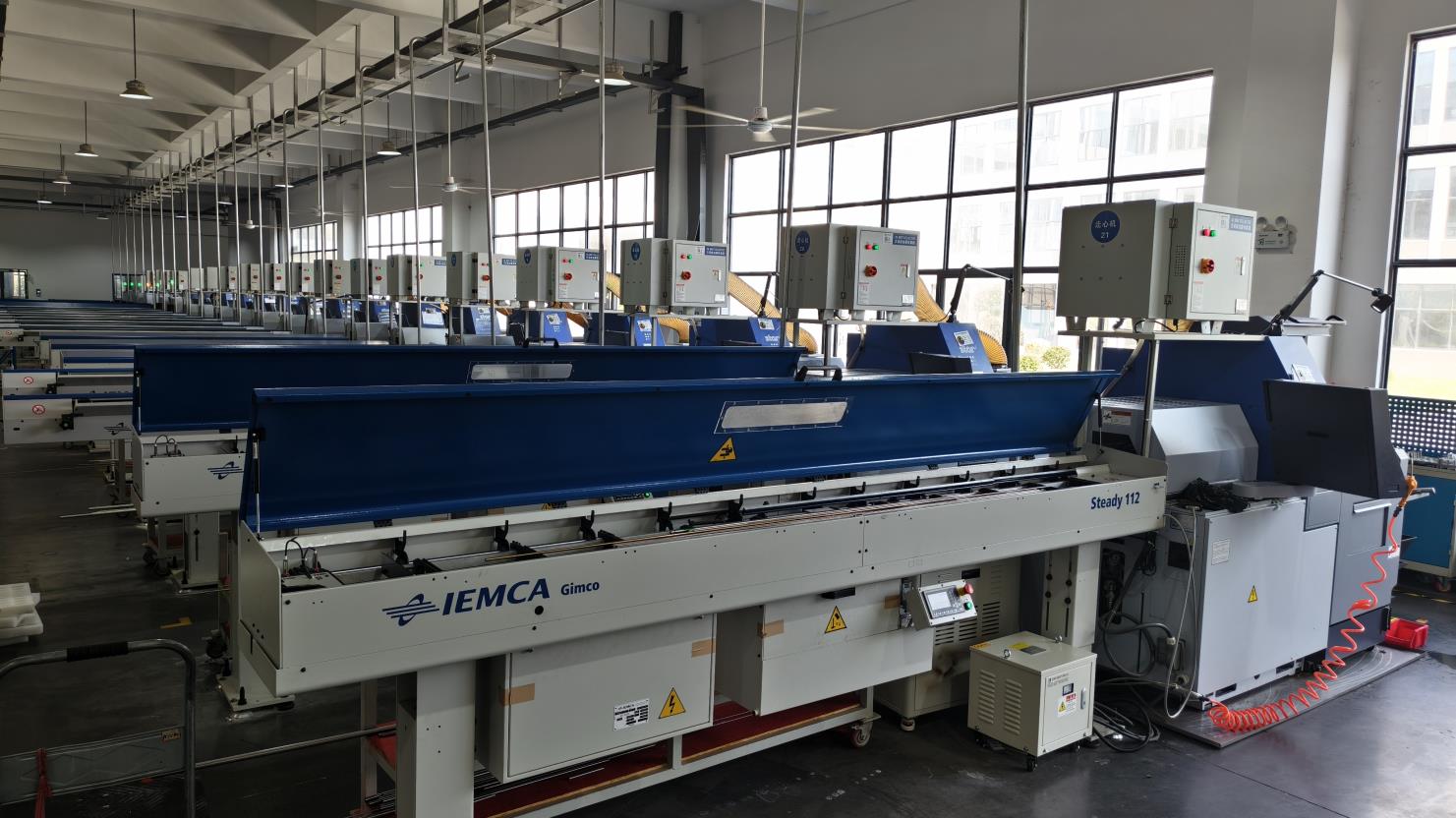
We construct our surgical devices from medical-grade AISI 316LVM (low-carbon vacuum melt, ASTM F138) stainless steel or Ti-6Al-4V ELI (Extra Low Interstitial, ASTM F136) titanium alloy. These metals provide high yield strength, excellent fatigue resistance, and biocompatibility, minimizing the risk of adverse physiological reactions or mechanical failure under load.
In alignment with ISO 13485 standards, we document each step of manufacturing. Raw material shipments include mill test certificates (MTC). Throughout machining, heat treatment, passivation, and packing, batch tracking codes are assigned and recorded to trace materials and processing history.
All instruments undergo passivation treatment using nitric or citric acid baths according to ASTM A967 specifications. This process removes free iron from the surface and promotes the formation of a passive chromium oxide layer, which protects the instrument against corrosion during high-temperature autoclaving and chemical cleaning.
Yes, we provide OEM/ODM services, including design adaptations from client blueprints, custom tip designs, variations in locking mechanisms, and personalized laser markings for branding or surgical tracking.
Lead times vary depending on the complexity of the design and order volume. Prototyping typically takes 15 to 30 days, while bulk production is completed within 45 to 60 days following sample validation and QC sign-off.
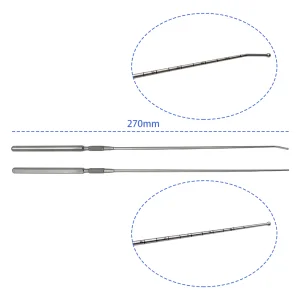
Technical instrumentation designed for orthopedic surgical setups, spinal alignment, and diagnostic measurement.