SENJIE Healthy & Technology
SENJIE Healthy & Technology
SENJIE Healthy & Technology
Select, hospital-grade instrumentation designed for trauma, orthopedics, and electrosurgical settings.
A transparent view into our operational capacities, certified processes, and global footprint.
Established
Exporting Globally
Traceable Raw Materials
Strict QA/QC Protocols
| Operational Parameter | Details & Capabilities |
|---|---|
| Quality Certification Standards | CE compliant pathways, traceabilities, and manufacturing procedures aligned with ISO 13485 guidelines. |
| Primary Export Regions | North America (25%), South America (25%), Southeast Asia (15%), and European medical hubs. |
| QA/QC Protocols | Pre-shipment verification: Random inspection and customized compliance protocols according to client specifications. |
| R&D Customization | Fully integrated sample processing, advanced CAD/CAM graphic processing, and bespoke customized-on-demand designs. |
| Target Buyer Profile | Medical brand businesses, large-scale medical distributors, specialized hospital procurement chains, and veterinary institutions. |
Modern surgical environments require optimal control of tissue cutting and hemostasis. High-frequency (HF) electrosurgery relies on the conversion of high-frequency alternating current into thermal energy at the cellular level. By passing currents exceeding 200 kHz through target biological tissue, our surgical cautery devices generate targeted temperatures capable of vaporization (electrosurgical cutting), desiccation, or coagulation. This technology operates in both monopolar and bipolar modes. In monopolar systems, the high density of electric current is concentrated at the active electrode, passing through the patient to the dispersive return plate. In contrast, bipolar modalities localize current between two active tips of a forceps instrument, minimizing stray currents and thermal spreads to adjacent critical structures.
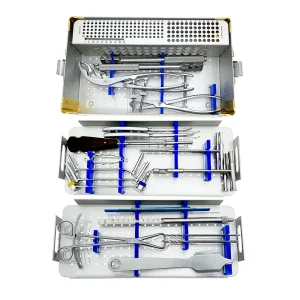
Ensuring high performance in surgical electrocautery demands a deep synergy between the generator unit and the downstream manual instruments. These include premium retractors, bone plates, rasps, and distractors that maintain structural margins during electrosurgical dissection. As a leading exporter, our surgical kits are engineered to withstand continuous autoclave cycles while retaining maximum insulation resistance and high tensile strength.
For international medical procurements, regulatory compliance is non-negotiable. The European Union’s Medical Device Regulation (MDR 2017/745) mandates strict risk management systems, clinical evaluation pipelines, and post-market clinical follow-ups. Our manufacturing partners secure the "CE Certified" status by passing audit procedures that evaluate:
Raw material traceability is fully documented at our facilities. Our QA/QC department monitors raw steel and titanium billets, matching heat numbers to product batches. This guarantees that every instrument in our catalog is built with optimal metallurgical integrity, resisting corrosion and premature degradation.
Why leading global healthcare networks choose our integrated manufacturing base in China.
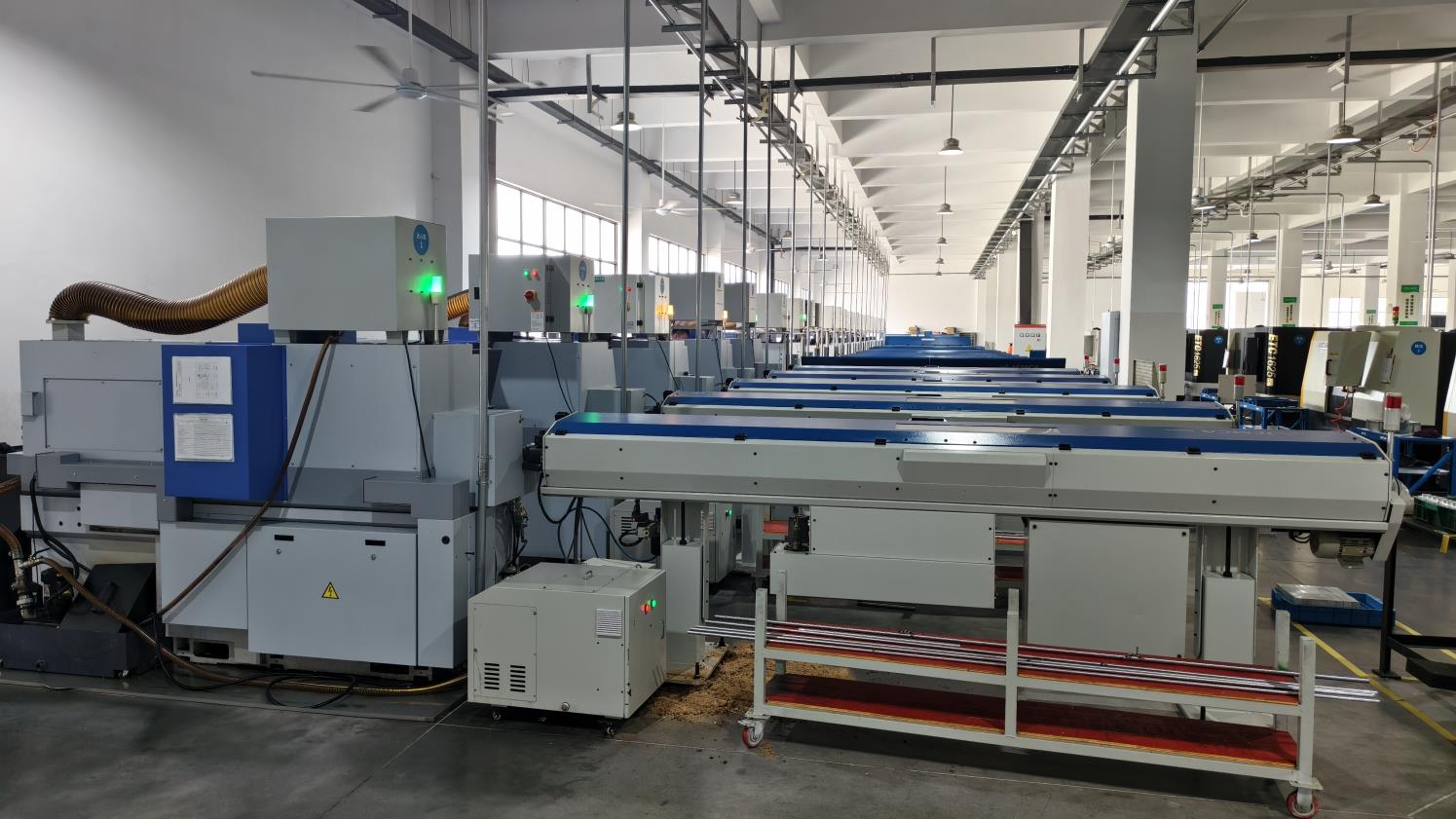
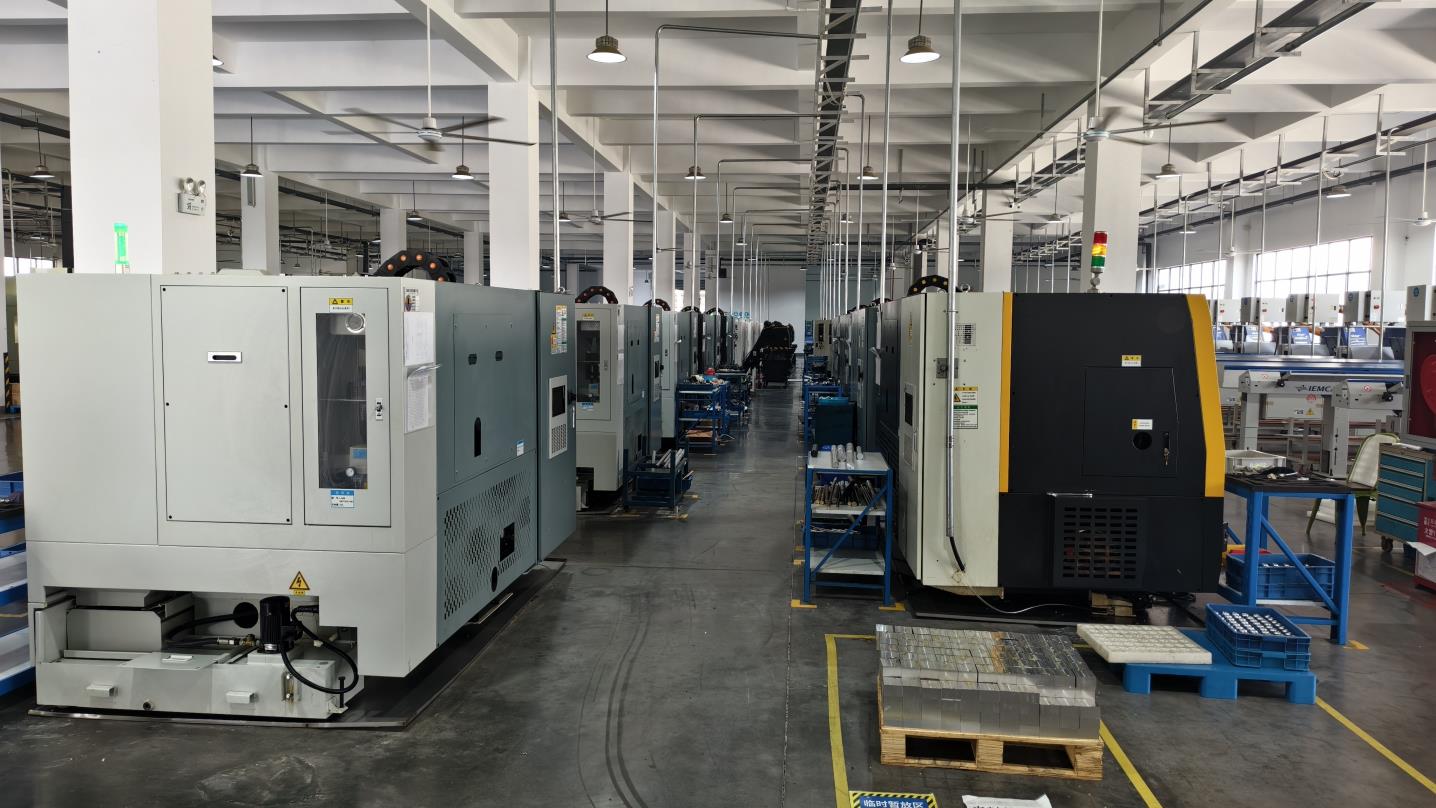
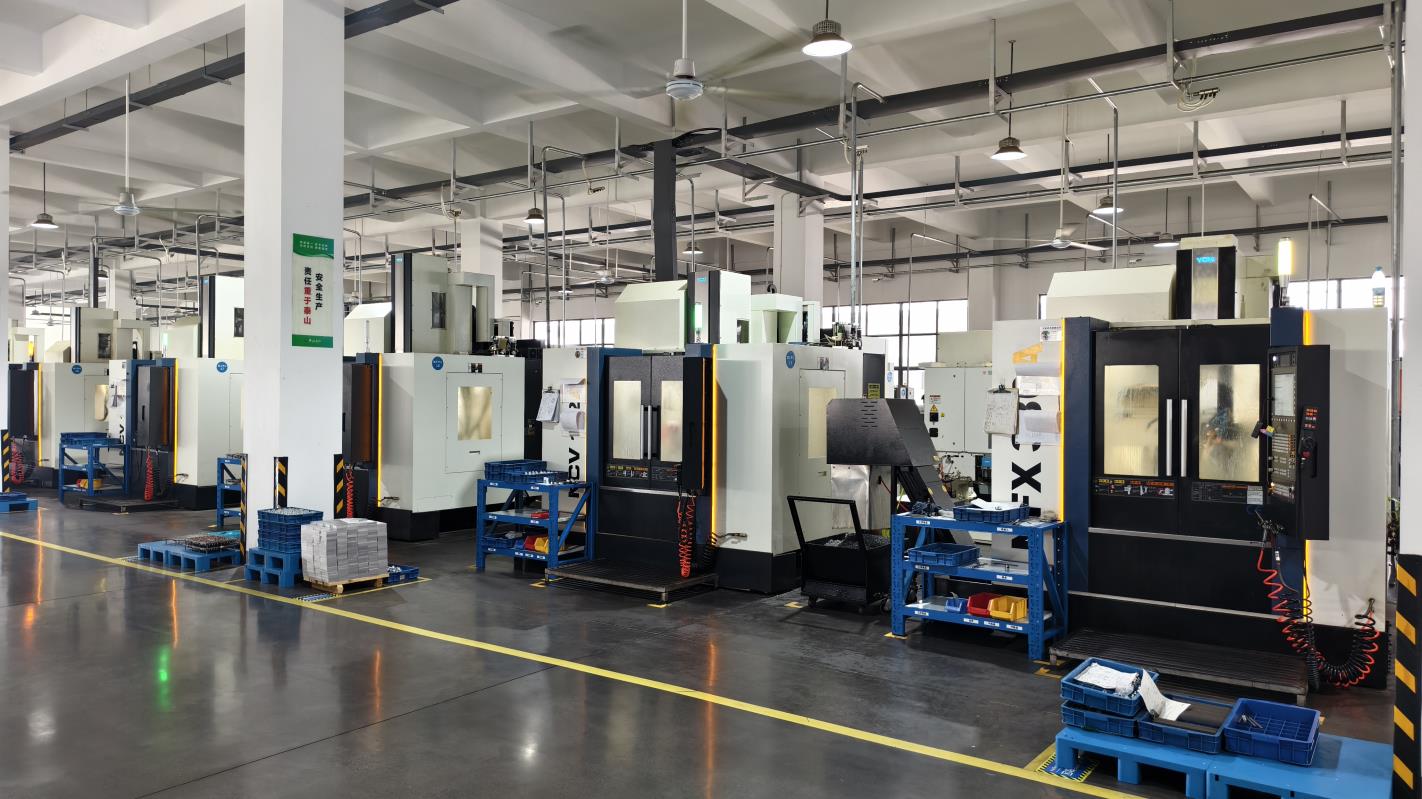
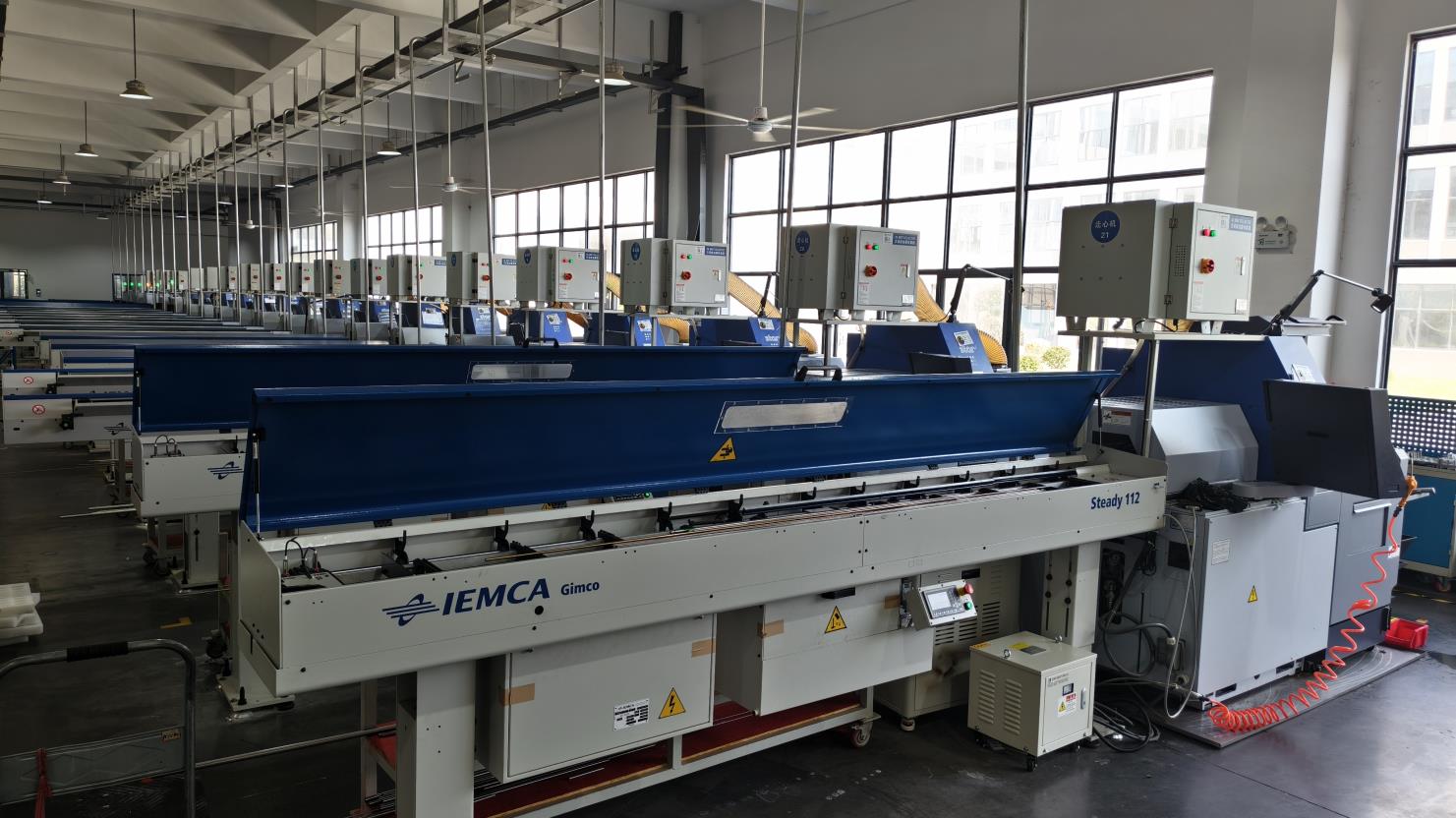
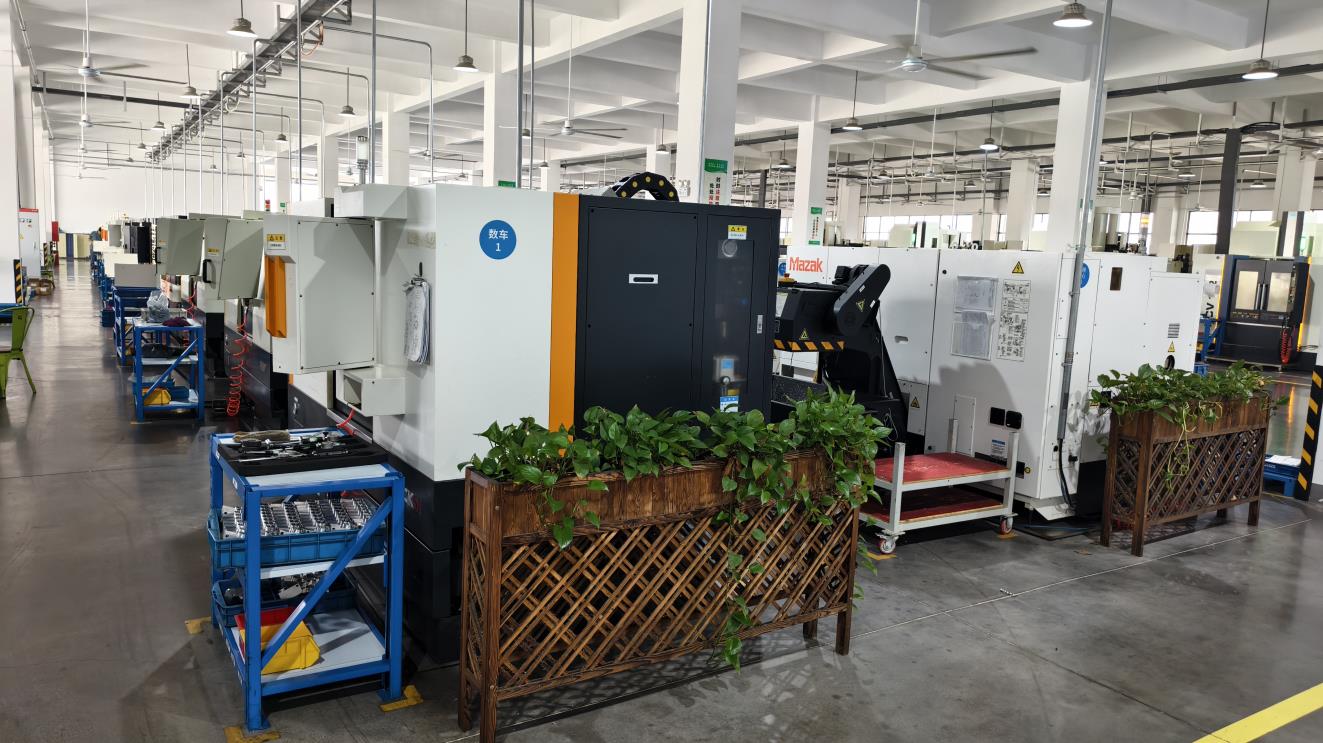
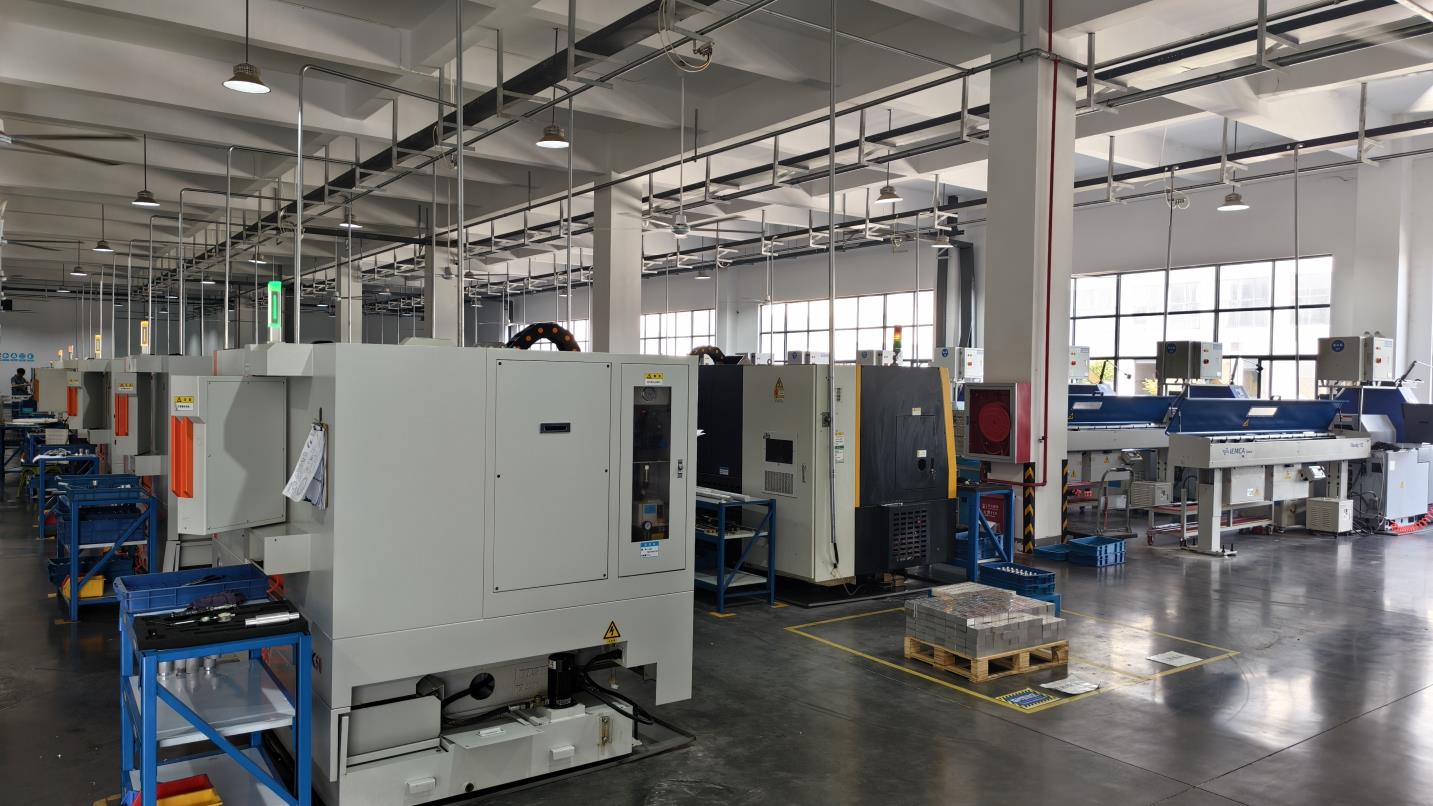
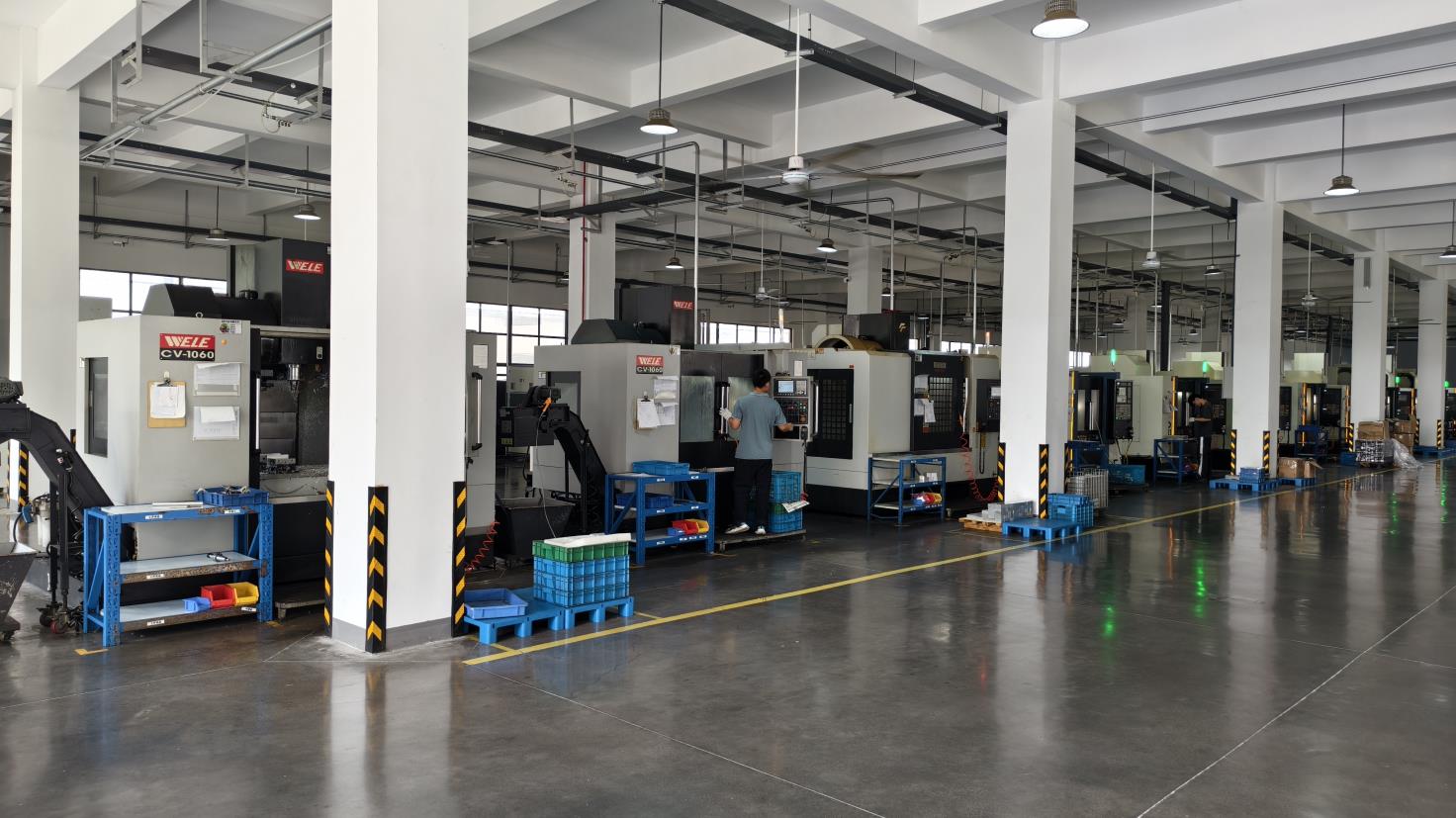
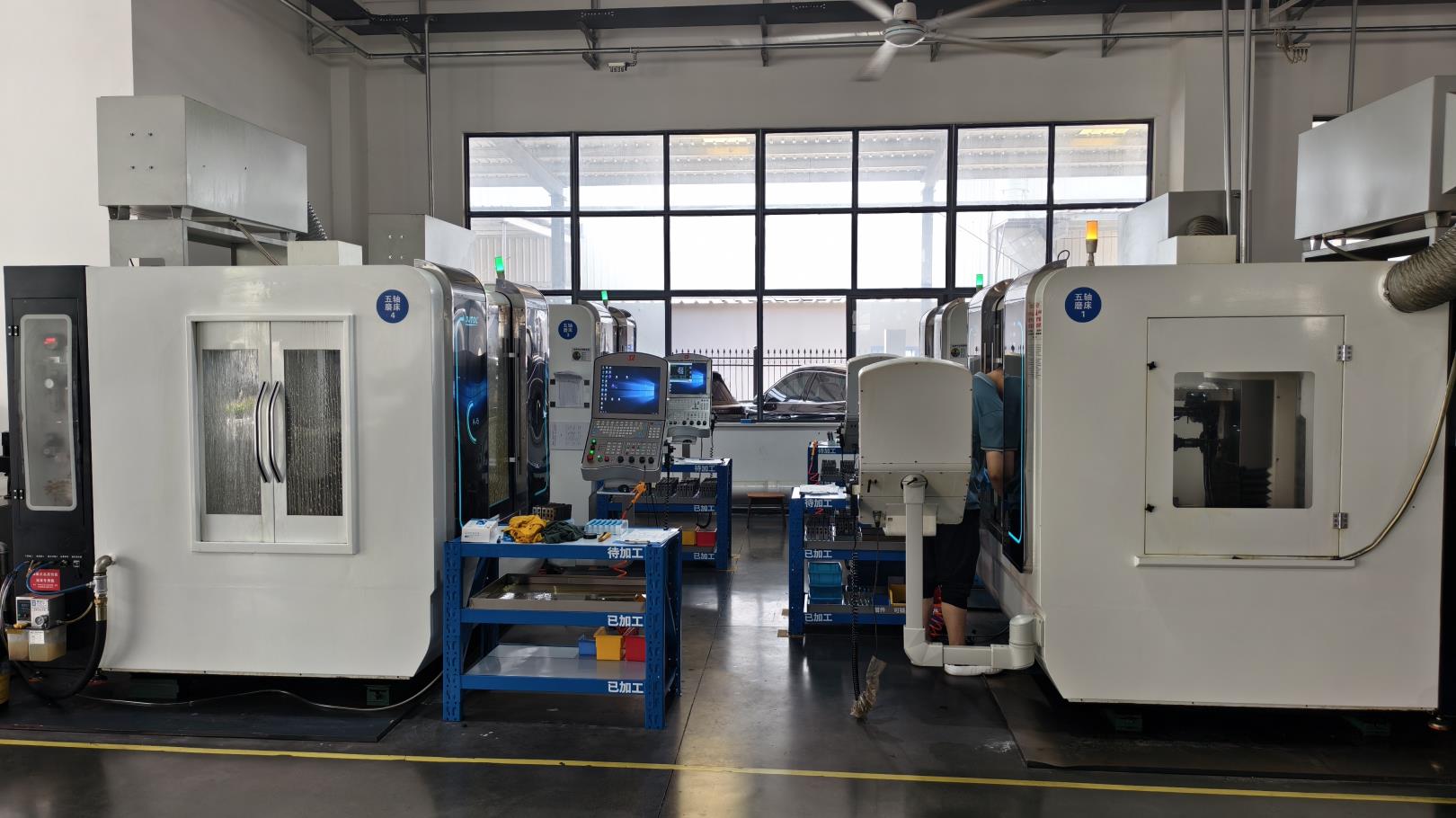
Equipped with multi-axis CNC machines and Swiss-type lathes, we consistently achieve tolerances under 10 micrometers. This ensures that every quick-coupling handle and bone spreader fits perfectly.
Passivation, anodizing, and electropolishing techniques enhance stainless steel corrosion resistance. This treatment prevents reflection under bright operating room LED spotlights.
From raw material procurement and metallurgical testing to final cleaning, labeling, and sterile-barrier packaging, we optimize the entire value chain to offer competitive FOB prices.
Hospital procurement officers and global distributors face new challenges in modern supply chains. Modern GPOs (Group Purchasing Organizations) are shifting away from single-source procurement toward diversified, high-quality manufacturing partners. Our research shows that procurement decision-makers evaluate partners based on three key factors:
By exporting to North America (25%), South America (25%), and Southeast Asia (15%) for over six years, we have optimized our shipping channels, customs clearance procedures, and certificate handovers. This experience translates to shorter lead times and predictable delivery windows.
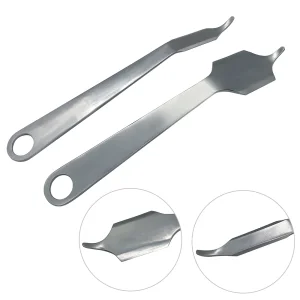
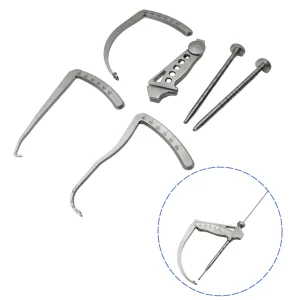
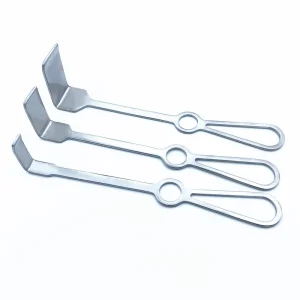
Electrosurgery and precision mechanical instruments are complementary. During complex orthopedics procedures—such as ACL-PCL reconstructions, limb trauma stabilization, or multi-axial locking plate fixation—maintaining clear visibility of the surgical site is paramount. Active electrosurgical coagulation controls vascular bleeding, while high-tensile Hohmann retractors, flat retractors, and distractor forceps maintain appropriate anatomical exposure.
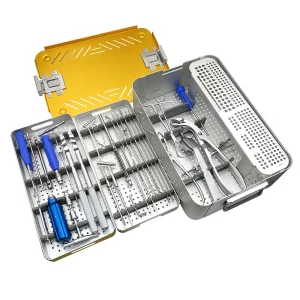
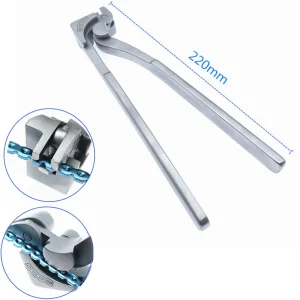
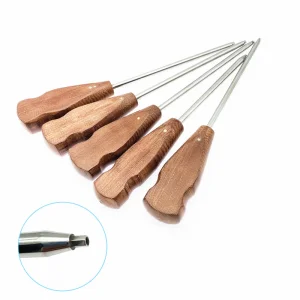
In veterinary surgery, particularly small-animal orthopedics, precision is essential. Locking screw instrument sets (sized 2.4/2.7) are paired with compact veterinary electrosurgery units to perform bone alignment and soft-tissue dissection. Devices must be lightweight, ergonomic, and adapt to varying patient sizes. Our catalog addresses these requirements, offering a range of micro-sized bone plates, benders, and quick-coupling handles.
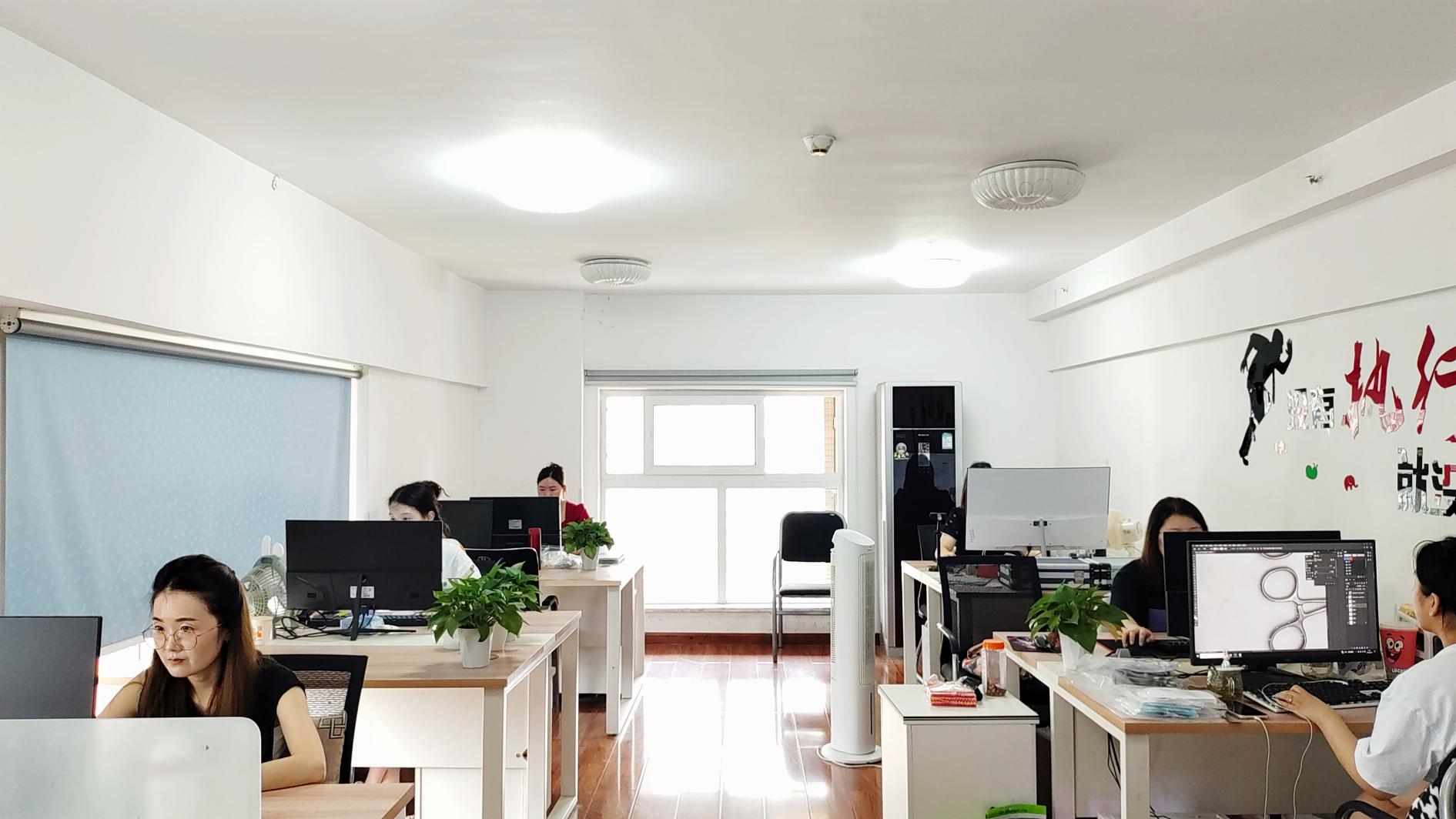
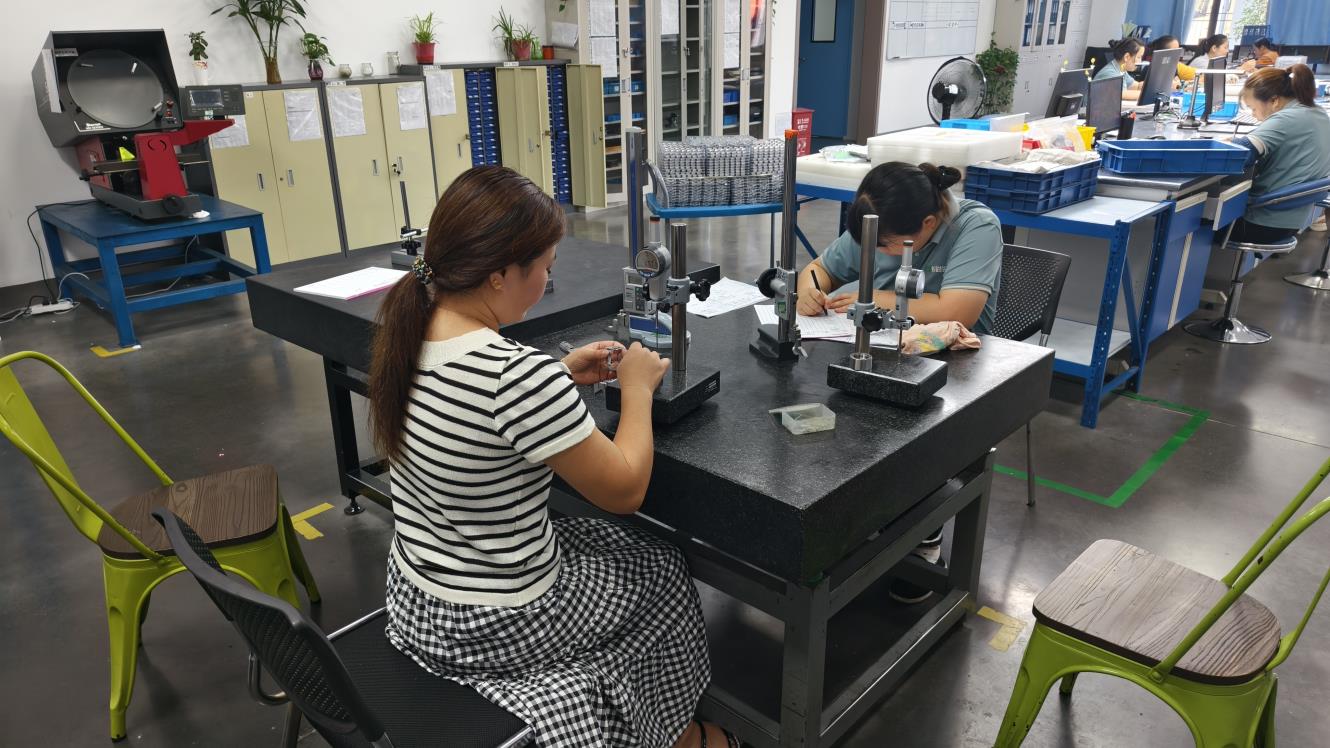
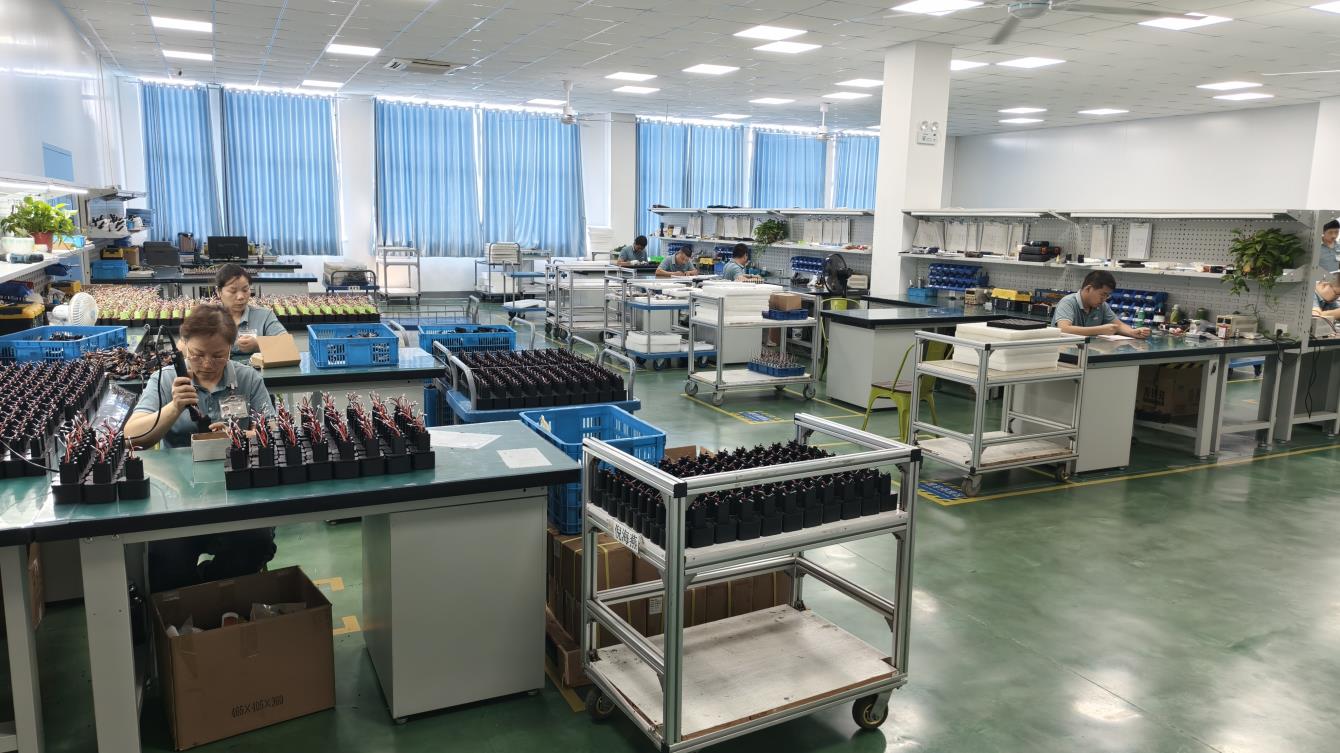
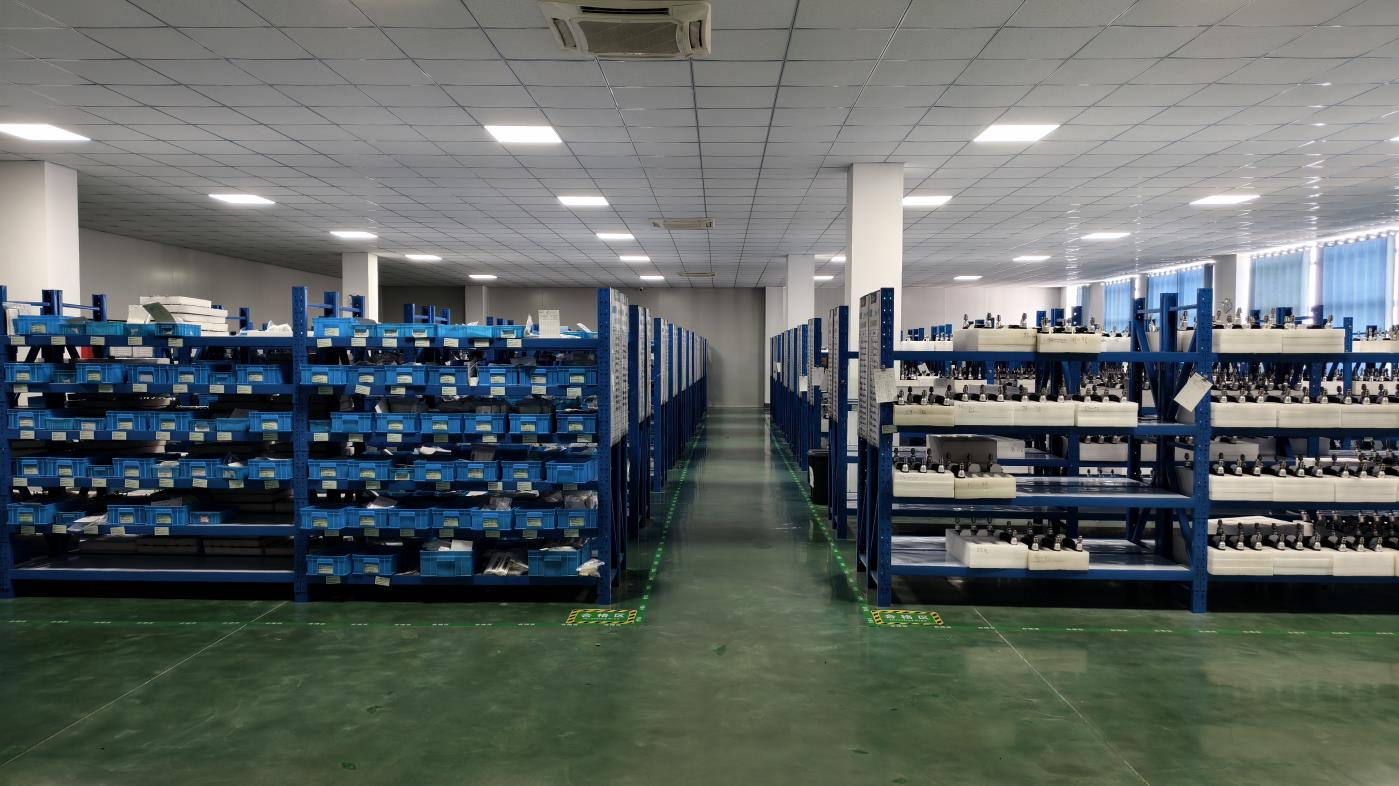
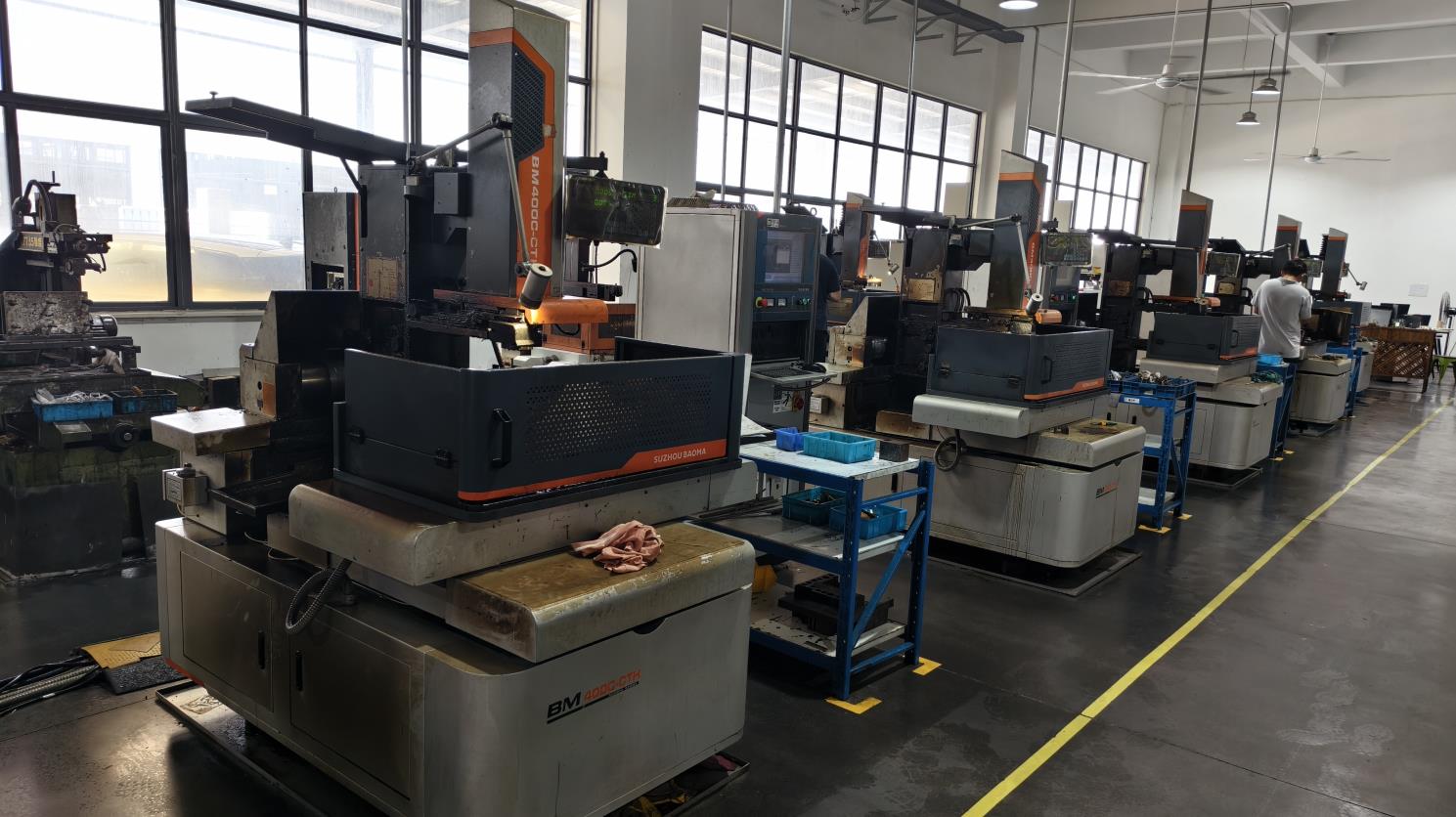
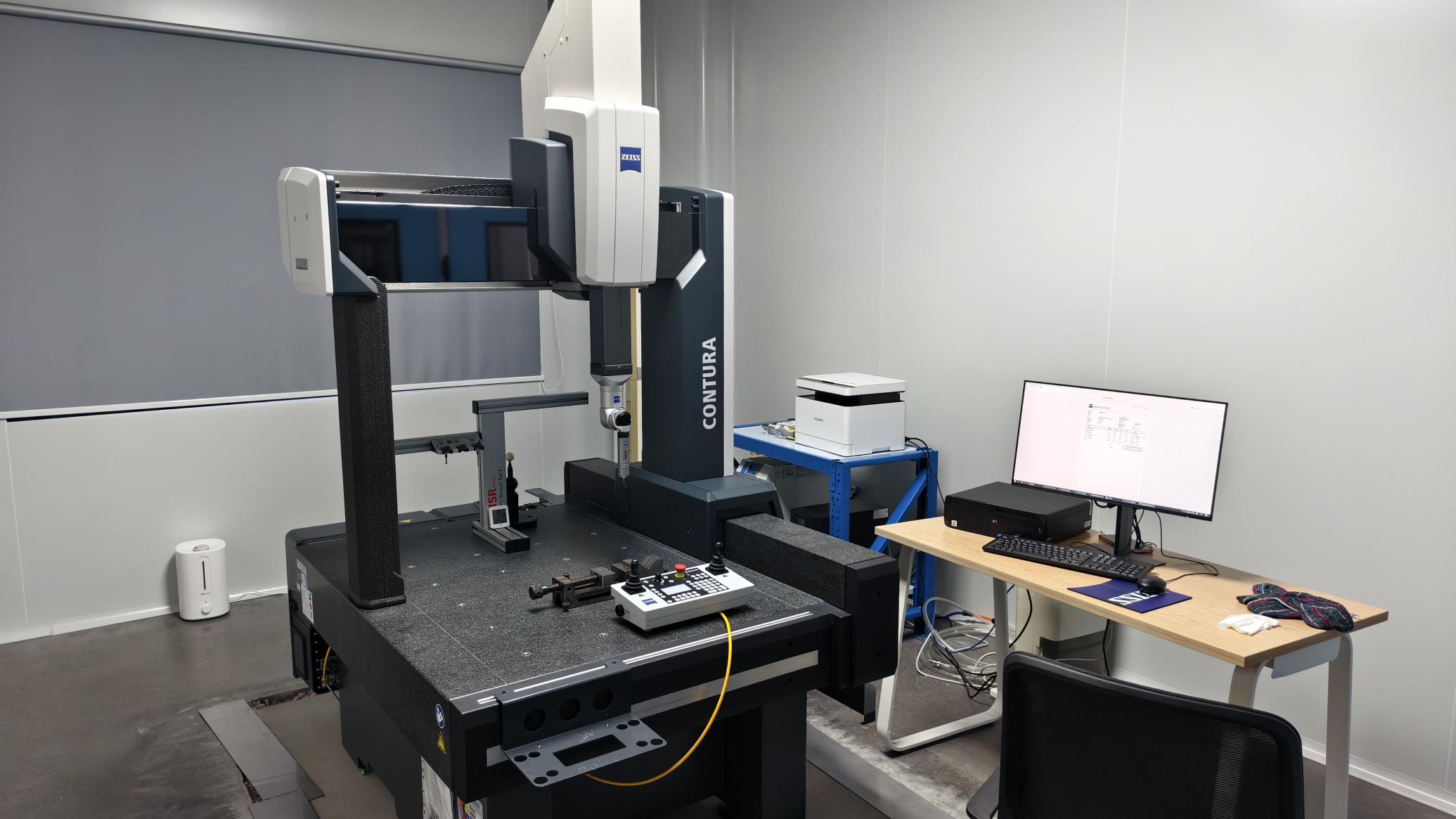
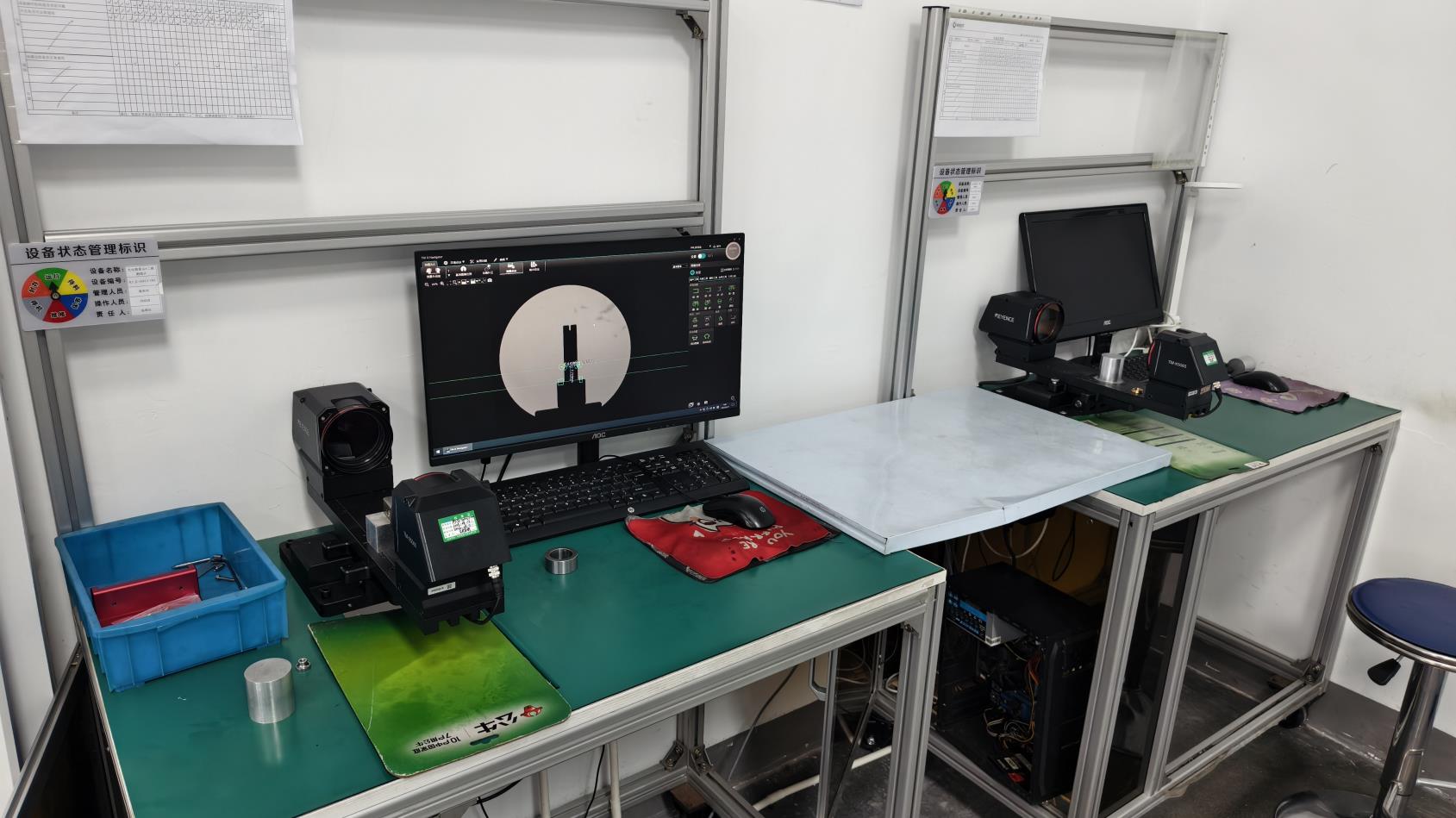
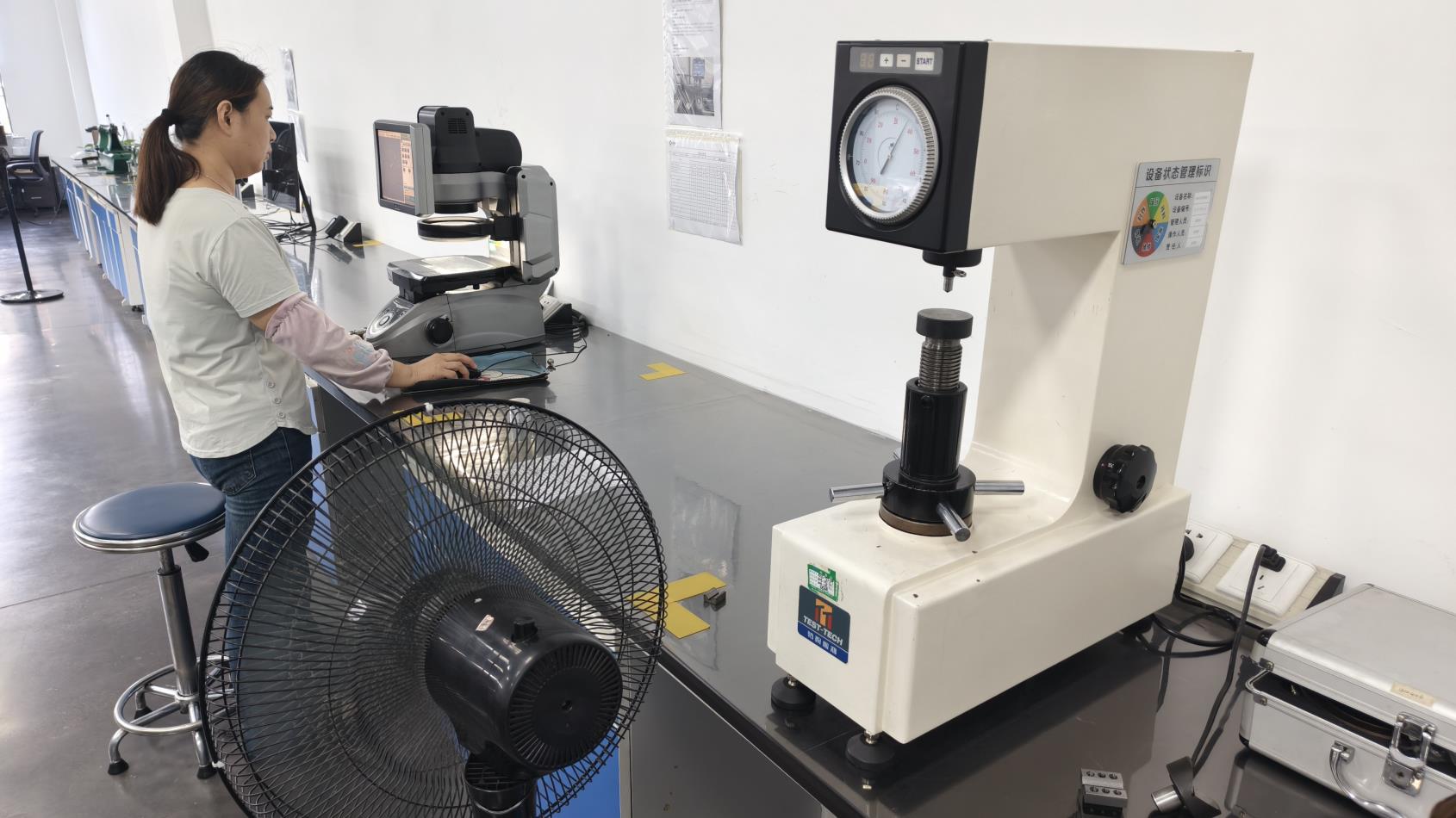
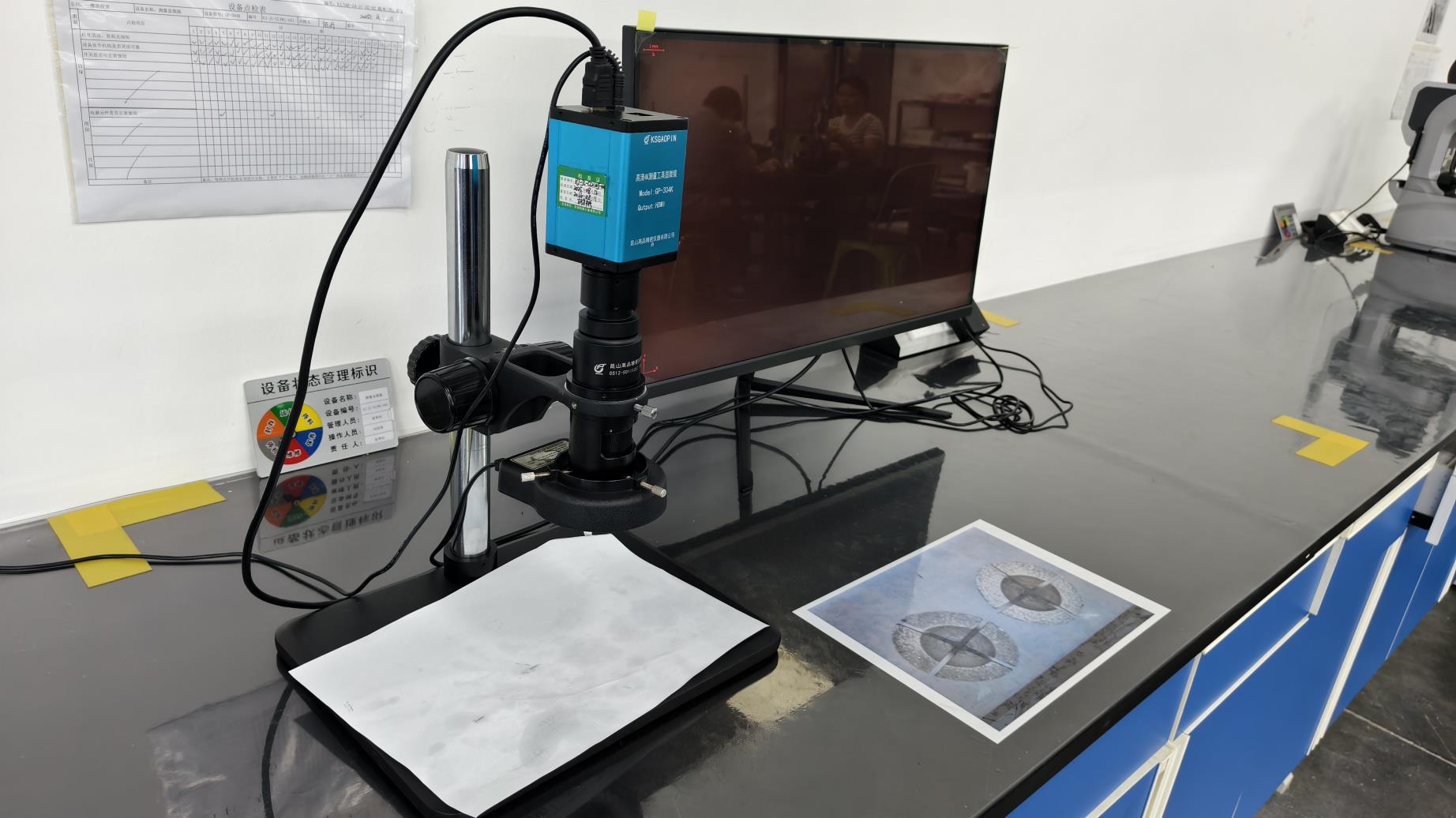
Transparent representation of our production facilities, testing zones, and advanced packaging infrastructure.
Answers to common regulatory, metallurgical, and sourcing questions from professional buyers.
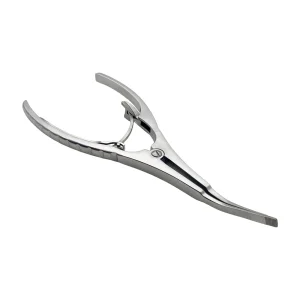
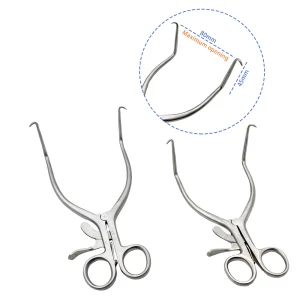
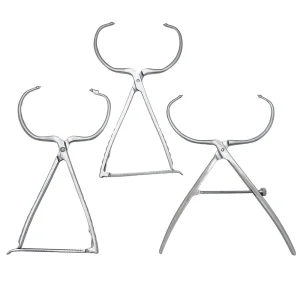
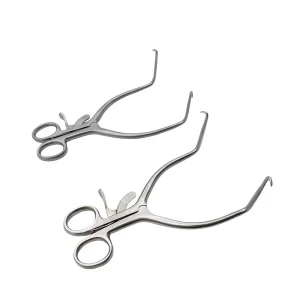
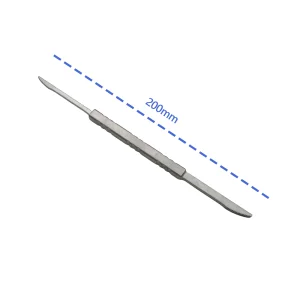
High-quality hand instruments designed to accompany electrocautery setups in modern operating rooms.