SENJIE Healthy & Technology
SENJIE Healthy & Technology
SENJIE Healthy & Technology
Explore our premium selection of precision surgical equipment, orthopedic tooling, and microsurgery hardware manufactured to comply with strict international regulatory standards.
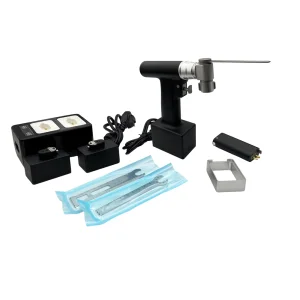
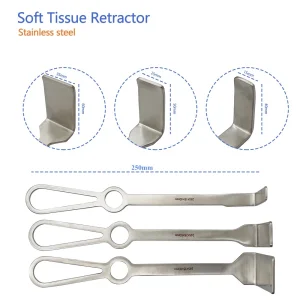
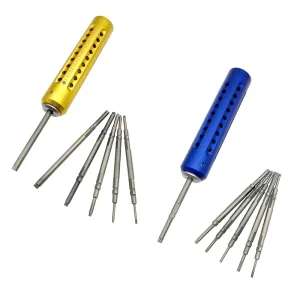
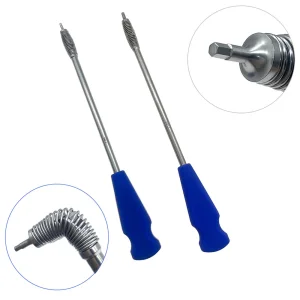
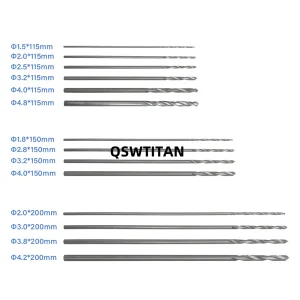
In the modern surgical theater, effective fluid management and structural bone preparation are interdependent. Surgical suction devices and precision cutting kits form the foundation of successful outcomes.
The global market for surgical devices has shifted from simple mechanical capabilities to highly integrated clinical solutions. Modern hospital operating rooms, trauma centers, and specialized dental clinics demand exceptional consistency. CE Certified surgical suction devices are pivotal in maintaining clear visualization of the surgical site. By immediately evacuating bodily fluids, particulate bone fragments, and surgical smoke, these devices enhance safety during critical procedures like neurosurgery, spinal decompression, and joint replacements.
As a leading surgical instruments exporter with 6 years of expertise, we have optimized our supply chains to balance regulatory compliance, premium durability, and cost efficiency. We serve distributors, private hospitals, and clinical brands across North America (25%), South America (25%), Southeast Asia (15%), and beyond.
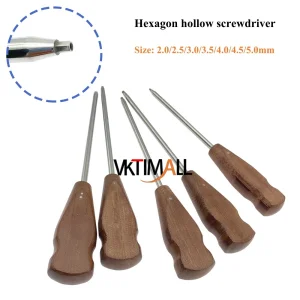
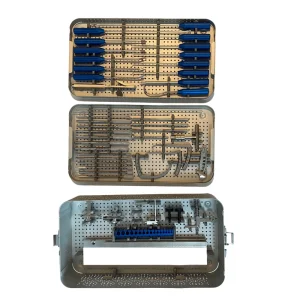
Advanced orthopedics demands a synergy between irrigation, suction, and bone shaping. For example, during ligament reconstructions (ACL/PCL) or joint arthroplasty, our Universal Screwdriver sets, electric oscillating saws, and bone retractors are utilized concurrently with high-vacuum medical aspirators. The extraction of bone dust and excess sterile saline is critical to prevent deep-joint infections and guarantee optimal implant placement. Our comprehensive manufacturing framework covers all facets of this medical environment.
All surgical tools are manufactured with medical-grade alloys, ensuring compatibility with autoclave cycles and vacuum sterilization protocols.
We maintain full material certification from raw steel ingots to the finished surgical tools shipped globally.
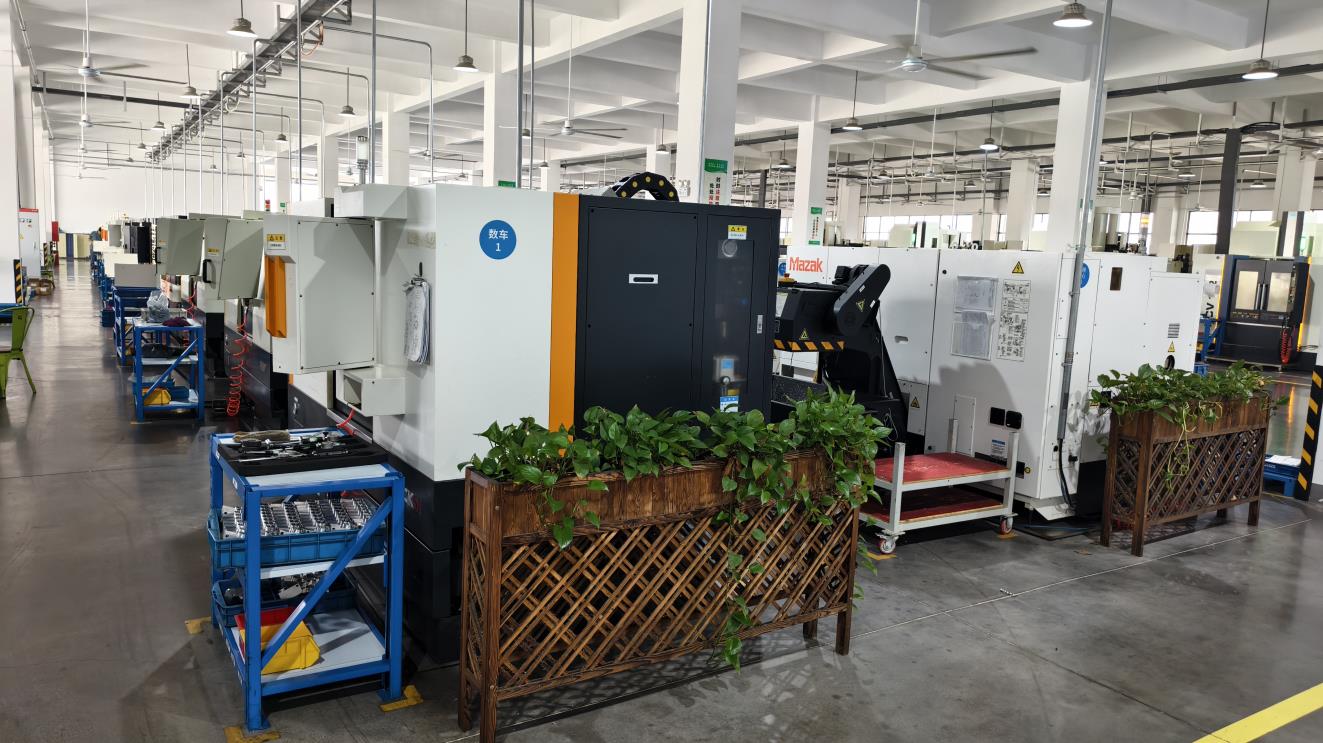
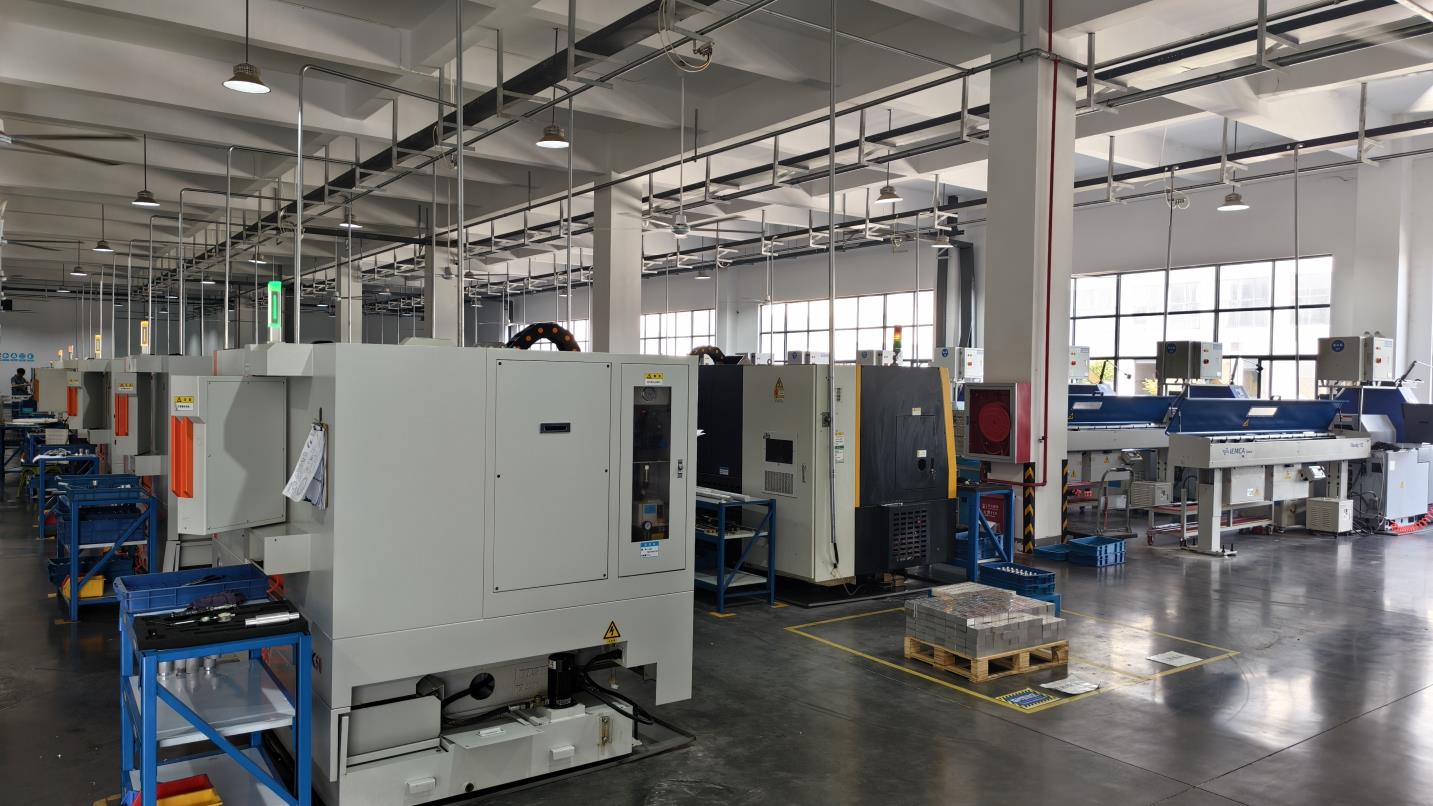
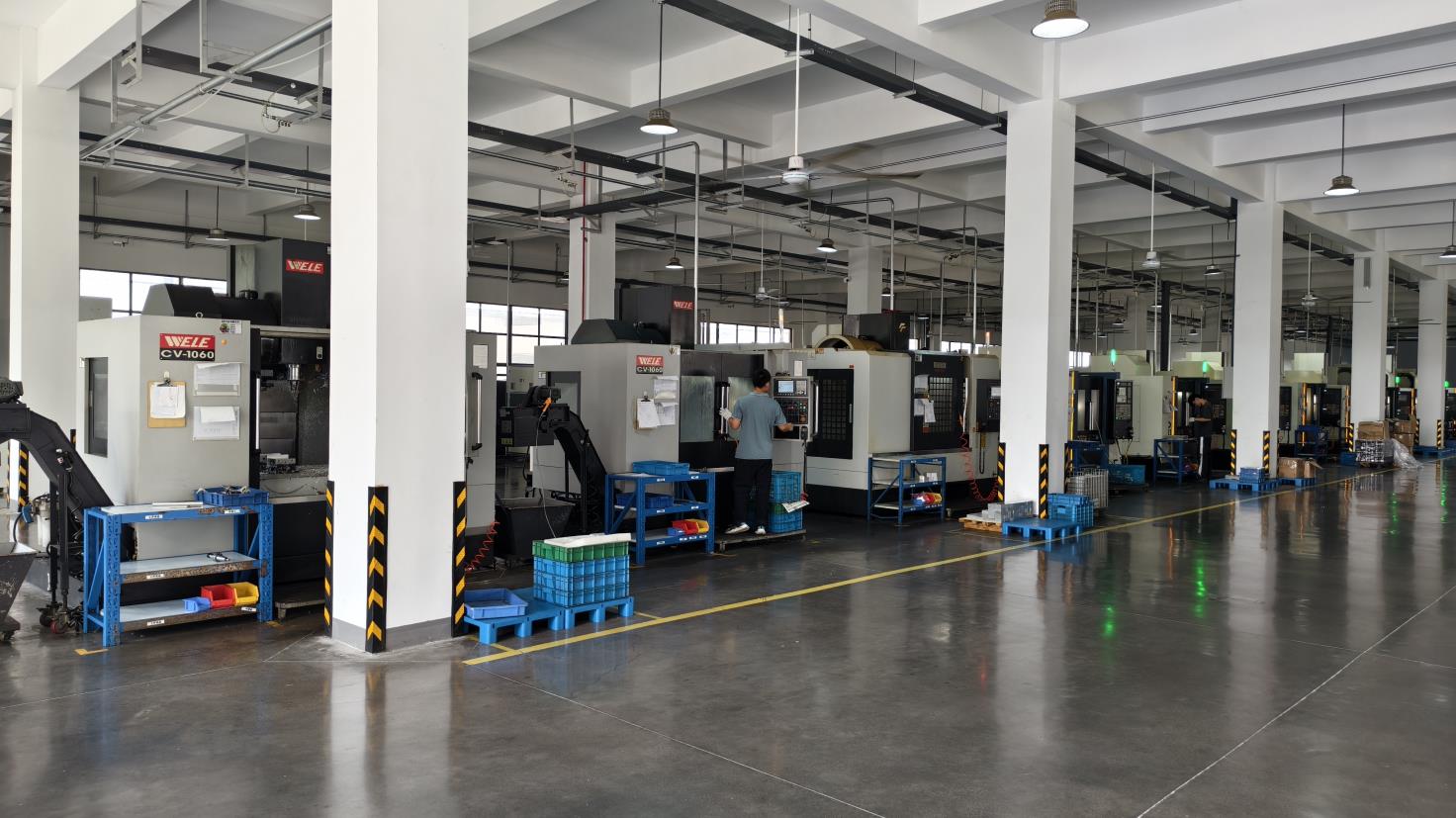
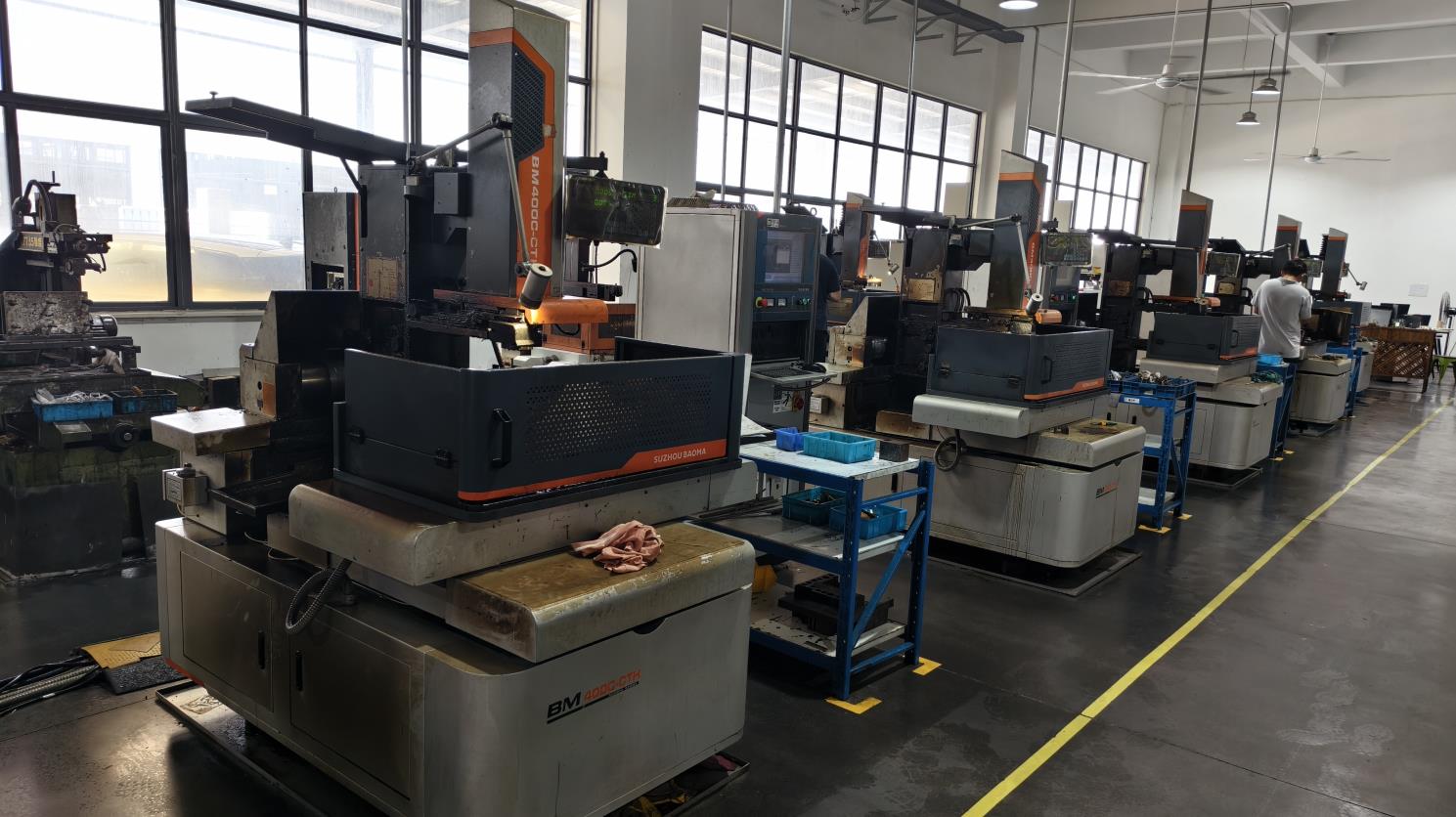
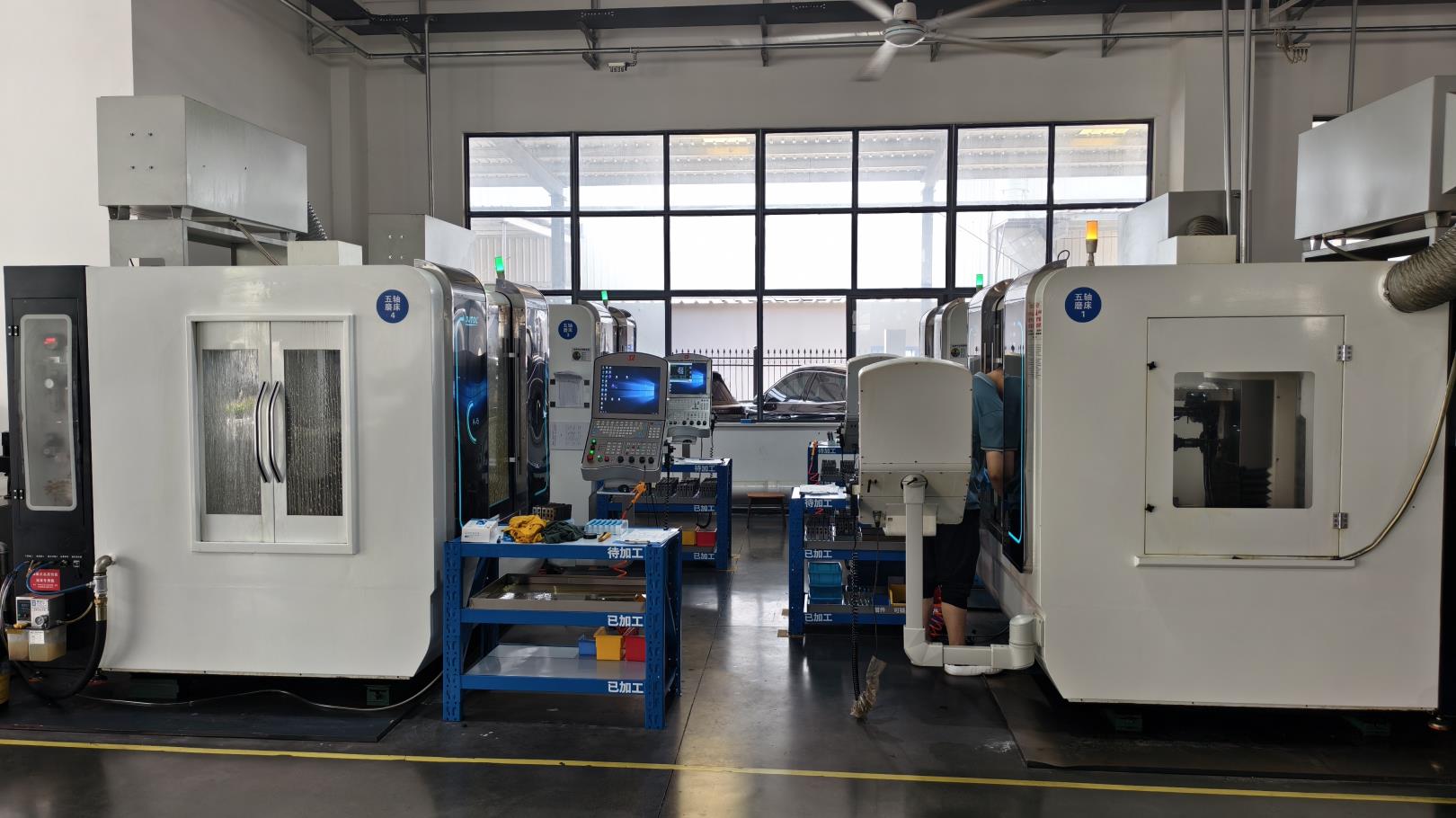
Leveraging vertical supply-chain integration, state-of-the-art CNC machining centers, and strict cost controls, our factory delivers professional-grade surgical solutions.
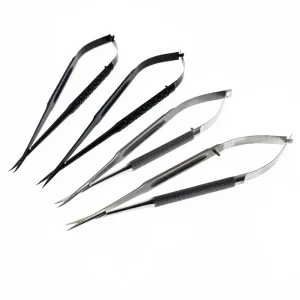
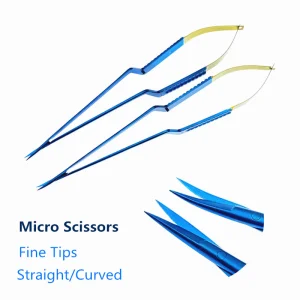
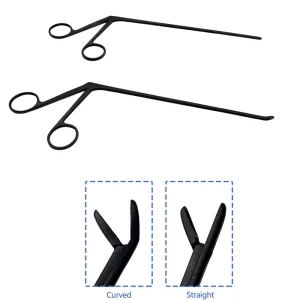
The medical instrument manufacturing industry in China has undergone a complete technological transformation. Traditional casting has been replaced by precision 5-axis CNC machining, automated passivation lines, and laser etching facilities. This technical evolution ensures that surgical accessories—such as nucleus pulposus forceps, micro-scissors, and orthopedic retractor plates—achieve sub-micron precision for smoother operational tactile feedback.
OEM & ODM Customization Scope: We offer comprehensive customization options, including sample processing, custom graphic engraving, and tailormade modifications to orthopedic tool kits. This agility enables global medical brands to introduce new product variations without incurring prohibitive development overheads.
| Production & QC Parameters | Standard Verification Spec |
|---|---|
| Establishment Date | 2019-11-20 (With over 6 years of industry experience) |
| QA/QC Inspectors | 3 dedicated on-site quality control engineers |
| Quality Inspections | Randomized inspections + customized parameters per buyer mandate |
| Customization Options | Sample processing, graphic processing, customized on-demand shapes |
| Main Exports Target | North America (25%), South America (25%), Southeast Asia (15%) |
| Accepted Language | English / Professional medical terminology standard |
How suction integration works side-by-side with high-precision orthopedic surgical instruments in surgical theaters.
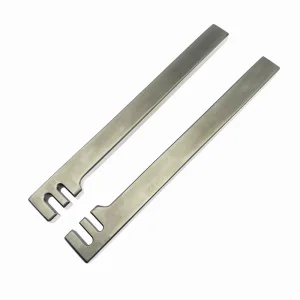
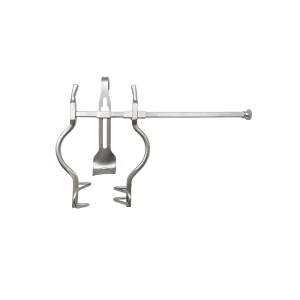
Self-retaining abdominal retractors and bone flat hooks isolate the surgical margins, creating clear operational fields for high-exposure bone osteotomy.
As oscillating saws and surgical drill bits score the bone, irrigation fluids are administered to limit thermal bone damage. Suction units extract debris concurrently.
Spine microscope forcep operations or nerve root manipulation require micro-suction tips (down to 1Fr diameter) to prevent fluid collection in delicate margins.
Navigating clinical procurement requires balanced coordination across quality standards, regulatory compliance, and international logistics.
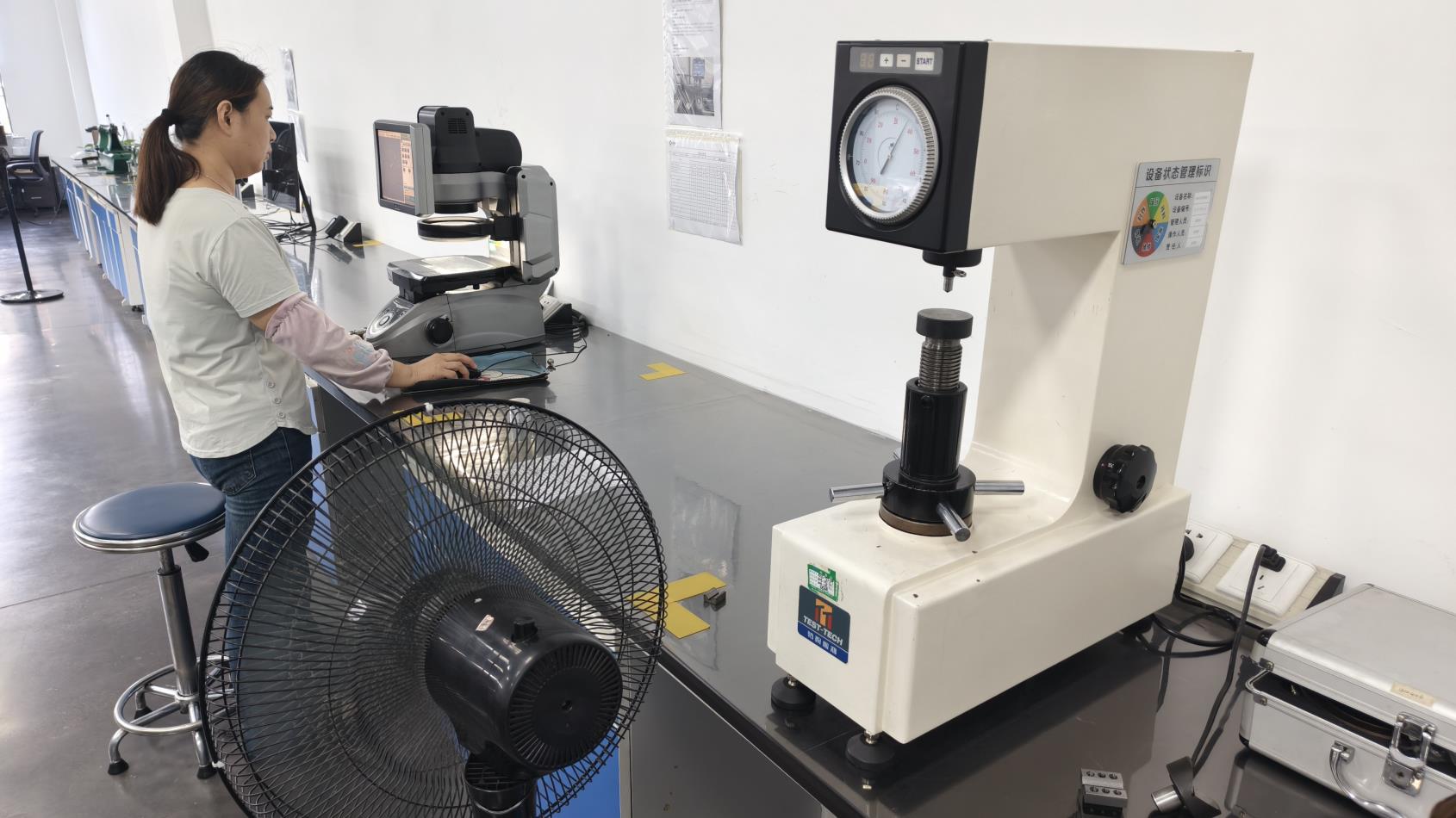
For B2B buyers, importing surgical devices is a complex endeavor governed by regional medical compliance laws. Whether you are stocking medical centers in North America or distributing through tenders in Southeast Asia, ensuring product reliability is paramount. Suppliers must provide complete validation documentation, including CE declarations of conformity, biocompatibility reports for patient-contacting components, and hardness testing logs for cutting tools.
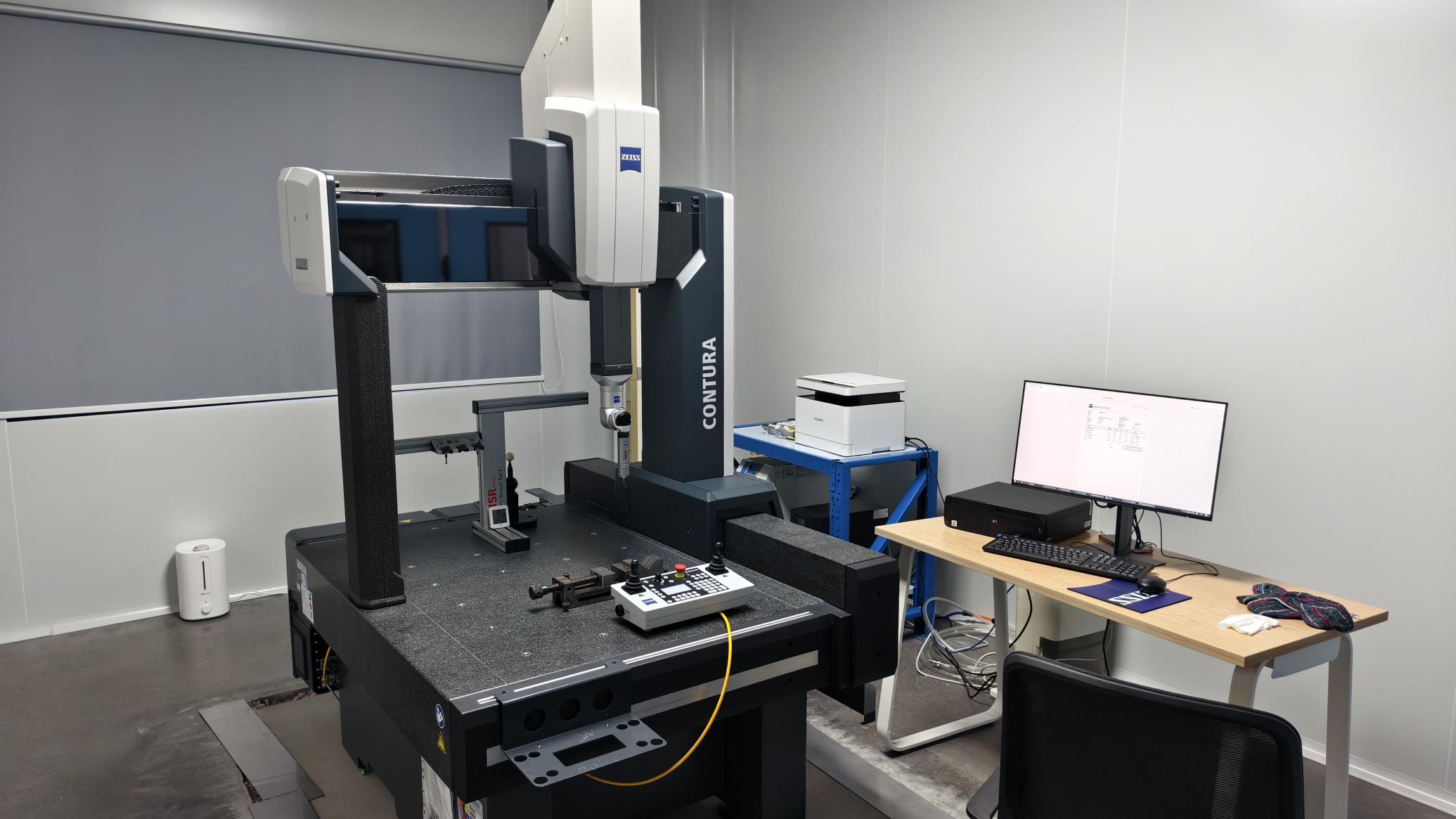
Additionally, keeping supply chains agile helps prevent inventory shortages. We optimize logistical workflows by aligning lead times with critical surgical schedules. In tandem with our raw material traceability guarantees, our 3-inspector QA team inspects all batches for dimensions, surface roughness, and passivation layer durability before packaging.
Key Purchasing Guidelines for Hospital Procurement Directors:
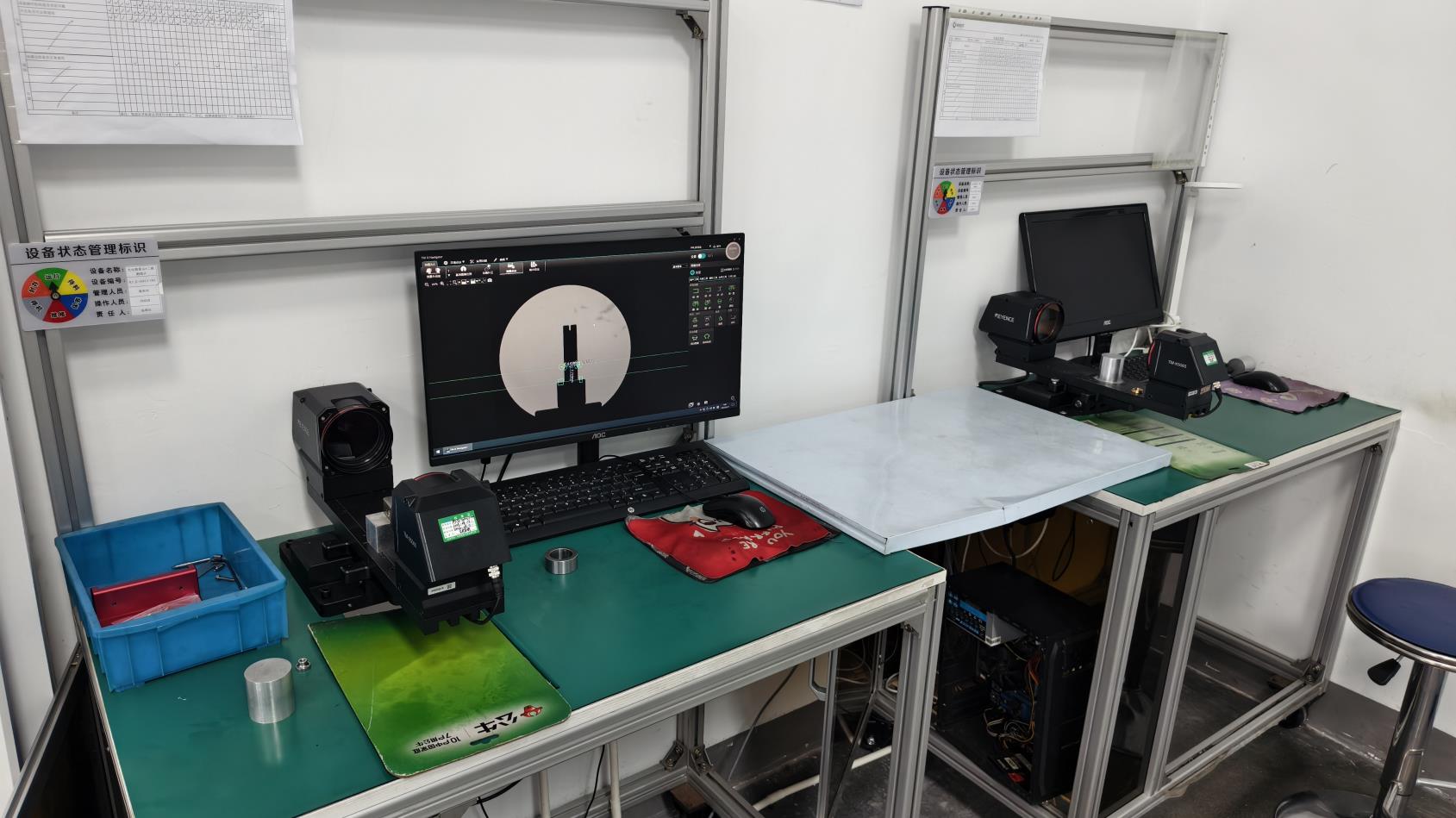
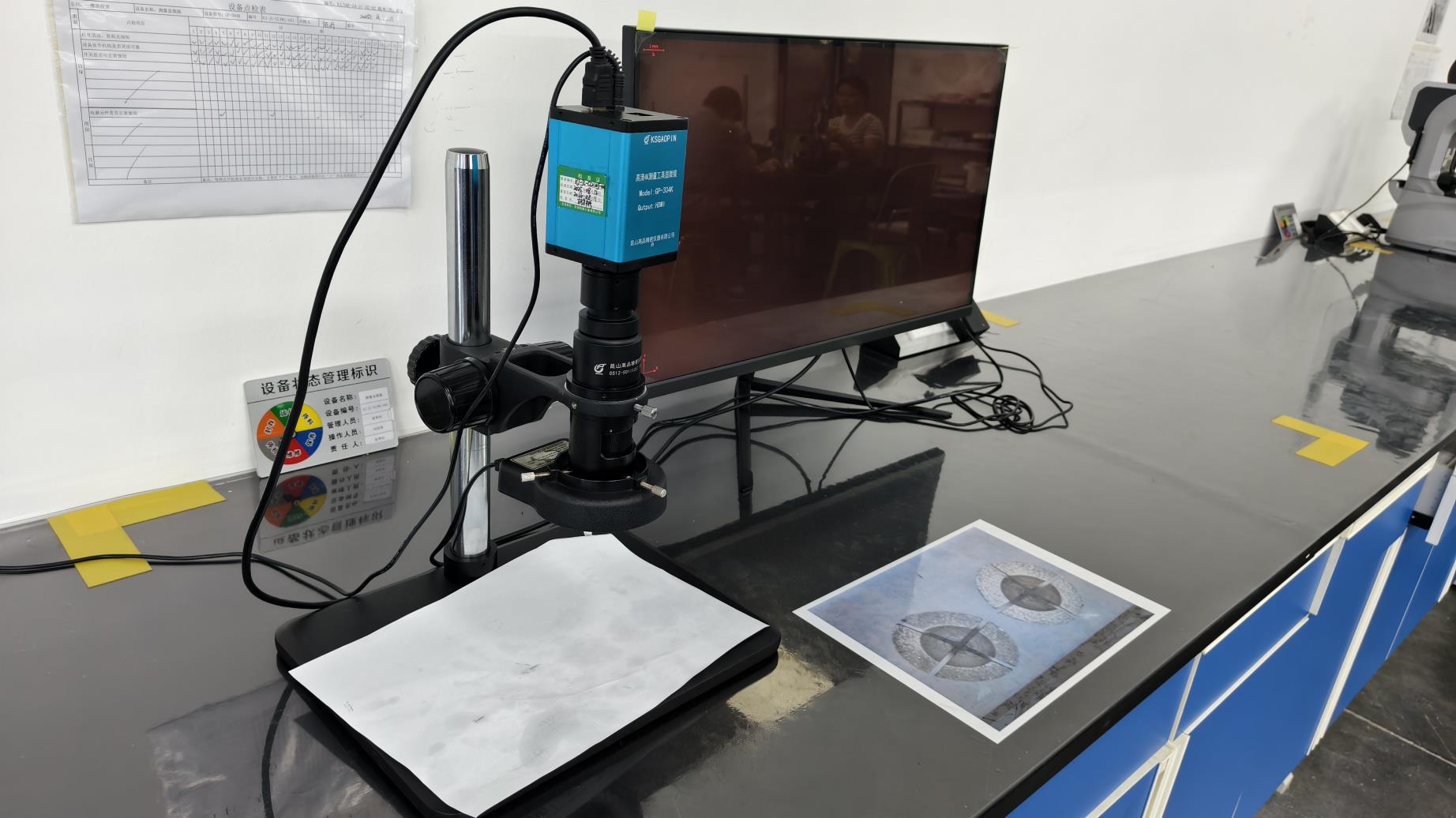
Take a look inside our production line. We prioritize cleanliness, consistency, and structural integrity throughout the manufacturing process.
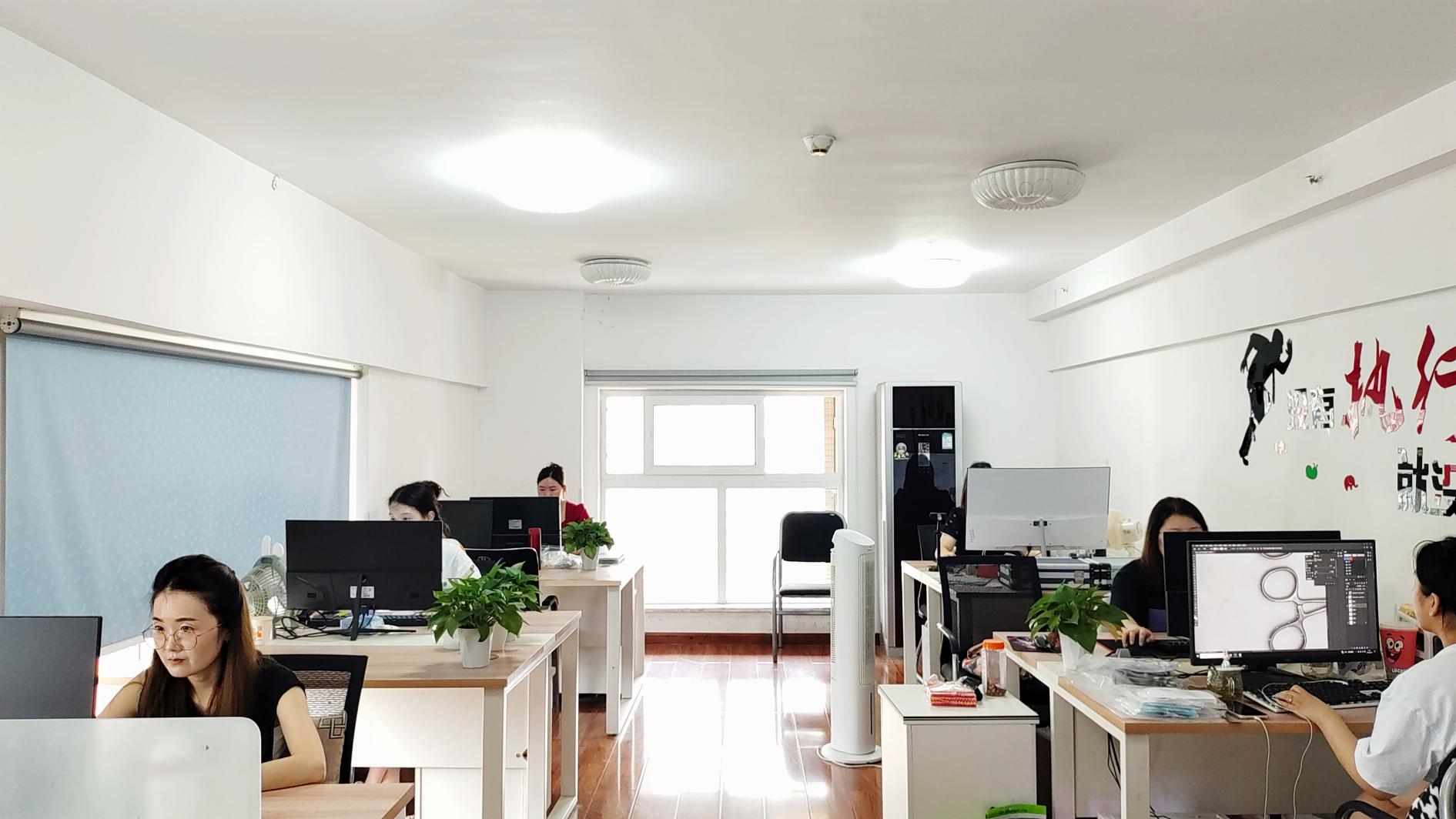
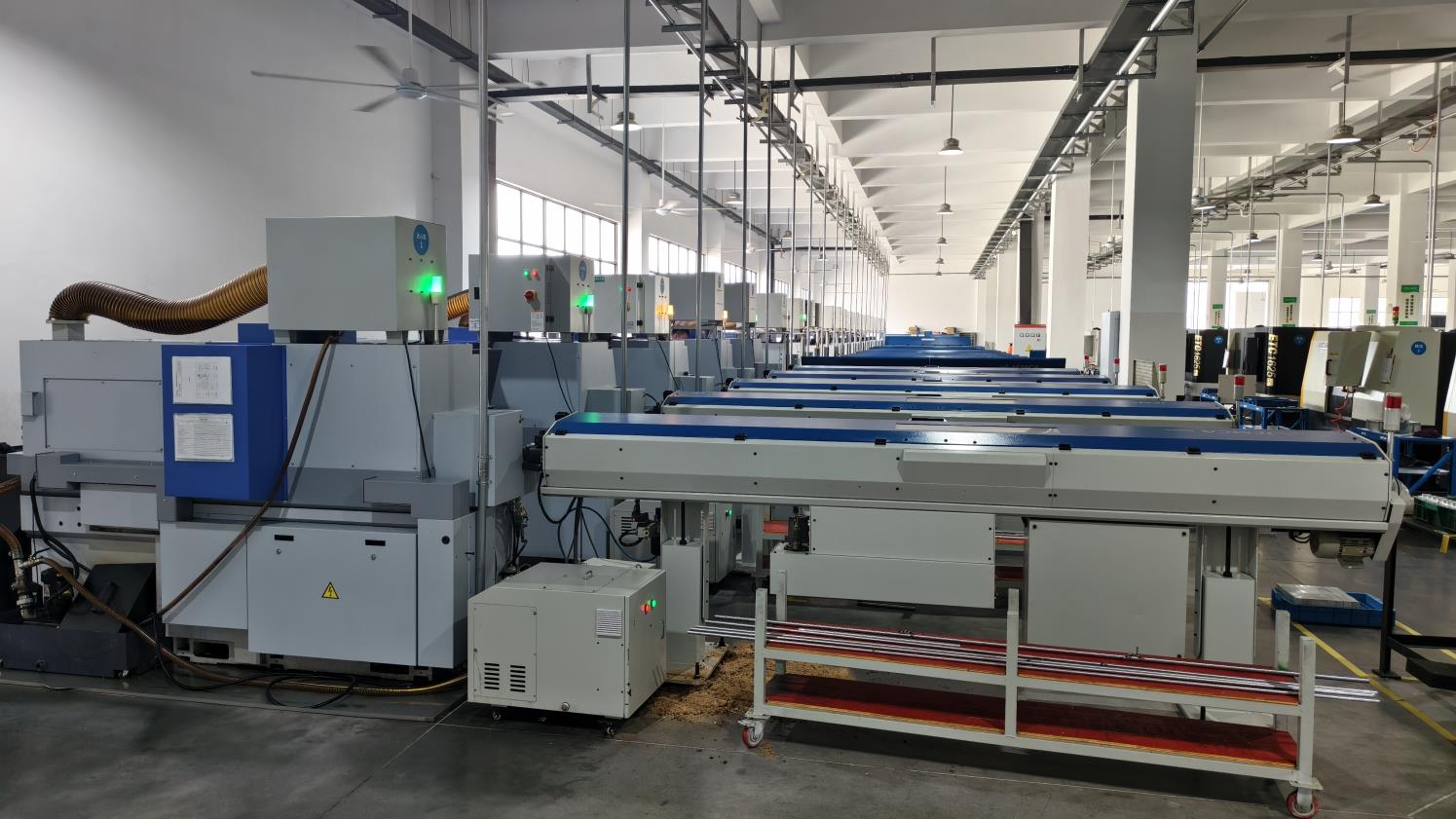
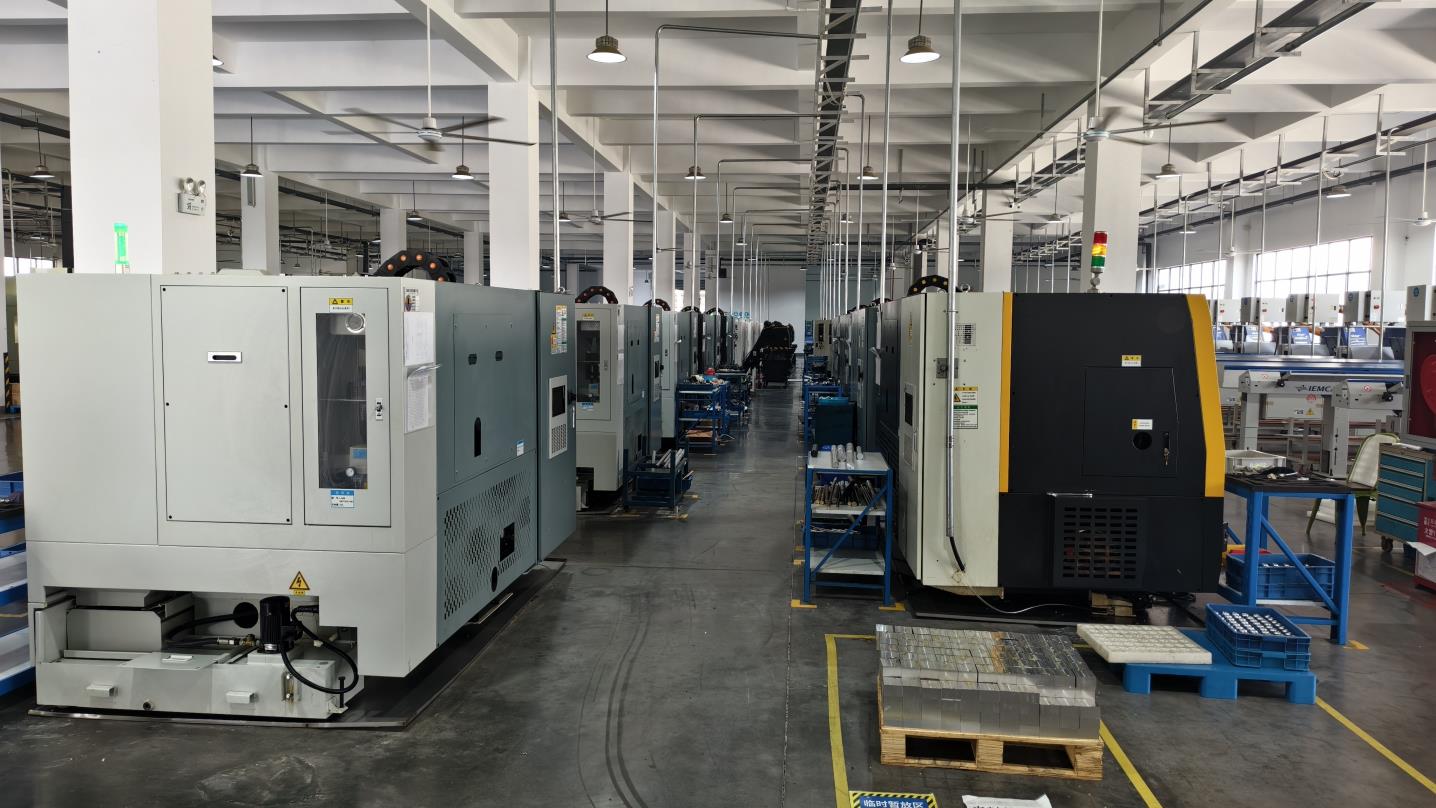
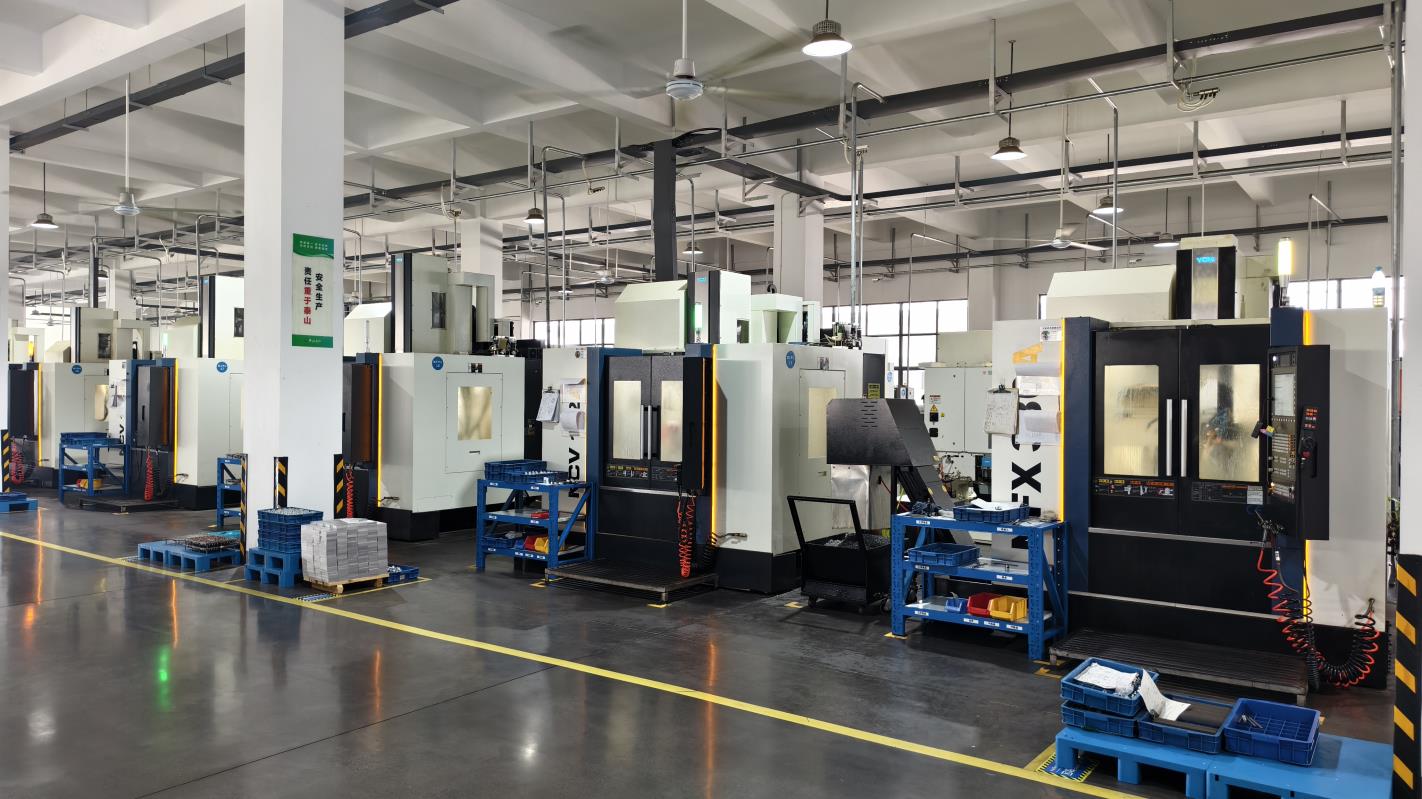
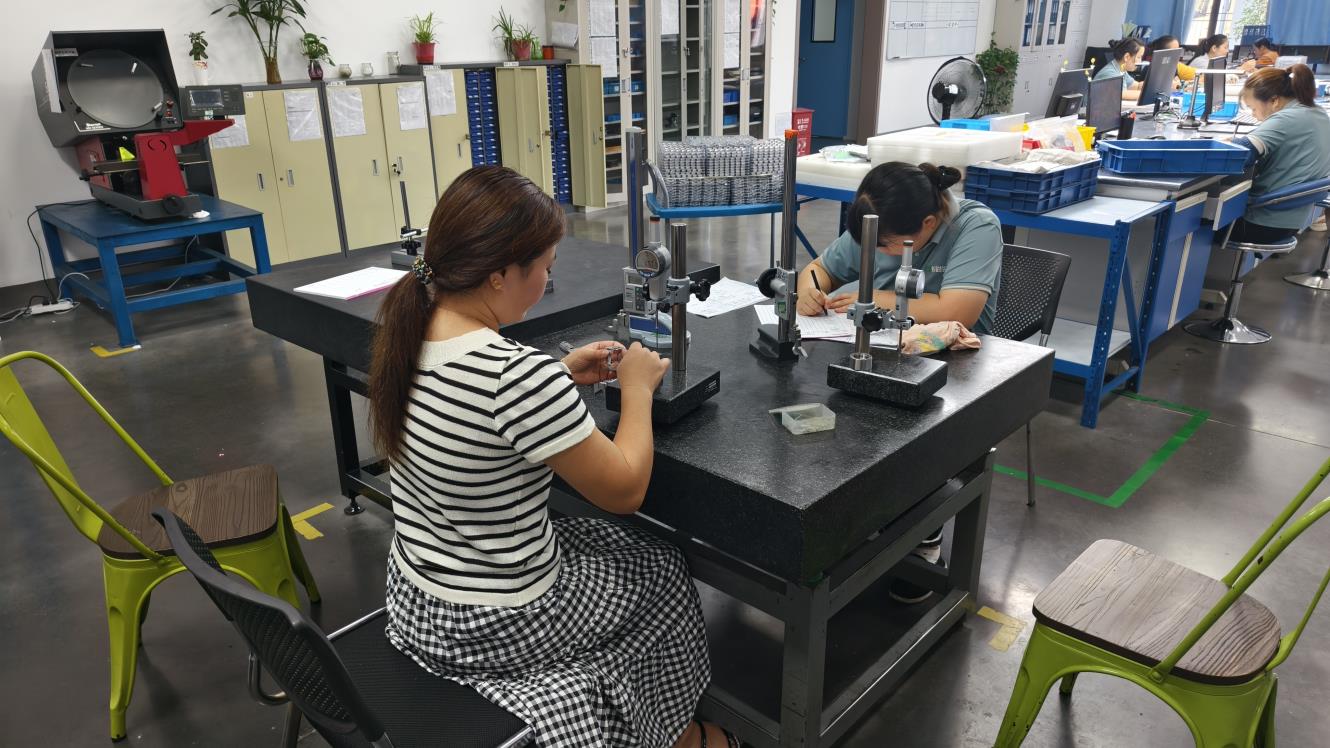
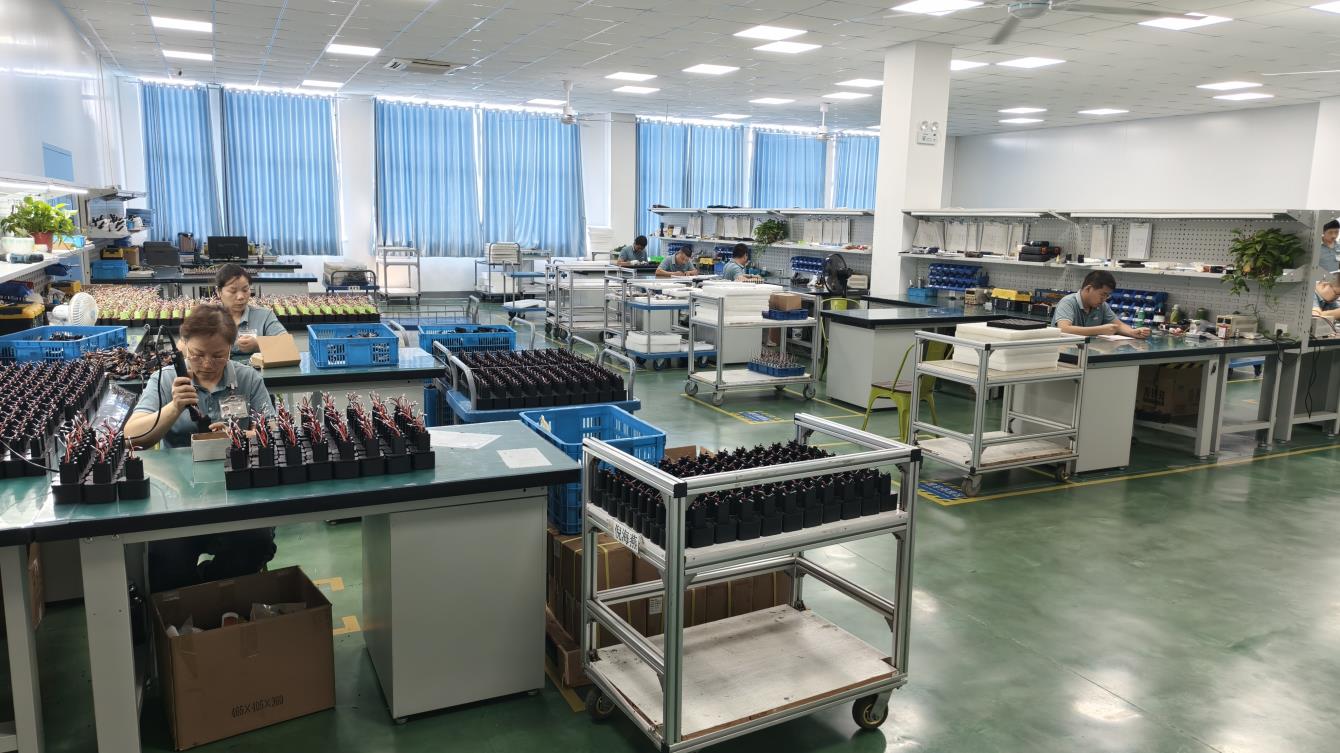
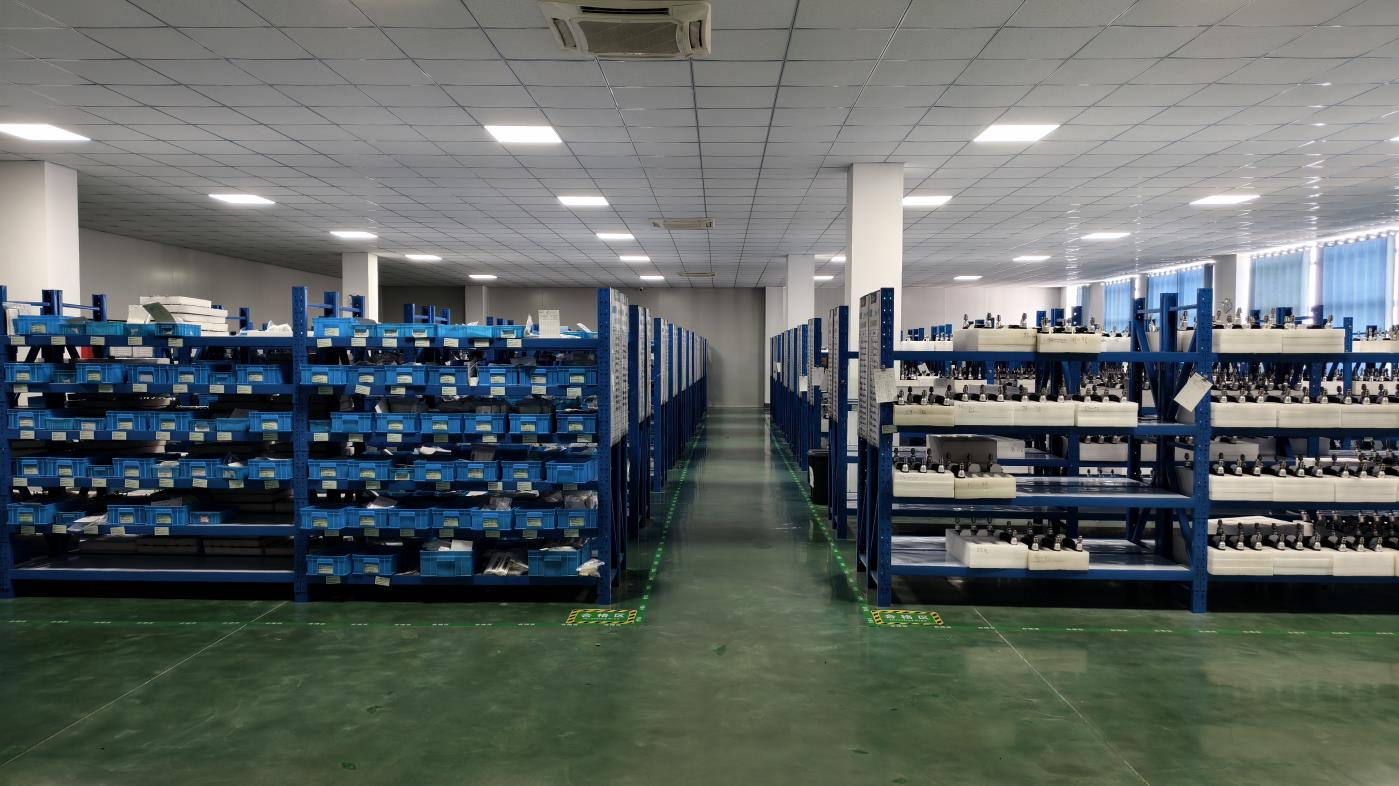
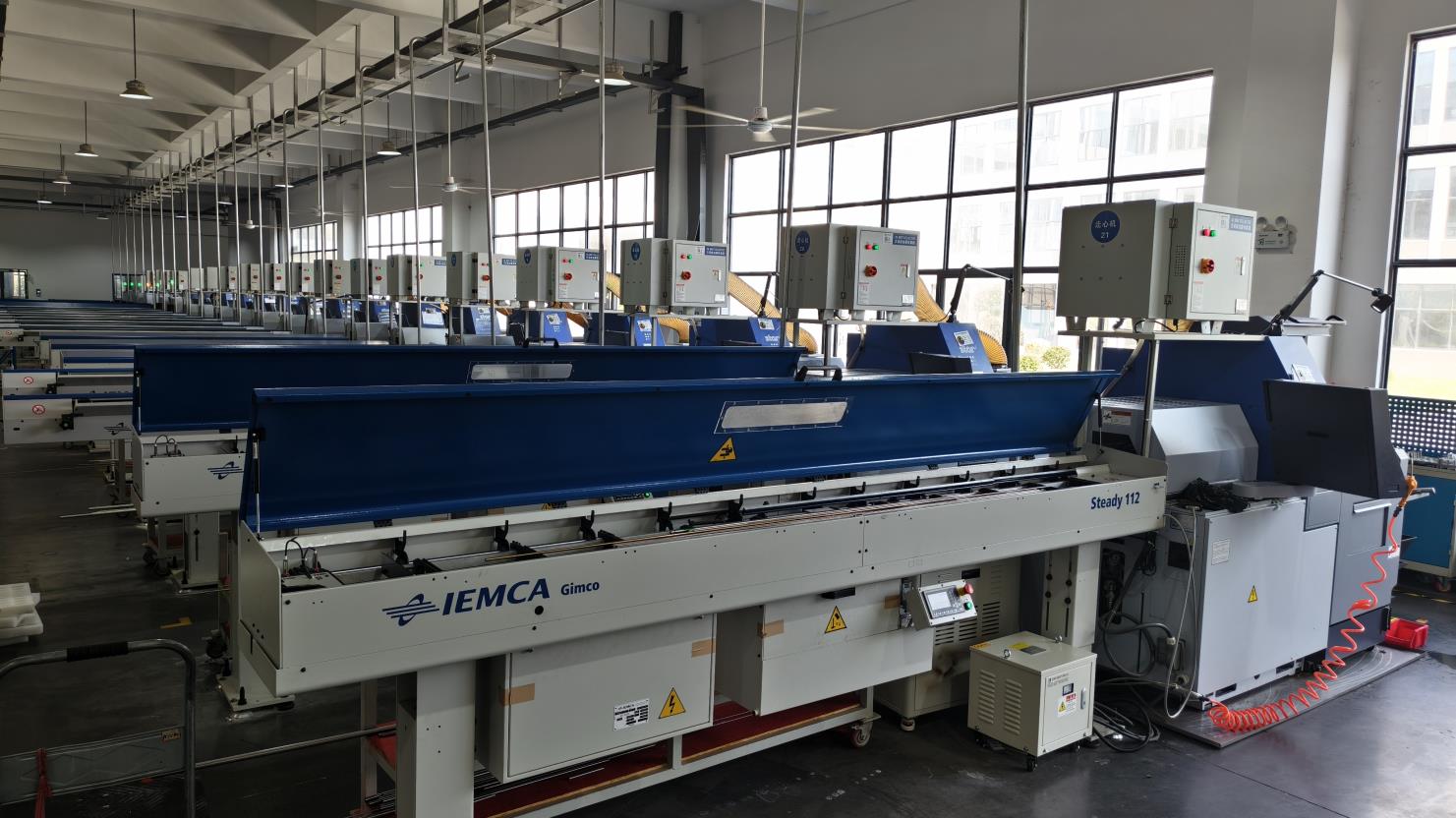
Verified supplier characteristics detailing operational capabilities, quality control mechanisms, and global market reach.
Clear, technical answers to common queries from global clinical buyers, importers, and medical procurement specialists.
CE Certification indicates compliance with the European Union's Medical Device Regulation (MDR). This certification confirms that clinical suction canisters, control valves, suction tips, and orthopedic instruments have undergone rigorous biocompatibility, pressure resistance, and physical safety evaluations. This guarantees that they will not leach hazardous toxins into patients, risk structural collapse under strong vacuum suction, or leak clinical biohazards.
We use high-grade surgical stainless steels, typically SUS 420 for cutting devices (like micro-scissors and drill bits) to retain sharpness and edge profile, and SUS 304/titanium alloys for retractors and quick-coupling handles. These materials ensure high tensile strength, bend resistance, and robust corrosion defense during standard hospital autoclaving.
Our quality control protocol is structured around three main phases: raw material spectroscopy verification to ensure metallurgical purity, in-process dimensional tolerance auditing via automated CNC calipers, and a final inspection of passivation quality and functional integrity overseen by our three QA inspectors.
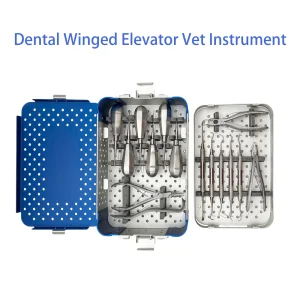
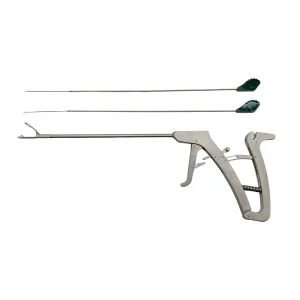
Yes, our catalog features dedicated pet veterinary trauma tools. These include specialized bone plates, quick-coupling hex drivers, veterinary flat hook retractors, and arthroscopic suture passers optimized for veterinary orthopedic clinics and animal surgical centers.
Buyers can submit reference technical drawings or physical samples. Our engineering team reviews the specifications for manufacturing feasibility and produces a prototype sample. Once the sample passes performance evaluations and receives client sign-off, we initiate volume production.
Explore the remainder of our precision product line, including joint replacement instrumentation, micro-neurosurgical scissors, and specialized veterinary orthopedic tool sets.