SENJIE Healthy & Technology
SENJIE Healthy & Technology
SENJIE Healthy & Technology
Engineered for high mechanical tolerance, biocompatibility, and sterilization resilience.
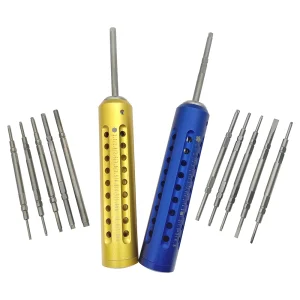
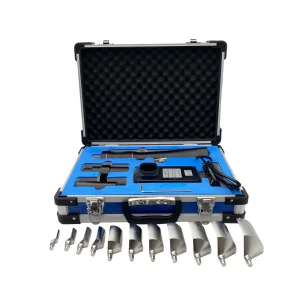
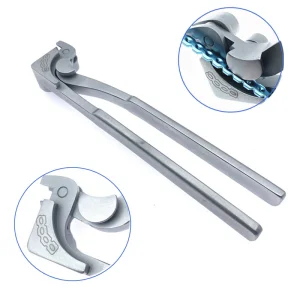
Analysis of high-reliability manufacturing pipelines, metallurgy validation, and global supply chain integrations.
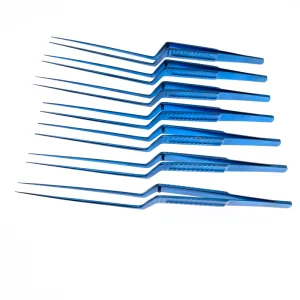
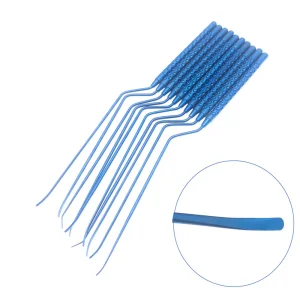
The surgical instruments sector, particularly high-precision grasping and manipulating tools such as surgical tweezers, is undergoing major technological shifts. Demand is no longer driven solely by basic utility; it is now defined by the requirements of micro-neurosurgery, minimally invasive cardiovascular procedures, and advanced veterinary orthopedics. Modern operating theaters demand micro-forceps that maintain tips aligned to tolerances smaller than 0.05 mm.
As a global CE-certified manufacturer, we construct instruments that survive hundreds of autoclave cycles without micro-fracturing or surface pitting. Our material selection process incorporates medical-grade AISI 316LVM (Low Carbon Vacuum Melt) stainless steel and Grade 5 Titanium alloys (Ti-6Al-4V) to optimize weight, tactile feedback, and magnetic resonance imaging (MRI) compatibility.
How we engineering surgical instruments for extreme durability and precise micro-manipulation.
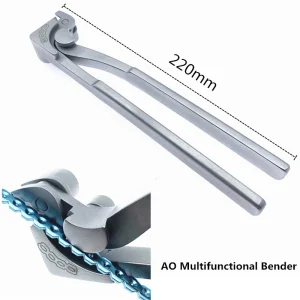
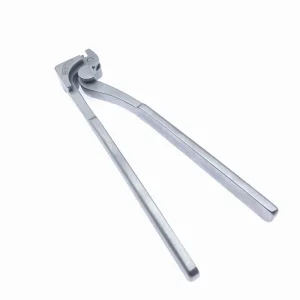
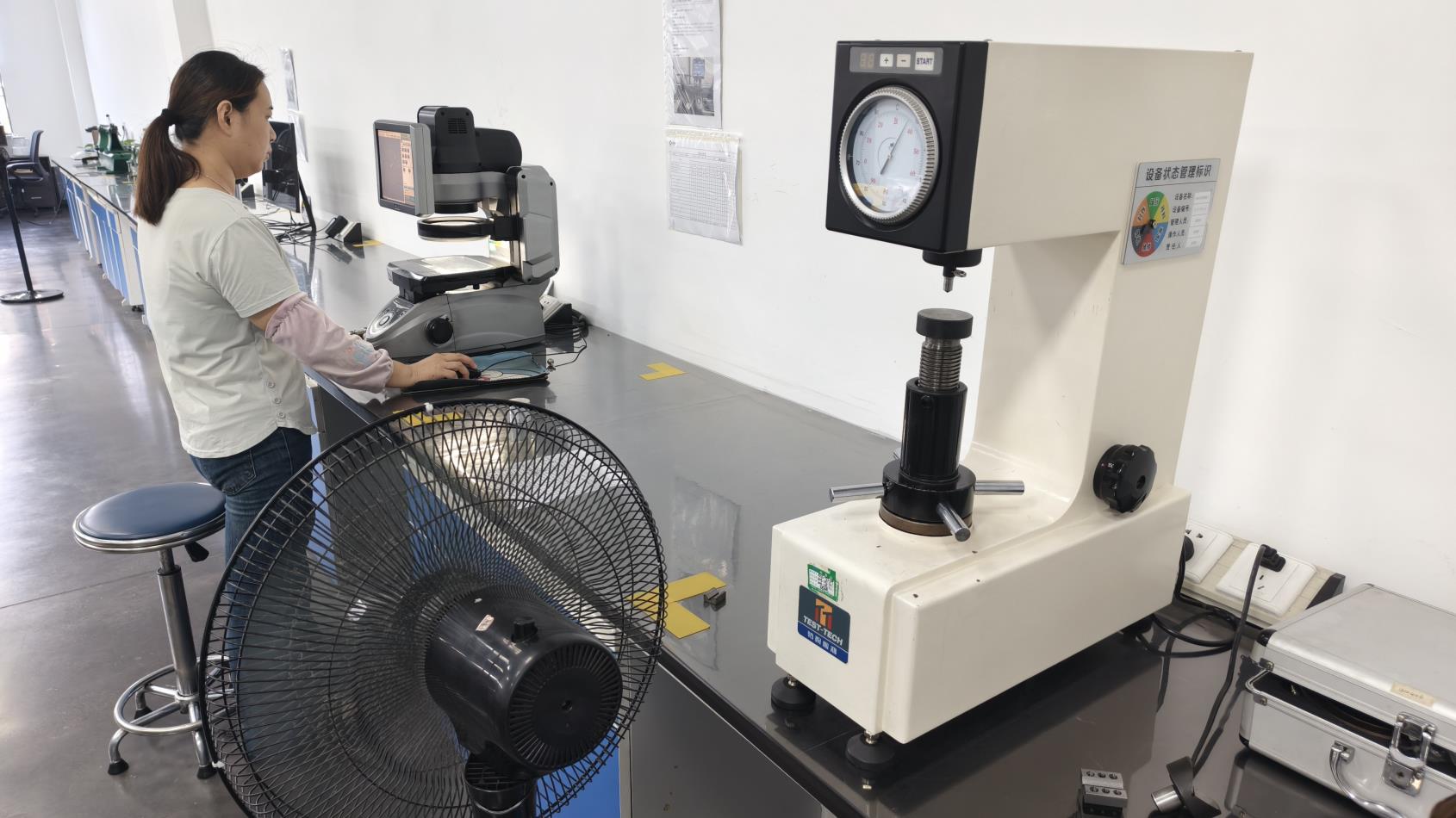
We utilize martensitic stainless steels (410, 420) for optimal hardness (HRC 48-52) and wear resistance in our surgical tweezers and bone bending instruments, ensuring the grasping jaws do not deform under load.
Computerized numerical control (CNC) enables us to mill micro-teeth and grooved profiles on the inner tips of neurosurgical and vascular micro-forceps, guaranteeing slippage-free tissue handling.
Our electropolishing and chemical passivation protocols remove free iron from instrument surfaces, creating a chromium oxide layer that withstands corrosive cleaning solutions.
Surgical tweezers must perform flawlessly in critical micro-environments. Our factories operate dedicated manufacturing lines to verify that every instrument meets global standards. We implement a three-phase quality control protocol managed by our specialized QA/QC inspectors:
| Validation Phase | Methodology & Standards | Target Output Parameters |
|---|---|---|
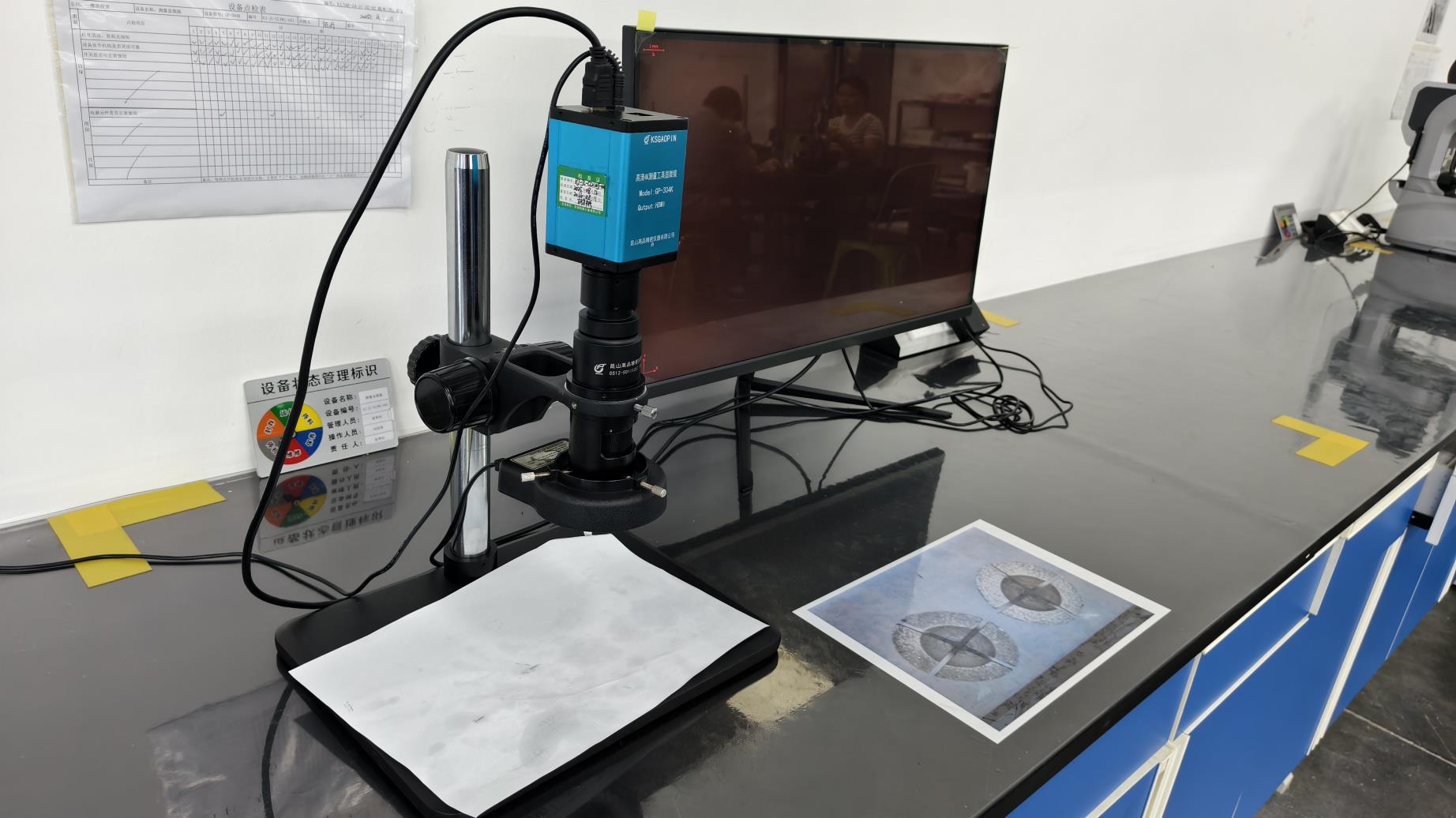
| Raw Material Analysis | Optical Emission Spectrometry (OES), Microstructural testing | 100% chemical composition verification to ensure zero trace contaminants. |
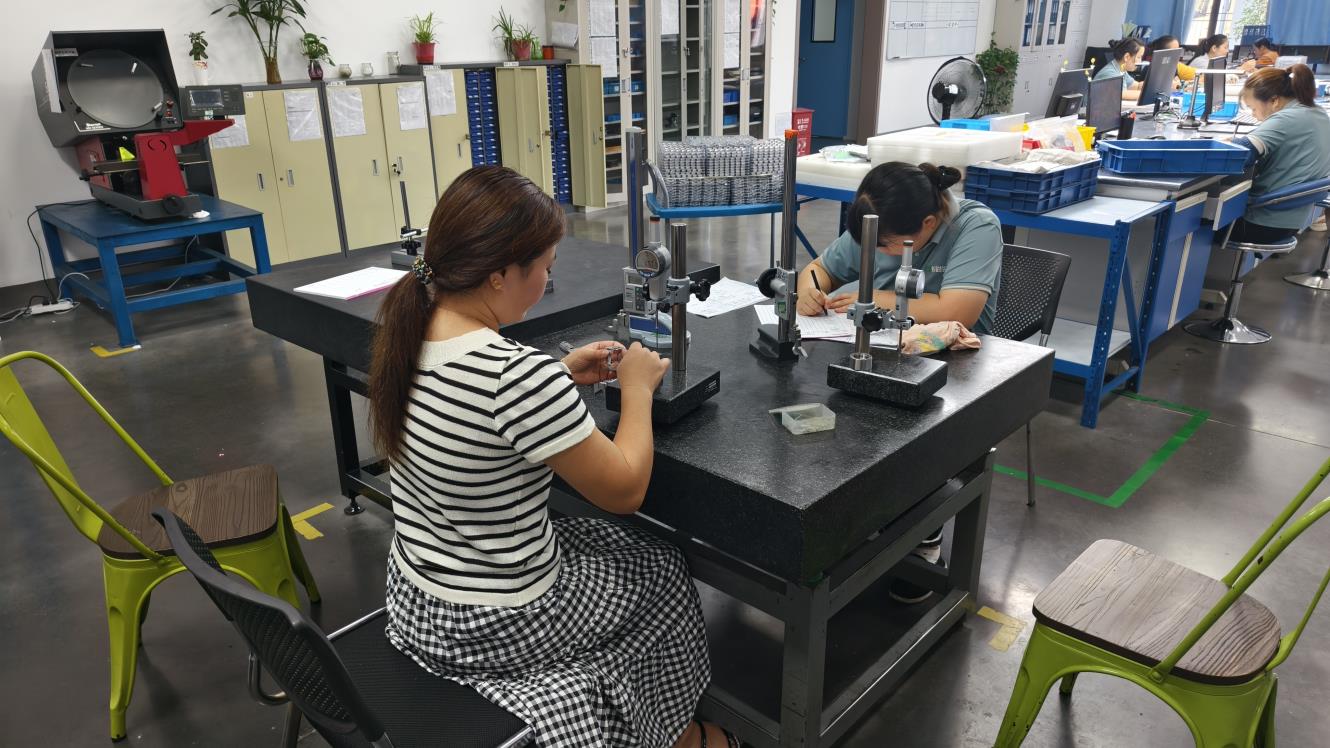
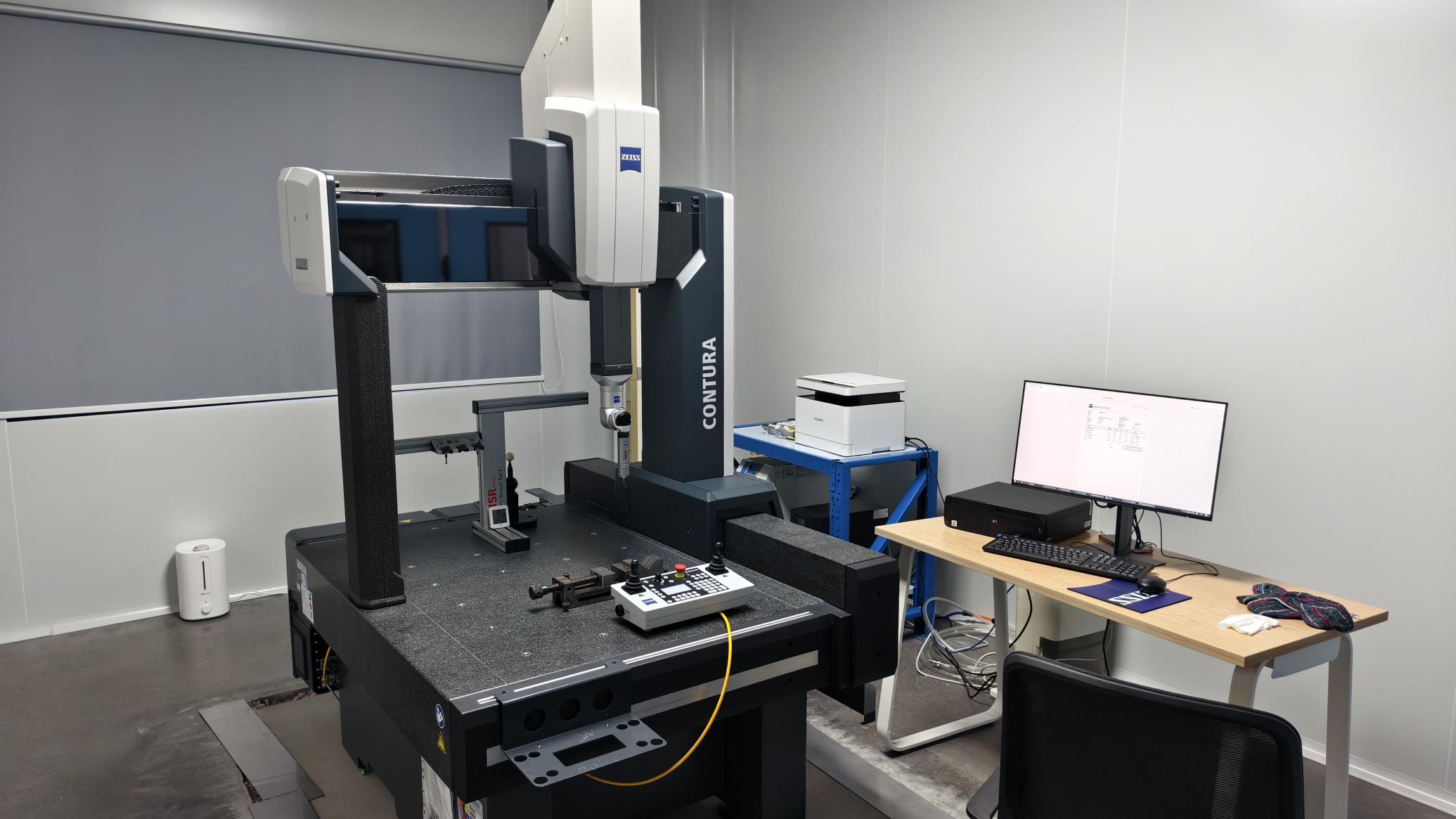
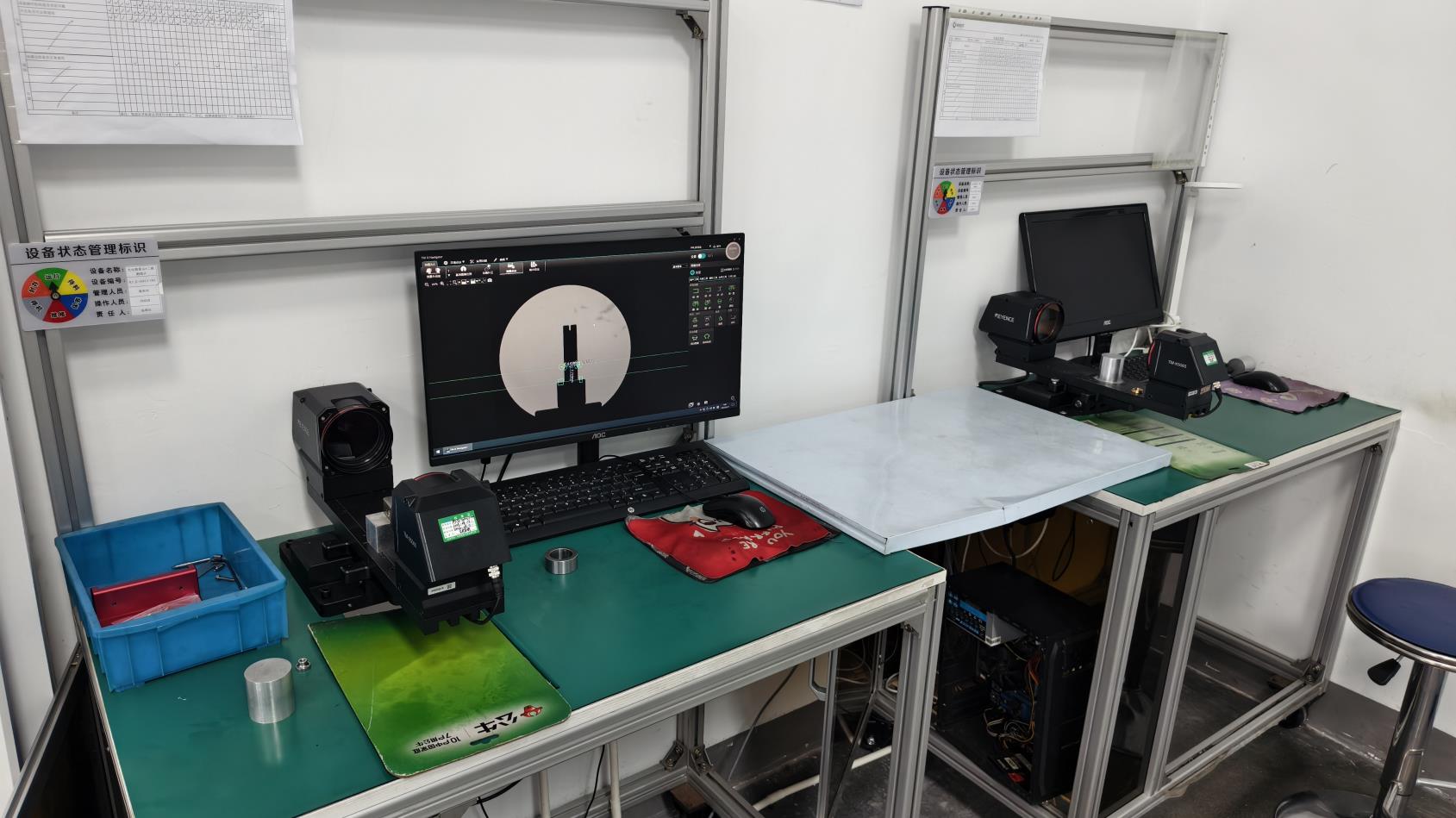
| Dimension & Tolerance Audits | High-resolution optical comparators, laser micrometer measurements | Dimensional tolerance within ±0.01 mm; tip alignment under 0.05 mm deflection. |
| Sterilization Resiliency Testing | Repeated autoclaving (134°C / 273°F at 2.1 bar) for 100+ cycles | Zero pitting, zero surface oxidation, no change in material spring-back force. |
| Functional Grasping Tests | Tactile feedback and micro-grip tensile assessment | Zero slip when holding 0.02 mm monofilament suture threads under tension. |
Understanding regional regulatory landscapes is critical for smooth medical device imports. As a leading manufacturer and exporter, our compliance portfolio aligns with the major global healthcare authorities:
Our export distribution is balanced across global markets: North America accounts for 25% of our shipping volume, South America comprises 25%, and Southeast Asia accounts for 15%. This global presence has built our capacity to handle complex logistics, customs clearances, and regulatory filings for medical imports.
| Export Distribution Profile | |
|---|---|
| North America Market | 25% Export Share |
| South America Market | 25% Export Share |
| Southeast Asia Market | 15% Export Share |
| Acceptable Languages | English (Technical Support & Documentation) |
| Customization Options | Sample-based, Graphic processing, Custom on-demand designs |
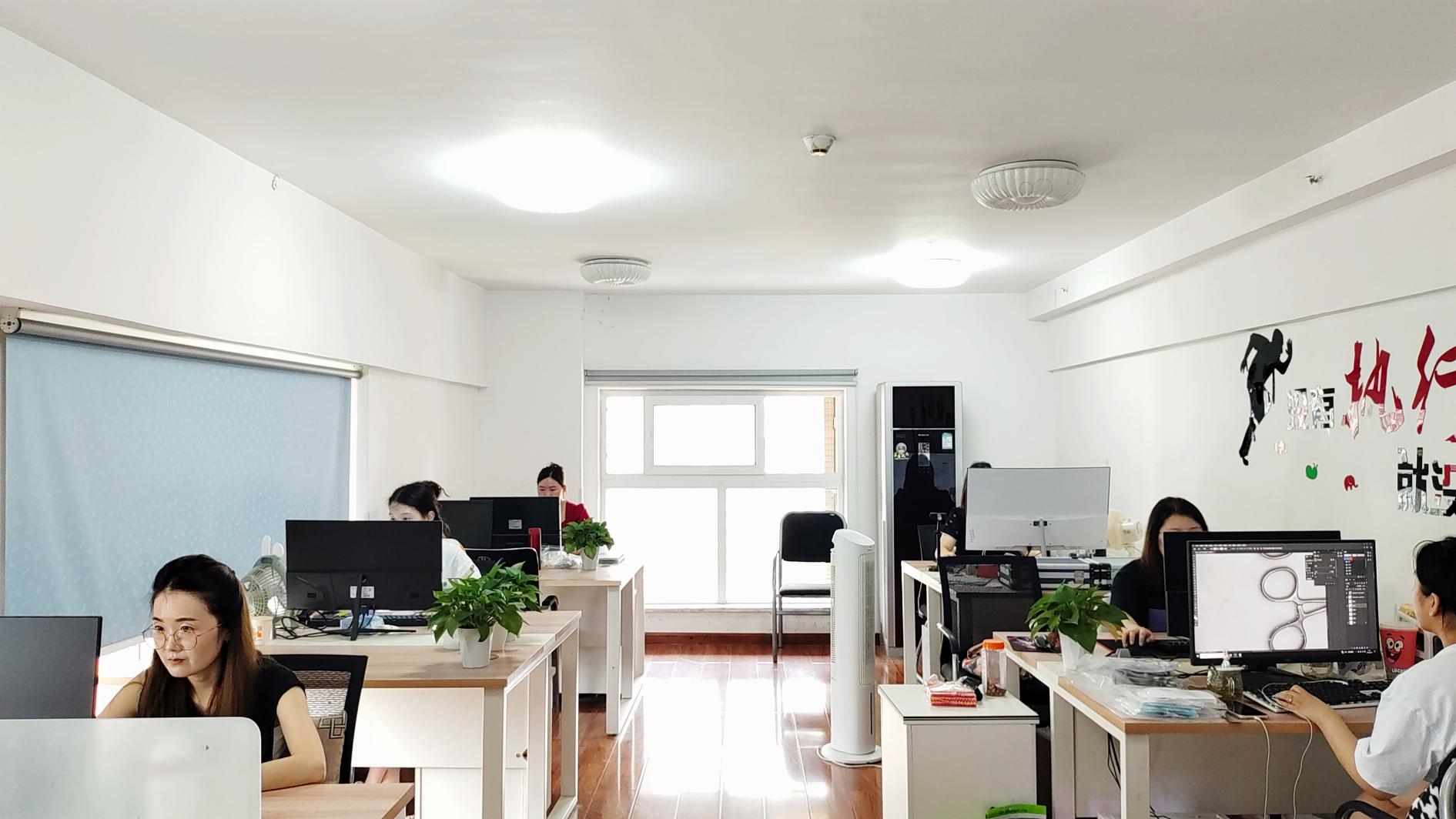
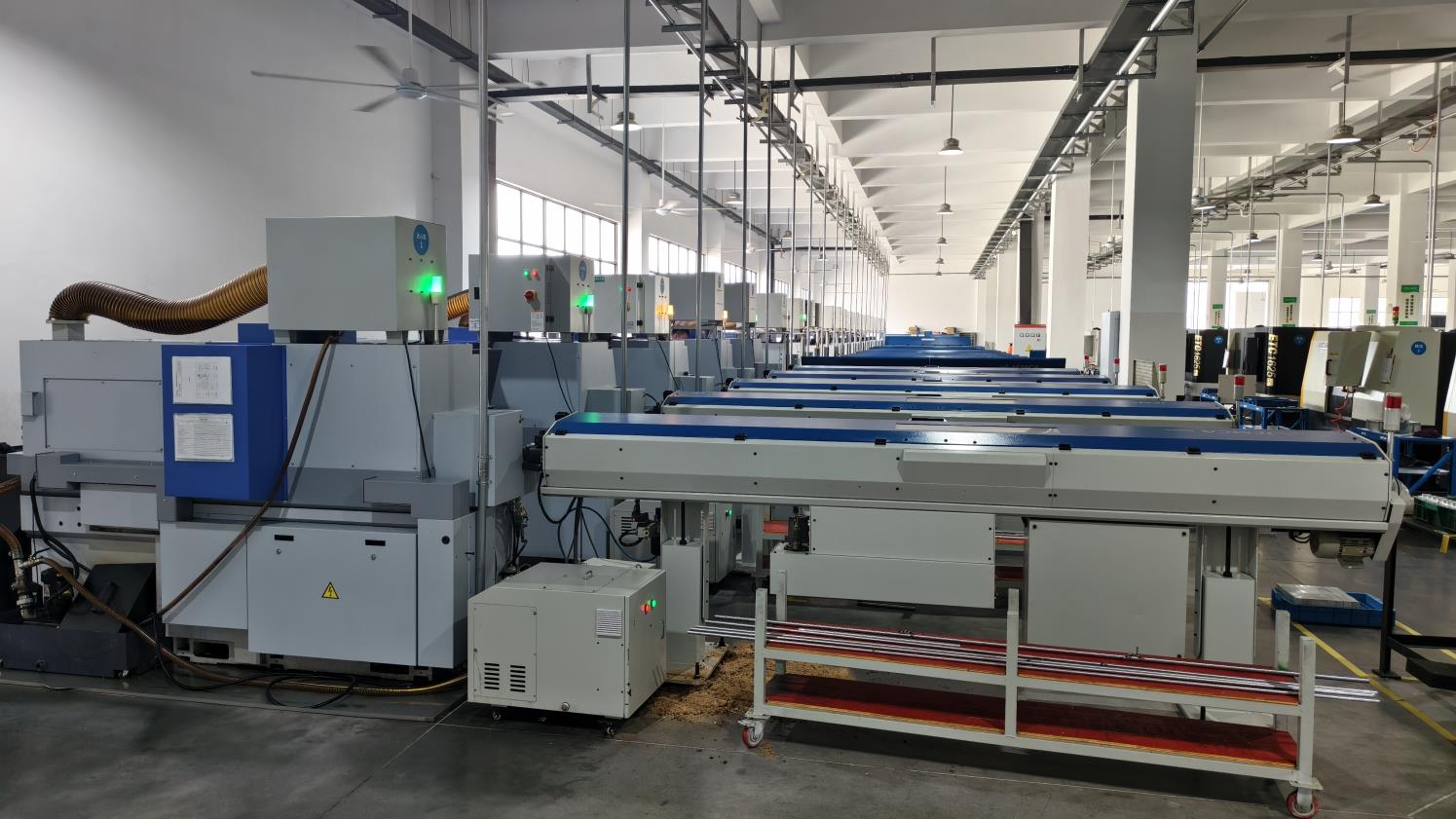
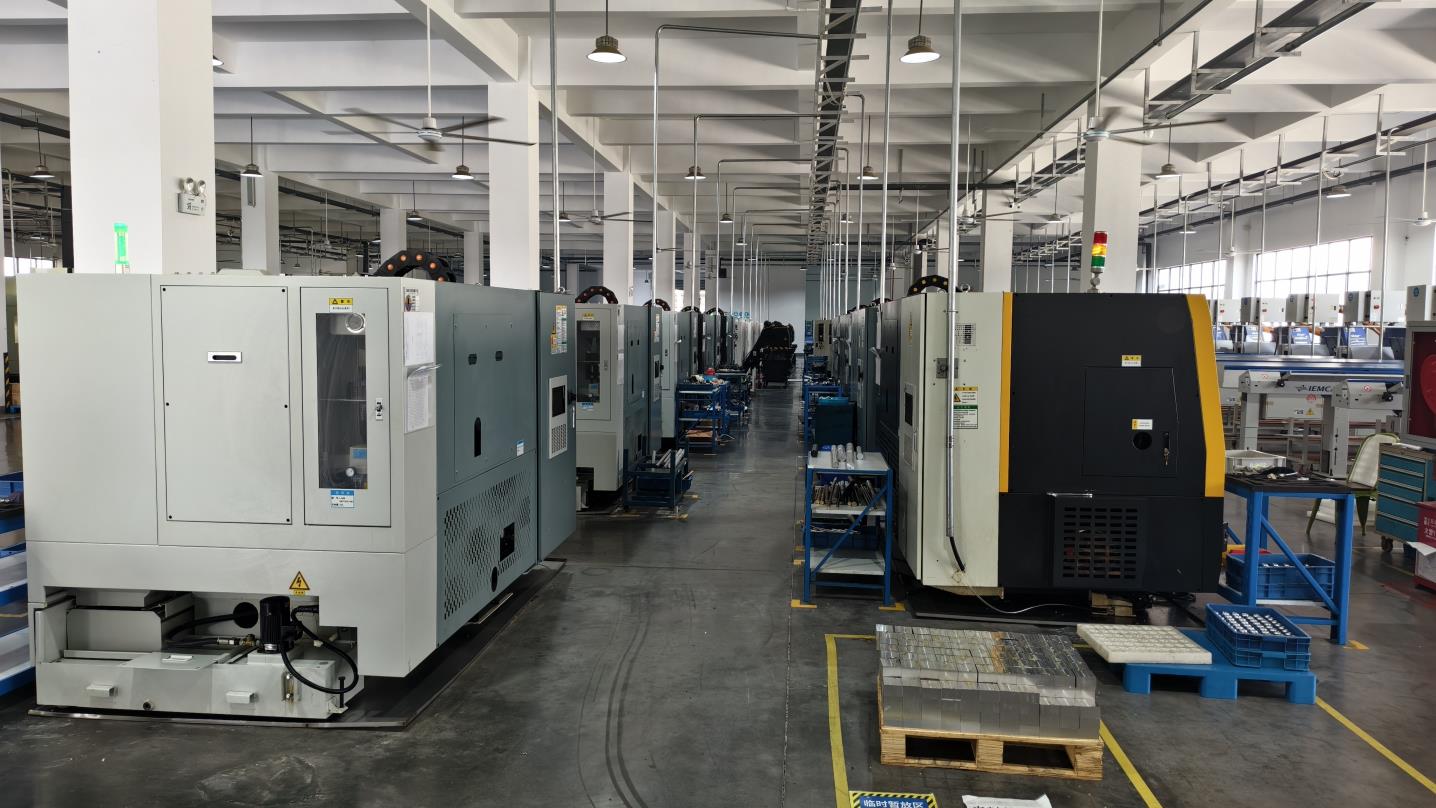
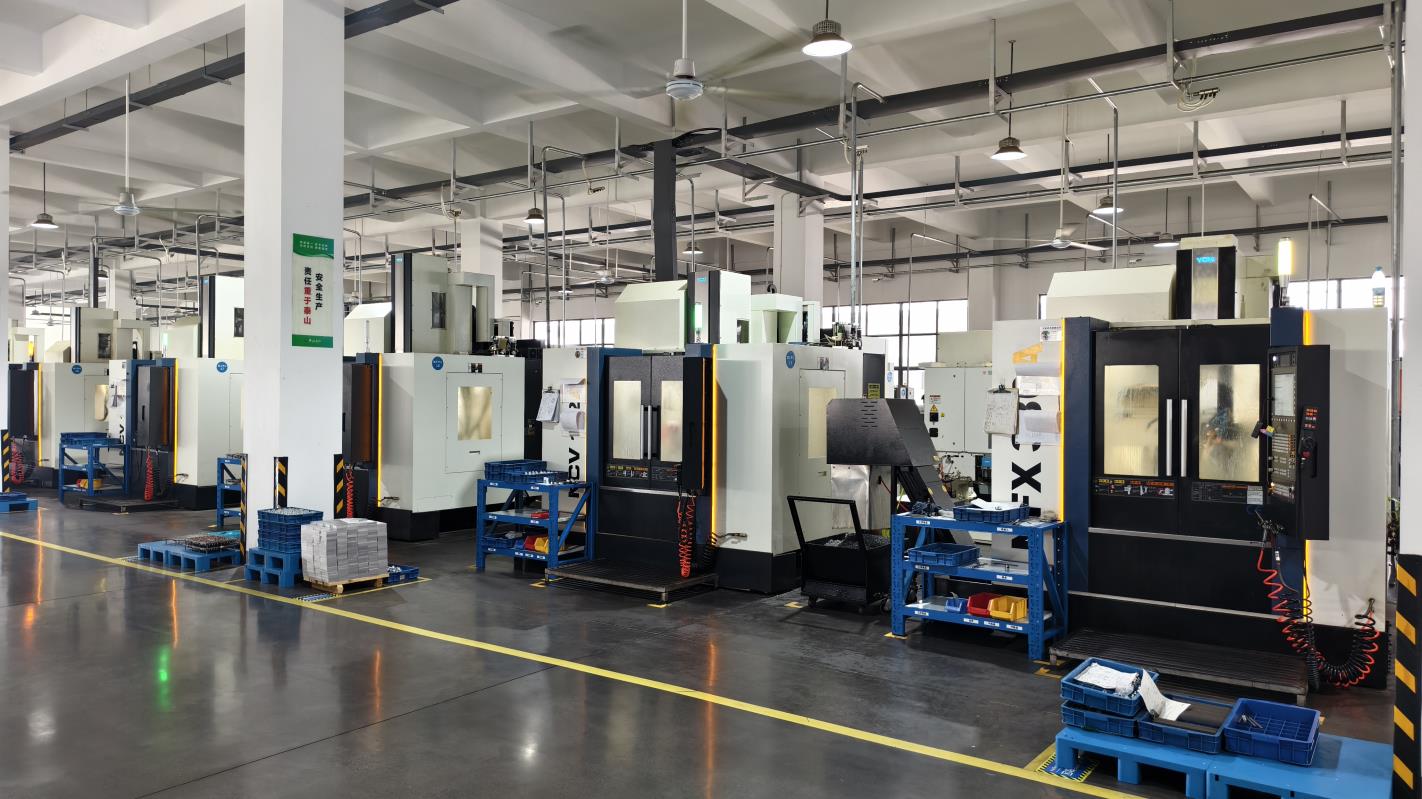
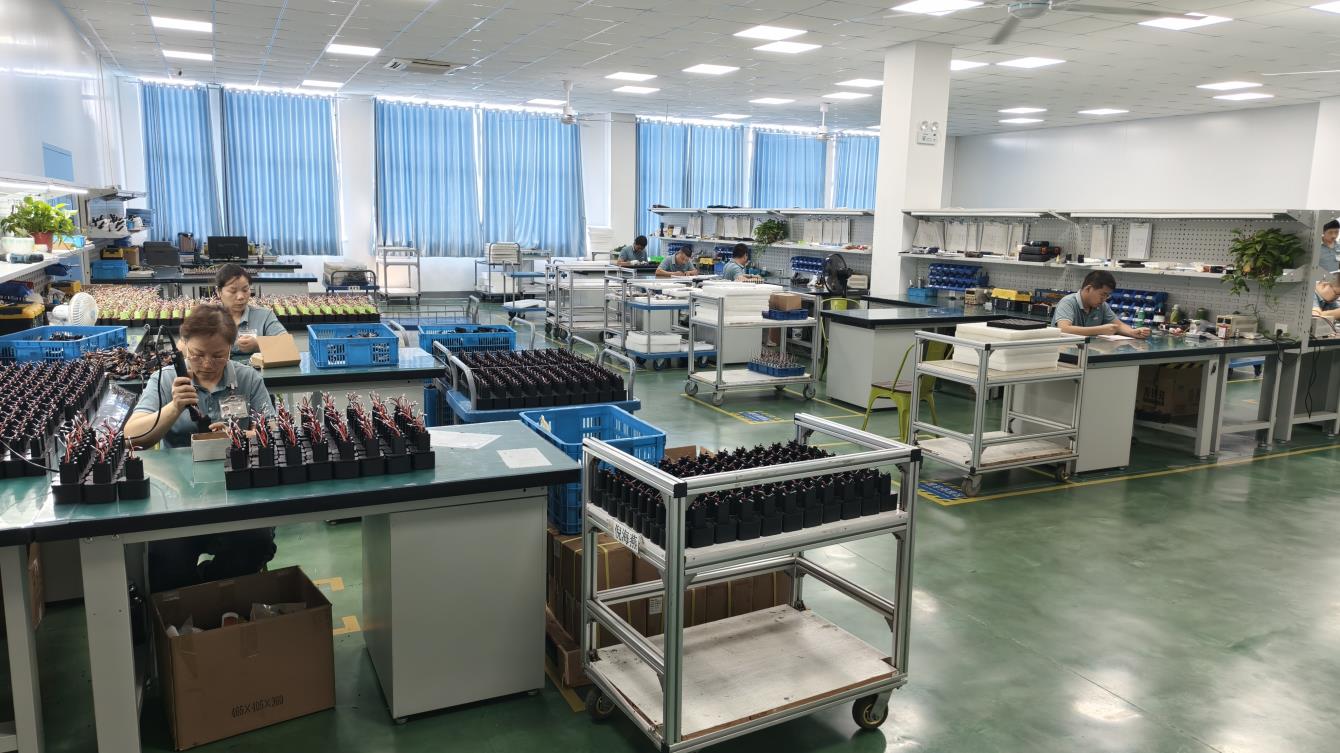
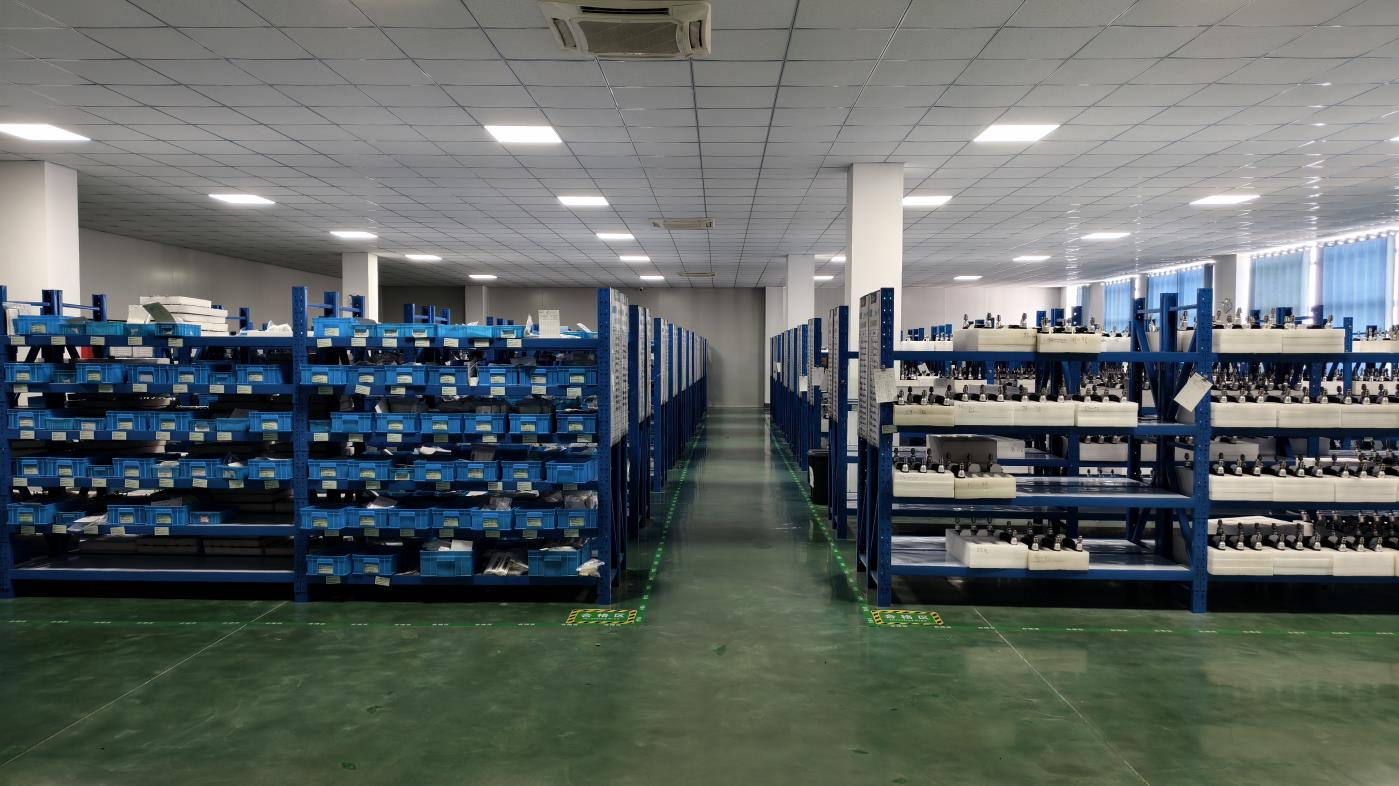
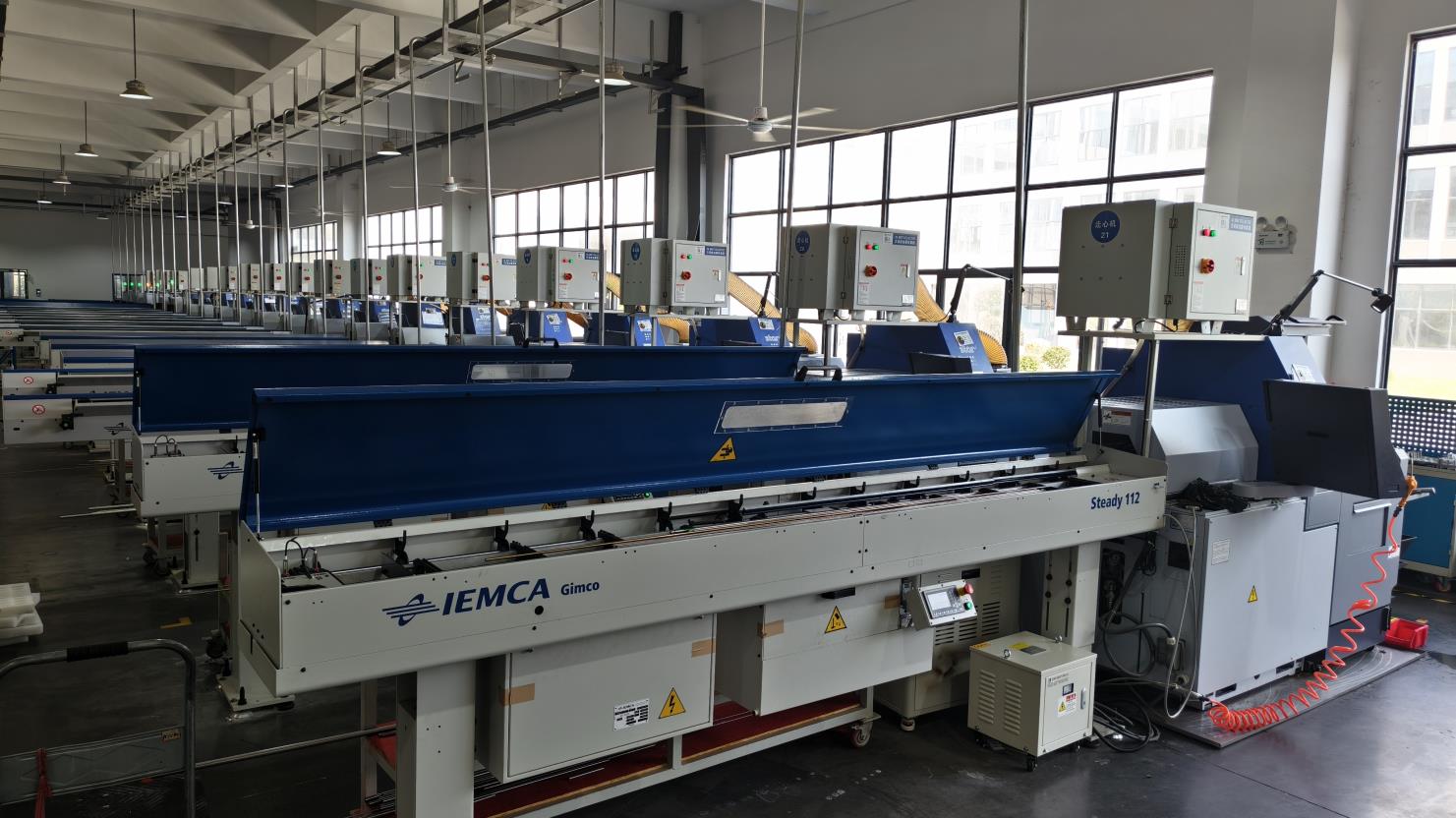
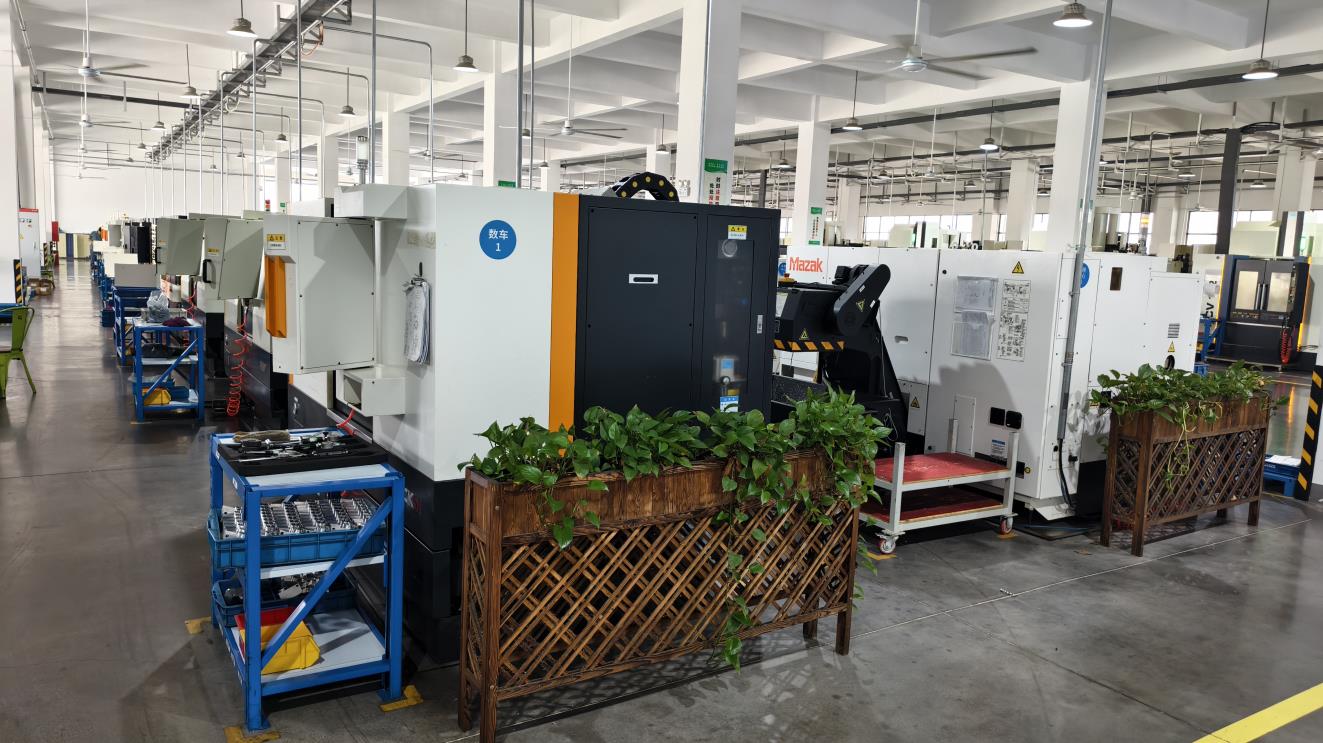
Insights into our manufacturing plant, material testing facilities, and finishing lines.
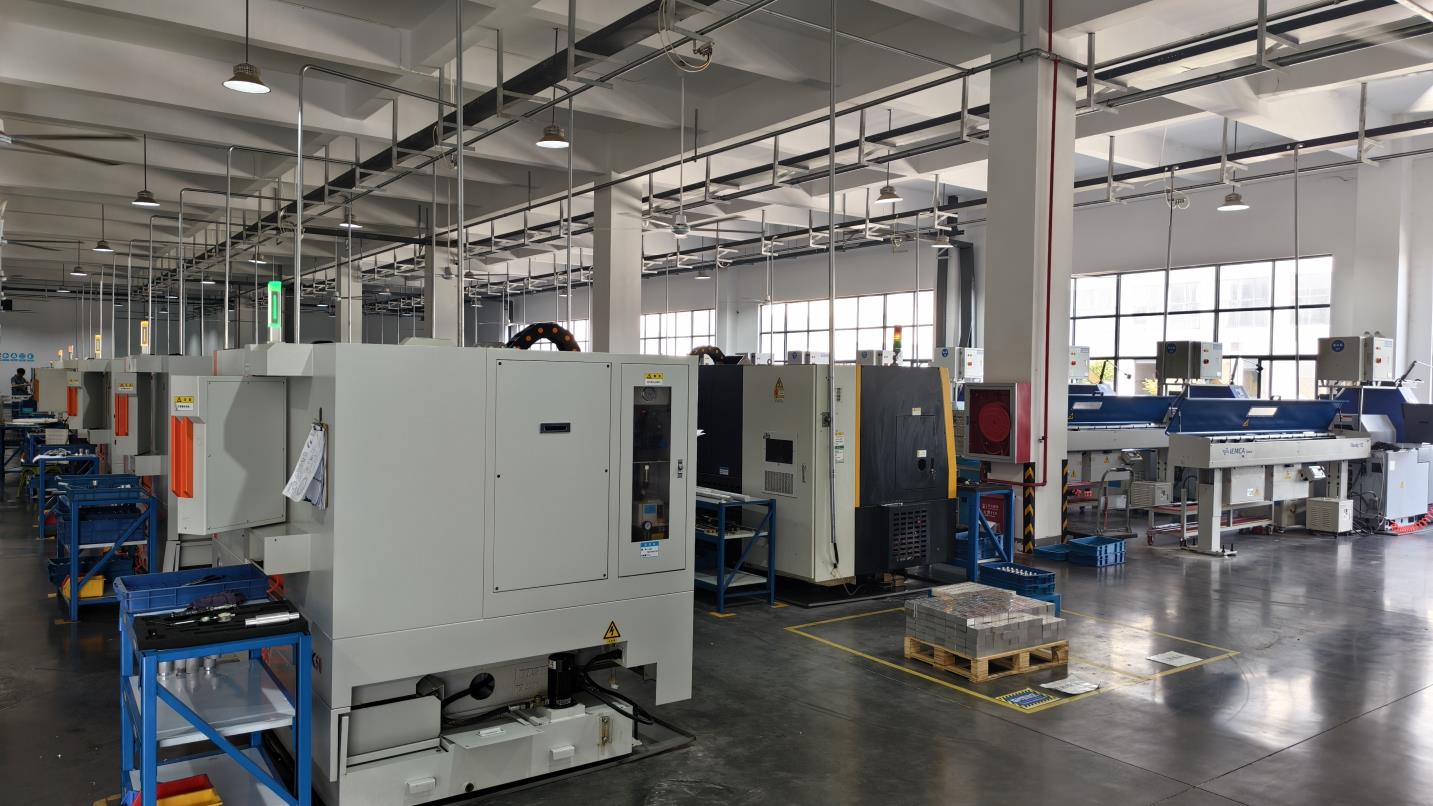
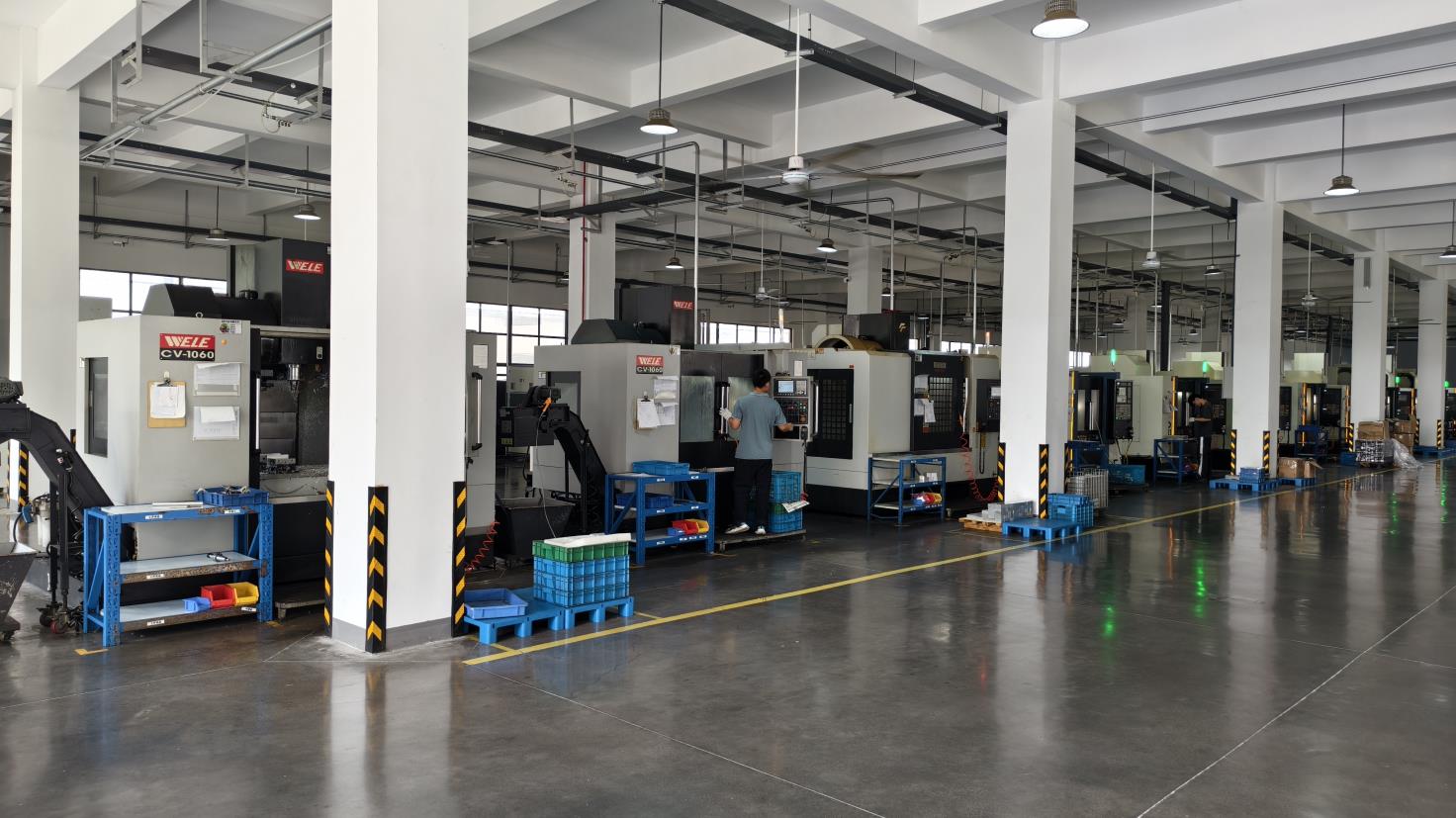
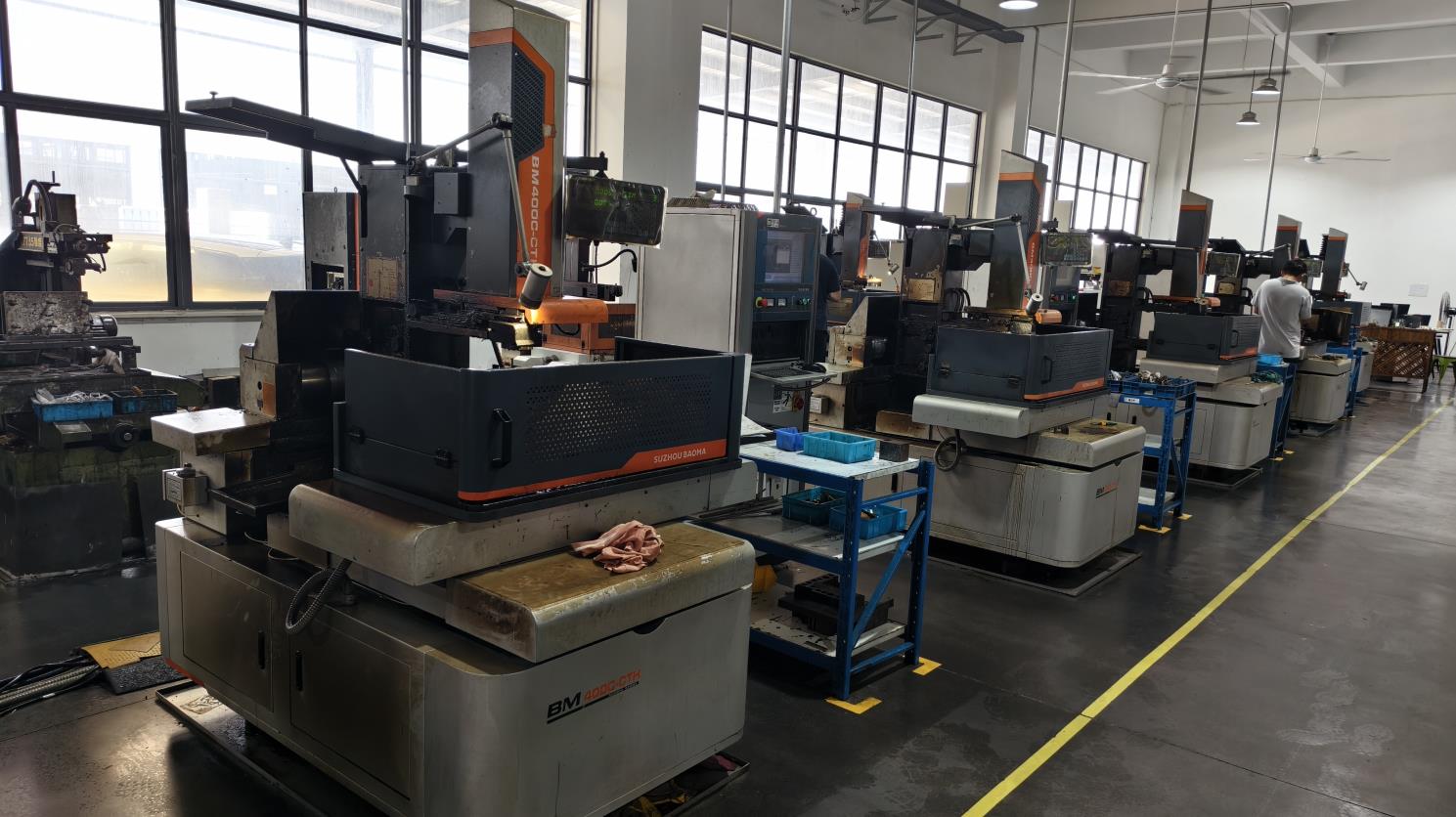
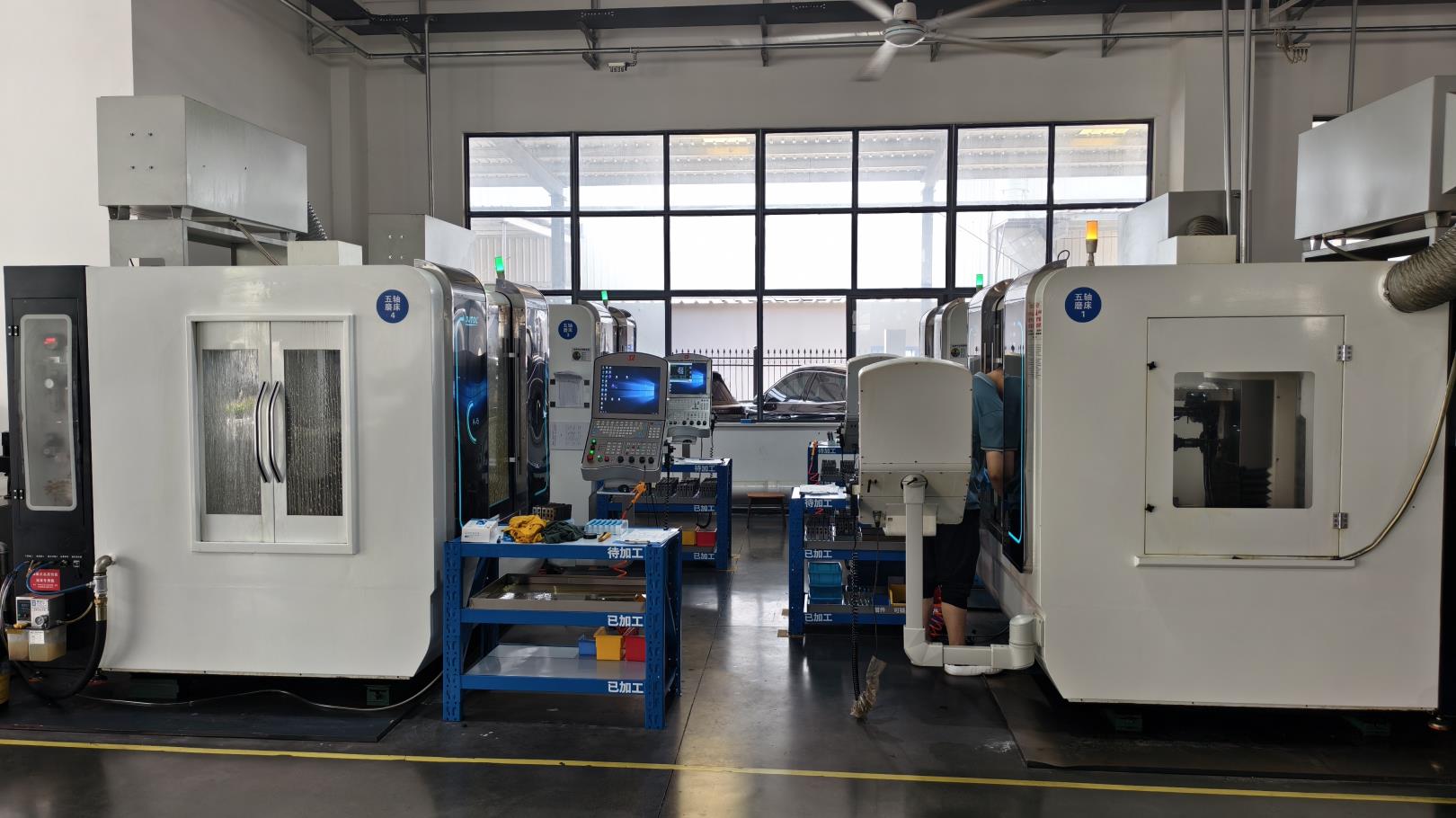
Insights from our technical director to help medical device distributors and procurement officers.
CE Certification under the EU Medical Device Regulation (MDR) guarantees the instrument is biocompatible (compliant with ISO 10993) and that the manufacturer has established a risk assessment workflow. Non-certified tweezers often use substandard alloys that rust under autoclave conditions or release toxic ions into biological tissues.
Every batch of raw stainless steel and titanium is accompanied by a mill test certificate (MTC). Upon receipt, our metallurgical team performs spectrometer checks to confirm the alloy meets our strict specifications. Each batch is assigned a unique tracking code that follows it through the machining, hardening, and polishing phases, all the way to packaging.
Passivation is a chemical treatment that uses nitric or citric acid to strip free iron from the surface of stainless steel, leaving a dense chromium oxide layer. Without proper passivation, contact with blood, saline, and sterilizing agents can initiate localized corrosion, such as pitting or crevice rusting, which can compromise the integrity of the instrument.
We offer comprehensive OEM/ODM solutions, including custom tip geometry development, handle texturing for improved ergonomics, laser-etched tracking codes (UDI), and modified surface treatments (such as Titanium Nitride coatings for extreme hardness). Projects can be initiated using either physical samples or technical drawings (CAD/STEP files).
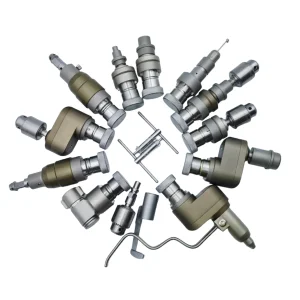
Yes, our orthopedic bone drills, TPLO power systems, and specialized benders are engineered to withstand thermal disinfection and mechanical washing. We utilize high-grade hermetic seals to isolate the internal electrical motors, protecting them from fluids and steam ingress.
Reliable instrumentation designed for high-stress veterinary and human surgeries.