SENJIE Healthy & Technology
SENJIE Healthy & Technology
SENJIE Healthy & Technology
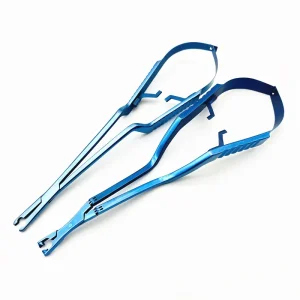
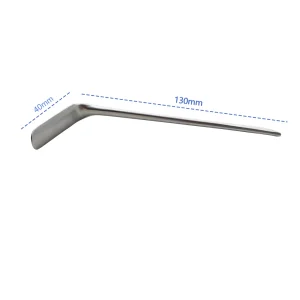
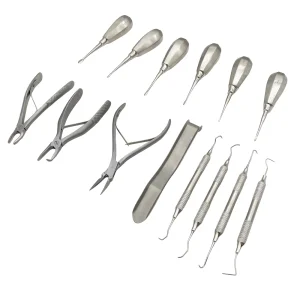
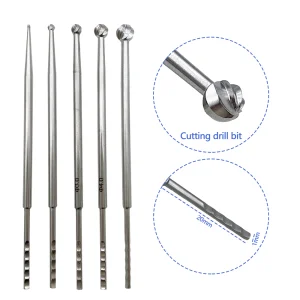
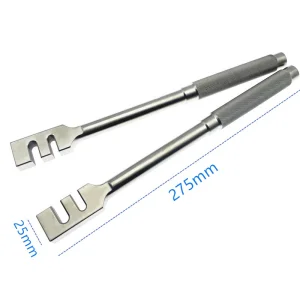
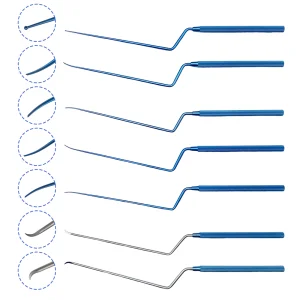
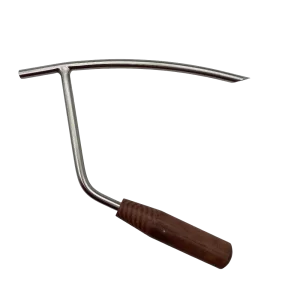
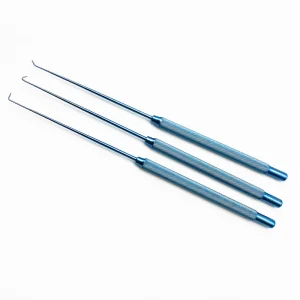
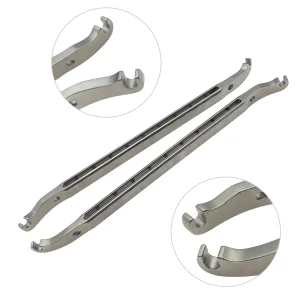
The global orthopedic devices industry is experiencing a paradigm shift towards high-precision implant systems, minimally invasive surgical (MIS) instruments, and advanced material technologies. Emerging clinical therapies, combined with an aging global population and rising companion animal clinical expectations, have triggered unprecedented demand for superior mechanical strength, biocompatibility, and tactile feedback. Modern orthopedic surgery requires micro-precision tools, such as the *Titanium Microscopic Cerebral Artery LIU Clamp* and *TPLO (Tibial Plateau Leveling Osteotomy) Arc Saws*, to perform complex osteotomies and microvascular reconstructions.
From a materials perspective, manufacturers are shifting away from basic stainless steels to specialized grades, such as 316LVM medical-grade steel, titanium alloy (Grade 5, Ti-6Al-4V ELI), and ultra-hard tungsten carbide inserts. These materials guarantee long-term implant survival rates, lower patient inflammatory responses, and resist tool degradation during high-speed medical milling and drilling operations.
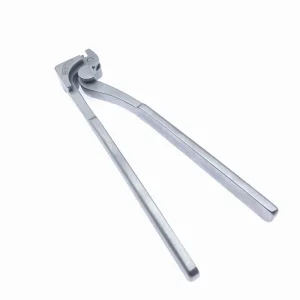
"True innovation in orthopedic manufacturing lies not only in design geometry but in metallurgical predictability. Ensuring that a bone plate bender or a spinal bur survives hundreds of autoclave sterilization cycles without micro-stress cracking is our engineering baseline."
For medical device distributors, healthcare groups, and veterinary clinic chains, selection criteria for a Chinese manufacturing partner must transcend basic unit pricing. Procurement directors must analyze high-dimensional parameters, including raw material traceability, surface finish passivation reports, and dimensional tolerance consistency.
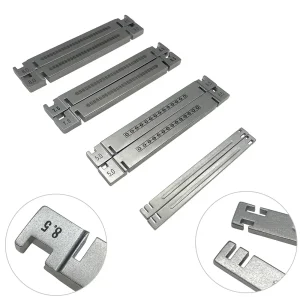
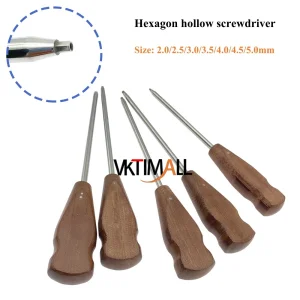
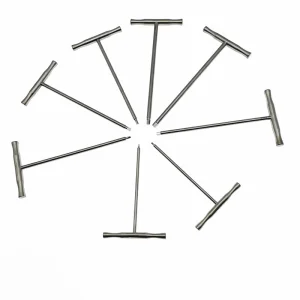
Partnering with an integrated OEM/ODM manufacturer in China allows global buyers to bypass middlemen and establish customized manufacturing lines. Whether implementing custom branding on complex instrumentation kits, modifying bone screwdriver handles for ergonomics, or tailoring custom-angle meniscus guides, direct-to-manufacturer access guarantees a streamlined supply chain and rapid turnaround times.
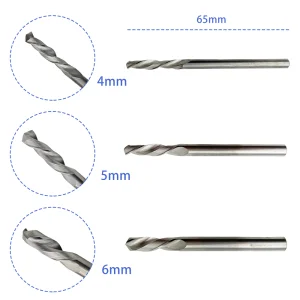
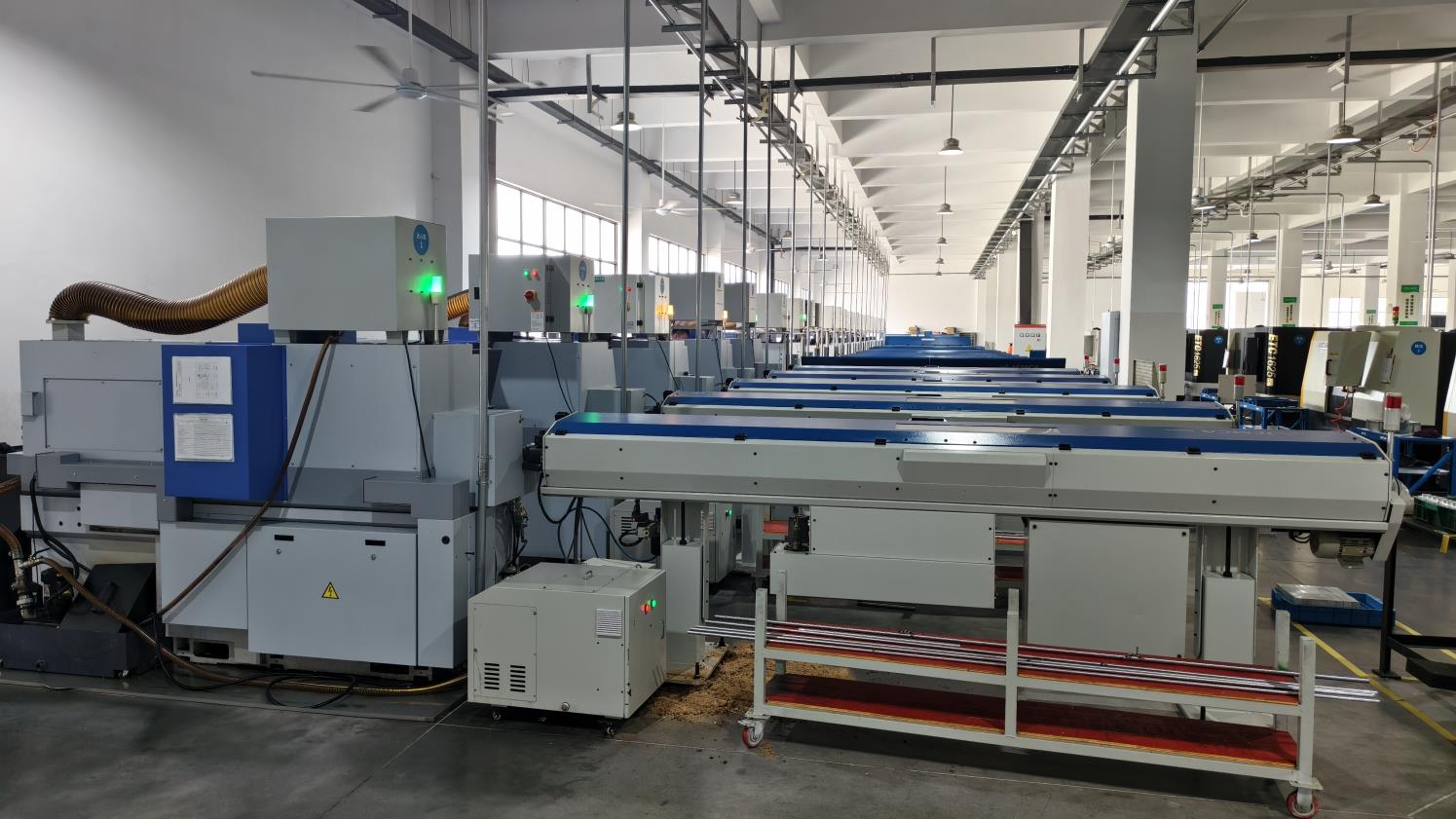
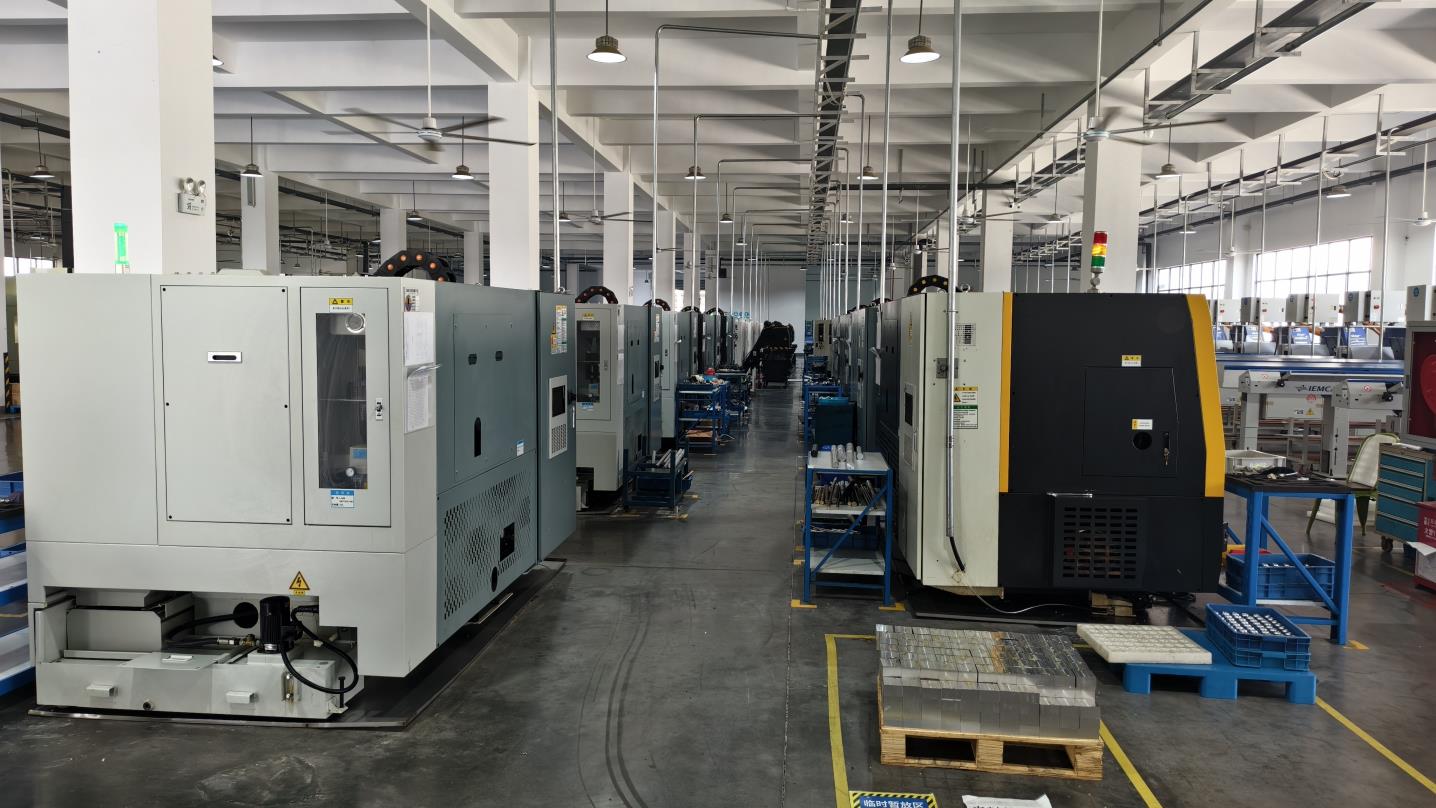
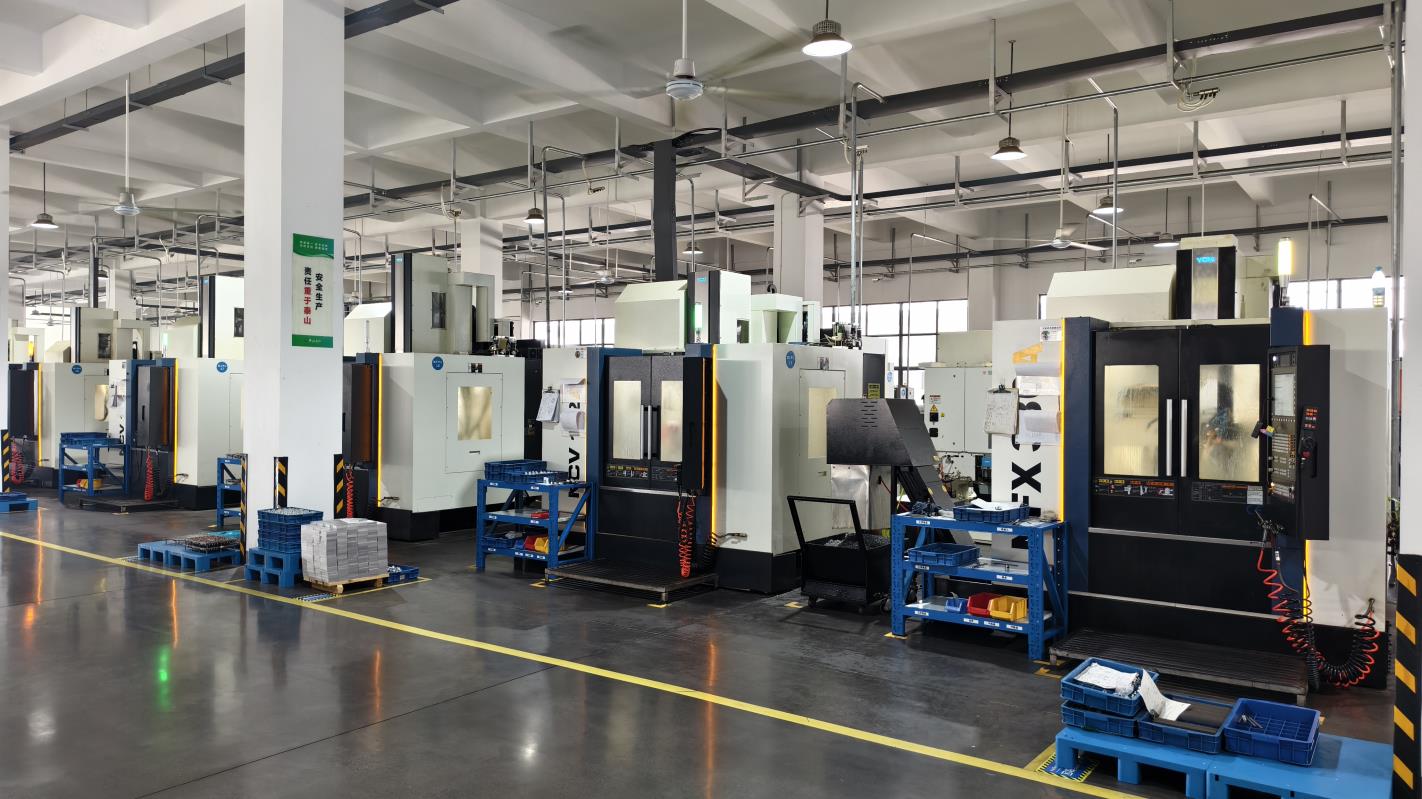
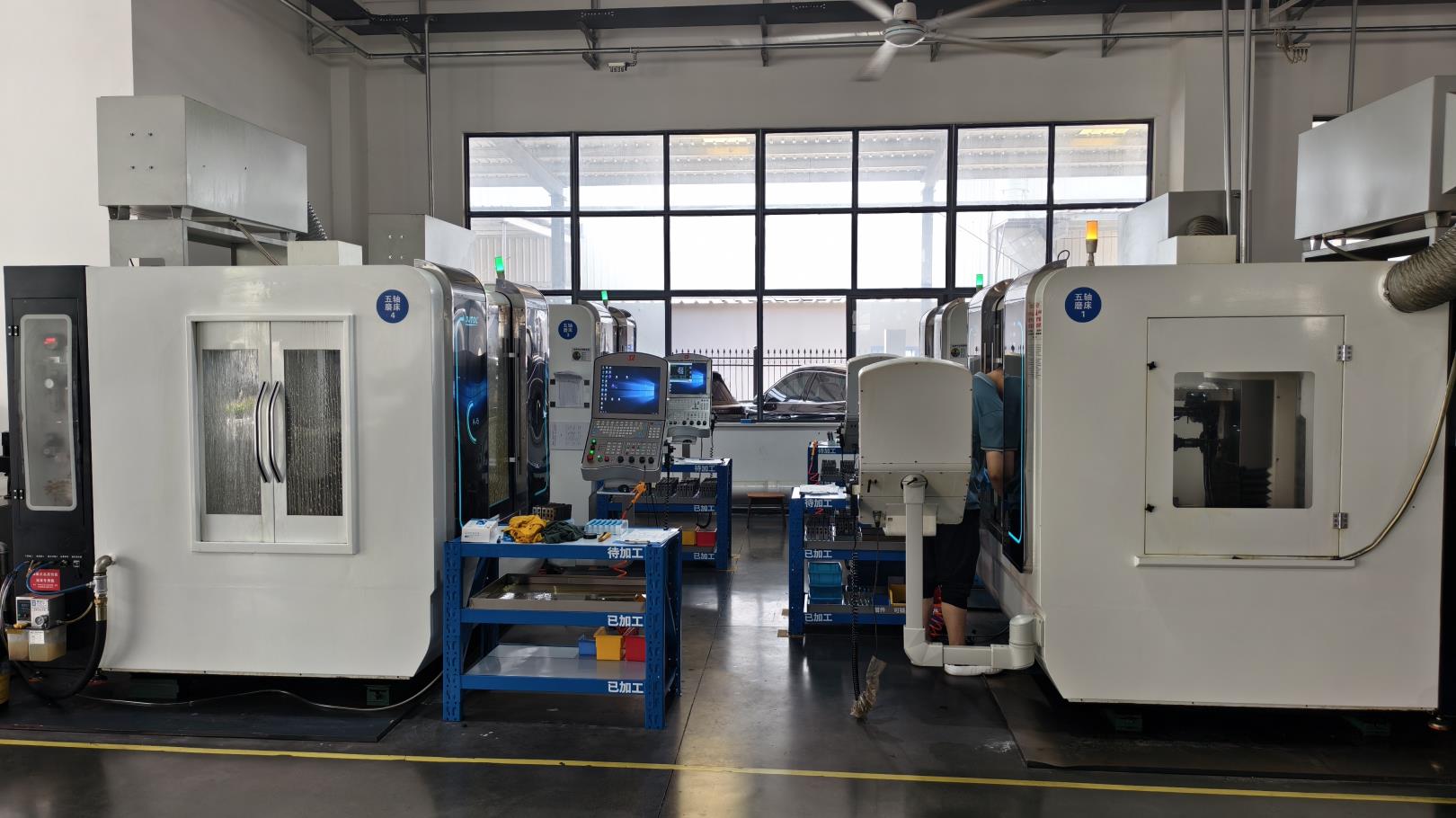
Our manufacturing pipeline utilizes computerized numerical control (CNC) multi-axis machining, Swiss-type lathe turning, and precision EDM wire cutting. This advanced technological approach is crucial for producing high-durability products like the *VKTIMALL Tungsten Carbide Drill Bit* and *Stainless Steel Spinal Burs*.
Furthermore, to ensure corrosion resistance, all stainless steel and titanium devices undergo electrochemical passivation and pickling. This process forms a dense, chromium-rich passive oxide layer on the metal surface, which prevents metal ion leaching inside biological environments and eliminates rust risk during clinical cleaning procedures.
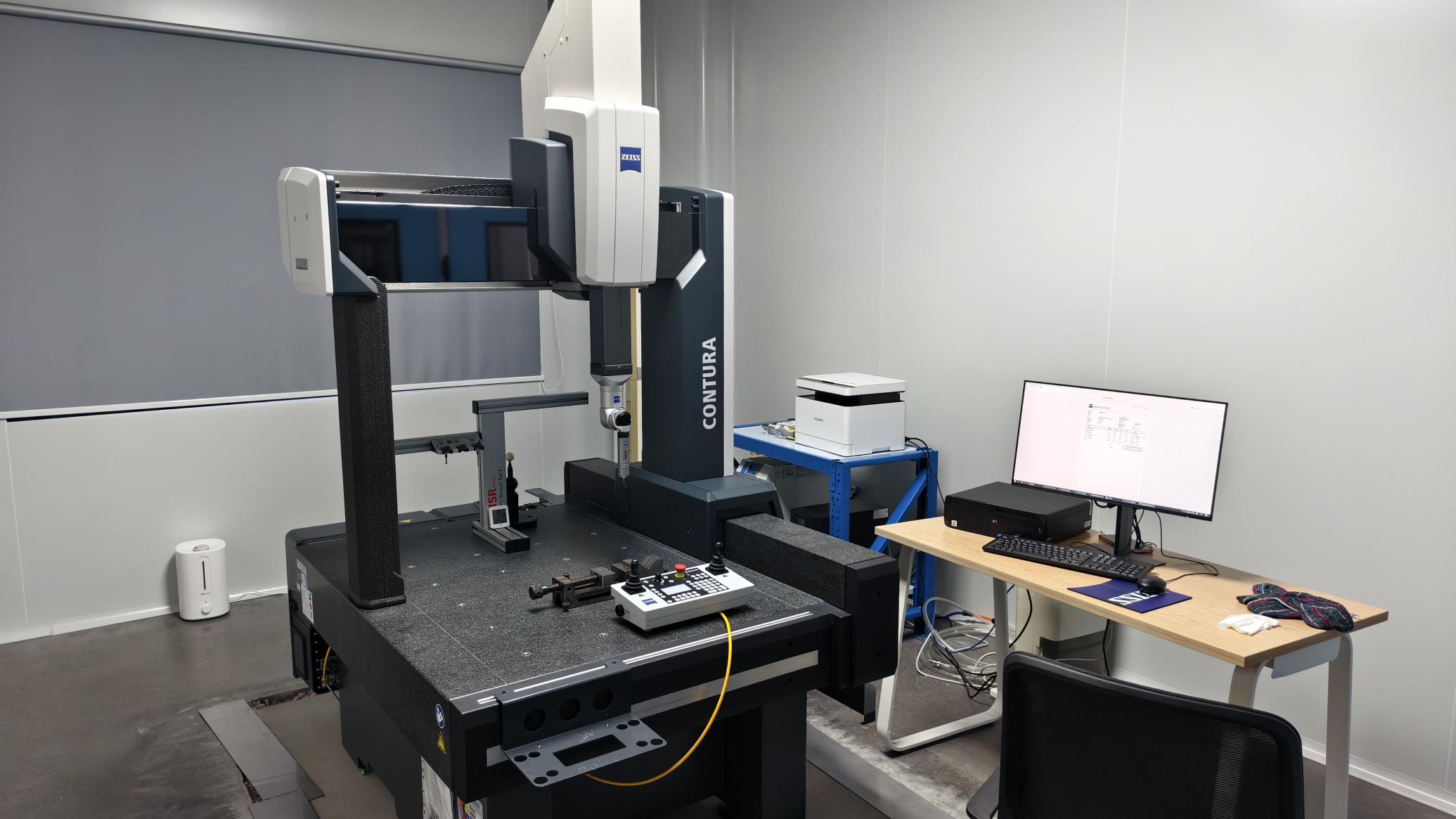
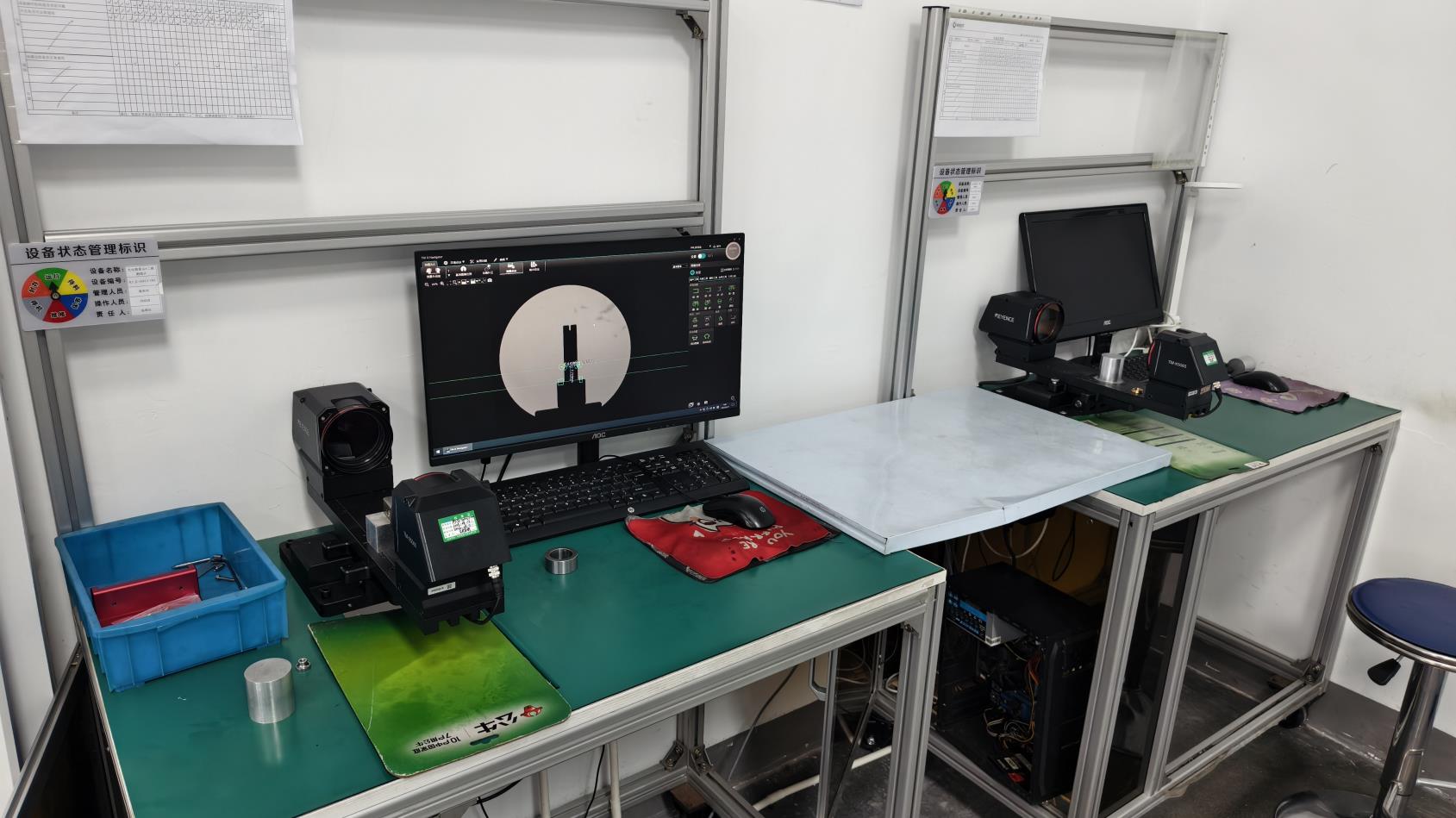
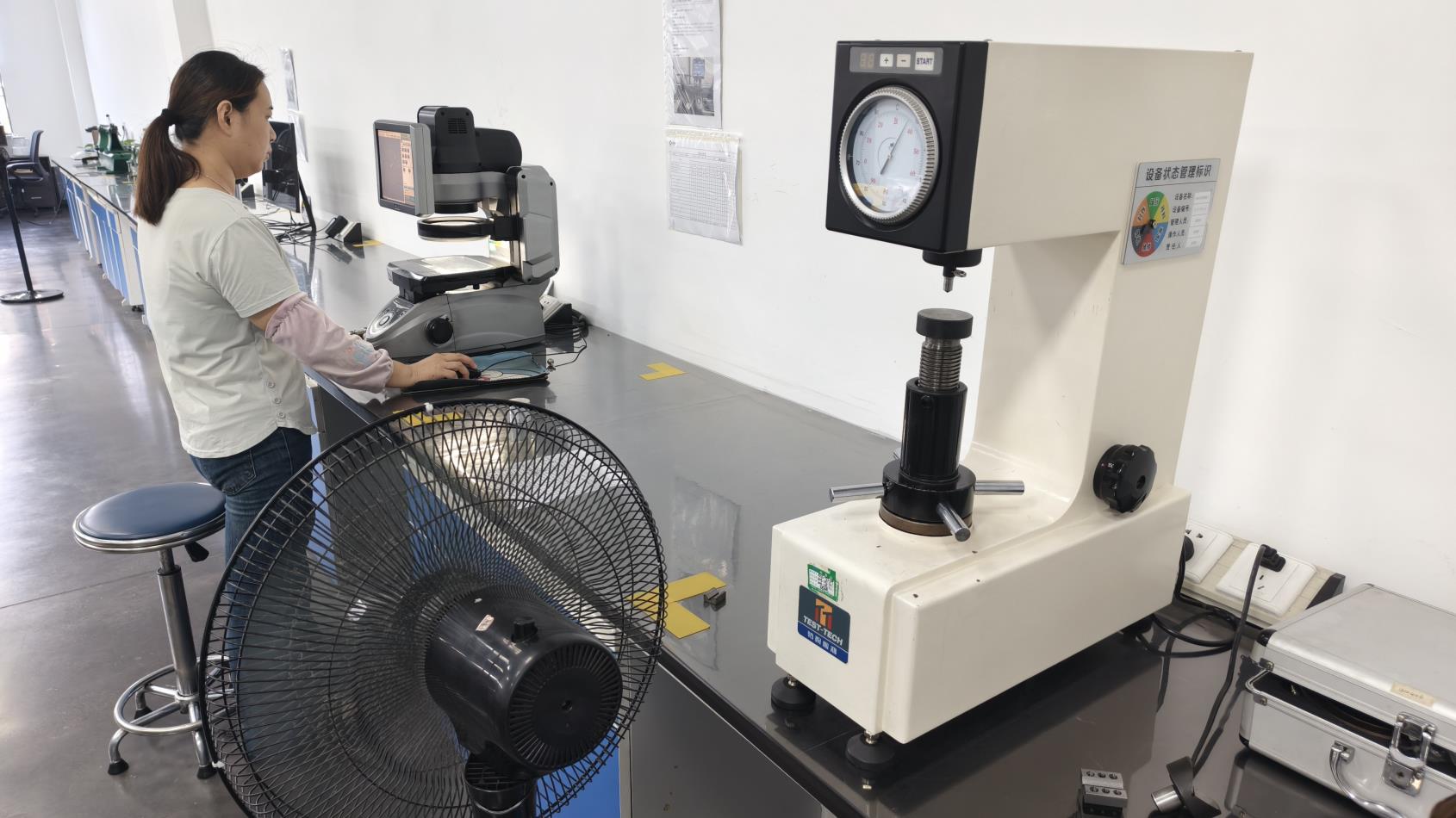
Operating under strict internal quality frameworks, our production line implements randomized inspections alongside strict documentation. Every batch of surgical tools or implants undergoes standard test routines, which include:
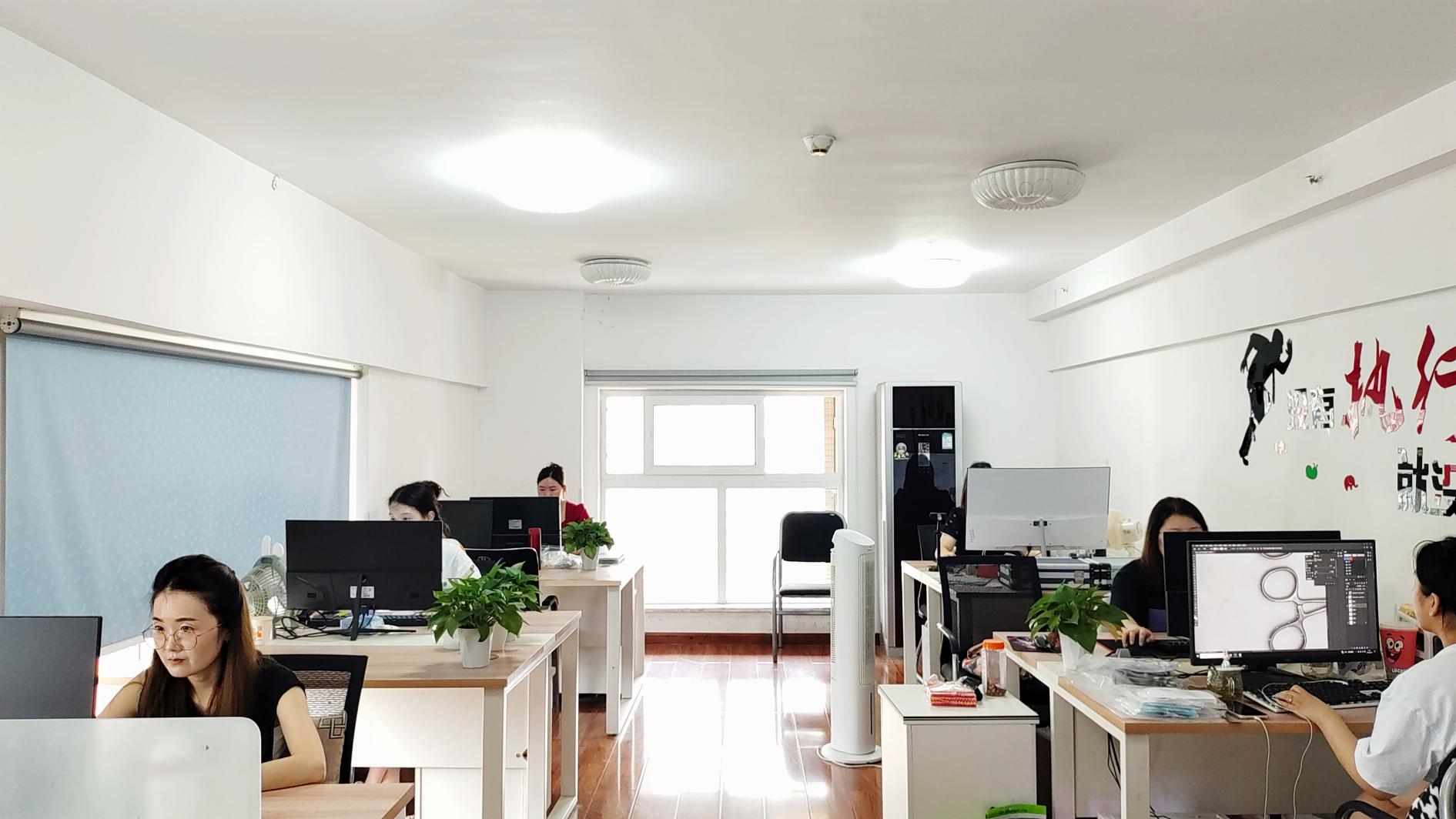
Take a look inside our production facilities. Our manufacturing and quality control environments feature advanced machining equipment, clean assembly rooms, and testing stations.
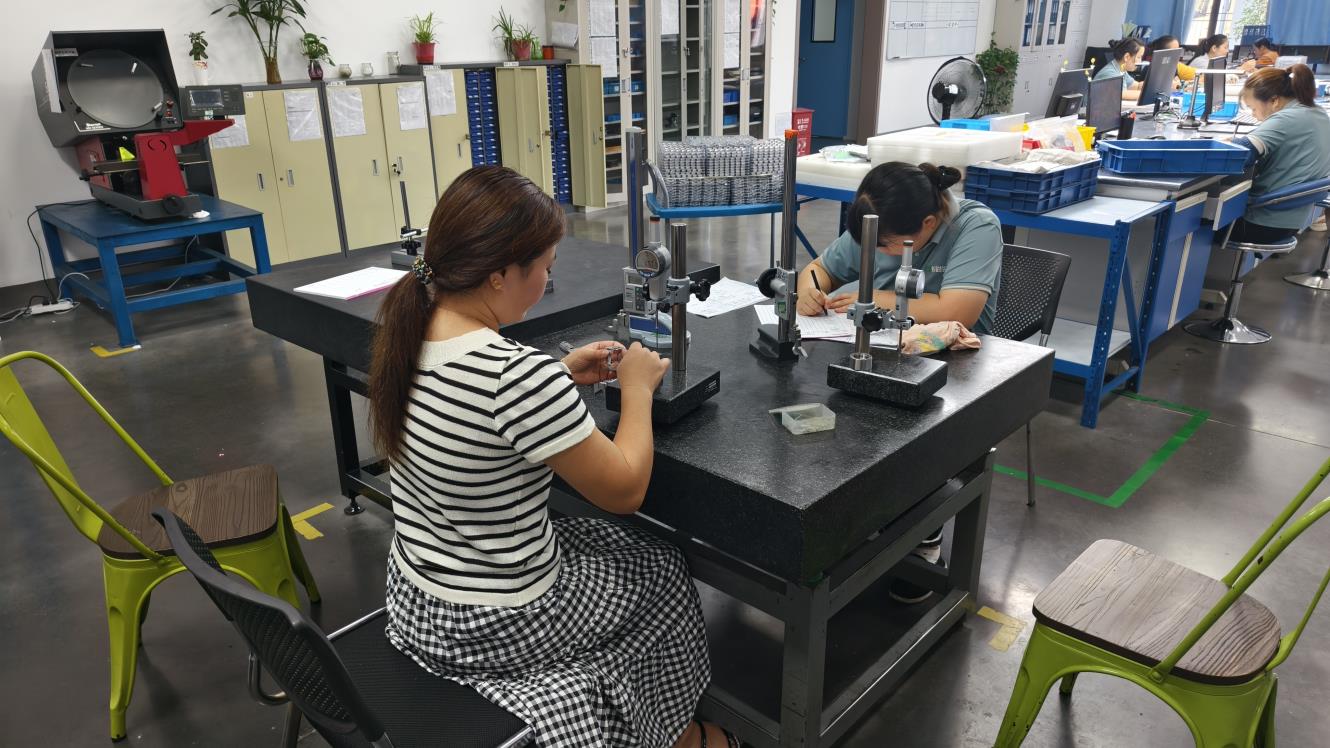
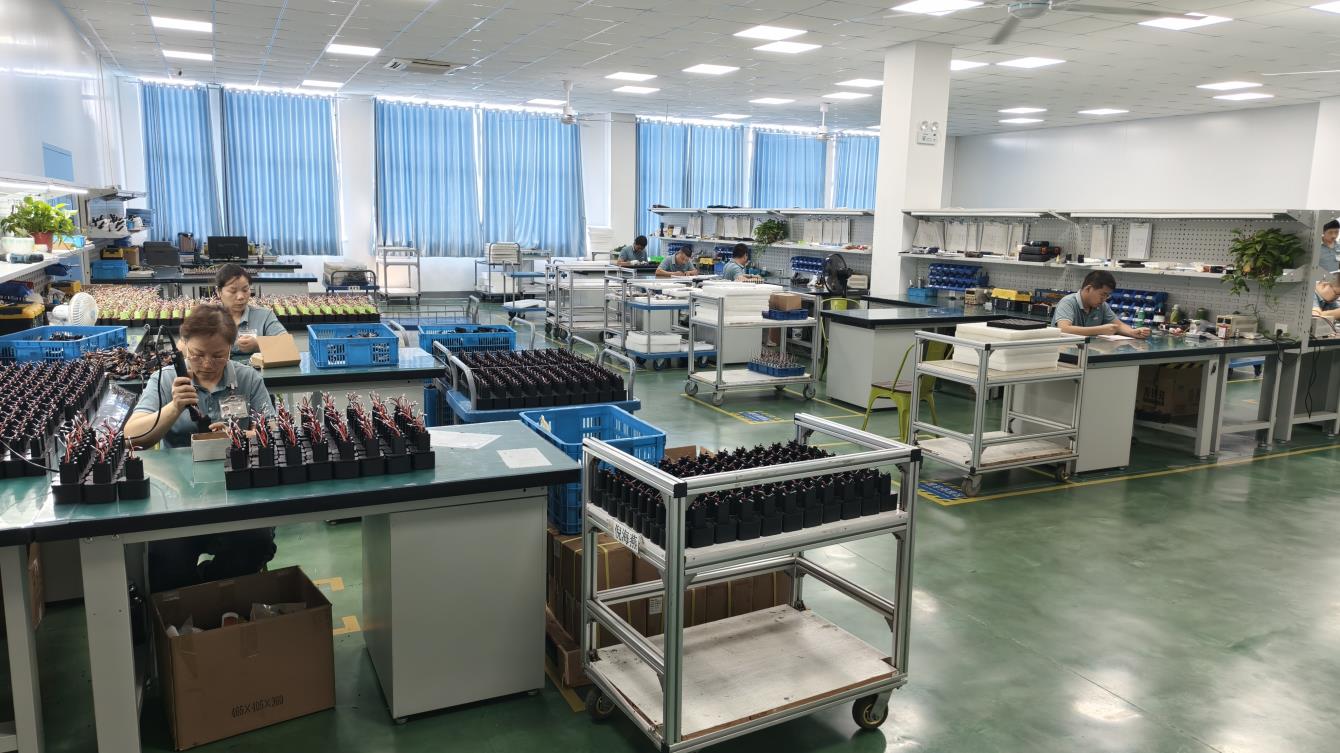
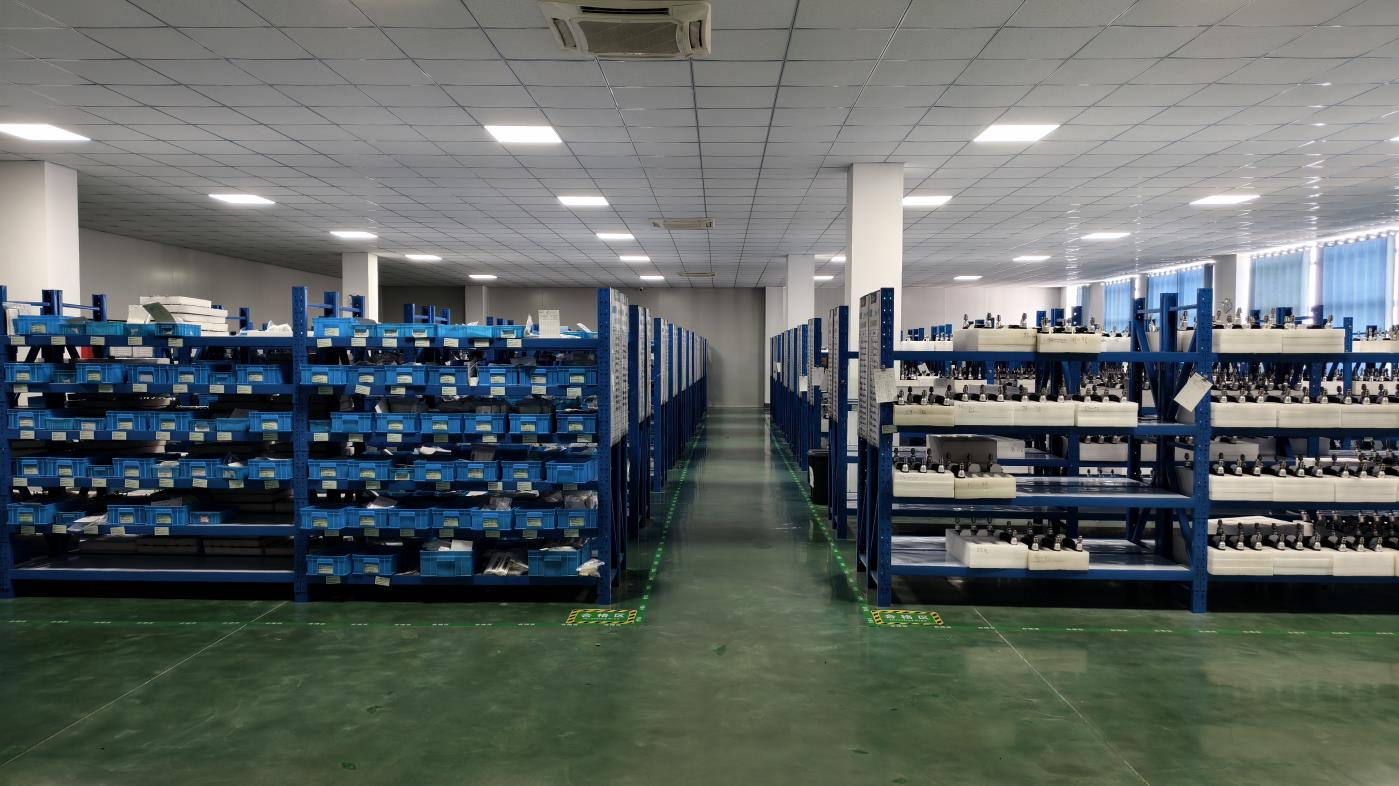
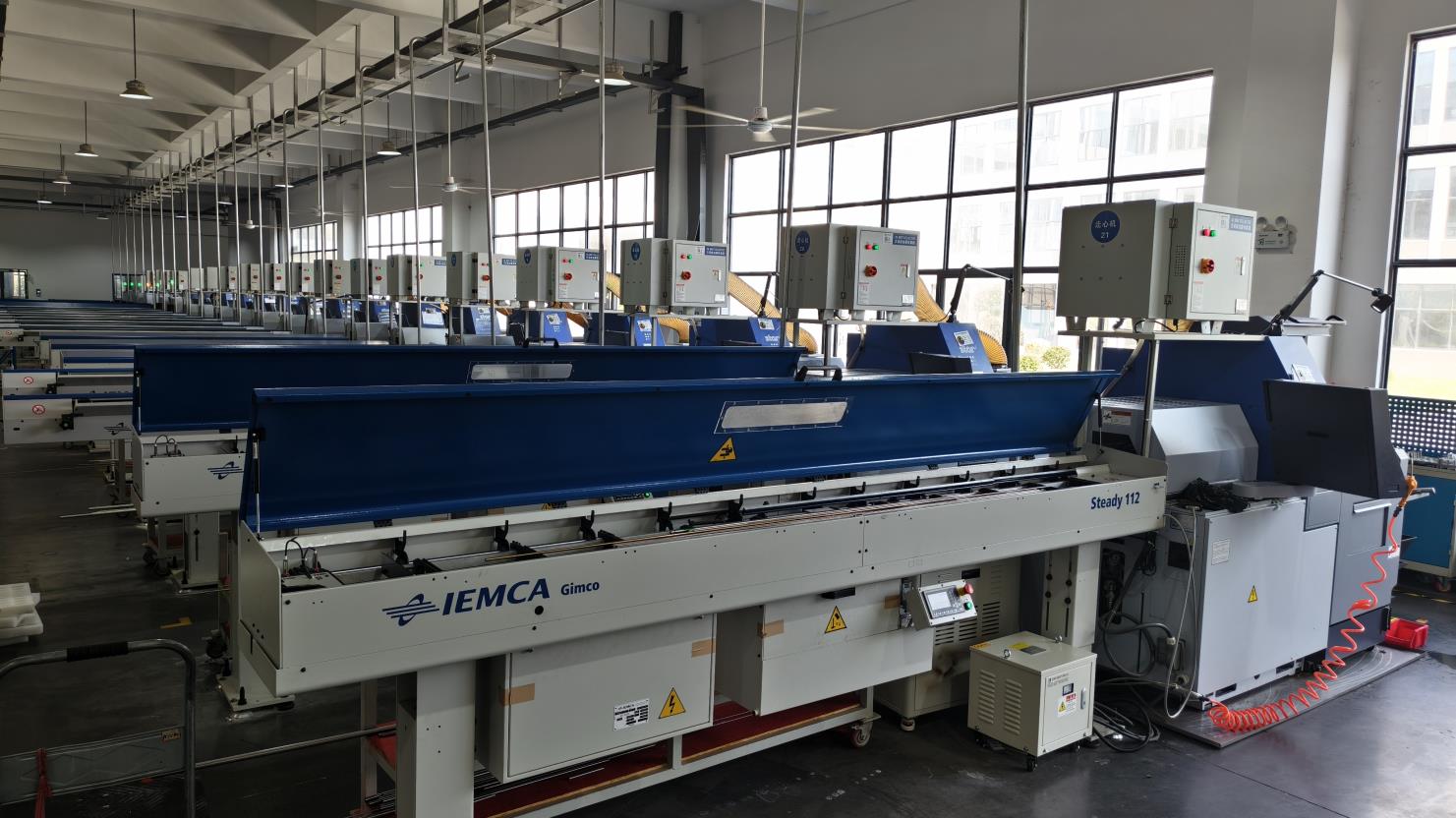
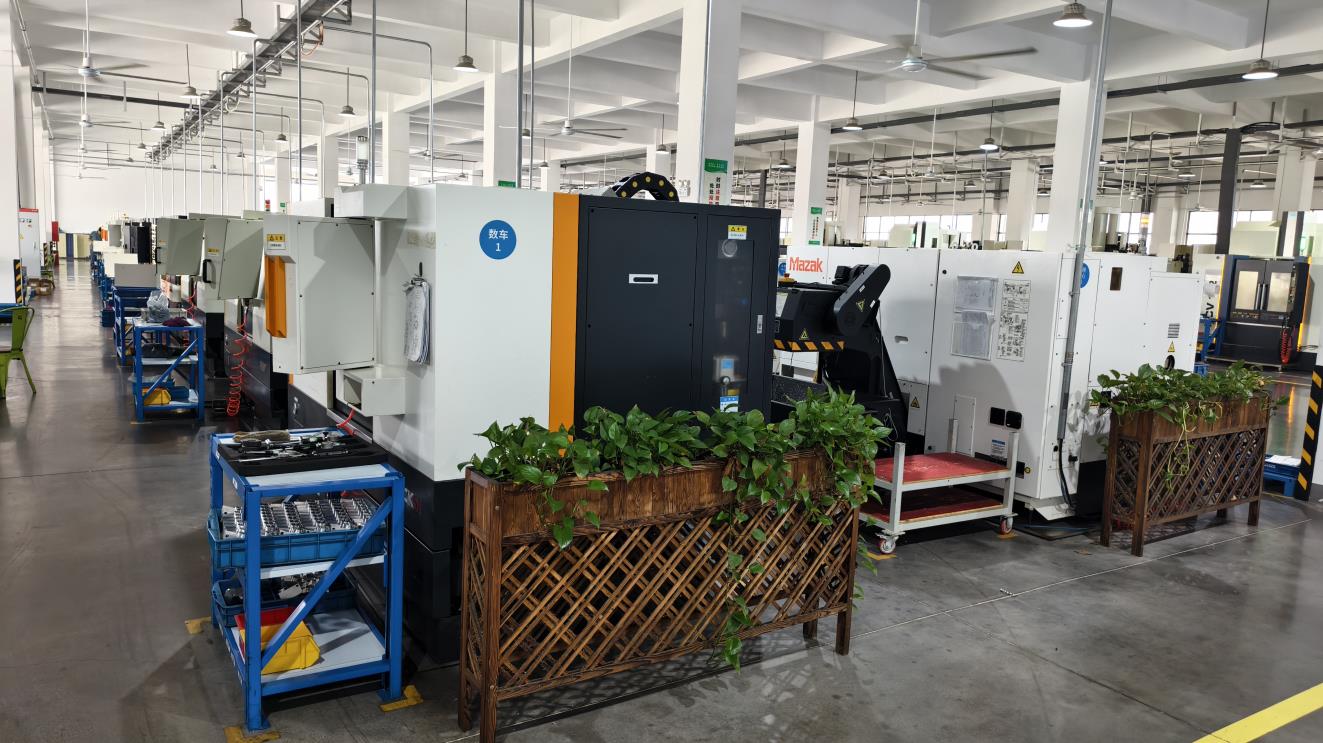
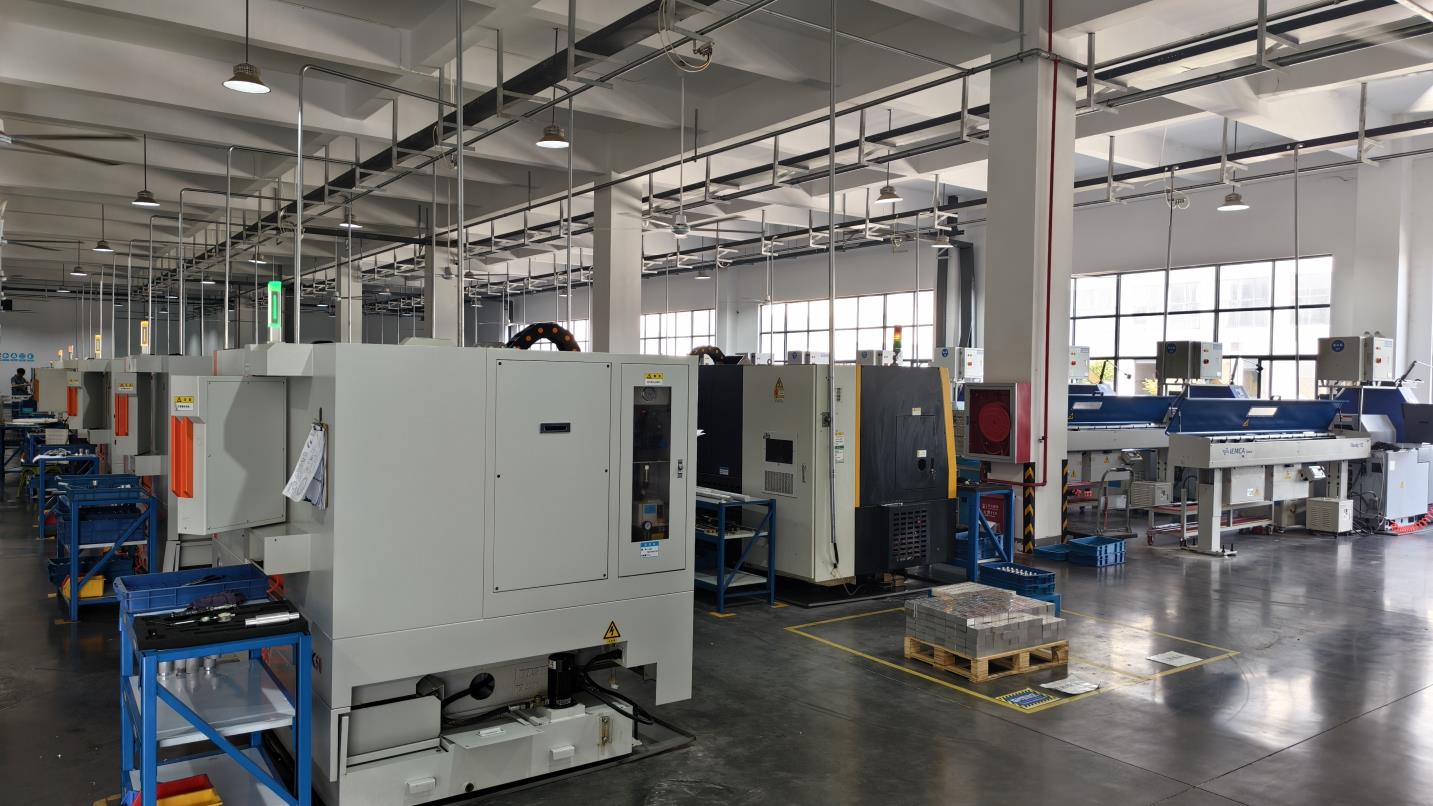
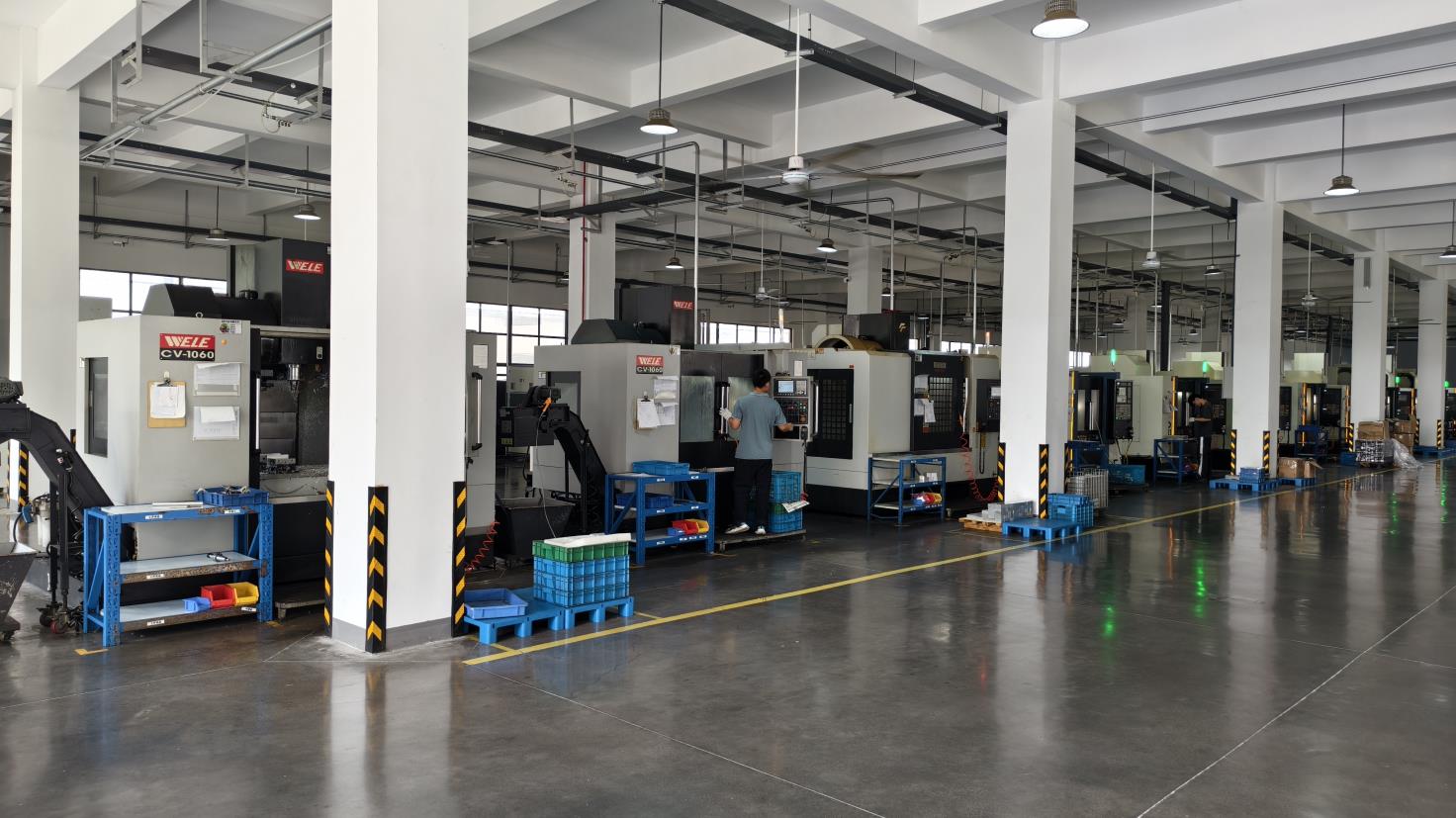
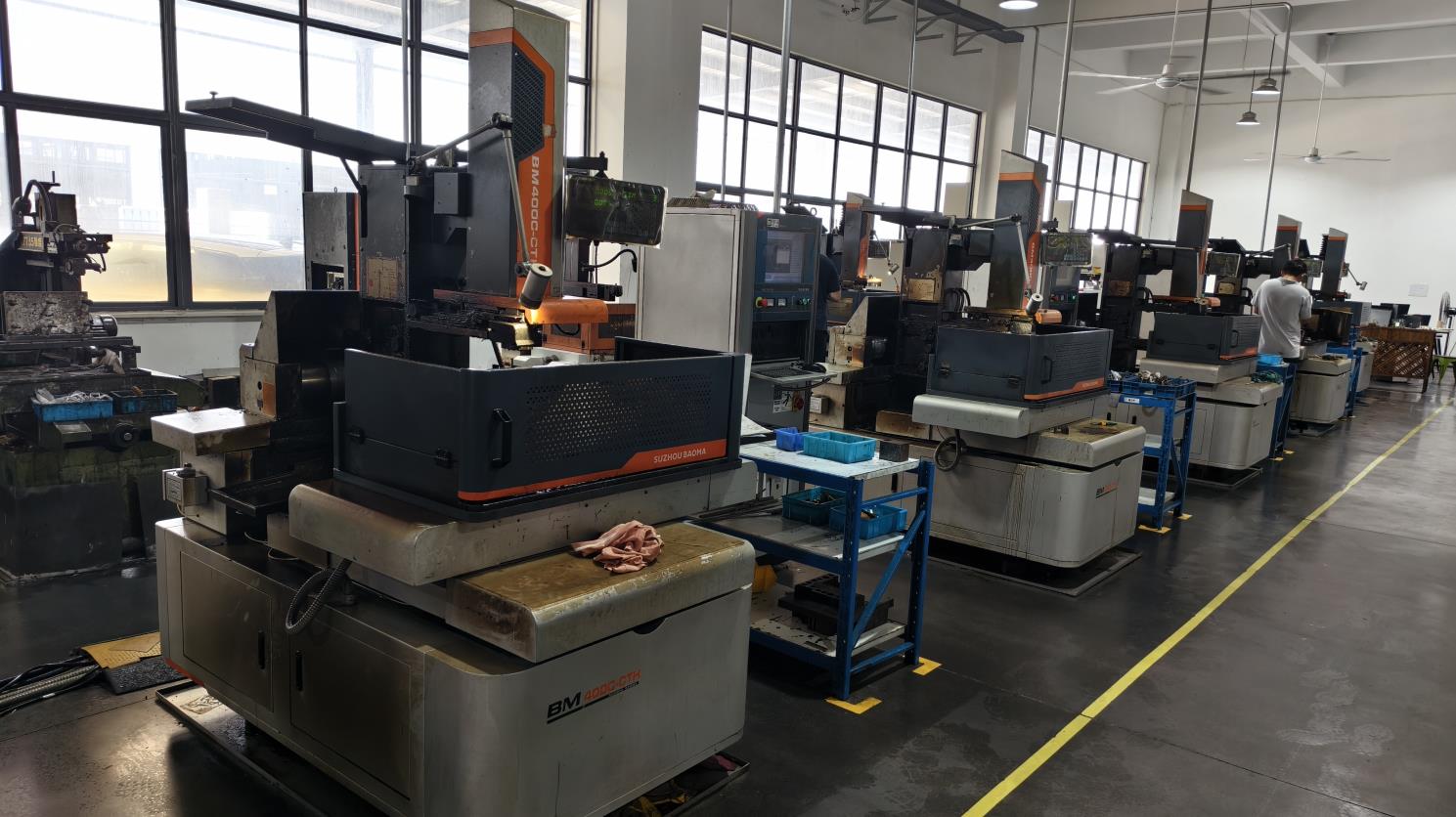
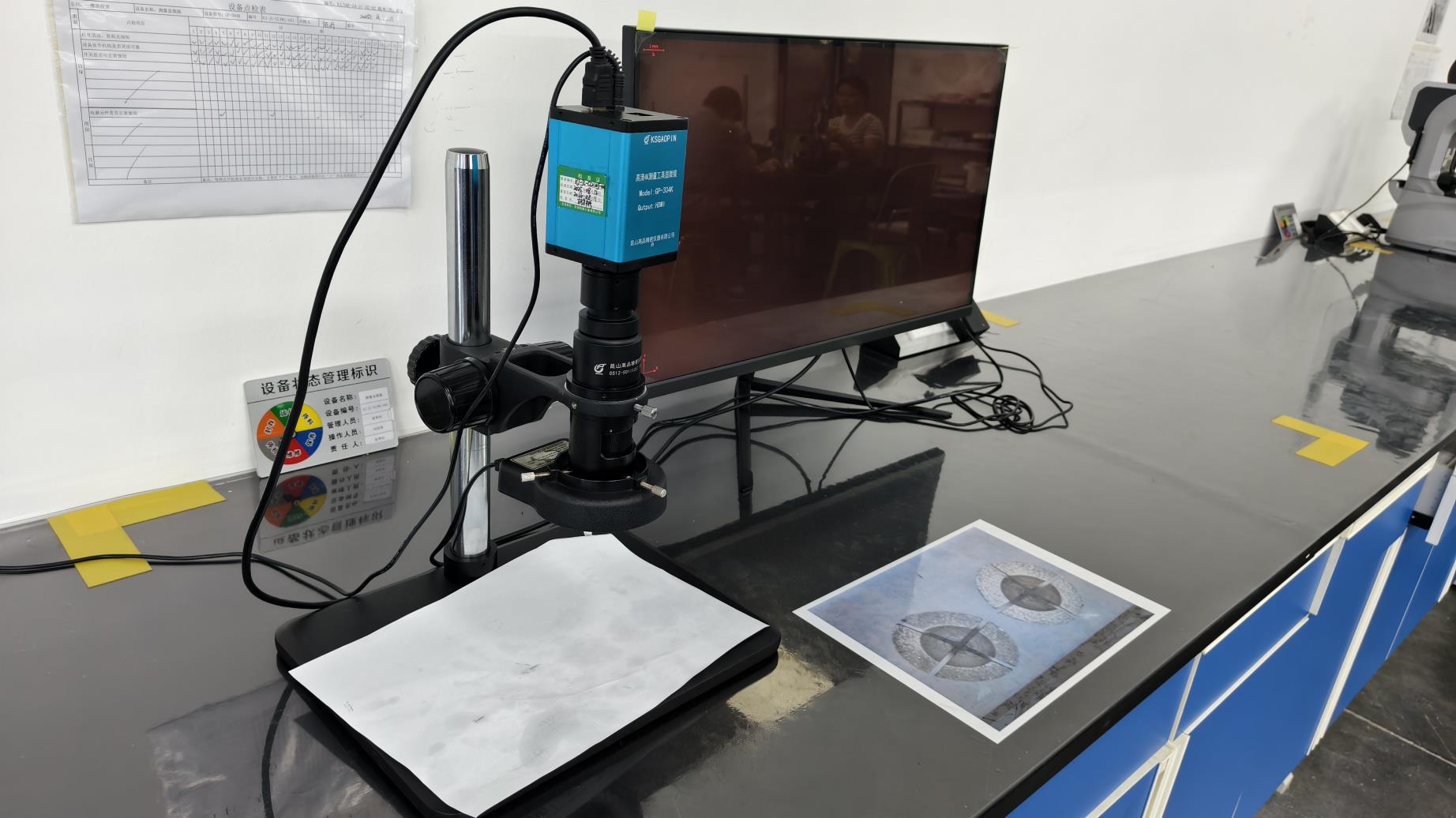
Managing international logistics for medical devices requires meticulous planning and documentation. Orthopedic implants and surgical instruments must be handled carefully to avoid micro-scratches, which can lead to fatigue failure. Because of this risk, we use custom-molded shock-absorbent packaging and dry-nitrogen-sealed barrier bags.
Additionally, our logistical team handles all commercial invoicing, HS code classifications (such as Chapter 90 for medical and surgical instruments), and customs declarations to minimize transit delays. This setup ensures that global distributors in North America, South America, and Europe experience smooth supply chain integration.
Looking forward, orthopedic surgical techniques are moving toward personalized implants and smart instrumentation. We are actively researching and integrating additive manufacturing (3D metal printing) to design trabecular structures that mimic natural bone geometry, which helps accelerate osteointegration.
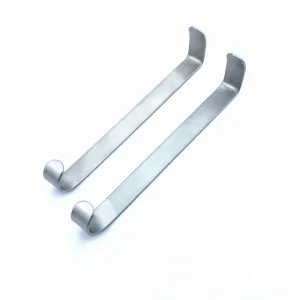
At the same time, we continue to upgrade the hardness of our standard reusable tools. By applying Diamond-Like Carbon (DLC) coatings and physical vapor deposition (PVD) titanium nitride layers, we can significantly extend the wear life of osteotomes, drills, and retractors.