SENJIE Healthy & Technology
SENJIE Healthy & Technology
SENJIE Healthy & Technology
High-precision orthopedic instruments designed for tissue dissection, bone preparation, graft placement, and spinal retraction. Optimized for clean autoclaving performance and durable structural lifespan.
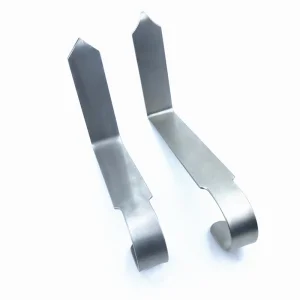
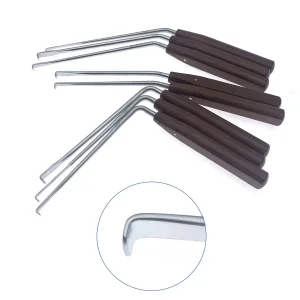
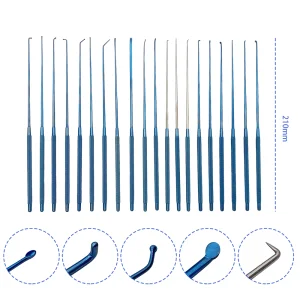
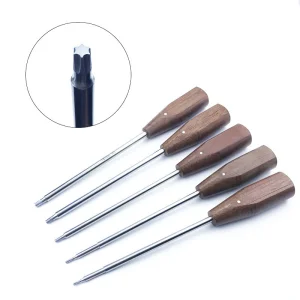
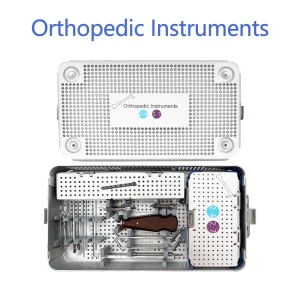
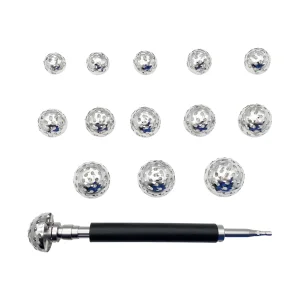
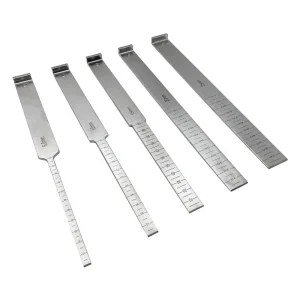
The performance of orthopedic grafting and instrumentation relies directly on raw material choice. Leading clinical devices demand biocompatible substrates that resist mechanical fatigue, oxidation, and corrosion during high-pressure autoclaving protocols. Our instruments utilize Grade 5 Titanium (Ti-6Al-4V ELI) and medical-grade 316LVM Surgical Stainless Steel.
These advanced alloys provide exceptional tensile yield strength, preventing deformation under high loading constraints such as tibial osteotomy (HTO) or laminectomy procedures. Our manufacturing employs vacuum heat treatment to refine the grain structure of the metals, ensuring maximum fatigue resistance and edge-retention characteristics for cutting edges and osteotomes.
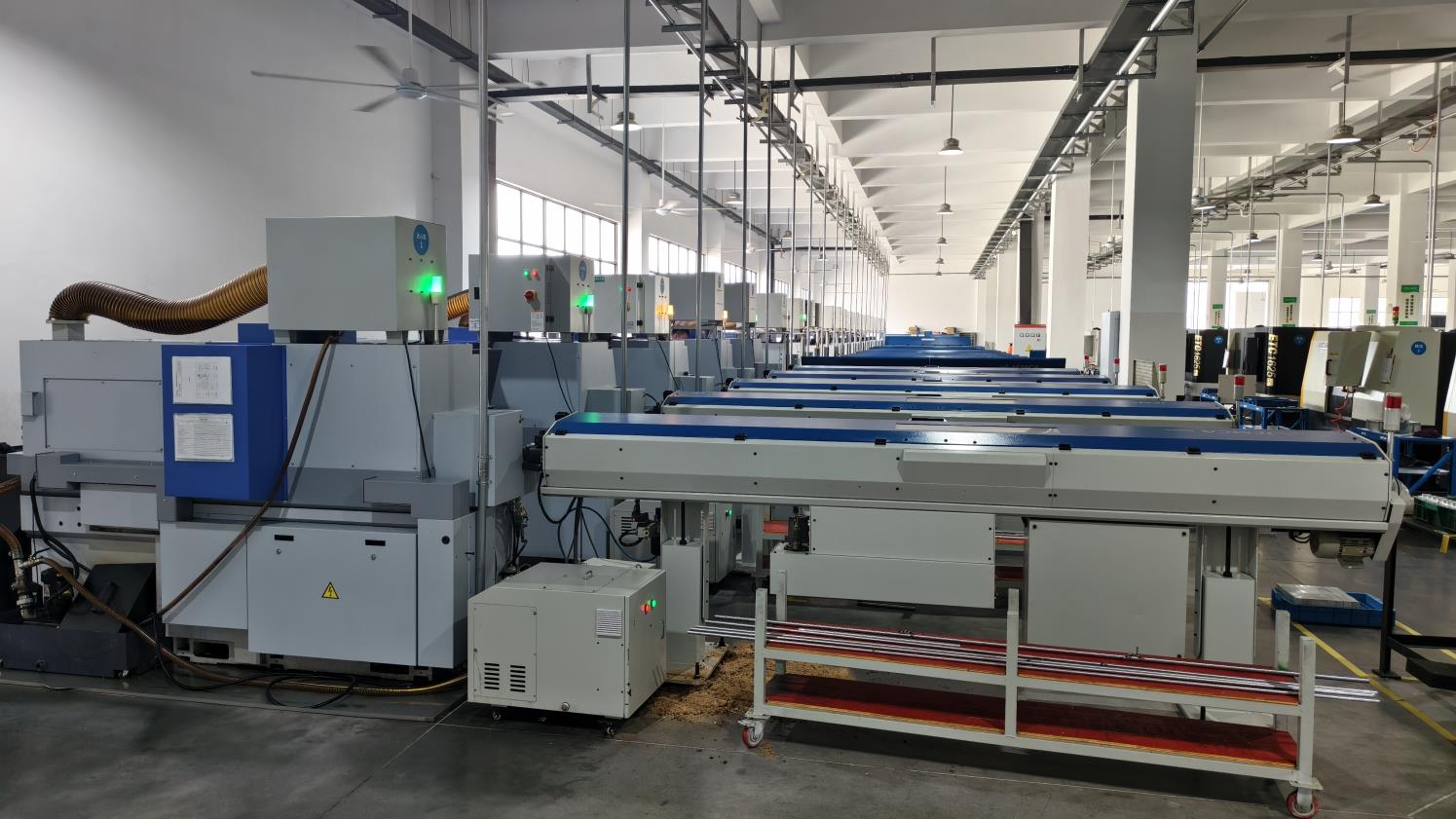
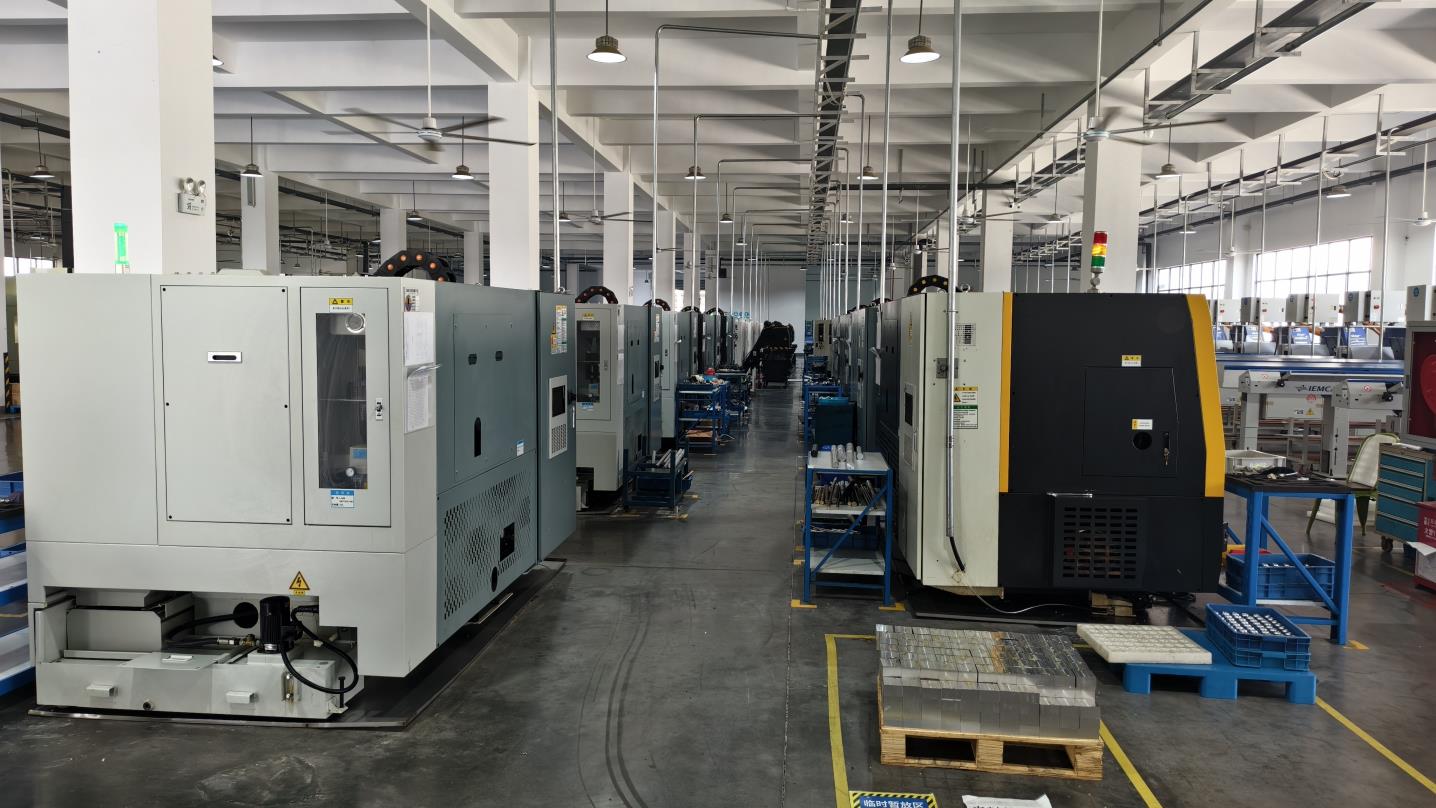
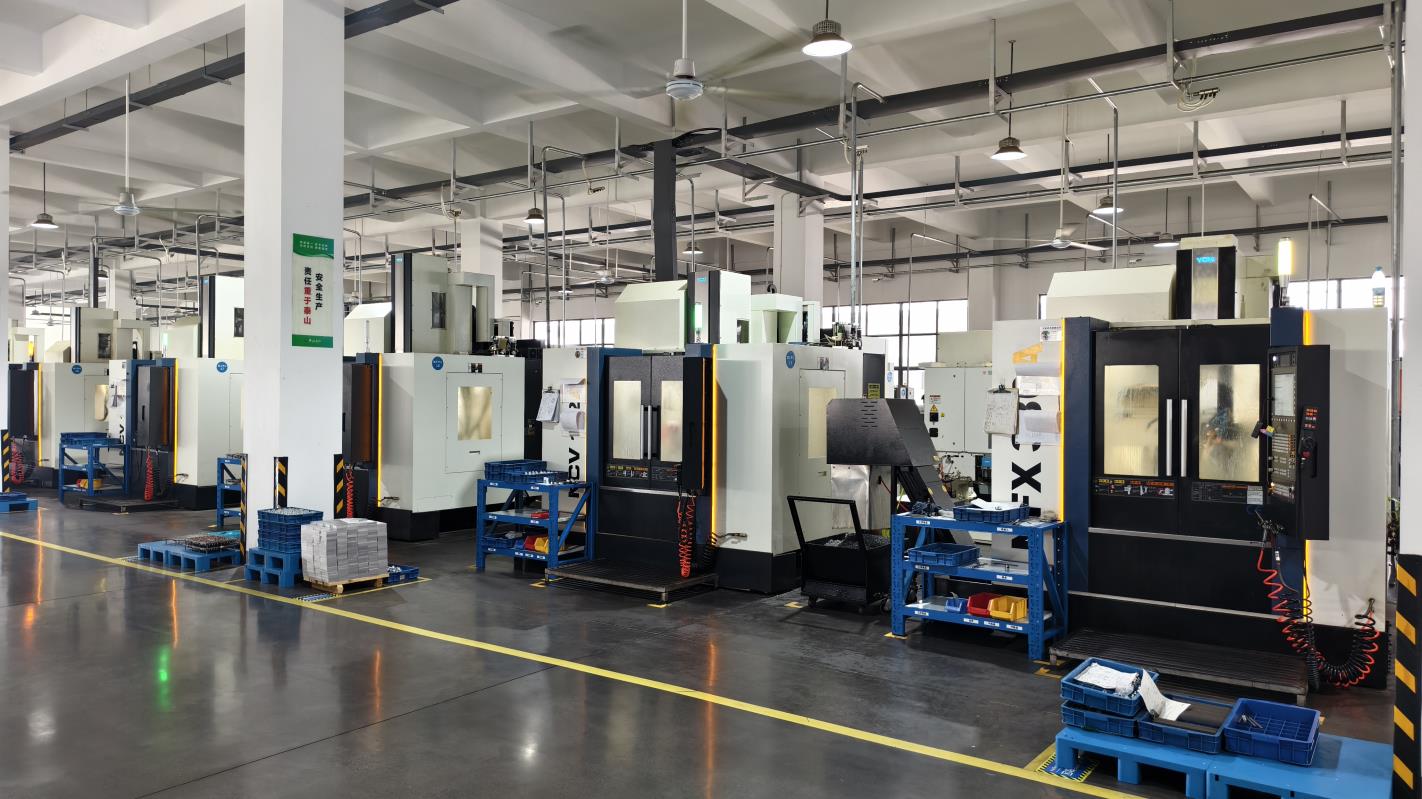
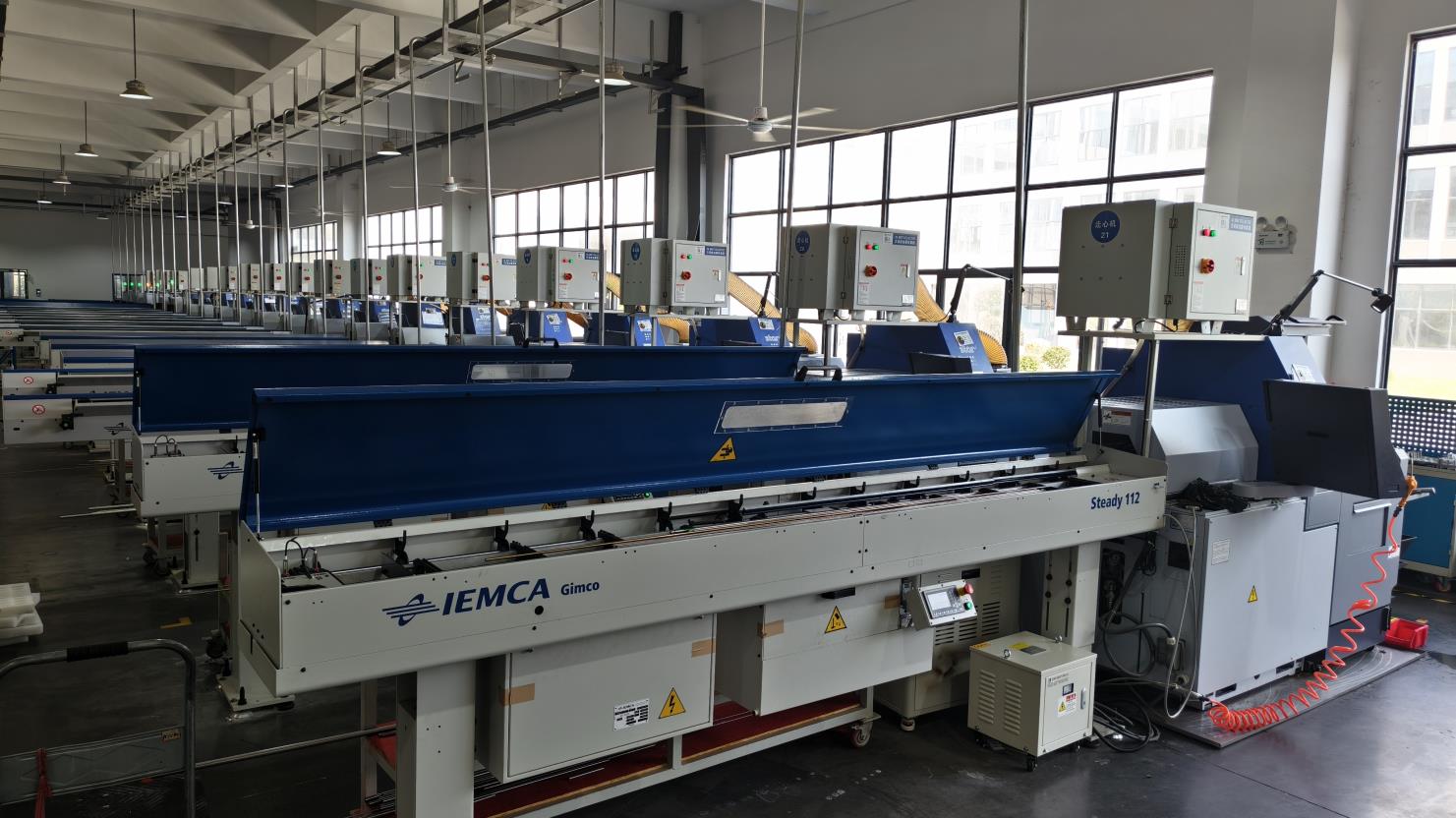
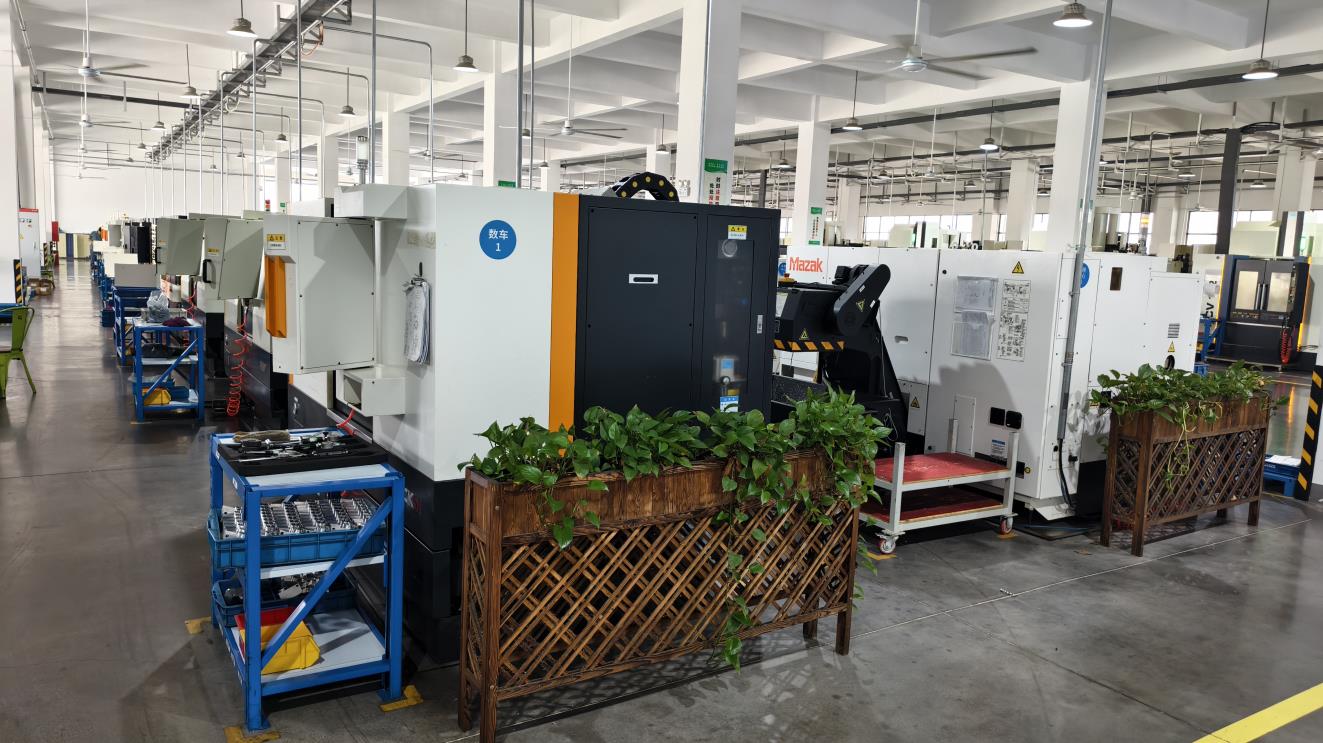
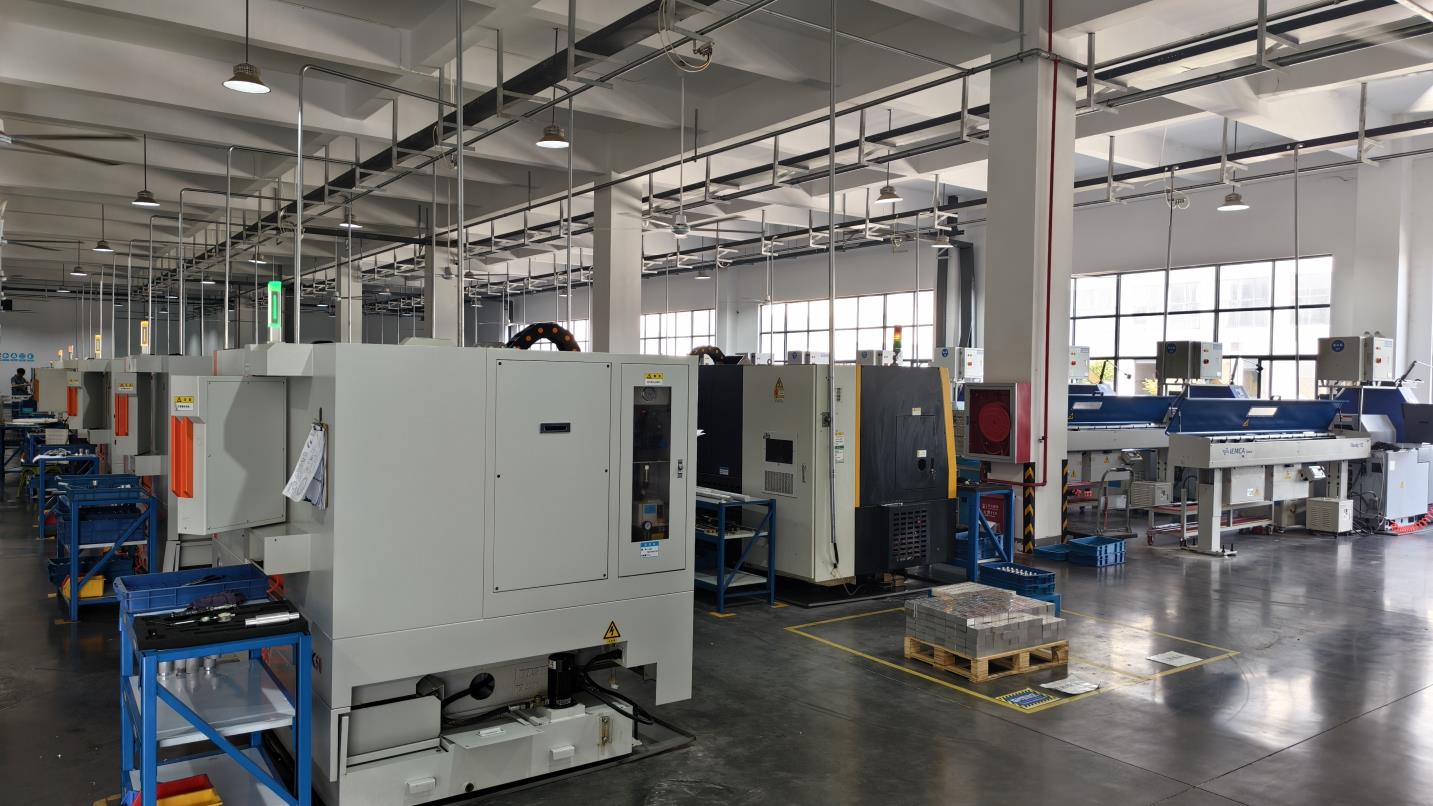
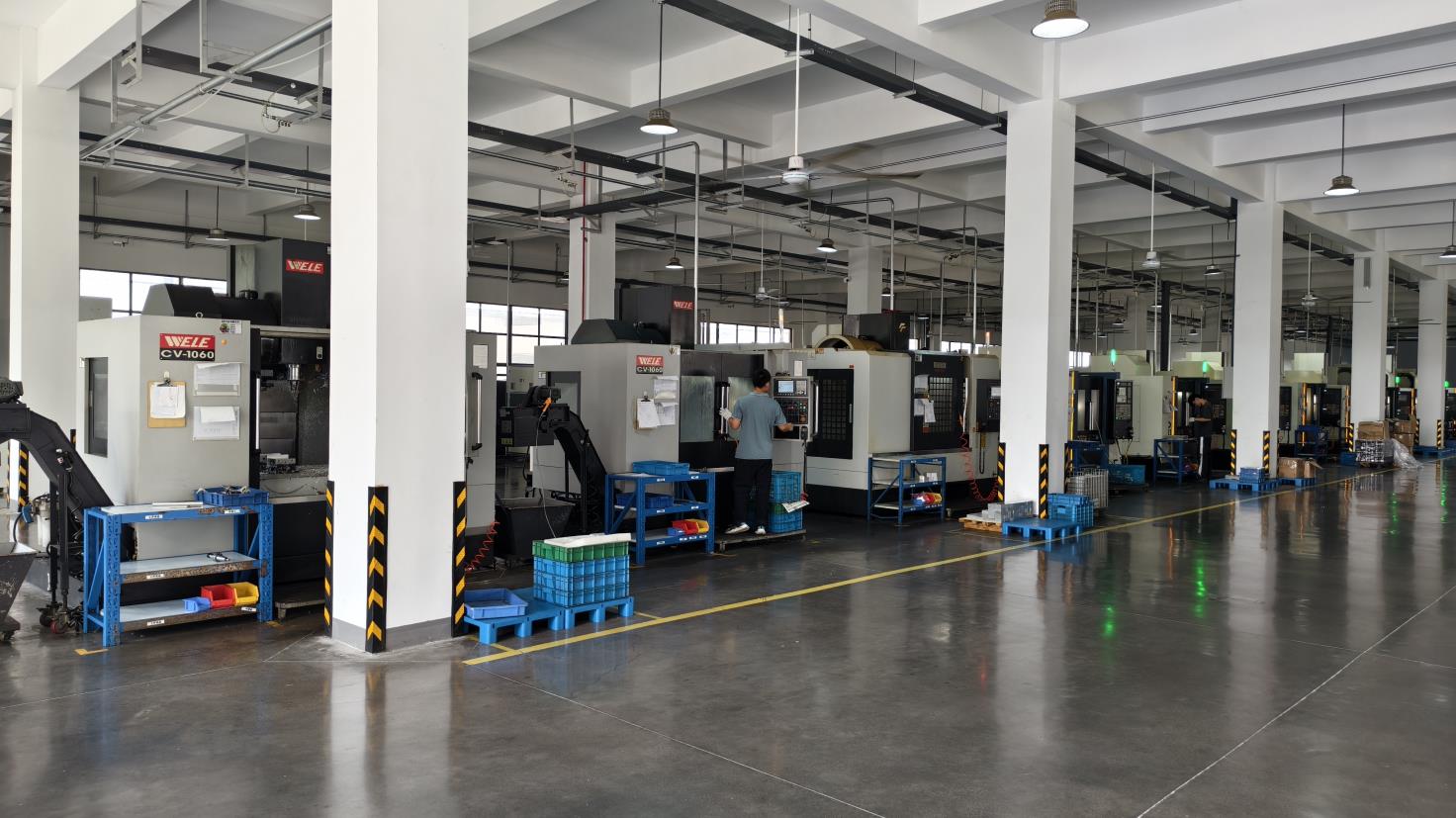
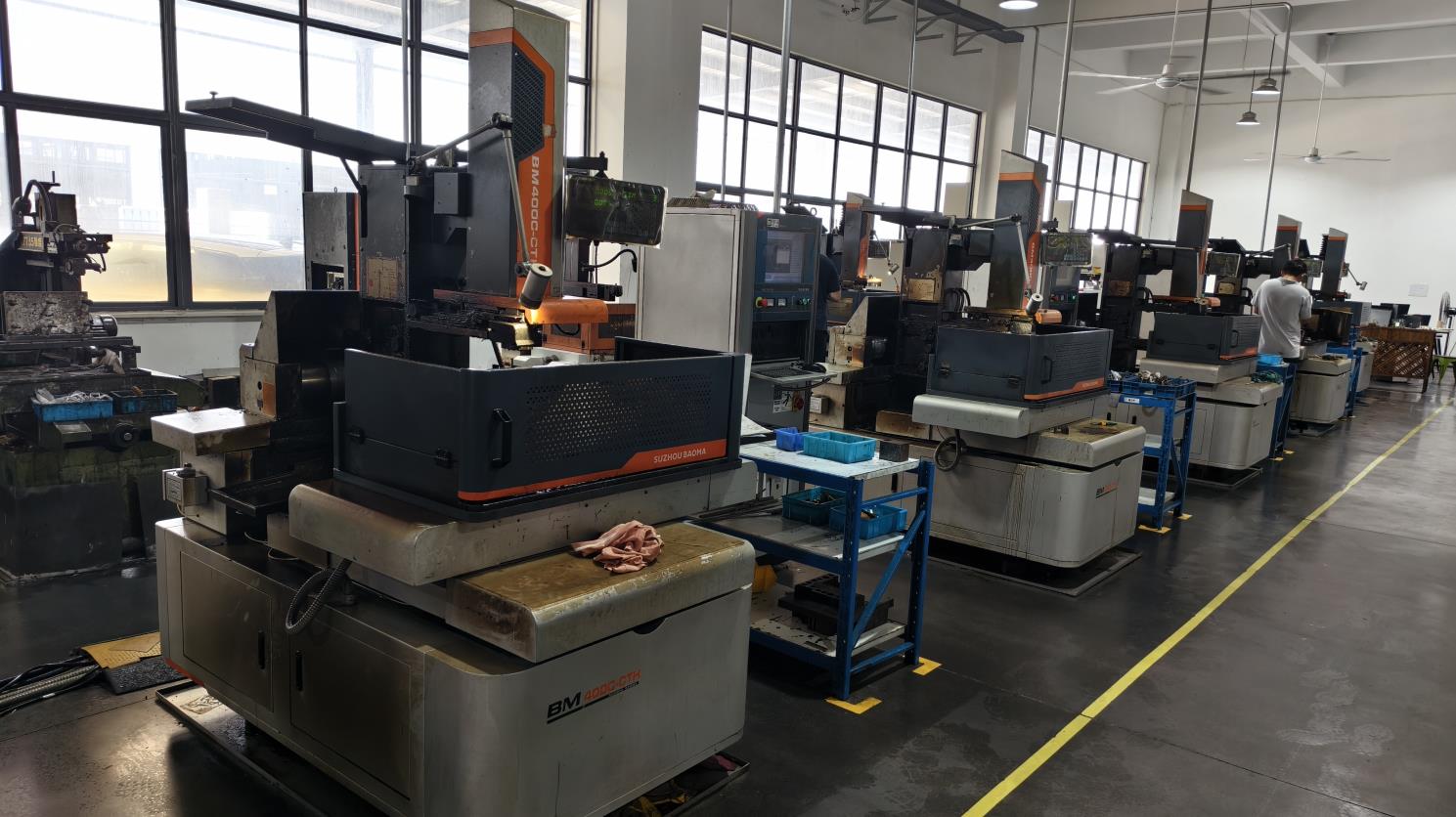
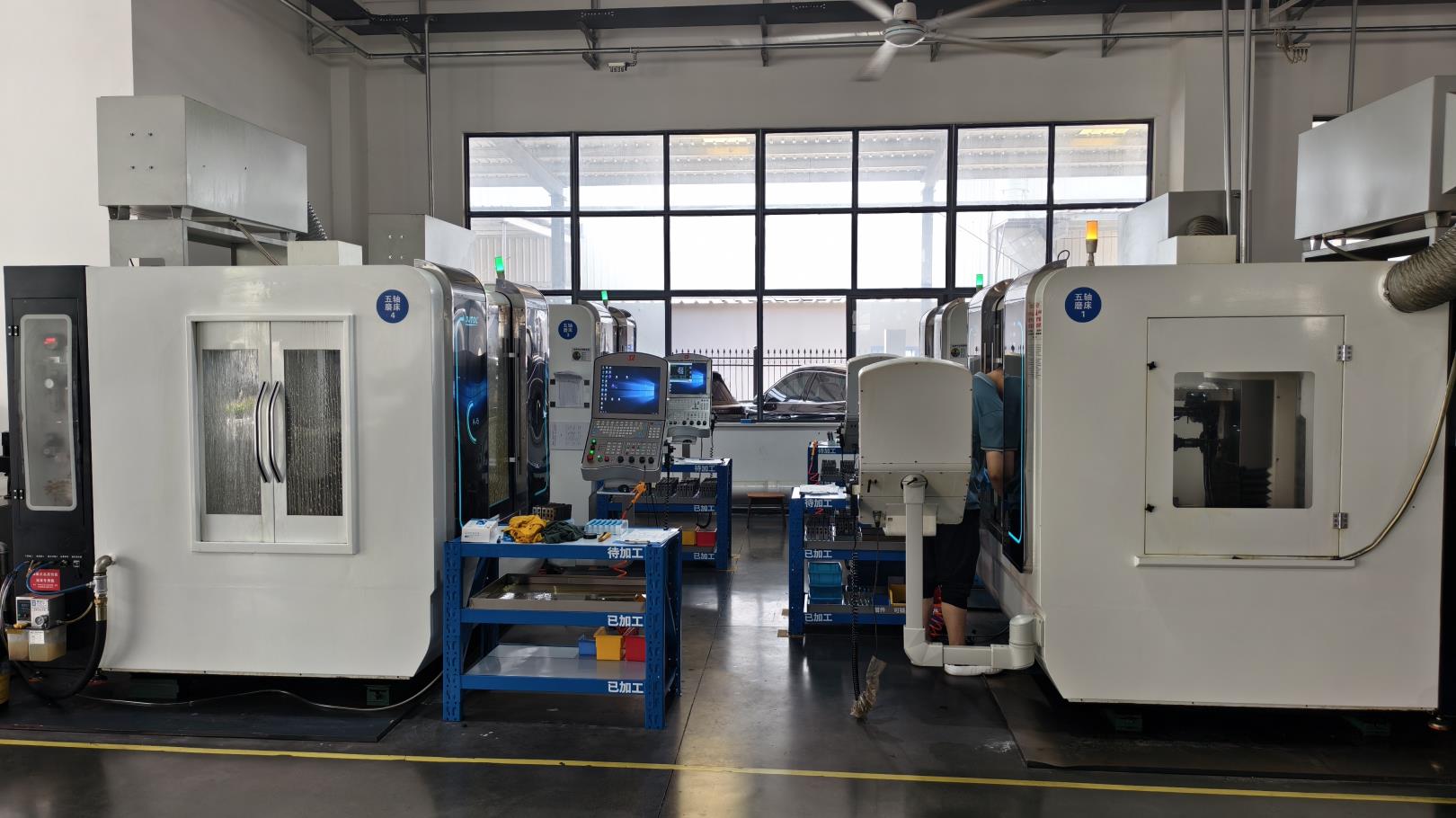
Precision micro-machining is critical for instruments like micro-curettes, spatulas, and nerve root retractors. Utilizing multi-axis CNC Swiss-type lathe centers and electrical discharge machining (EDM), our production line achieves tolerances as tight as ±0.01mm.
Passivation via nitric or citric acid baths (per ASTM A967 standards) is executed post-machining to strip exogenous iron from surfaces. This chemical treatment forms a chromium oxide passive layer, preventing pitting corrosion in saline environments during surgery.
Ensuring seamless custom clearance and market adoption through proactive compliance, regional documentation kits, and local application optimization.
Navigating different regulatory systems is a challenge for surgical instrument sourcing. We provide documentation suites designed to simplify regional compliance protocols:
Additionally, we supply comprehensive certificate packages including Certificate of Free Sale (CFS), Certificates of Origin, and Declaration of Conformity (DoC).
Global surgeries vary in techniques, anatomical baselines, and preferred instrumentation styles. To support regional clinical teams, our customization capabilities include:
How integrated manufacturing hubs, raw material access, and advanced logistics optimize cost structures for distributors and medical device brands.
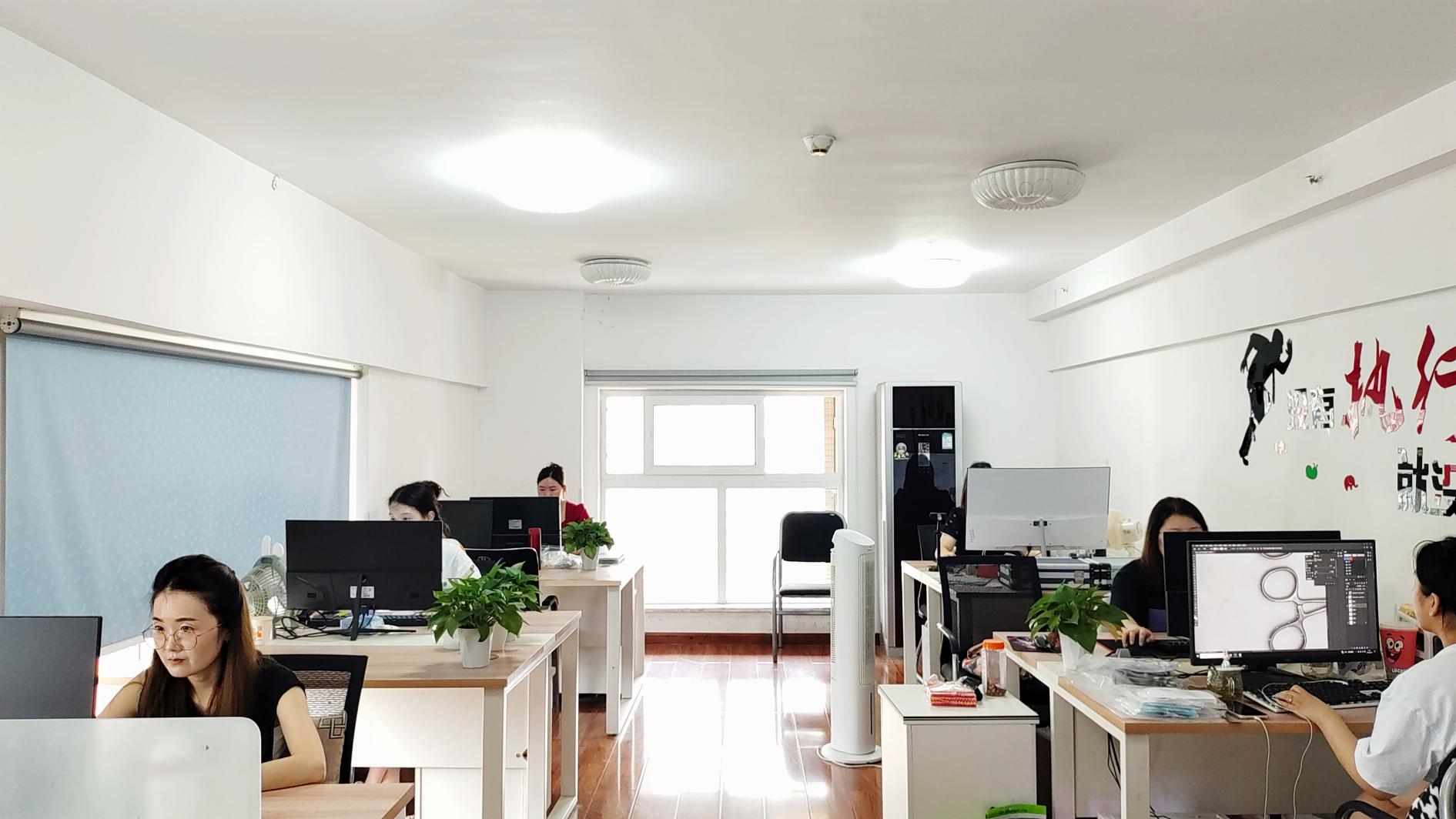
Sourcing surgical instruments from China offers significant advantages due to integrated supply chain ecosystems. Located in specialized medical manufacturing clusters, our factory leverages close proximity to raw material providers, thermal treatment facilities, and advanced finishing shops.
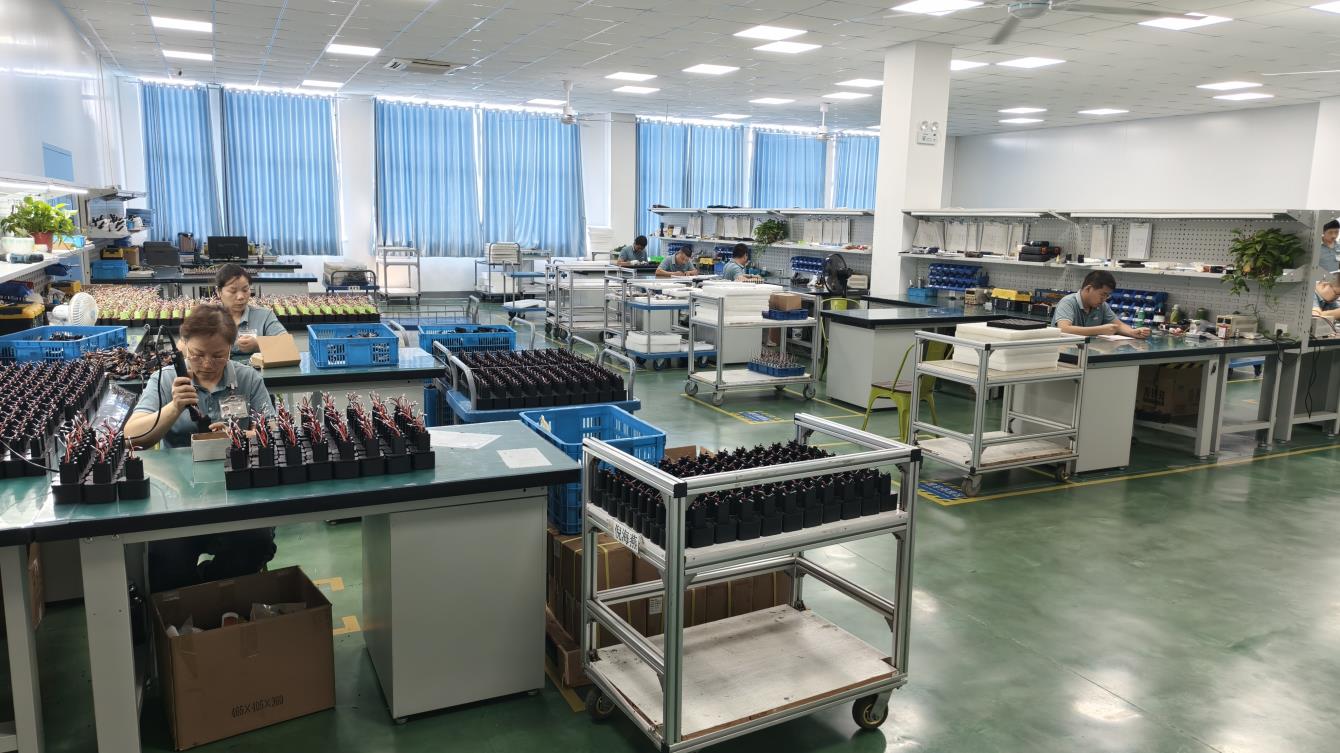
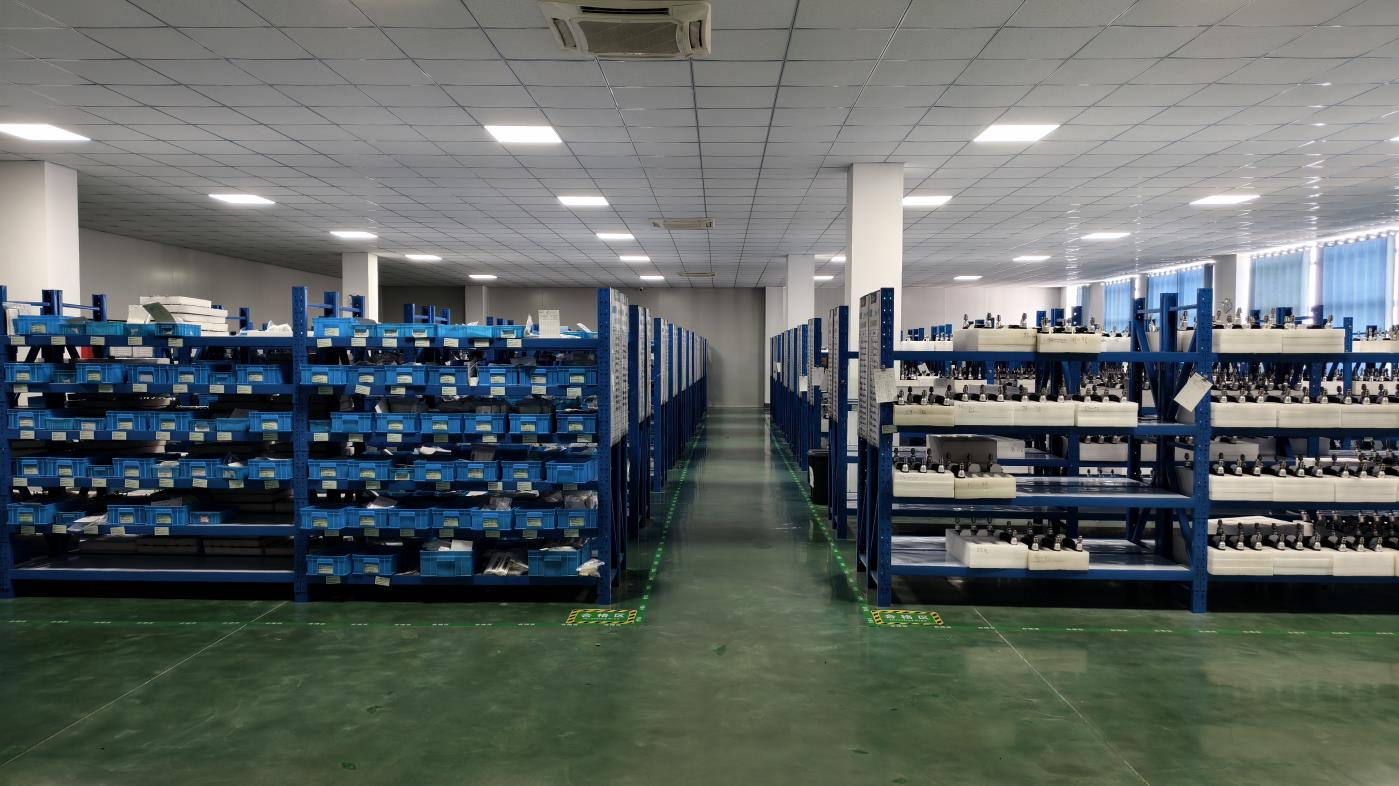
This geographic concentration reduces transportation delays and optimizes secondary processing times. As an established exporter (active since 2019), we balance manufacturing cost efficiency with rigorous QA controls. With dedicated QA/QC inspectors monitoring production, we maintain high standards across all orders.
Our trade network serves major medical markets worldwide, including North America (25%), South America (25%), and Southeast Asia (15%). This broad distribution has built a reliable supply framework, allowing us to manage international freight logistics effectively, provide stable pricing, and maintain steady lead times during supply chain challenges.
*Remaining export volumes are distributed across Eastern Europe, the Middle East, and Western European regions, serving wholesalers and private labels.
From high-tension spinal stabilization to veterinary joint replacement: aligning instrument geometry with surgical requirements.
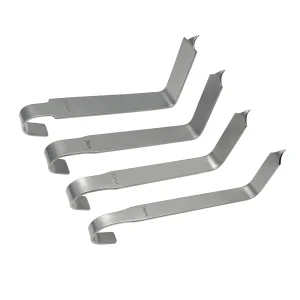
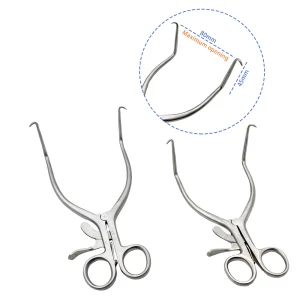
In human spinal fusion, graft retrieval and target site preparation require high precision. Instruments like laminectomy retractors and nerve root hooks protect soft tissue while providing access to the vertebral column. Bone grafting tools, including micro-curettes and bone compaction punches, help surgeons harvest and place autogenous bone grafts.
Our micro-spatula dissectors and delicate nerve hooks are engineered to allow tactile feedback during dissection around nerve roots, reducing the risk of tissue damage. The passivation of these instruments ensures they remain smooth and clean, minimizing friction against sensitive anatomical structures.
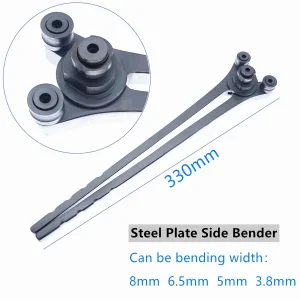
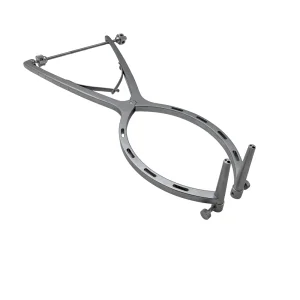
Veterinary orthopedic procedures, such as tibial plateau leveling osteotomies (TPLO) or corrective osteotomies (HTO) in larger companion animals, require heavy-duty instrumentation. Handheld devices like bone traction spreaders, thin bone osteotomes, and plate-bending pliers must handle mechanical stress when shaping stabilization plates.
Our veterinary-specific instruments, such as bone screwdrivers and plate benders, are engineered to match standard small-animal orthopedic implant dimensions (2.4/2.7 locking plate systems). They provide durable, reliable performance in busy clinical environments.
The orthopedic field is moving toward minimally invasive surgeries (MIS) and digital hospital integration. These shifts are changing how surgical instruments are designed and manufactured:
Detailed guidance regarding medical standards, manufacturing tolerances, export operations, and customization options.
We construct our instruments using surgical-grade metals like 316LVM (low-carbon vacuum-melted) Stainless Steel and Grade 5 Titanium (Ti-6Al-4V ELI). These alloys meet international standards (including ASTM F899 and ASTM F136) for biocompatibility, structural strength, and corrosion resistance during cleaning cycles.
We provide full customization, including manufacturing from physical samples, technical drawings, or functional descriptions. Options include custom length adjustments, tip variations, laser etching, handle material selection, and specialized layouts for sterilization cassettes.
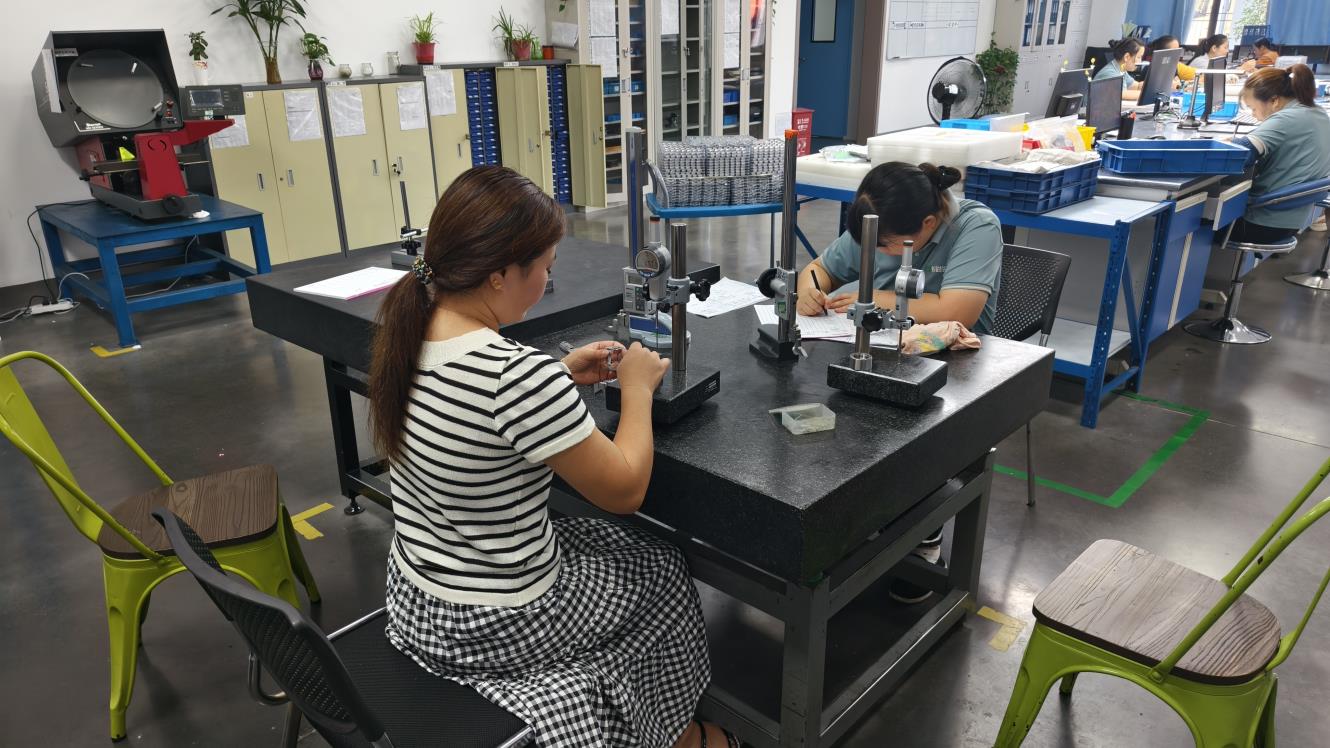
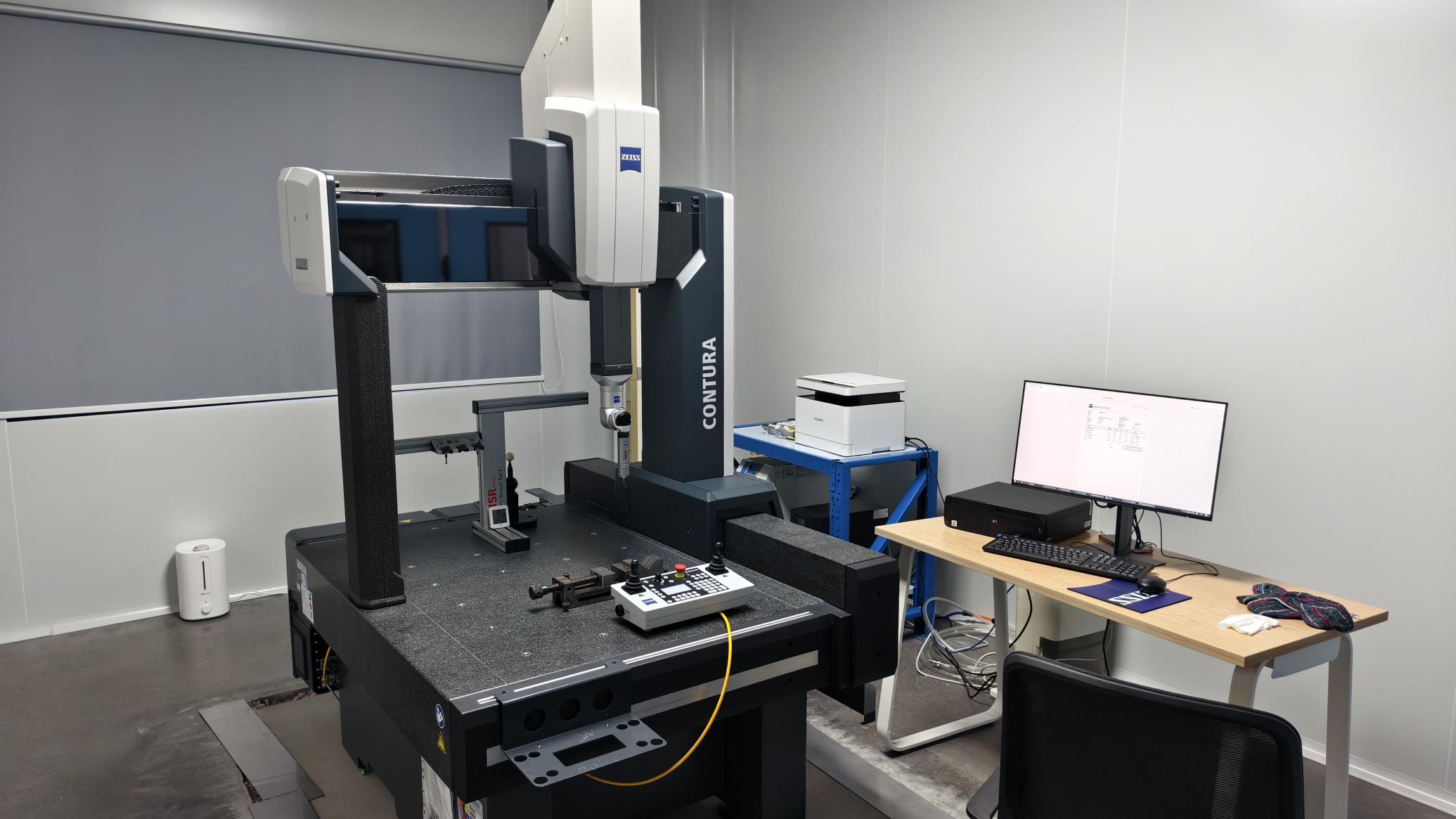
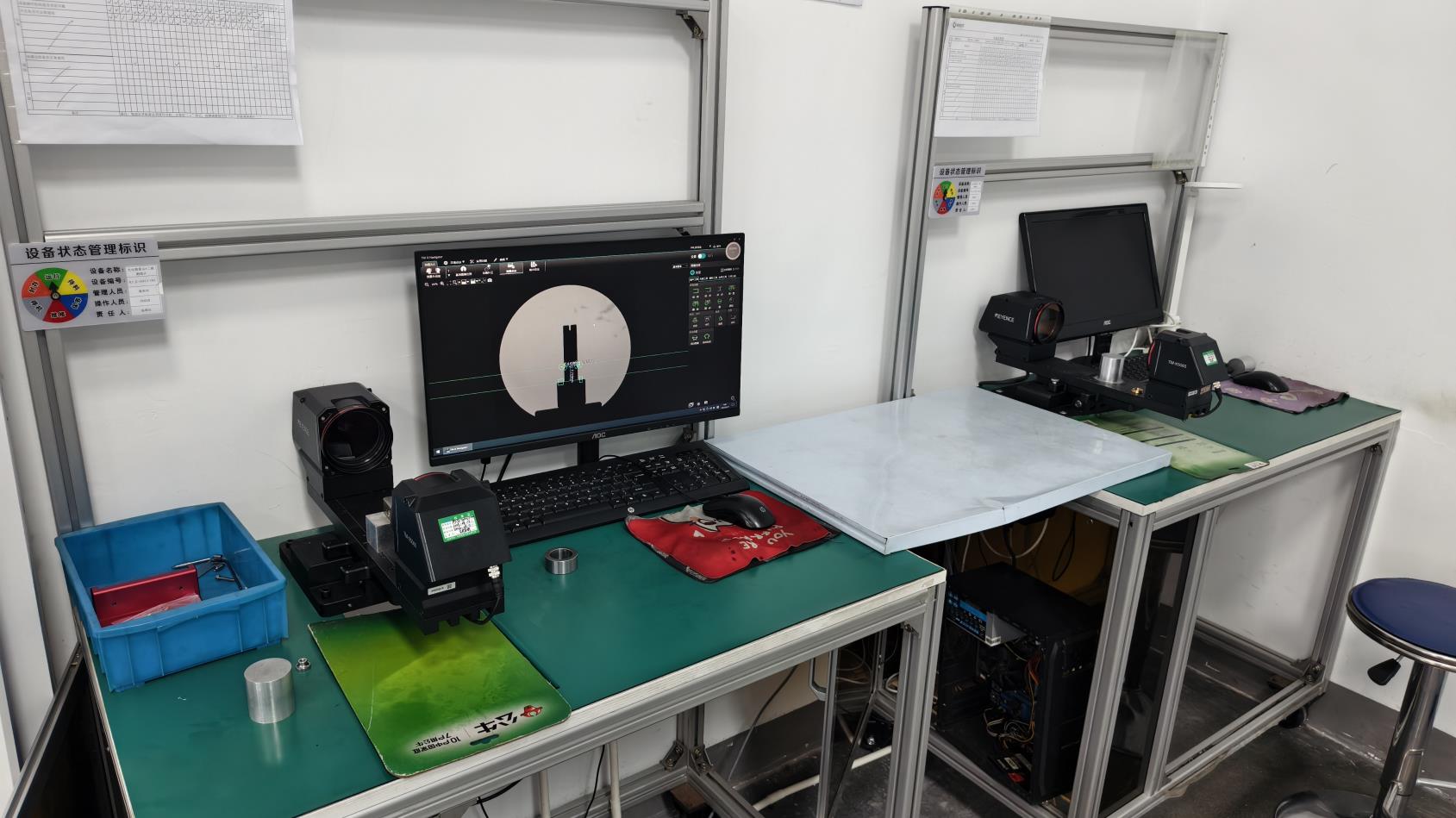
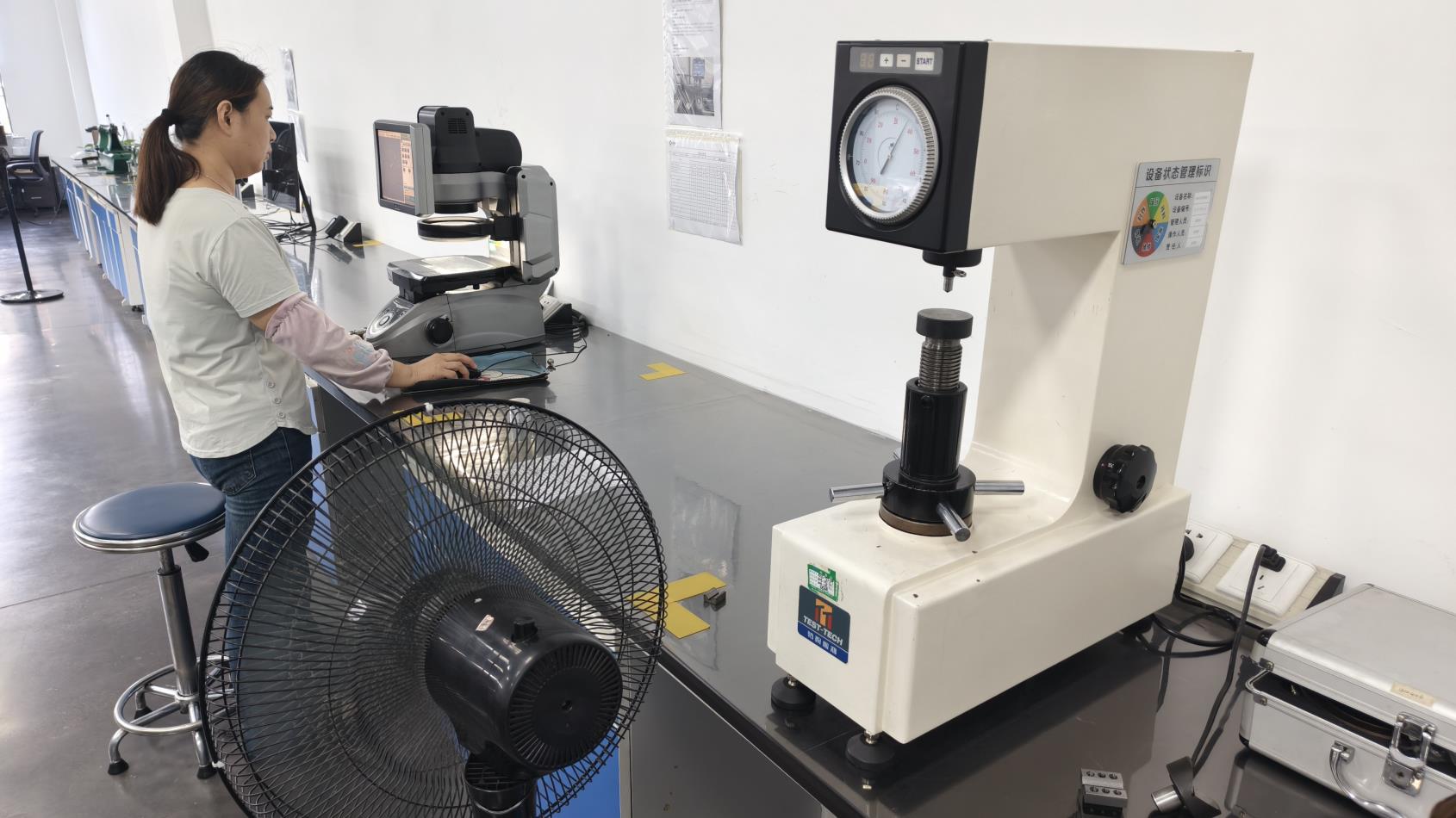
Our quality control program includes raw material testing, first-article inspection, in-process dimension checks via optical comparators, and a 100% manual check of active features. We employ 3 full-time QA/QC inspectors to ensure our products meet standard requirements before shipment.
We recommend a standard cleaning and sterilization cycle: pre-cleaning with neutral pH enzymatic detergents, ultrasonic processing, rinsing with demineralized water, and steam sterilization at 134°C (273°F) for at least 4 minutes under vacuum. Thorough drying is essential to prevent spotting.
Standard products are typically shipped within 15 to 30 days depending on stock. Custom OEM projects, which require development, tooling, and verification, usually take 45 to 60 days. We provide complete tracking updates throughout the manufacturing process.
Yes, our product line is suitable for both. The veterinary sets are scaled and configured specifically for domestic animals and equine procedures, while our standard surgical range is designed to meet the strict quality standards of human medicine.
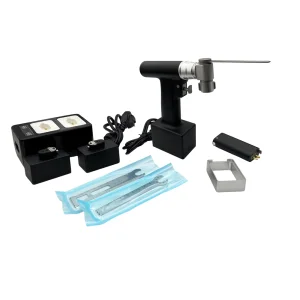
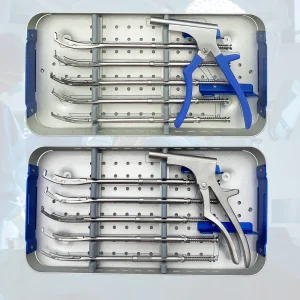
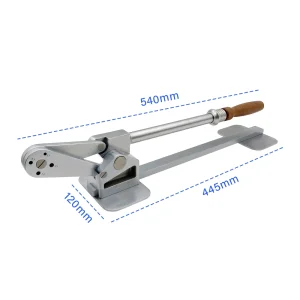
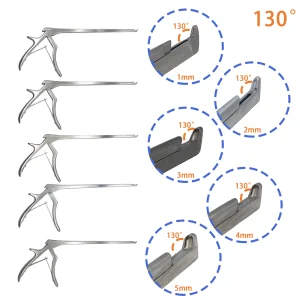
Specialized tooling configurations, high-torque cutting units, and clean-shearing rongeur assemblies. Crafted to meet specific surgical challenges.