SENJIE Healthy & Technology
SENJIE Healthy & Technology
SENJIE Healthy & Technology
Explore our premium clinical portfolio covering neurosurgery, orthopedics, and trauma surgery systems built in state-of-the-art Chinese medical fabrication facilities.
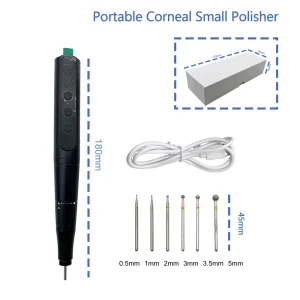
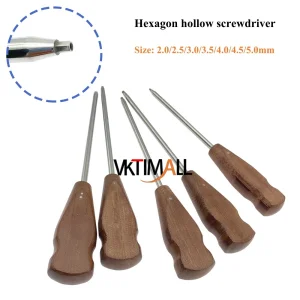
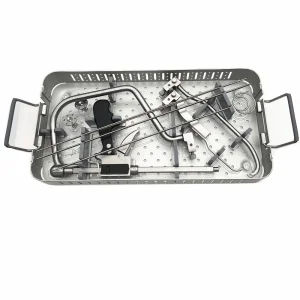
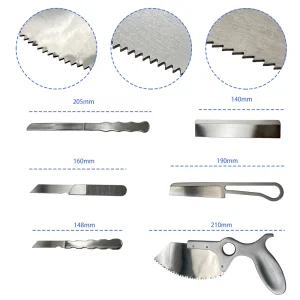
Evaluating clinical needs, safety engineering, and modern smart algorithms powering advanced minimally invasive irrigation and aspiration technologies.
In modern surgical theaters, the efficiency and precision of surgical fluid management systems are directly linked to clinical success and patient safety. Primarily deployed in arthroscopy, hysteroscopy, urology, and laparoscopy, these automated devices balance the flow rate and cavity distension pressure. By supplying continuous irrigation and aspiration, they sustain high intra-articular and intra-cavity visibility, manage intraoperative bleeding, and minimize the risk of fluid absorption syndrome (transurethral resection syndrome).
As healthcare environments globally seek premium, cost-efficient medical devices, China's medical device manufacturing sector has evolved from standard contract assembly into high-end OEM/ODM production. Equipped with ISO 13485-certified facilities, advanced cleanrooms, and integrated supply chains, leading Chinese factories manufacture surgical fluid management equipment that meets global standards.
The core technology driving next-generation surgical fluid management systems centers on real-time feedback loops and safety alarms. Conventional systems relied on gravitational flow by hanging fluid bags at set heights. While cost-effective, gravity-based irrigation lacks real-time pressure regulation and cannot react to rapid shifts in cavity pressure caused by instrumentation movement or patient positioning.
Modern Chinese medical equipment manufacturing emphasizes active, double-pump systems utilizing automated peristaltic controls. Key engineering highlights driving today's R&D pipelines include:
A true surgical fluid management system extends beyond the pump console; it is a clinical ecosystem that must integrate with endoscopes, cameras, power tools, and high-frequency generators. In response, Chinese manufacturers provide comprehensive solutions encompassing capital equipment, customized tubing sets, and accessories.
This integration is vital in arthroscopy, where joint distension must align with joint shaving and ablation. Modern setups sync the shaver console with the fluid pump: when the surgeon activates the shaver blade, the pump automatically boosts the irrigation flow rate to flush debris and preserve a clear visual field. Sourcing compatible components from a single supplier ensures seamless inter-device communication, simplifies procurement logistics, and streamlines regulatory documentation.
Sourcing surgical medical equipment from China offers key advantages in manufacturing efficiency and supply chain reliability. China's industrial zones house complete micro-supply networks, providing raw materials, medical-grade extrusion tubing, precision sensors, electronic assemblies, and sterile packaging within a single region.
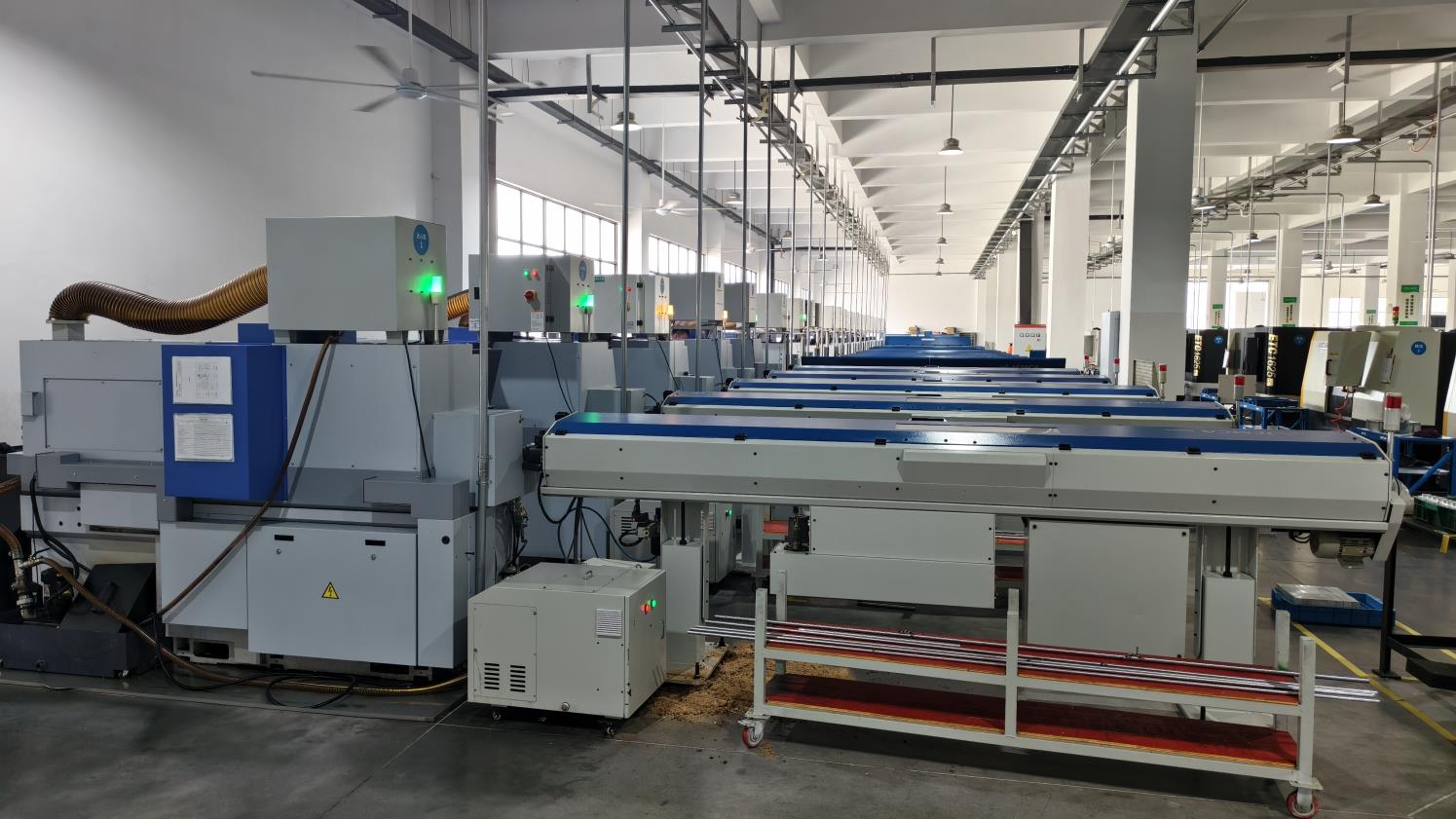
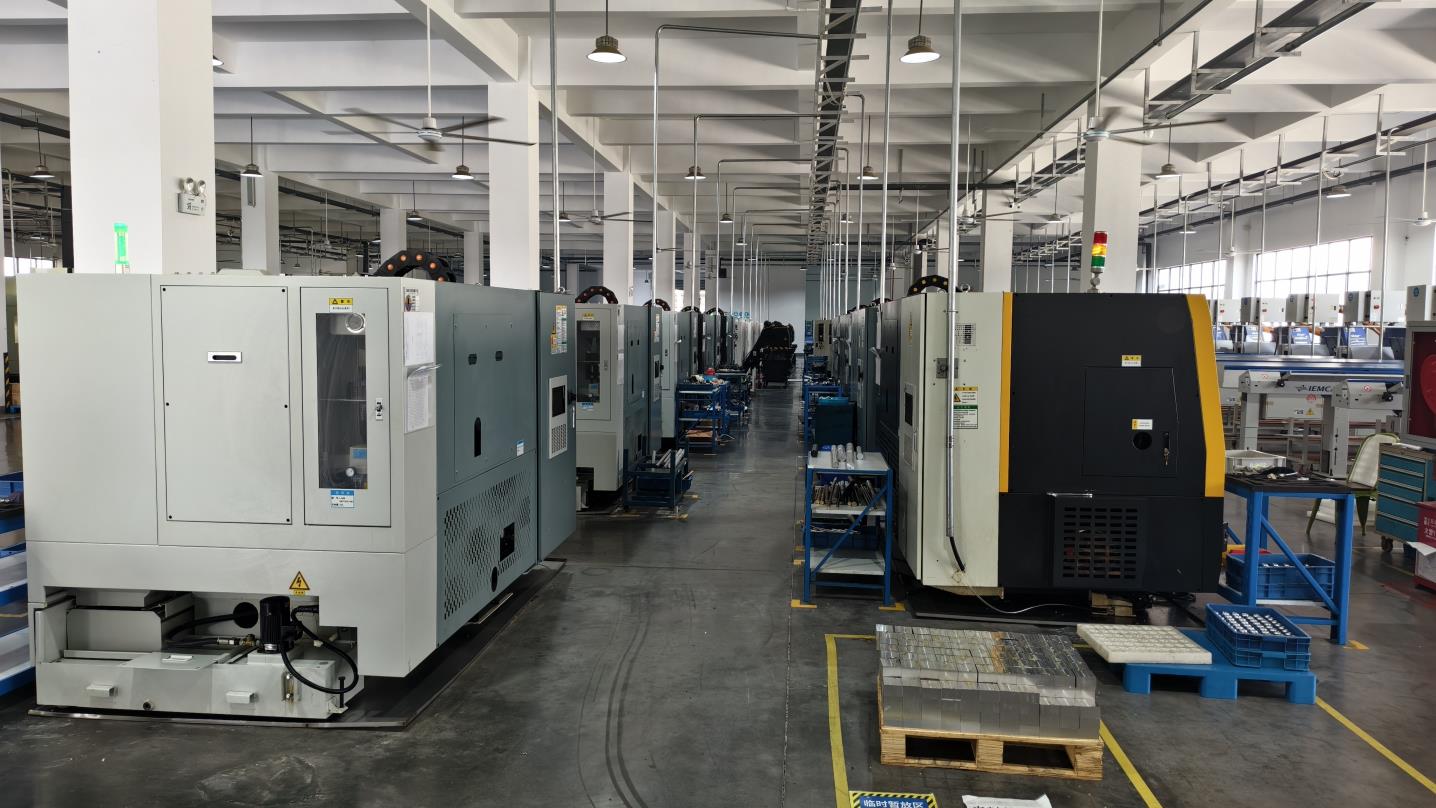
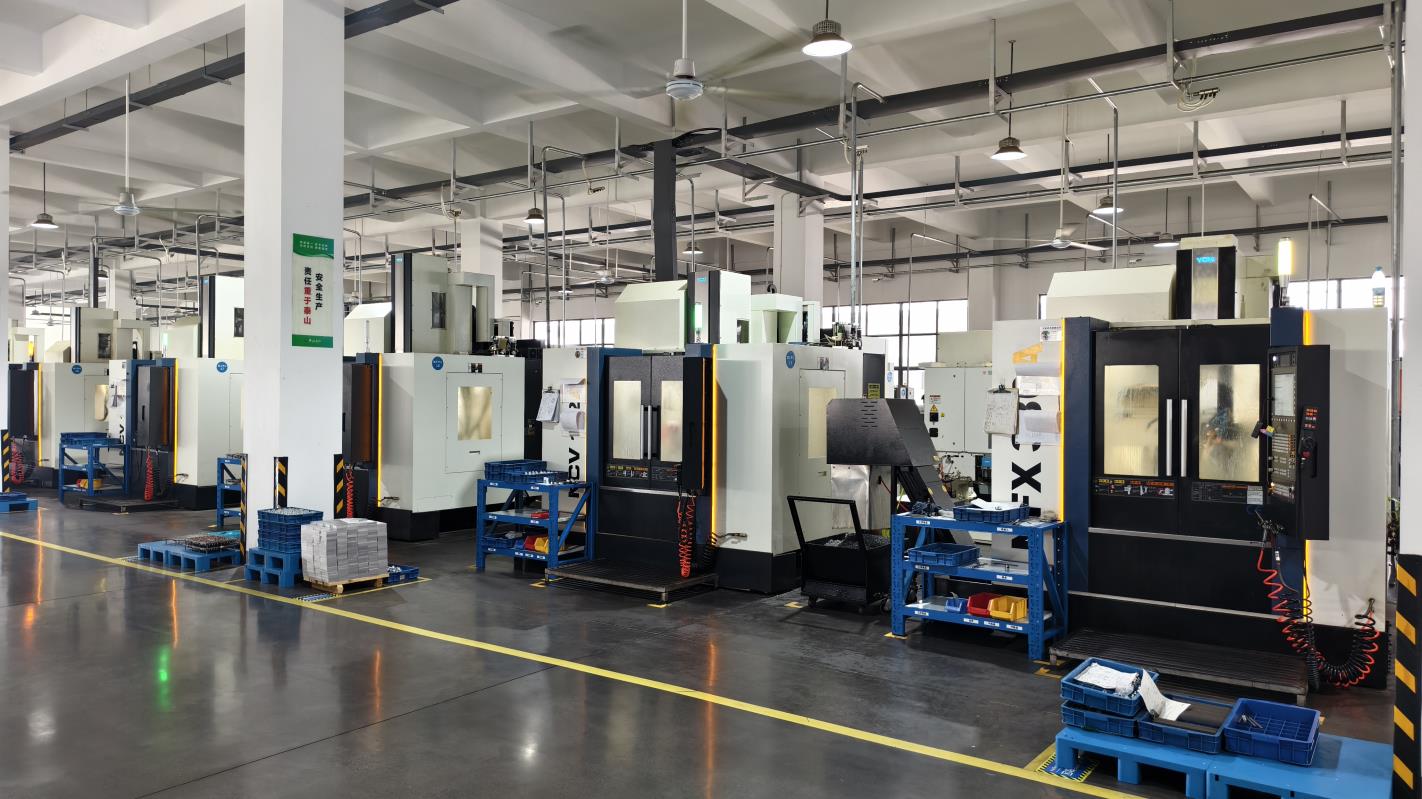
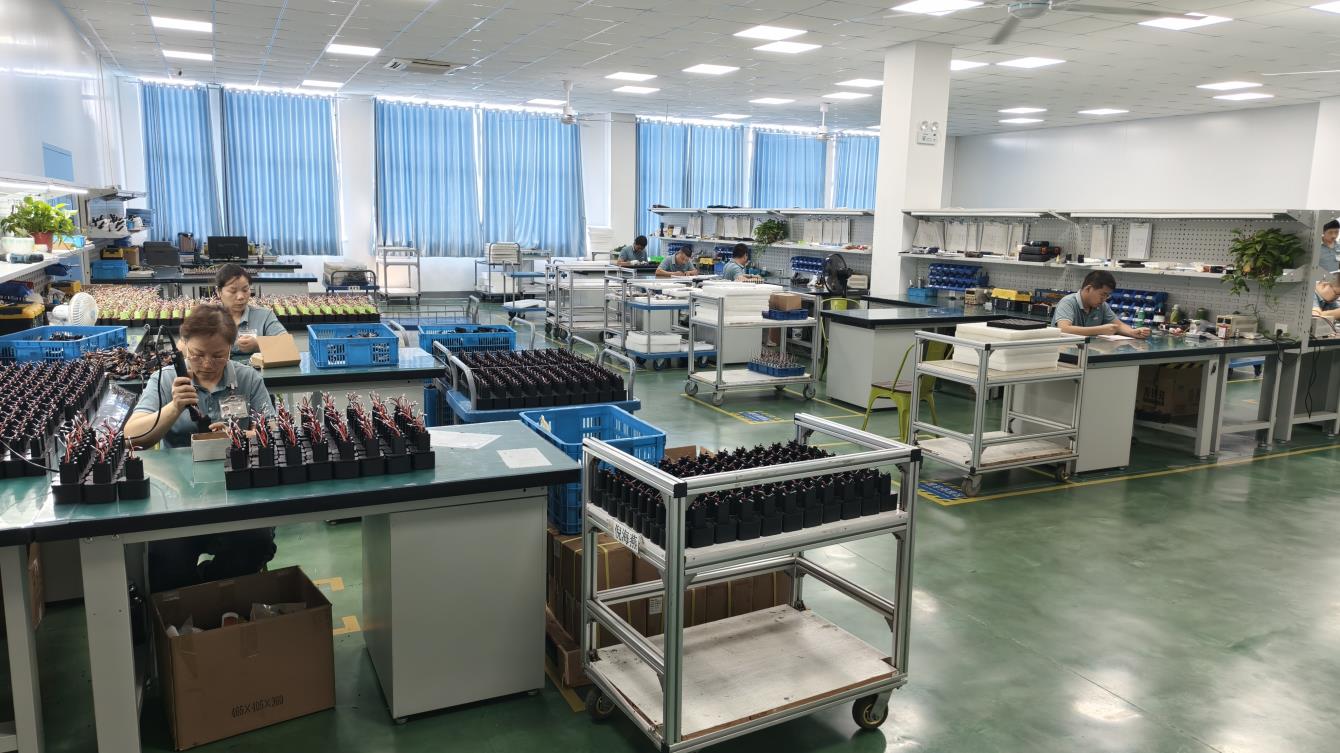
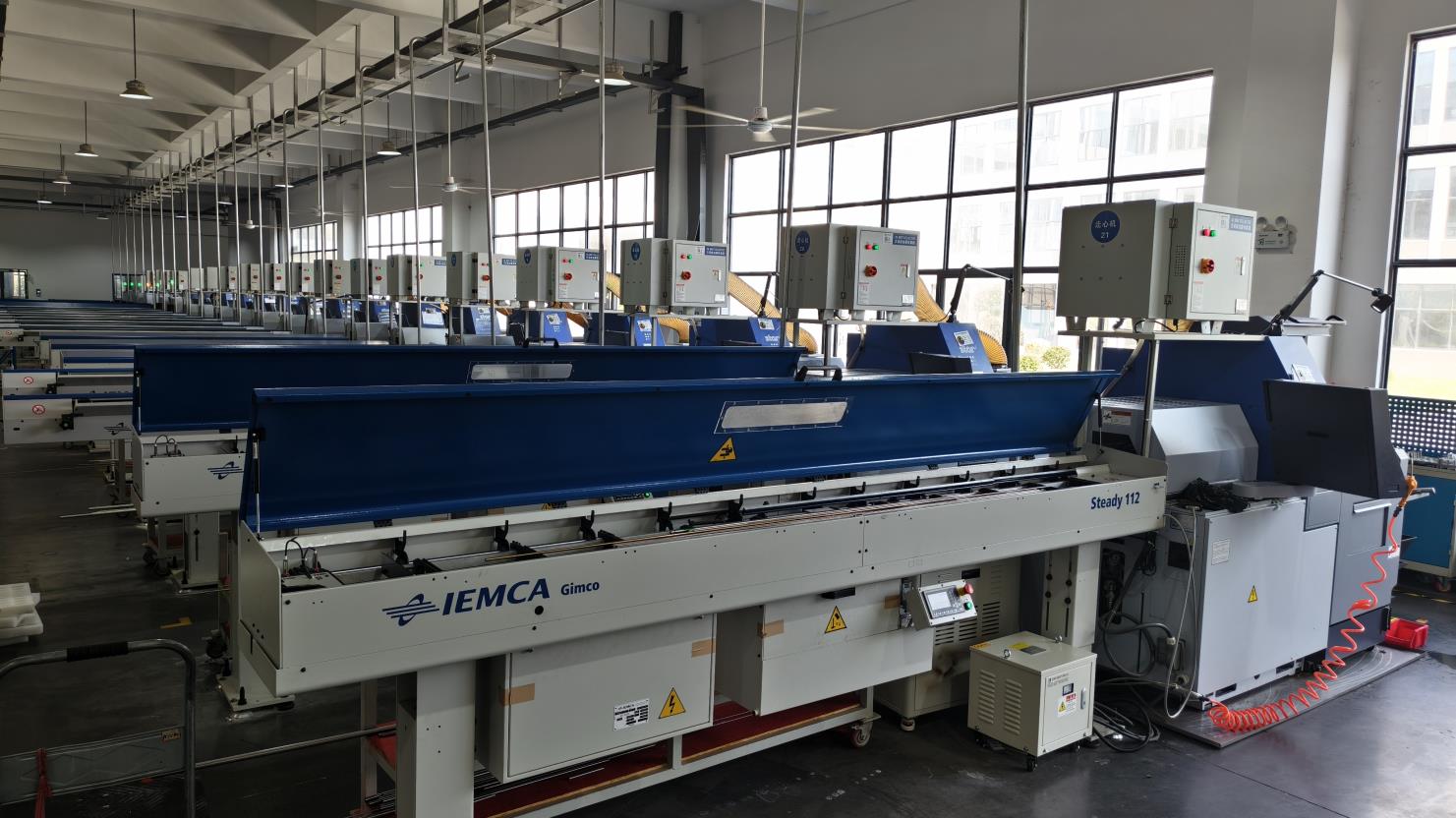
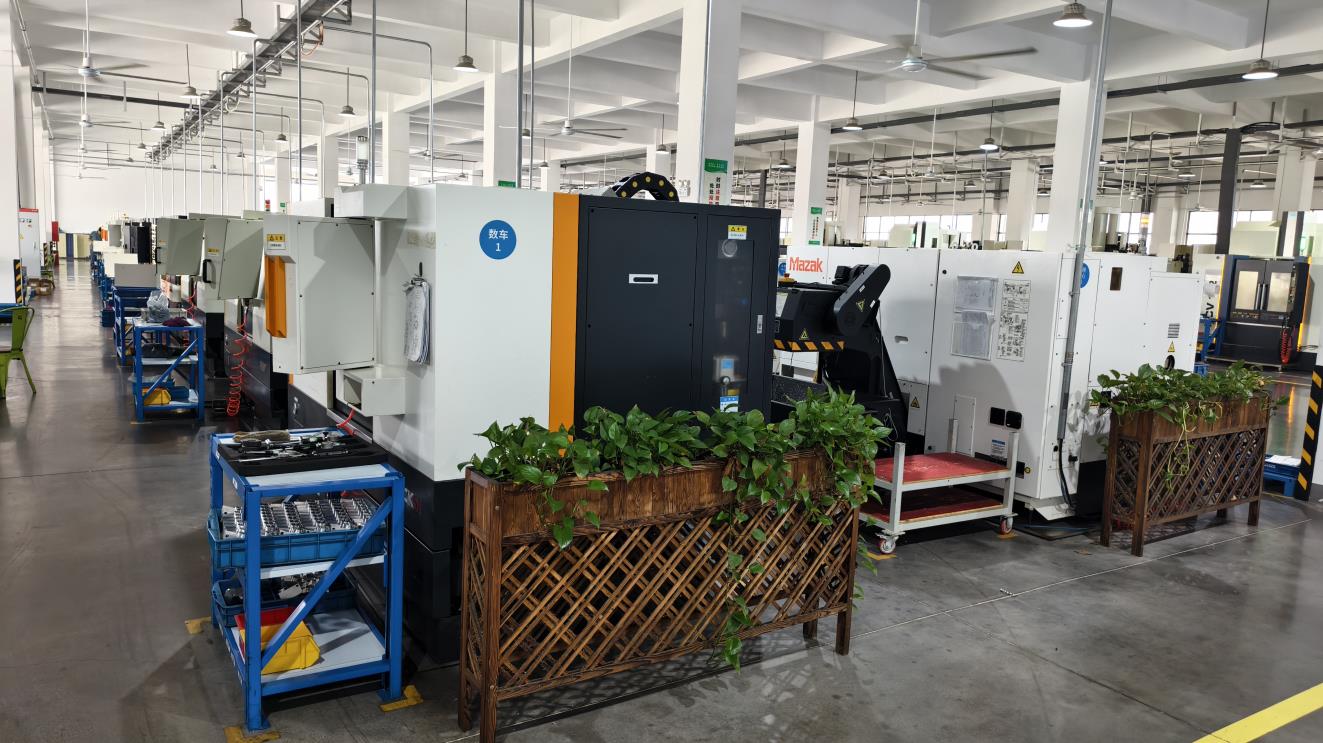
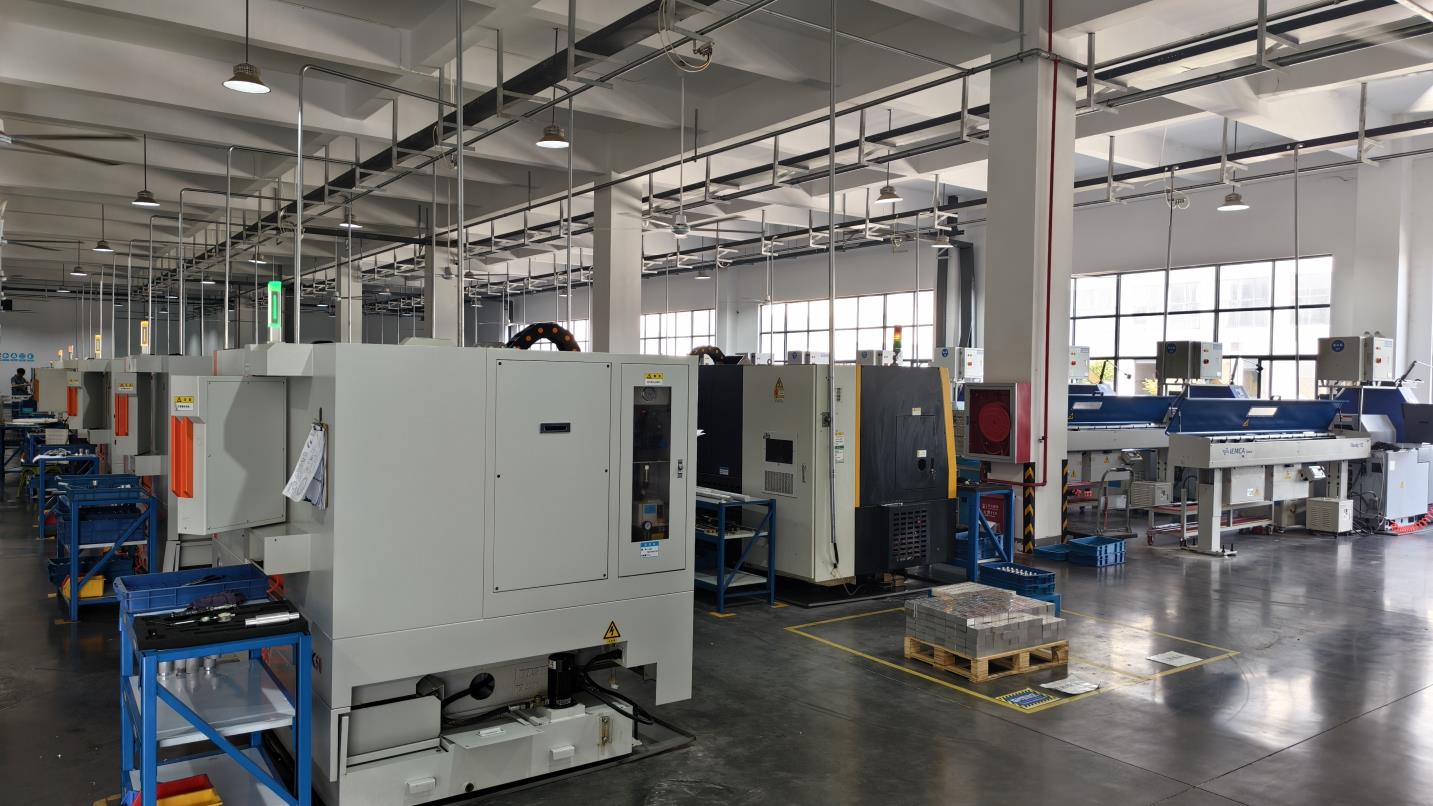
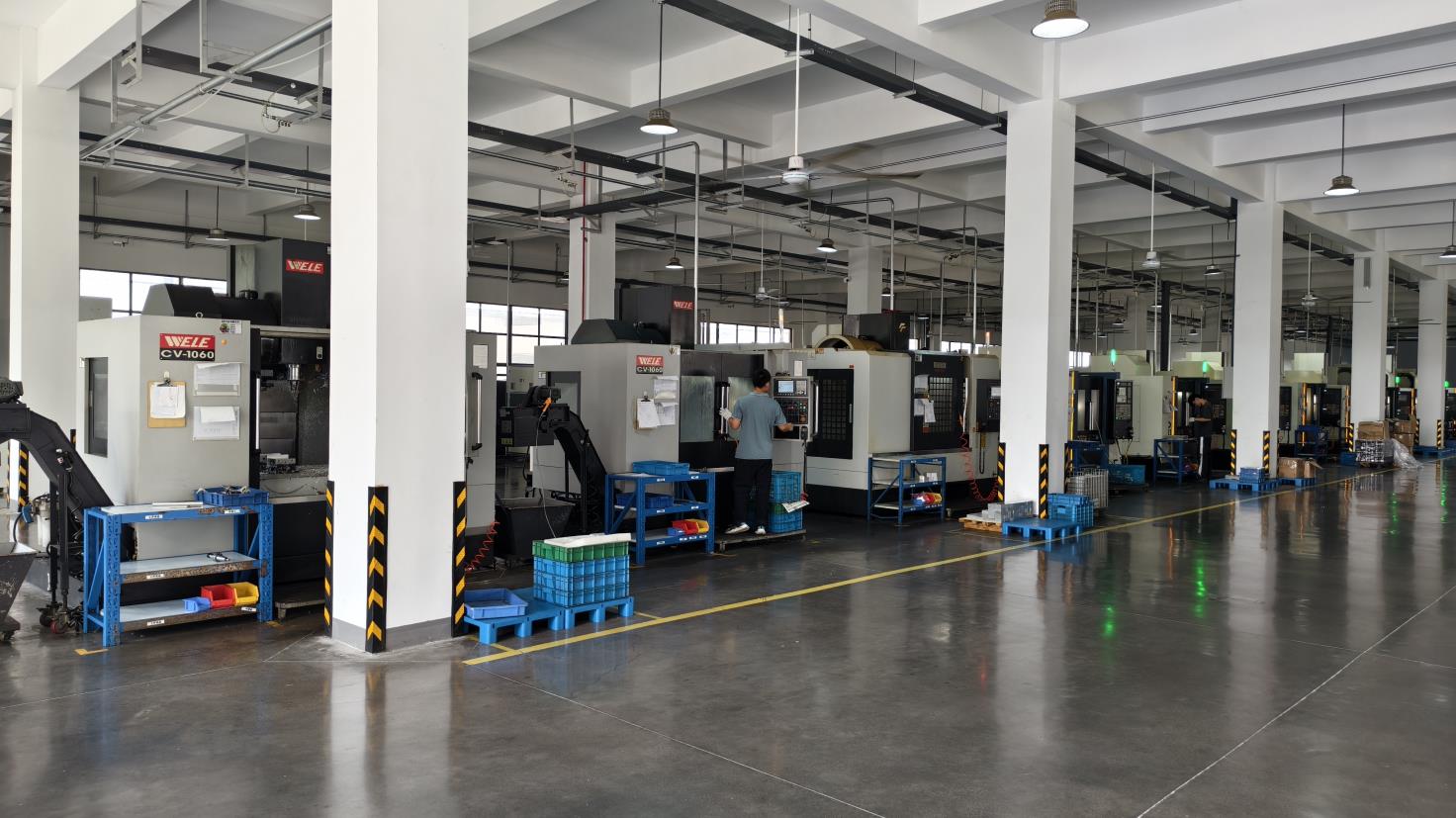
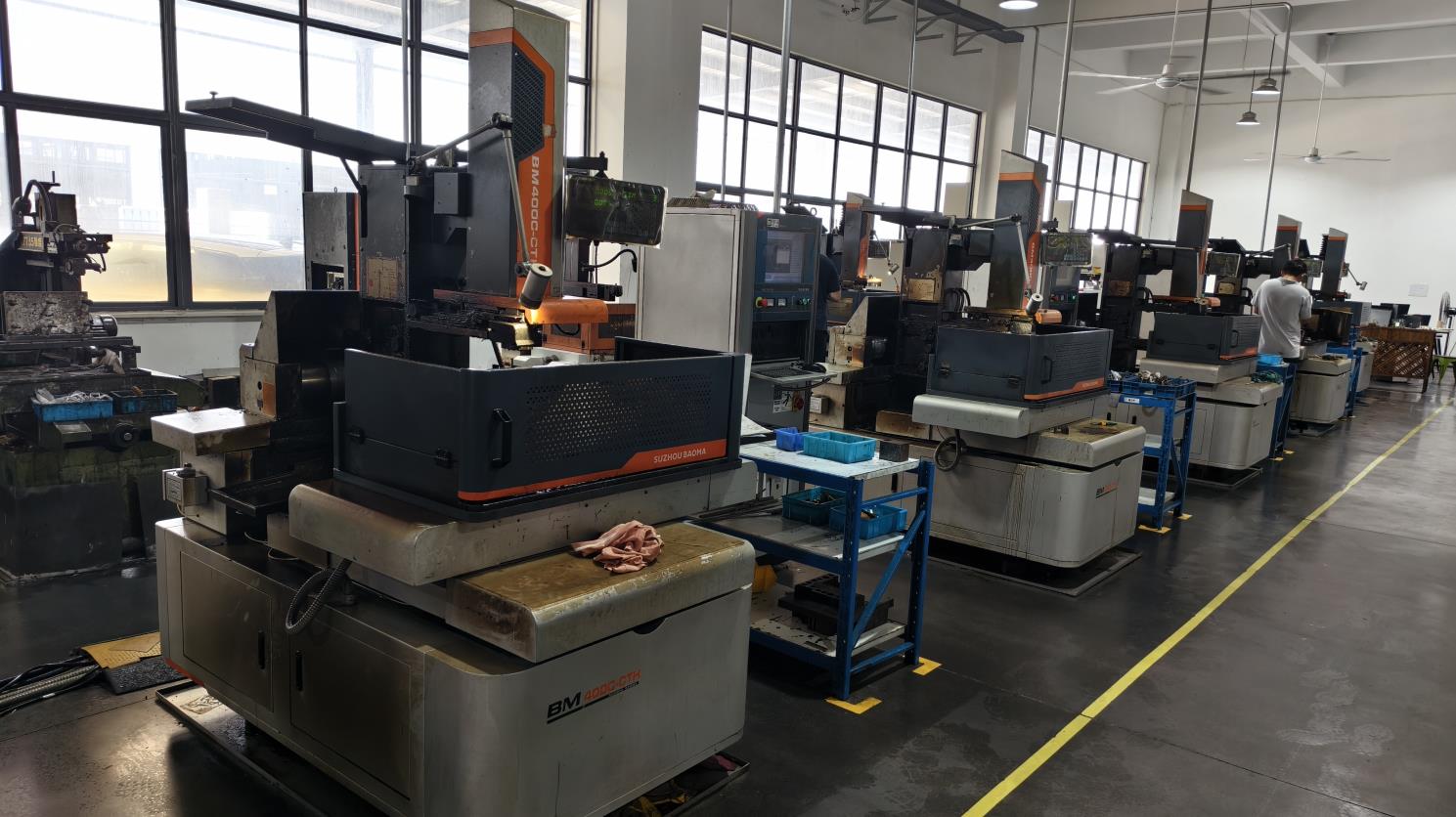
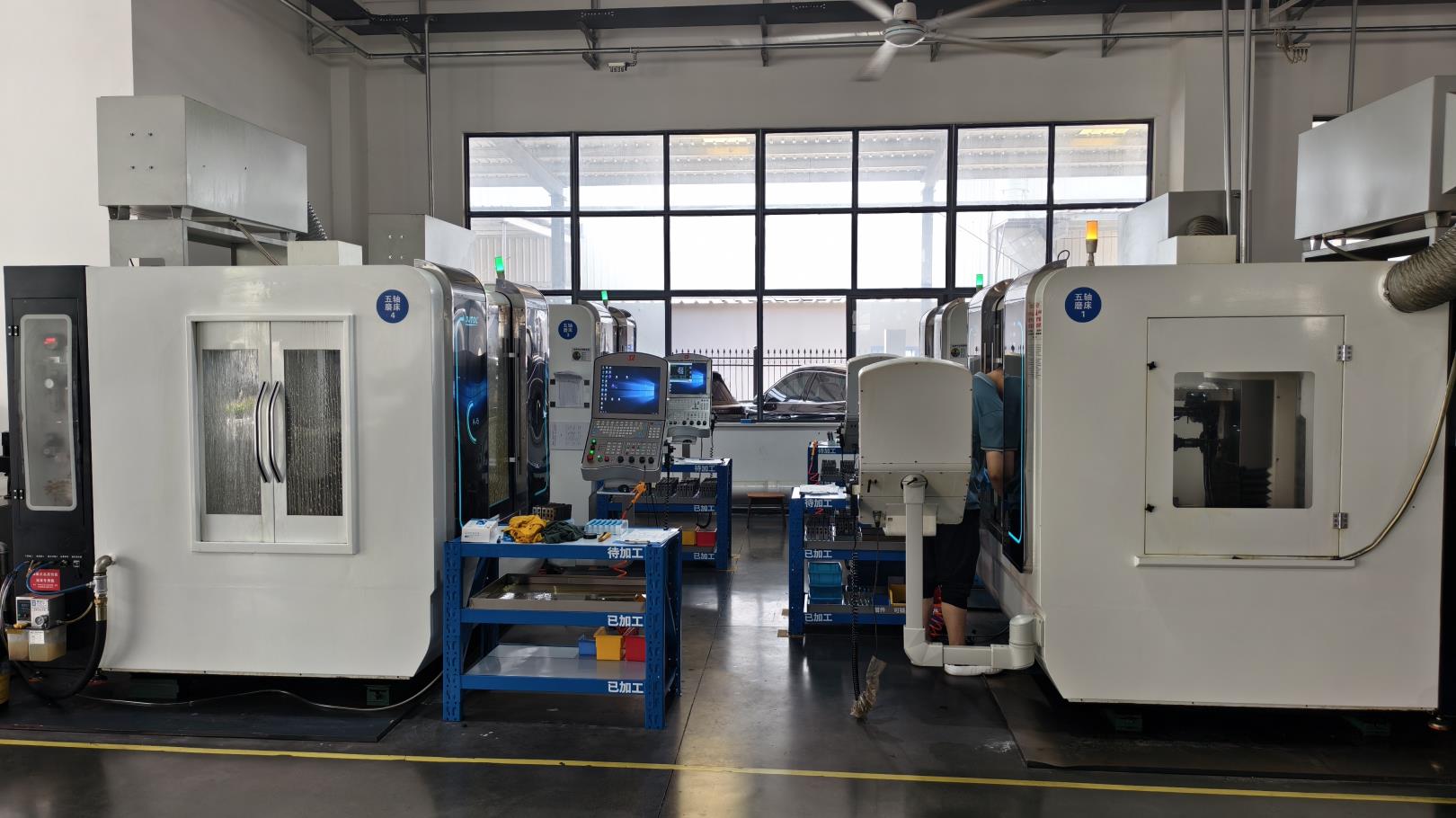
Leading factories have implemented "Industry 4.0" initiatives to automate key production phases. CNC precision machining centers produce motor shafts and pump housings, while automated laser cutting systems fabricate precise cutting blades and microsurgical instruments. Robotic assembly in Class 100,000 (ISO Class 7) and Class 10,000 (ISO Class 6) cleanrooms limits human contact, ensuring low bioburden levels before sterilization. This level of automation keeps manufacturing yields high, reduces errors, and minimizes lead times—even during global supply chain disruptions.
For B2B buyers, distributors, and OEM partners, product quality and patient safety are paramount. Trustworthy manufacturing begins with strict raw material control. Medical-grade plastics (such as USP Class VI polymers) must be selected for fluid-path tubing to prevent phthalate leaching. High-grade stainless steel (SUS304/SUS316L) and medical titanium are required for power tools and microsurgical instruments to resist corrosion and survive autoclave cycles.
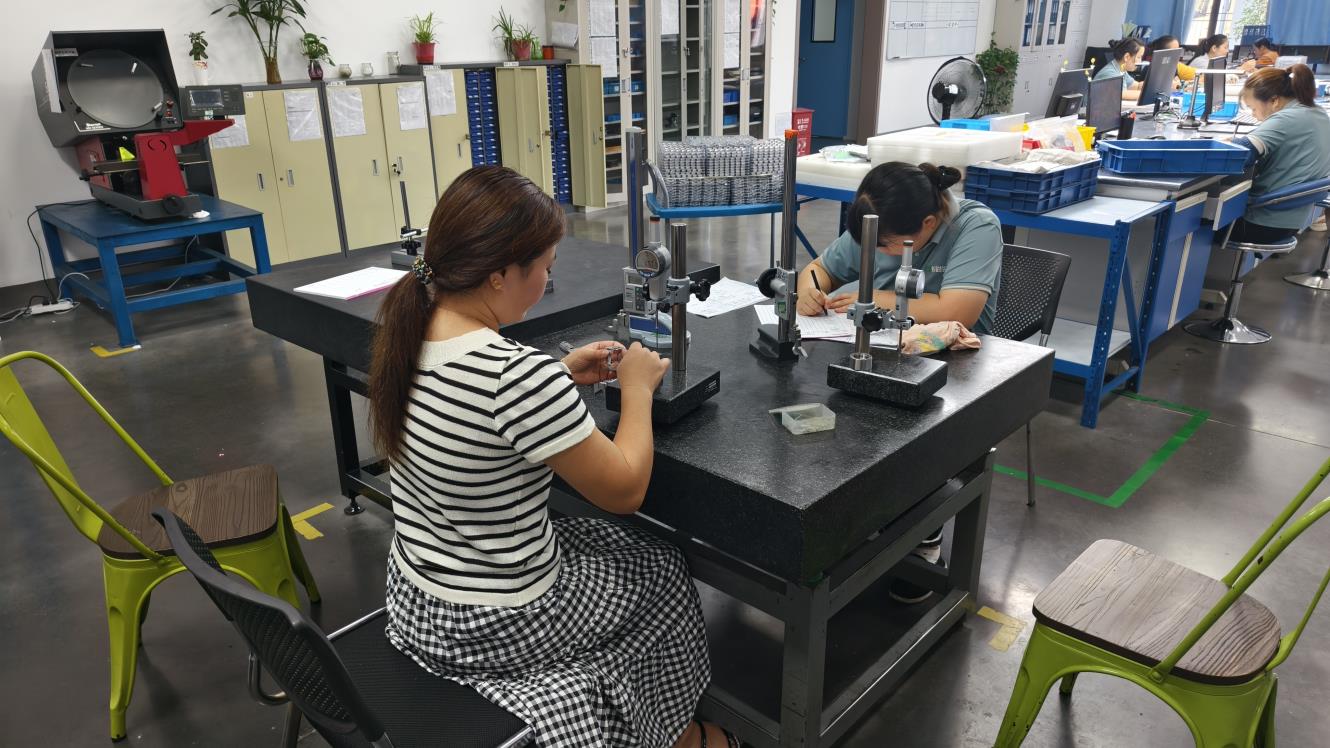
Leading Chinese exporters offer comprehensive batch traceability, linking every finished product to its initial raw material heat number. Random QA/QC testing is standard, and factories support bespoke testing protocols dictated by client requirements. Backed by dedicated QA/QC teams, these factories conduct dynamic flow testing, electrical safety verification, and pressure calibration on all units before shipment.
Verify our verified operational footprint, export metrics, quality control protocols, and custom OEM processing channels.
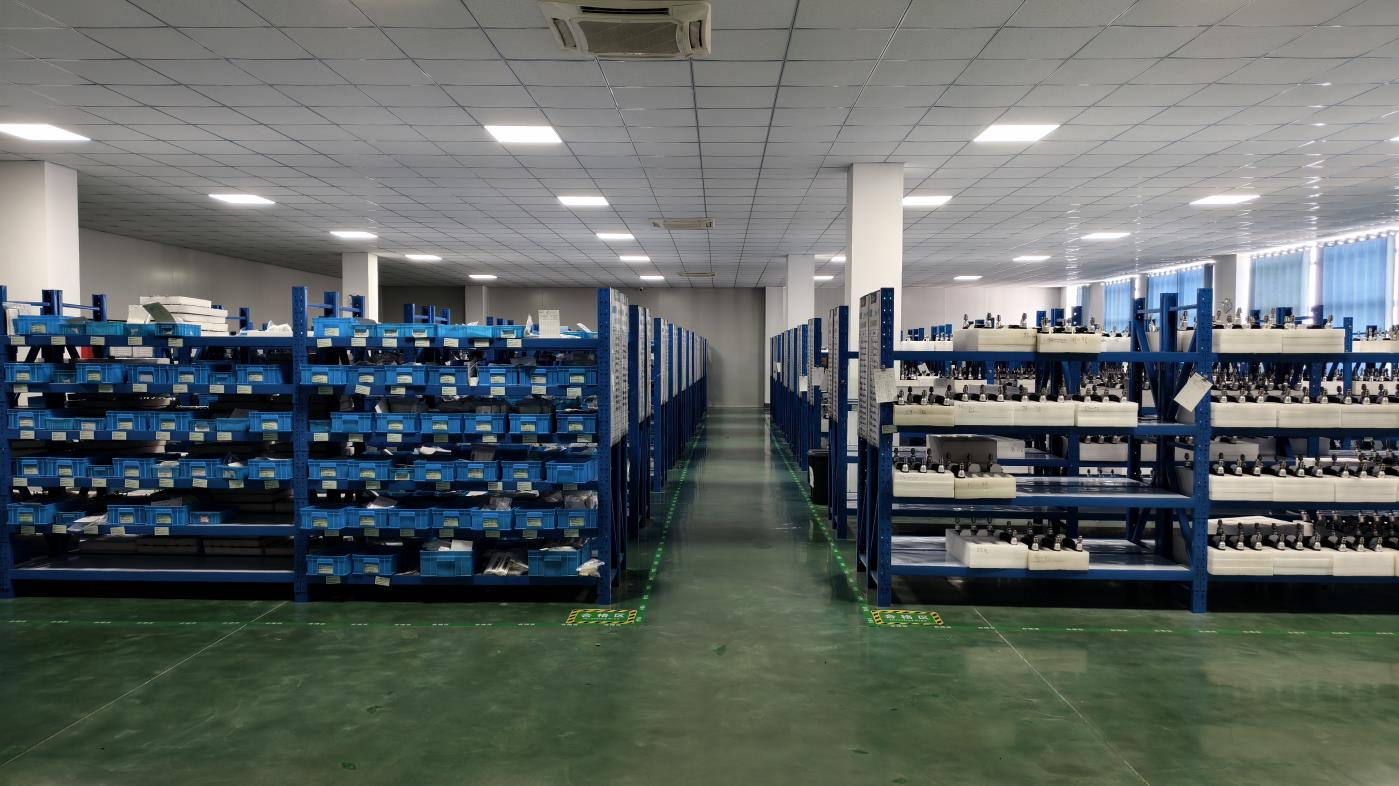
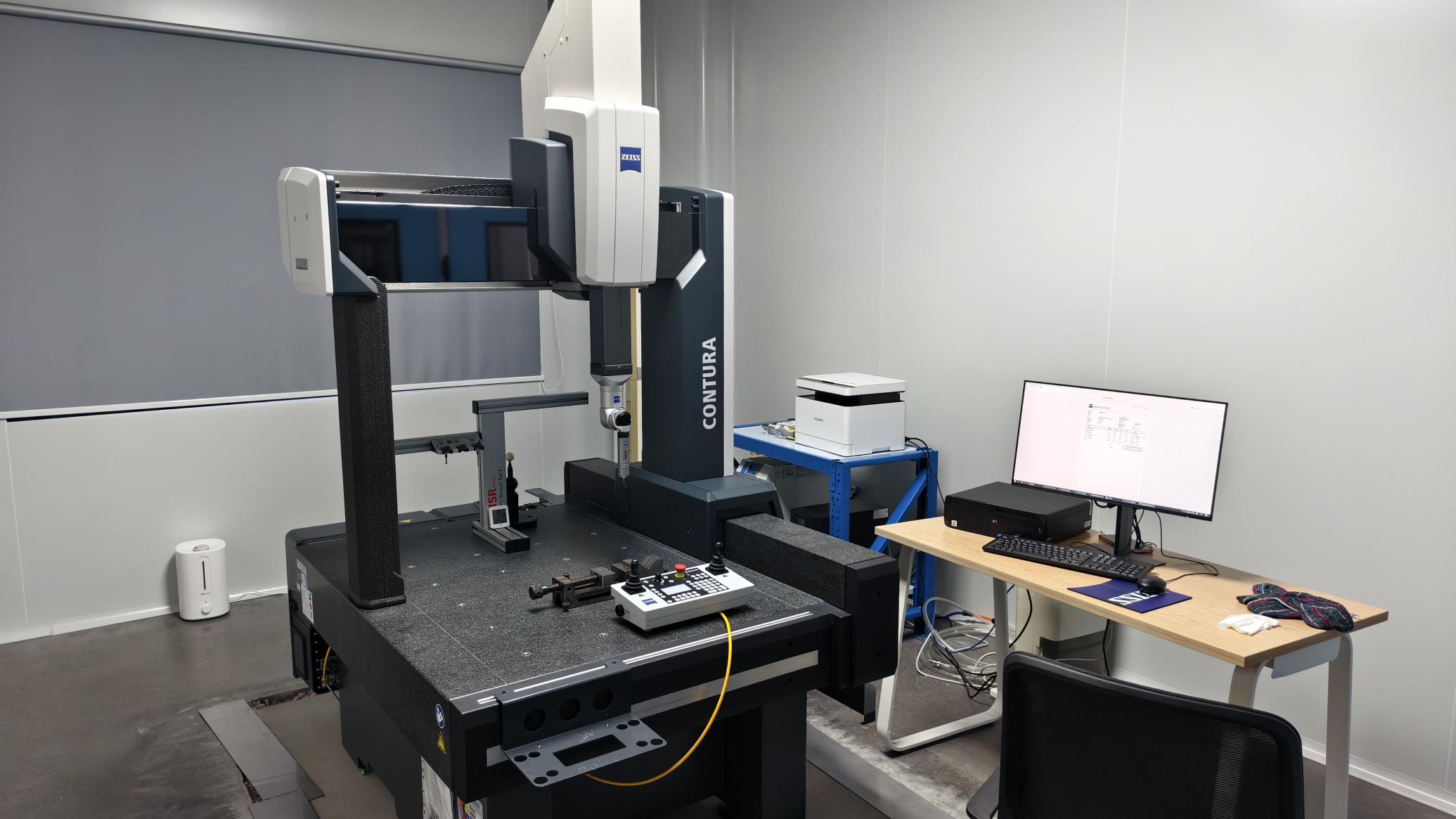
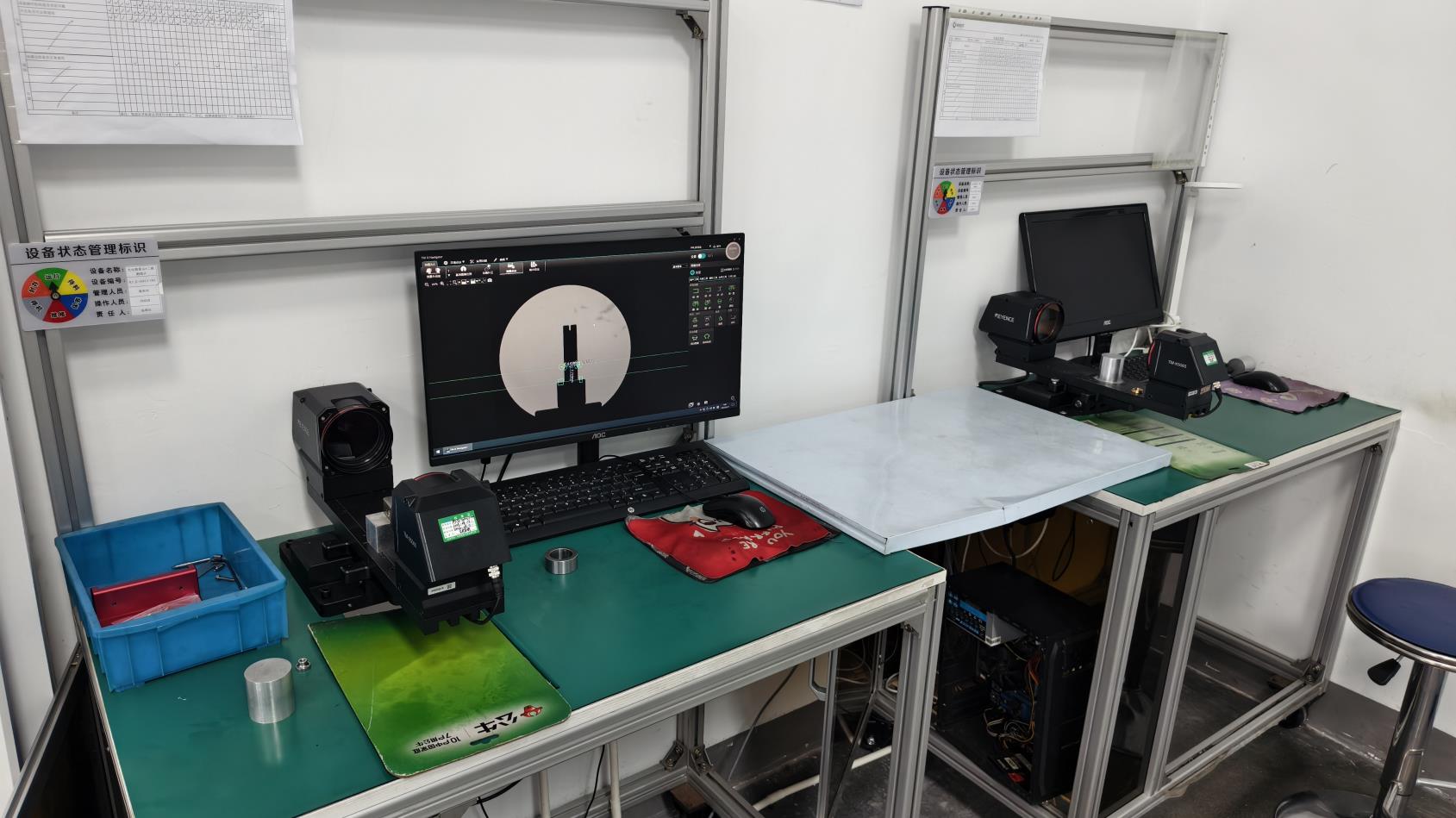
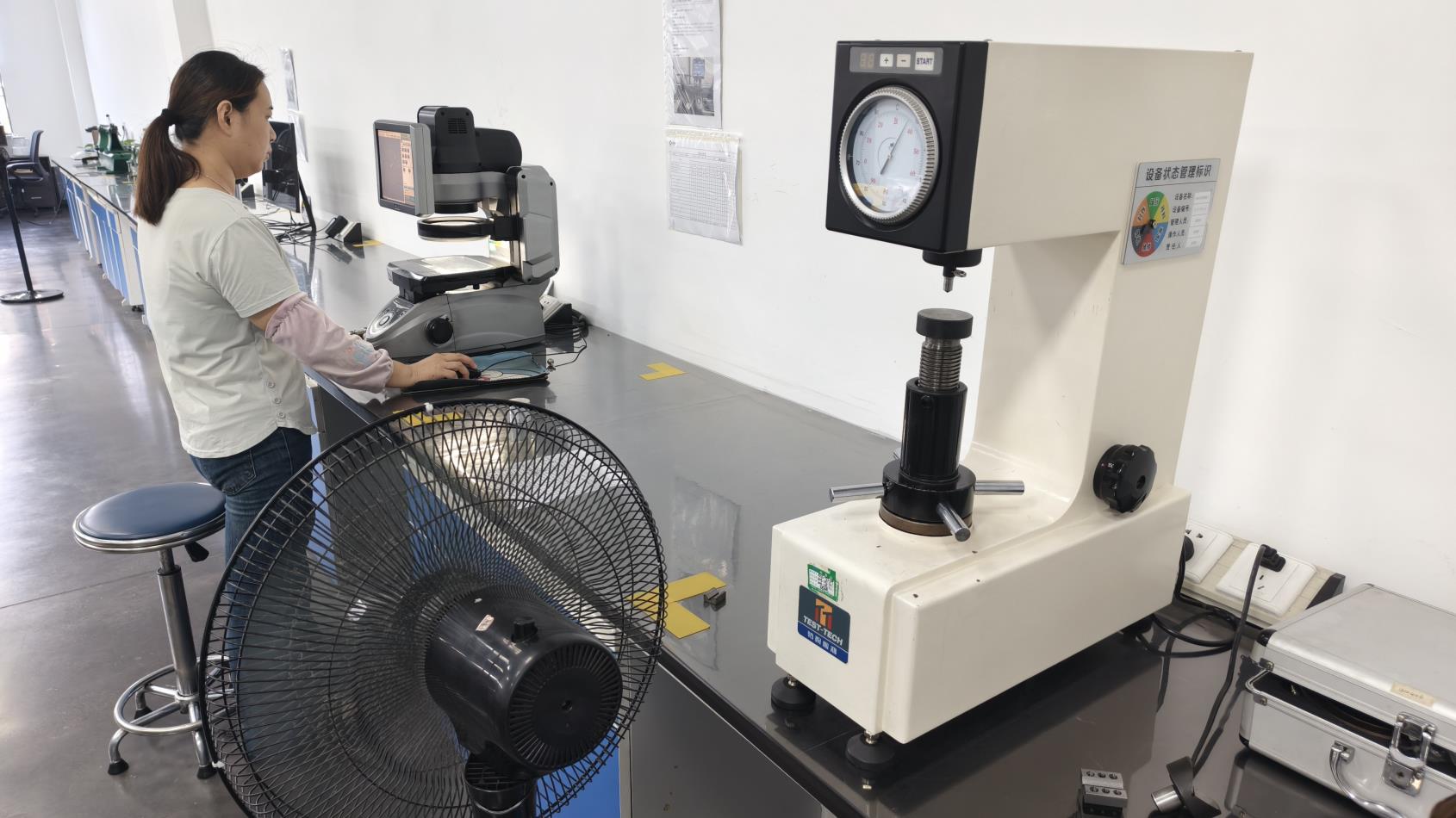
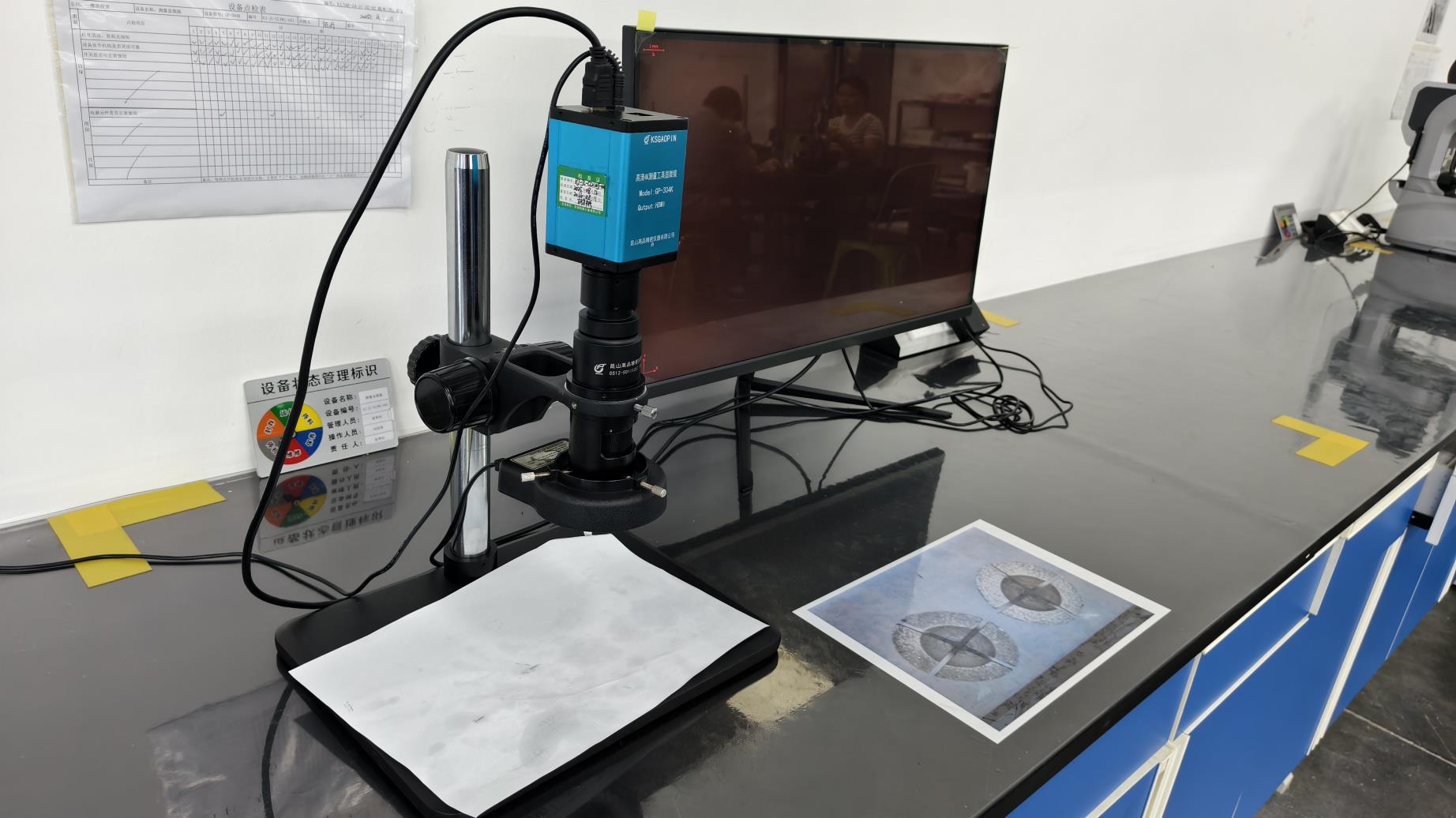
A transparent look inside our manufacturing processes, showcasing CNC machining, assembly operations, and finished instruments ready for shipment.

Ensuring clear regulatory pathways and clinical compatibility across key international markets.
Navigating regulatory hurdles is one of the biggest challenges when importing medical devices. Top Chinese medical device manufacturers invest heavily in maintaining global regulatory readiness. Their facilities are audited to ISO 13485 standards, laying the groundwork for registration with major regulatory bodies.
Key compliance and support systems include:
Modern surgical fluid pump platforms are designed to comply with CE Medical Device Regulation (MDR 2017/745) and US FDA Class II guidelines. Manufacturers provide comprehensive technical documentation, including biocompatibility reports (ISO 10993), electromagnetic compatibility certificates (IEC 60601-1-2), and sterilization validation studies. This structured data simplifies the regulatory submission process for OEM distributors in their target markets.
Beyond design and manufacturing, post-market compliance demands continuous monitoring. Factories maintain specialized tracking systems to record device failure rates, identify software bugs, and log customer feedback. They offer diagnostic tools, spare parts kits, and training videos to help distributors establish local technical service centers, ensuring long-term product reliability.
Critical procurement and engineering answers for B2B buyers, biomedical engineers, and global distributors.
Explore our catalog of orthopedics, neurosurgery, and sports medicine instruments engineered to complement advanced fluid management systems.