SENJIE Healthy & Technology
SENJIE Healthy & Technology
SENJIE Healthy & Technology
Advanced Surgical Tools Engineered for Maximum Precision and Clinical Safety
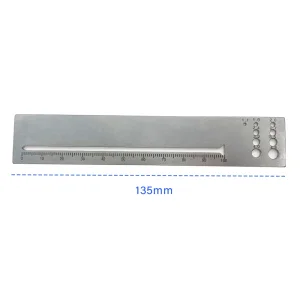
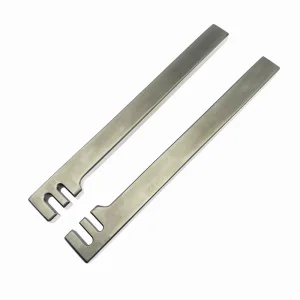
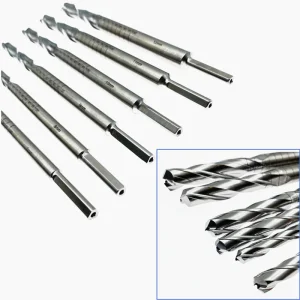
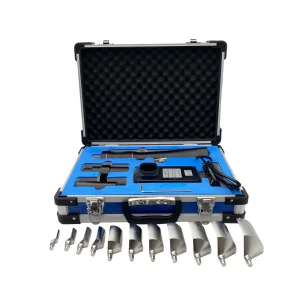
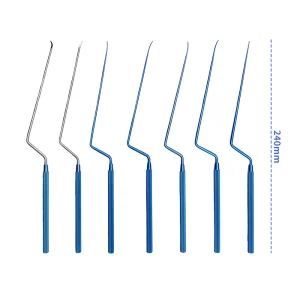
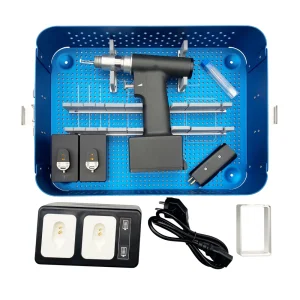
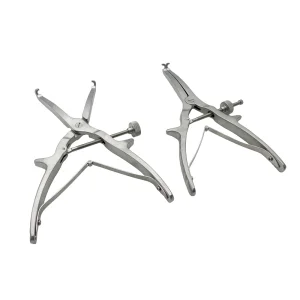
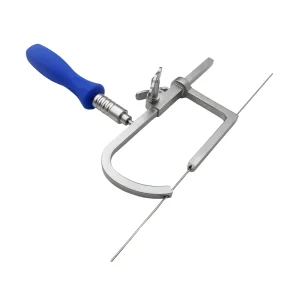
An Expert Overview of Medical Metallurgy, Design Ergonomics, and Manufacturing Evolution
The global orthopaedic surgical instrument sector is undergoing rapid transformation, guided by strict regulatory guidelines and advancements in patient-focused surgery. Among these tools, the bone chisel and its sister instrument, the osteotome, remain essential. They are critical for cutting, shaping, and harvesting bone in procedures ranging from trauma surgeries to reconstructive joint replacements.
Modern clinical practices require bone-cutting tools to deliver absolute clean-cut precision without generating excessive thermal friction or microscopic bone fragments. Historically, basic carbon steel alloys were the standard. However, the industry has transitioned to high-performance, medical-grade martensitic stainless steels, such as 420B, 420C, and 440C, alongside advanced Titanium Alloys (Ti-6Al-4V ELI). These materials provide high corrosion resistance, exceptional edge retention, and the ability to withstand hundreds of high-temperature autoclaving sterilization cycles without deteriorating.
Today, advanced manufacturers apply specialized surface treatments, including Physical Vapor Deposition (PVD) coatings like Titanium Nitride (TiN) or Diamond-Like Carbon (DLC). These processes improve surface hardness, lower friction coefficients, and provide a dark, anti-glare finish that reduces visual fatigue for surgical teams under intense operating room lighting.
"Edge sharpness retention is the primary differentiator between budget surgical steel and premium clinical-grade orthopedic instruments. The application of precise vacuum heat treatments ensures hardness ratings of 50-55 HRC, balancing structural durability with flexibility."
The design of orthopedic bone chisels has evolved beyond simple solid metal bars. To reduce the risk of structural stress, fatigue fractures, or micro-cracks during high-force procedures, manufacturers are designing ergonomic shock-absorbing handles. Using high-durability polymers like Phenolic Resins (Phenolic Canvas) or medical-grade silicone overlays helps absorb impact energy when mallet strikes are applied to the instrument's head.
In addition, advanced blade designs feature dual-beveled cutting edges with laser-etched depth marking gradients. These lines allow surgeons to measure and verify bone penetration depth in real time, reducing the risk of accidental soft tissue penetration during critical procedures.
Rockwell Hardness (HRC)
Material Traceability
Swiss CNC Tolerance
Global Export Reach
Understanding Key Requirements for Hospital Tenders, B2B Wholesalers, and Brand Distributorships
Procuring surgical-grade bone chisels and associated power tools involves navigating regulatory compliance, mechanical performance, and supply chain transparency. Hospital procurement teams and medical device distributors prioritize the following performance vectors:
Compliance with FDA, CE MDR (Medical Device Regulation), and ISO 13485 is non-negotiable. Quality documentation, including material analysis reports and sterilization validation certificates, is required for global market access.
Procurement entities require flexible manufacturing capabilities, including laser branding, custom blade widths (from 2mm micro-chisels to 30mm osteotomes), and specialized handle modifications tailored for regional surgical preferences.
Instruments must withstand repeat autoclaving without rust or pitting. Passivation treatments (ASTM A967 compliant) are critical to forming a protective chromium oxide layer that protects the base metal.
Leveraging Advanced Digital Smart Manufacturing for Global Precision Instrument Supply
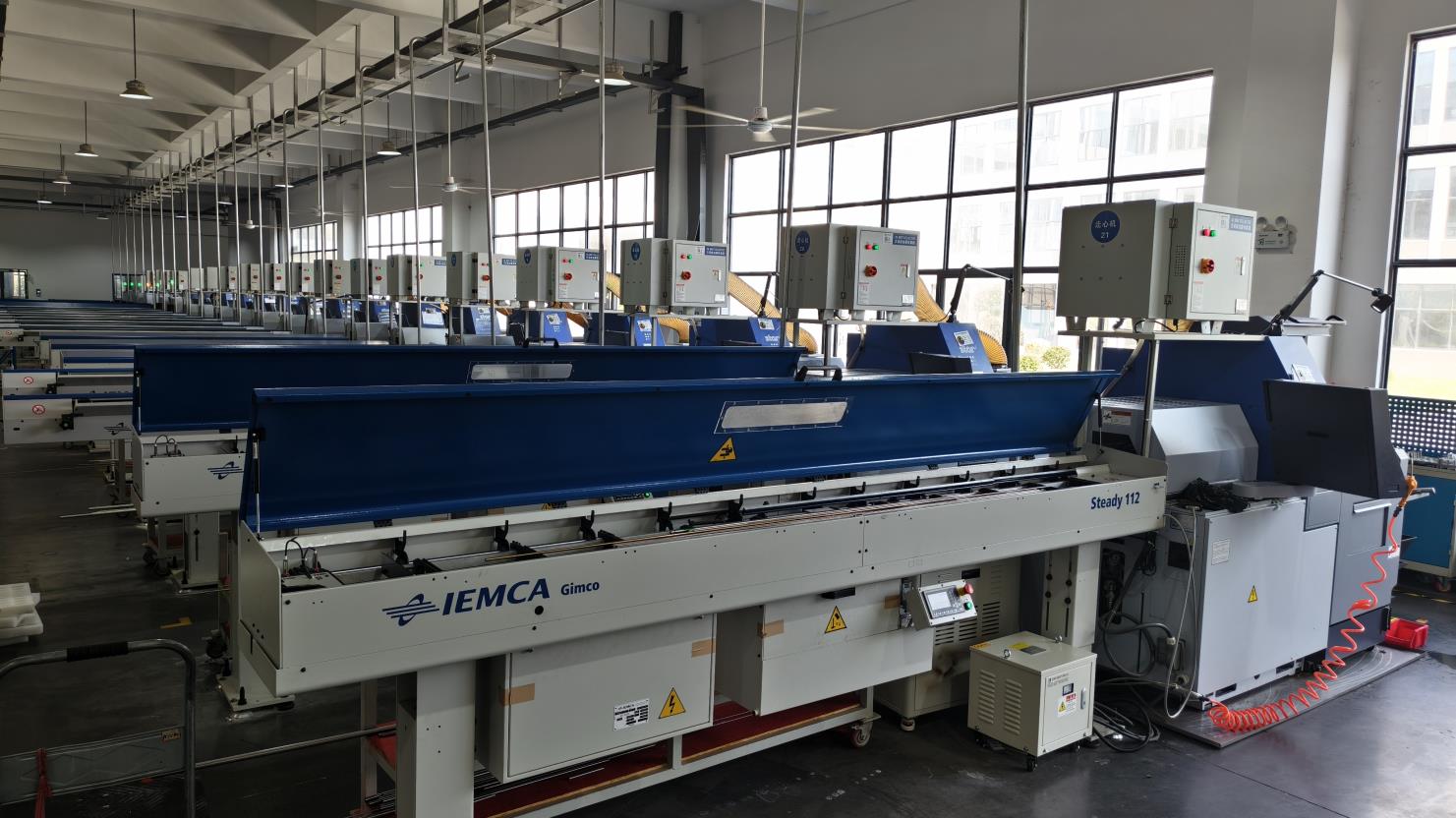
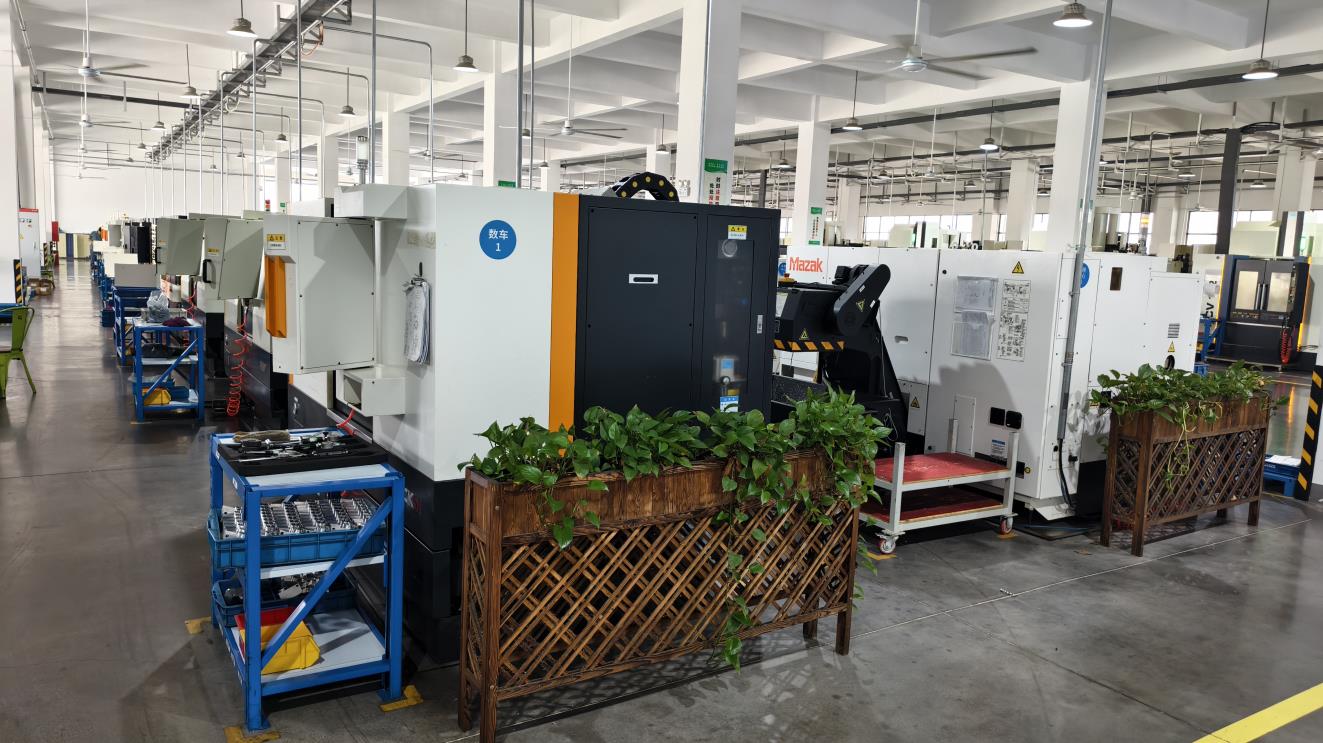
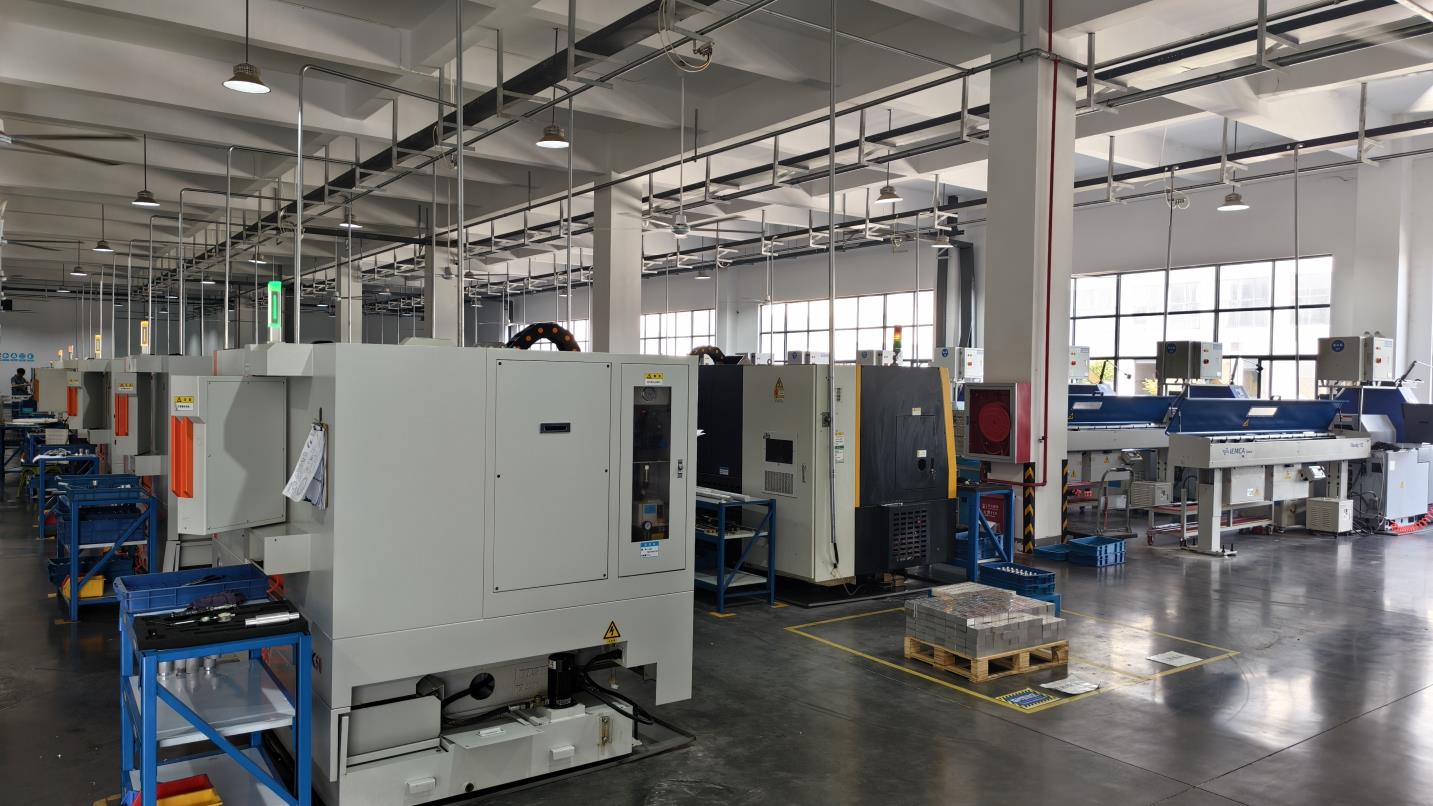
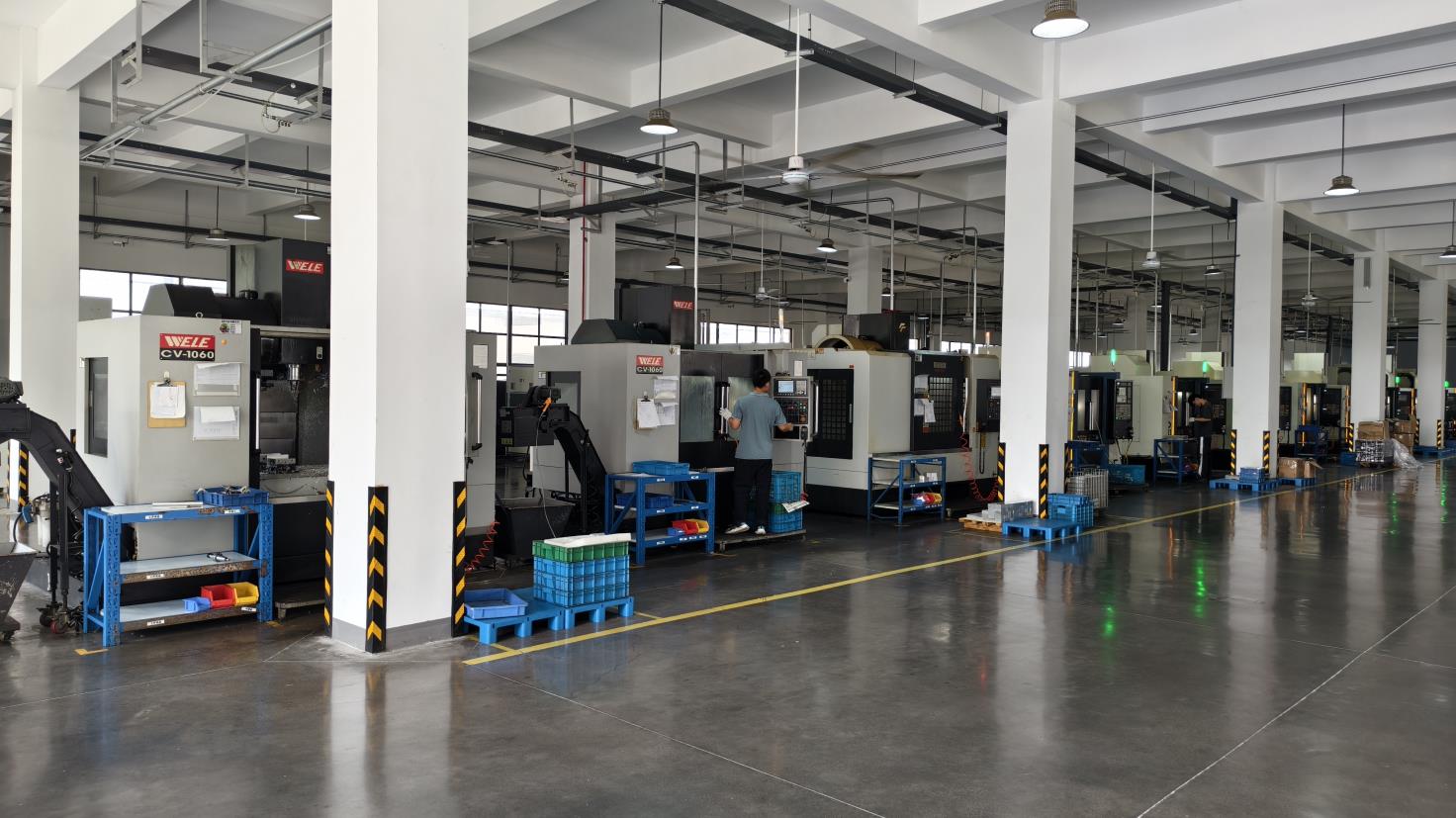
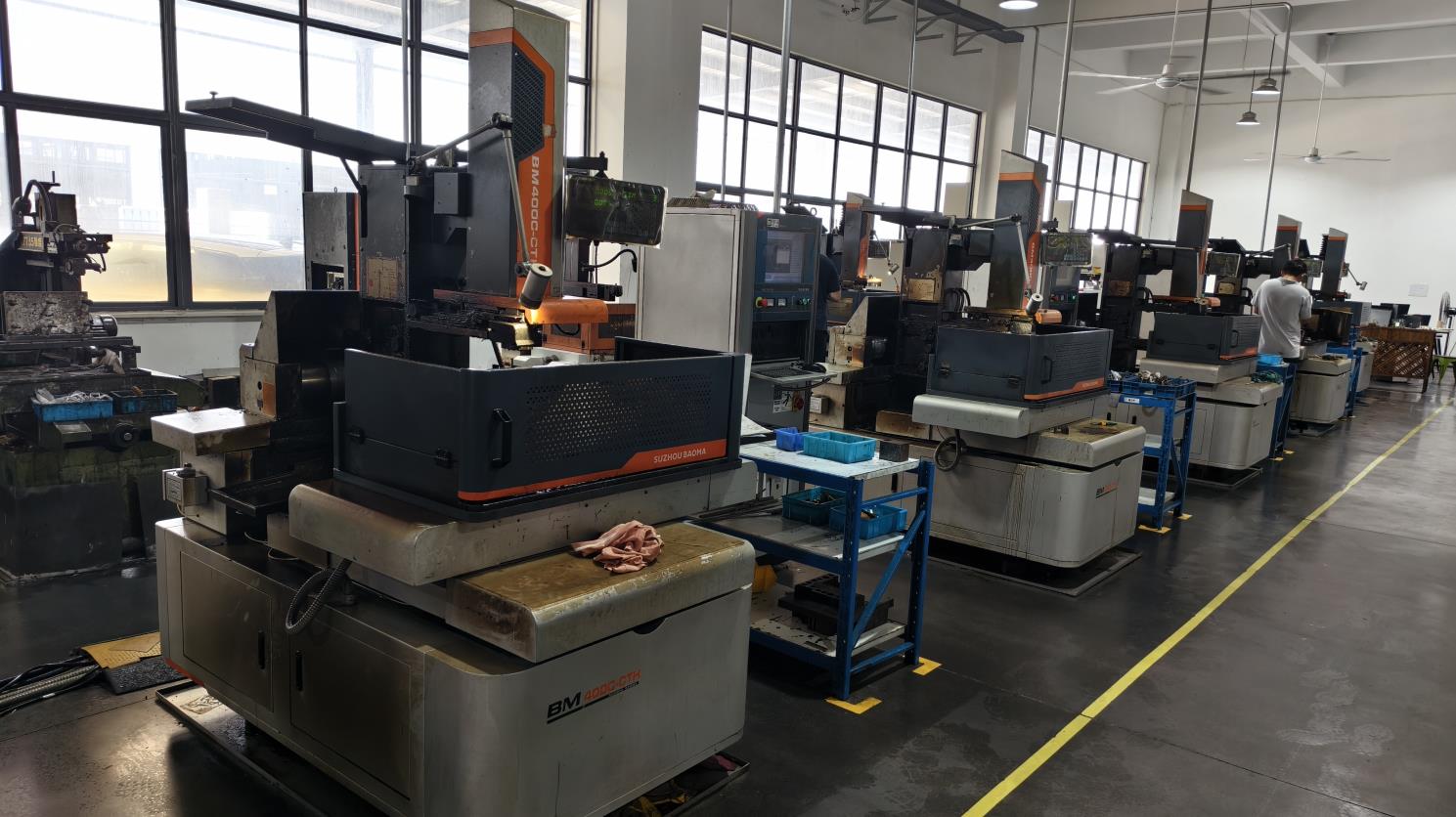
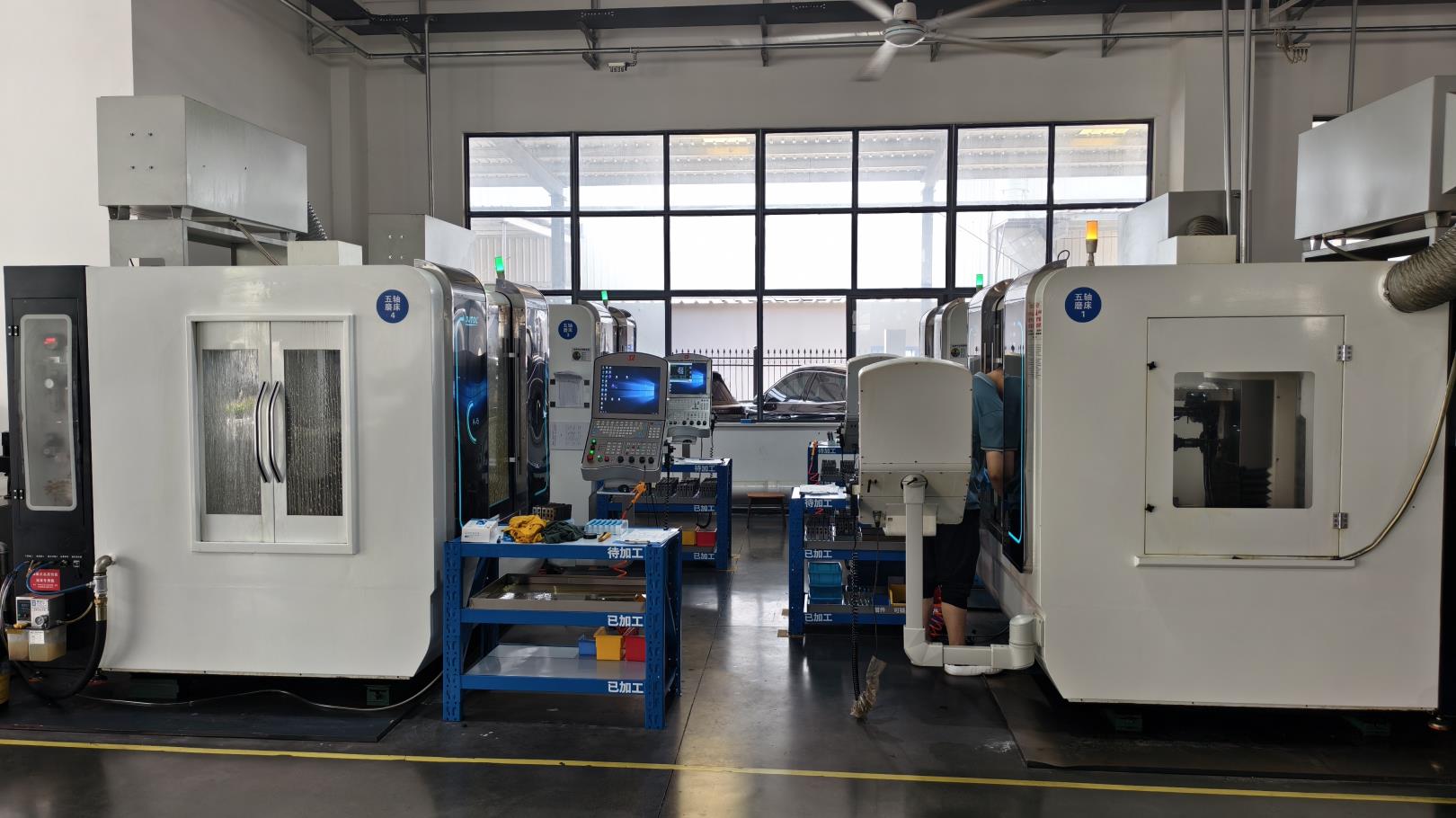
Modern Chinese medical manufacturers are integrating smart factory systems, moving past manual forge shops. Utilizing robotic grinding stations, multi-axis Swiss CNC milling centers, and automatic vacuum-hardening ovens ensures high batch-to-batch consistency. These automated processes help eliminate variance in blade angle, bevel geometry, and handle coupling strength.
This technological evolution has enhanced China's manufacturing supply chain, making it highly resilient. Reliable raw material access, streamlined logistics, and in-house laboratory testing enable faster lead times for custom or bulk orders. Partnering with a China-based ISO-certified manufacturer allows distributors to optimize their inventory cycles and balance cost efficiency with reliable clinical quality.
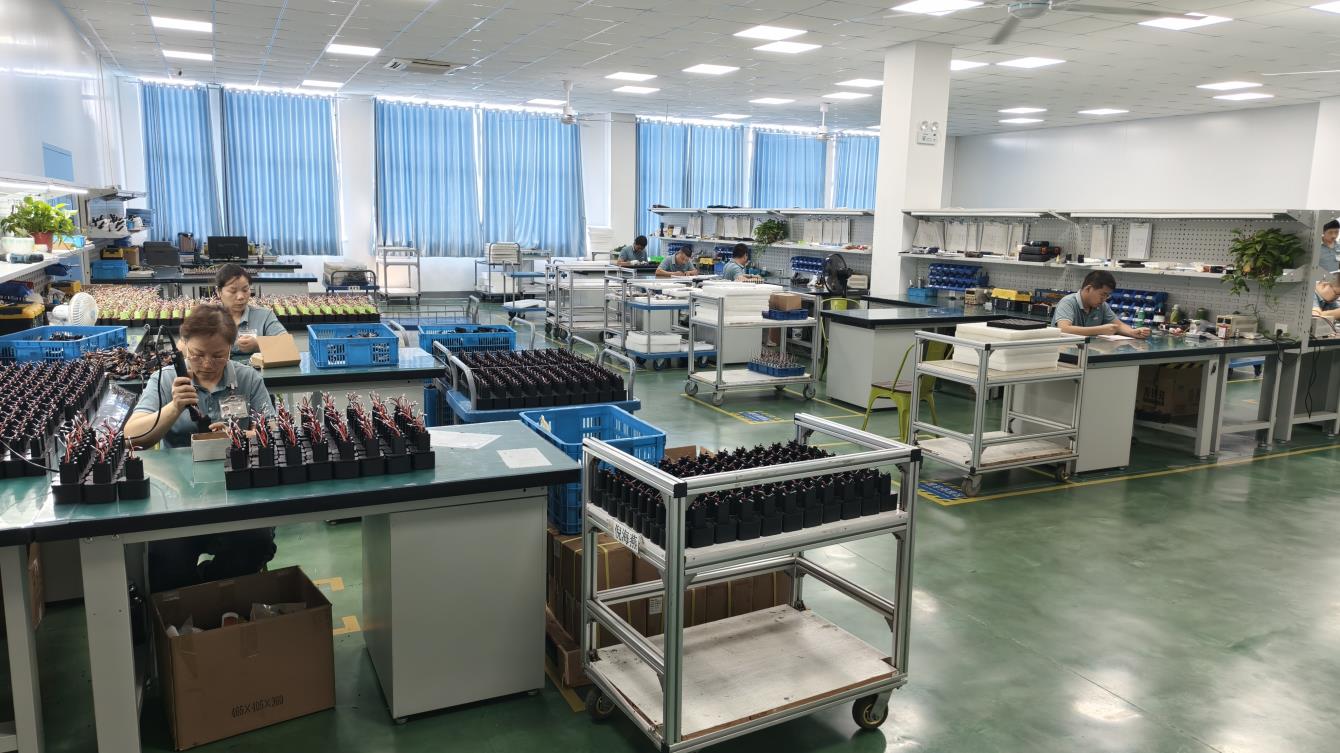
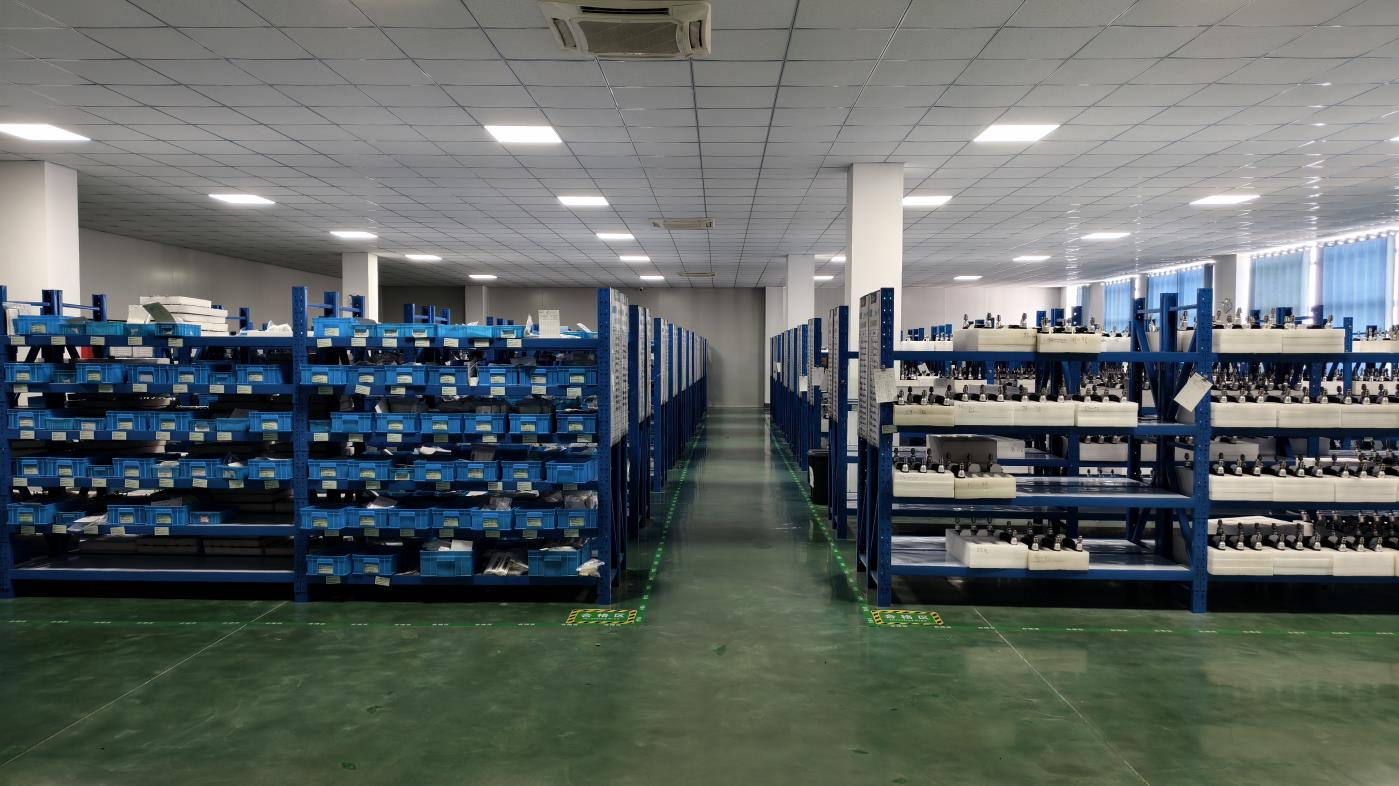
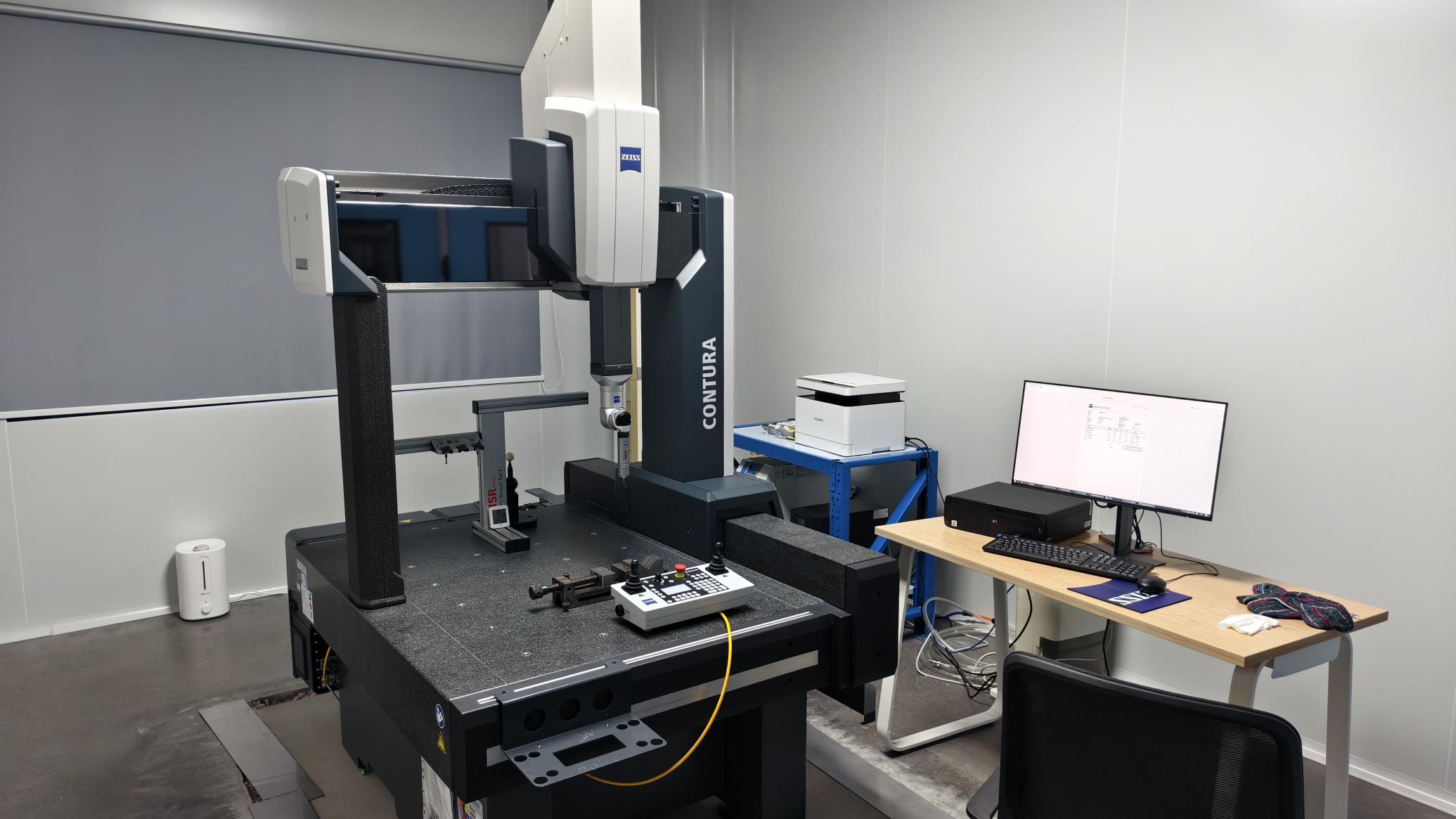
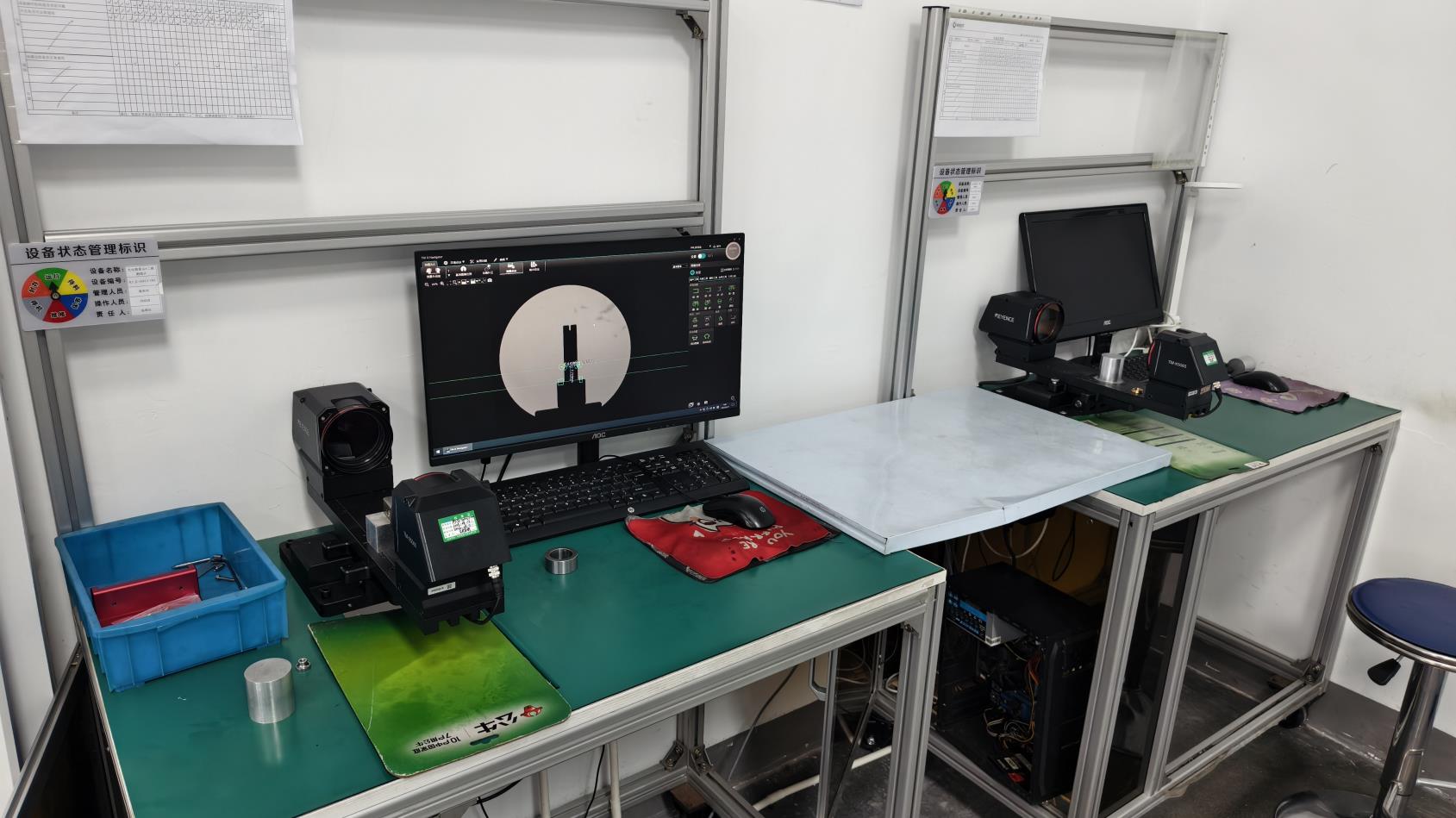
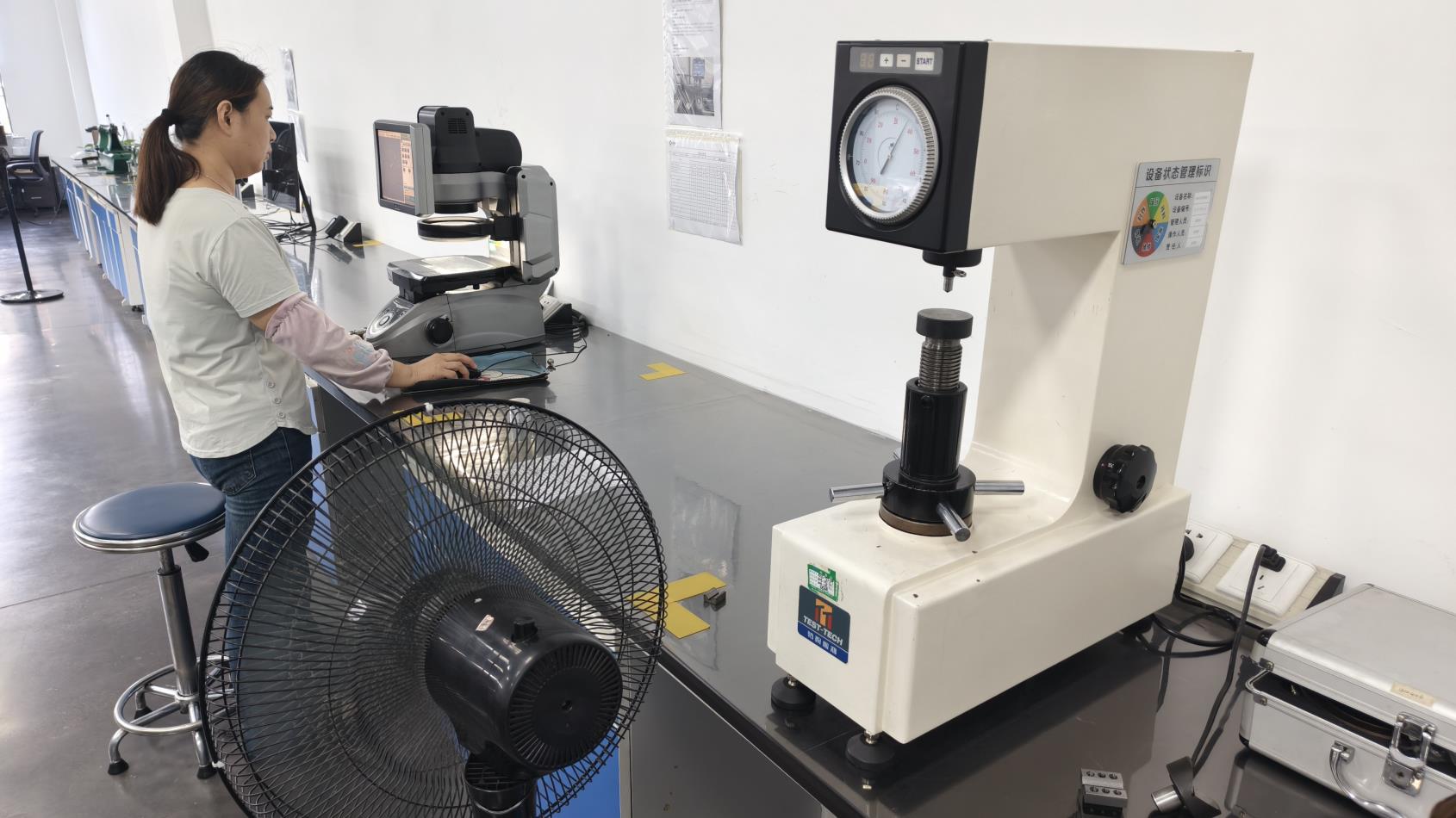
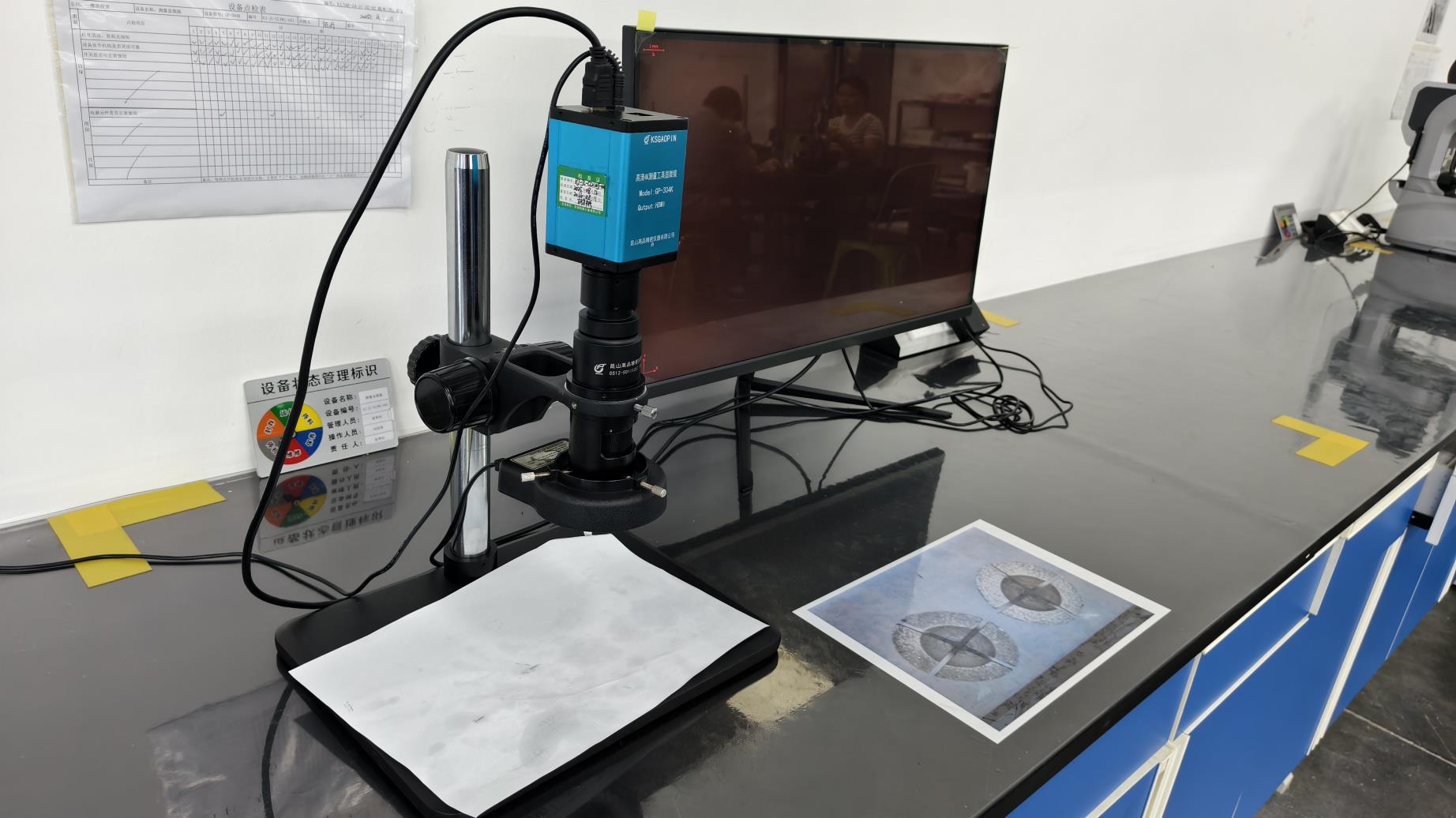
Visual Proof of High-End CNC Machinery, Inspection Labs, and Quality Control Workstations

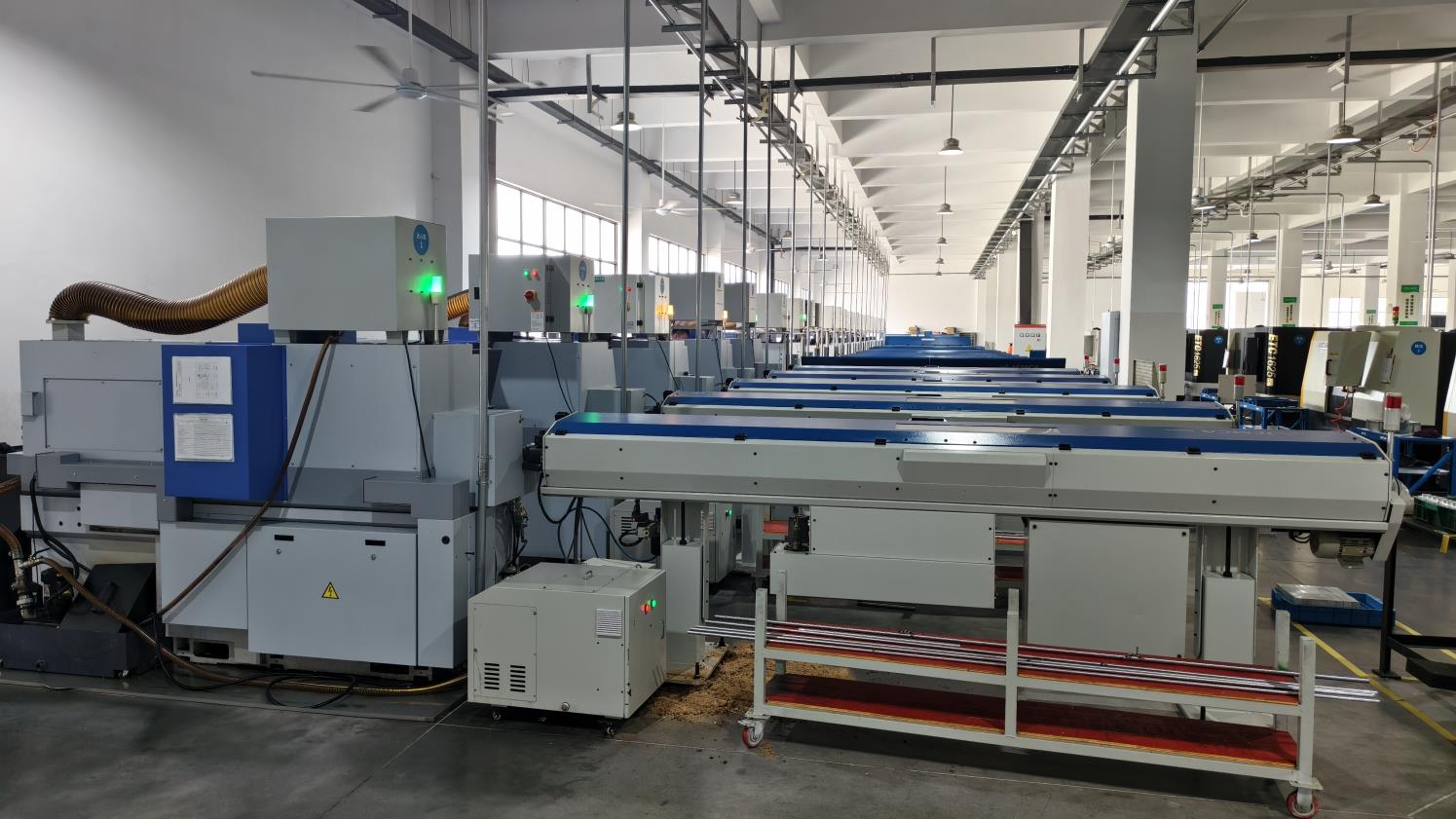
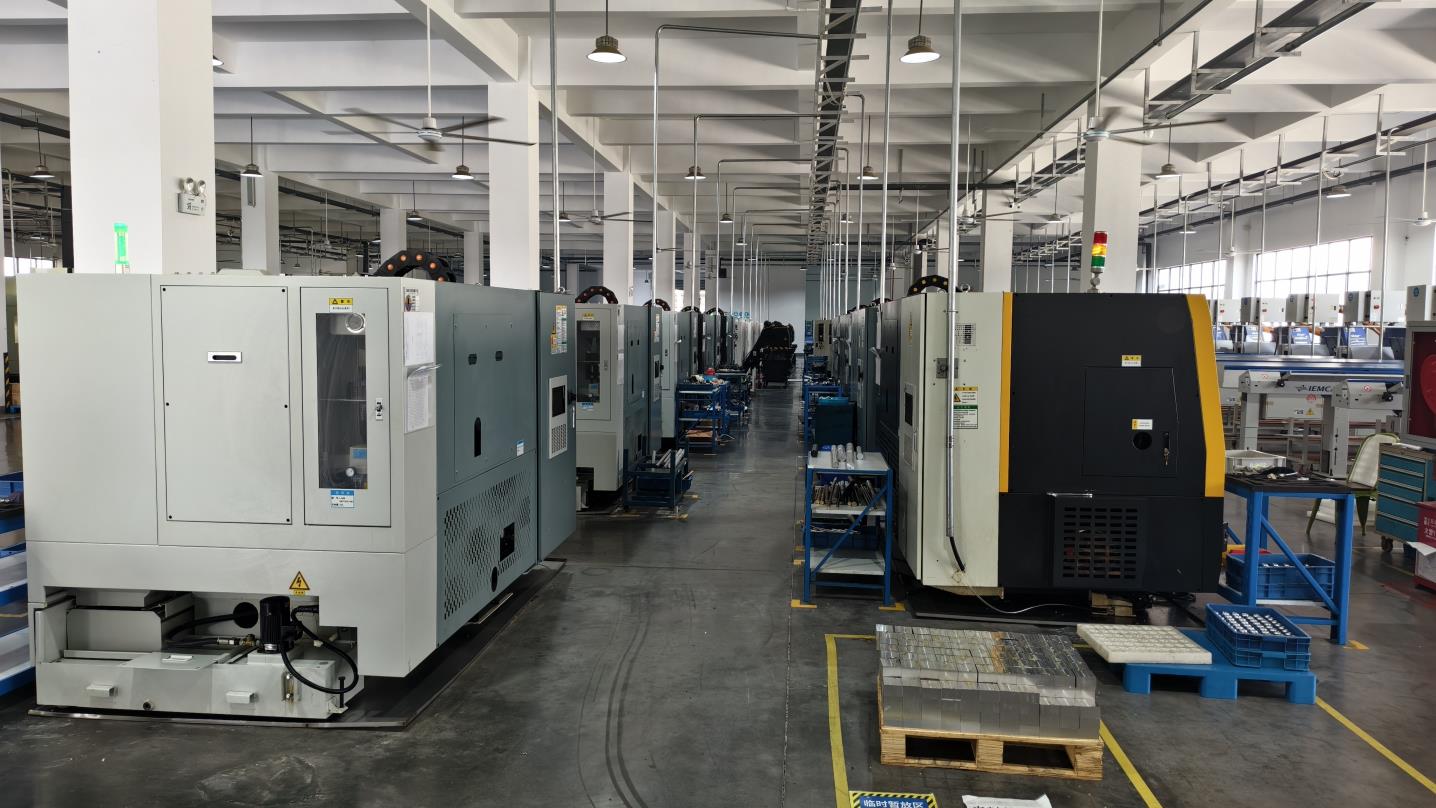
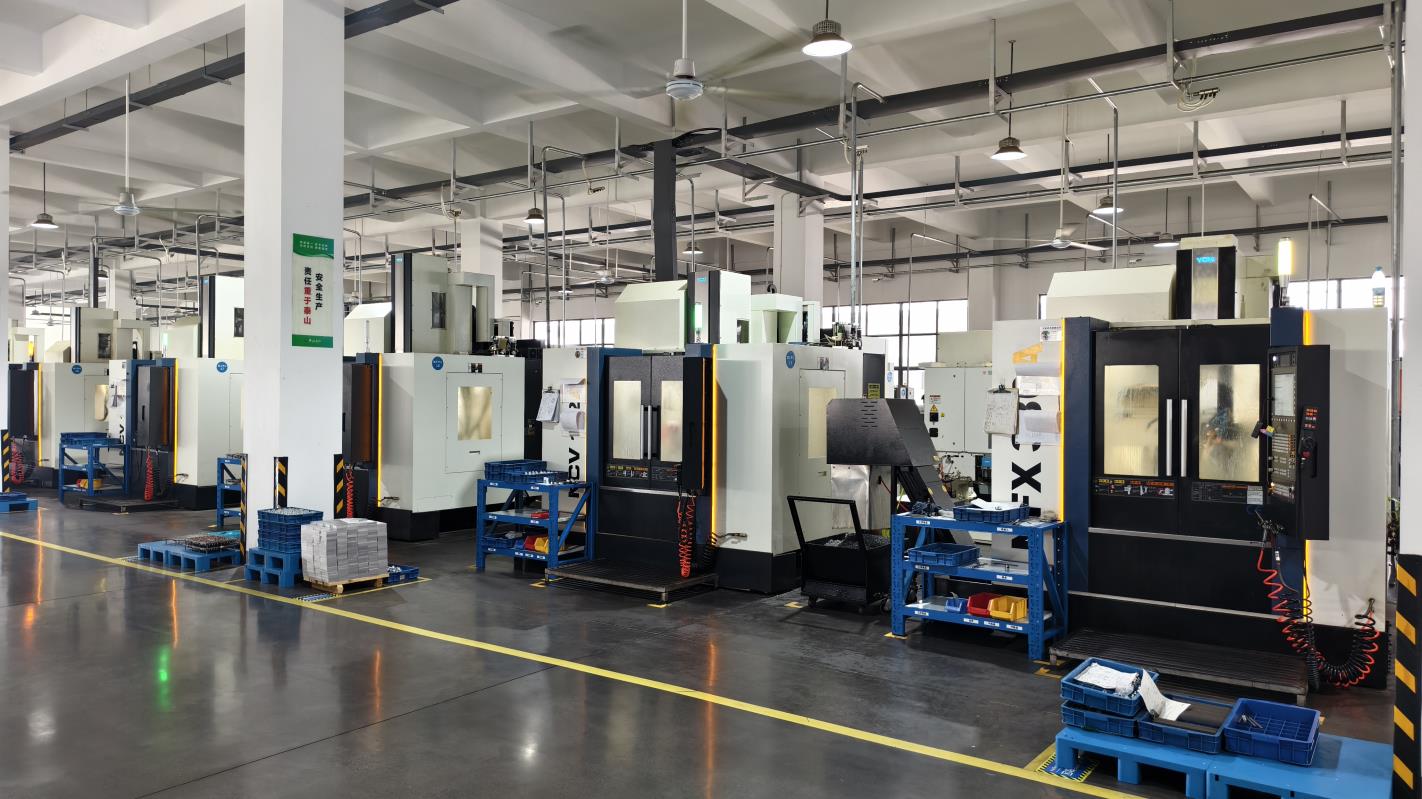
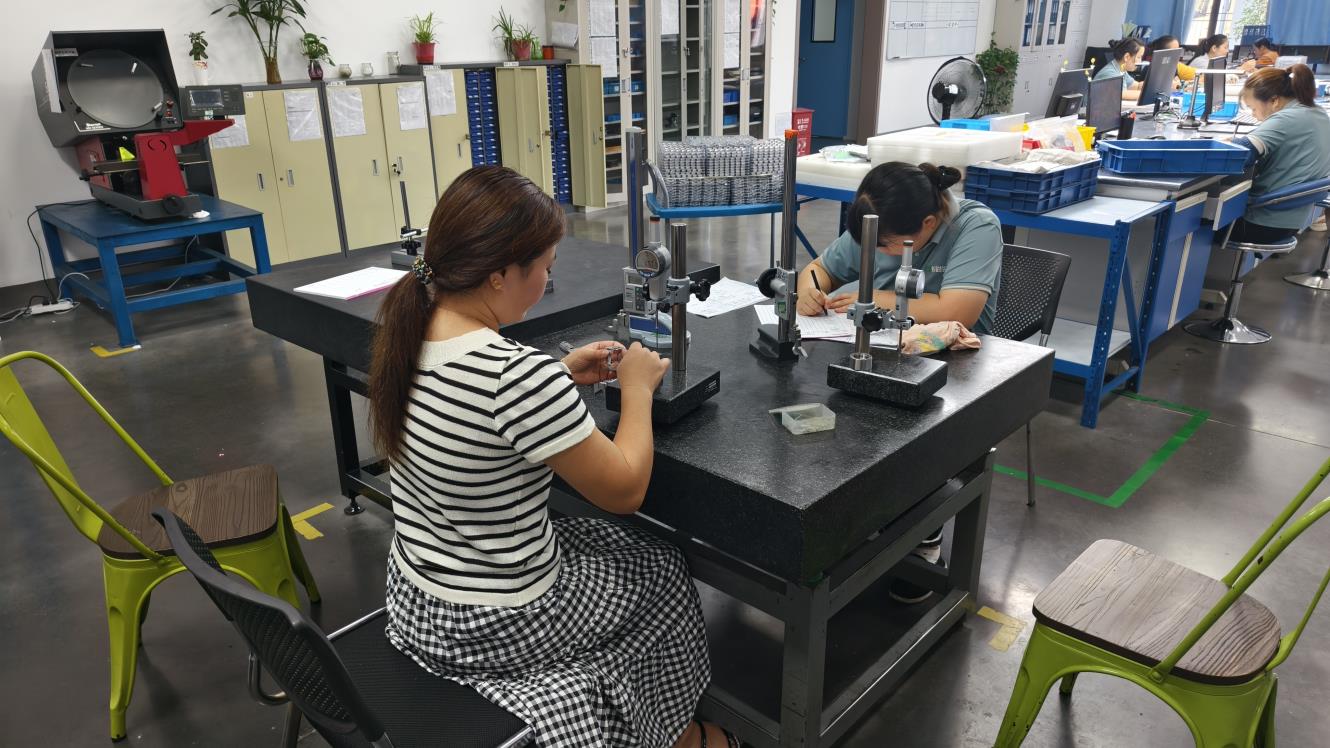
How Modern Bone Chisels and Osteotomes Perform Across Specific Surgical Roles
Surgical chisels and osteotomes are engineered with distinct geometries to suit the requirements of different clinical specialties:
In total joint reconstructive procedures, specialized osteotomes are utilized to excise damaged articular surfaces and clean hard sclerotic bone. This creates a optimal flat contact surface for anchoring prosthetic implants. Wide, flat-bladed chisels allow surgical teams to make clean cuts with minimal structural deviation, ensuring the implant matches the natural bone alignment.
Veterinary orthopedics (such as TPLO or bone plating for fracture fixations) requires specialized tools scaled for varied anatomical sizes. Given the bone density variations in domestic pets compared to humans, veterinary surgical teams need micro-osteotomes that provide precise tactile feedback and help prevent bone splintering.
Delicate bone structures surrounding the spinal canal or cranial cavity require micro-chisels and electric cranial milling systems. In these procedures, even slight hand tremors or high-impact force can be critical. Advanced micro-knives, dissectors, and high-speed burrs provide surgeons with control when operating near nerve pathways.
Key Technical Questions Answered by Our Lead Quality Assurance and Engineering Teams
High-Precision Forceps, Benders, Power Drills, and Accessory Assemblies