SENJIE Healthy & Technology
SENJIE Healthy & Technology
SENJIE Healthy & Technology
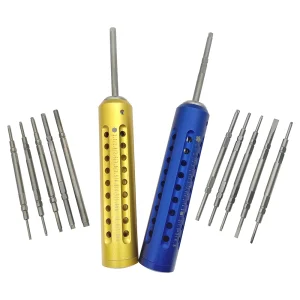
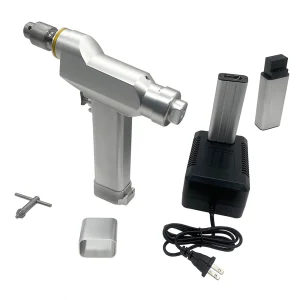
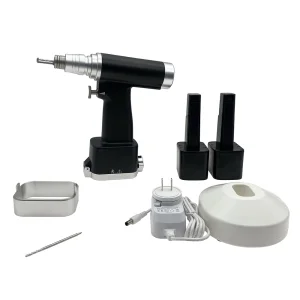
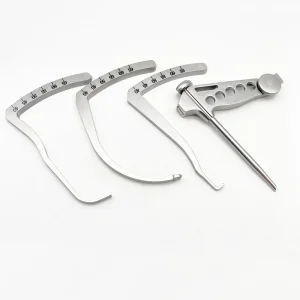
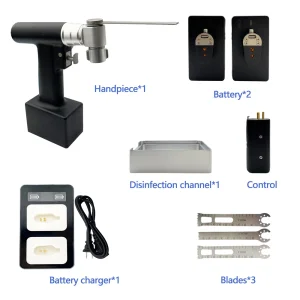
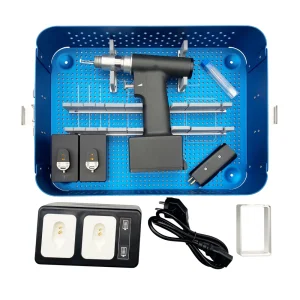
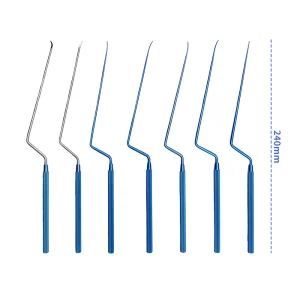
Explore our leading surgical instruments, including manual bone files, trauma saws, drills, and micro-neurological retractors engineered for clinical excellence.
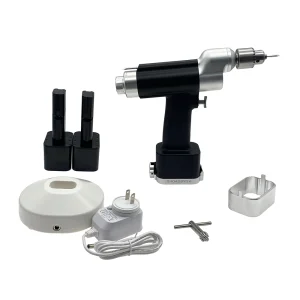
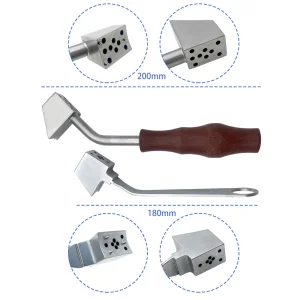
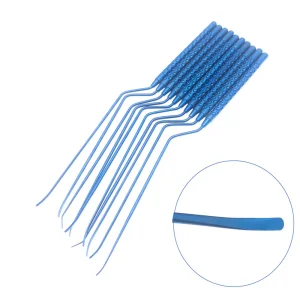
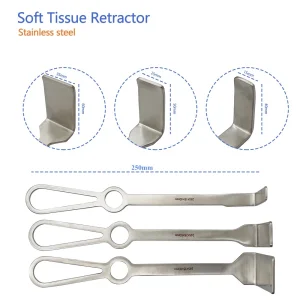
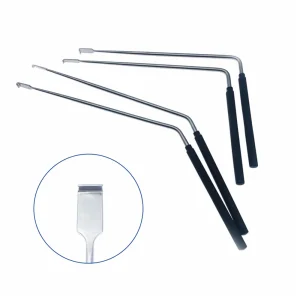
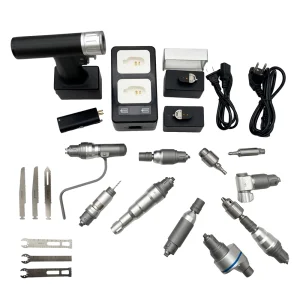
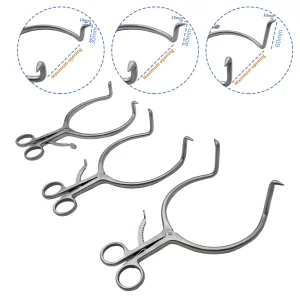
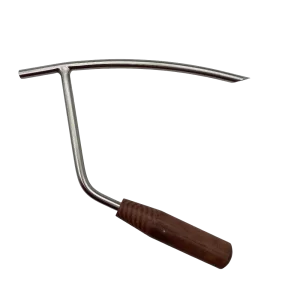
In modern orthopedic, reconstructive, and veterinary surgeries, the bone file is far more than a basic scraping tool; it is a critical instrument designed for precise bone contouring, smoothing of osteotomy margins, and preparation of prosthetic implant beds. Worldwide, the demand for custom bone files and specialized rasps has escalated rapidly, driven by the growth of joint arthroplasty, complex maxillofacial surgeries, and intricate podiatric treatments.
Globally, healthcare institutions require hand-held instruments that deliver tactile feedback, ensuring surgeons can sense the bone's density and structure without relying purely on motorized power tools. This precision reduces thermal necrosis risks—a common issue associated with power drilling or milling. OEM manufacturers play a vital role in providing surgical-grade tools configured for specific biological applications, such as trauma reconstruction, craniotomies, and specialized veterinary osteosyntheses.
Information Gain Insight: While power instruments like oscillating saws and cranial mills perform heavy bone resection, the final smoothing of cortical bone edges requires a precise hand-held bone file. This detail prevents tissue trauma and micro-tears in adjacent ligaments and nerves, supporting faster patient rehabilitation and better postoperative outcomes.
Optimized tooth patterns and biocompatible alloys designed to deliver superior abrasive capabilities and long-lasting edge retention.
Using surgical-grade stainless steels (ASTM F899 / SUS 420 or 316L) to ensure high rust resistance and hardness ratings of 50-55 HRC after heat treatment.
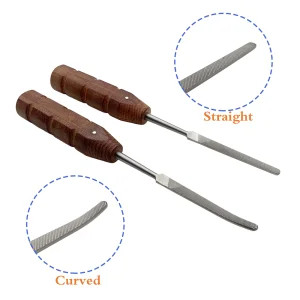
Engineered in Cross-Cut, Single-Cut, and Diamond-Dusted profiles. Each geometry is designed for specific debris evacuation and bone shaving dynamics.
Available with high-grade anodized aluminum handles, lightweight PEEK grips, or phenolic fiber handles designed for comfortable gripping and high-pressure autoclaving.
A key challenge with surgical files is maintaining their abrasive quality through multiple sterilization cycles. Cheap materials quickly dull or corrode when exposed to repeated autoclaving at 134°C. Our OEM facilities address this by applying advanced chemical passivation (ASTM F967 compliance) and optional titanium nitride (TiN) coatings, which increase surface hardness and preserve tooth sharpness.
Our production team analyzes the precise clearance angles of the cutting edge. For instance, orthopedic bone files used in joint replacements require a different tooth depth and pattern compared to neurosurgical cranial files, which handle delicate bone flaps. By offering customizable options, we allow distributors to match their product offerings to specific surgical specialties.
Why global orthopedic brands, surgical distributors, and private label developers choose Chinese manufacturing hubs.
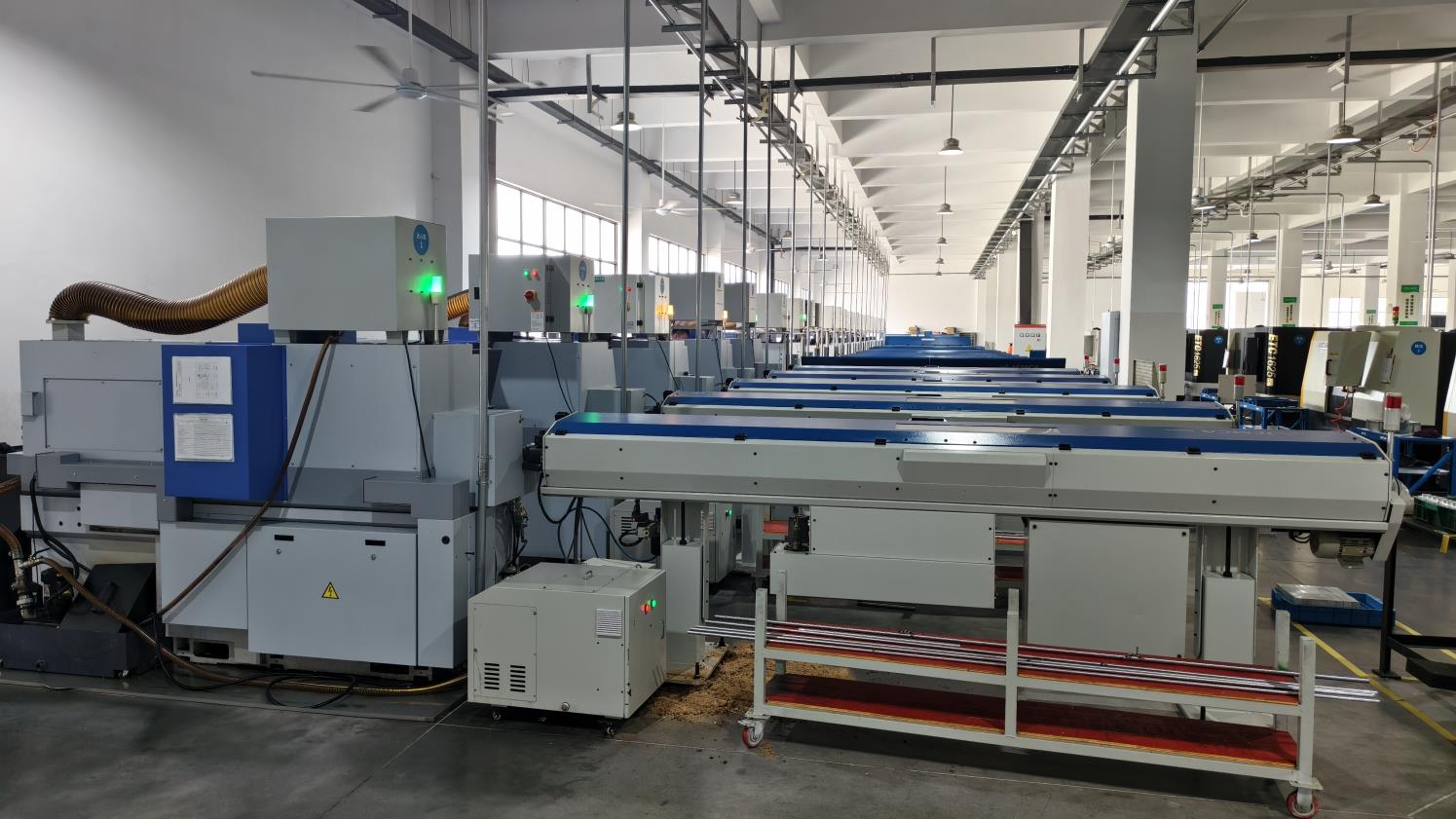
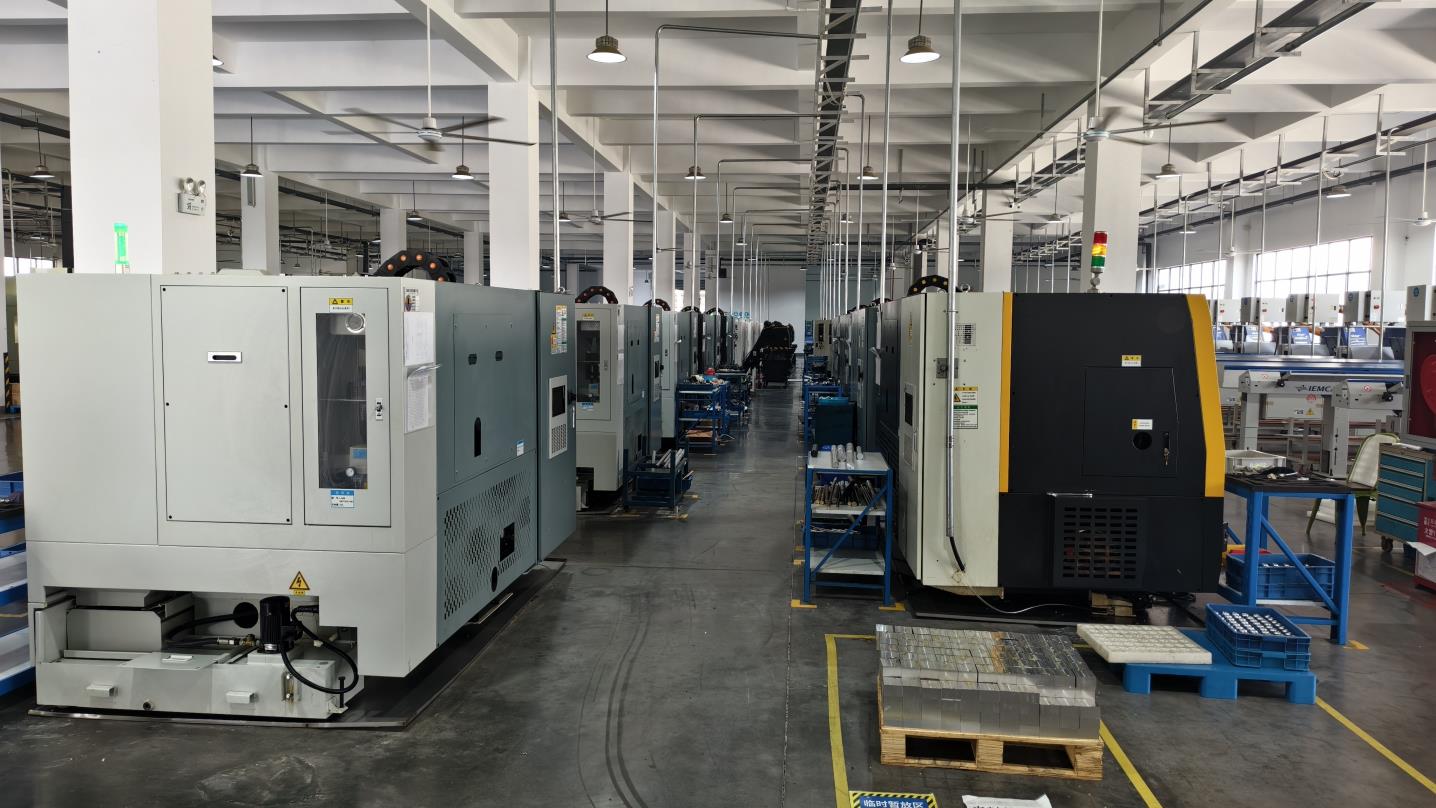
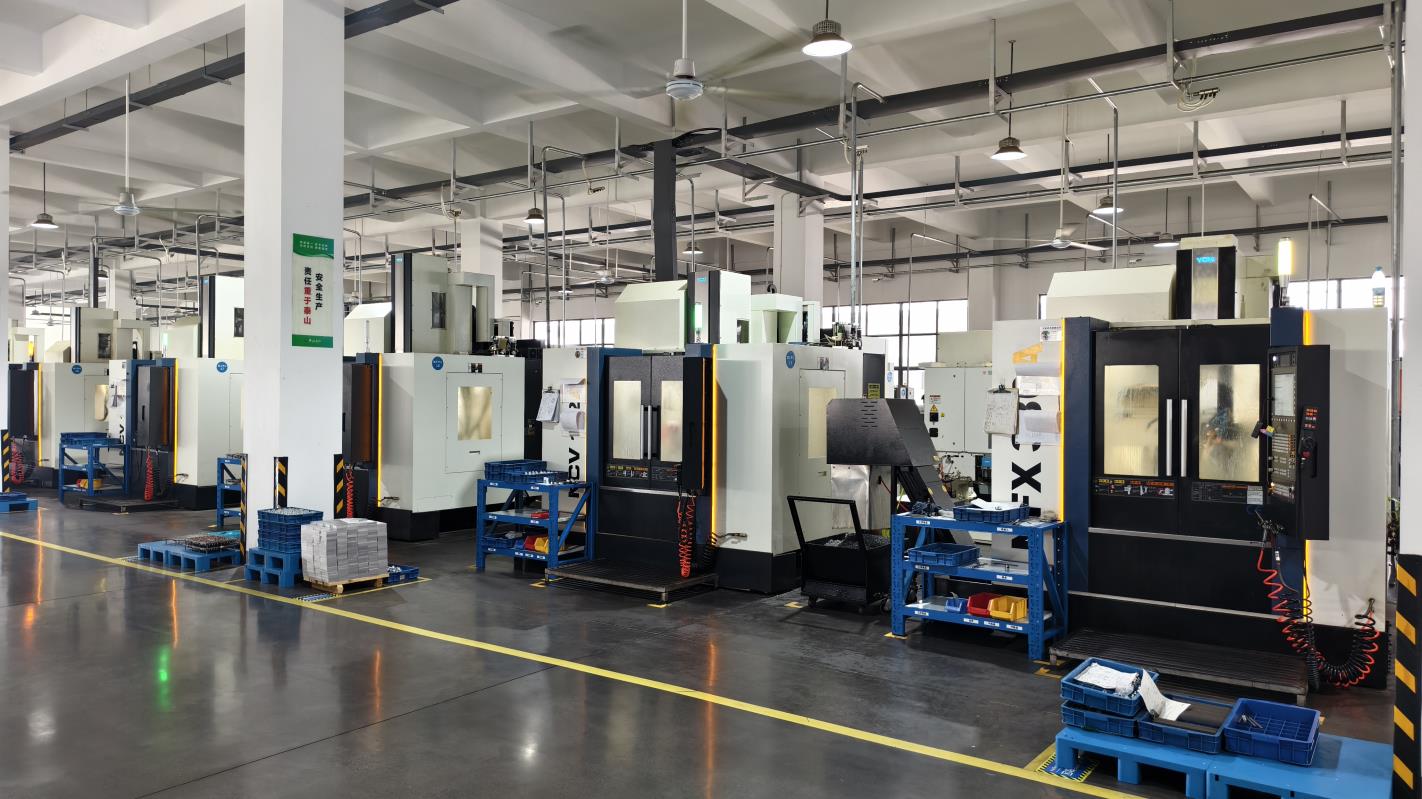
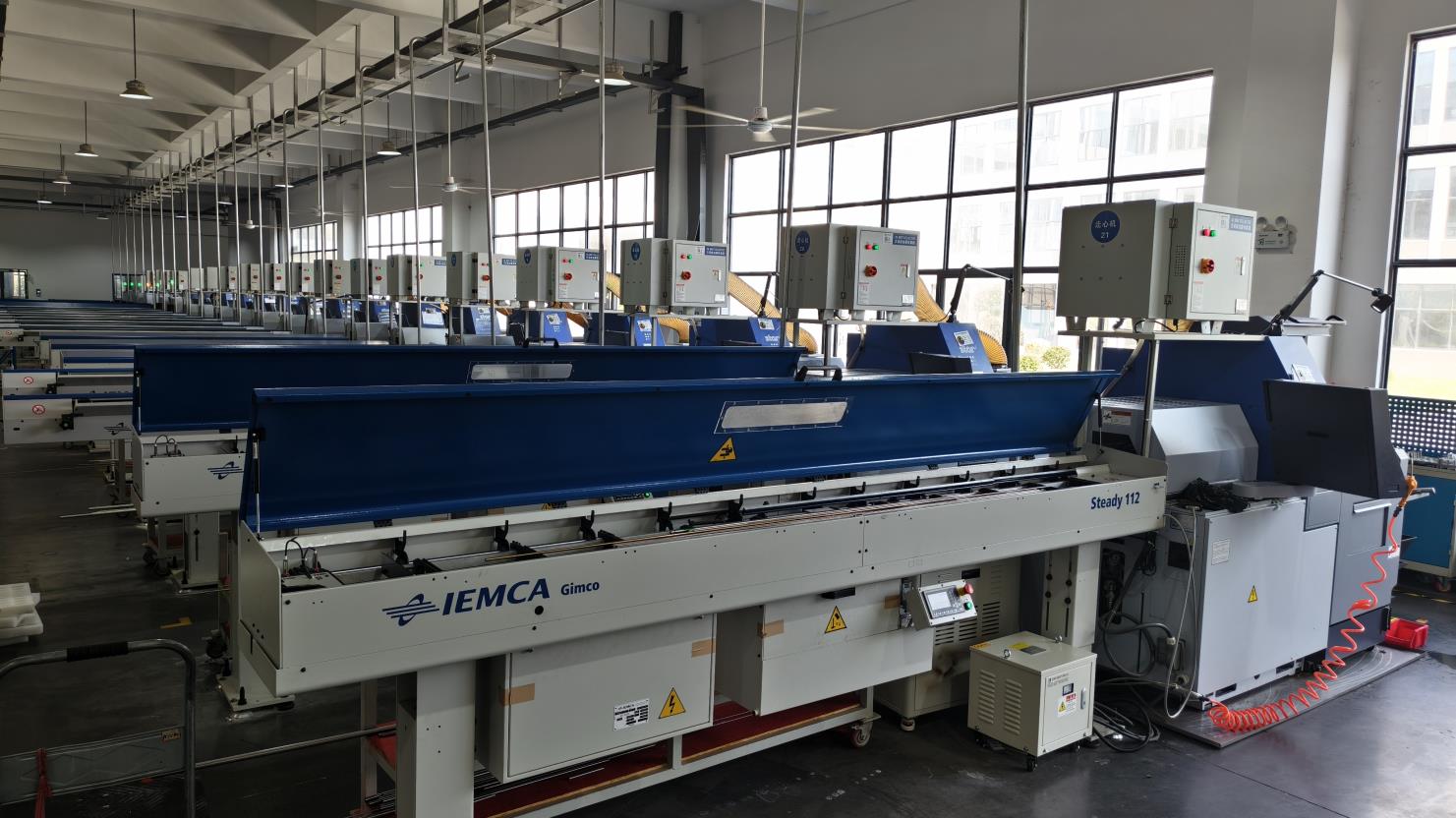
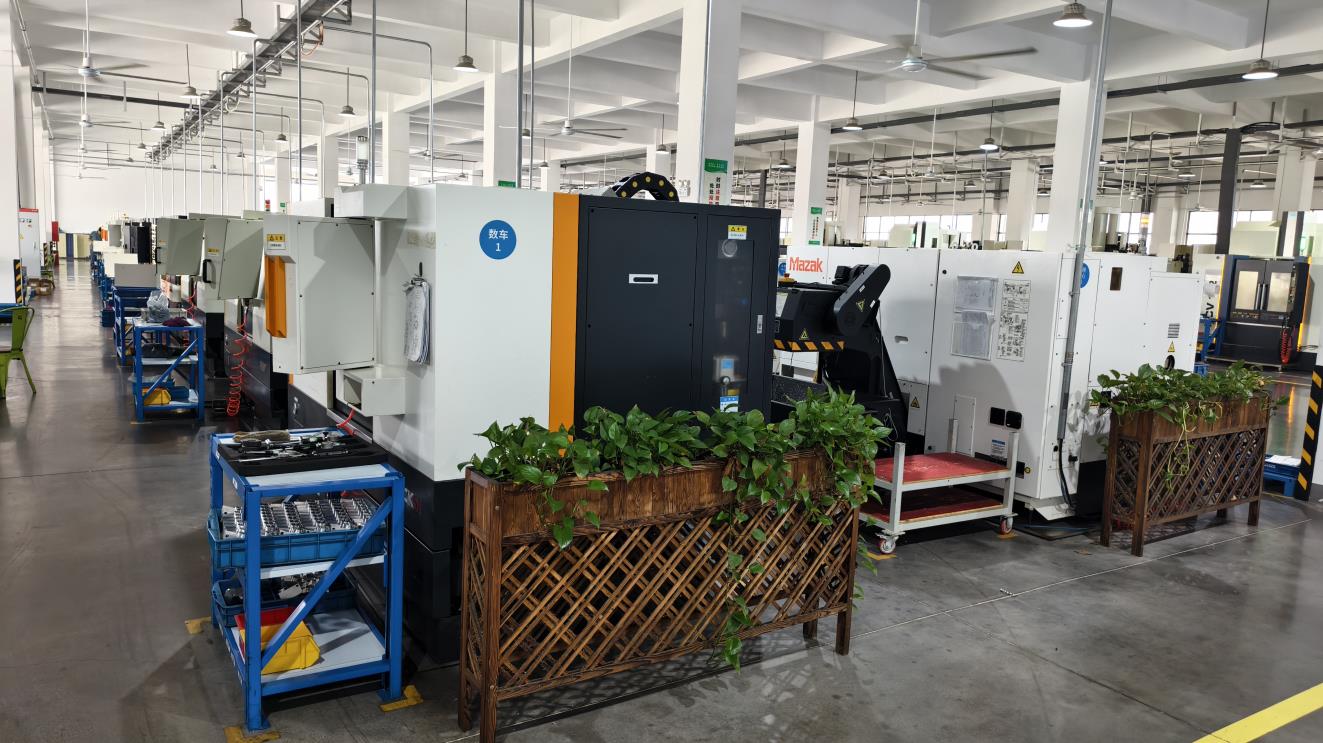
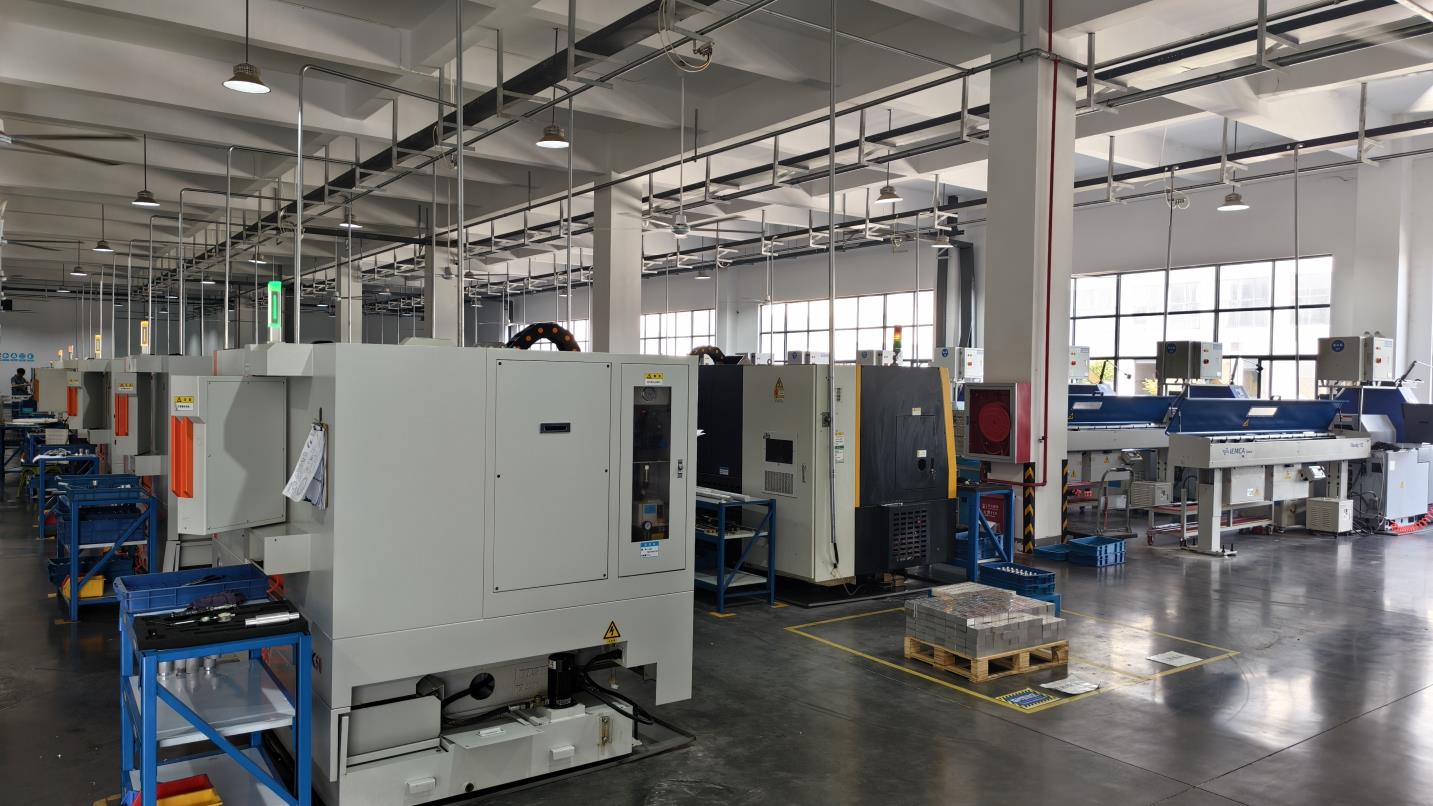
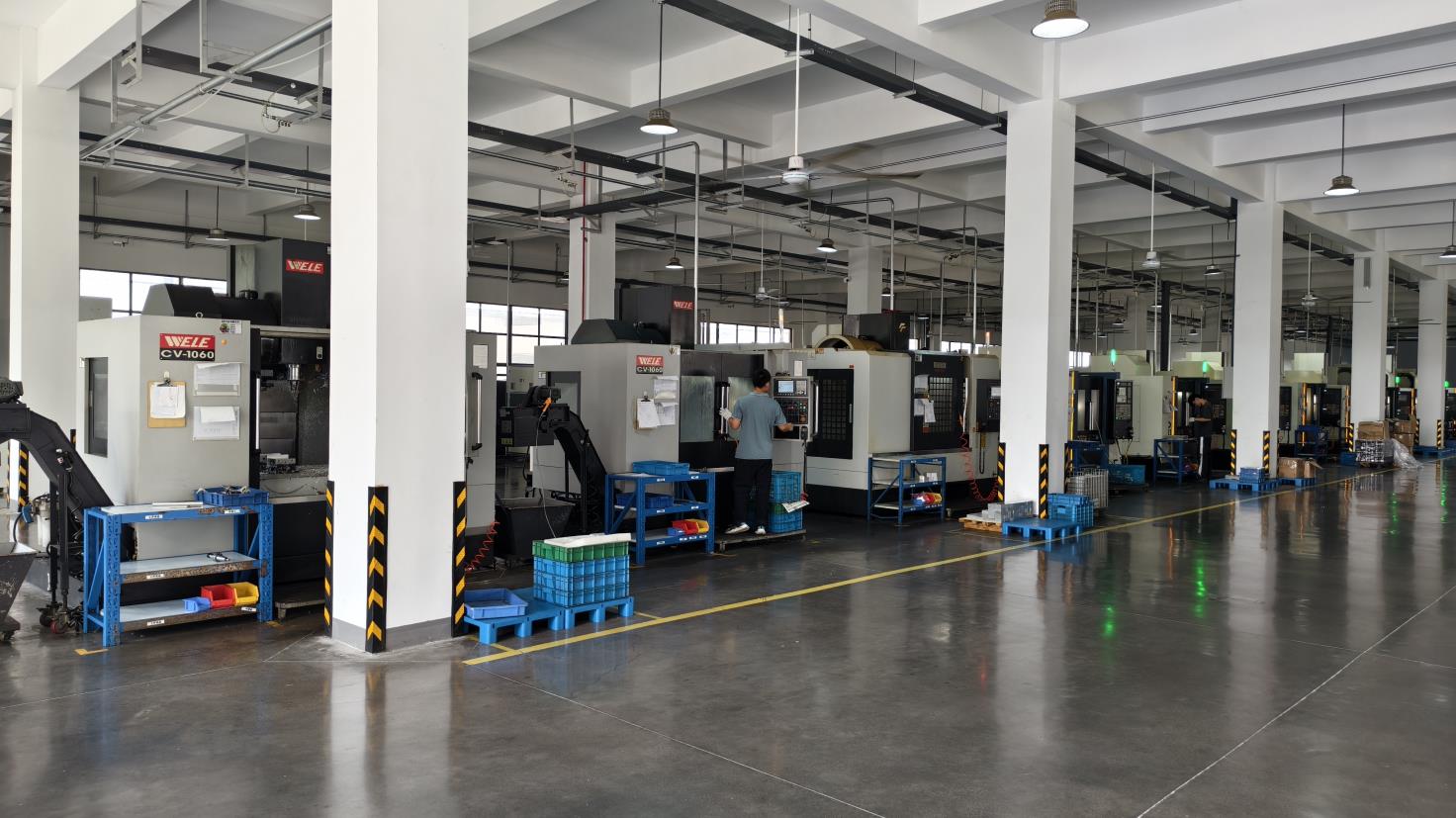
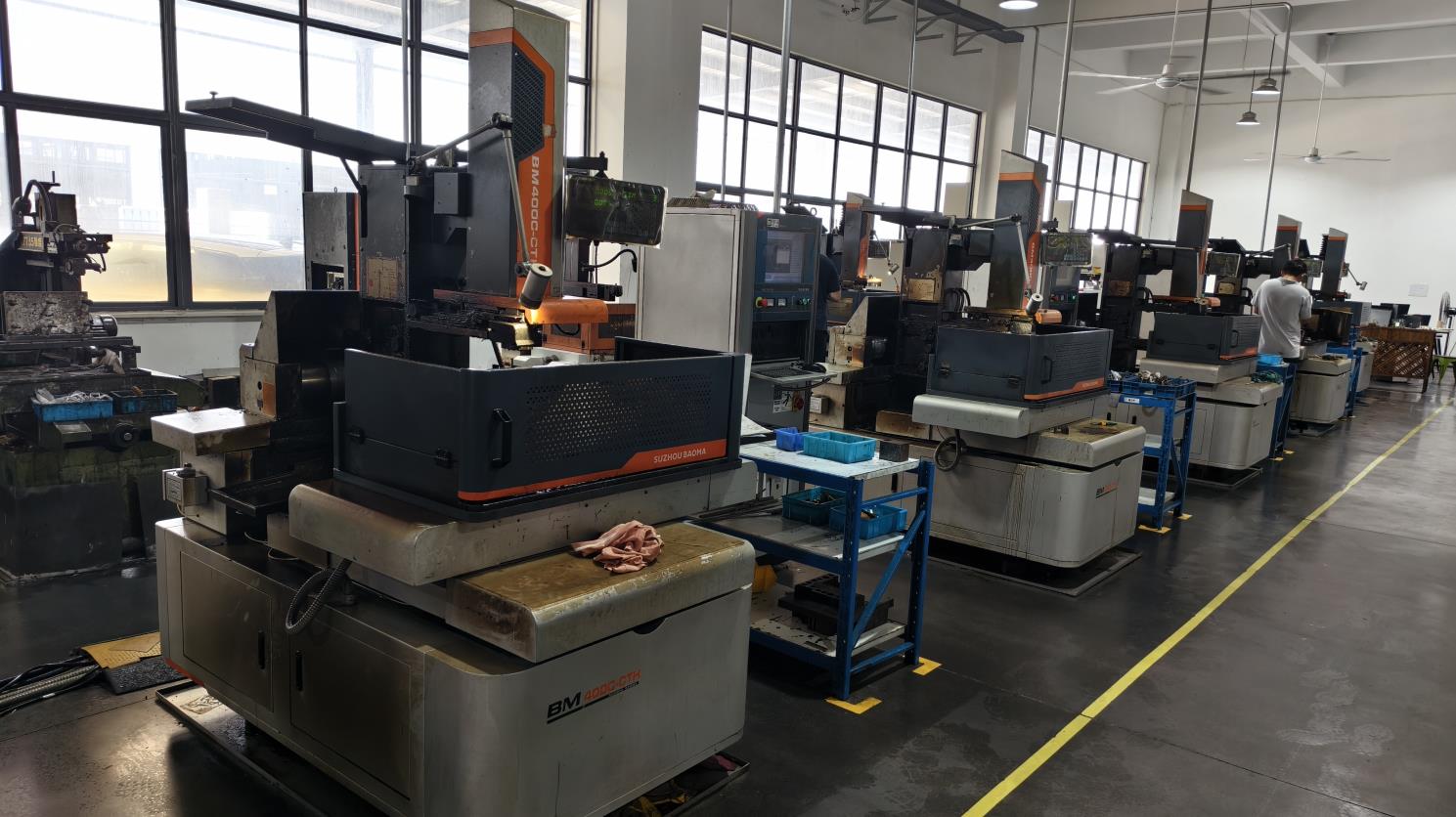
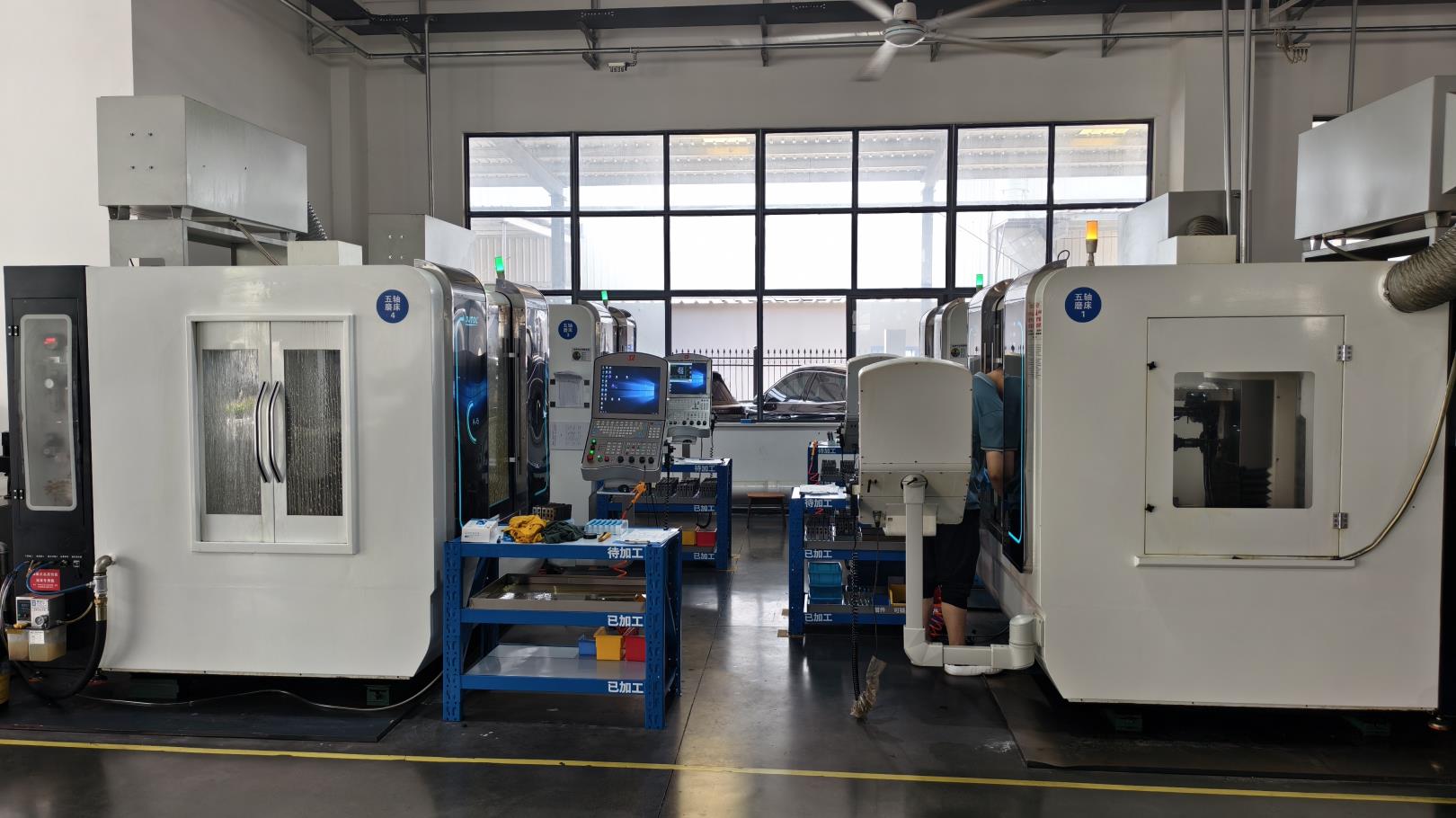
China's medical device manufacturing sector has shifted from basic assembly to high-precision engineering. By combining advanced CNC grinding, automated laser-marking, and cleanroom packaging facilities within localized industrial clusters, Chinese factories offer an efficient supply chain for global distributors. Our operations run on a vertically integrated system: raw medical steel sourcing, precision heat treatment, electrochemical polishing, and quality testing are managed in close proximity, reducing logistics times and lead times.
This integration enables cost efficiencies without compromising compliance. By using automated 5-axis CNC grinding machines, we ensure that every single tooth profile on a bone file is identical to within microns. This consistency prevents manual filing variations, which can cause erratic performance in the operating room.
Custom bone files are specialized for distinct surgical tasks, requiring specific geometric designs for different types of bone tissue.
In human trauma surgeries (such as fractures of the long bones, tibia, and femur), bone files are used to remove sharp bone fragments after drilling or osteotomy. This ensures that locking plates and screws fit snugly against the anatomical shape of the bone, improving implant stability and healing outcomes.
In craniotomies, access to the brain requires clean cut boundaries on the skull. Micro-nerve dissectors and specialized manual bone files are used together to smooth out the inner table of the skull cap, protecting the dura mater and cerebral blood vessels from sharp bony protrusions.
Veterinary orthopedics has grown rapidly, requiring specialized surgical tools. Small animal tibial plateau leveling osteotomies (TPLO) or hip reconstructions require compact, highly precise bone files. These tools must fit small, delicate anatomical areas without damaging surrounding soft tissue.
Procedures such as bunion removal (hallux valgus correction) or mandibular shaving require narrow, long-reach bone rasps. These specialized applications use single-cut configurations to smoothly shave down cortical bone layers with minimal physical pressure.
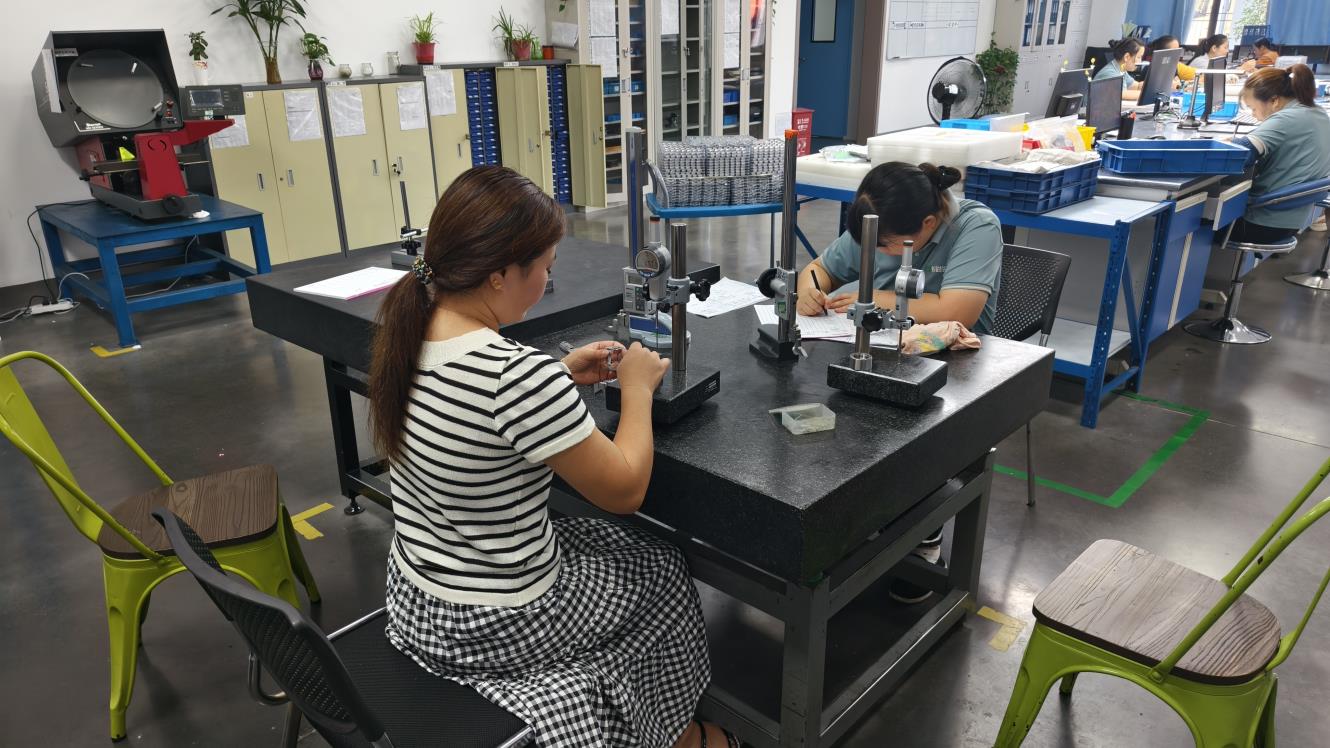
Ensuring medical regulatory compliance and high-performance safety standards for procurement departments.
For B2B buyers, sourcing surgical instruments involves strict risk management. Medical products must comply with national and international health regulations. As an established OEM partner, we implement quality control protocols at every step of manufacturing, ensuring compliance with global standards.
| Parameter/Standard | Specification details | Global Compliance Meaning |
|---|---|---|
| Material Certification | Traceable ASTM F899 Stainless Steel, Ti-6Al-4V ELI (Grade 5) | Ensures biocompatibility, preventing metallosis or implant rejection. |
| Corrosion Resistance | Boil testing according to ISO 13402, ASTM F1089 | Guarantees long-term stability and resistance to oxidation during autoclaving. |
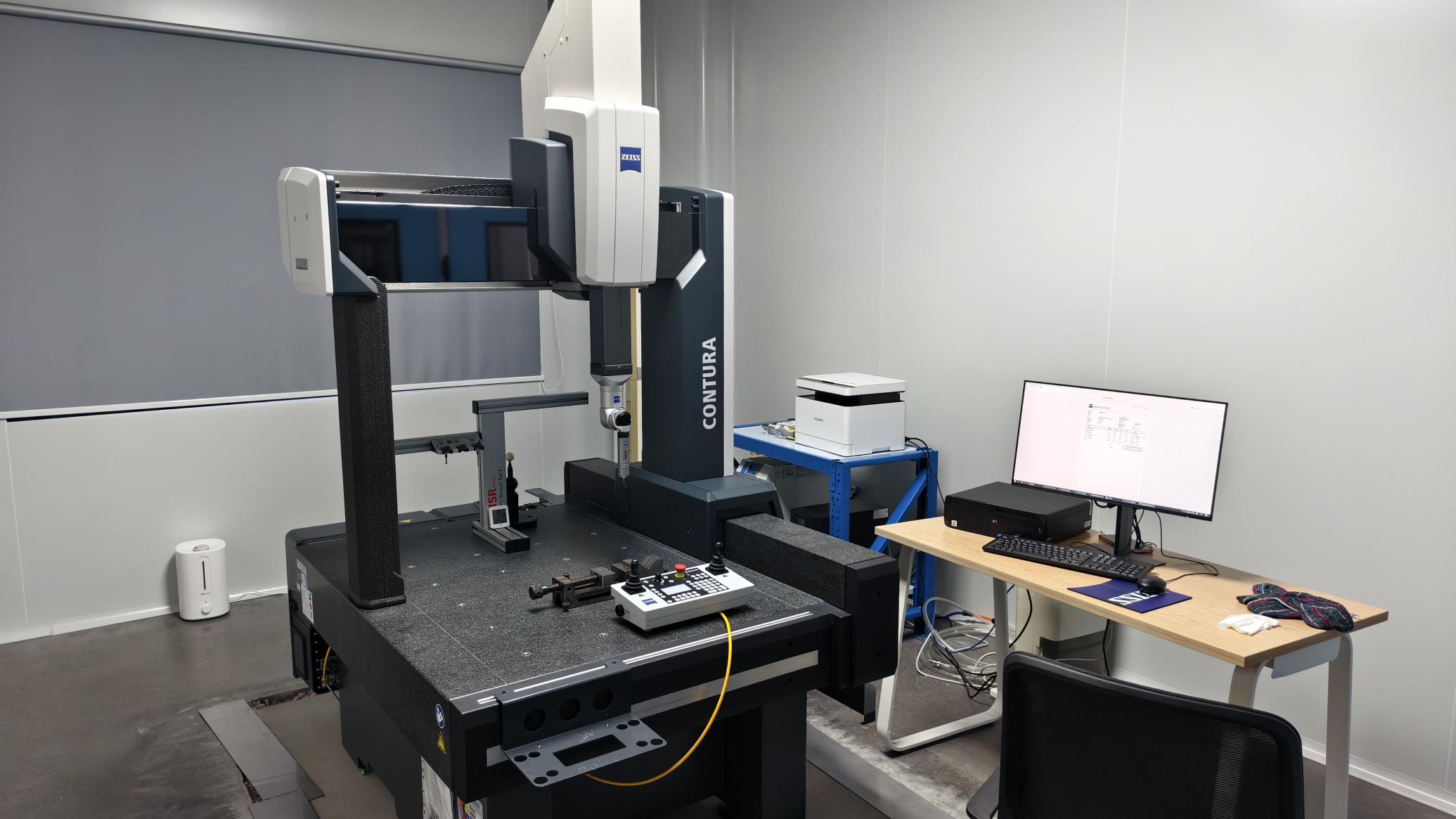
| Dimensional Tolerances | Up to ±0.02 mm (laser and CNC controlled) | Ensures high precision and exact compatibility with robotic-assisted surgery systems. |
| Quality Assurance Inspectors | 3 Dedicated Internal Inspectors | Ensures systematic random and customized inspection procedures. |
| Core Markets Covered | North America (25%), South America (25%), Southeast Asia (15%) | Demonstrates proven experience in meeting diverse international standards. |
Our raw material tracing ensures that each production batch can be traced back to the mill's heat code. This helps distributors manage safety audits easily and complies with FDA Class I/II and MDR registration demands, simplifying registration in major target markets.
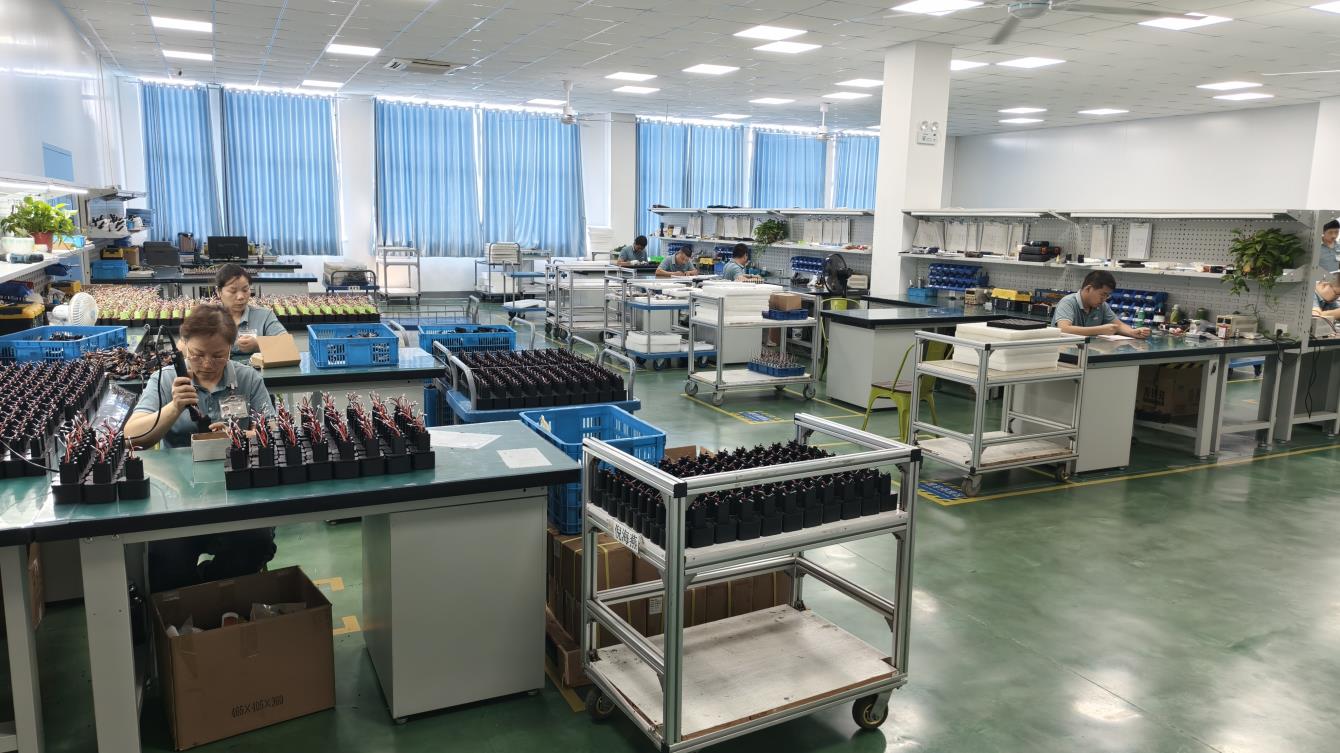
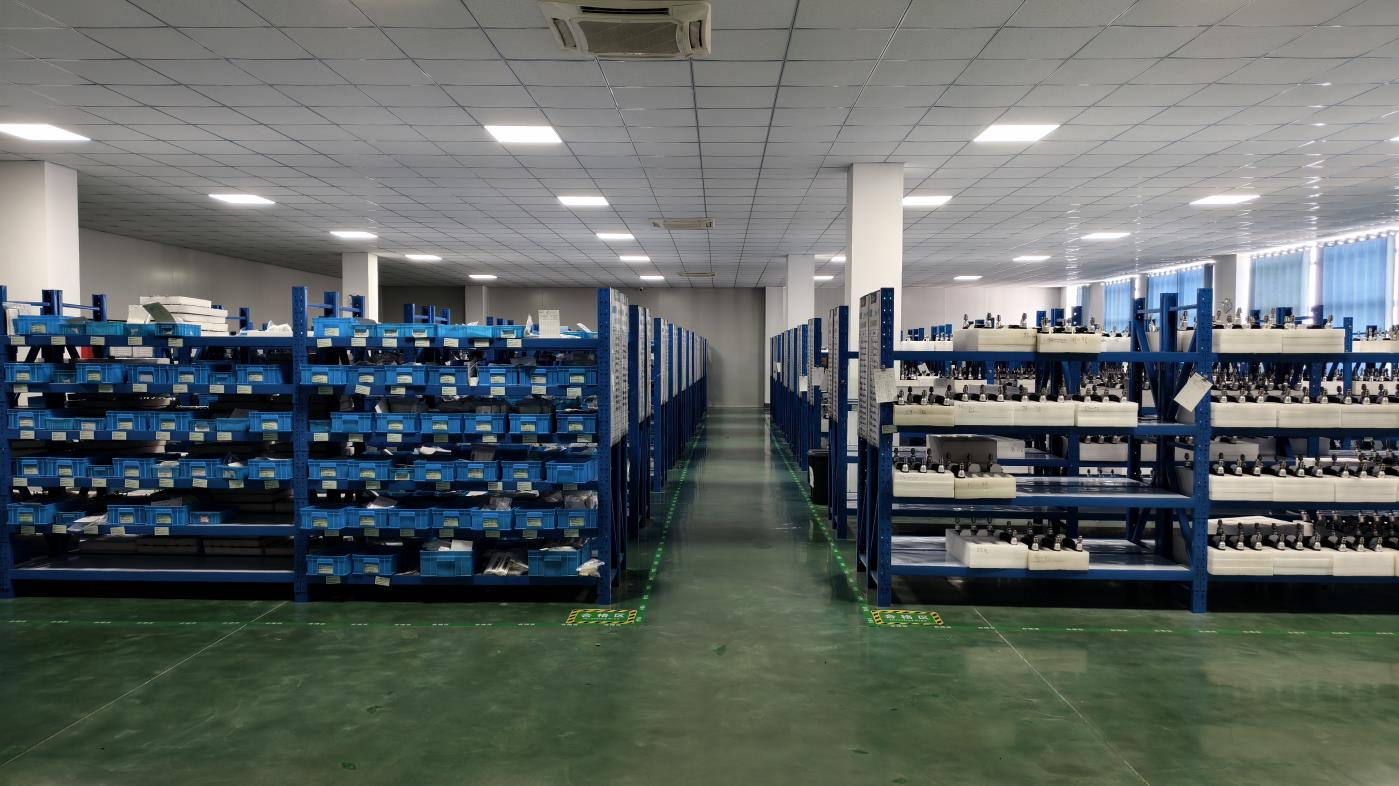
A look into our manufacturing history, testing processes, and production capacities.
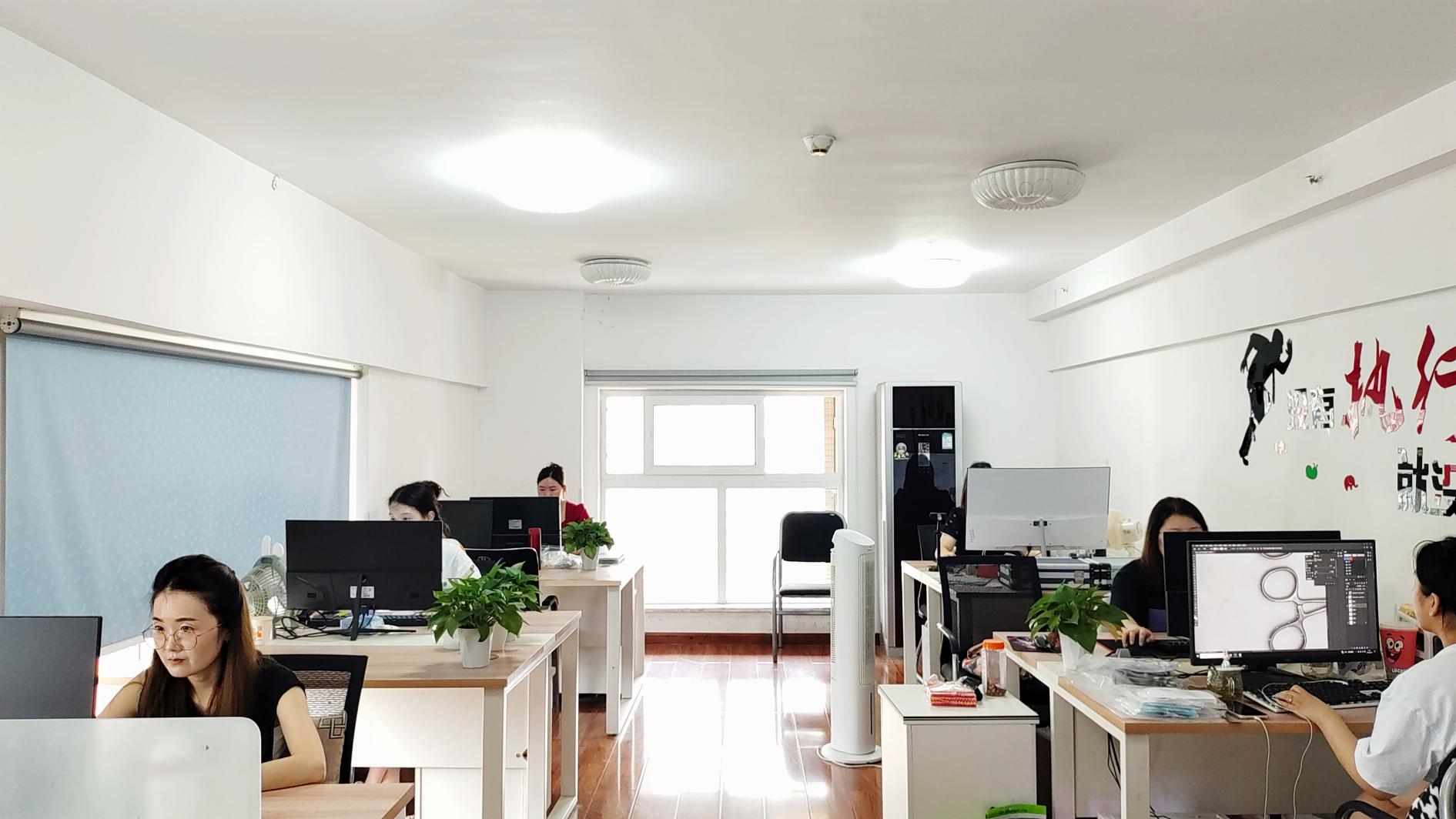
We are a specialized manufacturer of orthopedic manual and power instruments, serving medical brands, surgical wholesalers, and clinical distributors. By focusing on precision grinding, premium materials, and strict quality control, we help our partners succeed in competitive medical supply markets.
Answers to common technical, logistics, and customization questions about our orthopedic instruments.
We use premium medical-grade stainless steels, primarily SUS 420 (standard for surgical cutting and scraping instruments due to high hardness after heat treatment) and SUS 316L (ideal for corrosion resistance). Upon request, we also manufacture implants and micro-dissection components using Grade 5 Titanium Alloy (Ti-6Al-4V ELI).
Yes. We specialize in custom OEM/ODM manufacturing. We can work directly from CAD/3D model files (STEP, IGES, SolidWorks format), hand-drawn engineering graphics, or physical samples. We provide prototype runs to verify dimensions and tooth profiles before launching volume production.
All raw medical materials are verified before production. Each batch comes with chemical composition reports and mill test certifications. We trace every order from raw material sourcing through heat treatment, machining, passivation, and final sterilization-ready cleaning.
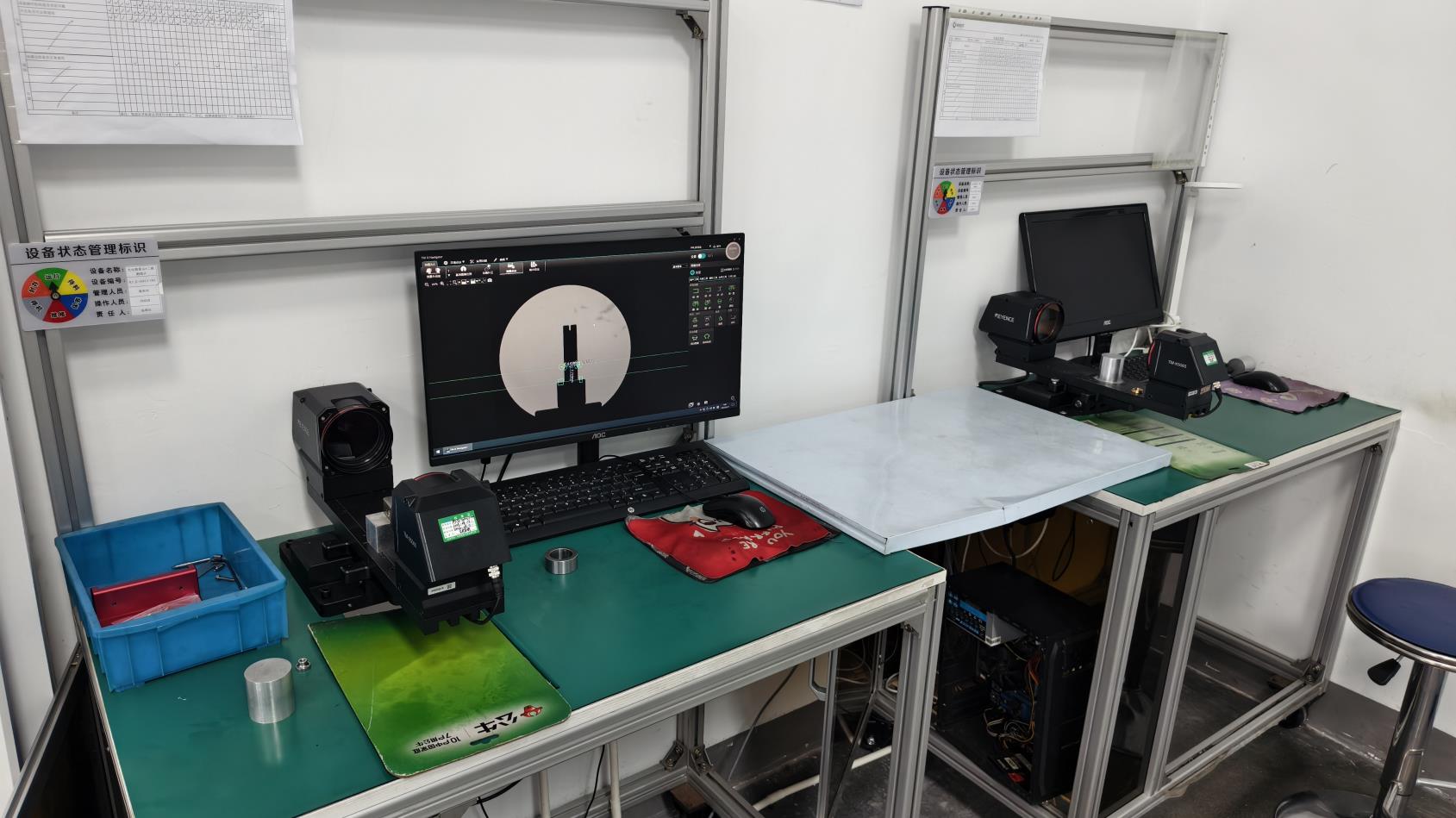
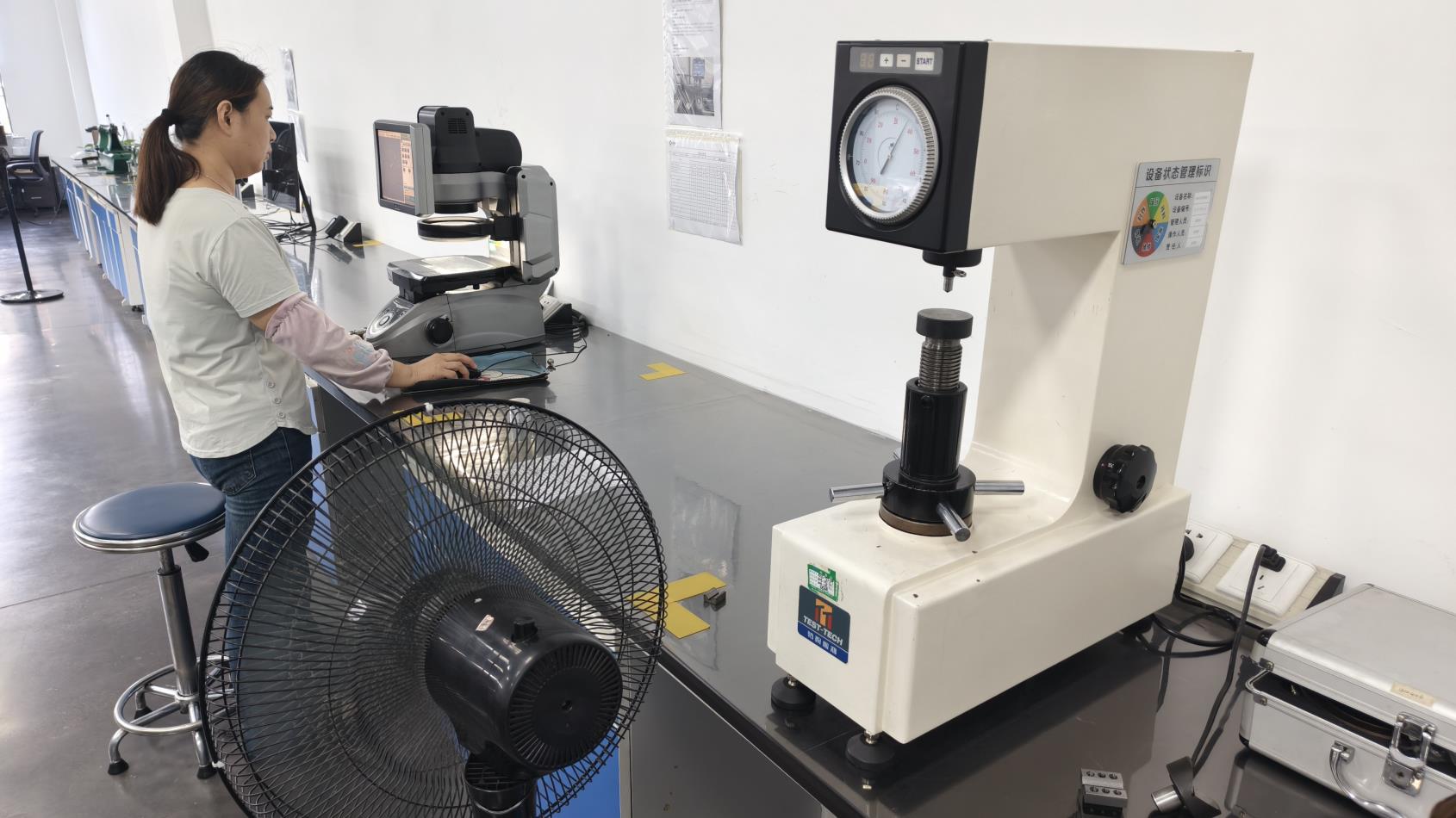
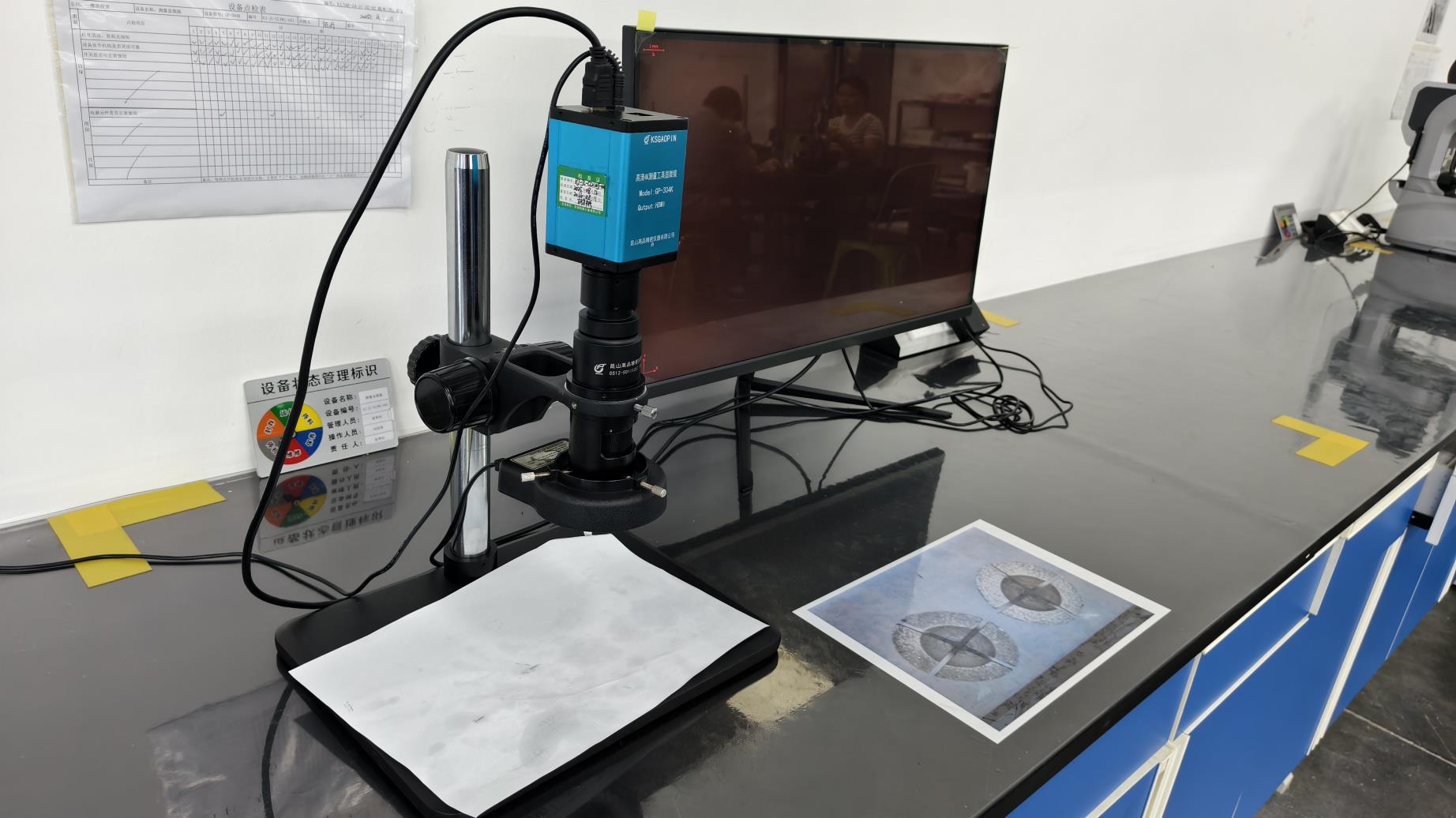
We conduct boil tests to verify passivation quality and ensure corrosion resistance. Additionally, we check dimensional accuracy using optical comparators, perform Rockwell hardness checks (50-55 HRC targets), and run microscopic inspections to verify there are no burrs or irregular teeth on our cutting surfaces.
Our main markets include North America (25%), South America (25%), and Southeast Asia (15%). Our international trade and support staff communicate in English to coordinate custom specifications, compliance documentation, and shipping details.
Yes. All of our instruments are designed to withstand autoclaving (standard high-pressure steam at 134°C). The combinations of materials and passivation prevent corrosion, scaling, or edge degradation, keeping the tools reliable across multiple sterilization cycles.
Explore our specialized surgical products, including manual bone files, drill guides, and cranial mills engineered for high precision.