SENJIE Healthy & Technology
SENJIE Healthy & Technology
SENJIE Healthy & Technology
Explore our precision-engineered components and instrument assemblies. Each product represents our commitment to biocompatibility, mechanical durability, and strict international standard tolerances.
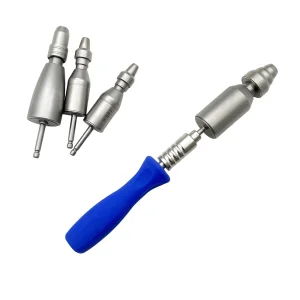
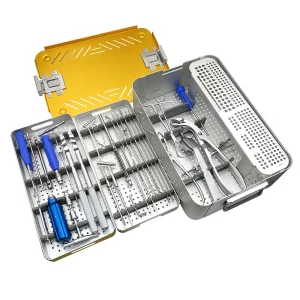
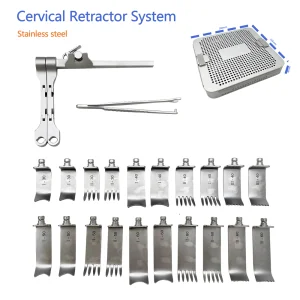
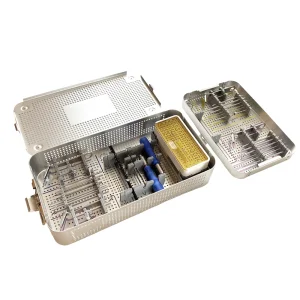
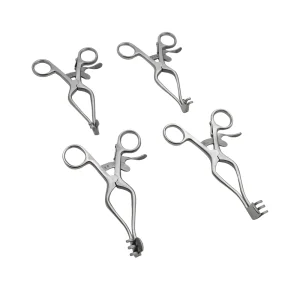
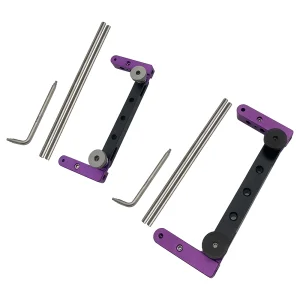
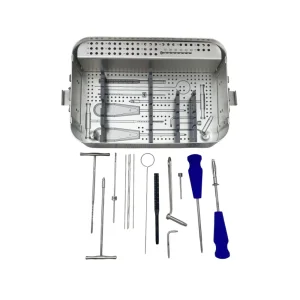
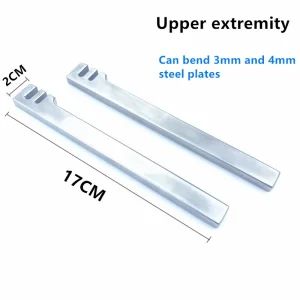
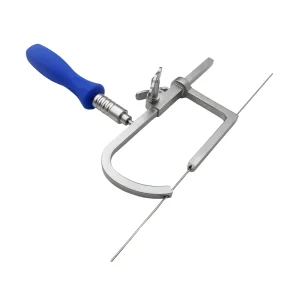
Surgical bone saws represent the technological apex of mechanical cutting in clinical settings. Ranging from high-velocity oscillating saws for orthopedic total joint replacements to high-speed sagittal saws and complex cranial drill mill systems, these devices are crucial in human traumatology and veterinary orthopedics. Modern surgeries demand that mechanical osteotomies minimize cellular destruction. This makes thermal management the key design challenge: exceeding 47°C during a bone incision leads to thermal necrosis, which hinders bone regeneration and delays postoperative healing.
For medical brand distributors, clinical sourcing agents, and hospital network managers, choosing a manufacturing partner requires an understanding of metallurgy, mechanical engineering, and biocompatibility. Precision-machined blades, customized tooth geometries, and torque-limitation mechanisms must work in unison. A premier OEM Bone Saws Manufacturer must provide products that balance durability with ergonomics. Advanced surface treatments like titanium carbonitride coatings or high-grade electrochemical passivation protect these instruments against corrosion from repeated sterilization, blood exposure, and saline contact during surgeries.
Utilizing high-grade biocompatible medical metals including 316LVM vacuum-melted stainless steel, surgical grade 440C, and Ti-6Al-4V ELI titanium alloys. These materials resist micro-fracturing and remain sharp through multiple sterilization cycles.
Engineered for optimal torque output, minimal vibration transfer, and stable oscillation angles (ranging between 2.5° and 5.0°). This allows surgeons to make precise cuts with minimal physical effort.
Guaranteed structural integrity through continuous autoclave operations (134°C / 273°F under high-pressure steam). Our instruments feature advanced sealing to prevent fluid ingress and corrosion.
The manufacturing process at a medical instrument factory requires precise execution. Our OEM bone saw and surgical hardware pipeline is built on a design-for-manufacturability (DFM) approach. This workflow translates complex mechanical concepts into highly accurate surgical tools:
We work with client designs, STEP files, or samples to create 3D CAD/CAM models. Our engineers optimize blade geometry, weight balance, and cleanability to minimize bioburden retention.
Utilizing multi-axis CNC machines to achieve tight tolerances (down to ±0.01mm). This step defines locking plate interface configurations, guide lines, and screw slot alignments.
Every steel component undergoes electrochemical polishing and nitric or citric acid passivation. This removes free iron from the surface and forms a corrosion-resistant chromium oxide layer.
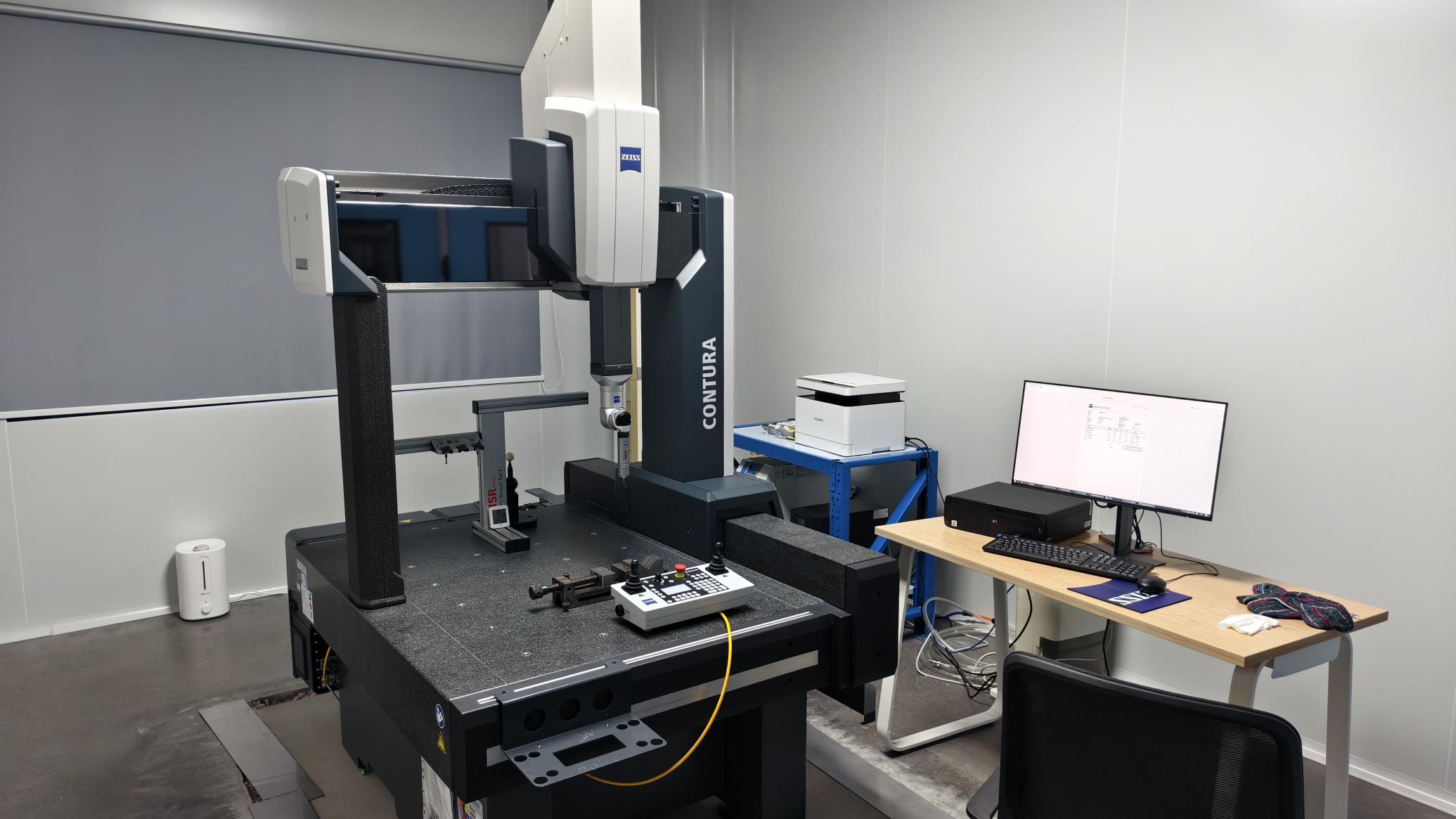
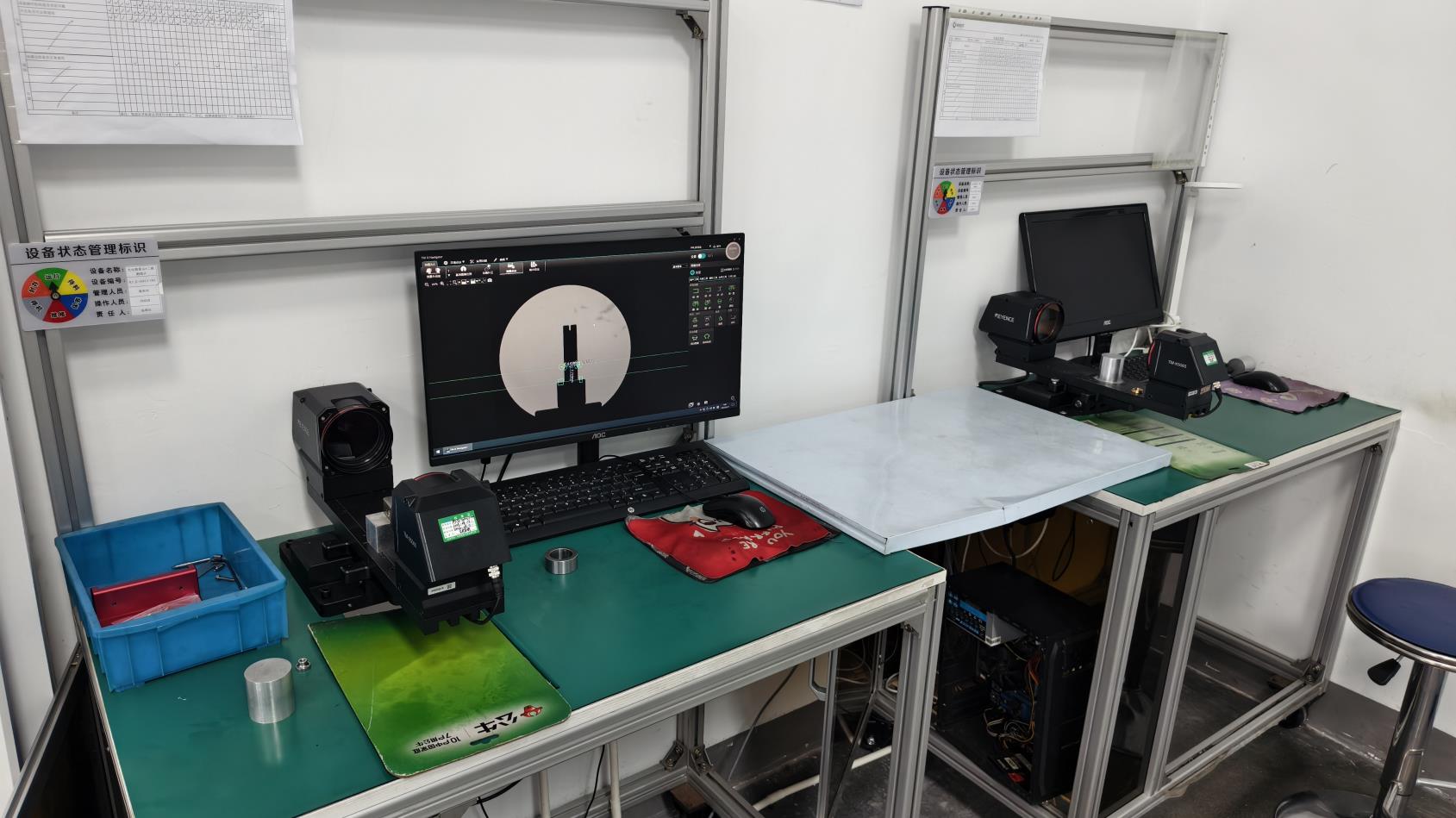
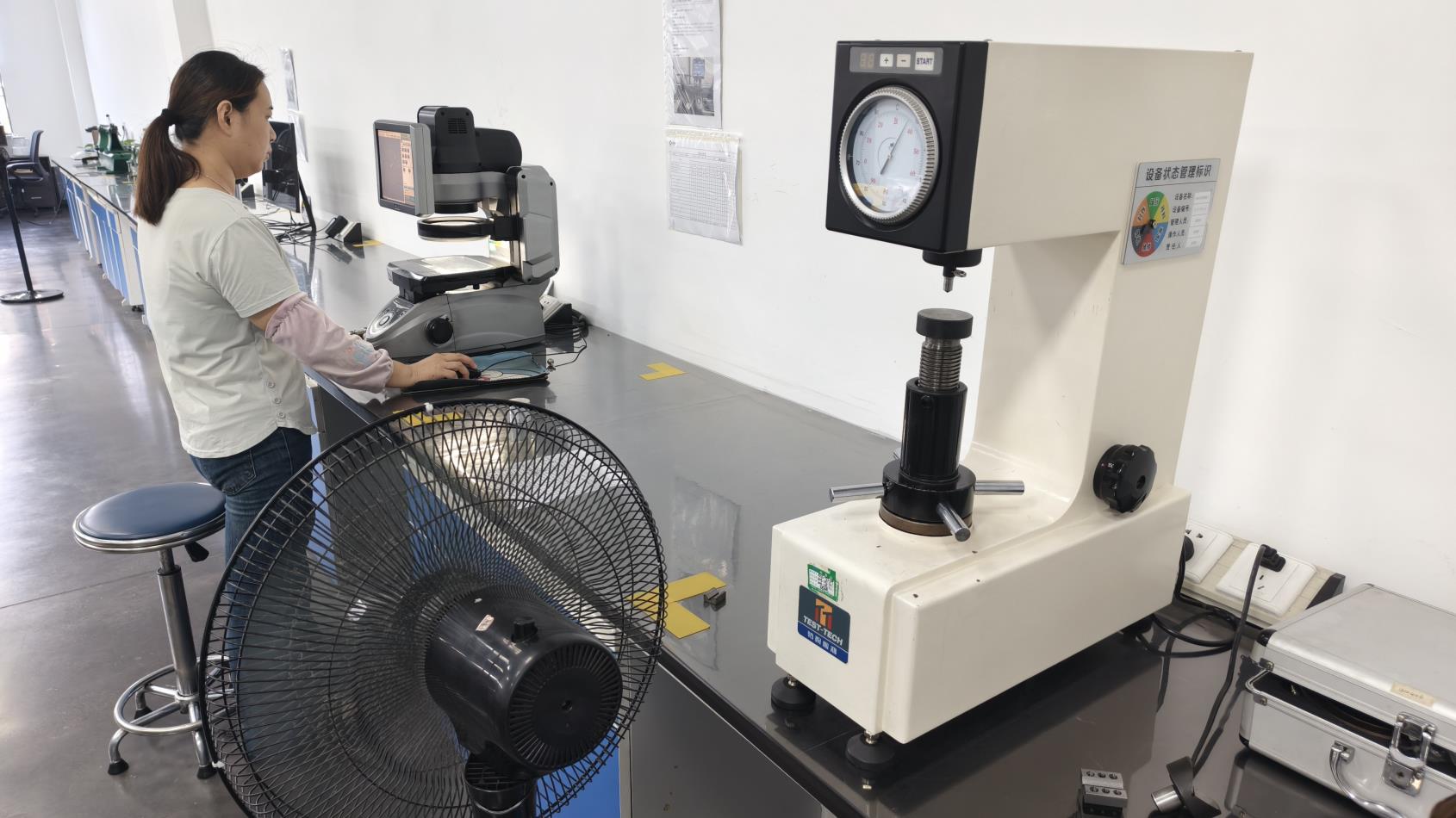
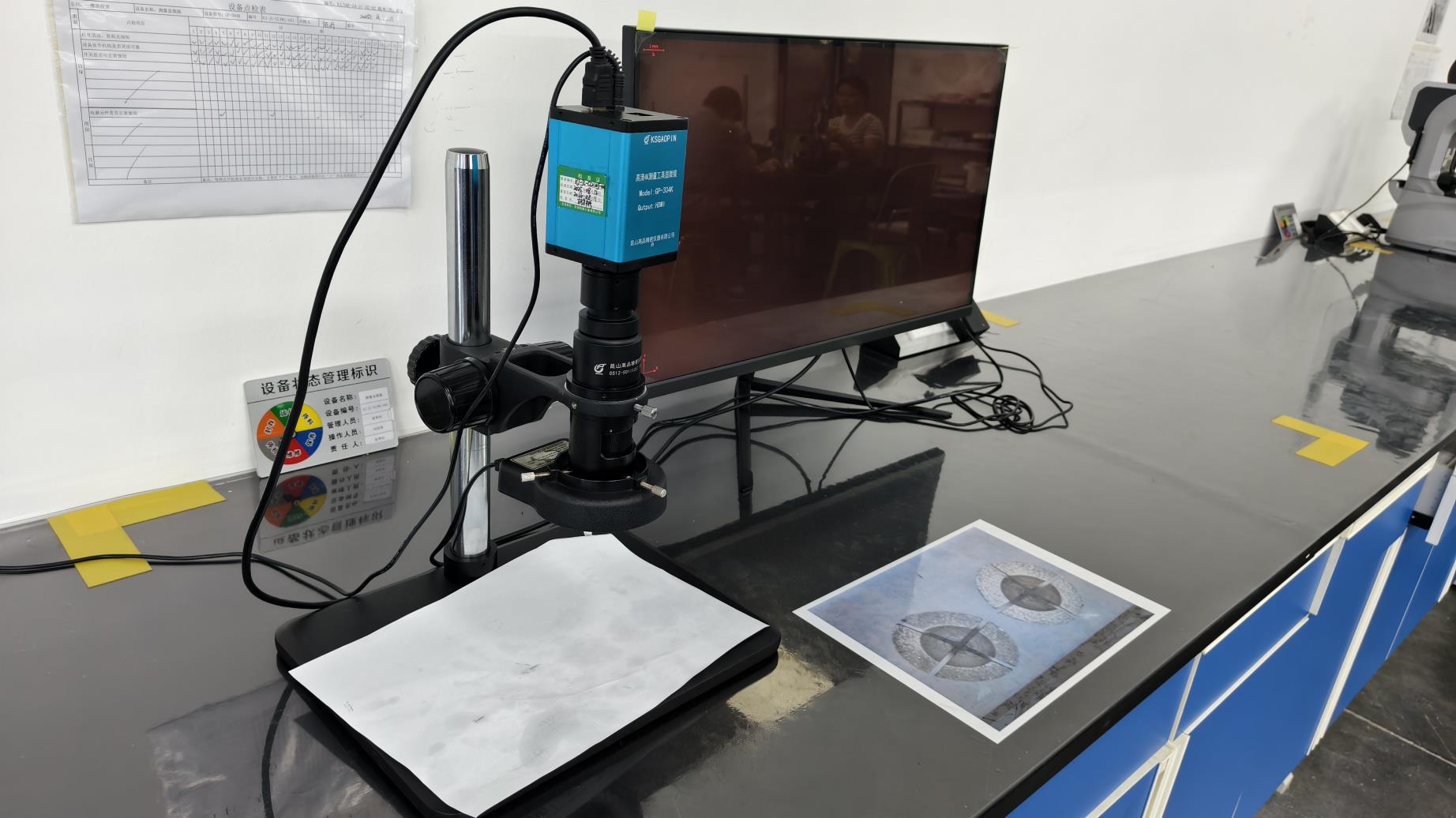
Our QA laboratory checks hardness (Rockwell C scale), tests surface roughness (Ra < 0.4 μm), and verifies assembly fits. We also carry out functional tests under simulated bone-cutting loads.
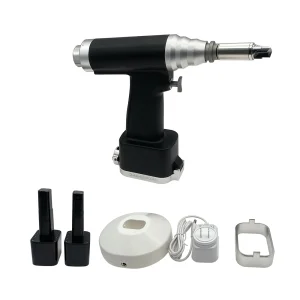
For high-volume orthopedic power tools like cranial drills, sagittal saws, and bone reamers, we implement custom dynamic balancing. This reduces heat generation and extends the motor's operating life, resulting in a reliable power system for surgical suites.
Established on November 20, 2019, our factory has become a trusted partner in the global orthopedic instrument and surgical saw supply chain. With six years of export experience, we serve key regions, including North America (25%), South America (25%), and Southeast Asia (15%). Our team has a strong understanding of international medical regulations and quality standards.
We work with brand owners, wholesalers, and medical institutions to deliver custom products. We offer three primary paths for customization: sample-based manufacturing, blueprint processing, and design-to-spec OEM production.
Our in-house quality control team consists of three dedicated QA/QC inspectors. They oversee material receipt, production processes, and final packaging inspections, ensuring complete raw material traceability.
Modern bone saws and surgical handpieces are used in a variety of complex clinical scenarios. Each application has distinct operational and engineering requirements:
Specialized procedures like Tibial Plateau Leveling Osteotomy (TPLO) and Tibial Tuberosity Advancement (TTA) require highly specific surgical tools. Our TPLO Slocum style jigs and headless cannulated compression screw sets are designed for the high-precision demands of veterinary orthopedic surgery.
Craniotomies require precise control. Our cranial drill and milling systems feature auto-stop clutches that prevent damage to the dura mater. These tools are built to run smoothly, minimizing bone debris during cranial entry.
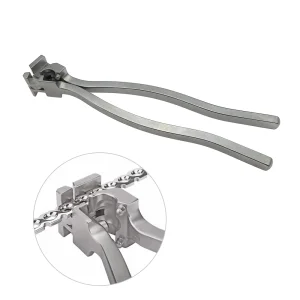
Lower limb fractures require heavy-duty stabilizing systems. We manufacture comprehensive instrument kits, including reconstruction plate benders, manual torque adapters, and femoral guide locators, ensuring secure locking plate fixation.
By using modular components, surgical teams can switch between drills, saws, and reamers on a single power unit. This helps reduce instrument setup times and lowers capital costs for hospitals and clinics.
A detailed look at our production facilities, cleanroom assembly areas, surgical instrumentation, and quality verification processes.

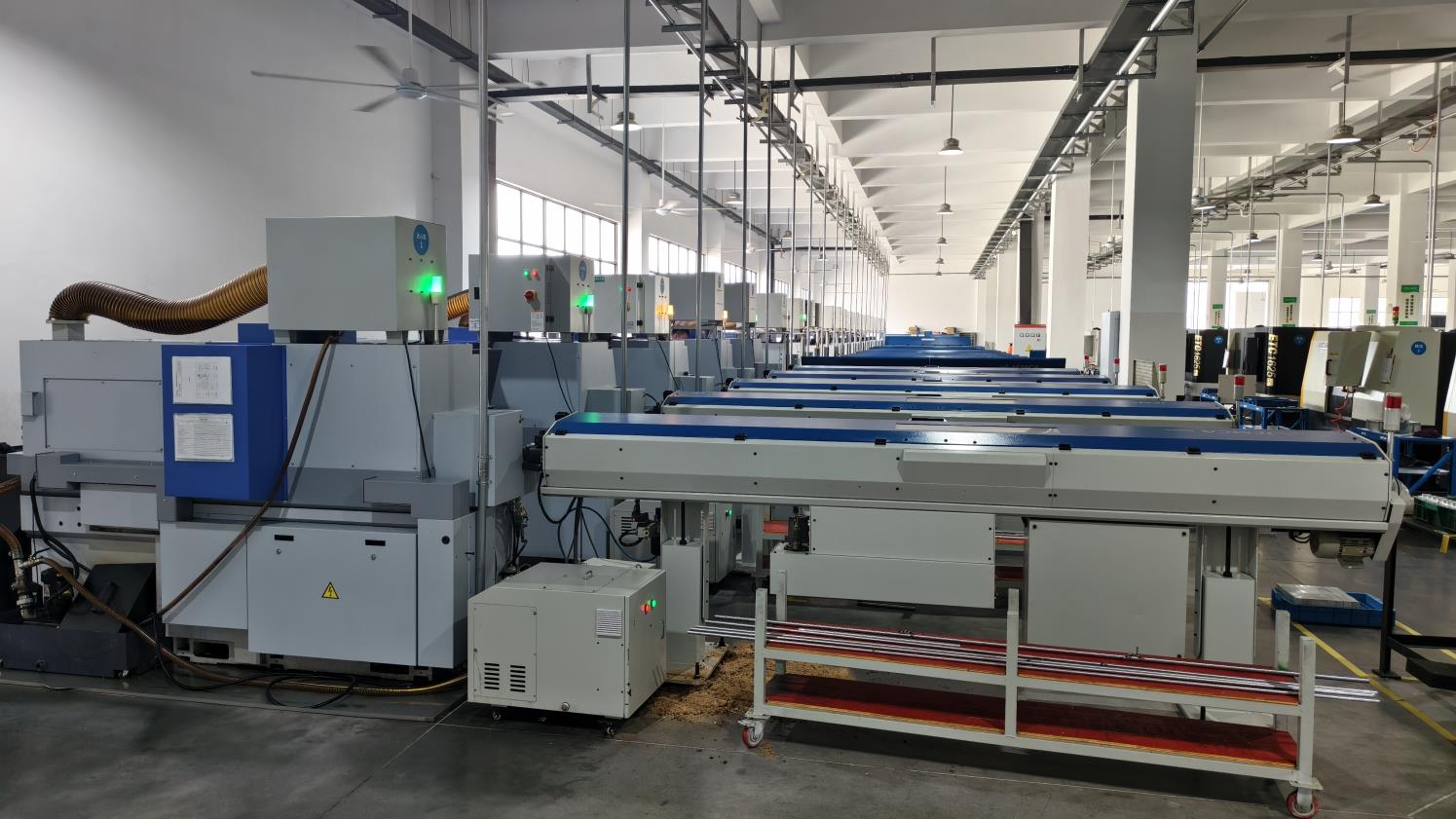
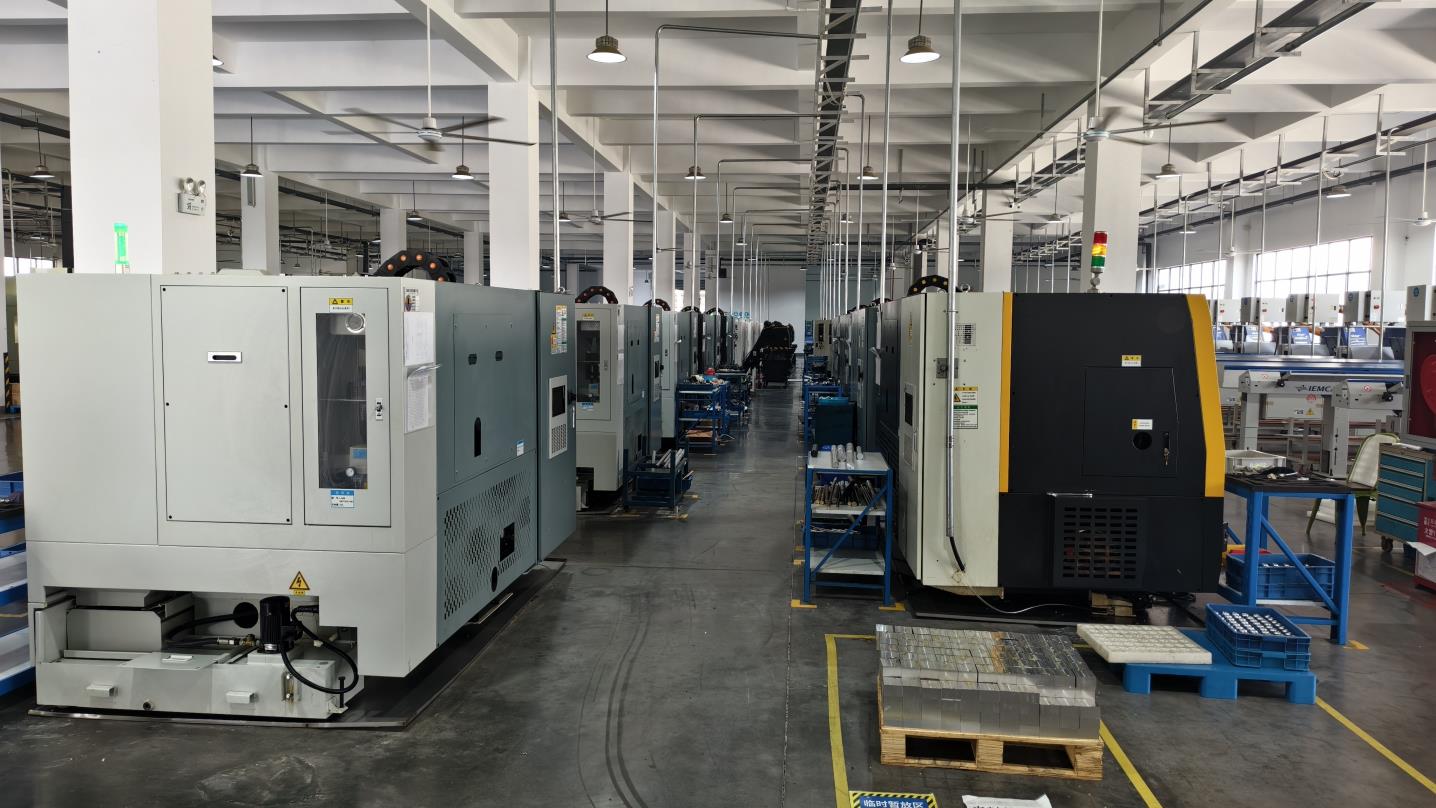
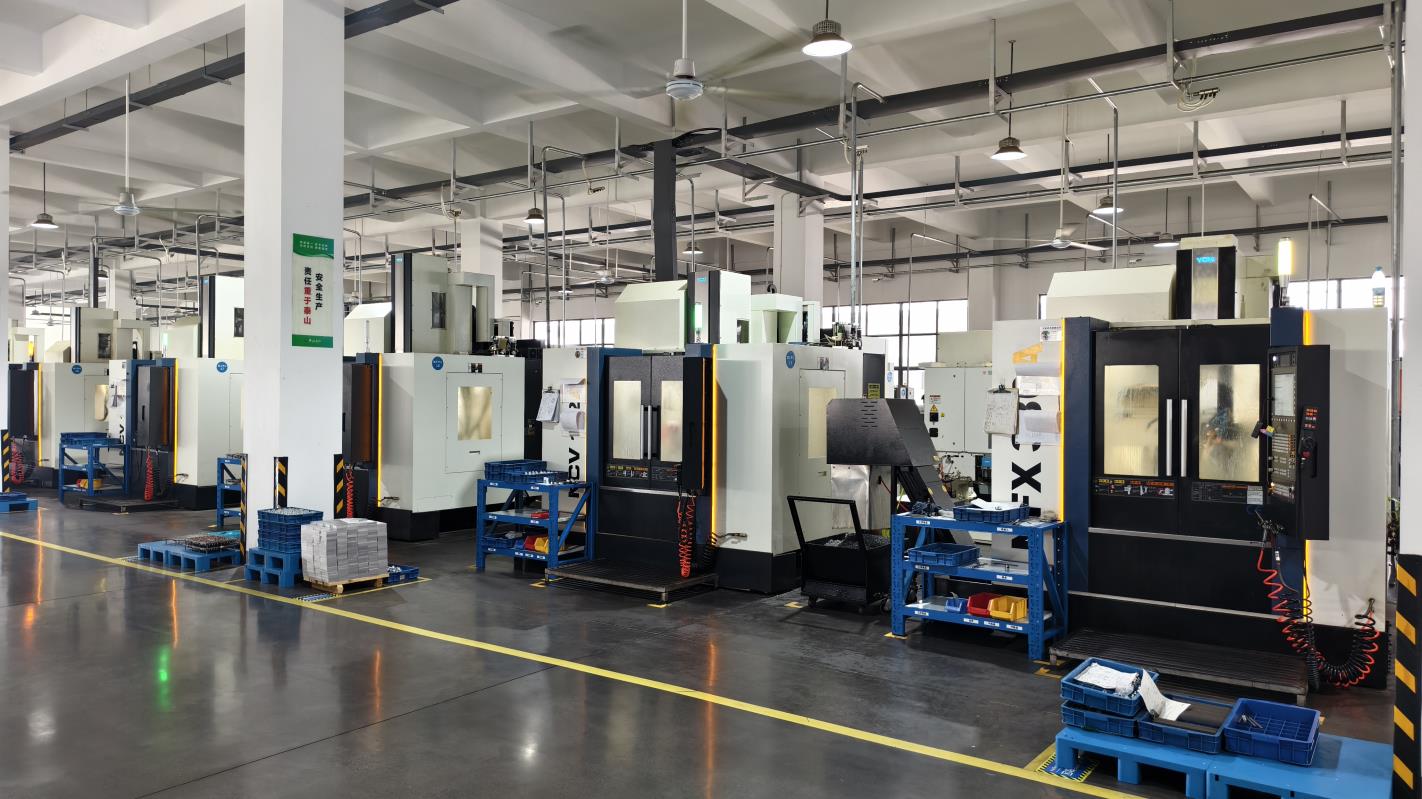
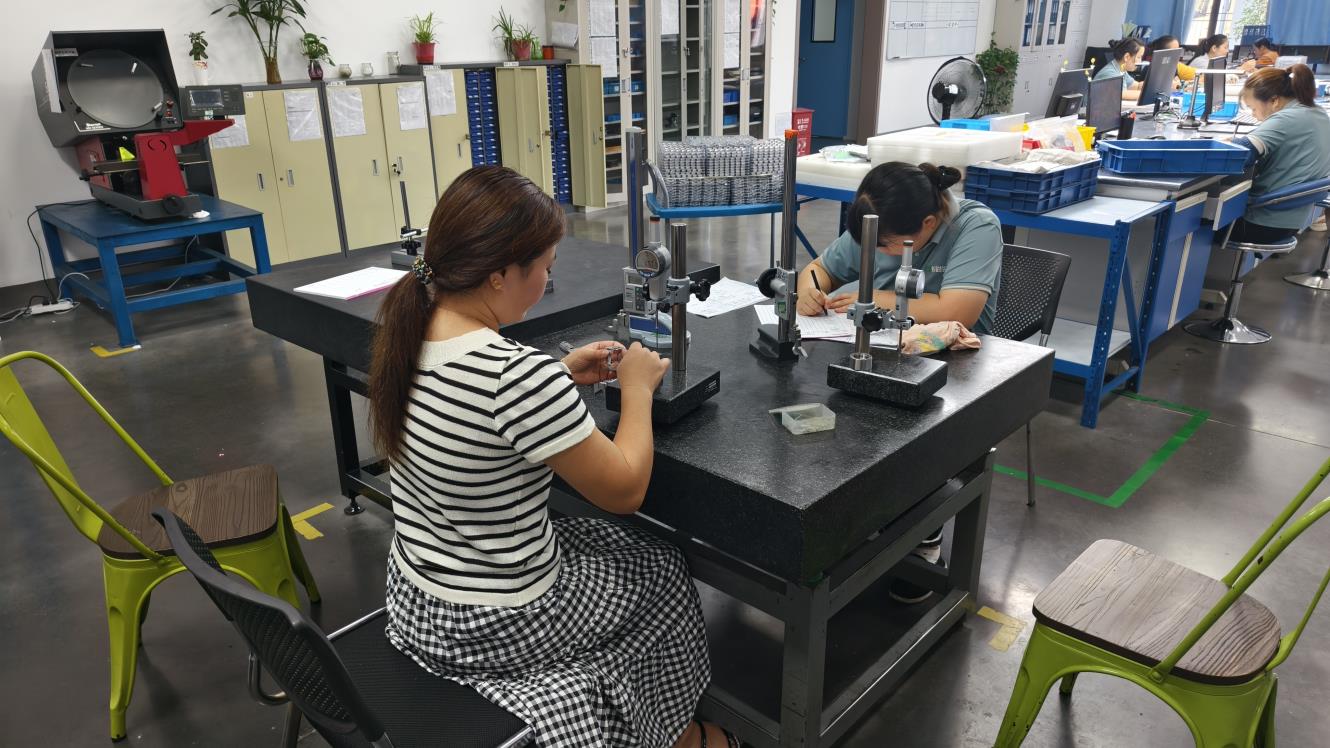
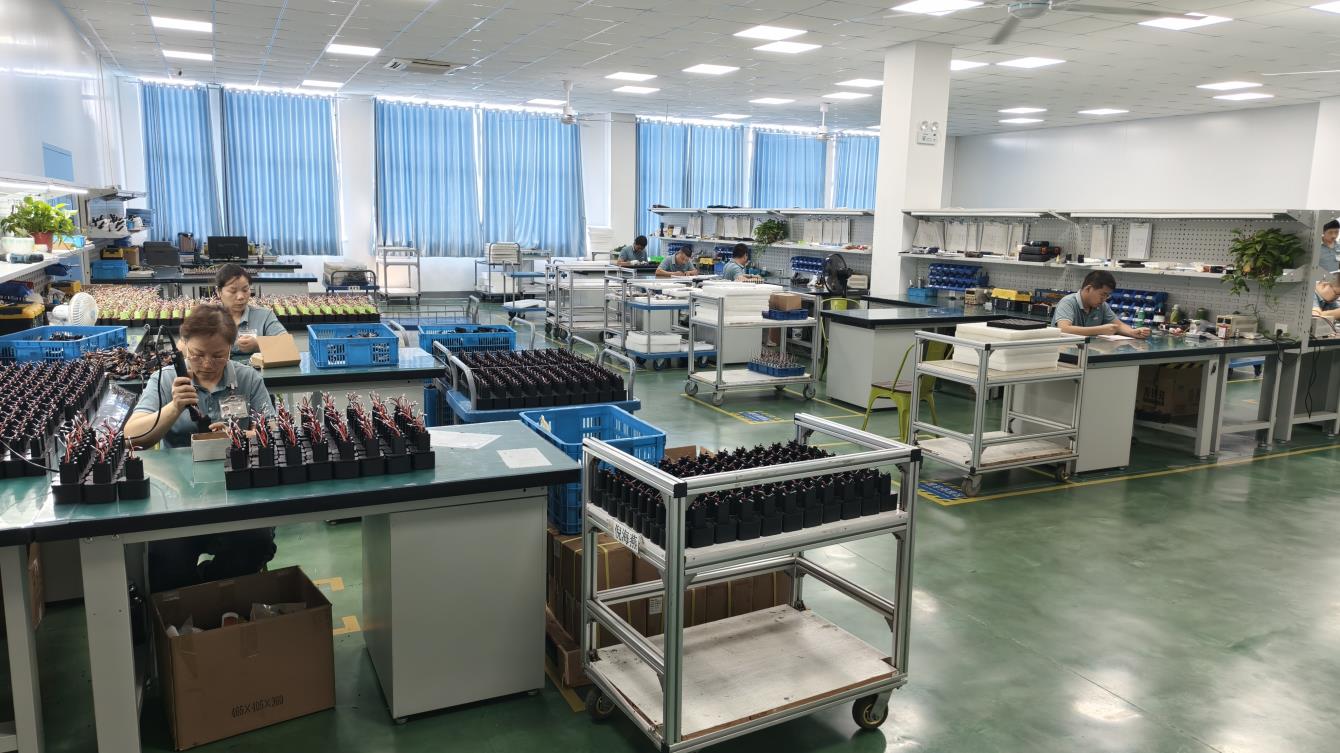
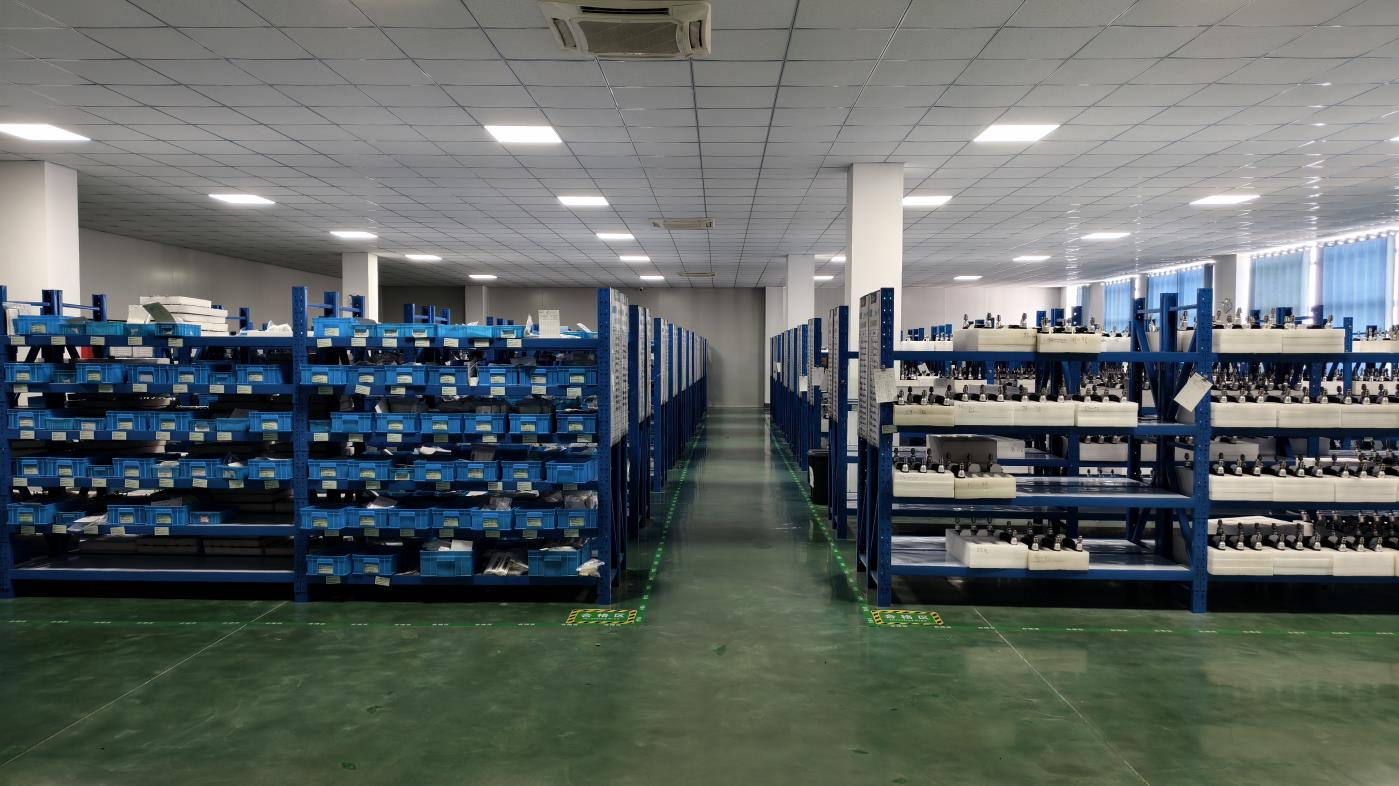
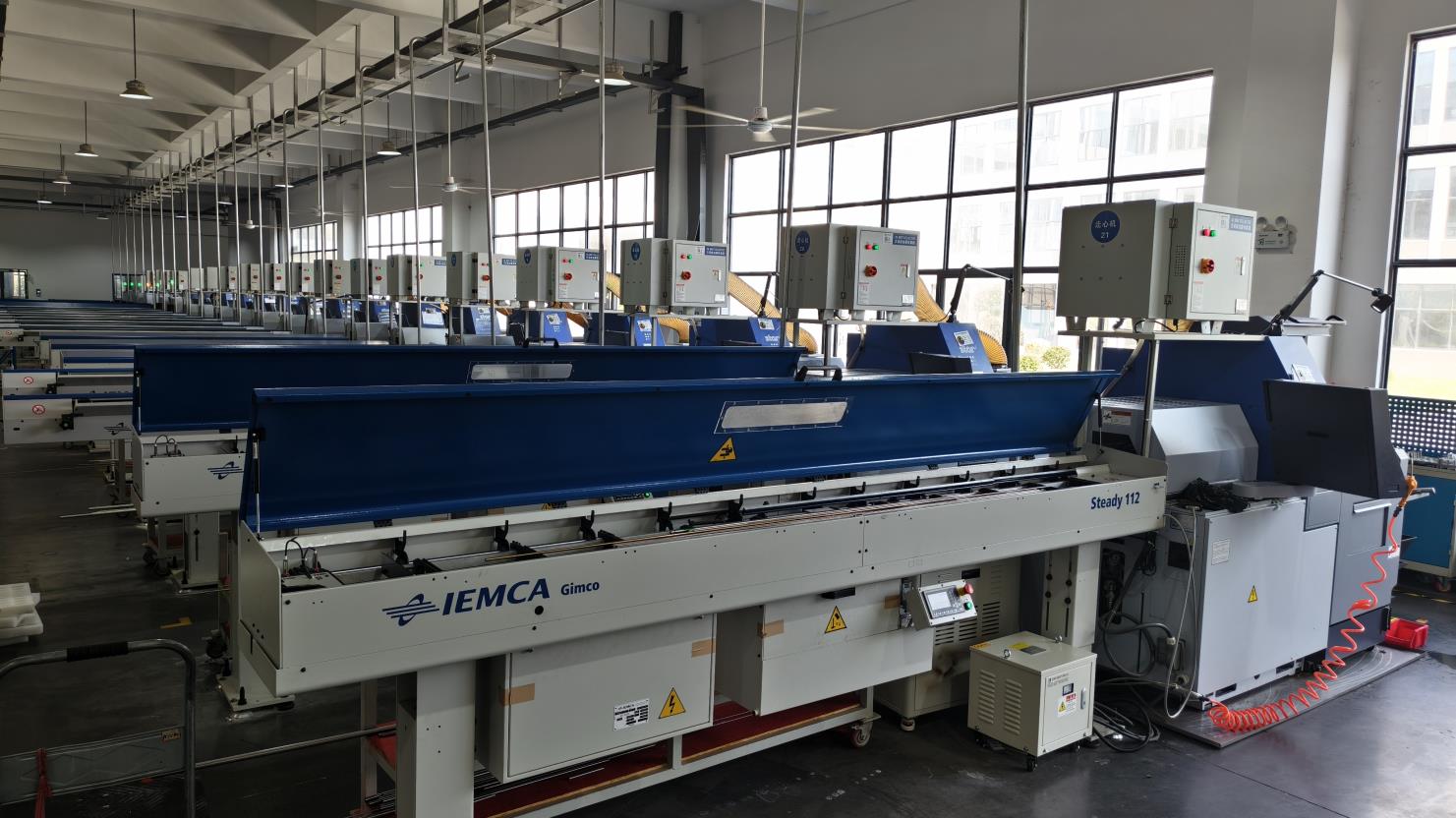
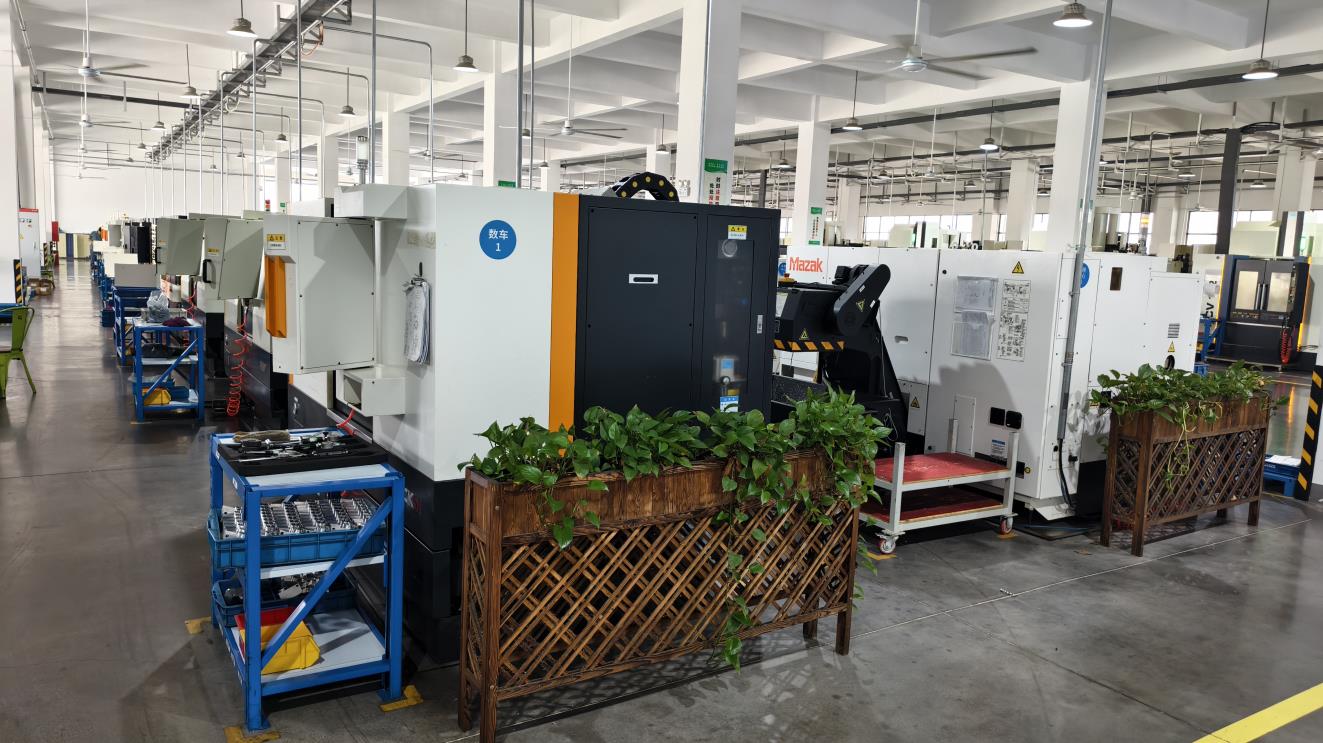
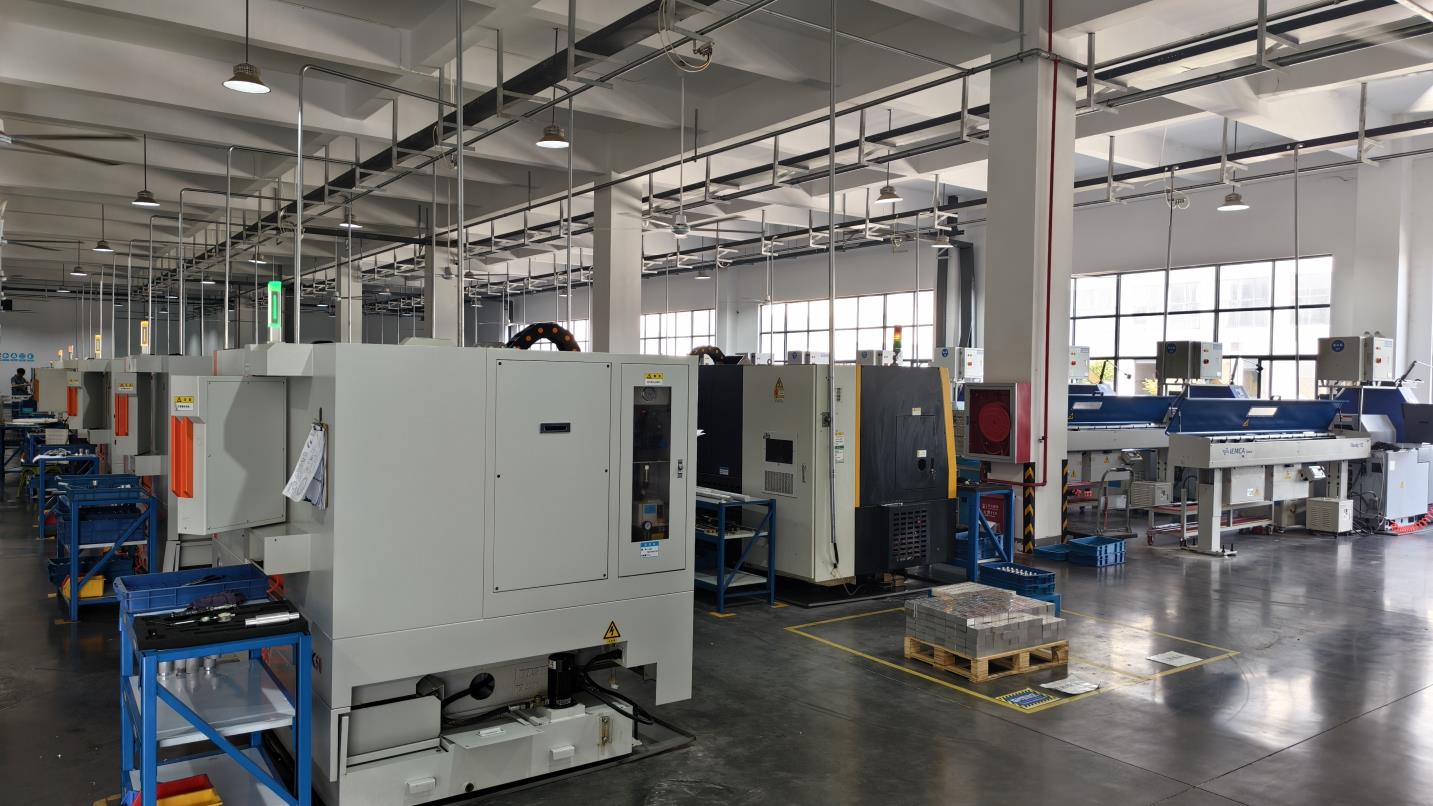
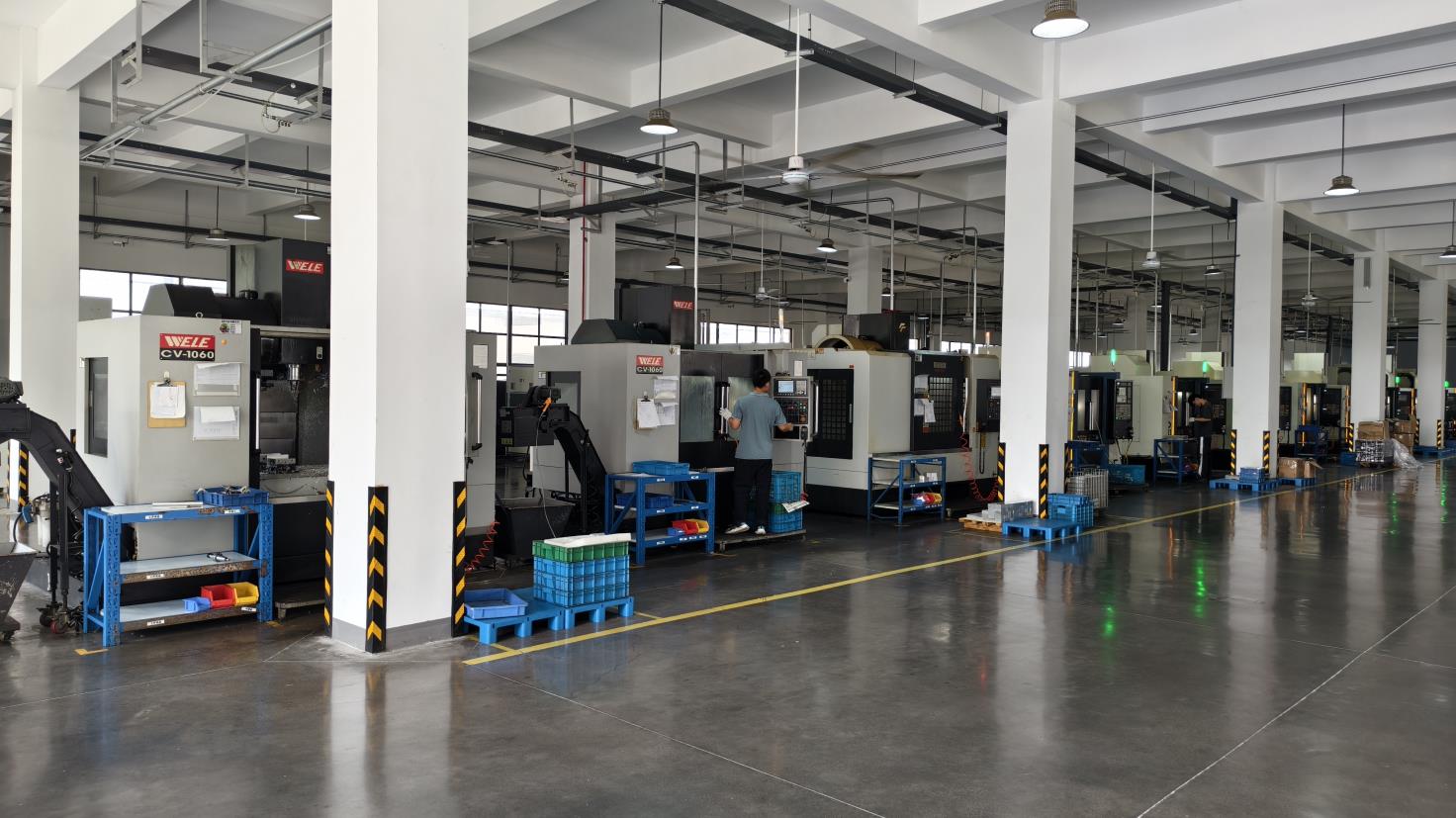
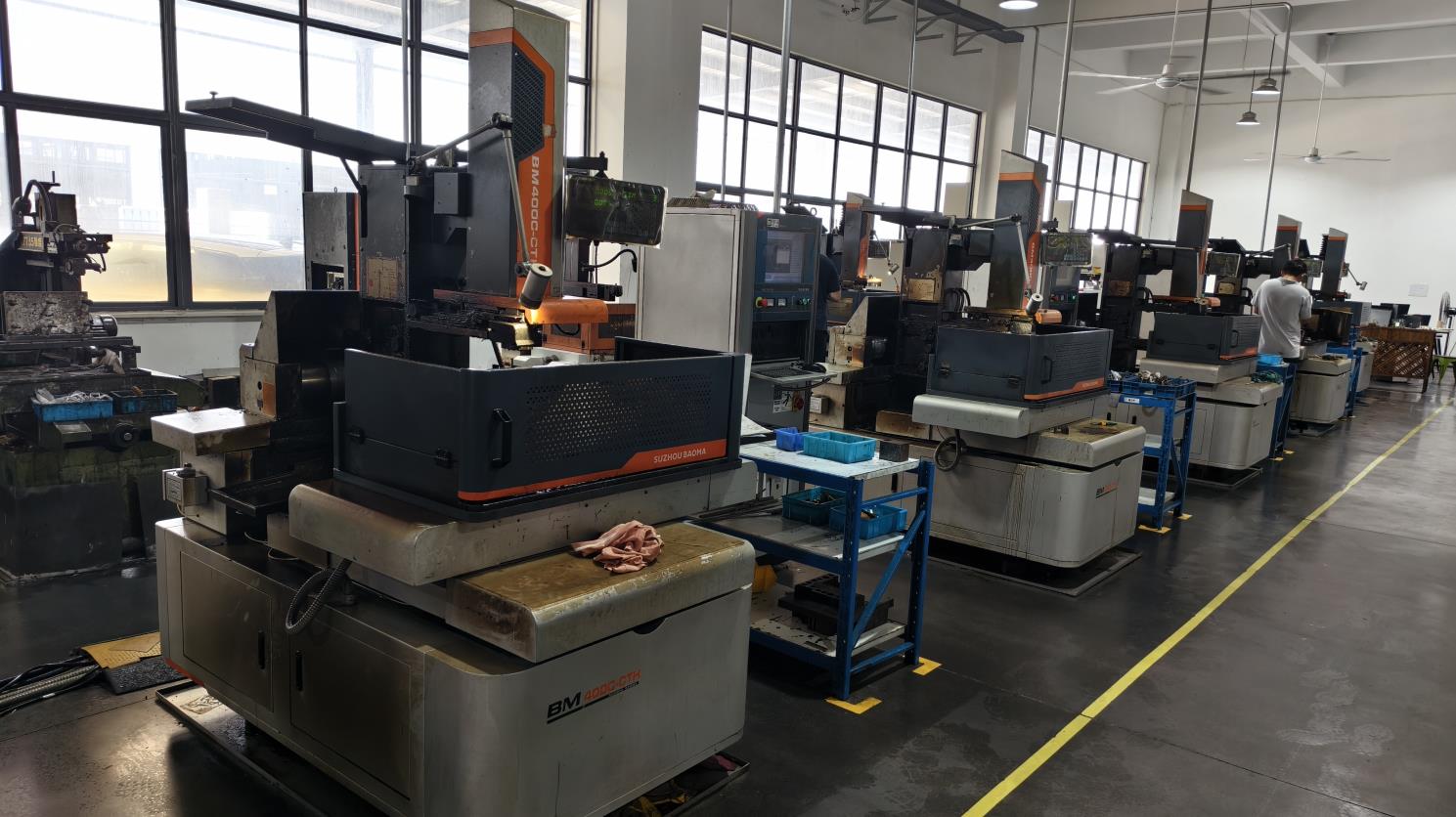
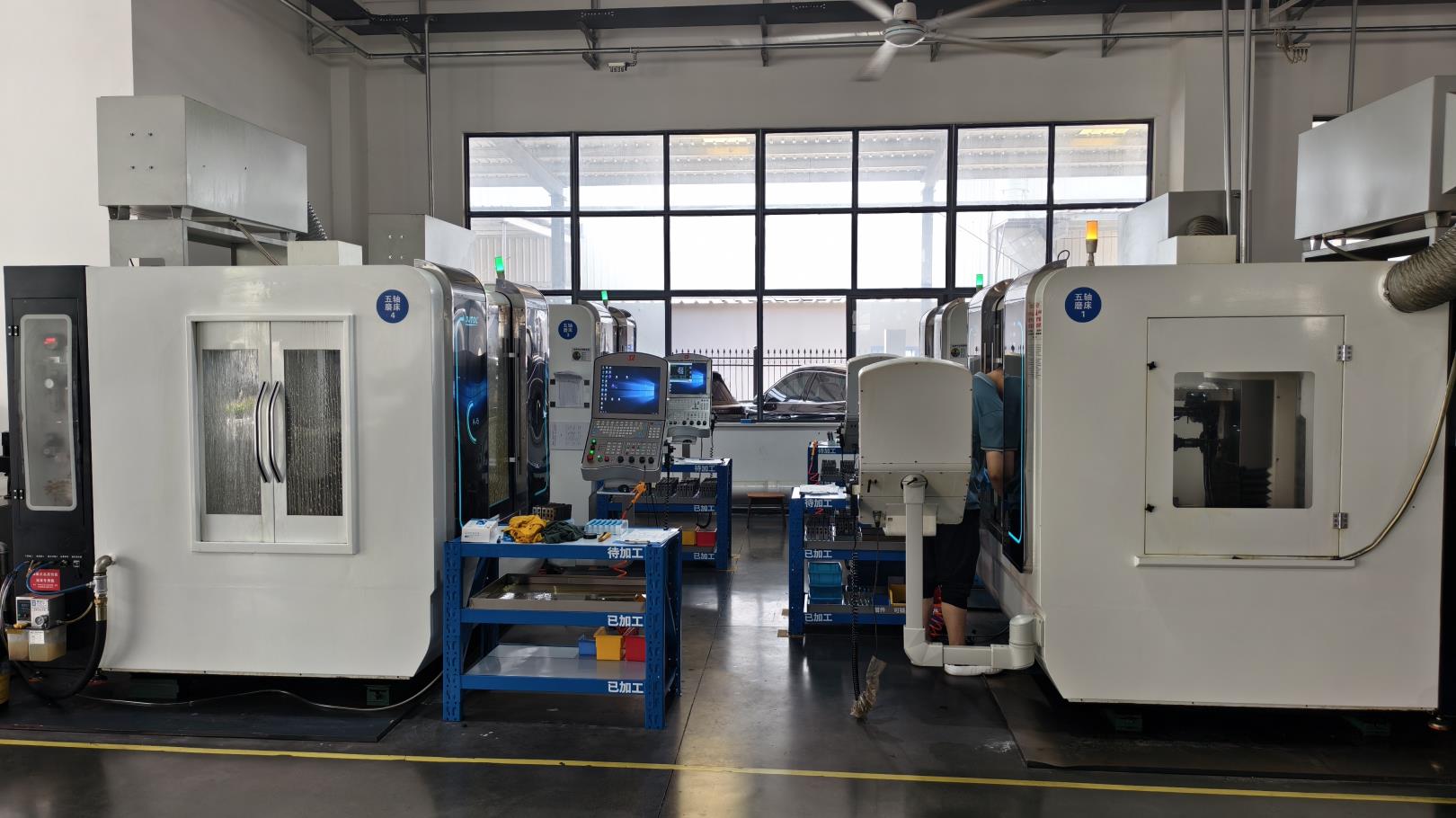
Sourcing directors for medical device brands must balance several factors beyond basic pricing. When purchasing bone saws and orthopedic instruments, the following considerations are critical to ensuring product quality and compliance:
Factories must provide clean documentation trails, including Mill Test Certificates (MTCs), raw material chemical composition analyses, and proof of ISO 13485 alignment to support FDA or CE filings.
Small variations in dimensions can lead to surgical fit issues. Precision machining ensures that orthopedic reamers, adapters, and saws integrate smoothly with locking systems and handpieces.
Consistent manufacturing quality from first sample to high-volume run is essential. Working with experienced, dedicated QA teams helps prevent out-of-spec batches and reduces incoming inspection failures.
As the industry moves toward smart surgical systems, the demand for embedded sensors and brushless motor integration is increasing. We continually update our CNC machining processes and validation testing to meet these changing industry specifications.
Answers to key questions regarding technical specifications, customization options, production times, and quality standards.
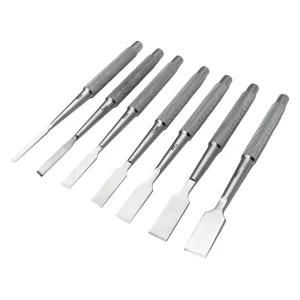
We manufacture using premium surgical grade alloys. For cutting blades and bone osteotomes, we typically use martensitic stainless steel grades (such as AISI 440C or 420B) to ensure excellent edge retention and hardness. For orthopedic implants and load-bearing structures, we use medical-grade austenitic 316LVM (vacuum arc remelted) stainless steel or Ti-6Al-4V ELI (Grade 5) titanium alloys to ensure complete biocompatibility and high fatigue resistance.
Every incoming batch of raw medical steel or titanium is logged with its original Mill Test Certificate (MTC). This tracking document follows the material through all production phases—from CNC milling to passivation and packaging. Laser-etched tracking codes are applied to the final products to allow full lot traceability back to the raw material melt.
Our OEM/ODM services support graphic processing, sample replication, and custom designs based on blueprints. For standard modifications (such as changing laser-etched markings or handpiece connectors), production times range from 3 to 4 weeks. For custom designs requiring engineering reviews, tool changes, and structural testing, lead times generally range between 6 and 10 weeks.
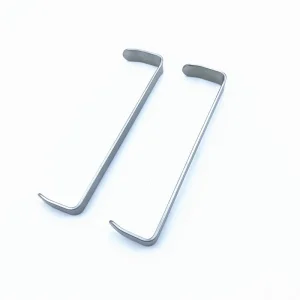
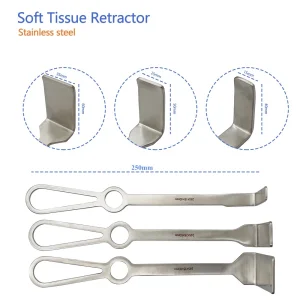
Yes. All of our orthopedic instruments, including manual bone plate benders, retractor assemblies, and cranial drill heads, are designed for autoclave sterilization. They are built to withstand standard autoclaving at 134°C (273°F) for 18 minutes under 2.1 bar pressure, resisting rust and mechanical degradation over long-term use.
We employ three in-house QA/QC inspectors who monitor key production milestones. We conduct random inspections at critical stages: after CNC machining, after polishing/passivation, and prior to final packaging. We also accommodate custom inspection protocols requested by clients to meet specific quality assurance standards.
Absolutely. We manufacture specialized veterinary instruments, including TPLO jigs, veterinary-specific compression screws, and compact bone plates. These products undergo the same rigorous machining, polishing, and passivation processes as our human clinical instruments to ensure reliable performance in veterinary medicine.
For motor-driven handpieces, we use high-speed dynamic balancing machines to analyze and adjust the rotor assembly. This reduces running vibration, prevents local overheating, and minimizes noise levels, resulting in a more comfortable and stable tool for surgical procedures.
Our MOQs depend on the complexity of the part and the required tooling. For standard manual instruments (like plate benders or osteotomes), the MOQ is typically 50 to 100 units. For complex assemblies or custom surgical power tools, we offer lower MOQs (e.g., 5 to 10 units) to assist clients during their initial prototyping and validation phases.
Browse our additional high-precision medical-grade products. These instruments are designed to work together to form complete surgical sets.