SENJIE Healthy & Technology
SENJIE Healthy & Technology
SENJIE Healthy & Technology
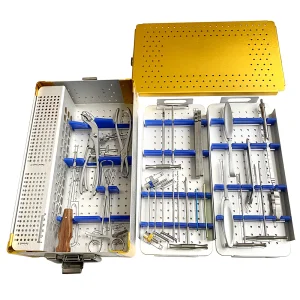
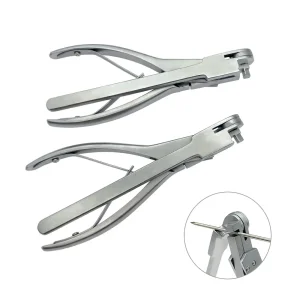
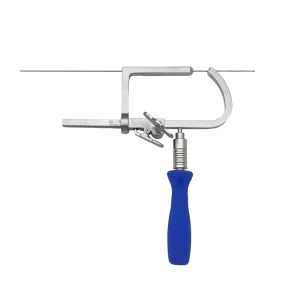
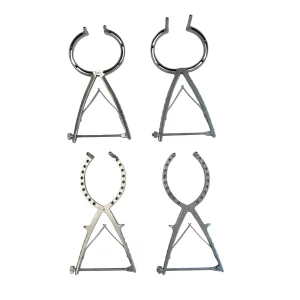
Explore our premium selection of orthopedic trauma instruments, reduction tools, and specialized surgical systems engineered to standard specifications.
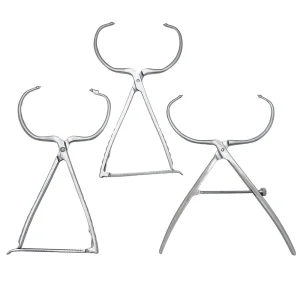
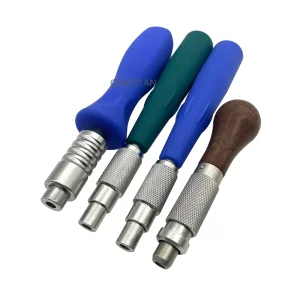
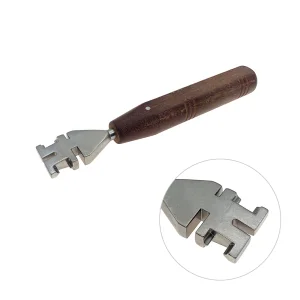
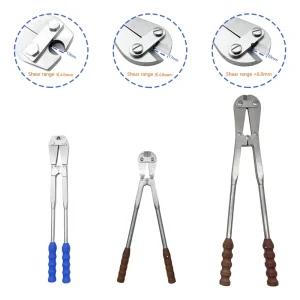
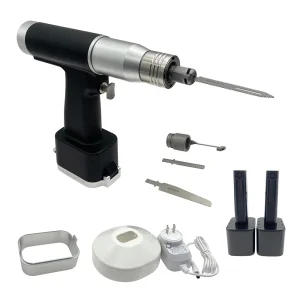
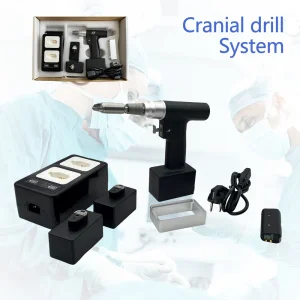
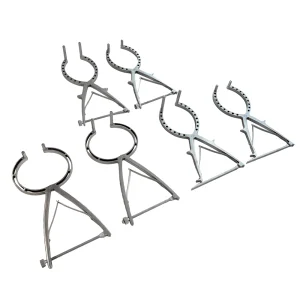
How Modern Micro-Surgery and Orthopedic Interventions Drive the Need for Advanced Metallurgical Precision.
Within modern clinical settings, the surgical spatula is far more than a simple hand instrument. In microsurgery, ophthalmology, neurosurgery, and orthopedics, a spatula acts as an extension of the surgeon’s tactile feedback loops. It is primarily tasked with tissue separation, micro-retraction, and elevation without inflicting trauma on delicate vascular structures or neurological bundles.
For medical brand managers and global procurement executives, sourcing OEM surgical spatulas demands absolute adherence to rigorous physical criteria:
Sterilization Integrity: Complete tolerance to high-temperature autoclave procedures (134°C) without risk of surface degradation or pitting.
Biocompatibility Compliance: Complete absence of toxic heavy metals, nickel elution control, and compliance with ISO 10993 requirements.
Traceable Manufacturing: Full tracking from raw steel ingot through cold forging, grinding, electropolishing, and final packaging.
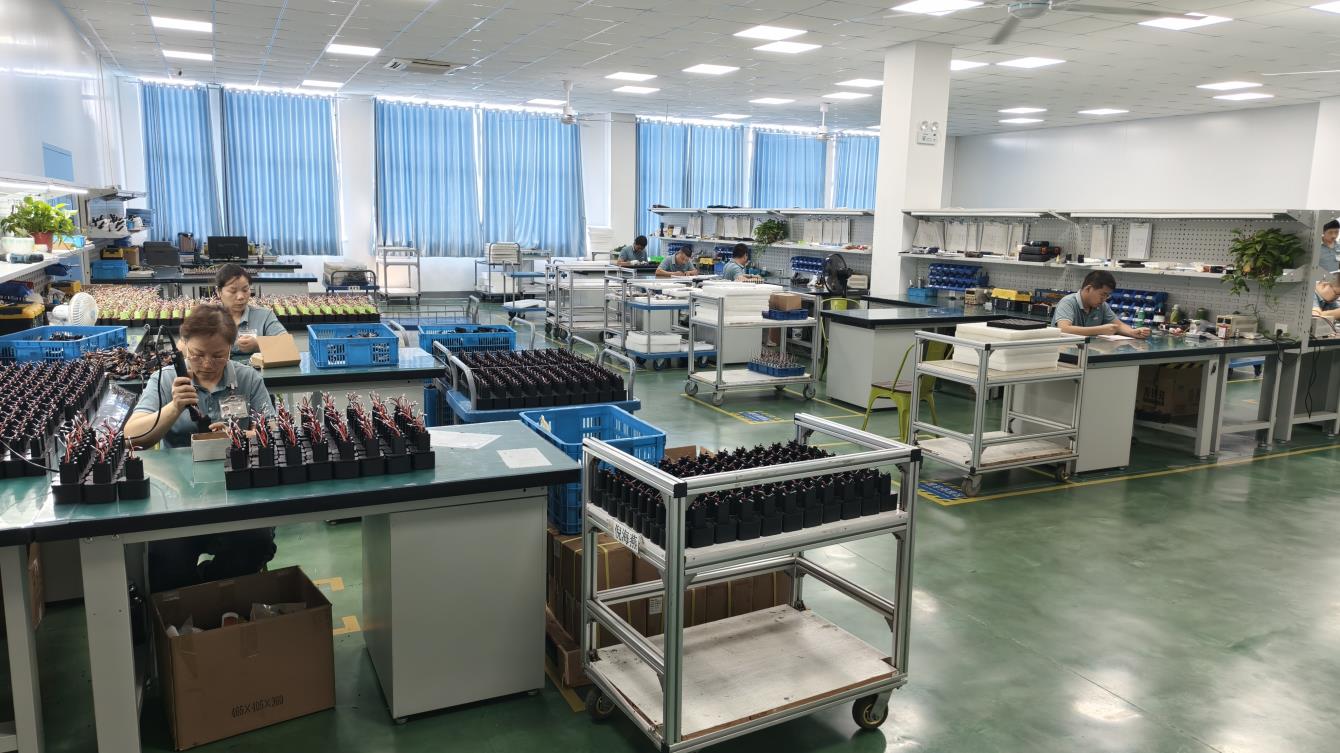
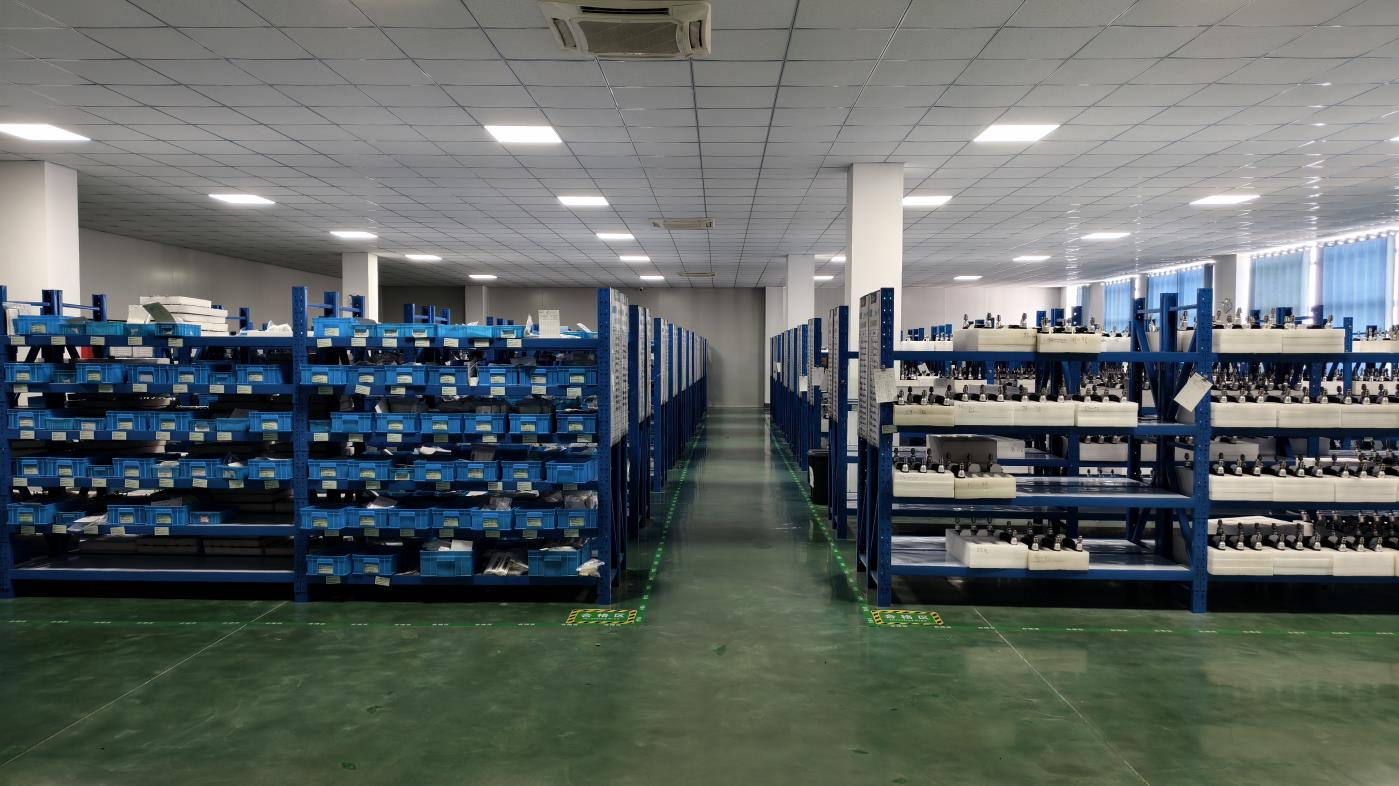
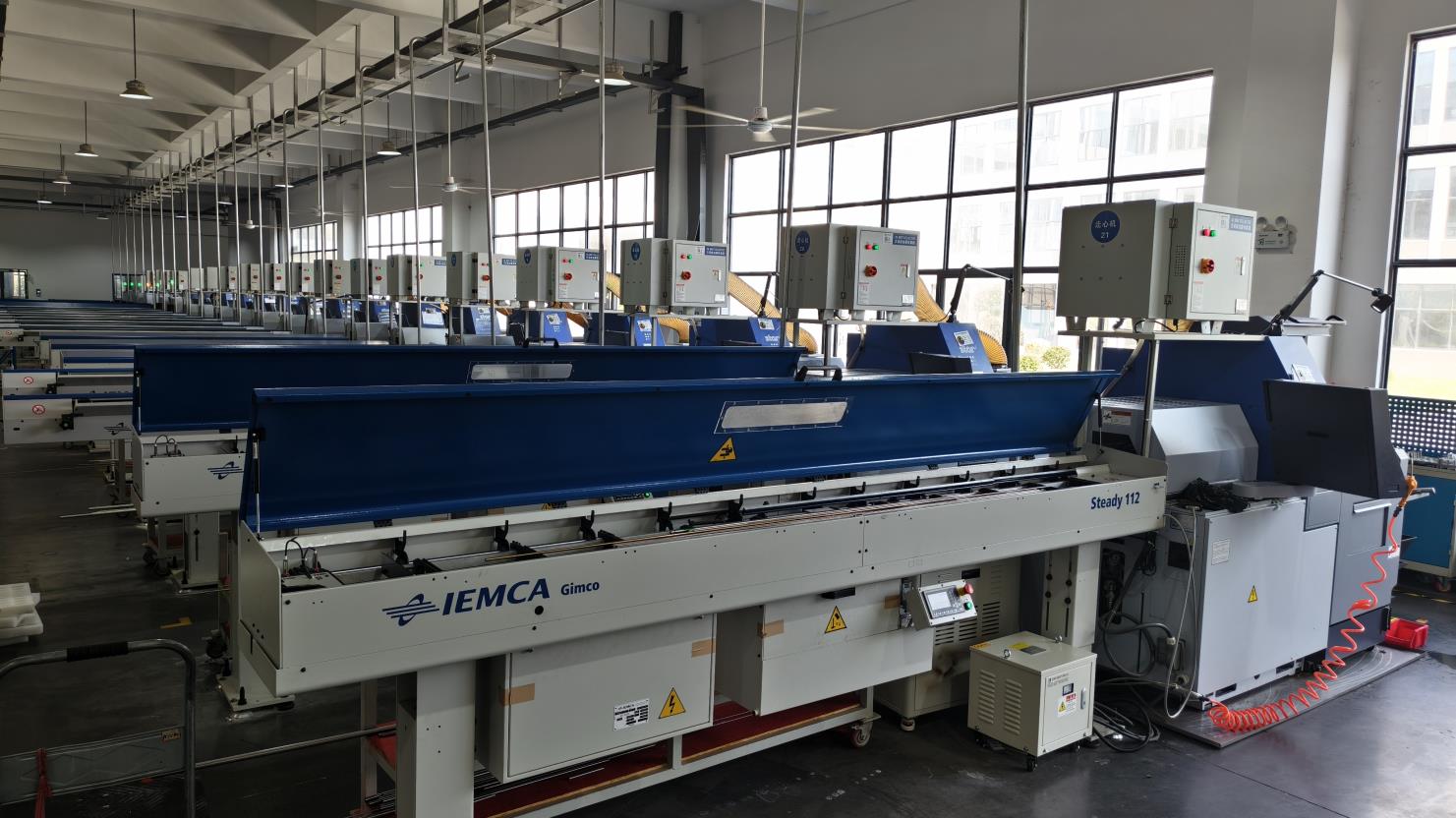
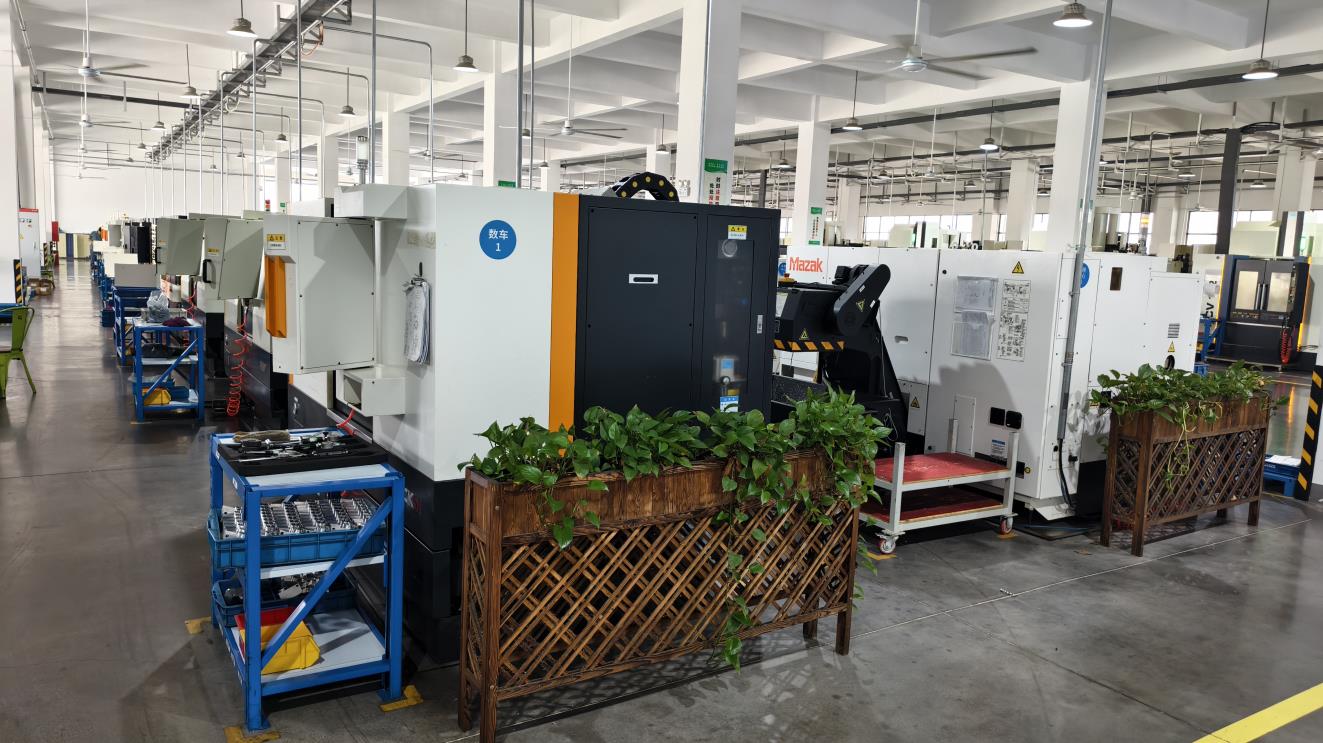
A transparent look inside our manufacturing processes, testing protocols, and physical infrastructure.

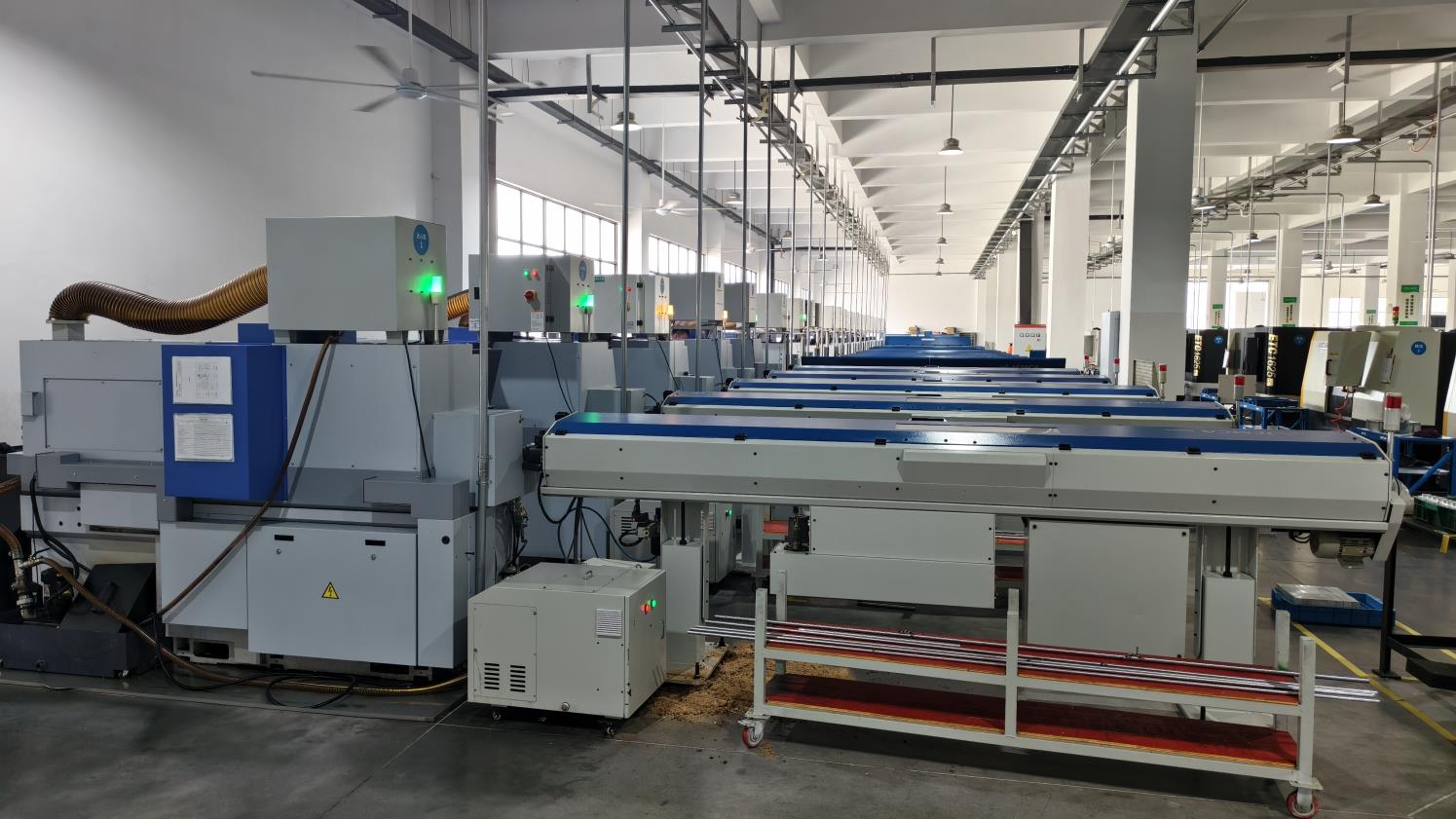
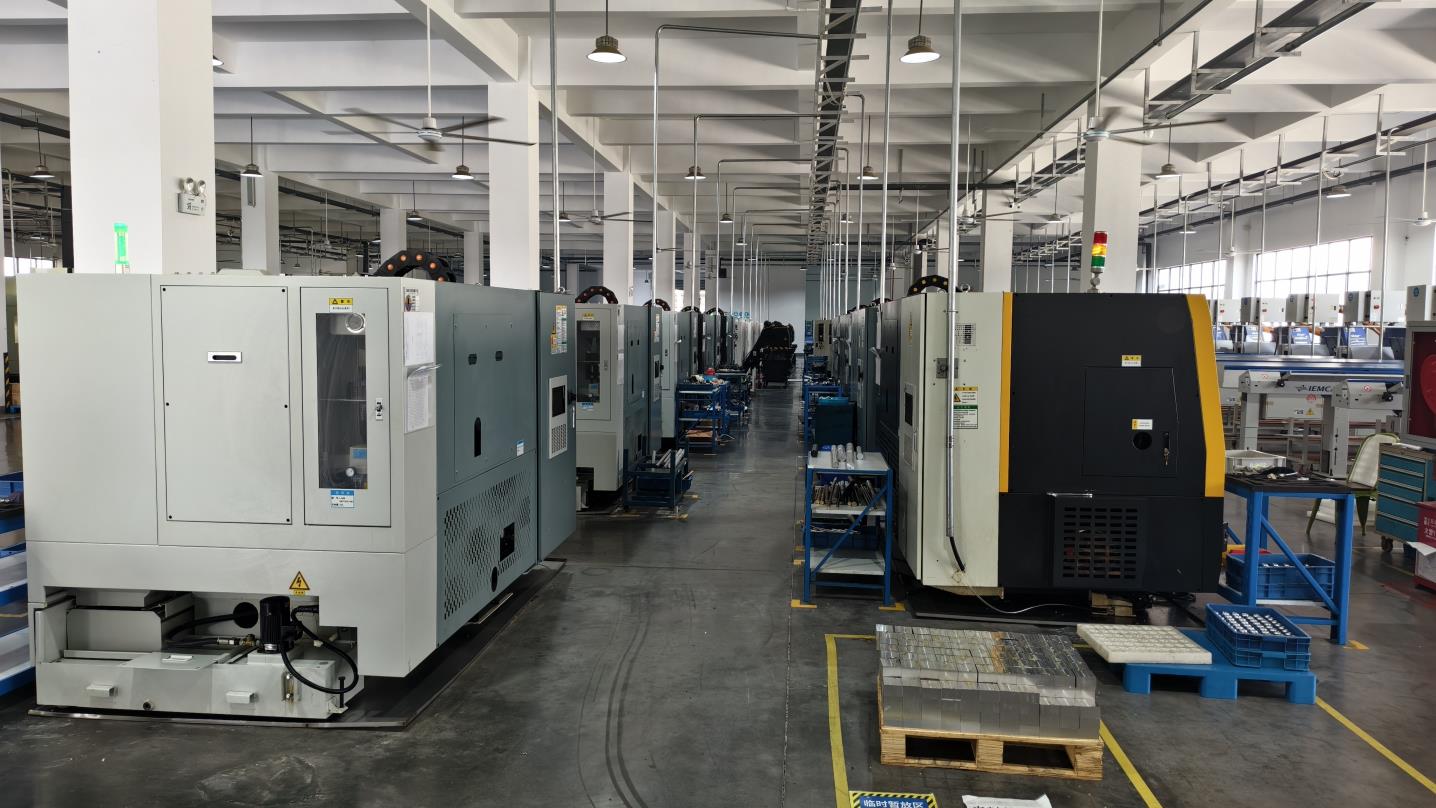
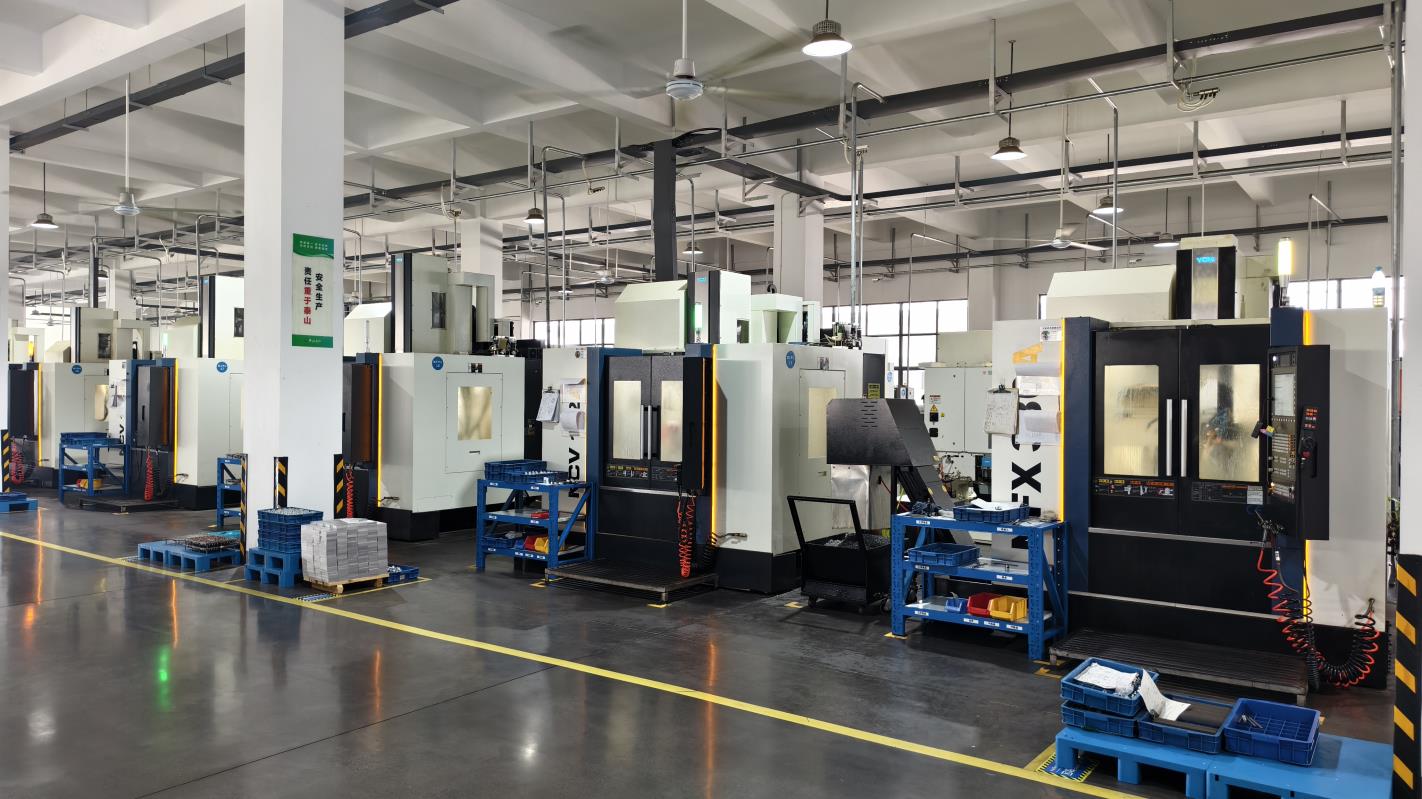
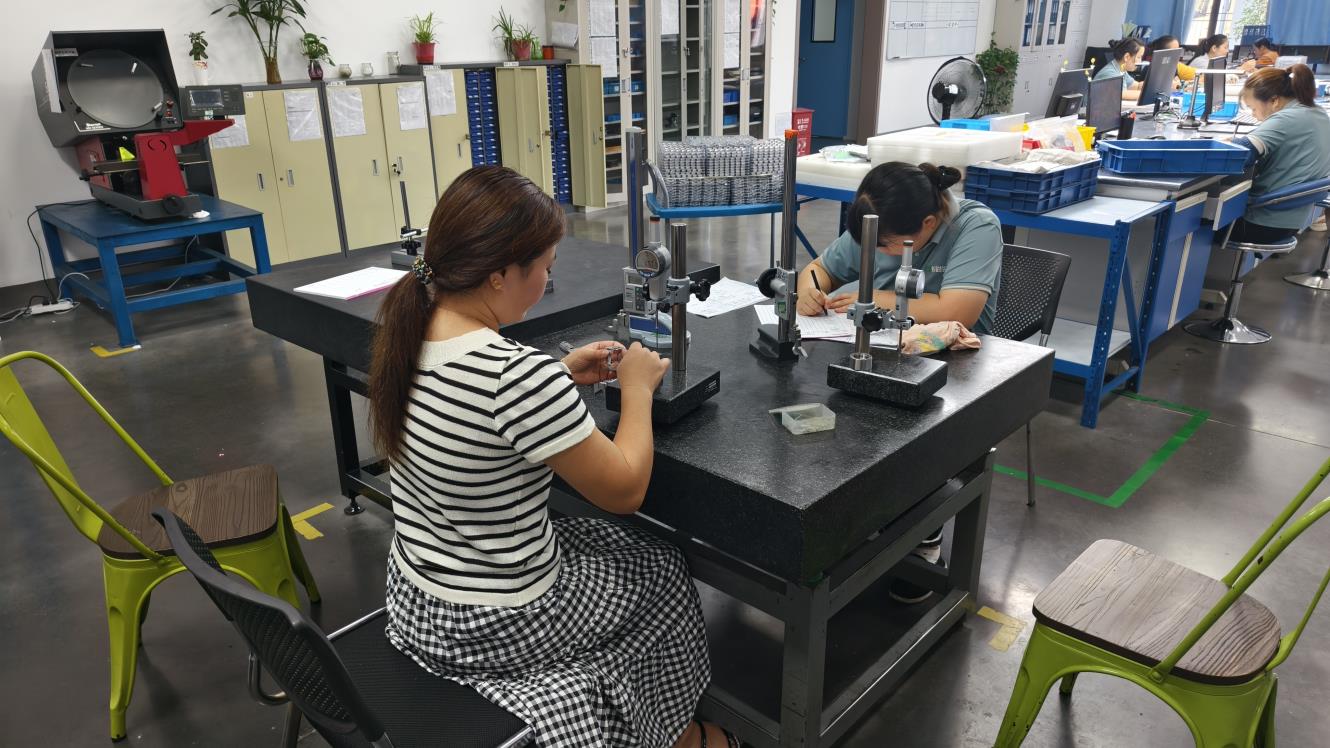
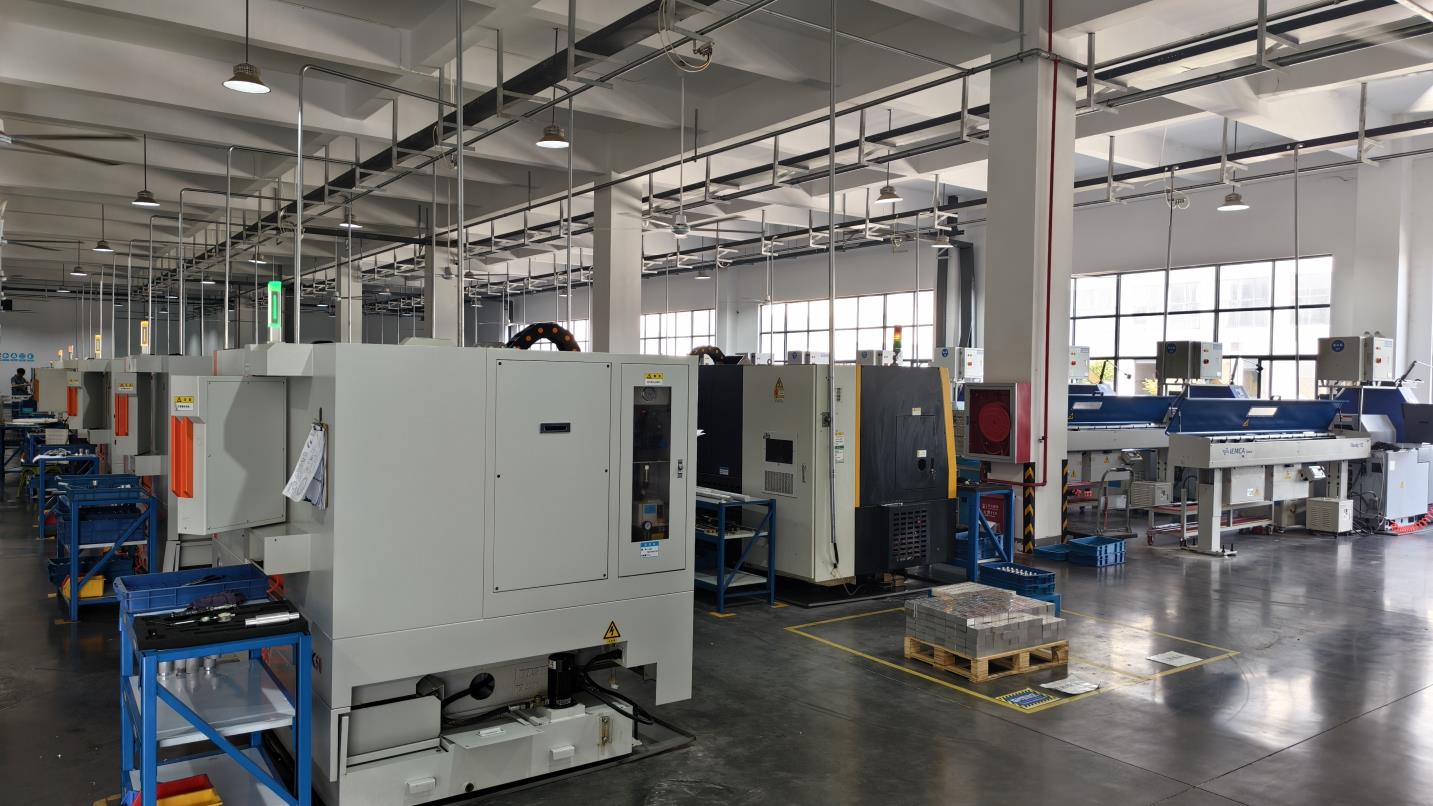
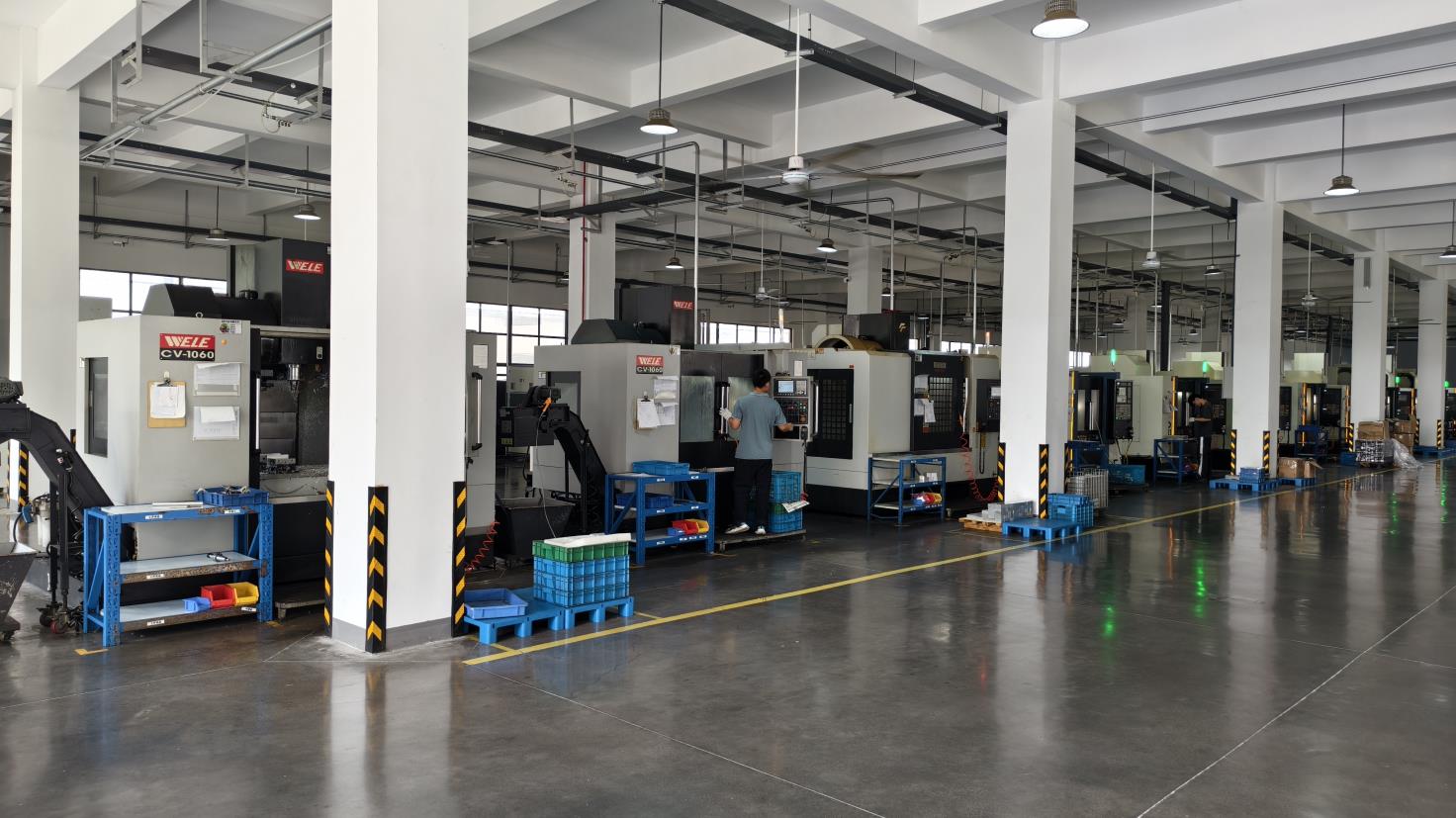
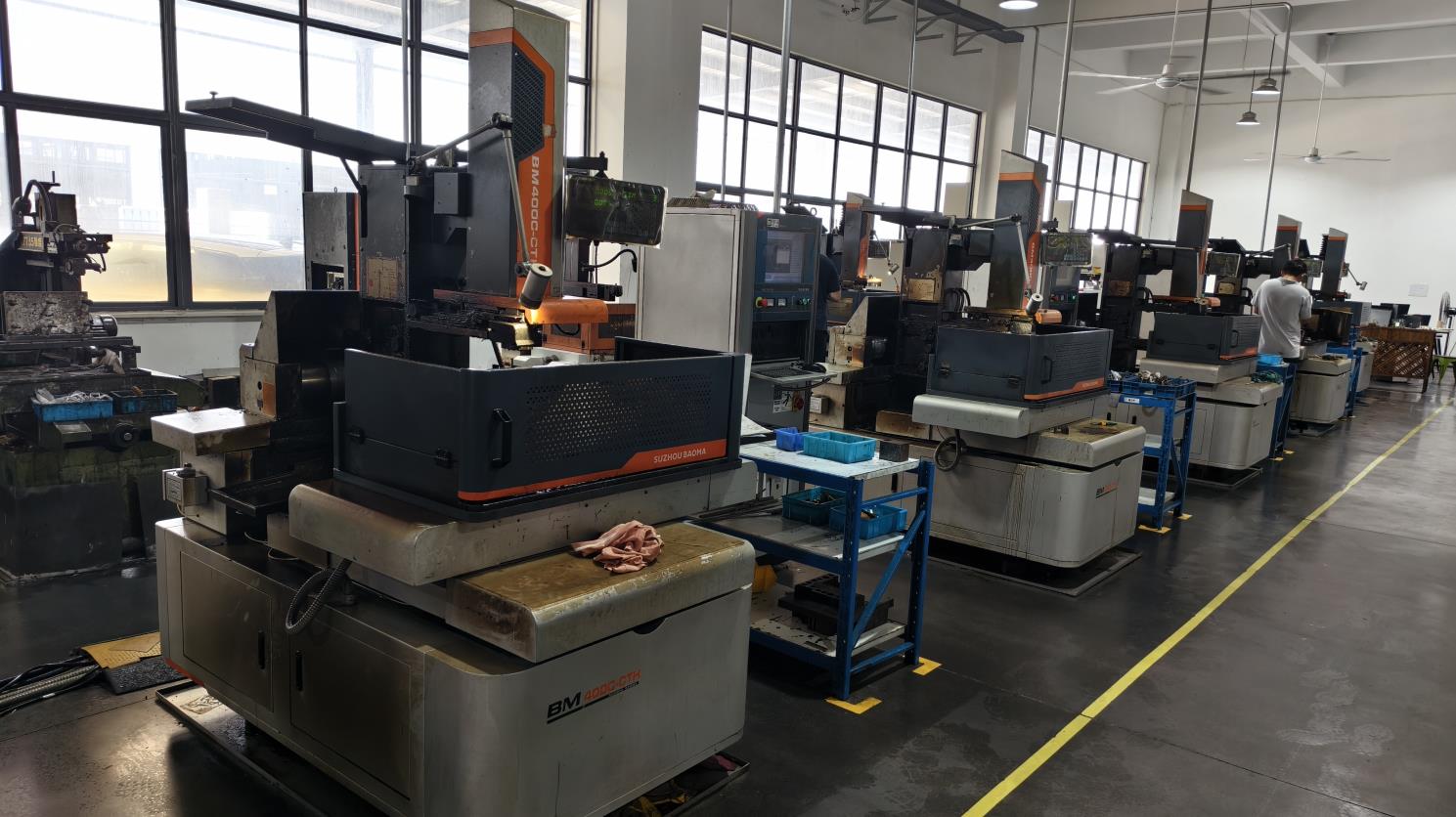
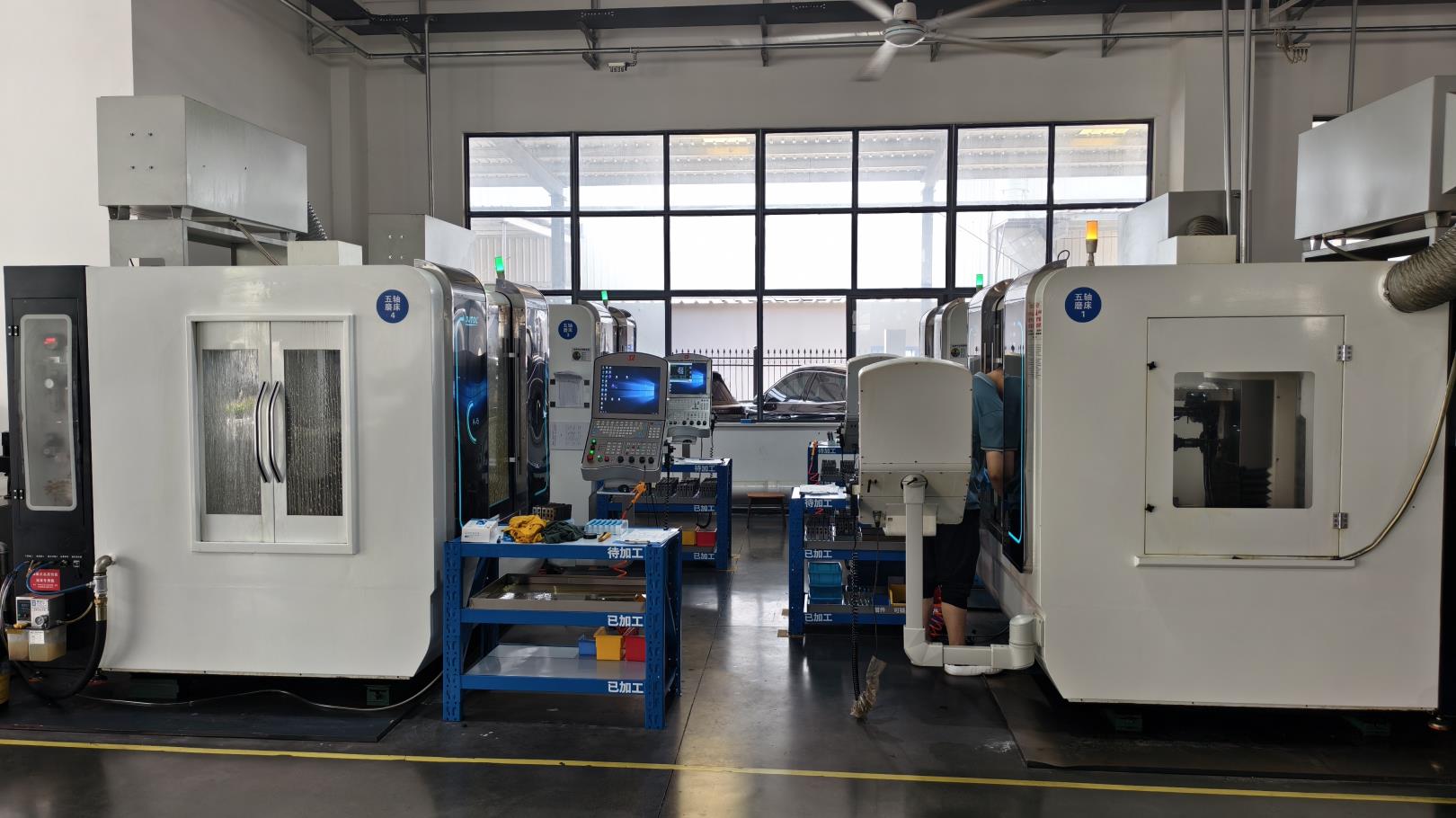
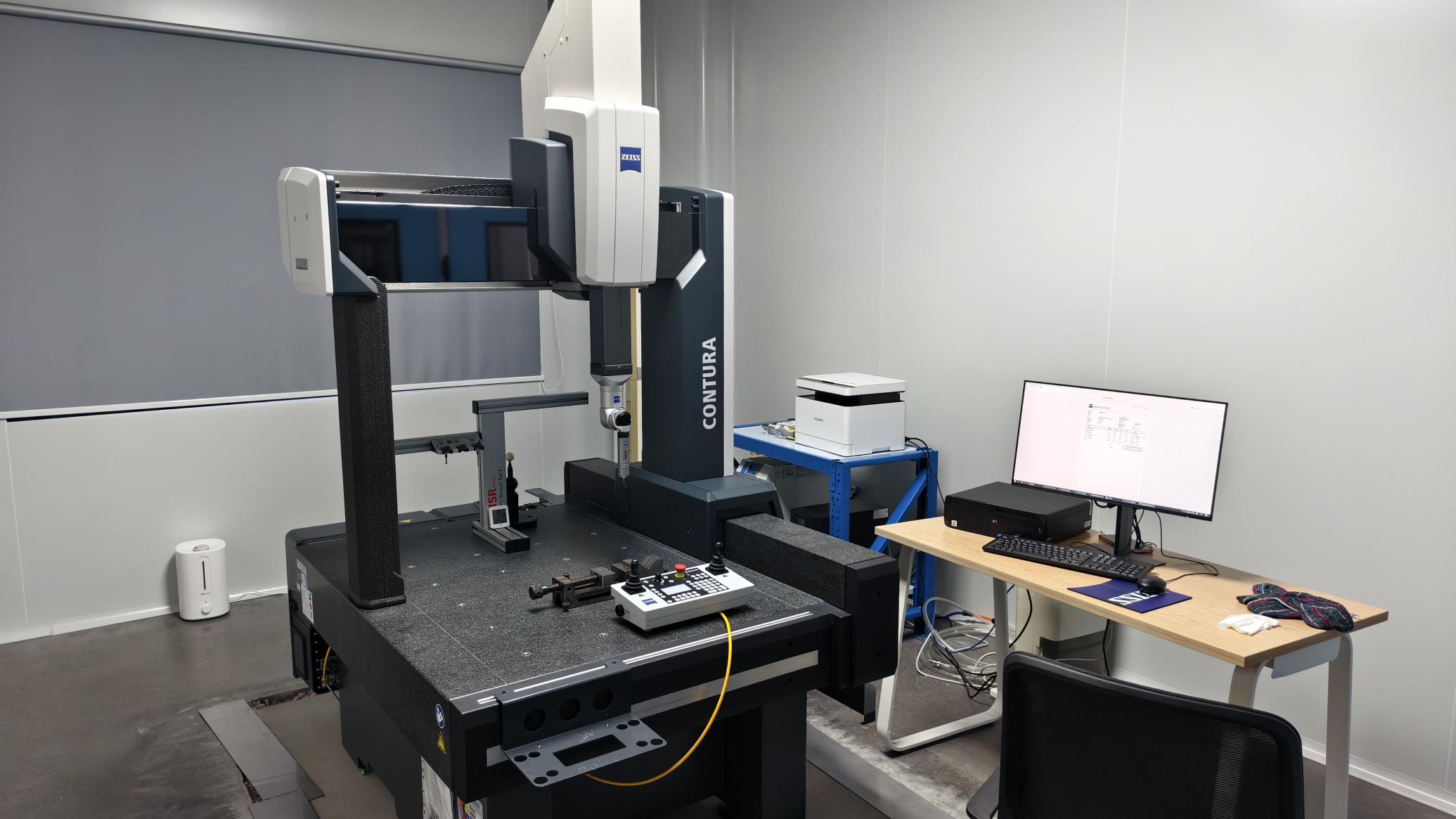
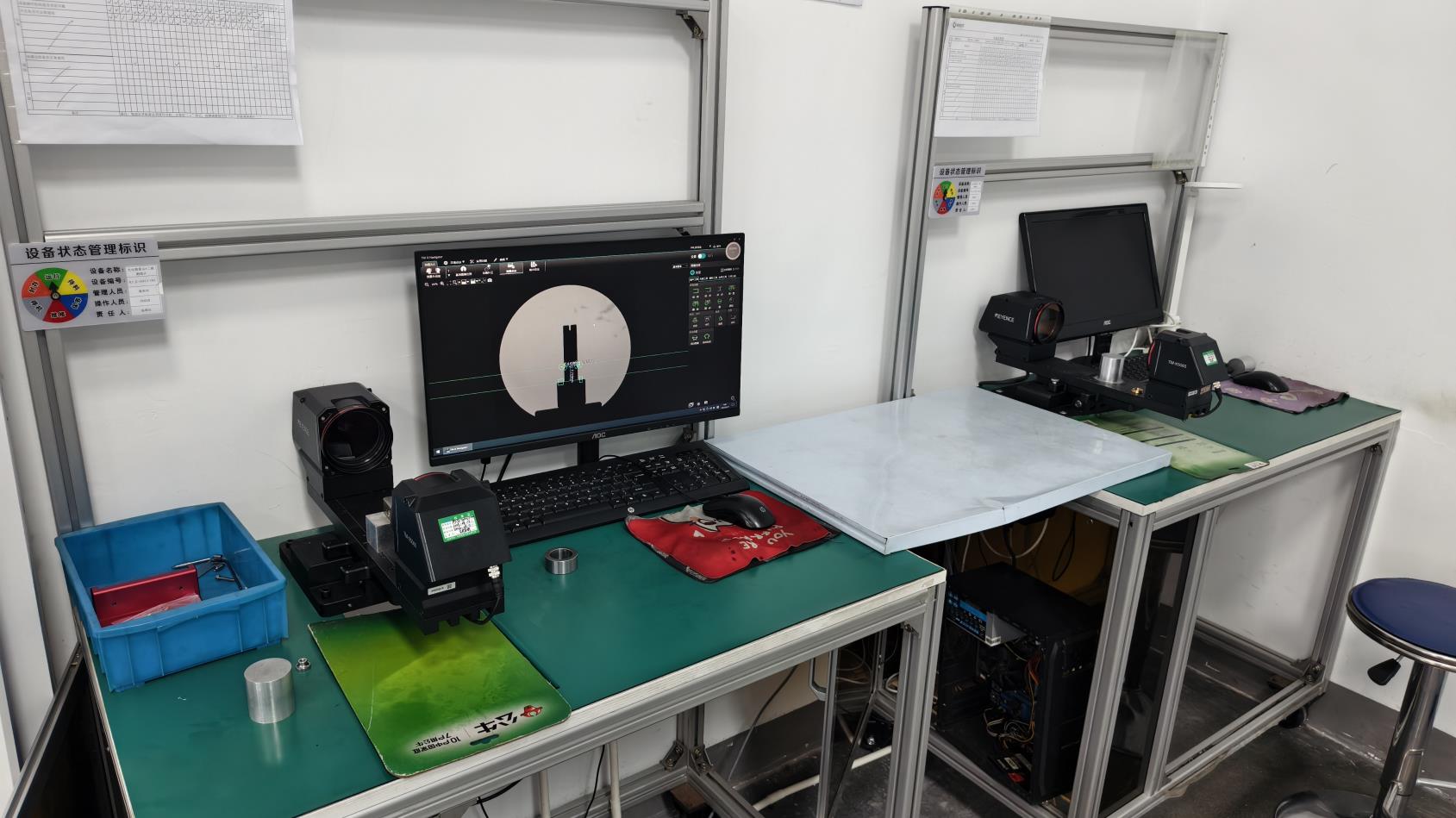
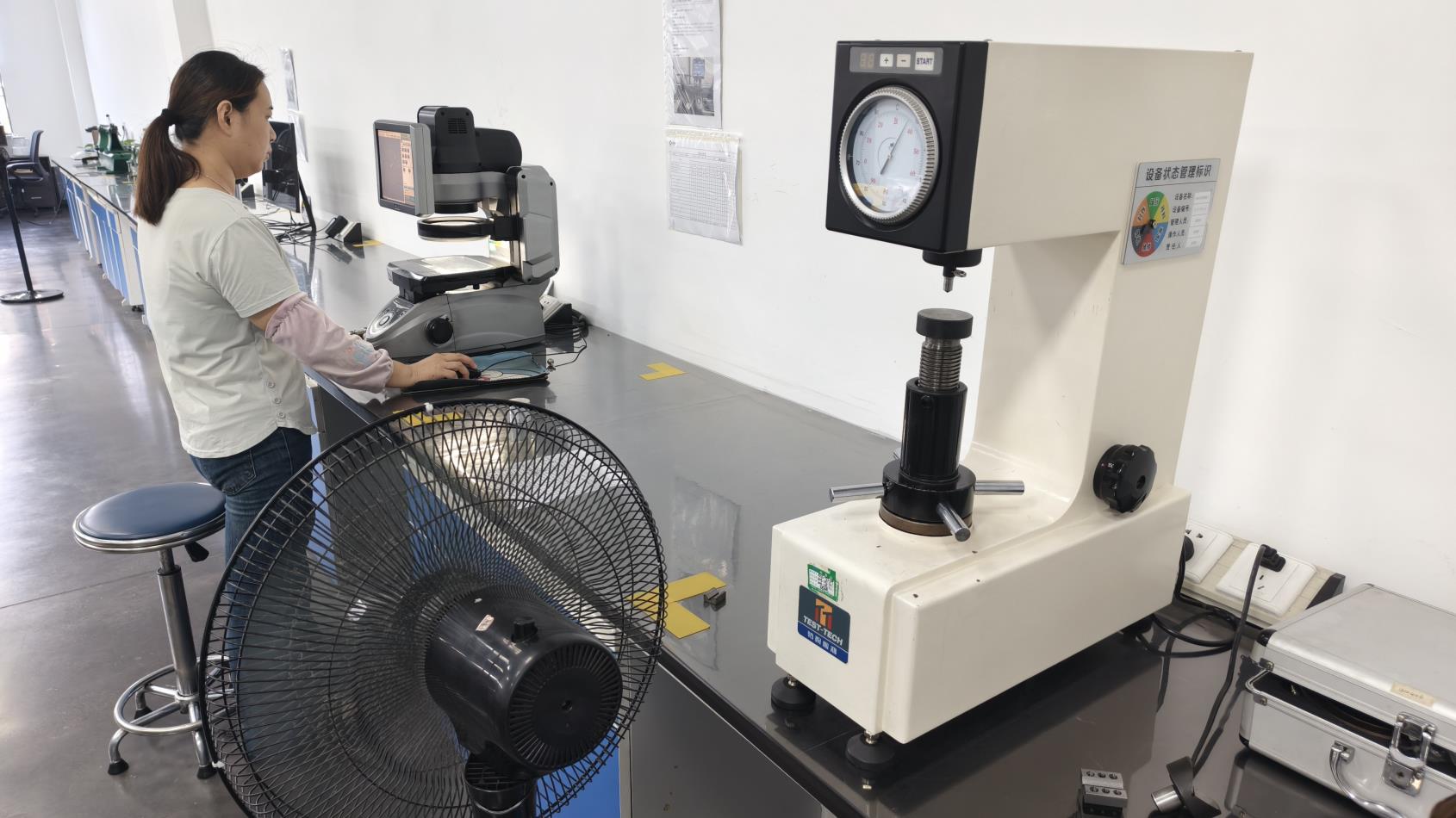
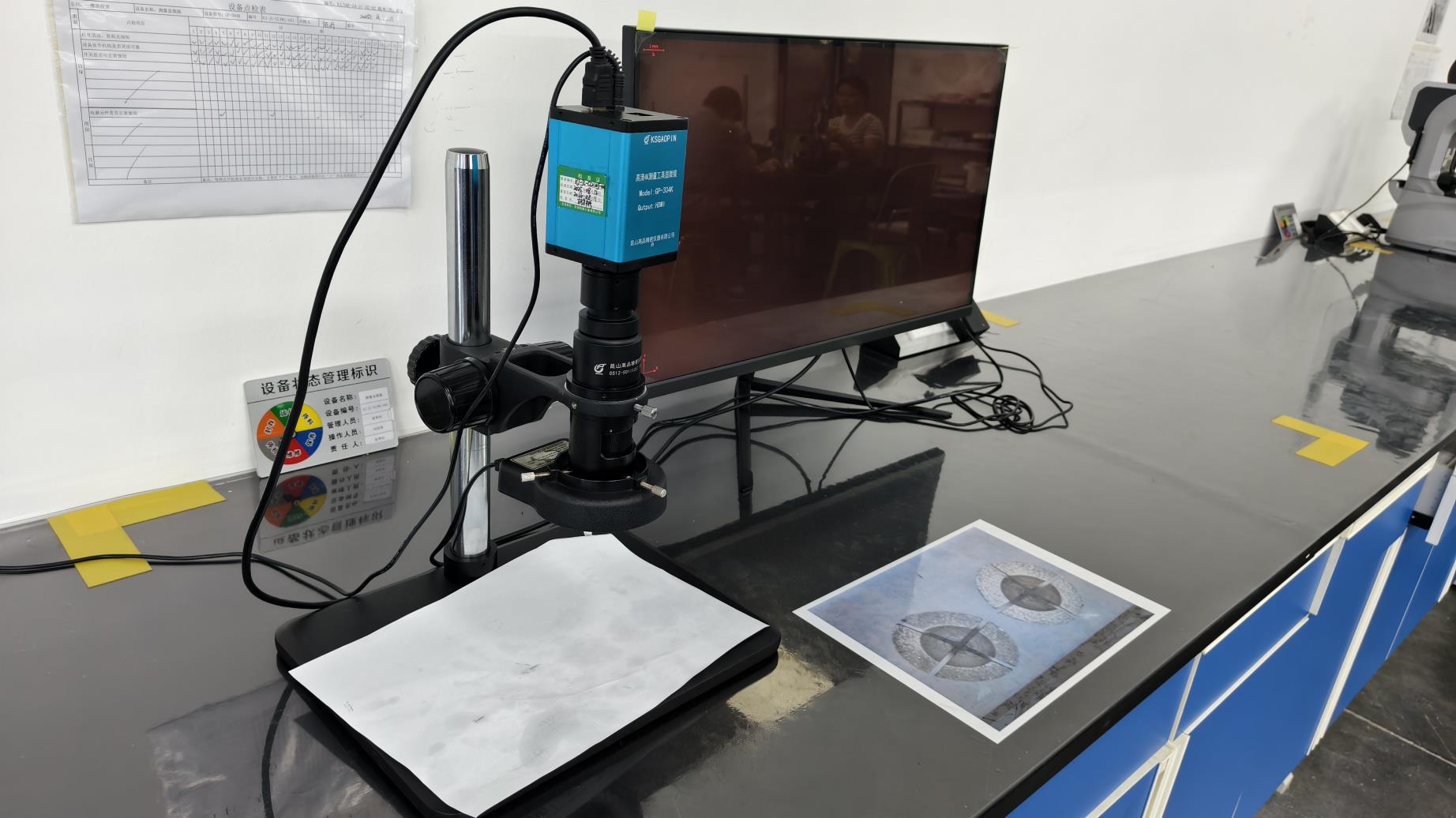
Resolving Procurement Challenges, Optimizing Costs, and Guaranteeing Consistent Production Volumes.
Group Purchasing Organizations (GPOs) require strict unit-to-unit consistency. Variations in spatula blade thickness can alter tissue tension mid-operation. We guarantee tolerances down to ±0.05 mm, ensuring identical performance in every procedural kit.
For established medical device brands, speed-to-market and regulatory transparency are critical. We provide complete chemical testing documentation, ISO 13485-compliant processing steps, and laser-engraving with customer logos or UDI codes.
Reusable instruments must withstand hundreds of autoclaving cycles. Our proprietary passivation process removes free iron from the surface, establishing an oxide layer that resists corrosion and lowers the total cost of ownership (TCO) for hospitals.
Understanding the Engineering Innovations Driving the Future of Surgical Instrument Manufacturing.
We source raw medical-grade stainless steel exclusively from accredited melt mills. Every batch of AISI 316L, 420, and 630 steel undergoes atomic emission spectroscopy to verify carbon, chromium, and nickel composition limits.
Our titanium spatulas utilize ASTM F136 (Ti-6Al-4V ELI) grade, providing excellent bio-compatibility and high flexibility. This makes them ideal for micro-ophthalmic operations where tactile sensitivity is critical.
Clean cutting and smooth retraction rely heavily on surface finish. We utilize automatic electropolishing tanks to reduce surface roughness ($R_a$) to under 0.1 microns. This is followed by a hot nitric/citric acid passivation bath complying with ASTM A967 standards, removing free iron and forming a corrosion-resistant chromium-oxide layer.
To maintain our competitive advantage in international markets, we are actively implementing the following developments:
Increasing surface hardness up to 80 HRC, reducing friction coefficients, and minimizing light glare in operating theaters.
Integrating passive RFID transponders within the handle cores to enable real-time surgical inventory tracking.
Transitioning to SLM (Selective Laser Melting) systems to manufacture custom spatula profiles with complex internal cavities.
Navigating MDR, FDA 510(k), and Complex Cross-Border Trade Compliance with Full Confidence.
We maintain a rigorous quality management system certified to ISO 13485 standards. Our products align with CE MDR regulations, allowing smooth importation and registration across the European Economic Area.
We support US-based partners with FDA Class I medical device registrations. Our production line is configured for direct laser etching of UDI bar codes, ensuring hospital-level scan traceability.
We offer flexible shipping terms including FOB, CIF, DDU, and DDP. Our logistics team handles all medical instrument declarations to ensure smooth customs clearance without delays.
Operational Capabilities, Quality Controls, and Export Background from our ISO-Audit Summary.
Our sales footprint reflects our capacity to meet the strict quality standards of developed healthcare markets. By focusing on material safety and clean surface finishes, we have established stable partnerships with medical brands, distributors, and surgical kit packers globally.
| Regional Market | Market Share | Core Compliance |
|---|---|---|
| North America | 25% | FDA Compliant, UDI Etching |
| South America | 25% | ANVISA Prep, Import Licenses |
| Southeast Asia | 15% | Regional Health Authority filings |
| Other European & Mid-East | 35% | CE MDR Technical Files |
Send us your physical prototype; our engineering team will match its metallurgical profile and dimensions.
We work with STEP, IGES, and SolidWorks CAD files to create precise tooling for custom spatula profiles.
Includes custom labeling, barcodes, and single-unit pouch options ready for cleanroom sterilization.
Clear, direct answers regarding raw material traceability, OEM turnaround times, and regulatory support.
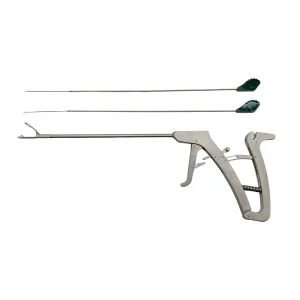
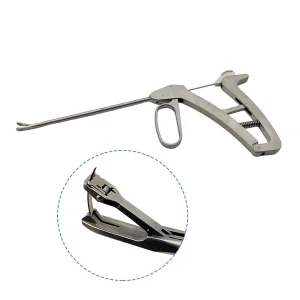
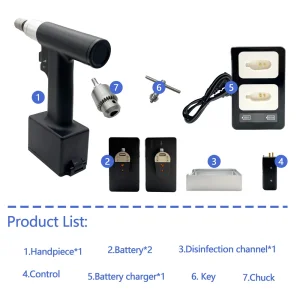
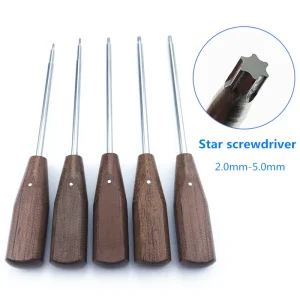
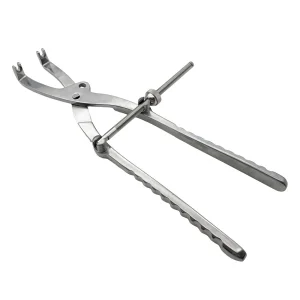
Premium medical toolkits, suture passers, bone drill attachments, and accessories for human and veterinary applications.