SENJIE Healthy & Technology
SENJIE Healthy & Technology
SENJIE Healthy & Technology
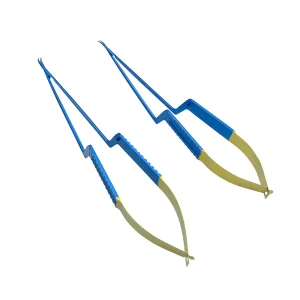
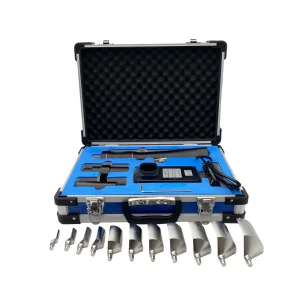
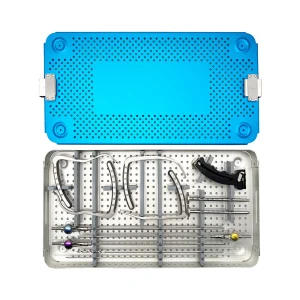
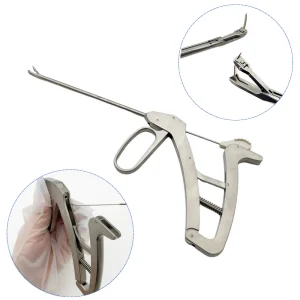
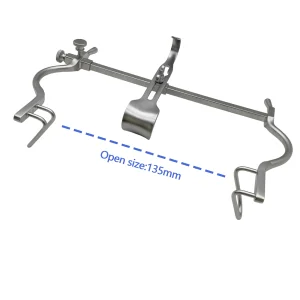
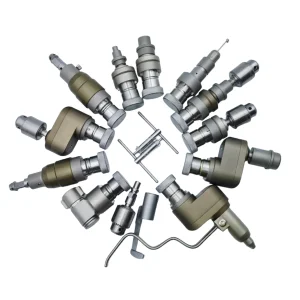
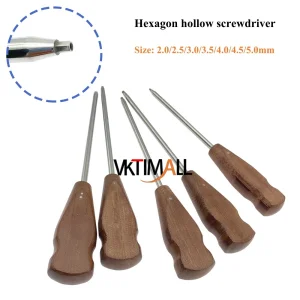
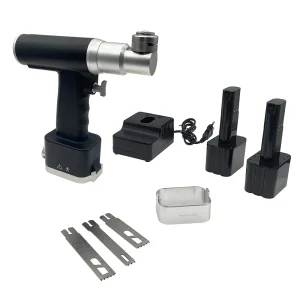
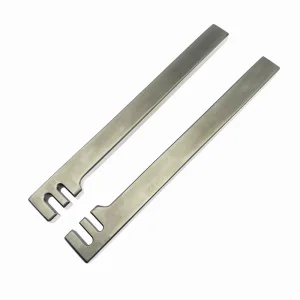
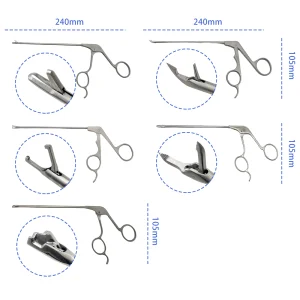
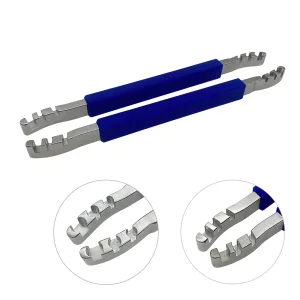
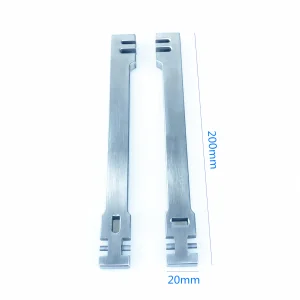
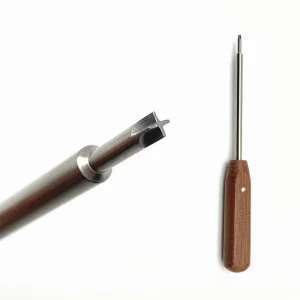
In modern invasive and minimally invasive surgeries, securing a clear, static, and stable visual field is paramount to reducing procedural times and ensuring patient safety. Traditional hand-held retractor configurations demand excessive physical stamina from assisting personnel, which can introduce variance in exposure stability. As a leading Custom OEM Surgical Wound Retractors Manufacturer & Supplier, we address this systemic challenge by developing self-retaining and customizable wound retraction platforms that optimize surgical access while minimizing localized soft-tissue trauma.
Our comprehensive medical-grade retraction solutions are engineered to support clinical specialties including orthopedic surgery, cardiovascular access, spinal exposure, and specialized veterinary procedures. By transitioning mechanical load from human hands to high-precision lock-ratchet systems, our instruments maintain uniform, atraumatic tension across the incision boundaries. This mechanical consistency helps reduce post-operative margins of wound necrosis, lowers surgical site infection (SSI) rates, and improves the overall ergonomics of the operating room (OR) environment.
The global surgical instrument industry is experiencing a transition driven by two primary factors: the demand for localized manufacturing compliance and the rise of highly specialized clinical settings, including ambulatory surgical centers (ASCs) and advanced veterinary trauma hospitals. OEM/ODM buyers face challenges from shifting regulatory environments, raw material price fluctuations, and strict supply chain audits.
Our global distribution channels—spanning North America (25%), South America (25%), and Southeast Asia (15%)—highlight our capability to meet diverse regulatory and commercial requirements. Operating since 2019-11-20, we have established a supply network focused on delivering cost-efficient, high-precision surgical instruments directly to brand businesses, wholesale distributors, and medical device retailers worldwide.
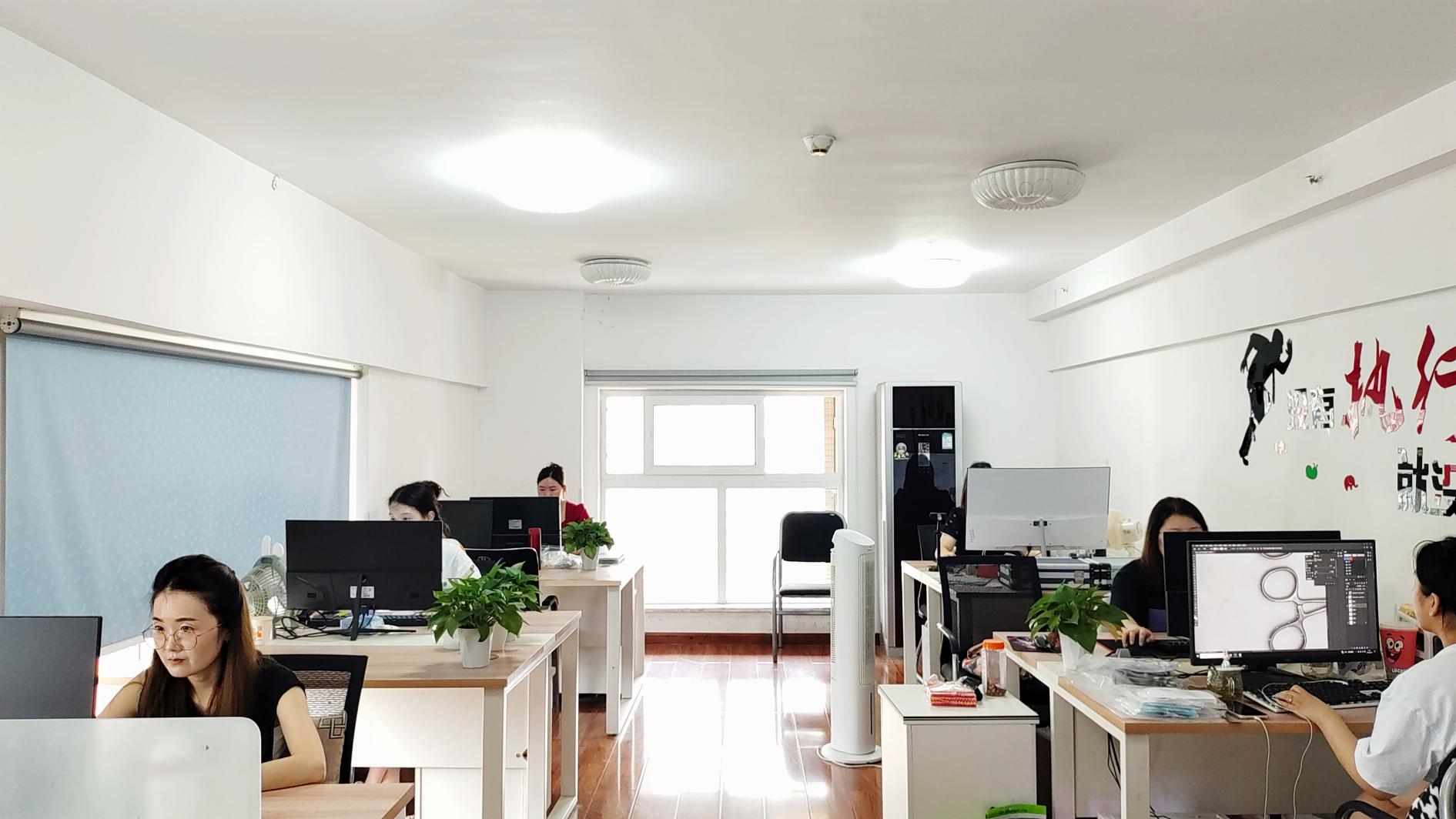
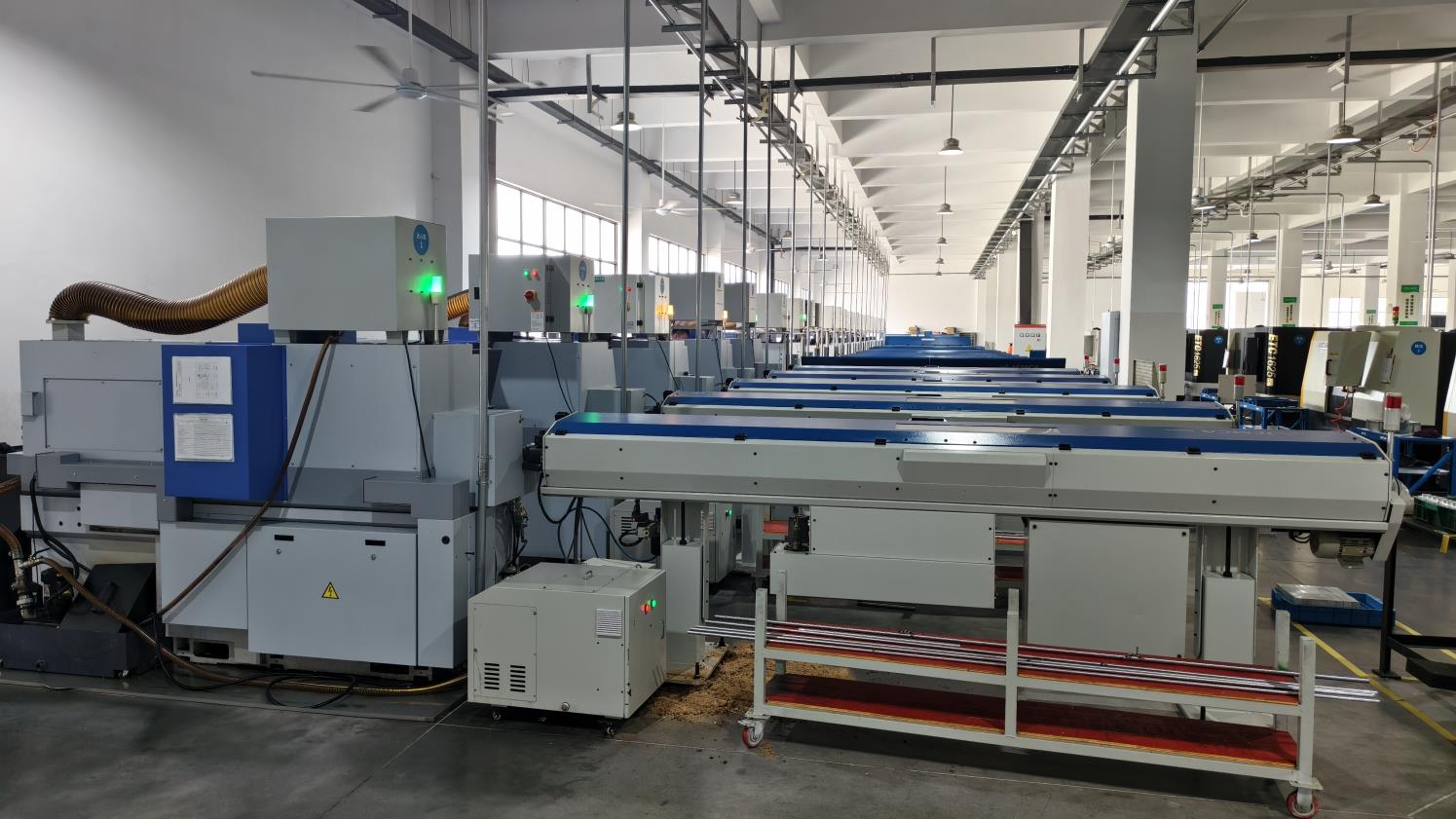
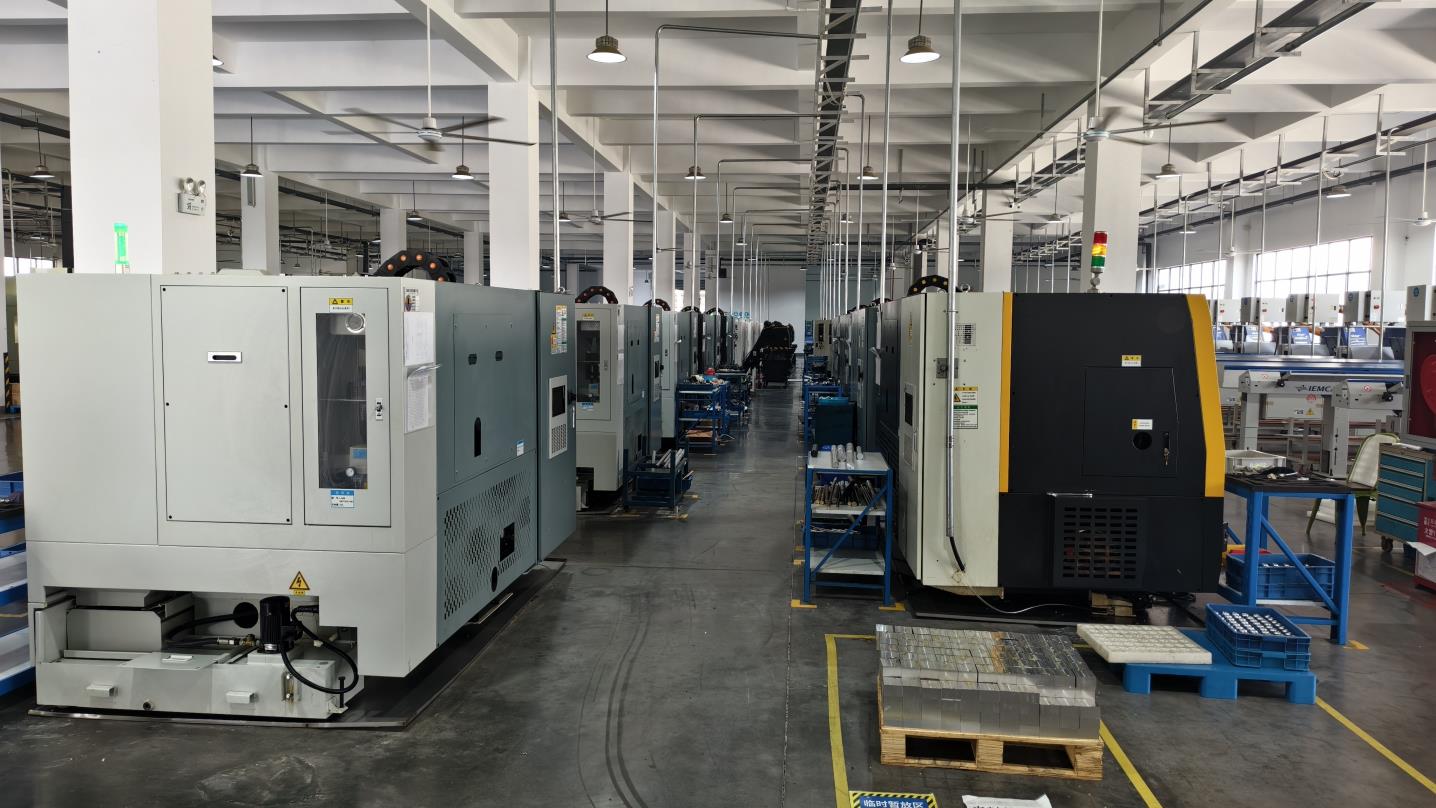
Surgical retractors must withstand mechanical load and undergo repeated thermal sterilization without degradation. To ensure reliability, we use premium raw materials, including biocompatible AISI 304, AISI 316L, and AISI 420 Martensitic Stainless Steels. These materials undergo chemical passivation to enhance corrosion resistance and prolong product life.
Each custom design is tested for torsional limits, fatigue endurance, and ergonomic grip efficiency. We offer micro-serrated blade profiles, semi-sharp and blunt tip options, and modular articulating arms to accommodate specialized surgical approaches.
| Material Class | Common Application | Key Properties | Autoclave Tolerance |
|---|---|---|---|
| Austenitic 316L / 304 | Retractor frames, self-retaining arms, spreader hooks | Exceptional corrosion resistance, biocompatibility | 5000+ Cycles (Standard Class B) |
| Martensitic 420 / 410 | Ratchet components, articulating joints, pivot pins | High wear resistance, high hardness, rigid yield strength | 4000+ Cycles (With regular lubrication) |
| Medical Titanium (Gr. 5) | Microsurgical retractors, neurosurgical hand-held blades | Ultralight, zero-magnetic field interference (MRI safe) | 8000+ Cycles (Highly resistant to pitting) |
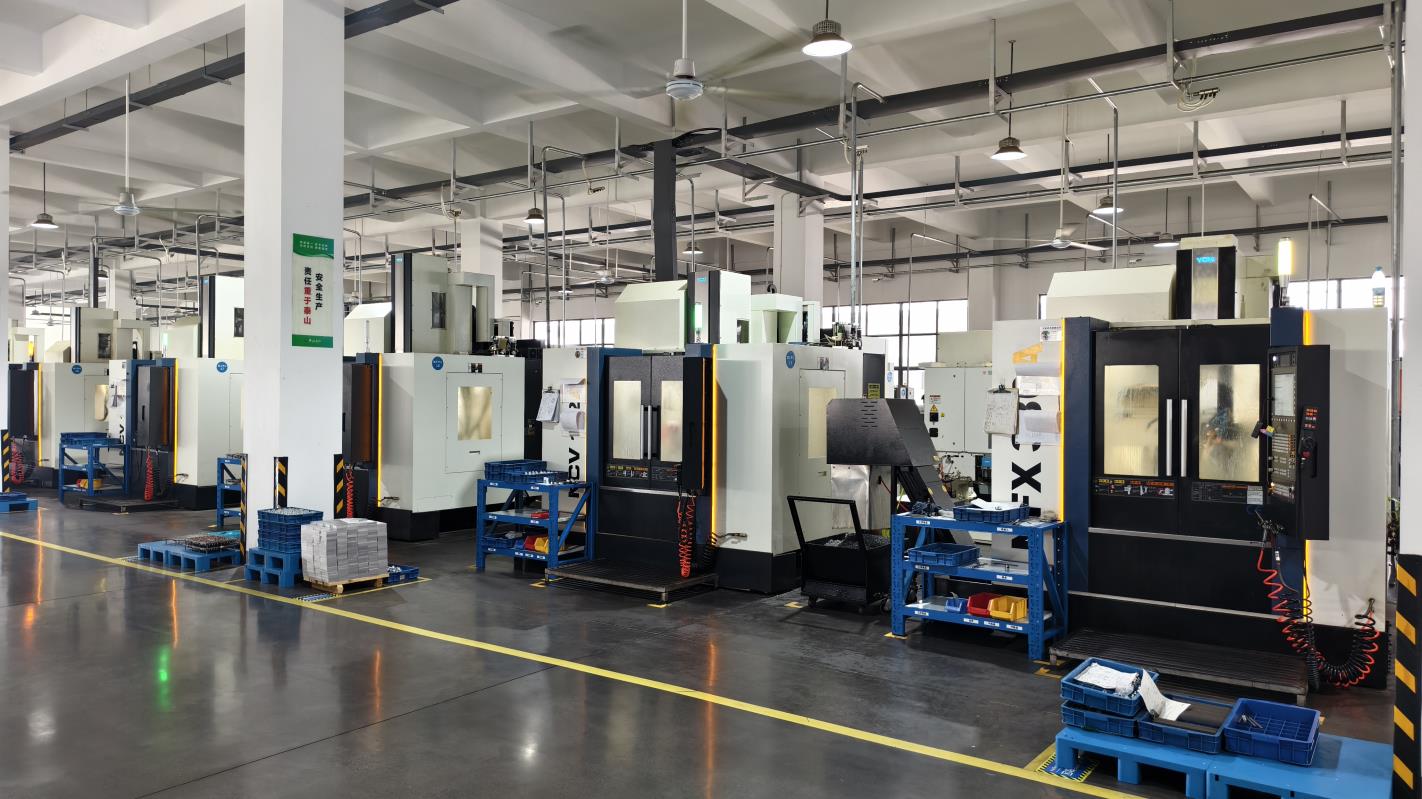
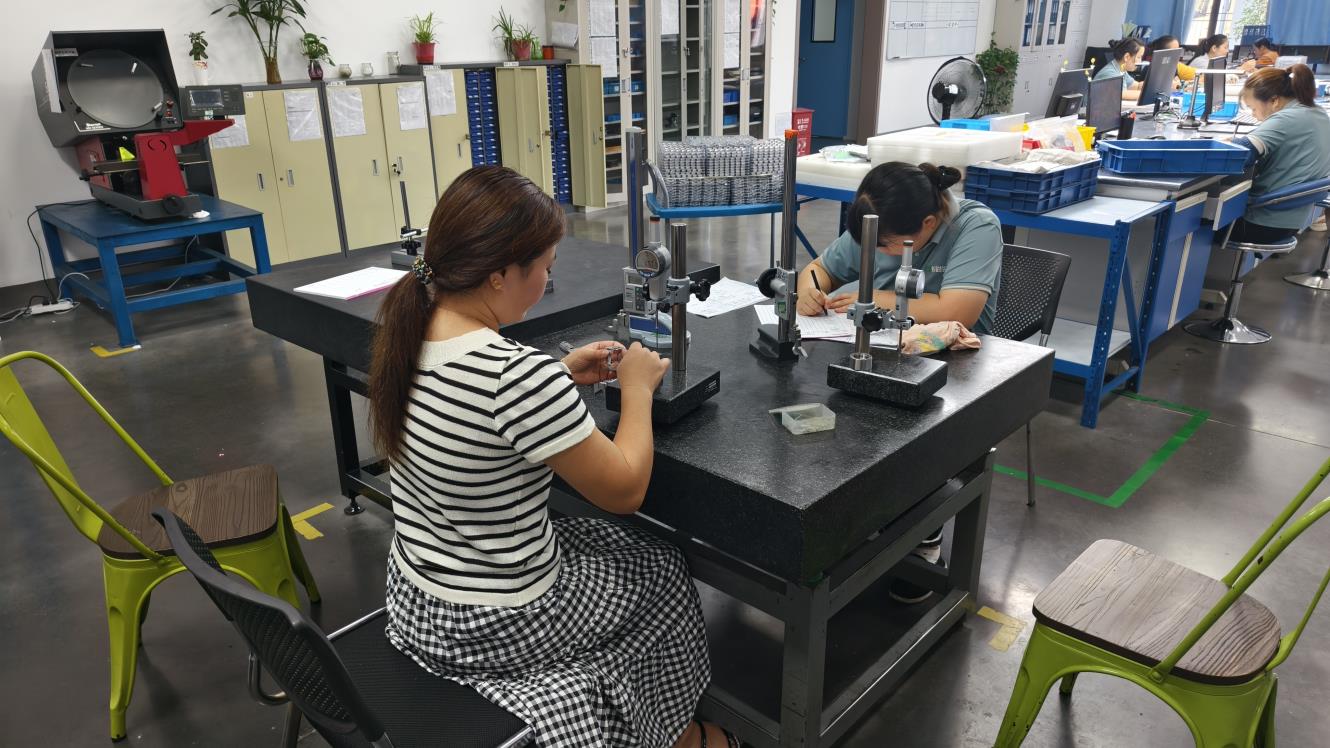
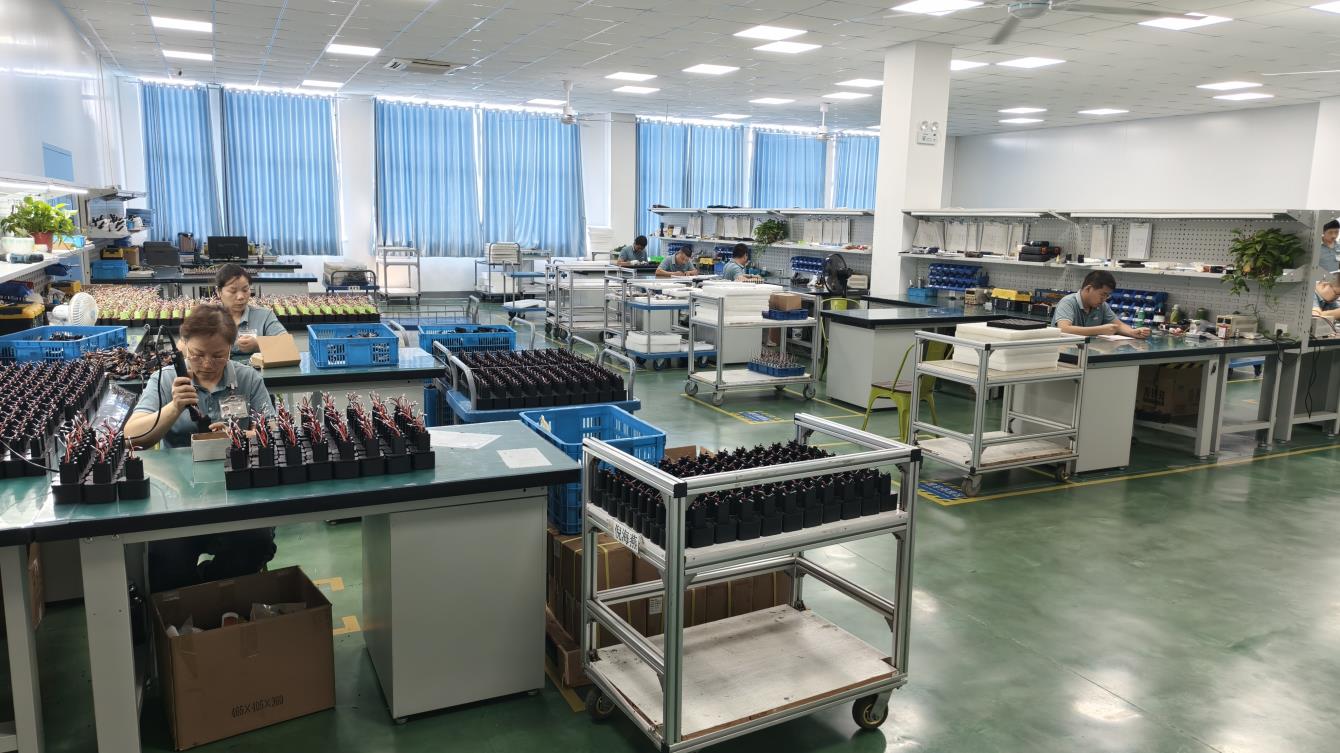
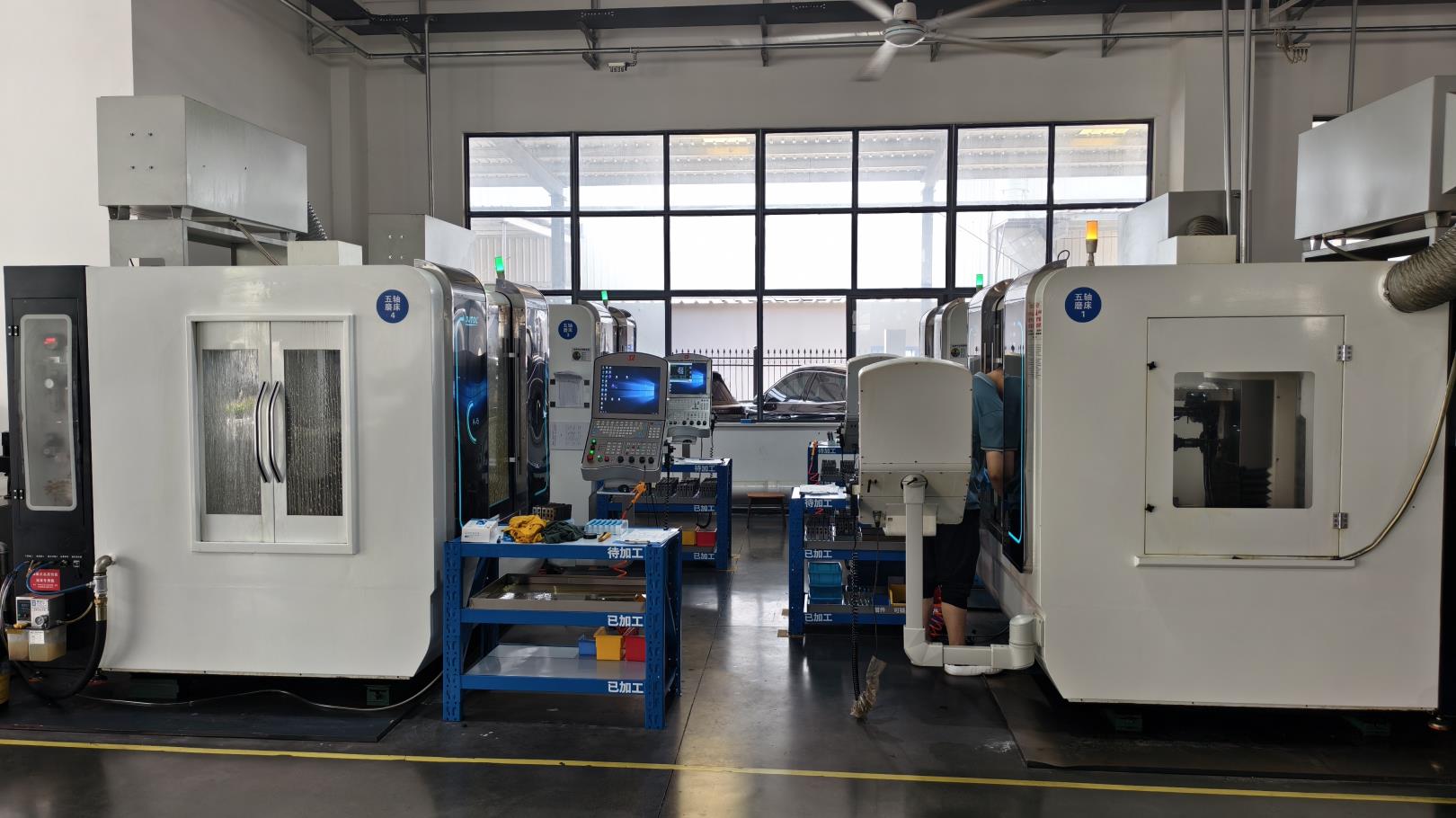
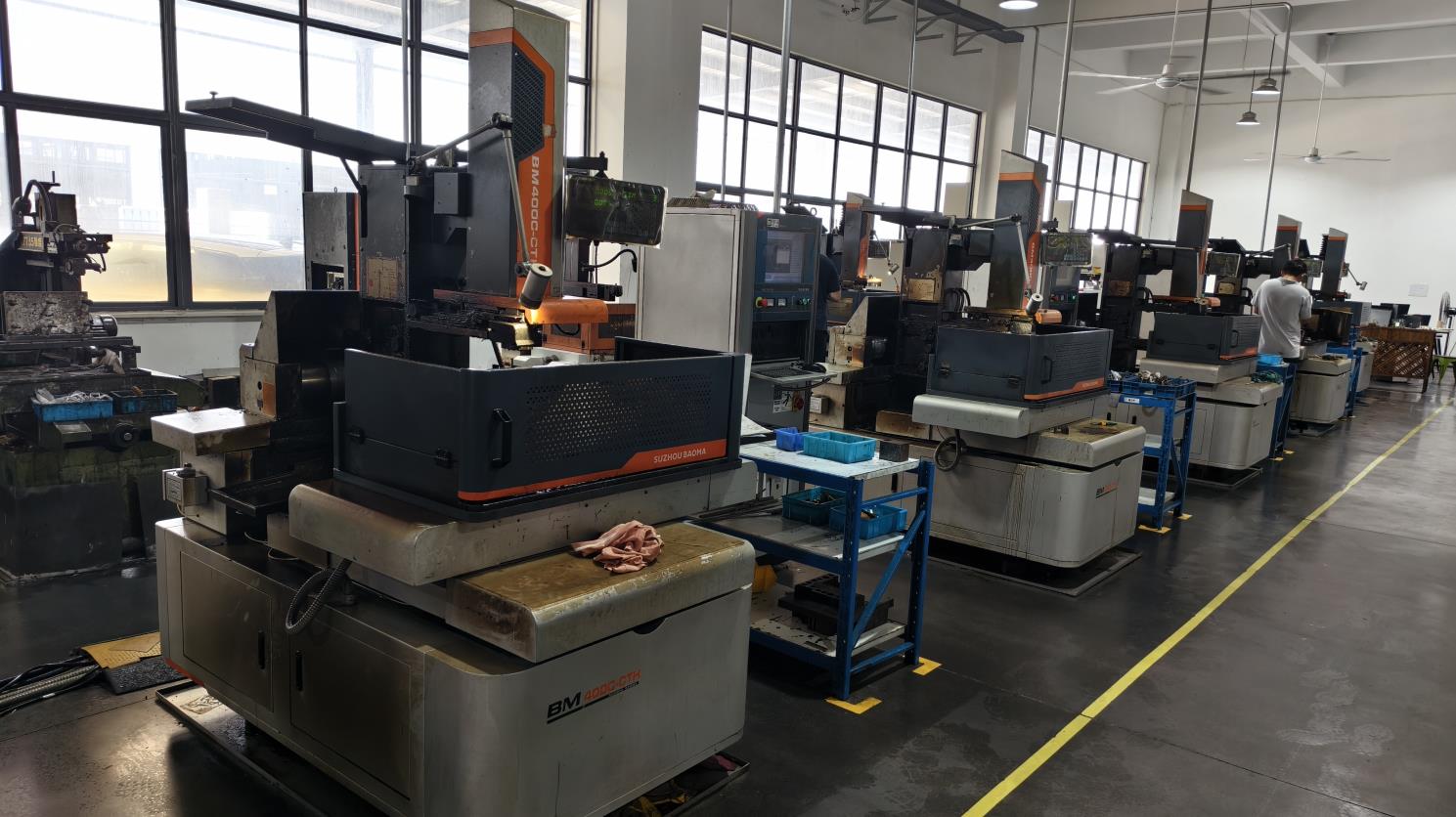
Our manufacturing facility supports complete product realization from initial concept drawings to volume production. We provide comprehensive OEM and ODM customization services, including custom graphic processing, sample-based replication, laser engraving, and custom packaging.
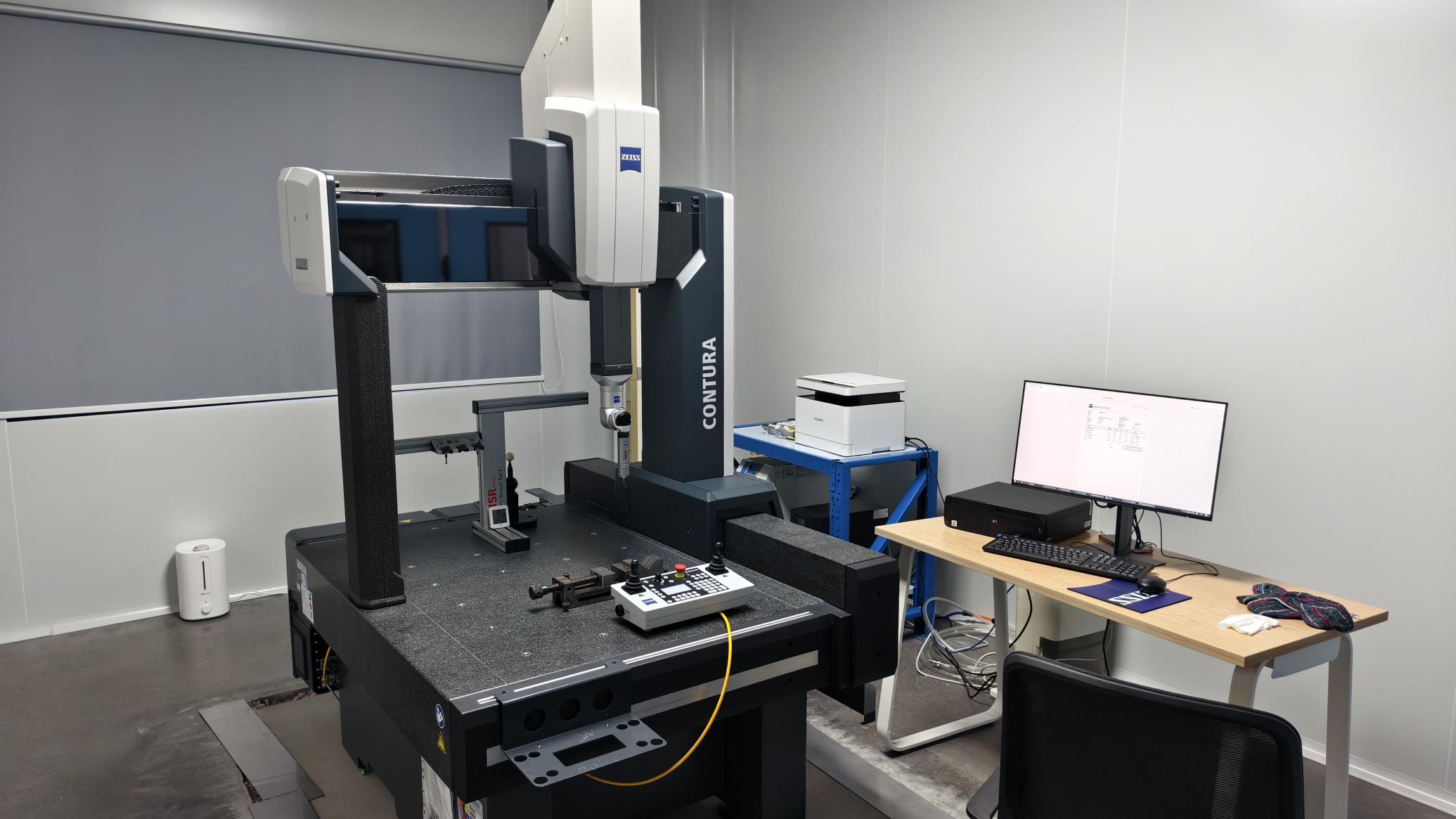
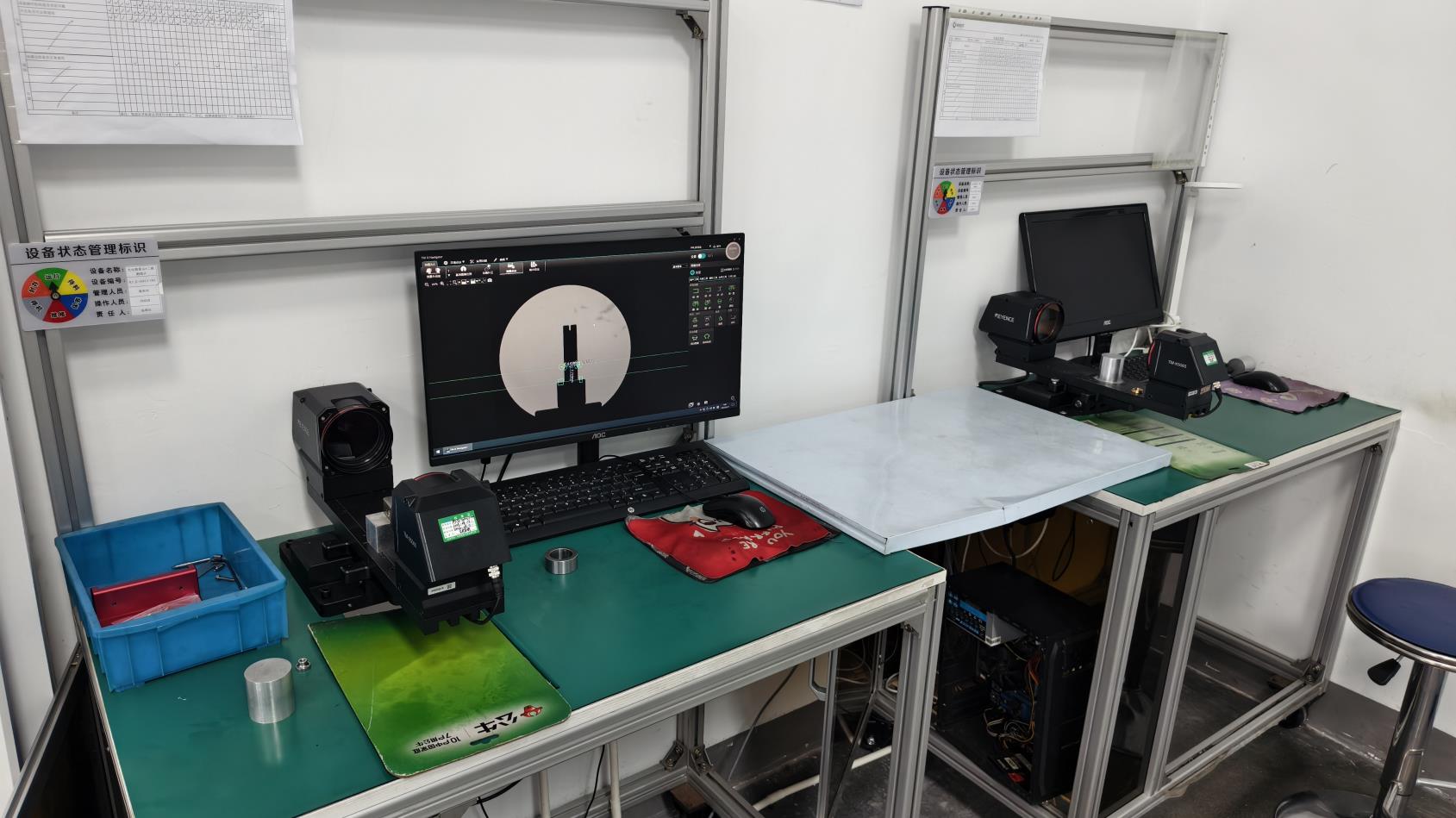
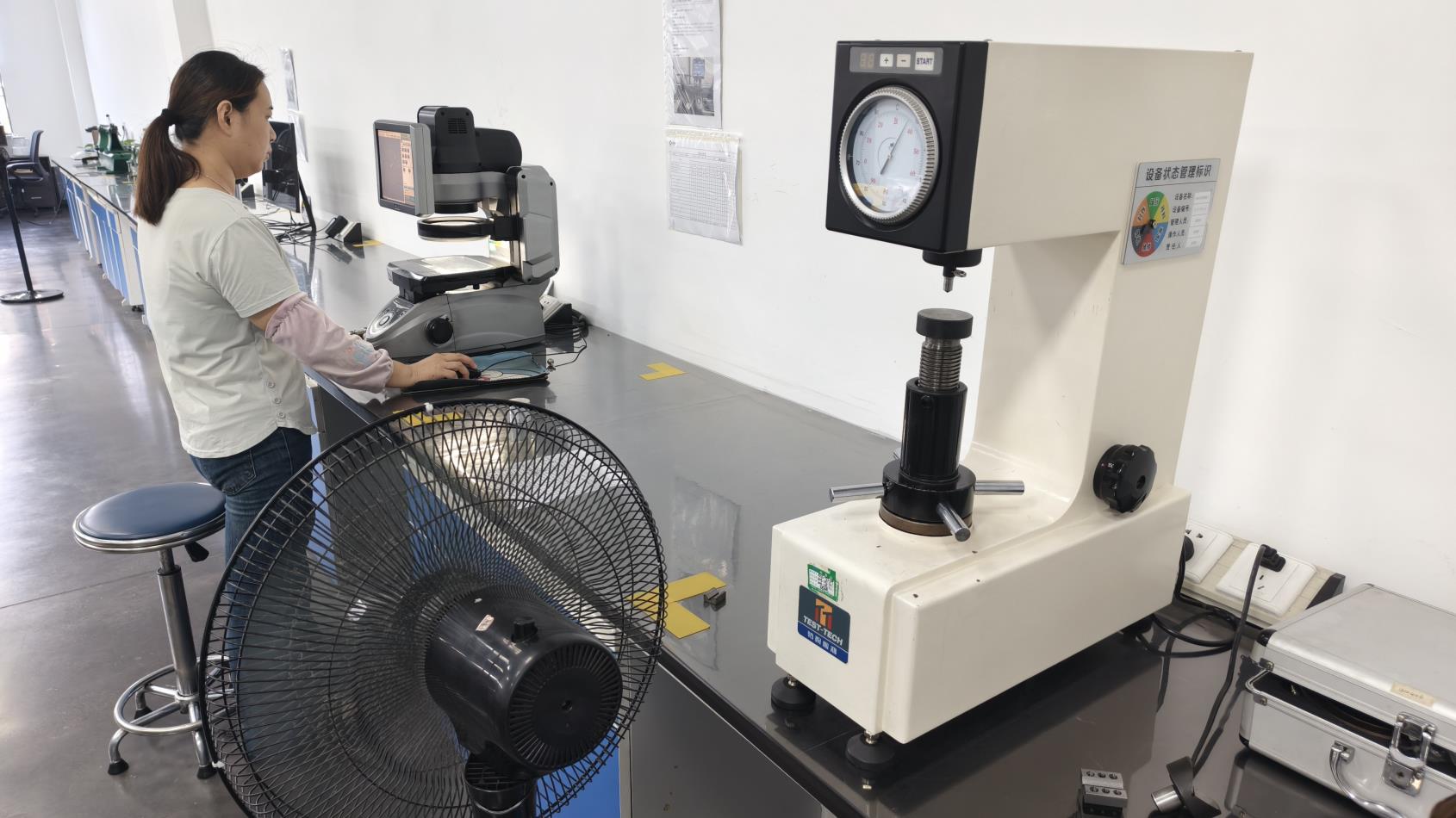
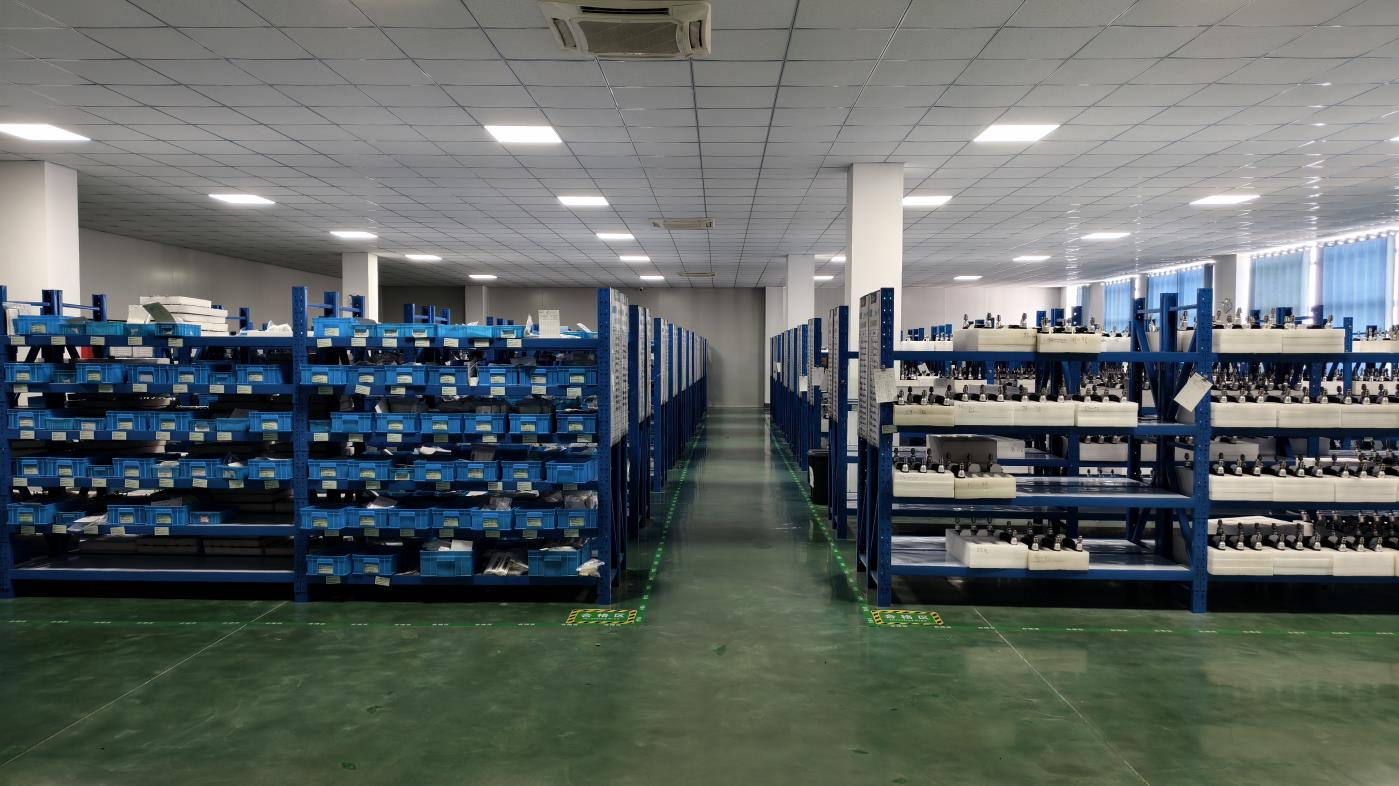
Quality control is built into every step of our process. With three dedicated in-house QA/QC inspectors, we trace all raw materials back to their original heat-treatment batch. Inspections are conducted through random batch sampling and structured testing protocols aligned with client requirements.
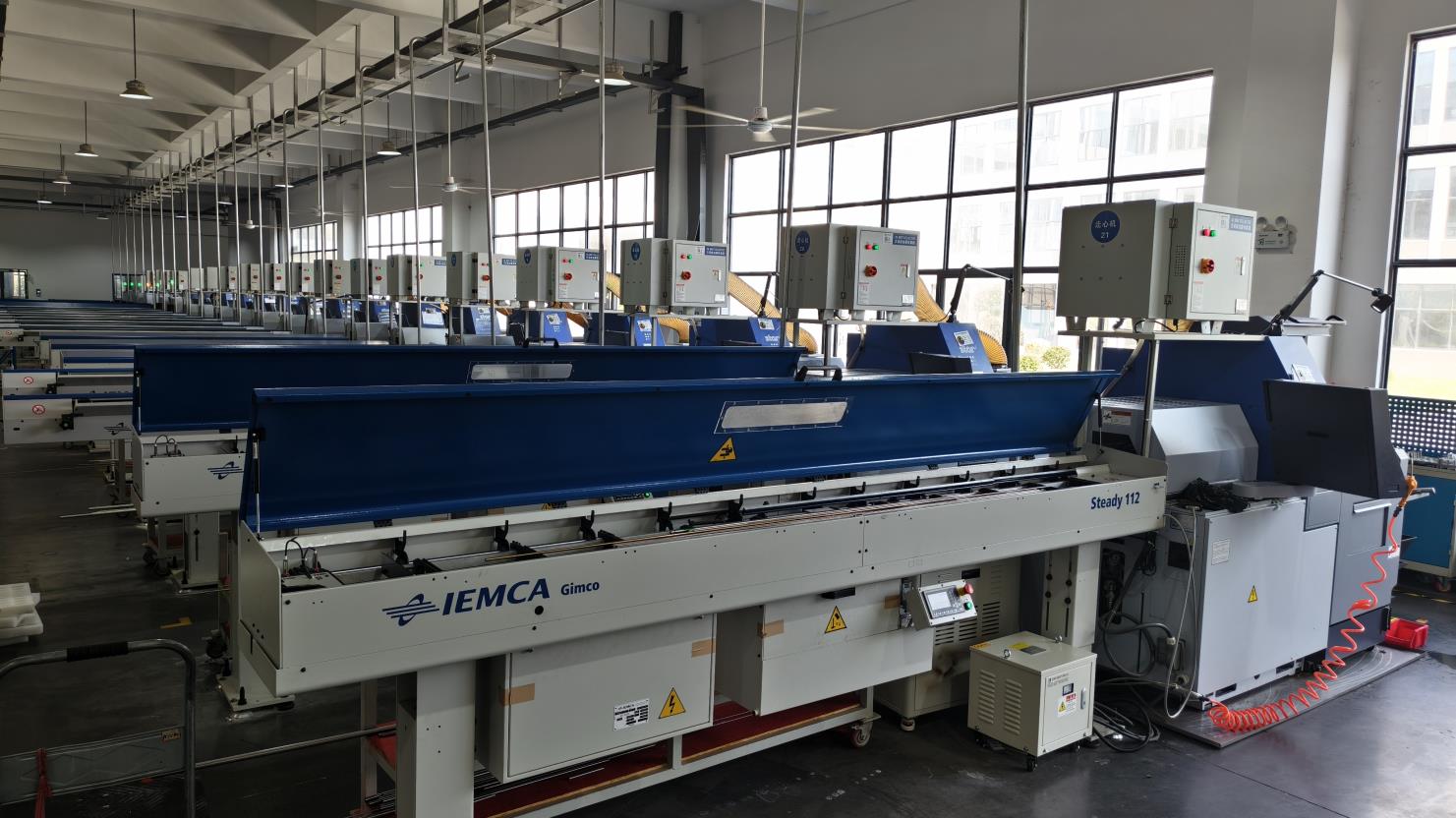
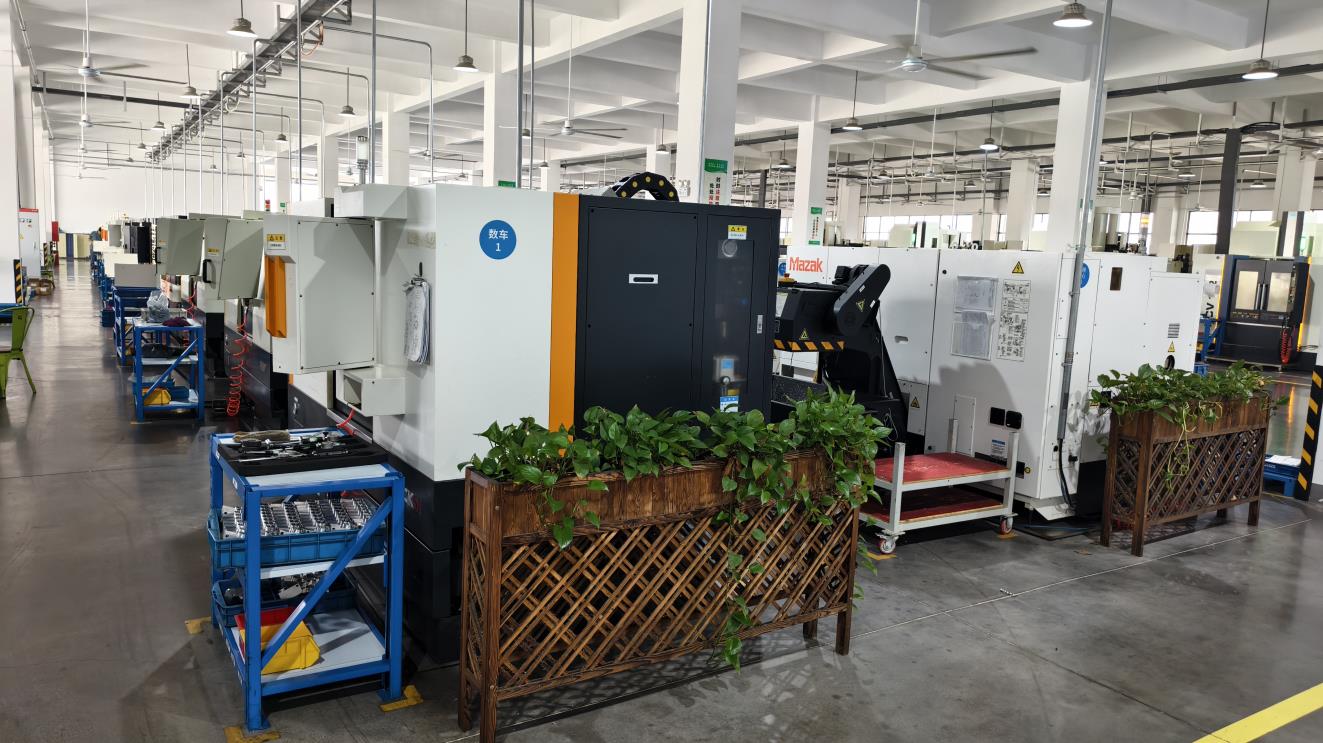
Surgical retraction requirements vary widely between human and veterinary applications. While human surgery demands highly specialized instruments for delicate tissue structures (such as neurosurgical brain retractors or cardiac spreader assemblies), veterinary medicine often requires robust, versatile systems that can handle a range of patient sizes, from small exotics to large livestock.
Our product line meets these demands with options like self-retaining abdominal retractors (Balfour, Gosset) and bone-lever retractors (Hohmann). These instruments are designed to prevent slipping during operations while maintaining a safe, controlled retraction force to protect sensitive organs and vascular structures.
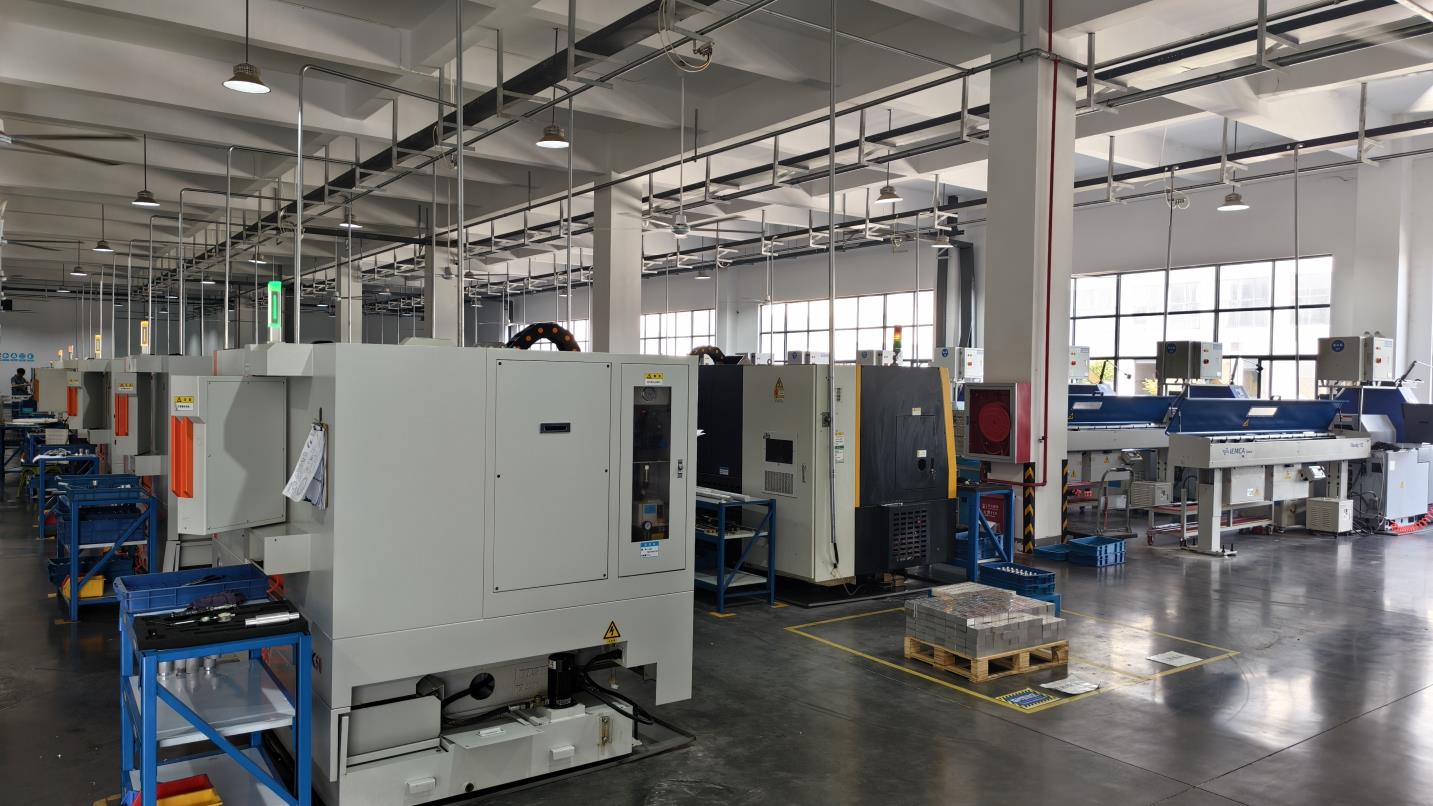
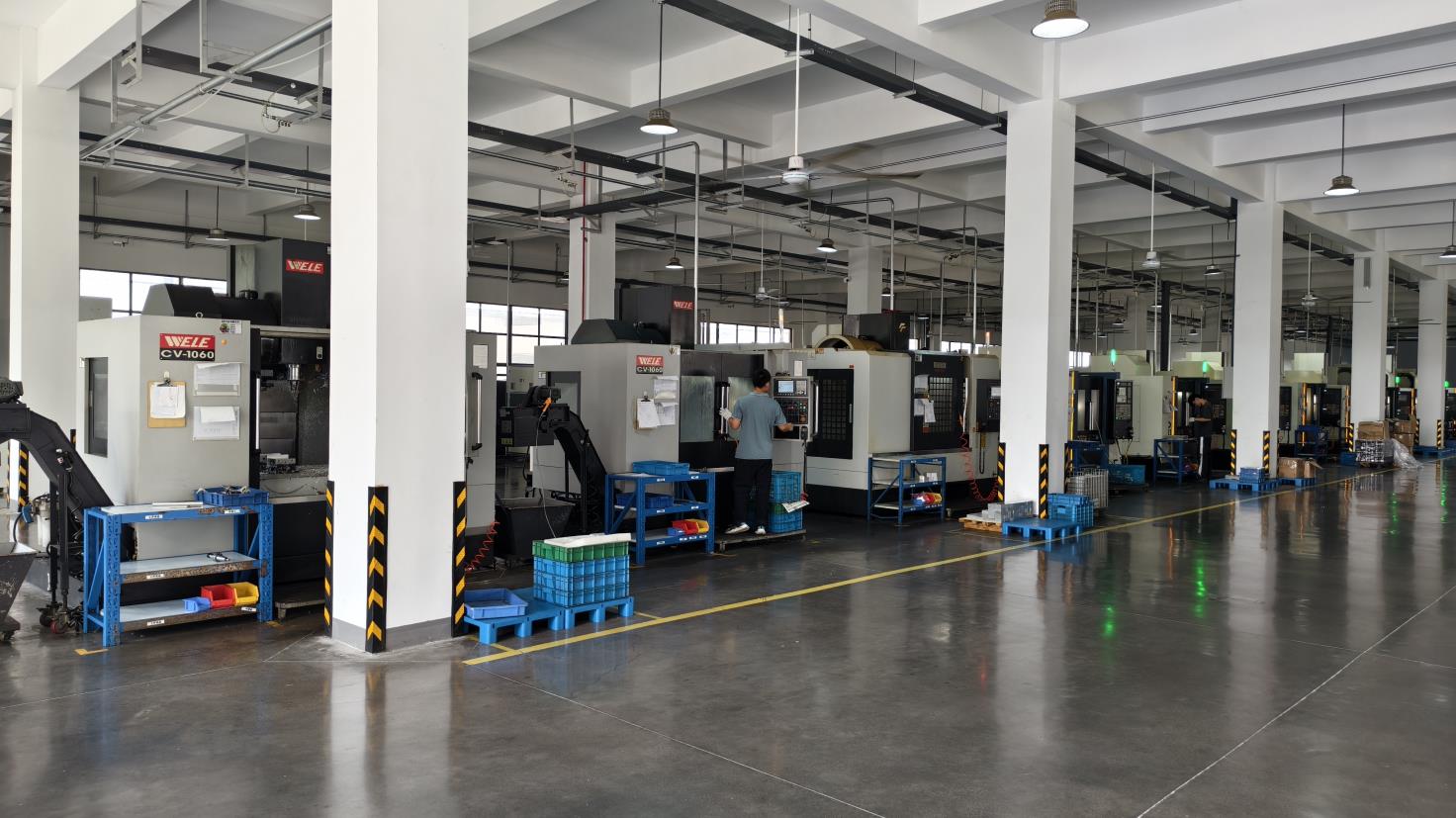
The future of surgical retraction is closely aligned with minimally invasive surgery (MIS) and robotic-assisted surgical systems. Traditional hand-held retractors are increasingly being replaced by fixed, table-mounted systems that offer micro-adjustability and integrated fiber-optic illumination.
Our design roadmap focus is on developing lightweight, high-tensile carbon-fiber hybrid retractors that reduce weight while maintaining structural strength under load. We are also refining surface coatings to reduce glare under high-intensity LED surgical lights, improving visibility for surgical cameras and operating microscopes.