SENJIE Healthy & Technology SENJIE Healthy & Technology

OEM/ODM Surgical Magnetic Holders Exporter & Exporters

Precision-Engineered Magnetic Retention Systems & Advanced Surgical Instrumentation for Global Healthcare Systems

Whitepaper & Regulatory Guide

Global B2B Procurement, Material Science & Sterile Field Validation of Surgical Magnetic Holders

An analytical overview of medical-grade magnetic transfer systems: examining hermetic encapsulation, sterilization dynamics, raw material traceability, and OEM/ODM engineering integration for modern operating theatres.

1. Executive Overview & Sterile Field Dynamics

In the modern surgical theater, efficiency, safety, and precision are paramount. Sharps injuries represent one of the most critical occupational hazards faced by surgical staff globally, with over 385,000 needlestick and other sharps-related injuries occurring annually in US hospitals alone. Surgical Magnetic Holders, designed to secure needles, scalpels, forceps, and other ferromagnetic instruments, act as a primary defense line in the sterile field.

These devices must do more than simply hold tools. They must maintain their magnetic integrity under repeated steam autoclaving, resist aggressive chemical cleaning, and exhibit absolute biocompatibility. This whitepaper examines the technical specifications, OEM/ODM development roadmaps, quality systems, and supply-chain protocols required of a leading global exporter of surgical magnetic holders.

2. Technical Specifications & Material Science

The engineering of surgical magnetic holders requires a balance between magnetic flux density and material stability. The choice of the magnetic core determines the operational lifespan and safety profile of the device in clinical environments:

  • Neodymium-Iron-Boron (NdFeB): High energy product (BH max) allowing for thin profiles with high pull force. However, standard NdFeB grades suffer from demagnetization at temperatures above 80°C. OEM manufacturers must utilize high-coercivity grades (such as EH or AH) capable of surviving repeated autoclaving at 134°C.
  • Samarium-Cobalt (SmCo): Excellent thermal stability (curie temperatures up to 800°C) and superior corrosion resistance. Often preferred for extreme autoclave cycles despite a higher material cost.

"To prevent patient contamination, the magnetic core must be completely isolated from the operating room environment via hermetic encapsulation."

Encapsulation Options: Liquid Silicone Rubber (LSR) overmolding is the gold standard, providing a seamless, soft-touch barrier that prevents microbial accumulation. Alternatively, laser-welded medical-grade 316L Stainless Steel housing offers rugged mechanical protection for heavy orthopedic instrument trays.

3. Global Procurement Demands & B2B Purchasing Criteria

B2B purchasers in North America (25%), South America (25%), and Southeast Asia (15%) navigate strict regulatory landscapes and total cost of ownership (TCO) assessments. Procurement managers, hospital group purchasing organizations (GPOs), and medical device brands evaluate magnetic holders on the following parameters:

  1. Biocompatibility Compliance: ISO 10993 testing certificates are mandatory. Products must be free of cytotoxins, skin sensitizers, and system toxins.
  2. Sterilization Validation: Providers must supply validation data showing the product can withstand at least 500 autoclave cycles (134°C for 4 minutes under vacuum) without structural degradation or loss of magnetic pull force (>10% drop).
  3. Sterile Field Ergonomics: Color-coded mats to segregate clean, used, and contaminated sharps, reducing cognitive load on scrub nurses.

4. Regulatory Compliance & E-E-A-T Framework

As a certified OEM/ODM exporter registered since 2019-11-20, our manufacturing facility operates under strict Quality Management Systems (QMS). We guarantee raw material traceability back to the melt batch, ensuring no non-medical grade plastics, recycled silicones, or unrefined magnets enter our production lines.

Compliance Standard Global Territory Testing Requirement / Scope
FDA Class I Medical Device United States Establishment registration, product listing, and adherence to 21 CFR Part 820.
EU MDR 2017/745 European Union Technical documentation file, CE marking, and post-market clinical follow-up (PMCF).
ISO 13485 Global Scope Comprehensive QMS demonstrating consistent design, development, and production.
REACH & RoHS Global / EU Verification that silicone components do not contain SVHCs (Substances of Very High Concern).

OEM/ODM Capabilities & Export Infrastructure

6+ Years
Exporting Experience
3 Inspectors
Dedicated QA/QC Team
100%
Raw Material Traceability
OEM/ODM
Customization on Demand

Custom Graphic & Sample Processing

We provide full layout and rapid prototyping, including rapid silicone overmolding tool creation and exact sizing according to surgical instrument tray specifications. Custom colors and permanent laser branding are fully supported.

Rigorous QA/QC Inspections

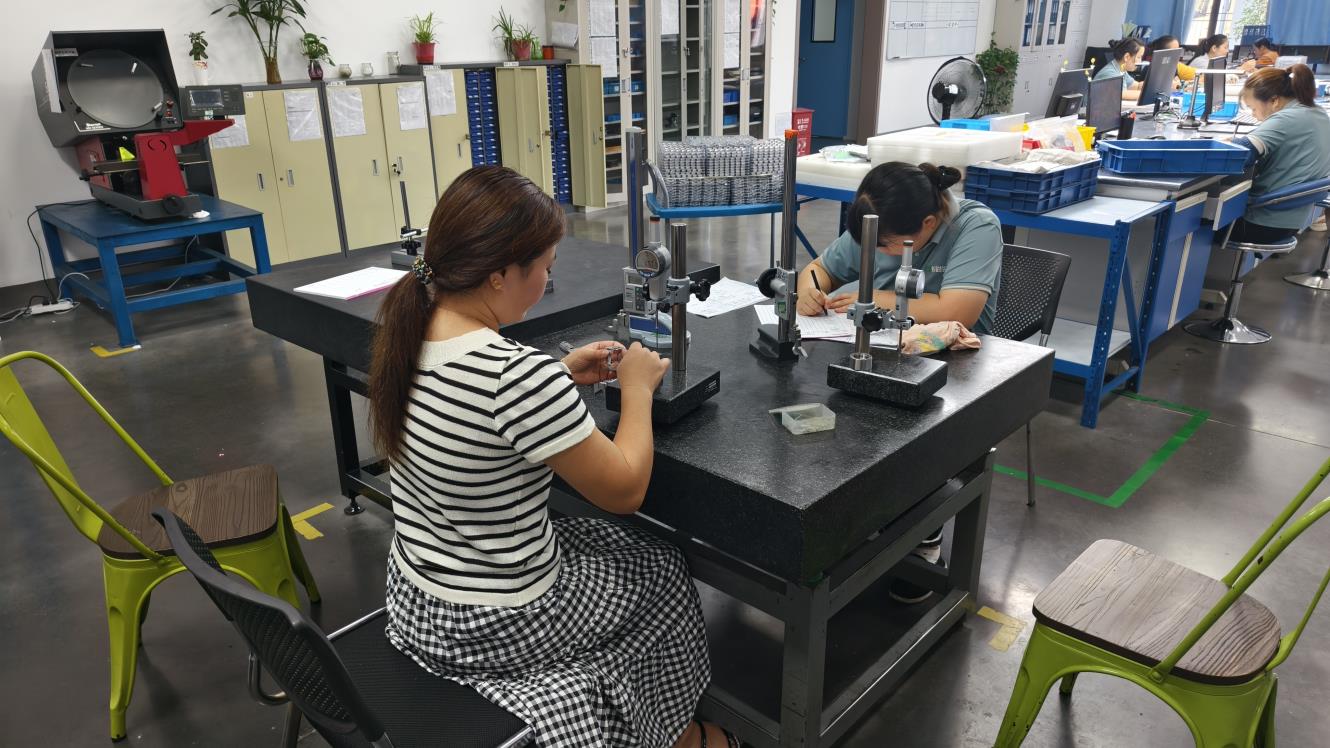
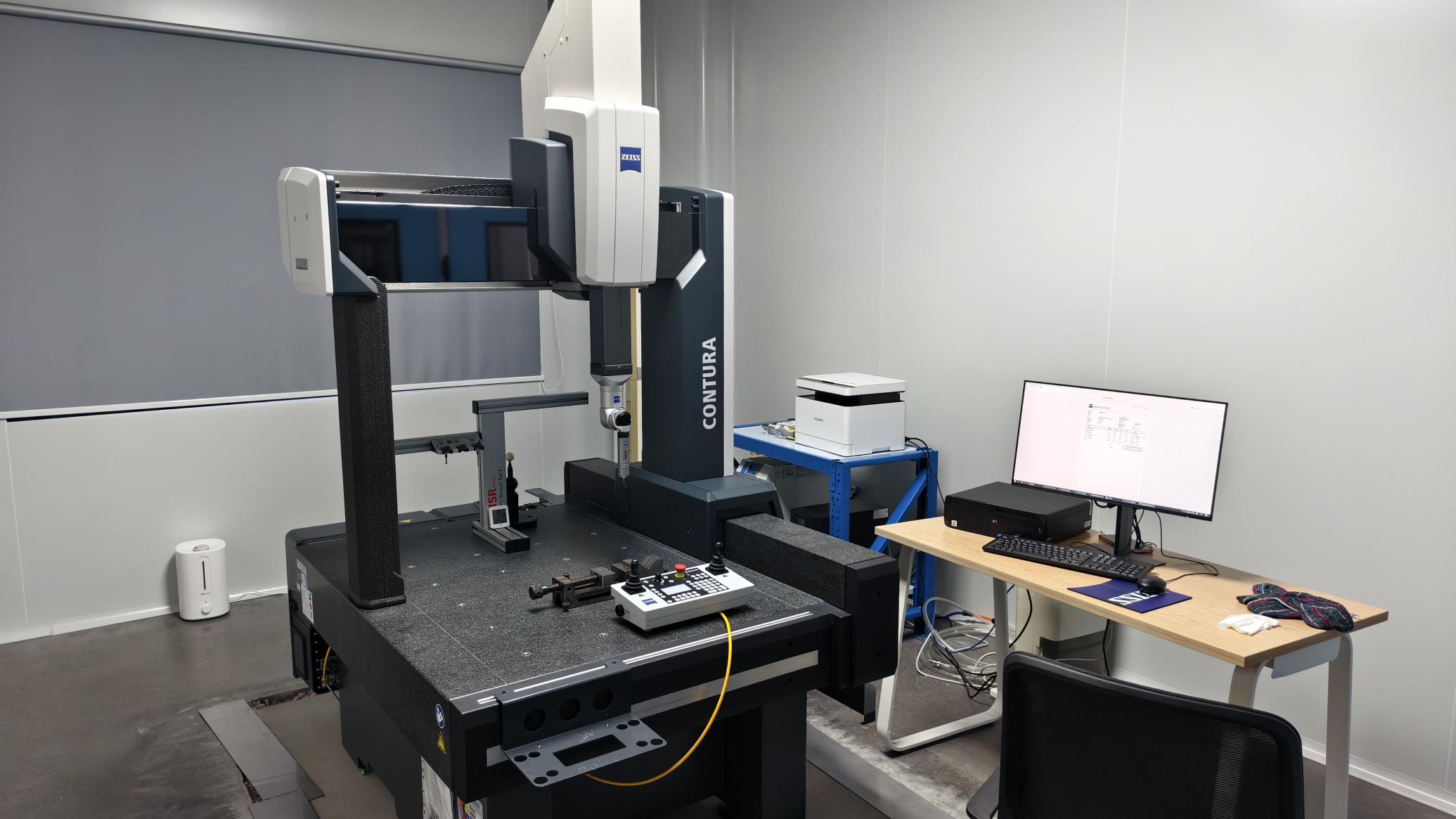
Utilizing random batch inspections along with custom customer inspection protocols, our QA team runs pull-force verification tests and liquid penetration testing to verify hermetic sealing integrity before any batch leaves our facility.

Diverse Global Markets

With major market shares across North America (25%), South America (25%), and Southeast Asia (15%), our supply chains are optimized to work with international distributors, brands, retailers, and direct medical procurement teams.
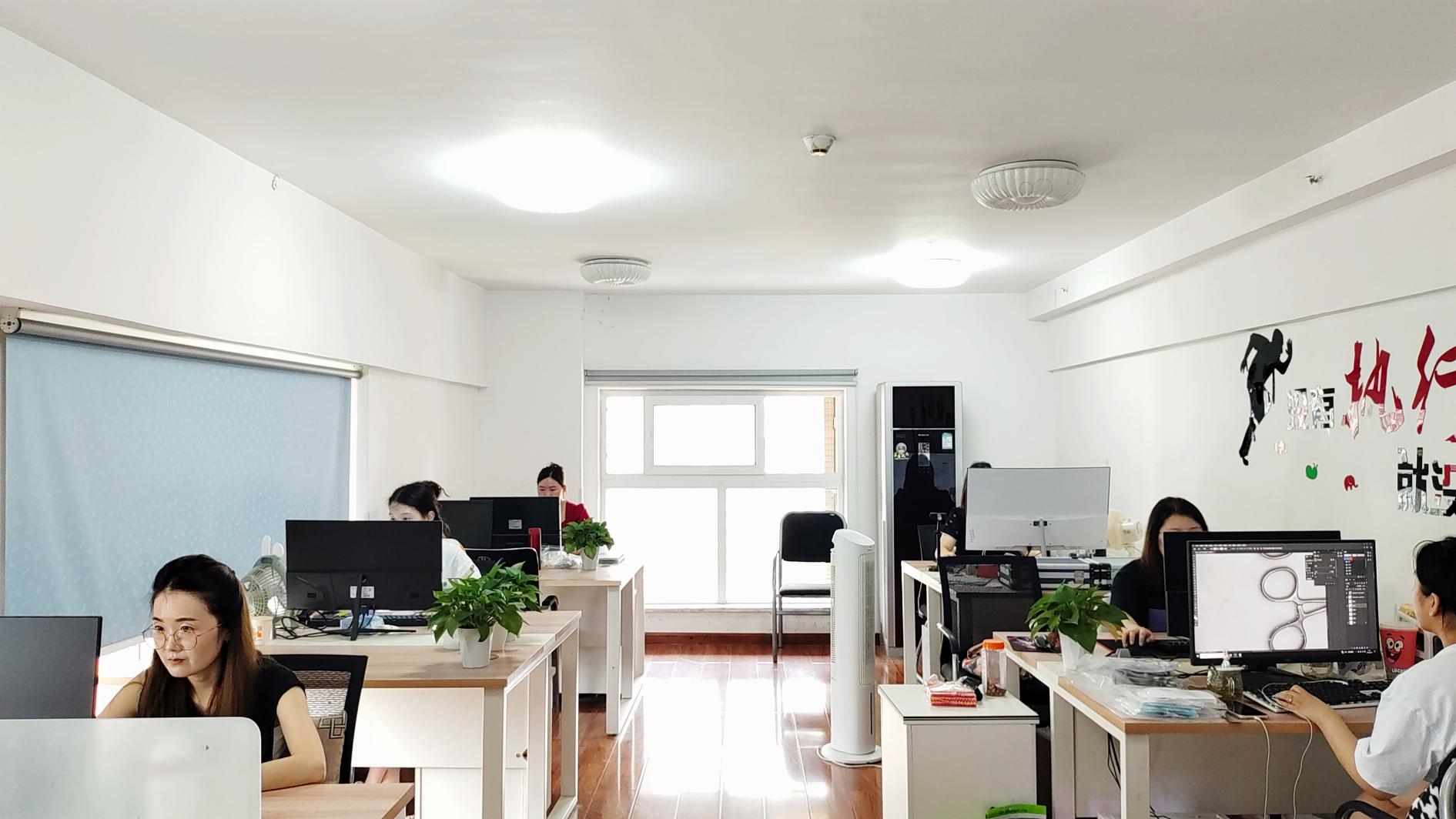
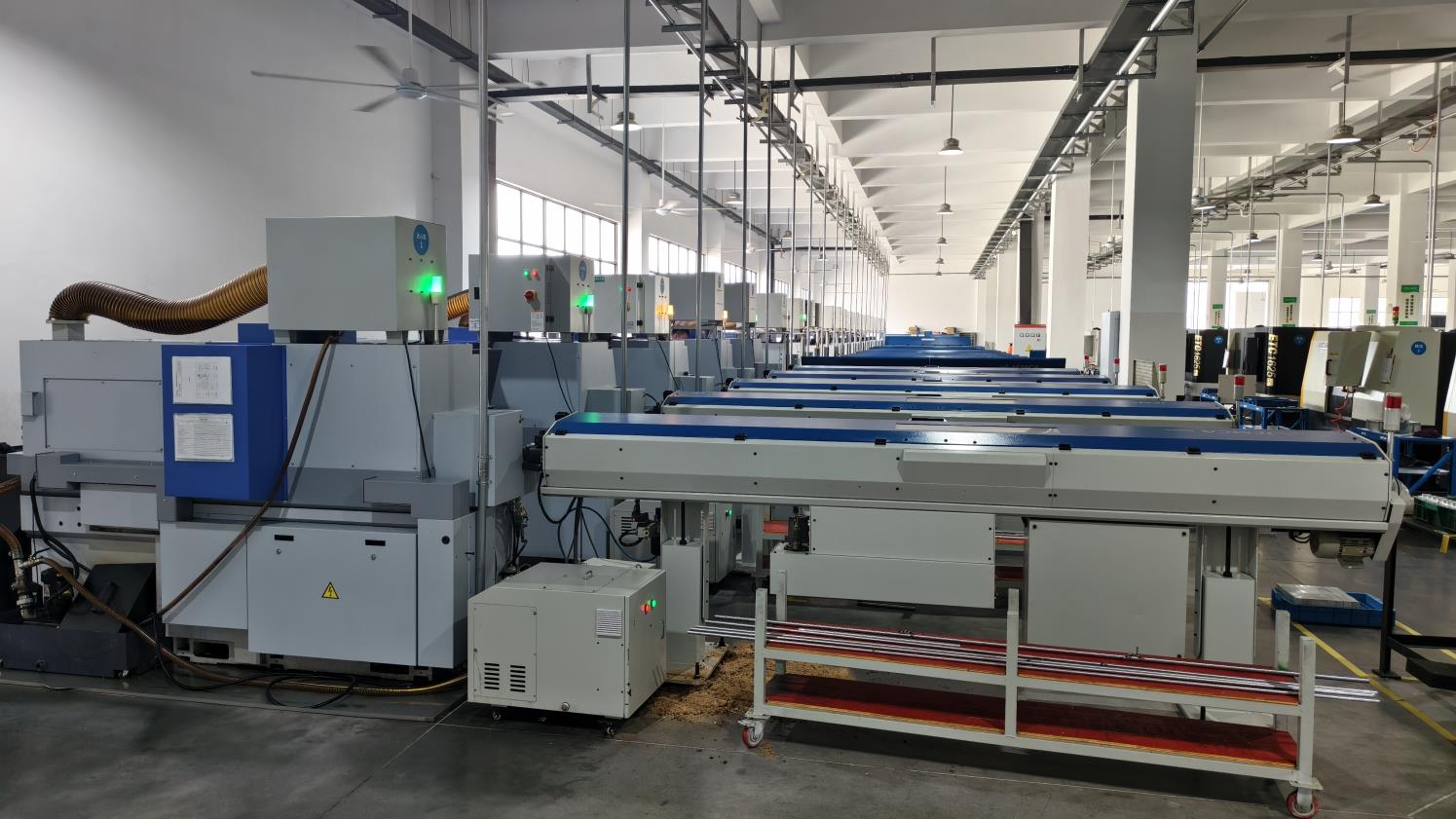
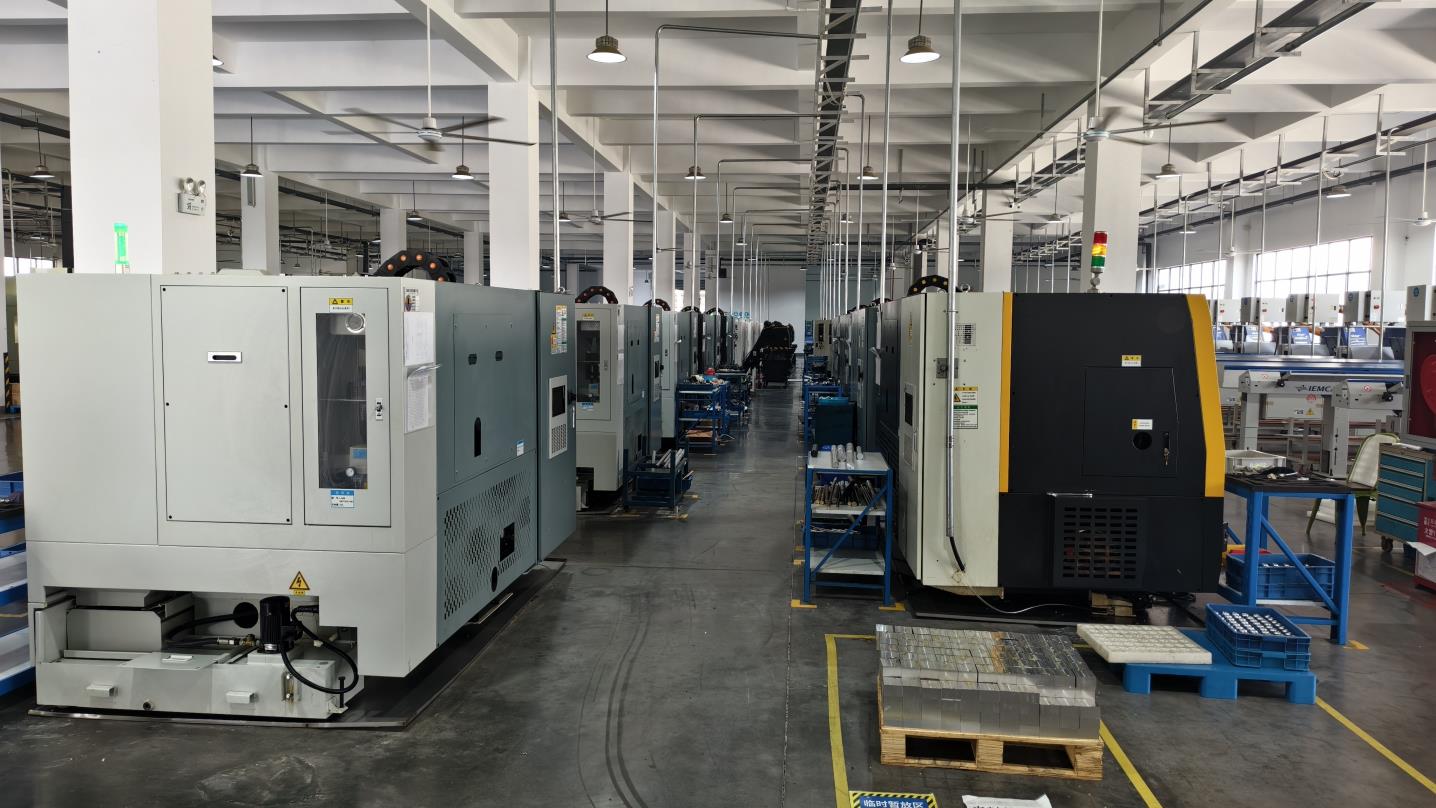
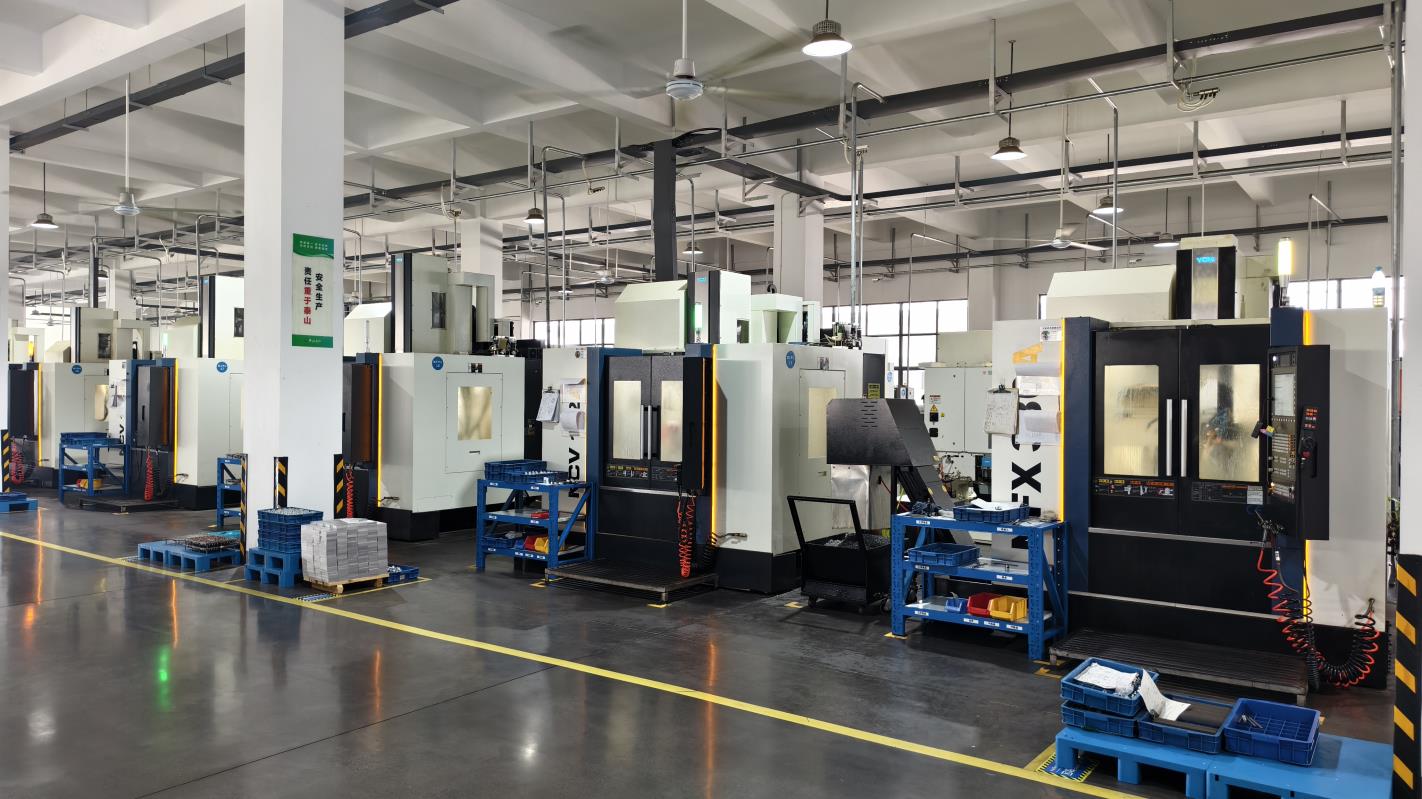
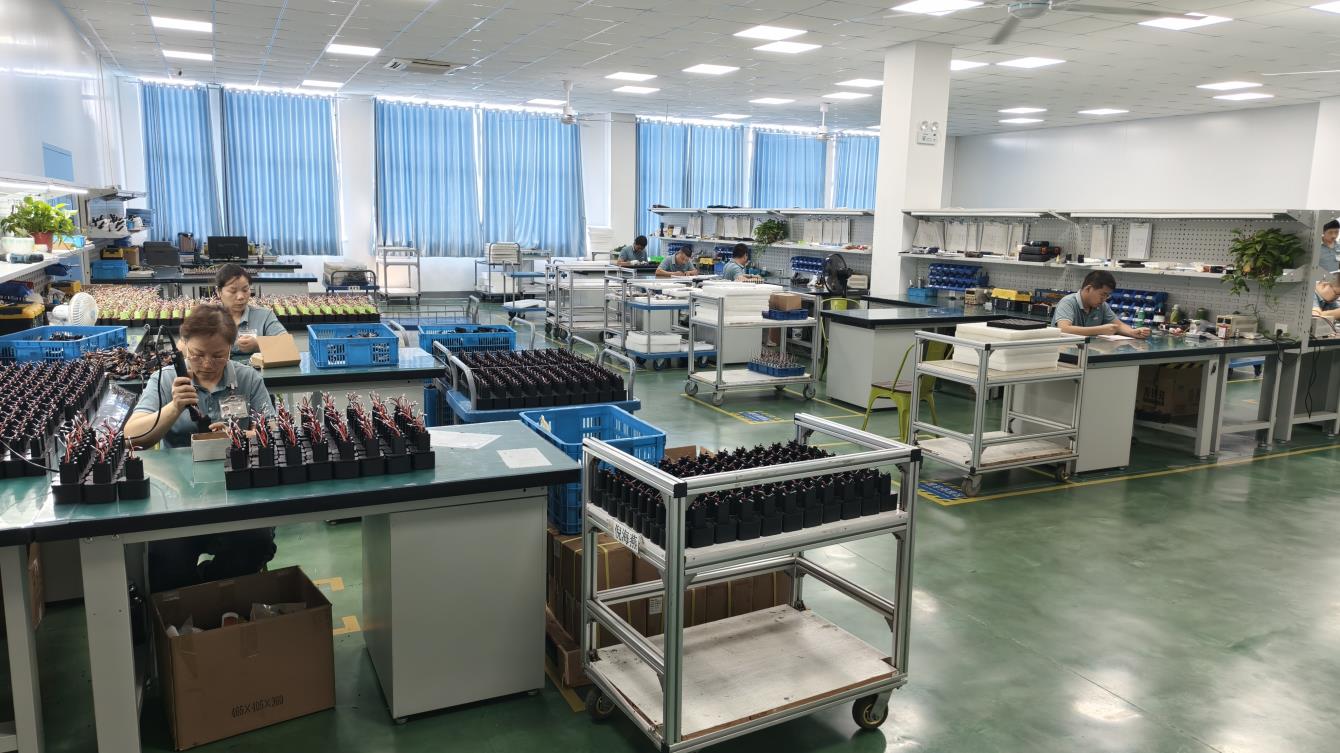
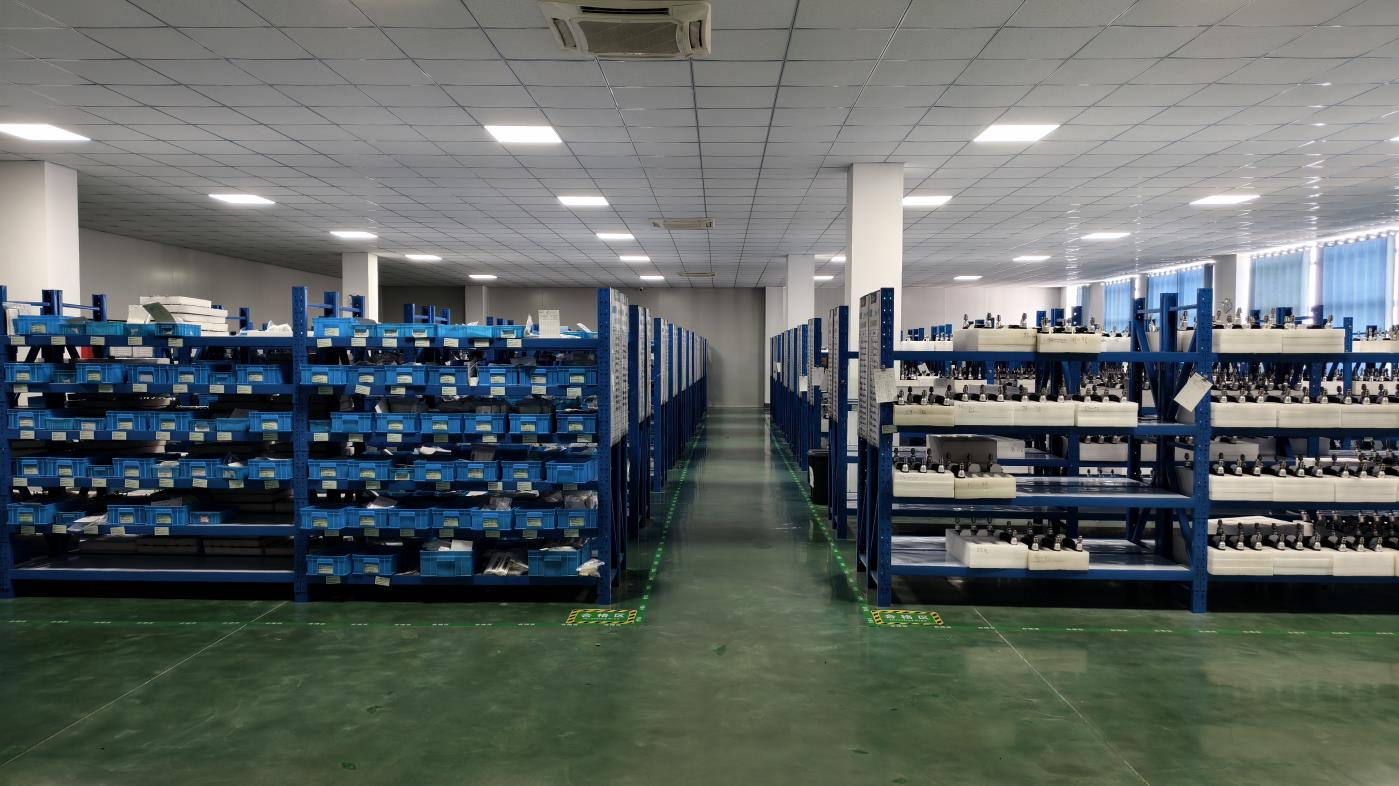
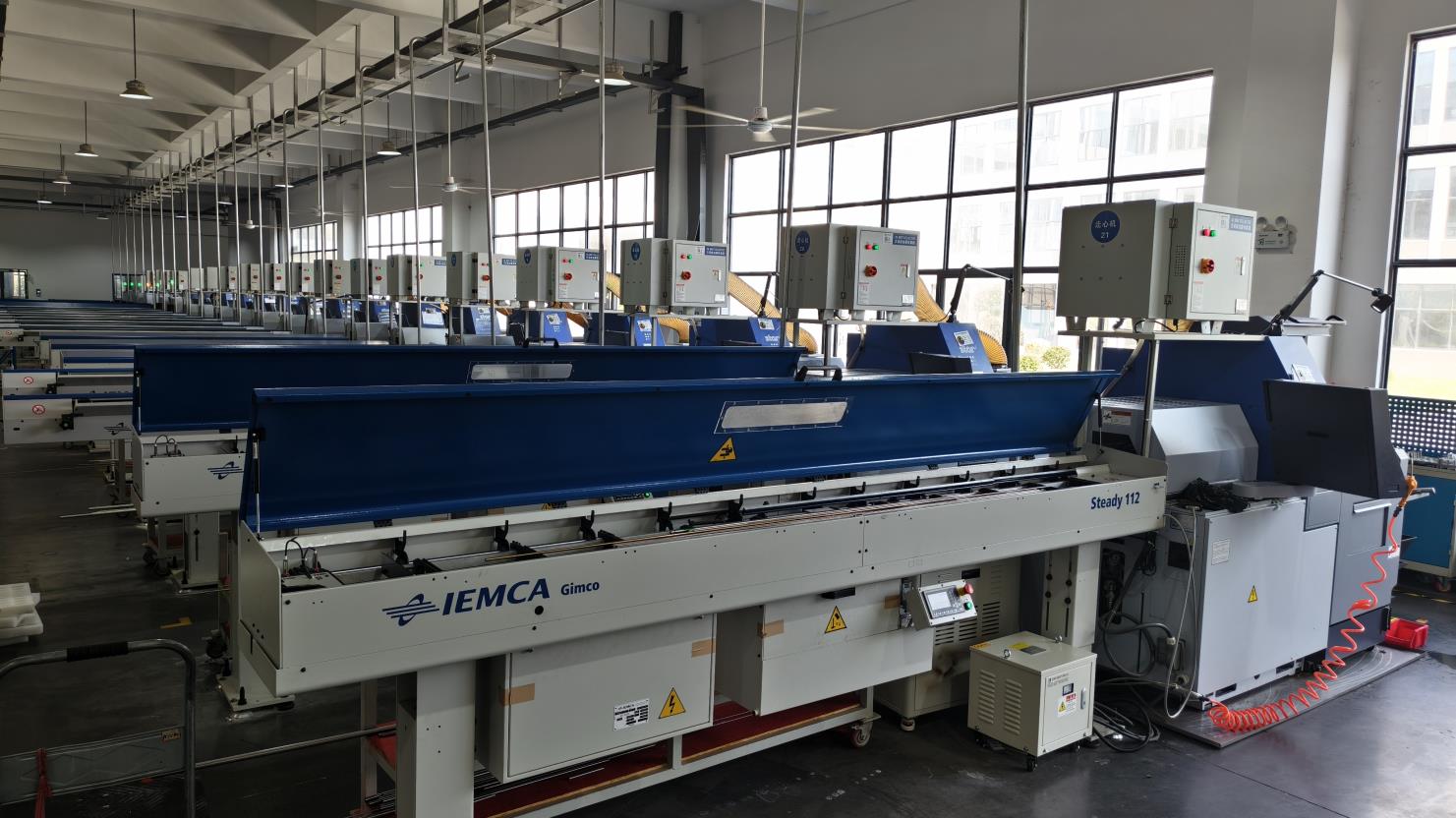
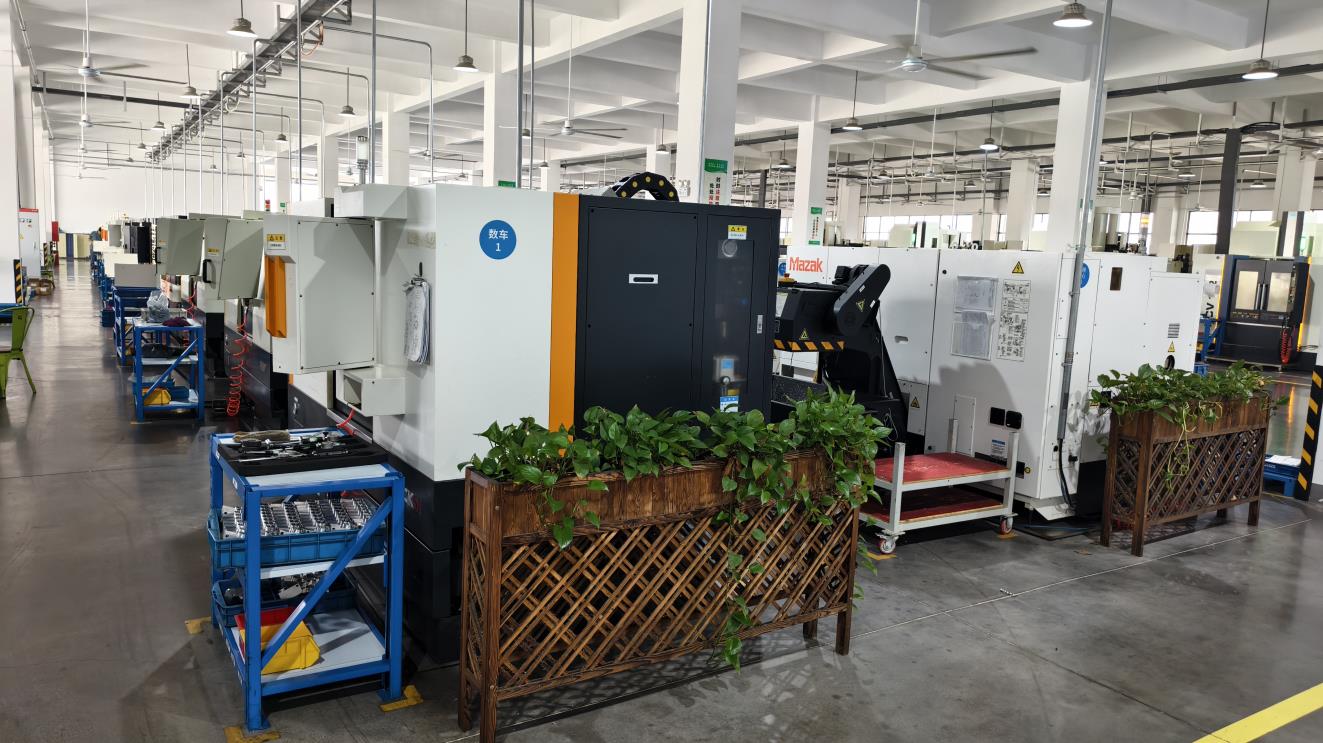
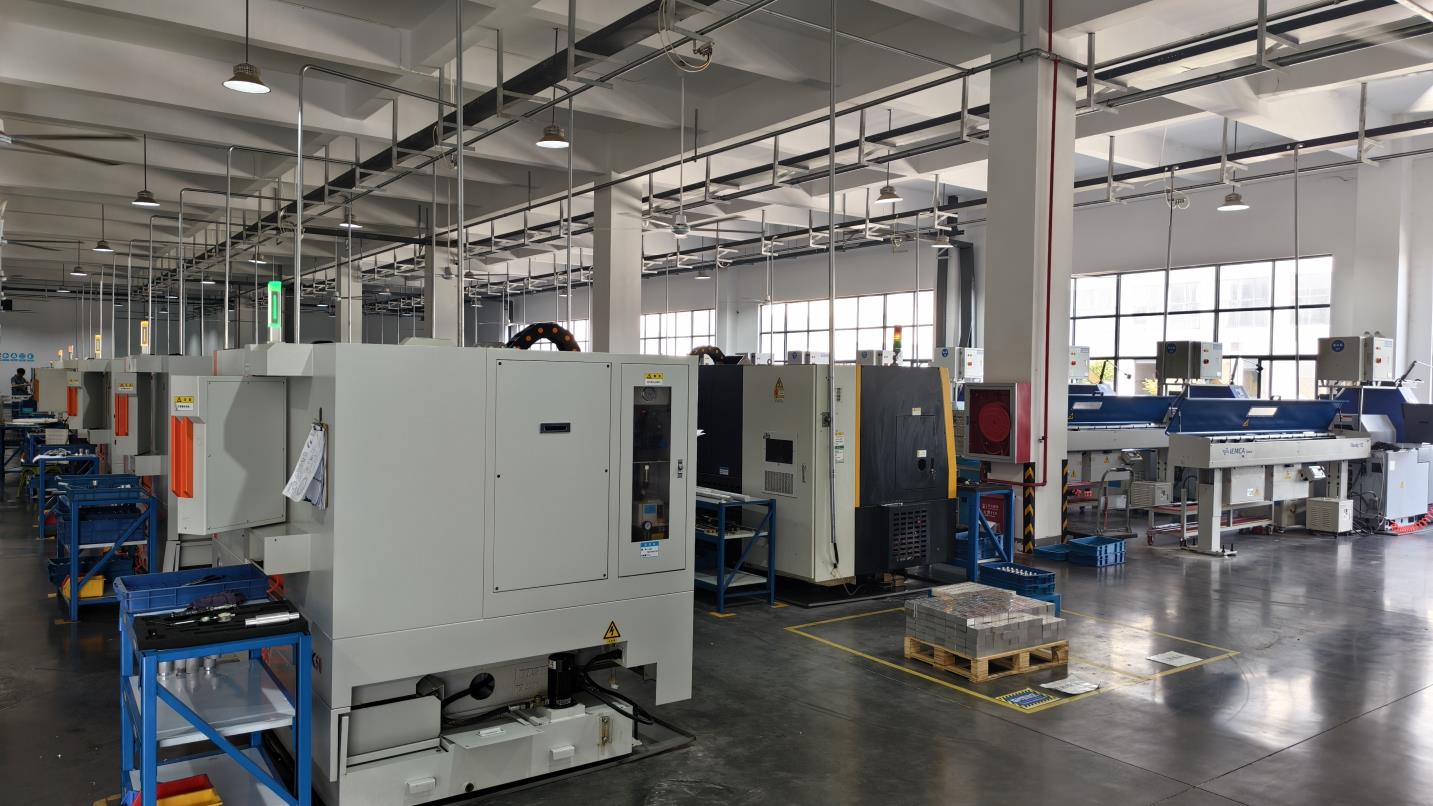
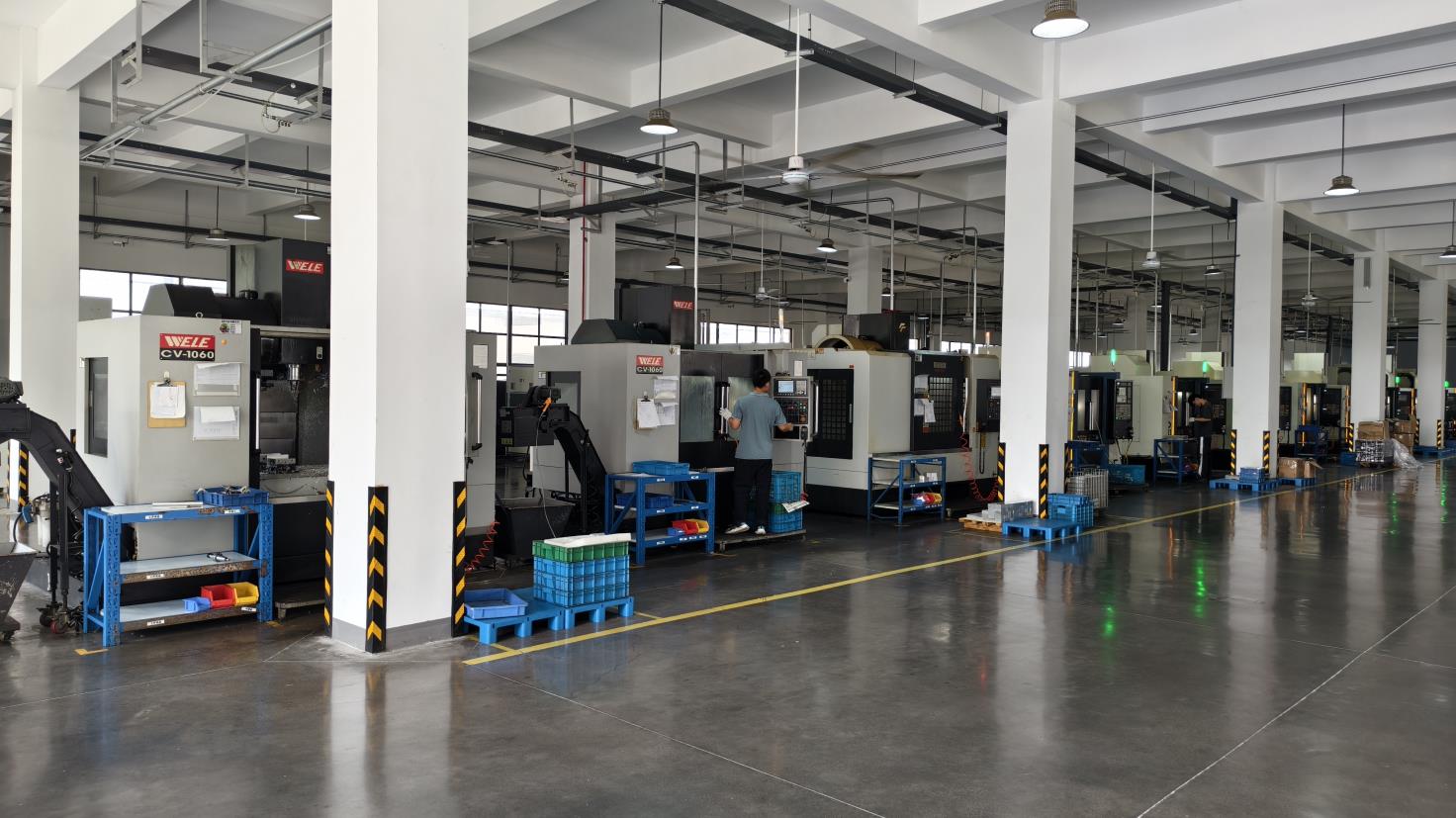
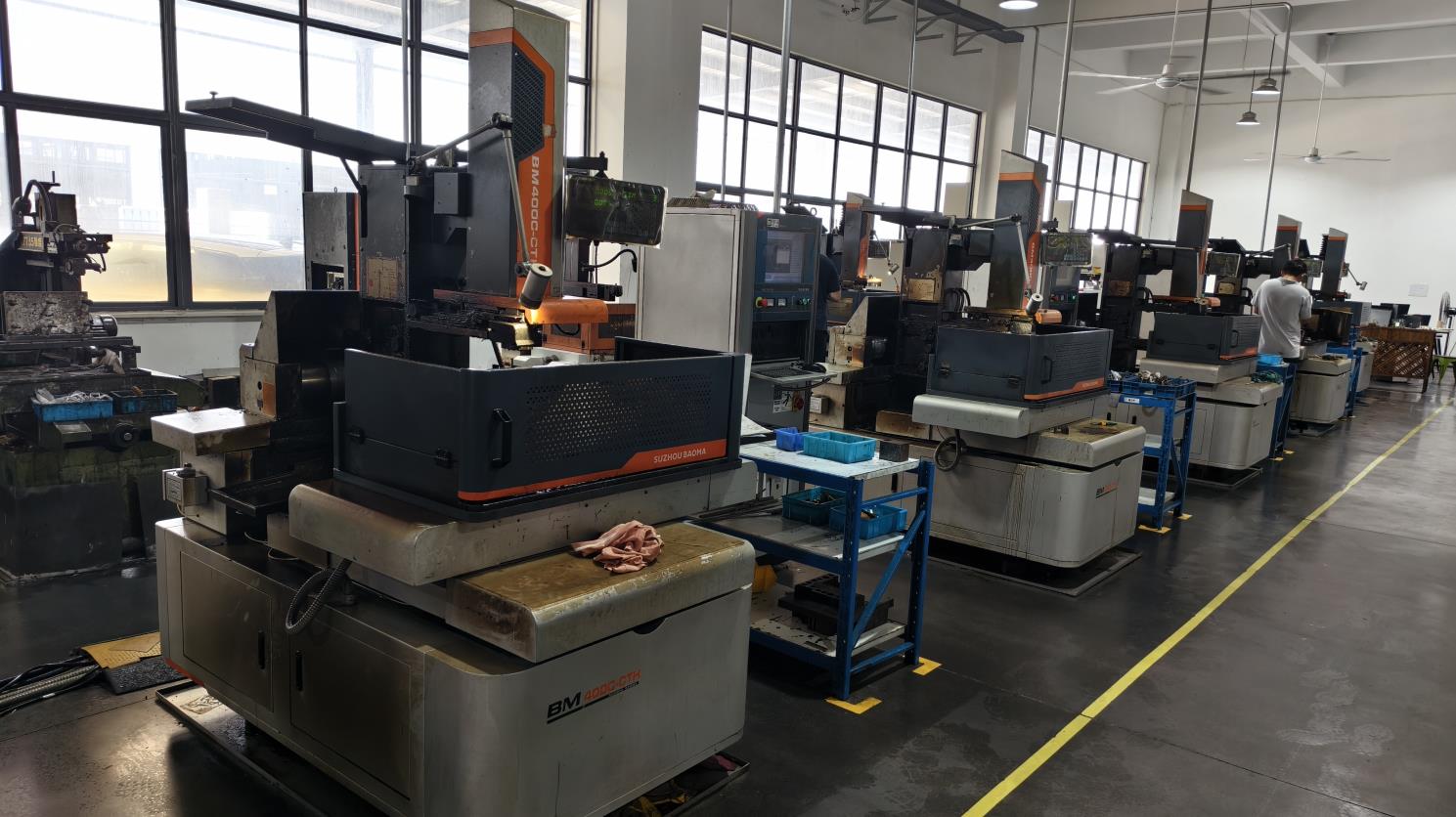
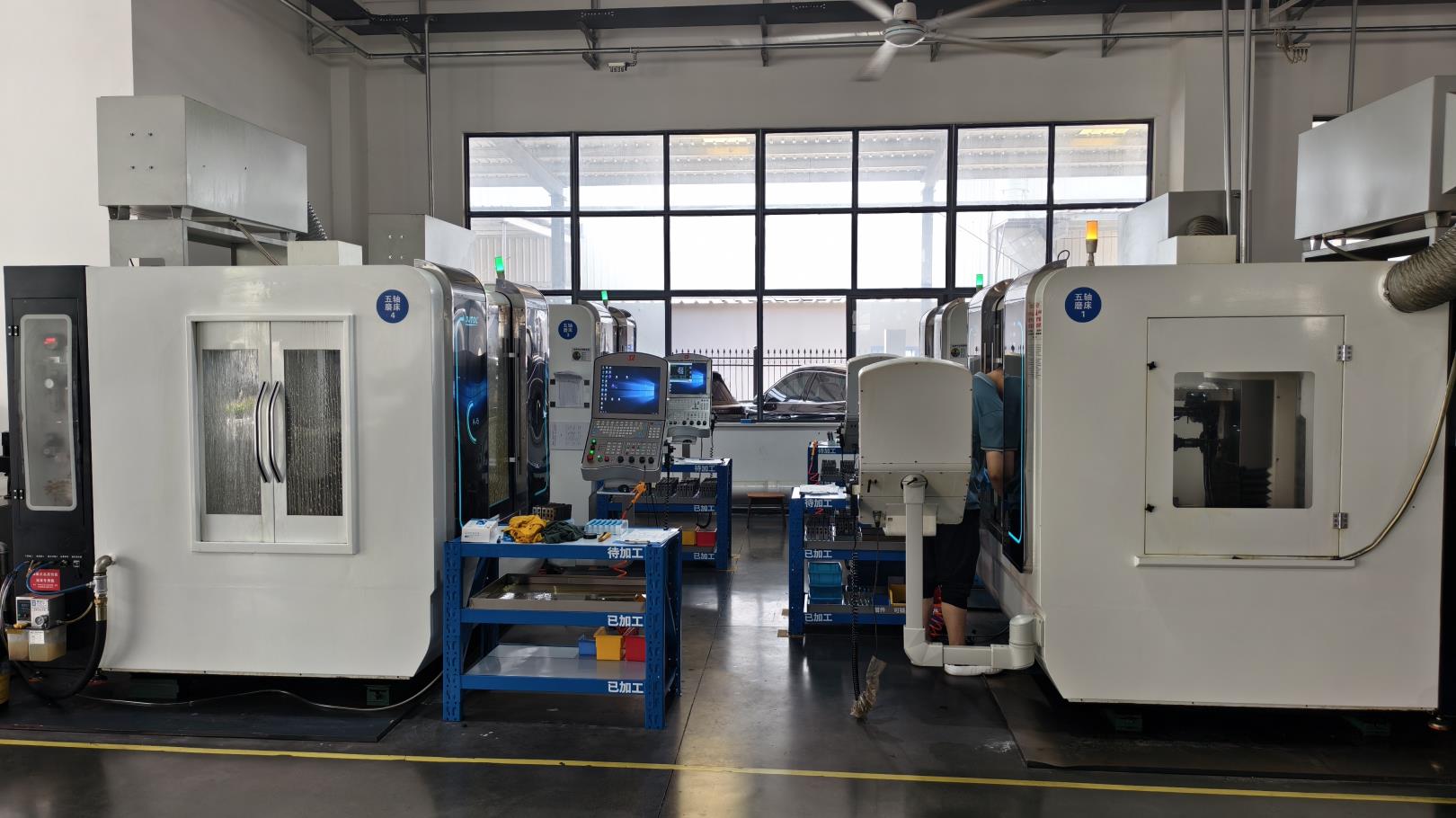
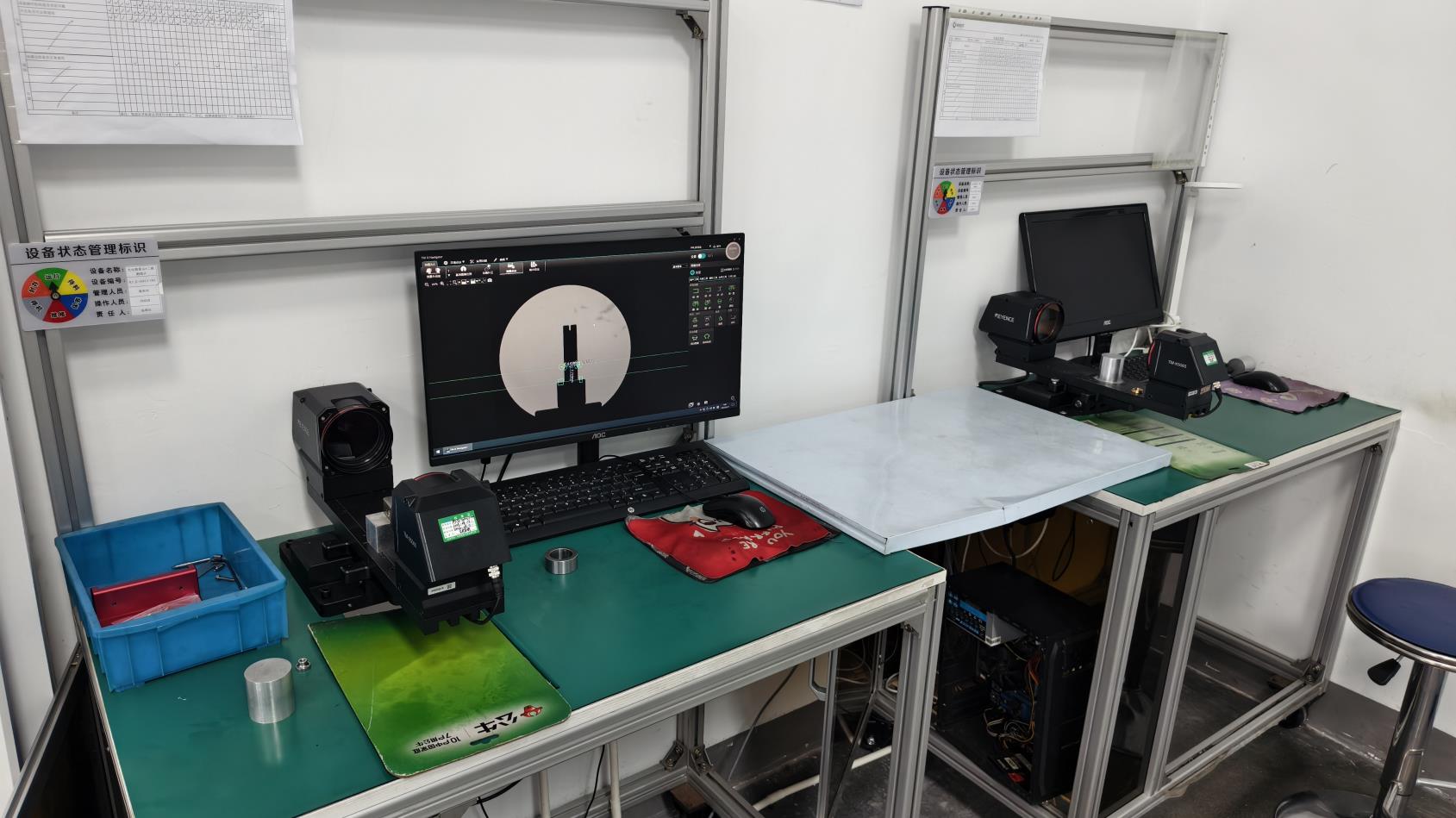
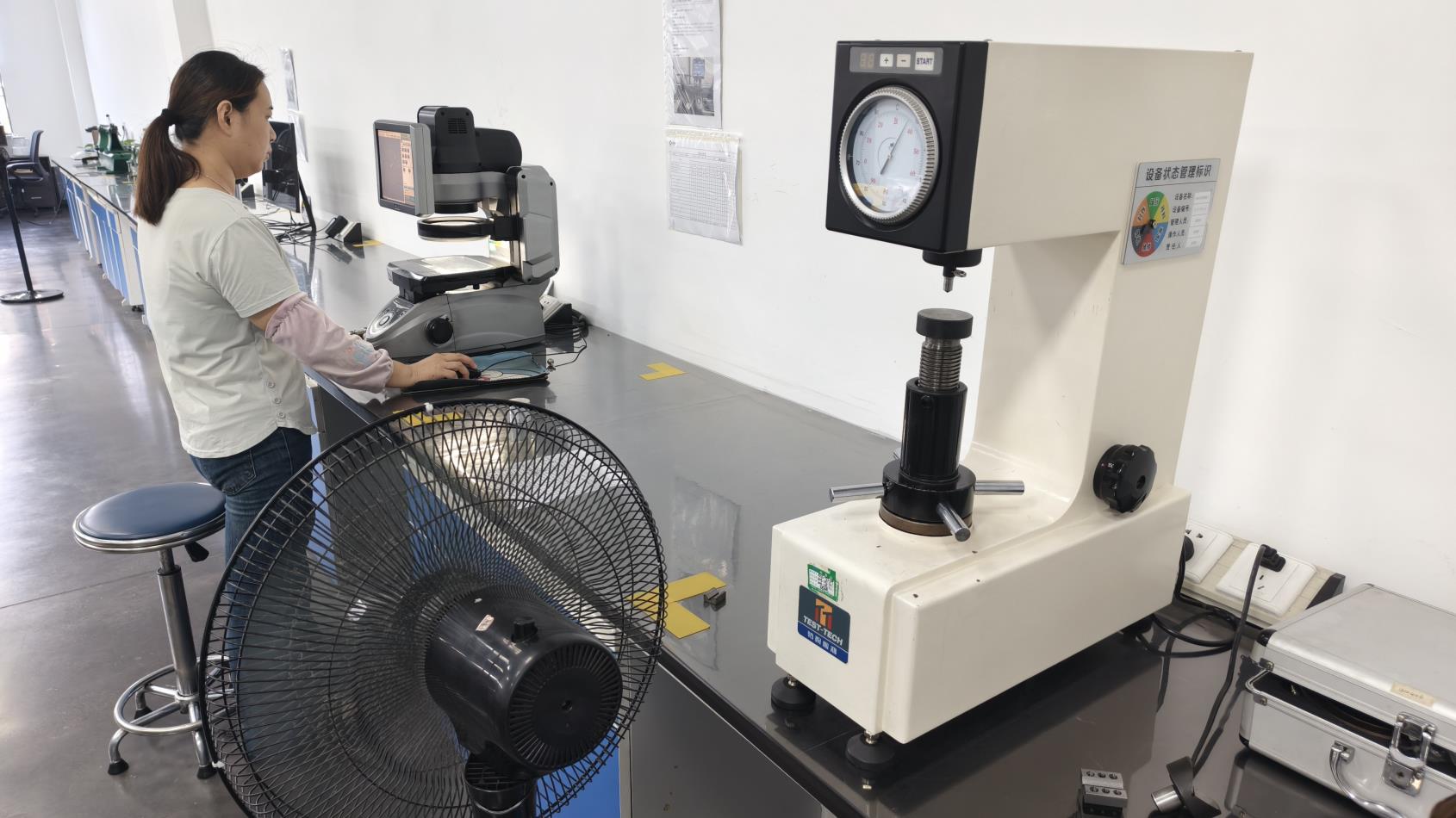
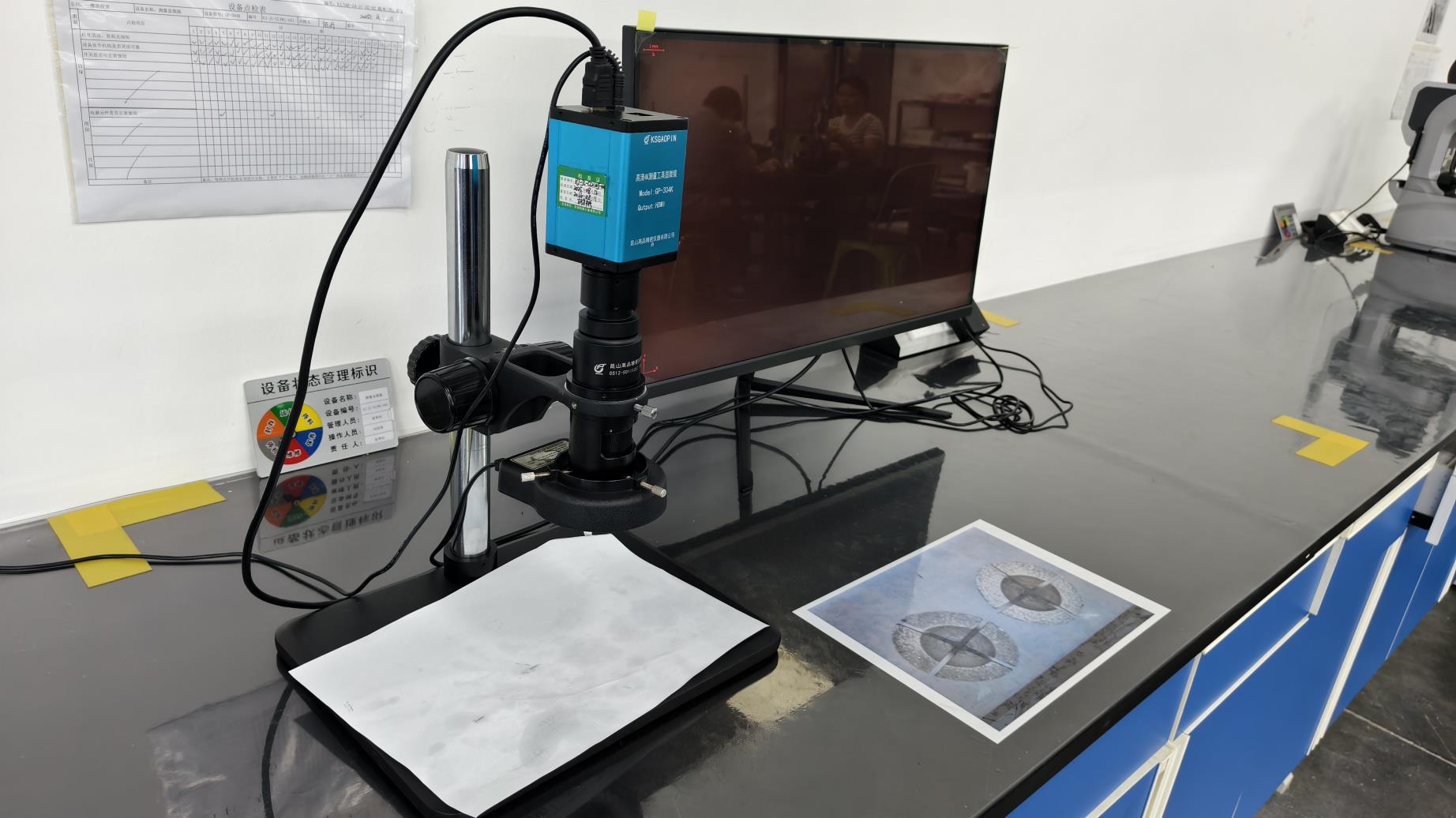
Surgical & Orthopedic Manufacturing Gallery

5. Technical Roadmap & Future Outlook

The surgical device industry is moving rapidly toward automation, traceability, and smart OR environments. Legacy magnetic plates are being upgraded to integrated components of bigger digital eco-systems:

  • RFID-Enabled Tracking: Future iterations of surgical magnetic holders will incorporate hermetically sealed RFID chips. This allows the system to communicate directly with OR management software, tracking sterilization histories and verifying that the correct magnetic holder is matched with the appropriate instrument kit.
  • Optimized Flux Channels: Advanced computational design allows engineers to adjust magnetic fields, concentrating maximum pull force on the face of the holder while keeping electromagnetic interference to a minimum on the sides. This protects delicate electronic surgical tools.
  • Sustainable Polymeric Encapsulations: As environmental regulations tighten, R&D teams are exploring bio-based medical elastomers that match the durability of traditional silicone while reducing carbon footprints.

6. Localized Support & Duty-Free Supply Chains

Sourcing medical devices globally demands logistical precision. Working with a reliable exporter who understands custom tariffs, duty rates, and shipping requirements is essential to prevent delays.

Whether shipping to distribution hubs in North America or hospital centers in Southeast Asia, our logistics team handles all commercial invoicing, packaging validation (following ASTM D4169 protocols), and customs documentation. For OEM clients, we establish custom buffer inventory arrangements to reduce lead times and safeguard against supply chain disruptions.
7. Frequently Asked Questions (FAQ)

Q1: How do you guarantee the raw material quality of your surgical magnetic holders?
We maintain raw material traceability with material test reports (MTRs) and mill test certificates for every batch of neodymium magnets and medical-grade silicone. Our quality control team runs full incoming inspections to verify that all materials match internal specification requirements before production begins.
Q2: Do surgical magnetic holders demagnetize during steam autoclave cycles?
Standard magnets will degrade under high heat. To prevent this, we use premium neodymium (NdFeB) grades with high coercivity designations (such as UH, EH, or AH) or Samarium-Cobalt (SmCo) cores. These materials are engineered to withstand temperatures exceeding 134°C without significant loss of magnetic pull force over hundreds of autoclave sterilization cycles.
Q3: What OEM/ODM customization options do you provide for global buyers?
Our team provides design and development services, including custom sizes, unique geometry layouts to fit specific surgical trays, varied magnetic strengths, corporate branding (laser etching), and custom color formulations for identification in the sterile field.
Q4: How do you verify the hermetic sealing of the silicone encapsulation?
We perform liquid dye penetrant testing and vacuum leak checks on batch samples to confirm the encapsulation is hermetically sealed. This guarantees that fluids cannot reach the internal magnets, preventing rust, corrosion, and bacterial growth.
Q5: What are your lead times and logistics arrangements for North American and European markets?
Standard tooling and sample runs take 2 to 3 weeks, and volume production is typically delivered in 4 to 6 weeks. We offer FOB, CIF, and DDP shipping options, coordinating directly with regional custom brokers to ensure smooth clearance through customs.
Q6: Are the magnetic fields safe for other delicate surgical equipment in the OR?
Yes, our surgical magnetic holders use directional magnetic flux paths. The magnetic field is focused primarily on the holding surface. The back and sides of the device are shielded to minimize stray magnetic fields, preventing interference with other electronic surgical monitors.