 SENJIE Healthy & Technology
SENJIE Healthy & Technology
SENJIE Healthy & Technology
Engineered to strict surgical tolerances, our premium trauma fixation sets, custom drill guides, and osteotomes deliver unparalleled intraoperative tactile feedback and clean bone interfaces.
An analytical overview of surgical metallurgy, biomechanical advancements, and regulatory compliances shaping the future of global orthopedic sourcing.
The development of bone cutting tools has transitioned from simple hand-held chisels to precision, low-thermal-necrosis cutting instruments designed for minimal invasive surgeries. Modern bone cutting tools are heavily scrutinized for their micro-cutting efficiency, rotational accuracy, and surface properties. Today, the focus is on minimizing the friction coefficient and heat generation at the bone-instrument interface. Thermal osteonecrosis occurs when bone tissue temperature exceeds 47°C for more than one minute, which delays postoperative bone integration and compromises implant stability.
To prevent microstructural degradation, premium manufacturers utilize advanced materials such as custom-tempered Martensitic Stainless Steel (SUS 440C / 420J2) and Tungsten Carbide inserts. By incorporating medical-grade coatings like Diamond-Like Carbon (DLC) or Titanium Nitride (TiN), friction levels are minimized, keeping cutting tip temperatures well below critical necrosis thresholds during high-RPM drilling or high-frequency oscillating cuts.
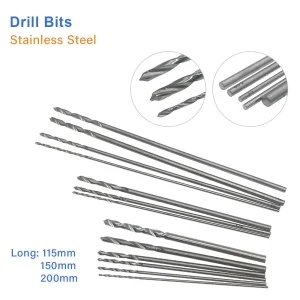
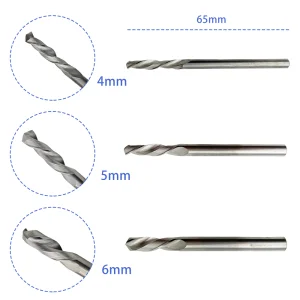
When selecting bone cutting tool manufacturers, clinical procurement teams must demand certification records that verify heat emission levels and surface roughness (Ra) standards. High-quality micro-scissors and drill bits must maintain an Ra values of less than 0.4 microns to prevent biofilm attachment and micro-abrasion during surgery.
Global health systems, orthopedic private practices, and distributors face complex international logistics and supply chains. To safeguard clinical workflows, procurement managers must evaluate several operational indicators:
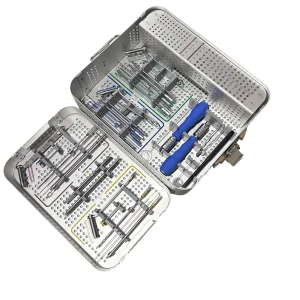
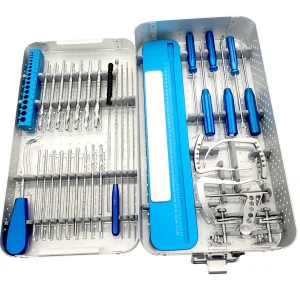
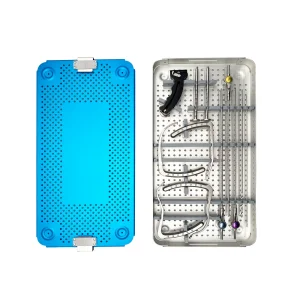
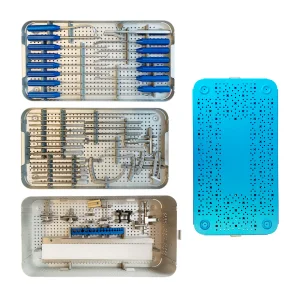
Modern surgeries demand structured instrument kits rather than individual loose tools. System solutions, such as comprehensive ACL/PCL Knee Reconstruction Kits and Spinal Compression Systems, optimize surgical efficiency. These sets provide surgeons with sequential drills, depth guiders, and compression forceps in specialized autoclavable sterilization trays, reducing setup times and limiting intraoperative errors.
Visual validation of our modern machining centers, surface inspection labs, and mechanical testing areas.

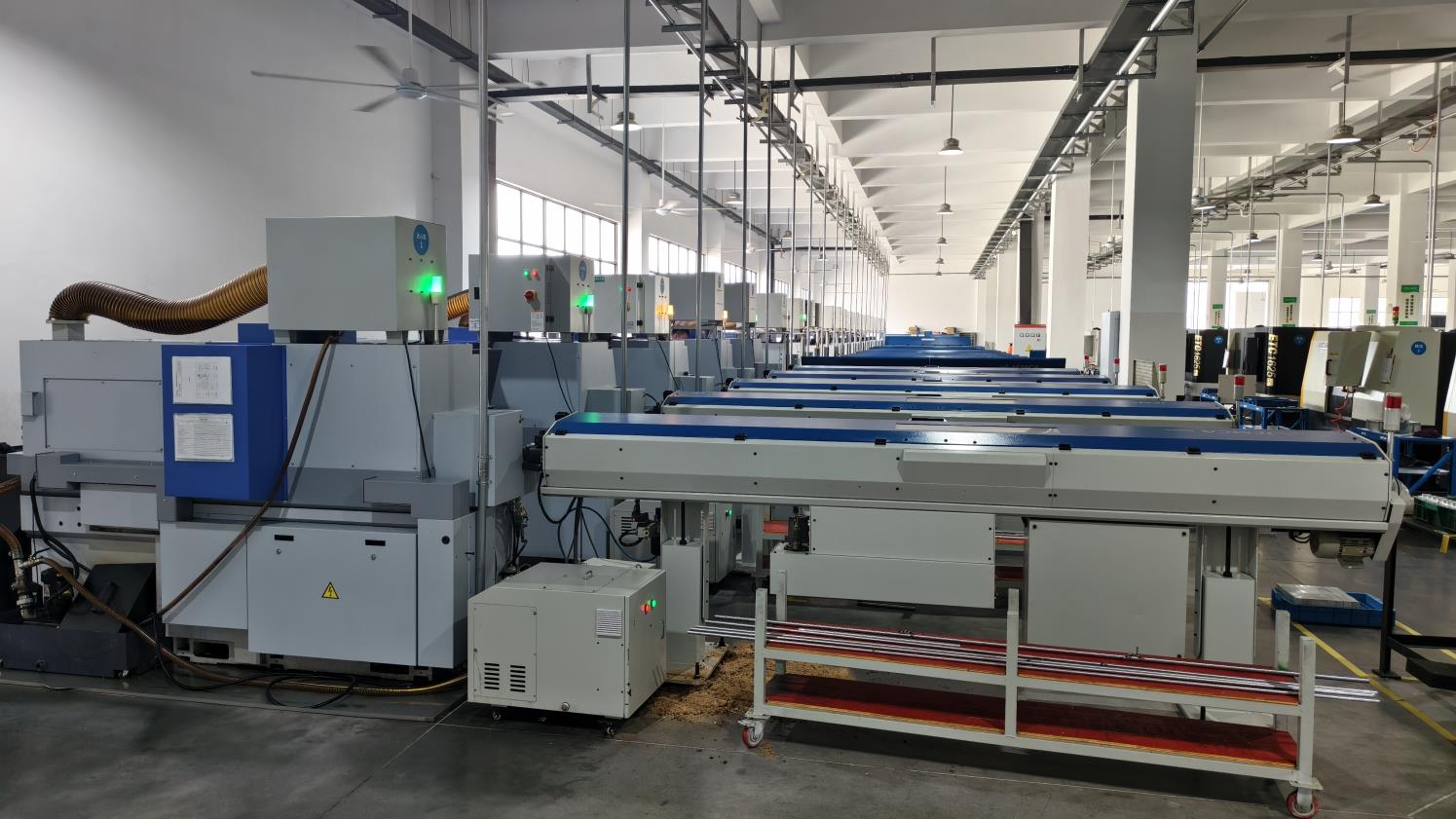
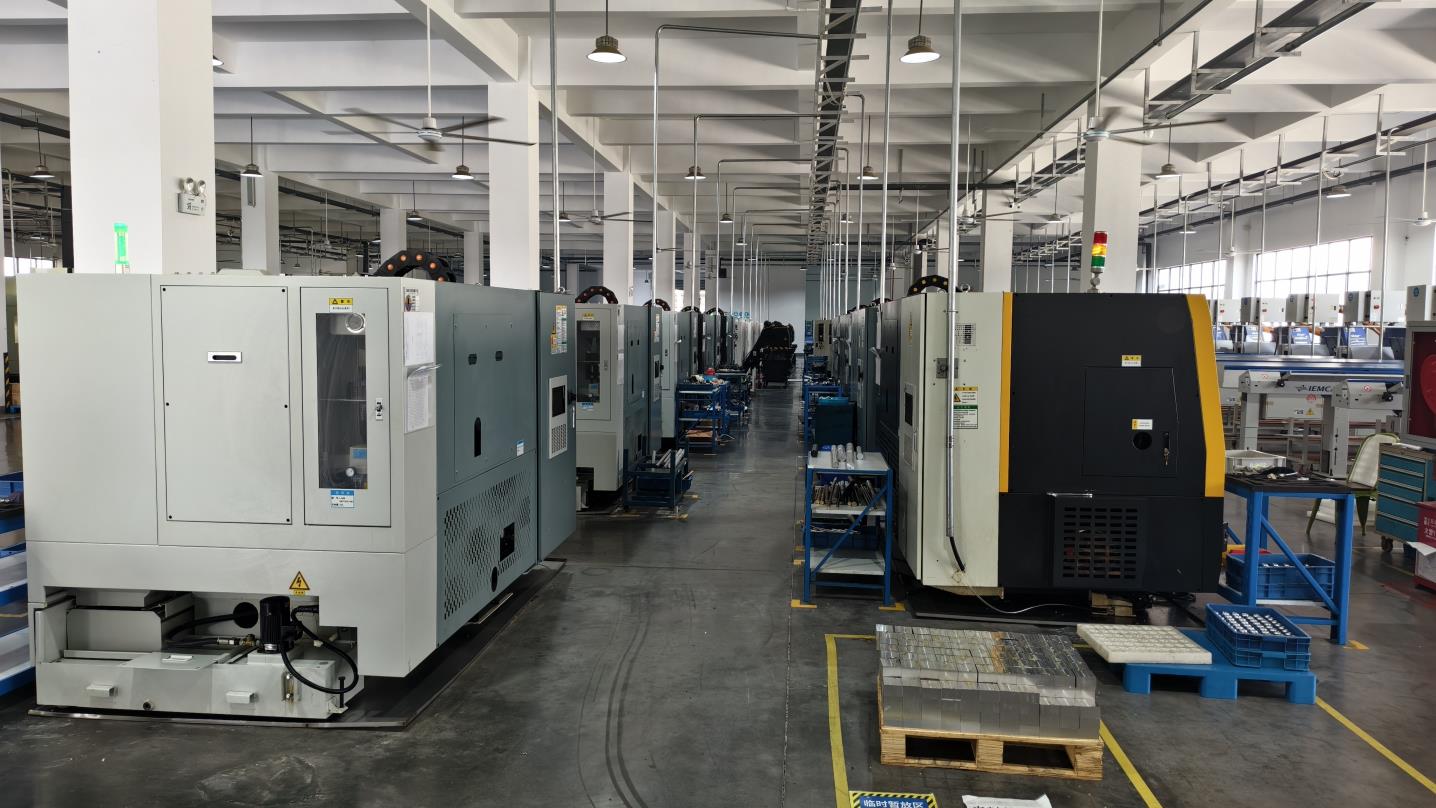
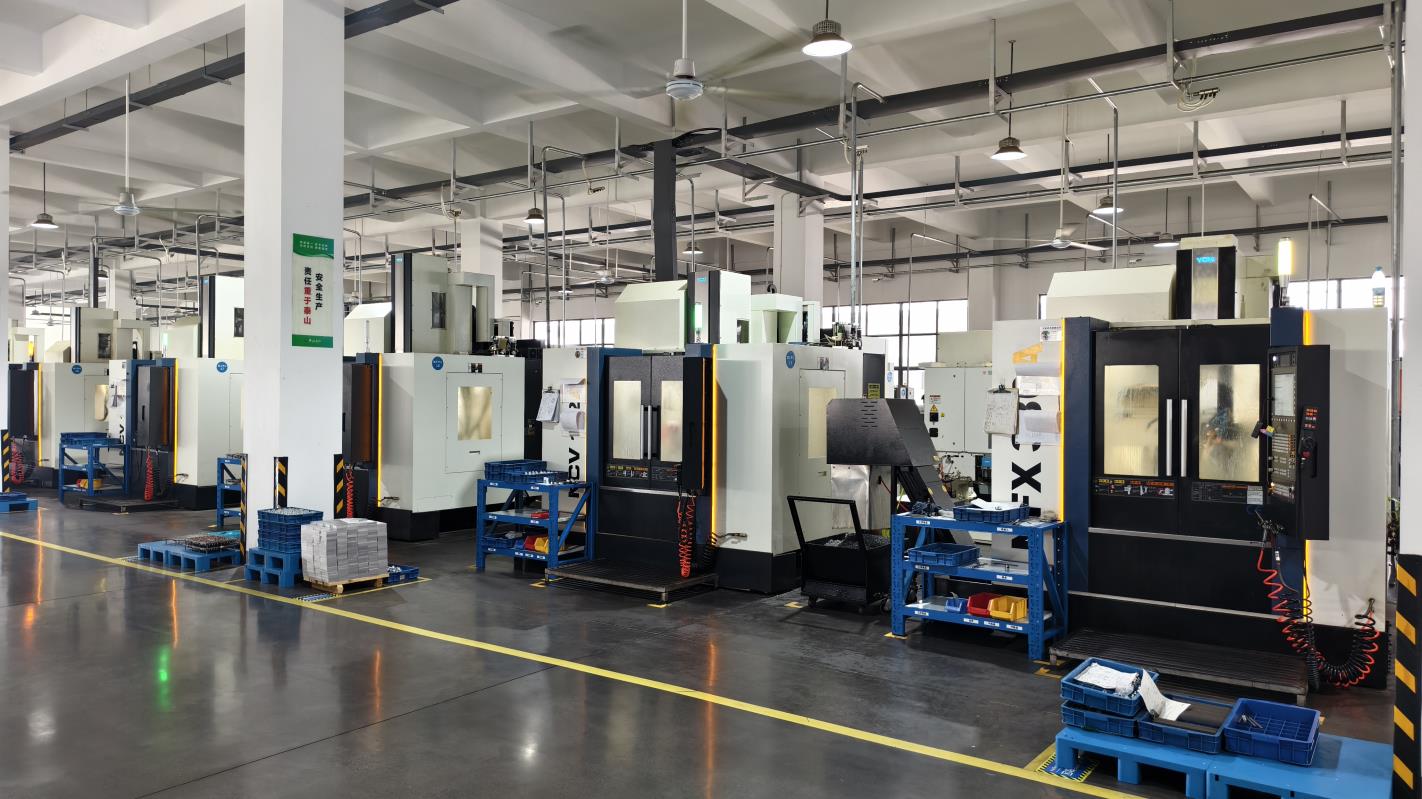
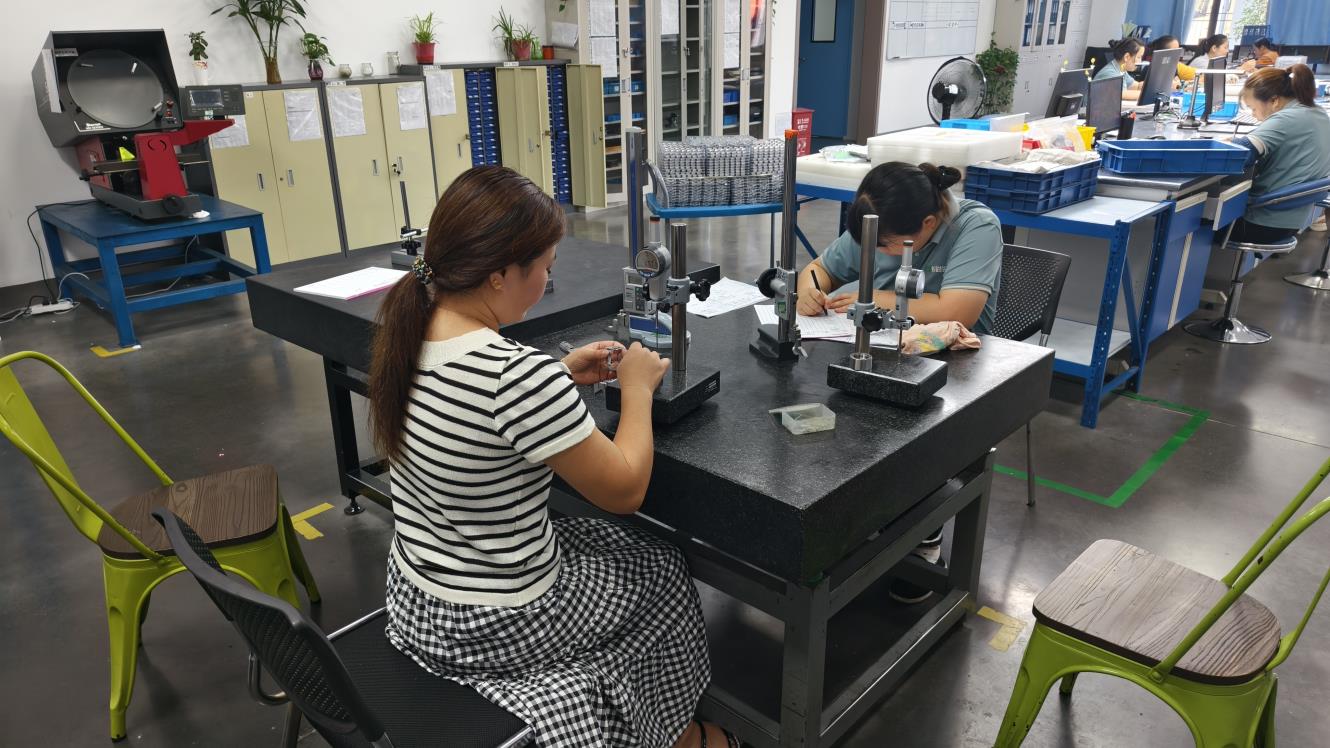
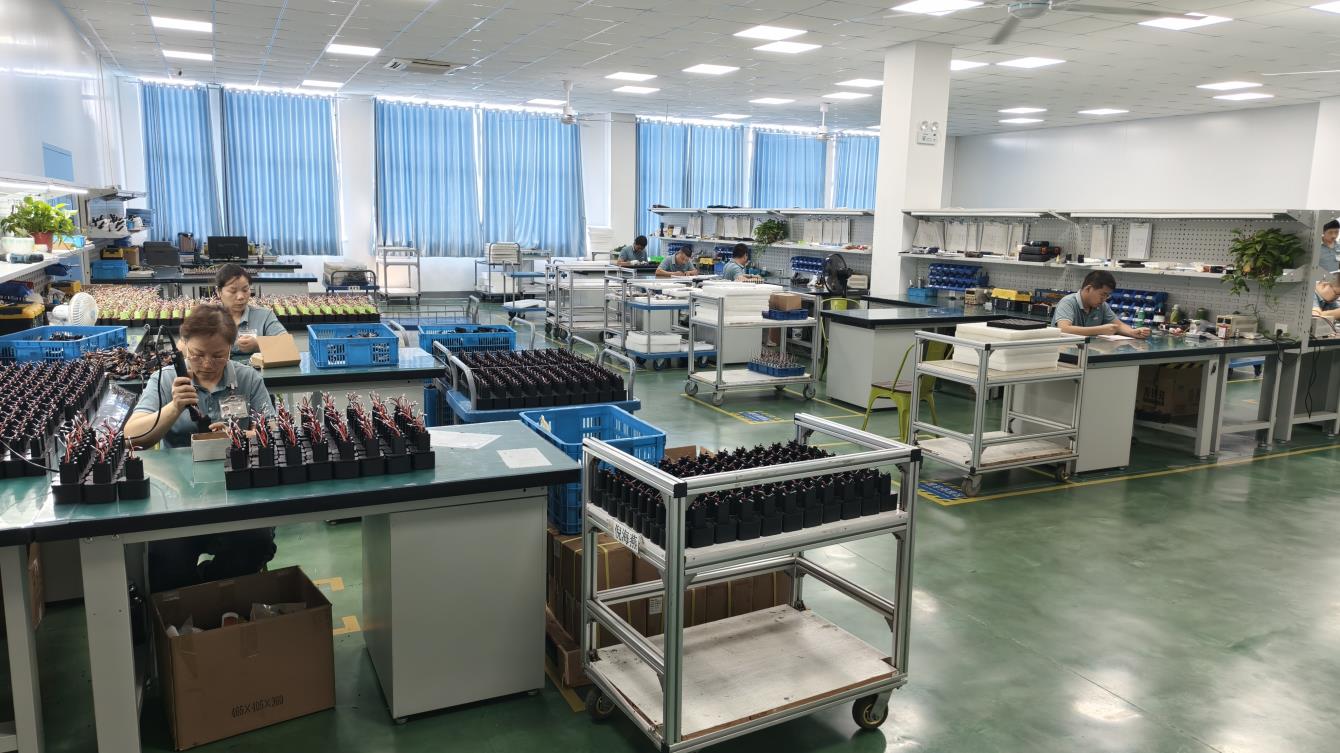
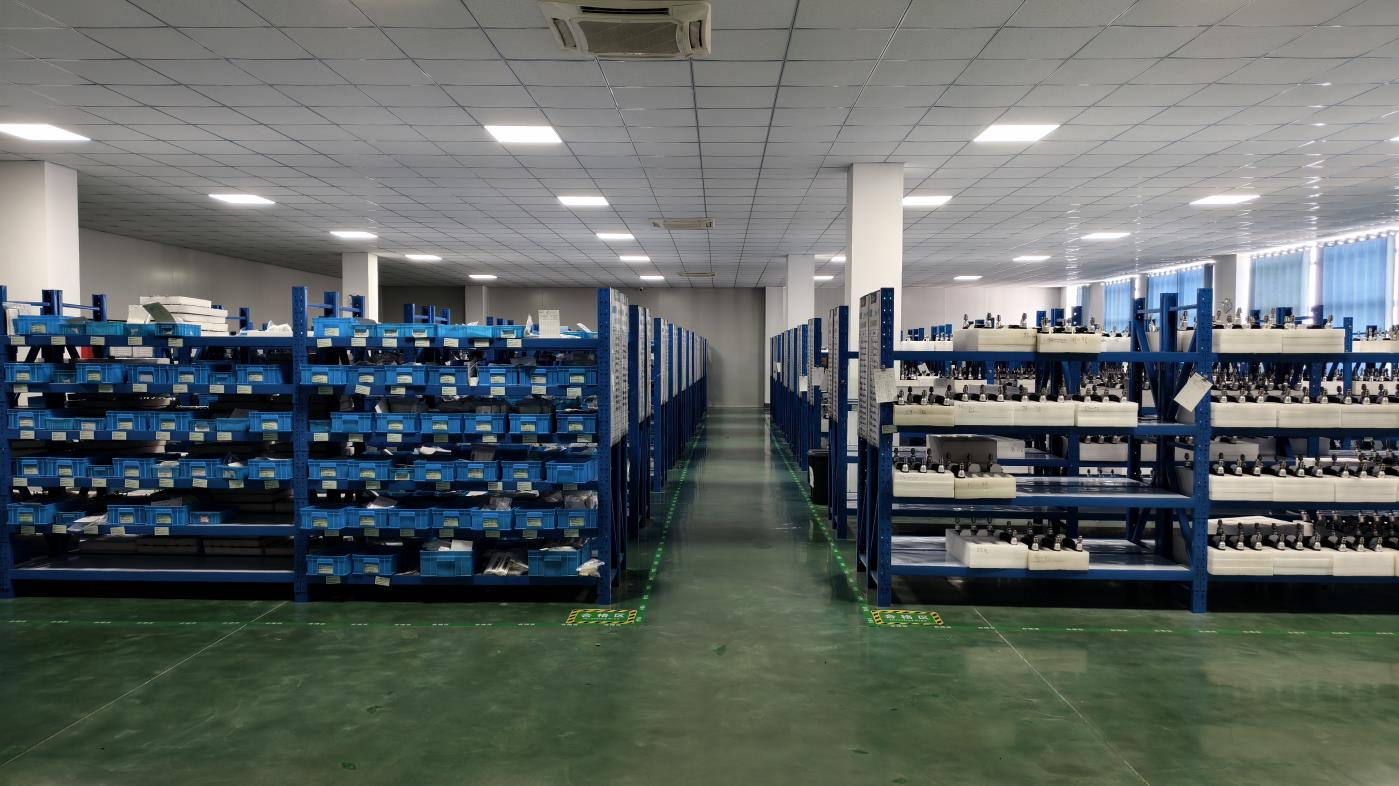
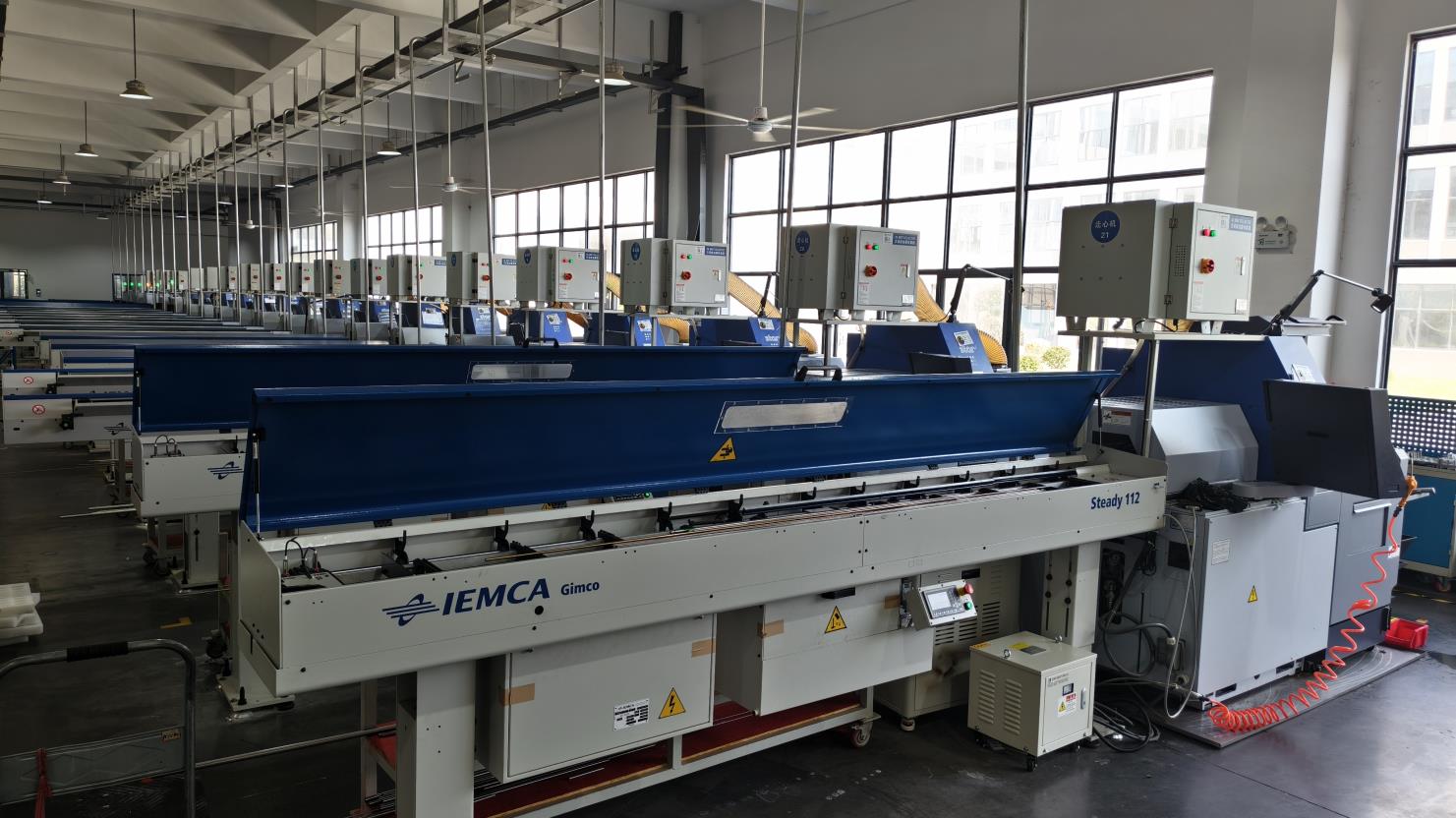
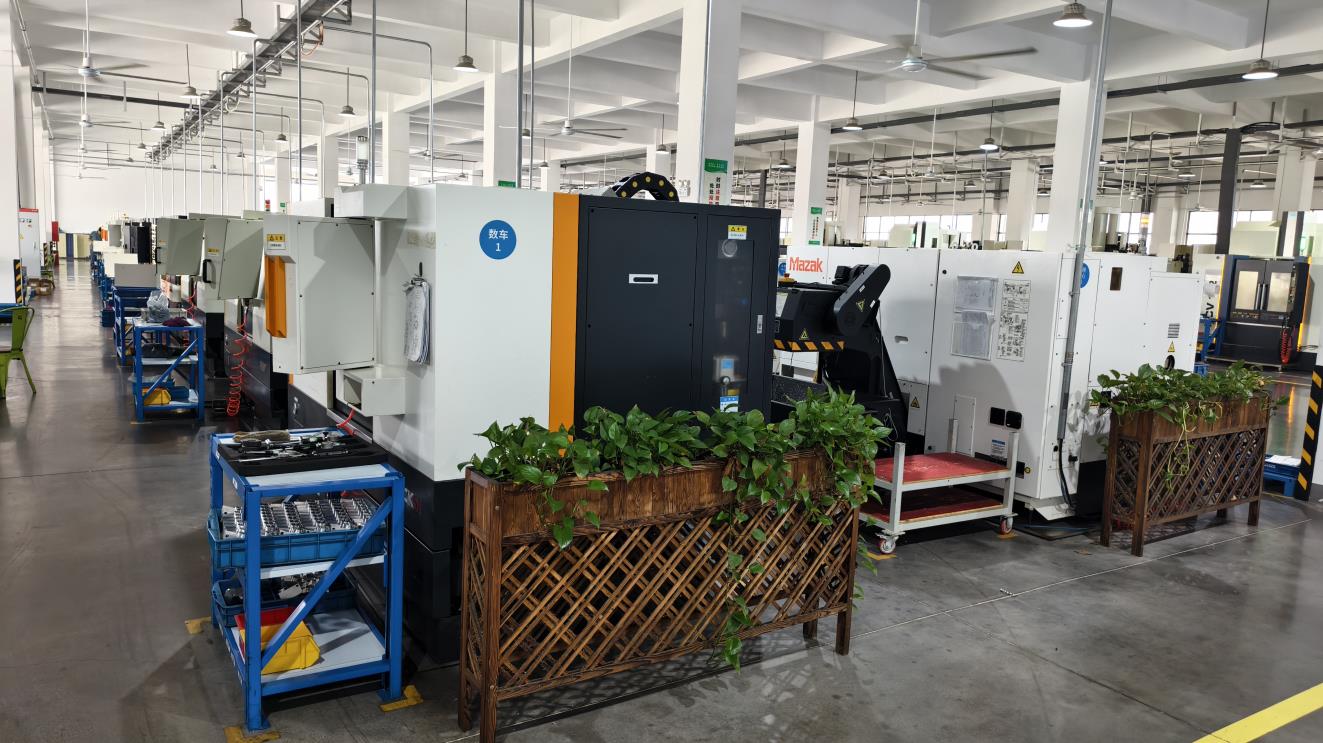
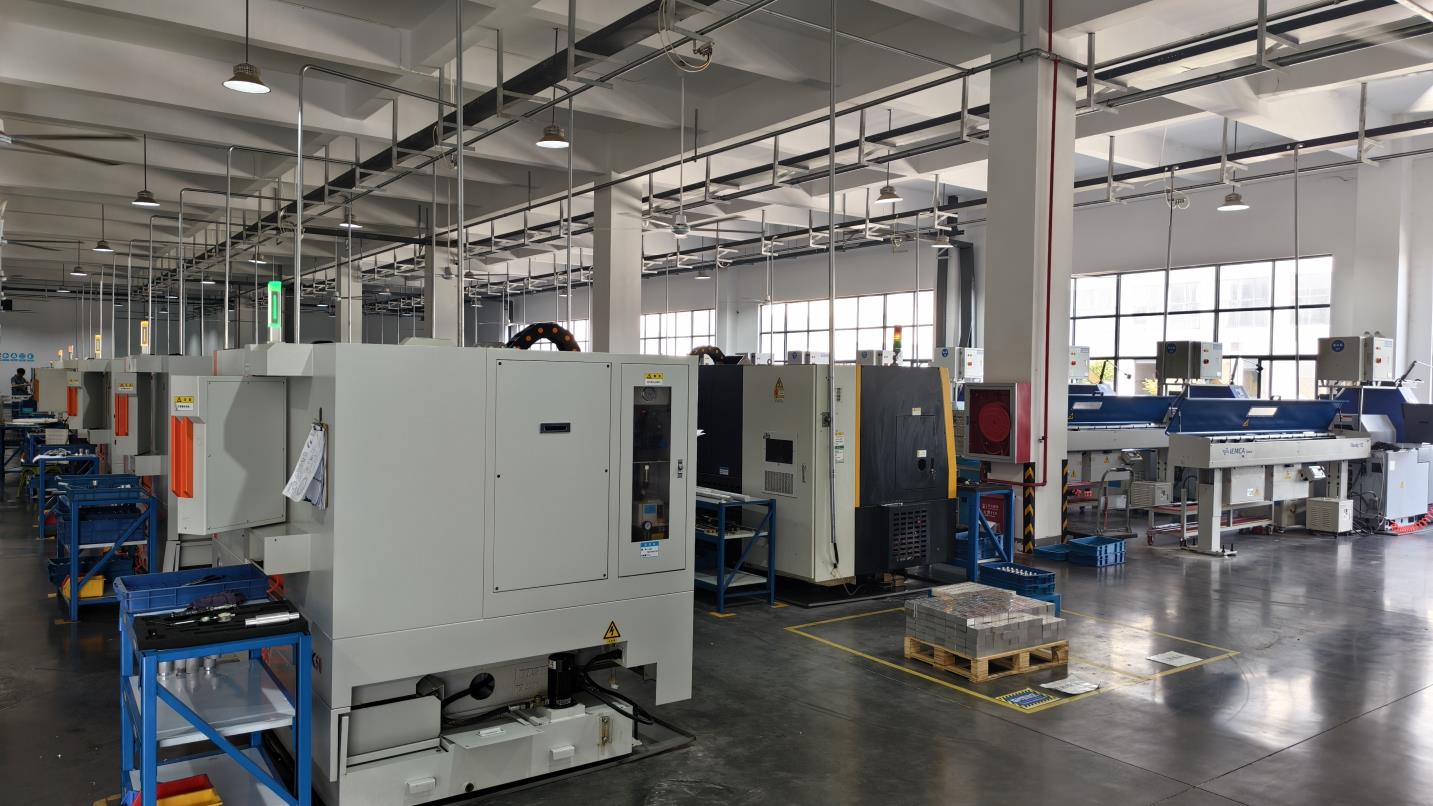
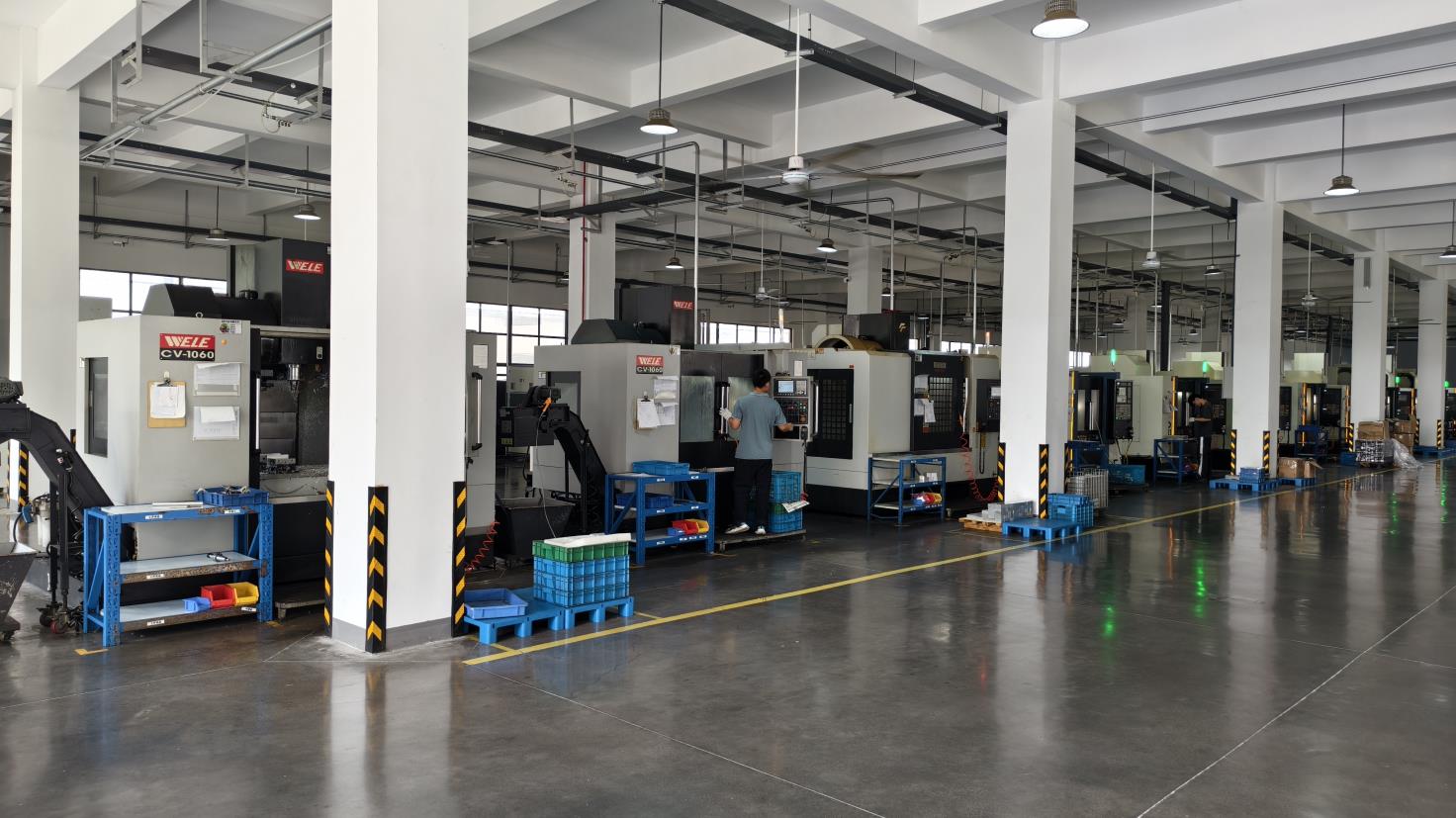
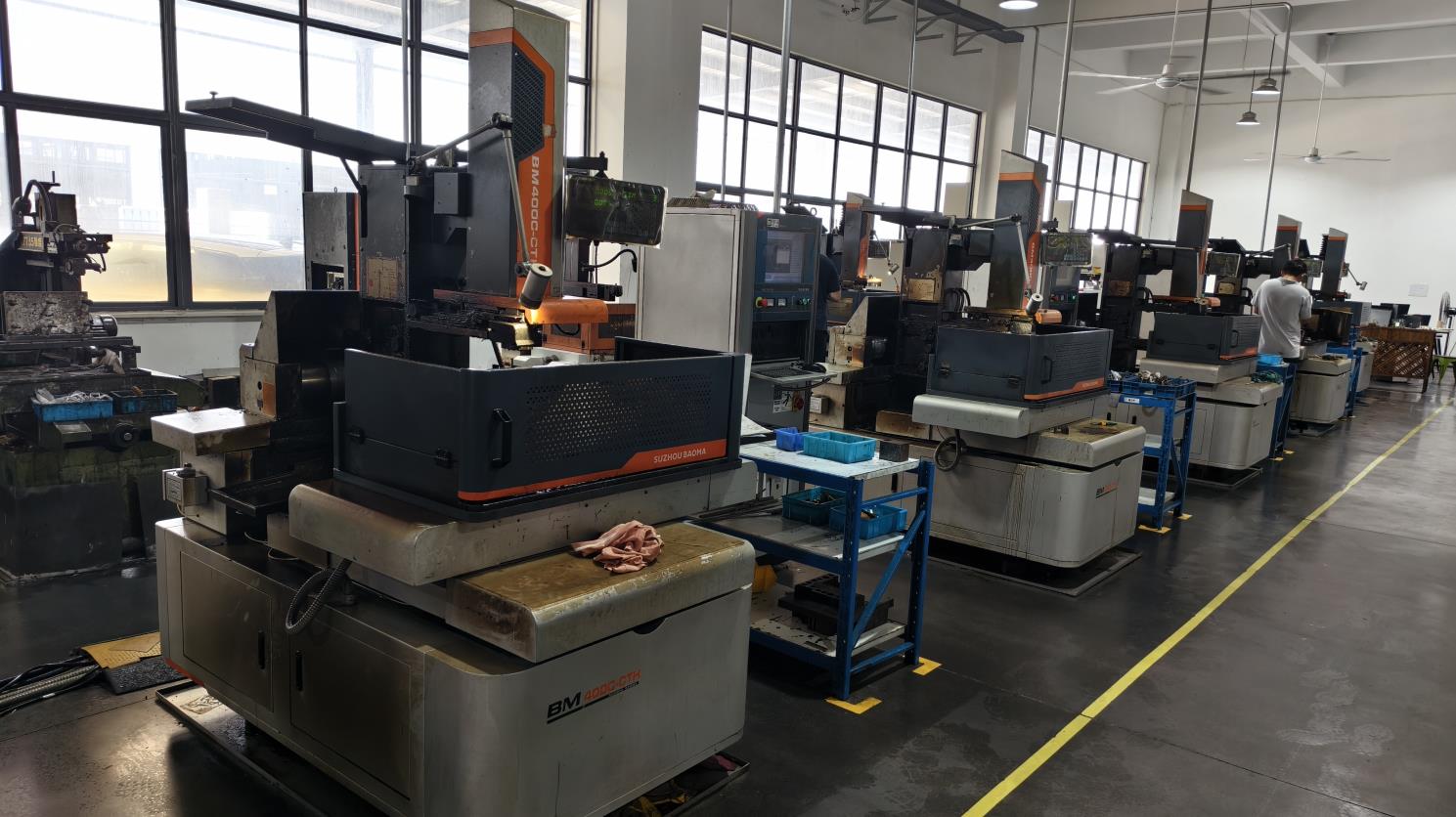
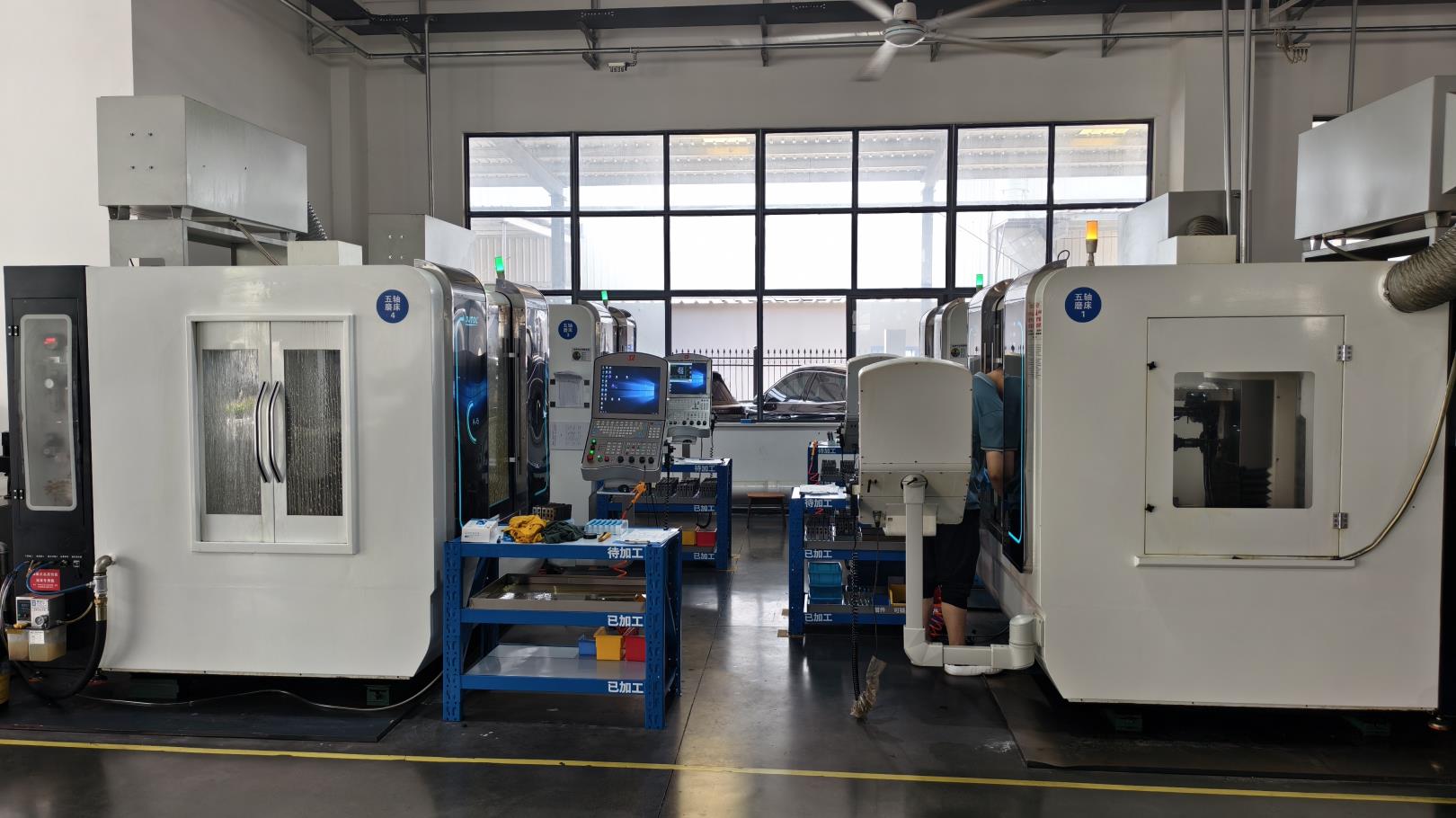
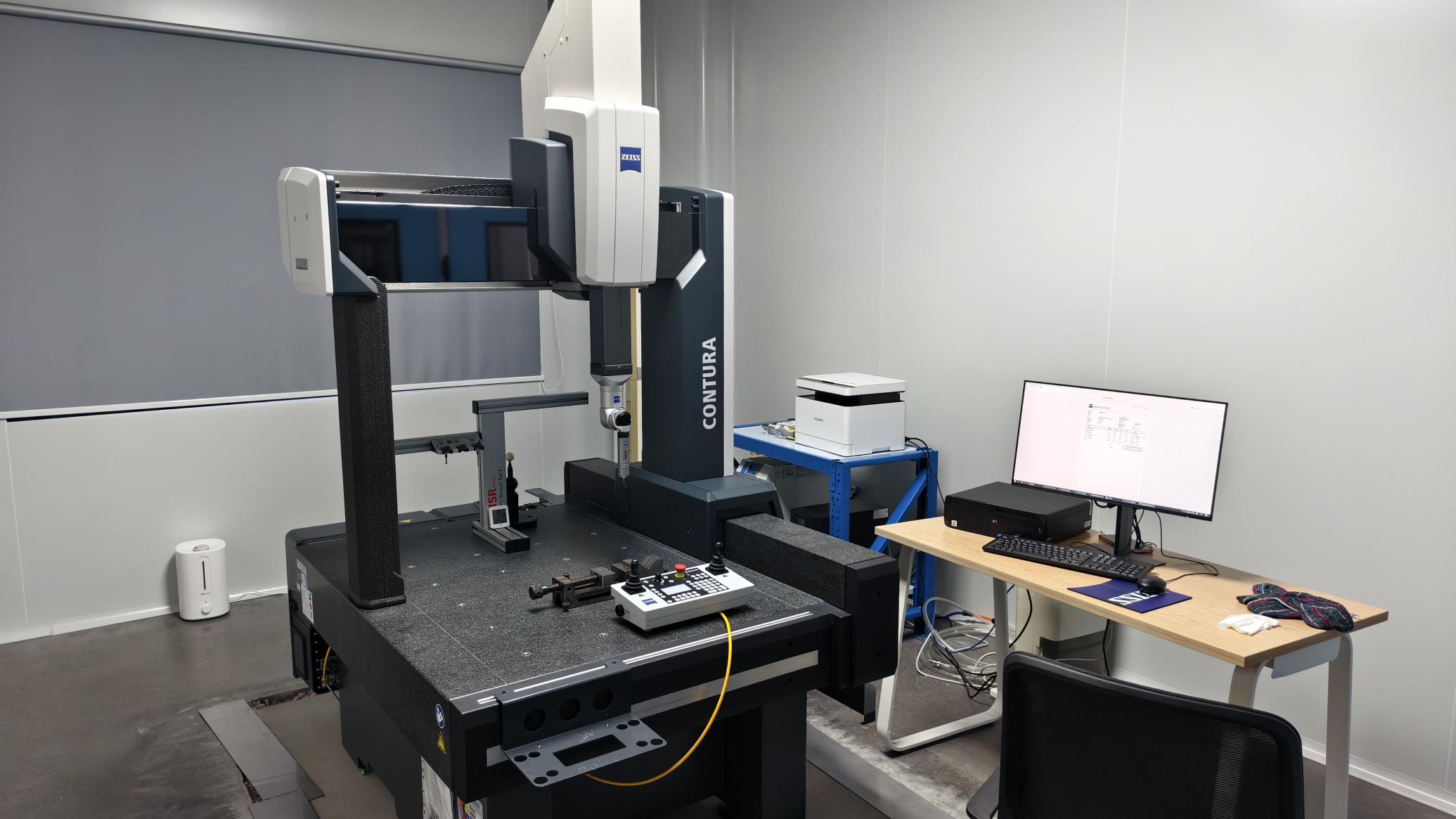
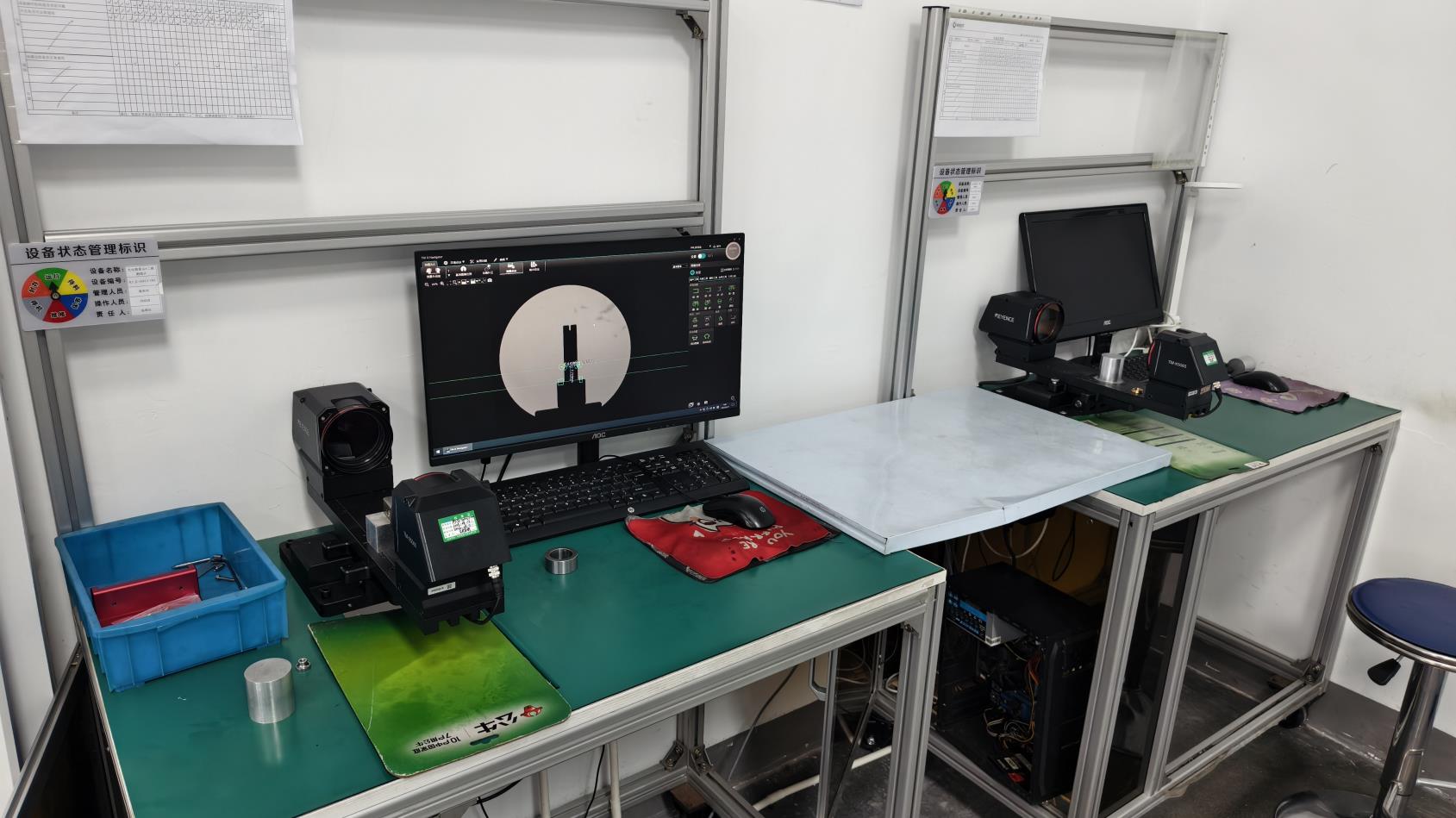
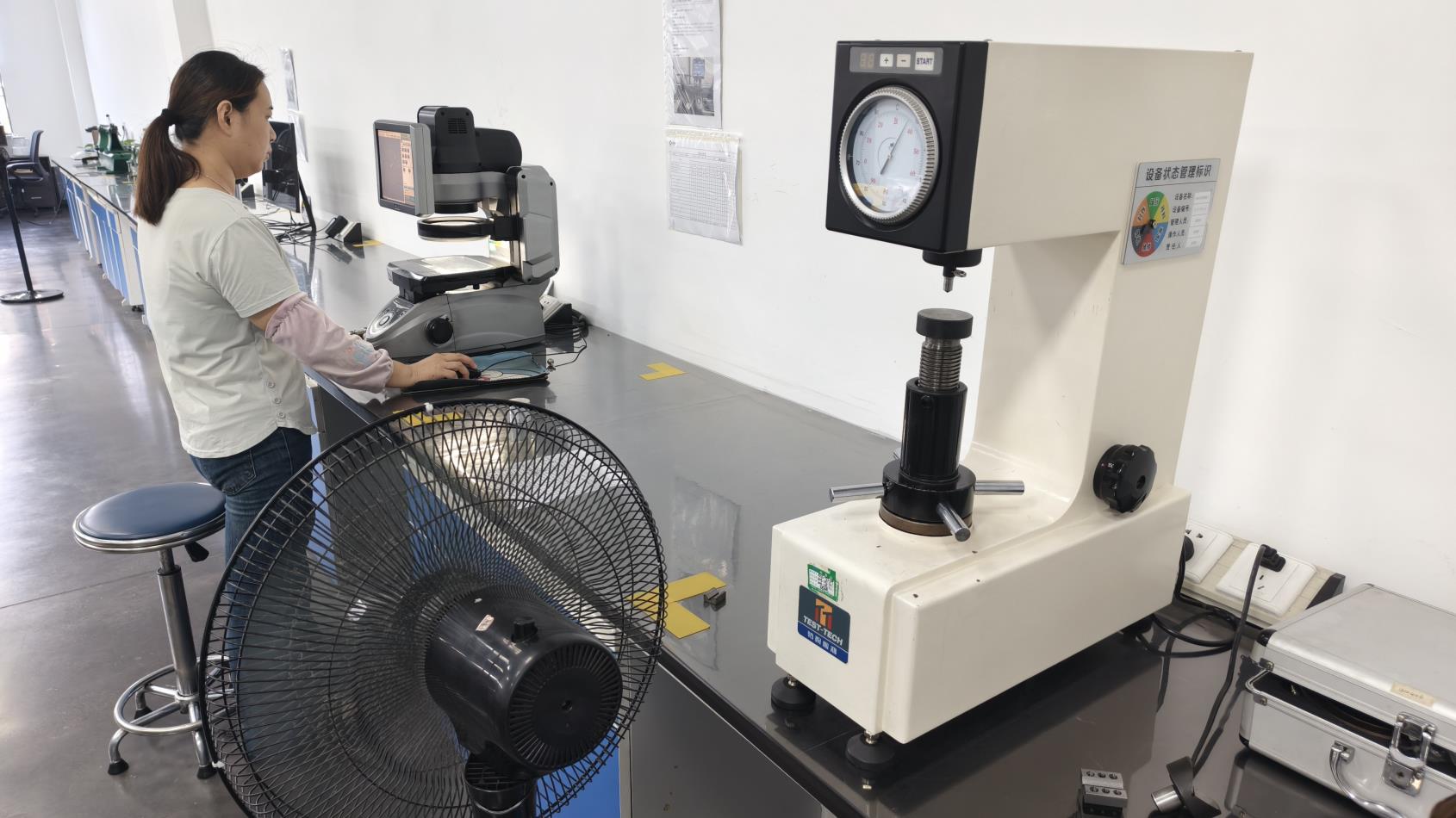
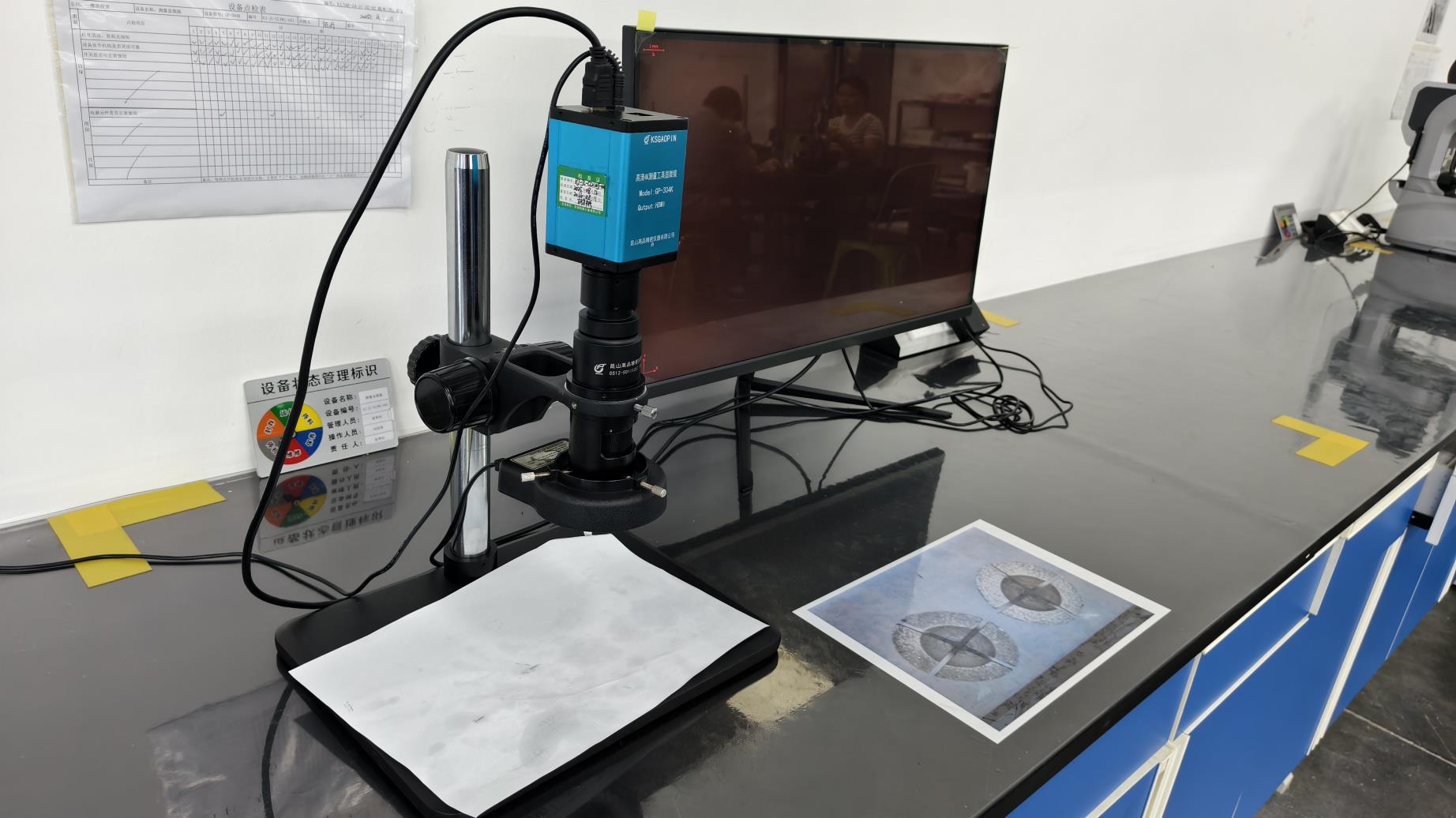
Verified supply chain parameters and quality oversight metrics.
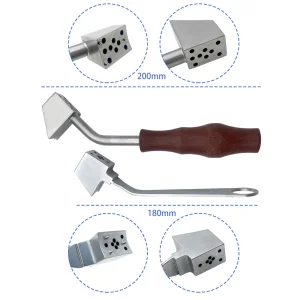
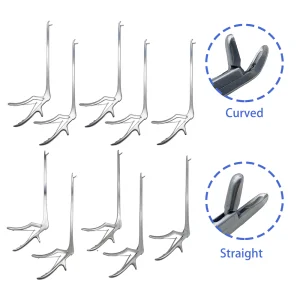
Our specialized bone compression forceps, micro-scissors, and drills are engineered to perform under demanding operating conditions.
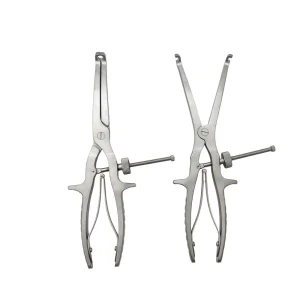
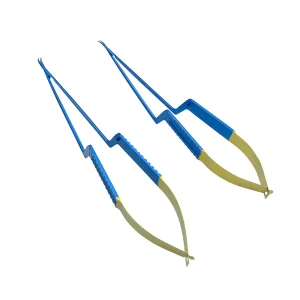
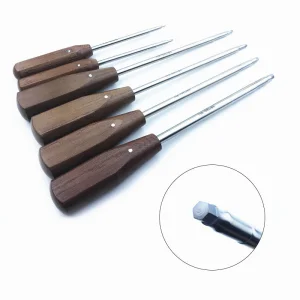
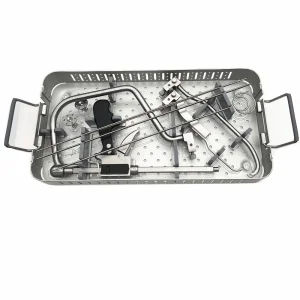
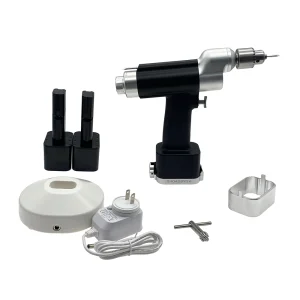
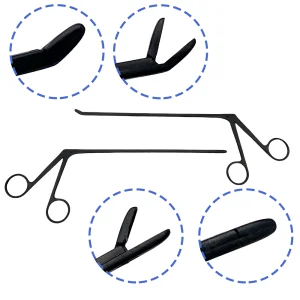
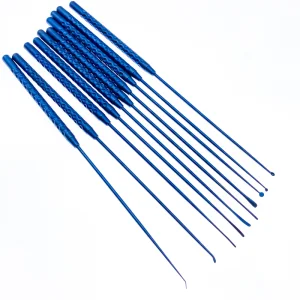
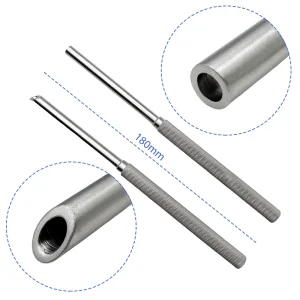
Our strategic integration of advanced smart materials and automated manufacturing platforms for next-generation surgical devices.
As surgery moves toward robot-assisted and computer-navigated platforms, bone cutting tools must adapt to meet new mechanical requirements. The integration of force-feedback sensors within drills and osteotomes requires high dimensional repeatability and optimized metal elasticity. Our engineering department is actively developing tools that minimize vibration and improve cutting efficiency.
Our development roadmap focuses on three main technological goals:
Detailed technical answers to common questions raised by biomedical engineers and procurement teams.