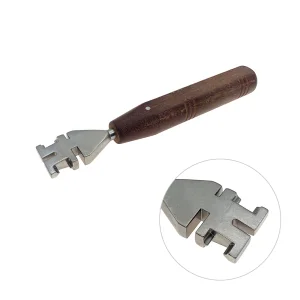
SENJIE Healthy & Technology
SENJIE Healthy & Technology
SENJIE Healthy & Technology
In trauma surgery and clinical orthopedics, the choice of internal fixation systems directly dictates patient rehabilitation times and clinical outcomes. This deep-dive B2B analysis maps out the manufacturing landscapes, material specifications, and quality matrices critical for professional importers, medical distributors, and veterinary hospital buyers.
Global medical device sourcing operates under strict regulatory scrutiny and requires deep expertise. When searching for a reliable bone plates factory or international orthopedic implant exporter, buyers must look beyond pricing to assess material certificates, cleanroom protocols, and dimensional tolerances. The modern market demands high precision—utilizing advanced raw materials like Titanium Grade 5 (Ti-6Al-4V ELI) and Medical Grade 316LVM Stainless Steel. Sourcing standard and customized implant profiles requires an established partner equipped to handle complex geometric designs and strict quality management systems (ISO 13485).
The integration of smart manufacturing systems and robotic quality inspection has reshaped the orthopedics industry. Today's leading exporters deliver much more than basic implants; they provide complete clinical solutions, including precision-engineered surgical instrument kits (such as benders, screw drivers, and drills) that ensure exact intraoperative compliance. Below, we showcase our core selection of precision veterinary and human orthopedic instruments, engineered to match the industry's highest surgical demands.
Explore our premium selection of dynamic benders, drill bits, retractors, and micro-scissors designed for human and veterinary orthopedics.
A professional look at manufacturing parameters, material classifications, and surface finishes that satisfy international biomedical specifications.
Modern bone plates are subjected to high mechanical loads and must resist physiological fatigue. Leading factories use medical-grade metals that prioritize both biocompatibility and biomechanical performance. Titanium alloy (Ti-6Al-4V ELI, conforming to ASTM F136) remains the industry gold standard due to its excellent strength-to-weight ratio and a modulus of elasticity that closely aligns with human cortical bone, reducing the risks of stress shielding. For rigid stabilization and temporary fixations, Medical-Grade Stainless Steel (316LVM, conforming to ASTM F138) provides high fatigue resistance and excellent ductility.
Looking forward, factories are developing and adopting PEEK (Polyetheretherketone) composite materials and biodegradable magnesium-alloy matrix structures. These innovations support natural bone healing by gradually degrading over time, eliminating the need for a secondary implant removal surgery.
"The biological success of an internal fixation system depends on surface chemistry. Electrochemical anodization forms a stable titanium dioxide layer, which prevents corrosion and optimizes protein adsorption. These steps are crucial for long-term clinical safety and reliability."
Manufacturing bone plates requires high-precision machinery. Dynamic compression plates (DCP) and locking compression plates (LCP) require precise dimensional tolerances within ±0.01mm. This level of accuracy is achieved through advanced multi-axis CNC Swiss sliding head lathes. These machines mill locking holes and screw threads in a single setup to prevent misalignment.
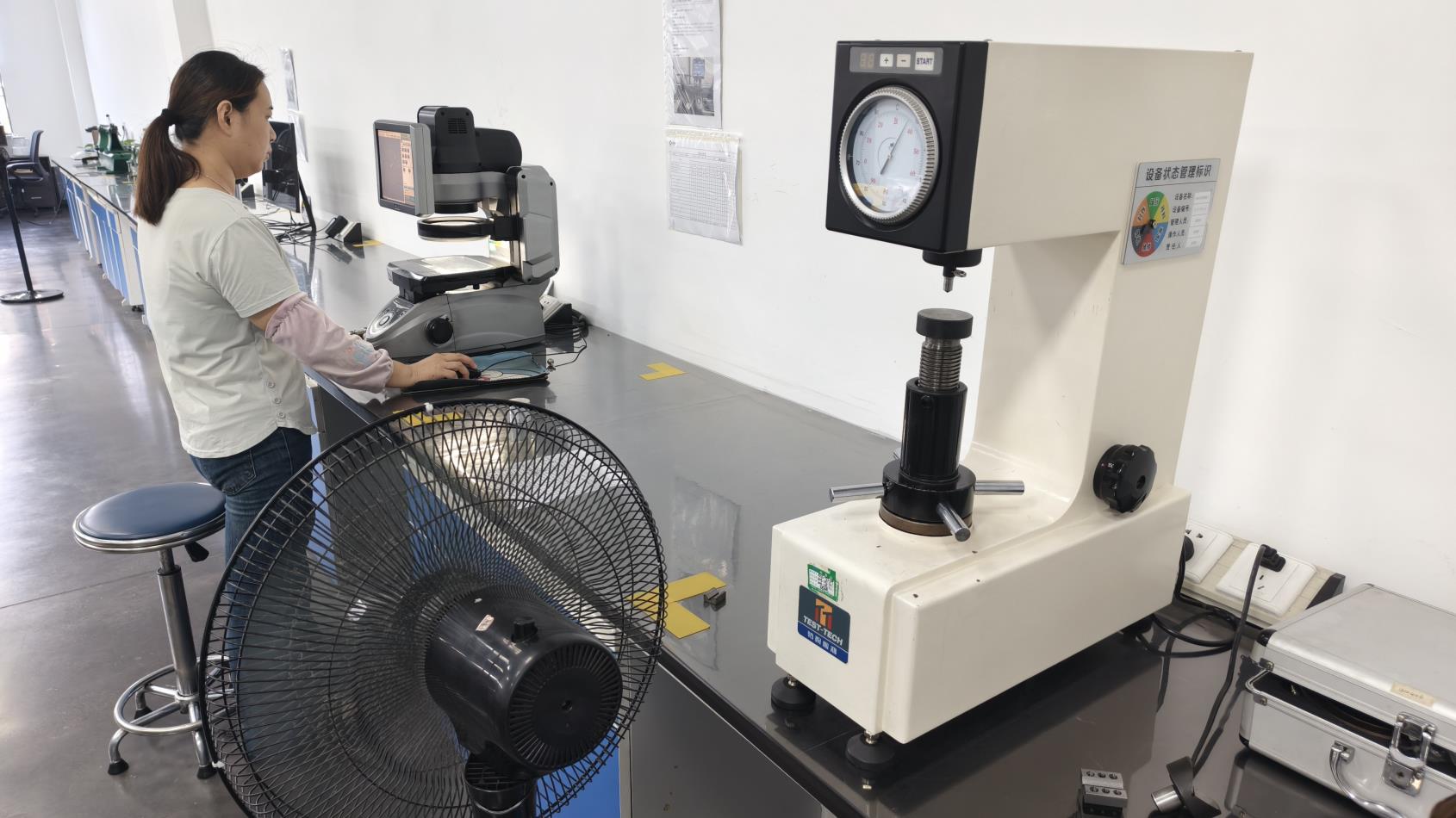
After milling, the plates undergo a series of finishing steps: mechanical tumbling to deburr sharp edges, chemical cleaning to remove residual oils, passivation to build a protective oxide layer, and laser marking for full batch traceability. Every batch is subjected to rigorous mechanical testing—including fatigue limit checks and bend testing—to ensure long-term stability under typical load-bearing conditions.
Why global medical distributors choose Chinese medical manufacturing hubs for their OEM and ODM orthopedic needs.
China has established itself as a leading global hub for high-quality orthopedic manufacturing, concentrated in key industrial centers in Jiangsu and Sichuan provinces. These clusters combine every step of the supply chain—from high-grade raw material sourcing to precision machining, surface treatment, packaging, and sterilization. This concentration of resources enables Chinese factories to deliver excellent products while maintaining competitive pricing.
By adopting advanced robotic lines and automated optical inspection systems, Chinese exporters consistently meet international medical standards. Leading manufacturers provide flexible OEM/ODM services, helping clients quickly create custom designs using sample or blueprint processing. The local supply chain is resilient and highly responsive, keeping production lead times short and allowing businesses to adapt quickly to changing market conditions.
An analysis of design requirements, sizing variations, and instrument requirements across human and veterinary applications.
Although human and veterinary implants share similar metallurgical baselines, their design paths and application requirements differ. In human trauma care, bone plates must match specific anatomical areas (such as distal radius plates or proximal humeral plates). These designs are pre-shaped to reduce the need for manual shaping during surgery.
In contrast, veterinary orthopedics requires high versatility to treat different animal shapes, sizes, and skeletal densities. Sizing ranges from micro-plates (1.5mm to 2.0mm) for small cats and toy dog breeds to larger 3.5mm plates for larger animals. High-precision benders and cutting instruments are essential in veterinary surgery, allowing veterinary surgeons to shape generic reconstruction plates to the patient's anatomy during the procedure.
Therefore, B2B buyers must partner with manufacturers that offer complete orthopedic systems. A reliable supplier should supply both the implants and the specialized surgical instruments—such as cannulated drills, acetabulum reamers, and retractors—needed to perform the procedure.
Browse our final range of essential surgical tools, including screwdrivers, plate benders, drills, and reamers.
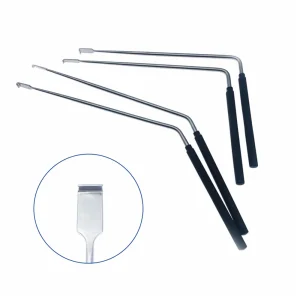
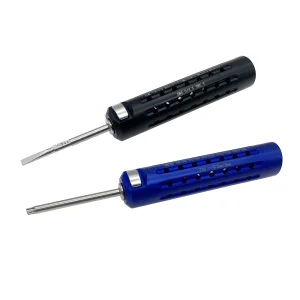 Bone Screw Drivers Star Head Screw Drivers Hex Screwdrivers Autoclavable Orthopedic Instrument
View Product Details
Bone Screw Drivers Star Head Screw Drivers Hex Screwdrivers Autoclavable Orthopedic Instrument
View Product Details
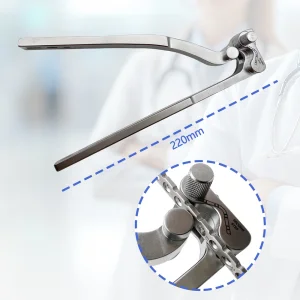
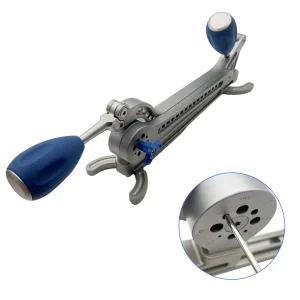
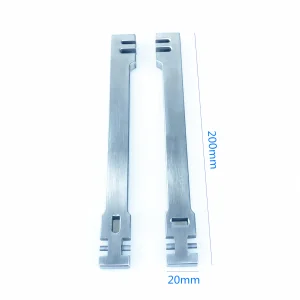 1set Bone Plates Bender Bending Irons Reconstruction Veterinary Orthopedics Apparatus
View Product Details
1set Bone Plates Bender Bending Irons Reconstruction Veterinary Orthopedics Apparatus
View Product Details
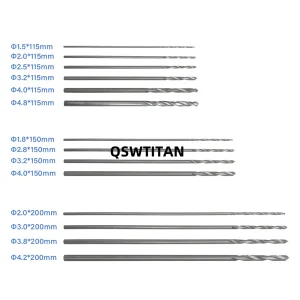
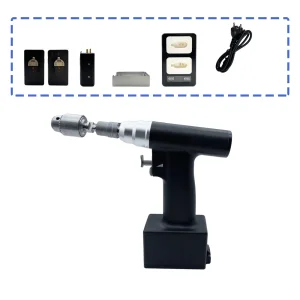
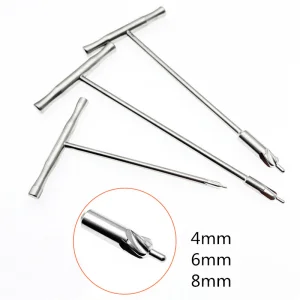 Bone Countersink Drill Stainless Steel Orthopedics Drill Veterinary Orthopedic Surgical Instruments
View Product Details
Bone Countersink Drill Stainless Steel Orthopedics Drill Veterinary Orthopedic Surgical Instruments
View Product Details
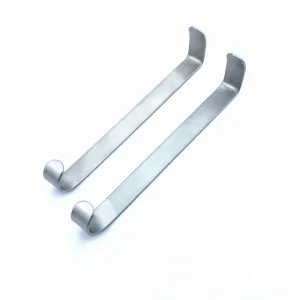
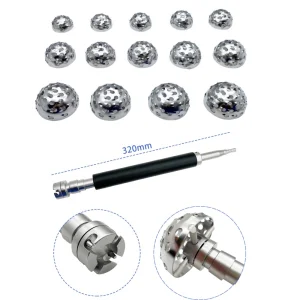 Orthopedic Acetabulum Reamer Veterinary Orthopedic Surgical Instruments Stainless Steel
View Product Details
Orthopedic Acetabulum Reamer Veterinary Orthopedic Surgical Instruments Stainless Steel
View Product Details
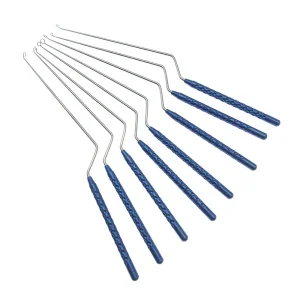
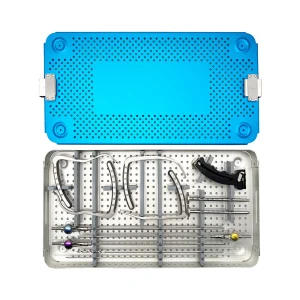
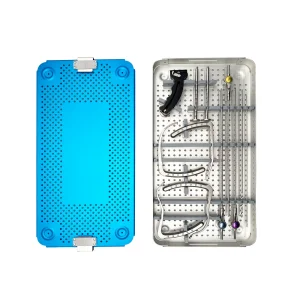 ACL/PCL Reconstruction Instrument Set Stainless Steel All-in Cruciate Ligament Instrument Set Autoclaveable
View Product Details
ACL/PCL Reconstruction Instrument Set Stainless Steel All-in Cruciate Ligament Instrument Set Autoclaveable
View Product Details
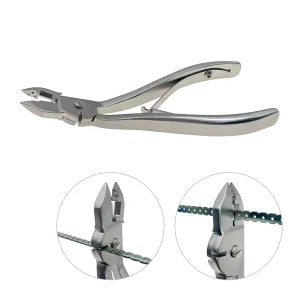 Mini Plate Bending Cutting Forceps Bone Plate Bender Pliers Micro Bending Tool Veterinary Orthopedic Surgical Instruments
View Product Details
Mini Plate Bending Cutting Forceps Bone Plate Bender Pliers Micro Bending Tool Veterinary Orthopedic Surgical Instruments
View Product Details
A transparent review of our manufacturing systems, quality control processes, and global distribution network.
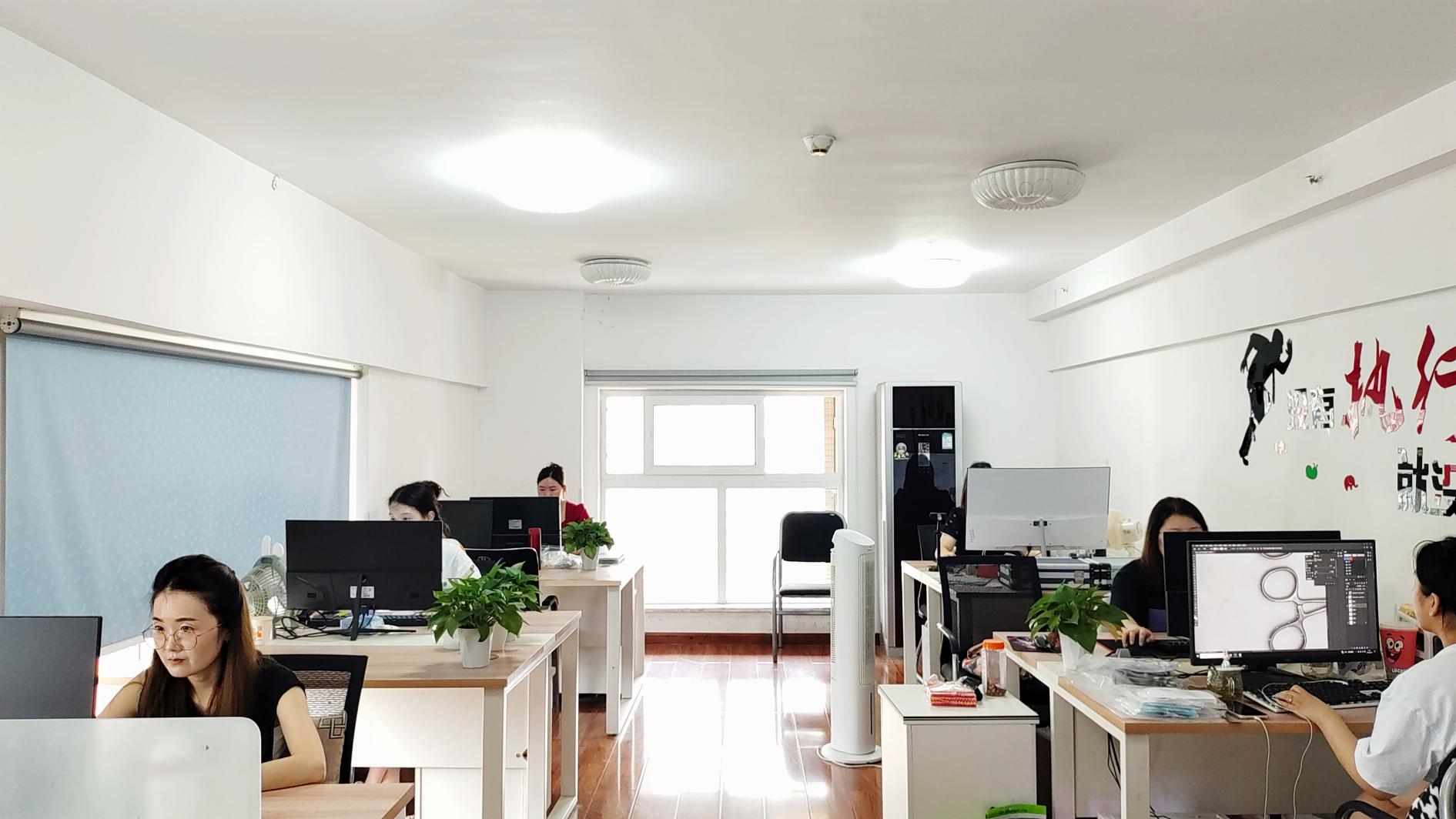
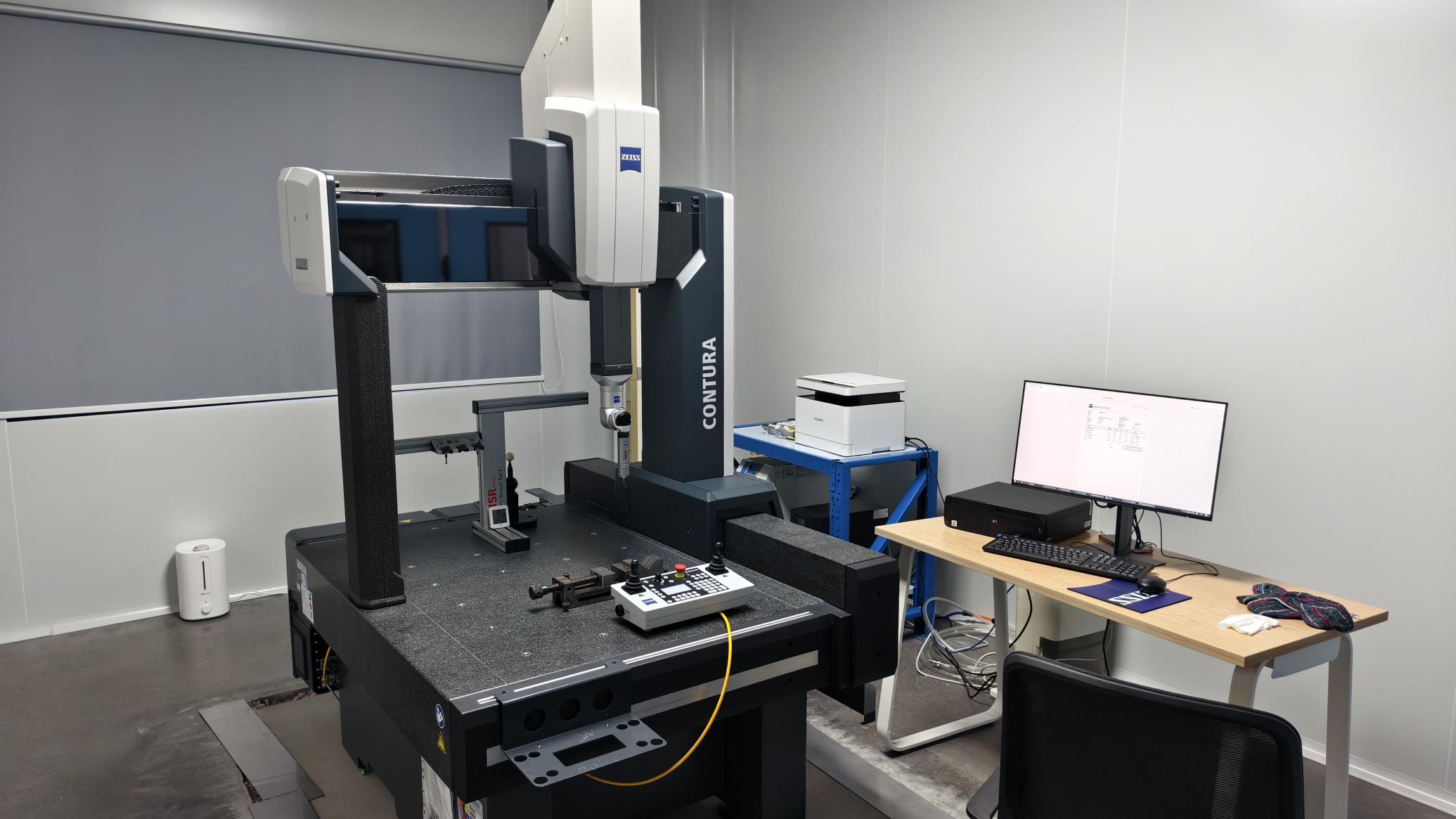
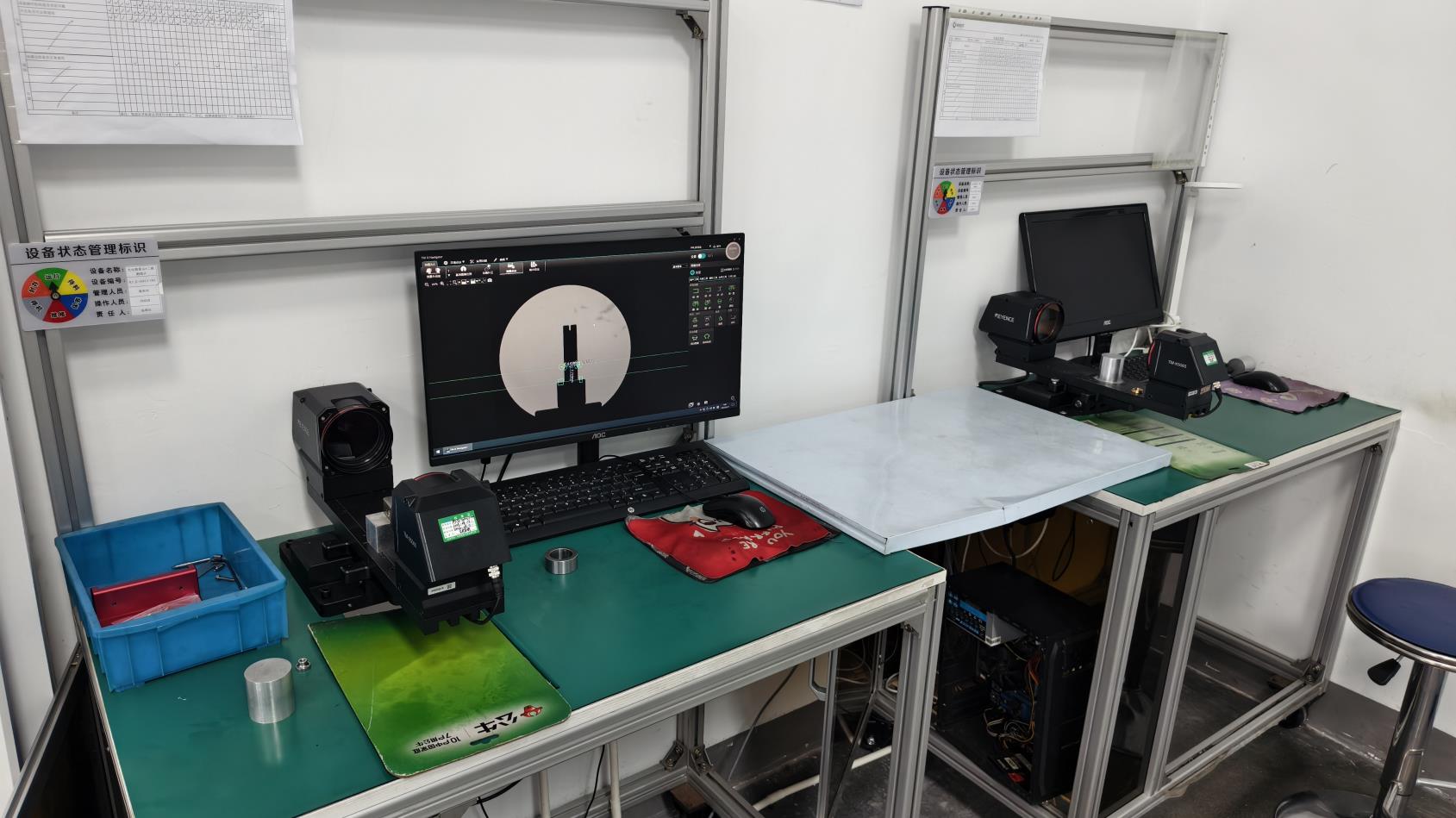
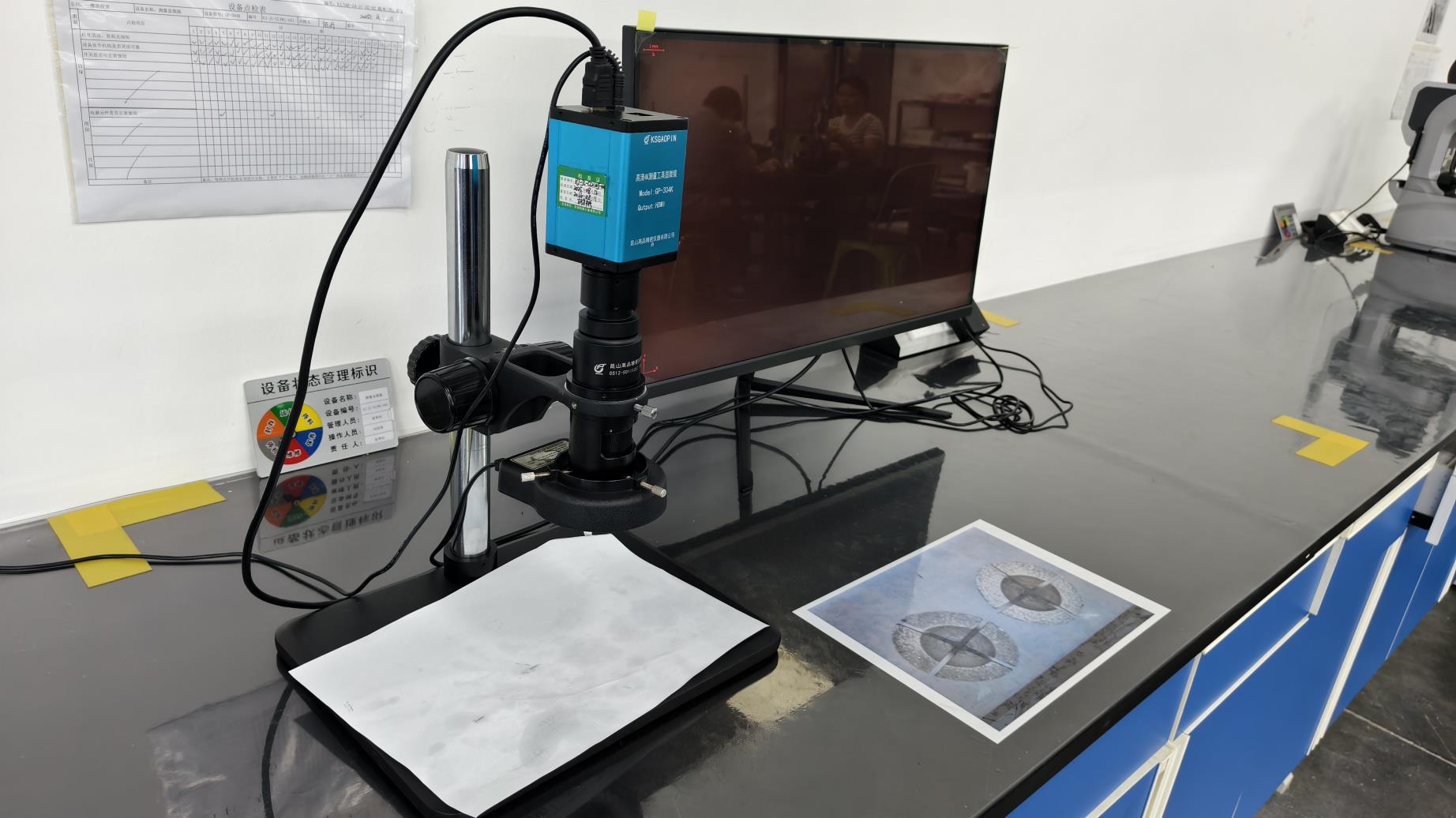
A visual gallery showcasing our production facilities, cleanroom packaging, raw inventory, and finished orthopedic sets.
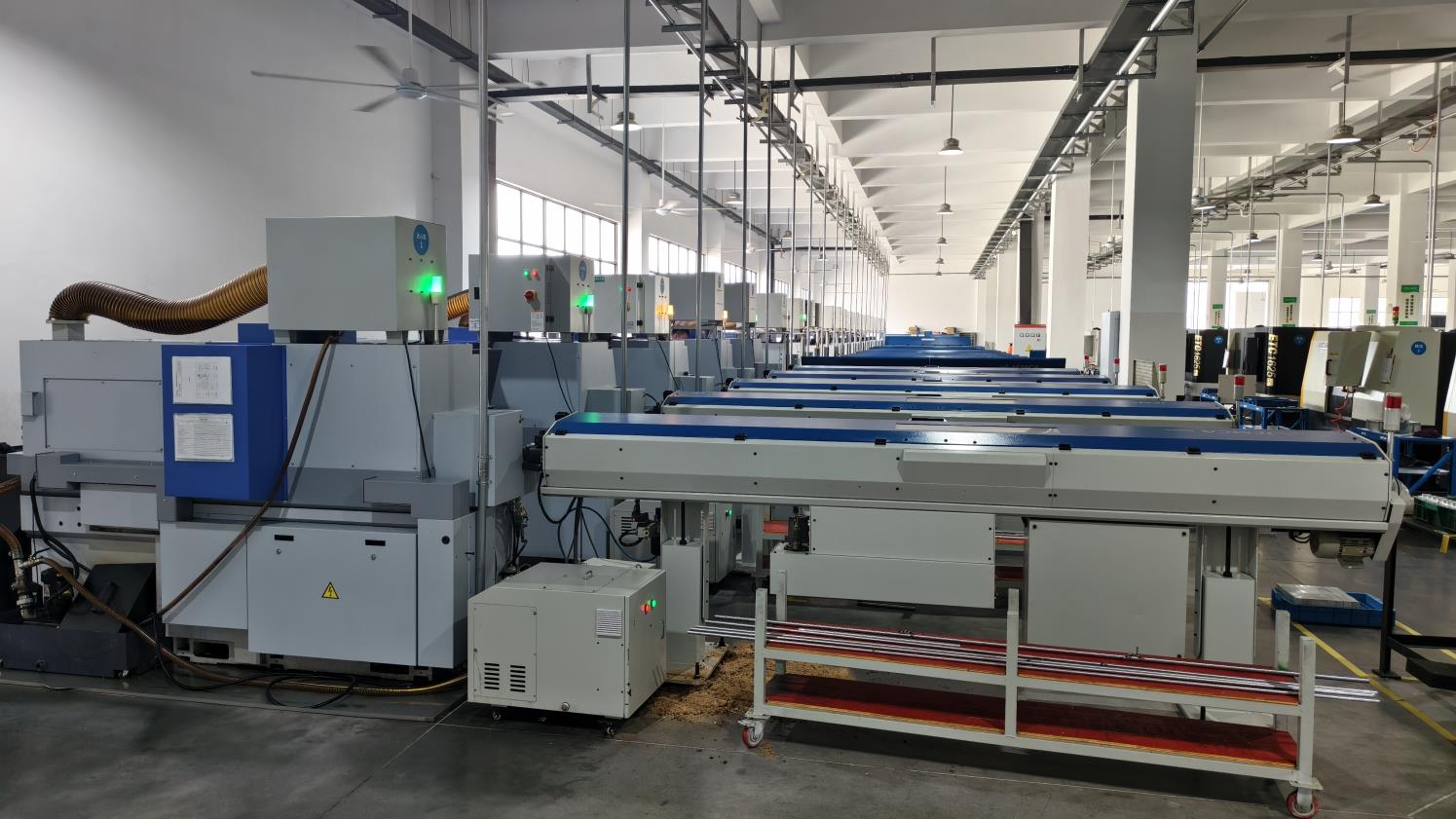
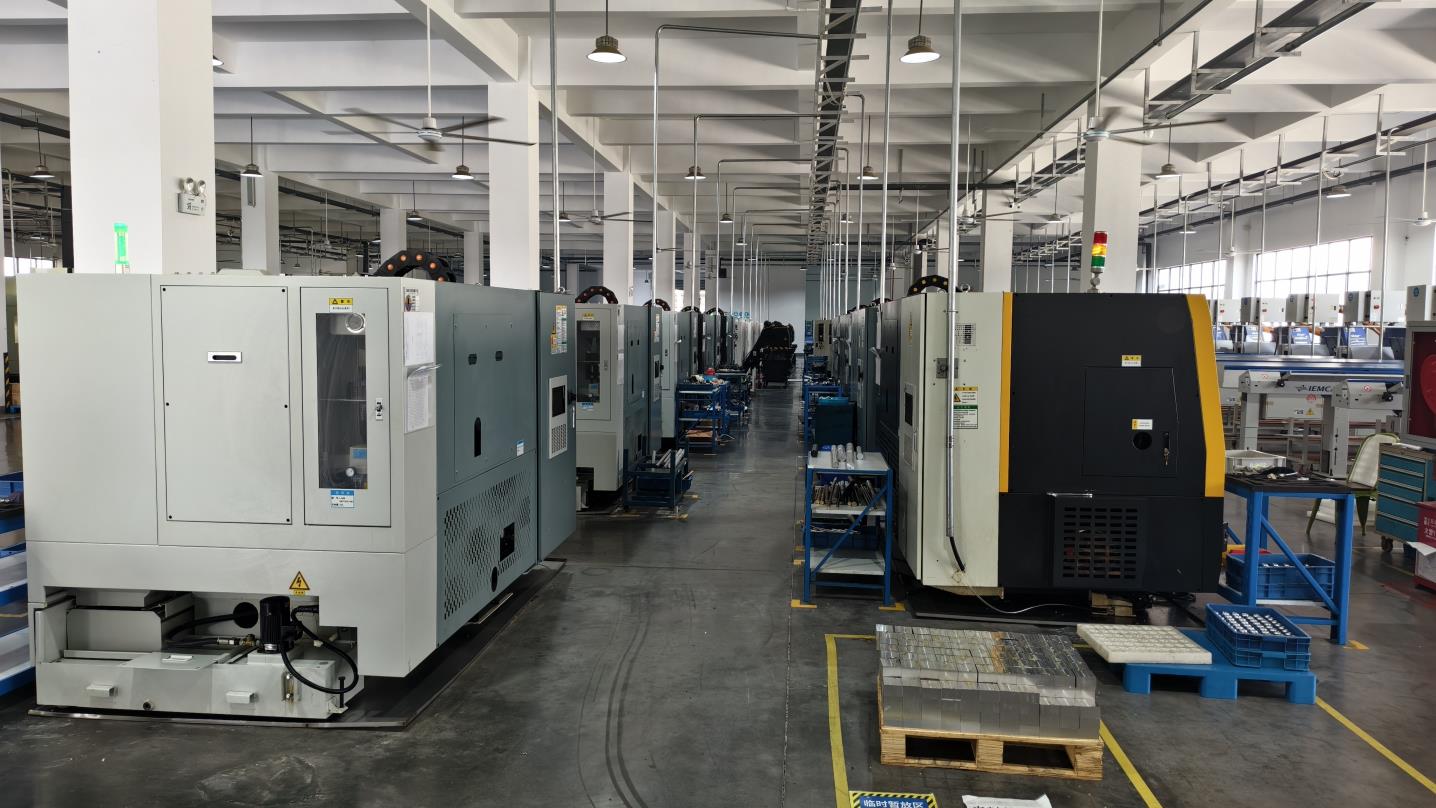
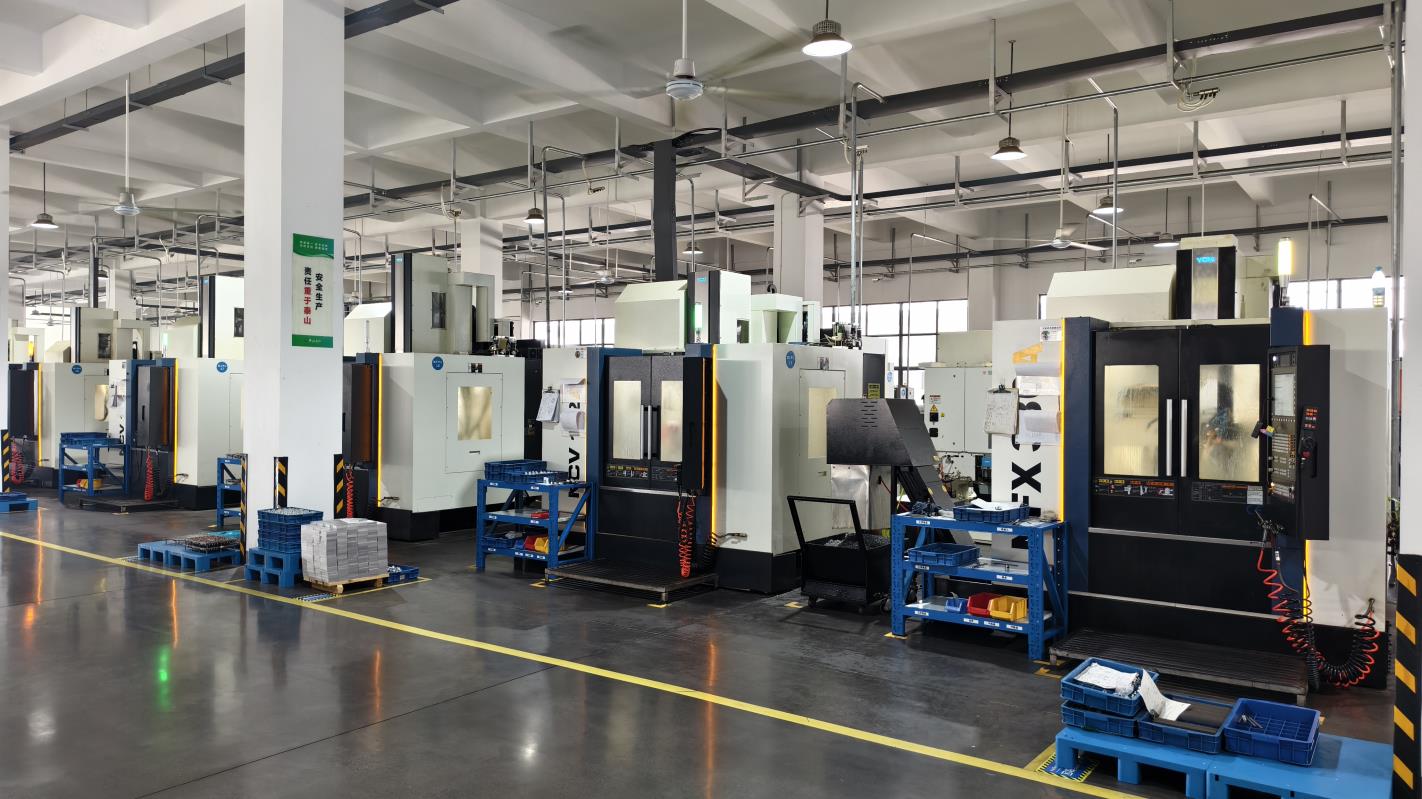
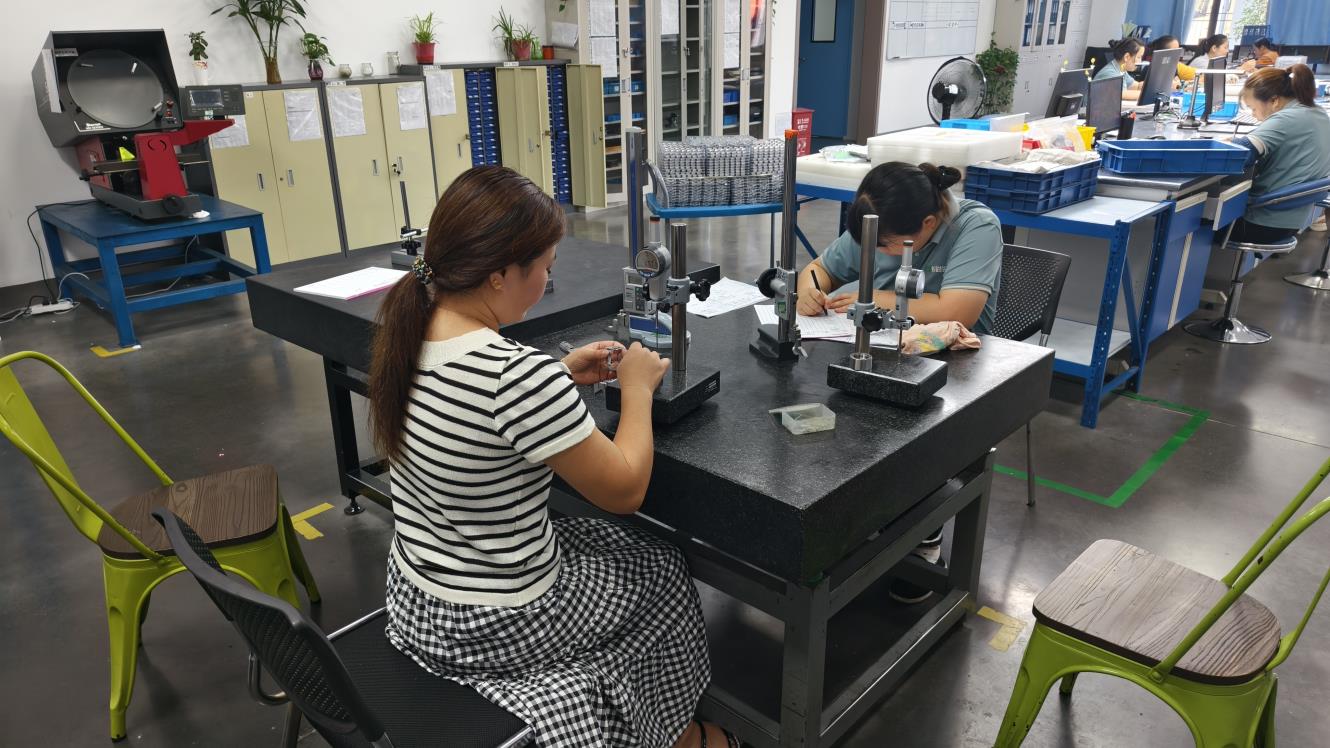
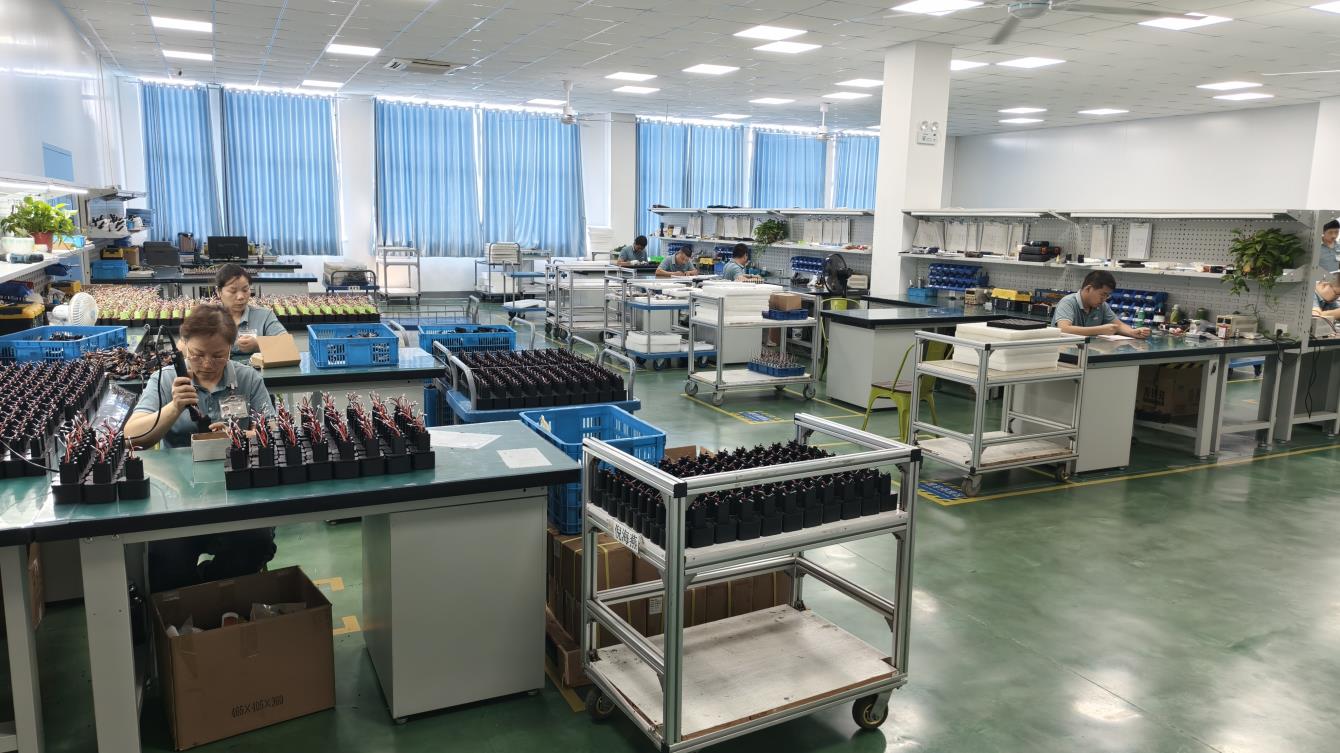
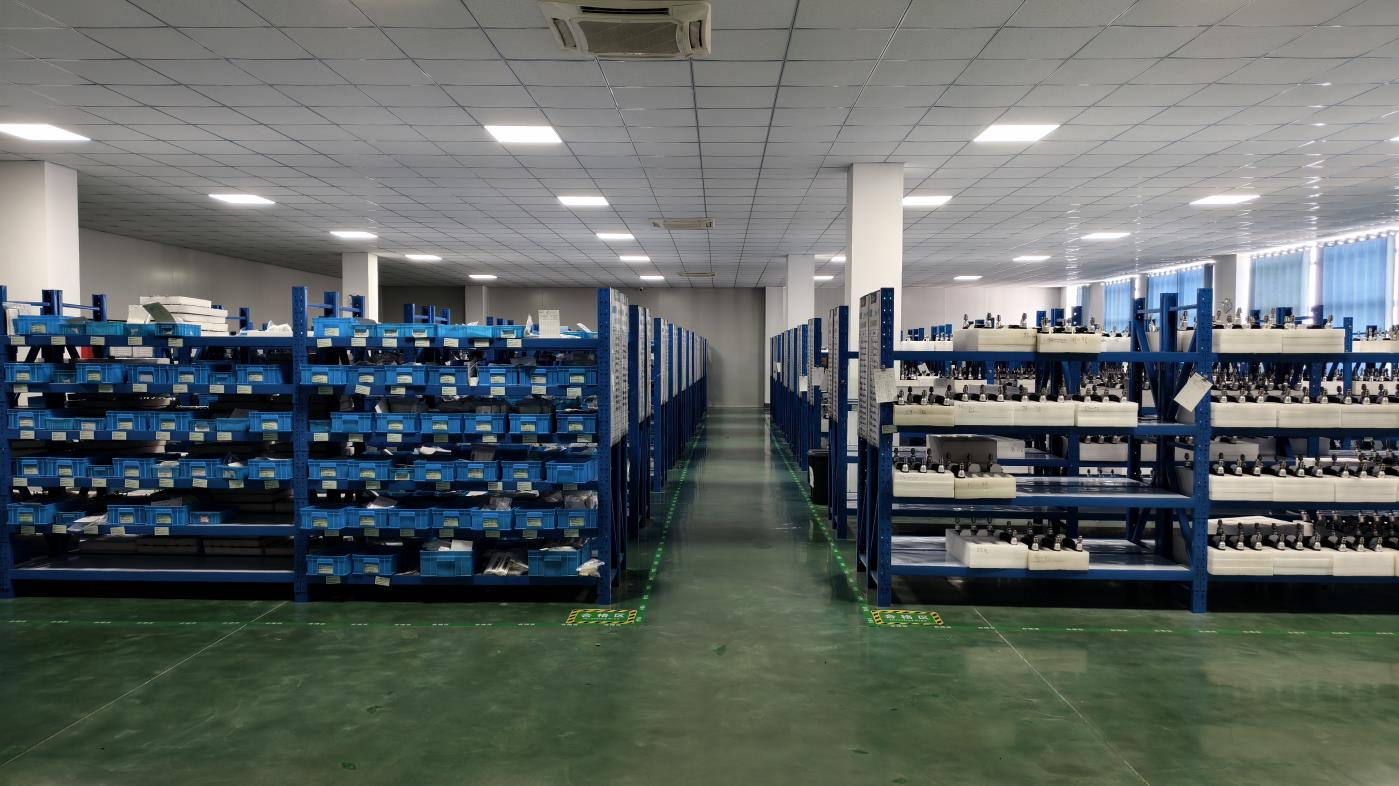
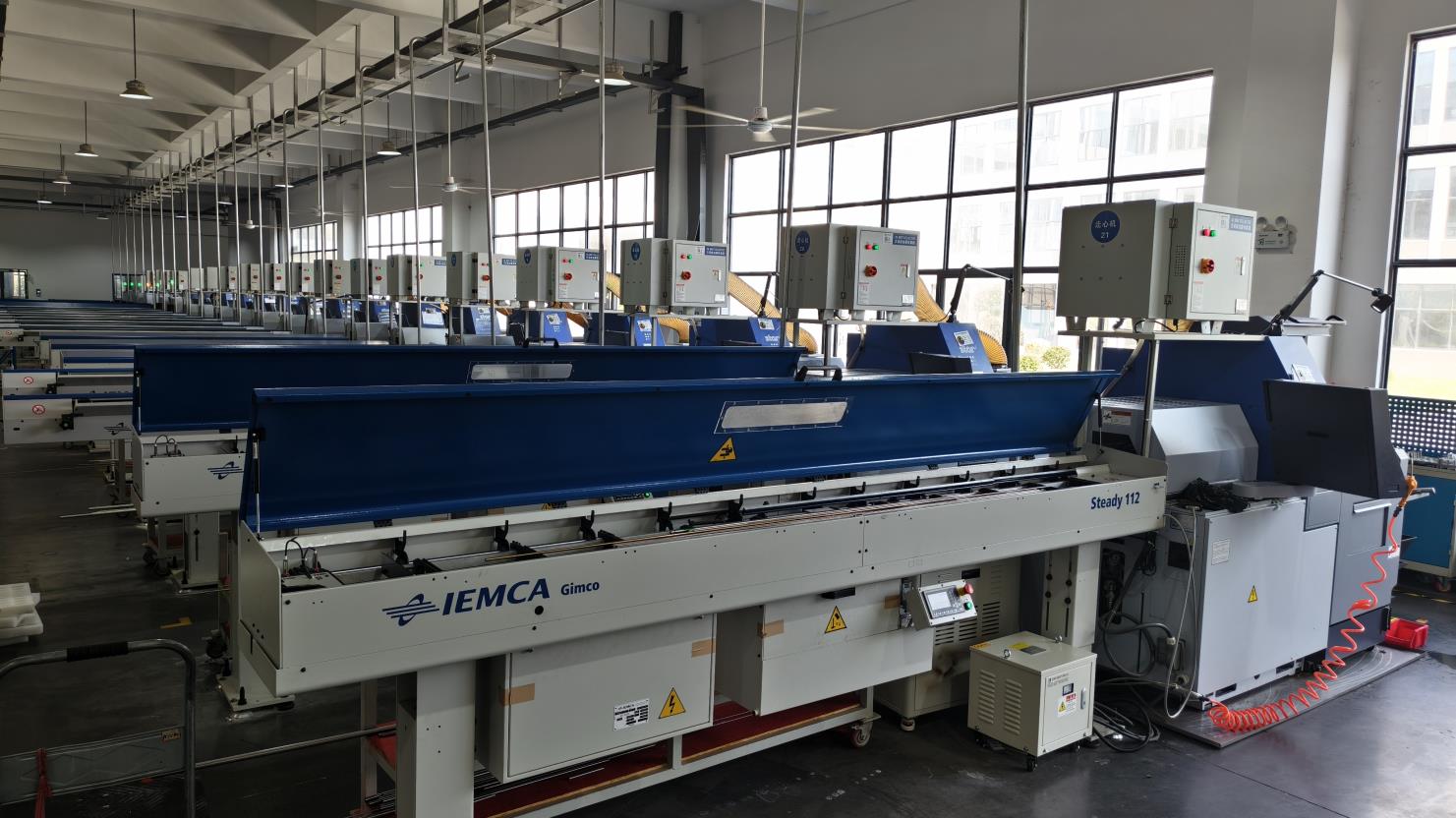
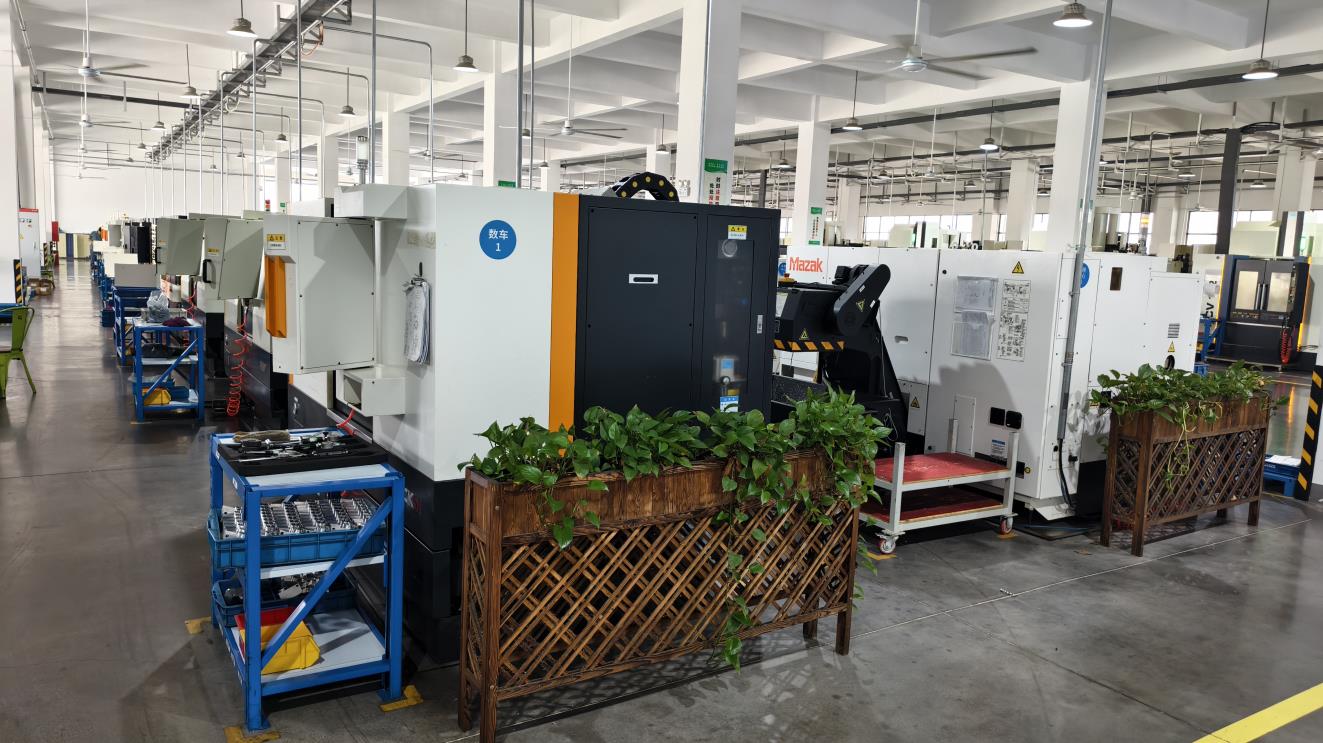
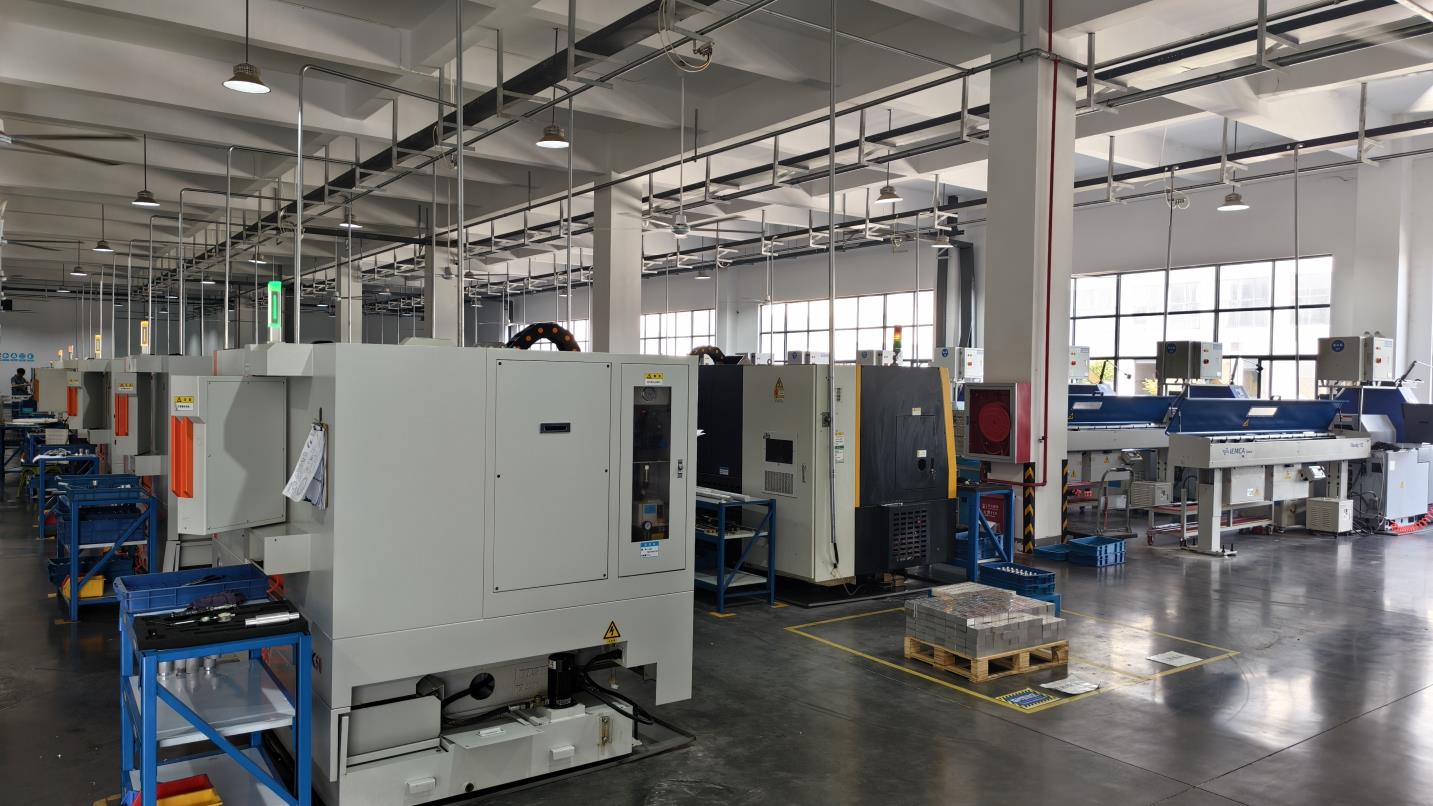
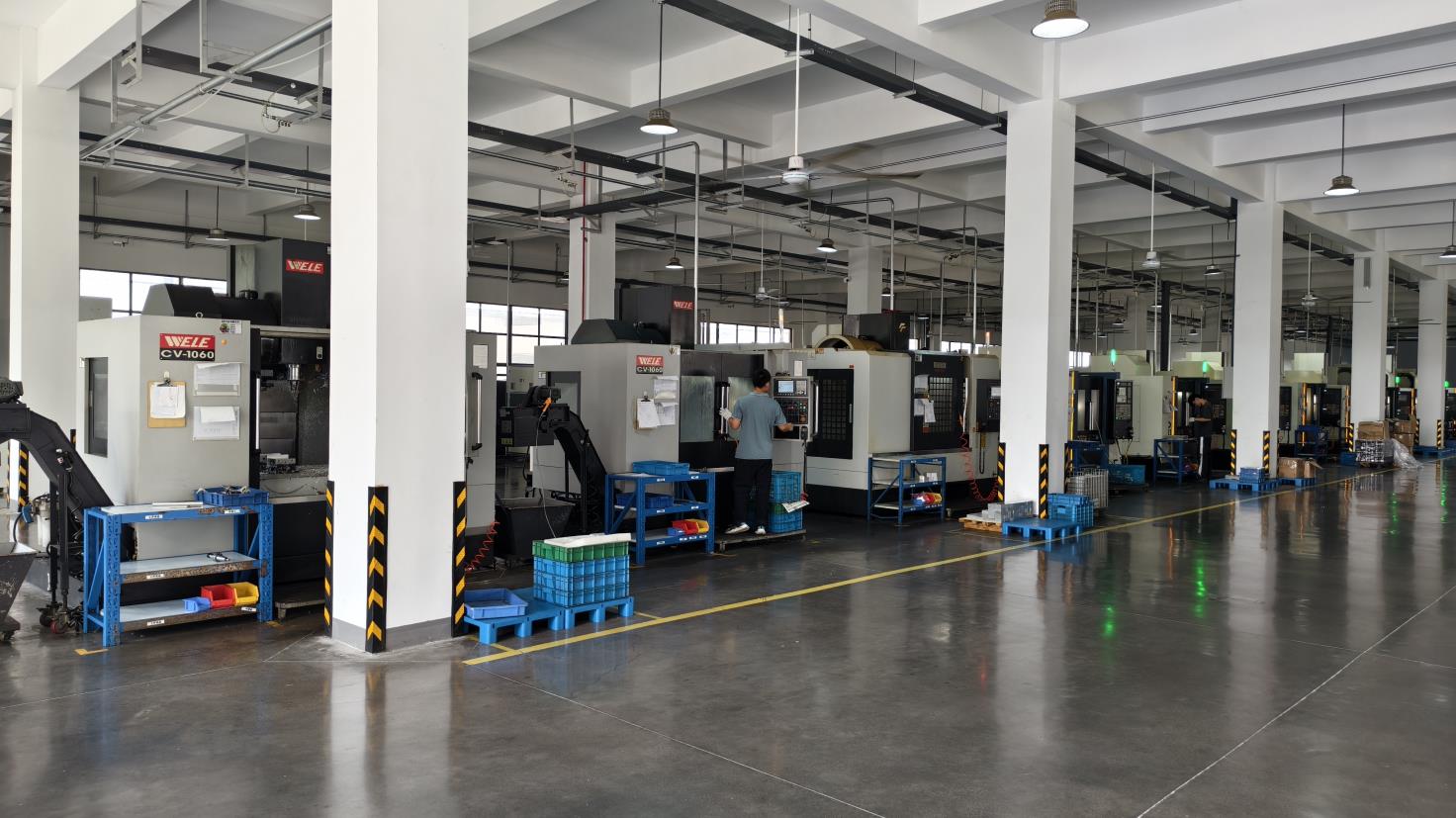
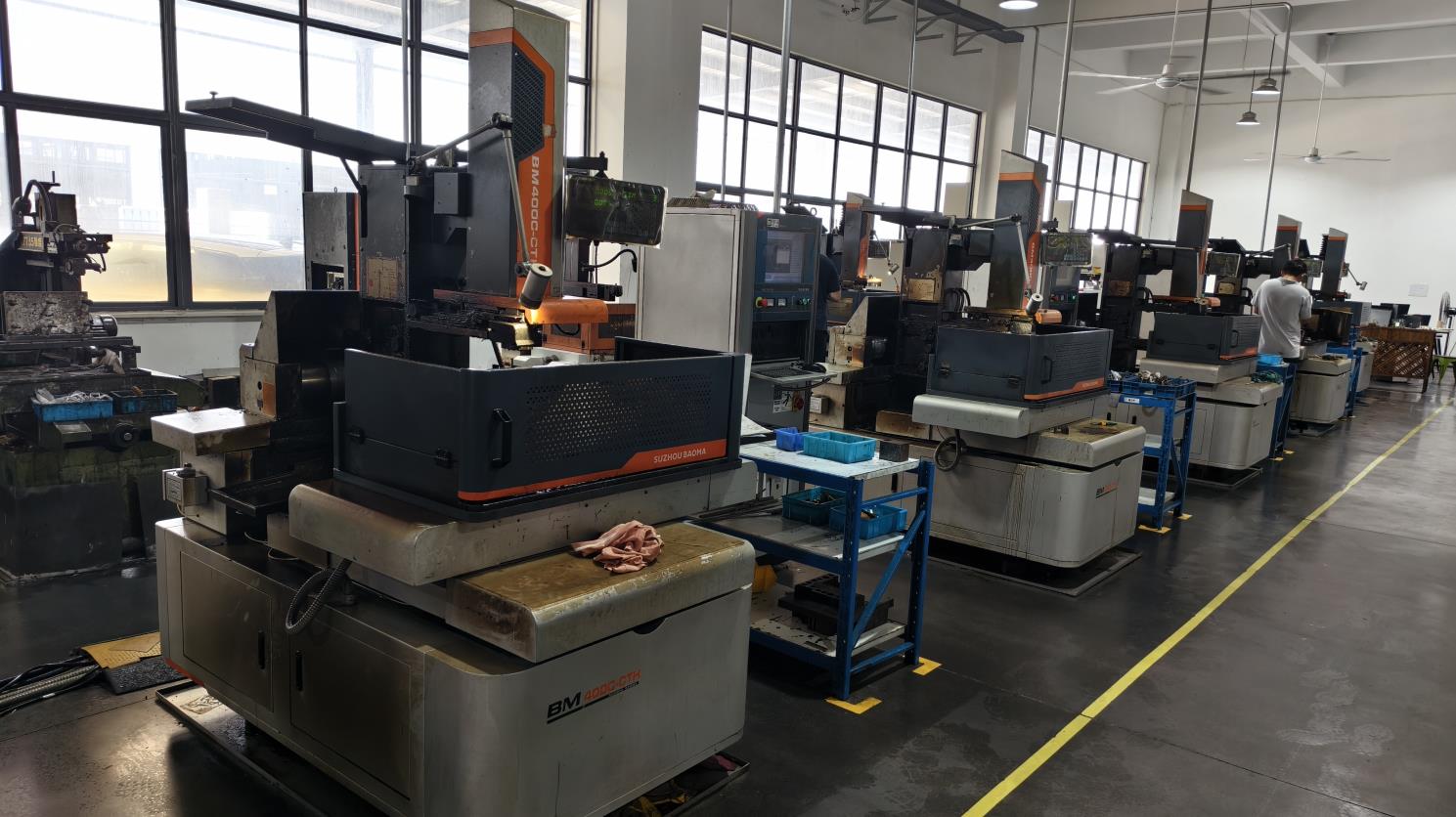
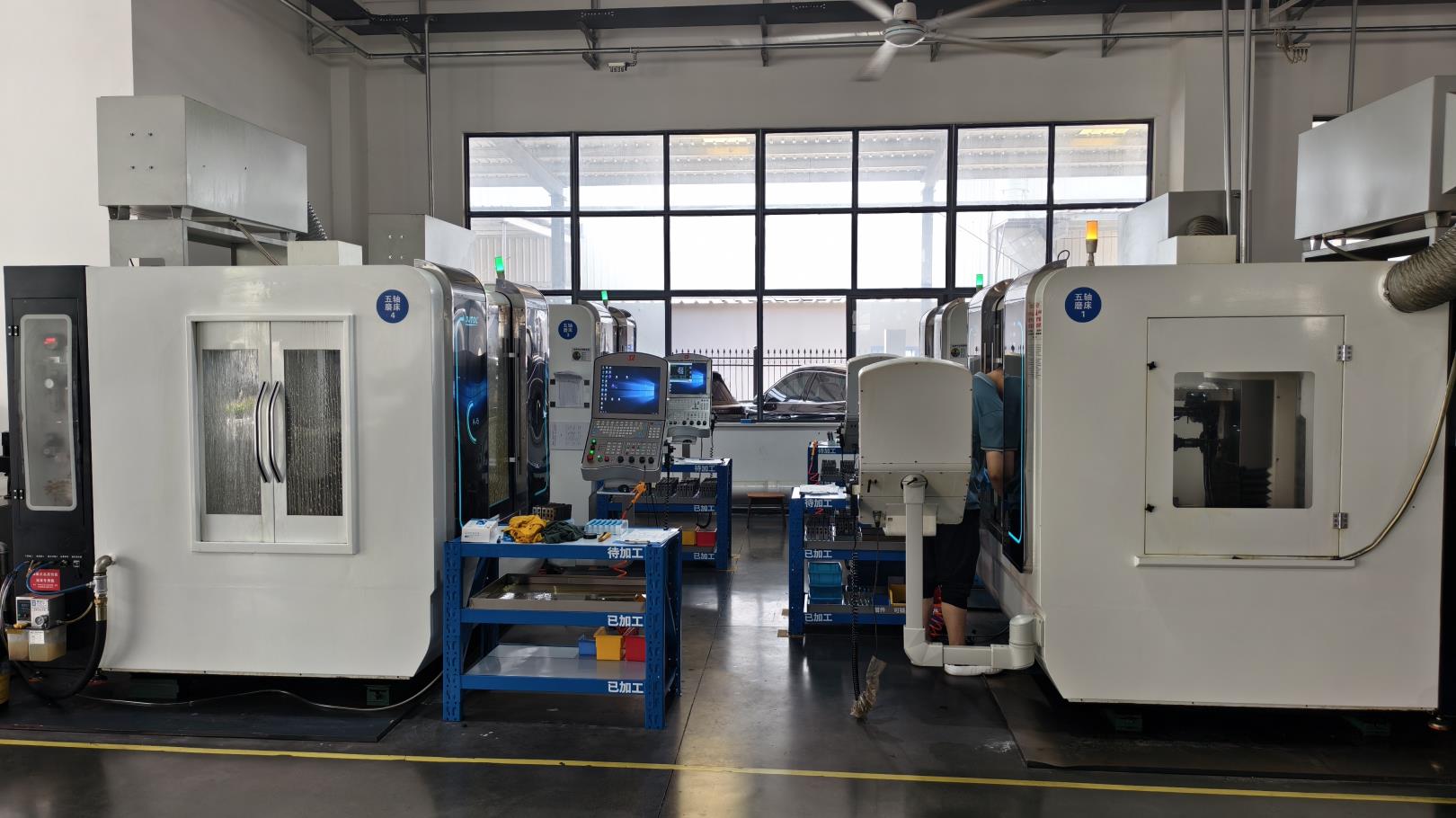
Addressing common queries regarding material selection, international certifications, customization options, and freight management.
For long-term or permanent load-bearing implants, Titanium Alloy (Grade 5, Ti-6Al-4V ELI conforming to ASTM F136) is the gold standard because of its high biocompatibility, corrosion resistance, and low elastic modulus that reduces bone stress shielding. For dynamic, temporary fixation or when higher structural rigidity is required, Medical-Grade Stainless Steel (316LVM, ASTM F138) provides excellent cost-efficiency, strength, and ductile properties.
Every production batch includes a Mill Test Certificate (MTC) that traces the chemical composition and mechanical properties of the raw material back to its original ingot. Reputable exporters maintain full digital tracking from raw materials to final packaging. Each finished bone plate is laser-etched with a unique batch number, allowing buyers to trace the production history and quality control logs of that specific item.
We provide full customization, including customized blueprint processing, raw sample scanning, and custom design development based on specific requirements. This process covers custom anodization colors, modified hole profiles, custom thicknesses, laser-etched branding, and custom packaging configuration. It allows distributors and brand owners to quickly launch proprietary orthopedic systems.
Quality inspection combines in-line testing and random checks. Every critical dimension is measured during production using automated optoelectronic projectors. Thread pitch and screw tolerances are checked against Master Gages. Finished batches undergo surface inspections, chemical passivation tests, and cleaning verification to ensure no manufacturing residues remain.
Cleanroom-packaged products are sealed in double-layer medical-grade Tyvek blister packs under Class 100,000 cleanroom conditions. These packages are compatible with Ethylene Oxide (EO) or Gamma-ray sterilization and include sterilization indicator labels to ensure the products remain sterile until opened in the operating room.
Standard catalog products are usually shipped within 7 to 15 days. For custom OEM/ODM production runs, the timeline typically ranges from 30 to 45 days, depending on design complexity, tooling requirements, and the raw material sourcing cycle. We keep a large inventory of raw materials in stock to ensure reliable delivery times for our clients.