SENJIE Healthy & Technology
SENJIE Healthy & Technology
SENJIE Healthy & Technology
Explore our primary array of high-grade surgical instruments engineered for human and veterinary applications, manufactured from medical-grade stainless steel with raw material traceability.
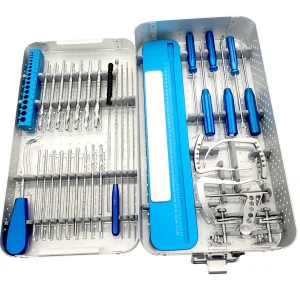
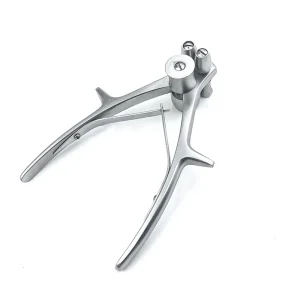
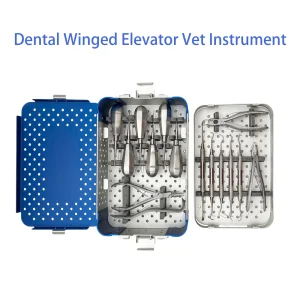
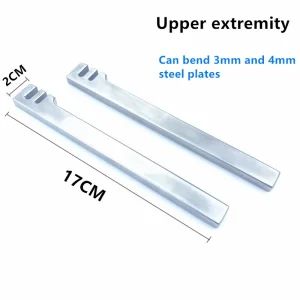
The landscape of modern surgical delivery is shifting. Hospitals and ambulatory surgery centers (ASCs) are reshaping their procurement practices to balance precision technology with absolute cost-efficiency.
Technological refinement in arthroscopy, spine surgeries, and micro-orthopedics has necessitated specialized hand tools with strict tolerance thresholds. Traditional mass-produced hospital general supplies no longer meet the exacting needs of modern operating rooms. Today’s surgical facilities demand devices fabricated from elite biomedical-grade alloys such as 316LVM stainless steel and titanium (Ti-6Al-4V) to minimize tissue oxidation and ensure maximum instrument lifespan.

Procurement departments are tasked with maintaining optimal patient safety while coping with macroeconomic pressures. Identifying dynamic suppliers that bridge custom development with high volume output is critical.
Whether catering to a private orthopedic practice or a multi-national healthcare group, hospital supplies must feature complete raw material traceability. Sourcing steel from reputable mills, verifying chemical compositions via spectral analysis, and ensuring consistent dimensions under CNC machining processes are baseline necessities. Suppliers must provide transparent diagnostic reports, including dimensional inspections, hardness ratings, and autoclave heat-resistance guarantees.
A transparent operational blueprint. We align our engineering workflows to strict global criteria, ensuring every batch meets international standards for hospitals and surgical centers.
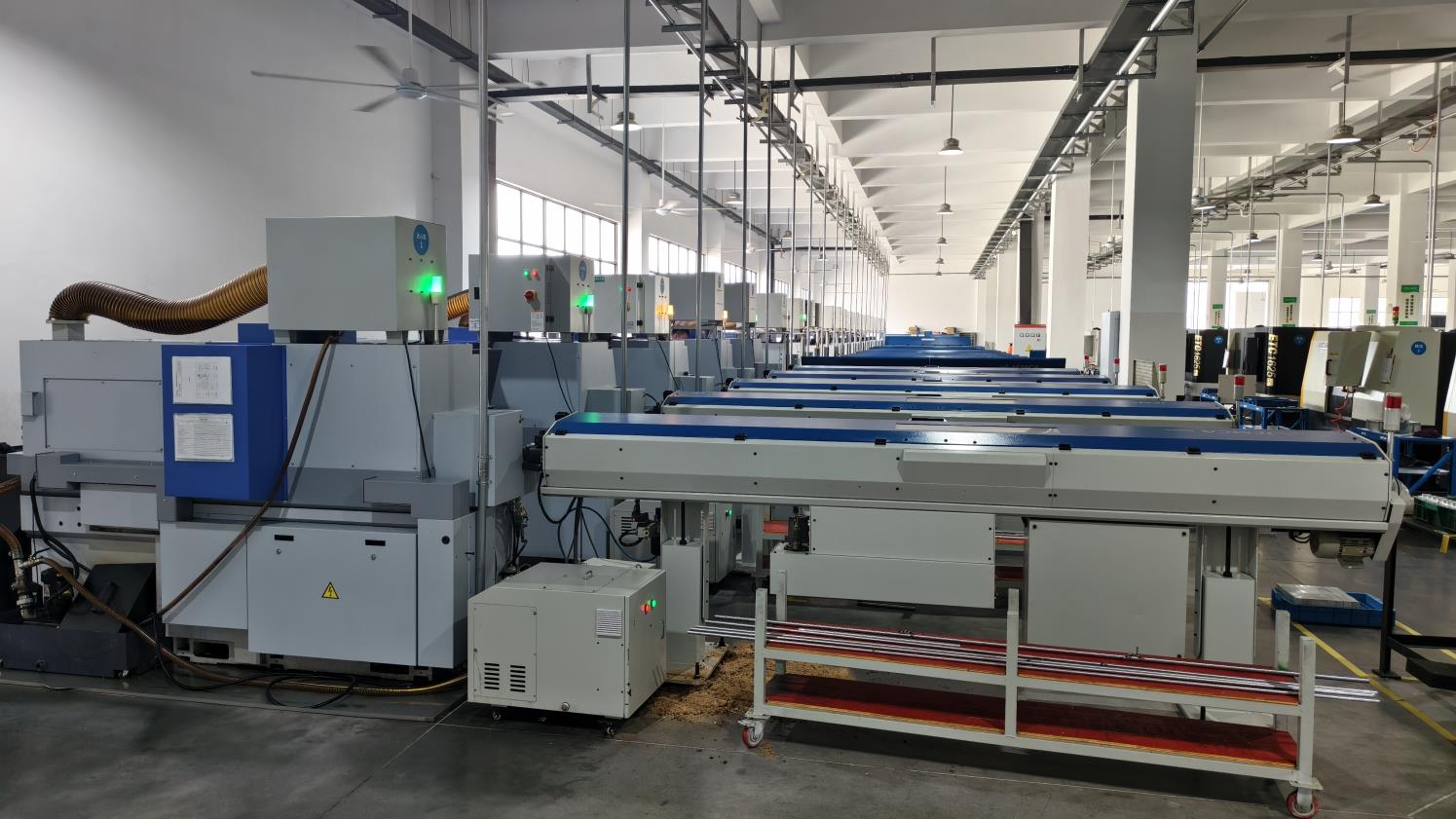
Our manufacturing floor integrates modern thermal treatment, CNC routing, milling, and fine manual polishing. View our operational and diagnostic processes below:
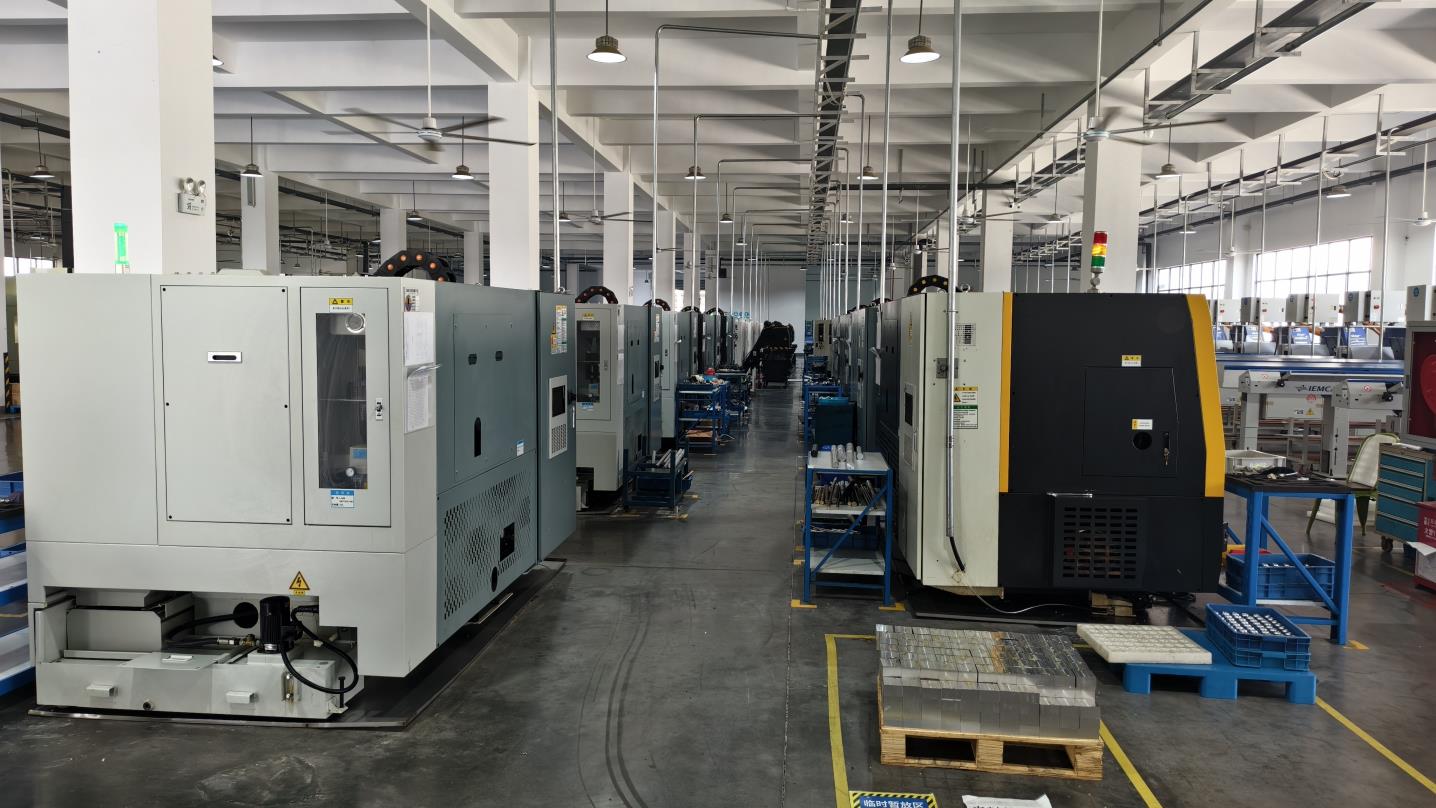
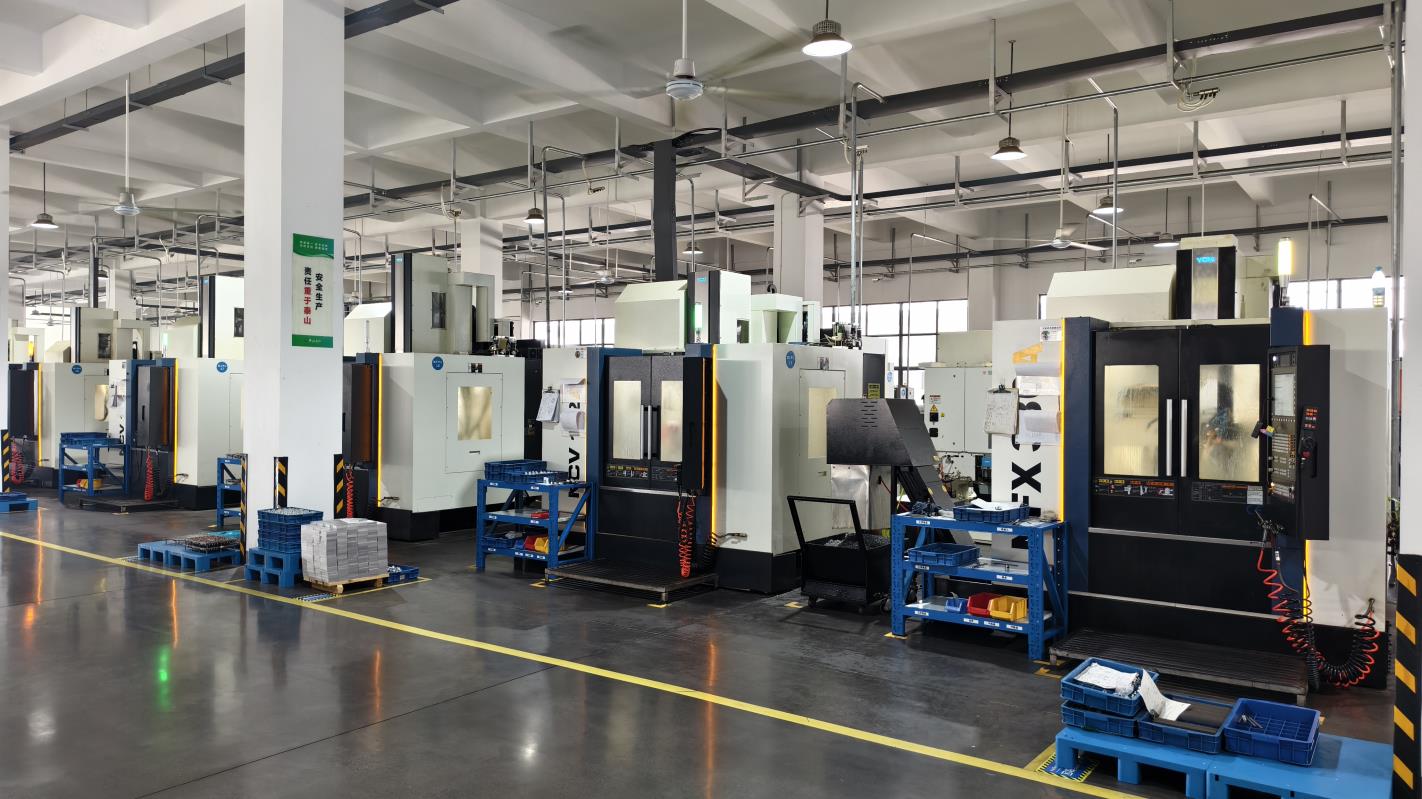
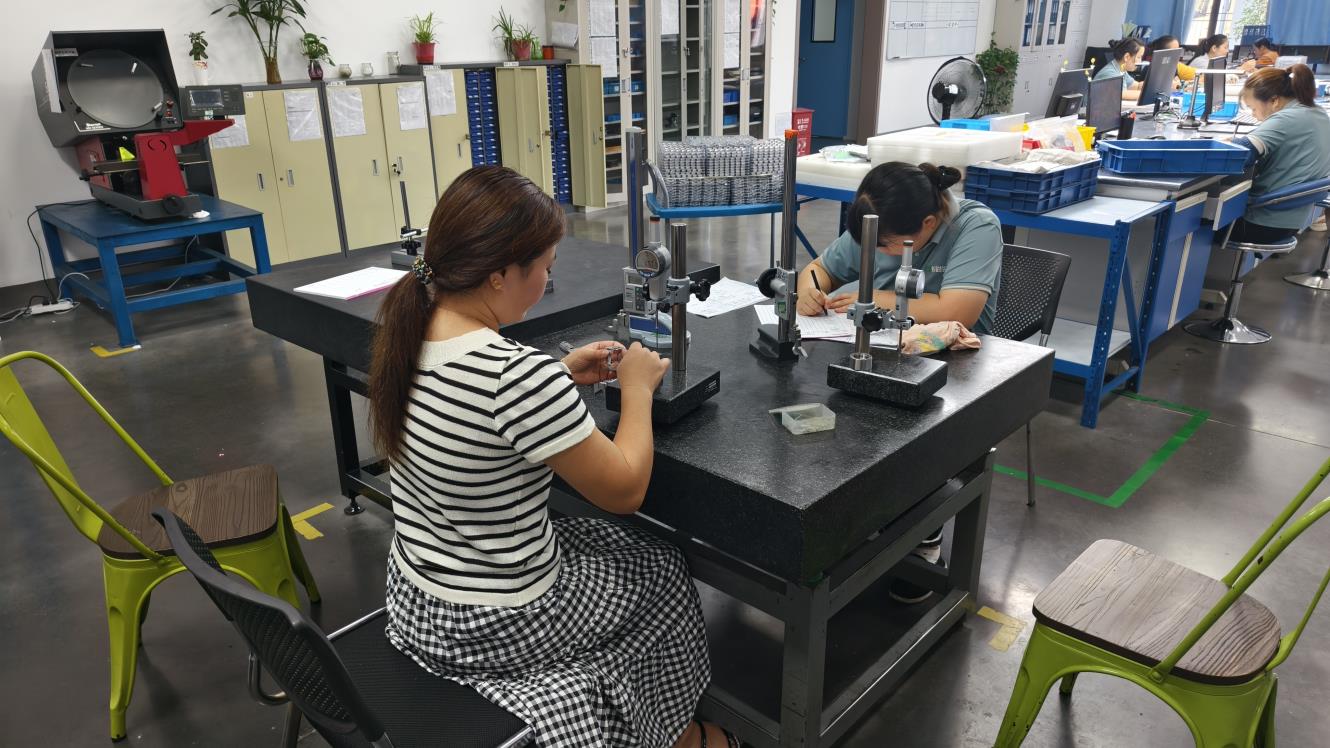
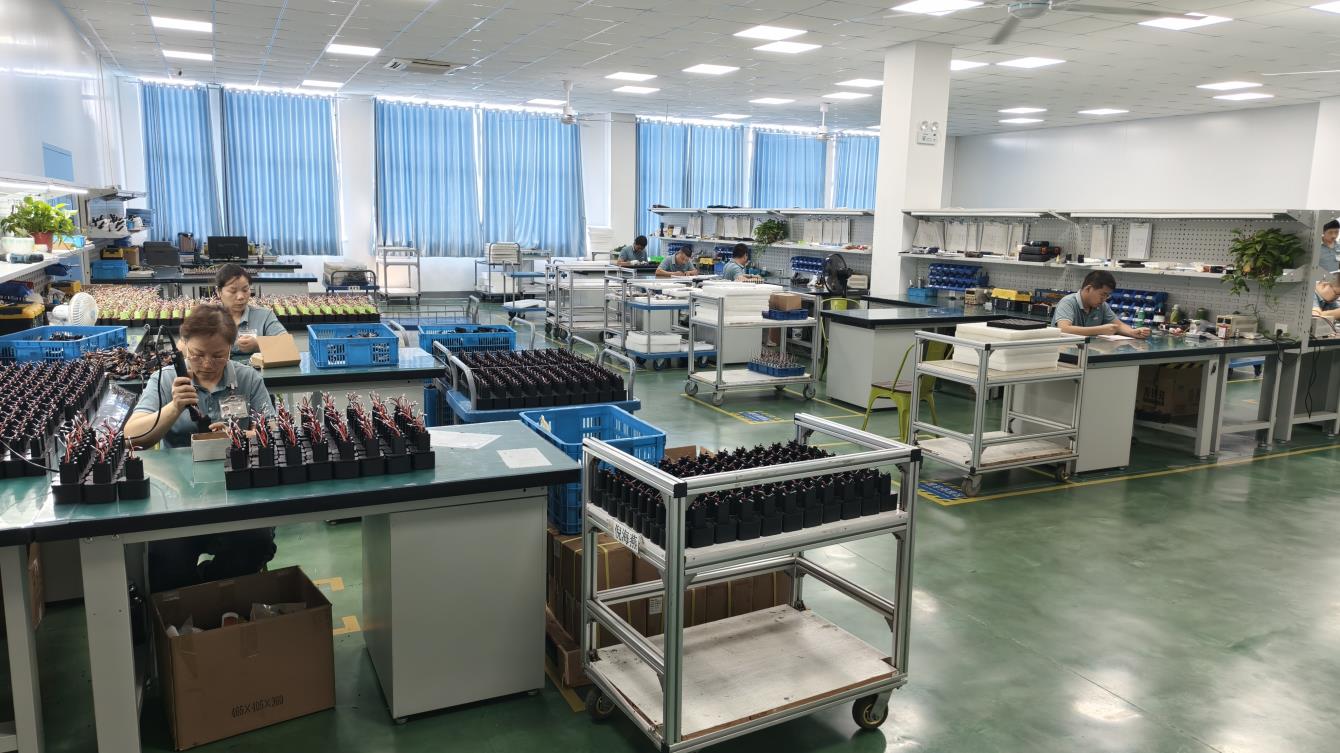
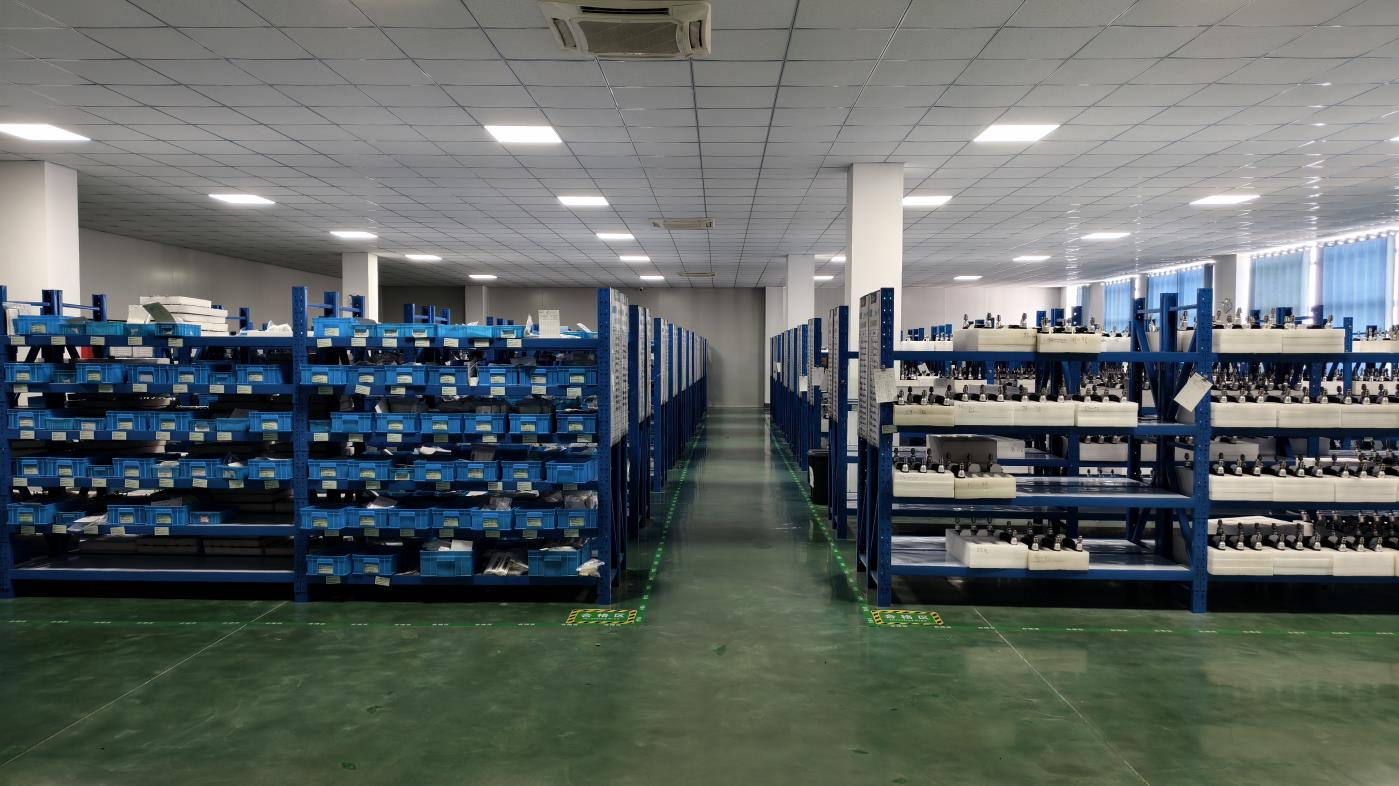
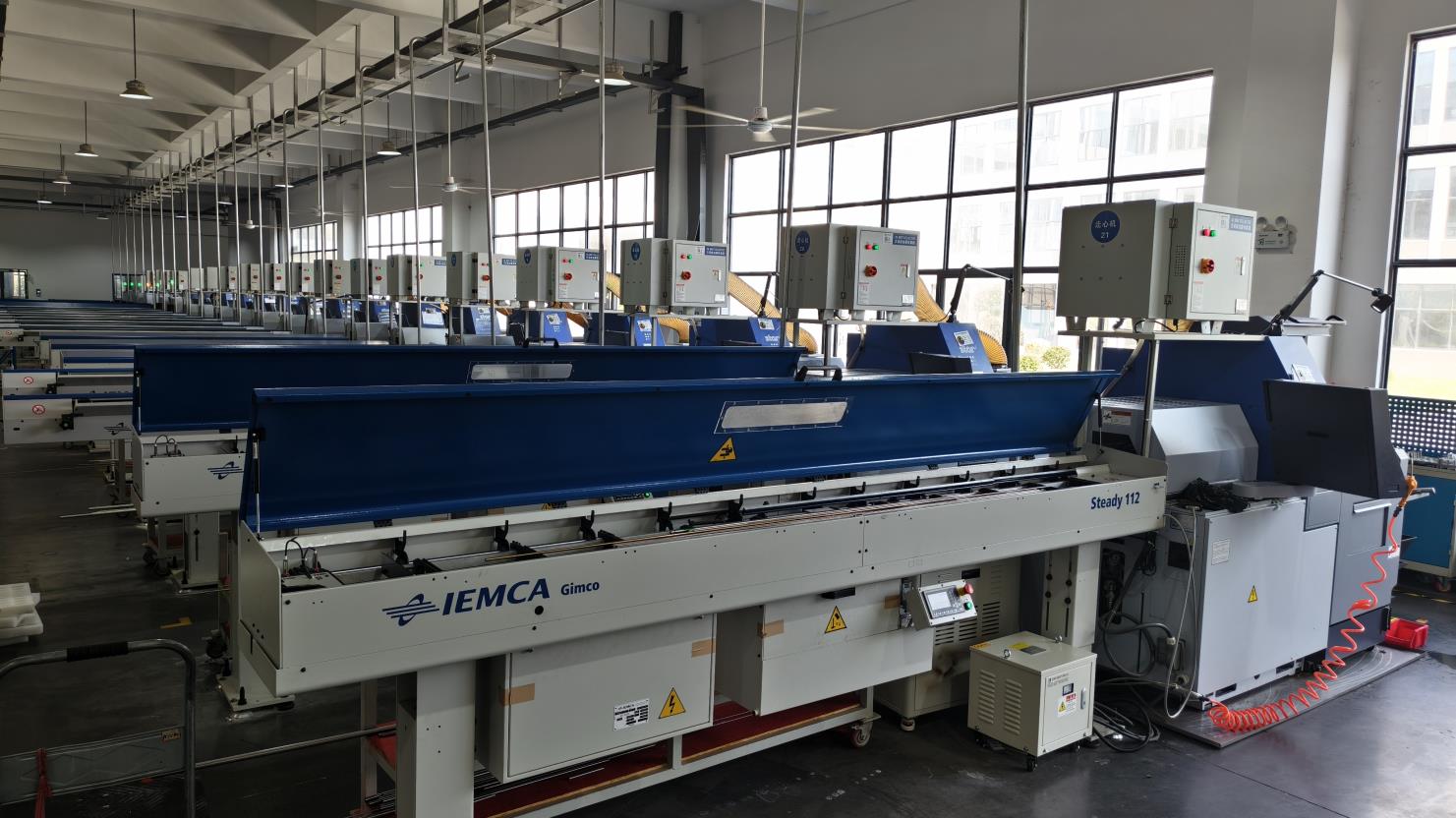
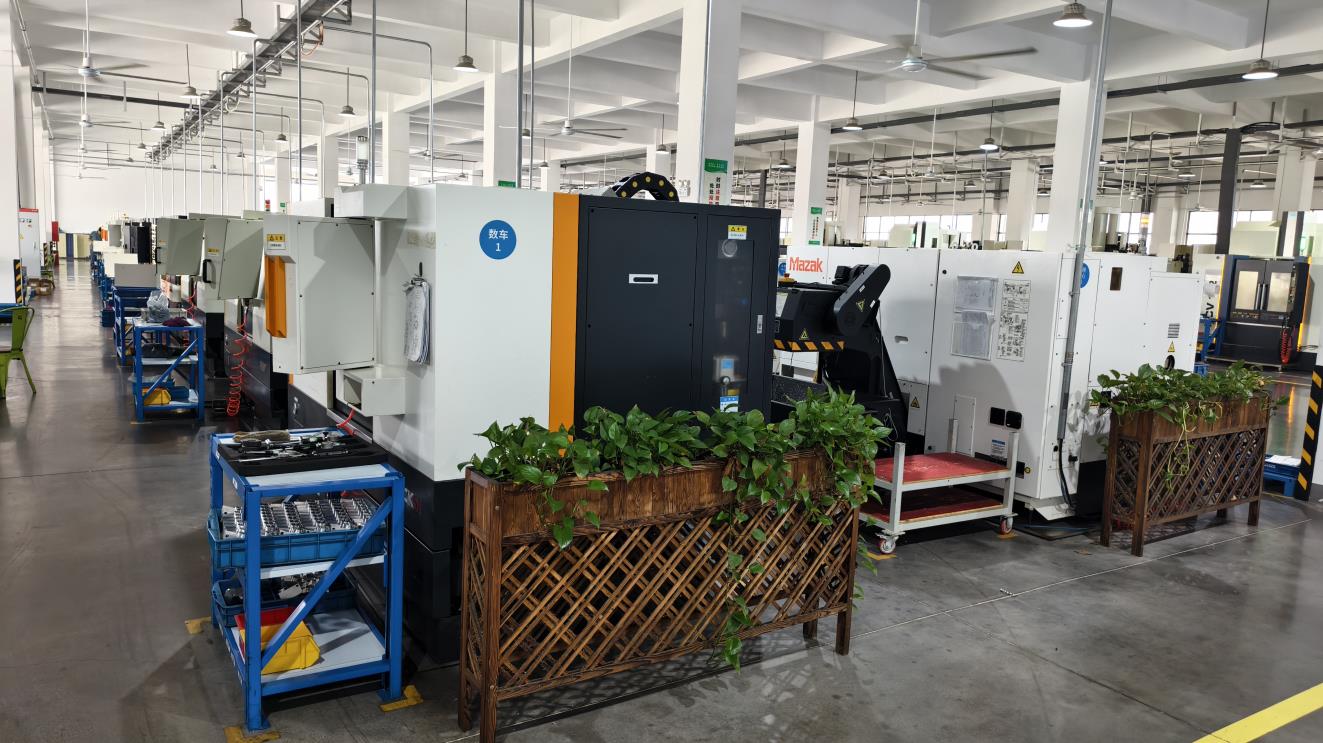
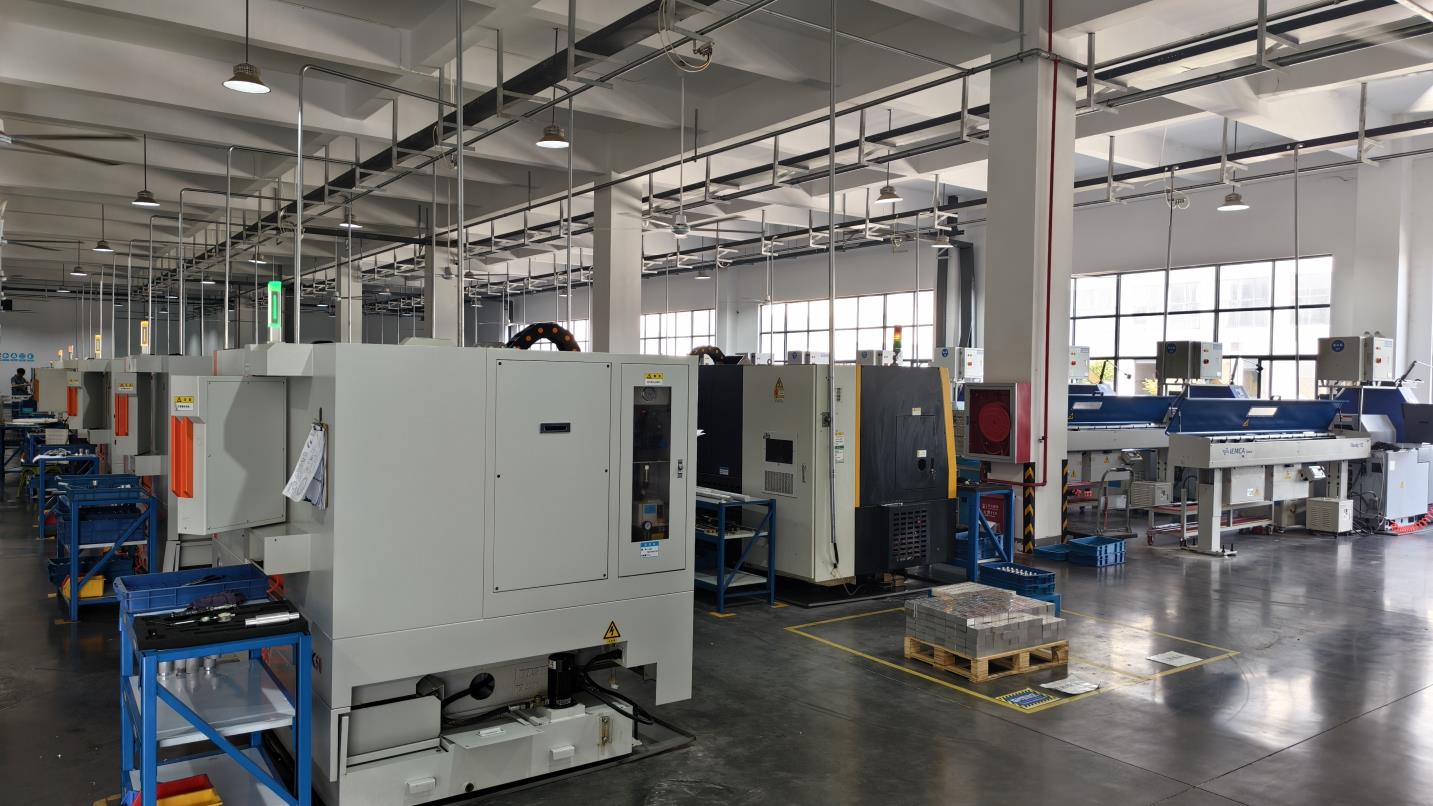
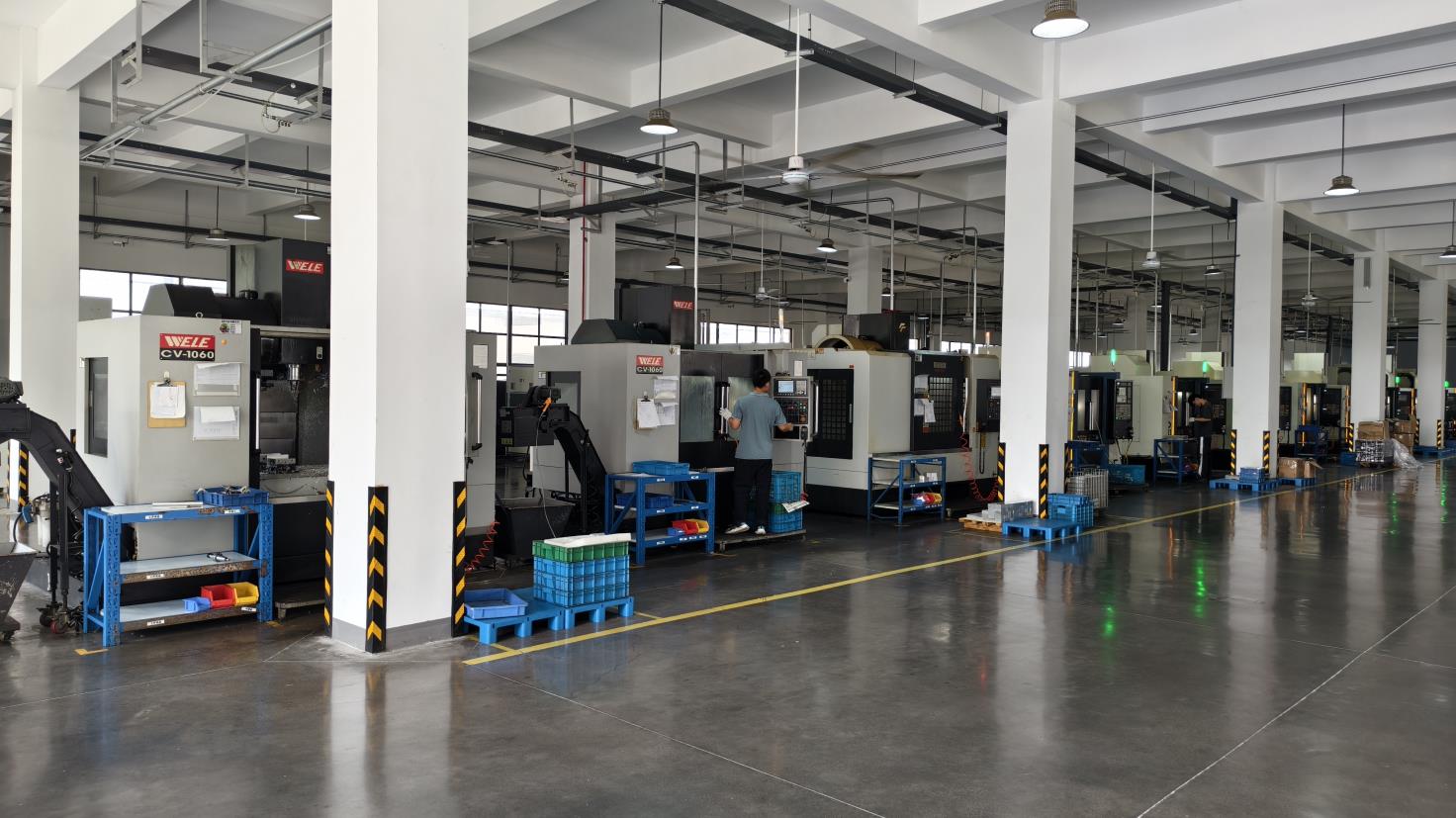
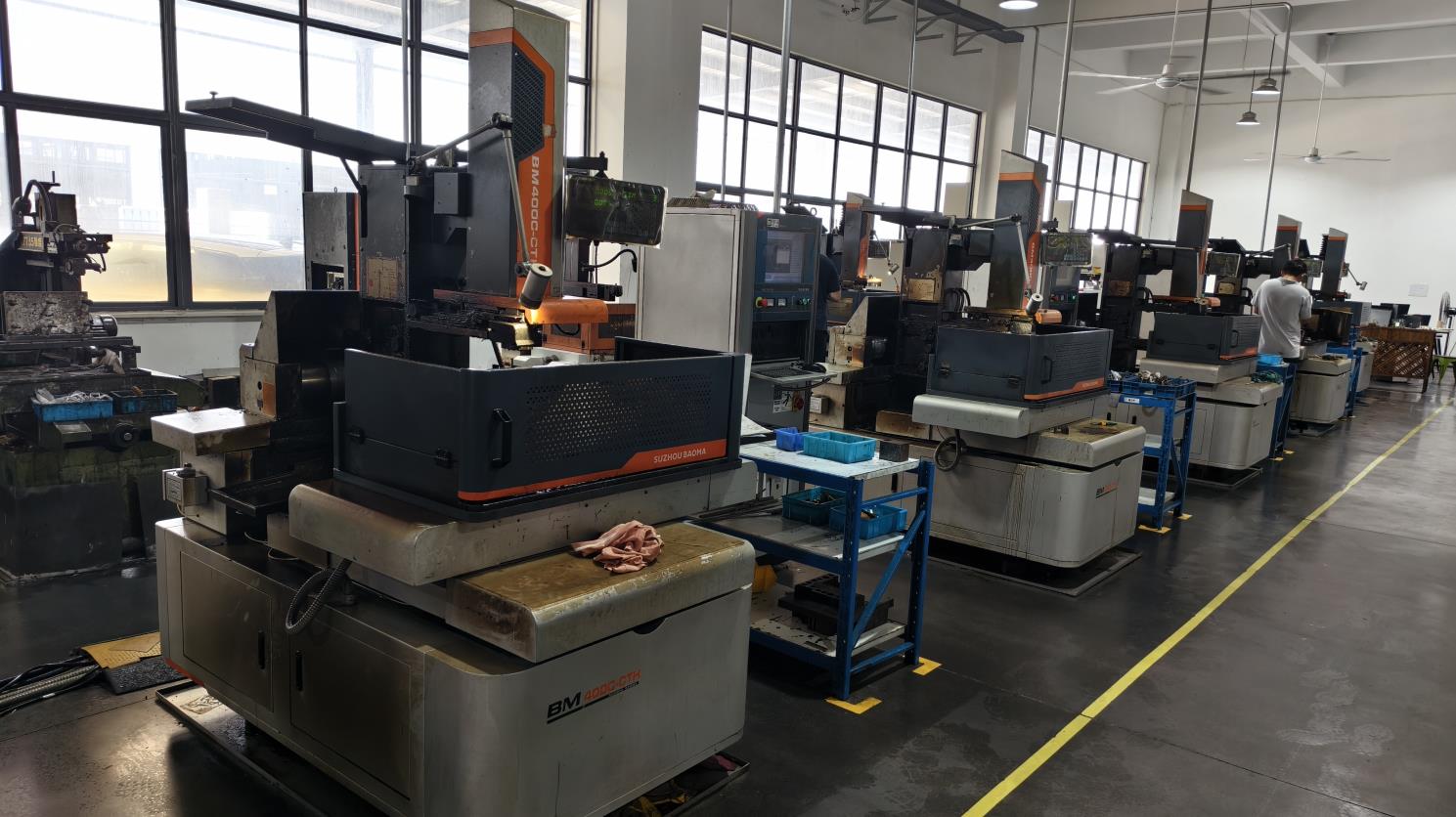
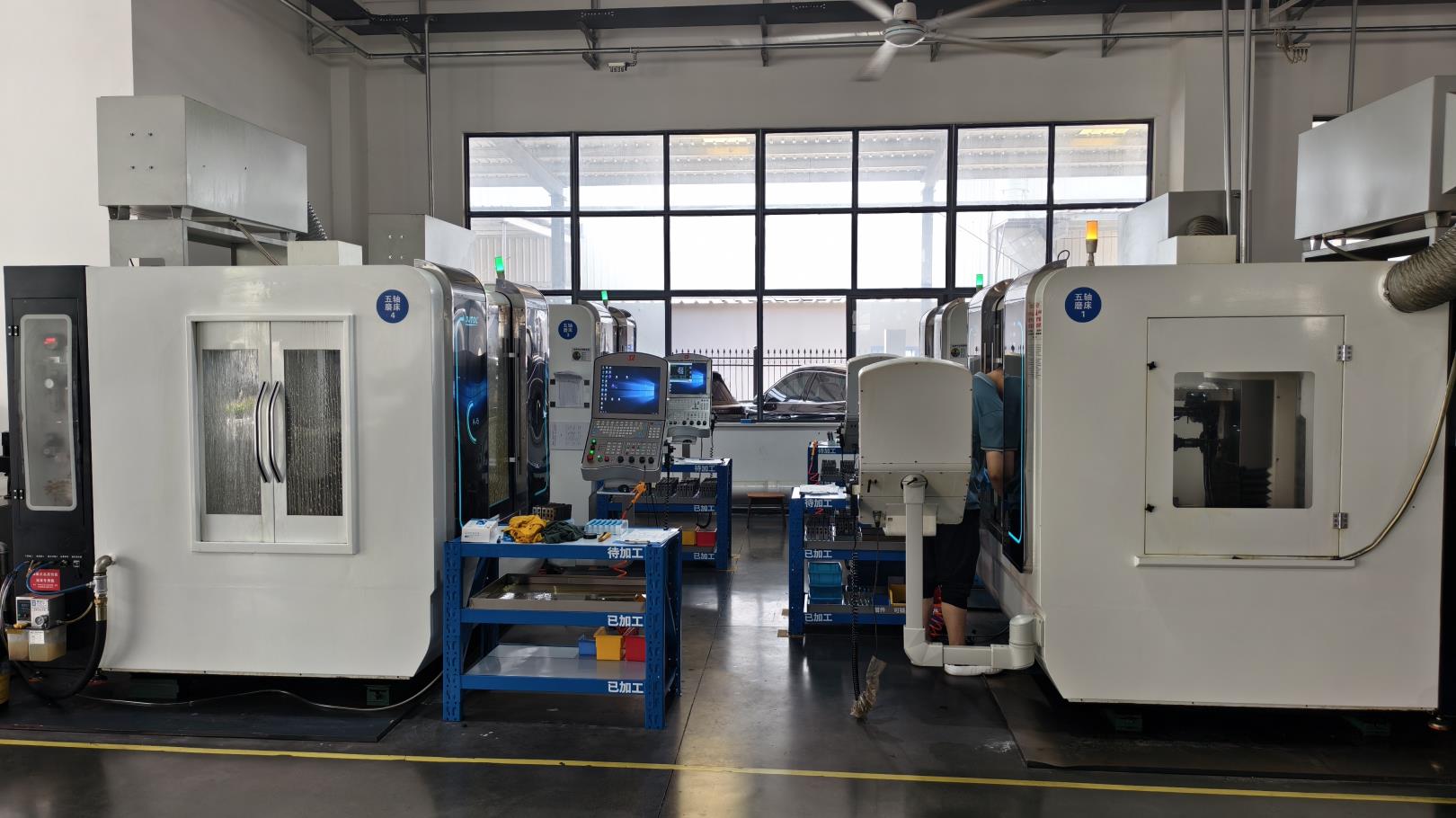
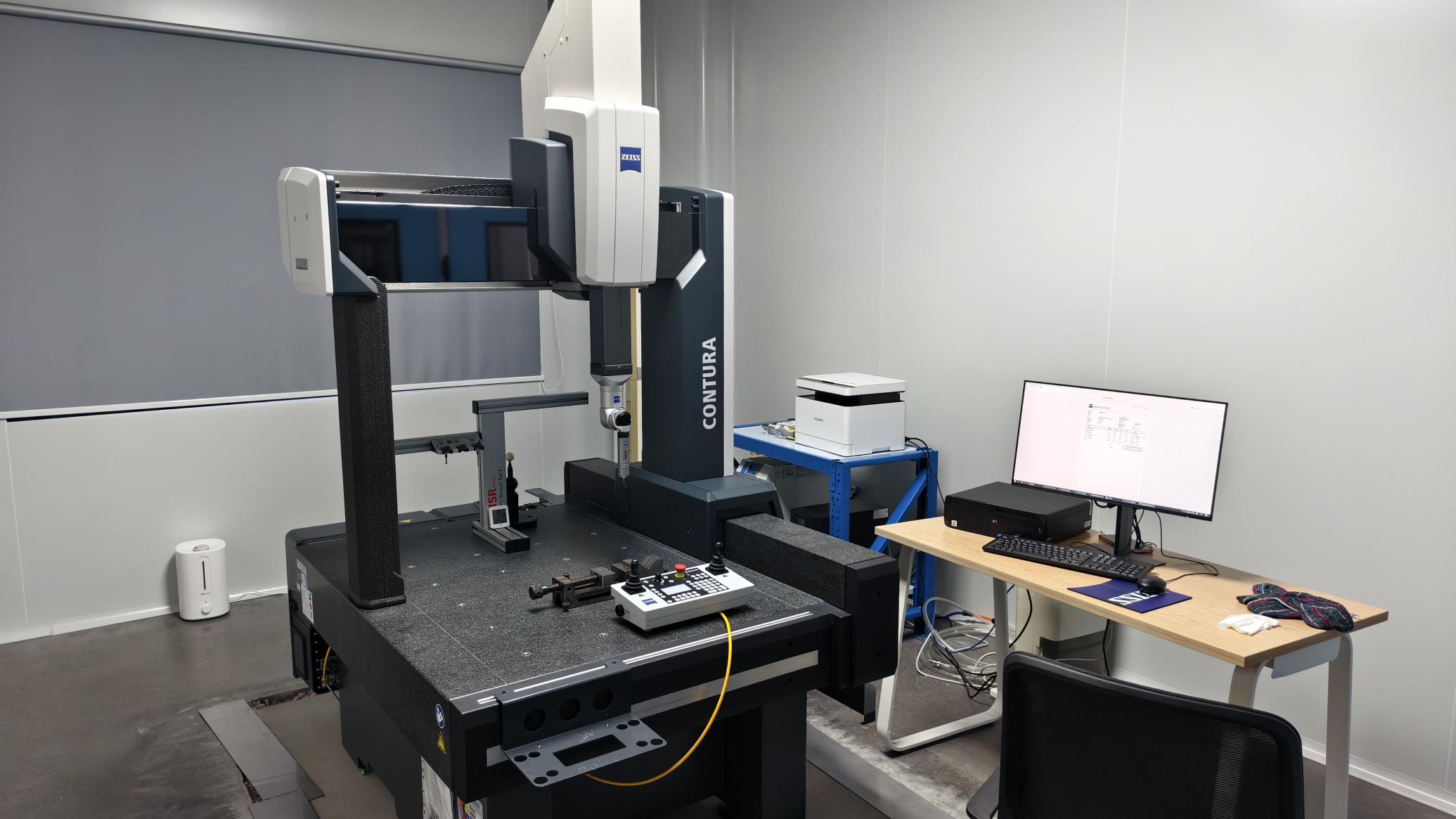
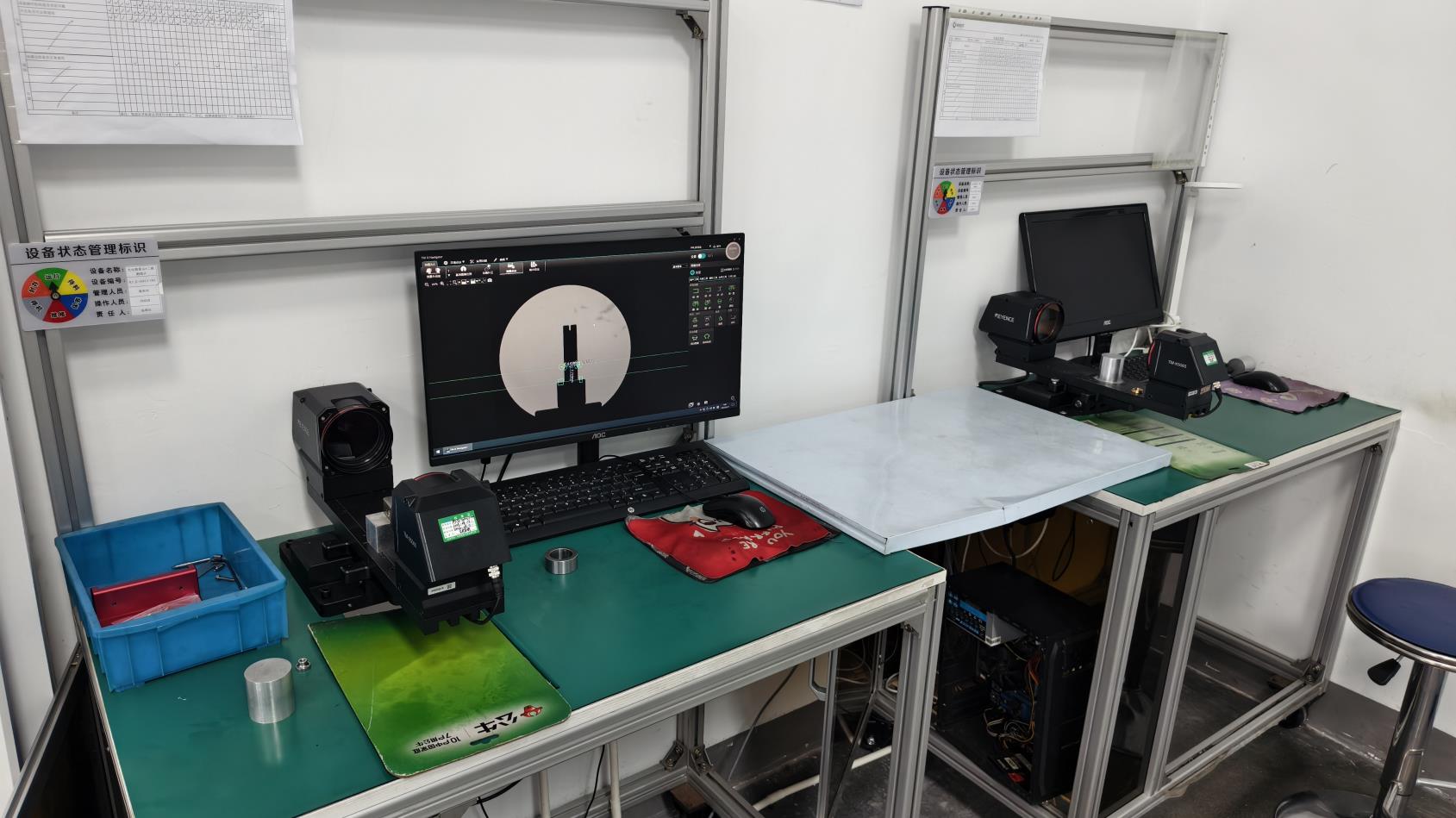
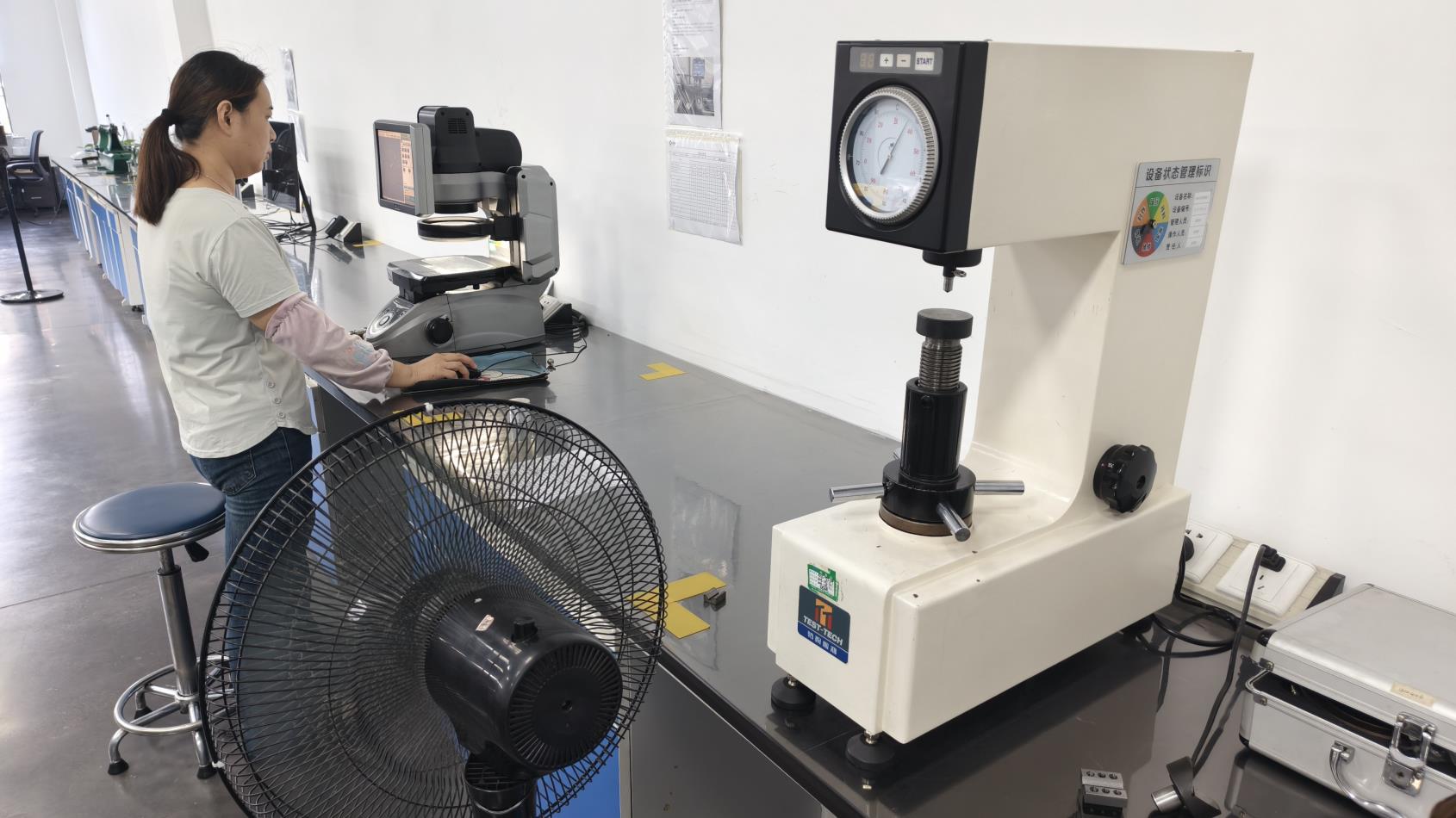
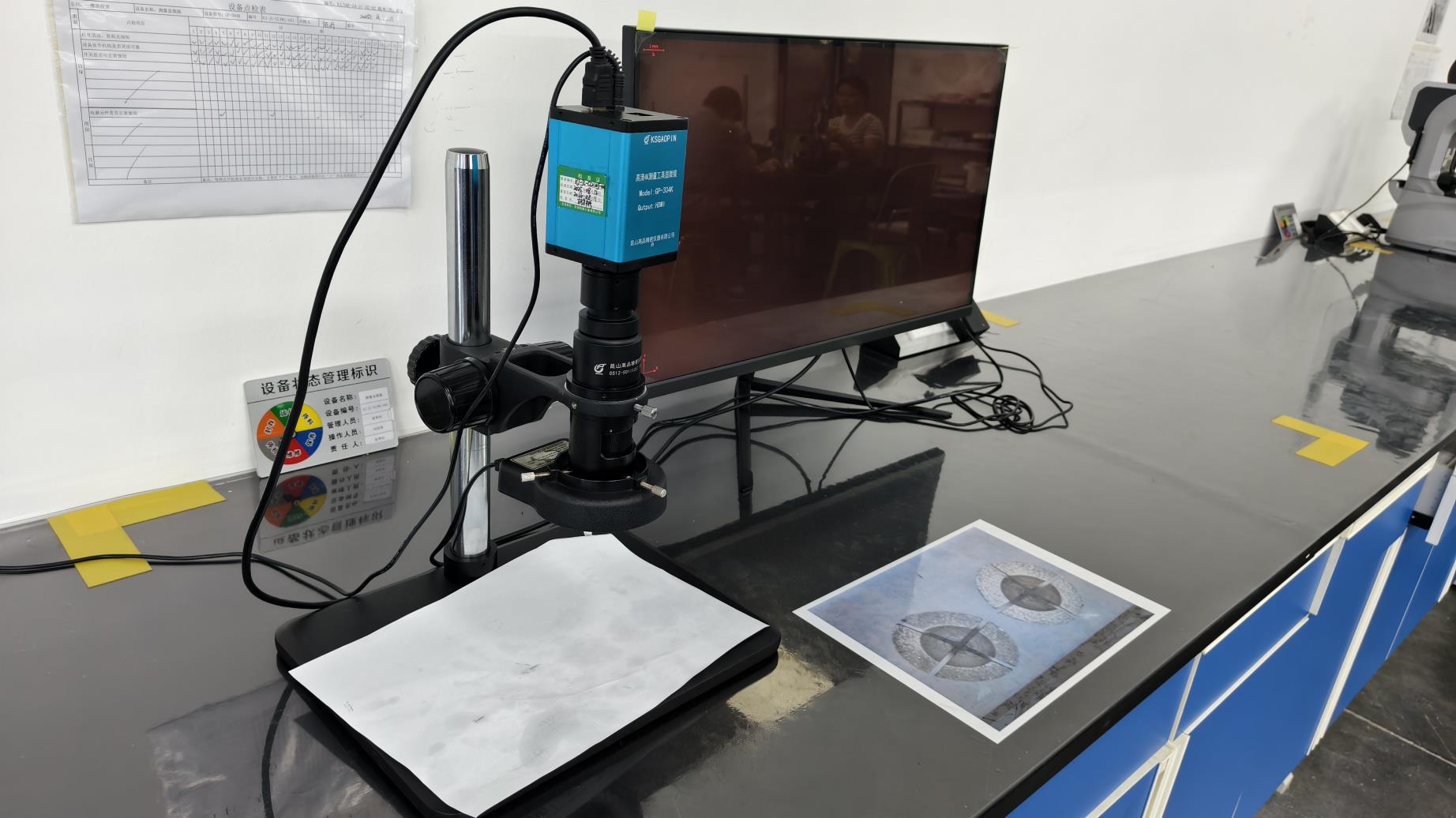
Our manufacturing processes are engineered to mitigate the risk profile of B2B medical buyers. From raw stock validation to cleanroom protocols, compliance is embedded in every step.
Navigating global tariff changes, strict port-of-entry health inspections, and custom clearance barriers is a primary hurdle for medical procurement teams. Our 6-year history in medical exports guarantees a streamlined process. By deploying standardized labeling, packing lists detailing material grades, and providing instant certificate access, we fast-track customs clearance in North America, South America, and beyond.
To avoid adverse surgical outcomes, all instruments go through electrochemical passivation. This chemical treatment removes free iron from the surface of stainless steel, forming a protective, chromium-rich oxide layer that resists corrosion through hundreds of autoclave sterilization cycles. This is crucial for veterinary clinics and human surgical suites alike, guaranteeing long-term durability and patient safety.
As surgery transitions further towards robot-assisted procedures and smart implant integrations, surgical instruments must adapt to higher standards of spatial precision and physical feedback.
Our engineering roadmap prioritizes the deployment of next-generation medical alloys and additive manufacturing processes. By studying the wear patterns of surgical instruments like drivers, bone plates benders, and oscillating saws, we aim to extend instrument life by up to 50%. Over the coming years, we are expanding our custom sample processing with high-speed digital prototyping to turn customer blueprints into functional steel test instruments within days.
Find technical answers regarding ordering logistics, custom fabrication, material certifications, and regulatory capabilities.
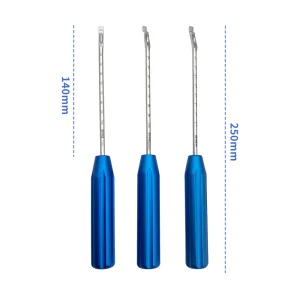
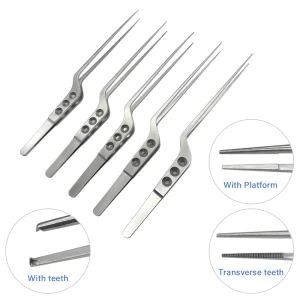
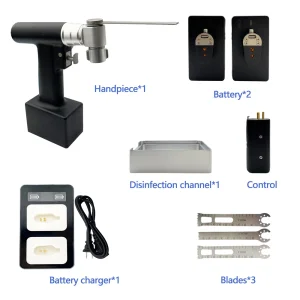
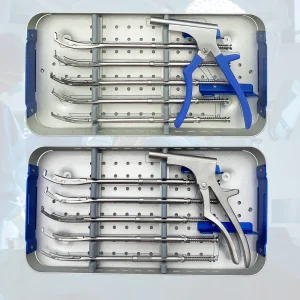
Review the second tier of our specialized instrument catalog, including laminectomy tools, bone rasps, micro bayonet forceps, and powered surgical saws.