SENJIE Healthy & Technology
SENJIE Healthy & Technology
SENJIE Healthy & Technology
Explore our premium grade orthopedic surgical alignment devices, bone plate benders, drill guides, and micro-dissection tools engineered for ultimate surgical precision and clinical longevity.
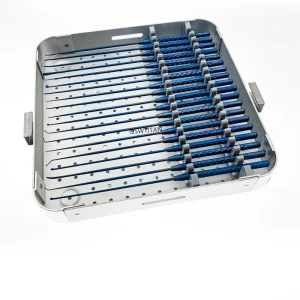
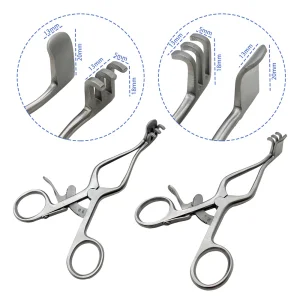
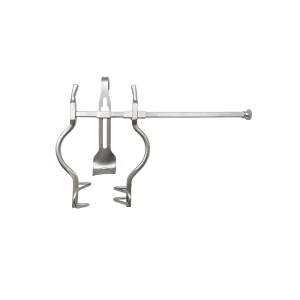
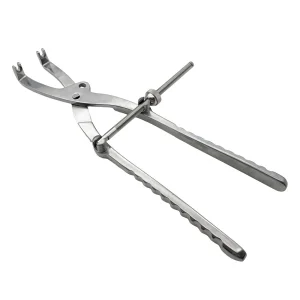
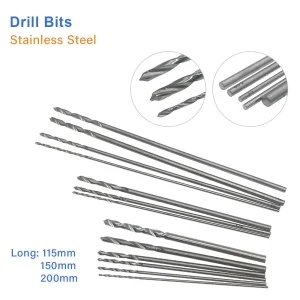
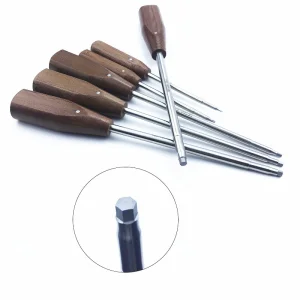
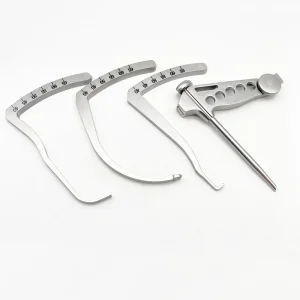
In modern orthopedic and traumatology surgeries, anatomical alignment is the cornerstone of successful rehabilitation and structural recovery. Orthopedic alignment devices comprise a sophisticated family of surgical instruments, including drill guides, reduction forceps, reconstruction plate benders, and anatomical jigs. These tools are engineered to assist orthopedic surgeons in aligning bones, positioning osteosynthesis plates, and ensuring precise screw insertion. The absolute accuracy of these procedures dictates postoperative biomechanics, minimizes implant failure rates, and drastically reduces recovery cycles for both human and veterinary patients.
As minimally invasive surgery (MIS) continues to gain traction, the industry demands higher tolerances, biocompatible materials like Titanium (Ti-6Al-4V) and medical-grade Stainless Steel (316LVM), and seamless integration with computer-assisted navigation systems. This whitepaper analyzes the global industrial landscape, manufacturing capabilities, and strategic sourcing mechanisms that define the modern orthopedic alignment device market.
The global market for orthopedic alignment devices is experiencing robust growth, propelled by two main structural drivers: an aging global demographic susceptible to degenerative bone conditions, and a surge in high-impact sports injuries. Concurrently, the veterinary orthopedic market is expanding at an unprecedented rate, as pet owners increasingly seek complex bone plating and joint reconstruction procedures for companion animals.
Geographically, market demands are distributed across major healthcare hubs. North America and Europe lead in regulatory compliance, requiring stringent FDA 510(k) clearances and CE MDR certifications. Meanwhile, regions in Southeast Asia and South America represent the fastest-growing consumption markets. This distribution requires manufacturers to maintain highly adaptable production capabilities that conform to diverse global standards while maintaining competitive unit pricing.
Devices must utilize Grade 5 Titanium or 316L surgical steel, offering superior corrosion resistance and high strength-to-weight ratios to prevent debris shedding during bone contact.
Instruments must survive repeated autoclave cycles (up to 134°C) without losing mechanical calibration or structural integrity, necessitating specialized surface finishing like passivation.
Surgeon fatigue is minimized through optimized weight distribution, matte coatings to prevent glare under theater lights, and intuitive locking mechanisms on reduction forceps.
Selecting an OEM/ODM manufacturing partner requires a detailed understanding of their industrial profile and operational parameters. Below is a structured summary of our factory's capabilities, demonstrating our capacity to support international distributors, private label brands, and large-scale medical suppliers.
| Profile Metric | Specifications & Capabilities |
|---|---|
| Establishment & Experience | Registered on 2019-11-20, with 6 years of focused export and medical device manufacturing experience. |
| Material Quality Assurance | 100% full traceability of raw materials. Mill certificates and chemical analysis sheets provided per batch. |
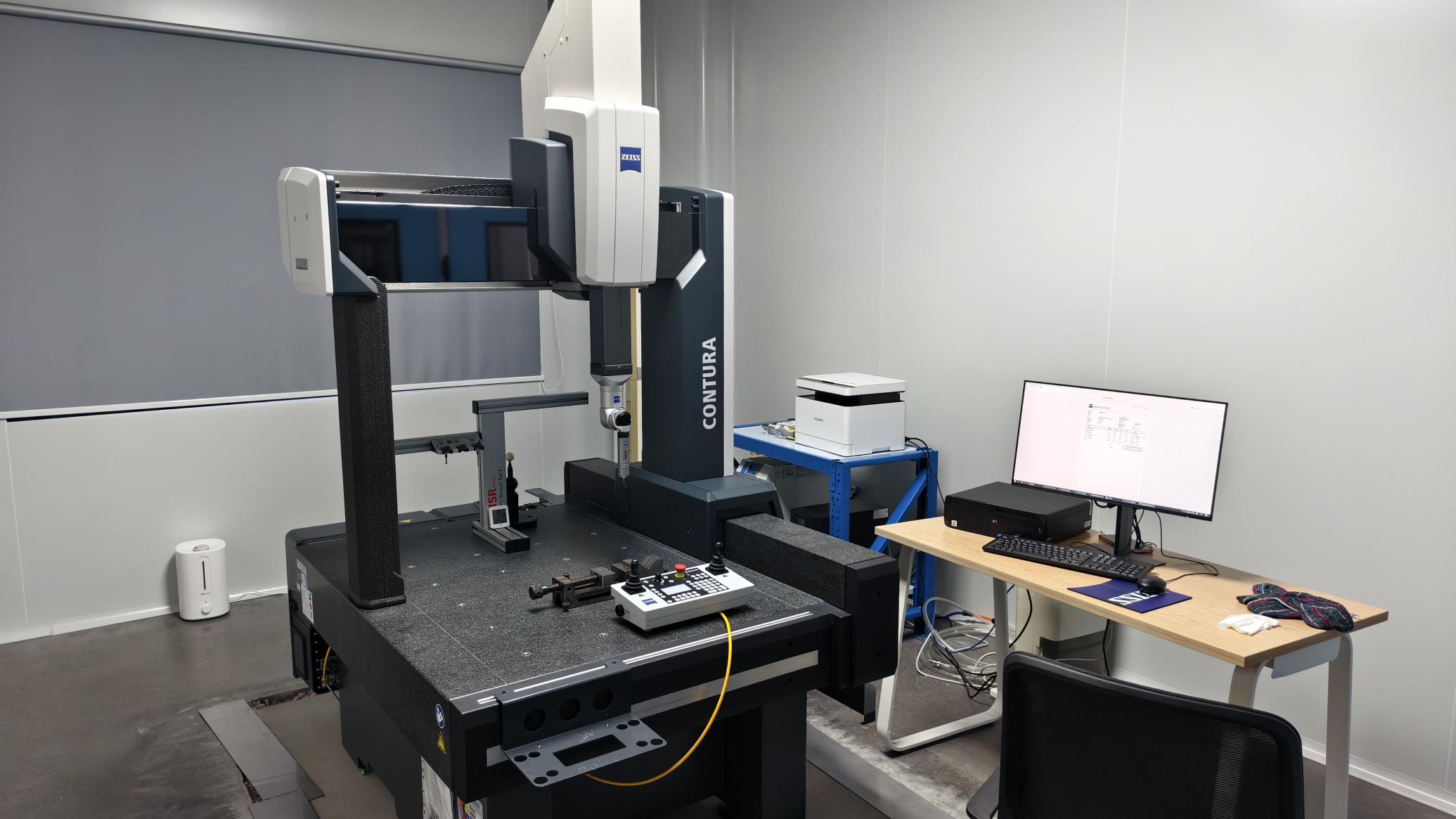
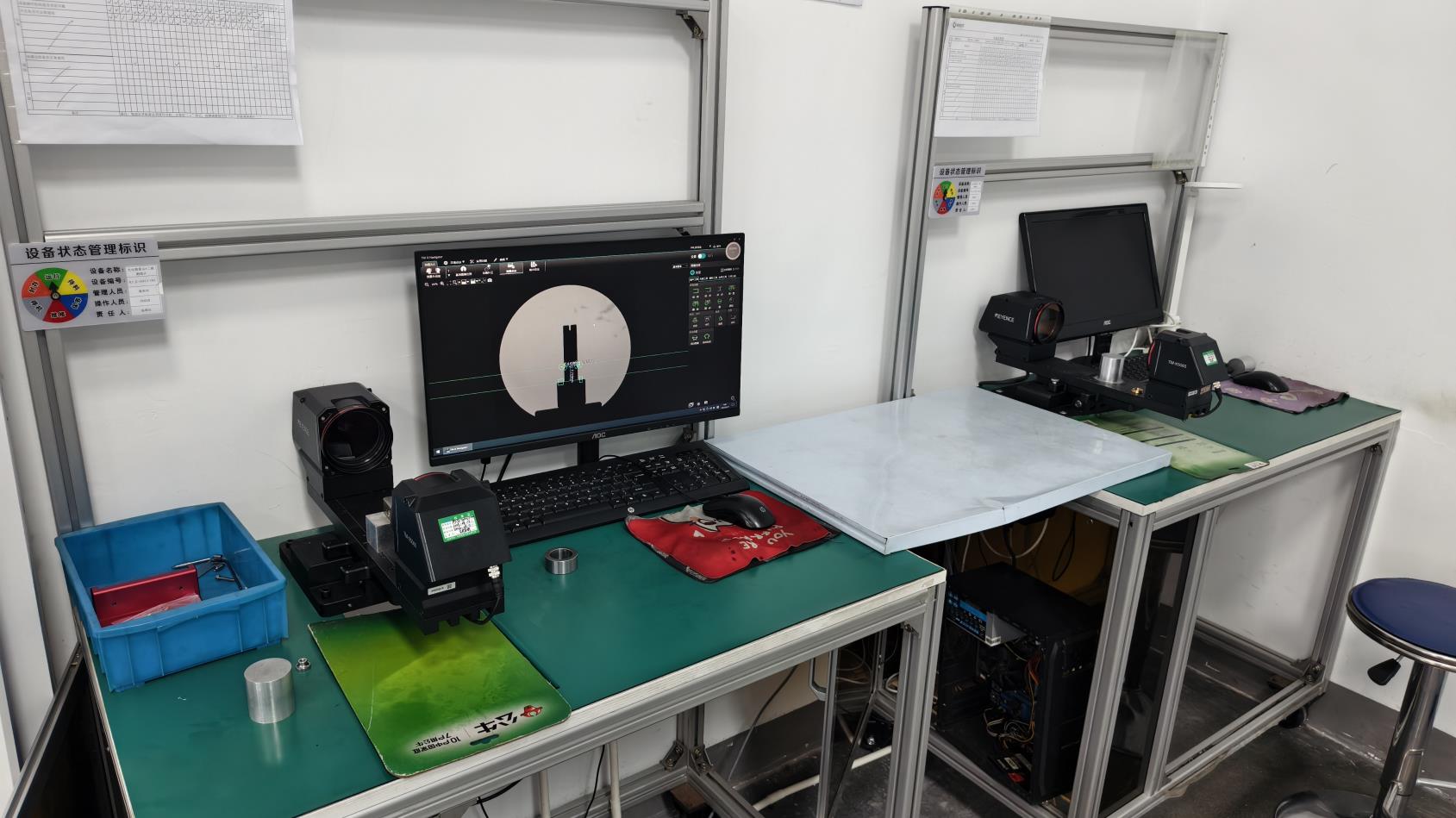
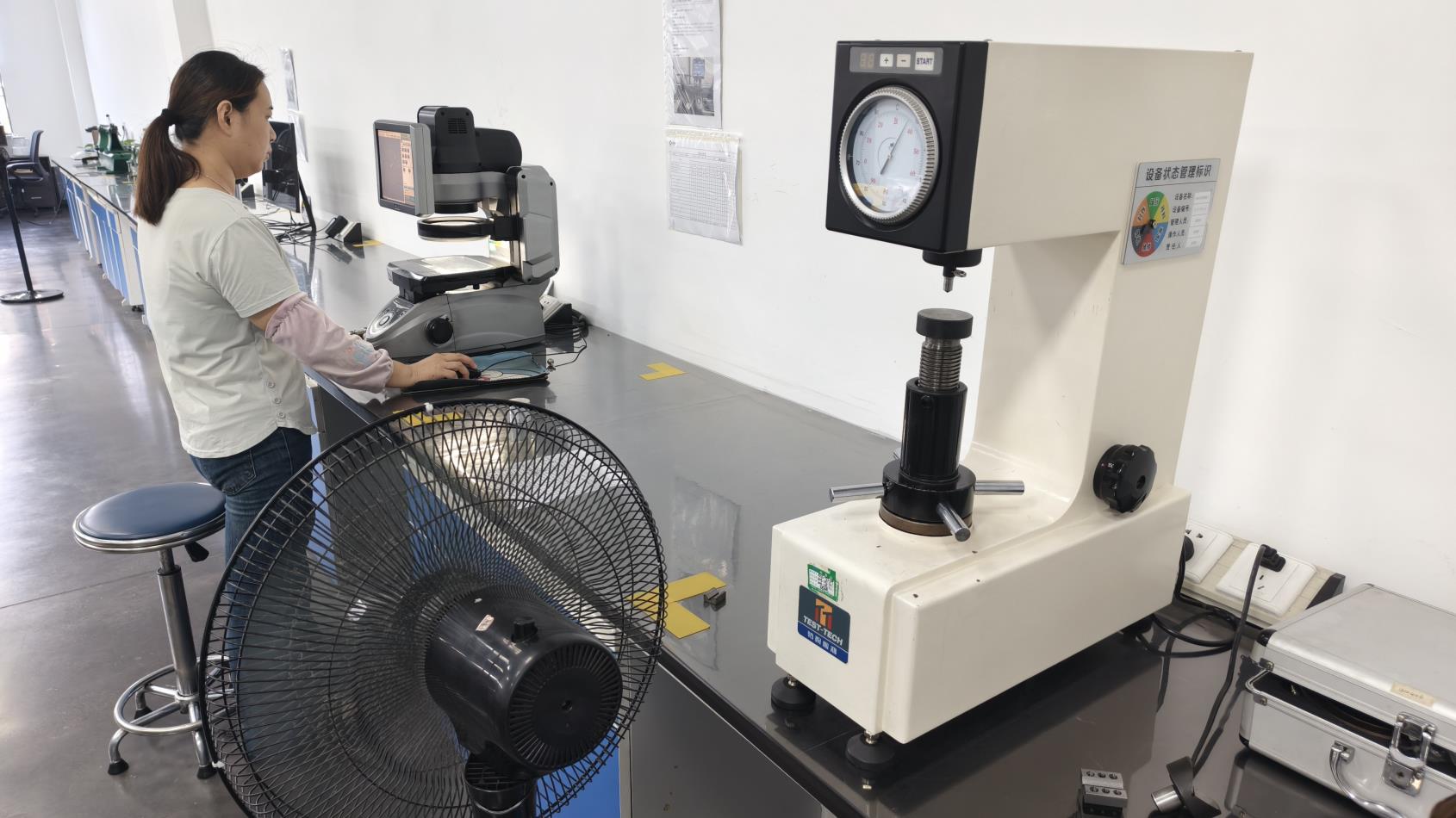
| Quality Control Framework | 3 full-time in-house QA/QC inspectors conducting random inspection and custom protocol-driven testing. |
| Geographic Export Footprint | North America (25%), South America (25%), Southeast Asia (15%), with remaining capacity distributed globally. |
| Target Buyer Profile | Brand businesses (OEM/ODM), medical retail chains, regional hospital wholesalers, and veterinary clinics. |
| Customization Scope | Sample processing, complex graphic customization, customized laser engraving, and custom-to-demand packaging. |
How state-of-the-art infrastructure, raw material clusters, and high-tech manufacturing processes position Chinese factories at the forefront of global orthopedic sourcing.
The manufacturing of orthopedic alignment instruments is a highly precise discipline. Historically, European hubs dominated this space, but the paradigm has shifted. Today, Chinese medical manufacturing clusters combine massive economies of scale with high-precision technological integration, delivering significant competitive advantages to global buyers.
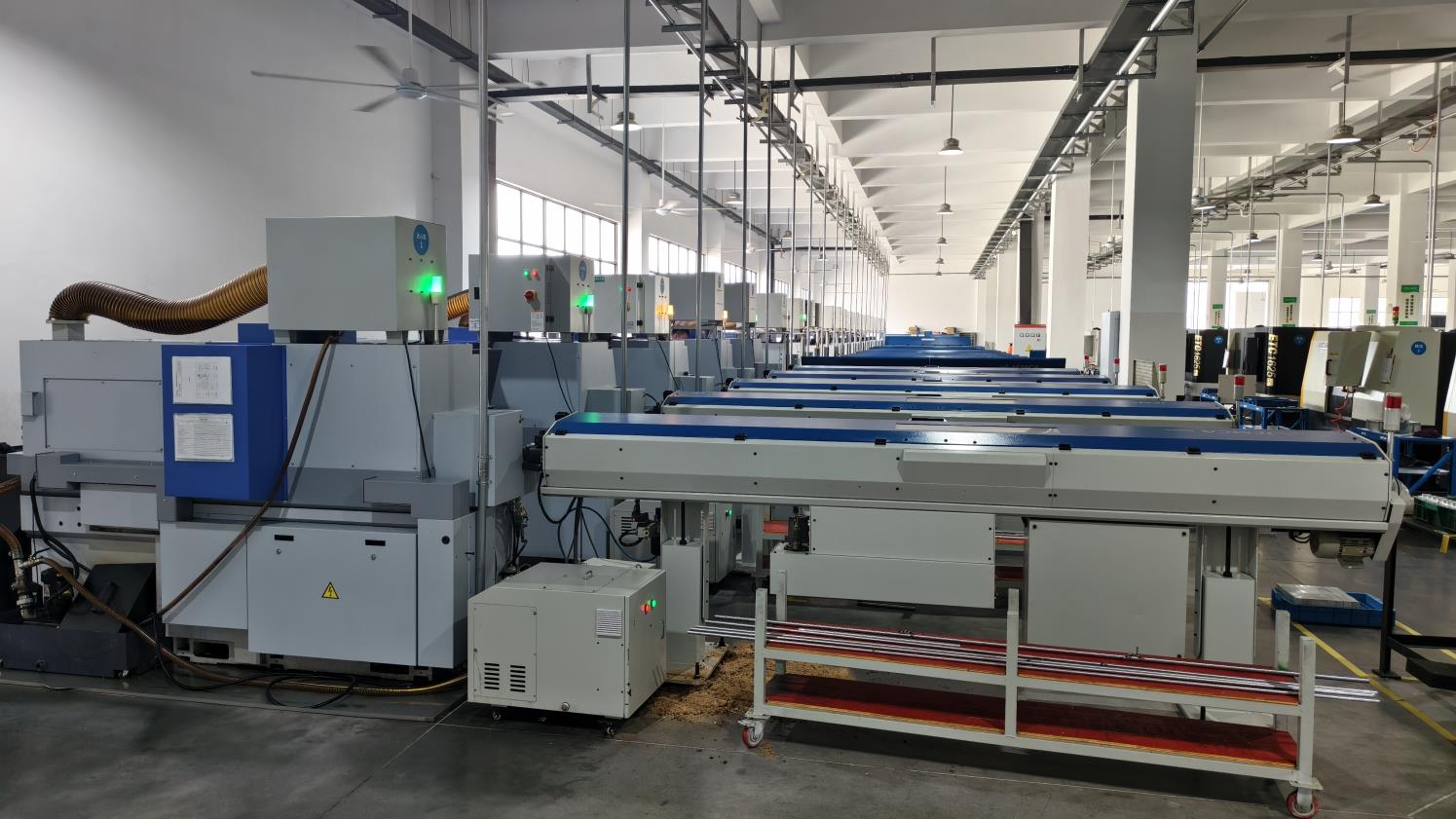
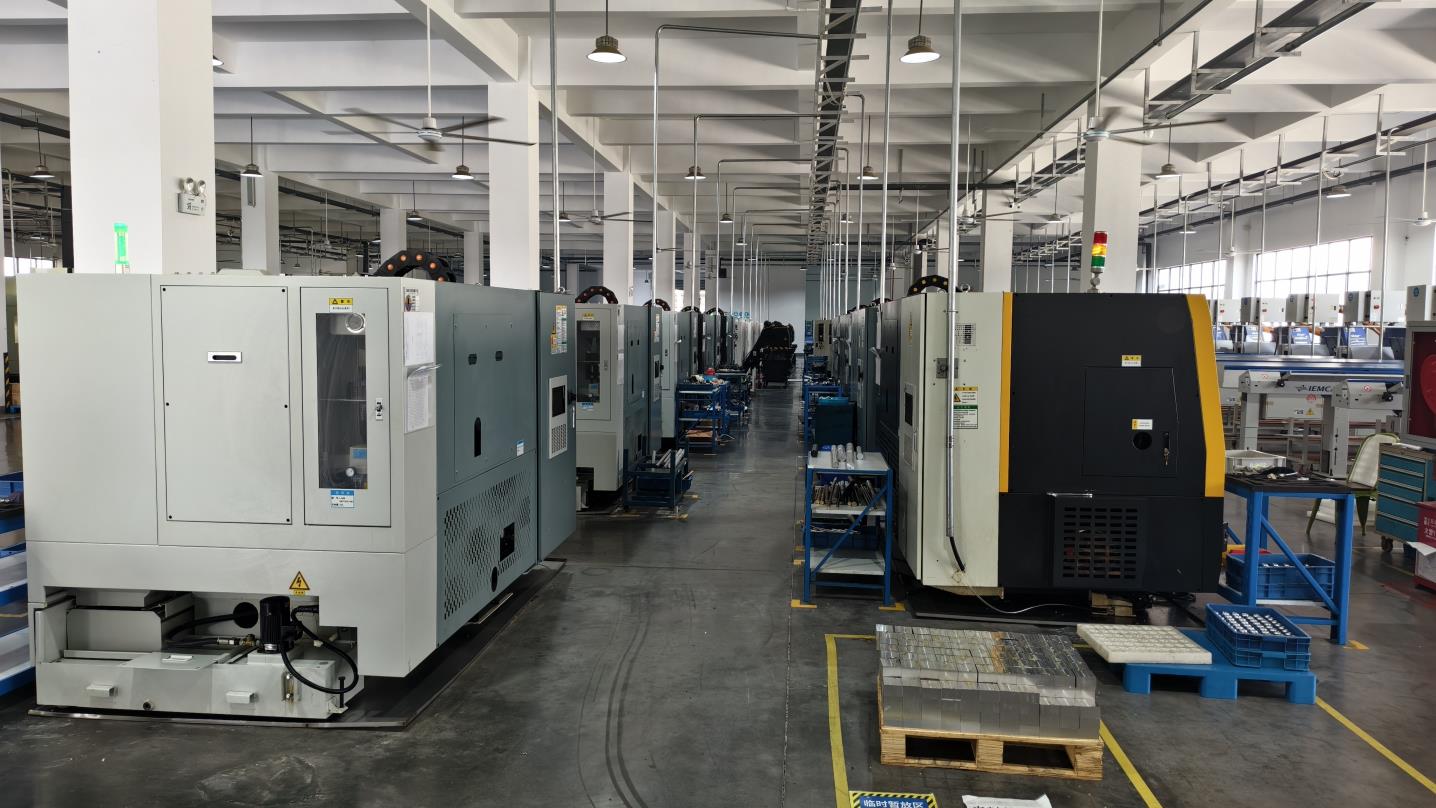
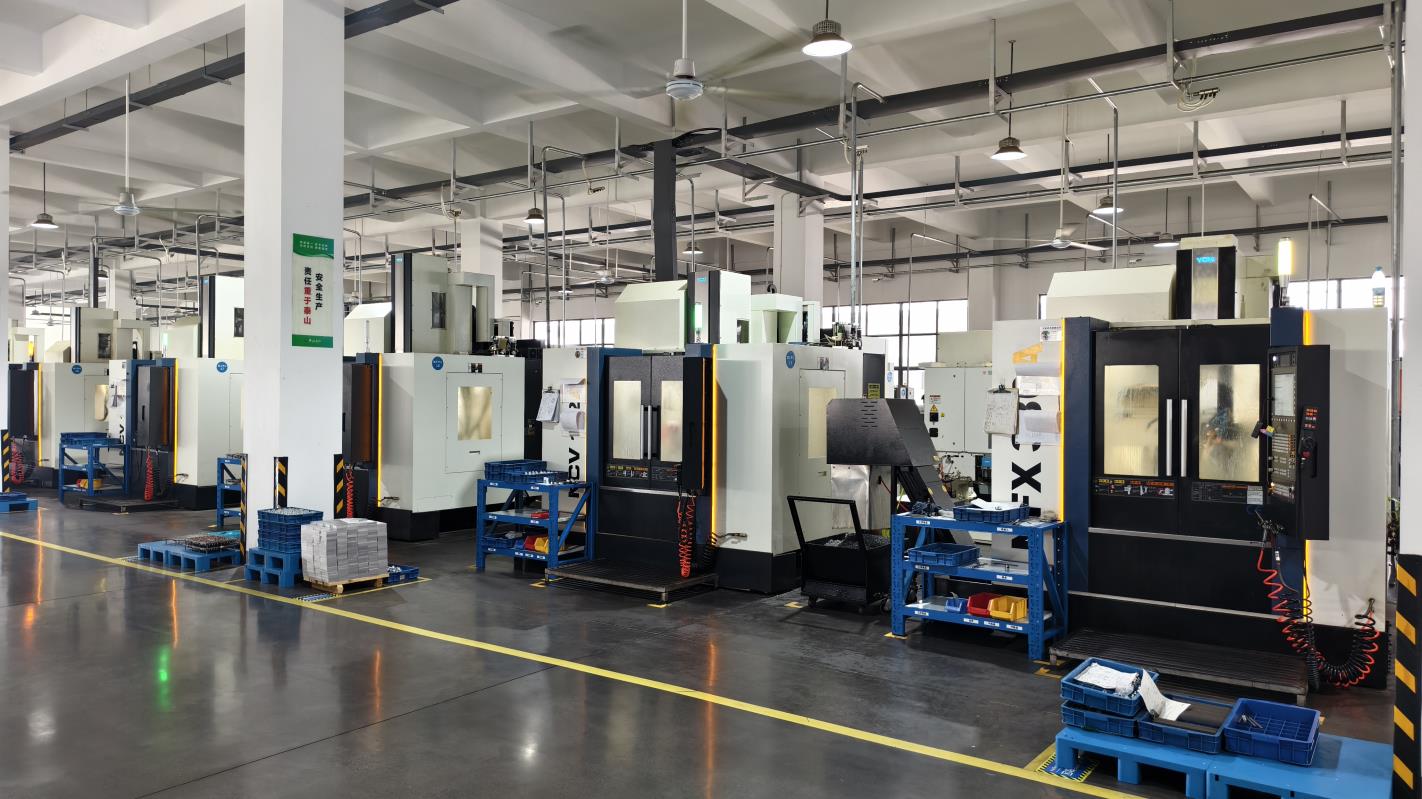
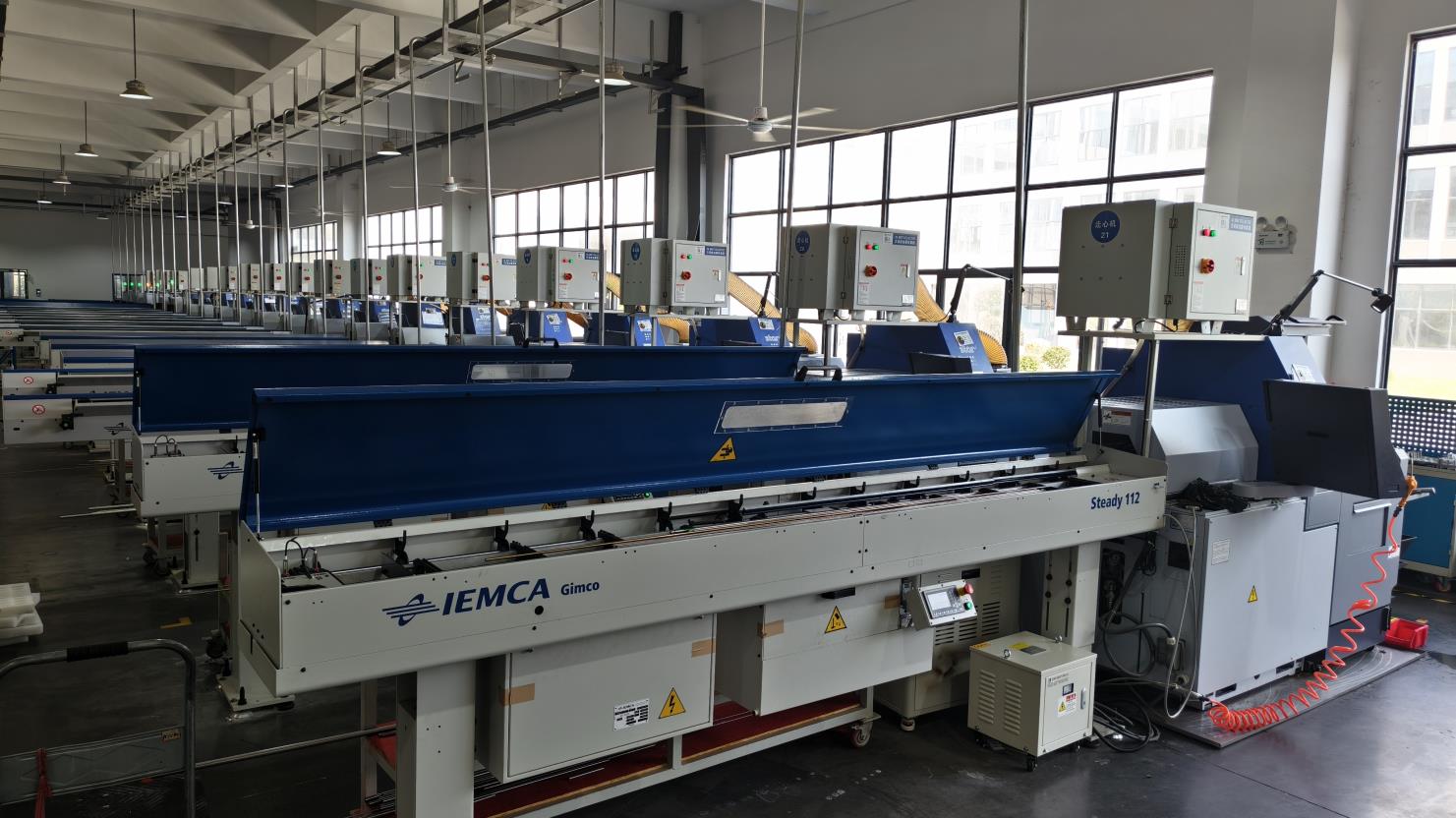
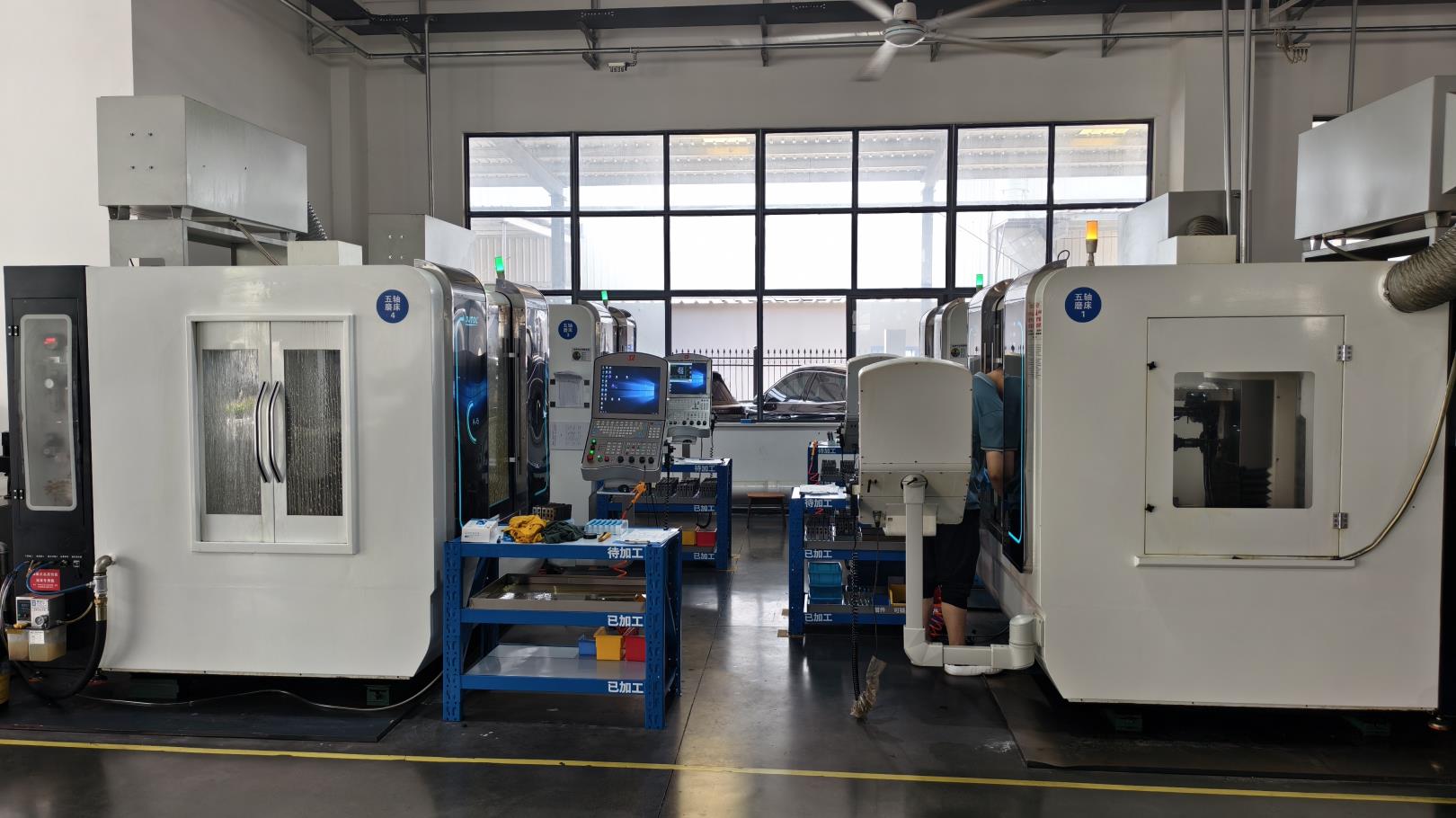
Modern alignment tools, such as the *Adjustable C-type Drill Guide* or complex *Pelvis Reduction Forceps*, require intricate geometries that cannot be fabricated using standard milling methods. Chinese facilities leverage advanced 5-axis CNC machining centers, Swiss-type automatic lathes, and wire EDM (Electrical Discharge Machining) technology. This ensures tolerances as tight as ±0.01mm, guaranteeing that drill guides remain perfectly concentric and locking joints operate smoothly without wobbling.
By operating within industrial zones dedicated to medical-grade metallurgy, our factory benefits from immediate access to verified Ti-6Al-4V (Grade 5) titanium rods, medical-grade polyurethane for drill handles, and high-tensile 316L stainless steel. This proximity reduces transit times for raw materials to virtually zero, shielding our clients from global supply chain shocks and raw material price volatility.
Developing new orthopedic alignment devices or customizing existing guides for proprietary plating systems requires rapid prototyping. The prototyping ecosystem in China allows for 3D metal printing (SLS/SLM) and rapid tooling changes within days rather than months. This dramatically shortens the Time-to-Market (TTM) for medical device brands seeking to launch new product lines.
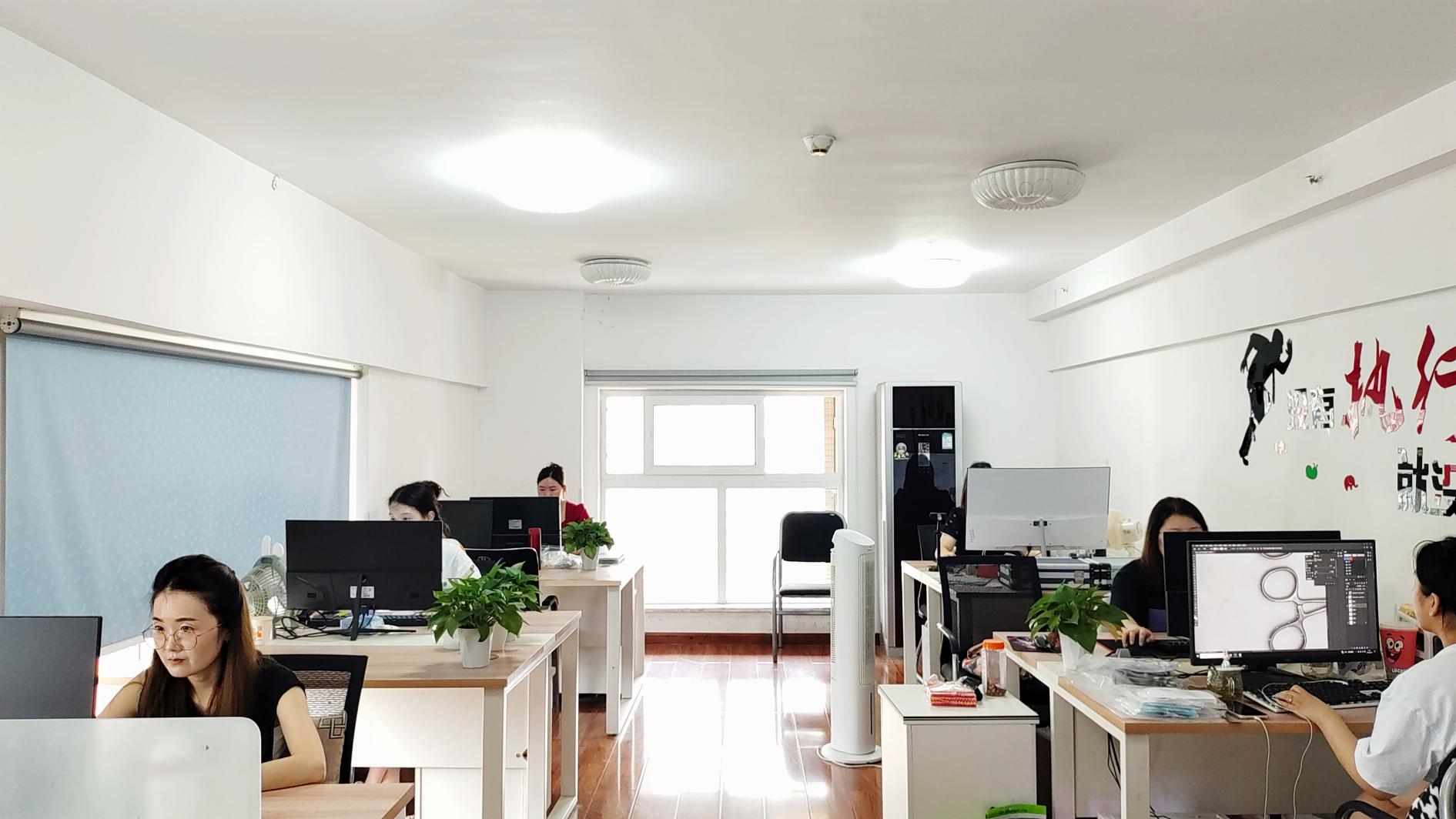
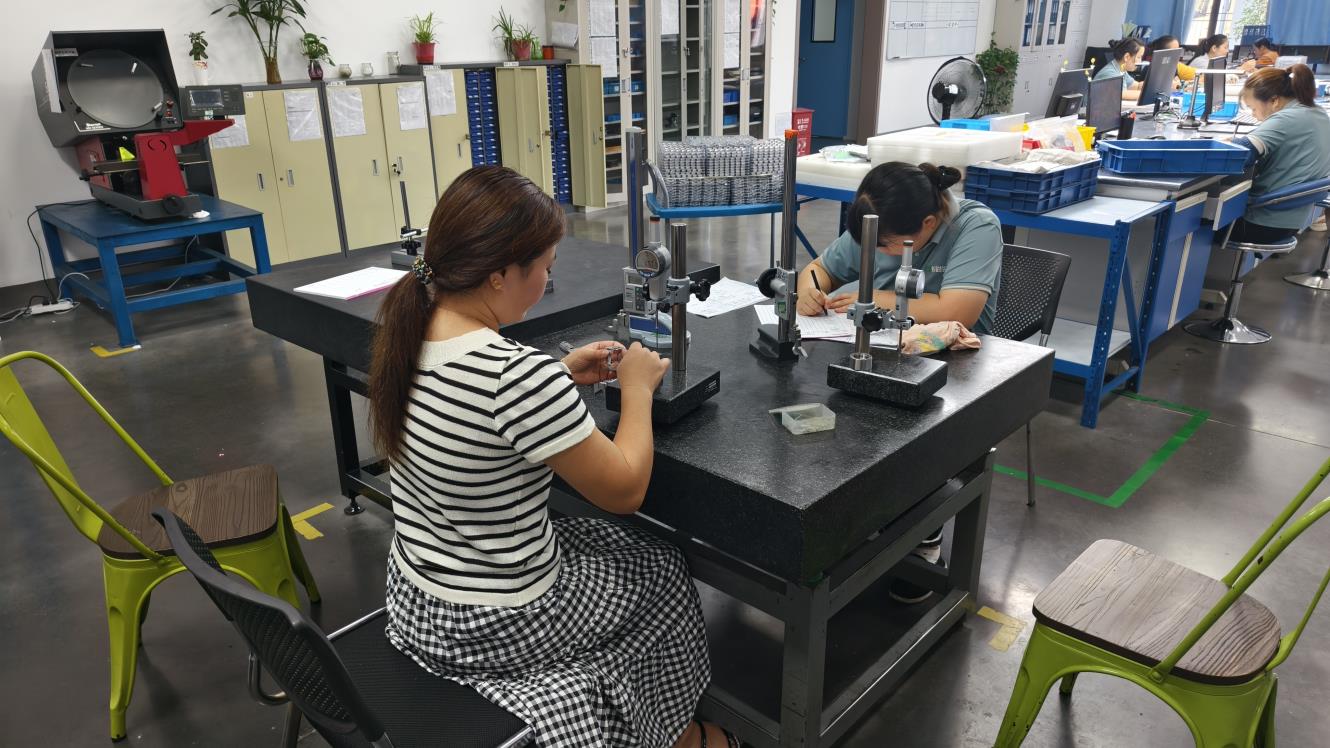
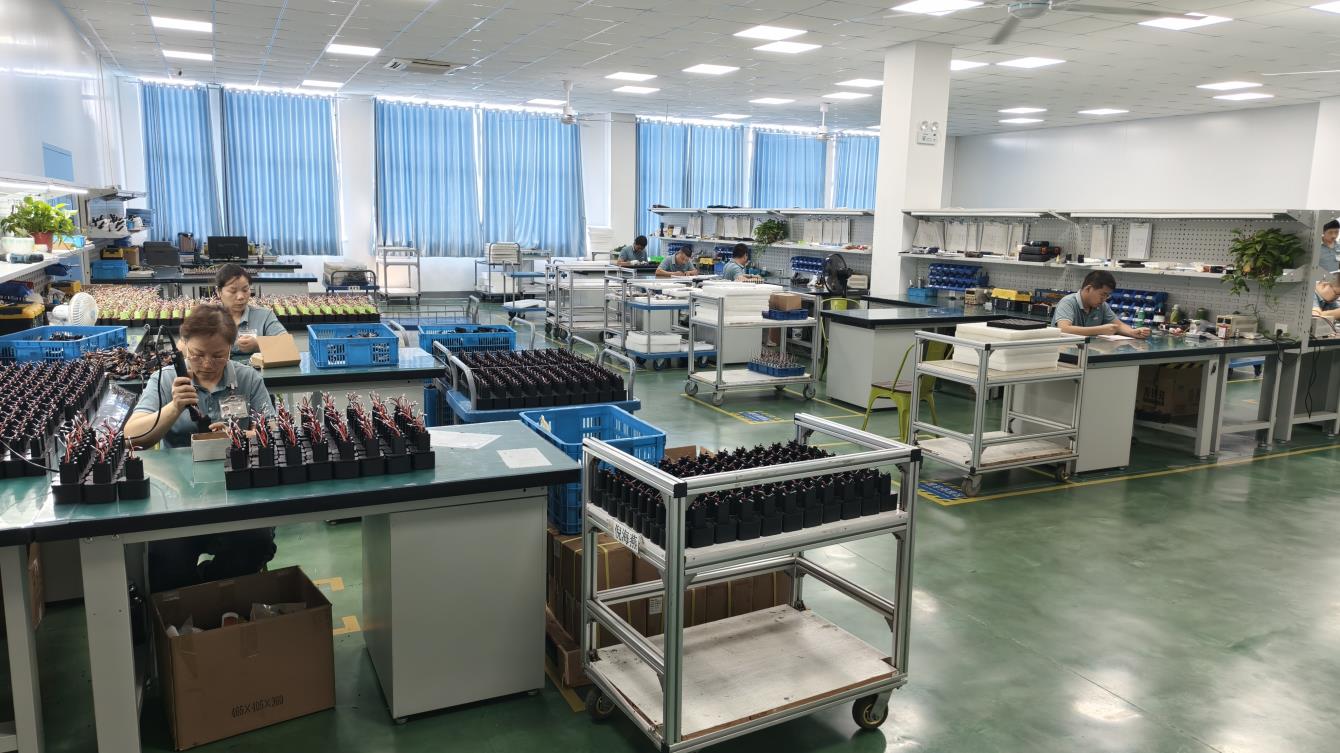
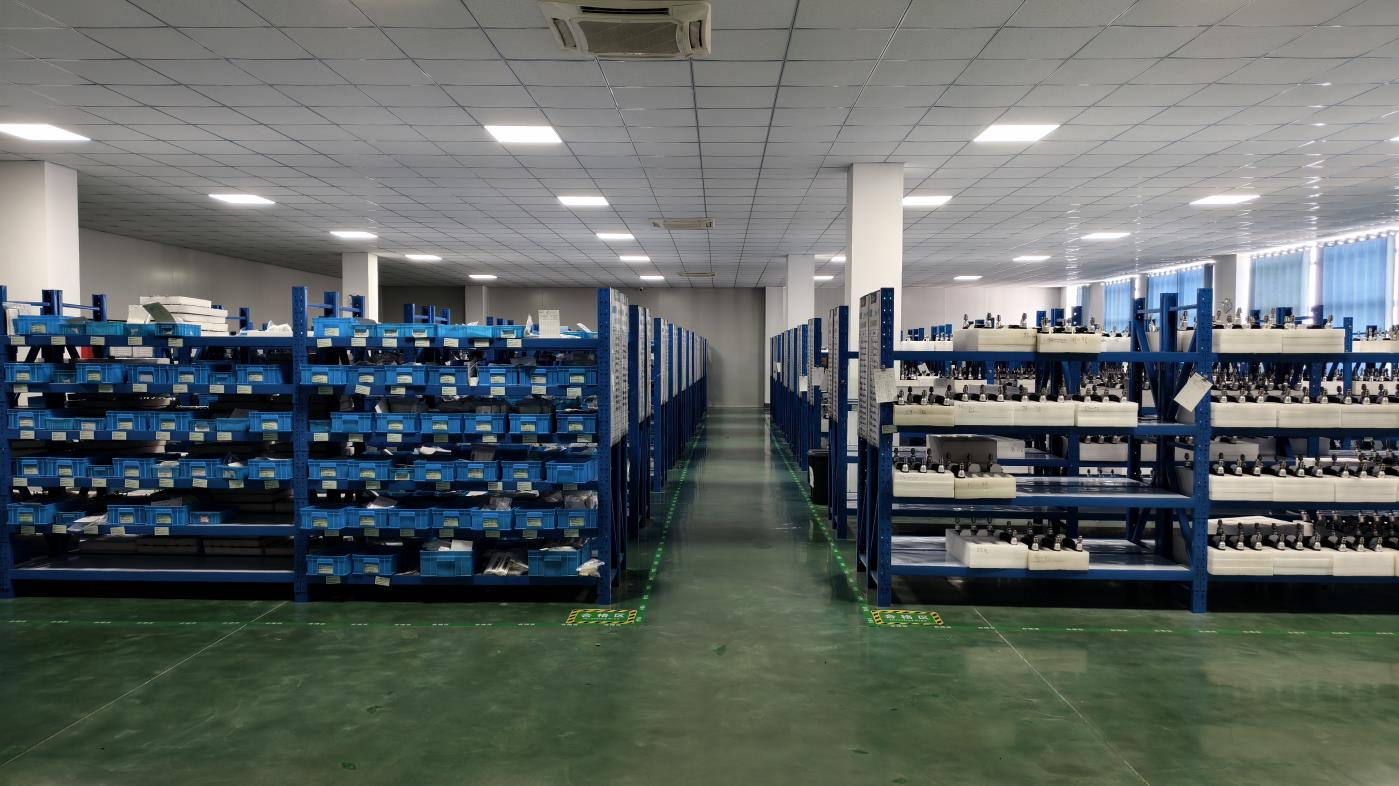
To maintain absolute transparency and adhere to E-E-A-T guidelines, we showcase our actual production lines, CNC machining floors, polishing workshops, and quality testing labs. These visual references reflect our dedication to clean, standardized, and systematic industrial workflows.
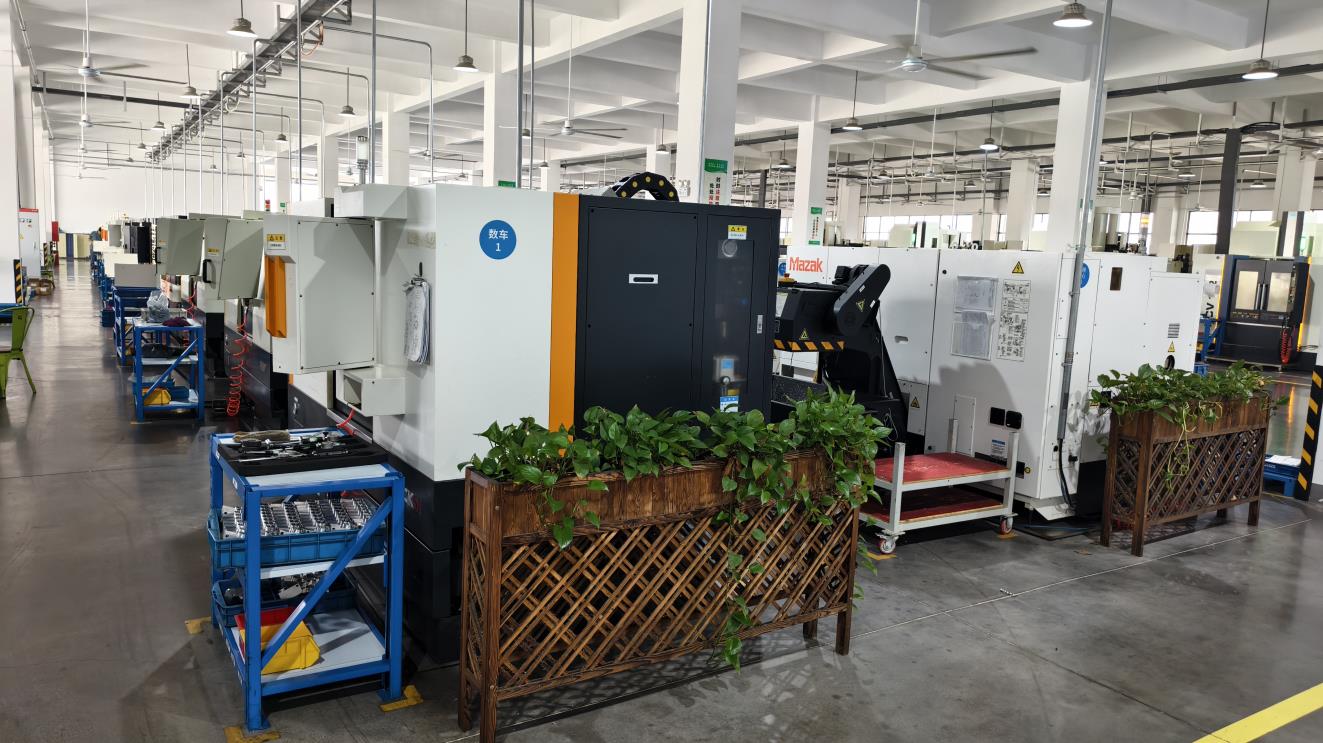
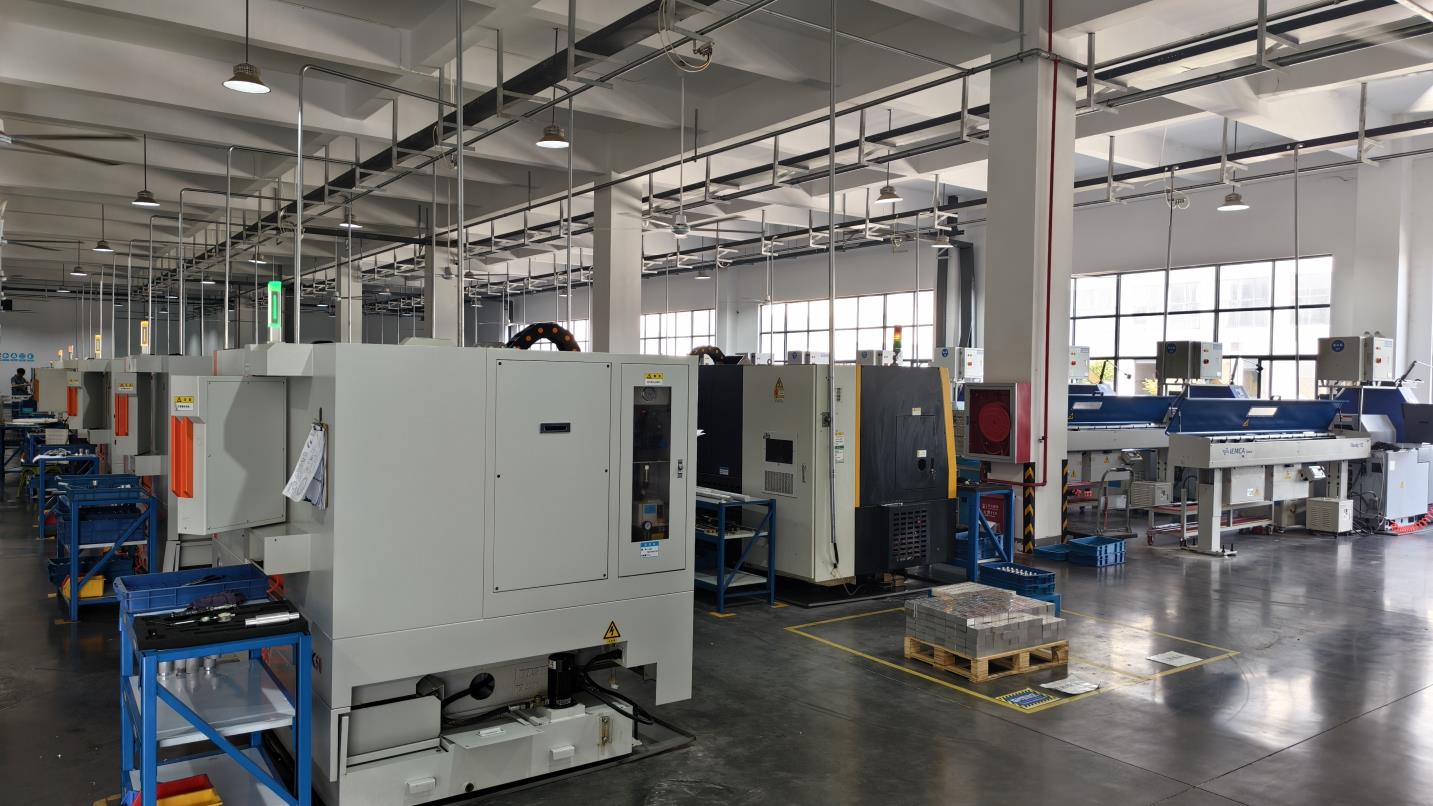
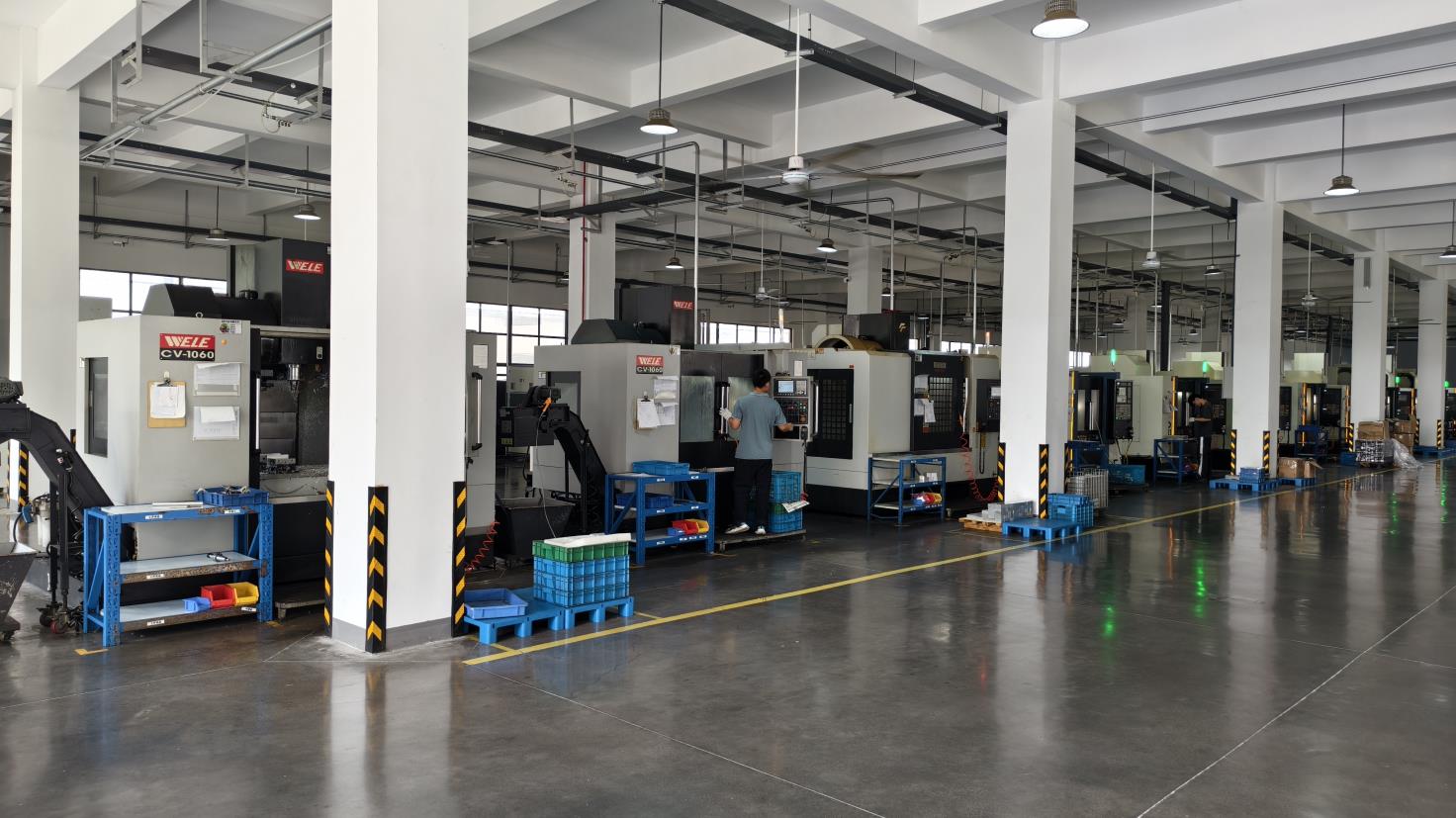
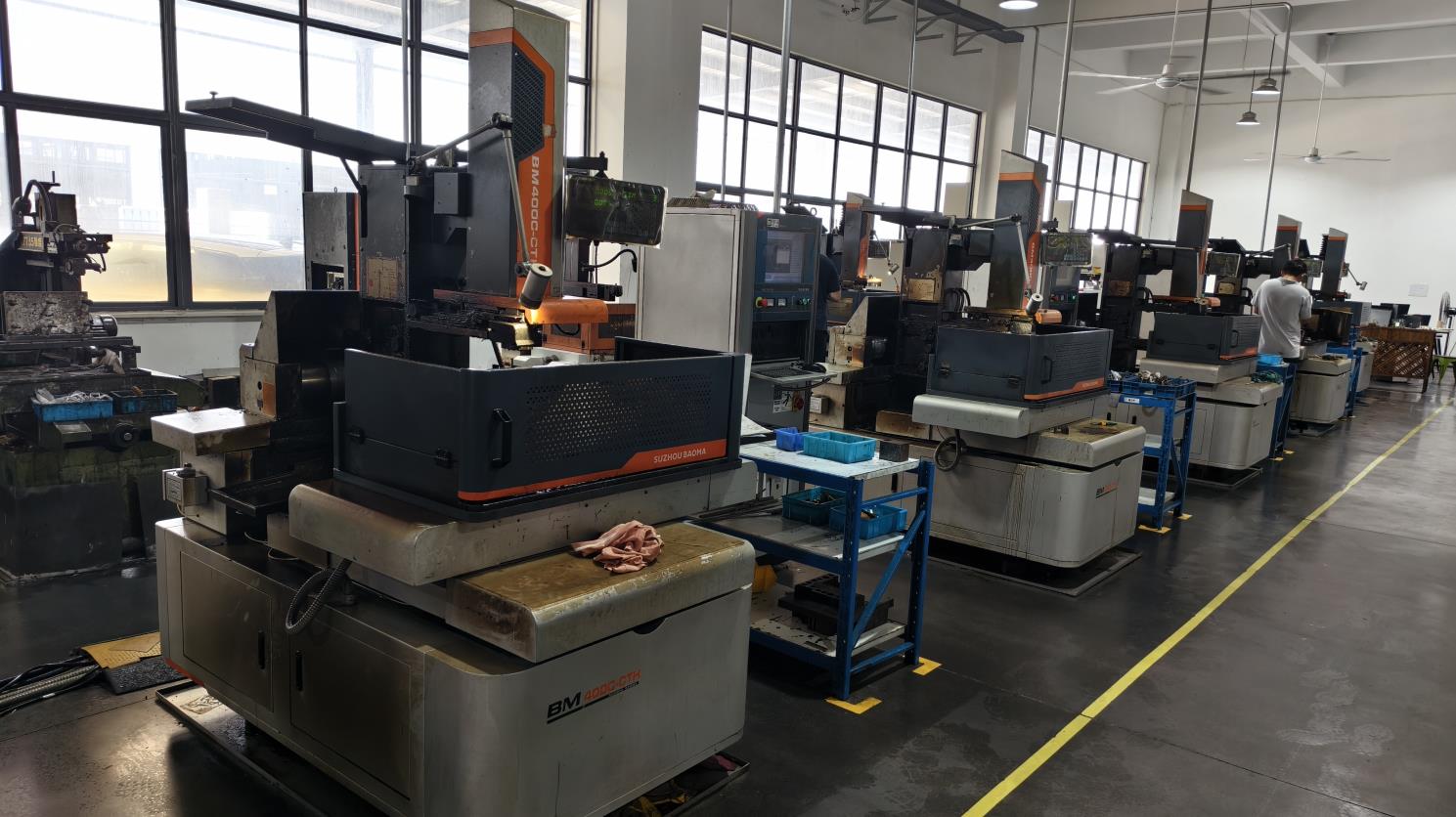
A closer look at how alignment instruments solve critical challenges in human and veterinary surgical operations.
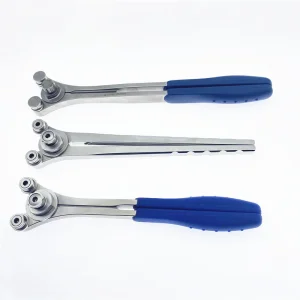
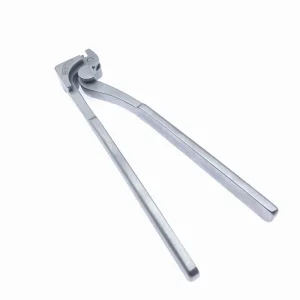
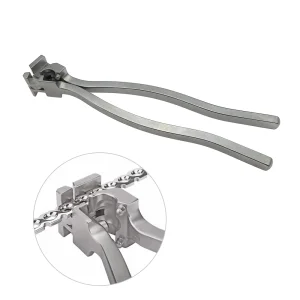
In fractures involving high stress (femur, tibia, humerus), our reconstruction plate benders and C-type drill guides ensure that the plate perfectly contours to the bone surface, eliminating gap tension and preventing micro-motion that leads to non-union.
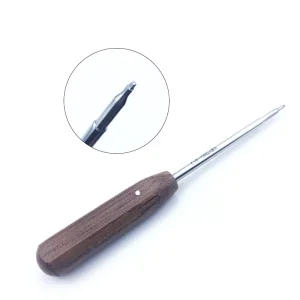
Animals present massive anatomical variety. Using our modular bone screwdrivers, self-retaining retractors, and micro spatula sets, veterinary surgeons can execute precise ligament repairs and bone reconstructions in highly confined surgical fields.
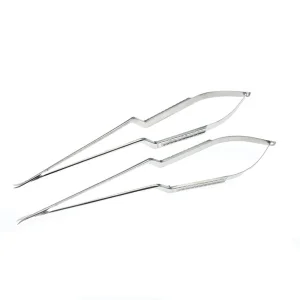
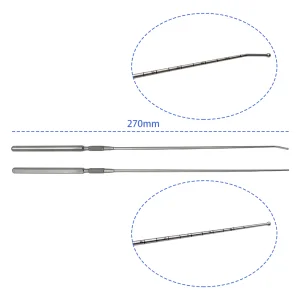
Spinal alignment requires micro-instrumentation. Our titanium micro spatulas, nerve root probes, and microscissors enable surgeons to clear soft tissues from bony landmarks without damaging delicate nerve tracts, ensuring perfect placement of spinal cages and rods.
Hospital groups, distributors, and brand owners must carefully evaluate risk parameters during procurement. A failure in an orthopedic alignment instrument can lead to catastrophic intraoperative failures or postoperative infections, severely damaging a brand's reputation.
1. Verify Metallurgy Integrity: Request spectroscopic analysis reports of the titanium and stainless steel. Impurities in the metal can lead to stress fractures under torque (especially in tools like bone drills and screwdrivers).
2. Evaluate Autoclave Resistance: Ask for fatigue test data indicating how many autoclave cycles the instruments can undergo before surface rust or joint seizing occurs. Our instruments undergo professional nitric acid passivation to create an oxide layer that prevents corrosion.
3. Check Customization Capabilities: For brands seeking proprietary systems, evaluate the manufacturer's ability to execute custom drill-guide sleeves or plate benders that match specific implant curves. OEM/ODM flexibility is the key to maintaining a competitive product catalog.
Get professional answers regarding sterilization, material composition, custom OEM capabilities, and clinical compliance.
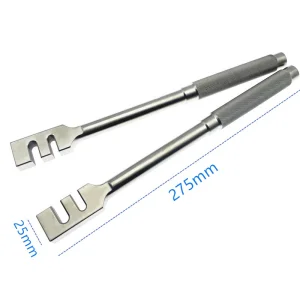
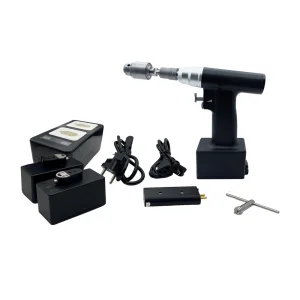
Browse our advanced selection of heavy-duty bending pliers, nerve root exfoliators, bone irons, and specialized surgical drills designed for high-stress veterinary and human applications.