SENJIE Healthy & Technology
SENJIE Healthy & Technology
SENJIE Healthy & Technology
Advanced trauma, reconstructive, and veterinary surgical tools engineered for high reliability, precision mechanical tolerances, and autoclave compatibility.
Understanding the critical clinical role of micro-mechanical drivers in advanced orthopedic implant fixations.
The global orthopedic surgery arena relies heavily on the mechanical integrity of small components. Among these, orthopedic hex keys and drivers represent the vital connection between a surgeon's hands and the secure fixation of bone plates, spinal rods, and cannulated screws. Precision is not merely a design preference; it is a clinical safety requirement. A slight deviation in the hexagonal socket geometry can cause driver slippage (stripping), leading to prolonged surgical times, mechanical implant failure, or tissue damage.
Today, the demand for high-grade medical screwdrivers and hex drive tools is growing. This trend is driven by an aging global population, the expansion of veterinary orthopedic healthcare, and a rising preference for minimally invasive surgical (MIS) techniques. The supply chain has shifted toward highly specialized OEM/ODM centers capable of adhering to rigorous ISO 13485 standards. This ensures that every tool is fully traceable from the initial melting of surgical-grade steel to final passivation and packaging.
Standard industrial hex keys are inadequate for operating rooms. Medical-grade hex keys are manufactured from premium bio-compatible alloys, primarily 316LVM (low-carbon vacuum melt) stainless steel, Grade 5 Titanium (Ti-6Al-4V), and special hardened stainless steels such as 17-4 PH or Custom 455. These alloys provide the high torsional yield strength necessary to apply torque (often ranging from 1.5 Nm to 4.5 Nm) without causing permanent deformation to the driver tip or the screw head.
Surface treatments are also critical. Modern suppliers utilize advanced coatings such as Diamond-Like Carbon (DLC), Titanium Nitride (TiN), or simple matte-passivation. These coatings reduce friction, prevent glare under intense surgical lights, and improve wear resistance through repeated autoclaving cycles (typically performed at 134°C for 4–18 minutes under high steam pressure).
Precision-milled from SUS 316LVM, SUS 630, or Grade 5 Titanium to guarantee maximum tensile strength and long-term biological safety.
Complete material reporting, raw heat batch identification, and dimensional inspection records are maintained for up to 10 years.
Engineered to interface with torque-limiting handles to protect orthopedic implants from accidental over-tightening.
A technical comparison of the leading alloys used in the fabrication of orthopedic surgical hex drivers and custom keys.
| Alloy Grade | Tensile Strength (MPa) | Hardness Range (HRC) | Corrosion Resistance | Best Used For |
|---|---|---|---|---|
| Stainless Steel 316LVM (ASTM F138) | 860 - 1100 | 25 - 35 | Excellent (Bio-compatible) | Standard implant screws, standard L-shaped hex keys, low-torque bone pins. |
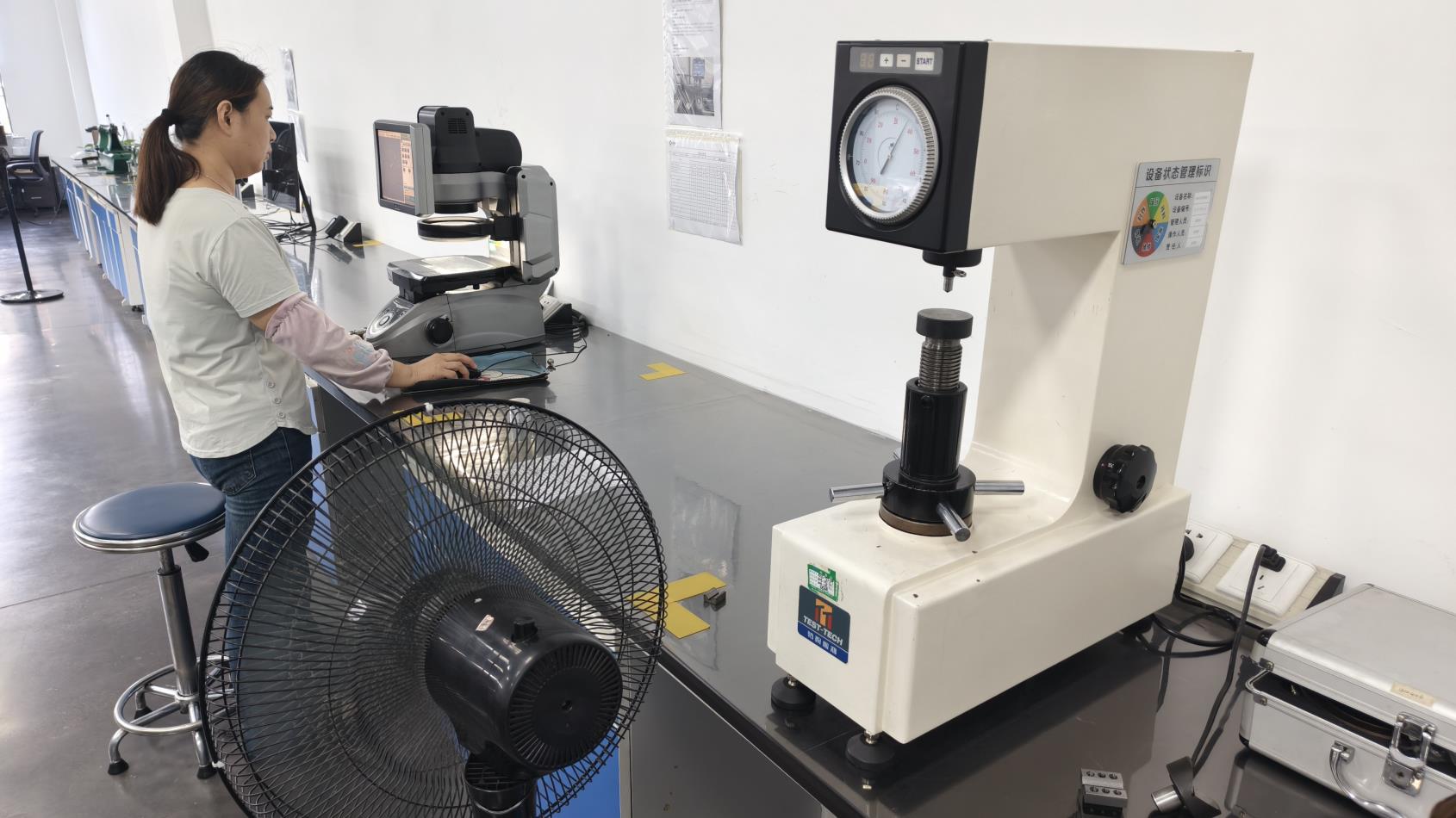
| 17-4 PH Stainless Steel (SUS 630) | 1100 - 1350 | 38 - 44 | High | Reusable surgical hex screwdrivers, quick-connect driver bits, high-torque instruments. |
| Titanium Grade 5 (Ti-6Al-4V ELI) | 890 - 1000 | 30 - 36 | Outstanding (Non-magnetic) | MRI-compatible surgical kits, micro-spinal fixation setups, pediatric hardware. |
| Custom 455 Stainless Steel | 1500 - 1700 | 48 - 52 | Moderate to High | Ultra-thin micro-hex keys (under 1.5mm) requiring maximum torsional resistance. |
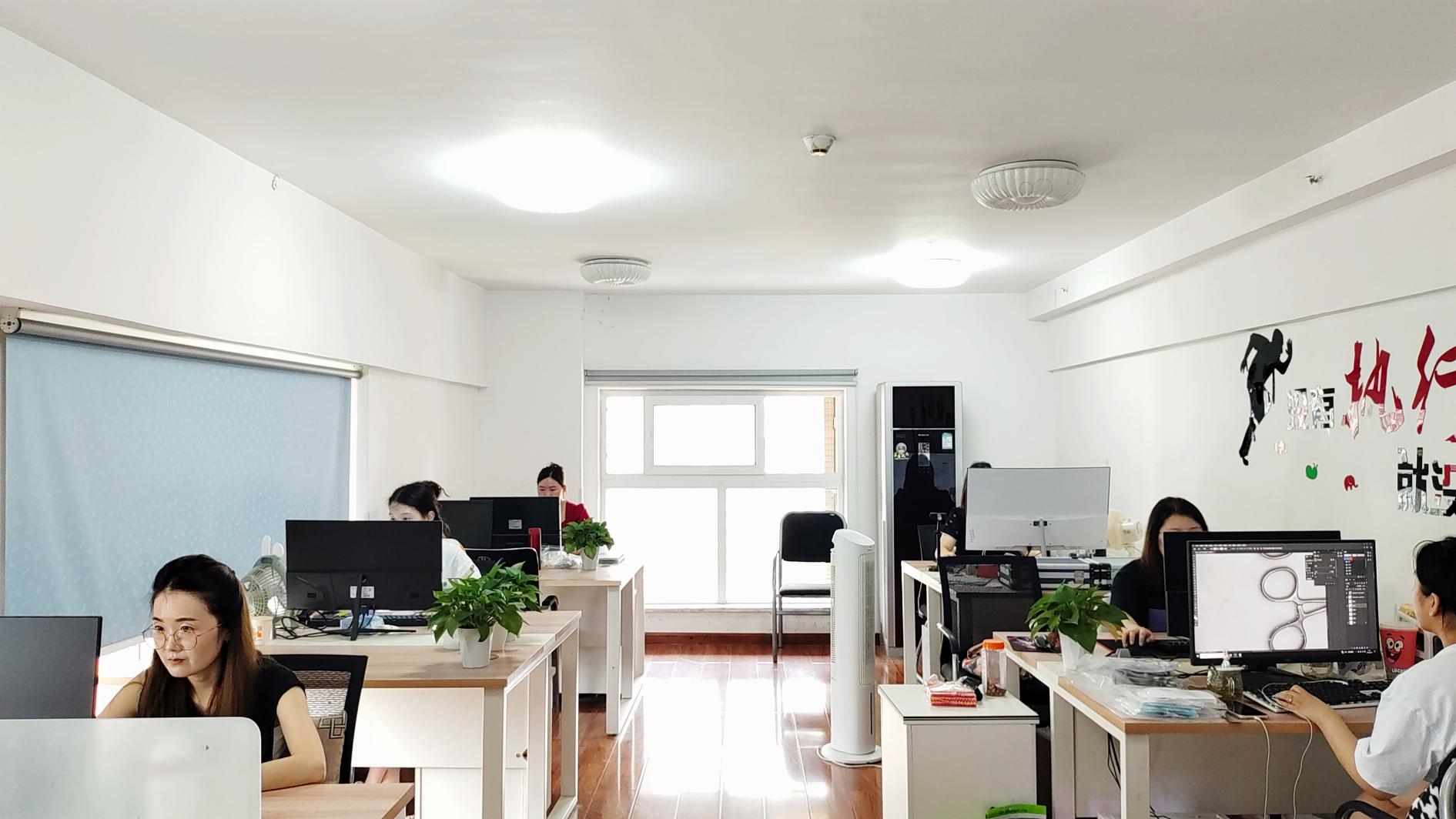
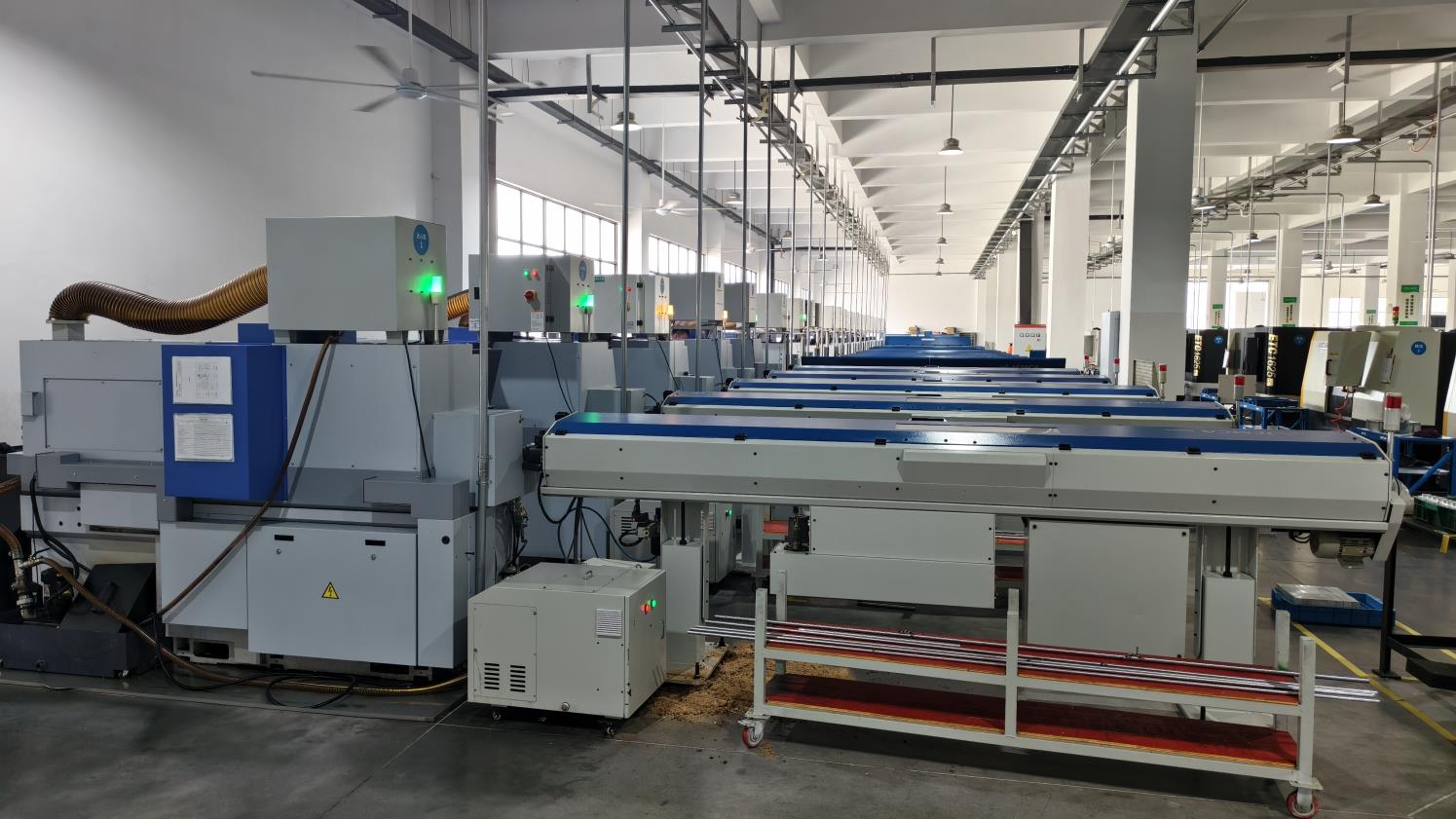
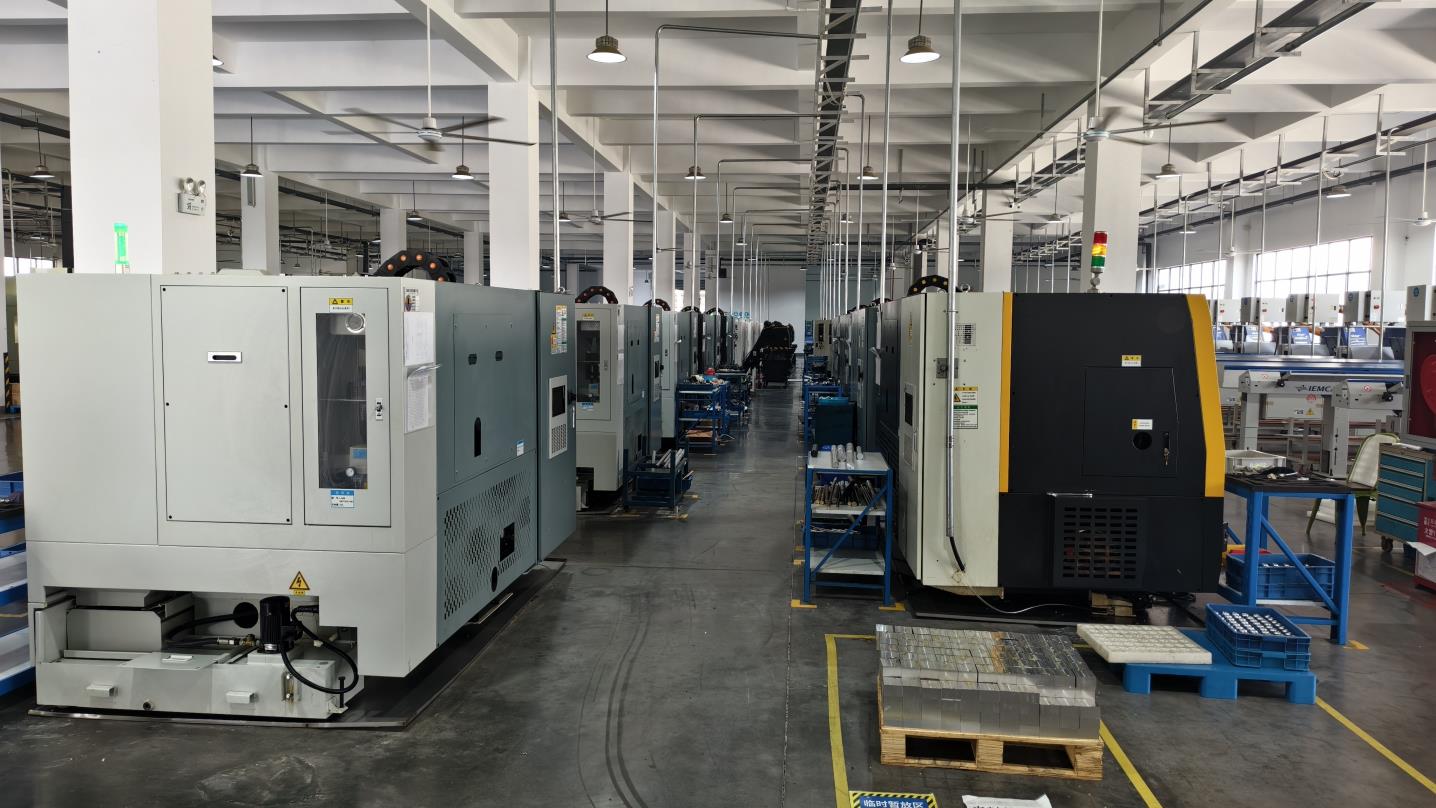
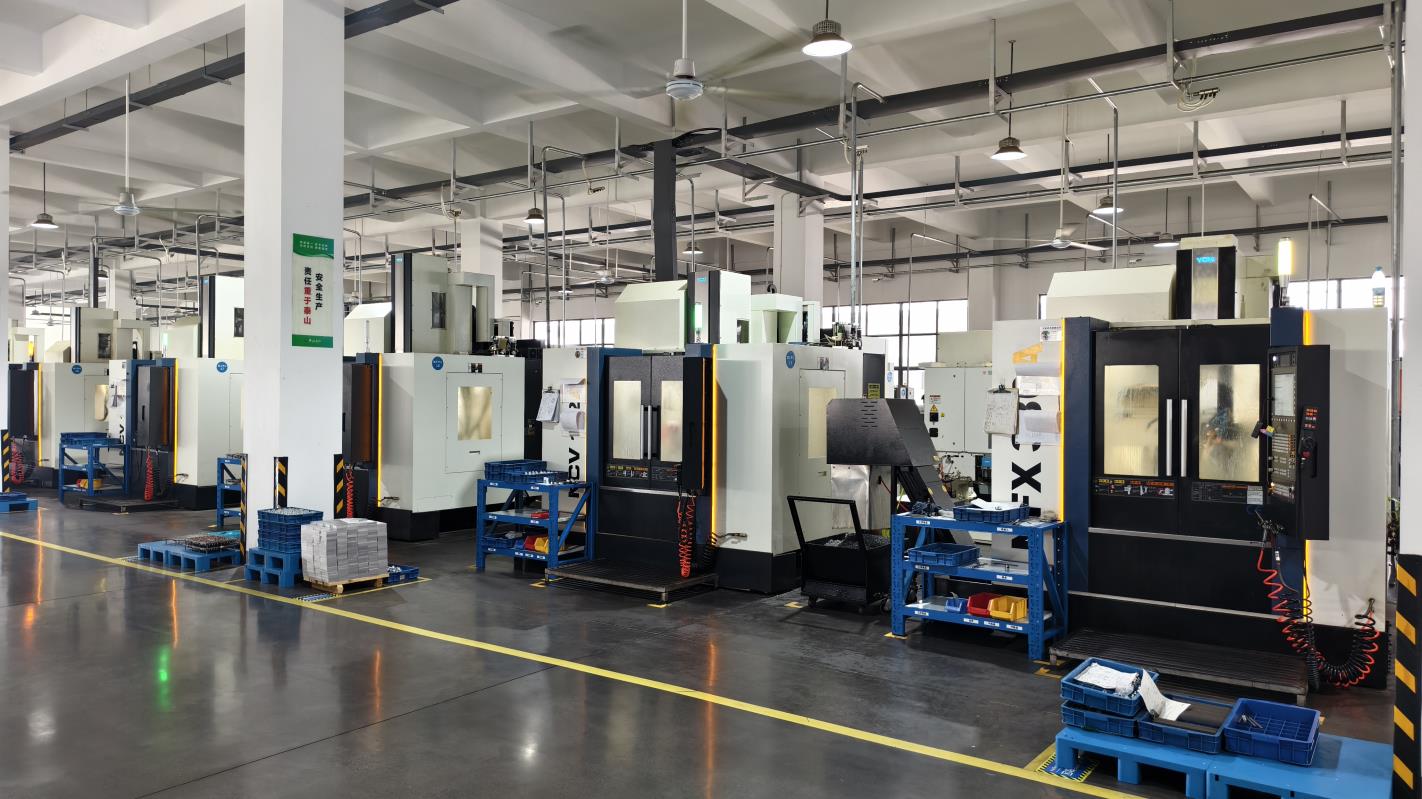
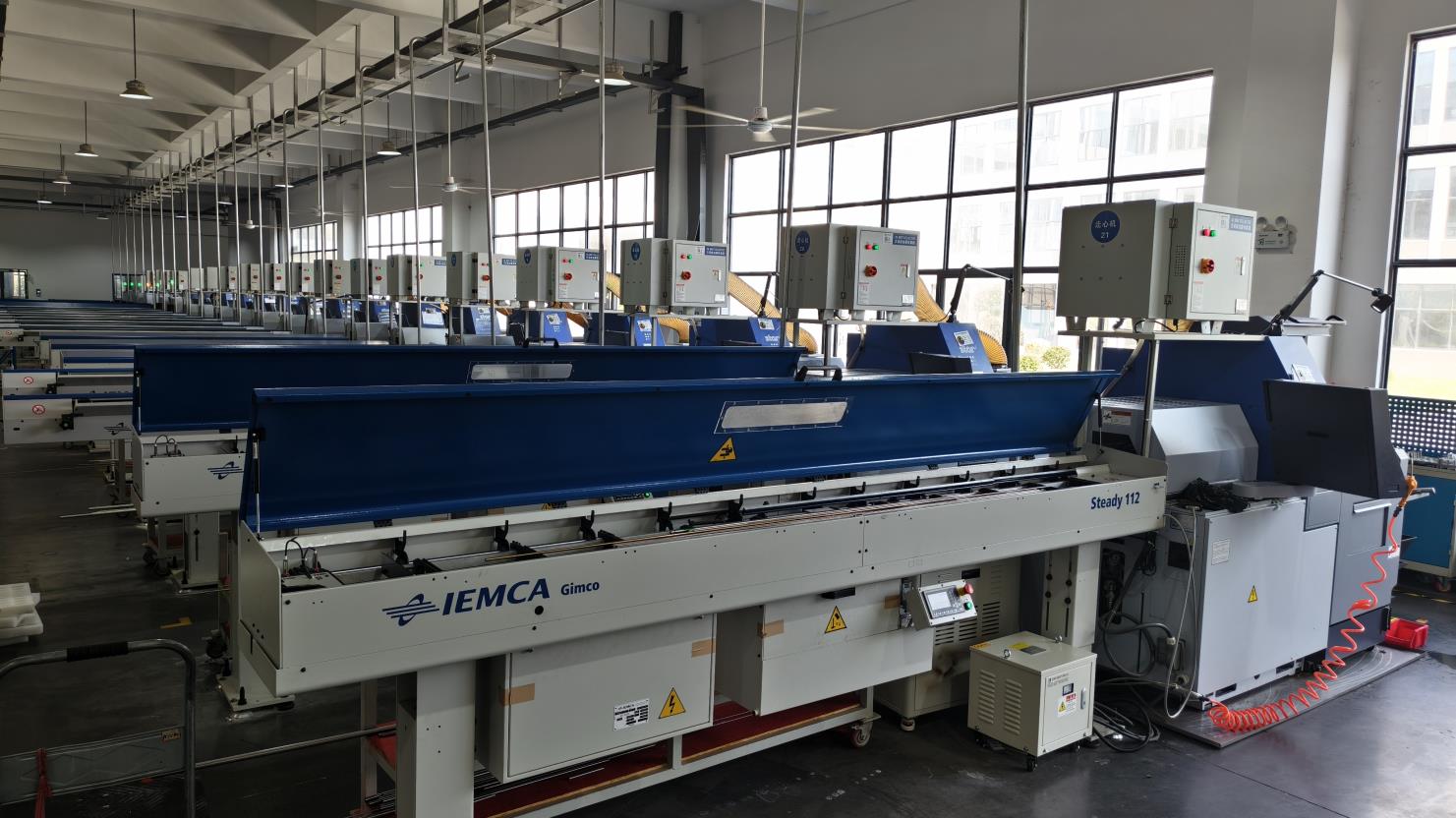
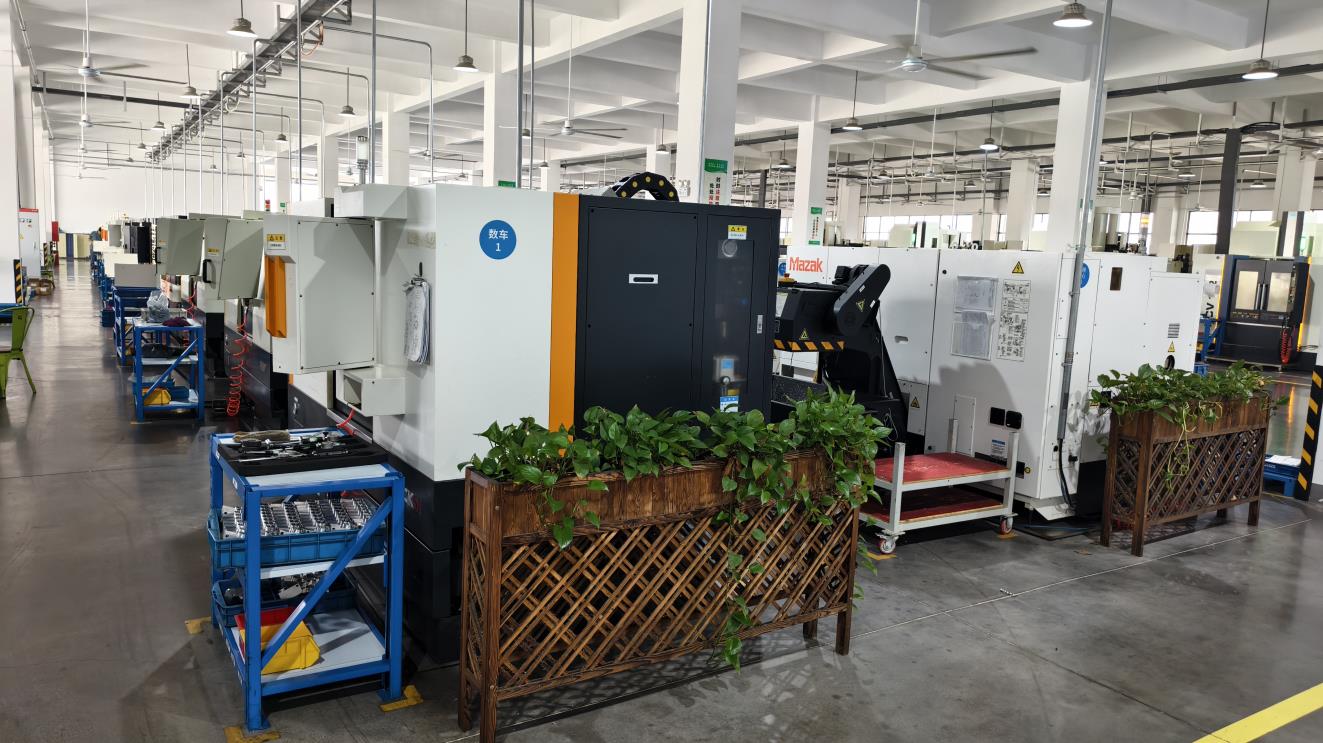
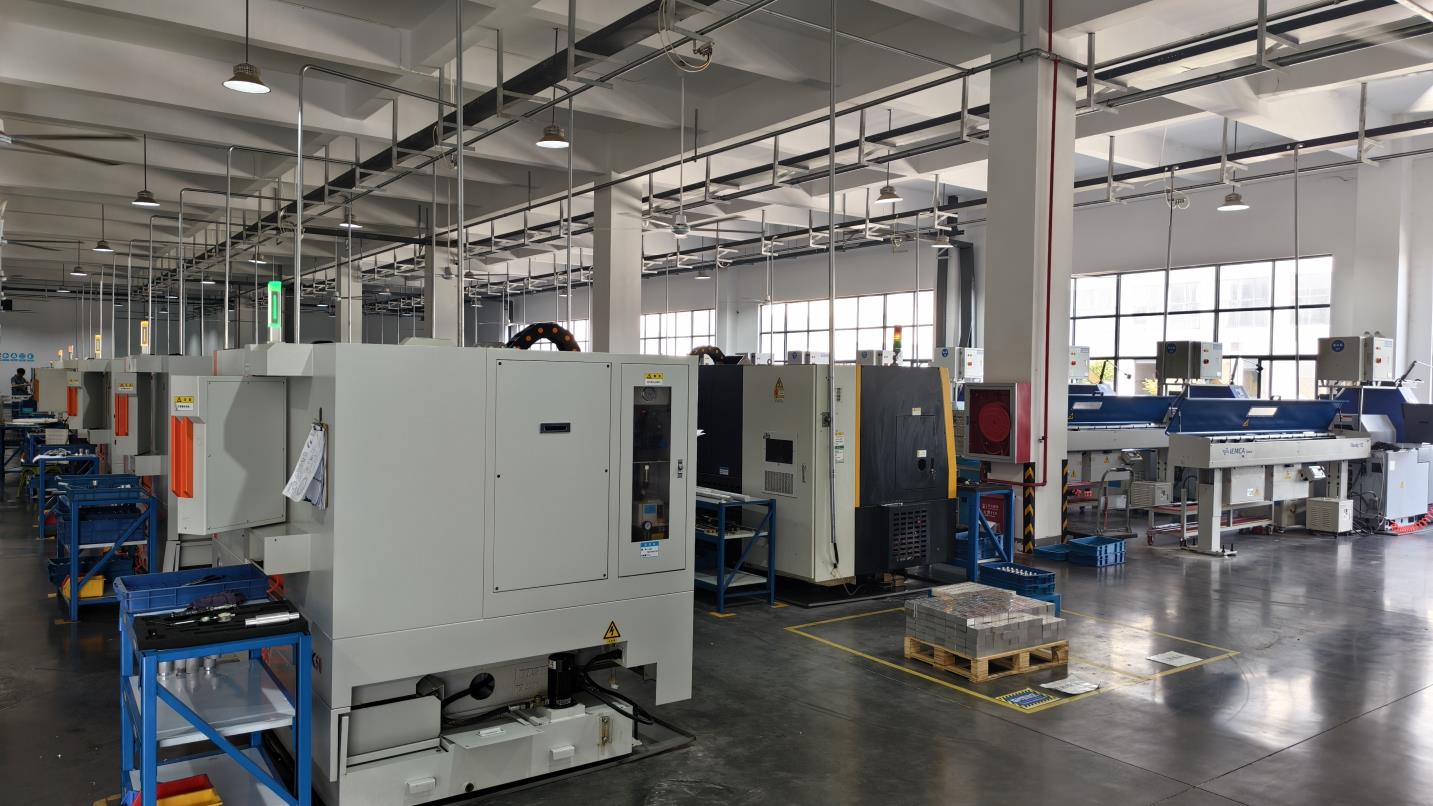
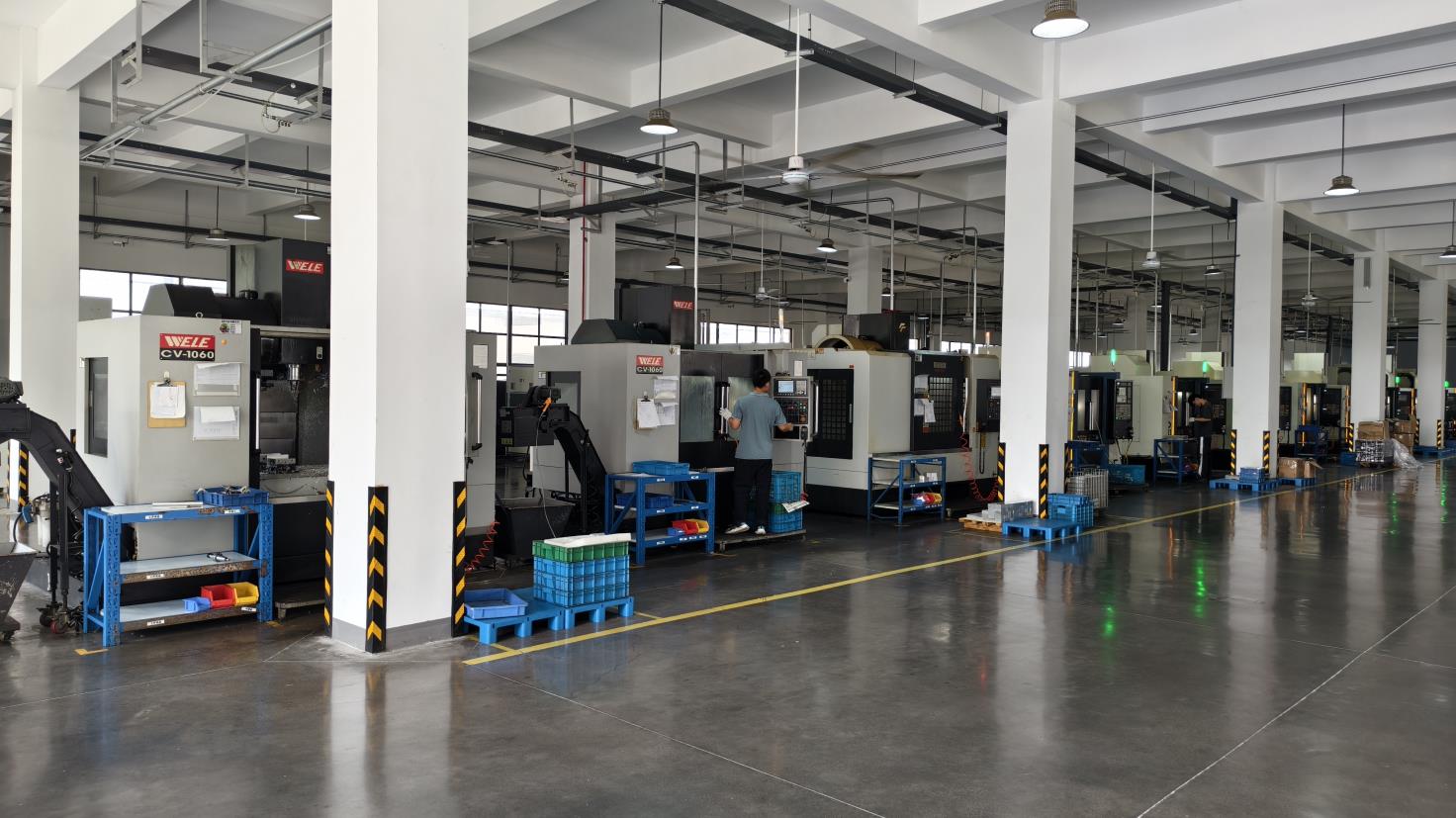
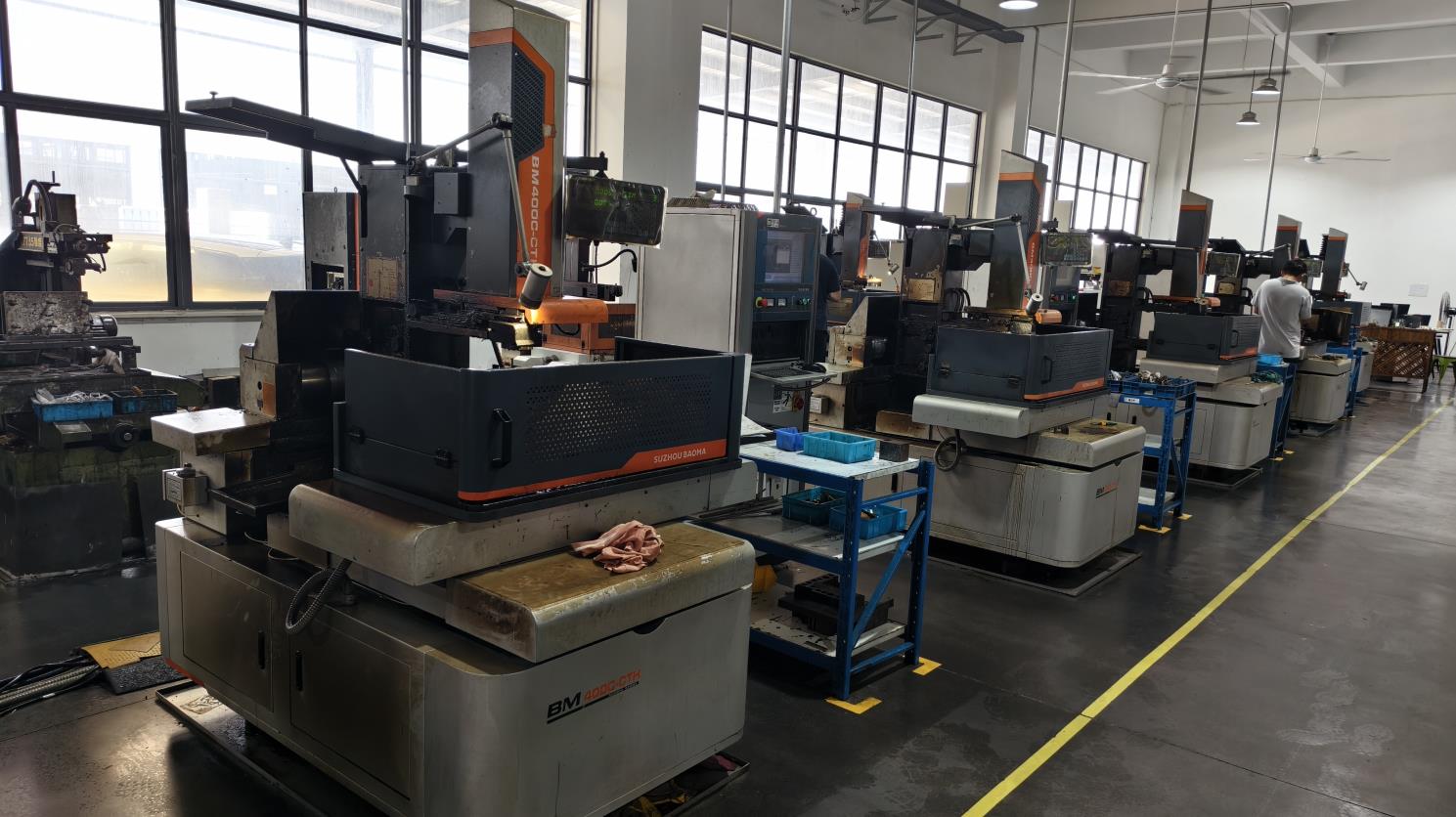
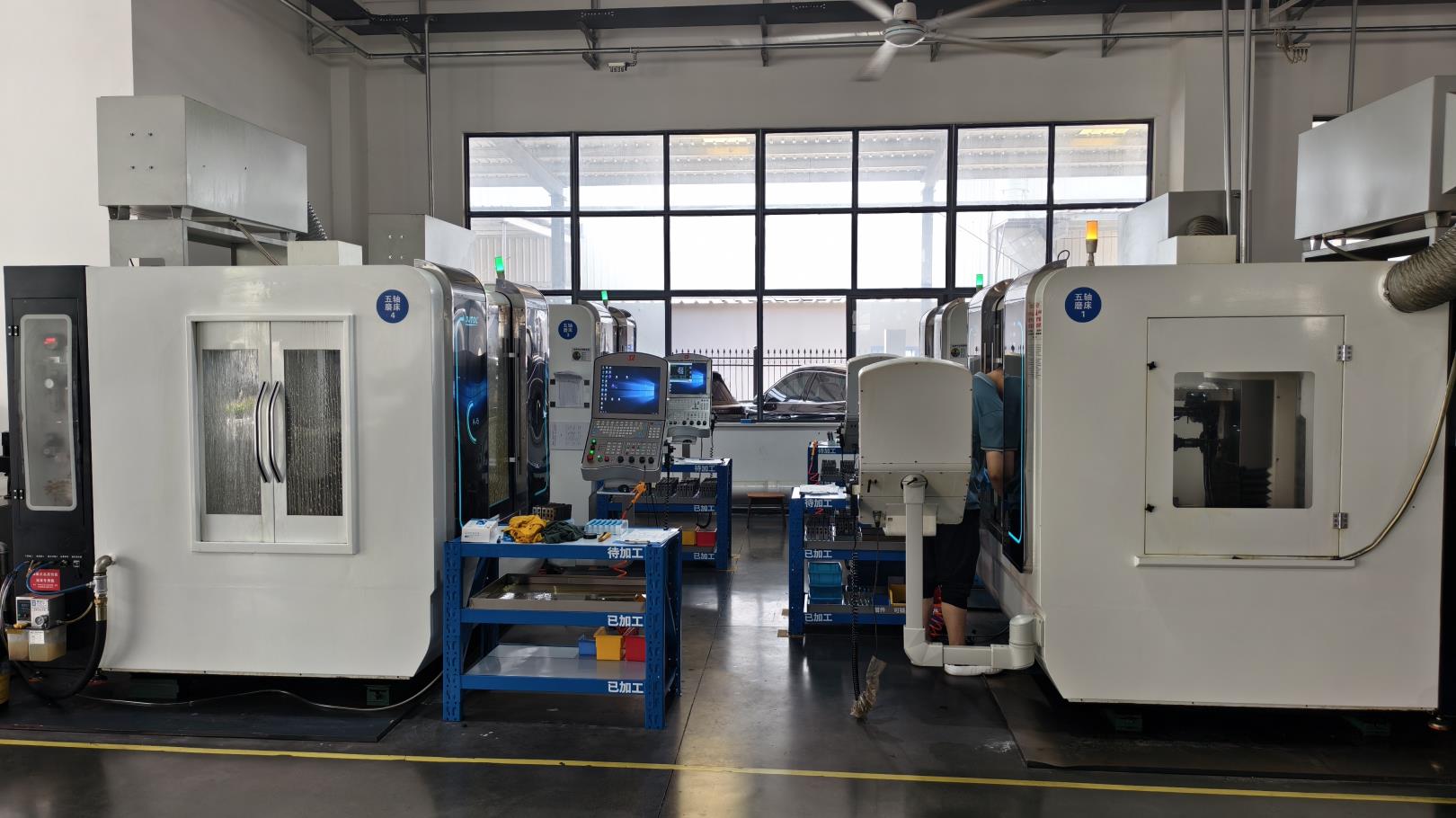
China's medical manufacturing clusters (predominantly in the Jiangsu and Zhejiang regions) have transitioned from high-volume production to high-precision engineering. By combining vertically integrated supply chains with advanced Multi-Axis Swiss CNC turning machines, Chinese factories achieve production efficiencies that lower lead times by up to 40% compared to Western manufacturers.
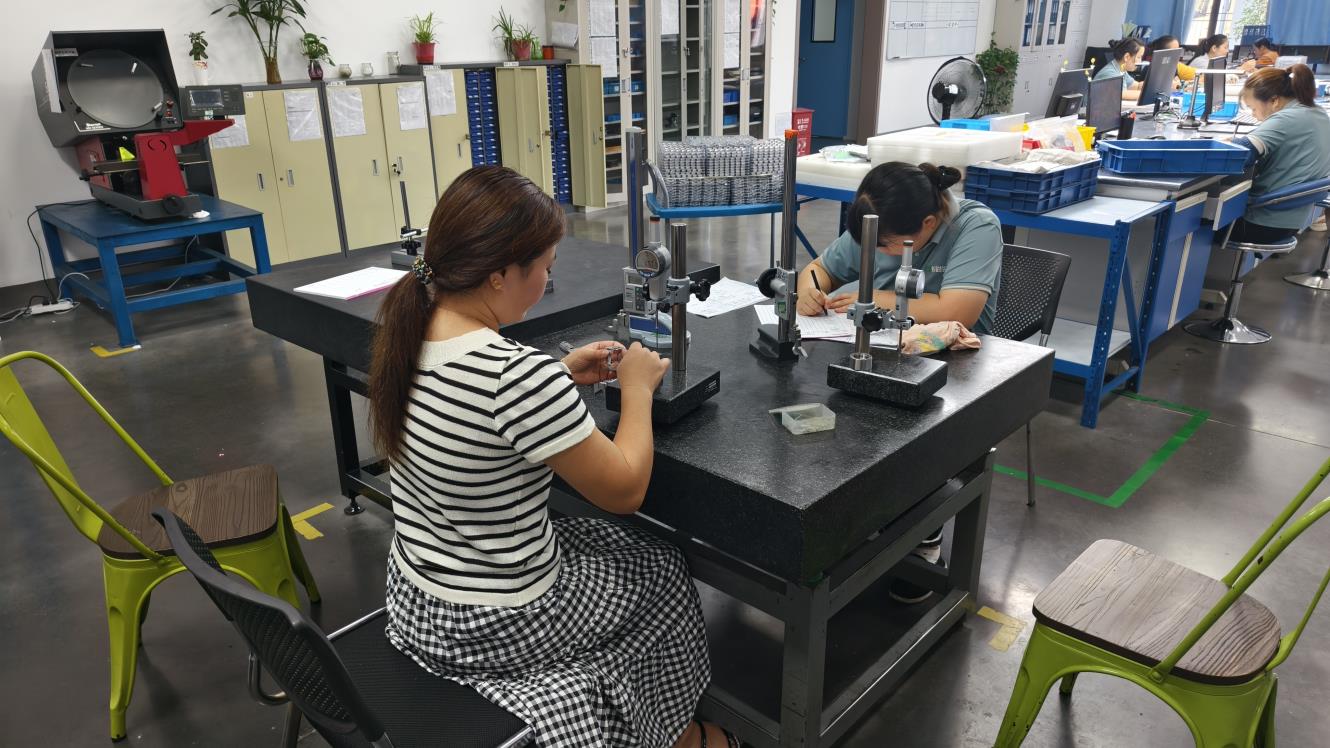
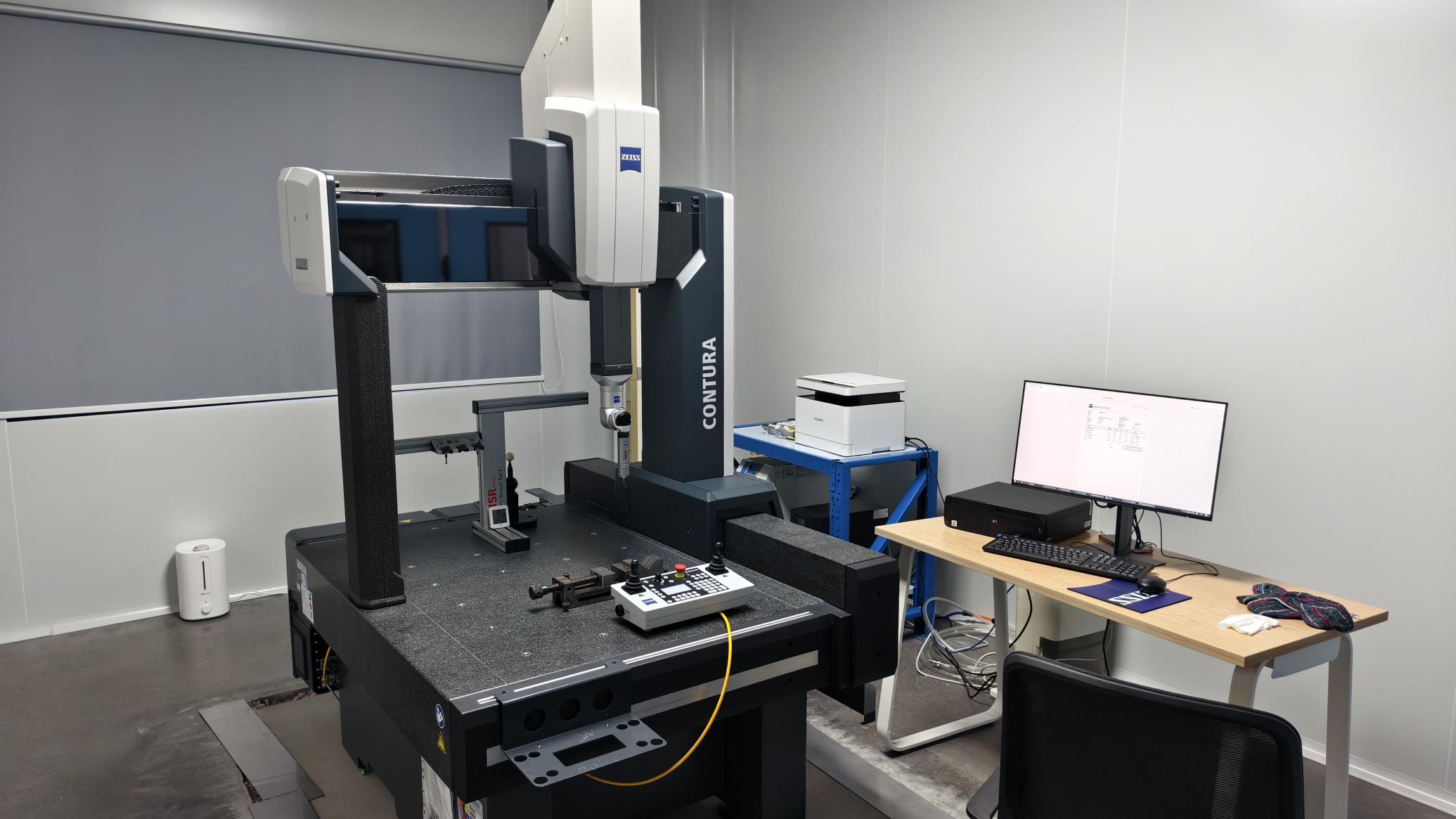
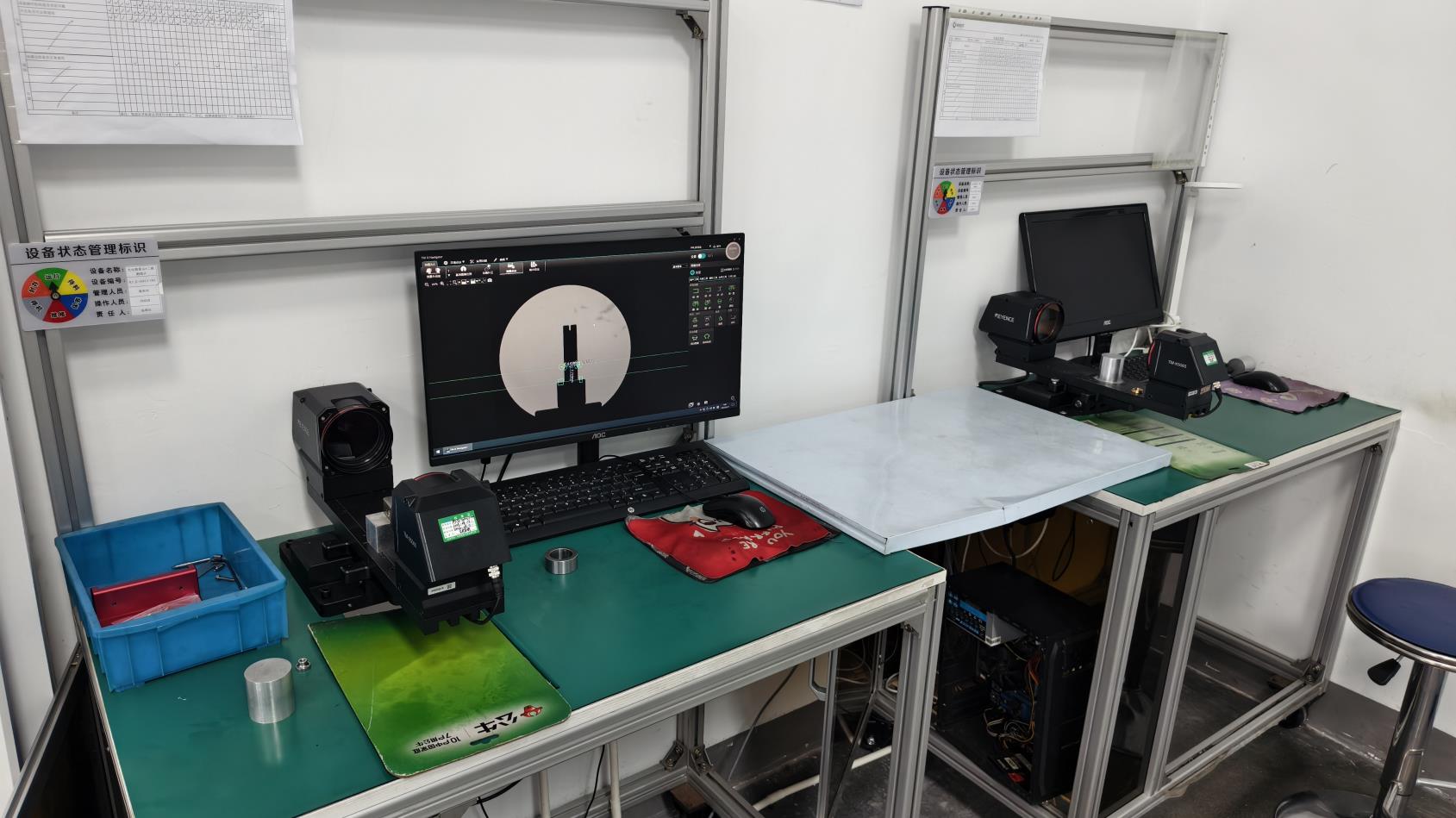
This efficiency is supported by automated optical sorting technologies and in-line coordinate measuring machines (CMM). These technologies detect micro-dimensional deviations in hex shapes down to ±0.005 mm. Additionally, Chinese manufacturers offer flexible customization, allowing international brand owners to order tailored shapes, color-coded rings, or laser-marked sizing without prohibitive setup costs.
Convert custom CAD drawings of hex drivers into sterilized clinical samples in 7 to 10 working days.
Ensures the internal star or hexagonal structural fibers of the metal are aligned, enhancing torque capacity by up to 25%.
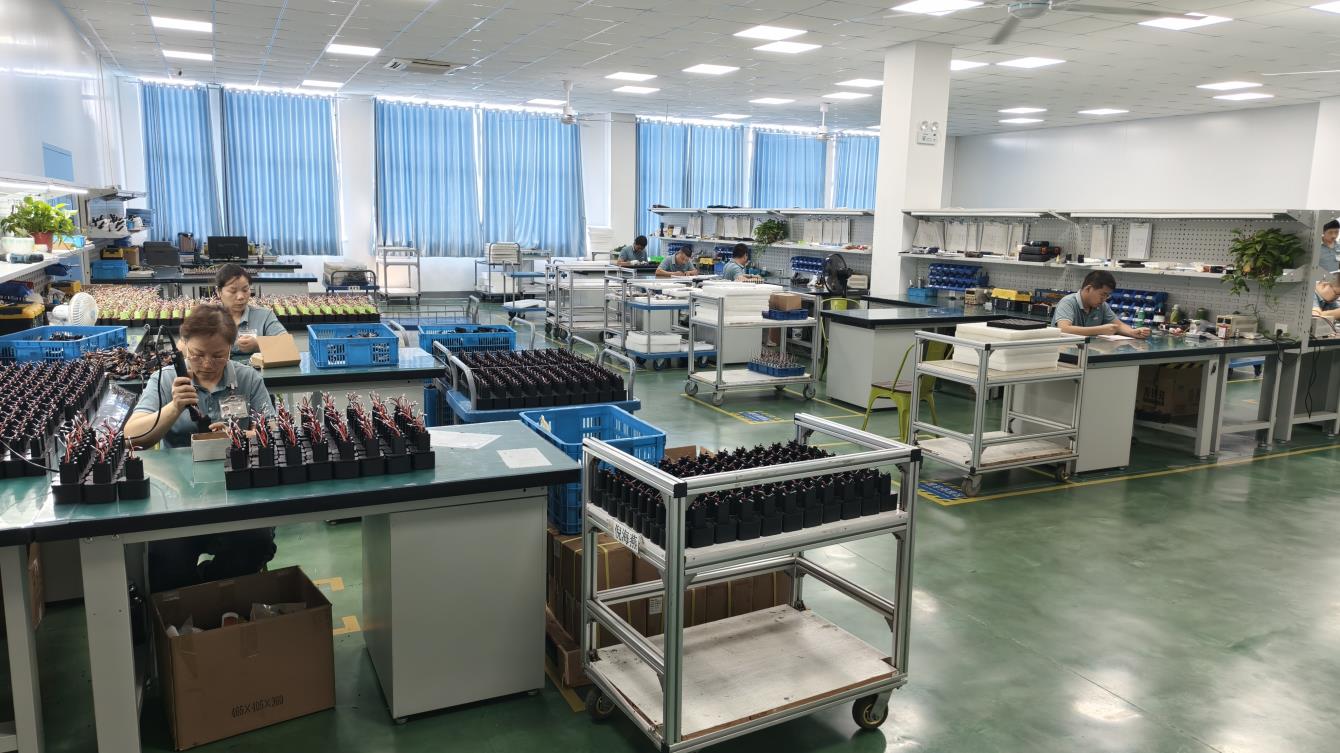
Includes 100% video inspection, ultrasonic cleaning steps, and citric passivation baths for corrosion protection.
Exporting Experience
North America Market Share
South America Market Share
Southeast Asia Market Share
Direct compliance data, production capacity, and supply distribution models for international buyers and distributors.
How surgical hex drivers and custom wrenches perform across distinct surgical fields.
Spinal instrumentation requires exact torque tolerances. The hex driver must fit perfectly into the pedicle screw's internal socket to lock the rod securely in position. This ensures the rod does not shift under mechanical stress from body movements.
From small companion animals to large livestock, veterinary orthopedics uses a variety of plate sizes. Compact hex keys (such as 1.5mm or 2.0mm) are essential for plate fixation on thin bones without fracturing the bone wall.
Adjusting external fixators during post-operative patient checks requires durable, easy-to-clean L-shaped keys. These tools must endure repeated sanitization without rusting, remaining reliable throughout the recovery process.
Insights into the next generation of materials, manufacturing automation, and ergonomic driver developments.
To reduce overall instrument weight and improve ergonomics, modern factories are overmolding surgical-grade metal hex tips with Polyether ether ketone (PEEK) or carbon-fiber composites. This design reduces surgical hand fatigue during long operations and maintains full autoclave sterilizability.
Next-generation drivers incorporate torque-sensing mechanisms that visually or mechanically slip when the torque limits of small screws (e.g., 2.0mm cortical screws) are met. This technology reduces the risk of stripping or bone micro-fracturing caused by over-tightening.
Applying specialized nitric or citric passivation baths combined with advanced copper-doped coatings helps reduce bacterial adhesion on tools during surgery. This technology minimizes surgical site contamination and enhances patient safety.
Color-coded rings on hex driver shanks corresponding to screw sizes (e.g., green for 2.7mm, blue for 3.5mm) are becoming standard. This allows surgical assistants to identify the correct tool quickly, minimizing errors in the operating room.
Expert answers regarding mechanical specifications, raw material validation, and sourcing logistics.
316LVM (Low Carbon Vacuum Melted) undergoes a secondary vacuum melting step to minimize non-metallic impurities. This process improves microstructural homogeneity and enhances fatigue limits, preventing the micro-fractures common in industrial-grade 316L steels.
Leading manufacturers utilize multi-axis Swiss-type lathe centers (such as Star or Citizen) equipped with automatic temperature compensation. They also implement automated vision inspection systems, verifying critical dimensions down to a tolerance of ±0.005 mm.
Buyers should verify the supplier's ISO 13485 certification, FDA registration documents, CE certificates for European compliance, and comprehensive Material Test Reports (MTR) to trace the chemical composition of raw metal batches.
Yes, modern factories provide standard connector shapes such as AO connections, Hudson connections, and simple round shanks with flat surfaces to fit various global handle brands.
Additional premium instruments from our verified production lines, designed for surgical centers and medical distributors.