SENJIE Healthy & Technology SENJIE Healthy & Technology
Top 10 Surgical Biopsy Tools Factories & Exporters

Precision Instruments for Tissue Biopsies, Orthopedic Recovery, Oncology, and Minimally Invasive Surgical Interventions.

6+
Years Exporting Excellence
100%
Raw Material Traceability
3+
QA/QC Dedicated Inspectors
50+
Global Markets Served

1. The Global Landscape of Surgical Biopsy Tools & Diagnostics

In the rapidly evolving landscape of global healthcare and veterinary medicine, surgical biopsy tools and micro-surgical instruments represent the vanguard of diagnostic precision. Biopsy instruments, ranging from soft tissue aspiration needles to specialized bone and nucleus pulposus forceps, are critical for early cancer detection, molecular profiling, and orthopedic diagnostics.

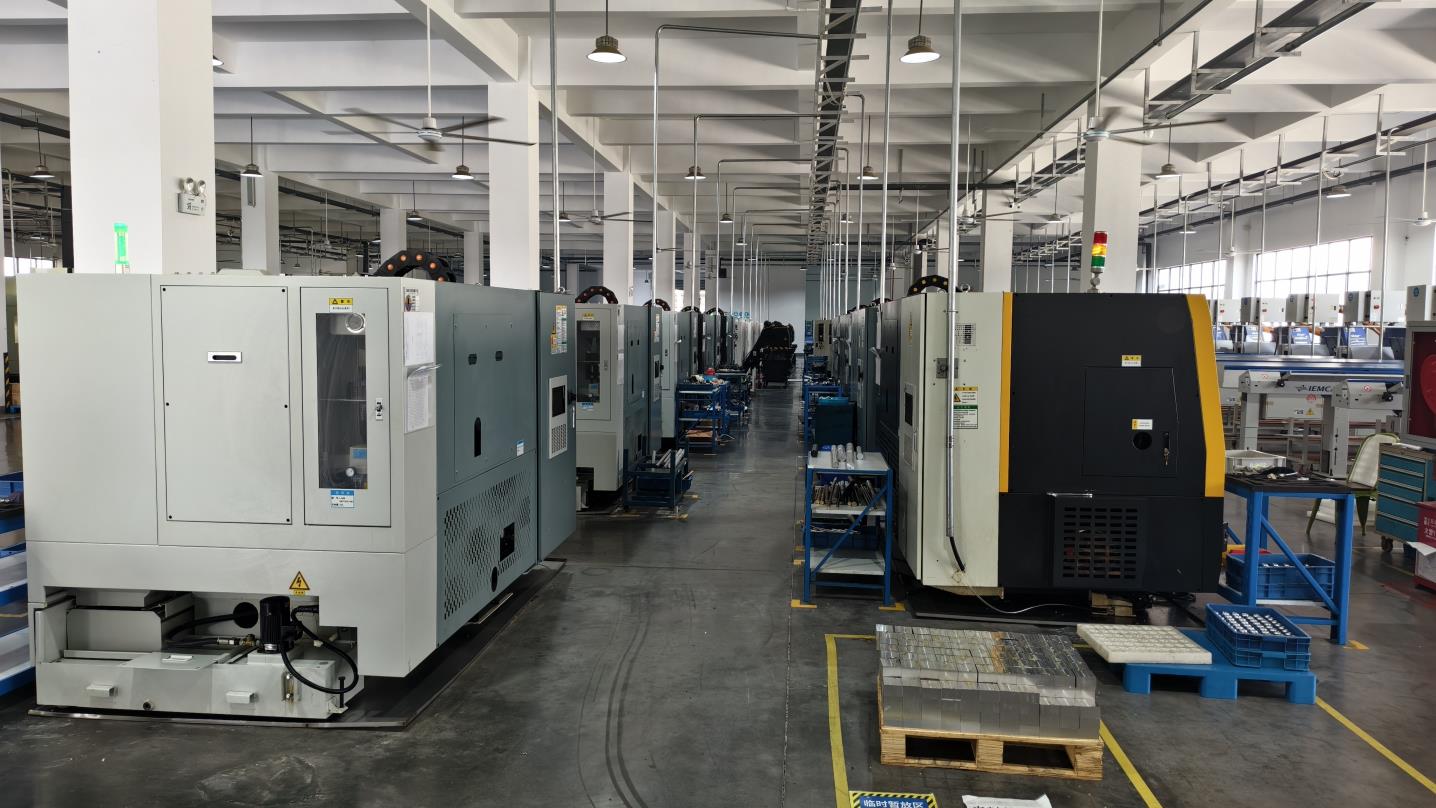
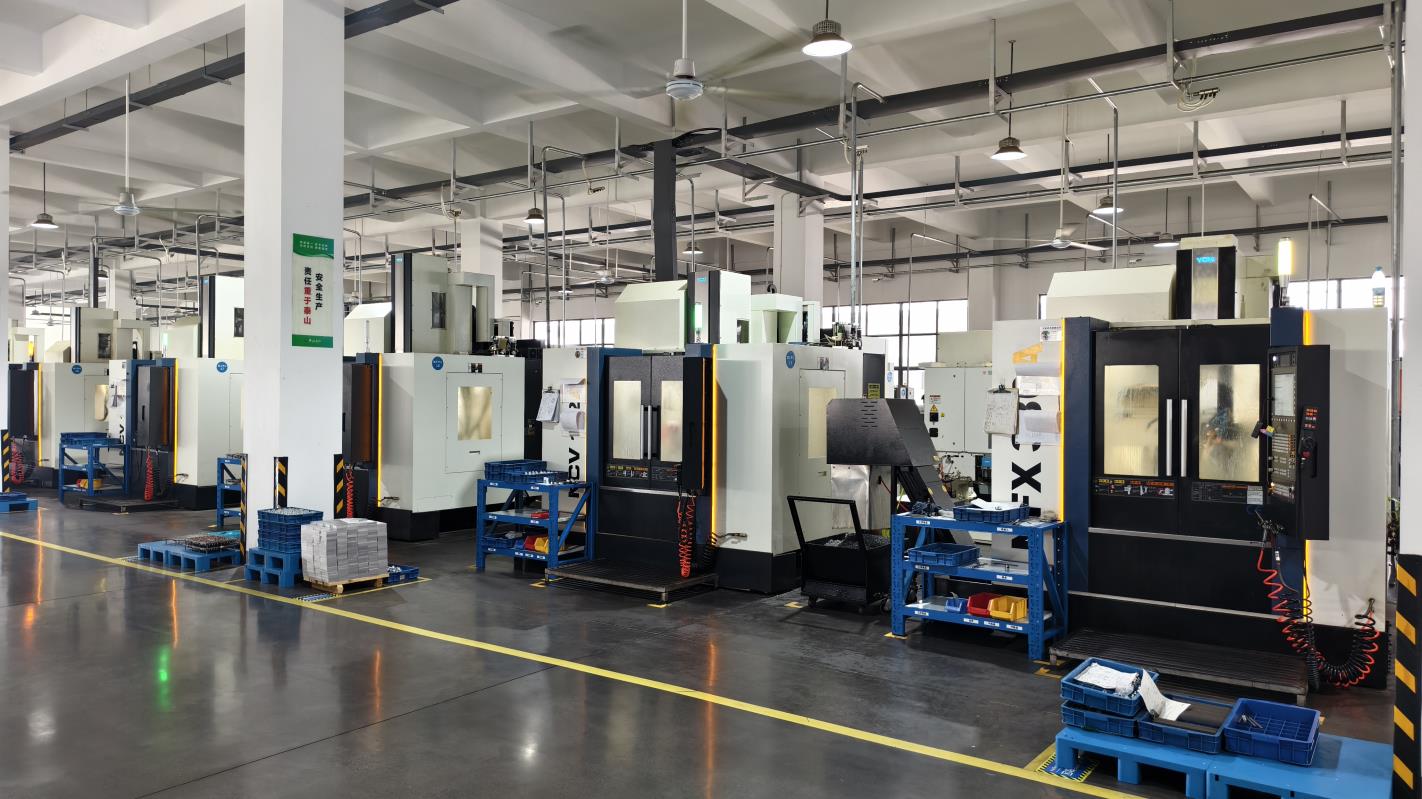
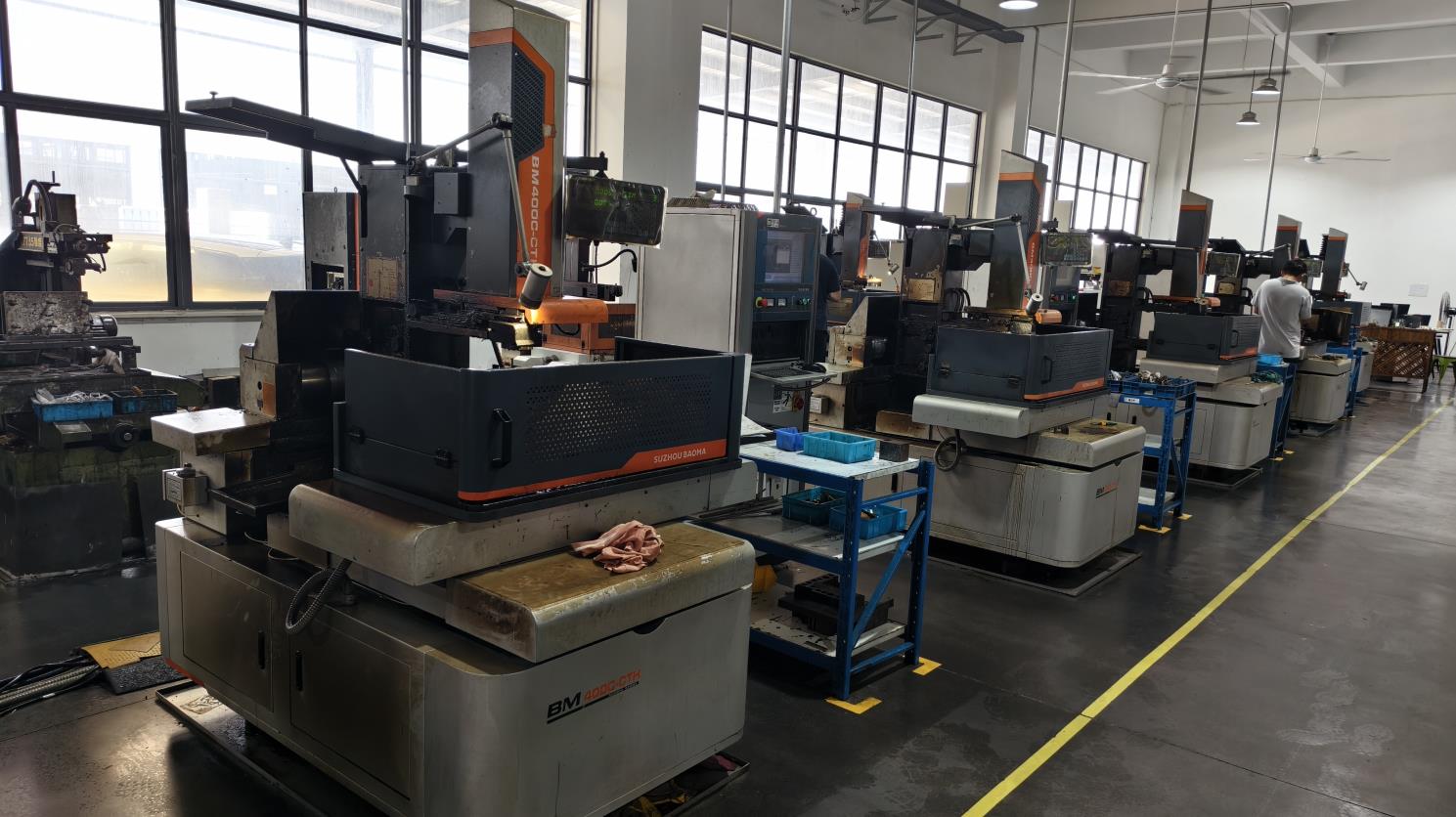
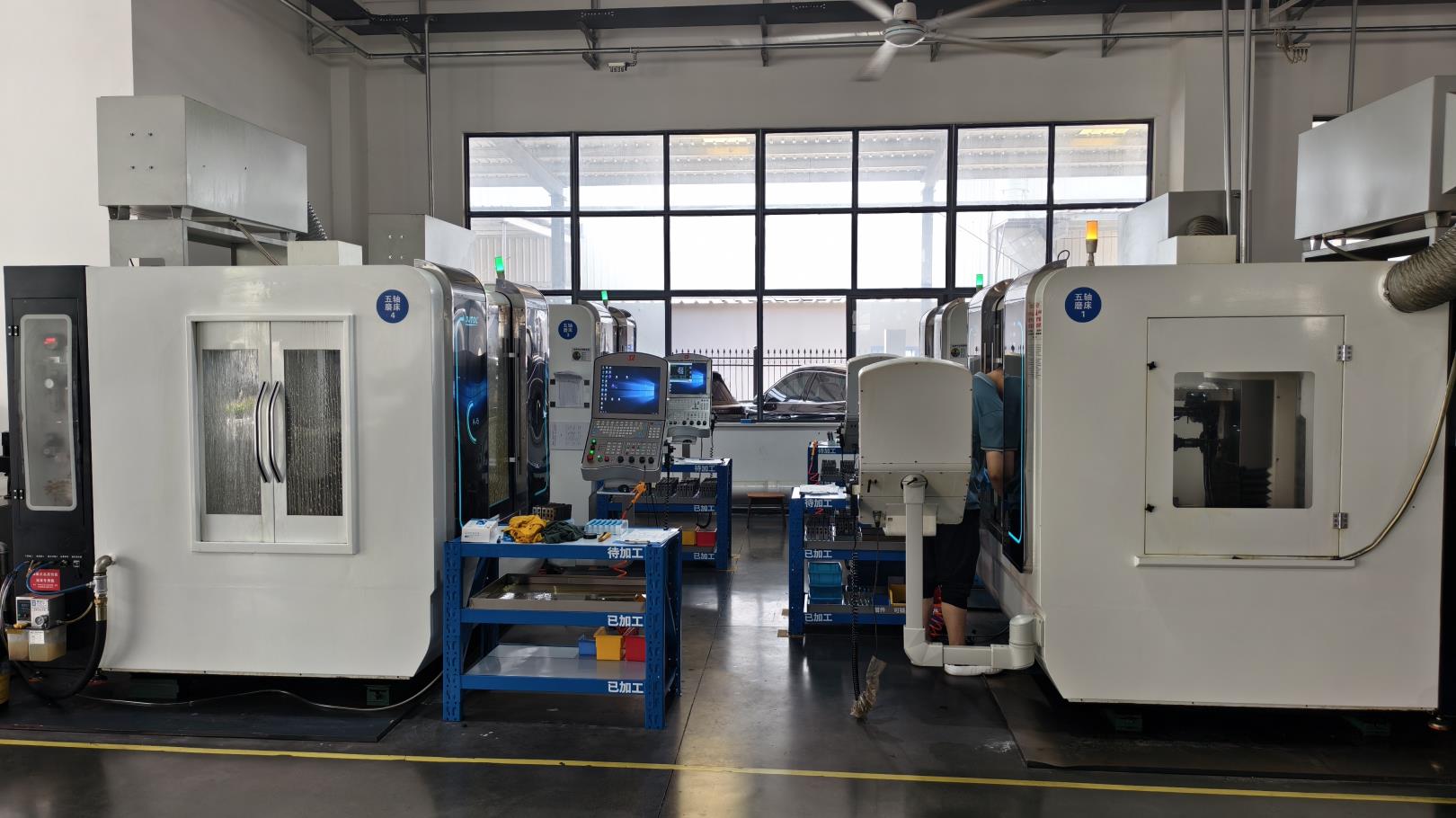
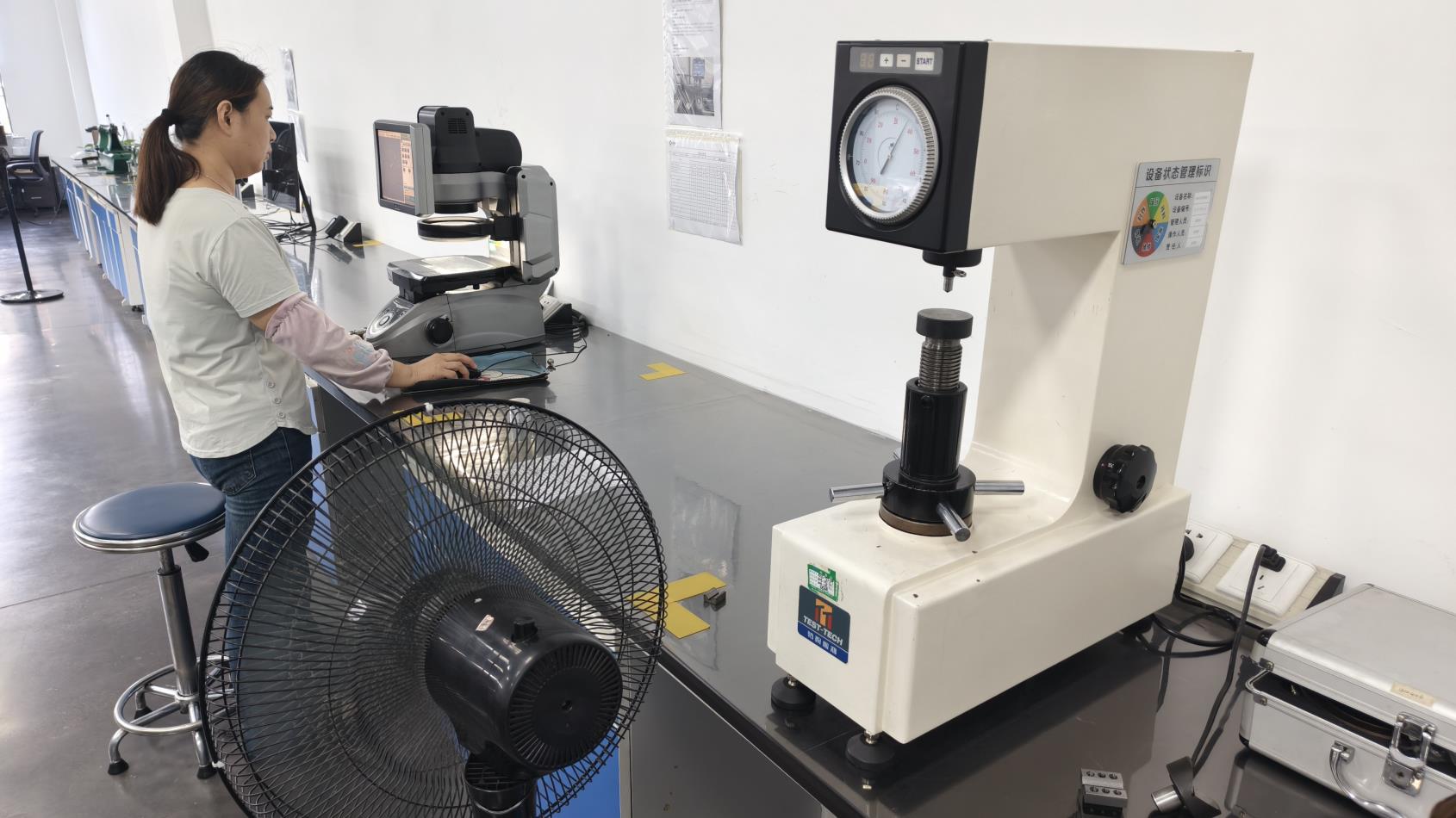
Globally, the market is characterized by a push toward minimally invasive surgery (MIS). This shift requires factories and exporters to produce instruments with extremely tight tolerances. Advanced processing techniques like wire electrical discharge machining (EDM) and CNC precision grinding are utilized by top manufacturers to ensure clean tissue retrieval without thermal or mechanical distortion.

SEO Insight: The demand for premium surgical steel and titanium biopsy instruments is growing rapidly, driven by the global growth of outpatient surgery centers and oncology clinics.

2. Technological Advancements & Industry Developments

The surgical biopsy sector is undergoing a transformation powered by material science and smart technologies. Industry leaders are focusing on the following trends:

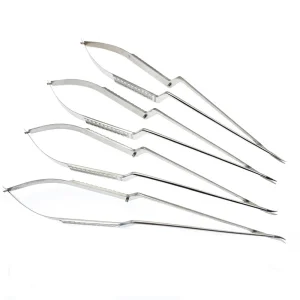
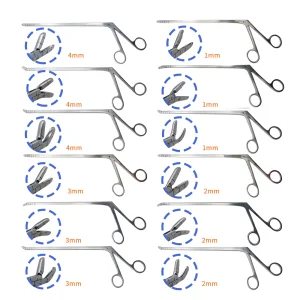
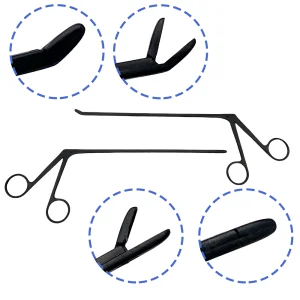
  • Shark Blade Micro-scissors: Ultra-sharp cutting surfaces designed to dissect fibrous tissue structures with minimal trauma.
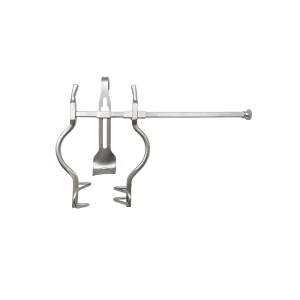
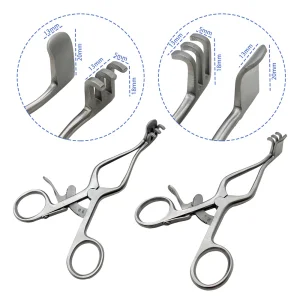
  • Ergonomic Self-Retaining Retractors: Baffled, multi-claw retractors that allow surgeons to maintain stable diagnostic fields autonomously during biopsy collection.
  • Biocompatible Alloy Coatings: The use of titanium carbonitride (TiCN) and diamond-like carbon (DLC) coatings to reduce frictional resistance and increase wear resistance during repeated autoclaving.

Material Quality

Medical-grade surgical stainless steel (AISI 316L, 420) and Grade 5 Titanium alloys offer optimal tensile strength and corrosion resistance.

Traceability Protocols

Full tracking from raw ingot to final sterilized package ensures reliability and meets strict international standards.

High Autoclave Tolerance

Instruments are engineered to withstand repeated sterilization cycles without compromising sharpness or structural integrity.

3. Localized Applications: Human Clinical Oncology vs. Veterinary Orthopedics

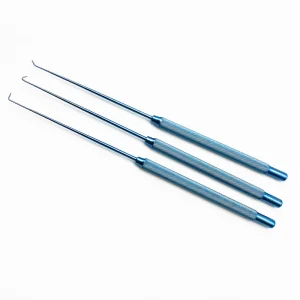
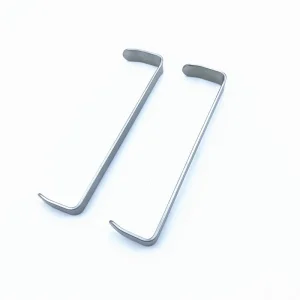
While surgical principles remain consistent, application environments vary significantly. In human clinics, oncology teams require specialized biopsy needles, vascular hooks, and micro-scissors for high-precision diagnostic procedures. Conversely, veterinary applications often involve robust retractors (e.g., Farabeuf, Abdominal retractors) and orthopedic instrumentation sets designed to manage thicker muscle groups and bone interfaces.

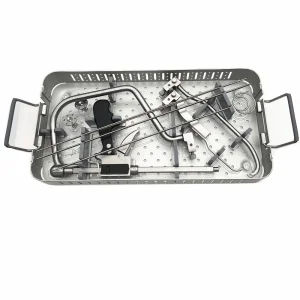
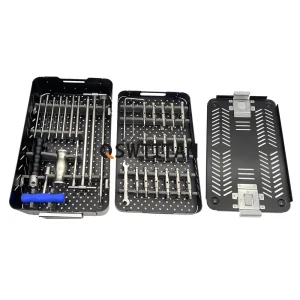
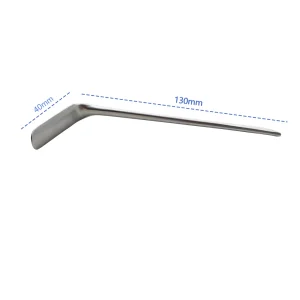
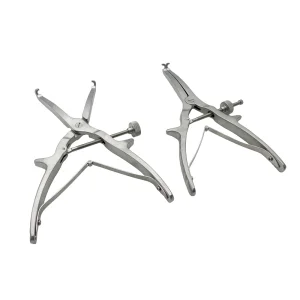
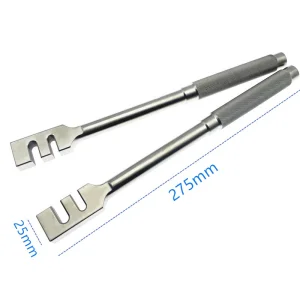
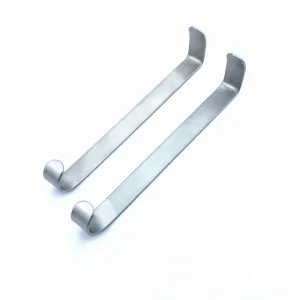
Our manufacturing pipeline addresses both sectors. For example, our Farabeuf Thyroid Retractor and Collinear Reduction Clamps are widely adopted in veterinary academies and clinical research organizations for orthopedic diagnostics, trauma plate positioning, and soft tissue biopsy collection.

4. Macro Industry Solutions & OEM/ODM Supply Chain Resilience

For medical device brands, wholesalers, and clinical networks, supply chain reliability is essential. We offer comprehensive solutions to mitigate disruptions:

  • Customization Options: Offering sample processing, graphic engraving, and customized dimensions to align with specific clinical requirements.
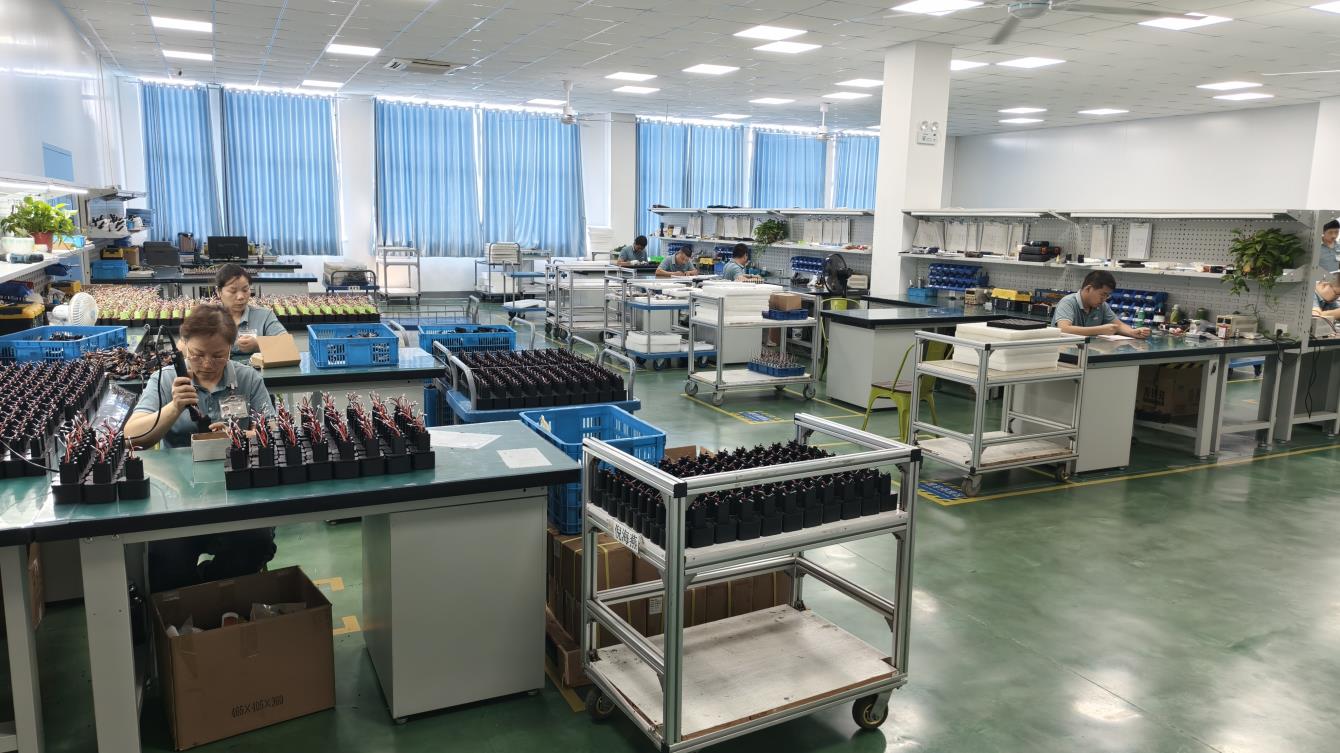
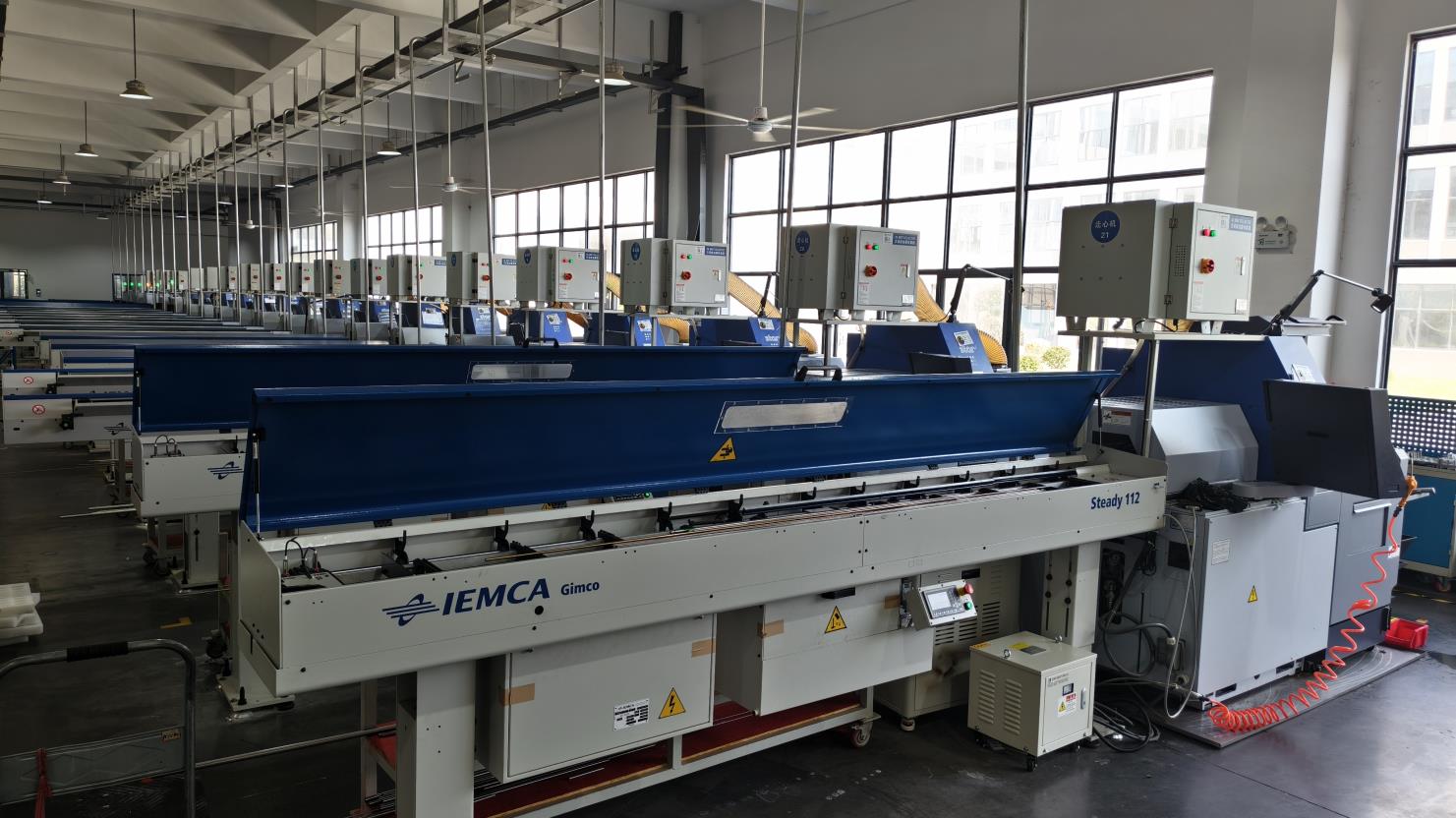
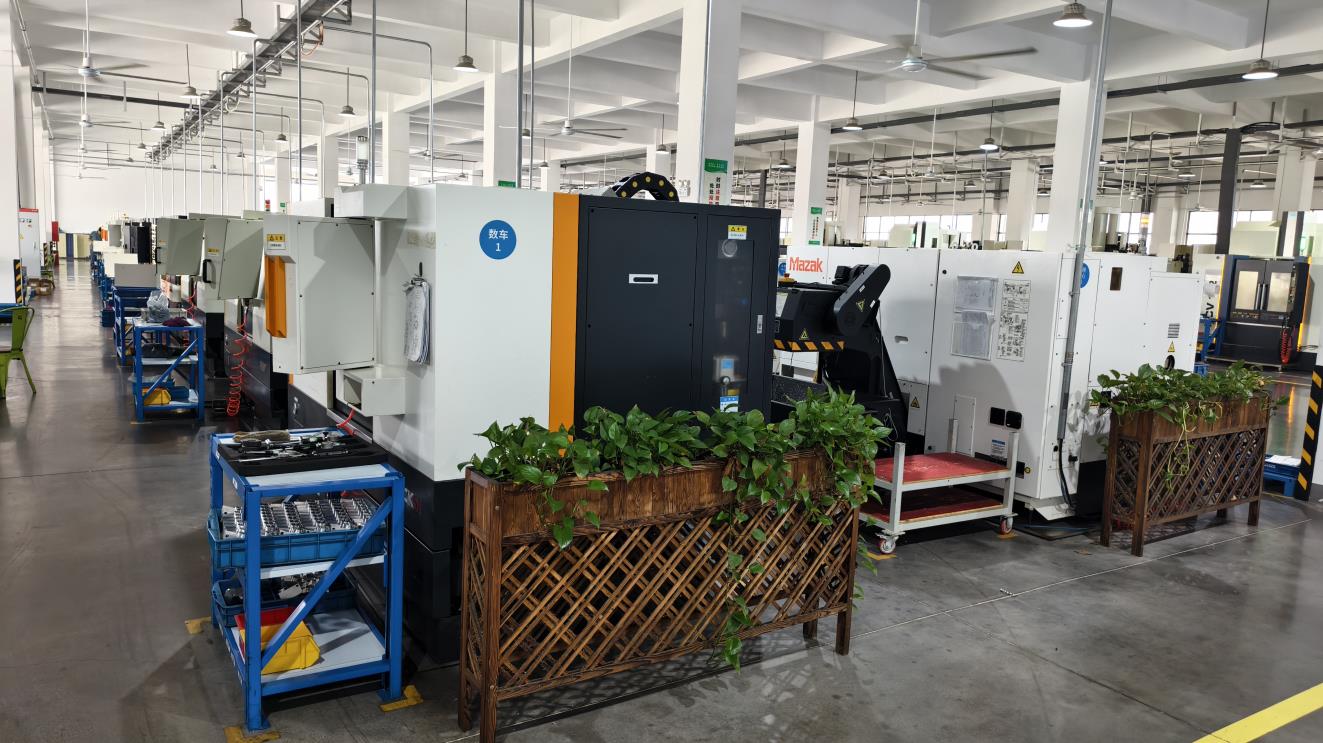
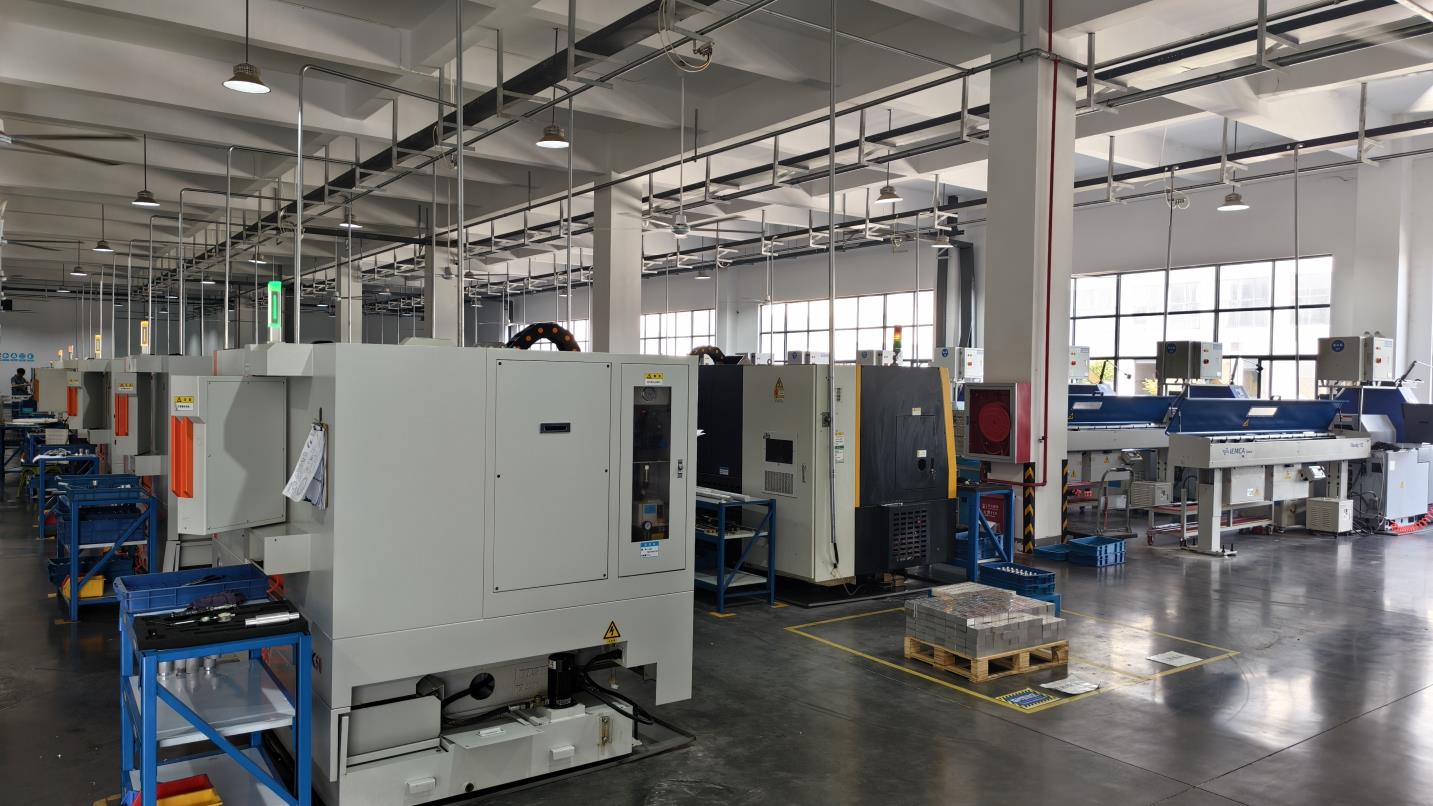
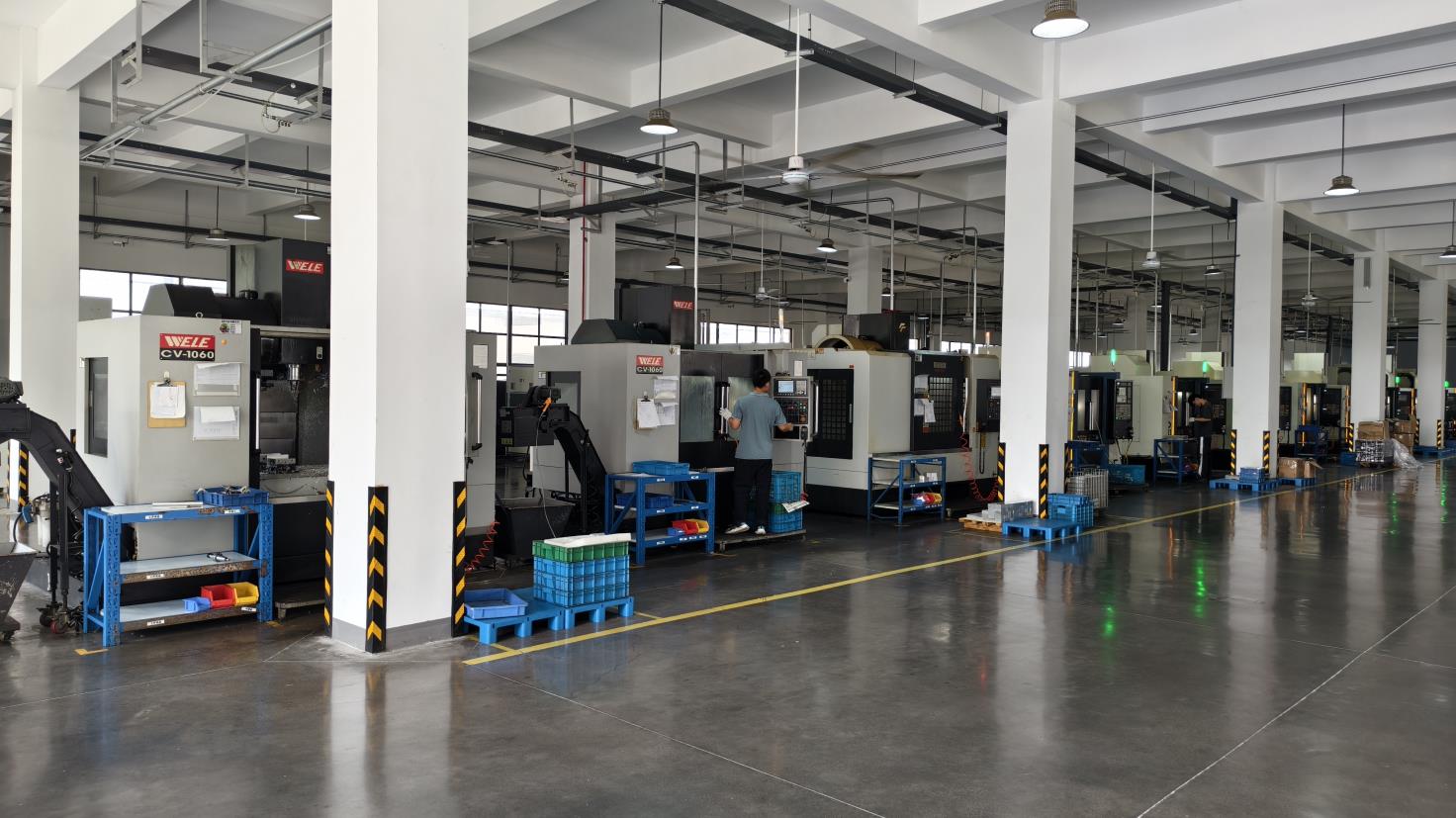
  • Flexible Manufacturing: Operating production lines designed to support both low-volume specialty orders and high-volume wholesale requirements.
  • Export Experience: Six years of logistics experience navigating international customs, FDA registrations, and CE declarations.

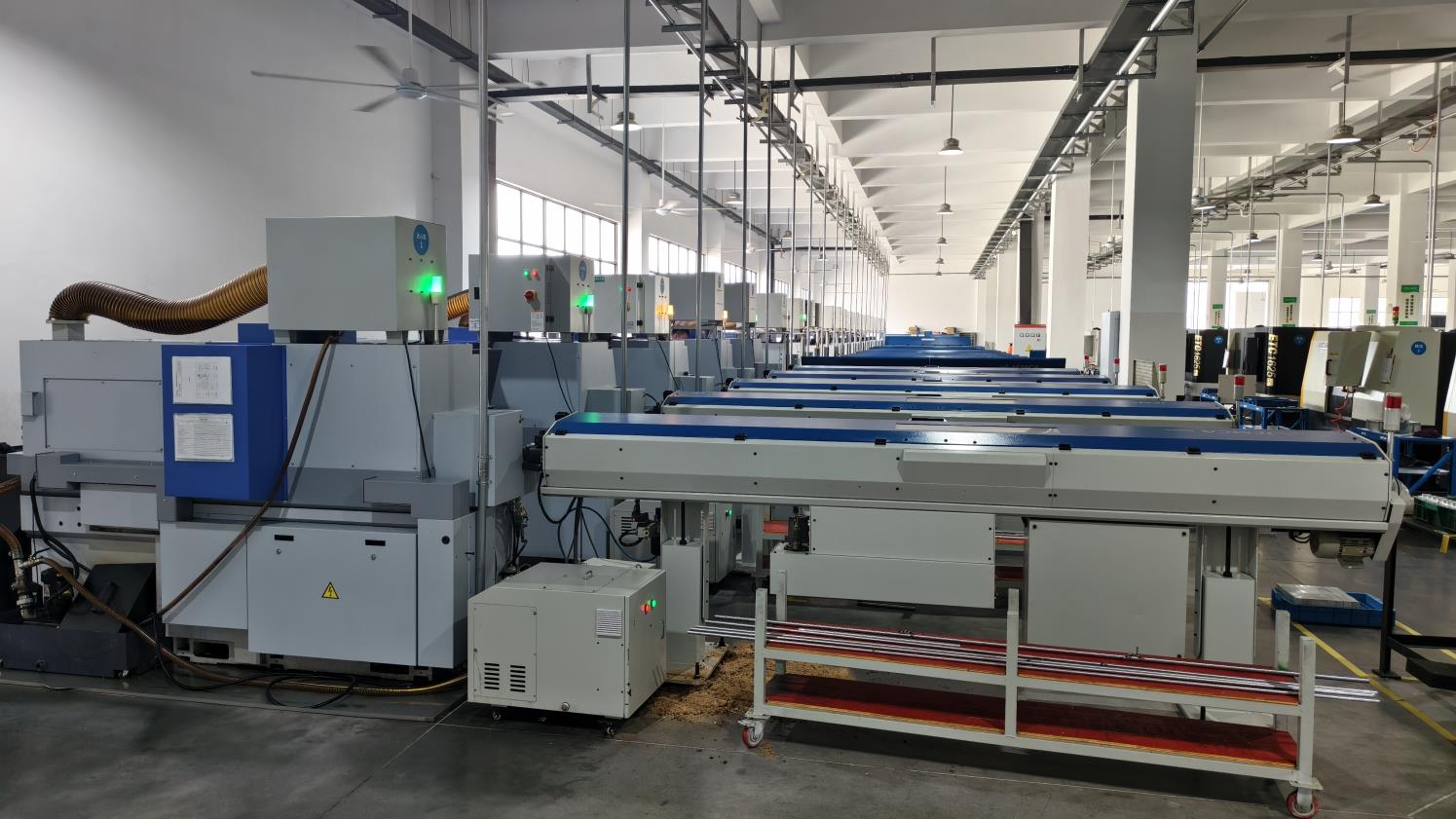
Surgical Instruments Factory Profile

Established: 2019-11-20

General Overview

Registration Date 2019-11-20
Years in Industry 6 Years
Years Exporting 6 Years
Accepted Languages English

Quality Control & R&D

Raw Material Traceability Yes
Inspection Method Random / Client Requirement
QA/QC Inspectors 3 Inspectors
Customization Sample, Graphic, On-demand

Market Share & Demographics

North America 25%
South America 25%
Southeast Asia 15%
Clientele Brands, Retailers, Wholesalers

Certifications & Operations

ISO 13485 Standards Aligned
Traceable Shipments Yes
Sterile Packaging Support Optional
Material Standard ASTM Medical Grade

Frequently Asked Questions

Answers to common questions regarding biopsy tools, custom manufacturing, material standards, and export logistics.

What grades of stainless steel are used in your surgical biopsy tools?

We primarily construct our tools using premium AISI 420 and AISI 316L medical-grade stainless steel. These alloys offer corrosion resistance, high tensile strength, and durability through repeated autoclave cycles.

Do you support OEM/ODM designs for specialized clinical biopsy instruments?

Yes. Our engineering department specializes in sample processing and custom graphics. We can manufacture custom shapes, micro-tips, and specialized handles based on your technical drawings or physical samples.

How do you guarantee raw material traceability?

Every batch of steel or titanium alloy we procure undergoes strict verification. We verify mill test reports and track heat numbers from the raw state to the finished product, ensuring clear accountability for safety and durability.

What QC inspection methods do you perform prior to export?

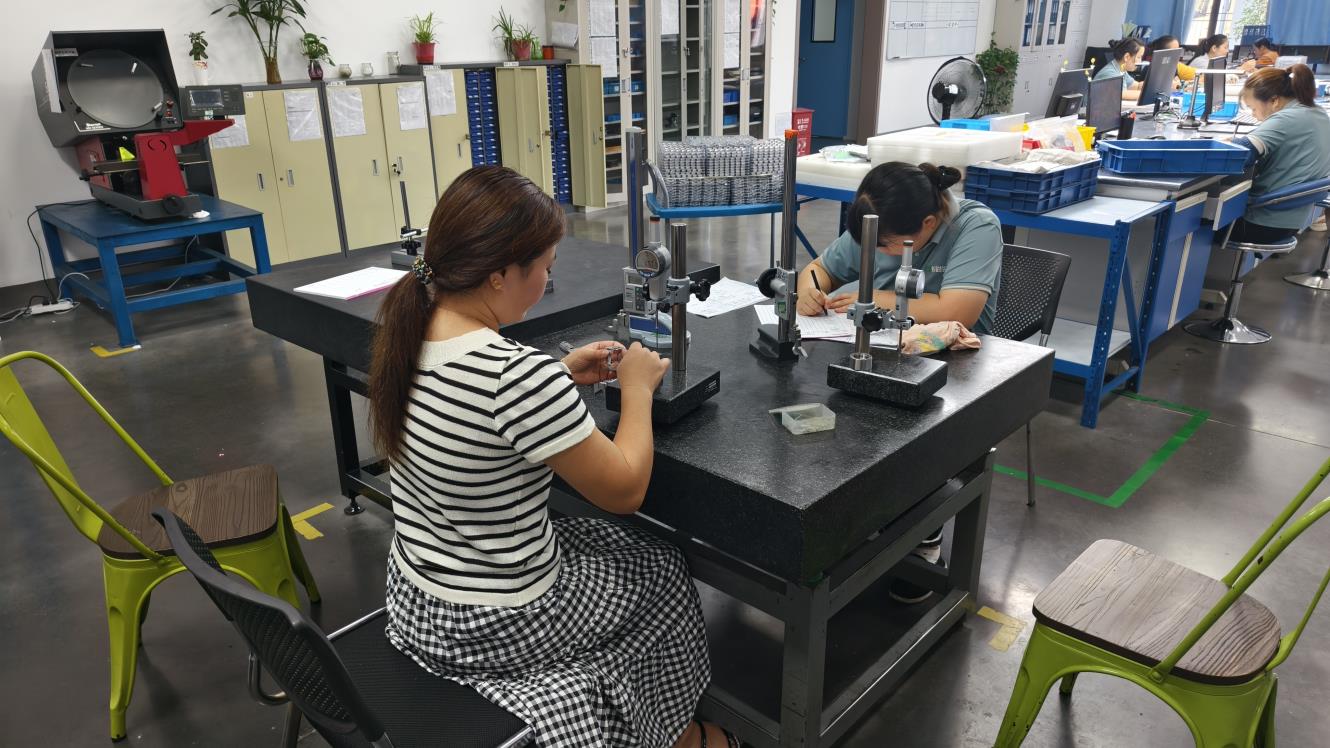
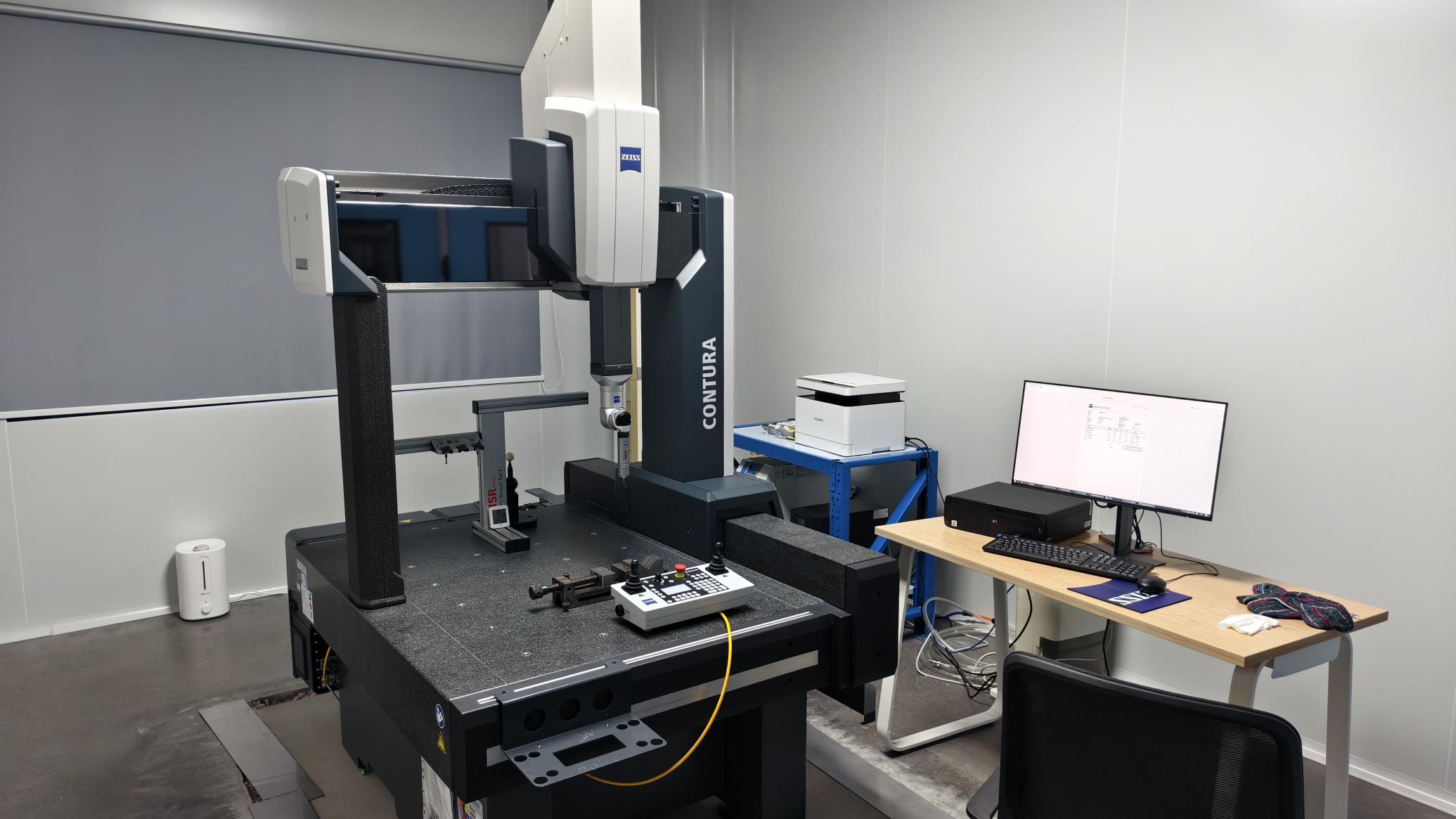
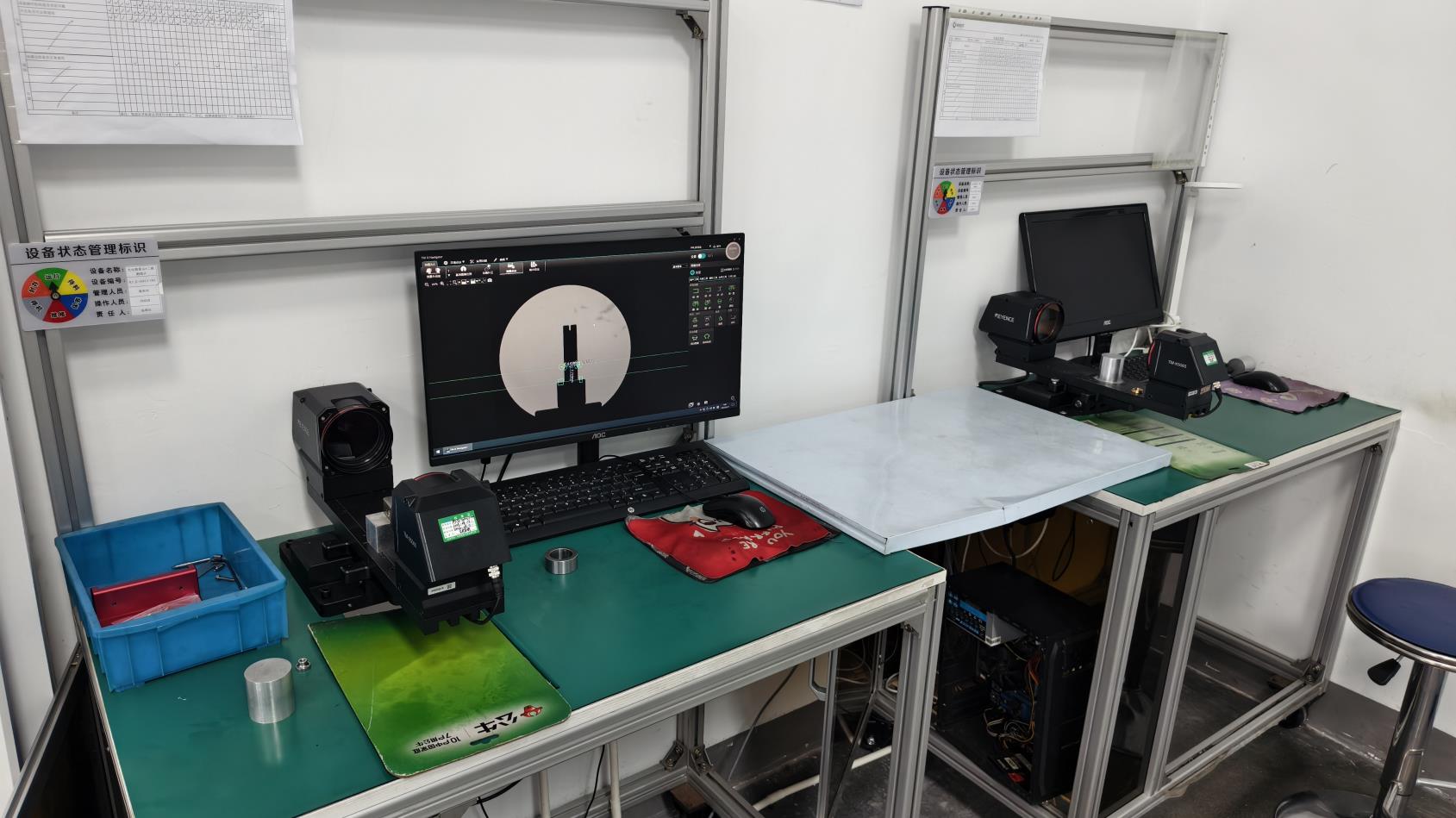
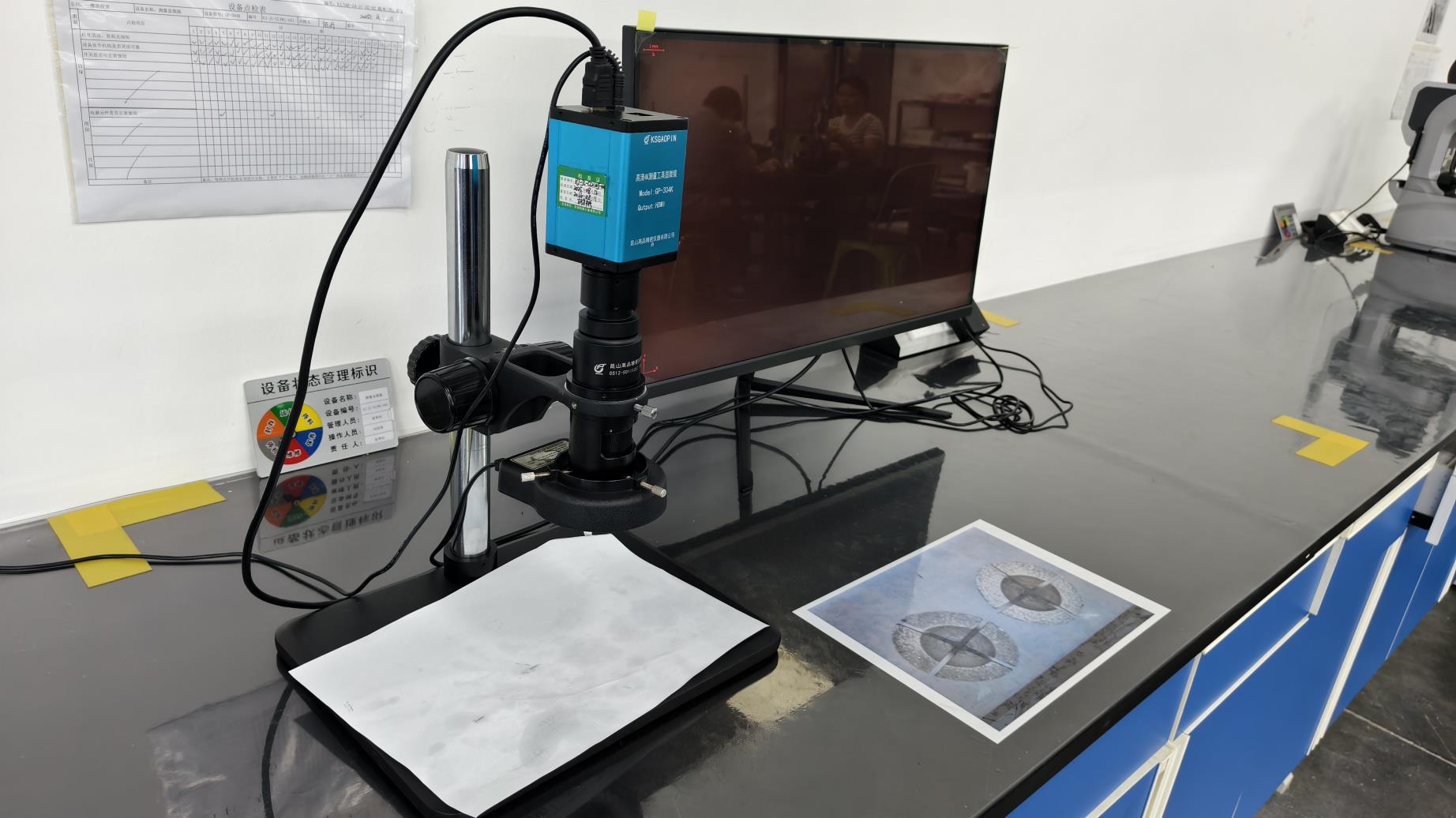
Our quality assurance department employs a dedicated team of three inspectors. We conduct random inspections and customize testing protocols based on your technical guidelines, verifying dimensional tolerance, finish quality, and mechanical performance.

Are these surgical biopsy instruments autoclave-safe?

Yes. All of our stainless steel and titanium surgical instruments are designed to undergo standard sterilization cycles, such as high-temperature autoclaving, without degradation of their mechanical properties or finish.

What are your main export markets?

Our primary export footprint includes North America (25%), South America (25%), and Southeast Asia (15%), serving global medical brands, healthcare wholesalers, and clinical networks.

How do you prevent tissue shear during a biopsy?

Our instruments utilize precision cutting profiles, such as micro-honed edge geometry. This design ensures clean cuts, reducing structural trauma and minimizing cell deformation for more reliable pathology results.

Can these orthopedic surgical tools be used in human clinics?

While many of our catalog items are optimized for veterinary orthopedics, our manufacturing standards meet the requirements for human-grade surgical tools. Custom orders can be engineered and certified to meet specific regional requirements.

What is the typical lead time for bulk orders?

Lead times vary depending on design complexity and order volume. Standard catalog products typically ship within 15–30 days, while custom OEM/ODM designs requiring unique tooling may take 45–60 days.

How do you prevent corrosion on stainless steel surgical tools?

Our production line includes a chemical passivation process that removes surface iron and forms a protective chromium oxide layer. This step helps ensure long-term corrosion resistance, even with regular sterilization.