SENJIE Healthy & Technology
SENJIE Healthy & Technology
SENJIE Healthy & Technology
Engineered for structural precision, high durability, and micro-tolerance compatibility
The technical parameters, material standards, and clinical necessity of modern orthopedic compression instruments.
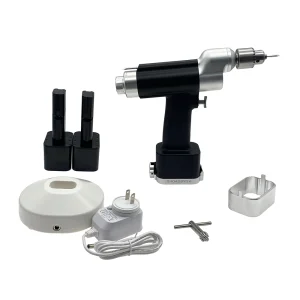
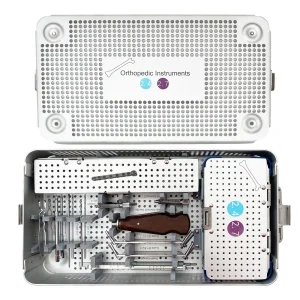
Surgical compression tools form the baseline of rigid internal fixation systems within orthopedic and trauma surgery. These specialized instruments include bone plate benders, manual screw drivers, dynamic compression sleeves, and powered orthopedic drill units designed to generate interfragmentary compression. Historically, bone healing relied solely on stabilization; however, the development of the AO/ASIF (Association for the Study of Internal Fixation) principles established that active compression reduces interfragmentary strain to a level that allows direct primary bone healing, bypassing the formation of external callus.
Globally, the market for trauma orthopedic devices is expanding rapidly. Valued at billions of dollars annually, it is driven by two main dynamics: an aging human population susceptible to fragility fractures, and the rapid expansion of advanced veterinary surgical care. Today's procurement demands are highly technical: hospitals and veterinary clinics require instruments engineered to withstand high autoclave sterilization temperatures while maintaining exact torque specifications and anatomical alignment precision.
Dynamic compression decreases microscopic movement at the fracture site, accelerating vascular remodeling and minimizing implant fatigue.
High-tensile Grade 5 Titanium (Ti-6Al-4V) and Martensitic Stainless Steels (e.g., SUS420, 316LVM) are used to prevent structural failure under load.
Strict traceabilitiy of raw materials and compliance with ISO 13485 standards are required for human and advanced veterinary procedures.
Analyzing Chinese manufacturing efficiency, custom capabilities, and direct quality metrics.
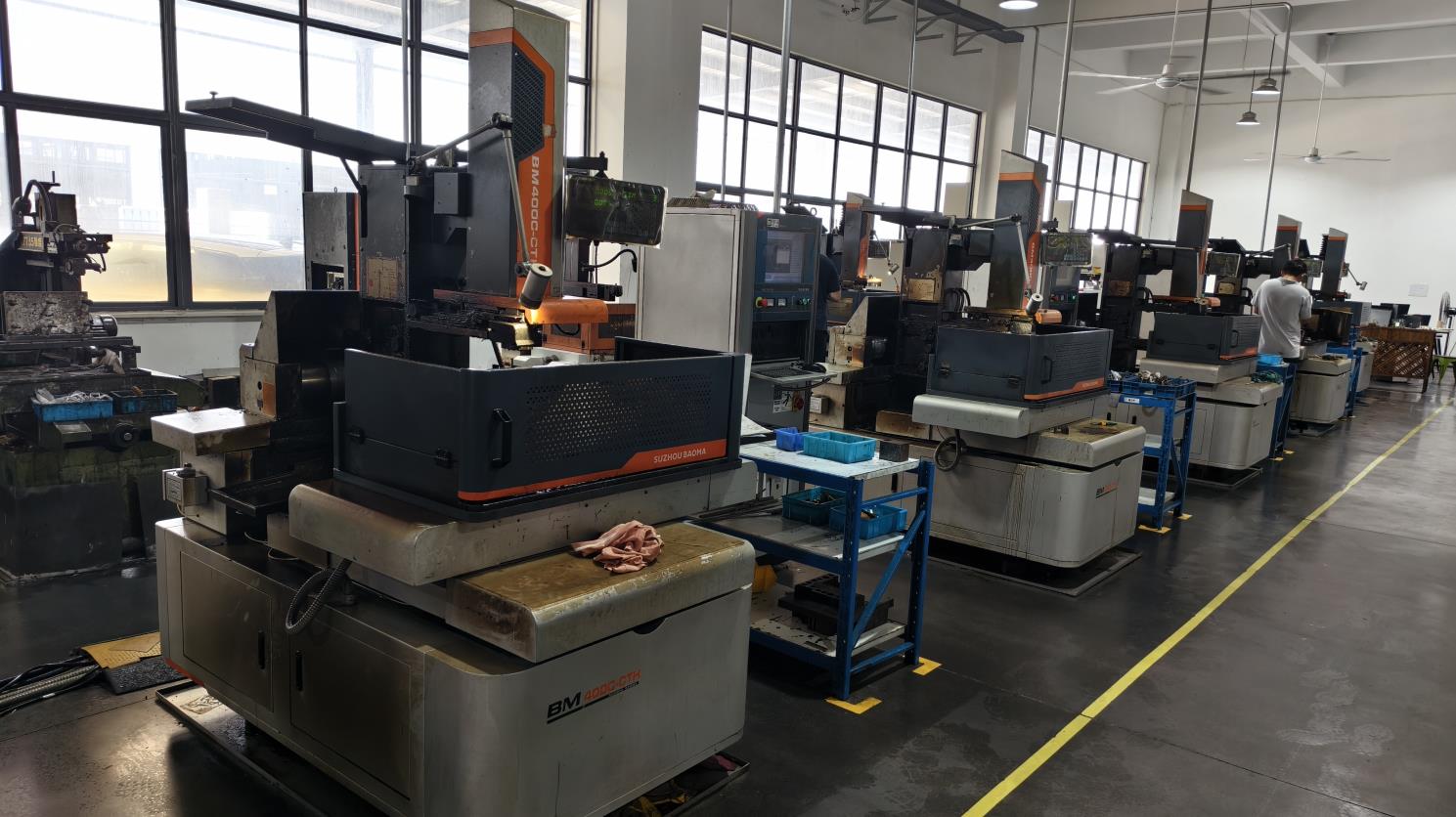
Modern surgical instrument manufacturing demands high-precision CNC milling, Swiss screw turning, wire EDM, and surface passivation. China's industrial clusters for medical devices, particularly in areas like Jiangsu and Zhejiang, deliver a distinct competitive advantage over Western manufacturing through vertical supply-chain integration.
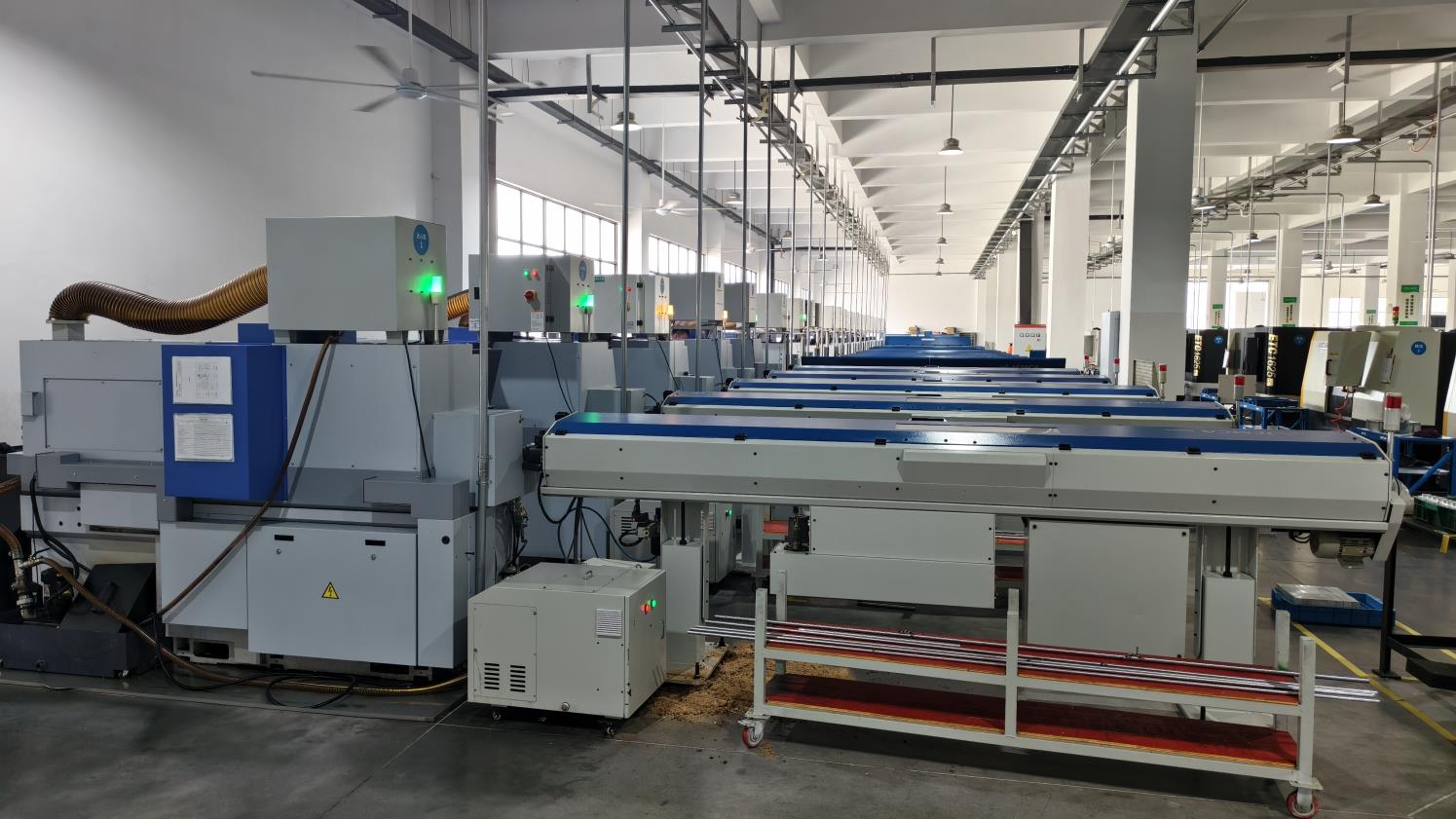
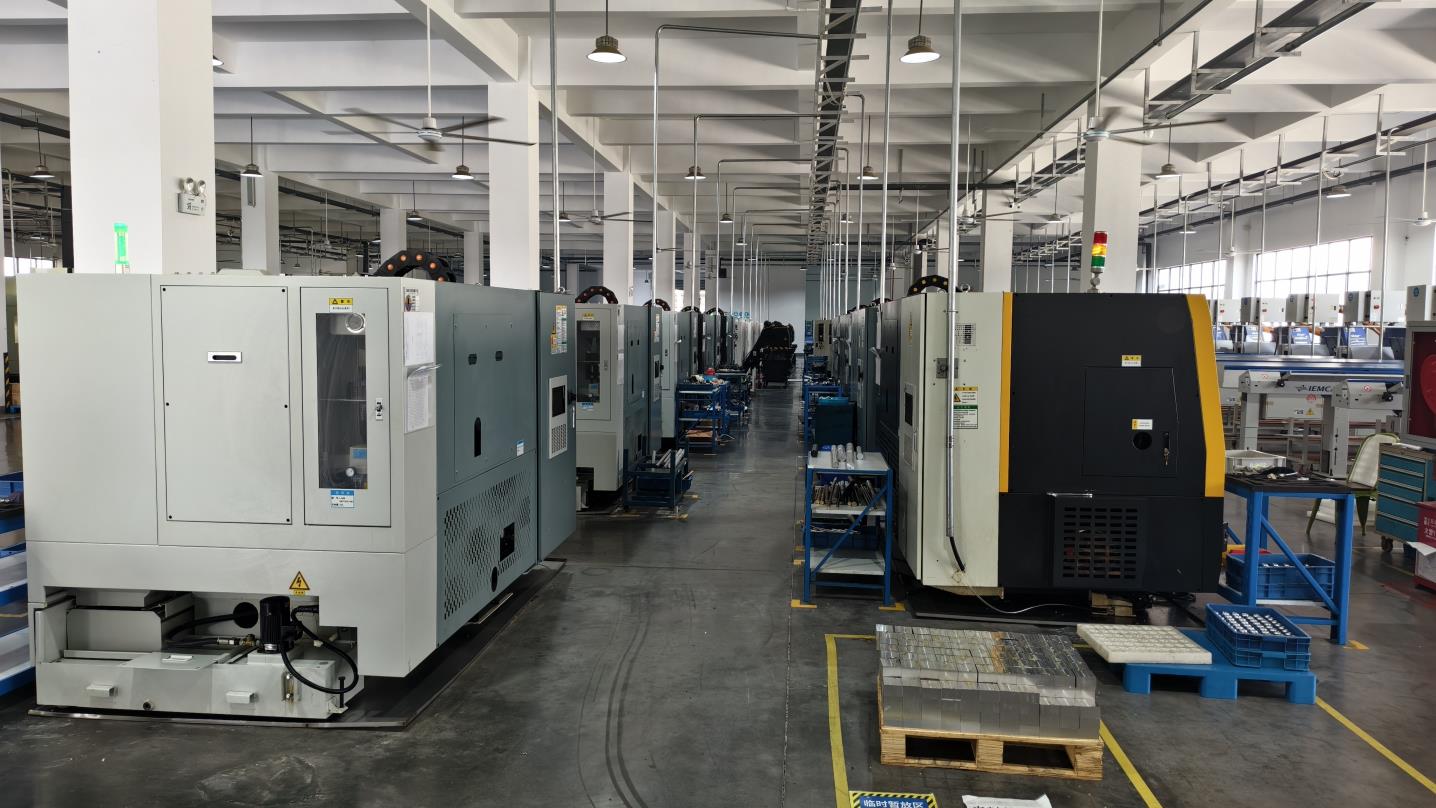
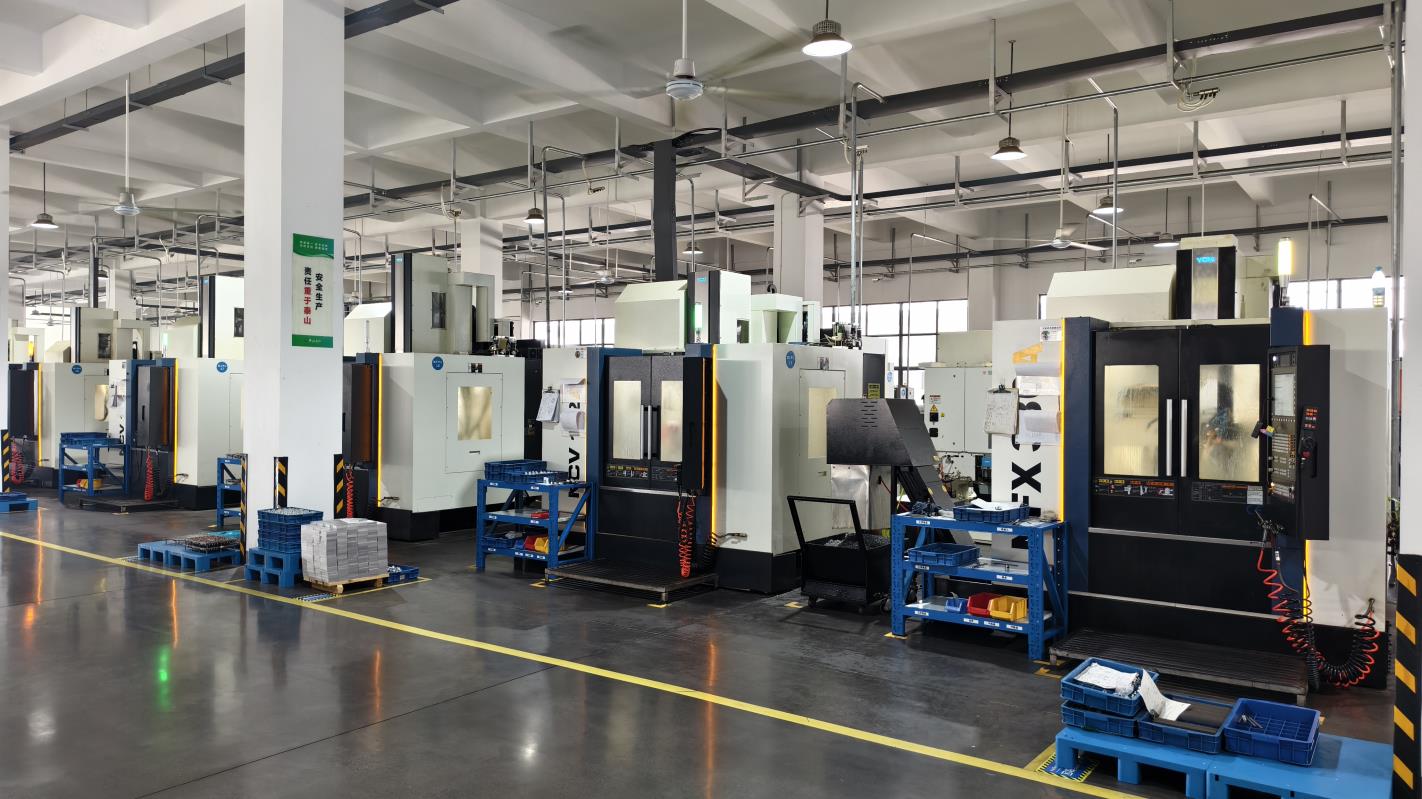
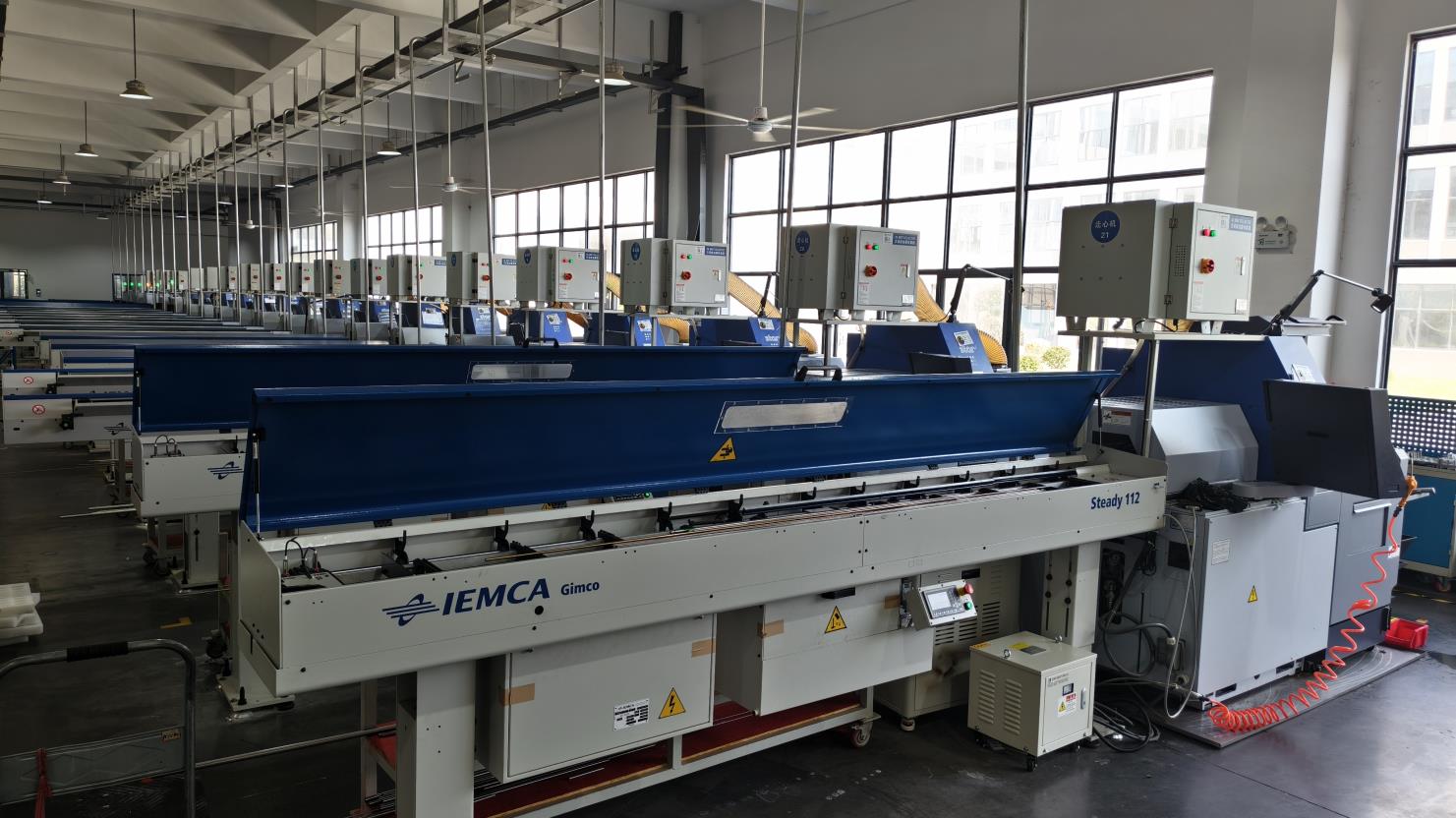
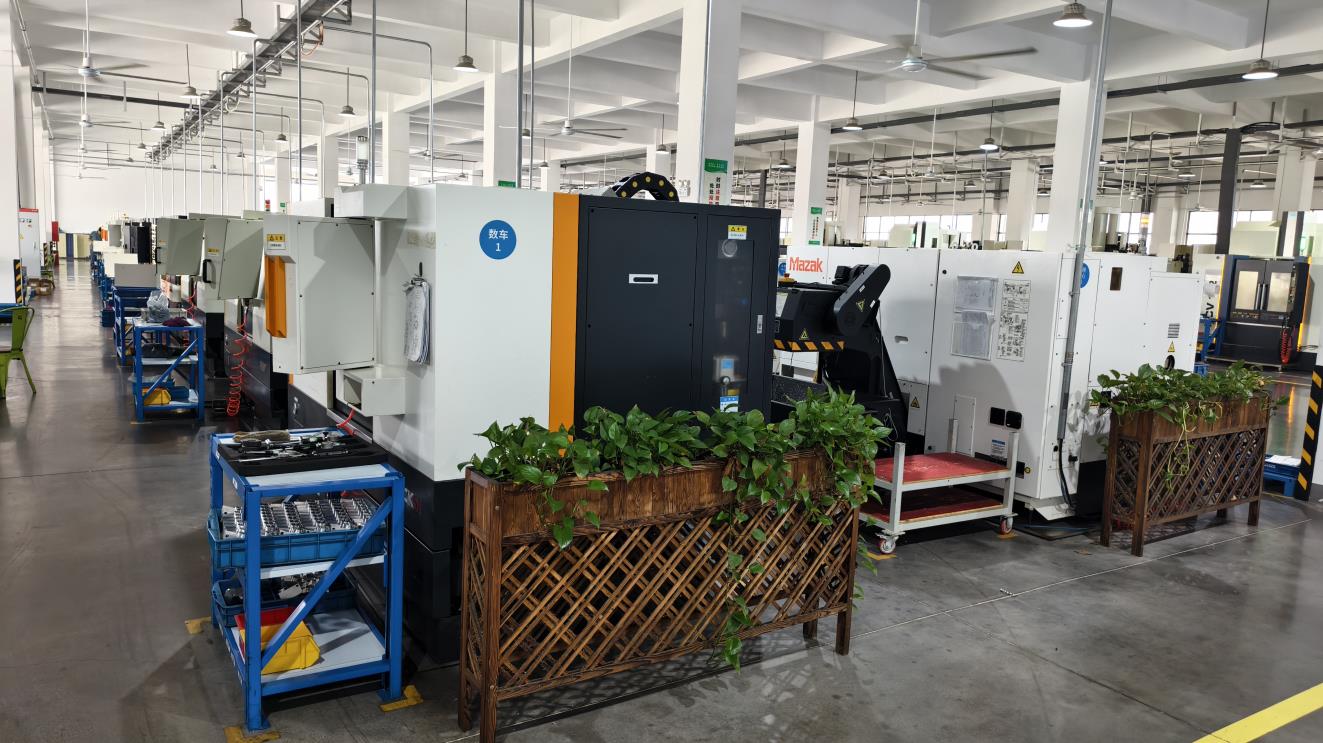
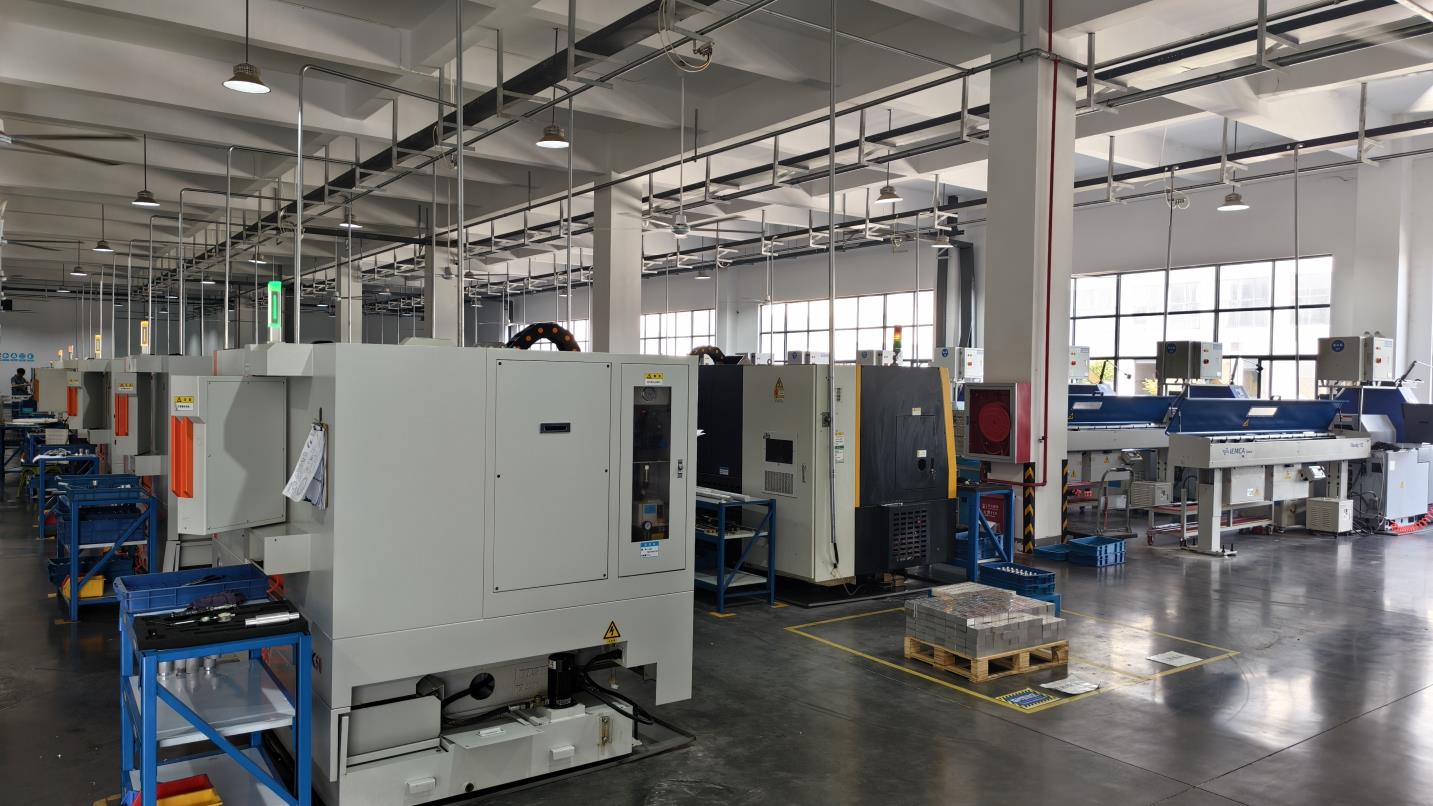
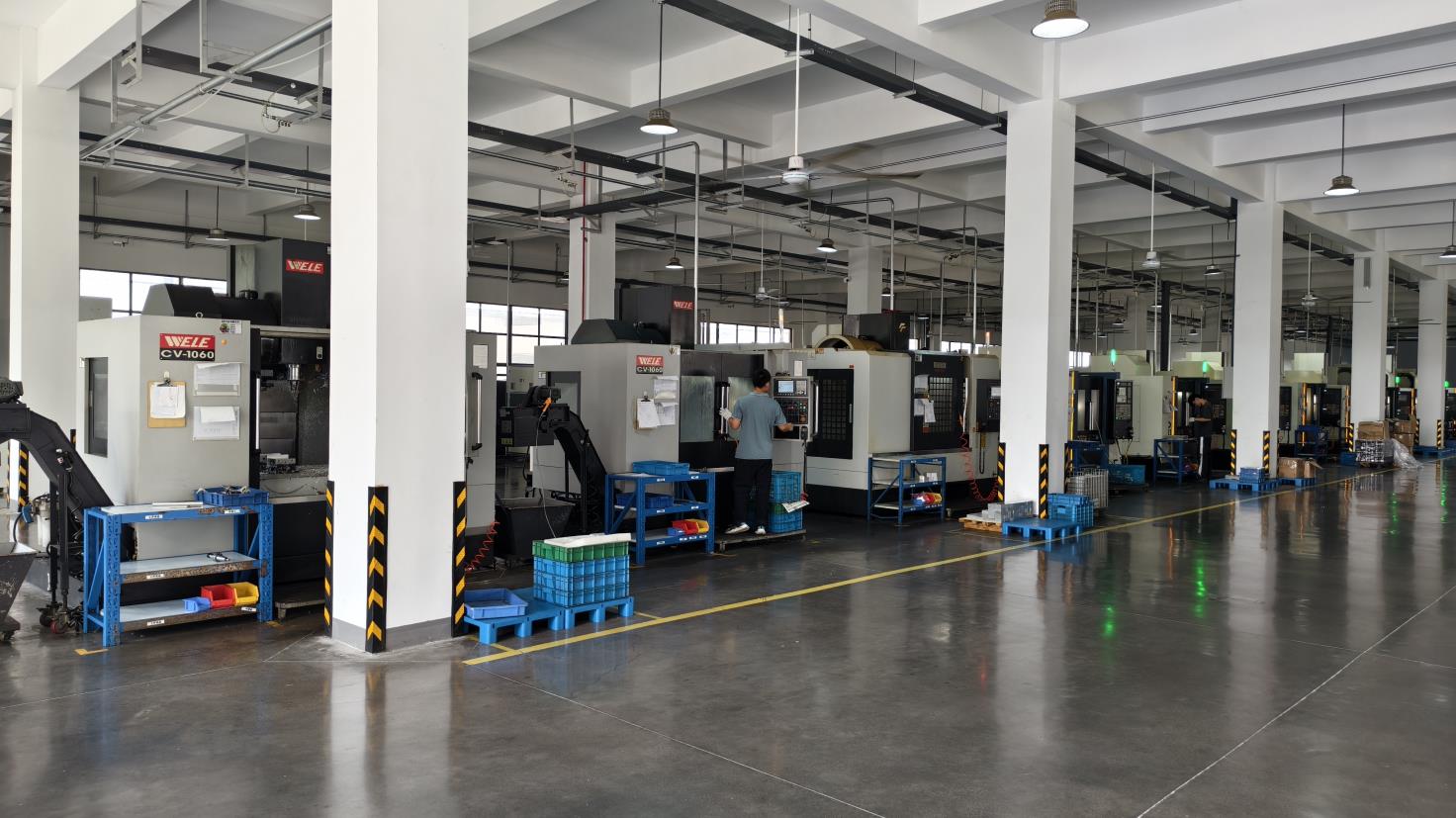
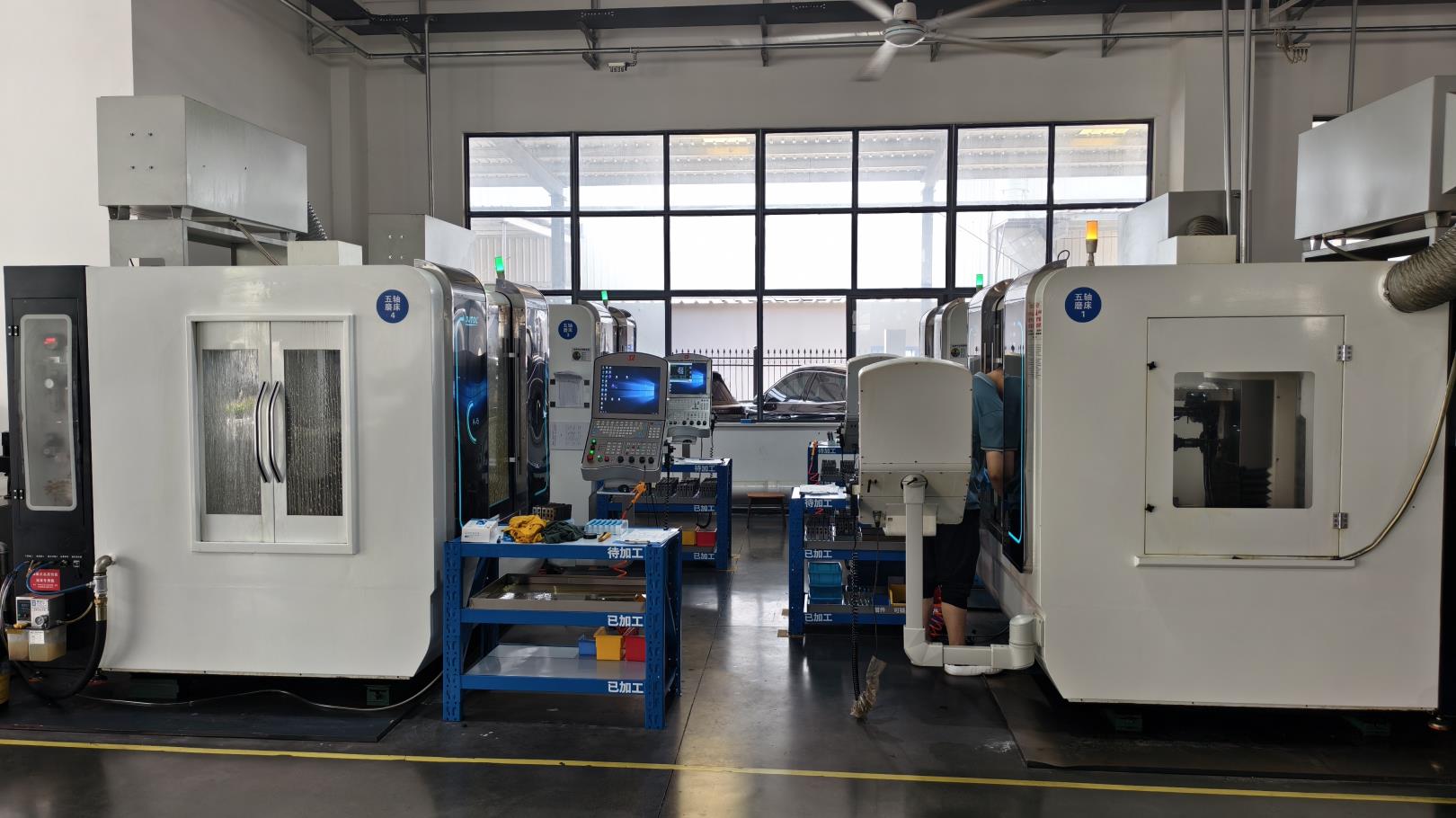
Our collaborative production facility represents this modern standard. Established in 2019, it leverages raw material sourcing networks, high-speed multi-axis CNC machines, and specialized heat-treatment plants in close proximity. This geographic cluster reduces the production cycle of customized orthopedic instruments from months to weeks, enabling high adaptability to custom requests (e.g., sample-based and graphic processing, and on-demand modifications).
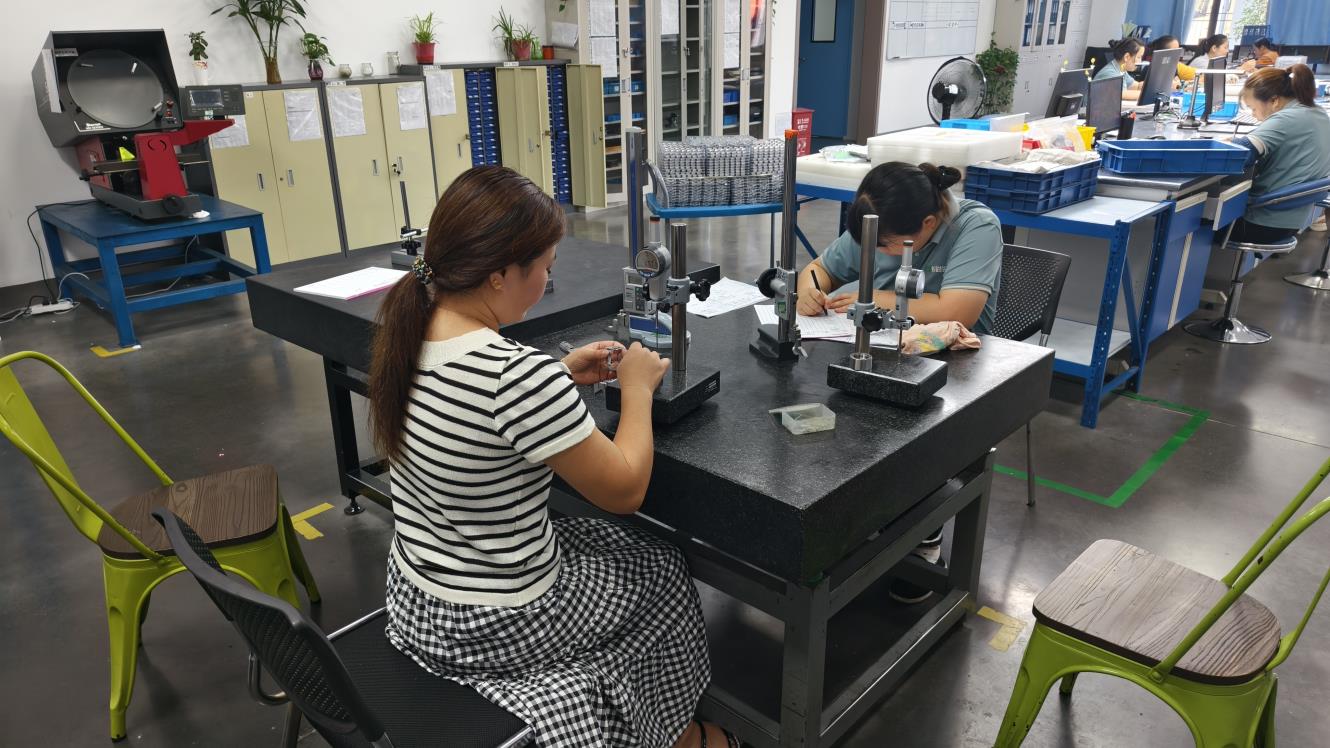
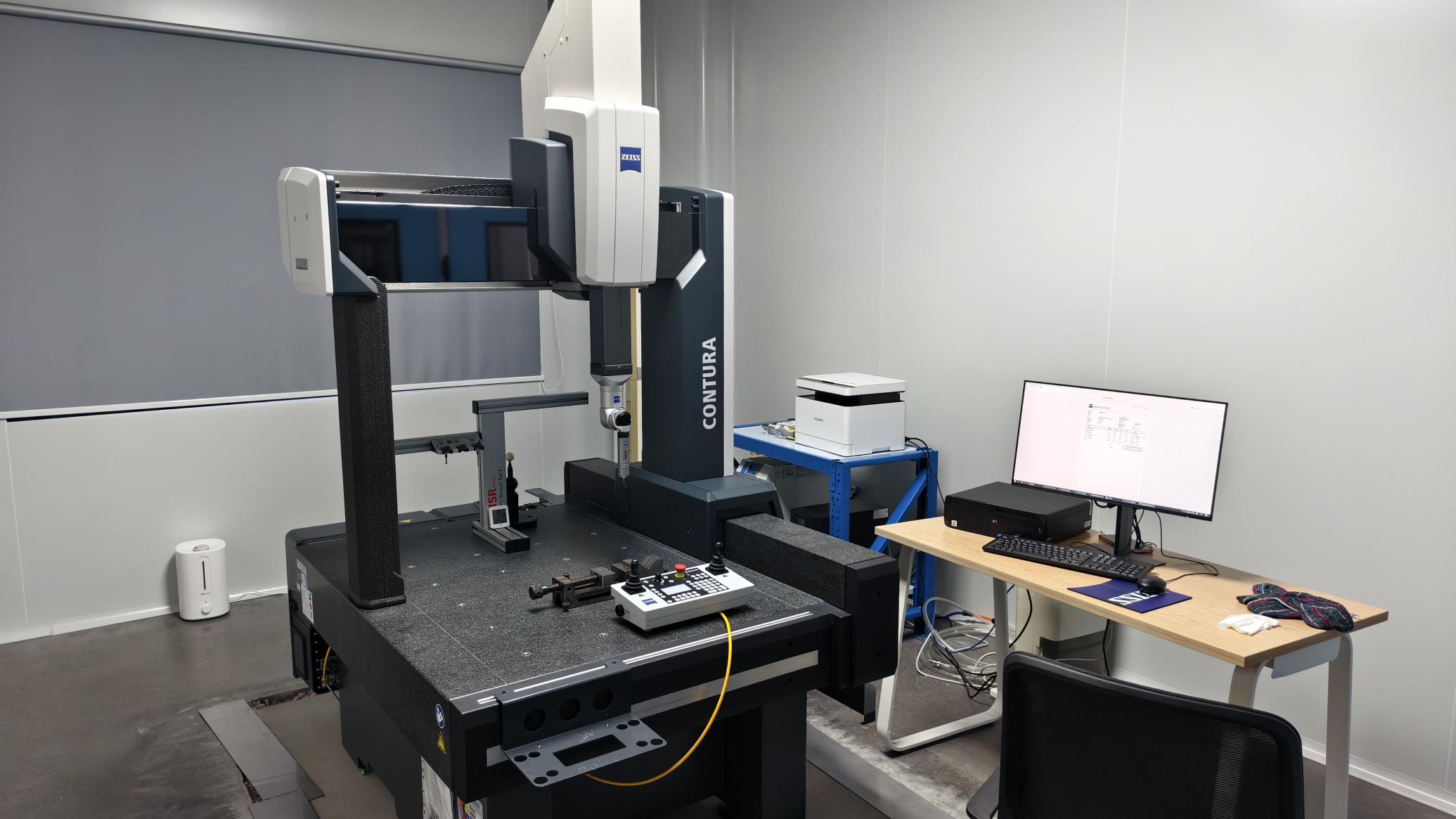
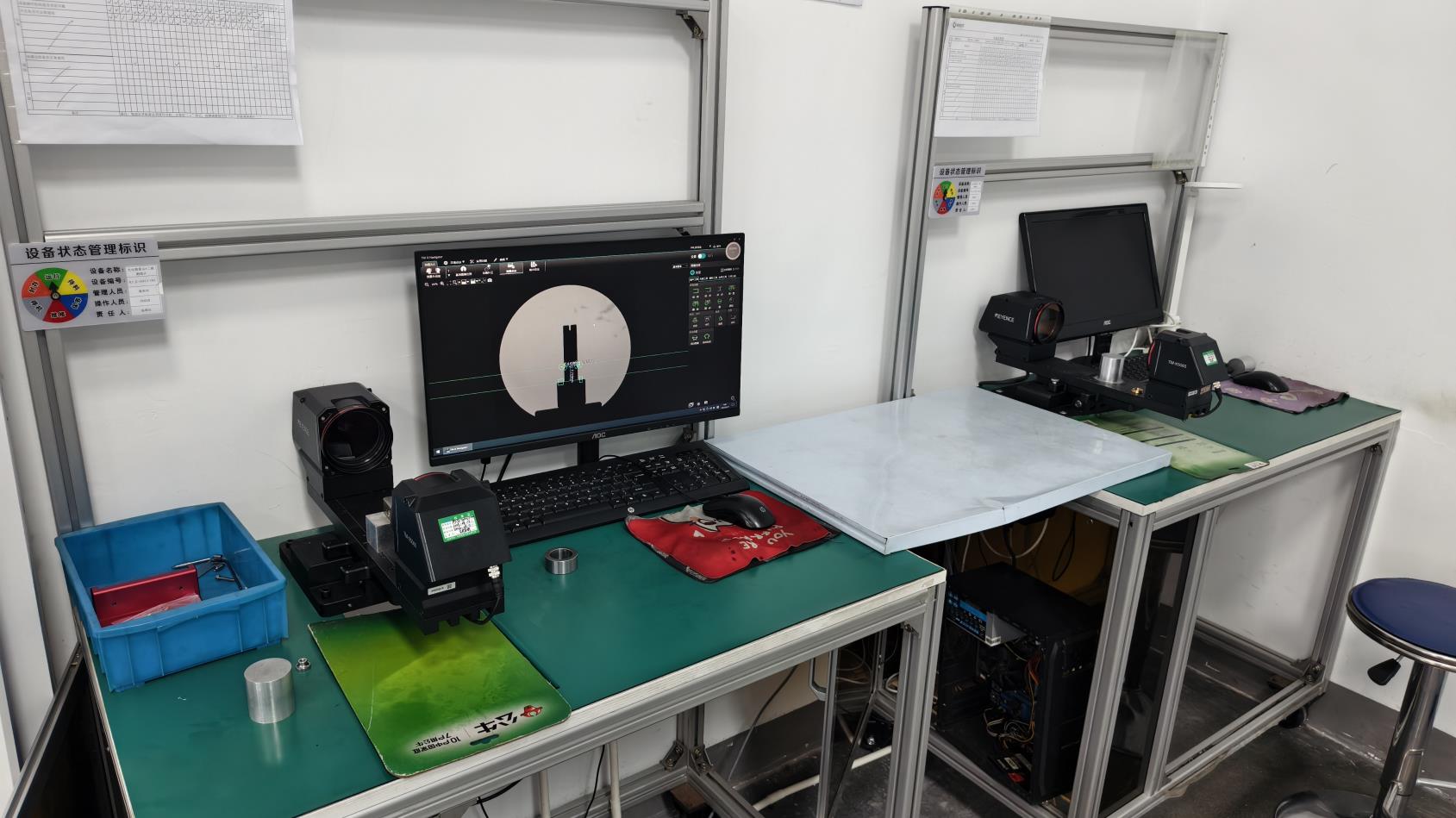
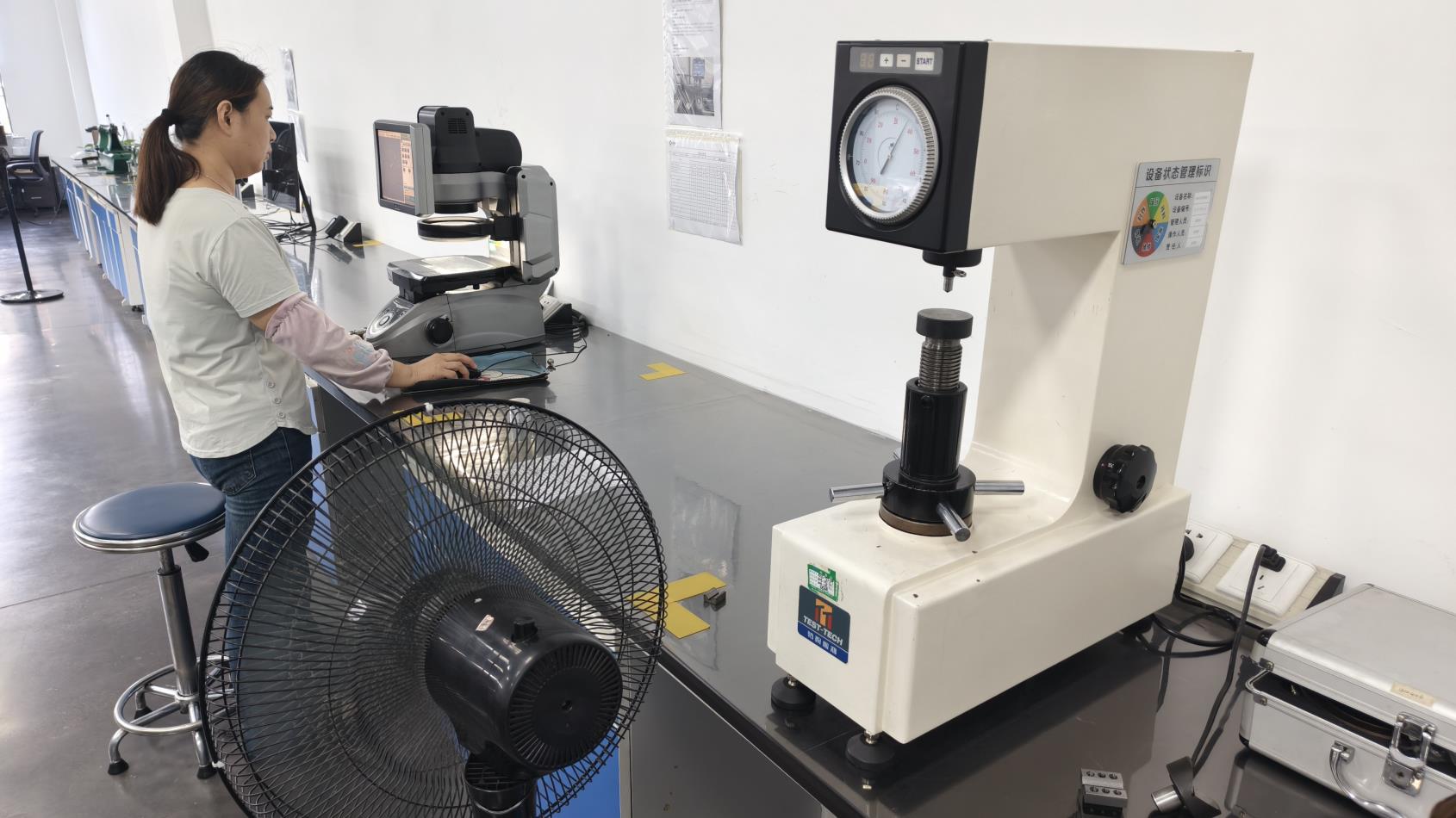
Unlike traditional manufacturers, our facility implements an open quality-assurance protocol. Every batch of surgical compression tools, whether manual bone screwdrivers or dynamic reconstruction benders, is fully traceable back to the raw steel or titanium melt lot. Regular quality inspections ensure that dimensional tolerances are held within 0.02 mm, providing reliable performance in the operating room.
How surgical compression tools function during internal fixation and trauma reconstruction.
Orthopedic internal fixation is based on a primary biomechanical principle: neutralizing mechanical forces acting on a fractured bone to allow for stable healing. Compression tools achieve this in different ways depending on the anatomical site and the specific type of fracture:
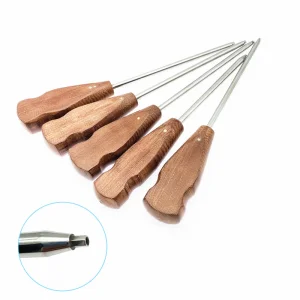
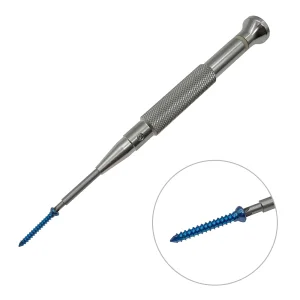
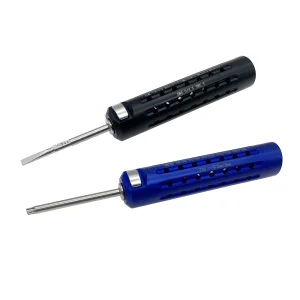
Screws are the most common compression tools in orthopedic surgery. The use of a *Hollow Cannulated Bone Screw Driver* allows the surgeon to place a guide wire across the fracture line, verify its position under fluoroscopy, and guide the compression screw precisely along the wire. When a lag screw is inserted, only the deep thread engages the far bone fragment, while the smooth shaft or screw head presses against the near cortex. As the screw is tightened, the two fragments are drawn together. This creates high friction (compression) between the bone ends, preventing micro-motion and allowing direct bone healing.
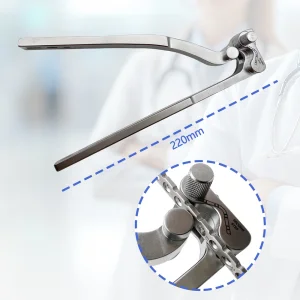
For diaphyseal fractures of long bones, plates are applied to the tension side of the bone. Standard Dynamic Compression Plates (DCP) feature sloped screw holes. As a screw is driven into the plate, the screw head slides down the slope, moving the bone fragment horizontally relative to the plate and compressing the fracture line. To match the patient's anatomy, surgeons use tools like the *Multifunctional AO Reconstruction Plate Bender*. Precise cold bending is critical; poor bending can warp the screw holes, preventing the screw heads from sliding correctly and reducing the compression effect.
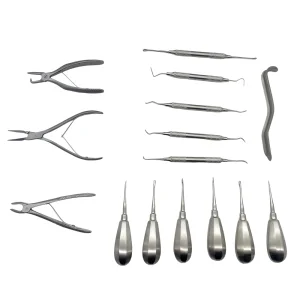
Veterinary orthopedics has seen a shift toward advanced instrumentation. The mechanical principles of compression are identical to human surgery, but the size scale and loading patterns differ. Instruments like the *Pet Extraction Forceps* and specialized orthopedic systems for small animals require high-precision manufacturing. These tools must handle small sizes (often accommodating screw diameters down to 1.1mm or 1.5mm) while remaining strong enough to manage the high biomechanical loads typical of active animals.
Key technical specifications that procurement officers must evaluate before purchasing.
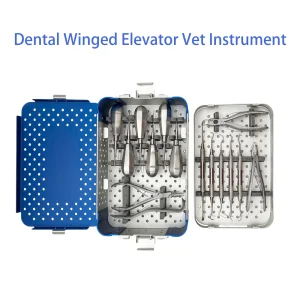
B2B procurement of surgical instruments requires detailed technical verification. Simply reviewing a product brochure is not enough to ensure clinical safety or reliability. When sourcing surgical compression tools, bone drills, or screwdriver kits, procurement agents should evaluate the following technical standards:
All surgical instruments must undergo repeated autoclave cycles (typically at 134°C for 4–18 minutes at 2.1 bar pressure). Low-grade stainless steels will oxidize under these conditions, causing surface pitting and structural rust. Ensure all tools are manufactured from martensitic stainless steel grades (such as ASTM F899 or SUS420) or surgical titanium alloys (Ti-6Al-4V ELI conforming to ASTM F136), with passivation treatment to protect the surface.
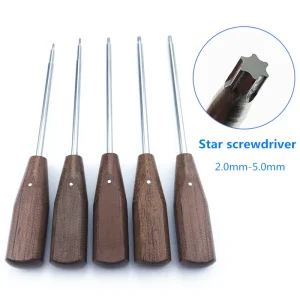
Screw strip-out is a common complication in orthopedic surgery. The driver tip (star, hex, or cross-type) must match the screw head recess precisely. For example, a 1.1mm cross screwdriver or a star screwdriver must be machined to a tolerance of +0/-0.02mm. Any variance can cause cam-out under torque, stripping the screw head and complicating the surgical procedure.
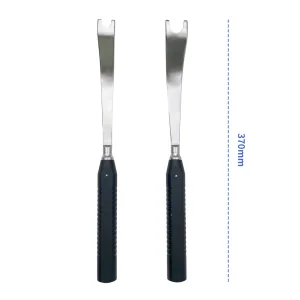
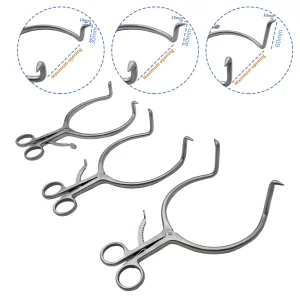
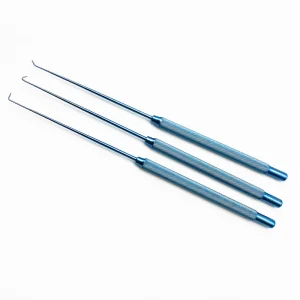
Manual instruments require proper ergonomics to maintain control during long procedures. Aluminum handles on retractors (such as the *Femoral Trochanter Retractor*) reduce weight, helping to prevent surgeon fatigue during bone retraction while providing the lever force needed to expose the surgical site.
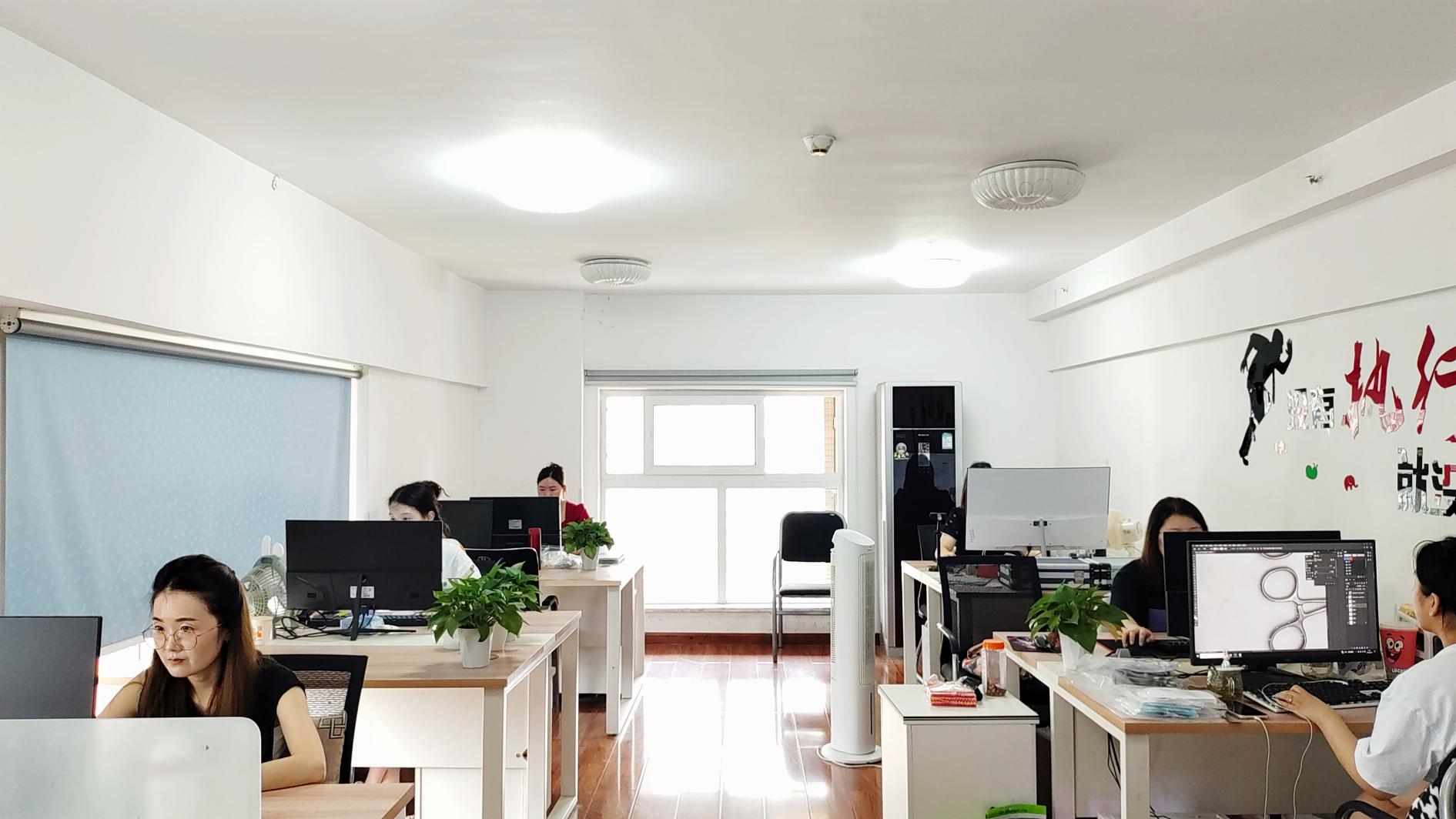
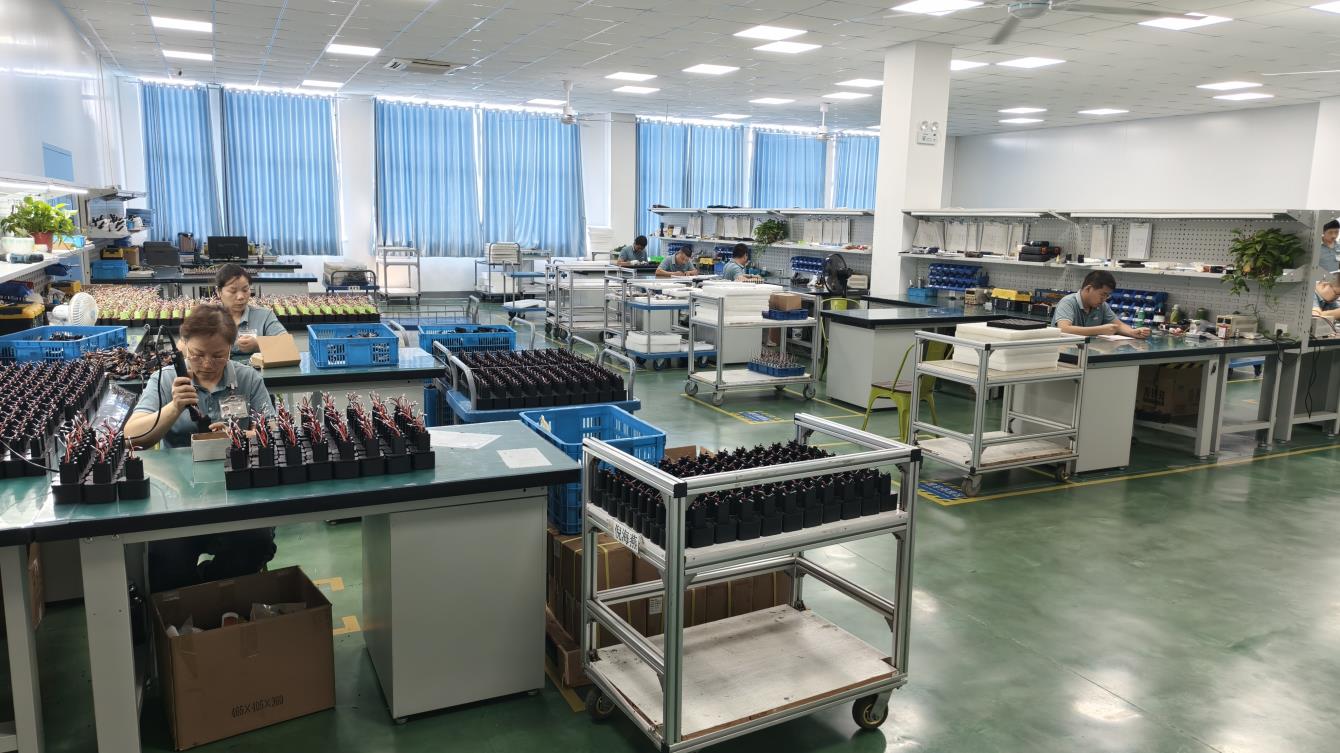
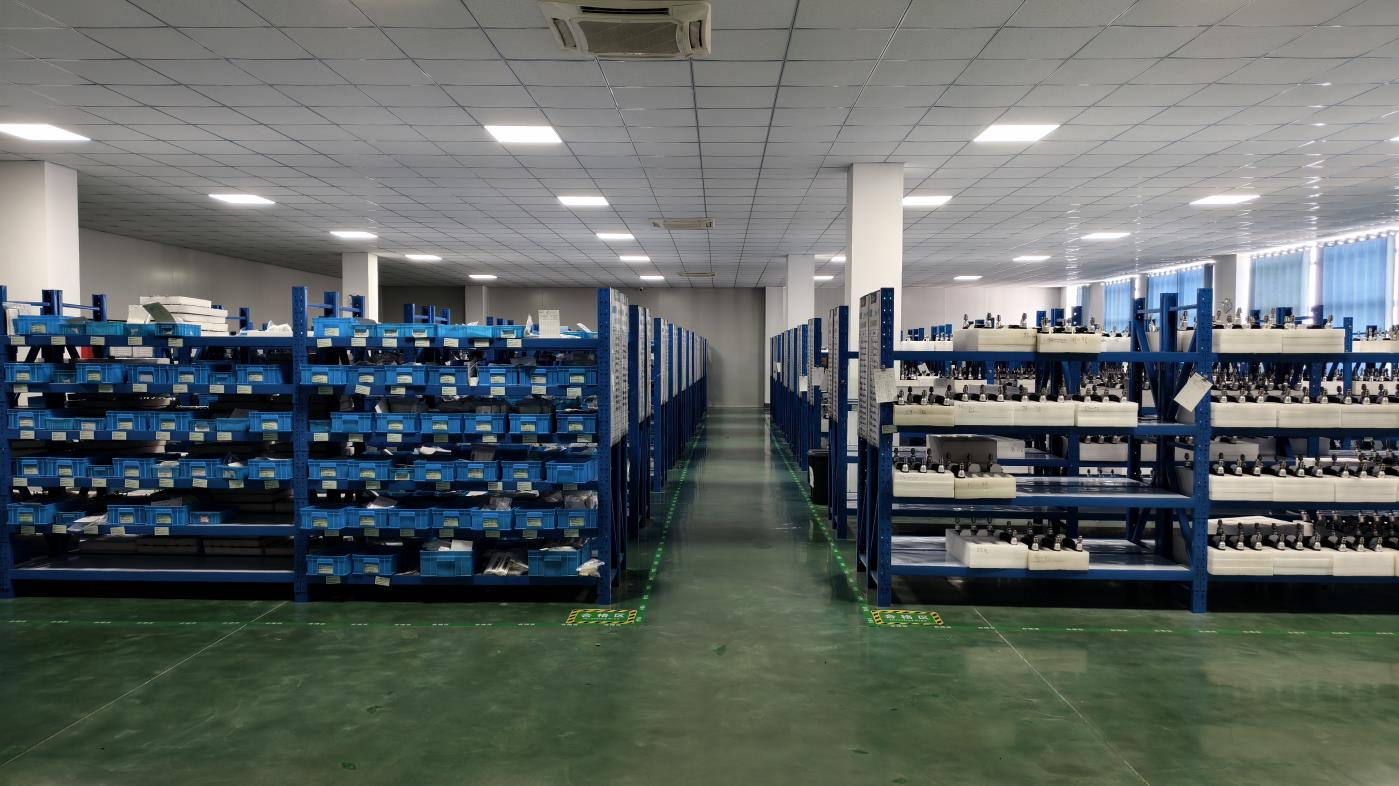
A visual overview of our manufacturing facilities, CNC machining equipment, and testing processes.
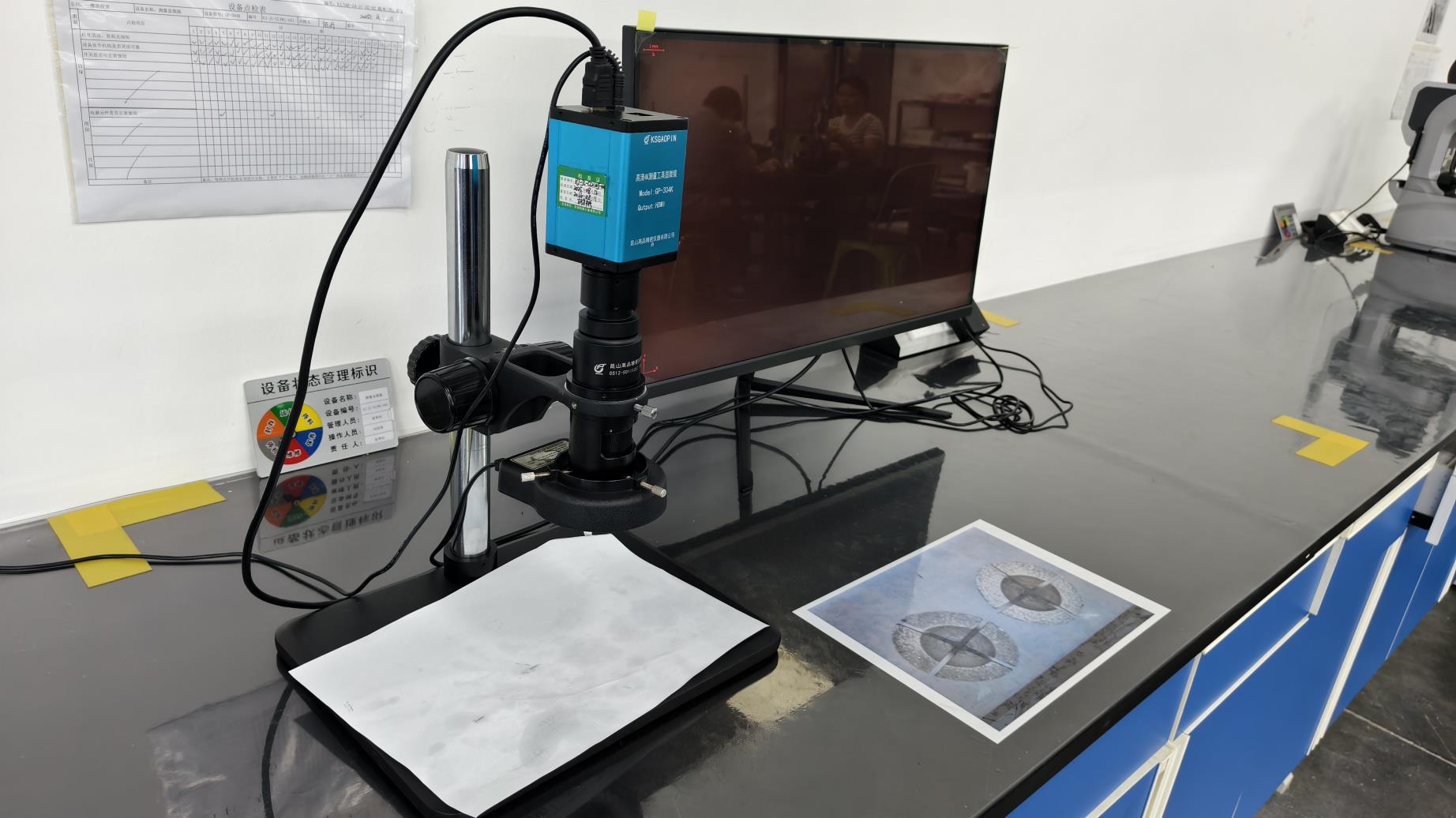
New technologies shaping the next generation of trauma fixation devices.
The field of fracture fixation is evolving past standard mechanical plates and screws. Several key trends are shifting how compression is applied, monitored, and maintained during the healing process:
Essential guidance for B2B buyers, biomedical engineers, and distributors.
Engineered for high durability and performance under demanding clinical conditions