 SENJIE Healthy & Technology
SENJIE Healthy & Technology
SENJIE Healthy & Technology
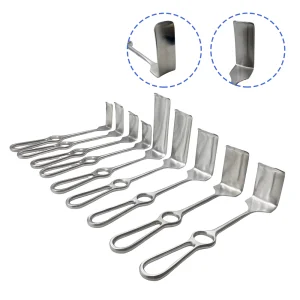
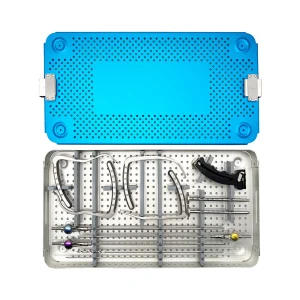
Explore high-precision traumatology setups and specialized orthopedic benders engineered to meet stringent cleanroom standards and improve overall surgical efficiency.
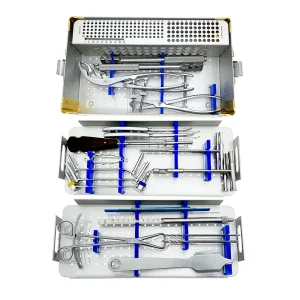
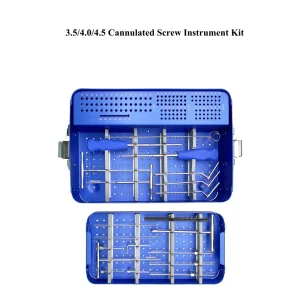
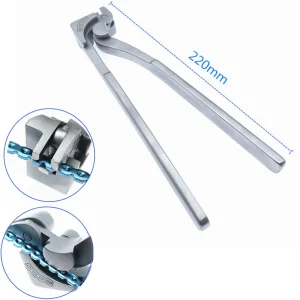
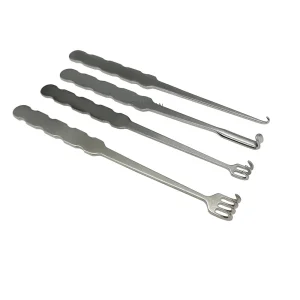
Analyzing current clinical paradigms, technological transitions, and macro growth factors defining modern hybrid operating rooms.
The contemporary surgical operating table is no longer merely a mechanical support structure; it has evolved into the central hub of the modern Operating Room (OR). As hospitals worldwide transition toward minimally invasive surgery (MIS), intraoperative imaging, and robotic-assisted procedures, the requirements for surgical positioning systems have become increasingly complex.
Medical institutions prioritize high-quality surgical tables that support modular adjustments, radiolucency, and precise patient positioning. Global market analysts project that the operating table industry will continue to expand at a steady Compound Annual Growth Rate (CAGR) of over 5.5% through 2030, driven by an aging global population and rising investments in surgical infrastructure in emerging economies.
Key regulatory frameworks—such as FDA clearance in North America, CE marking in the European Union, and ISO 13485 certification—serve as baseline standards. These certifications ensure that surgical tables satisfy essential parameters for electric safety, mechanical load tolerances, and infection control, directly supporting patient safety in the operating theater.
Understanding the material sciences, drive mechanics, and digital integrations shaping next-generation surgical hardware.
Modern surgical tables rely on advanced electro-hydraulic cylinders that facilitate smooth, continuous shifts in height, Trendelenburg, reverse Trendelenburg, lateral tilt, and longitudinal travel. This design minimizes mechanical vibration, protecting fragile patient setups during micro-neurosurgical procedures.
To support intraoperative C-arm and 3D imaging integration, the structural sections of modern tables utilize high-performance carbon fiber materials. Minimizing metal components within the imaging field reduces radiation scattering, improving image quality while decreasing dosage requirements.
The newest systems communicate directly with robotic surgical arms. By sharing positional coordinate data, the operating table dynamically synchronizes its posture with the robotic tools, preventing accidental traction injuries during patient repositioning.
Surgical tables require high load-bearing capacity and robust resistance to harsh chemical sterilizers. Manufacturers construct structural components using high-grade stainless steel (such as SUS304 or SUS316L) to ensure exceptional corrosion resistance and mechanical strength under loads up to 450 kg (992 lbs).
Integrated pressure-relief pads made of viscoelastic memory foam distribute patient weight evenly, lowering the risk of pressure ulcers during long surgeries. Additionally, waterproof heat-sealed seams allow for thorough decontamination, satisfying strict infection prevention standards.
A comprehensive breakdown of the world's leading operating table suppliers, outlining their core technologies, manufacturing strengths, and strategic market positioning.
| Company / Manufacturer | Primary HQ | Core Specialty & Technology | Key Target Segments |
|---|---|---|---|
| Getinge Group (Maquet) | Sweden | Modular tabletops, advanced hybrid OR integration, premium electro-hydraulic drives. | Neurosurgery, Cardiothoracic, Hybrid ORs |
| Steris plc | United Kingdom / US | Reliable general surgical systems, imaging-compatible orthopedics, durable construction. | Ambulatory Centers, Trauma Care, General Surgery |
| Hillrom (Baxter) | United States | Integrated patient positioning systems, specialized spine configurations, surgical safety. | Spine Centers, General Hospital Systems |
| Stryker Corporation | United States | Mobile operating tables, advanced drive assist, rugged emergency trauma configurations. | Trauma Centers, Orthopedic Outpatient Units |
| Skytron LLC | United States | Top rotation capability (up to 270 degrees), modular designs, competitive price-performance. | Multi-specialty Operating Theaters |
| Mizuho Corporation | Japan | Orthopedic traction tables, specialized headframes, radiolucent spinal tables (Jackson-style). | Complex Spine, Hip Arthroplasty, Orthopedics |
| Trumpf Medical | Germany | Modular transfer systems, high load capacities, carbon fiber structures, premium finish. | Academic Hospitals, Hybrid Diagnostics, High-Load ORs |
| Merivaara Corp. | Finland | Highly ergonomic designs, intuitive touchscreen controls, mobile general surgical tables. | European Outpatient Clinics, General Surgery |
| Alvo Medical | Poland | Custom modular tables, integration with OR control systems, flexible OEM partnerships. | Central European and MEA Markets |
| SJ Healthtech (Shengjie) | China (Global OEM) | Highly flexible customization options (sample/graphic processing), direct-to-factory orthopedic components. | Global Brands, Wholesalers, Specialty Distributors |
When selecting a manufacturing partner, hospital procurement managers and medical device distributors must balance immediate capital expenditure against long-term operational costs. Key variables include:
How modern factories enforce traceability, mechanical tolerances, and sterilization compliance.
Removing free iron from metal surfaces to maximize corrosion resistance when exposed to harsh disinfectants like chlorine dioxide.
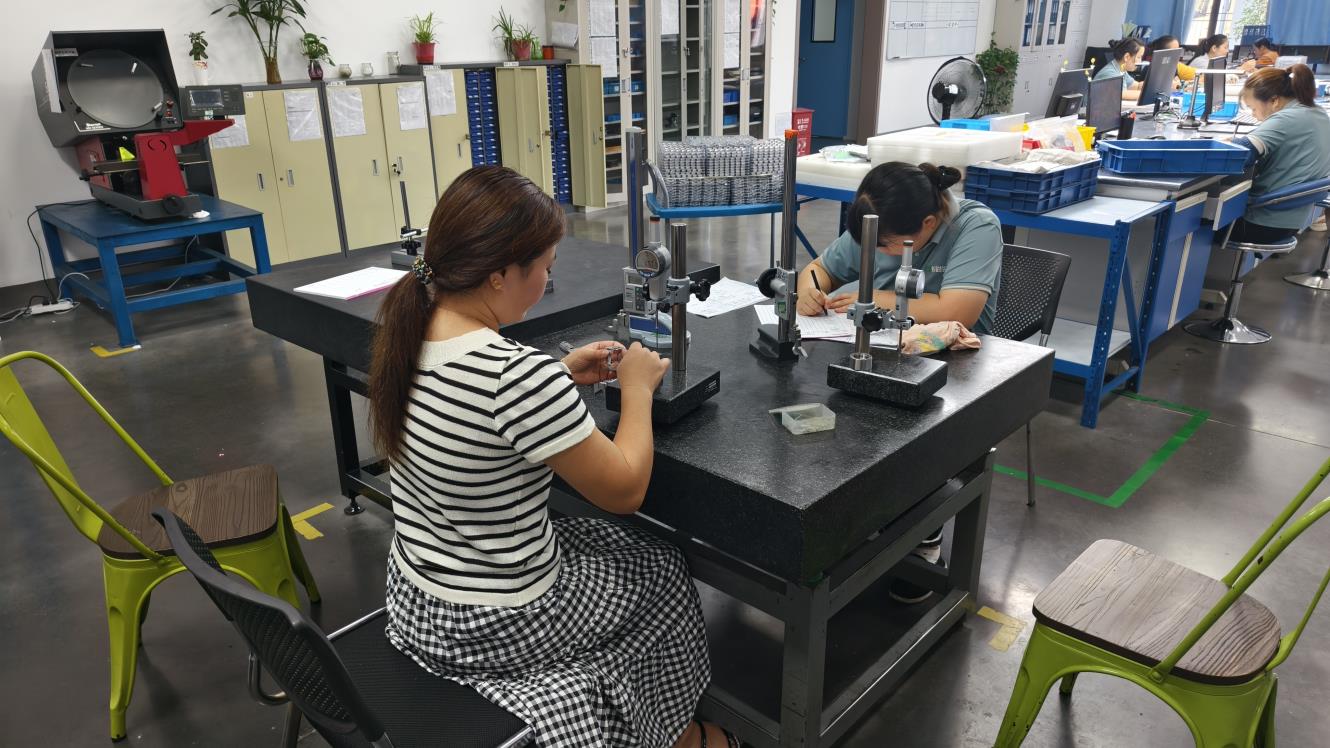
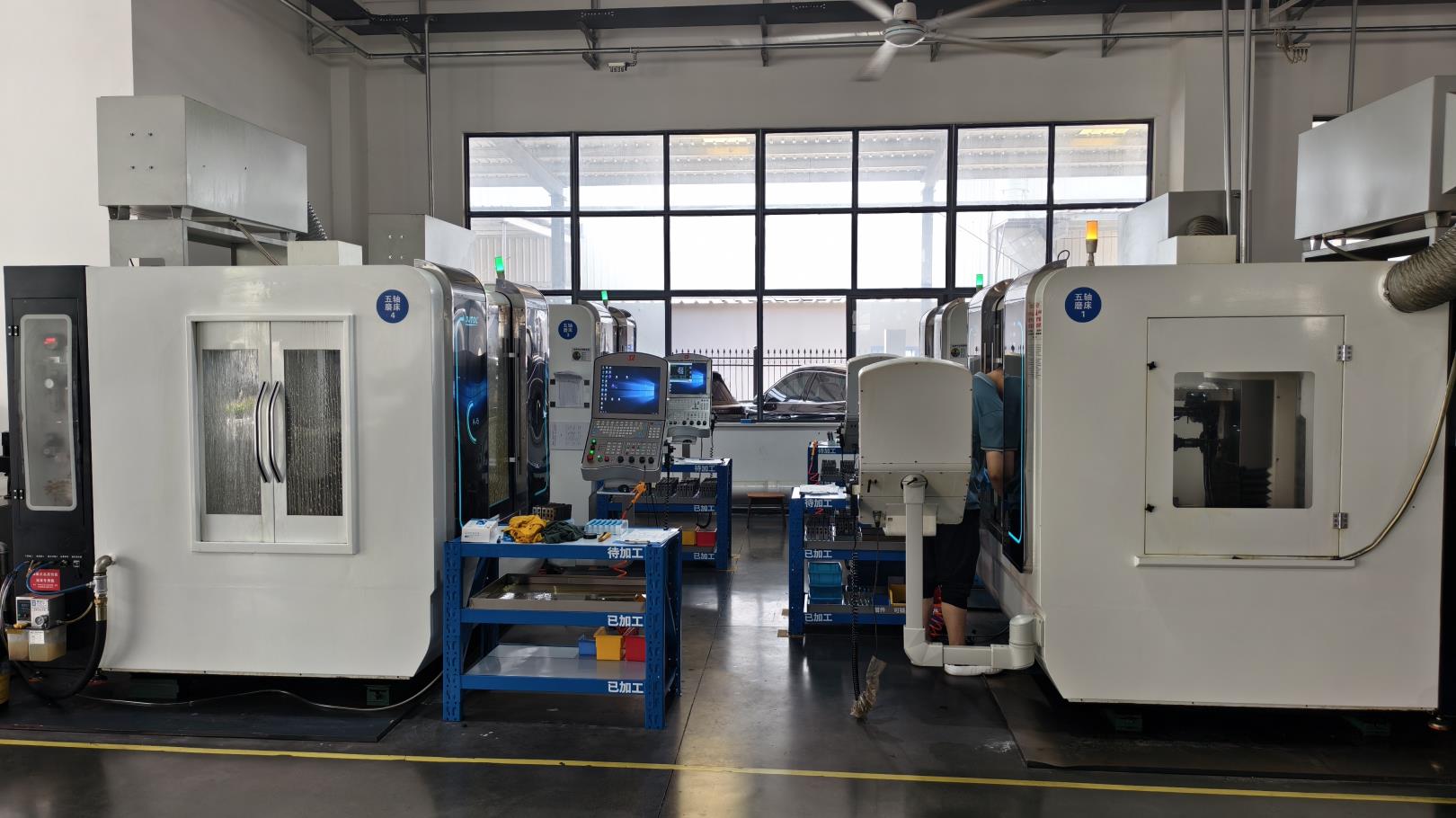
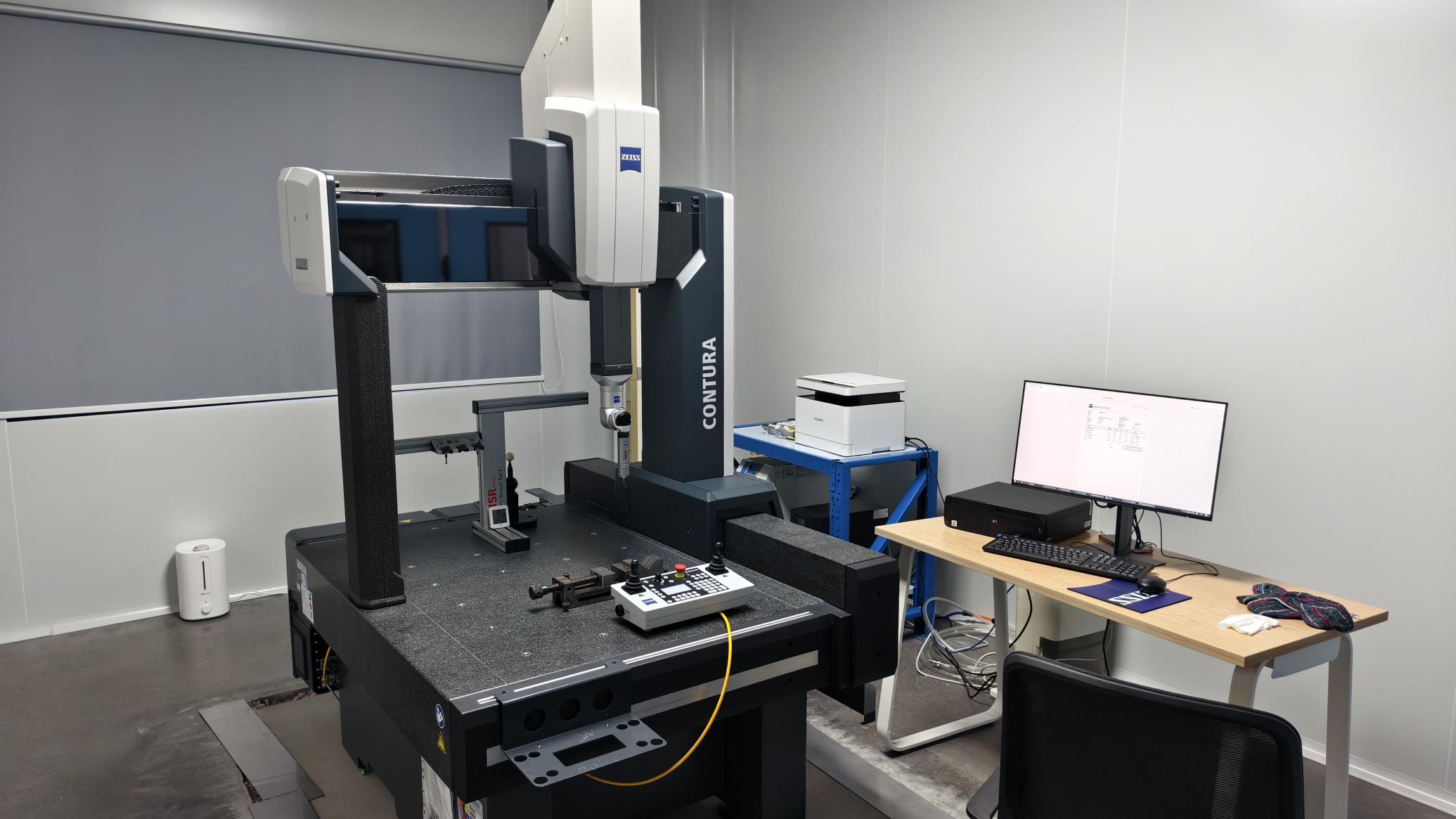
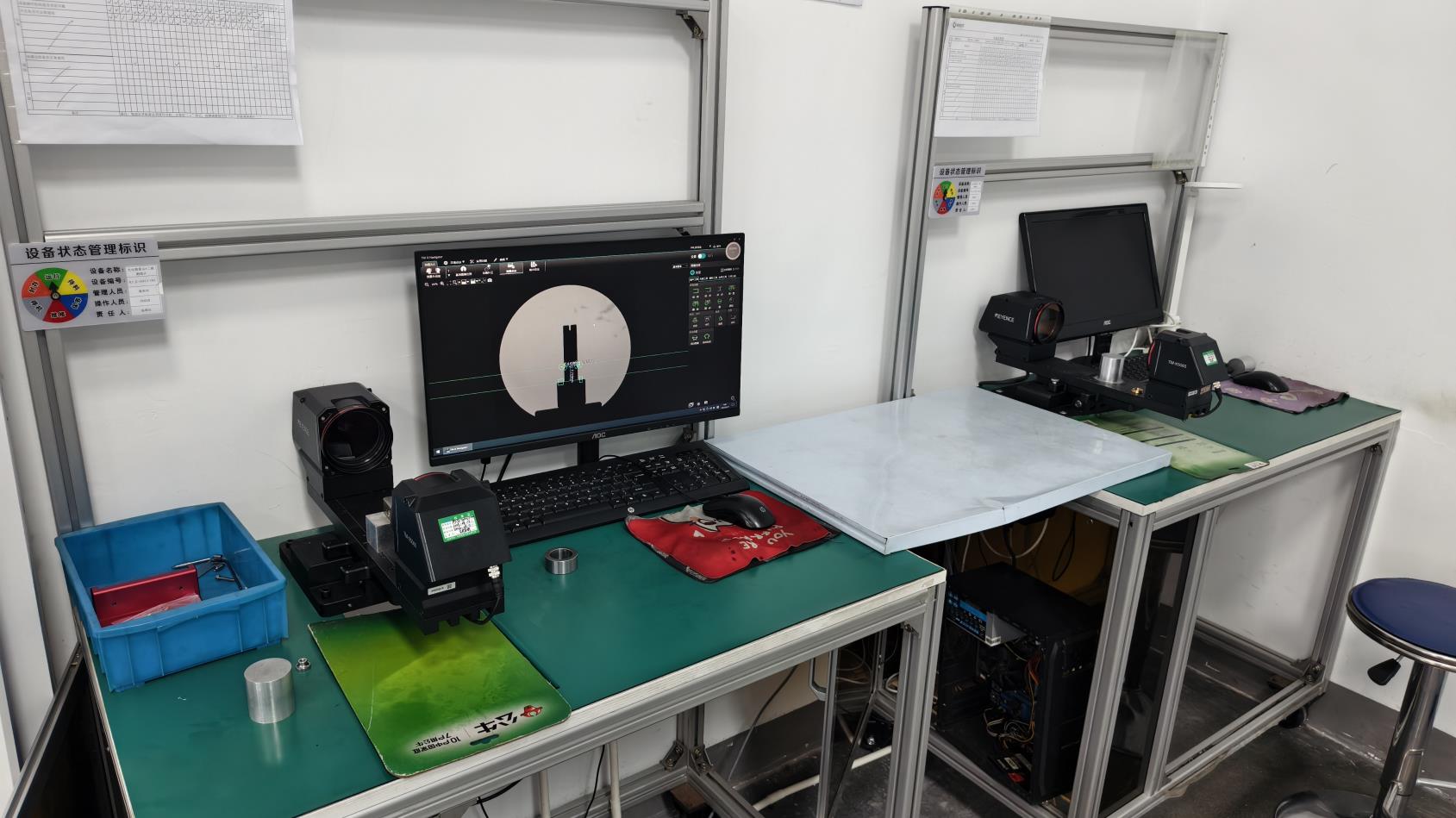
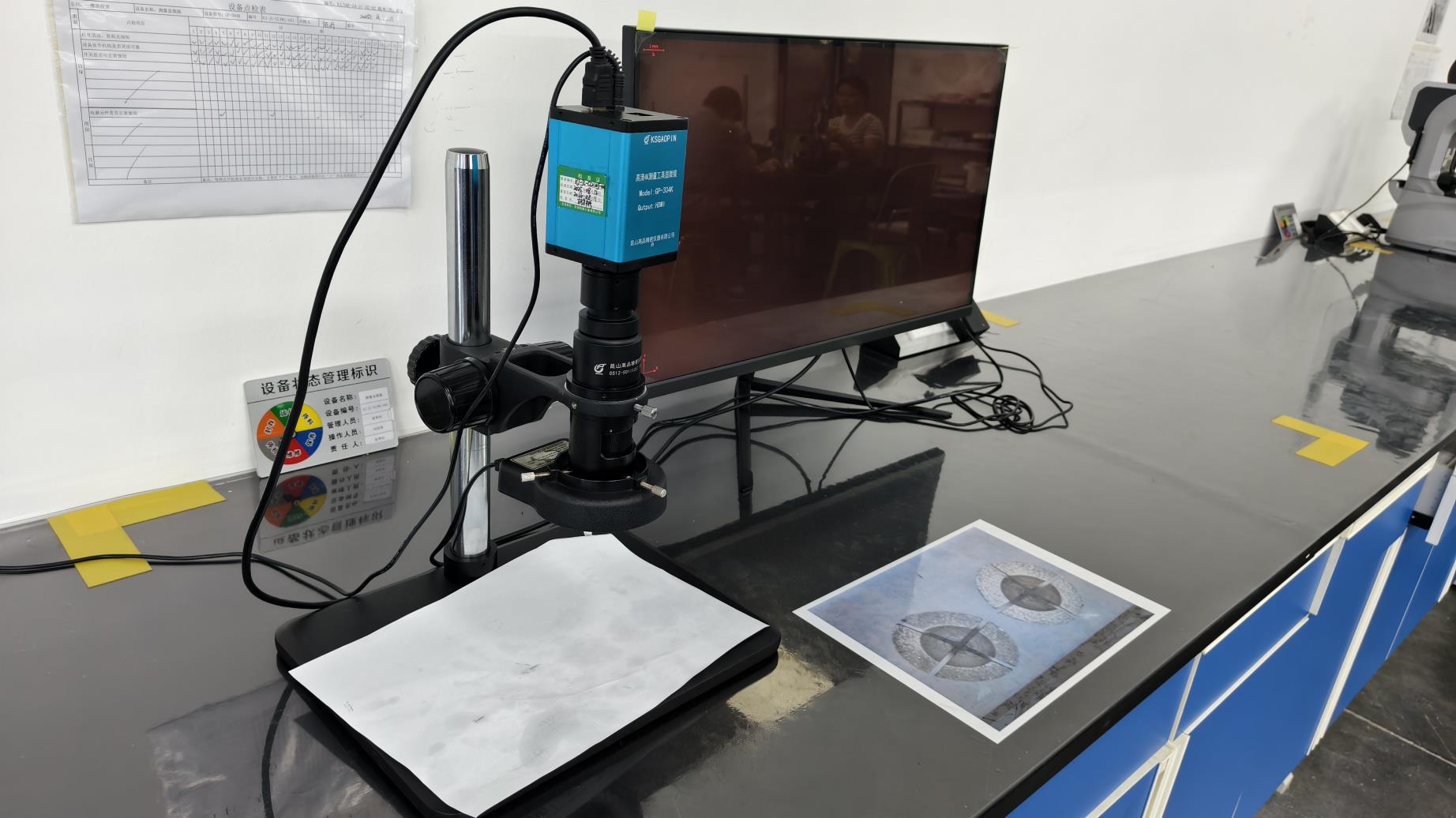
Calibrating structural dimensions with micrometers ensures smooth rotation and secure locking in high-pressure environments.
Ultrasonic cleaning removes oils and particulate matter from hidden mechanical recesses, reducing potential bioburdens.
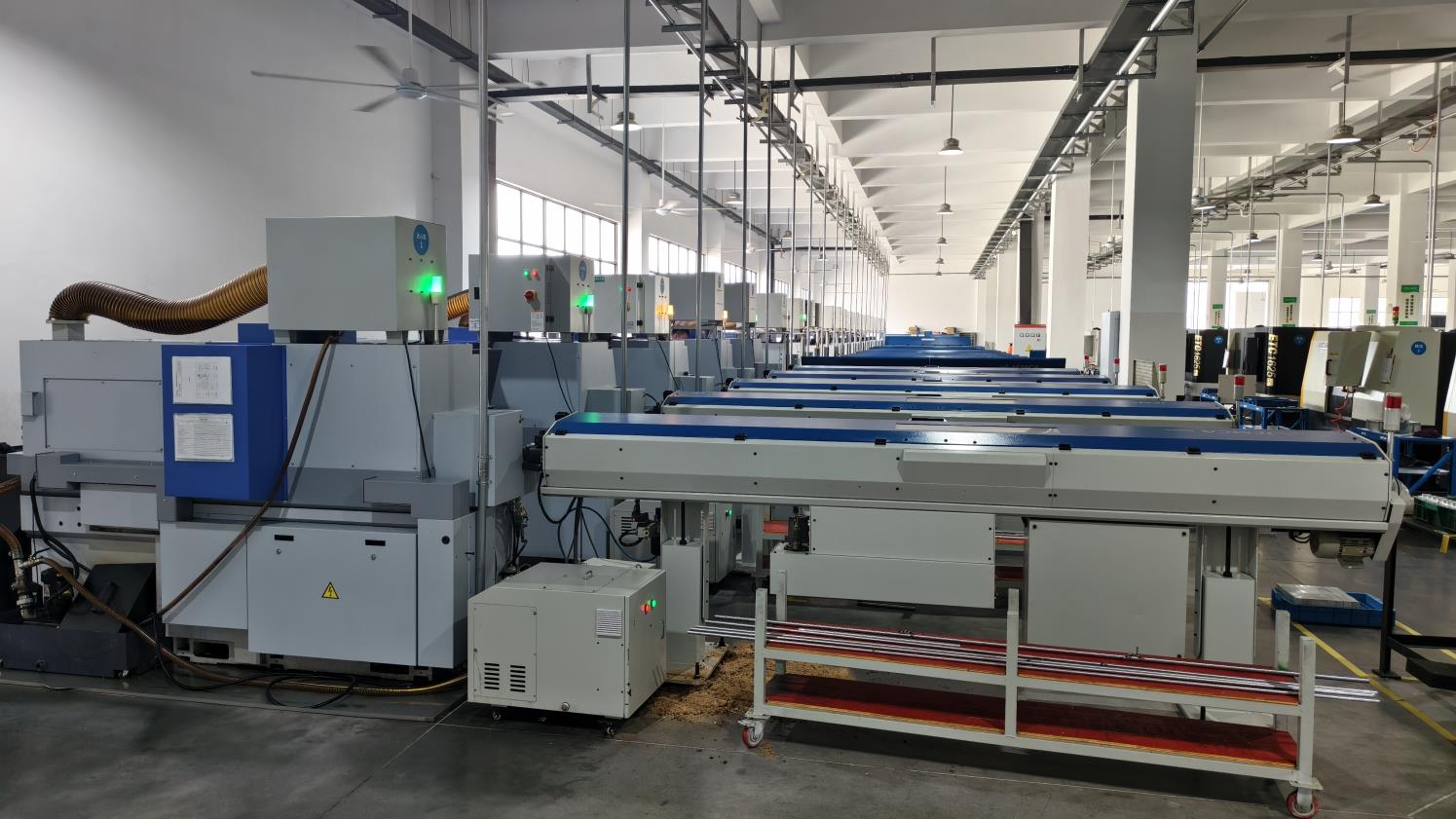
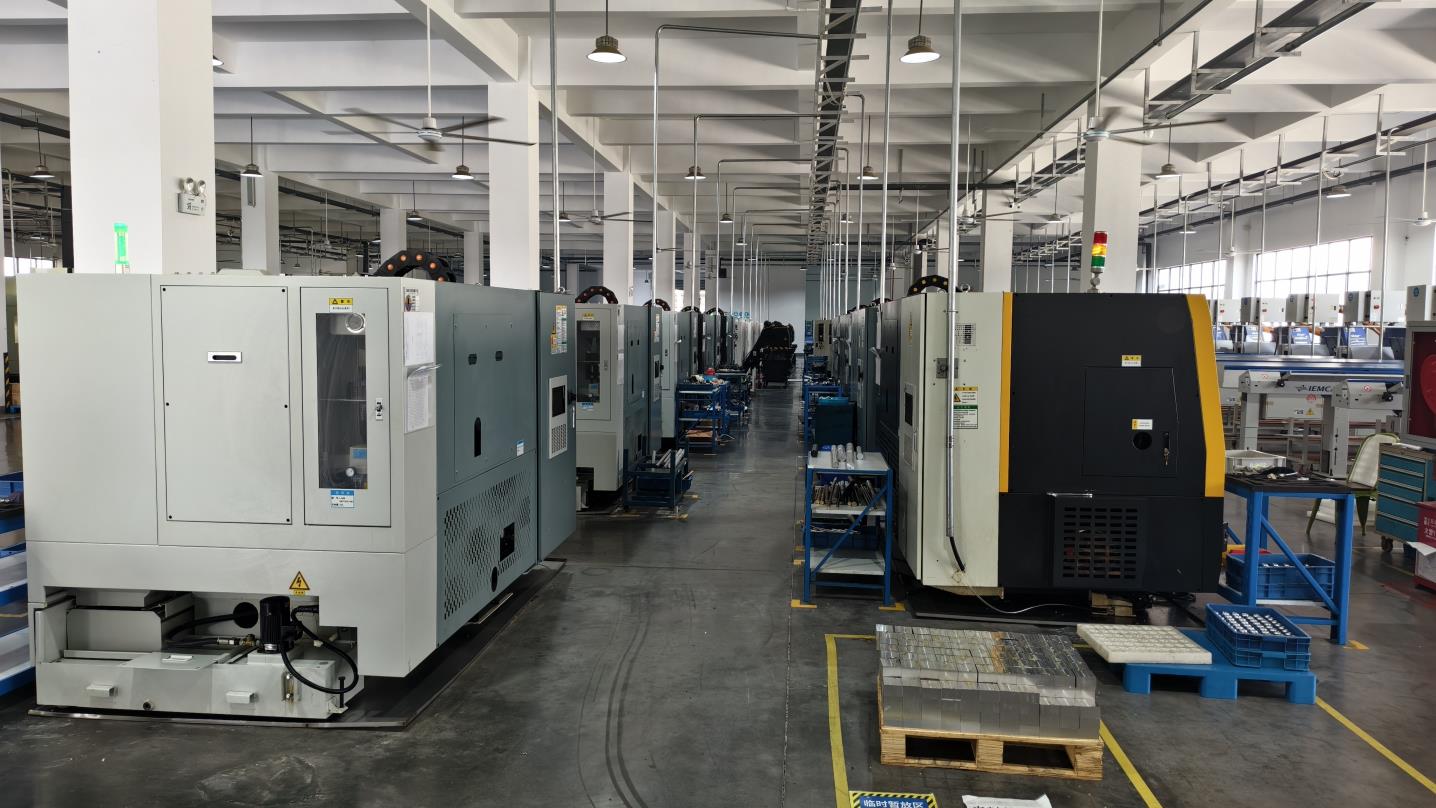
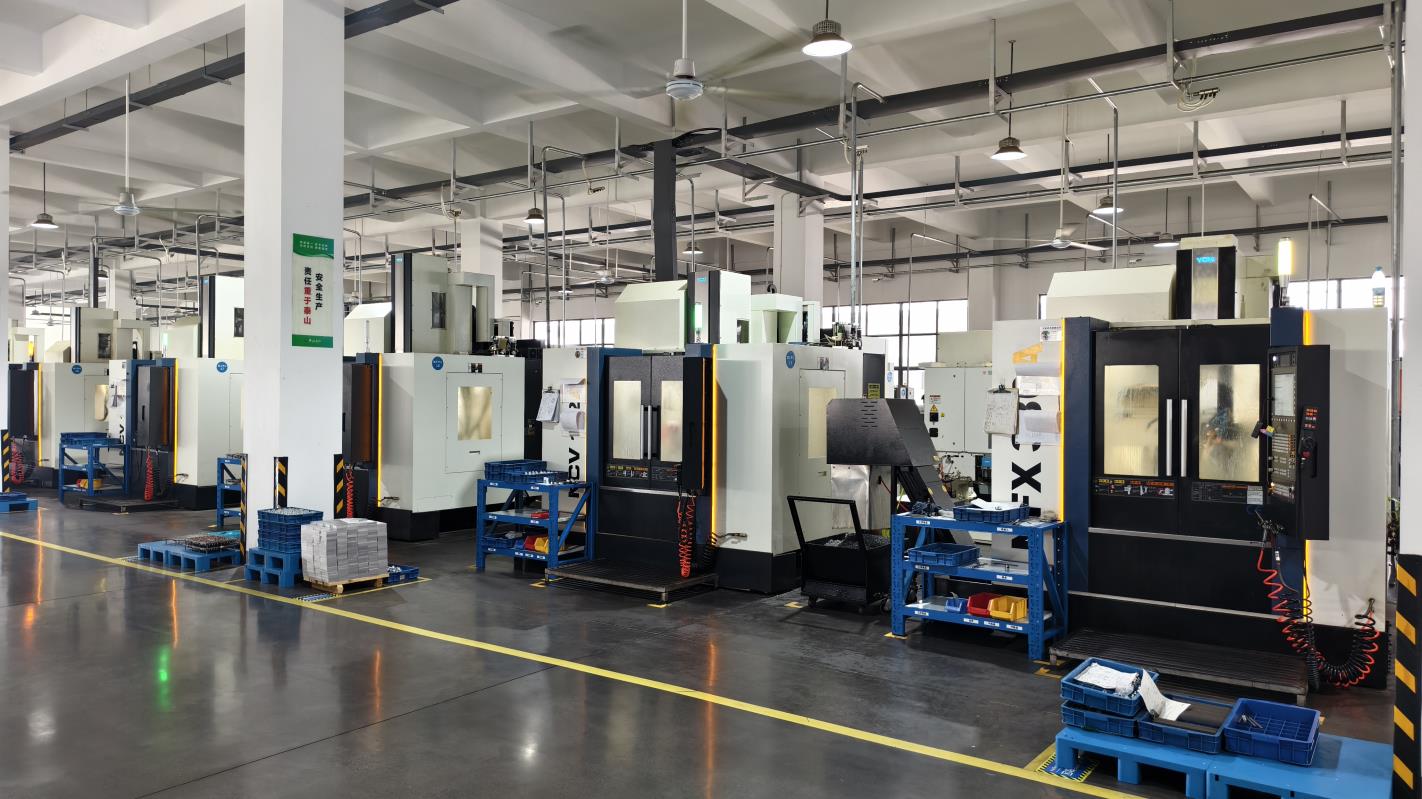
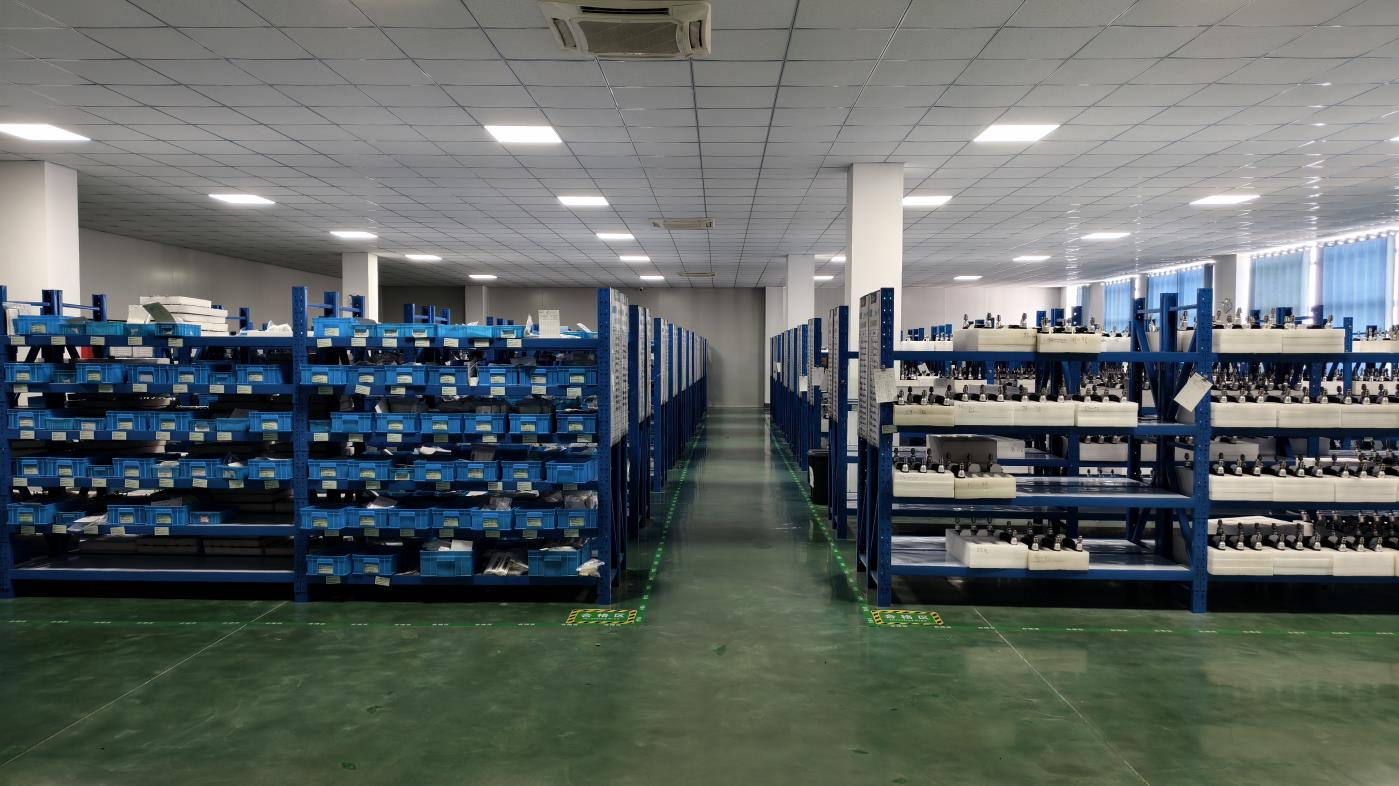
Top-tier medical hardware factories require robust end-to-end material traceability. From the receipt of raw stainless steel tubing to the packaging of finished devices, every step is carefully documented.
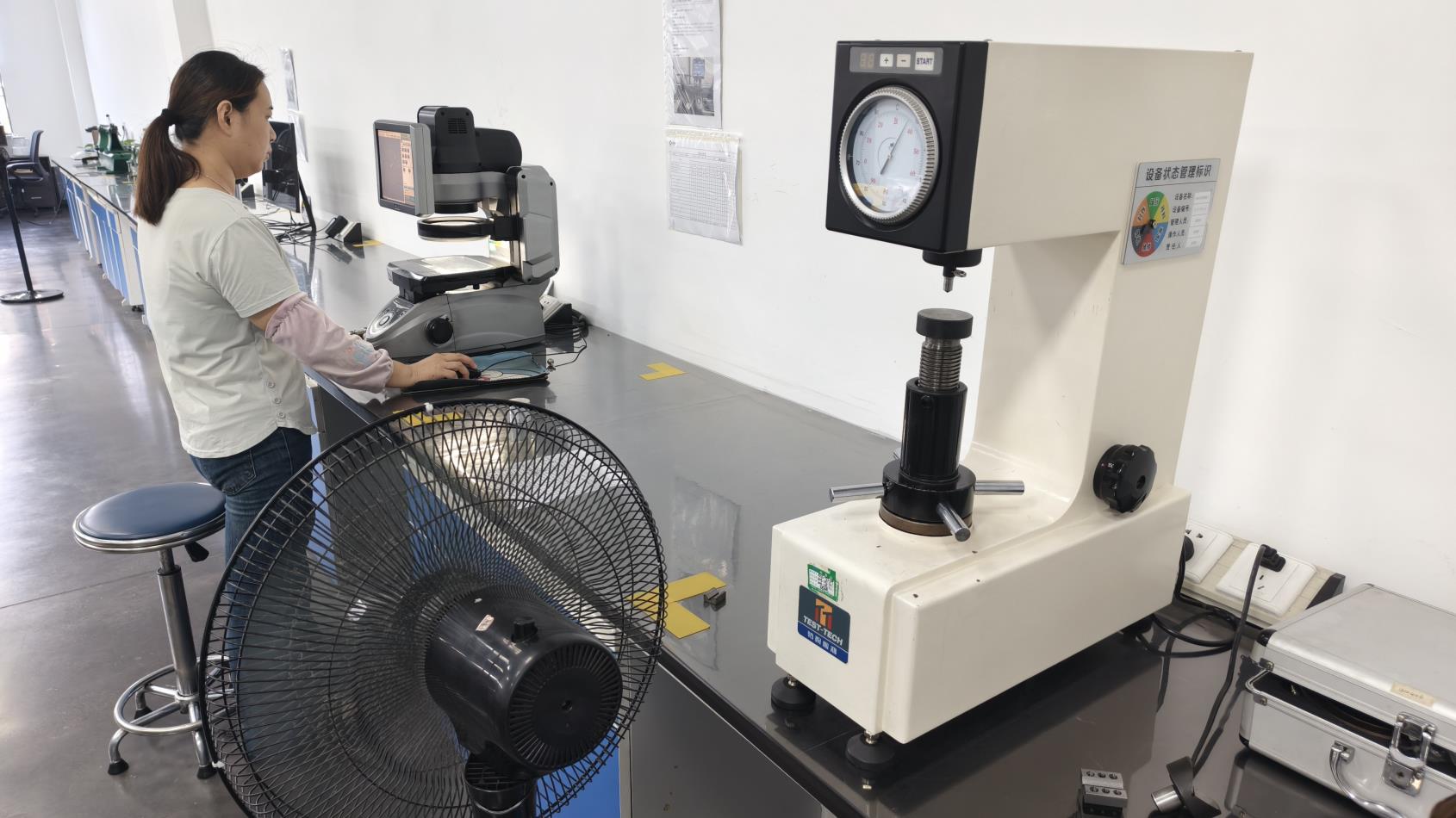
Spectrographic analysis ensures that raw materials comply with international standards for surgical-grade metals. During manufacturing, QA inspectors conduct random audits, testing mechanical load limits, checking Weld Penetration Depth, and evaluating joint endurance.
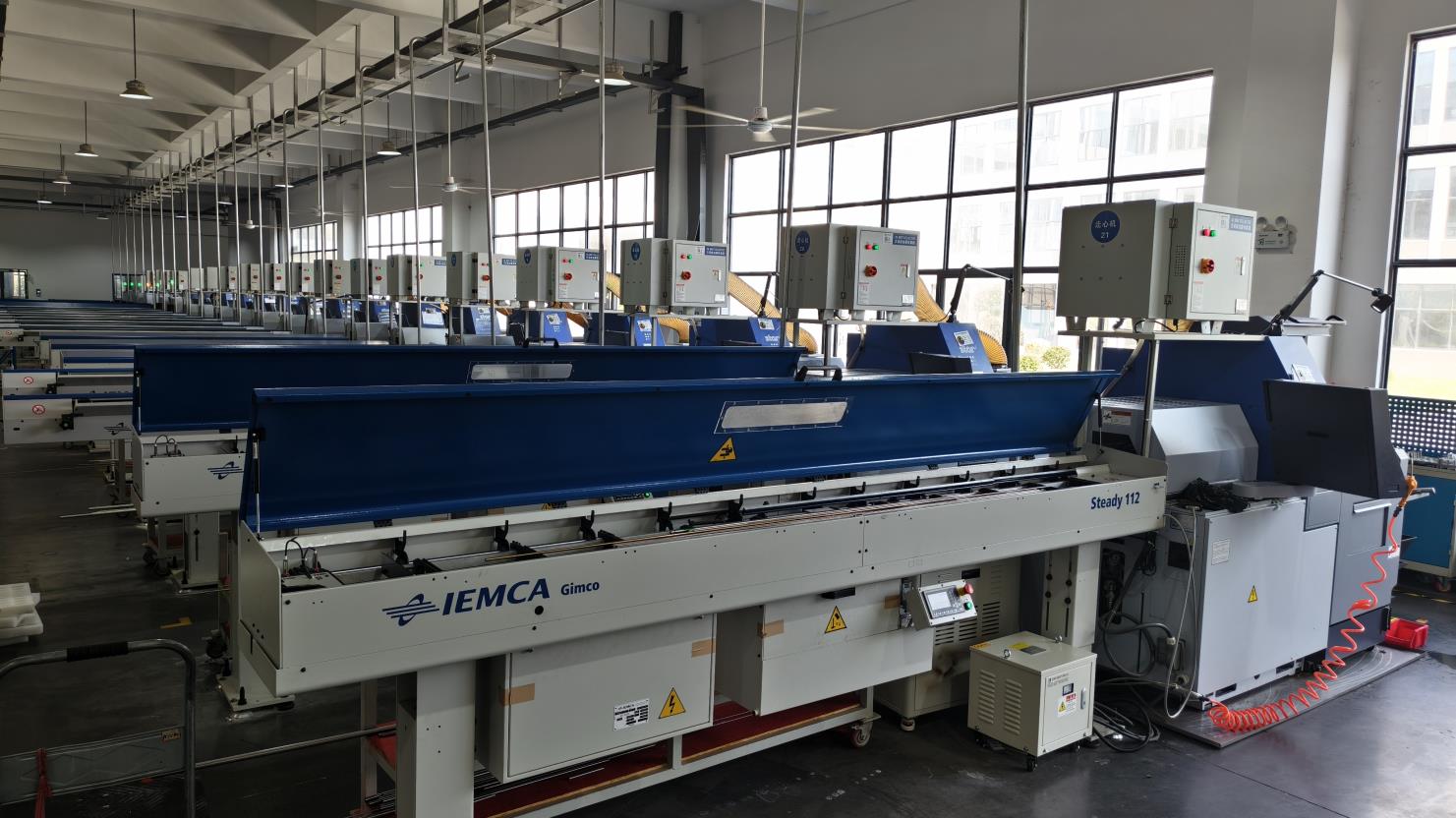
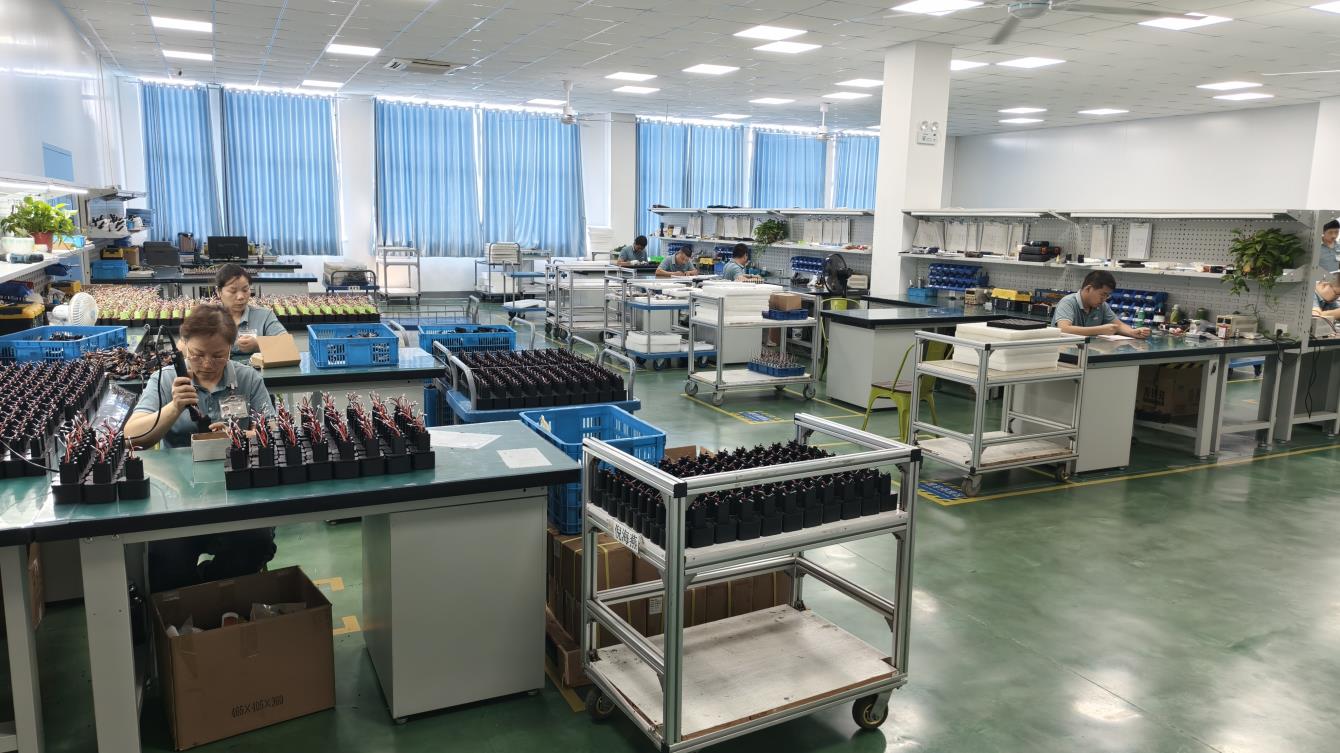
Highly skilled technicians mount joints and test mechanical tolerances to guarantee smooth articulation under load.
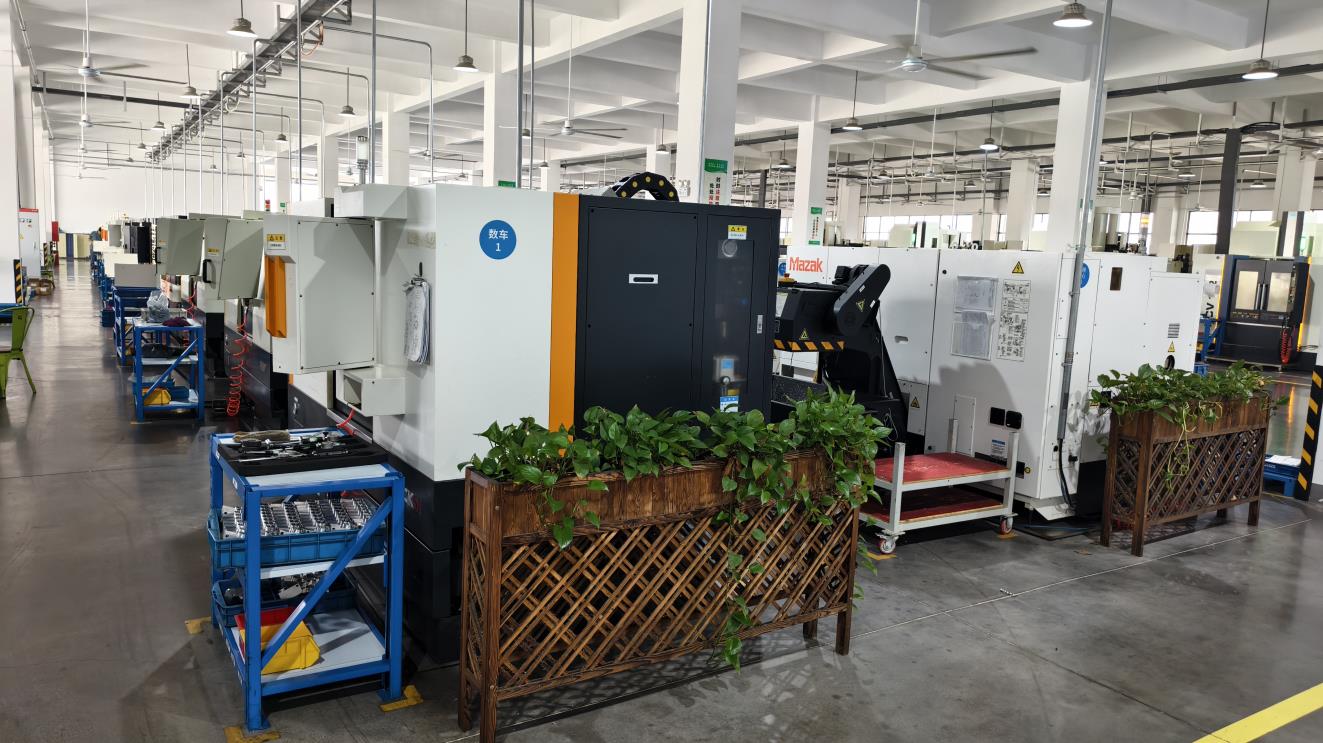
Subjecting structural elements to high-temperature steam sterilization cycles (134°C) to verify mechanical stability and prevent corrosion.
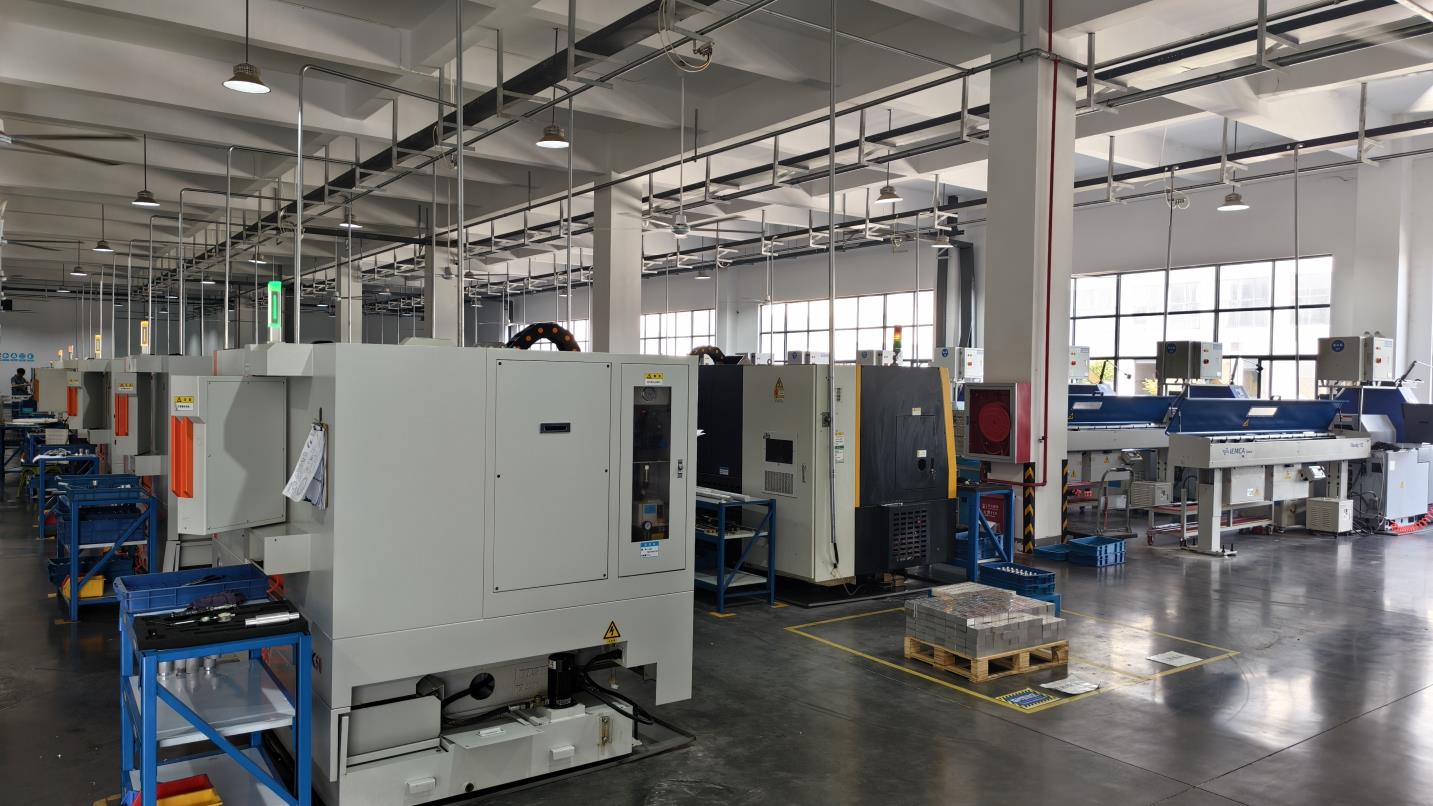
Subjecting joints to continuous cycles of mechanical fatigue to confirm long-term reliability in busy operating theaters.
How surgical tables adapt to specific requirements in orthopedics, neurosurgery, and veterinary trauma clinics.
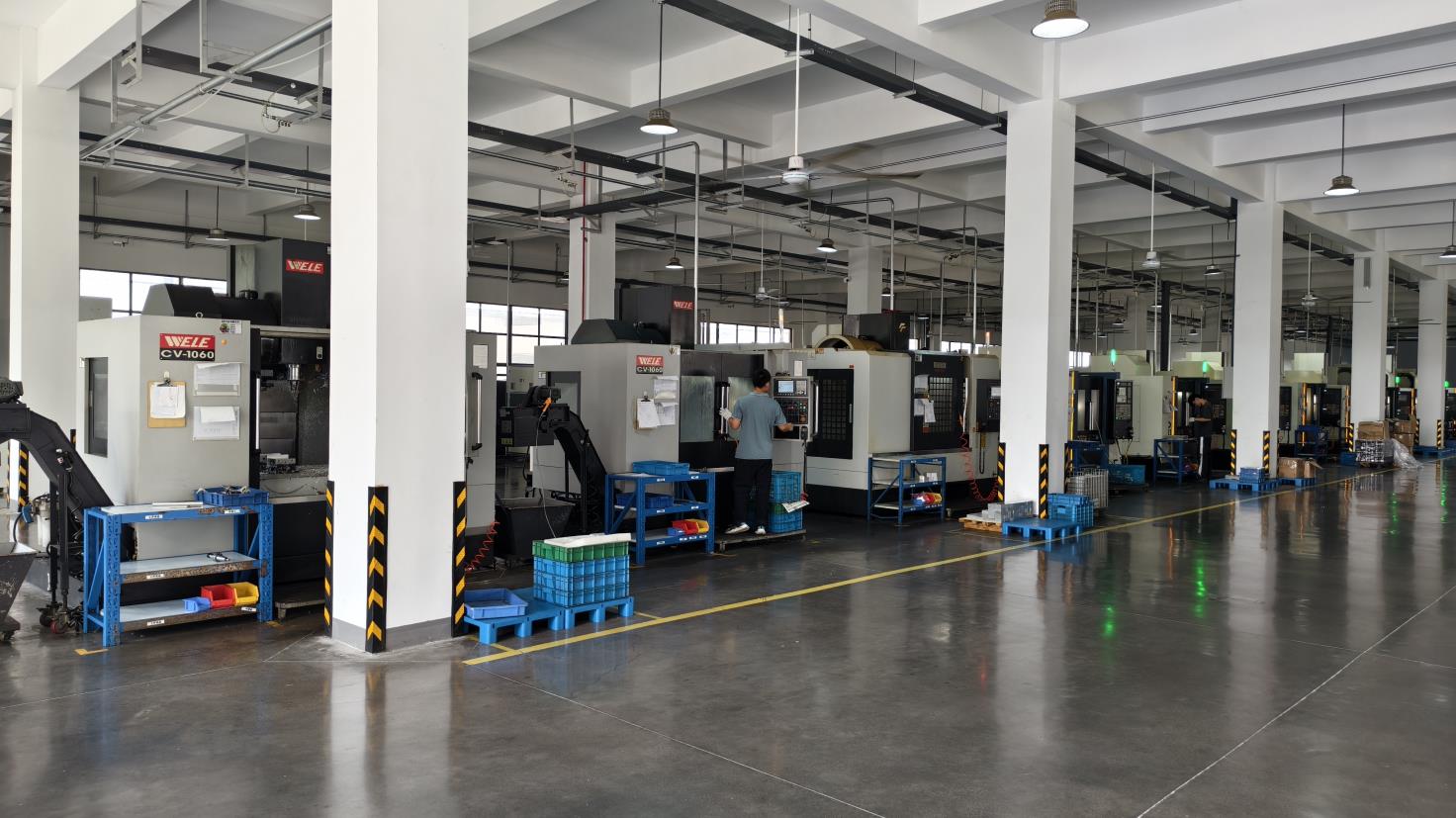
Orthopedic procedures demand high stability and flexible imaging access. Key positioning scenarios include:
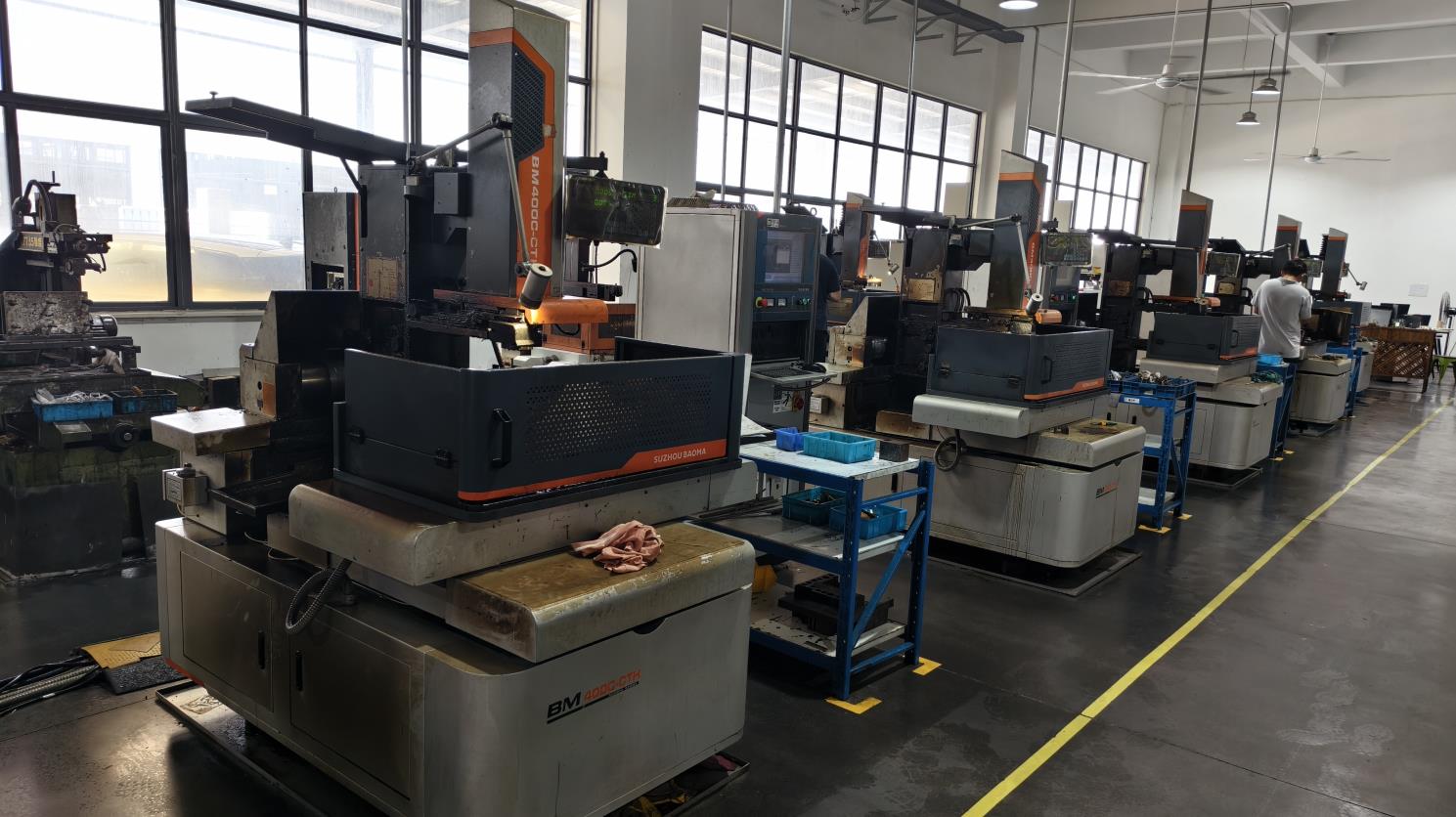
Calibrating structural dimensions under load helps prevent sagging during long procedures.
Using double-layered medical pouching ensures instruments remain sterile throughout transport and storage.
Sealed, heat-treated wooden crates protect heavy mechanical assemblies from moisture and transit shock.
How hospitals, medical brands, and veterinary distributors streamline their surgical hardware procurement.
For international buyers and medical brand managers, choosing a manufacturing partner requires careful evaluation of their operational capabilities. Industrial partners must balance custom design flexibility with consistent quality control.
For example, orthopedic manufacturers often require custom graphic processing or unique tool geometries. Sourcing partners must be able to adapt production lines to create bespoke clamps, retractor systems, and positioning blocks without compromising lead times.
Additionally, modern supply chains require high-quality shipping preparations. Custom internal packaging, moisture-resistant barrier bags, and vibration-damped shipping crates ensure that complex electromechanical tables arrive in perfect alignment, ready for installation in the operating theater.
Registration Date: 2019-11-20
Export Experience: 6 Years
Accepted Language: English
R&D Customization: Sample processing, graphic customization, on-demand custom engineering.
Raw Material Traceability: Fully documented (Yes)
Inspection Methods: Random auditing and custom-tailored client validation parameters.
QA Inspectors: 3 on-site engineers.
North America: 25% Market Share
South America: 25% Market Share
Southeast Asia: 15% Market Share
Primary Client Segments: Medical brands, retail suppliers, healthcare wholesalers.
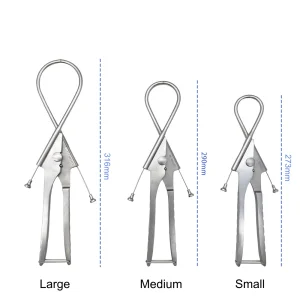
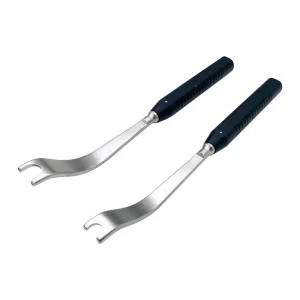
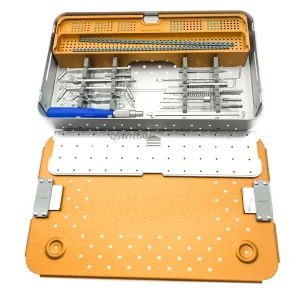
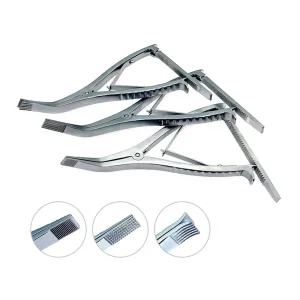
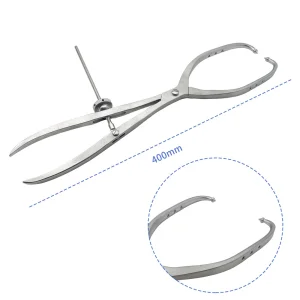
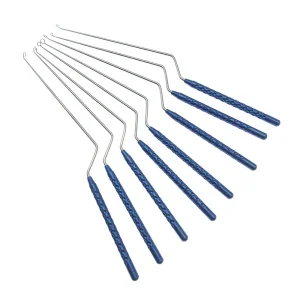
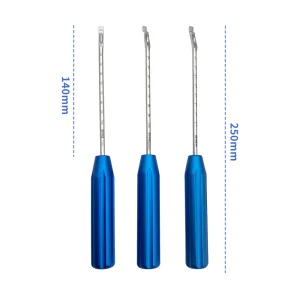
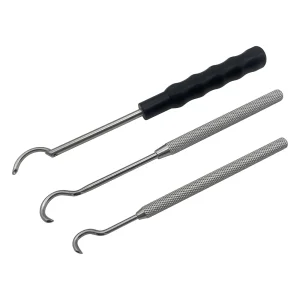
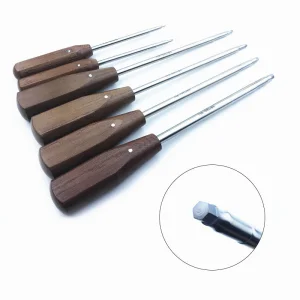
Explore high-durability reduction forceps, quick-coupling screwdrivers, and specialized pet surgical sets designed to withstand rigorous sterilization cycles.

Expert answers to the most frequently asked questions regarding technical features, imaging compatibility, and procurement standards.
Radiolucency refers to a material's capability to allow X-rays and fluoroscopic imaging to pass through without visible interference. Operating tables utilizing carbon fiber tabletops provide high radiolucency. This enables surgeons to capture clear, real-time images using a C-arm during trauma, orthopedic, and cardiovascular surgeries, while minimizing radiation exposure to both the patient and the surgical team.
Electro-hydraulic tables rely on pressurized hydraulic oil driven by electrical pumps. This design delivers exceptionally smooth, continuous movement, high load capacity, and quiet operation. Electromechanical systems utilize electric gear motors; while they are easier to seal and require less routine maintenance, they can transmit minor vibration to the tabletop during adjustments.
Buyers should verify the dimensions of the side rails (European or US standards), the structural strength of the leg section hinge pins, and the rated static/dynamic load capacities. True orthopedic configurations require extension frames that lock securely to the base column, ensuring traction force is applied safely without tilting the table.
For the US market, FDA Class I or Class II registration is required. In the EU, compliance with the Medical Device Regulation (MDR 2017/745) and CE marking is mandatory. Globally, factories must be certified under ISO 13485 (Medical Devices Quality Management Systems), ensuring consistent manufacturing processes and complete raw material traceability.
High-quality surgical tables utilize non-porous, waterproof mattress pads with welded or heat-sealed seams. This prevents fluids from penetrating the internal foam. Additionally, they feature high-grade stainless steel bases (such as AISI 304) and chemical-resistant plastic shrouds, allowing them to withstand frequent wipe-downs with harsh disinfectants without corroding.