SENJIE Healthy & Technology
SENJIE Healthy & Technology
SENJIE Healthy & Technology
Explore our highly precision-engineered orthopedic arrays, certified for complex bone shaping, joint reconstruction, and surgical target alignment.
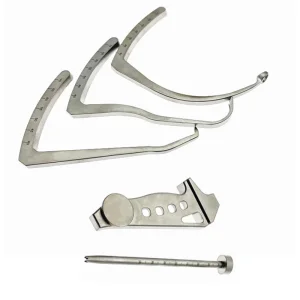
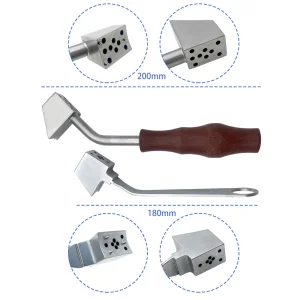
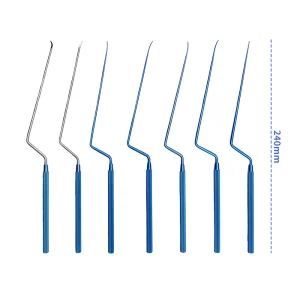
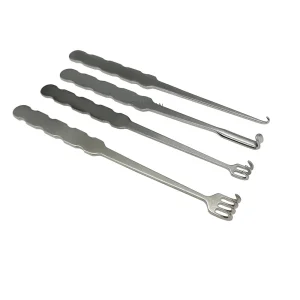
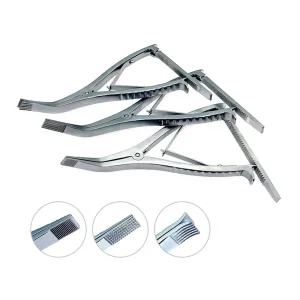
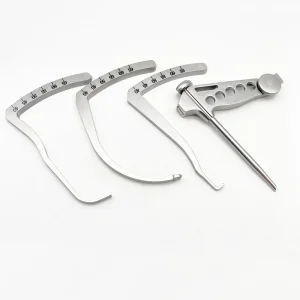
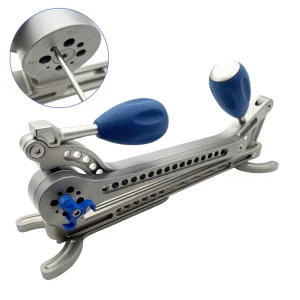
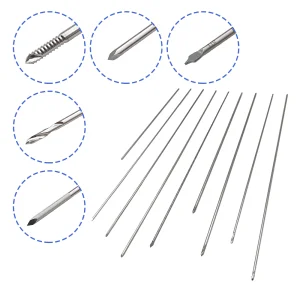
Understanding the critical manufacturing ecosystem of medical-grade rasps, metallurgy compliance, and spatial clinical requirements.
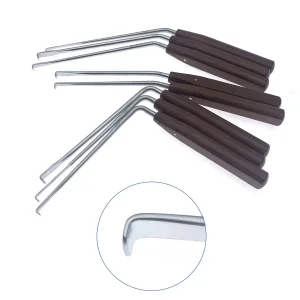
Surgical rasps represent the interface between biological bone geometry and synthetic implant components. In orthopedic joint replacements, reconstructive rhinoplasty, and pediatric bone remodeling, the contouring of cortical and cancellous bone determines the ultimate primary stability of the implant. Achieving a precise interference fit without thermal necrosis requires rasps with specialized tooth profiles, controlled surface roughness, and absolute structural stiffness.
Historically, surgical rasps were manual hand tools derived from basic industrial wood rasps. Today, they are complex bio-compatible instruments built using high-performance metallurgy, such as ASTM F899 martensitic and austenitic stainless steel, and titanium grade 5 (Ti-6Al-4V). The mechanical engineering behind these instruments focuses on shear angle, teeth pitch, and chip evacuation clearance to prevent bone debris clogging during intramedullary canal preparation.
The surgical instruments manufacturing sector has undergone a profound shift. Advanced Chinese manufacturing clusters leverage automated 5-axis CNC machining centers, precision wire-cutting EDM (Electrical Discharge Machining), and robotic grinding systems. This allows factories to achieve dimensional tolerances below ±0.01 mm, maintaining competitive unit pricing that western factories struggle to replicate.
By integrating local heat treatment operations and passivating labs, Chinese suppliers guarantee a hardness profile of 50-55 HRC (Rockwell Scale). This guarantees high wear resistance under cyclic autoclave sterilization cycles. Furthermore, with an established supply chain network, custom design-to-sample production lead times are shortened from several months to just a few weeks.
"Precision bone prep dictates clinical survival rates. Micro-defects on a rasp tooth profile can lead to bone cracking or sub-optimal implant alignment."
How global purchasing directors optimize their medical supply chains through tailored sourcing setups.
Covering 25% of export destinations. Purchasing entities focus on raw material traceability reports, bio-compatibility certifications (ISO 10993), and FDA 510(k) pathway readiness for customized orthopedic instrument packs.
Accounting for 25% of export transactions. Demands highly durable, autoclavable reusable instruments with chemical passivation reports to withstand high-use cycles across regional public and private hospital chains.
Comprising 15% of annual shipments. Hospital networks prioritize cost-efficient OEM custom setups and quick lead-time supplies for fast-growing orthopedics and traumatology sectors.
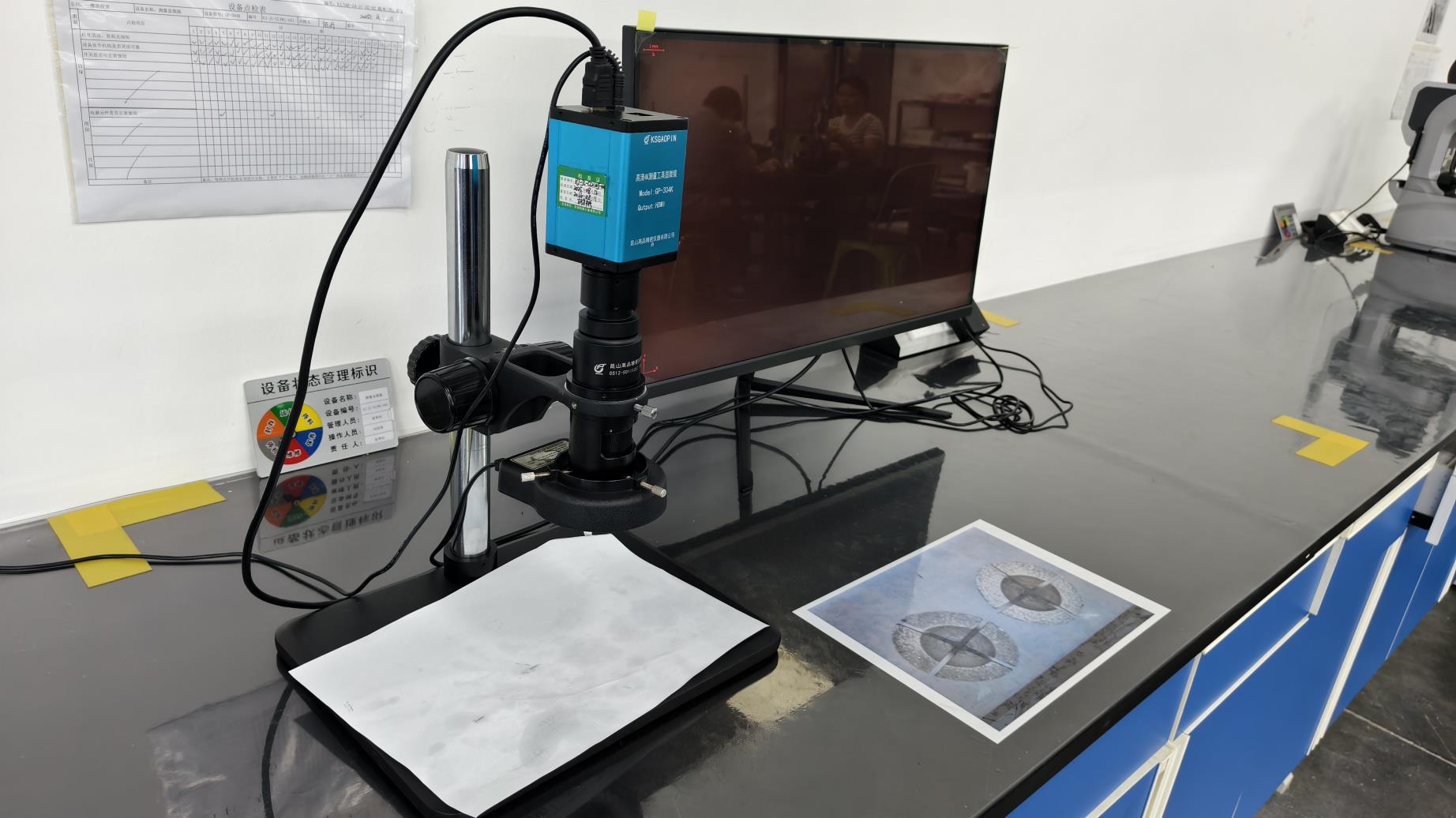
A closer look inside our precision forging, grinding, cleaning, and testing facilities designed for international medical instrument compliance.
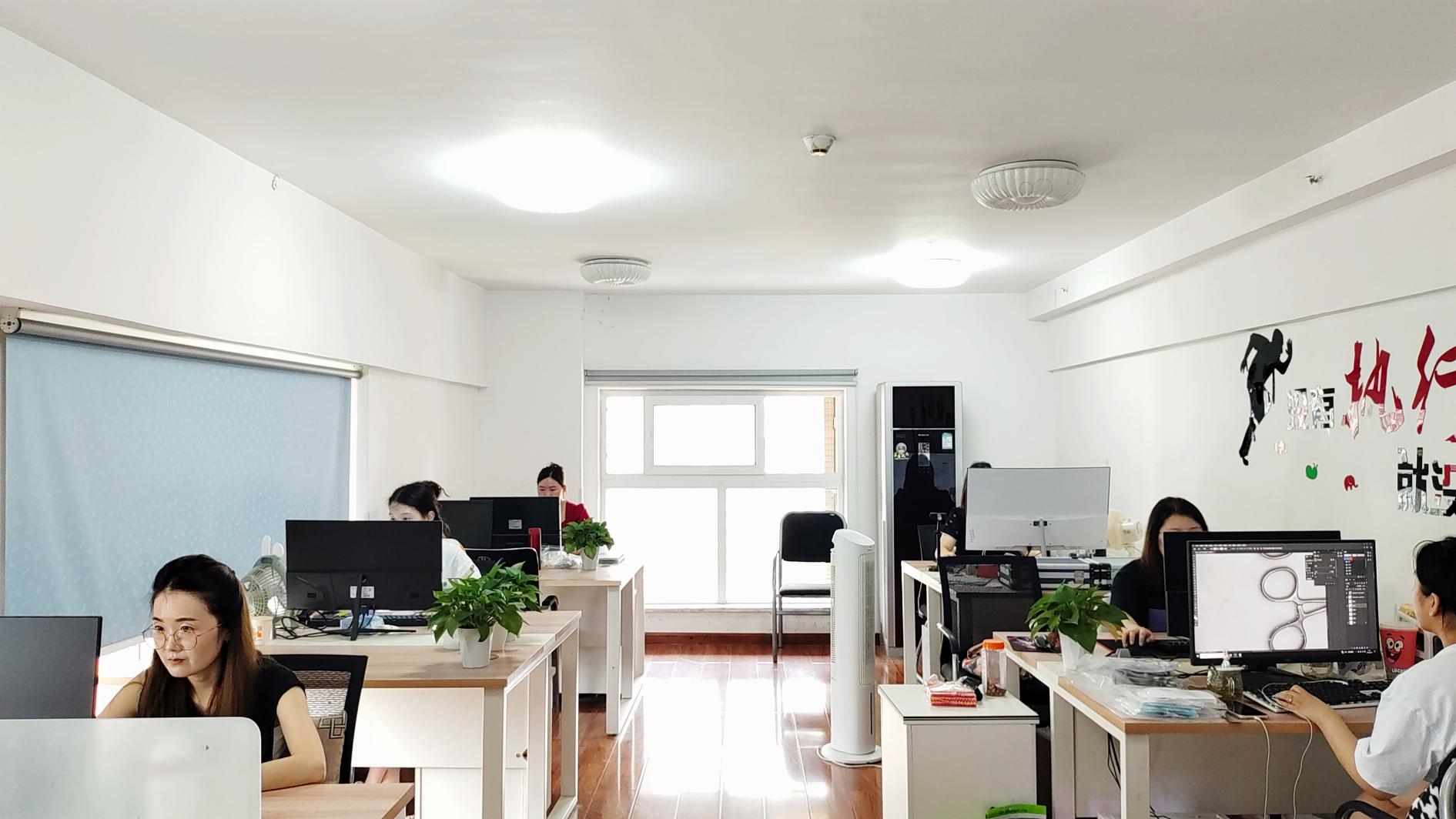
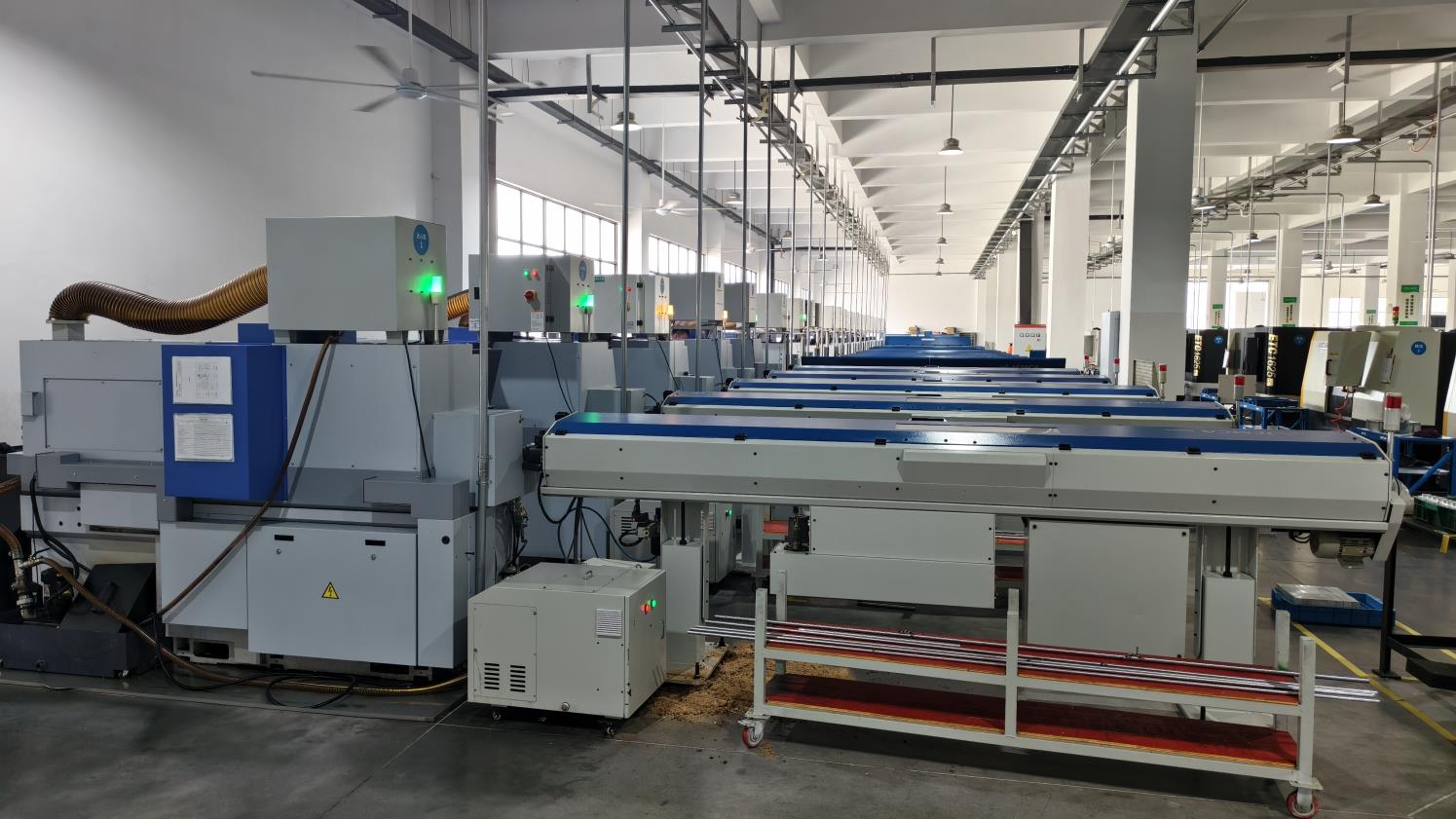
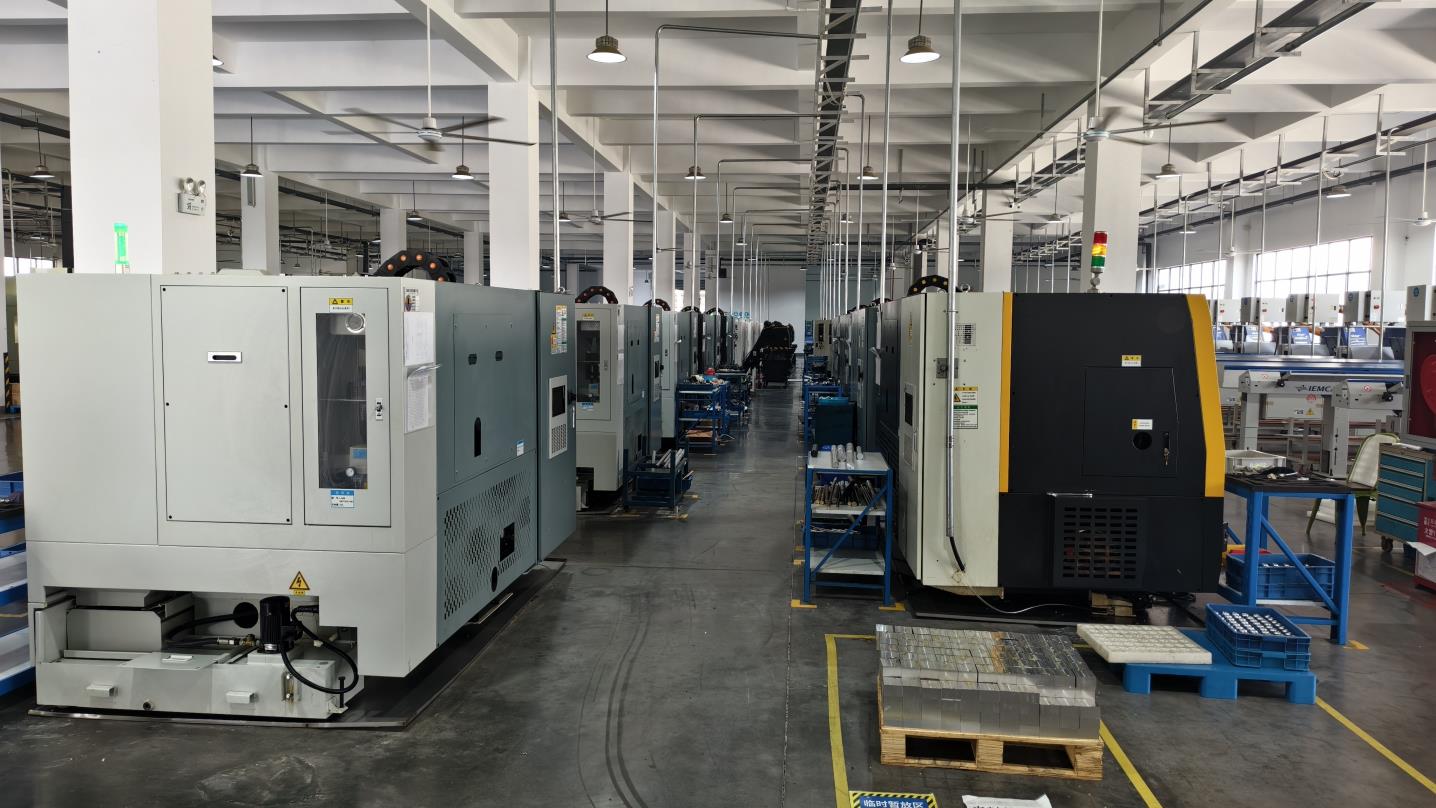
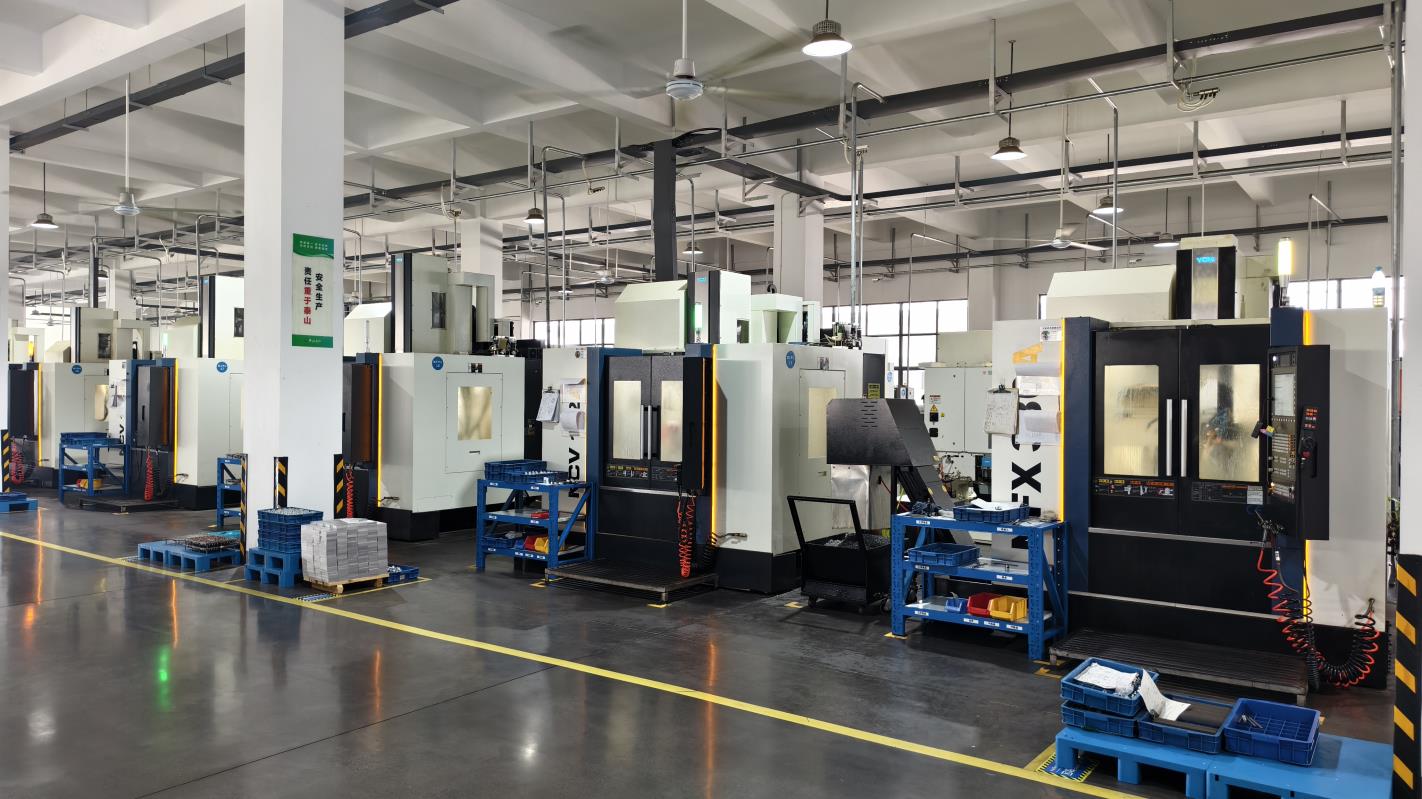
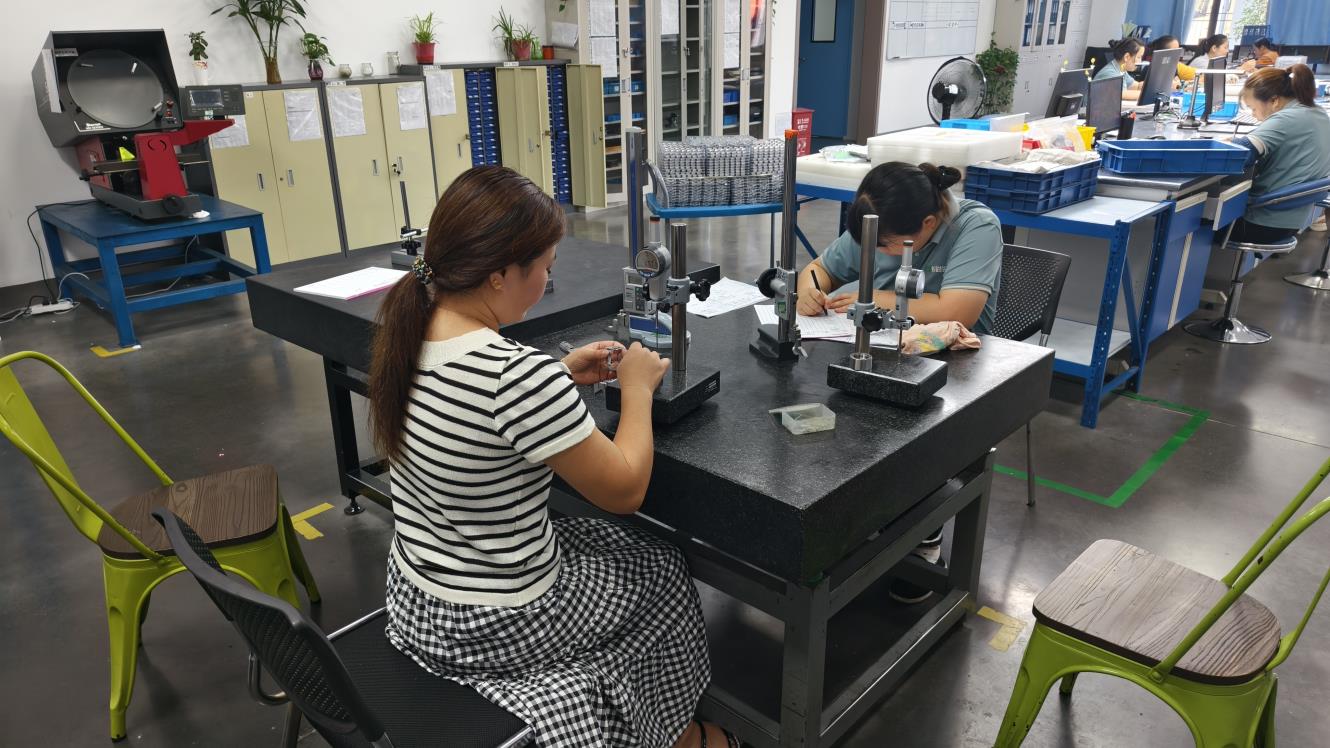
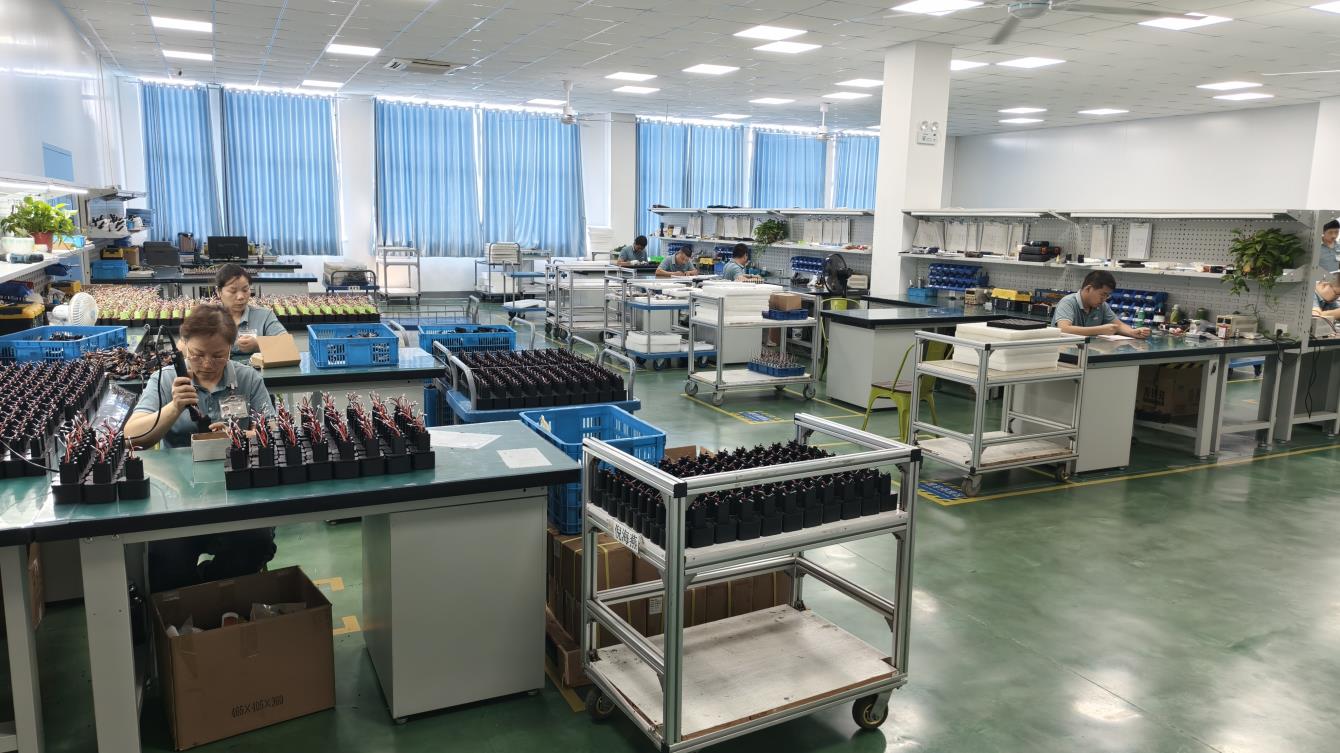
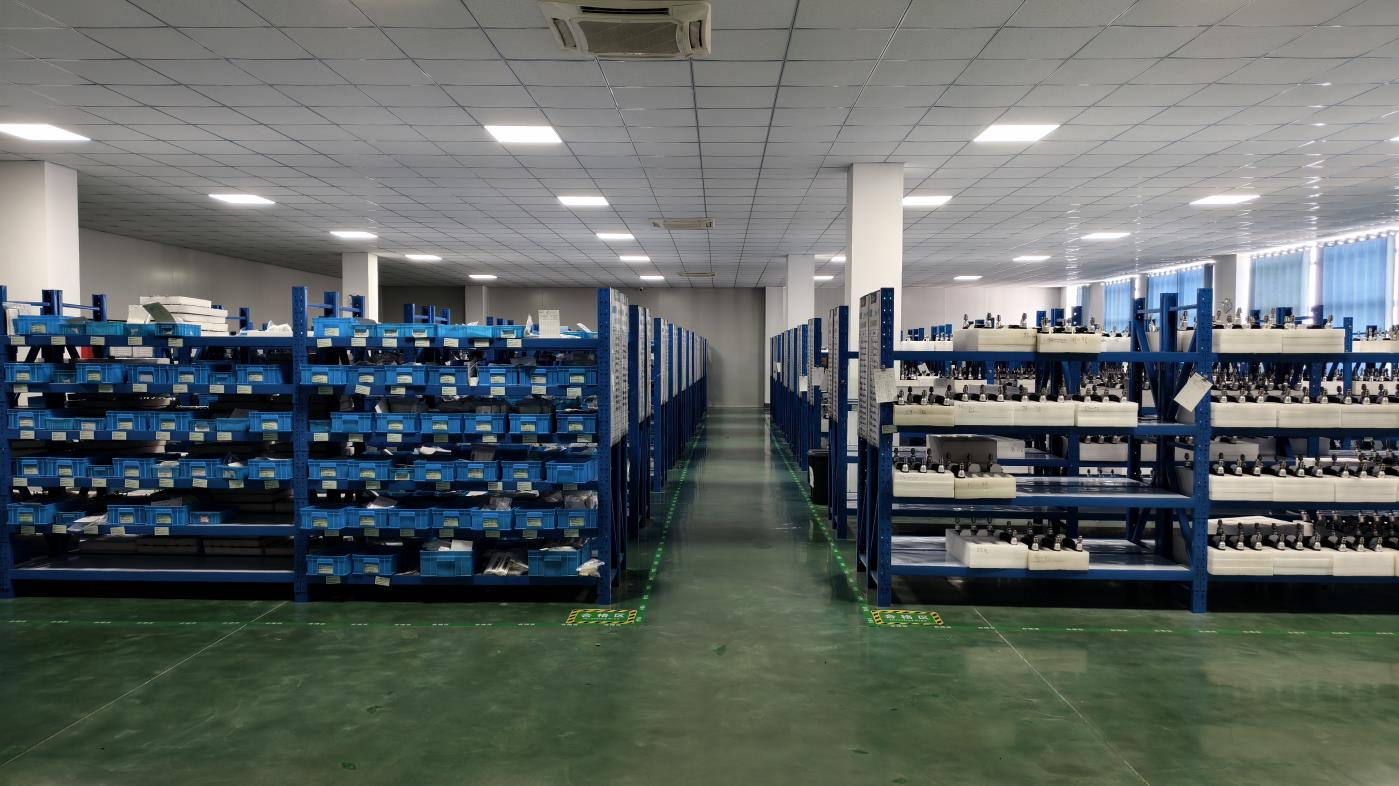
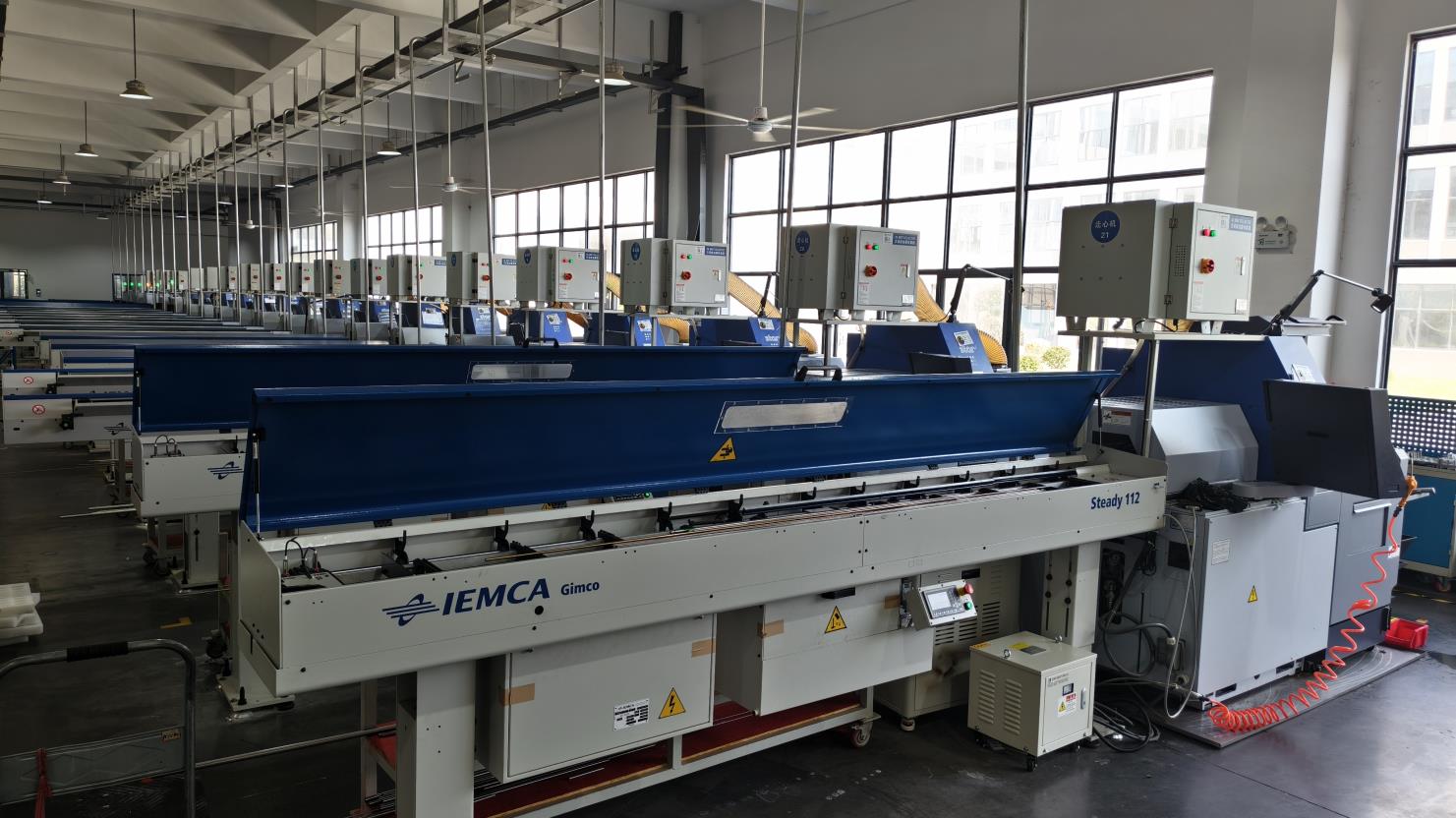
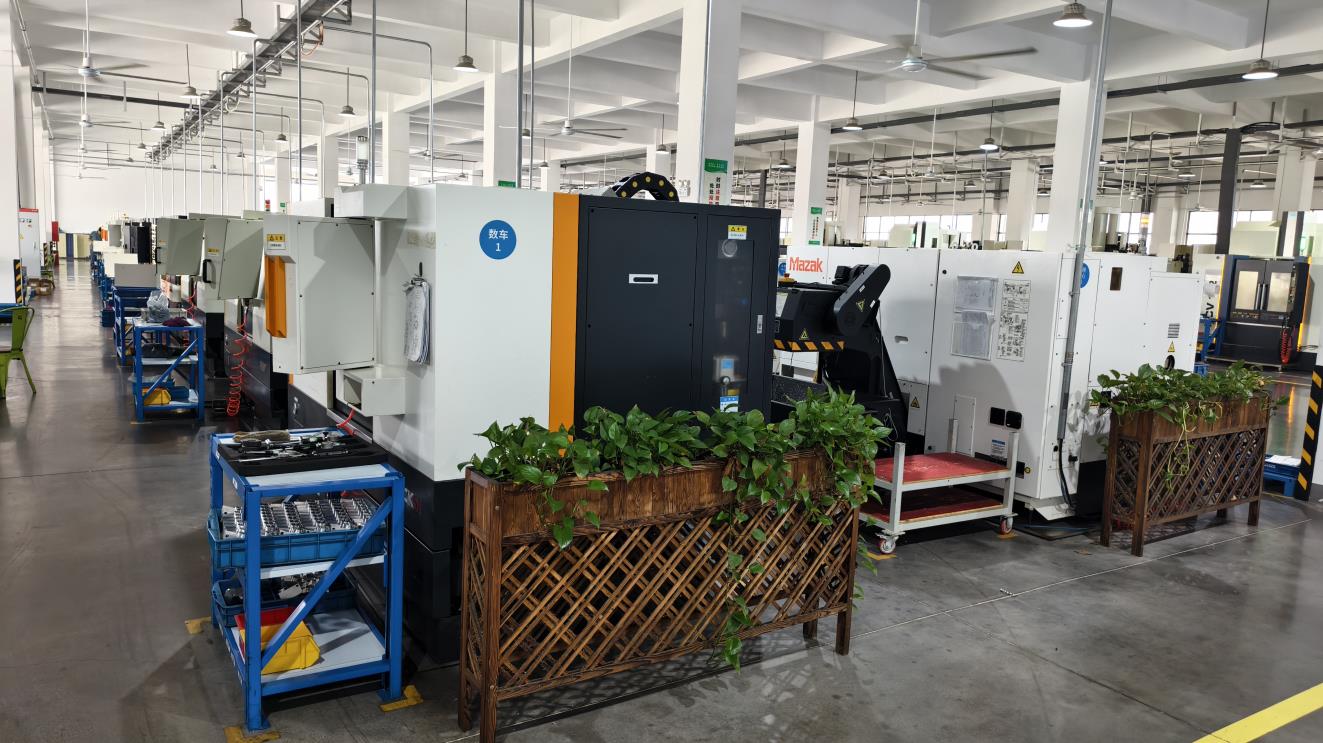
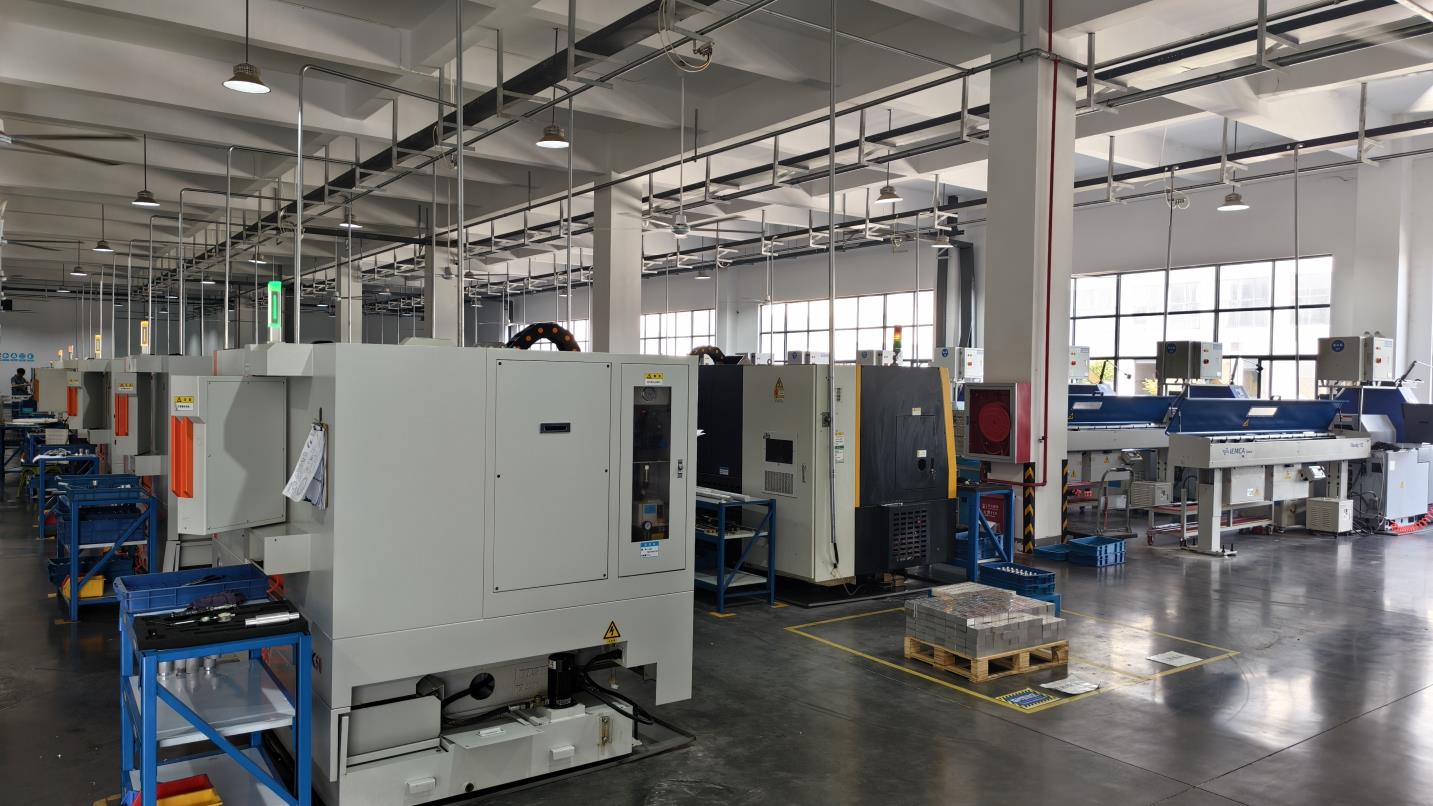
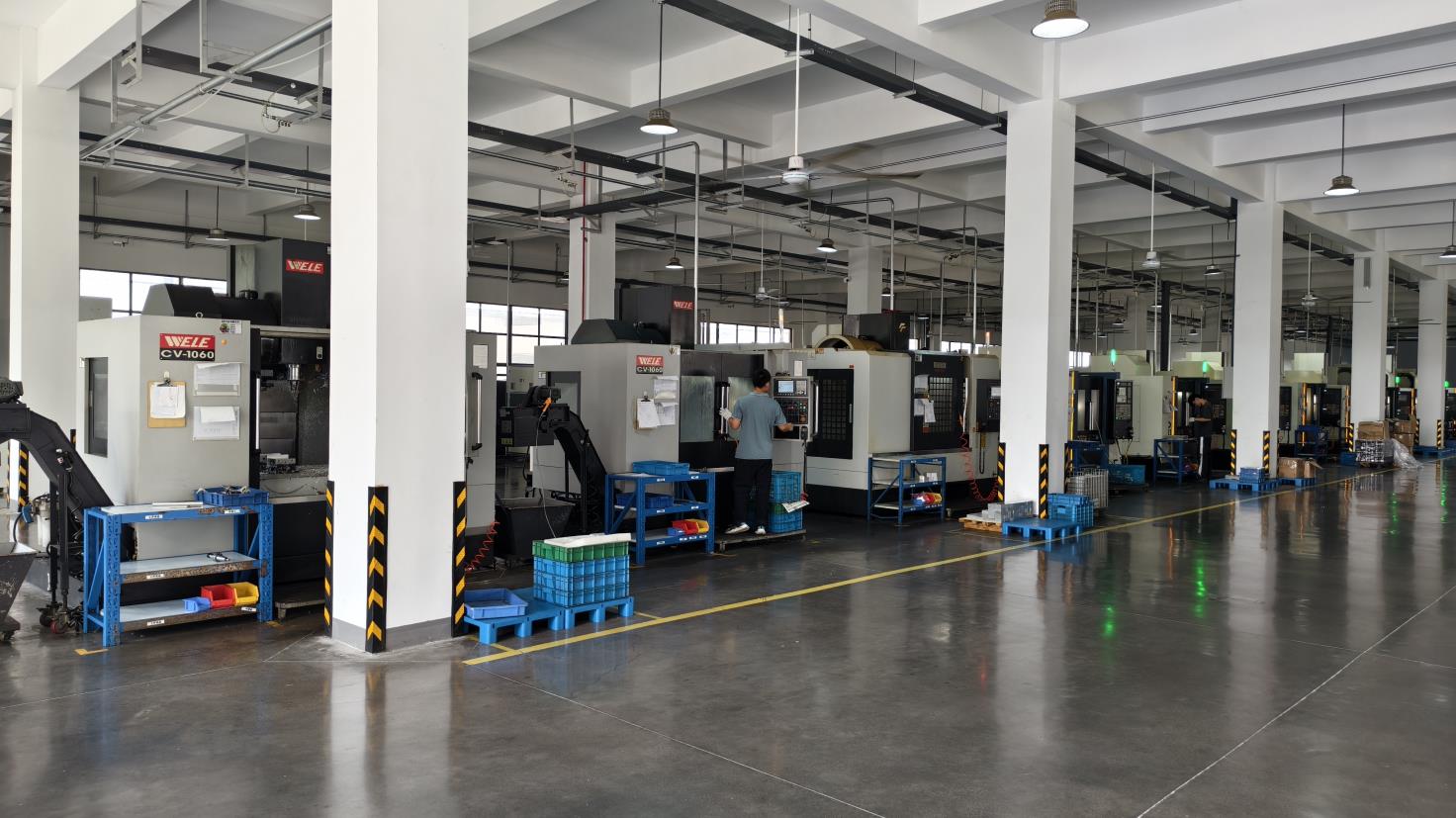
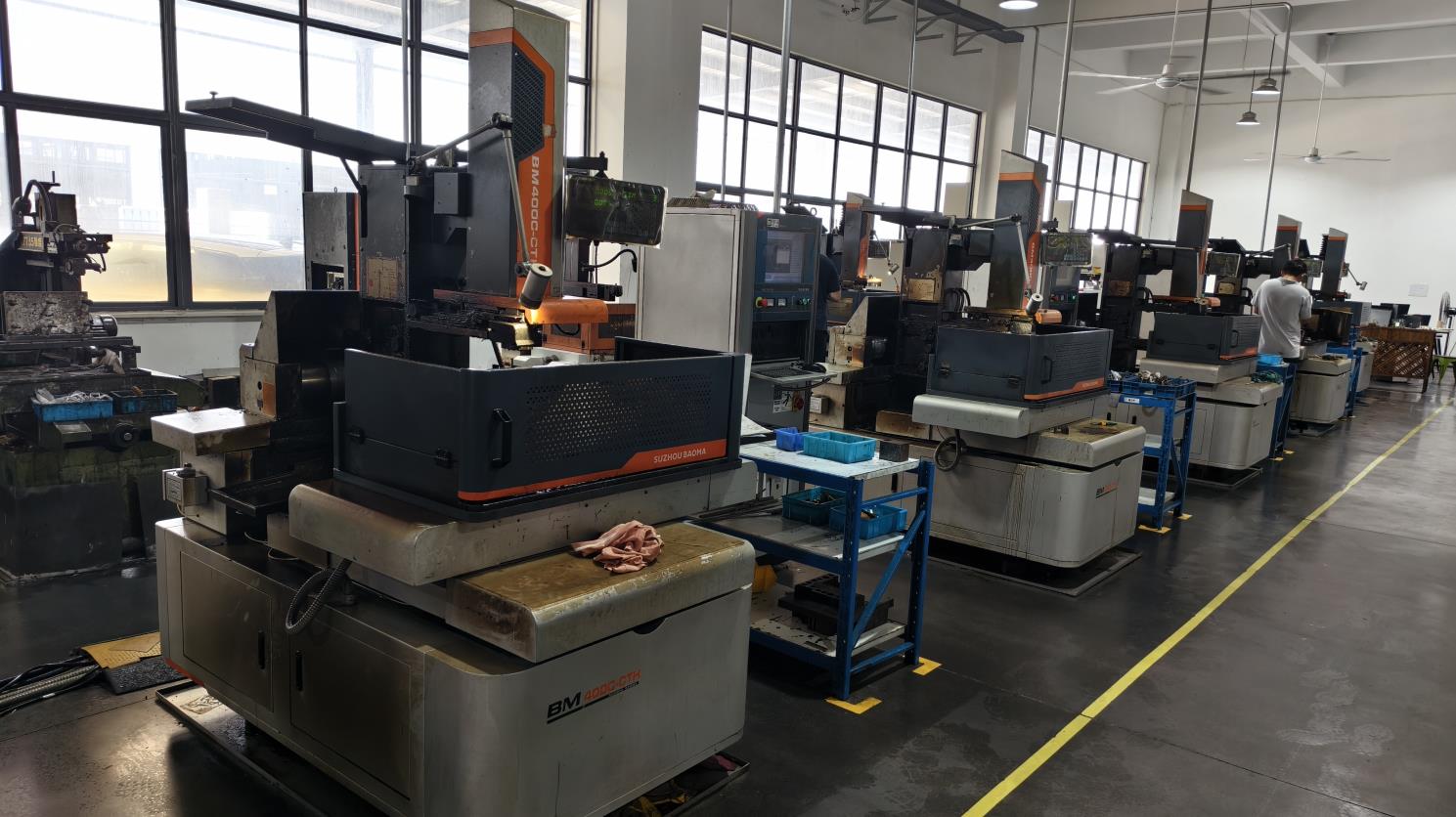
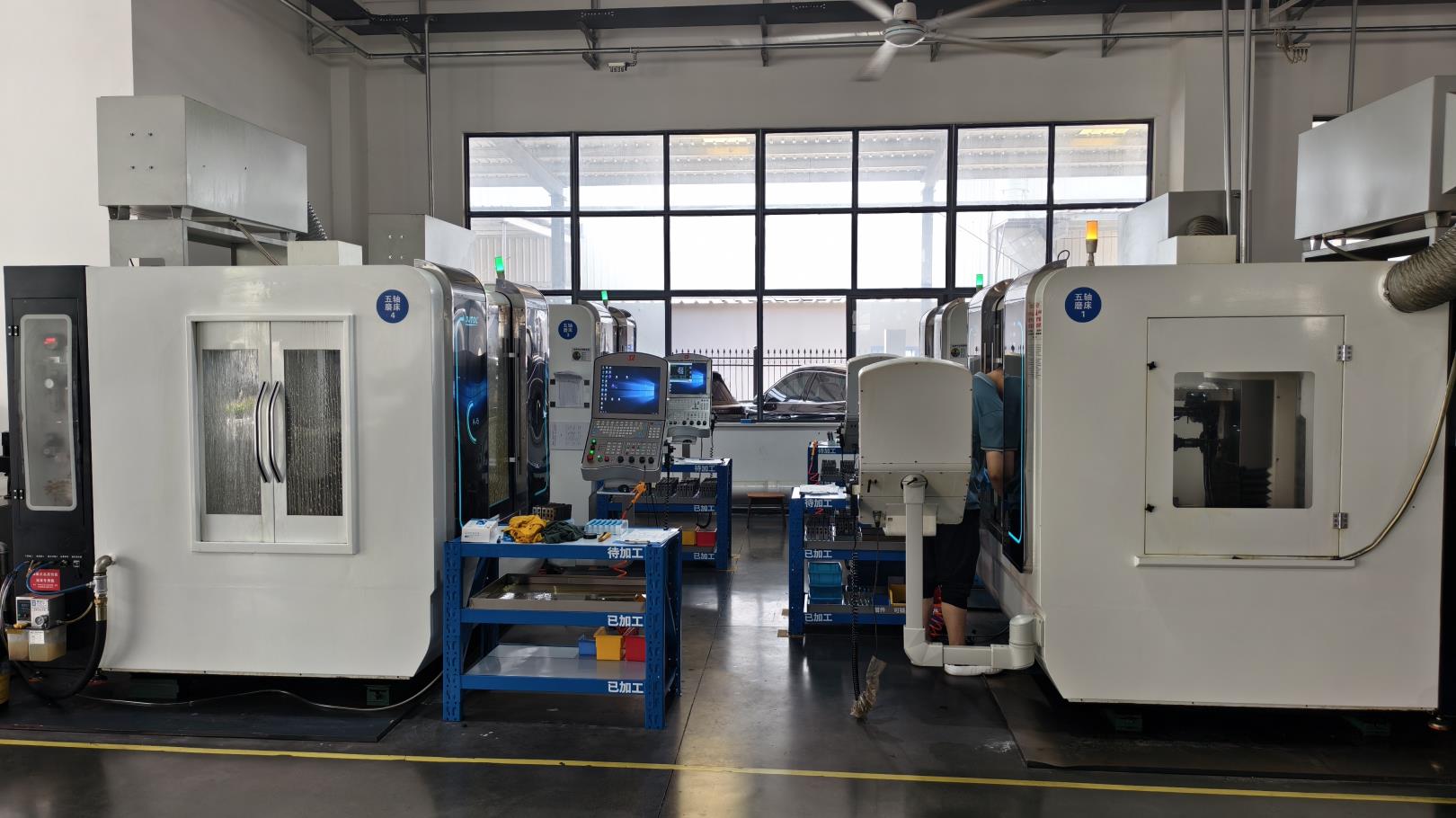
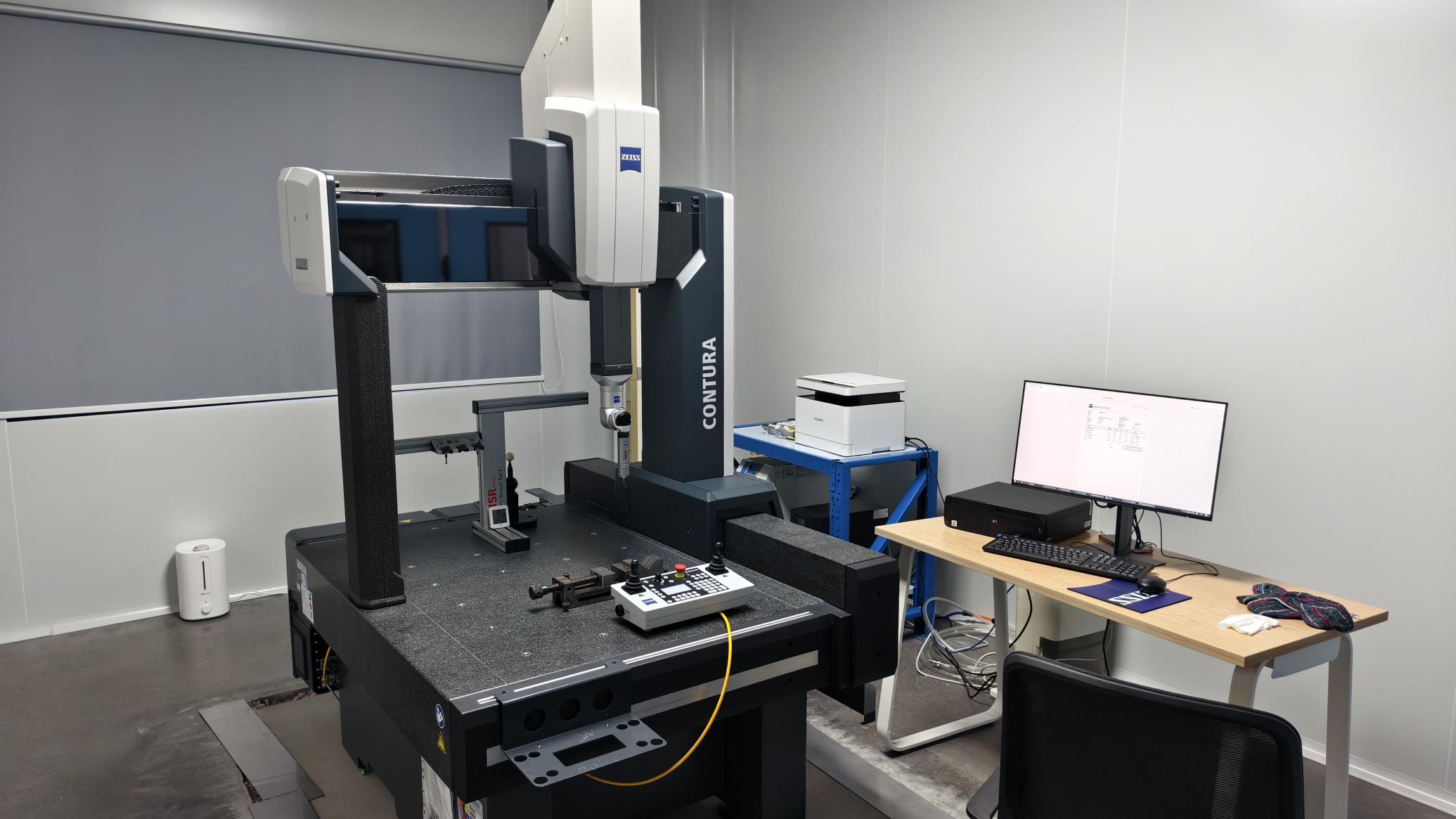
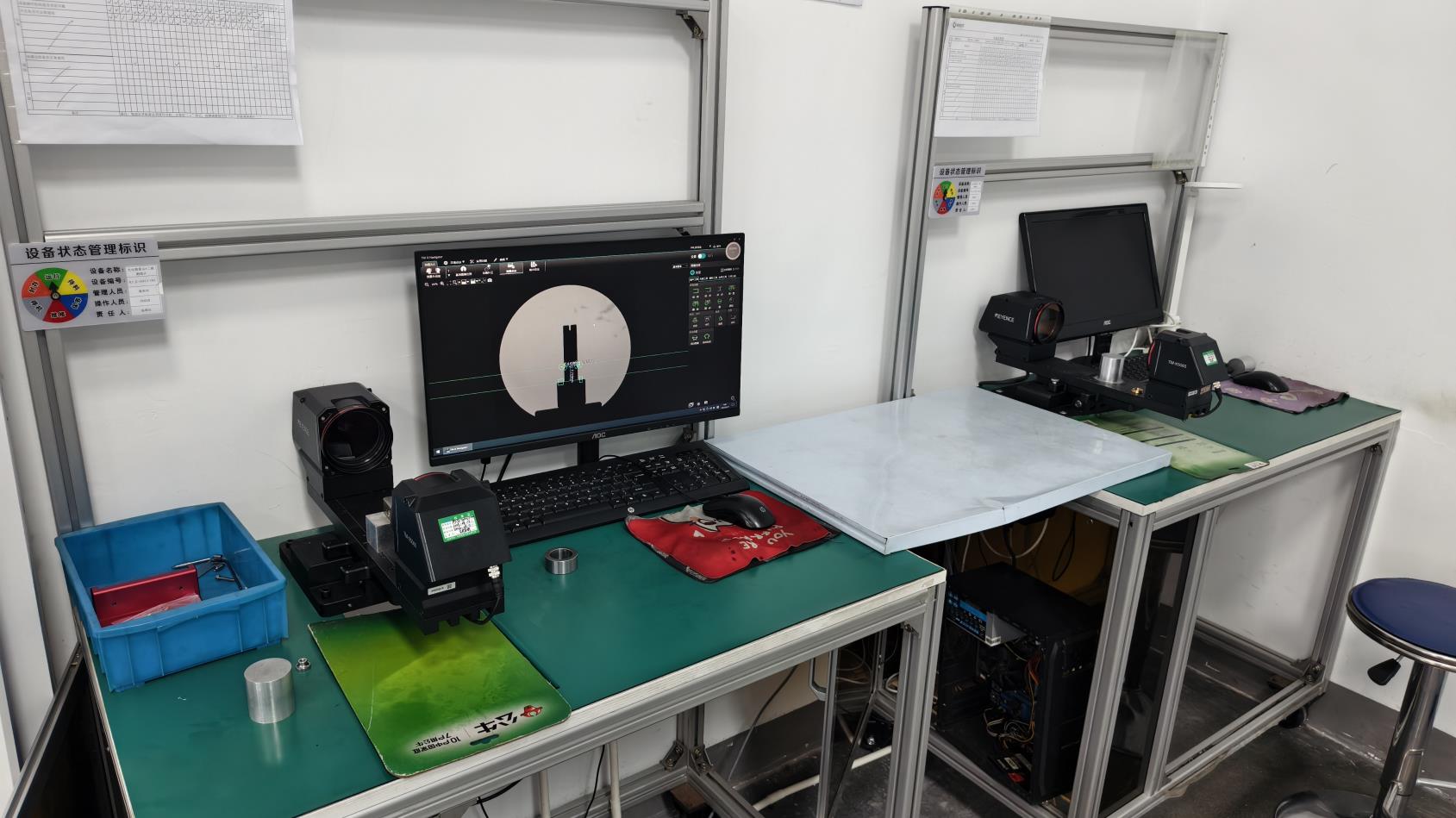
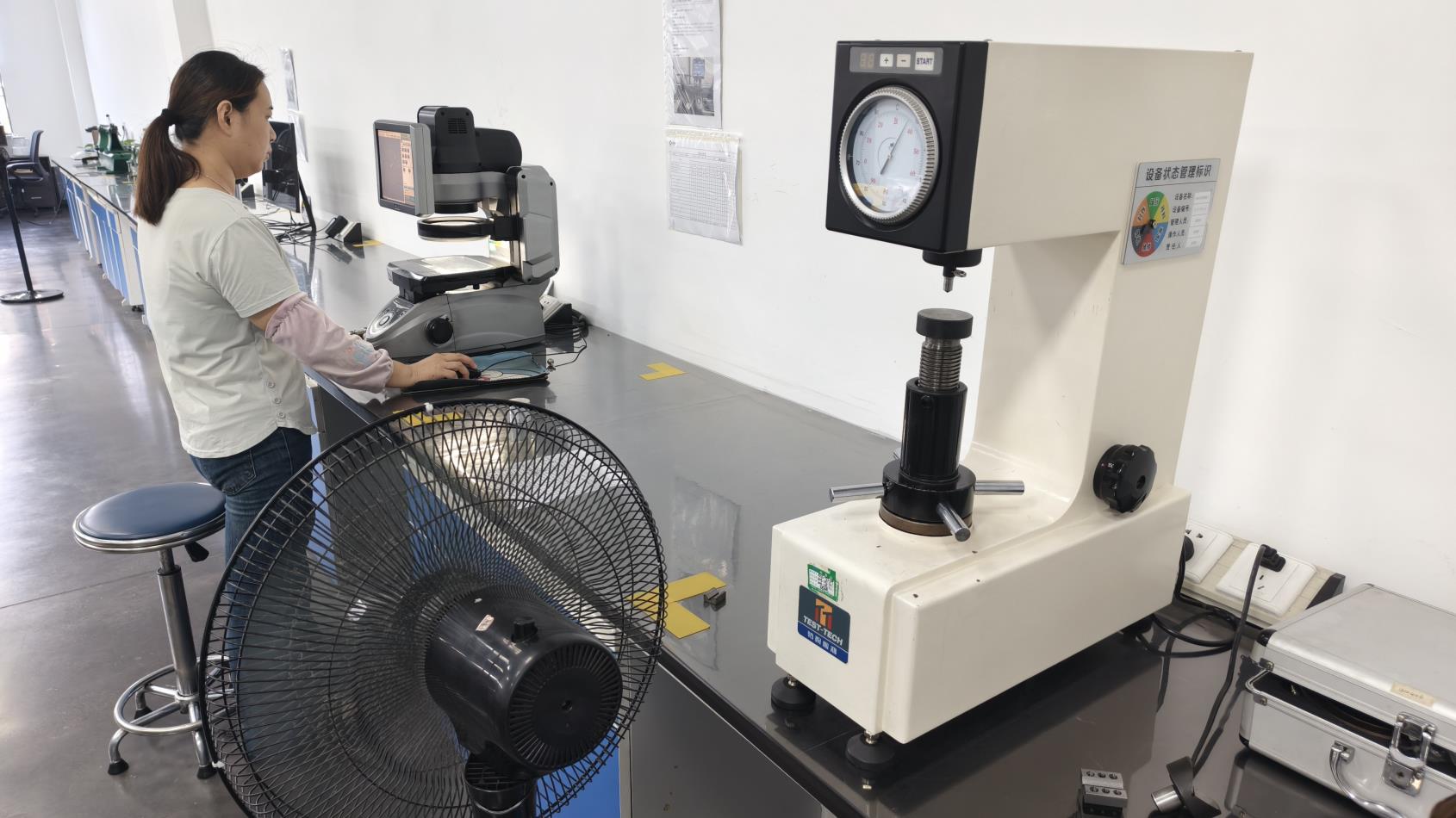
Verified background data showcasing our commitment to transparent trading and manufacturing capabilities.
| Organizational Capacities & Trading Profiles | |
|---|---|
| Company Registration Date | 2019-11-20 (Operational for over 6 years in custom development) |
| Exporting Experience | 6 Years of global distribution across B2B medical supply chains |
| Quality Control Measures | 3 Dedicated QA/QC Inspectors; support for raw material traceability & client-defined audits |
| Product Inspection Strategy | Random inspection & full inspection according to specific client requirements |
| Main Export Markets | North America (25%), South America (25%), Southeast Asia (15%) |
| Target Clients | Brand businesses, distributors, healthcare retailers, specialized veterinary clinics, surgical wholesalers |
| Customization Options | Sample-based reverse engineering, graphic CAD blueprint processing, custom on-demand specifications |
| Accepted Language | English (technical documentation, blueprints, and sales communication support) |
Direct technical answers addressing metallurgy, tolerance audits, customization steps, and export logistics.
We primarily utilize AISI 420 martensitic stainless steel for cutting applications due to its high hardness retention (50-55 HRC) post-heat treatment. For non-cutting, high-tensile orthopedic components, AISI 316LVM or Grade 5 Titanium alloys are deployed to maximize corrosion resistance and biocompatibility.
We perform raw material testing using optical emission spectrometers (OES) for chemical composition verification. For every batch of steel, we provide mill test certificates (MTC) containing heat number, chemical composition breakdown, and mechanical test results.
Yes. Our engineering division accepts 3D modeling files (IGS, STP, STEP, DWG). We translate these into computerized toolpaths for our multi-axis CNC machines to ensure accuracy down to the micrometer.
All finished stainless steel instruments undergo chemical passivation treatments (using nitric or citric acid solutions) according to ASTM F1089 standards. This ensures the removal of free iron from the surface, preventing localized pitting and galvanic corrosion in surgical settings.
Yes. The materials used, including medical-grade stainless steel and anodized titanium, are designed to withstand repeating moist heat sterilization cycles (autoclaving at 134°C for at least 4 minutes or 121°C for 15 minutes) without dimensional changes or material degradation.
For custom tooling and prototypes based on client design adjustments, the cycle takes 15–20 days. Full-scale batch production averages 30–45 days, depending on geometry complexity, finishing requirements, and volume.
We perform hardness tests (HRC/HV checks) and profile analysis using digital projectors to verify the angle and height consistency of each tooth. We also conduct simulate use-cycle trials on bone analog models to audit wear rates.
Yes. We offer complete laser marking services for product codes, batch numbers, custom branding logos, and UDI (Unique Device Identification) codes directly onto the instrument surface.
We operate under FOB, CIF, or EXW terms depending on customer requirements. Payments are structured via T/T bank transfers, L/C, or other major secure channels based on transaction scale.
We partner with express carriers (DHL, FedEx, UPS) for fast-track deliveries, and utilize trusted freight forwarding agents for sea and air cargo shipments. We provide all customs documentation, including commercial invoices, certificates of origin, and packing lists.
Review additional surgical instruments engineered for veterinary orthopedics, nerve handling, bone osteotomy, and dental extraction.