SENJIE Healthy & Technology
SENJIE Healthy & Technology
SENJIE Healthy & Technology
Global Industrial Insights, Advanced Manufacturing Roadmaps, and Strategic Procurement Whitepaper for Wound Closure & Orthopedic Systems
Explore our top-tier surgical, orthopedic, and veterinary suture-associated instruments engineered to meet rigorous international standards.
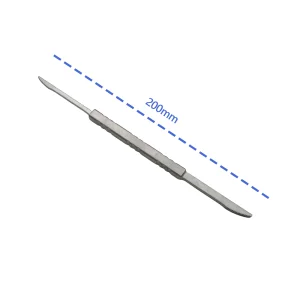
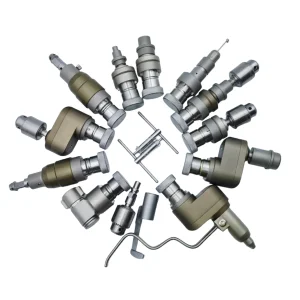
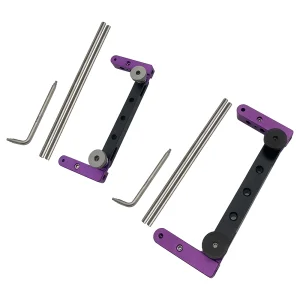
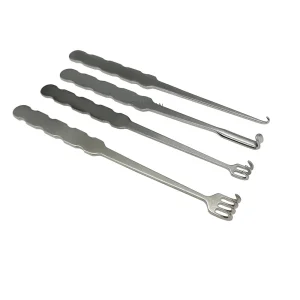
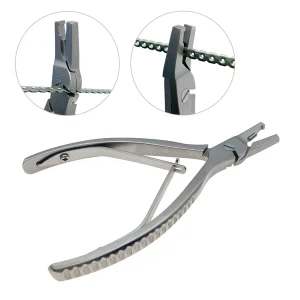
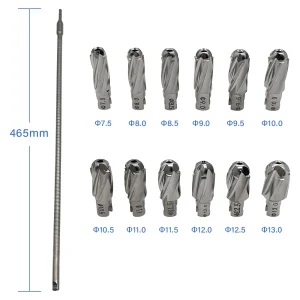
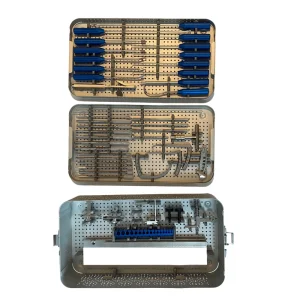
In the high-stakes environment of medical operations, wound closure and orthopedic stabilization require absolute precision. Historically, manual suturing was the sole methodology for tissue approximation. Today, the integration of automated surgical suturing devices and specialized orthopedic instrumentation has redefined clinical outcomes. These tools mitigate surgical fatigue, minimize anesthesia duration, and ensure uniform tension across incision sites.
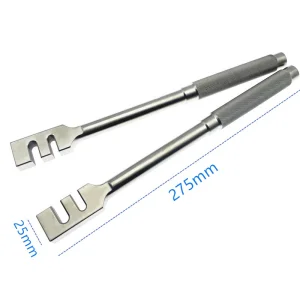
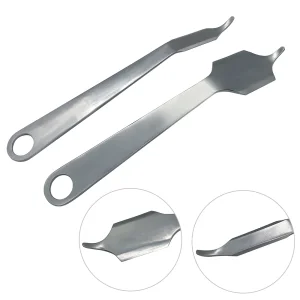
Modern clinical applications require custom systems that bridge the gap between hard-tissue stabilization (using intramedullary nails, bone plates, and drills) and soft-tissue closure. Whether conducting a complex human cardiovascular procedure or a veterinary Tibial Plateau Leveling Osteotomy (TPLO), the integrity of the closing suture rests on the preparation of the surgical site. This makes surgical preparation instruments—such as bone rasps, retractors, and power tools—critical adjuncts to the suturing phase.
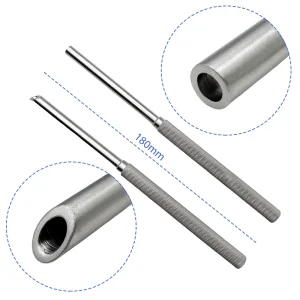
Successful closure requires optimal structural alignment. In veterinary and human orthopedics, surgeons rely on rigid stabilization before wound closure. For instance, after utilizing TPLO Slocum Style JIGS to align a canine tibia, or using Intramedullary Nail Impactors to position internal fixators, the surgeon must secure the overlying muscle, fascia, and subcutaneous layers. A high-quality suturing device handles this tension, preventing dehiscence (surgical wound separation) and reducing post-operative complications.
An analytical overview of manufacturing epicenters, commercial distribution networks, and procurement benchmarks.
The manufacturing landscape for surgical instruments and suturing devices is concentrated across key high-precision industrial zones. While Germany (Tuttlingen) remains the benchmark for premium craftsmanship, APAC regions have emerged as major hubs for volume manufacturing and OEM supply chains, offering ISO-compliant devices with high cost-efficiency.
Global trade in surgical instruments requires strict adherence to FDA registration, CE Mark certification under the Medical Device Regulation (MDR 2017/745), and ISO 13485 quality systems. Leading factories invest heavily in automated testing benches and cleanrooms to ensure compliance with international biomedical standards.
B2B buyers, distributors, and large-scale hospital networks are shifting towards direct-from-factory custom OEM/ODM models. Customizations ranging from laser-etched barcodes for instrument tracking to proprietary surface treatments (such as Titanium Nitride coating) are standard parameters in modern supply contracts.
When auditing a factory for surgical suturing devices or general orthopedic instruments, procurement directors must look beyond price points. A comprehensive audit covers mechanical design capabilities, raw material traceability, sterilization validation, and quality management systems. Below are the key indicators for evaluating tier-one production partners.
Surgical instruments must resist corrosion and repeated autoclaving. Top factories utilize premium grade stainless steels (typically AISI 316L, 420, or 440) and medical-grade titanium alloys (Ti-6Al-4V ELI). These materials prevent rust, maintain edge sharpness (for scissors and needle holders), and eliminate patient exposure to toxic trace elements.
For pre-packaged sterile suturing kits, the assembly and packaging must take place in certified cleanroom environments (ISO Class 7 or Class 8). Factories should offer standardized validation for Gamma Irradiation, Ethylene Oxide (EO), or E-beam sterilization methods, accompanied by complete bioburden testing protocols.
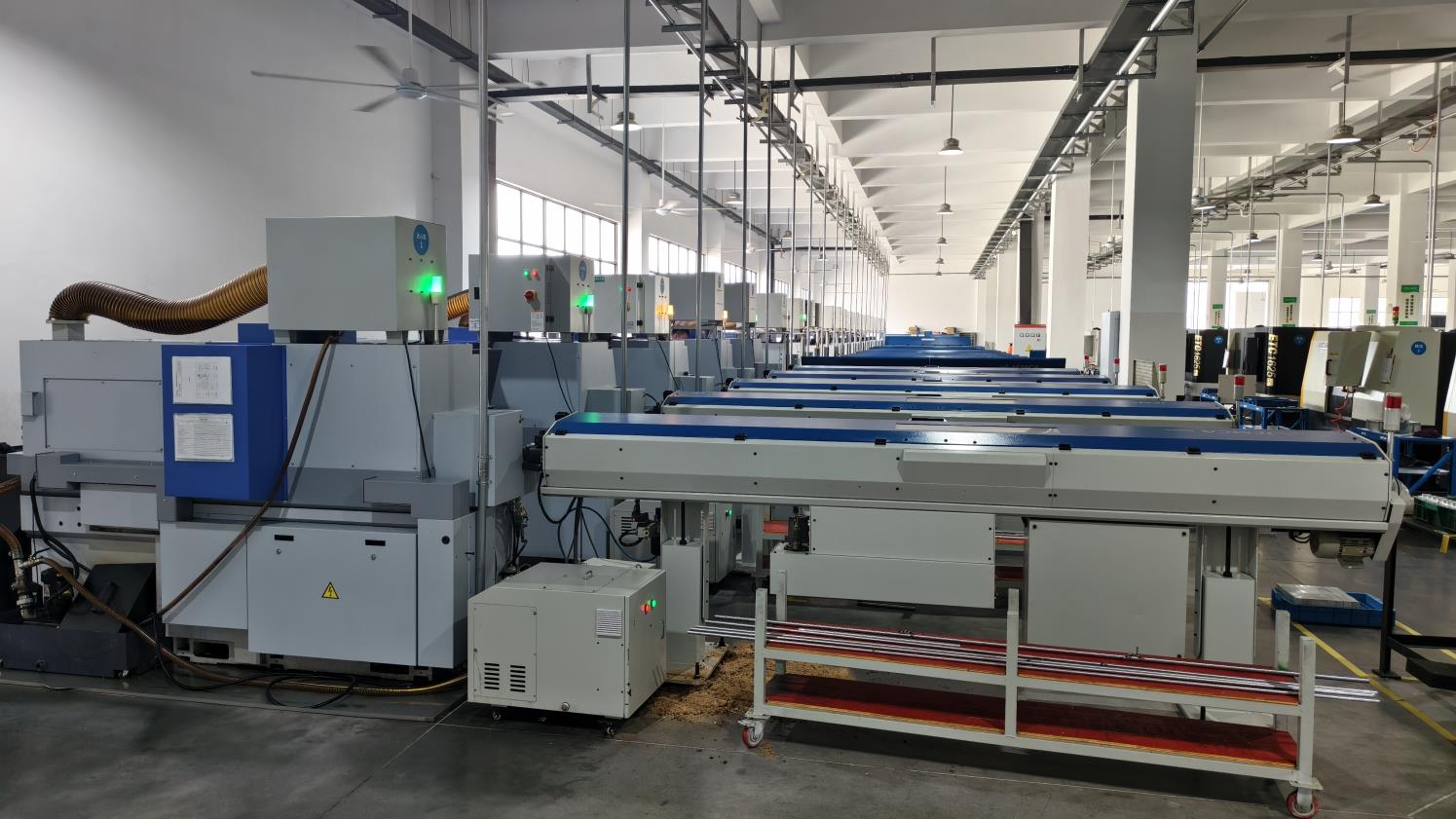
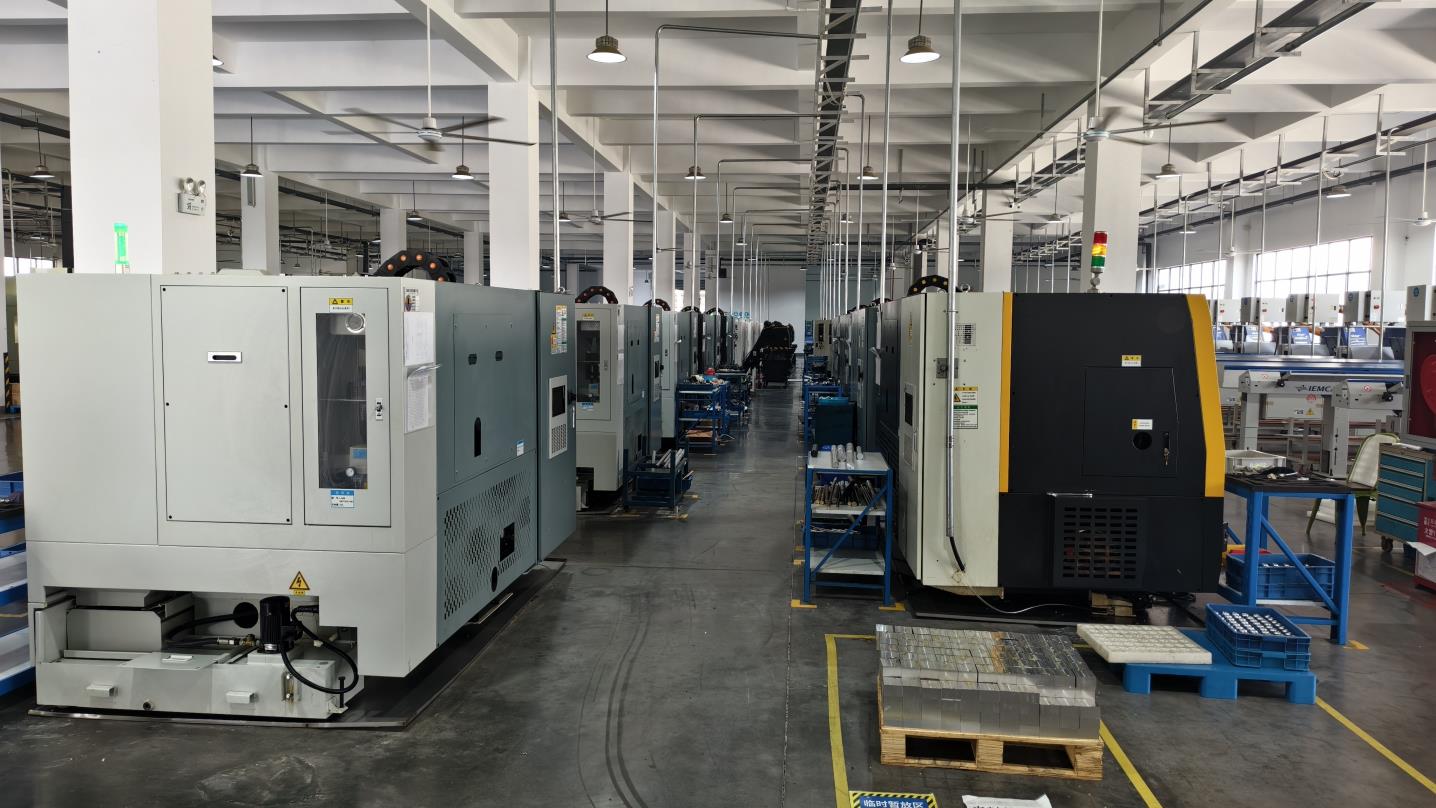
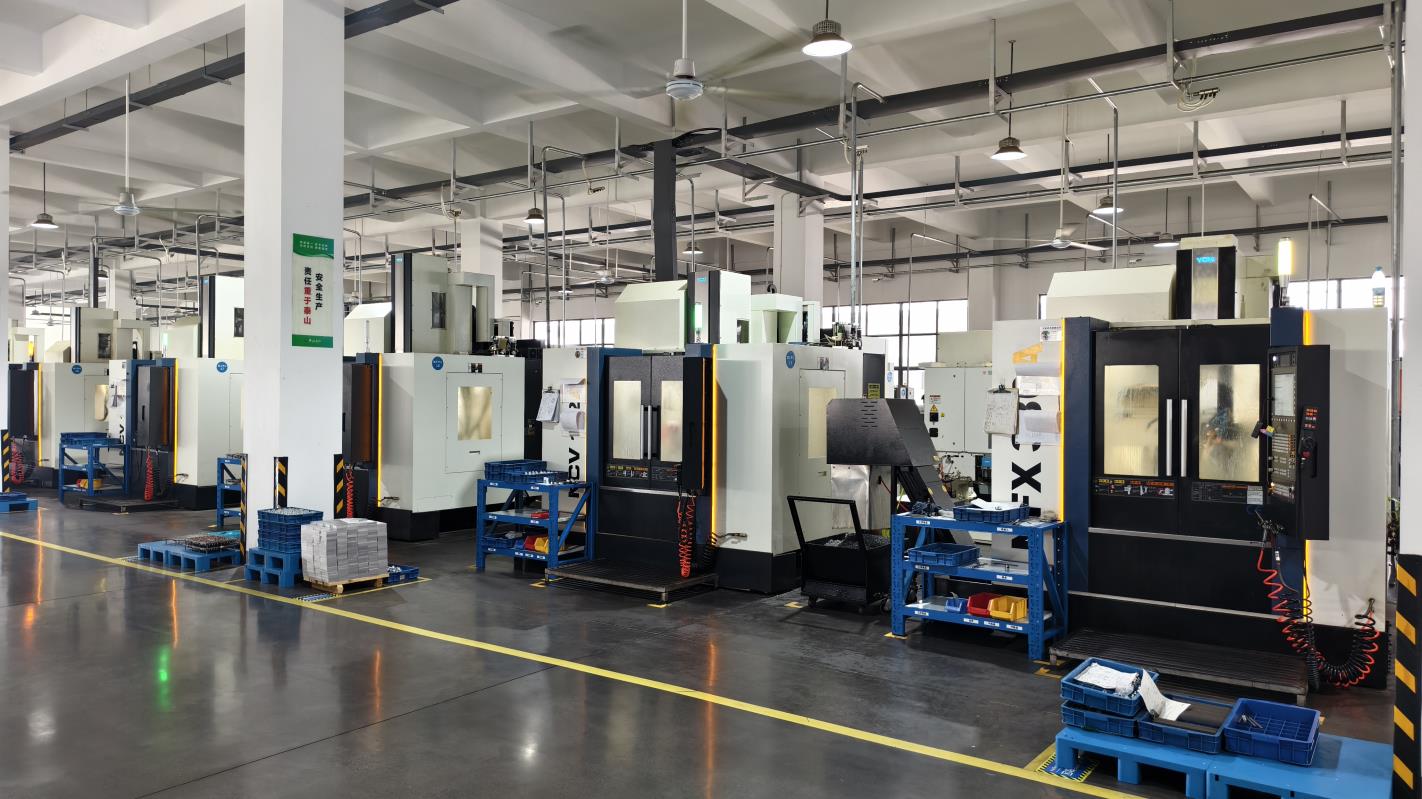
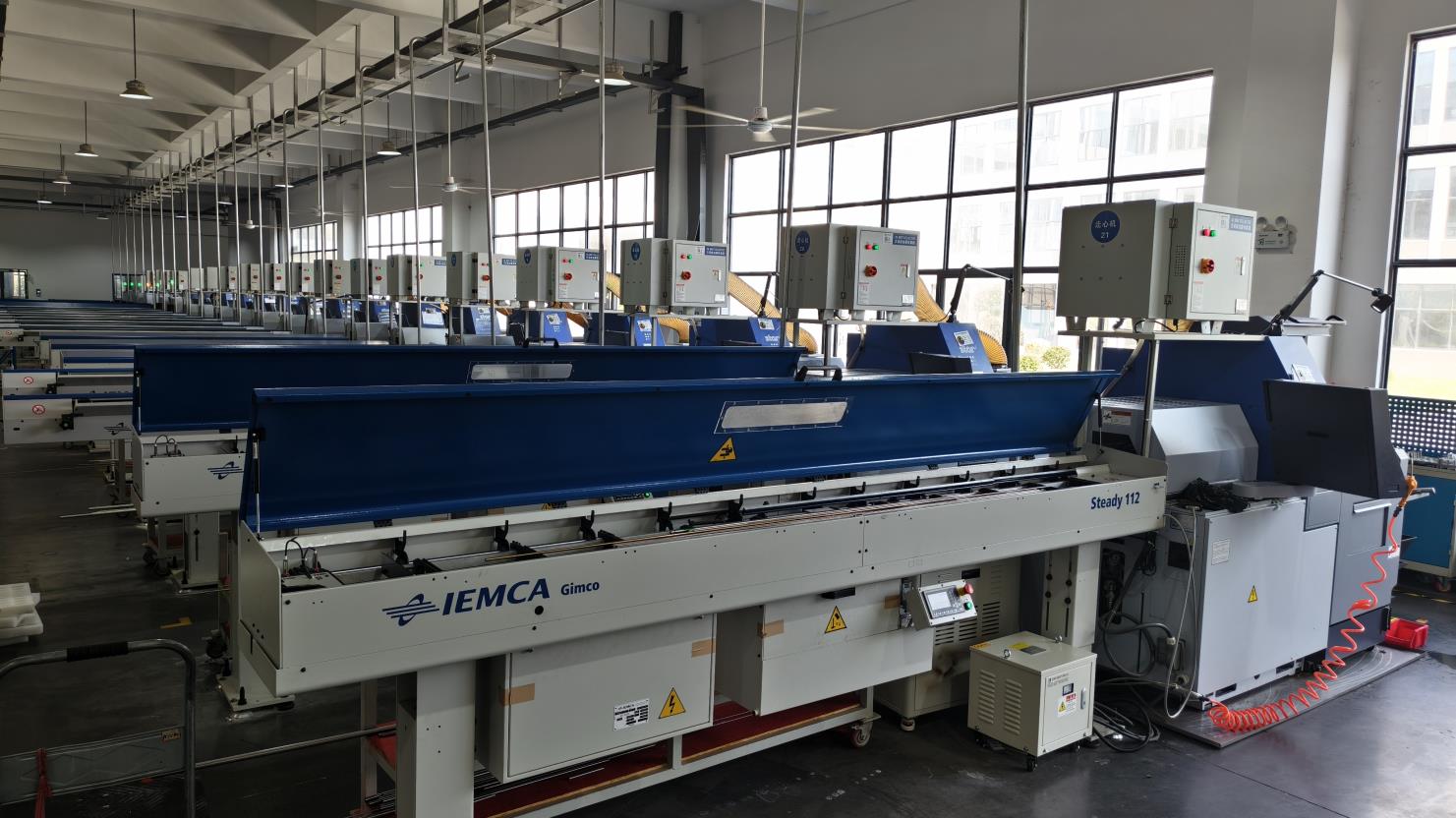
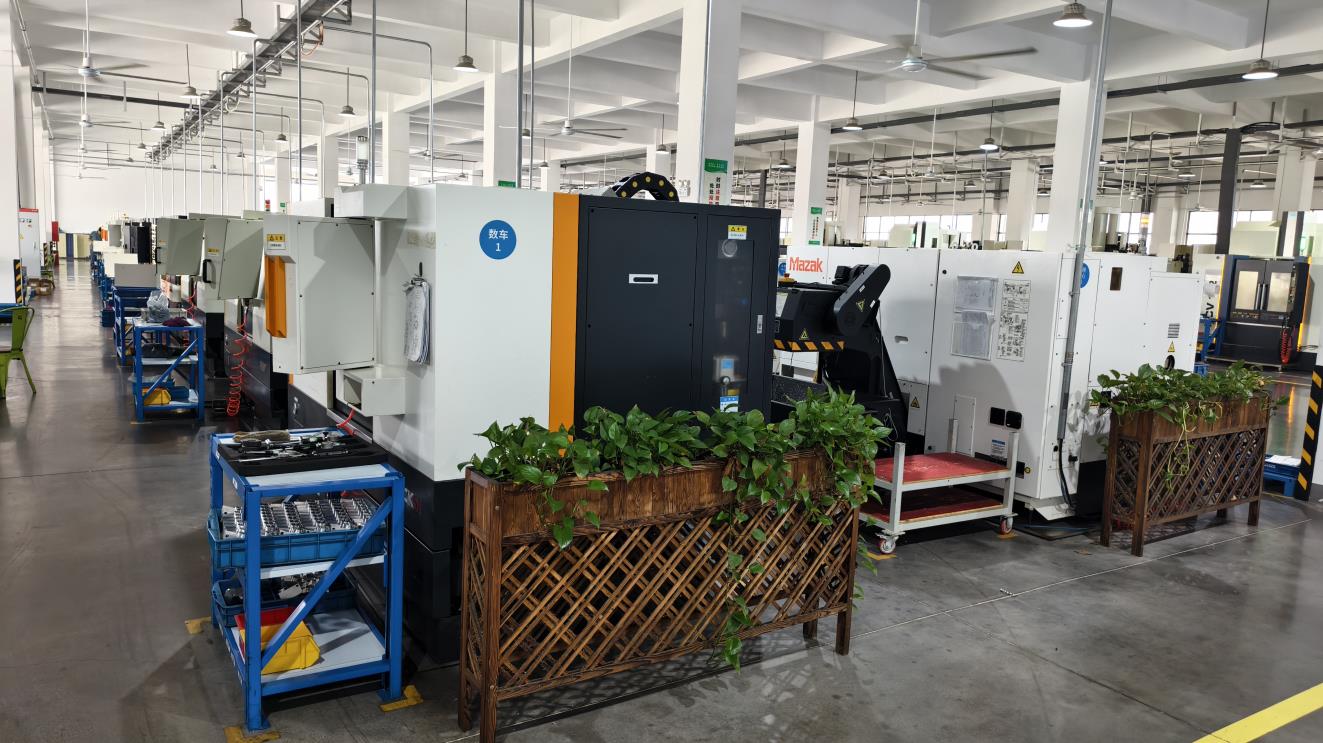
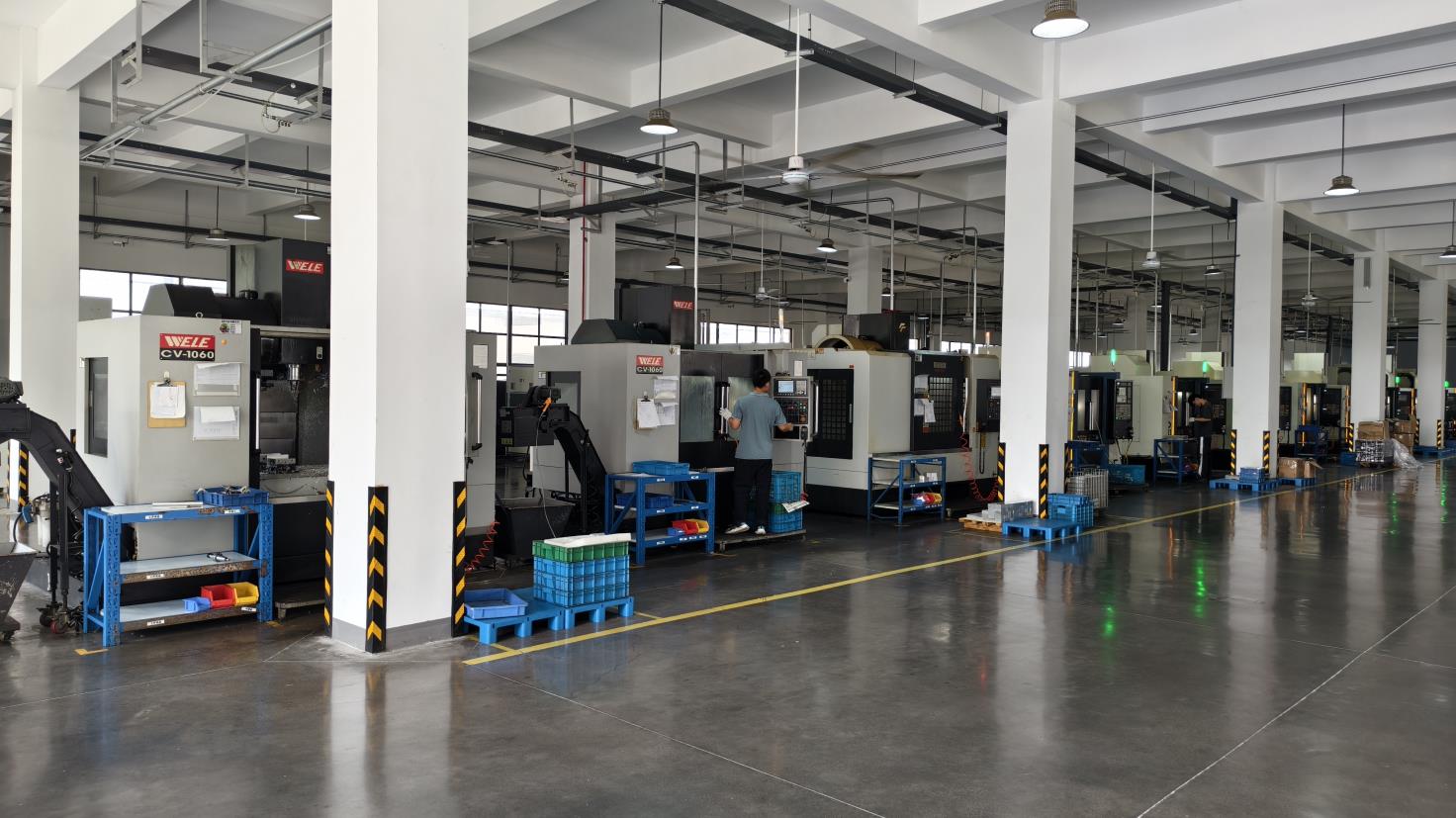
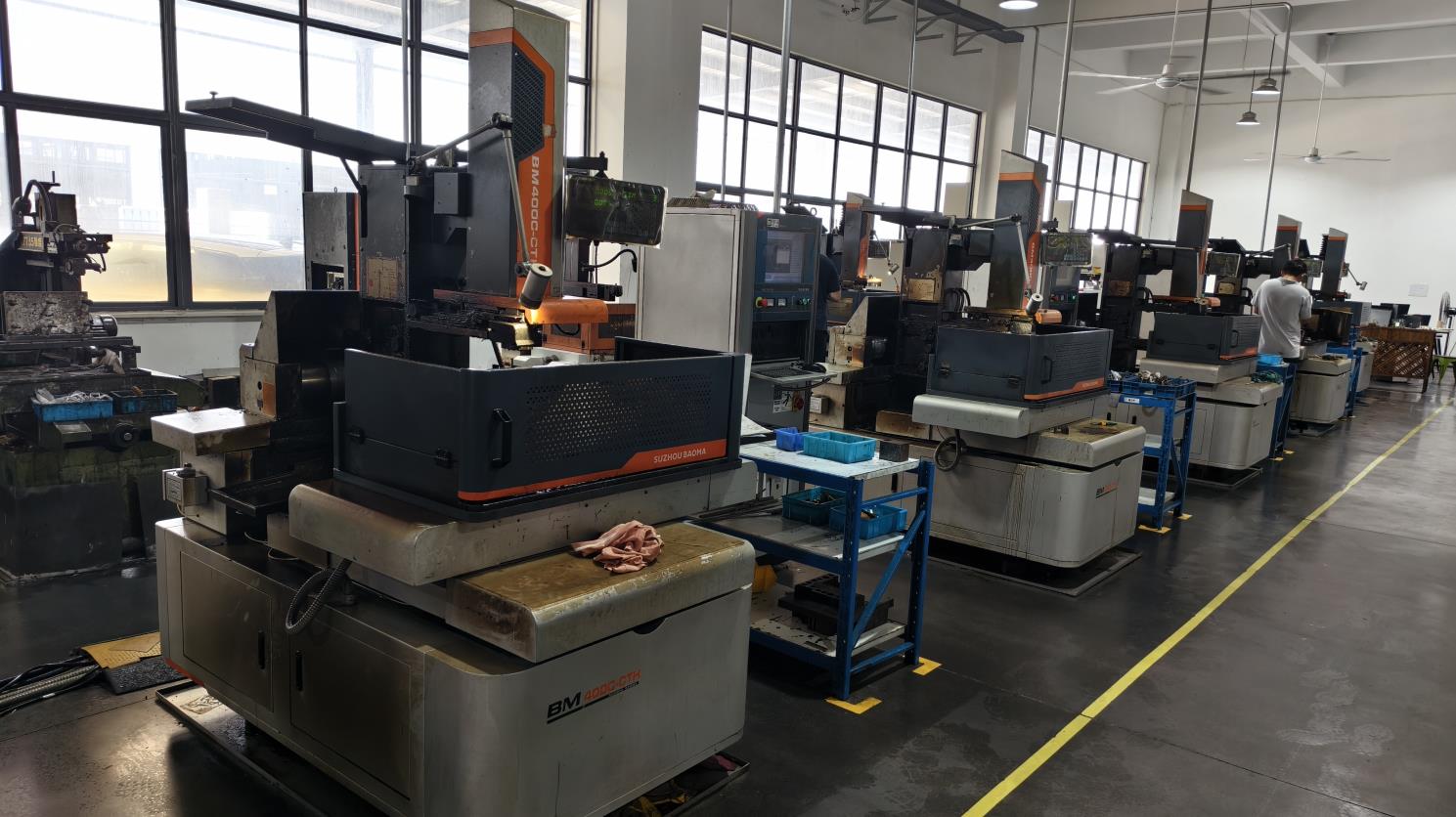
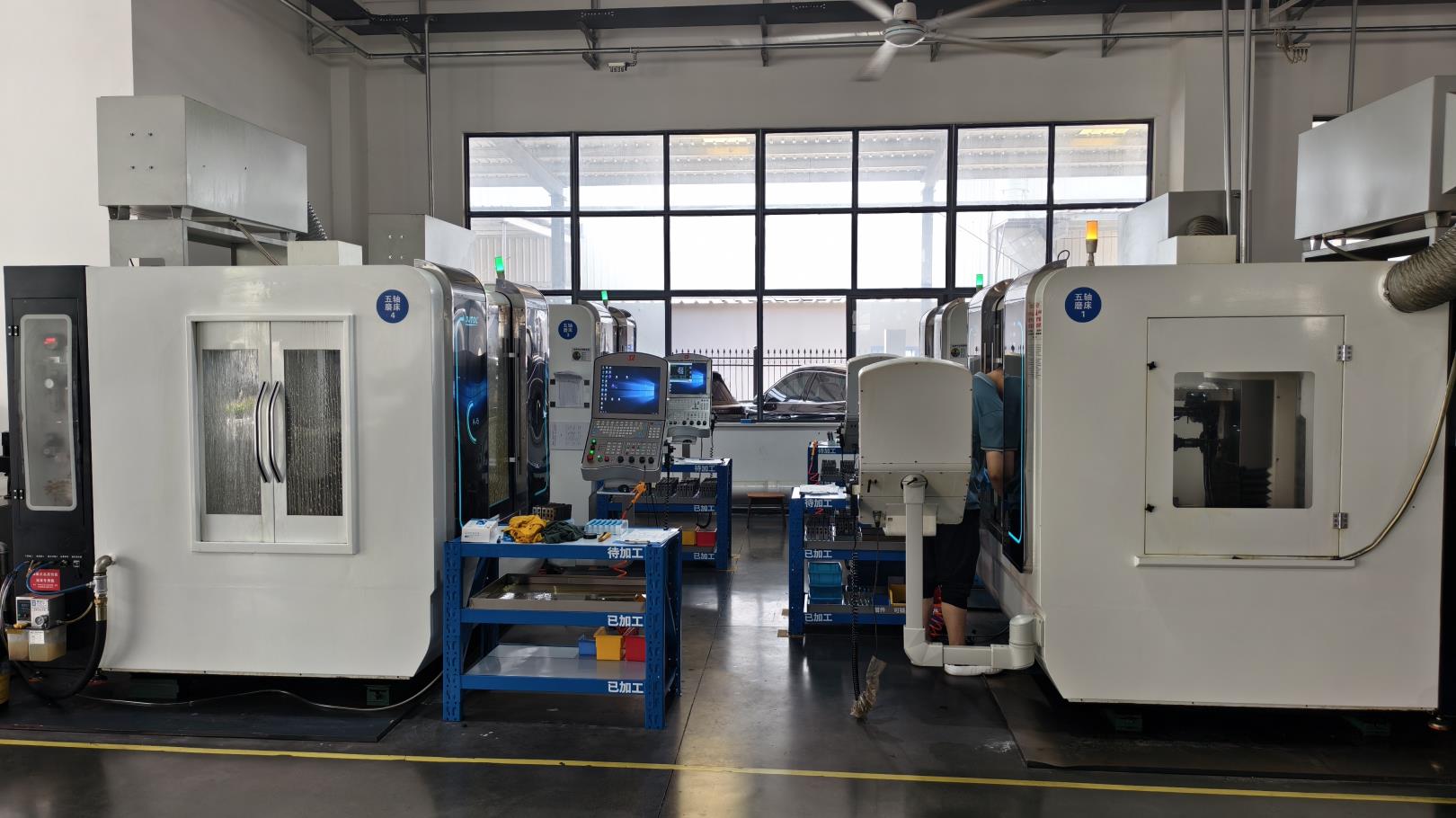
Modern suturing devices rely on complex mechanics—such as internal gear drives, articulating joints, and needle retention clips. Only factories equipped with multi-axis CNC machines and Swiss-type lathes can consistently achieve the micrometer-level tolerances required for smooth operation in laparoscopic and open surgeries.
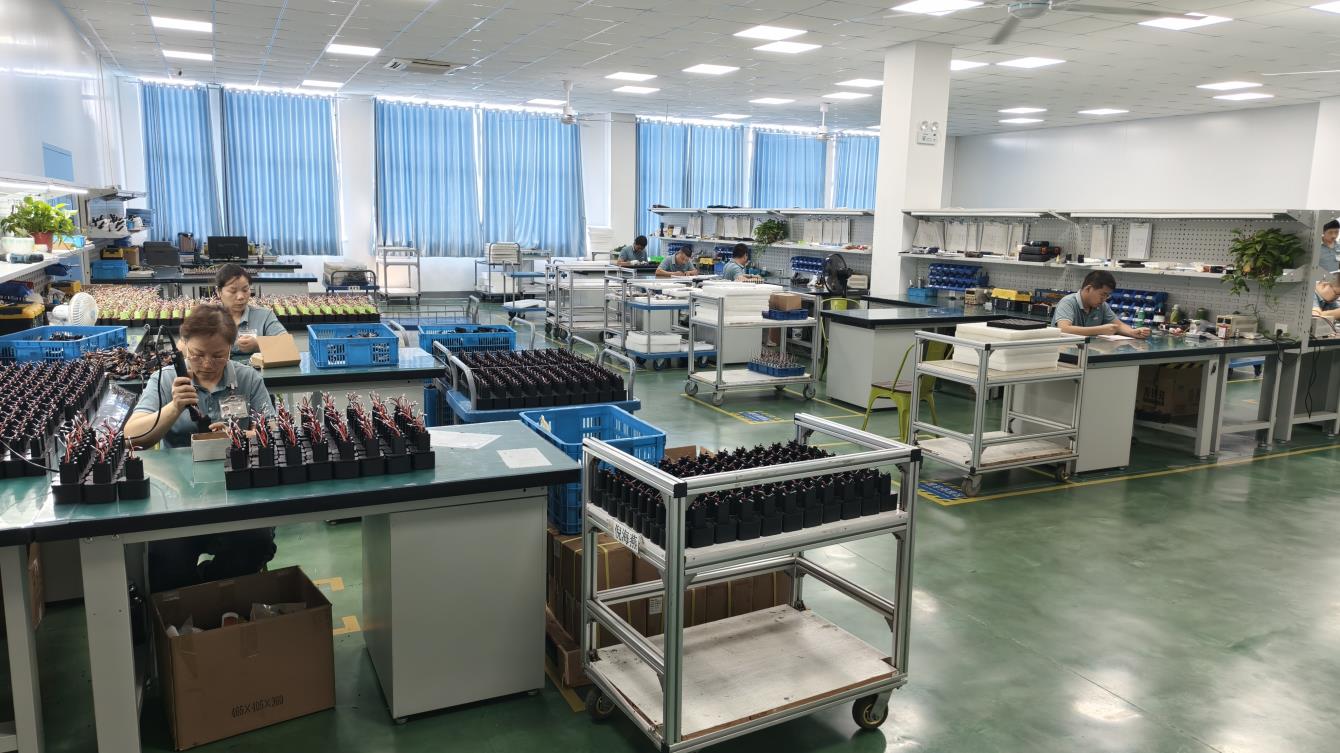
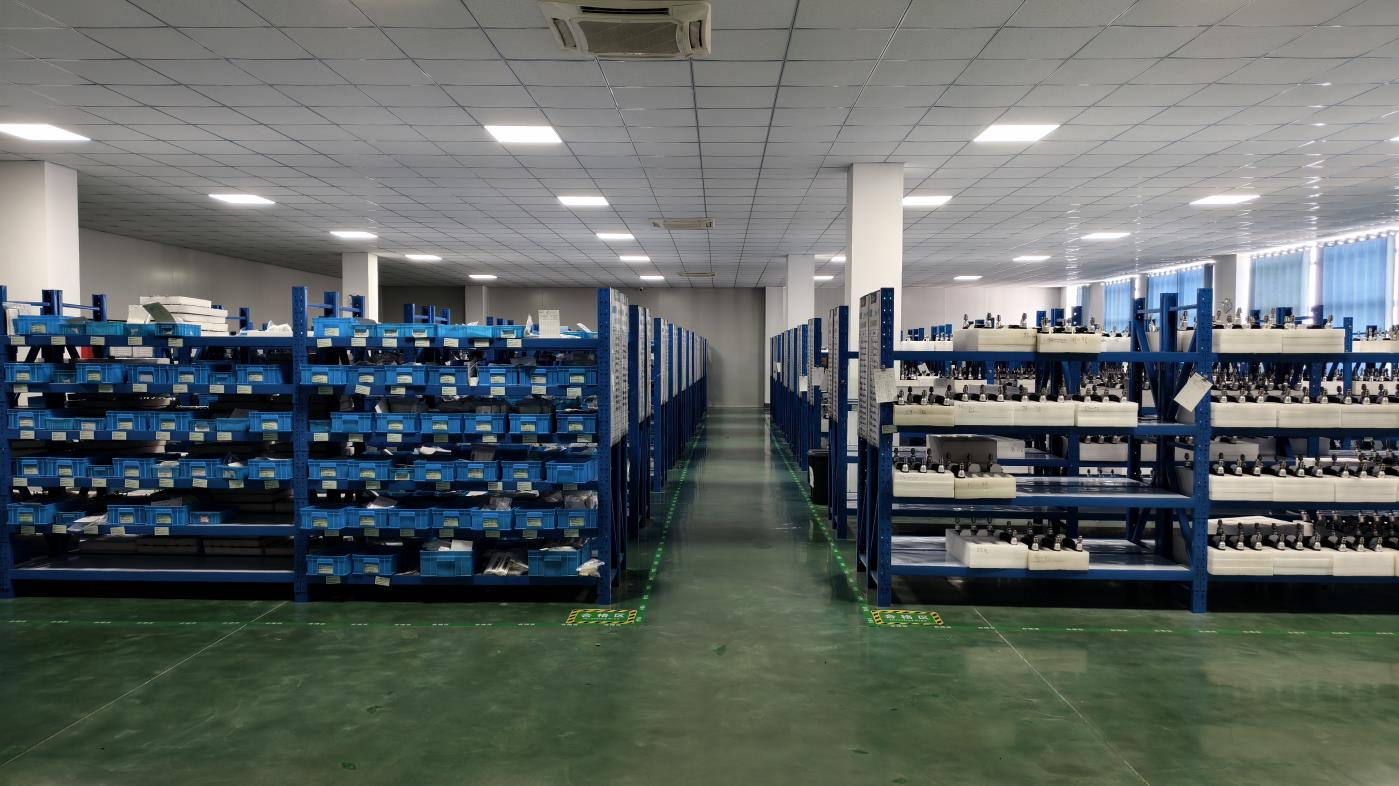
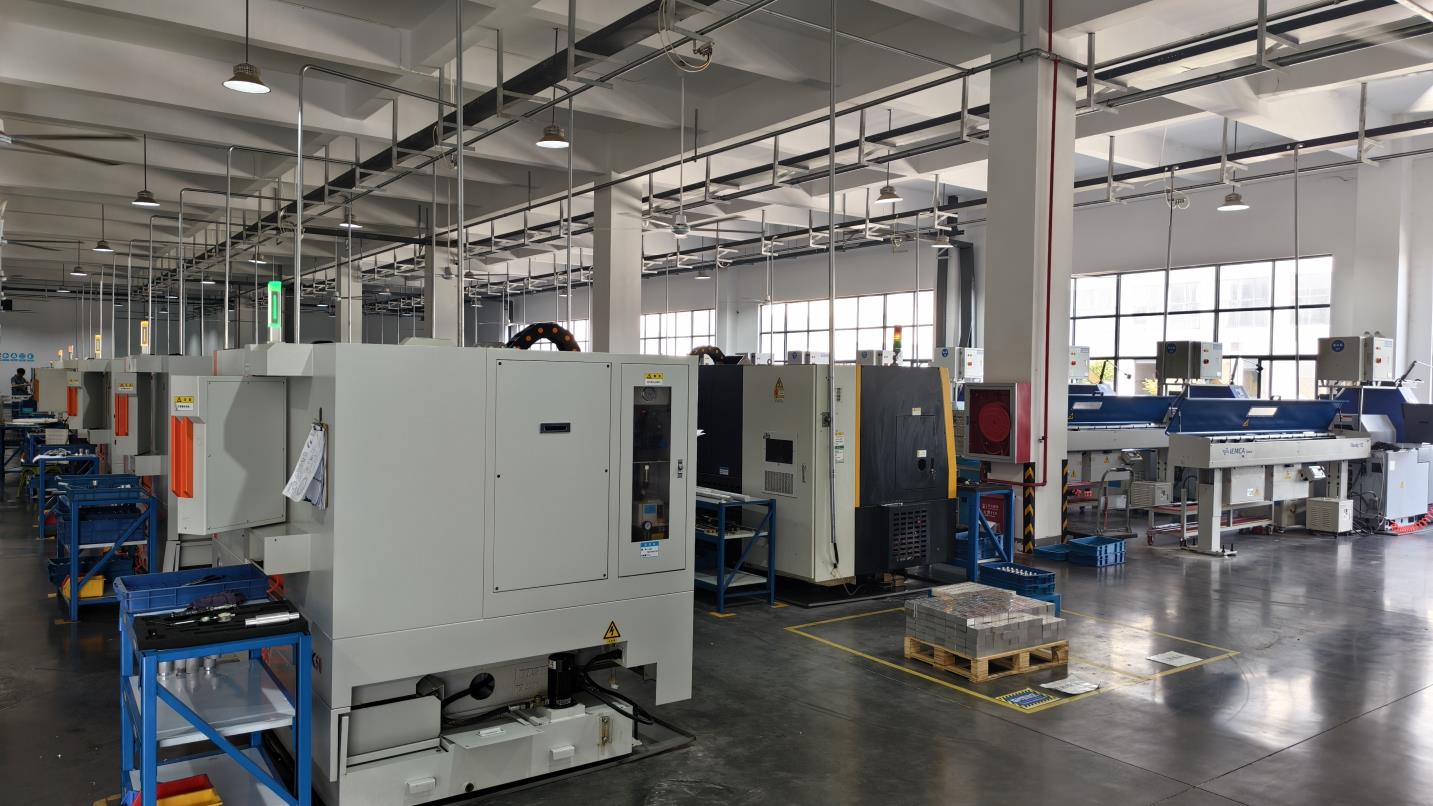
Our manufacturing foundation integrates precision engineering with clinical-grade quality assurance, delivering high-reliability instruments to the global medical market.
We support diverse procurement structures, including OEM private labels, brand distribution channels, and custom engineering requests.
Medical device distribution is highly localized. Navigating local regulatory pathways—such as the FDA’s 510(k) clearance in the United States, ANVISA in Brazil, or PMDA in Japan—requires localized documentation, testing data, and designated local representatives.
A factory's ability to provide technical data sheets, biocompatibility certificates (ISO 10993), and mechanical cycle test data directly impacts approval timelines. Our international supply networks ensure seamless customs clearance through structured labeling, HS-code categorization (typically Chapter 90 for medical instruments), and reliable logistics routing.
The application of these instruments varies by clinical scenario:
The surgical instrument industry is moving toward smart, automated, and minimally invasive technologies. As medical procedures become less invasive, manufacturing processes must evolve accordingly.
Future suturing instruments are designed to interface directly with robotic surgery platforms. This requires tighter manufacturing tolerances and integrated electronic sensors for real-time tissue tension feedback.
The adoption of bioabsorbable polymers (like PLGA) and shape-memory alloys (Nitinol) is transforming suture anchors and closure clips, reducing foreign-body reactions and eliminating the need for removal procedures.
Metal 3D printing allows factories to construct complex, patient-specific orthopedic implants and lightweight, ergonomic instrument handles with internal geometries that are impossible to machine via traditional CNC.
Explore our highly precise, micro-engineered surgical systems designed for neurosurgery, orthopedics, and delicate tissue reconstruction.
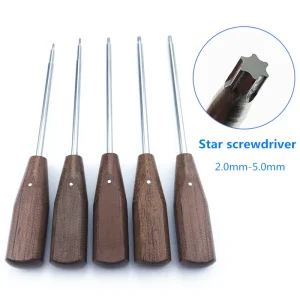
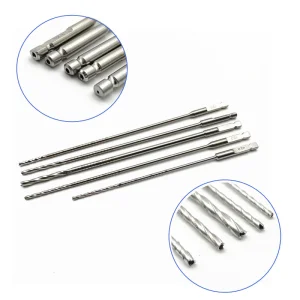
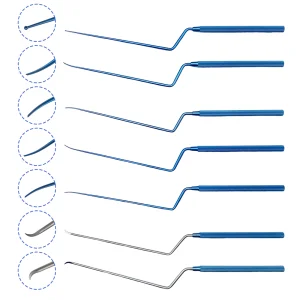
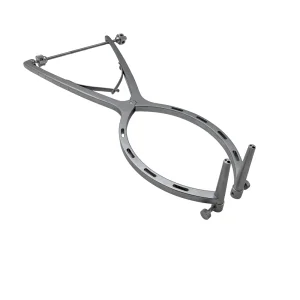
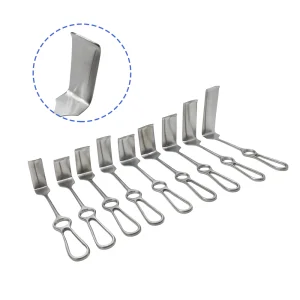
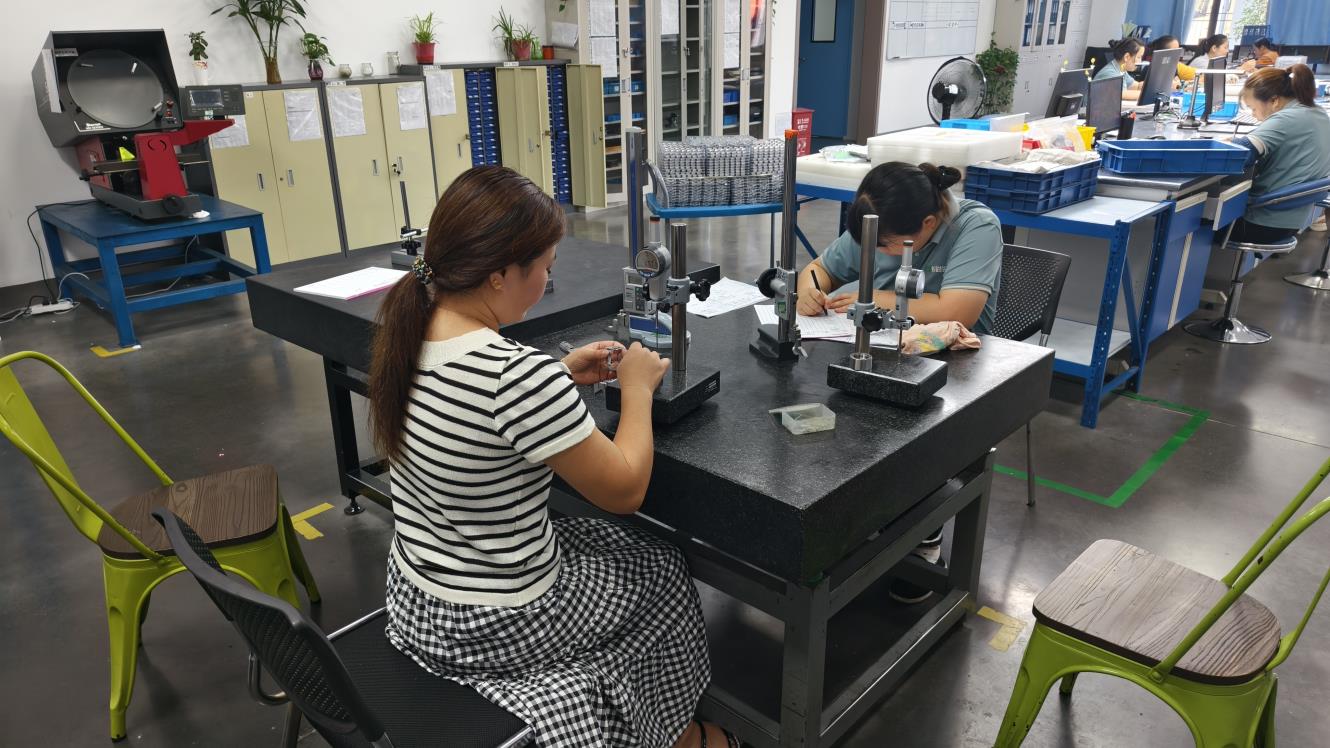
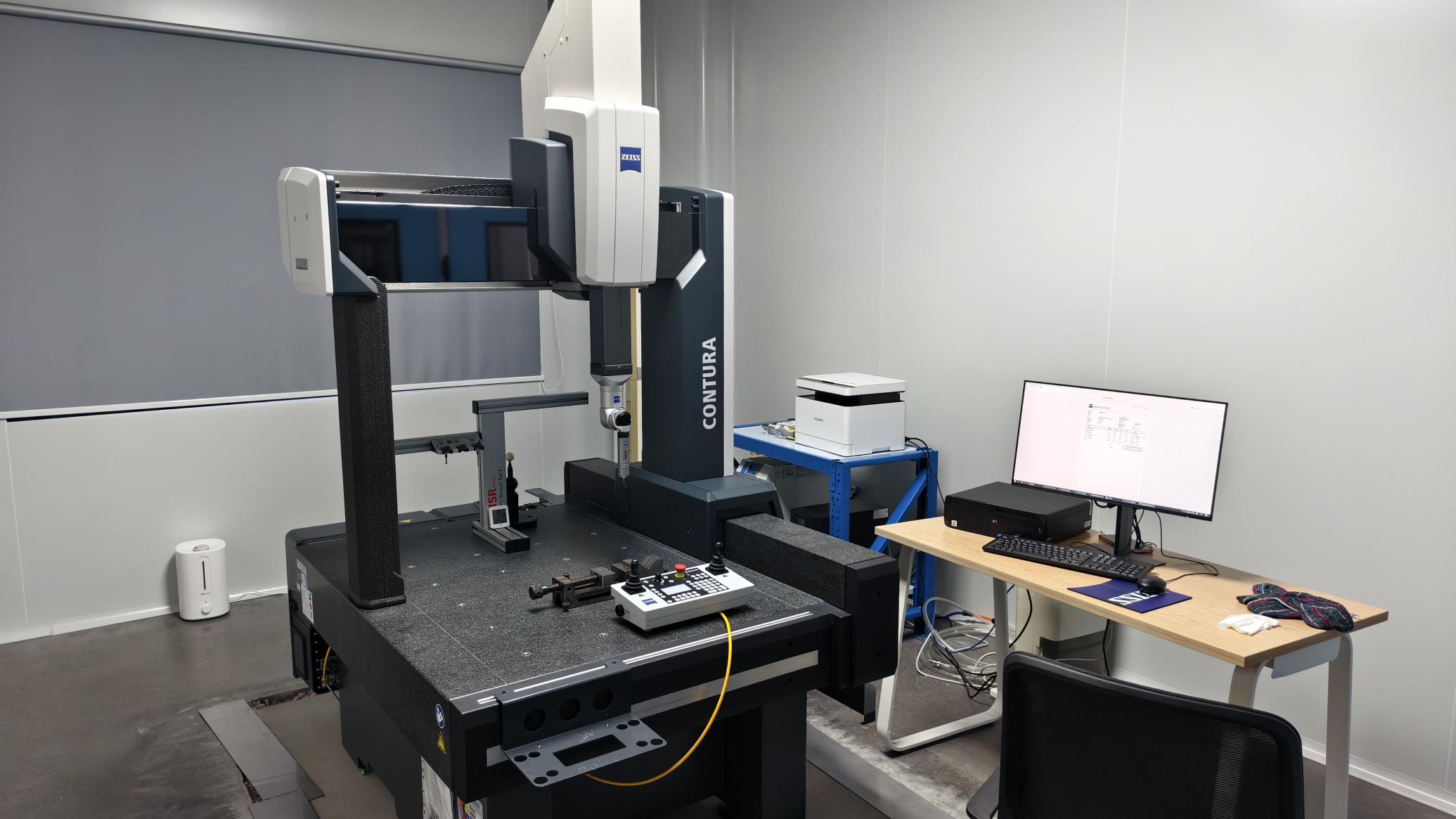
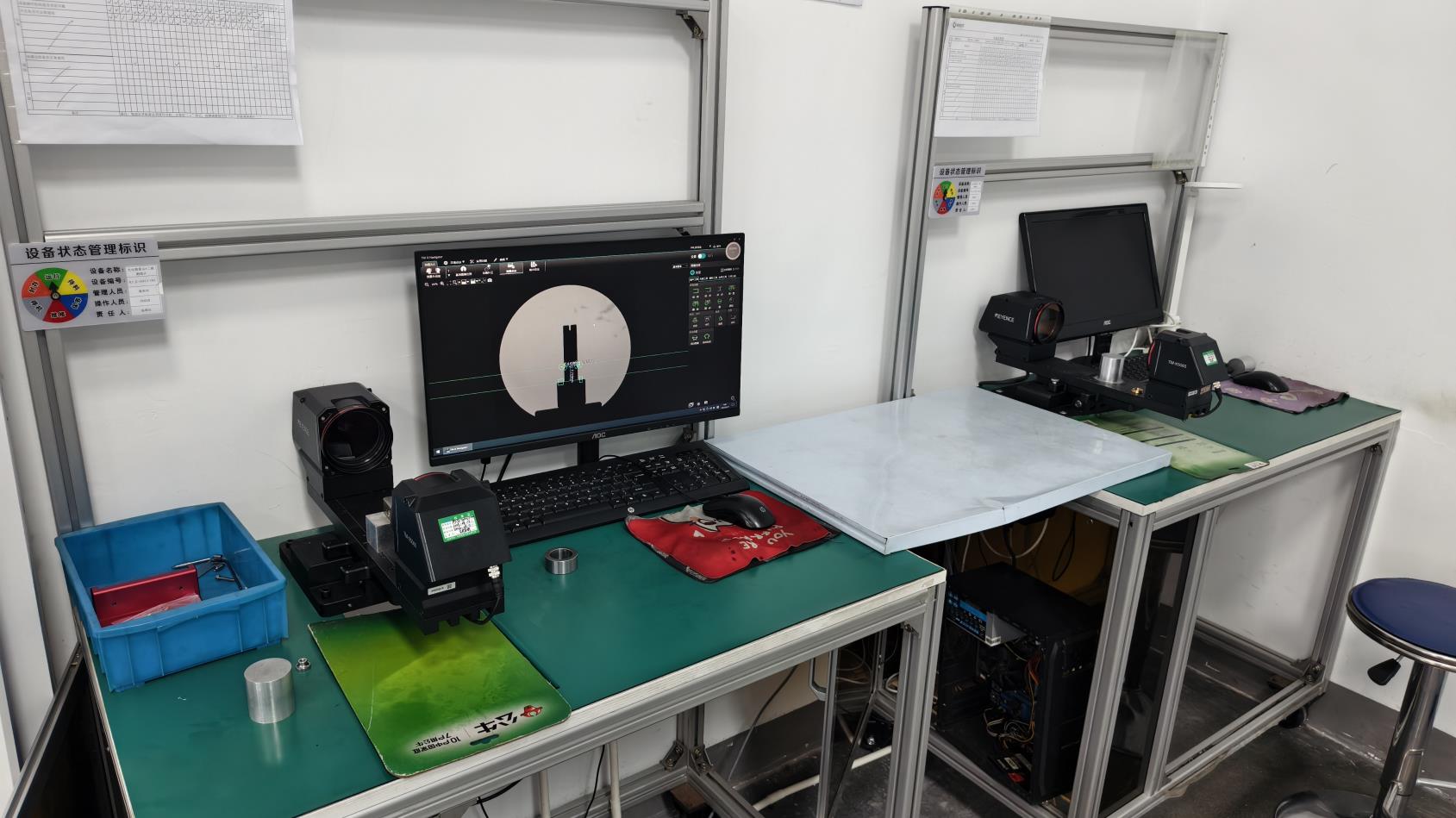
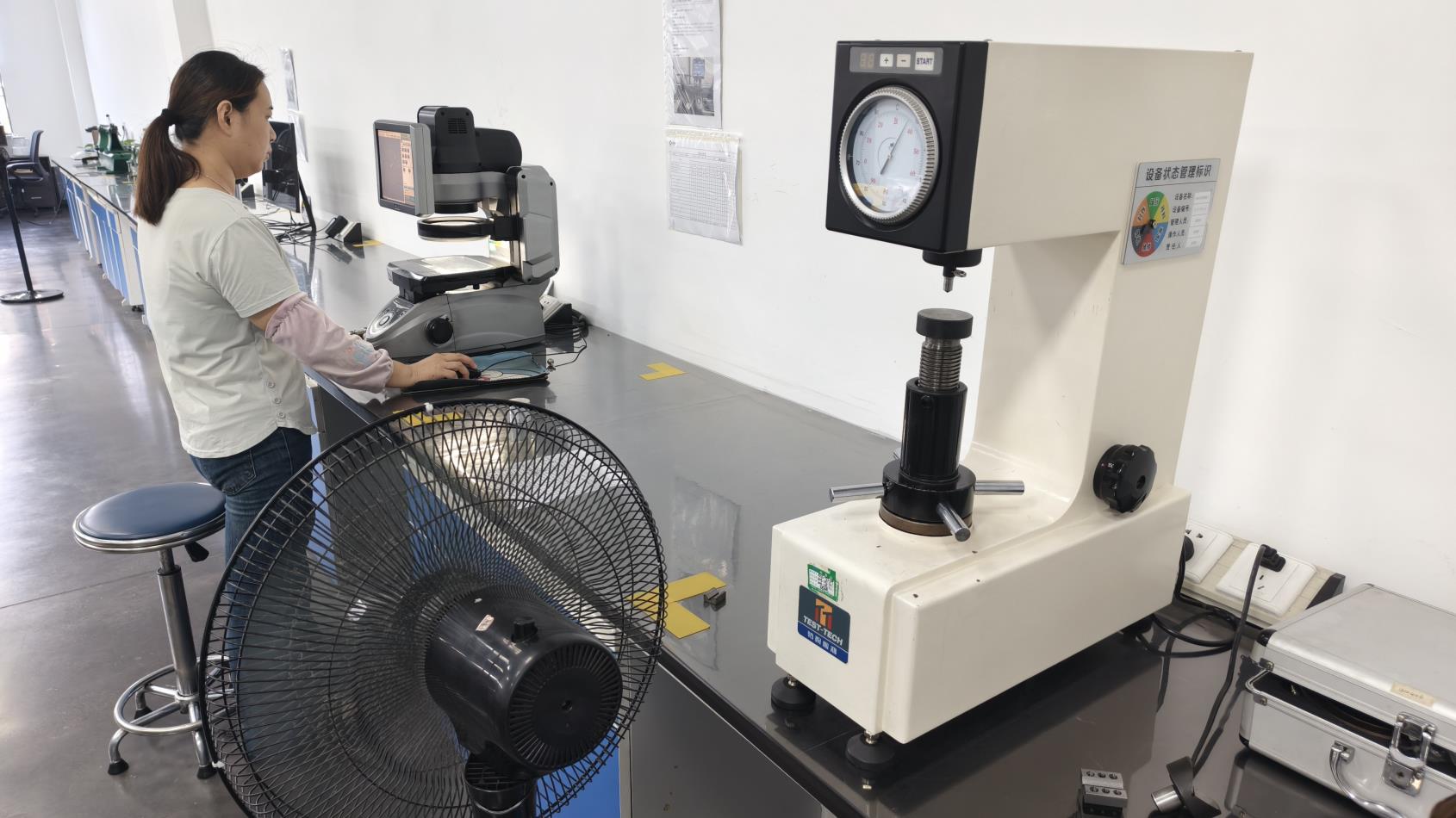
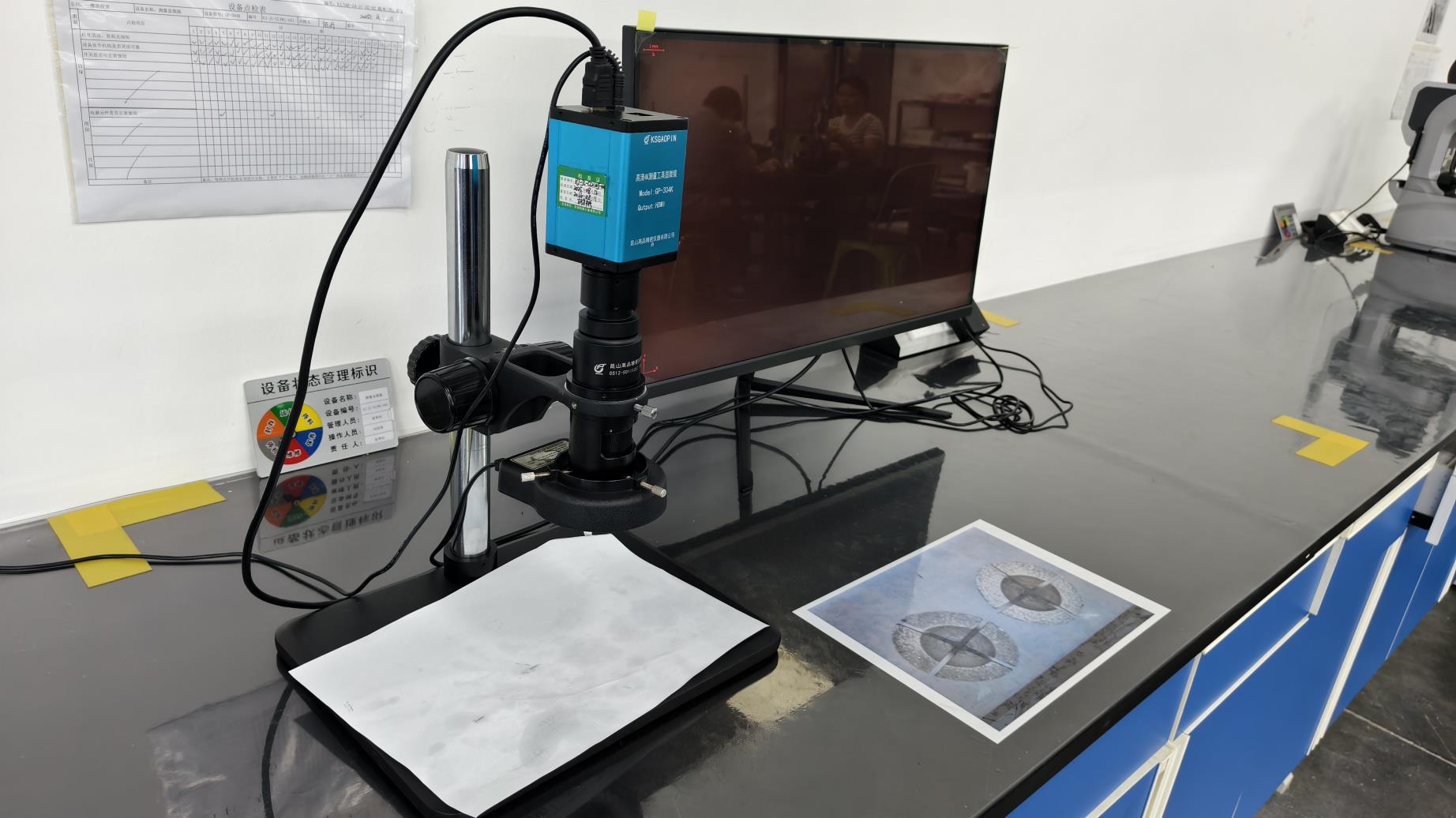
Visual documentation of our precision manufacturing capabilities, quality inspection environments, and advanced machinery floor.