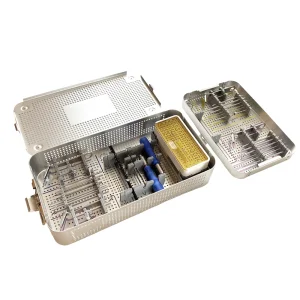
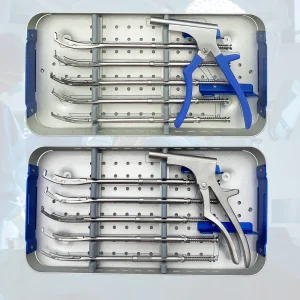
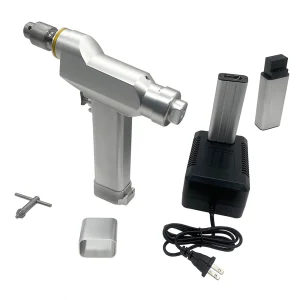
SENJIE Healthy & Technology
SENJIE Healthy & Technology
SENJIE Healthy & Technology
Explore our primary tier of medical-grade surgical instrumentation engineered for precision bone realignment, mechanical distraction, fixation cutting, and complex osteotomy procedures.
Modern orthopedic surgery demands bone manipulation instruments that possess exceptional biomechanical characteristics, extreme fatigue strength, and complete biocompatibility. Whether executed for human reconstructive trauma surgery or complex veterinary interventions like Tibial Plateau Leveling Osteotomy (TPLO), these tools operate under high torsional and tensile stress environments. Sourcing from a premier manufacturer ensures the integration of metallurgical science with anatomical design profiles.
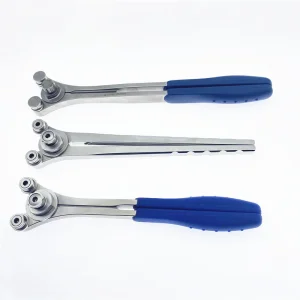
Our raw material selections conform strictly to ASTM F138 (316LVM Surgical Stainless Steel) and ASTM F136 (Ti-6Al-4V ELI Titanium Alloy). The microstructural density of these materials prevents micro-fracturing under stress cycles. During bone alignment, instruments such as distractor components and bone plate benders must undergo elastic deformation without taking on a permanent plastic set, unless specifically intended for customizable anatomical contouring. Our manufacturing lines implement advanced double-vacuum melting processes (VIM-VAR) to guarantee structural homogeneity.
Our instruments are calculated to withstand up to 1,200 MPa of tensile strain, ensuring safety during extreme axial manipulation of long bones.
Controlled chemical passivation yields a chromium-oxide barrier that eliminates iron contamination, rendering the instrument impervious to autoclave and chemical sterilization corrosion.
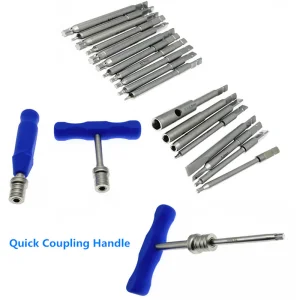
Multi-axis Swiss CNC machines guarantee tolerances down to ±5 microns, securing seamless quick-coupling assemblies and locking mechanisms.
China’s medical manufacturing clusters provide an unprecedented combination of vertical supply chain integration, material sourcing access, and high-precision CNC manufacturing efficiency. As a seasoned supplier, we consolidate raw processing, surface finishing, and quality control under strict regulatory surveillance. This integrated landscape translates to reduced manufacturing cycles and competitive global distribution fees.
| Operational Domain | Technical Capabilities & Specifications | Client Deliverable Benefit |
|---|---|---|
| Customization Options | Sample processing, graphic customization, CAD/CAM blueprint adaptation on demand | Tailor-made designs for specialized orthopedic sets |
| QA Protocols | Raw material heat verification, dimension measurement, surface integrity checks | Reduced clinical failure risk and prolonged lifecycle |
| Accepted Languages | Professional English technical documentation and support lines | Frictionless communication during design and contract negotiations |
| Client Base Profiles | Global Brand Businesses, Healthcare Retailers, Wholesalers, Veterinary Networks | Scalable pricing structures from small batches to bulk volume orders |
Sourcing surgical equipment from China requires navigating international regulatory frameworks. To support our distribution partners, we ensure all products are accompanied by clear technical data sheets, including metallurgical composition analysis reports. We assist in preparing registration files for local health agencies, matching standard ISO 13485:2016 Medical Devices Quality Management systems.
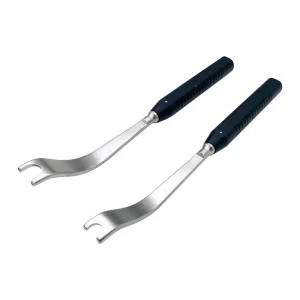
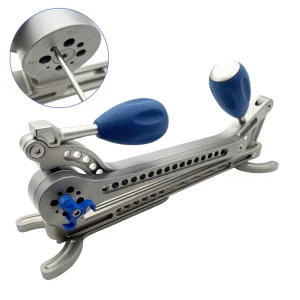
In human clinical settings, our bone distractors and trochanter retractors play key roles in exposure, alignment, and reduction of complex fractures. Designed with ergonomic parameters, these tools provide surgeons with micro-tactile feedback, preventing accidental soft tissue damage during leverage or retractor placement around the femoral neck or tibial plateau.
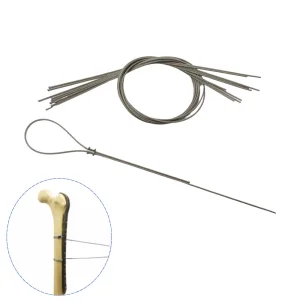
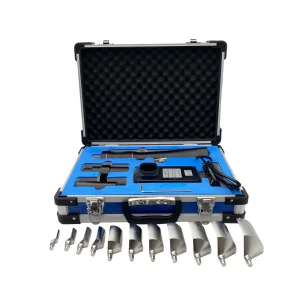
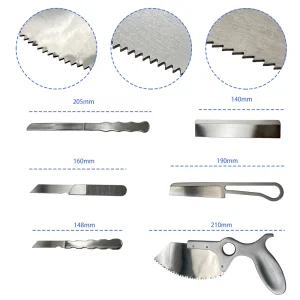
Veterinary orthopedics has grown increasingly specialized, with procedures like TPLO and cerclage cable stabilization requiring precise instrument tolerances. Our veterinary benders, micro-forceps, and saw systems are designed to accommodate the unique physical requirements of small and large animal bones, helping veterinary surgeons achieve predictable post-operative recovery outcomes.
Each batch of our bone manipulation instruments is subjected to comprehensive sterilization testing, ensuring the raw material and assembly structure do not degrade or lose locking integrity when subjected to repeated steam autoclave cycles (134°C for 4–18 minutes at high pressure).
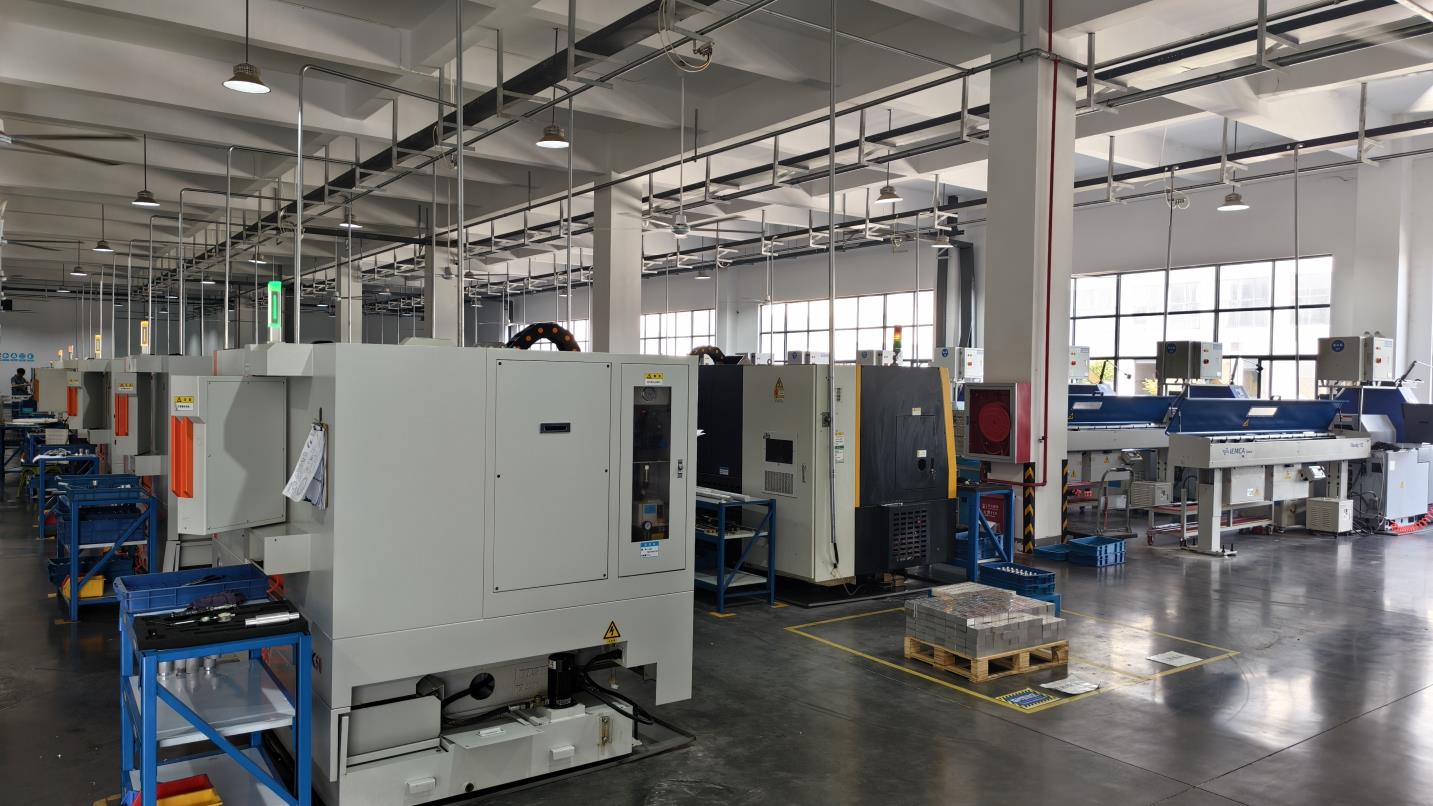
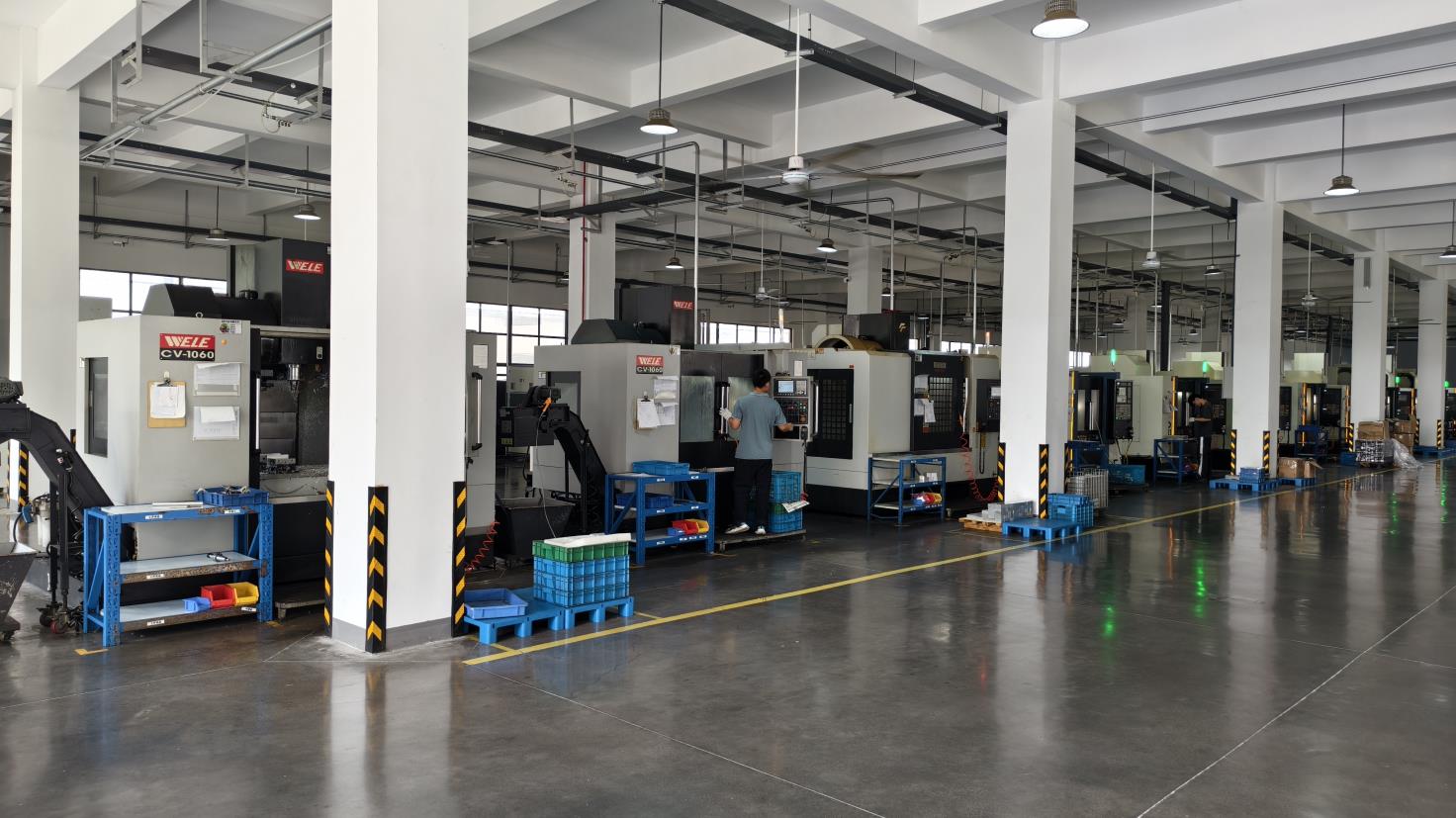
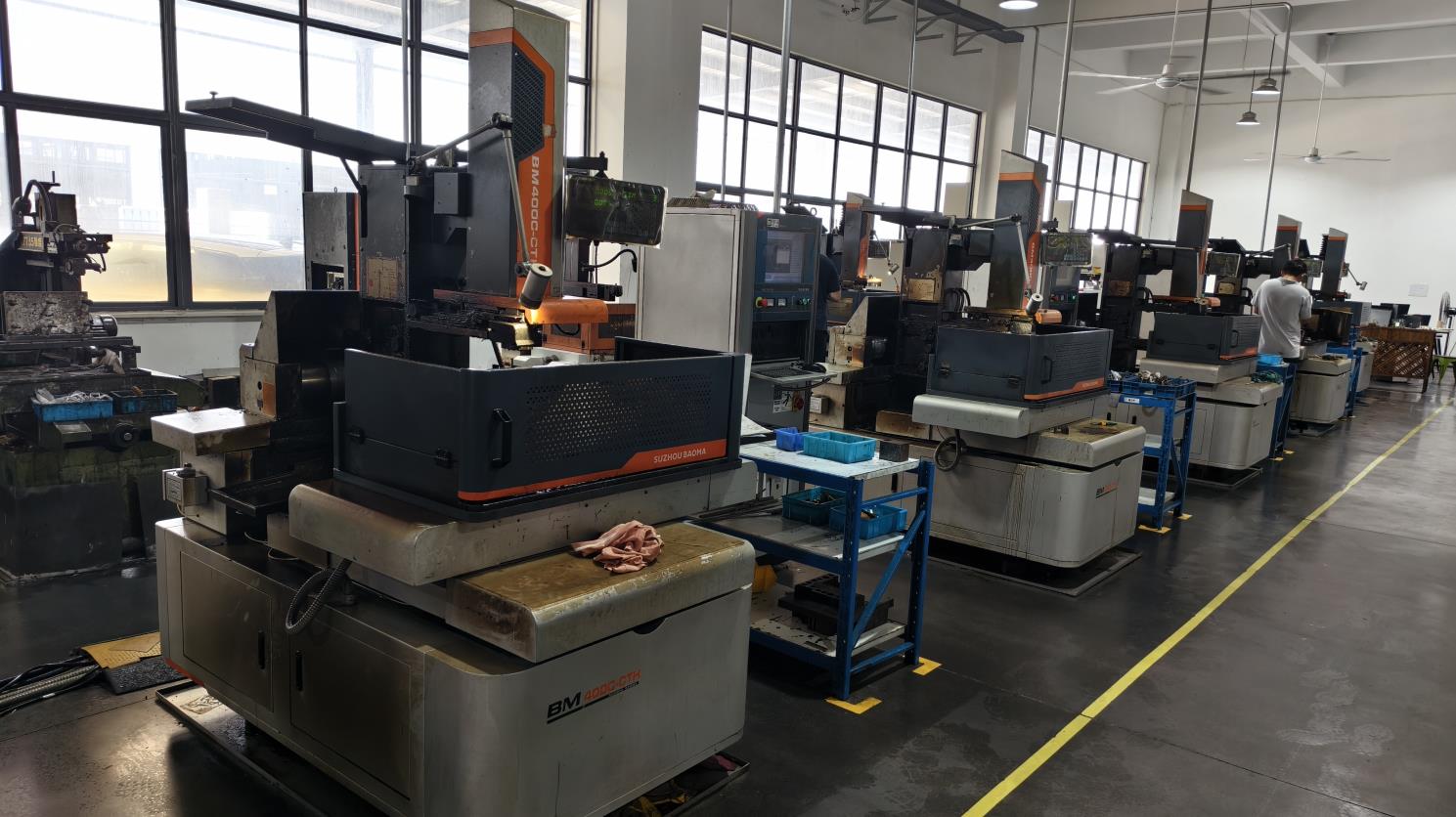
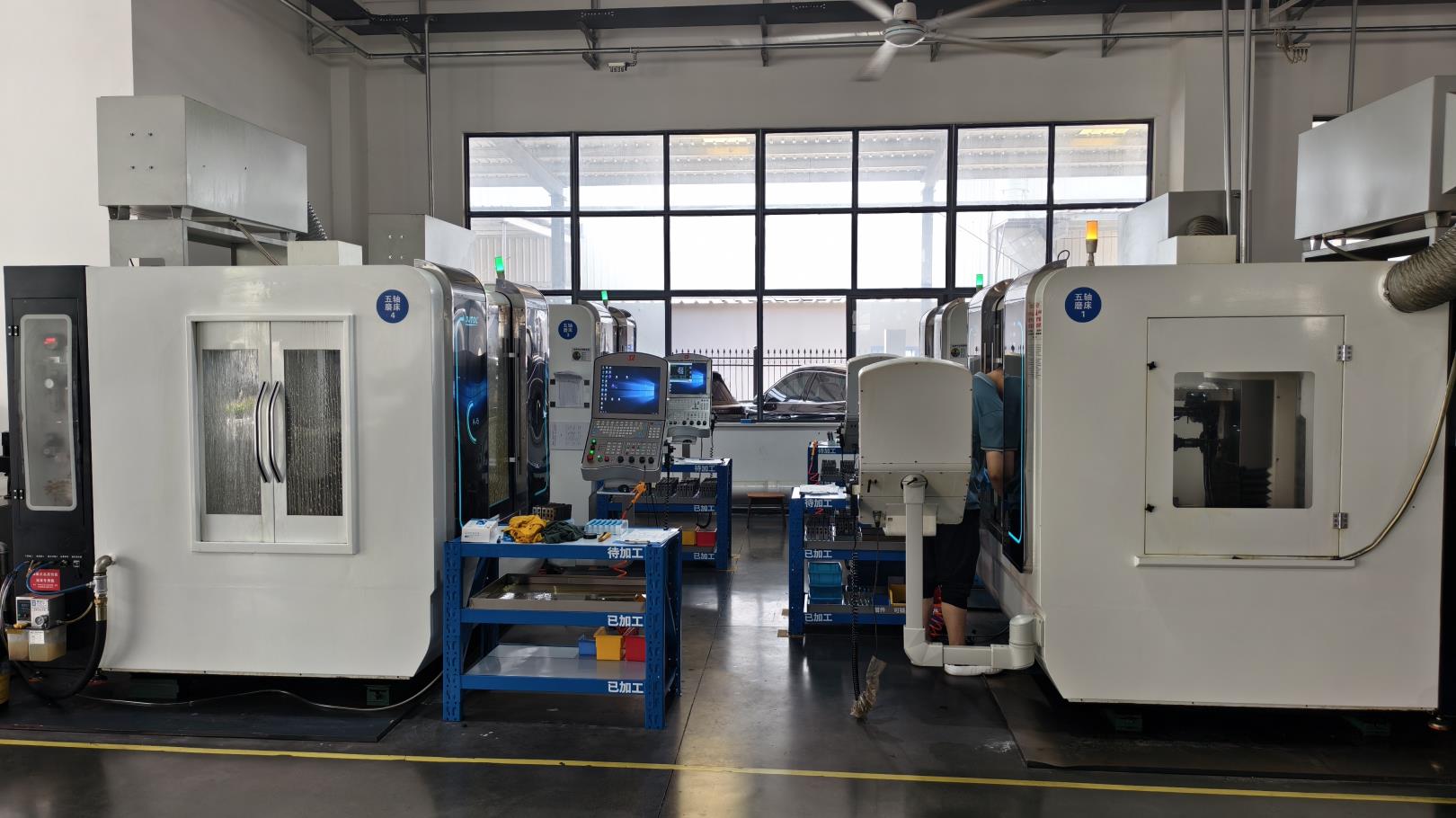
To assure transparency and satisfy stringent E-E-A-T compliance parameters, we display below our active factory fabrication stages, machining centers, polishing stations, and quality control departments.
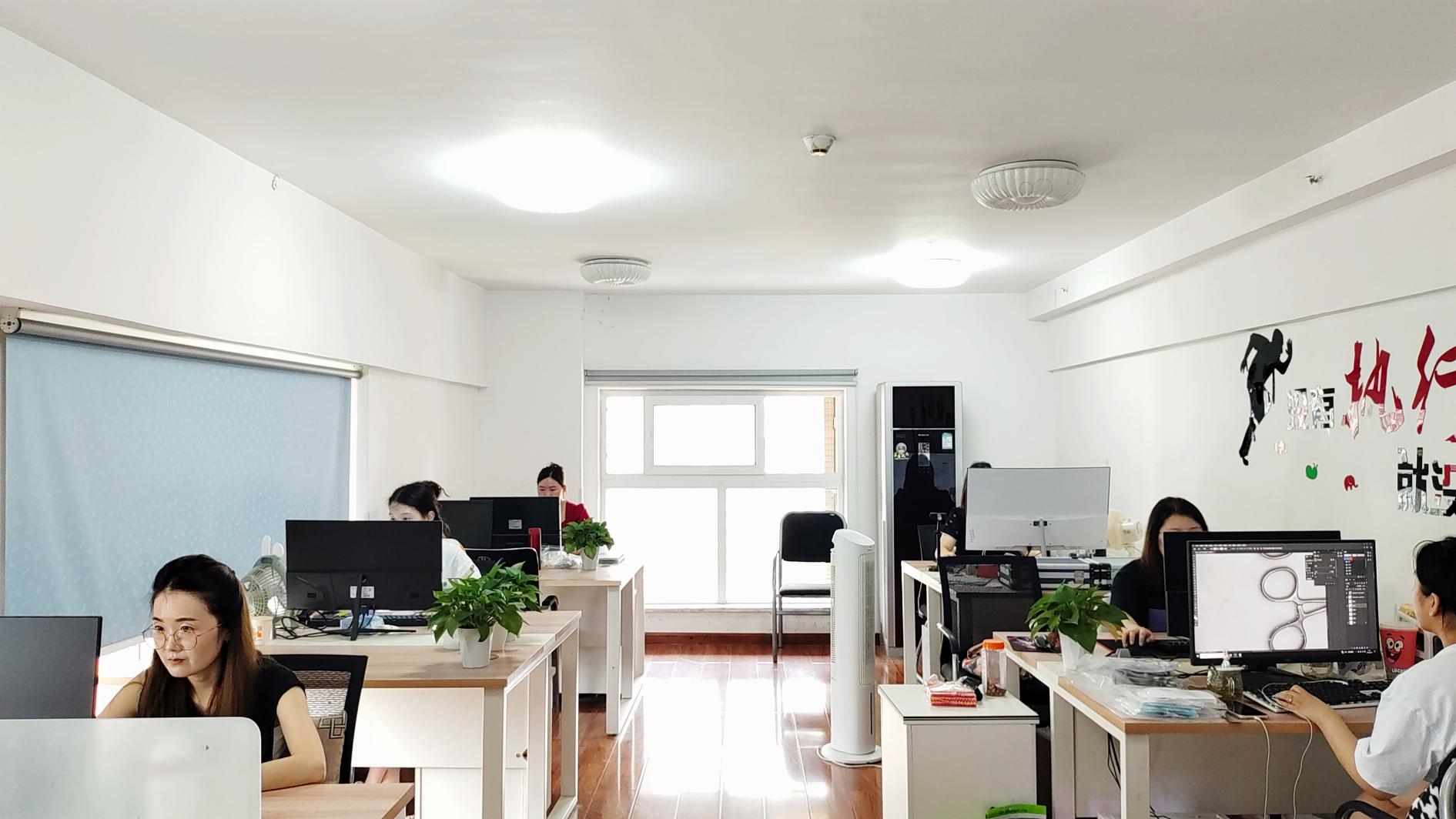
Forging & Shaping
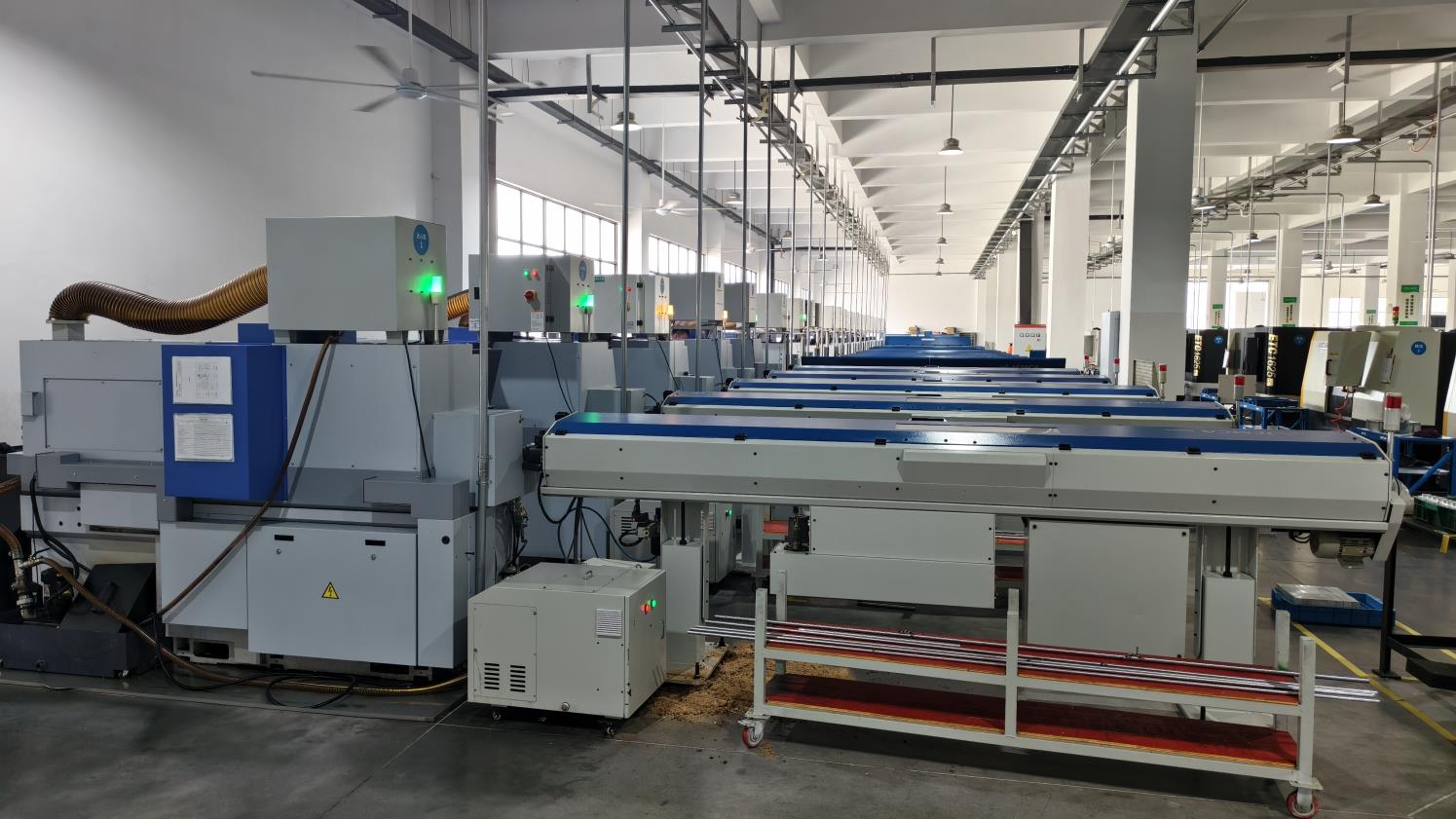
CNC Turning Center
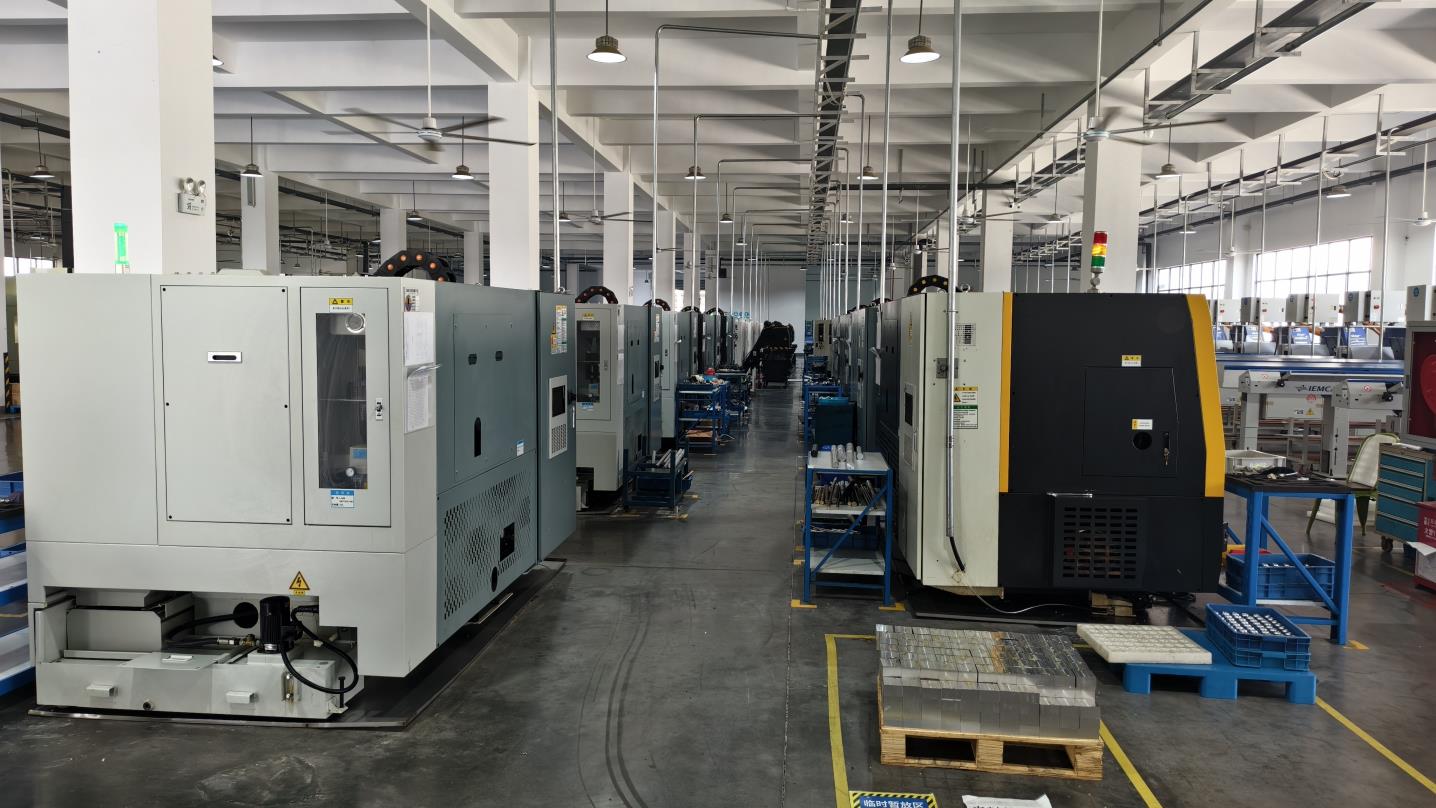
Precision Milled Slots
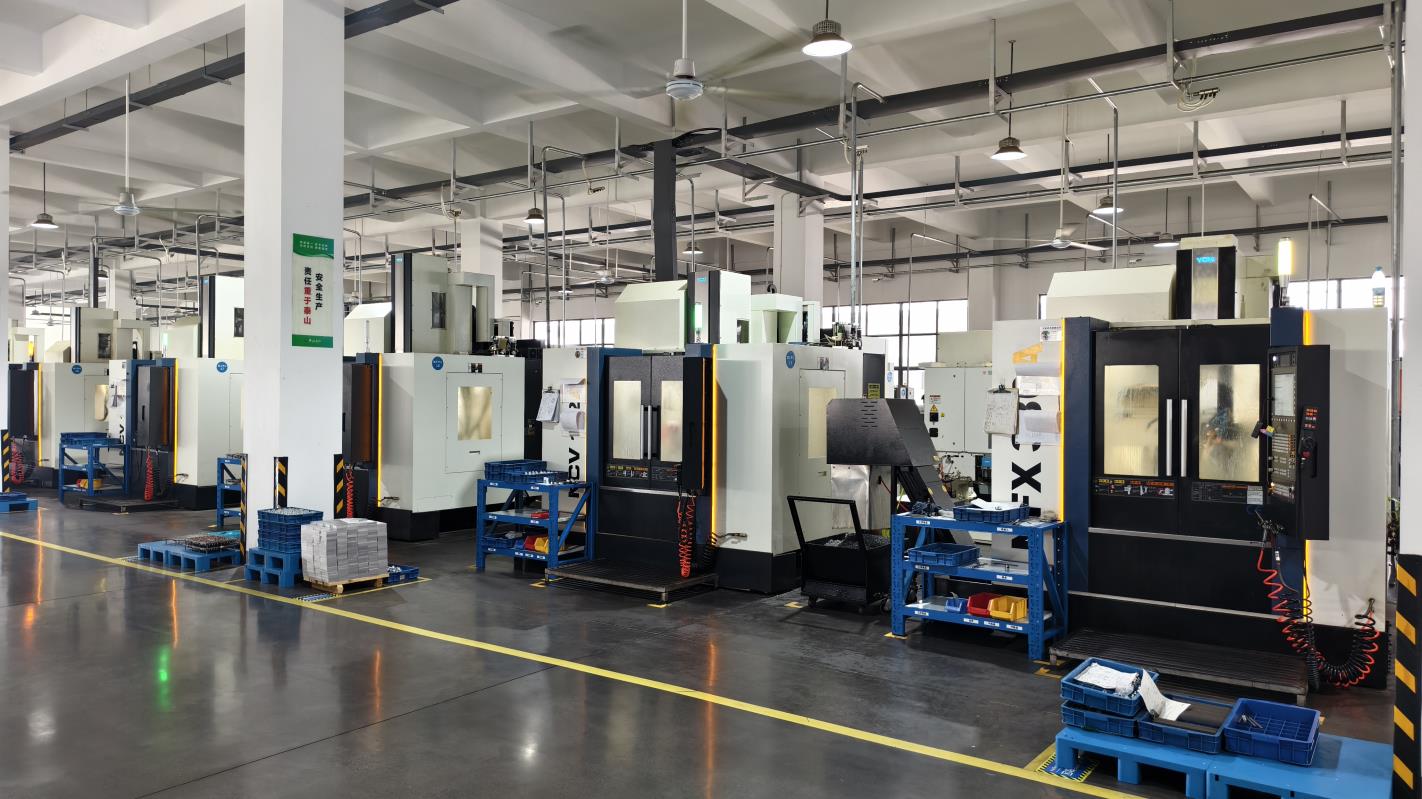
Heat Treatment Line
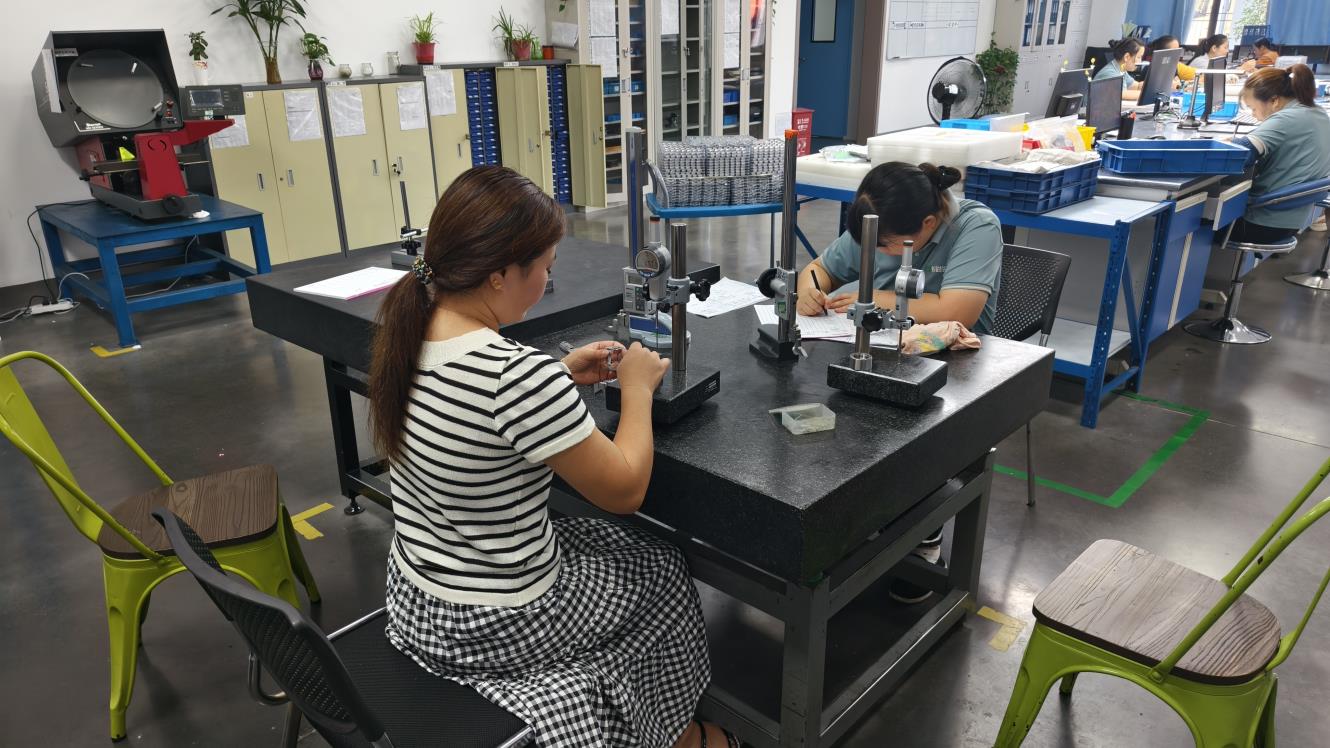
Fine Polishing Hall
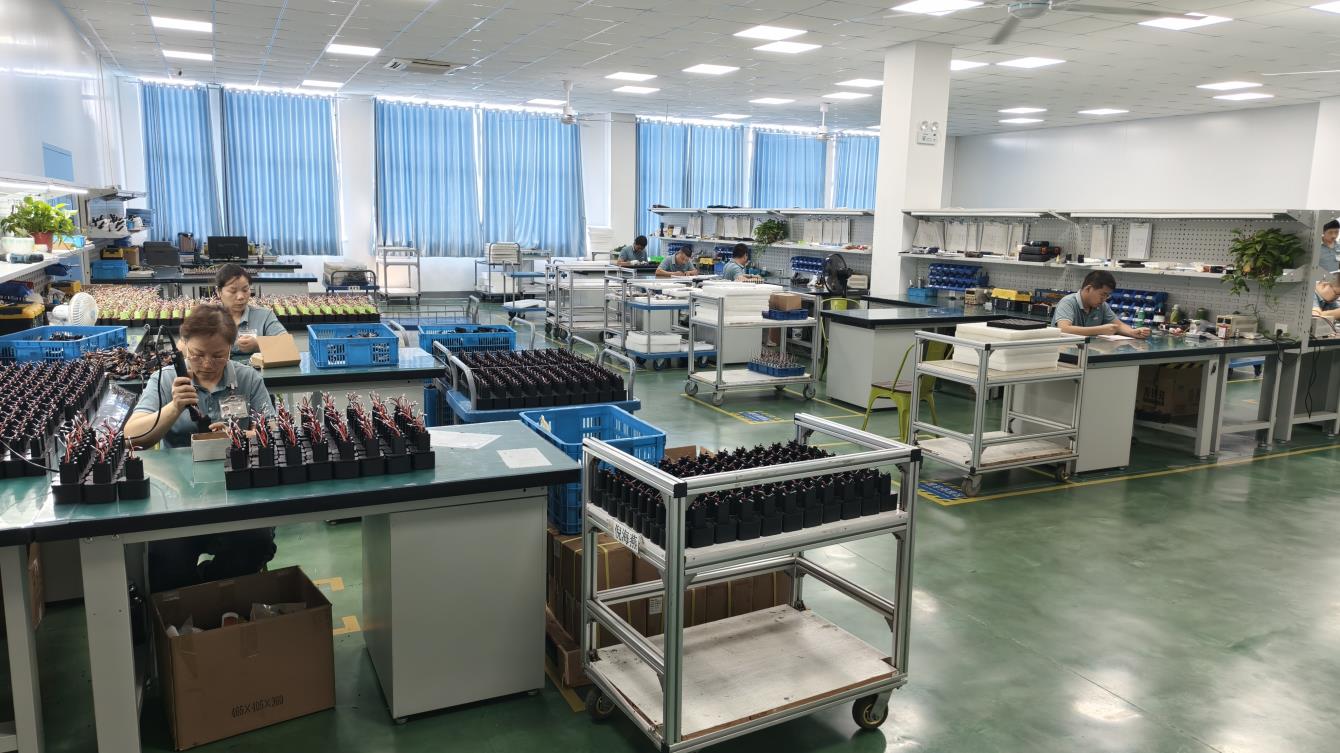
Passivation Baths
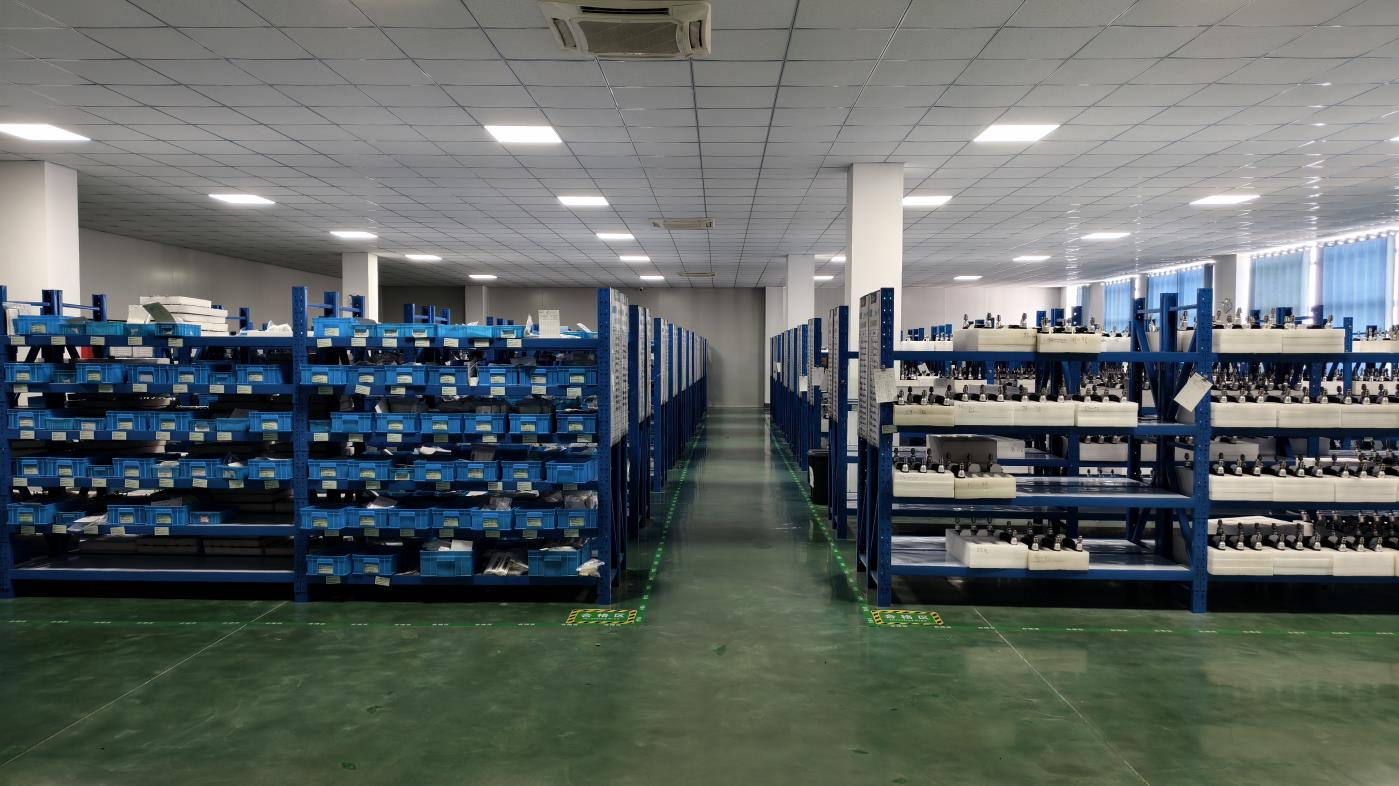
Surgical Assembly Line
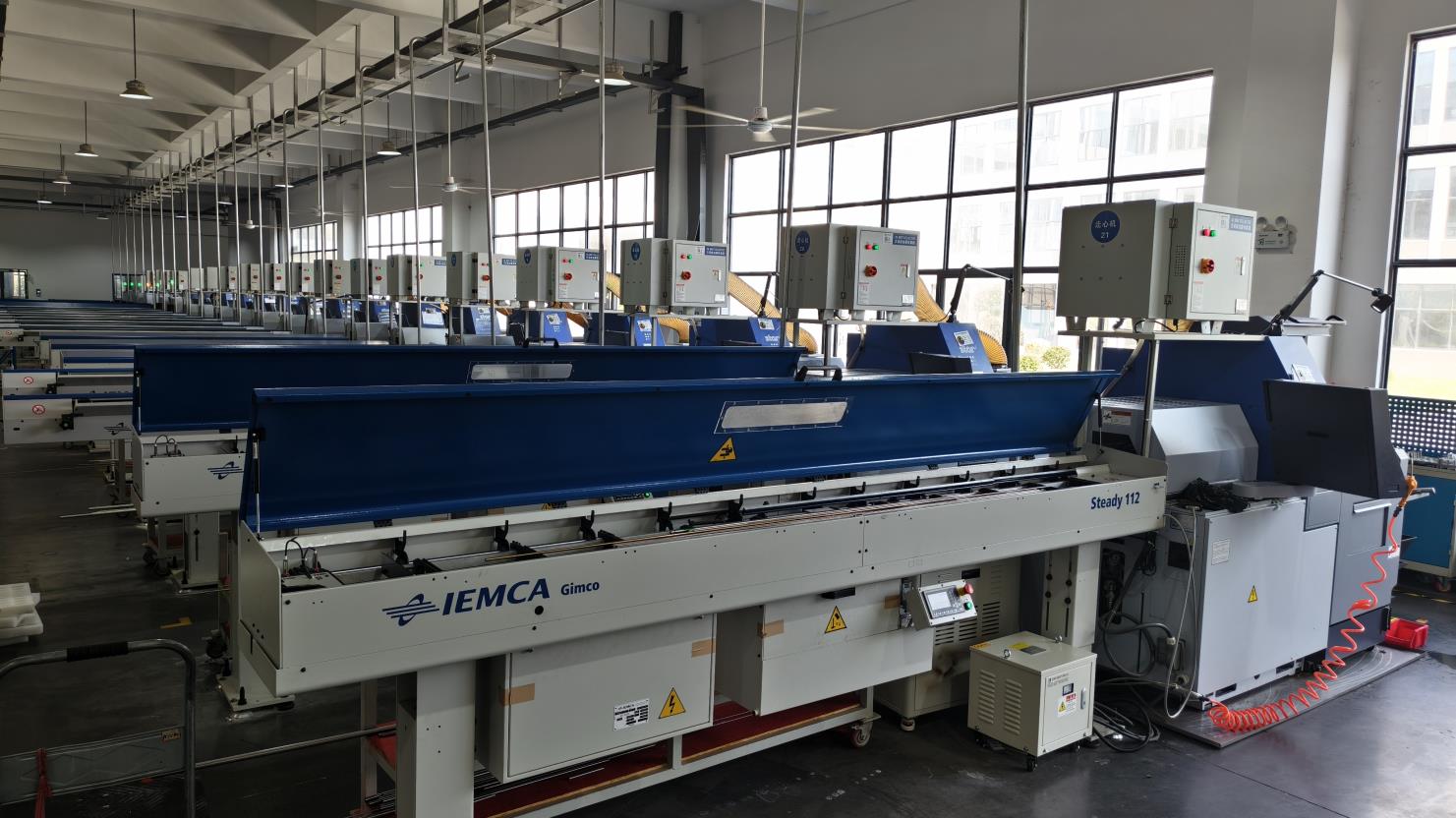
Laser Engraving
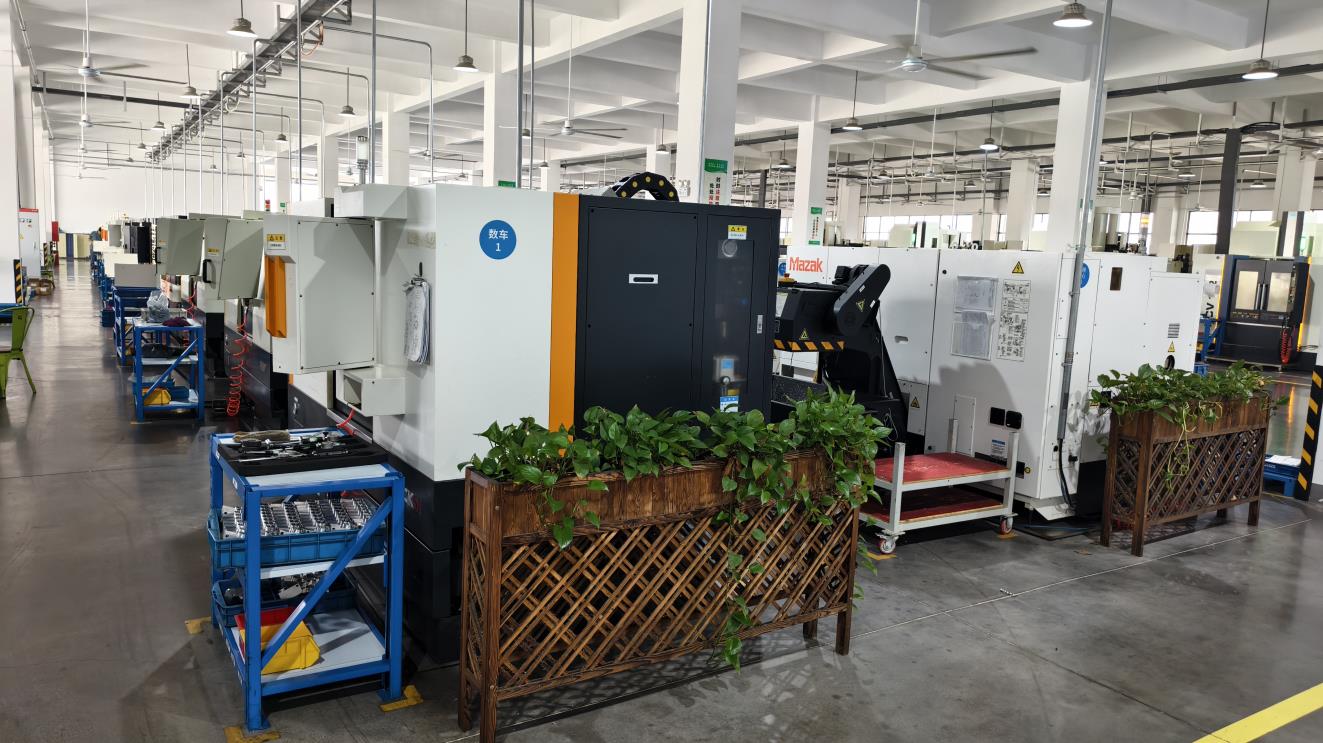
Visual Inspection
Dimension Calibration
Hardness Testing
Tensile Loading Test
Ultrasonic Cleaning
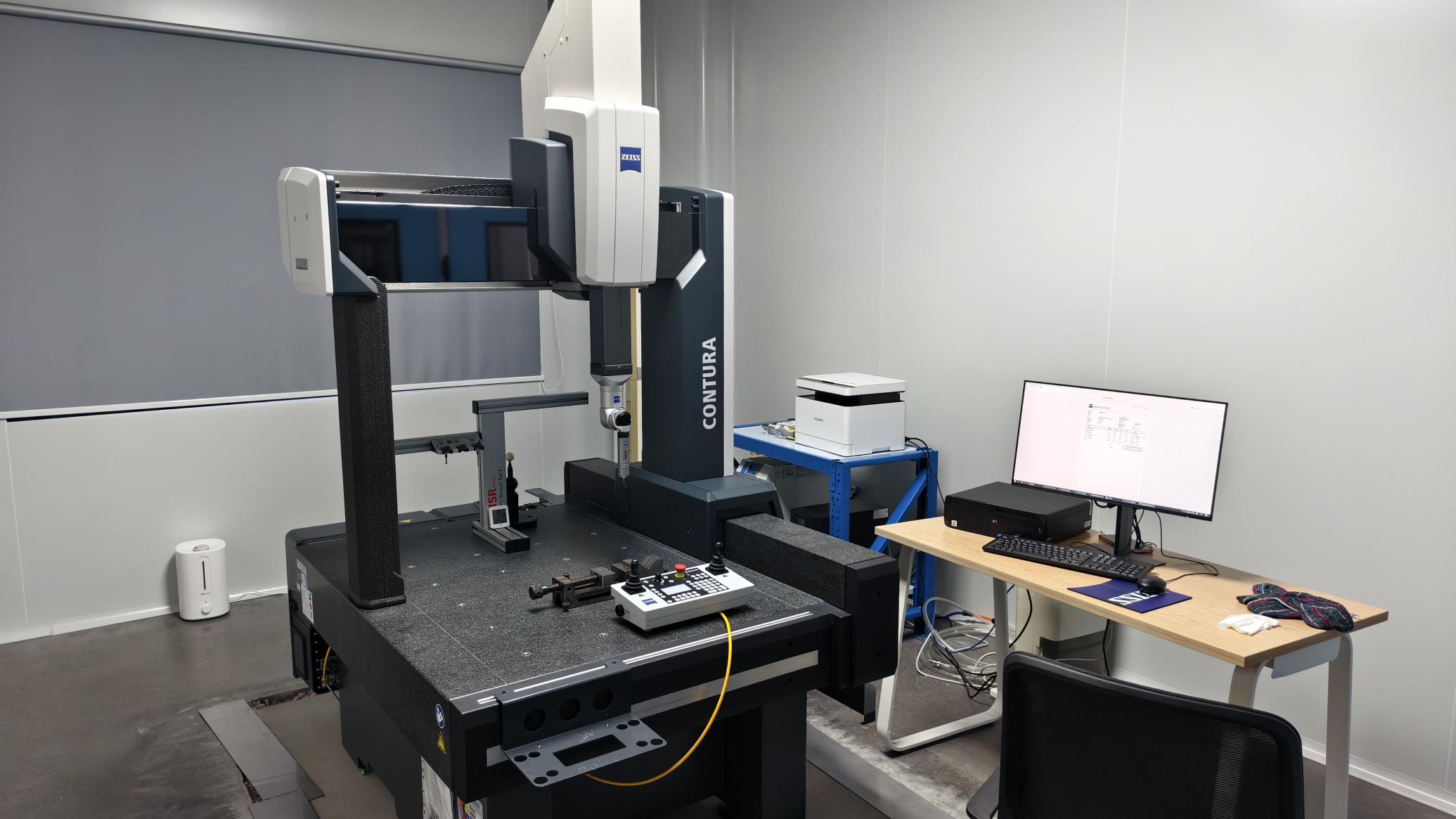
Cleanroom Packaging
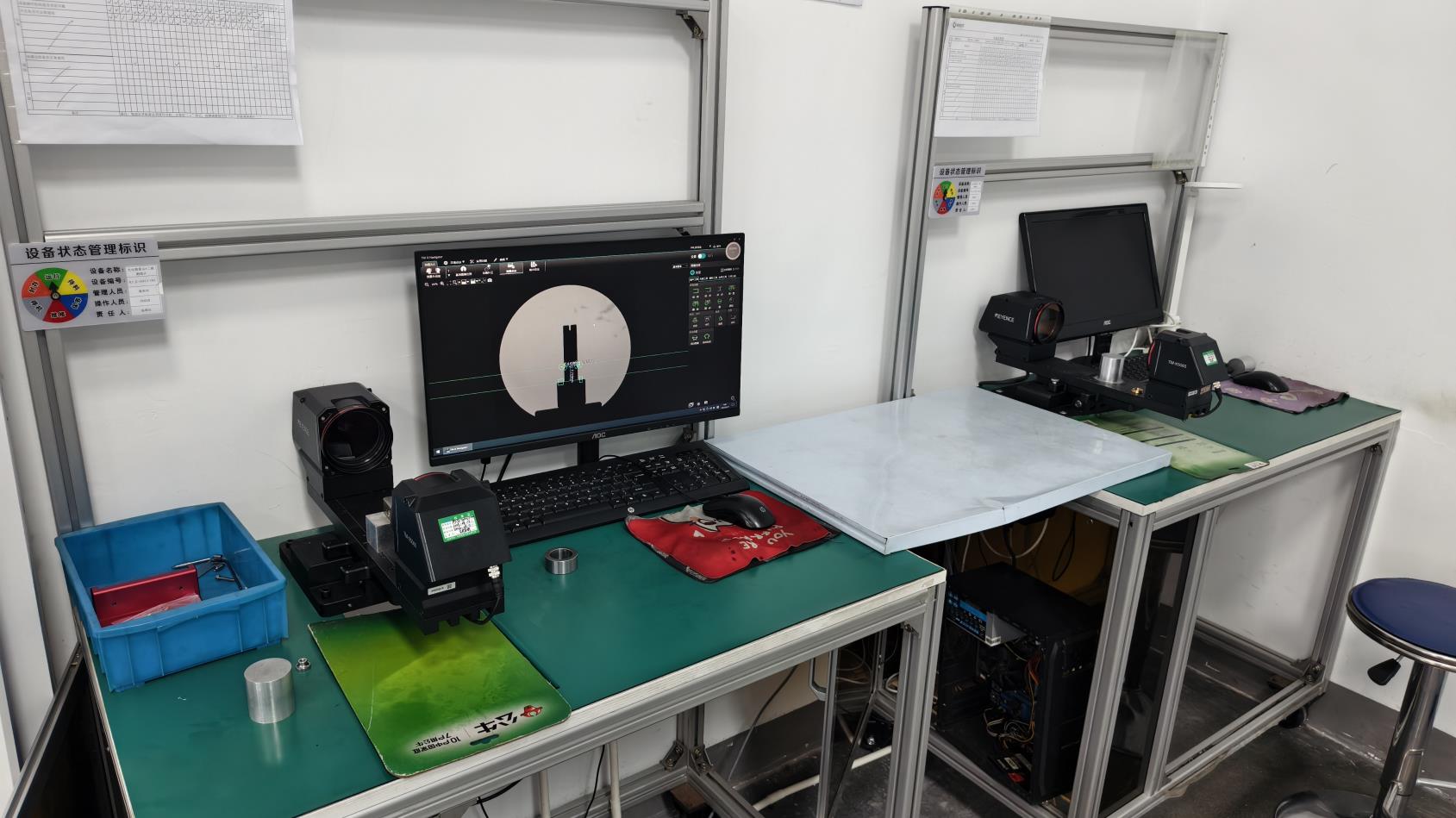
Sterilization Packaging
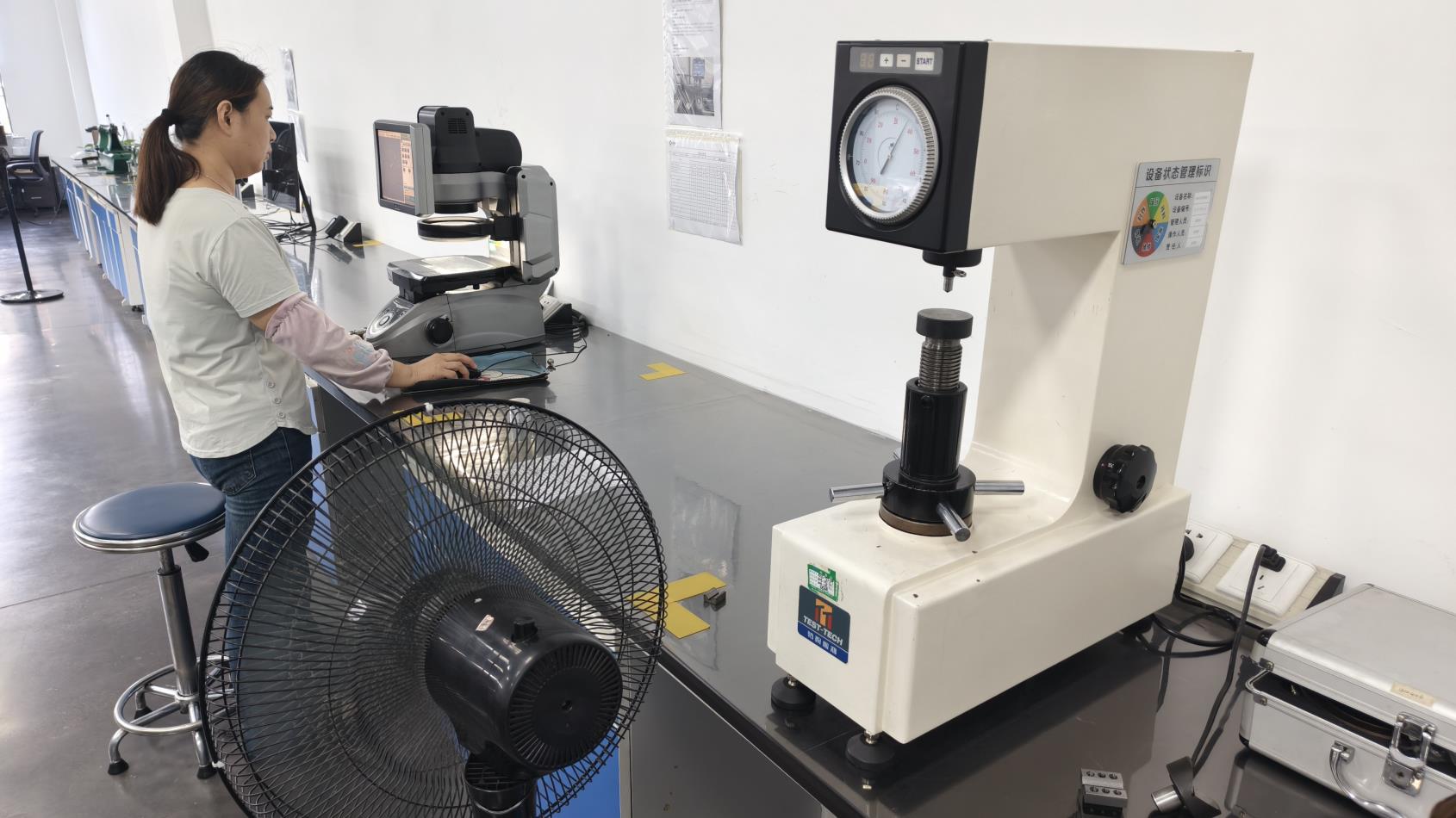
Warehouse Logistics
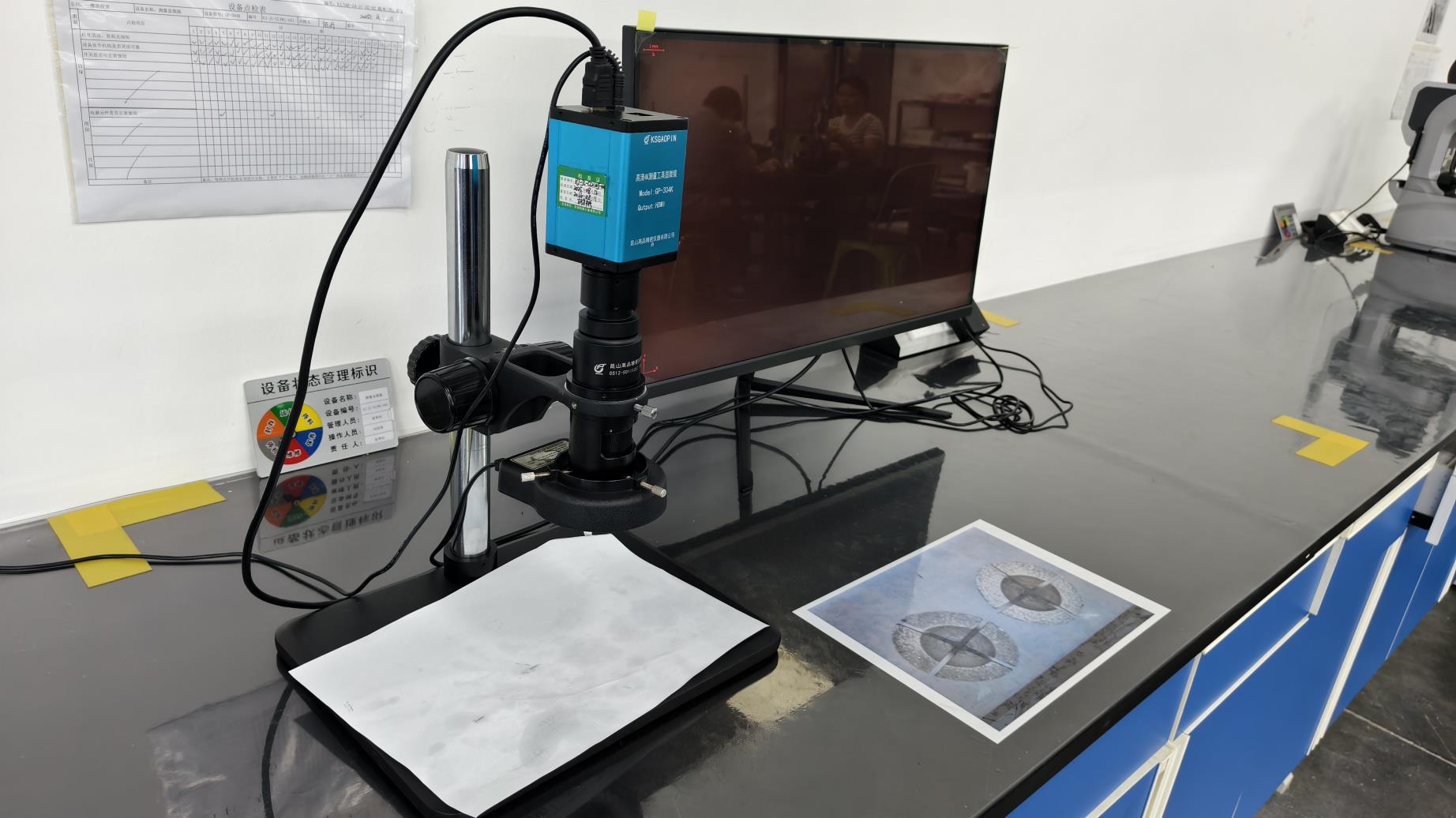
Final Export Inspection QC Clearance
The field of bone manipulation is witnessing a transitions towards minimally invasive procedures and digital surgery assistance. These changes modify how surgical hand tools are conceived, manufactured, and combined into kits. Distributors sourcing tools must analyze these emerging requirements to preserve market share:
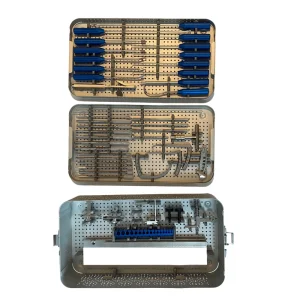
Standard static surgical sets are giving way to customizable systems. Modern surgical clinics request instrument sets that can configure dynamically to specific surgical cases, containing variables of retractors, quick coupling handles, and drills in a single modular box.
Handheld instrumentation is increasingly integrated with digital navigation coordinates. This requires strict flatness and straightness tolerances, ensuring components like distractors, guides, and cutting templates align with robotic optical tracking systems.
While titanium remains the standard for bio-contact devices, select distal retractor tips and handles incorporate carbon-reinforced PEEK polymers to offer radiolucent visibility under intraoperative fluoroscopy (C-arm).
Browse our specialized collection of orthopedic power tools, spine retractors, distal compression instrumentation, and micro-dissecting scissors designed for neurological and articular procedures.