SENJIE Healthy & Technology
SENJIE Healthy & Technology
SENJIE Healthy & Technology
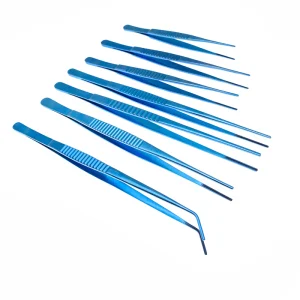
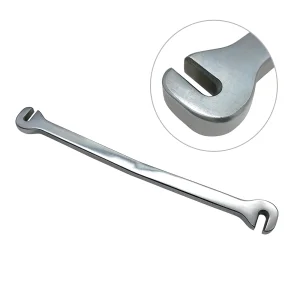
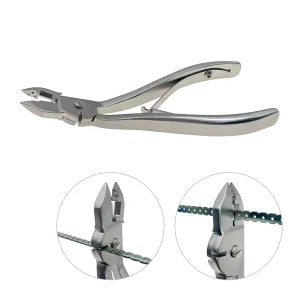
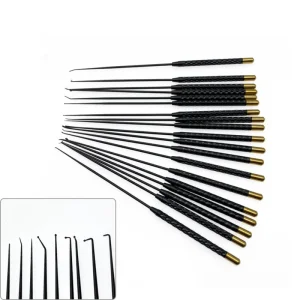
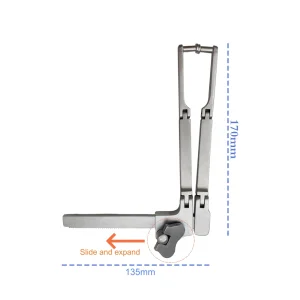
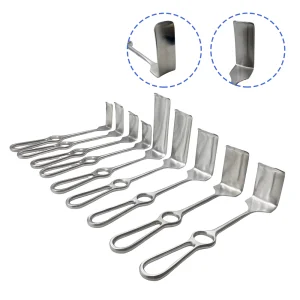
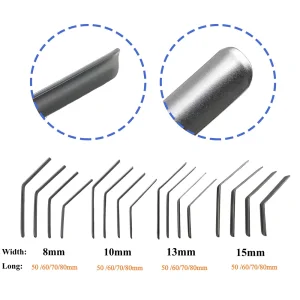
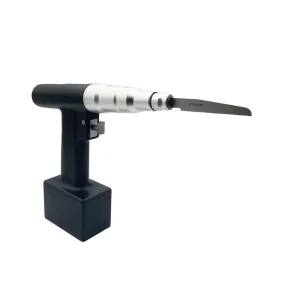
Explore our foundational range of self-retaining retractors, extraction kits, nerve probes, and cutting tools
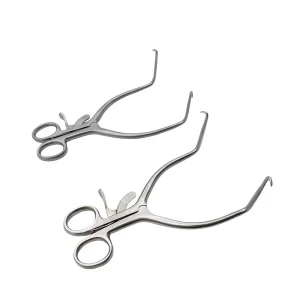
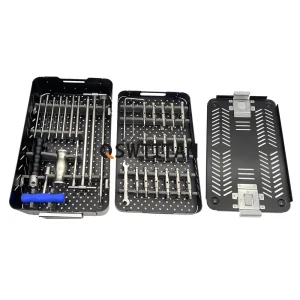
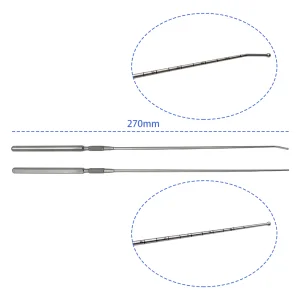
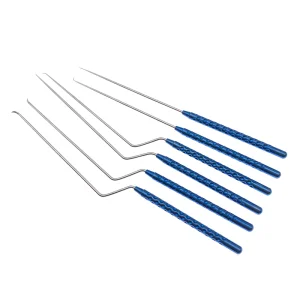
Aligning manufacturing capabilities with global clinical requirements and commercial standards
| Raw Materials | 100% Traceability supported (Yes) |
| Inspection Protocols | Random inspections, fully customizable to client requirements |
| QA/QC Inspectors | 3 Dedicated Senior Inspectors |
| Target Client Profiles | OEM Brand Businesses, Medical Retailers, Surgical Wholesalers |
| R&D Customization | Sample processing, graphic processing, custom design on demand |
Years of Global Trade
Material Traceability
Strict QC Inspectors
North American Share
In the highly specialized ecosystem of orthopedic surgery, the precision, durability, and ergonomic dynamics of bone plier sets are paramount. As bone pliers are subjected to extreme axial forces, mechanical stress, and aggressive steam sterilization protocols (autoclaving), sourcing directors at hospital networks, medical equipment brands, and wholesale distribution agencies must base their procurement decisions on robust engineering metrics. Today's global medical buyers require a deep understanding of metallurgy, mechanical alignment, and compliance matrices.
"Quality orthopaedic instrumentation represents a fusion of material science and anatomical design. A difference of 0.05 mm in jaw alignment can differentiate an optimal osteotomy reduction from a post-operative complication."
Traditional surgical steel has transitioned into advanced martensitic stainless steel grades (such as AISI 420B and 420C) and titanium alloys. Modern bone plier sets manufactured in China leverage advanced vacuum-heat treatments to achieve a hardness range of 50 to 55 HRC (Rockwell Hardness C). This ensures that cutting edges remain sharp and jaw serrations do not flatten under significant physical stress.
To mitigate the risk of stress corrosion cracking (SCC) and pitting, factories implement advanced electropolishing and passivation treatments (compliant with ASTM A967 standards). Passivation removes free iron from the surface of the steel, forming a chromium oxide passive layer that withstands repetitive autoclave cycles without tarnishing or corroding.
Global procurement teams prioritize risk mitigation in the supply chain. Key regulatory and quality baselines include:
By partnering with manufacturers that maintain a dedicated, active QA/QC department (featuring raw material traceability and a minimum of three in-house inspectors), buyers protect their brand equity and ensure high levels of clinical safety.
The stereotype of low-tech, high-volume production has been replaced by the China Industry 4.0 paradigm. High-precision orthopedic manufacturing now integrates CNC five-axis milling machines, laser-welders, and robot-assisted polishing. This level of automation ensures dimensional tolerances within ±0.01 mm, yielding consistent performance across large production runs.
Furthermore, China’s medical manufacturing clusters offer unique supply chain integration. Raw material sourcing, precision forging, wire EDM cutting, surface treatment, and packaging occur within close proximity. This geographic concentration reduces logistical lead times and insulates international buyers from volatile global supply chain disruptions.
Orthopedic operations cover a broad clinical spectrum. A comprehensive bone plier set must address diverse surgical environments:
Inside our ISO-compliant production lines, showcasing metallurgical forging, precision machining, and quality control phases
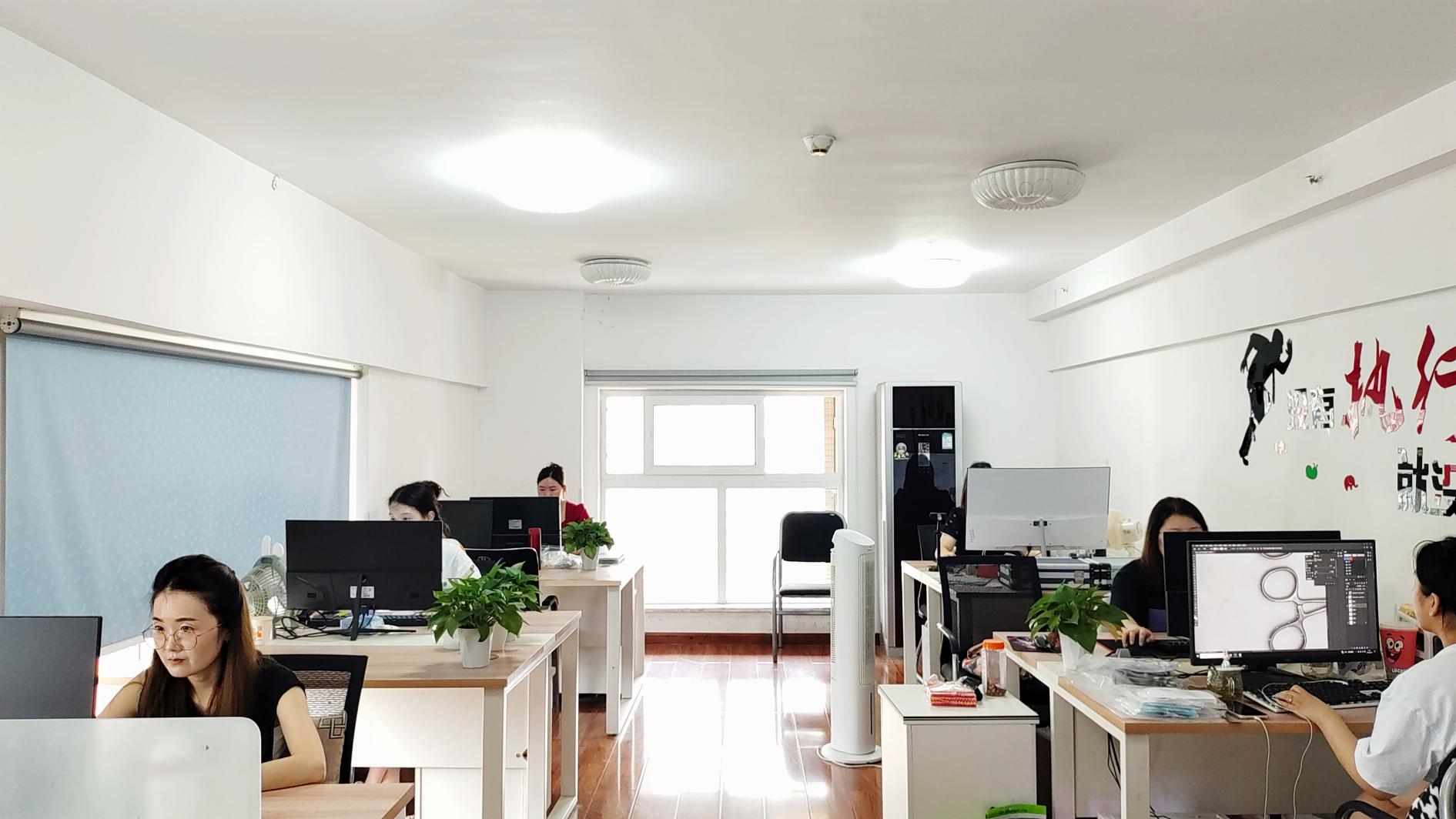
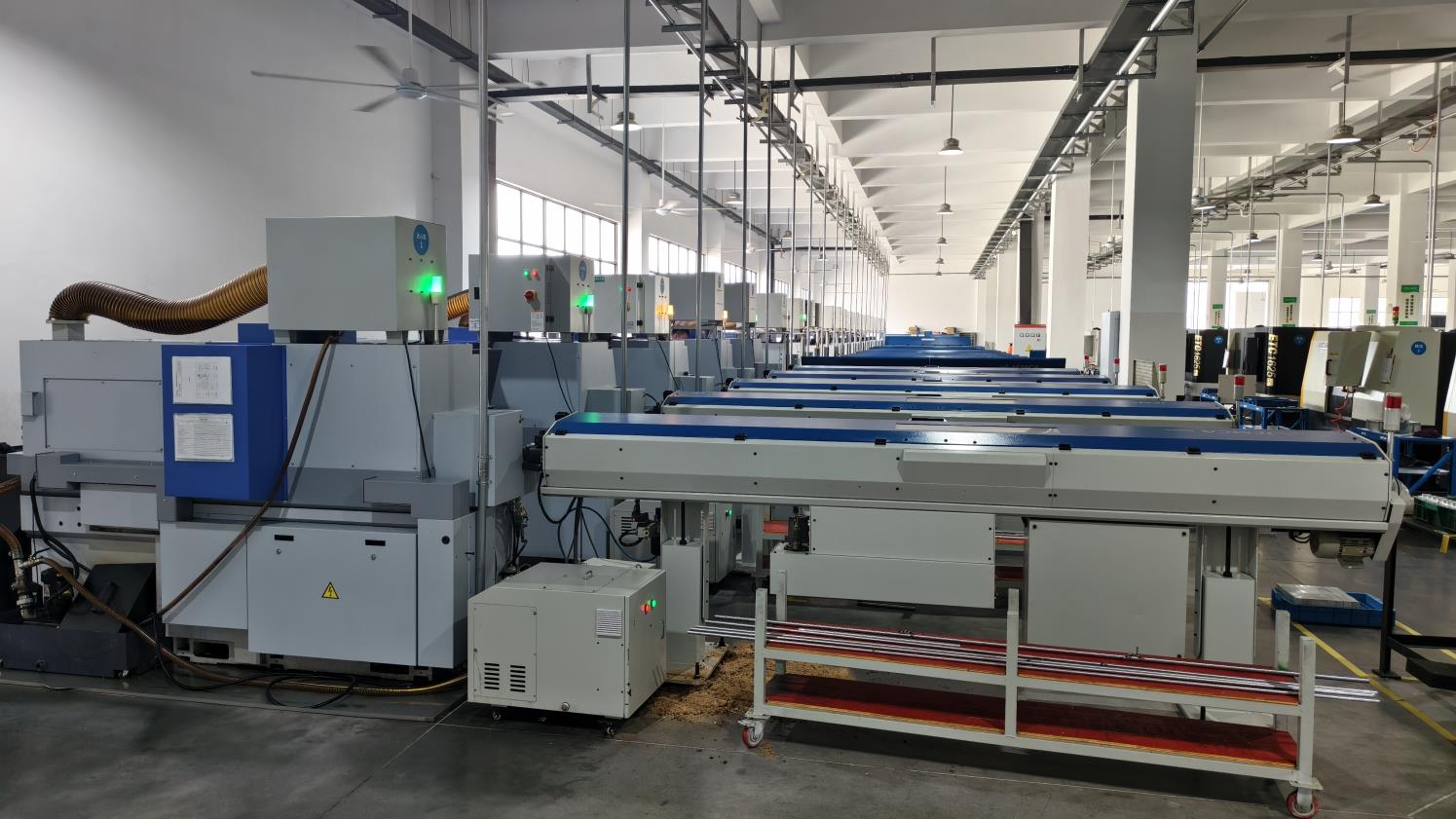
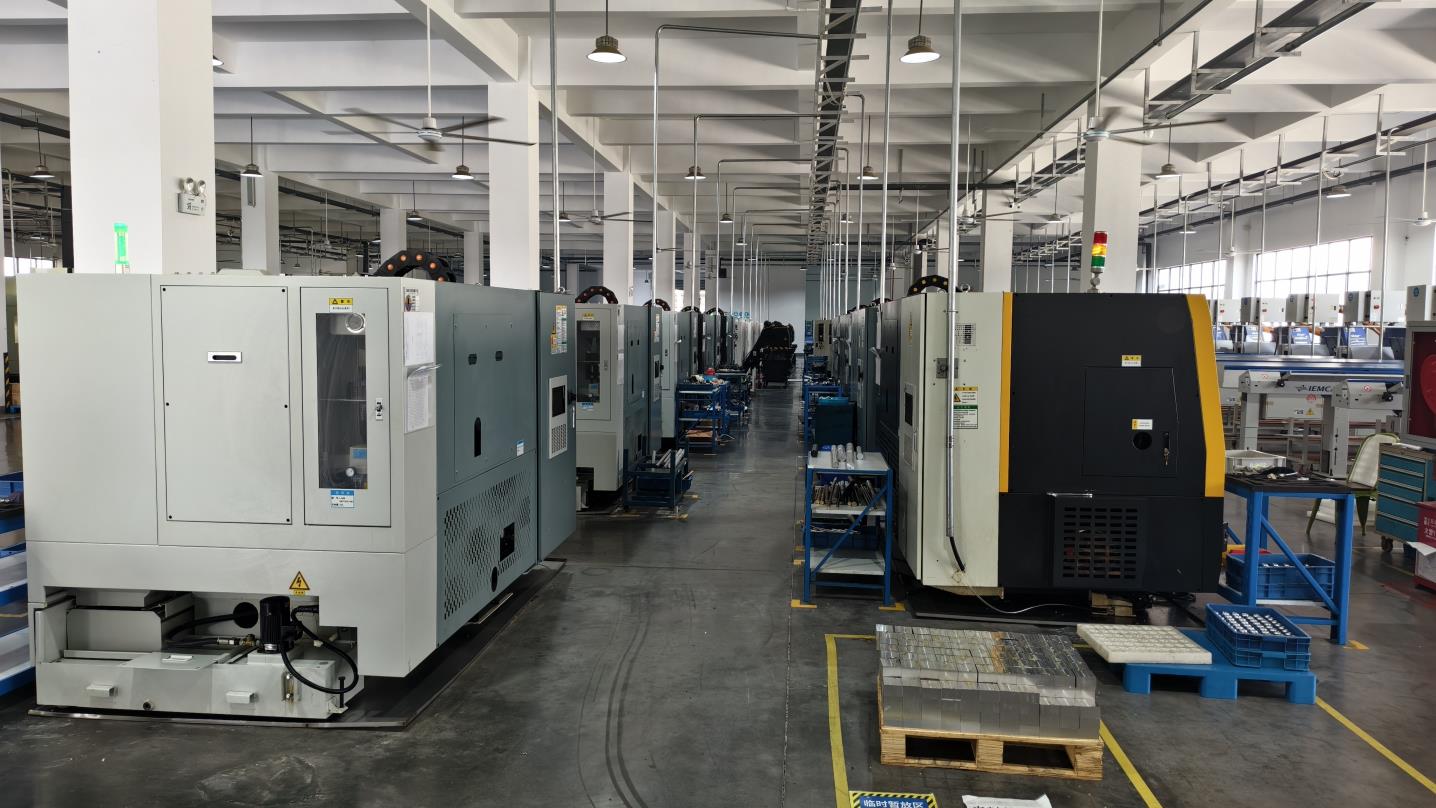
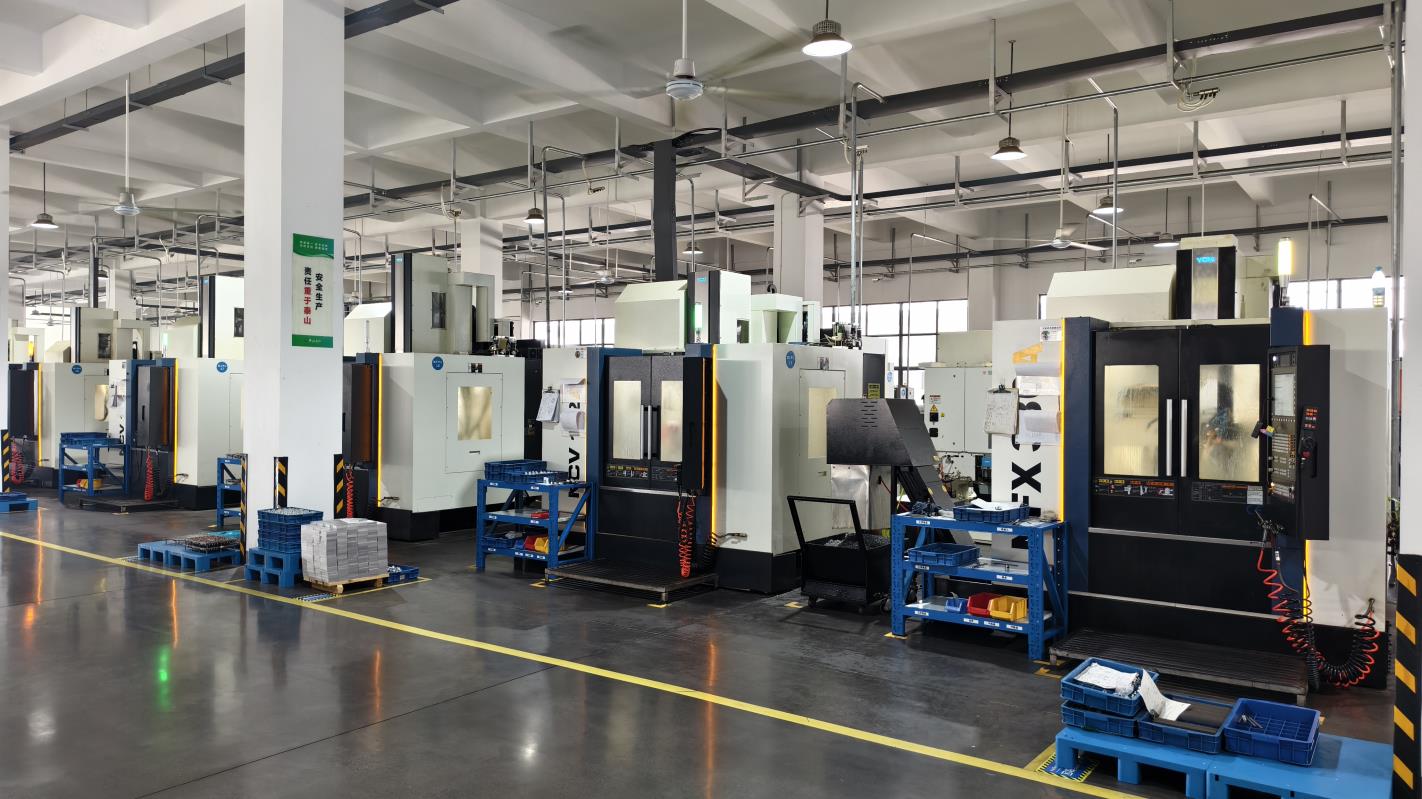
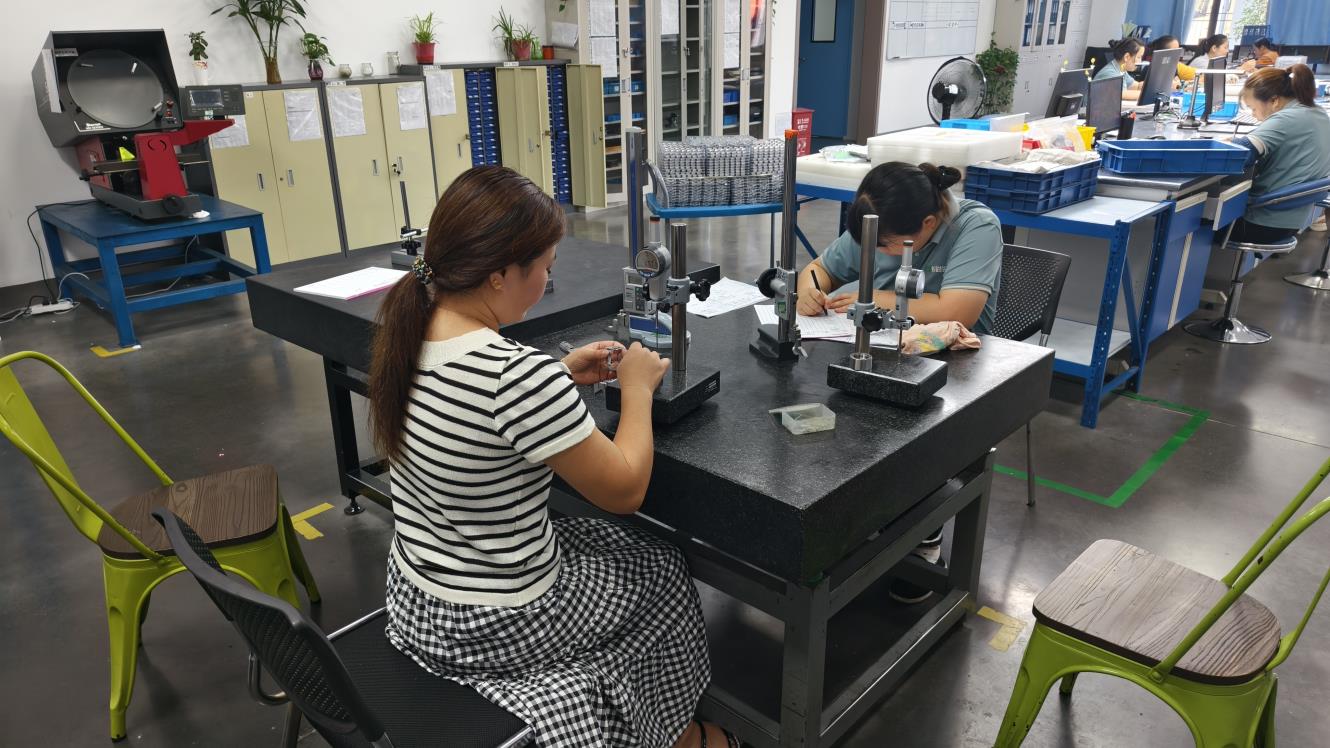
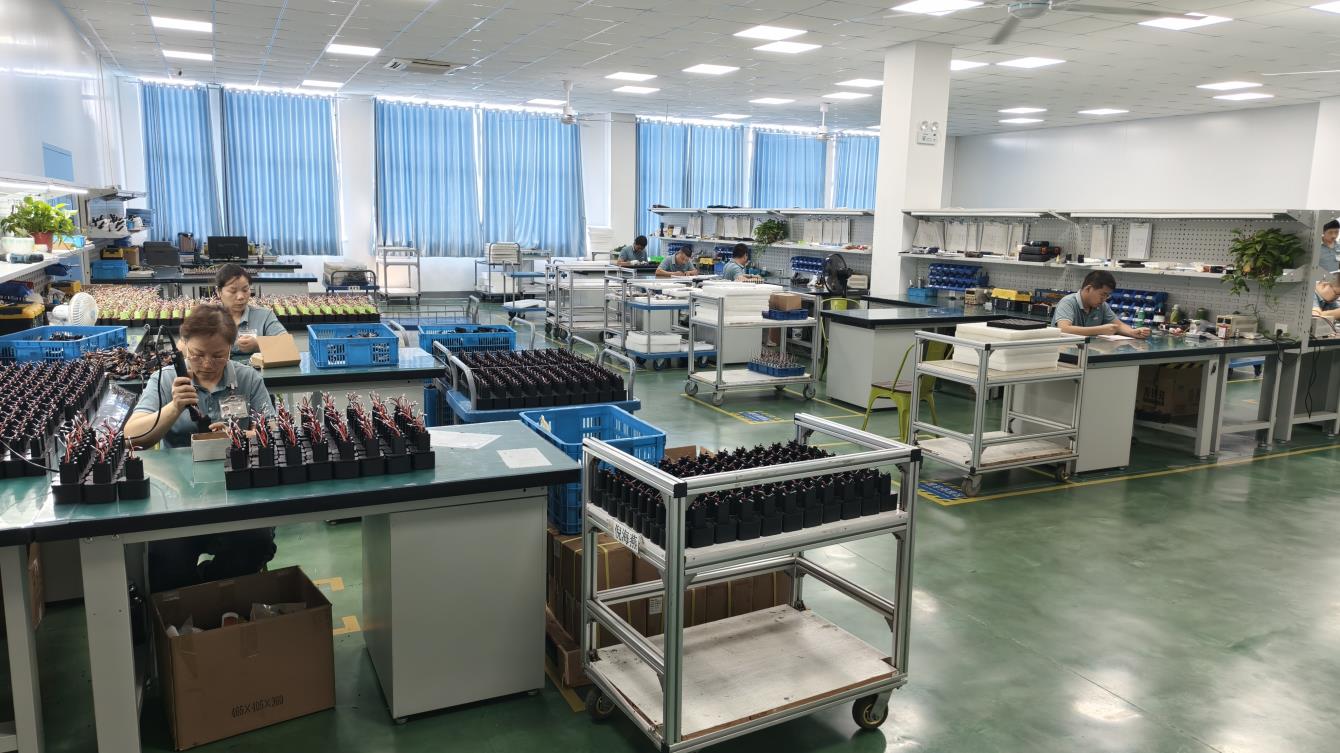
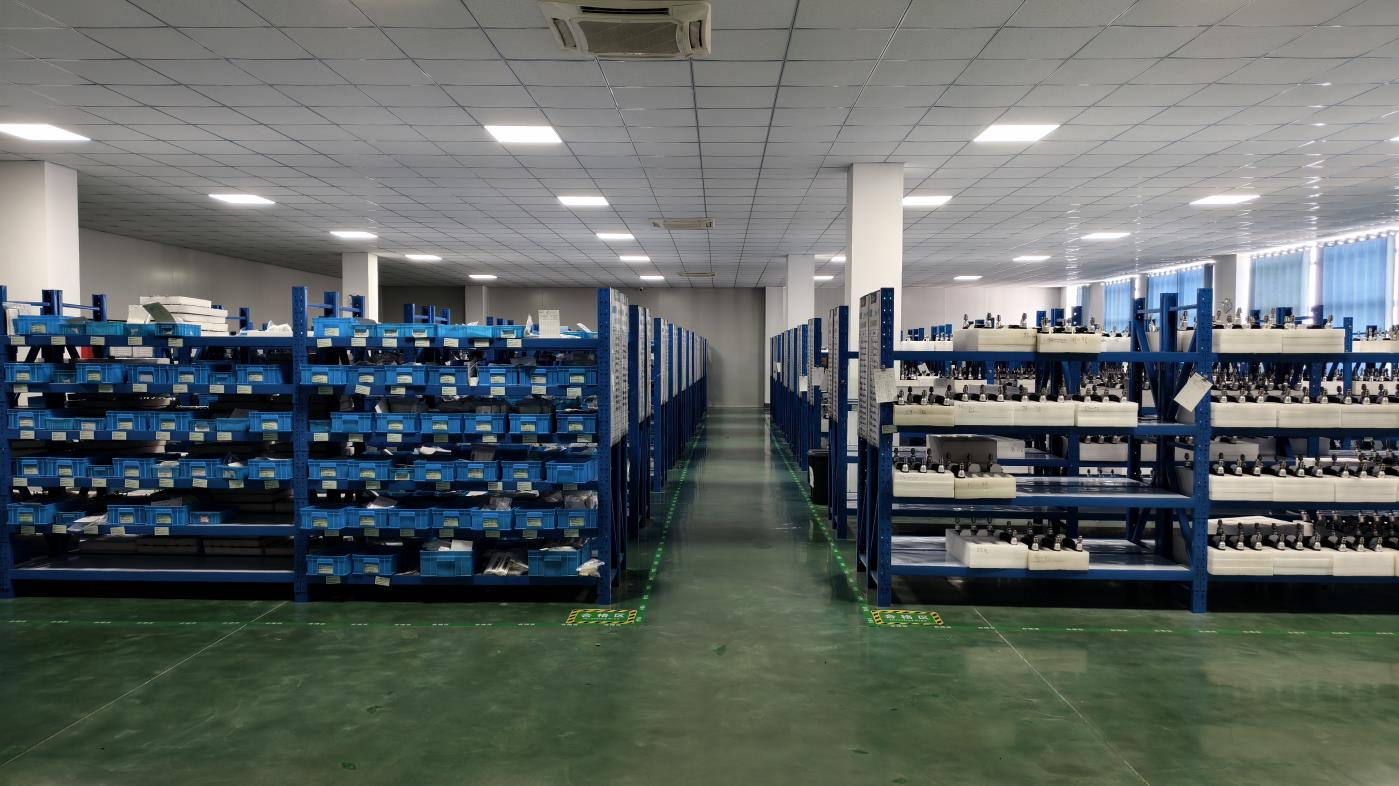
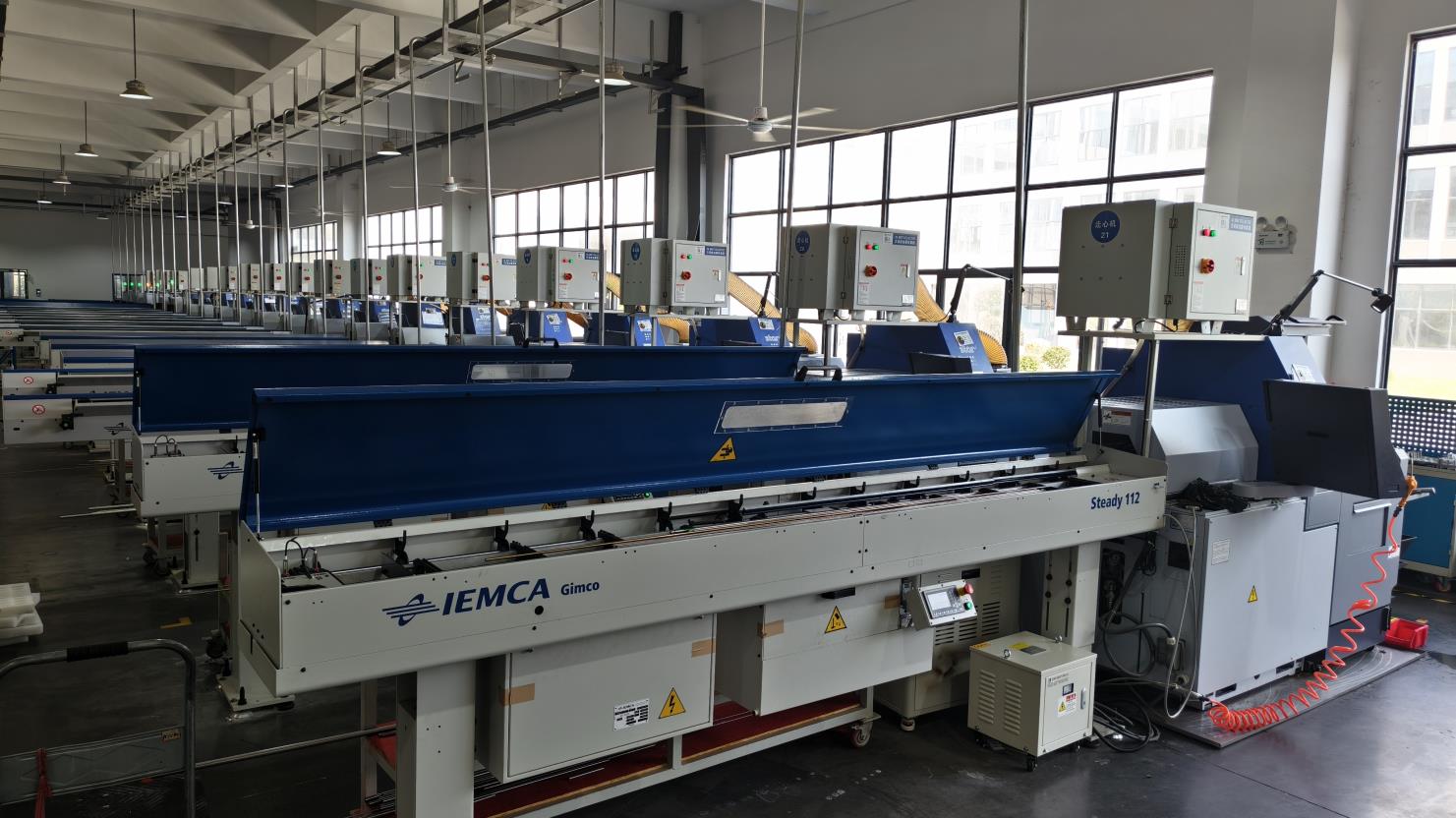
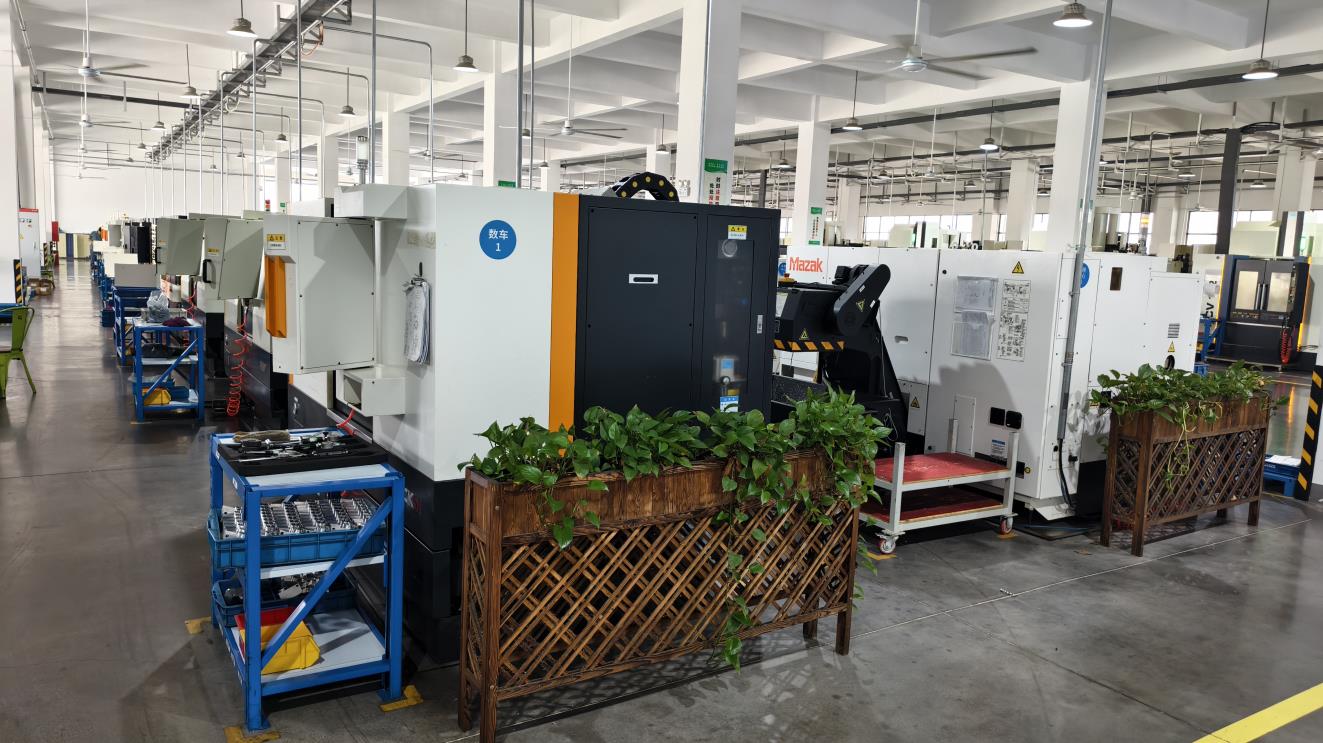
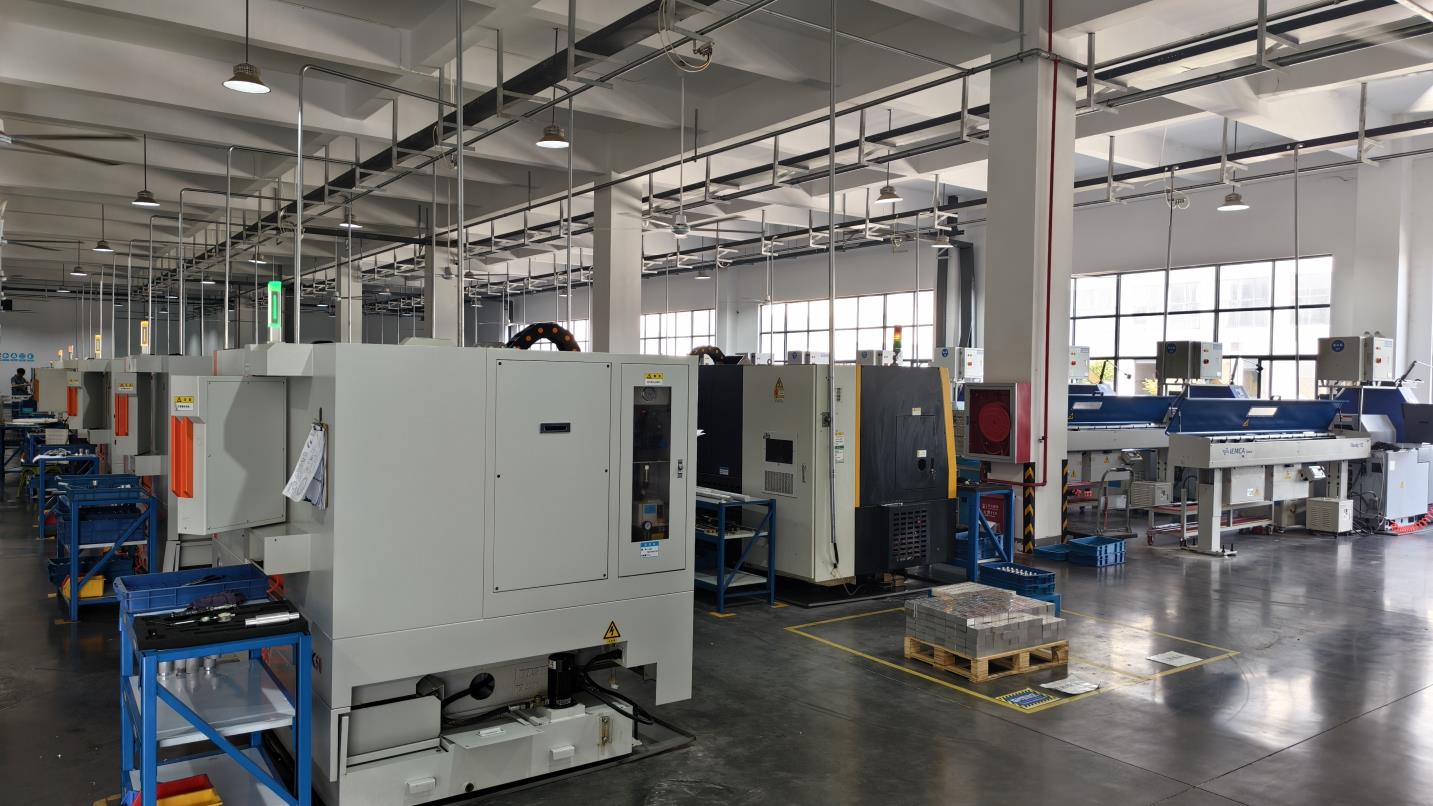
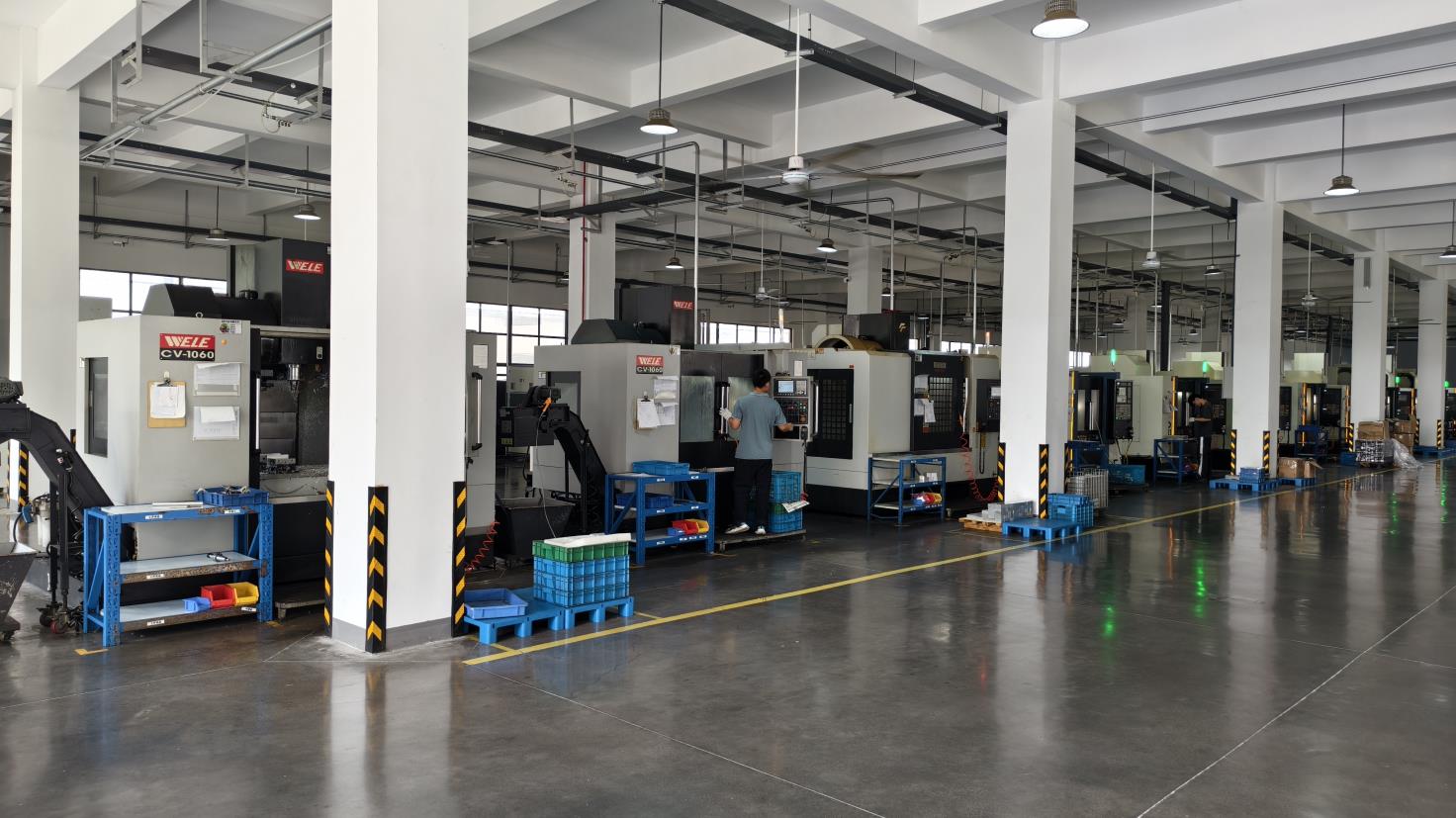
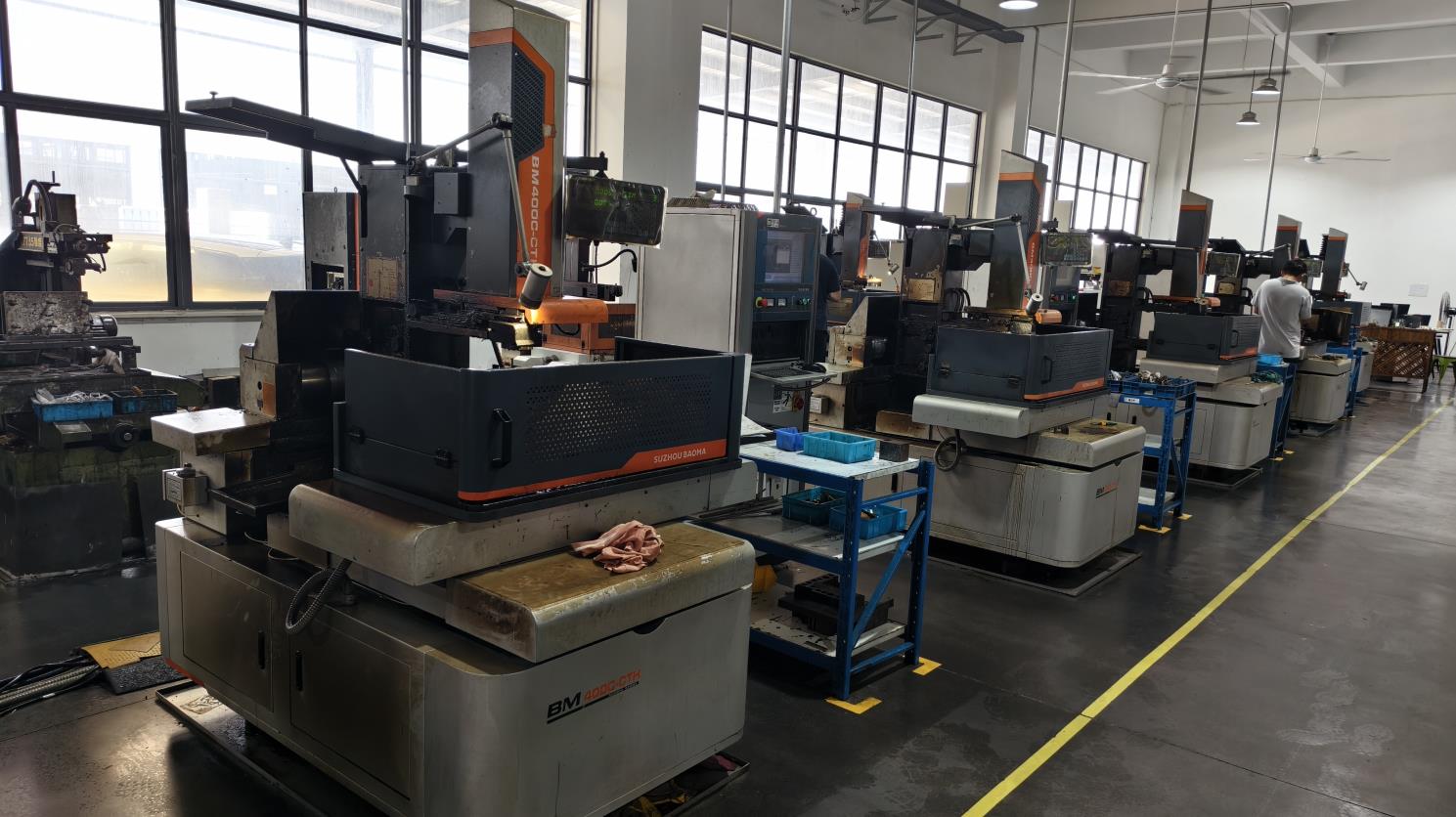
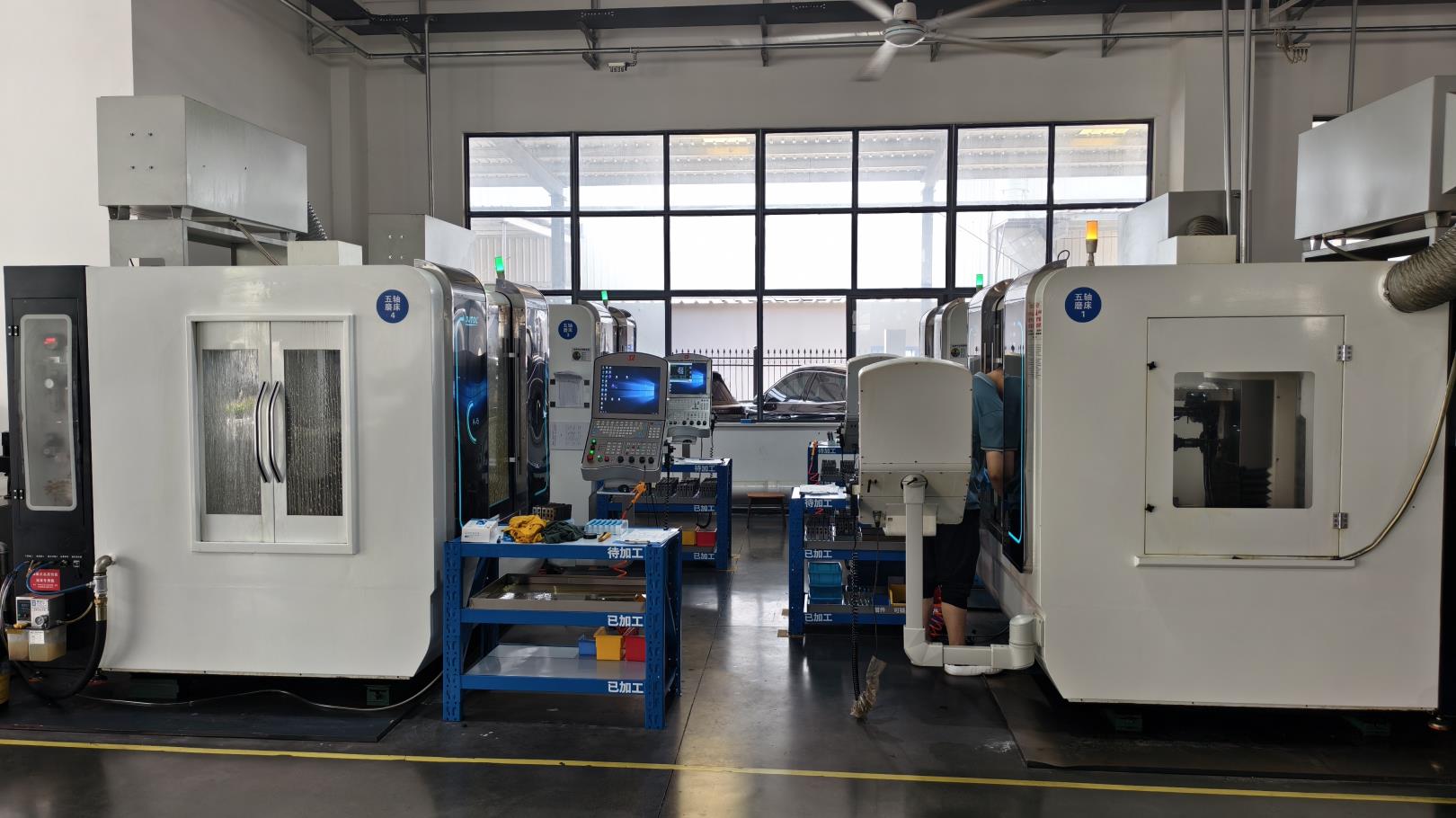
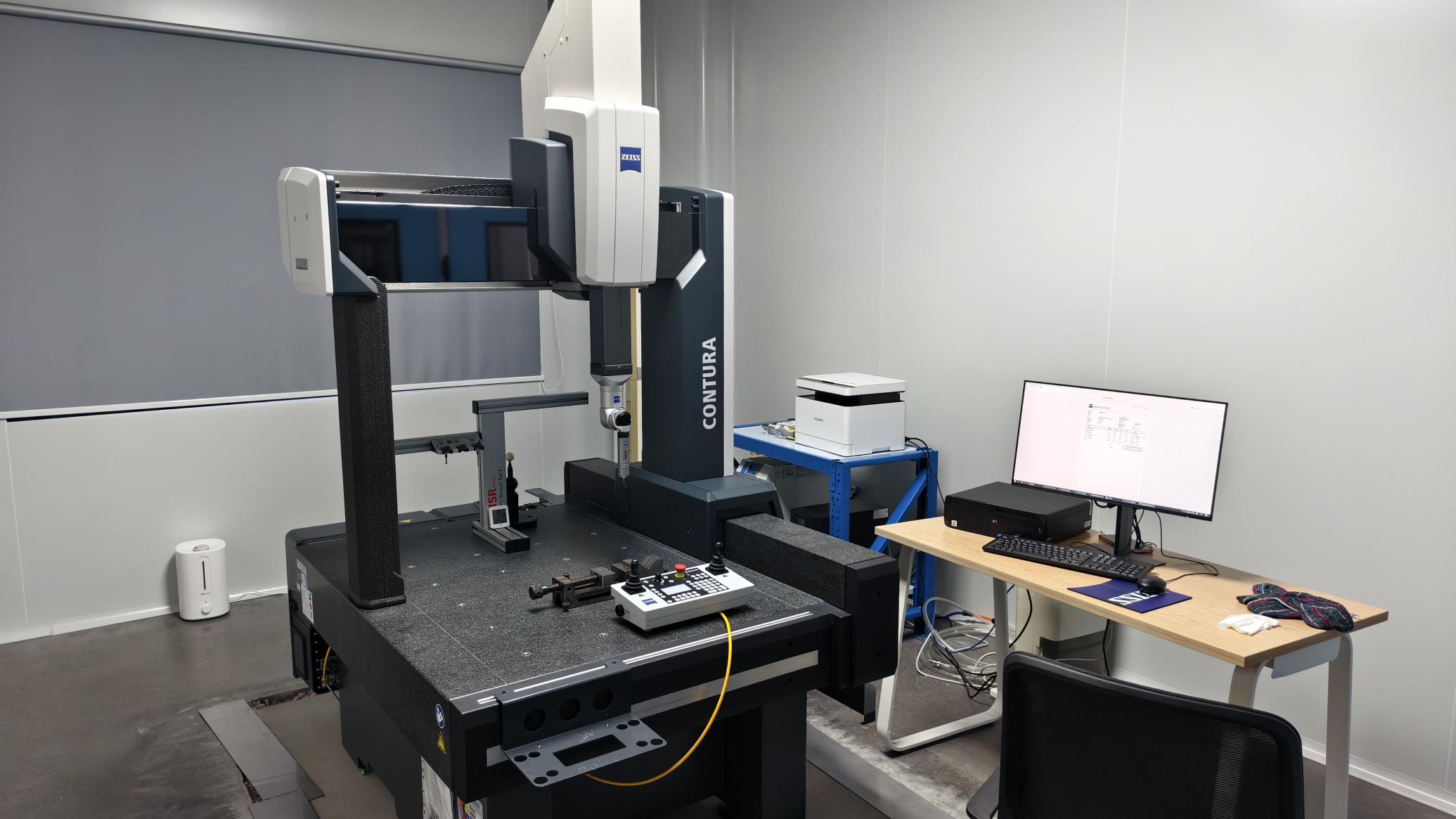
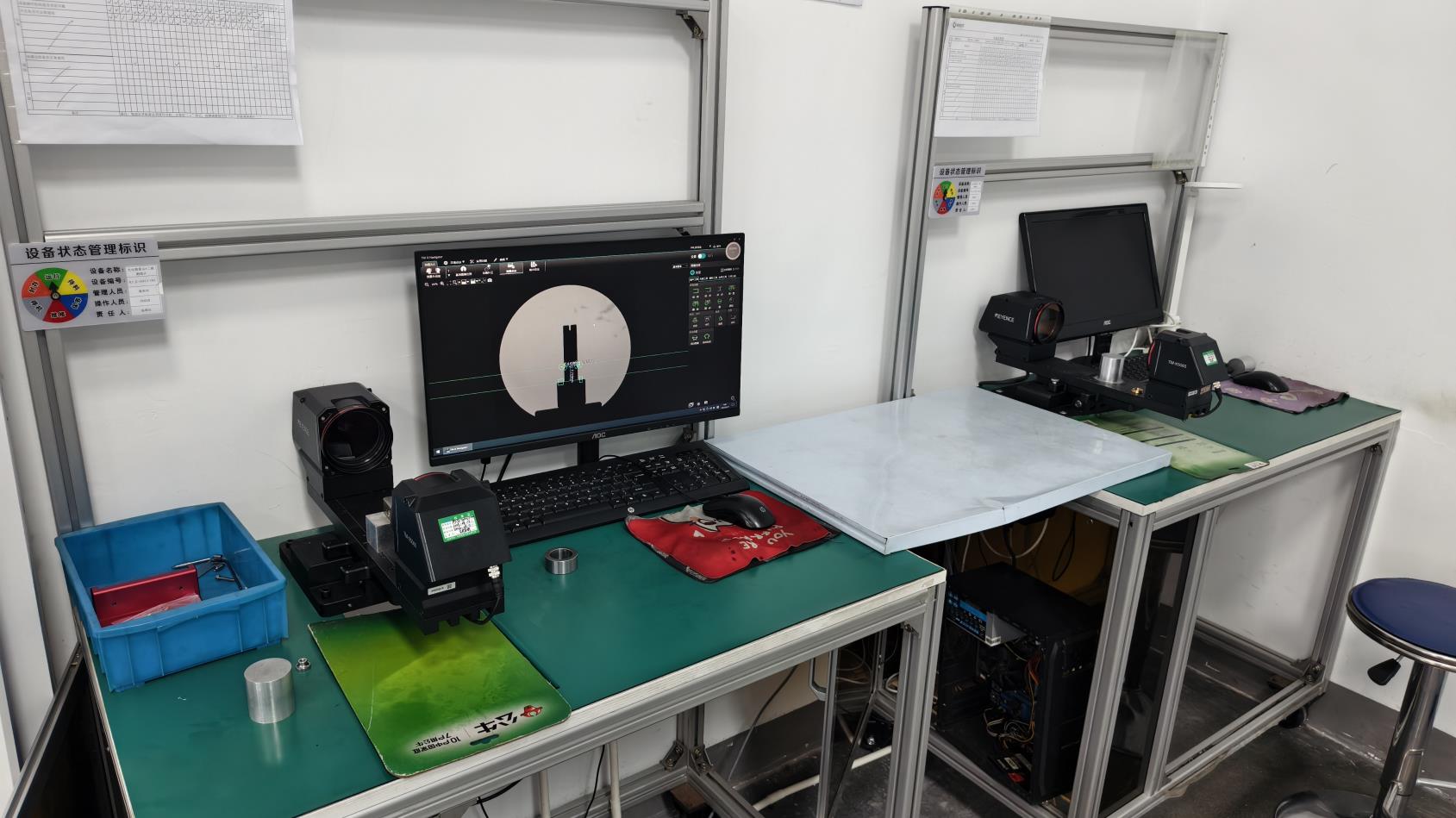
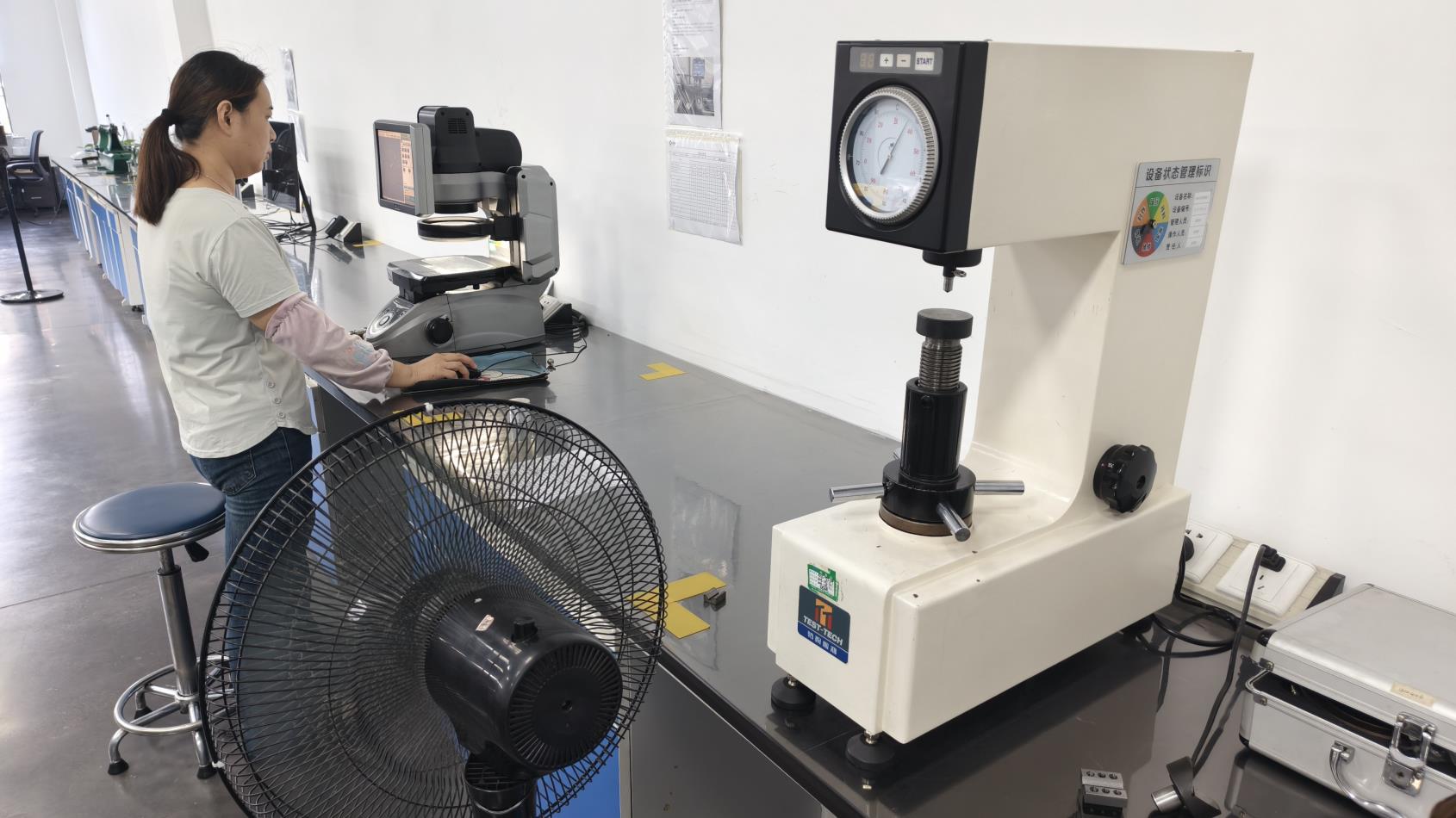
 Precision Packaging & Warehousing
Direct technical feedback to support the evaluation of critical raw materials, regulatory compliance, and factory capabilities
We use high-grade martensitic stainless steels, principally AISI 420B, 420C, and AISI 440C for cutting edges. For load-bearing shafts and joint mechanisms requiring higher tensile strength and structural flexibility, AISI 304 or 316LVM (low carbon vacuum melt) is utilized. Every production run is accompanied by a material mill test certificate confirming chemical composition and mechanical properties.
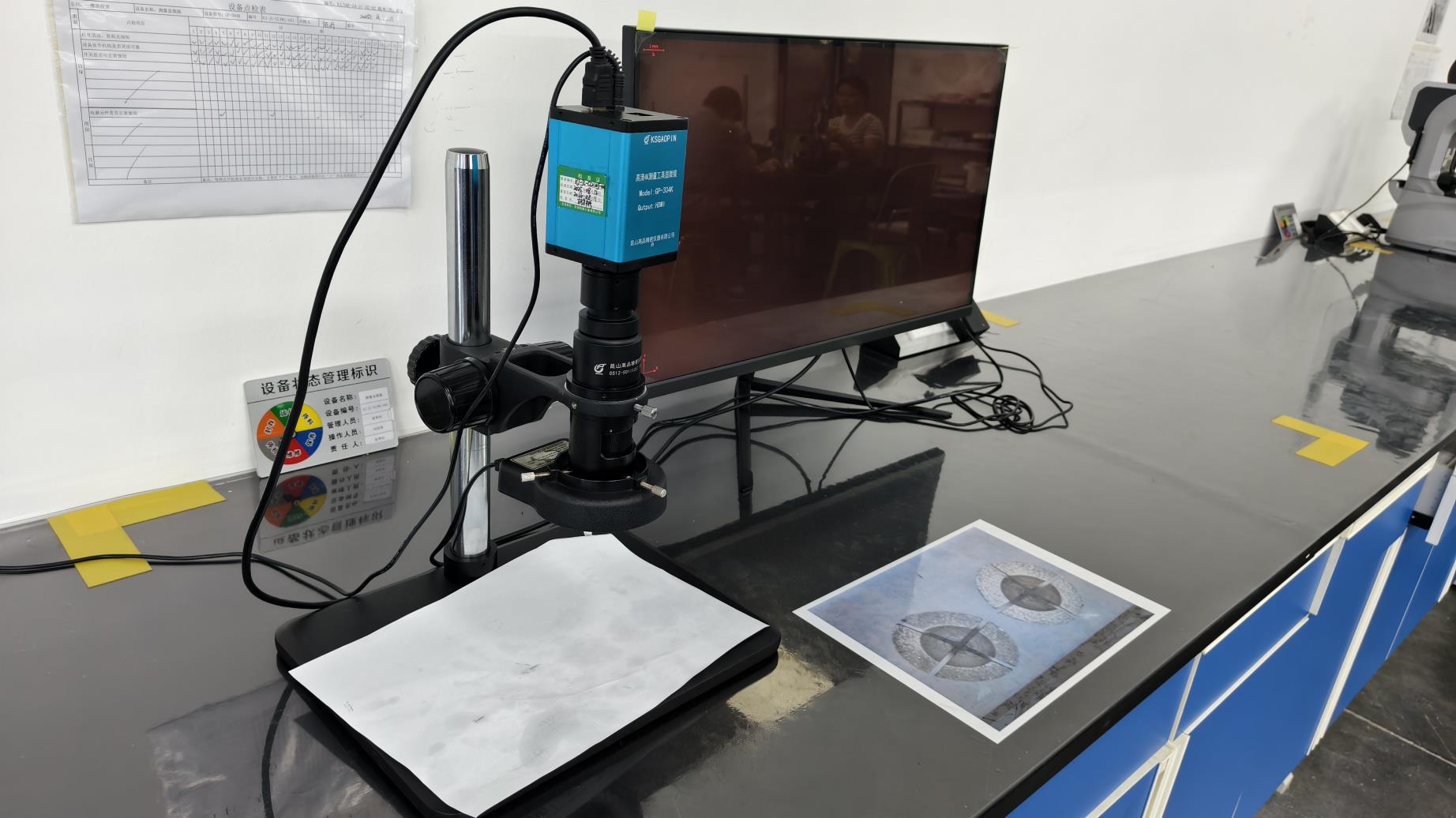
We employ double-action box joint construction that distributes lateral force evenly. Every batch undergoes a mechanical cycling test of 10,000 actuations under clinical load limits. Jaw alignment is verified under optical comparators at 50x magnification to ensure that tolerances do not exceed ±0.02 mm, preventing scissoring and ensuring clean, repeatable cuts.
Following machining and hand finishing, all instruments undergo ultrasonic cleaning to remove residual oils. They are then subjected to electropolishing followed by a controlled chemical passivation bath using nitric acid in accordance with ASTM A967. This process optimizes the chromium-to-iron ratio on the surface, ensuring the instruments withstand repetitive steam sterilization (134°C / 273°F at 2.2 bar) without discoloration or corrosion.
Yes. We offer complete OEM services, including custom laser etching for logos and unique device identifiers (UDI), custom silicone insert sterilization trays, and tailored geometry modifications. Our R&D team can work directly from 3D CAD models (STEP/IGS format) or physical reference samples provided by the client.
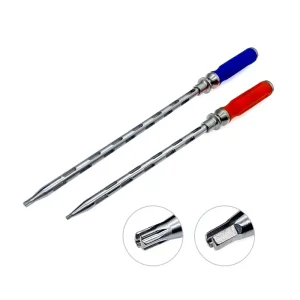
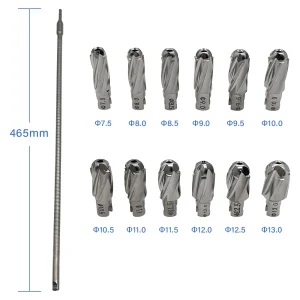
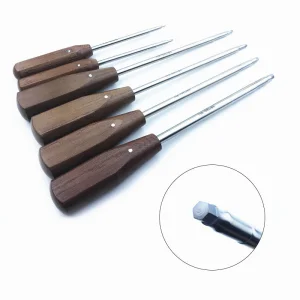
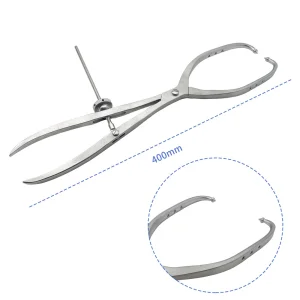
Precision screwdrivers, drill reamers, titanium forceps, and plate benders designed for challenging clinical procedures