SENJIE Healthy & Technology
SENJIE Healthy & Technology
SENJIE Healthy & Technology
In the high-stakes domain of orthopedic surgery, the structural integrity and mechanical calibration of instruments are paramount. Orthopedic wrenches—ranging from precise torque-limiting systems to quick-coupling drivers—serve as the critical bridge between implant safety and surgical execution. Sub-standard mechanical tolerances can lead to catastrophic implant failures, stripped hex heads, or suboptimal fixation. As a leading manufacturer registered in 2019-11-20, with 6 years of exporting excellence and deep industrial expertise, we are dedicated to setting global benchmarks in medical device manufacturing.
This document provides procurement officers, medical distributors, and surgical specialists with a comprehensive evaluation framework for importing surgical-grade orthopedic wrenches, torque tools, and manual fixation devices from China.
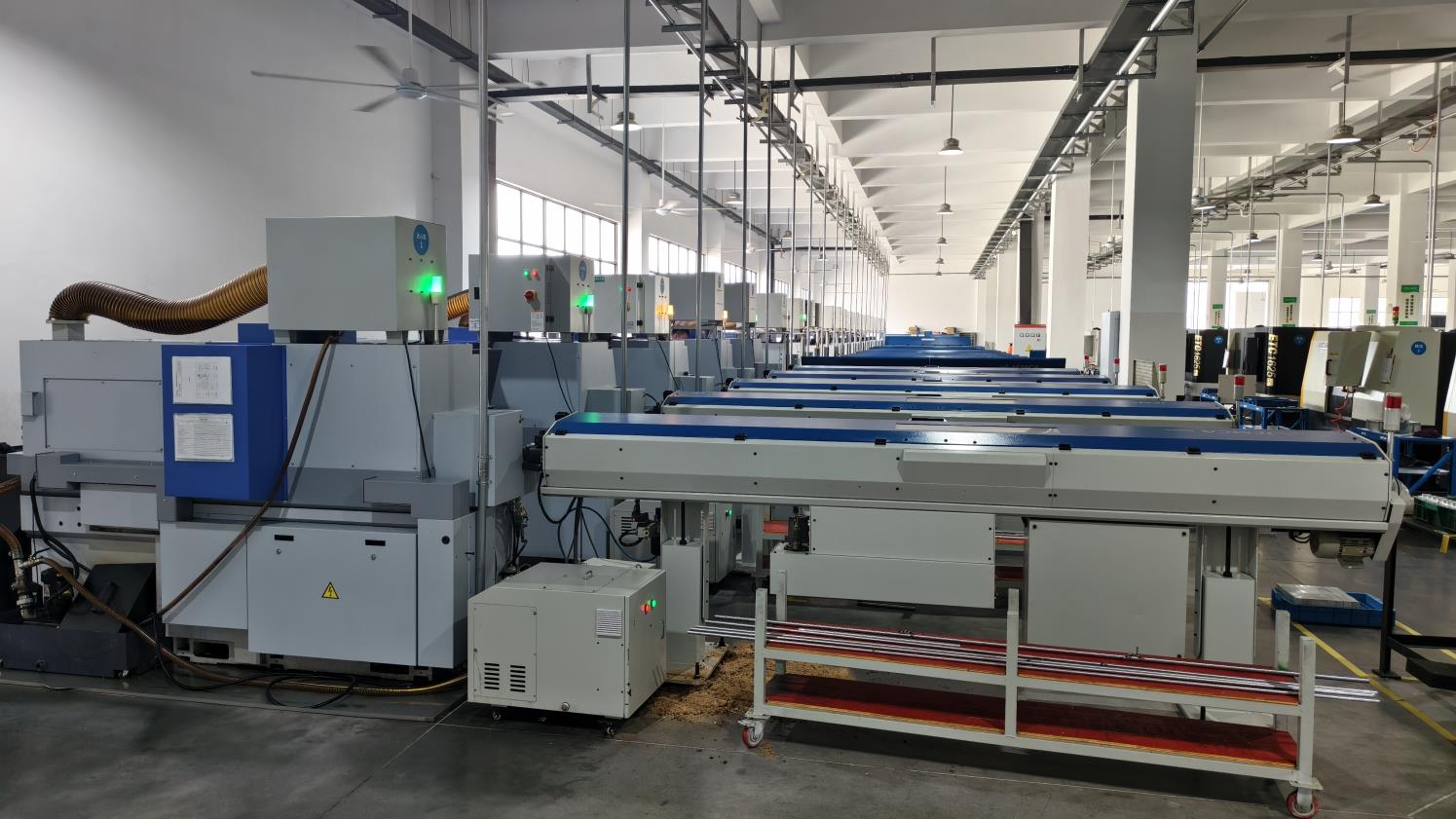
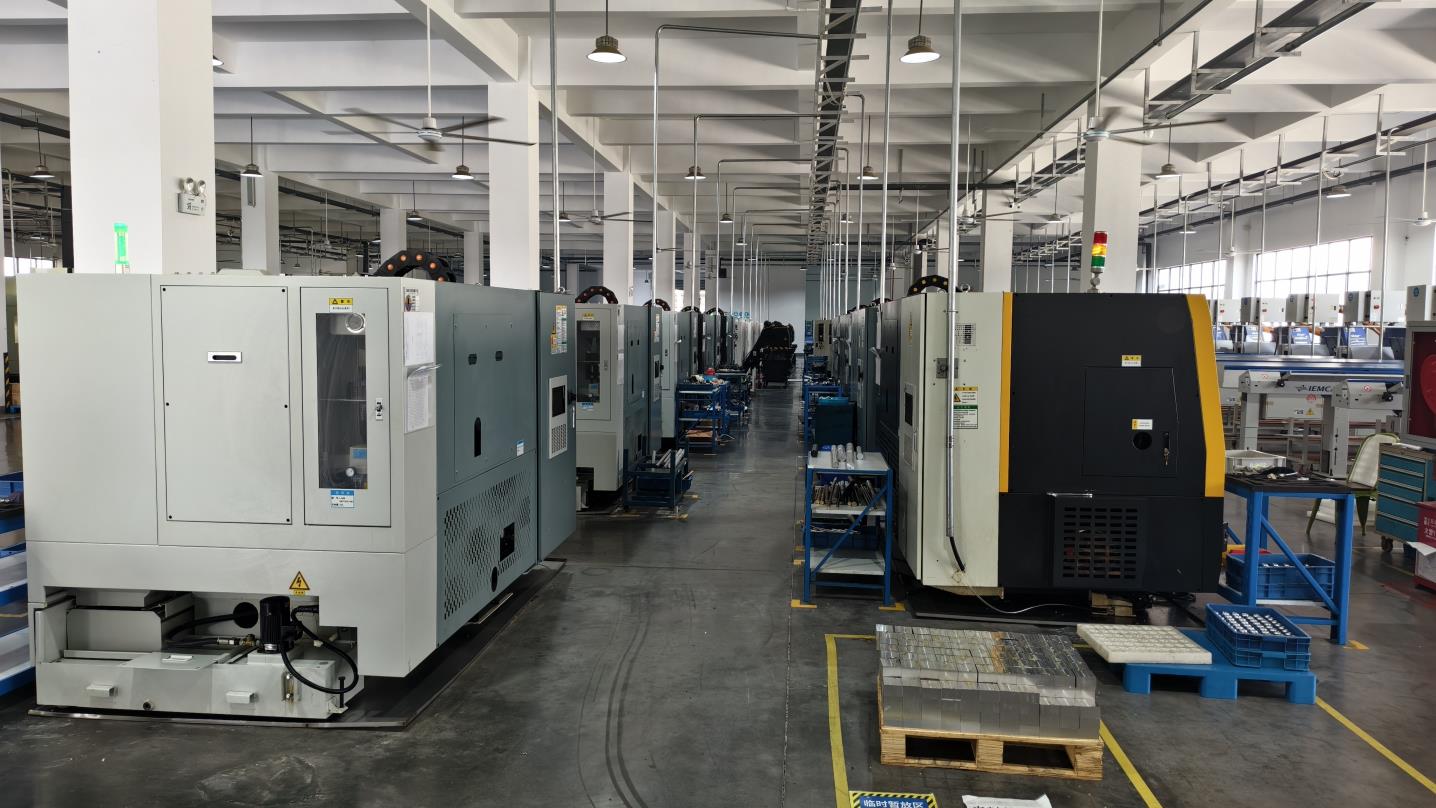
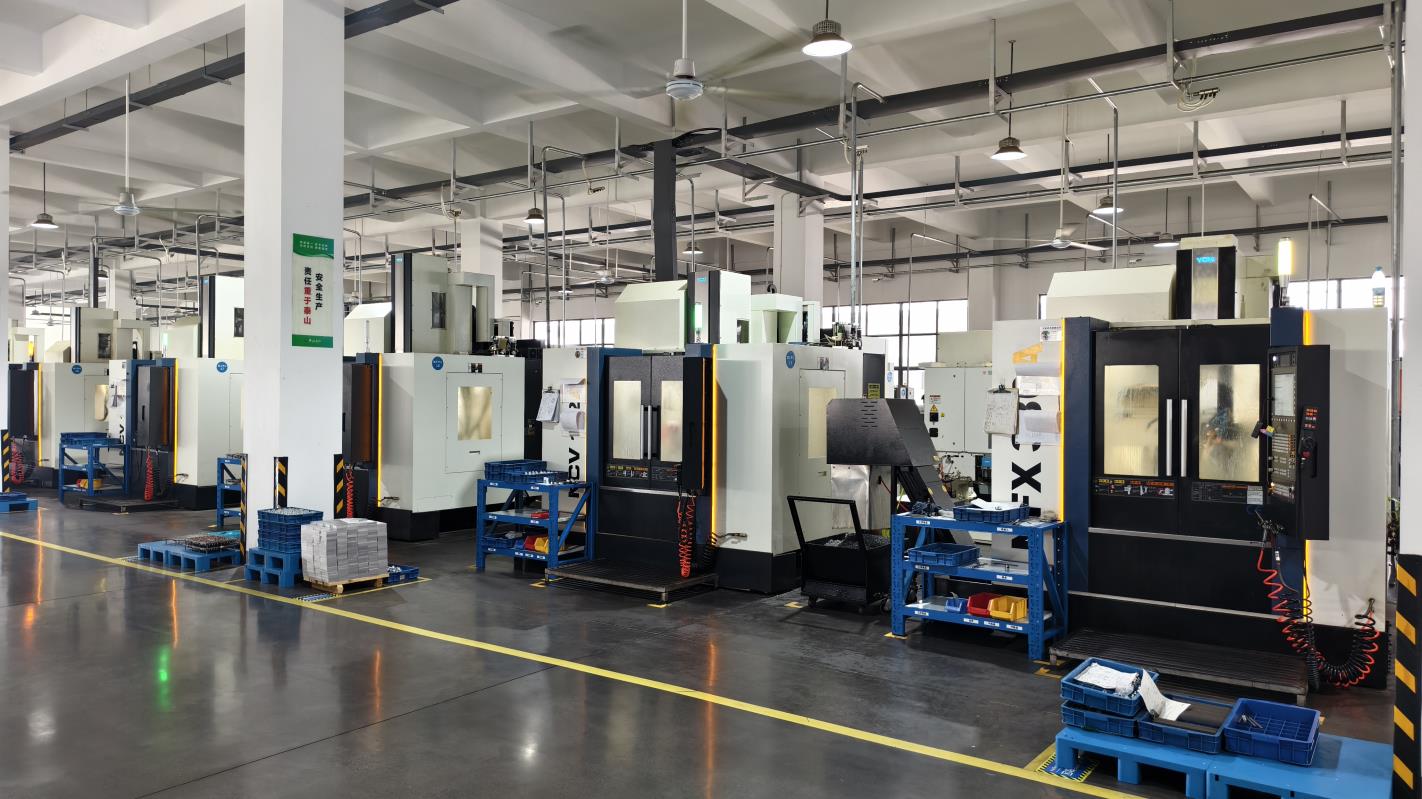
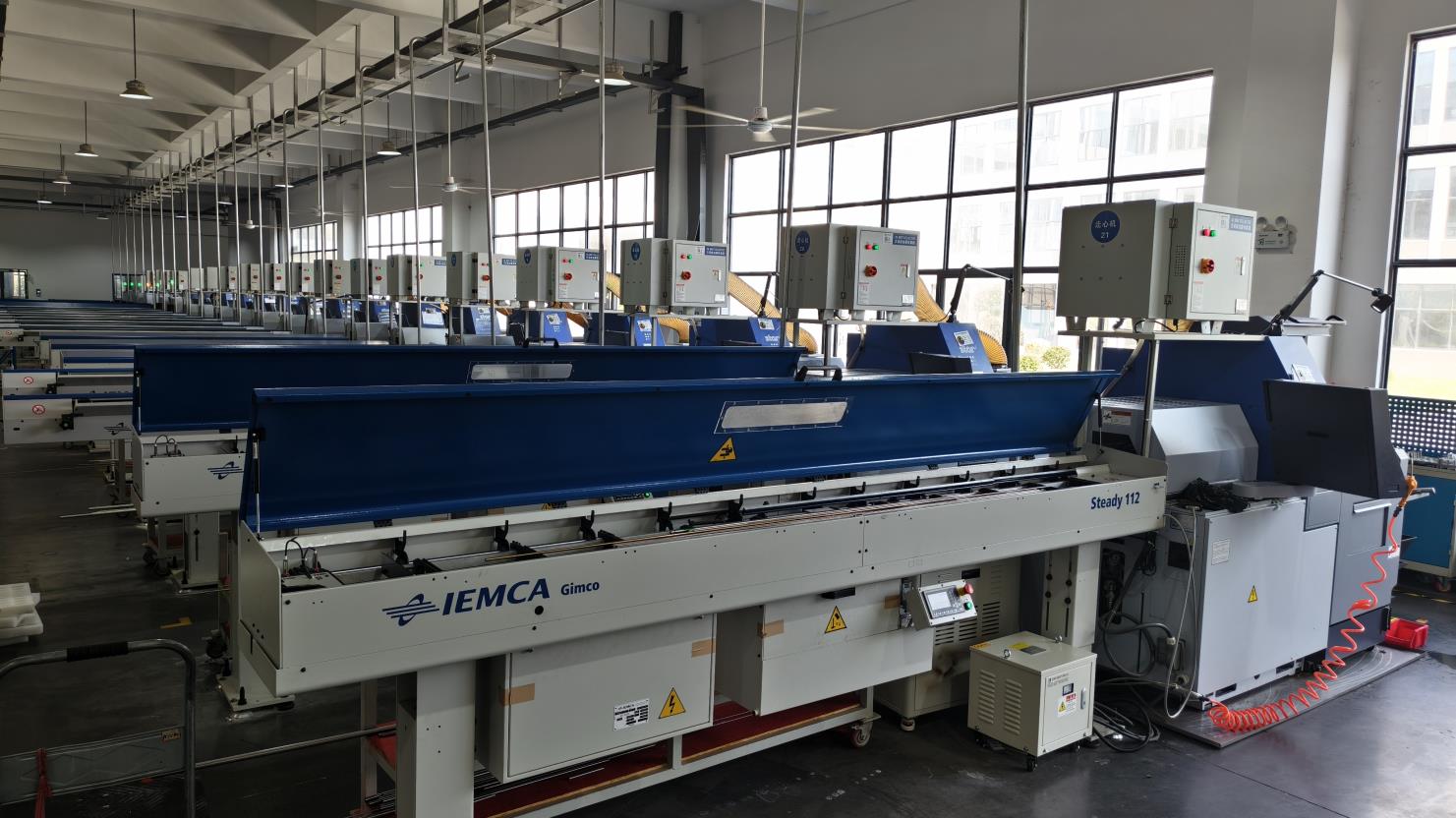
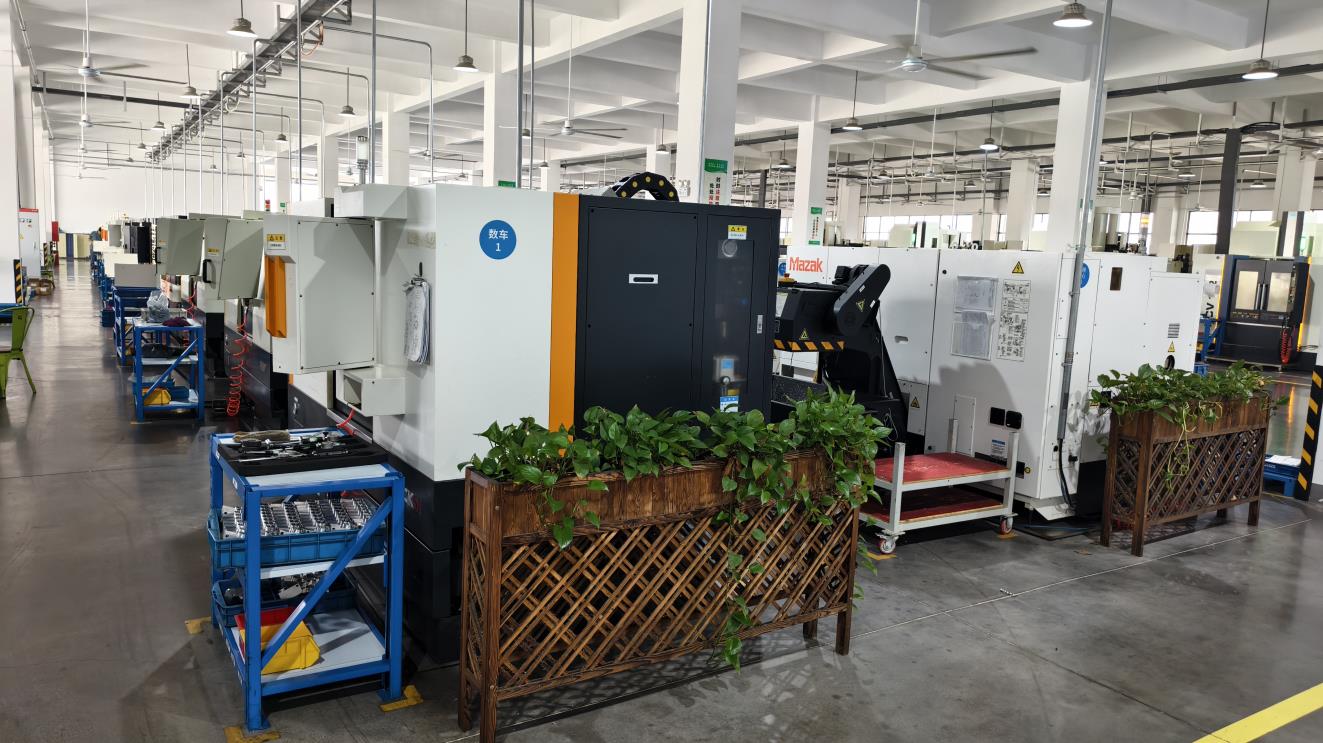
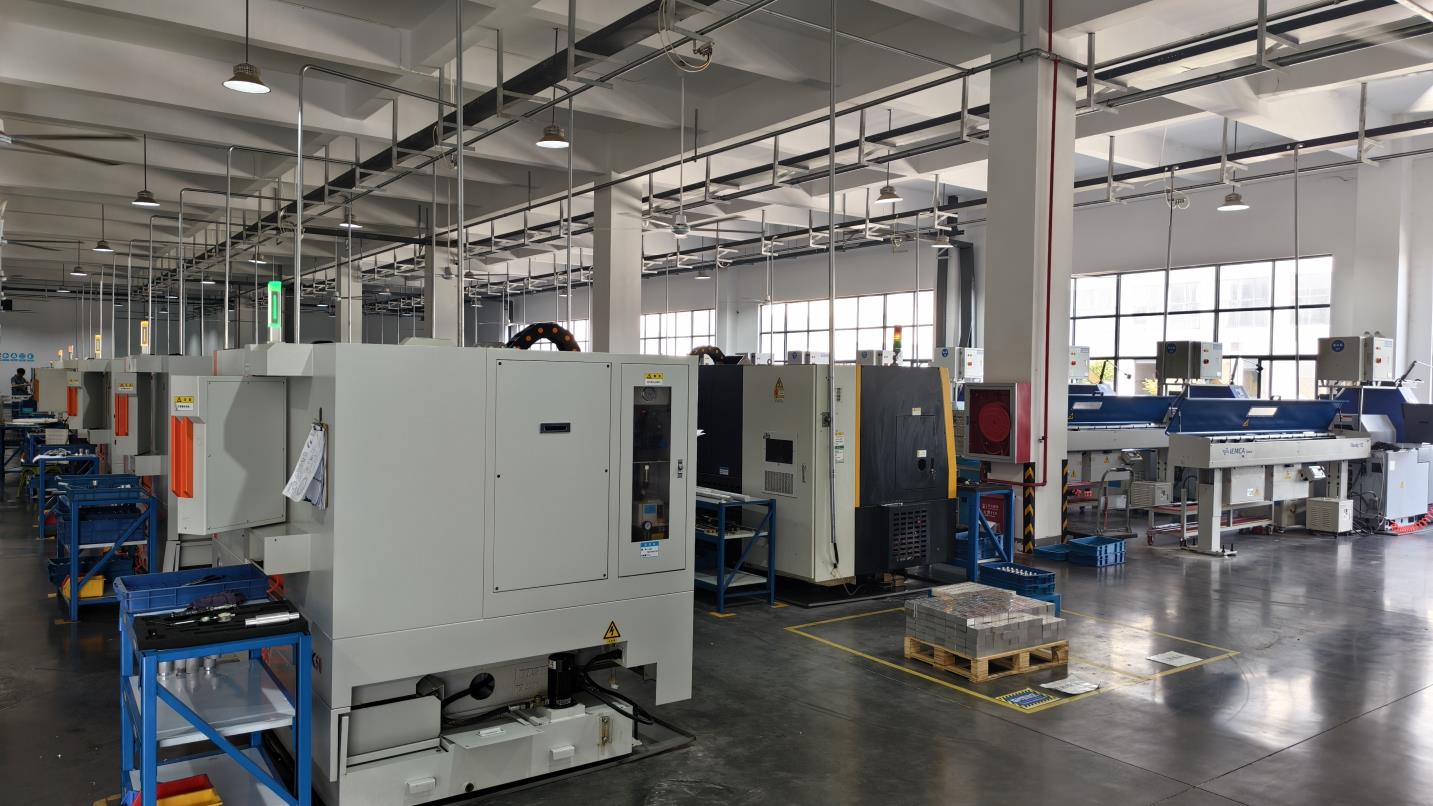
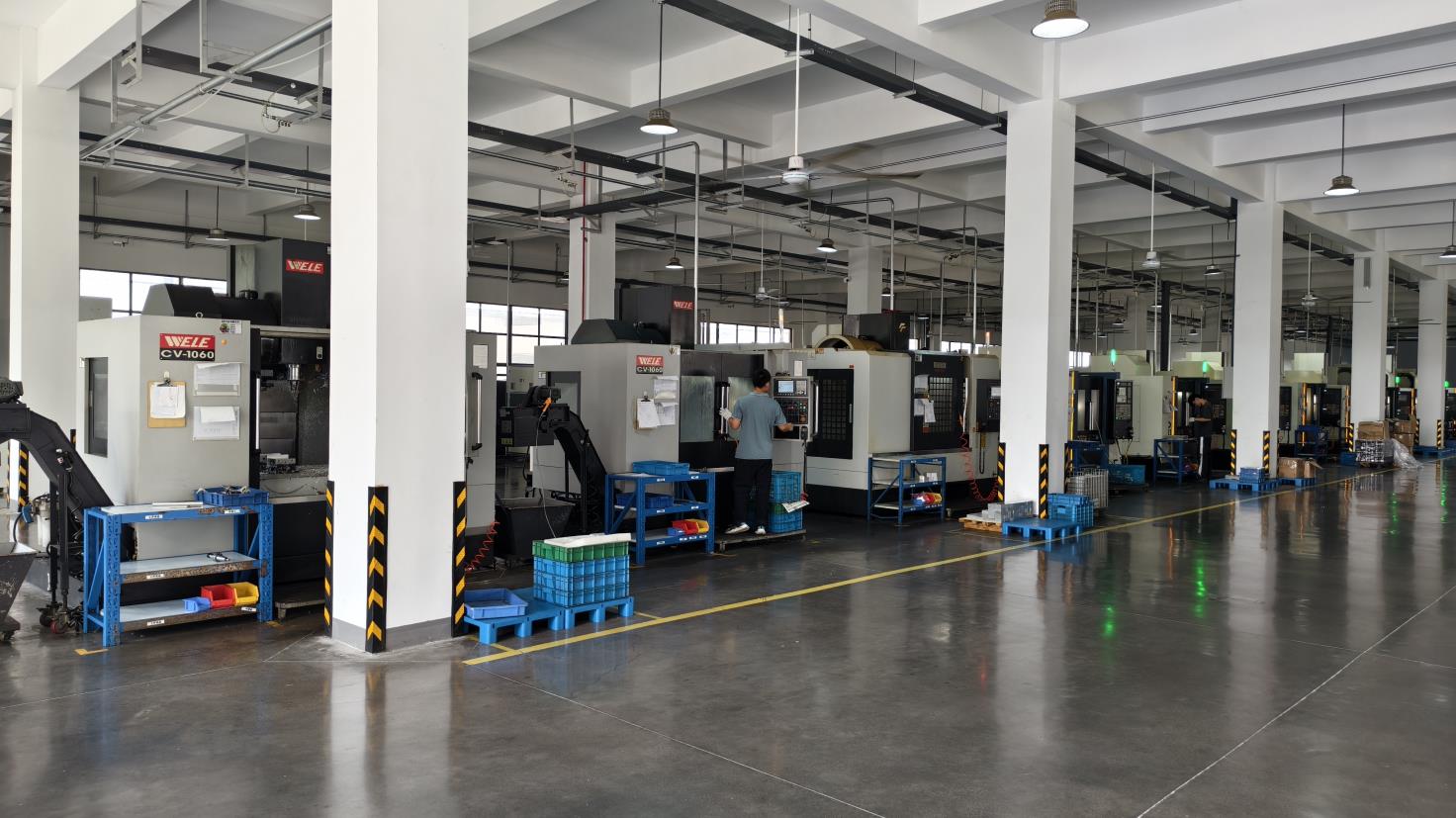
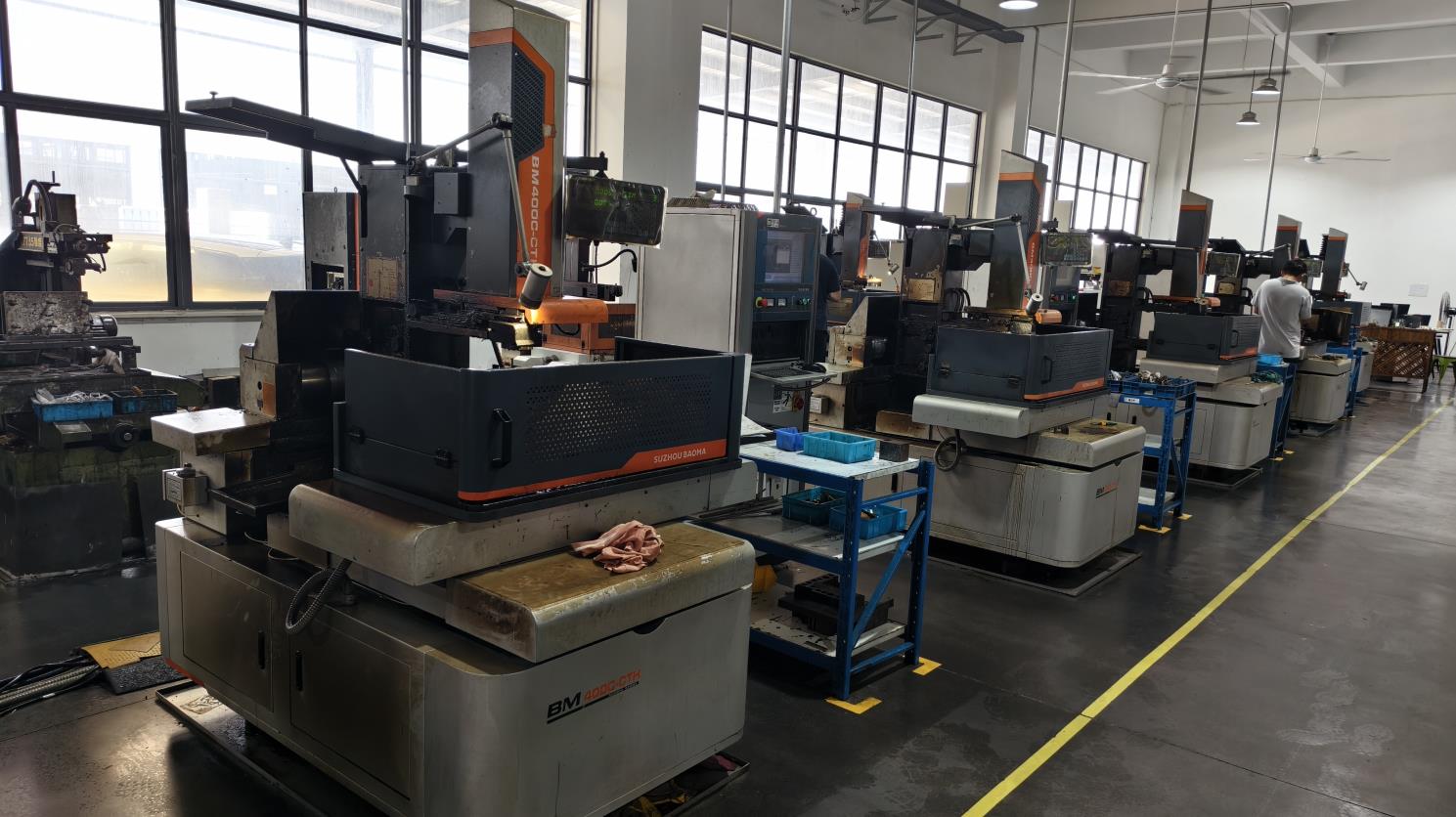
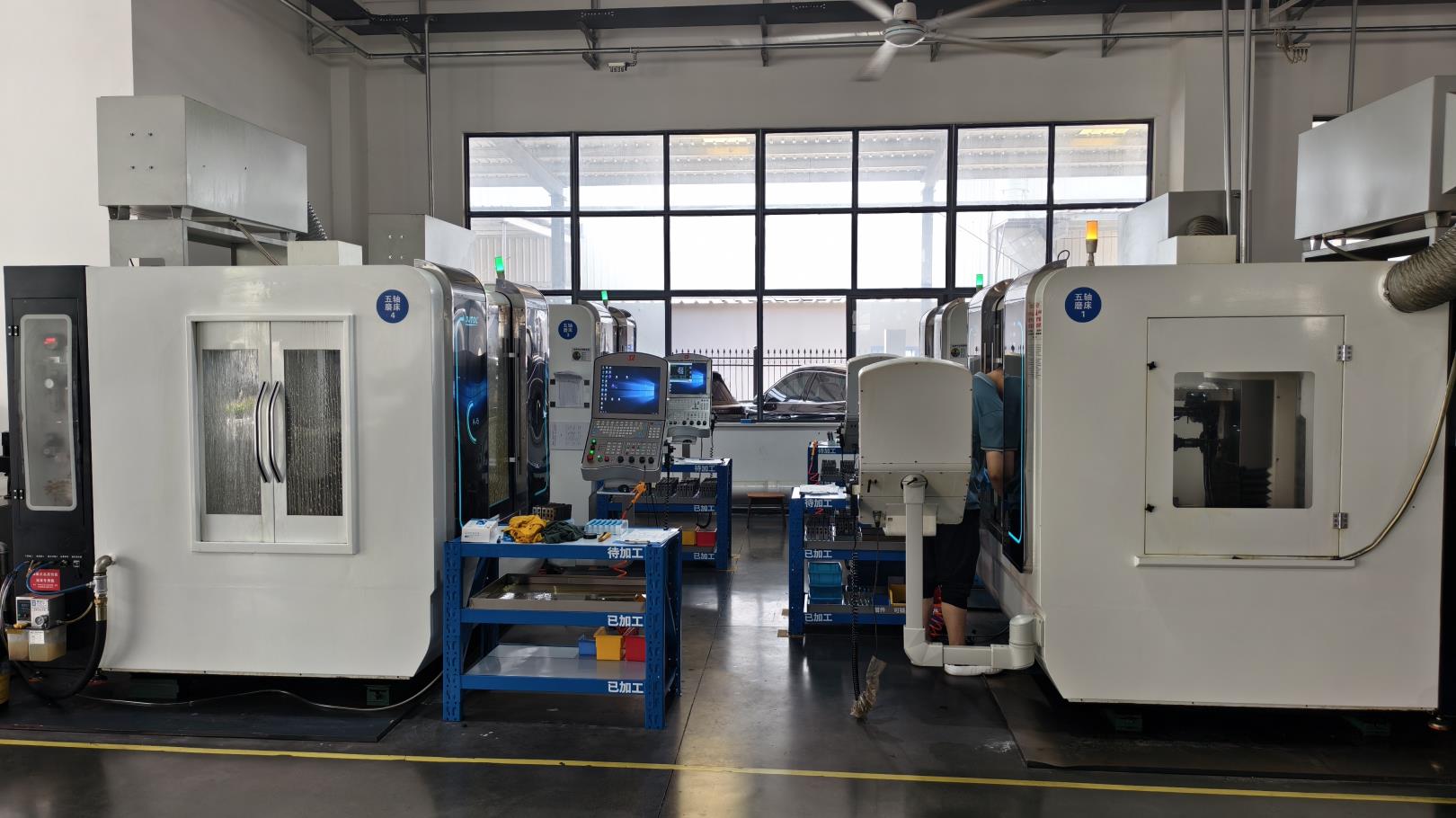
Our manufacturing facility employs an advanced "Factory 4.0" framework optimized for surgical instruments. By merging automated precision-machining with strict quality oversight, we ensure every orthopedic wrench and surgical driver meets the exact geometric and mechanical tolerances required by international markets.
Our computer-controlled machining processes eliminate the variance associated with manual forging, maintaining dimensional tolerances within ±0.01mm for complex geometries like AO quick couplings and custom hex interfaces.
To prevent carbonization and micro-cracking, we use controlled vacuum heat treatment. This optimizes the tensile strength and hardness (typically 42-48 HRC) of our stainless steel instruments, ensuring they resist deformation during repeated high-load operations.
All surgical-grade devices undergo chemical passivation conforming to ASTM A967. This process removes free iron from the surface and forms a passive chromium oxide layer, which prevents corrosion during repeated steam sterilization (autoclaving) cycles.
Modern orthopedic surgery demands high accuracy and reliability from tools. In response, the technology of torque limiters and surgical wrenches is shifting toward digital integration, improved materials, and ergonomic designs.
Traditional mechanical slipping or break-away torque wrenches are progressively being supplemented by digital sensors. Future iterations of orthopedic wrenches will incorporate micro-piezoelectric transducers. These sensors transmit real-time tightening curves via Bluetooth/NFC to a surgical monitoring console, ensuring each screw reaches its exact, documented fastening threshold.
While martensitic and austenitic stainless steel remain the industry standards, we are researching carbon-fiber reinforced polyetheretherketone (CF-PEEK). This composite reduces instrument weight by up to 50% while maintaining the necessary torsional rigidity and structural integrity through repeated autoclave cycles.
Future designs will prioritize modularity. A single ergonomically designed handle with integrated torque-limiting mechanisms will interface with a wide range of quick-release driver tips. This modular design helps reduce instrument tray weight, simplify sterilization logistics, and lower overall capital acquisition costs for healthcare facilities.
We recognize that surgical requirements vary across different clinical specialties. Our production processes are designed to deliver targeted solutions for specific surgical procedures and clinical demands:
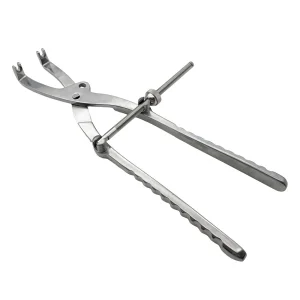
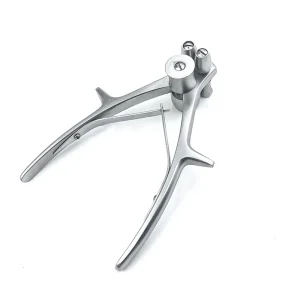
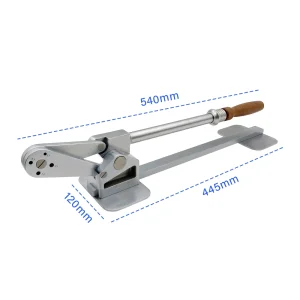
Trauma surgeries require rapid fixation and dependable mechanical stability. Our bone plate benders, rod benders, and bone reduction forceps are built to withstand high manual forces. This allows surgeons to pre-bend titanium plates and manipulate bone fragments with high precision under urgent clinical conditions.
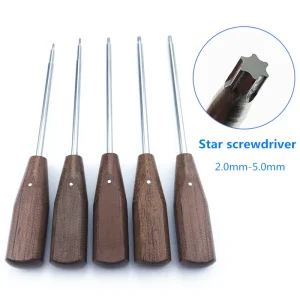
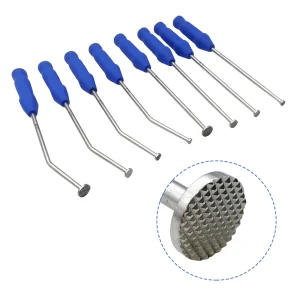
Spine procedures demand tight control over screw insertion depth and torque limits. We supply spinal screwdrivers, hex drivers, and sleeves that feature low-profile shafts and reliable retention sleeves. These features help prevent screw drop during deep-site posterior spinal fixations.
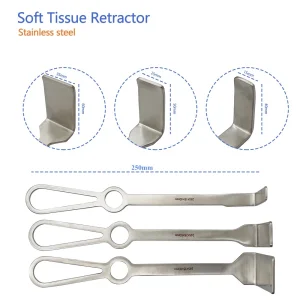
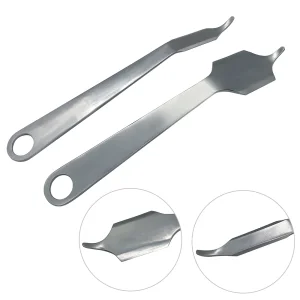
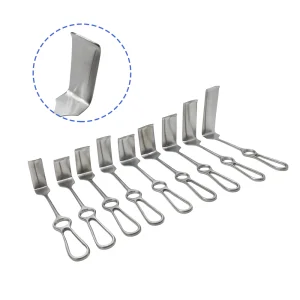
Veterinary surgery involves patients of widely varying sizes, demanding a broad range of instrument dimensions. We manufacture micro bone screwdrivers, mini rod benders, and flat hook bone retractors designed for small-animal procedures. This provides veterinary surgeons with the same clinical-grade performance used in human medicine.
We serve international brands, medical retail distributors, and veterinary wholesalers, structuring our operations to support bulk importing, quality documentation, and custom configuration:
Our production facilities are equipped to manage the complete manufacturing lifecycle, from raw material inspection and CNC forging to final mechanical testing and surface treatment:

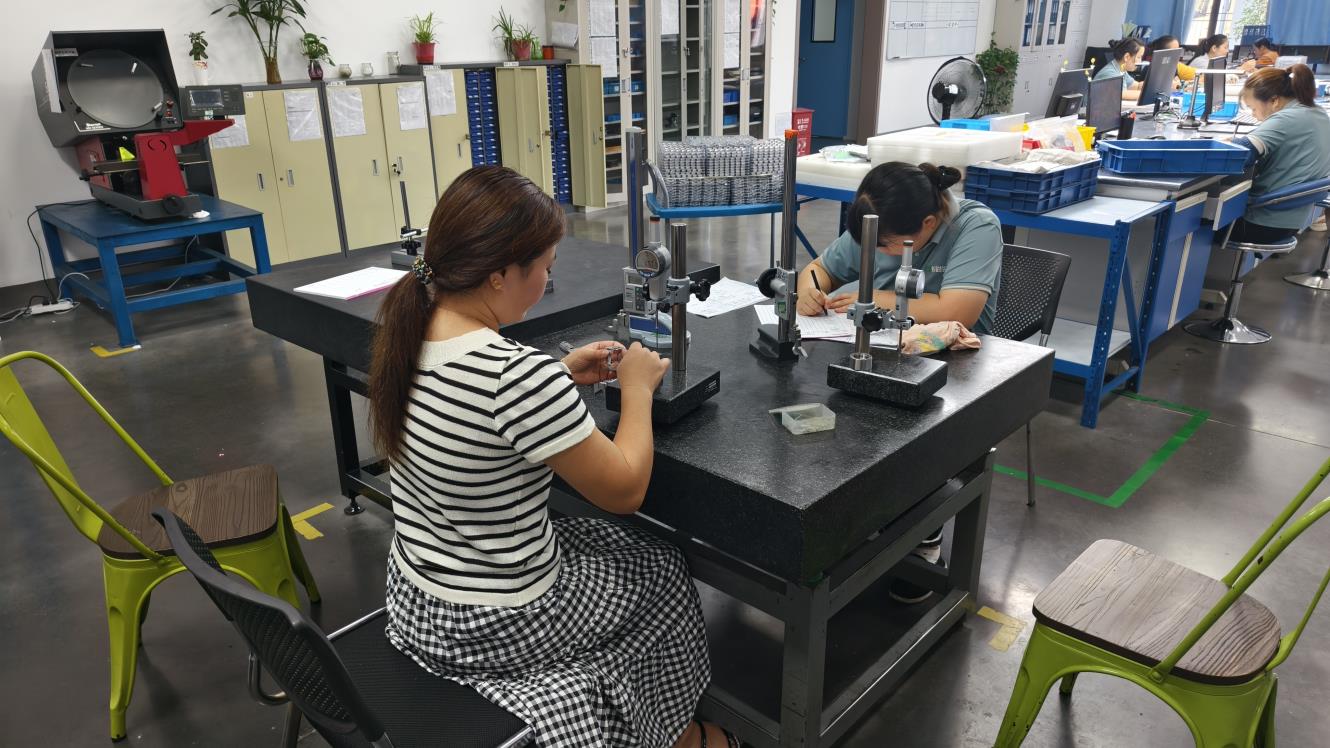
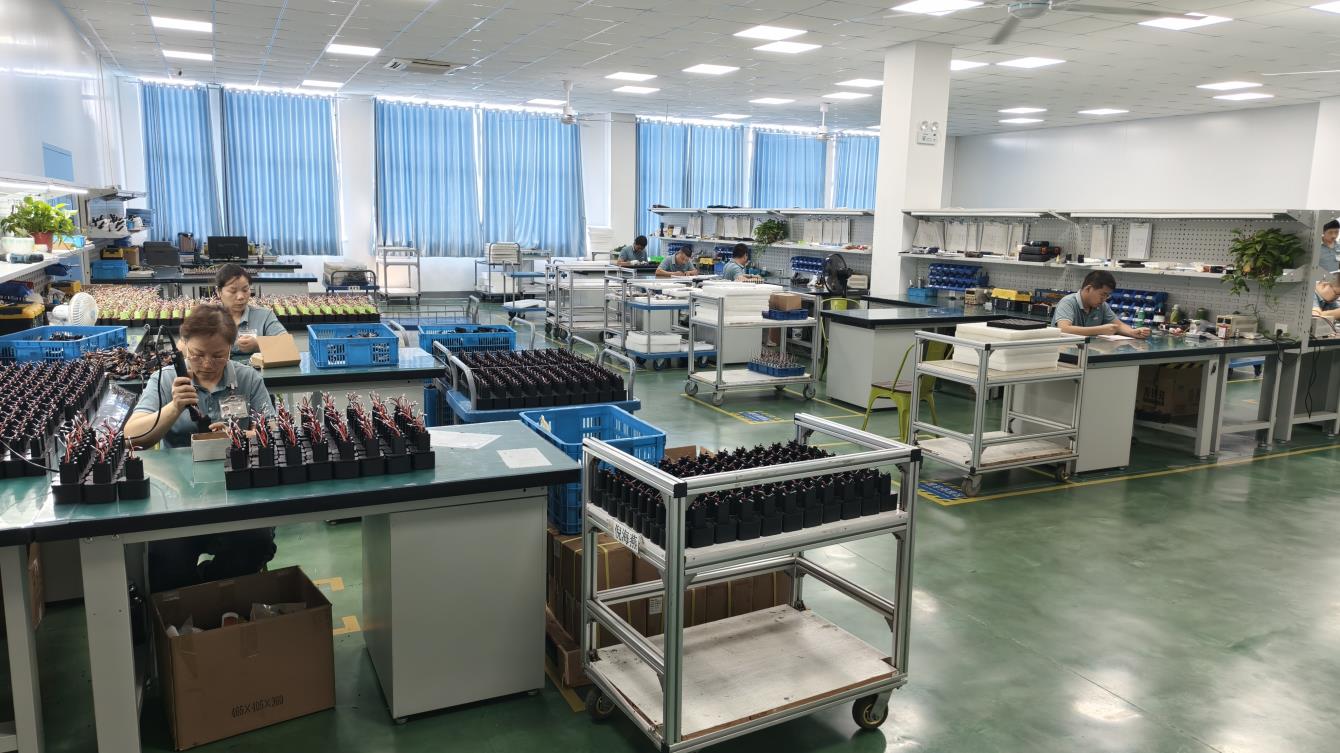
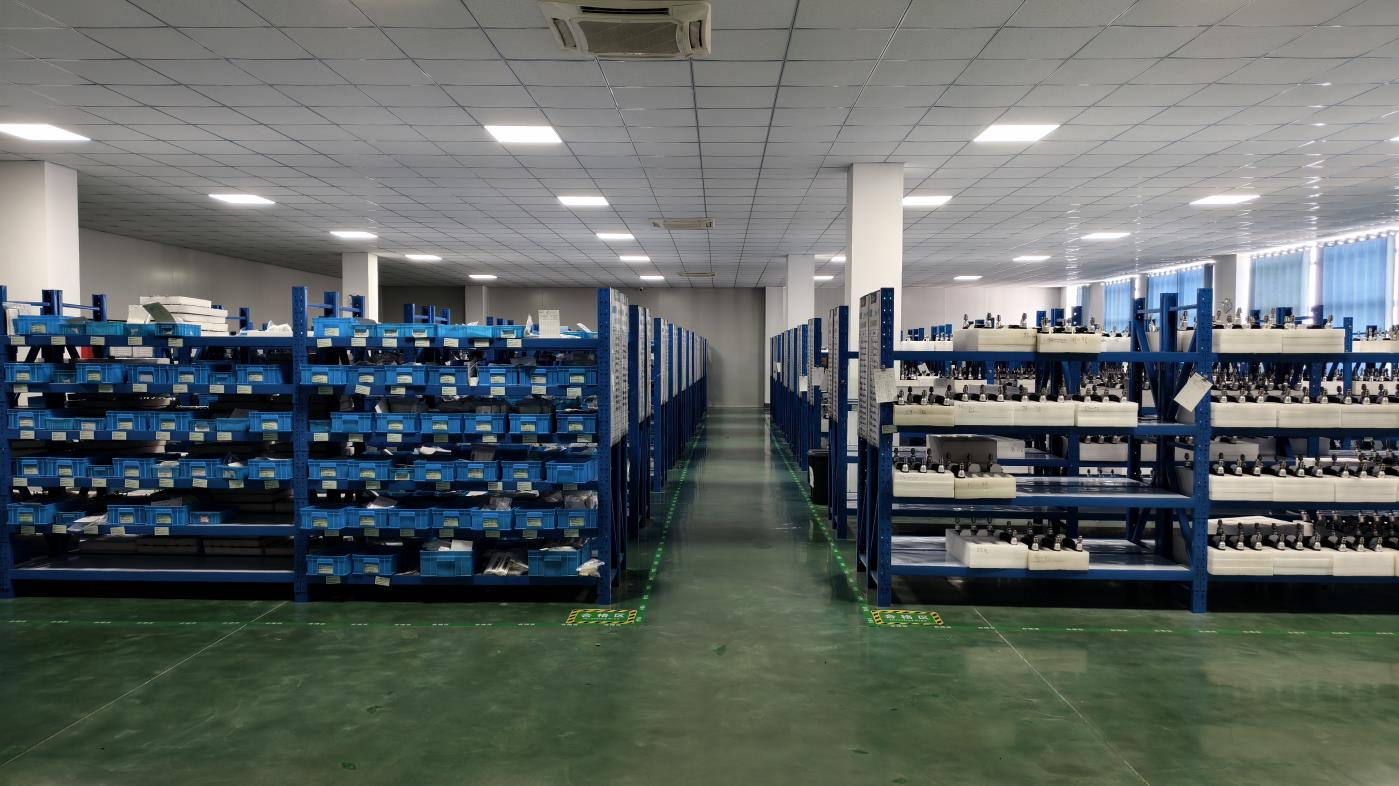
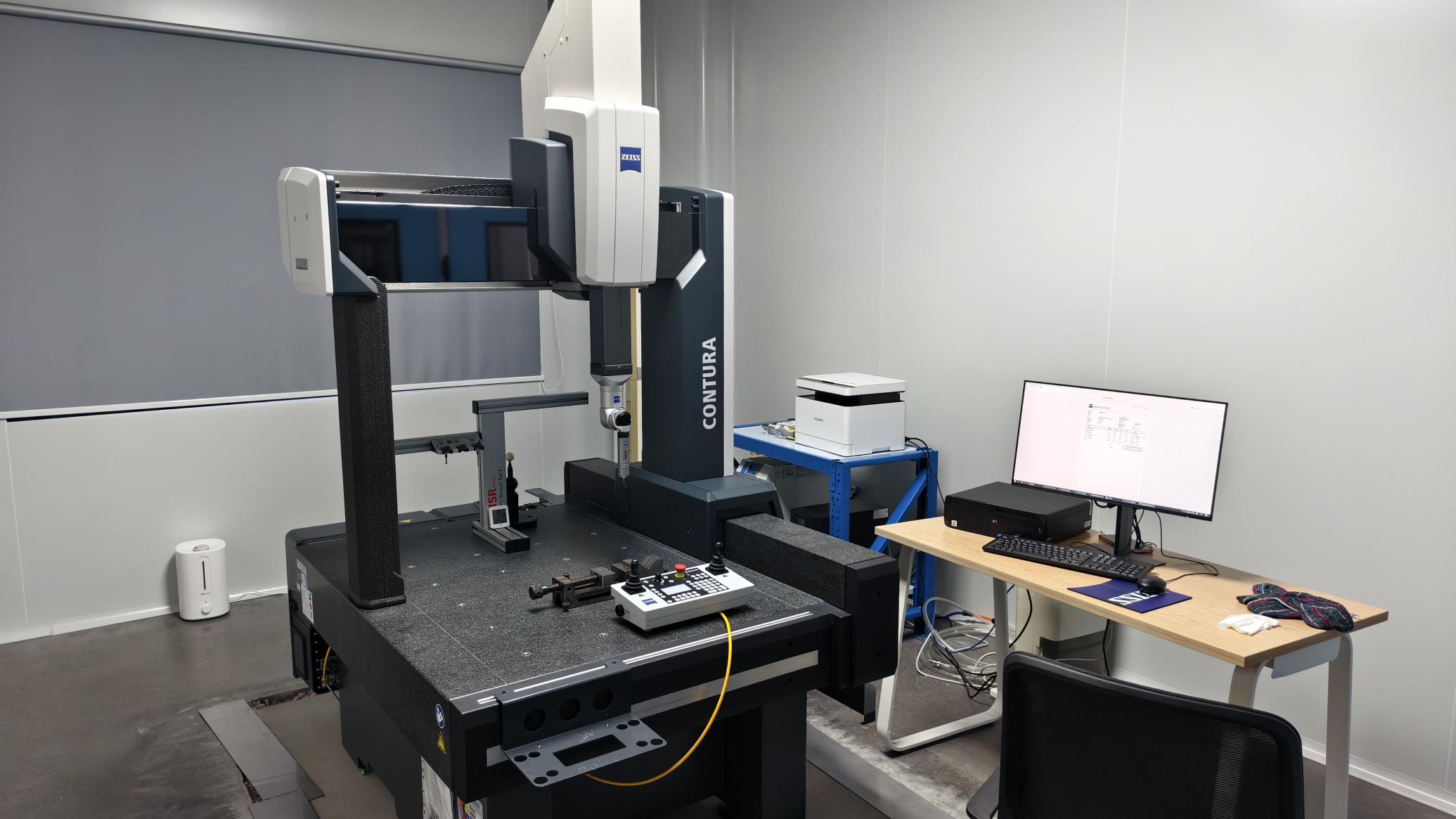
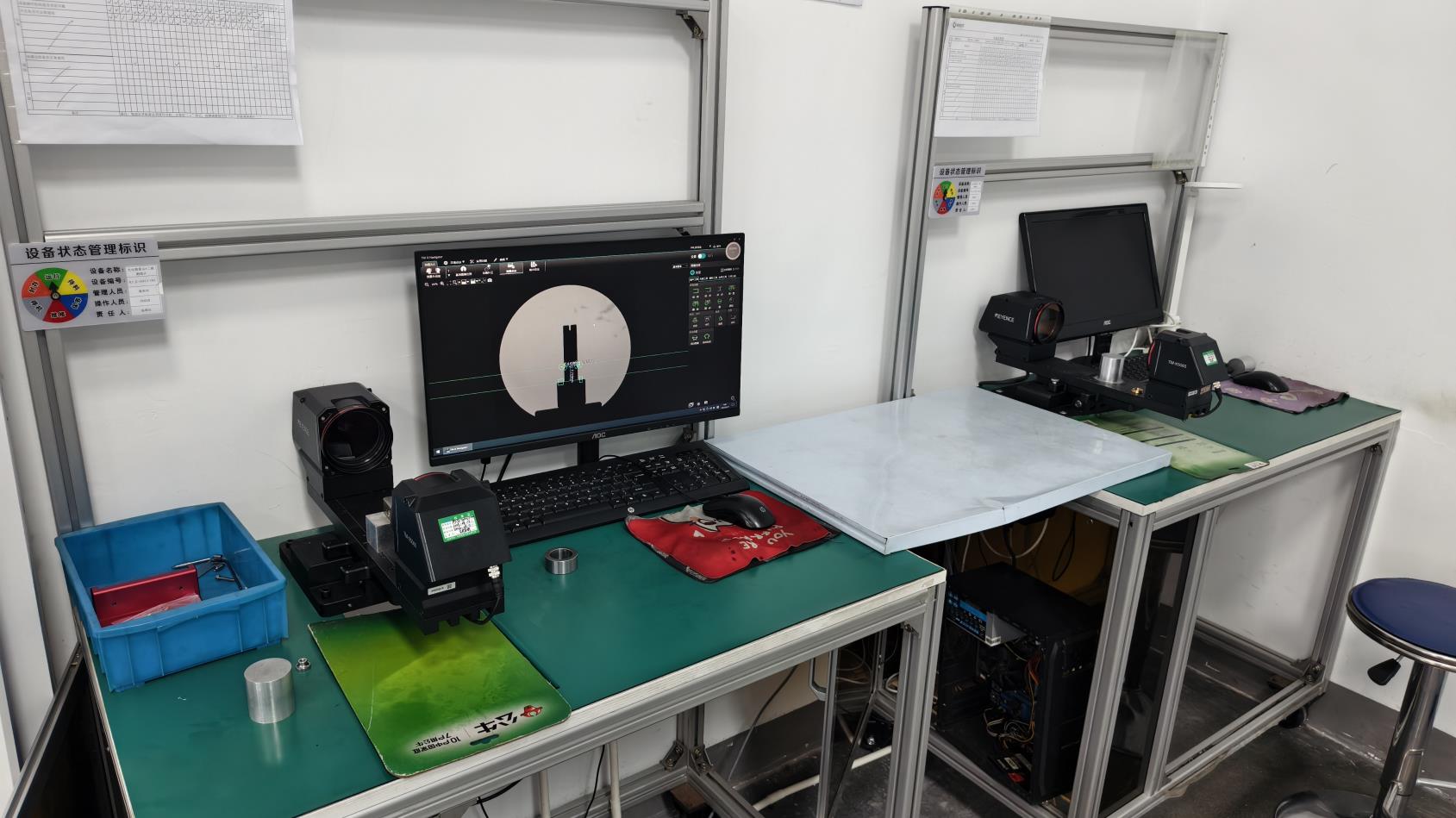
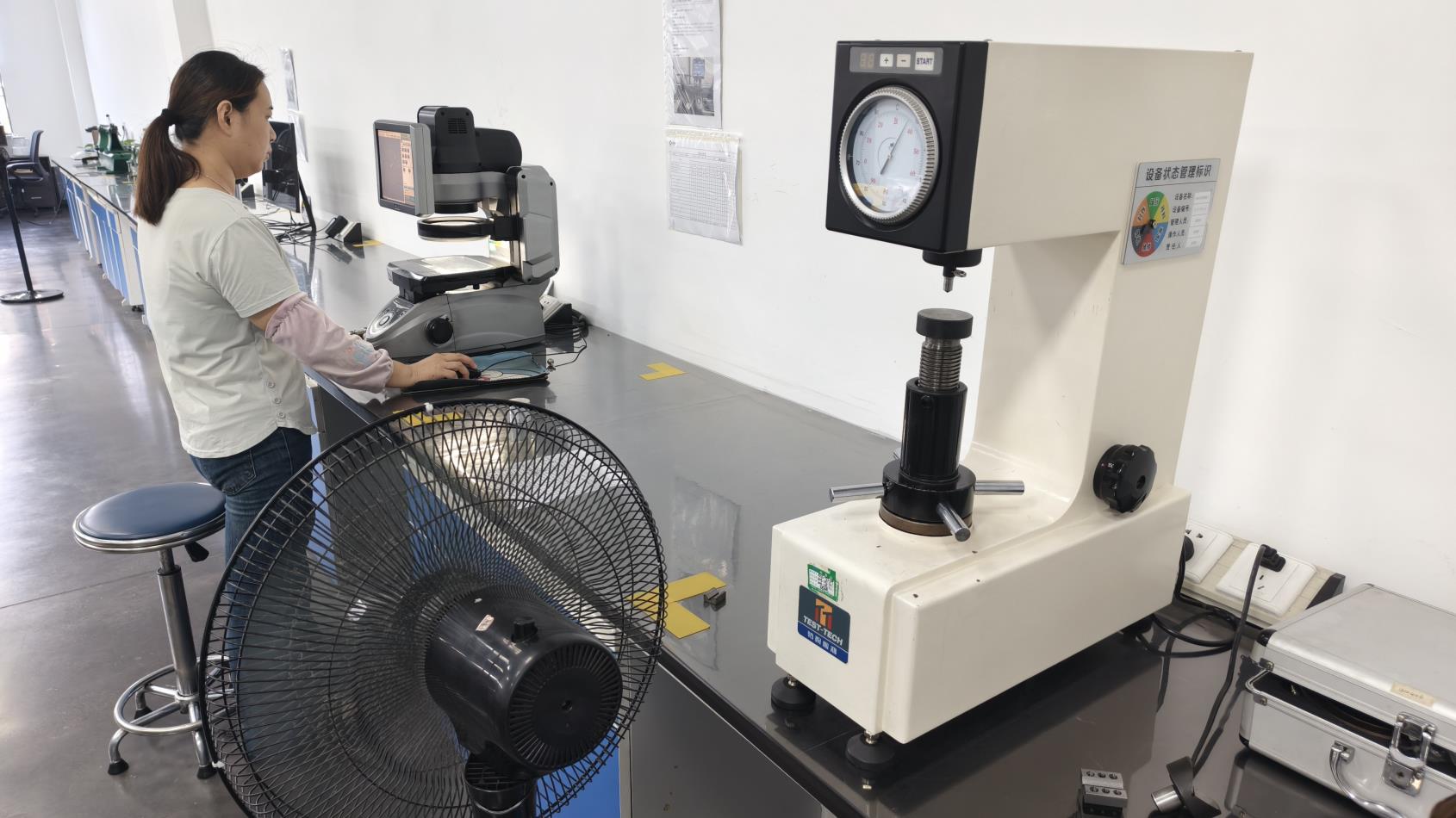
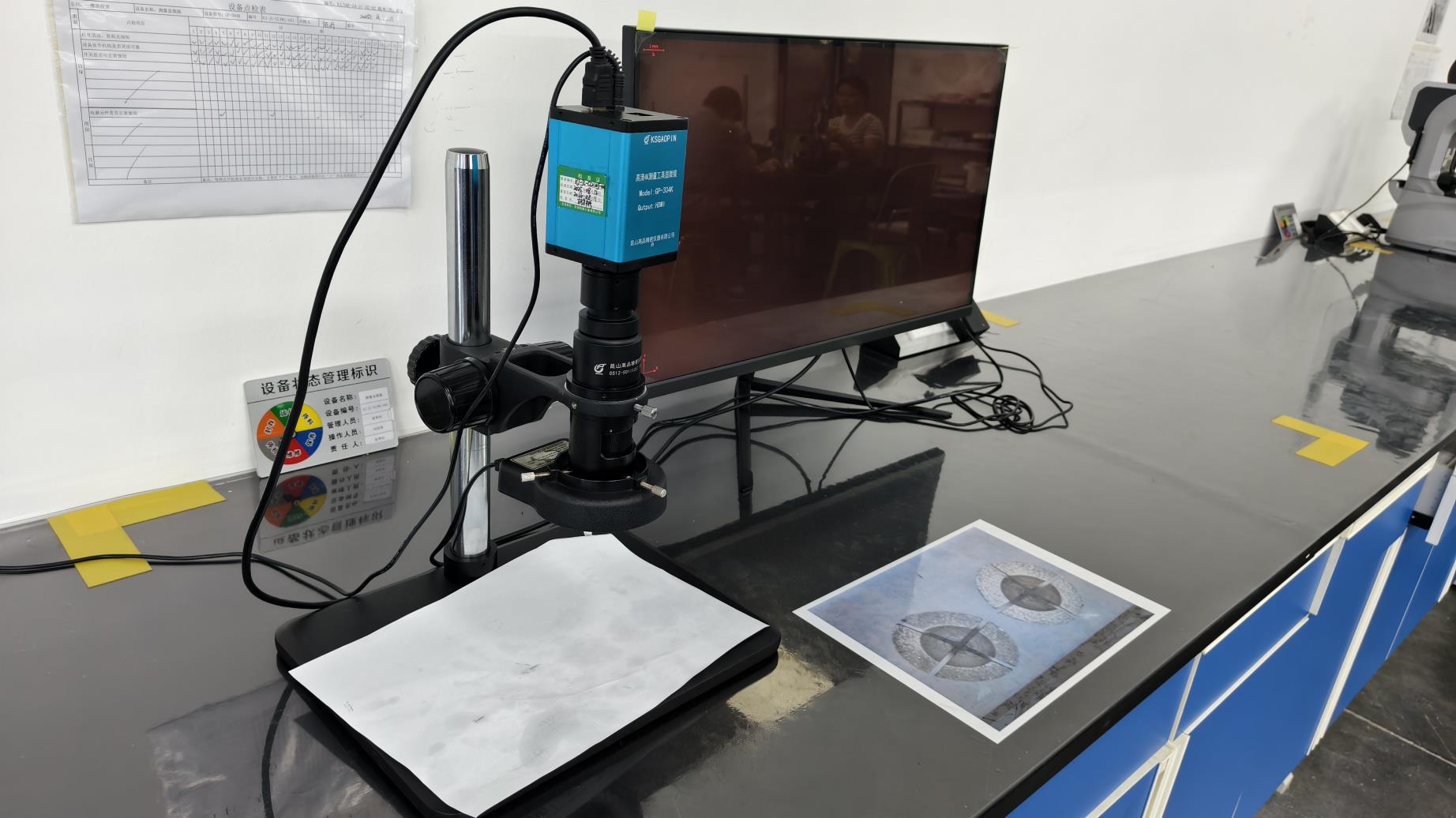
Our quality assurance protocol focuses on reliability, traceability, and adherence to international medical device standards.
Every batch of stainless steel (such as 316L, 420, or 630) is tested and certified upon receipt. We verify the chemical composition and mechanical properties, keeping trace documentation through all stages of production.
Our torque-limiting wrenches are calibrated according to ISO 6789 standards. We perform cycle testing on each wrench, validating the release mechanism over thousands of cycles to ensure long-term torque accuracy in clinical settings.
Our QA team consists of three experienced inspectors who oversee a strict three-tier verification process: dimensional inspection using coordinate measuring machines, functional testing with corresponding implant fasteners, and visual inspection for surface imperfections.