SENJIE Healthy & Technology
SENJIE Healthy & Technology
SENJIE Healthy & Technology
Engineered for extreme reliability, biocompatibility, and microscopic accuracy. Explore our core range of orthopedic, neurosurgical, and general surgical instruments.
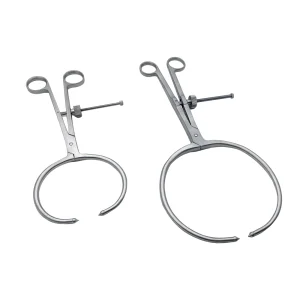
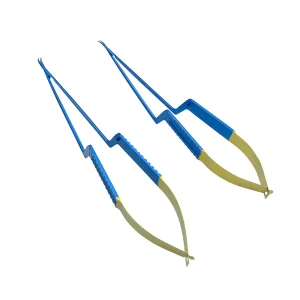
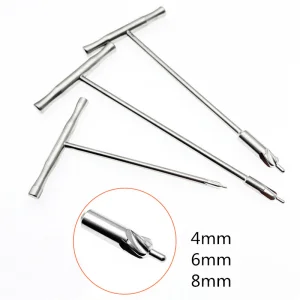
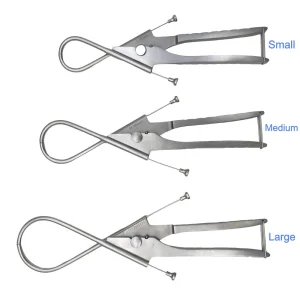
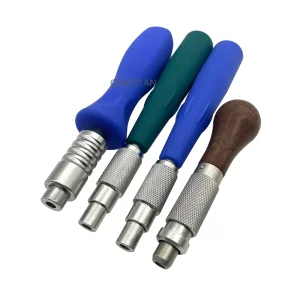
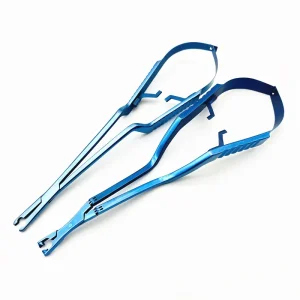
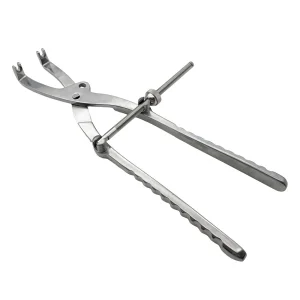
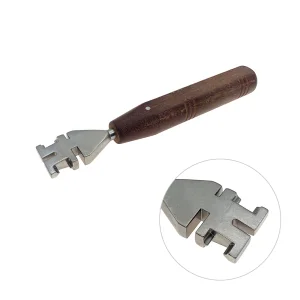
In the modern medical environment, global healthcare procurers, surgical distributors, and clinical hospital systems are facing unprecedented pressure. High-stakes specialties like orthopedic trauma, cardiovascular surgery, and micro-neurosurgery require custom instruments that guarantee absolute bio-safety, physical durability, and micro-dimensional precision.
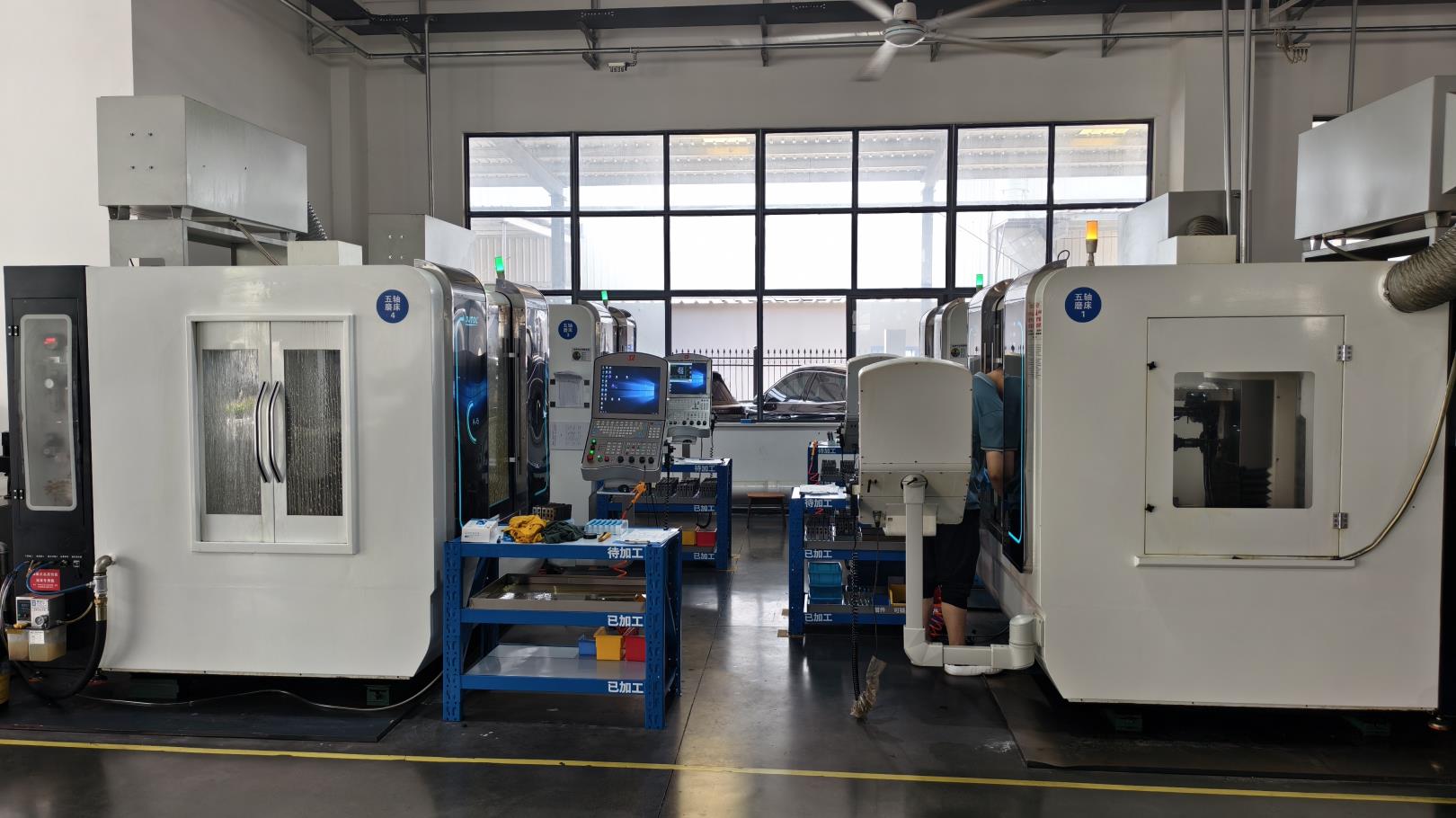
China’s medical equipment export market has evolved from high-volume standardized manufacturing into high-precision, customized development (OEM/ODM). Modern facilities leverage robotic forging, advanced passivation, and multi-axis CNC machines to engineer complex instruments such as titanium cerebral clips and wear-resistant meniscus guides.
Procurement officers prioritized two metrics in 2024: Material trace certification (to eliminate low-grade steel contamination) and autoclave endurance (resisting structural degradation over 1000+ sterilization cycles).
Our manufacturing standards treat medical-grade metallurgy as the absolute foundation of product safety. Low-quality alloys risk pitting corrosion, hydrogen embrittlement, and micro-fractures under physical stress.
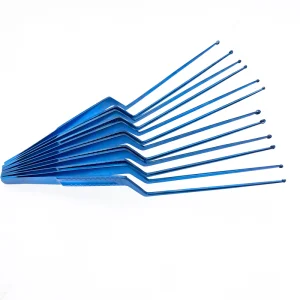
Titanium Alloys (Ti-6Al-4V ELI): Used extensively in micro-neurosurgery instruments and cerebral clamps. Titanium provides a superior strength-to-weight ratio, zero magnetic interference (allowing safe intraoperative MRI), and unmatched biocompatibility.
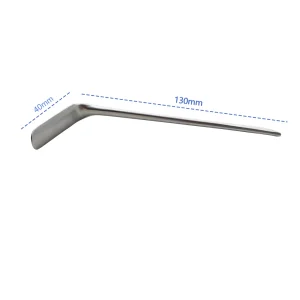
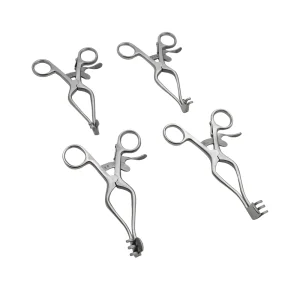
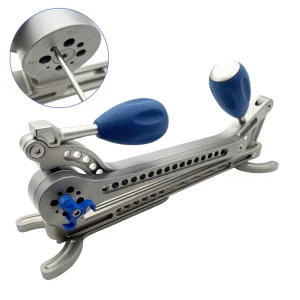
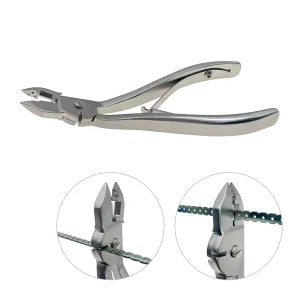
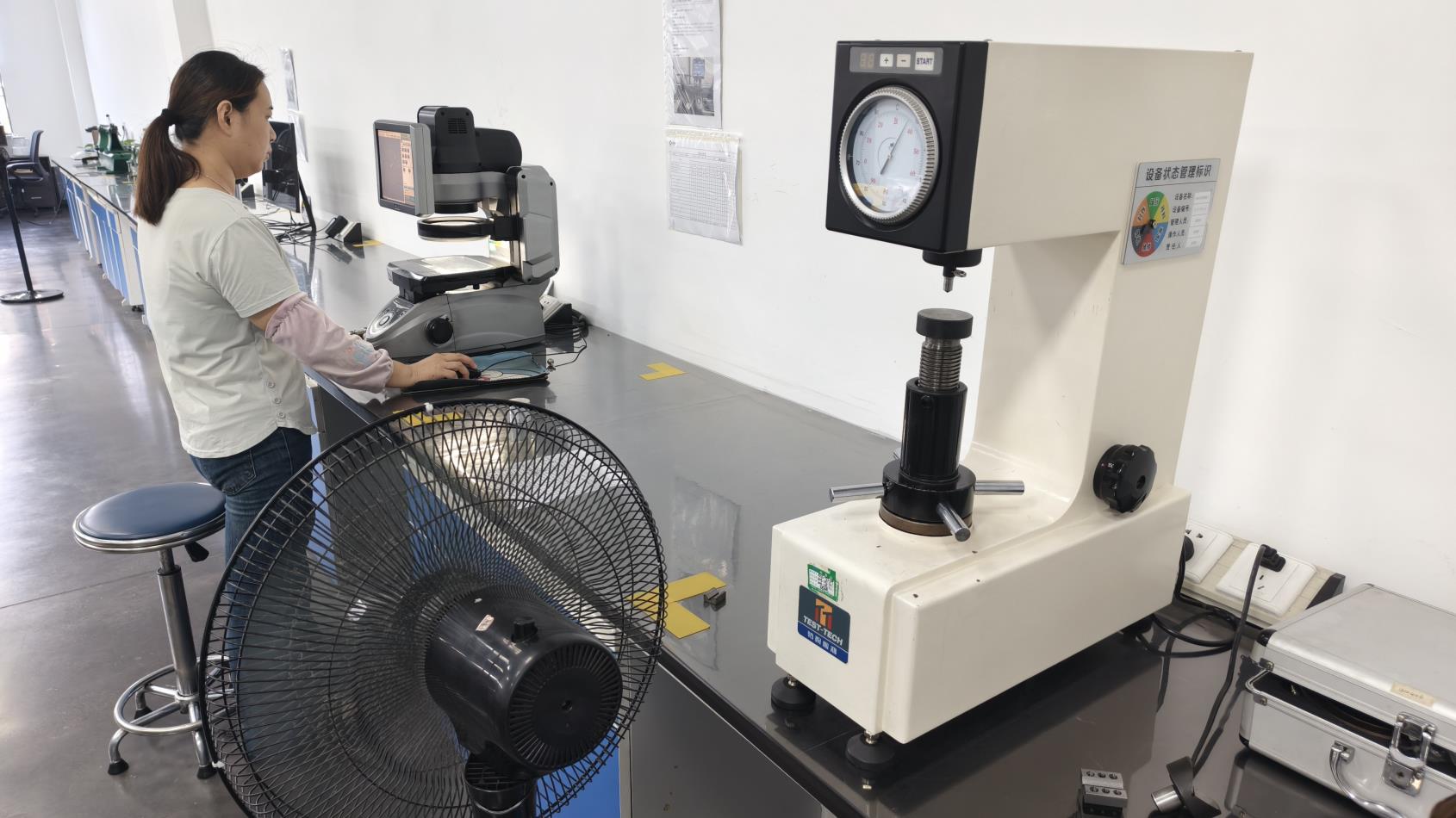
Stainless Steel Alloys (AISI 420, 316LVM): Sourced for orthopedic bone plate benders, retractors, and forceps. Hardened through vacuum heat treatment to achieve optimal Rockwell hardness (typically 48–54 HRC), ensuring that cutting edges (like those on Weitlaner retractors or shark-blade micro-scissors) remain sharp and structural arms do not bend.
| Material Standard | Primary Application | Key Performance Characteristic |
|---|---|---|
| ASTM F136 Titanium | Vascular clips, Cerebral Clamps | Non-magnetic, extreme flexibility, biocompatibility |
| AISI 420 Martensitic | Bone forceps, Scissors, Drills | High tensile strength, hard cutting edge retention |
| AISI 316L Austenitic | Retractors, AO Handles | Outstanding resistance to chemical corrosion |
From raw metal blanks to precision clinical application. Below is the systematic engineering roadmap followed by top-tier Chinese surgical equipment exporters.
Every batch of incoming steel or titanium undergoes optical emission spectrometry (OES) verification to confirm correct alloy distribution, followed by ultrasonic testing to check for internal micro-voids.
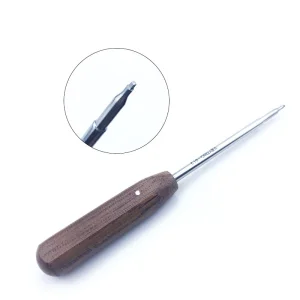
Raw blanks are shaped using precision dies, followed by multi-axis CNC milling to create micro-fine details, such as the locking teeth of arterial clamps or the precise threads of bone screwdrivers.
Instruments are heat-treated to optimize tensile strength and hardness. They then undergo chemical passivation (using citric or nitric acid baths) to create a chromium-oxide barrier that prevents corrosion during autoclaving.
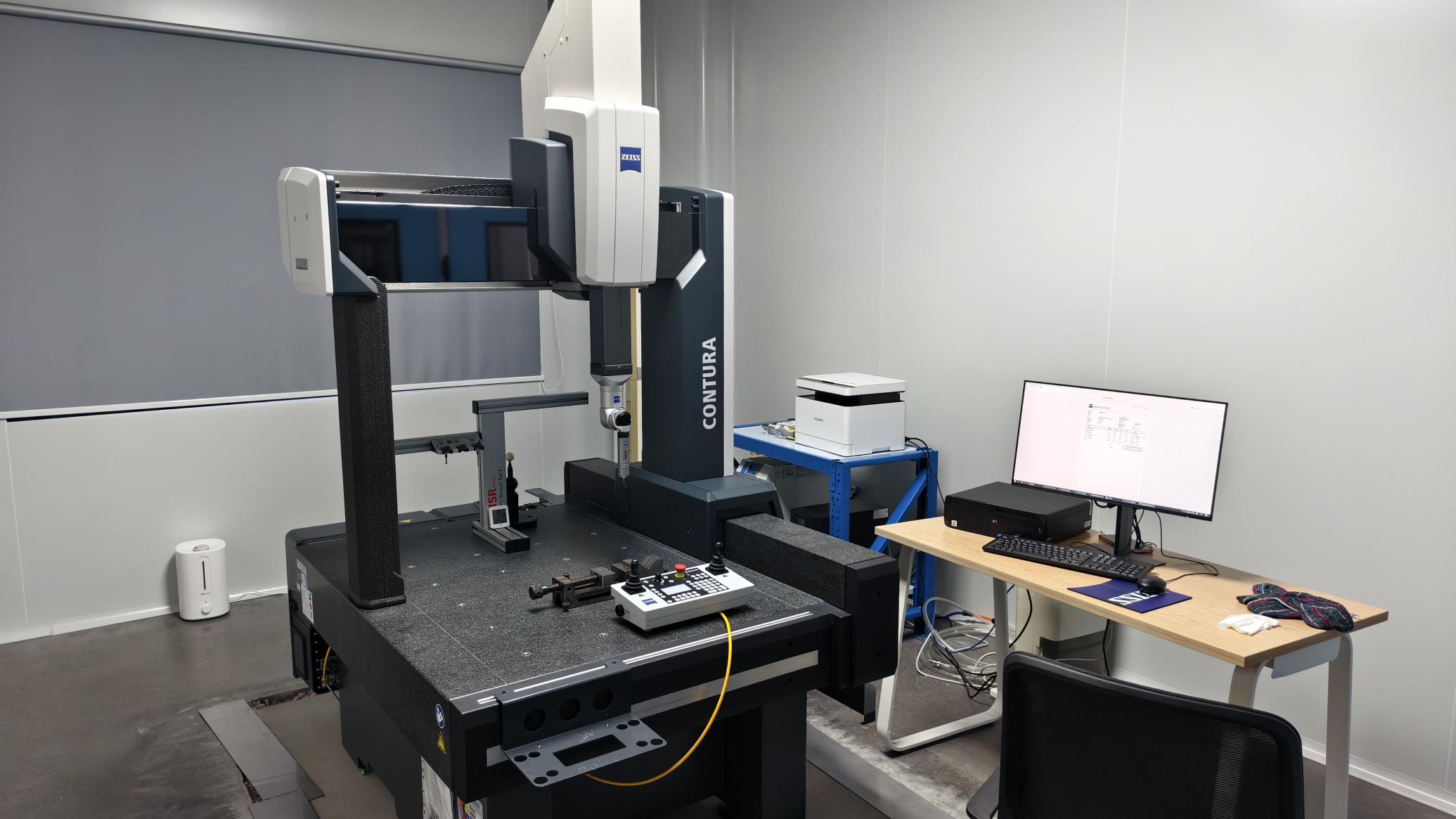
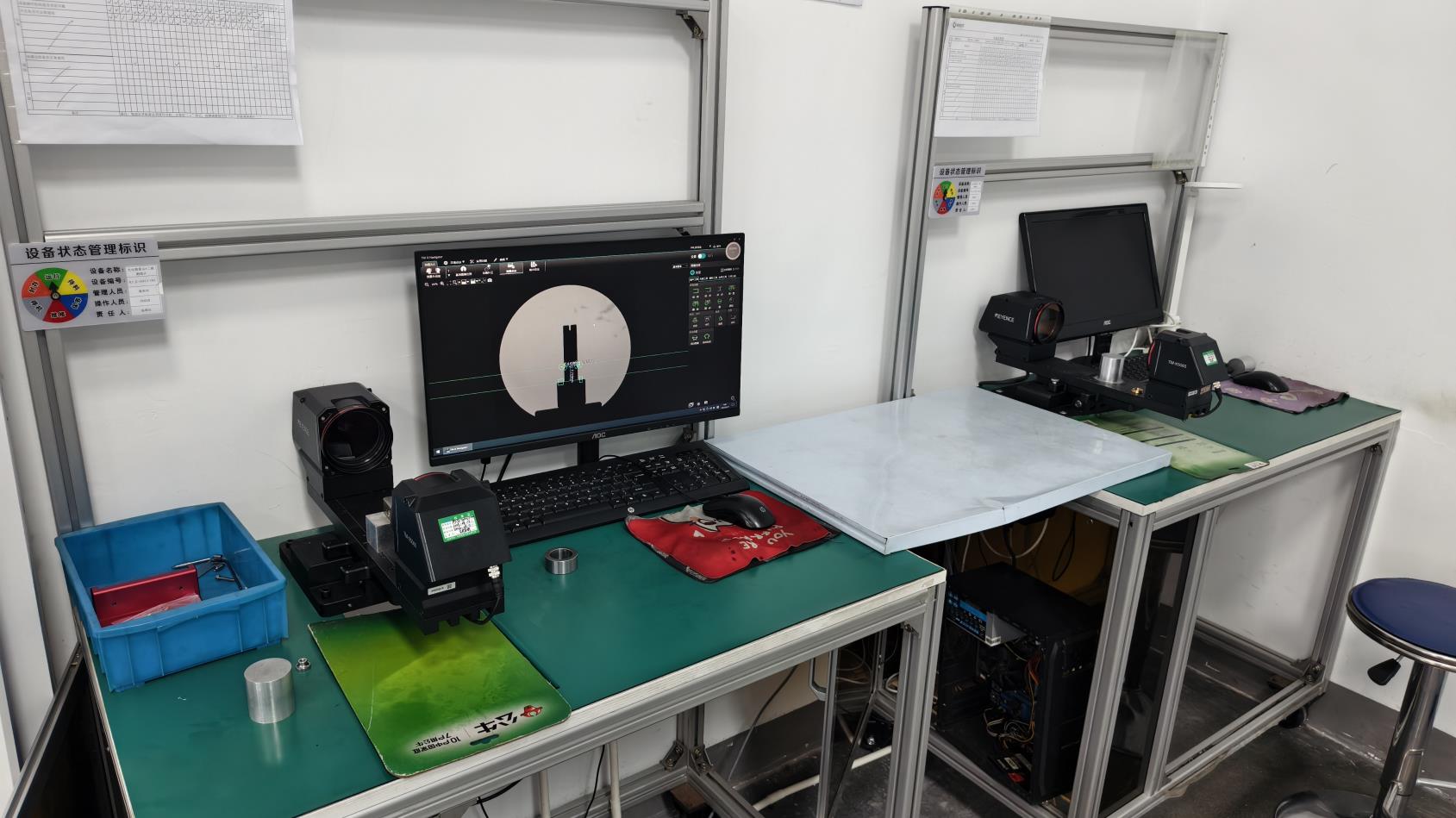
QA specialists perform micro-alignment checks, laser-etch batch traceability numbers, and run shear testing to ensure every joint and hinge operates with fluid precision.
Established in 2019, our production capability has expanded to meet the high standards of global distributors. With active exporting channels extending over 6 years, we serve major regions including North America (25%), South America (25%), and Southeast Asia (15%).
Our business models are highly adaptable, catering to major medical device brands, regional surgical wholesalers, and clinical institutions looking for customized OEM/ODM options.
Quality Control: 3 in-house QA/QC inspectors managing random inspection and tailored client verification protocols.
Customization: Sample processing, CAD graphic processing, and design-on-demand capabilities.
The medical sector is shifting toward minimally invasive surgeries (MIS). In response, our technology roadmap focuses on:
Visual transparency is fundamental to verifying our manufacturing capabilities. Below are photos of our physical production facilities, inspection areas, and inventory.
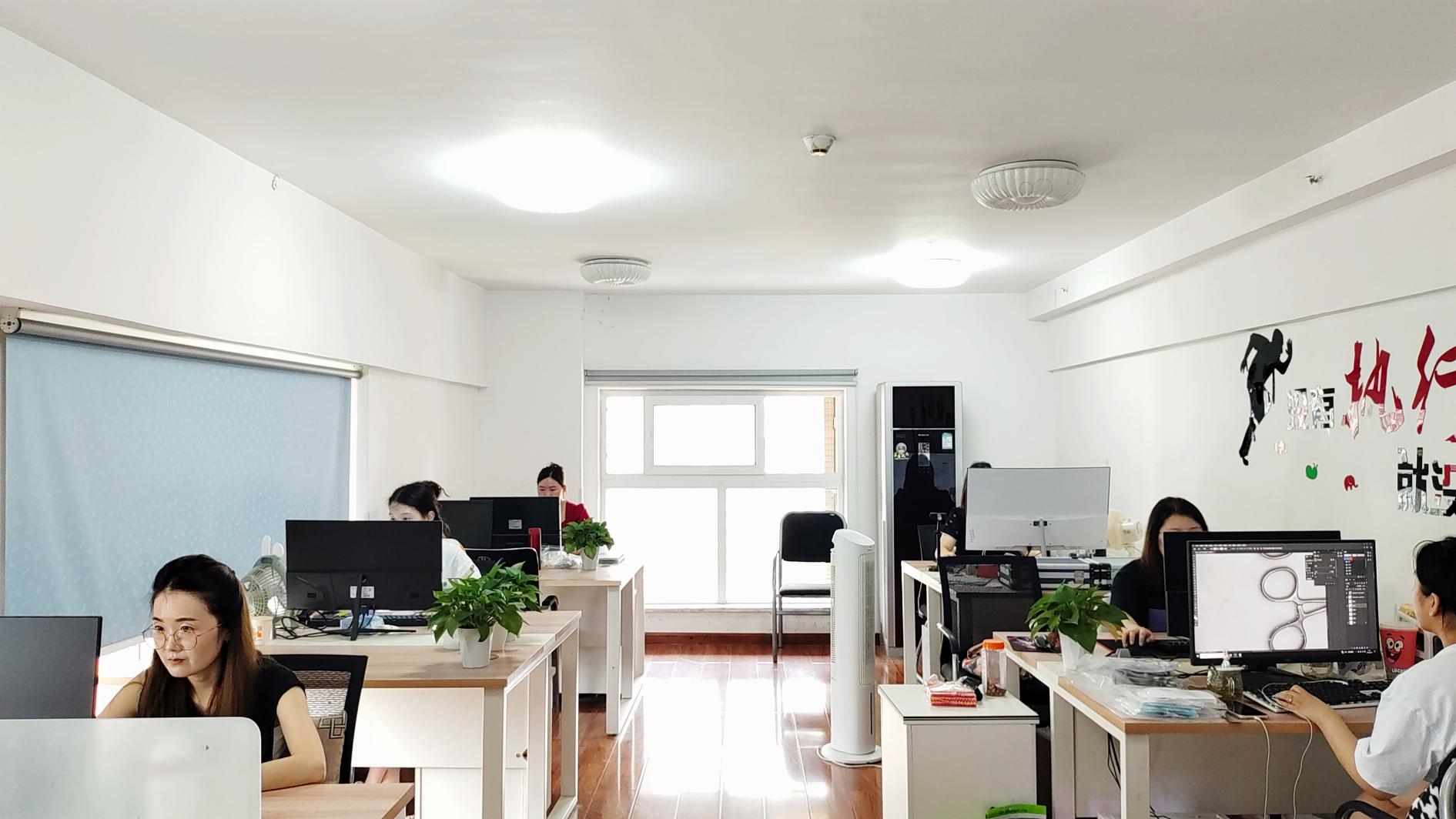
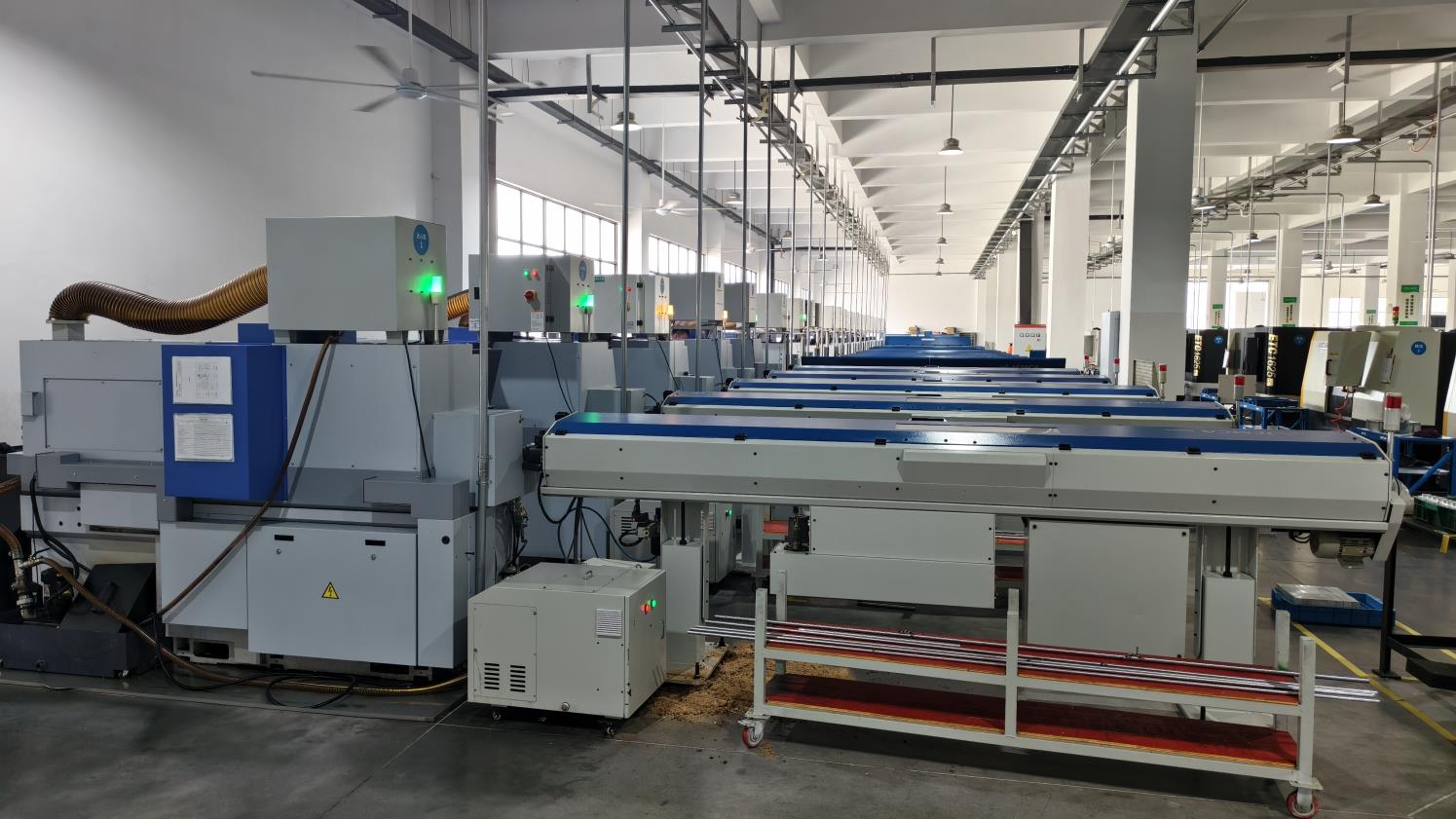
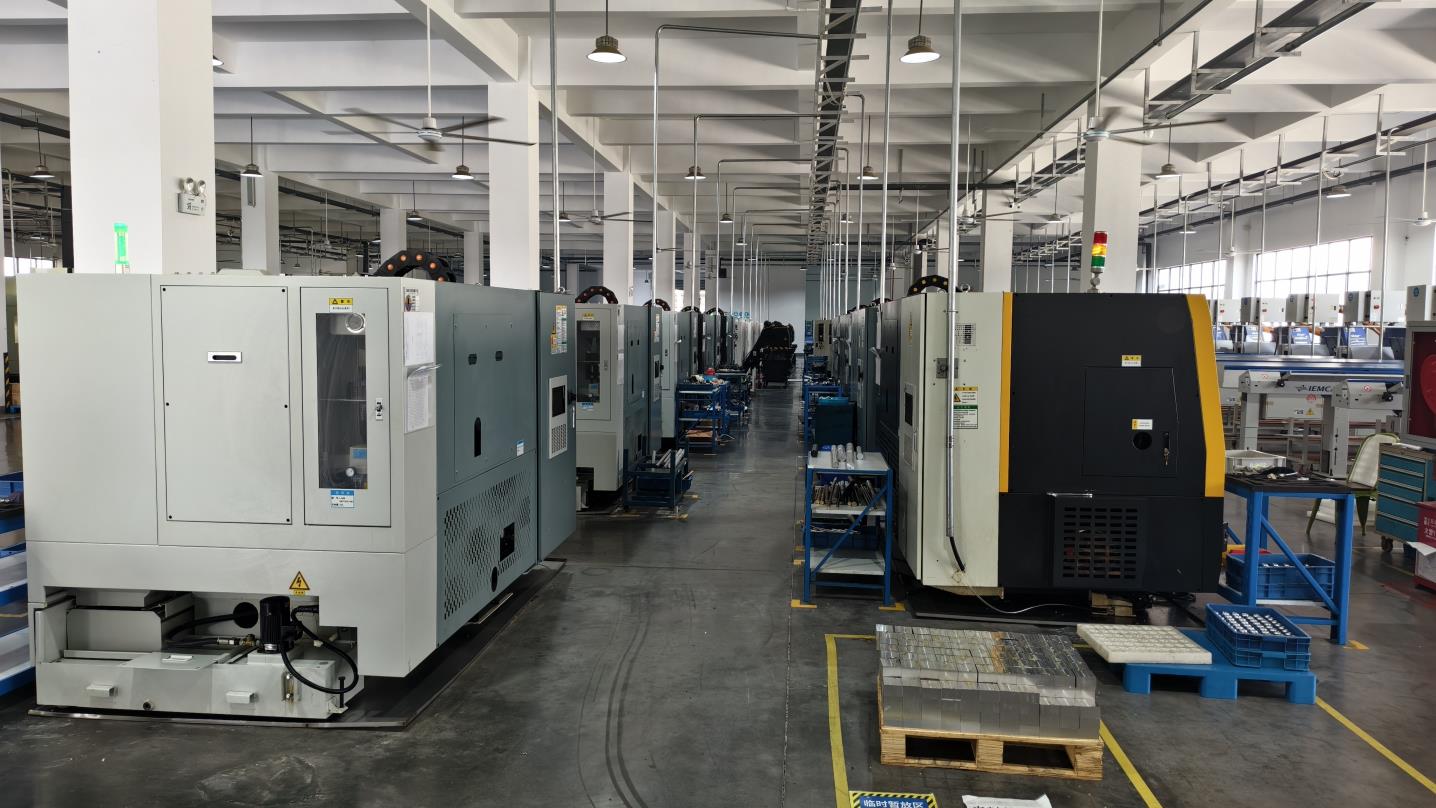
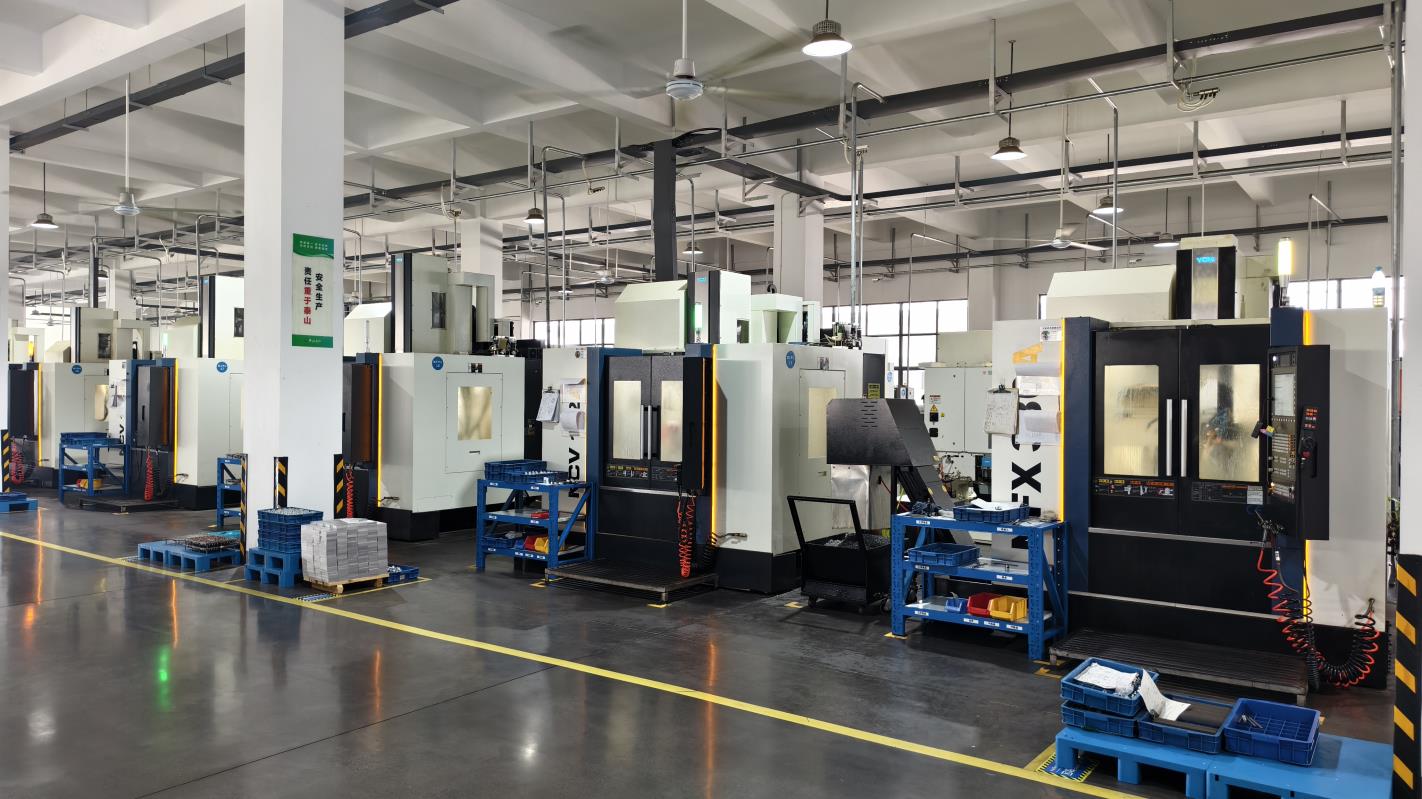
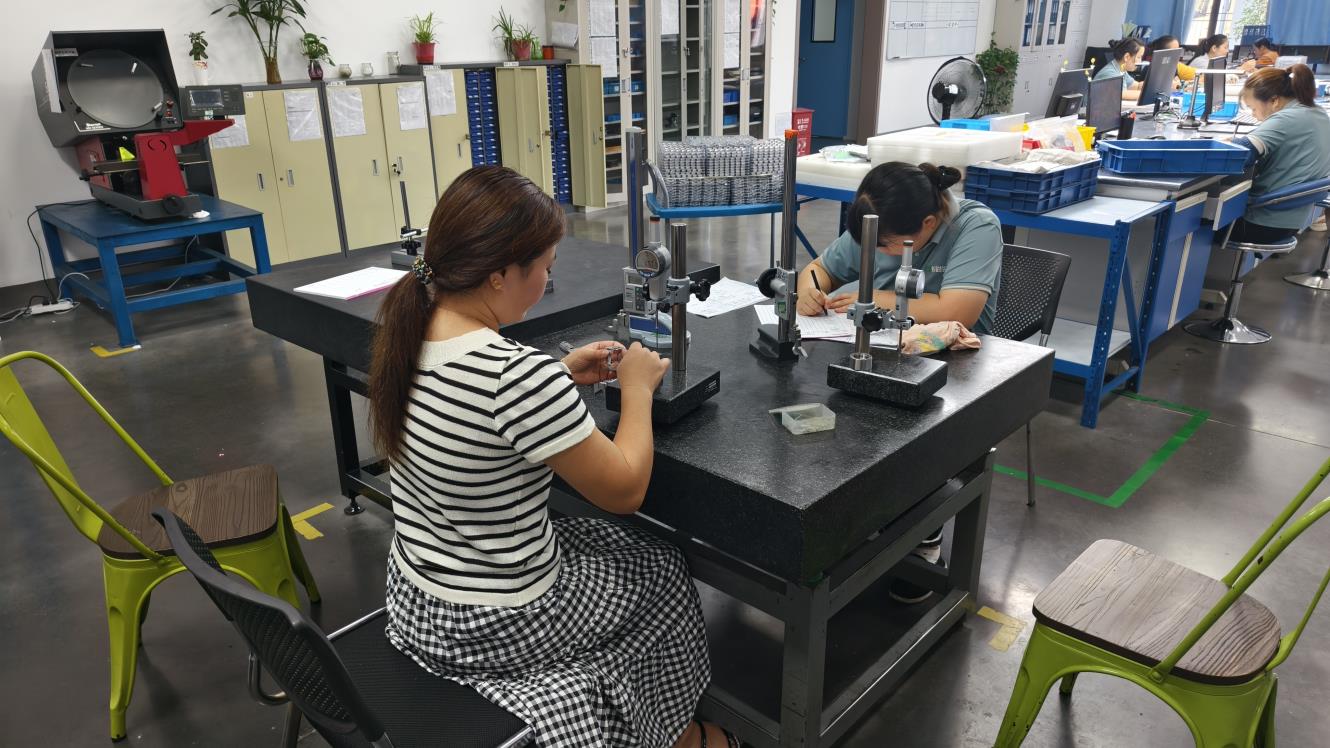
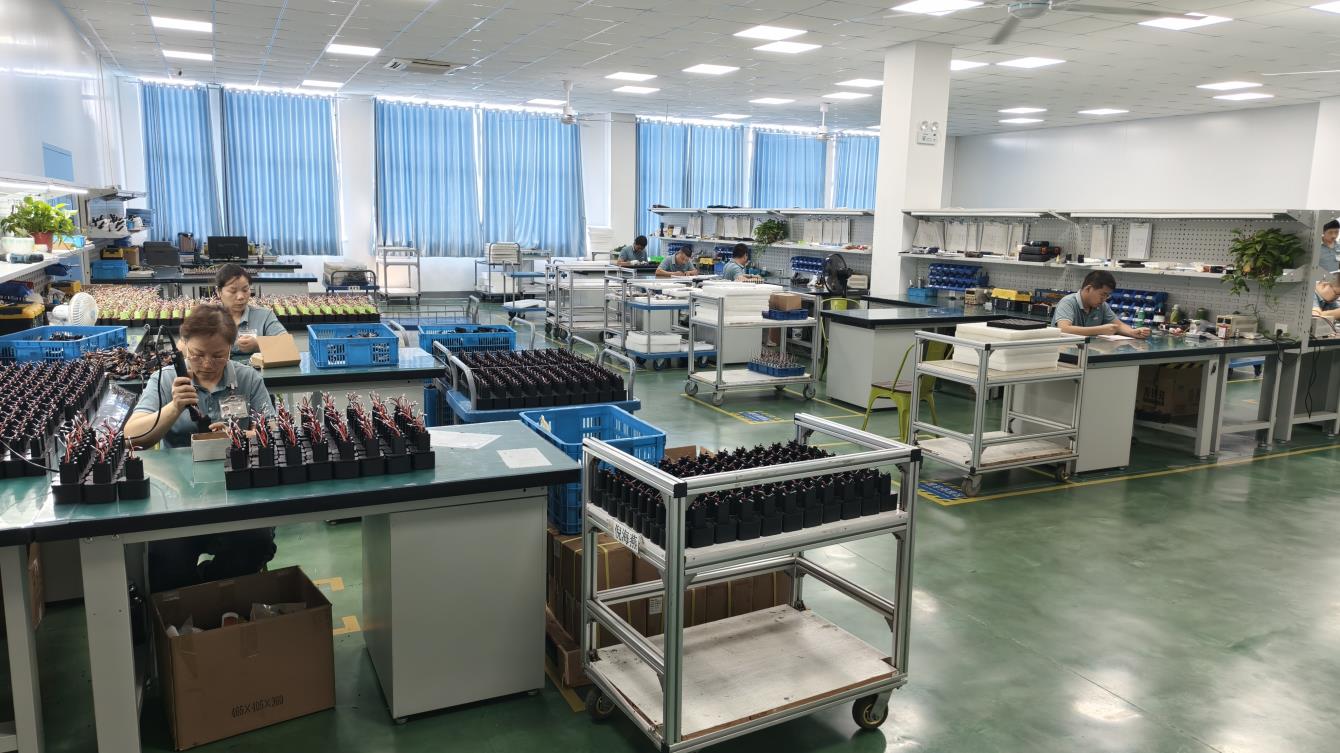
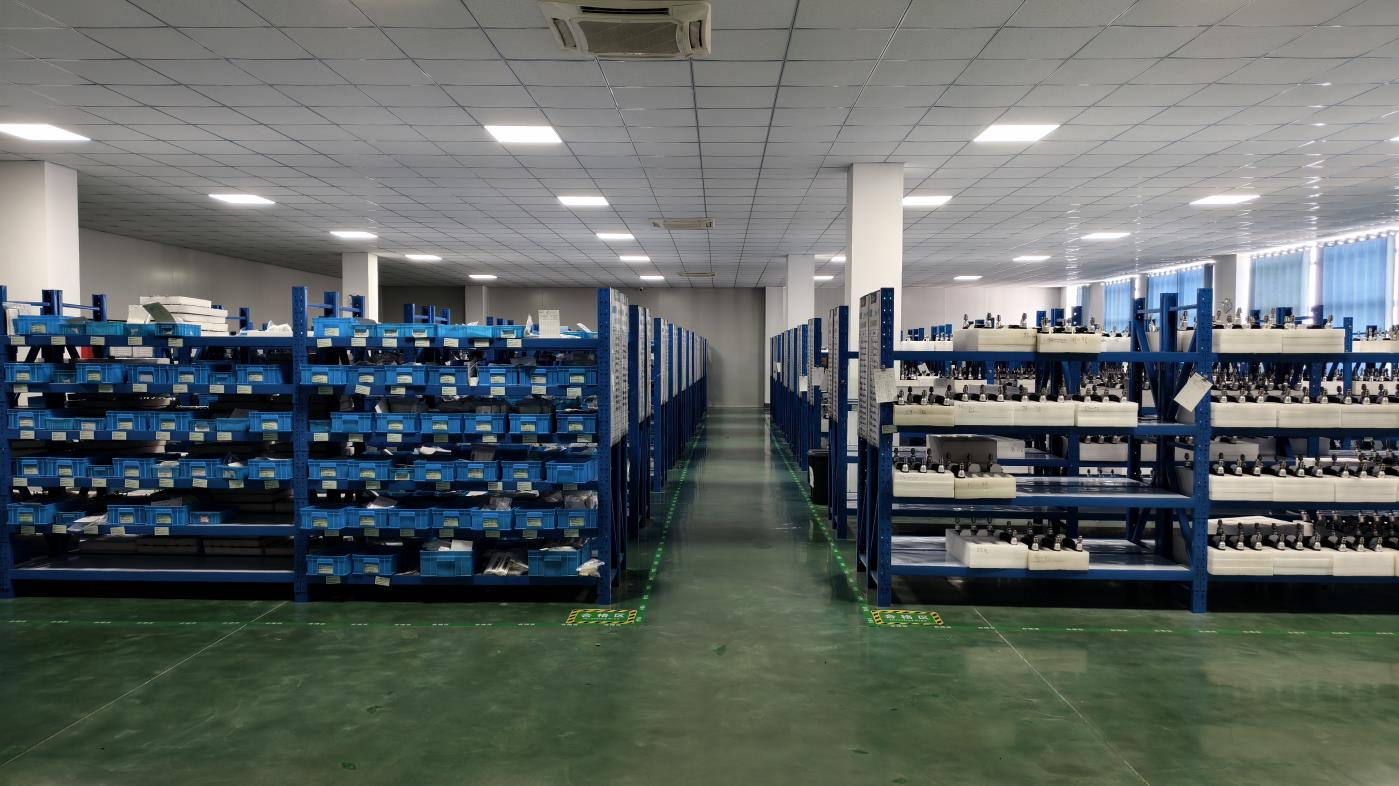
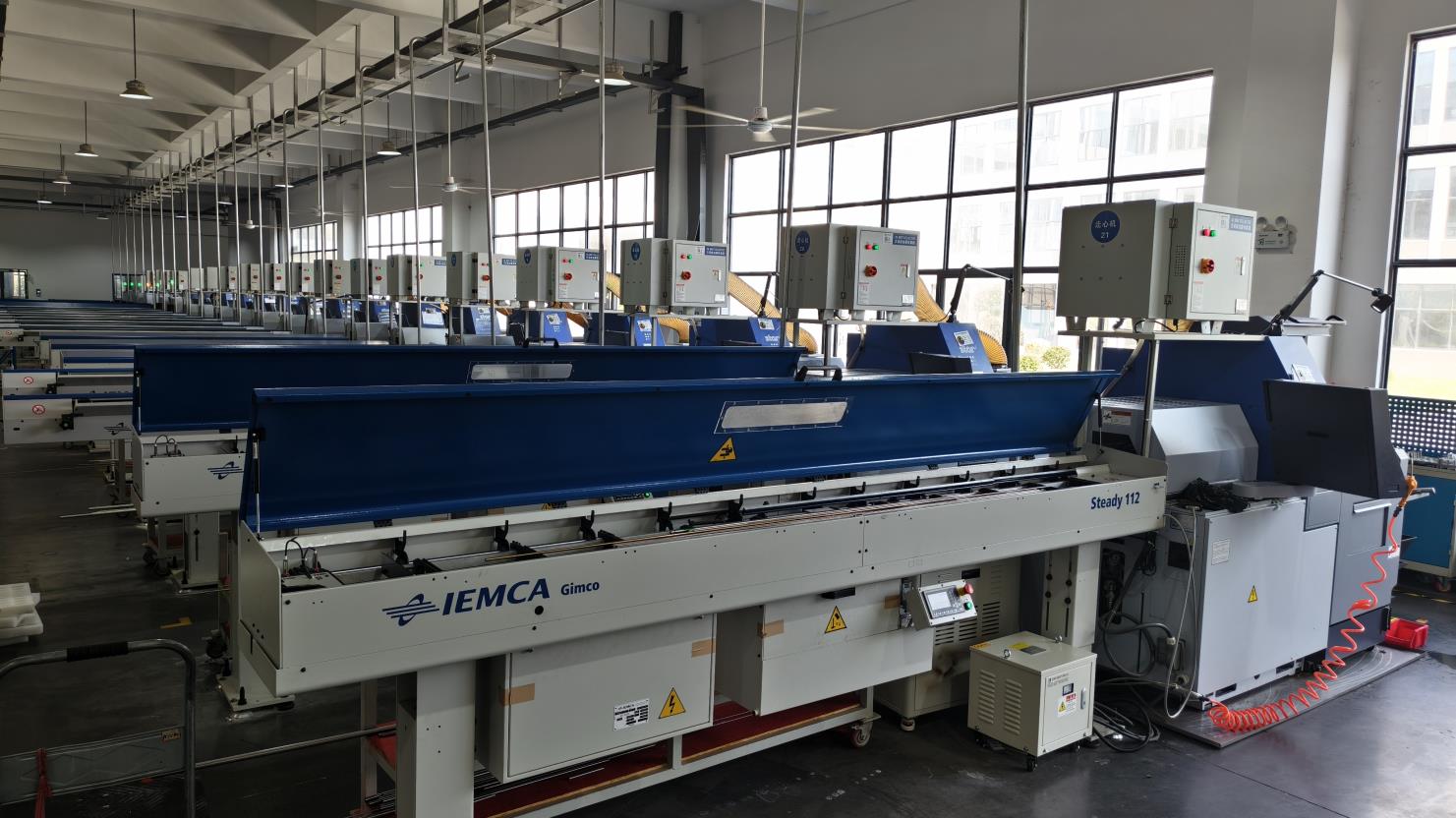
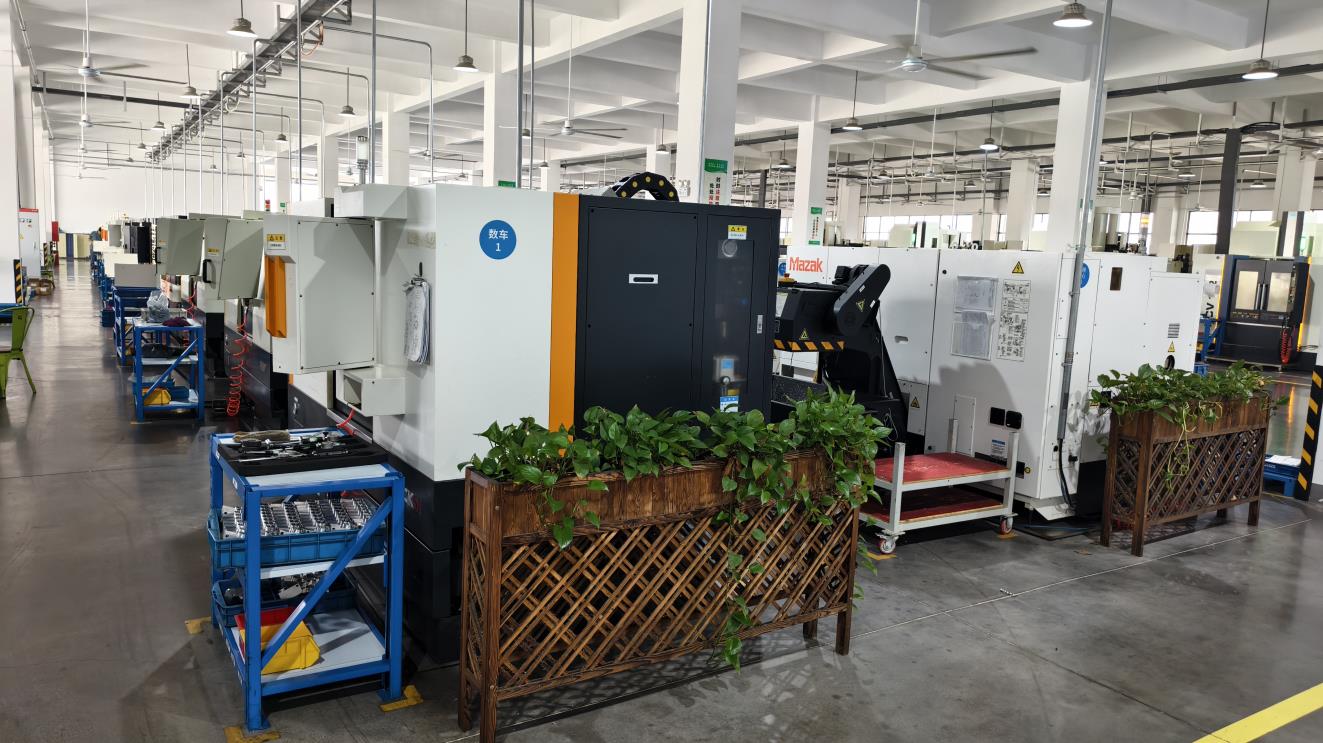
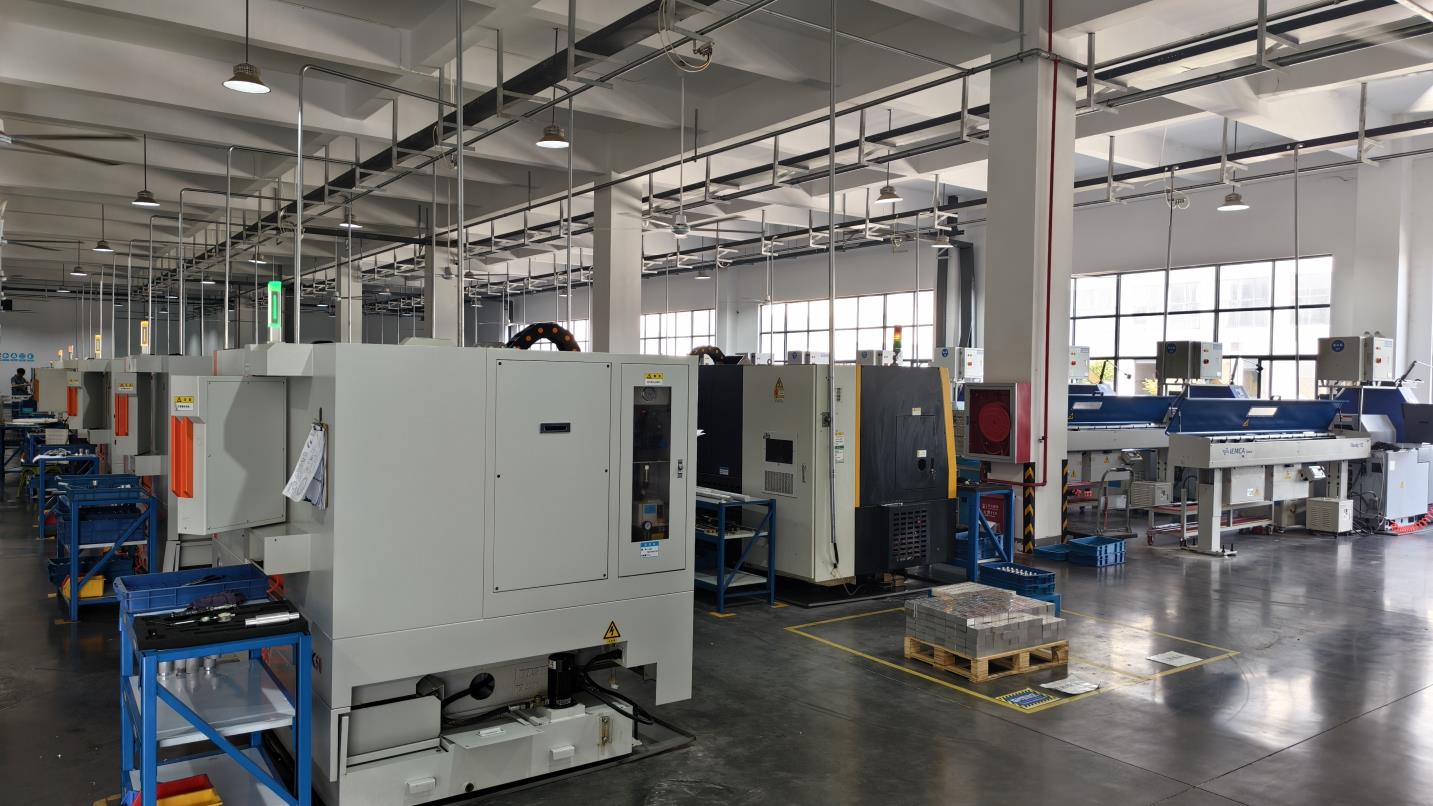
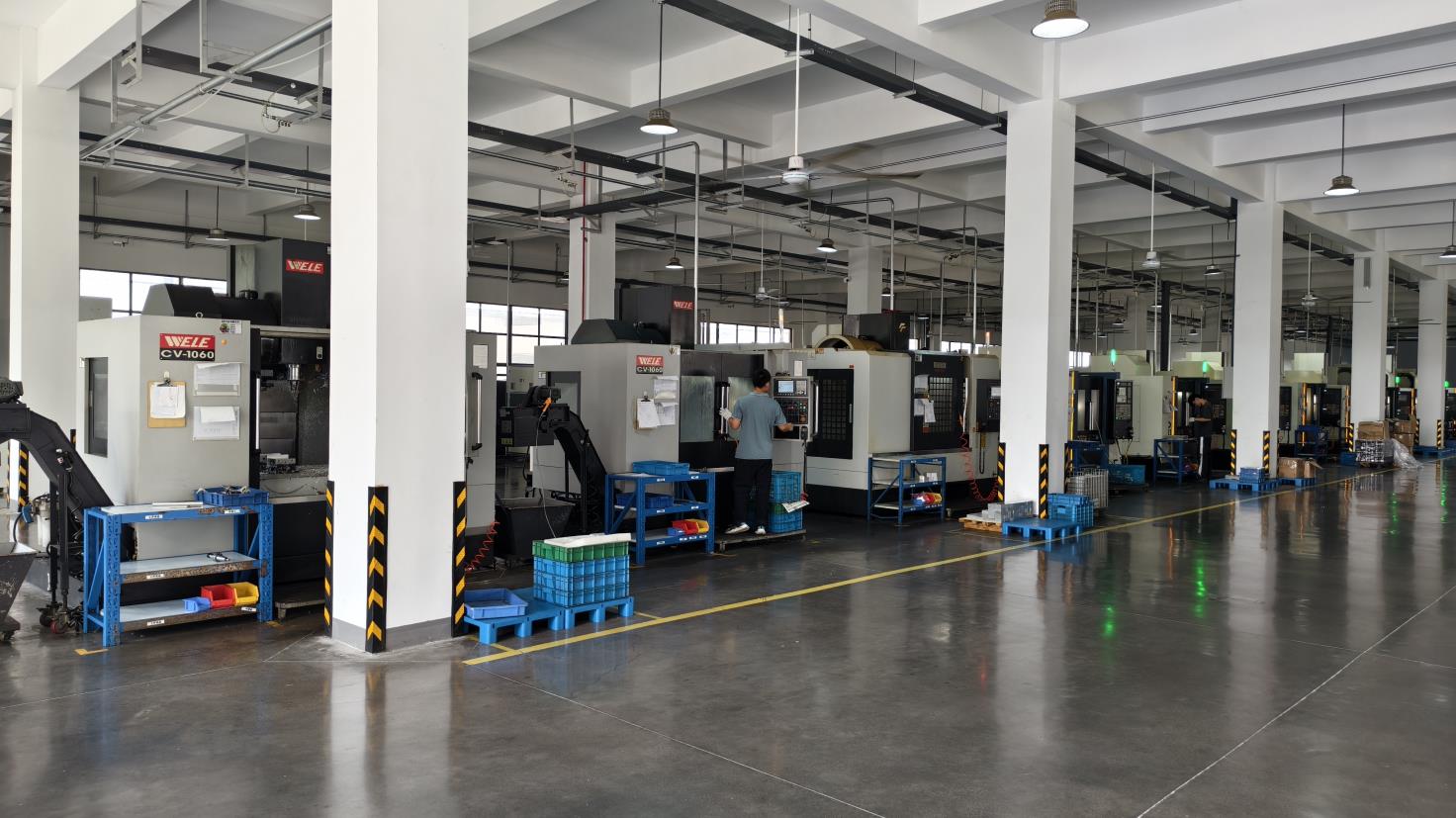
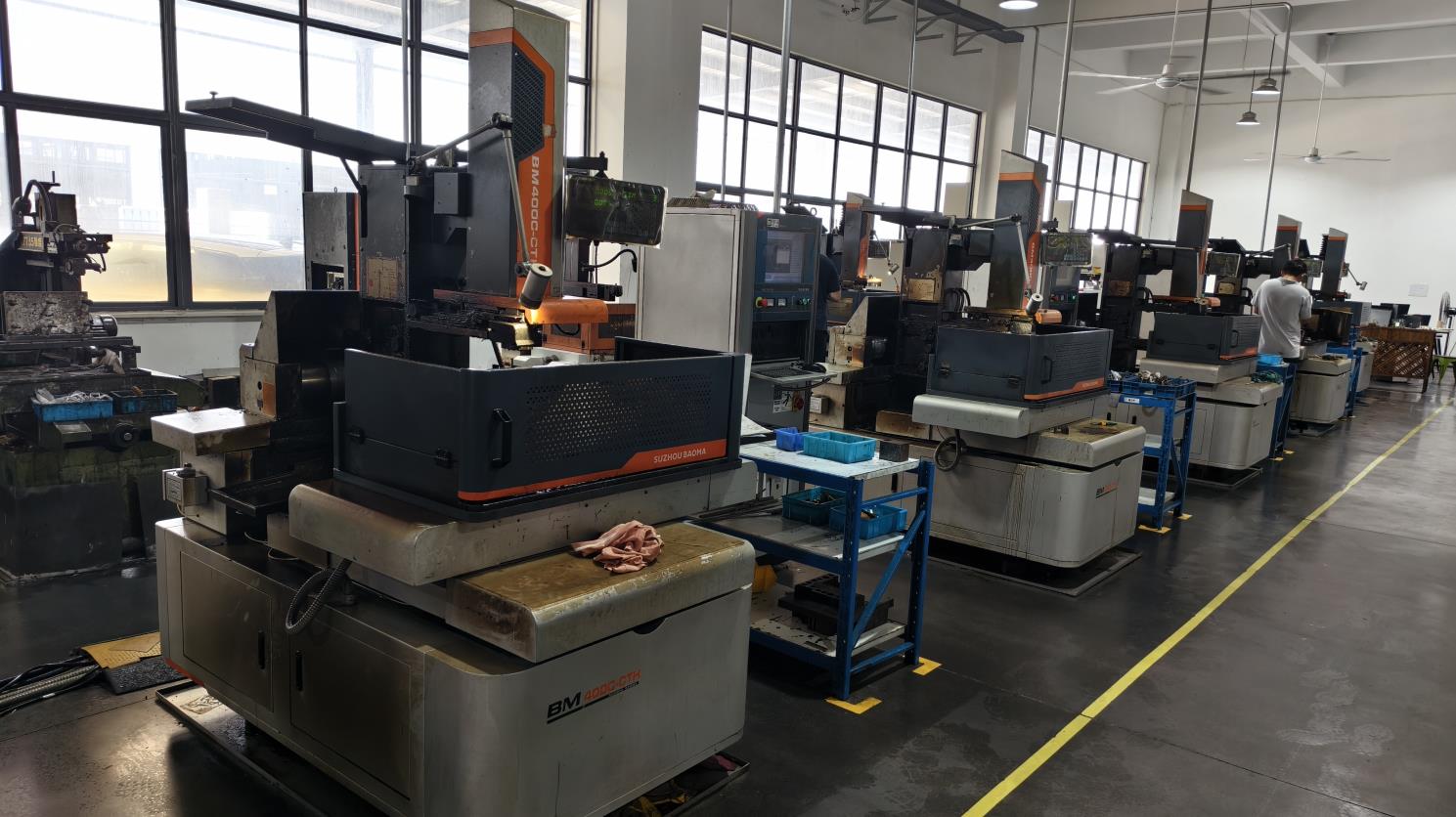
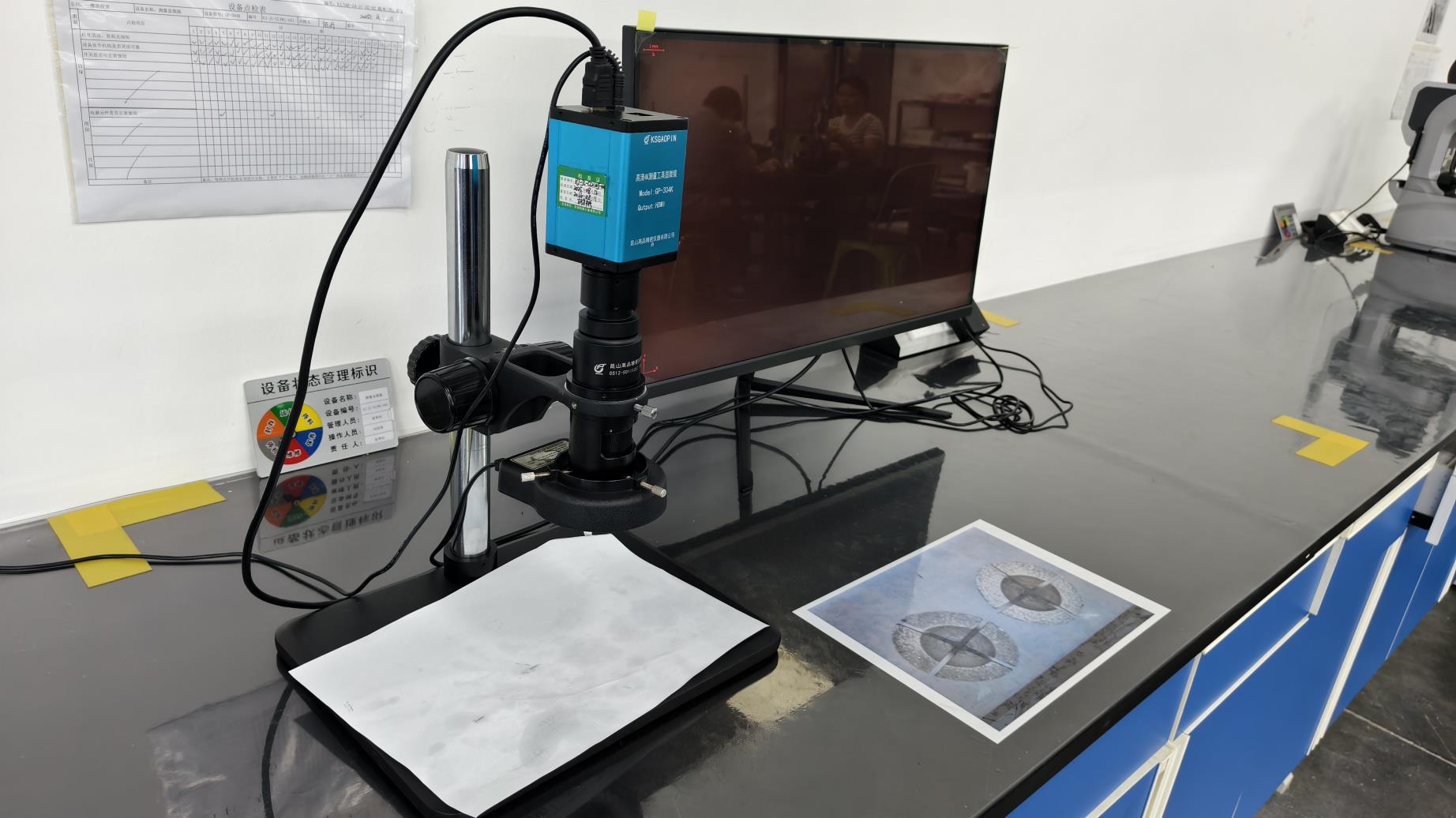
Operating under strict medical quality management systems is essential. We maintain strict control procedures to ensure every instrument matches the chemical makeup of its raw materials and is free from microstructural defects.
Our compliance measures align with FDA Class I/II registrations and CE MDR specifications, making imports straightforward for buyers in Europe and North America.
We perform optical emission spectrometry (OES) on all incoming steel and titanium. Mill test certificates (MTC) are archived for every production batch. This ensures we use only high-grade medical alloys (like ASTM F136 or AISI 420) and avoids low-quality substitutes.
Our MOQs depend on design complexity. Standard instrument designs with custom laser engraving have low MOQs (typically 50-100 units). For brand-new tools requiring custom forge dies or complex CNC programming, the initial MOQ typically starts at 200 units, which covers development and setup costs.
All instruments undergo passivation in nitric or citric acid, which builds a passive chromium oxide layer. When cleaned and sterilized at standard parameters (134°C for 18 minutes), our instruments are highly resistant to pitting, corrosion, and discoloration.
Standard items in stock are shipped within 7-10 working days. Bulk custom orders generally require 35 to 50 days, depending on production line capacity. This allows time for vacuum heat treatment, polishing, and quality testing.
Our QA/QC team performs a final check on every batch. This includes dimensional checks, joint alignment, surface roughness testing (Ra value), and corrosion resistance checks to confirm the tools are ready for clinical use.
Precision tools designed for veterinary orthopedics, micro-neurosurgery, and specialized trauma procedures.