SENJIE Healthy & Technology
SENJIE Healthy & Technology
SENJIE Healthy & Technology
Explore our flagship precision-engineered surgical devices crafted under strict ISO 13485 regulations for global medical institutions.
The global demand for high-precision, premium-grade surgical instrument sets has prompted medical device distributors, hospitals, and veterinary clinics to shift their sourcing paradigms towards specialized Chinese manufacturing hubs. Modern Chinese medical device factories have evolved from simple OEM suppliers to advanced R&D partners capable of designing intricate biomechanical tools.
Selecting the right manufacturer requires looking beyond competitive pricing. A qualified partner must demonstrate robust mechanical engineering, compliant metallurgical composition, strict sterile barrier packaging compatibility, and complete compliance with international regulatory bodies (FDA, CE, and ISO 13485).
How China's medical supply chain leverages advanced technology, raw material ecosystems, and scale to deliver world-class surgical tools.
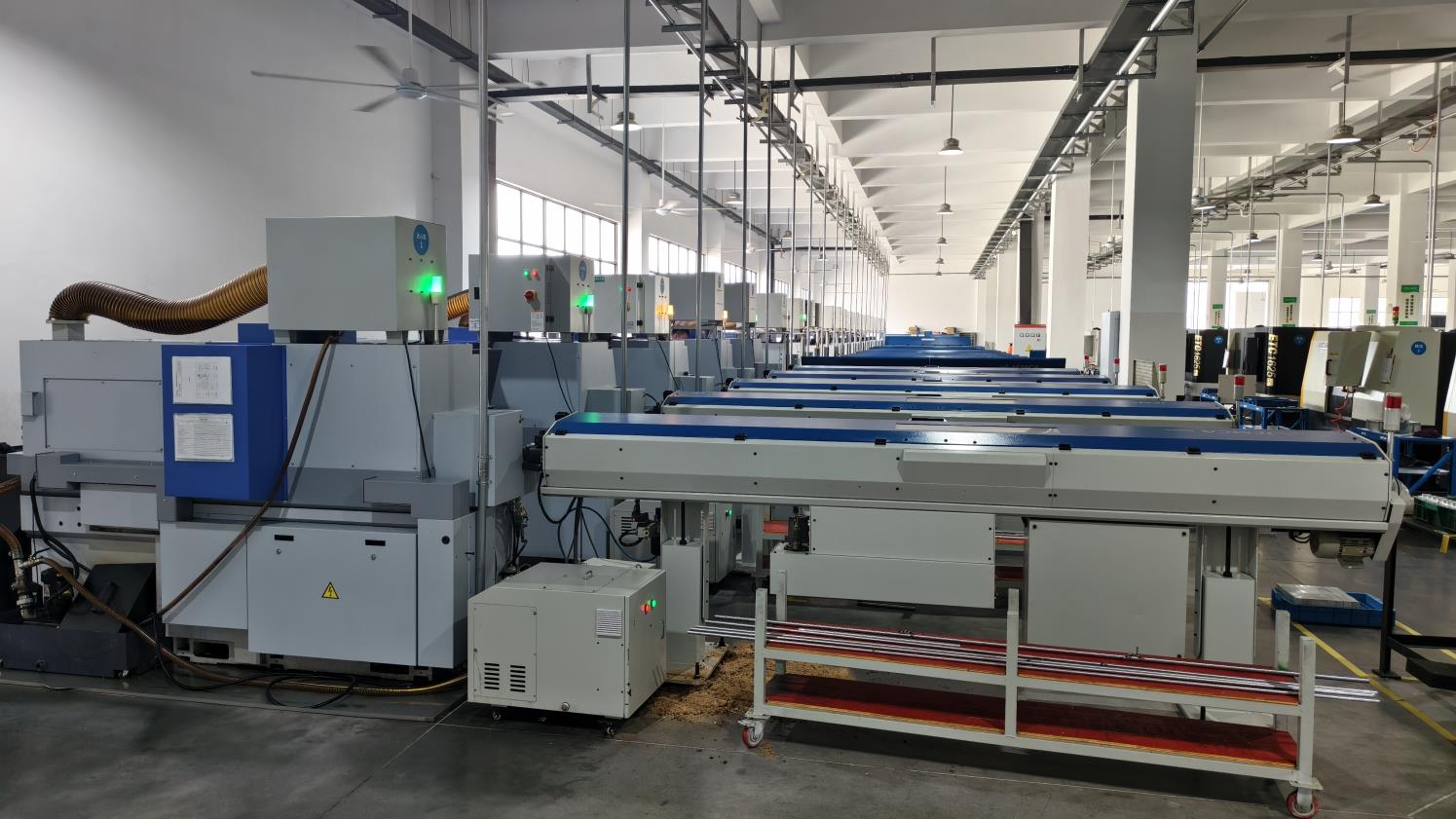
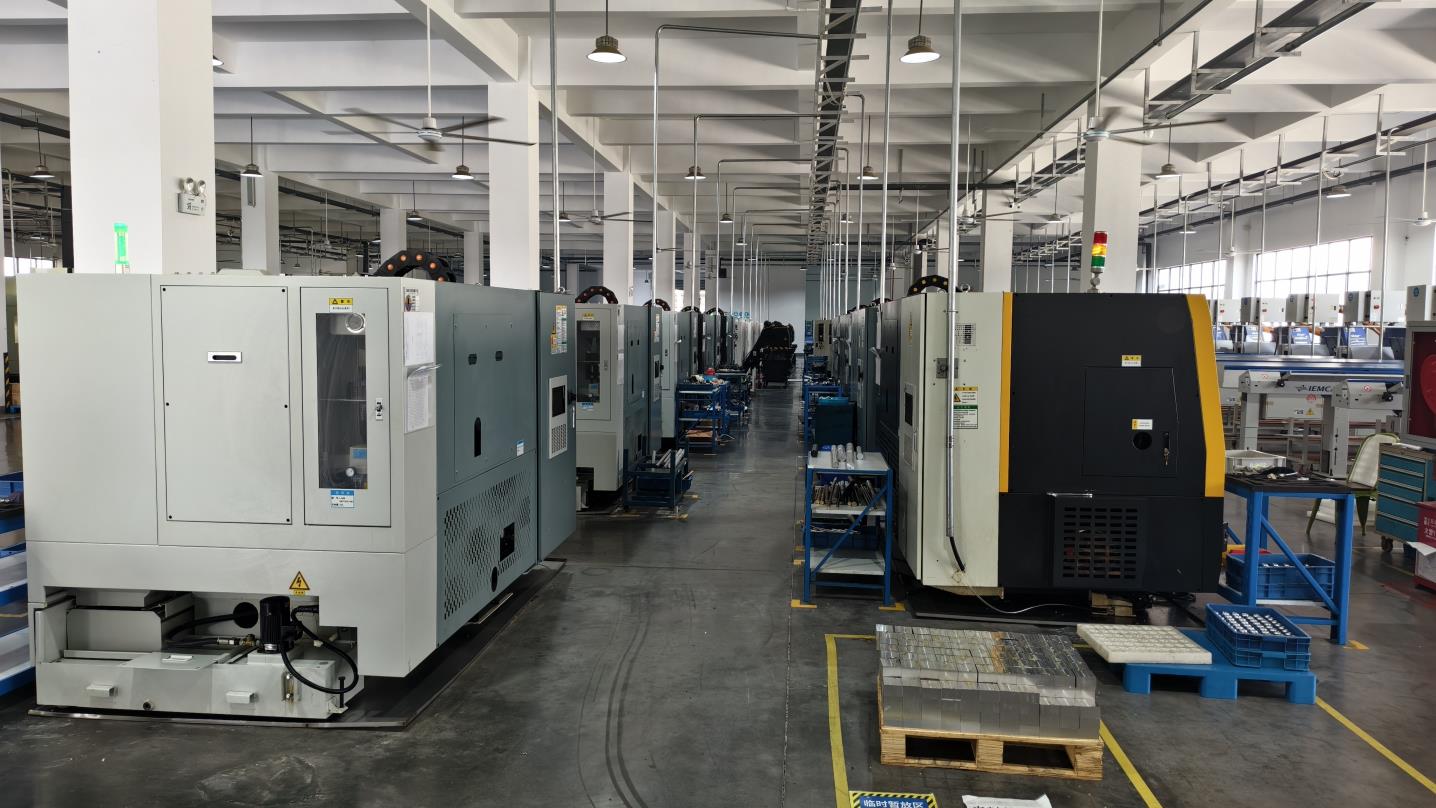
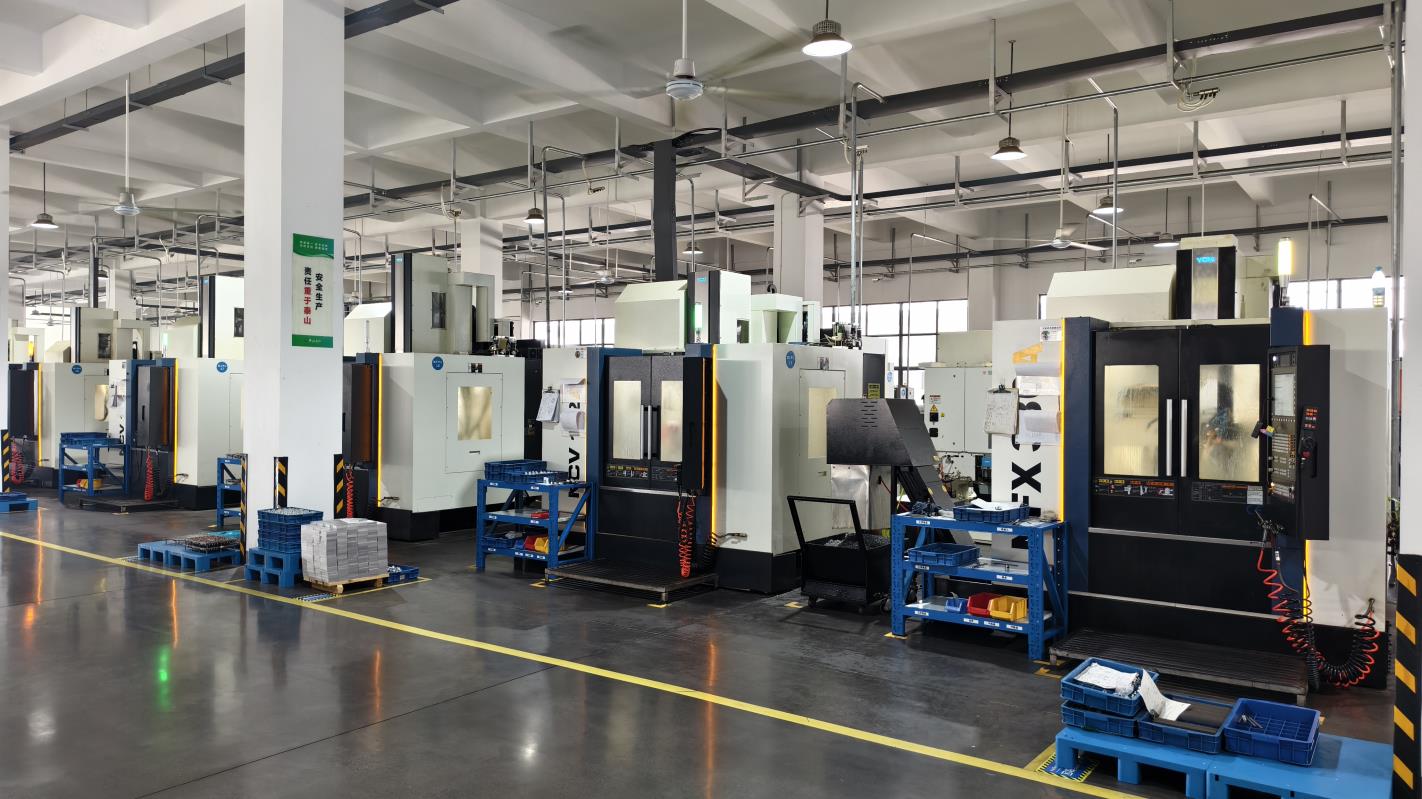
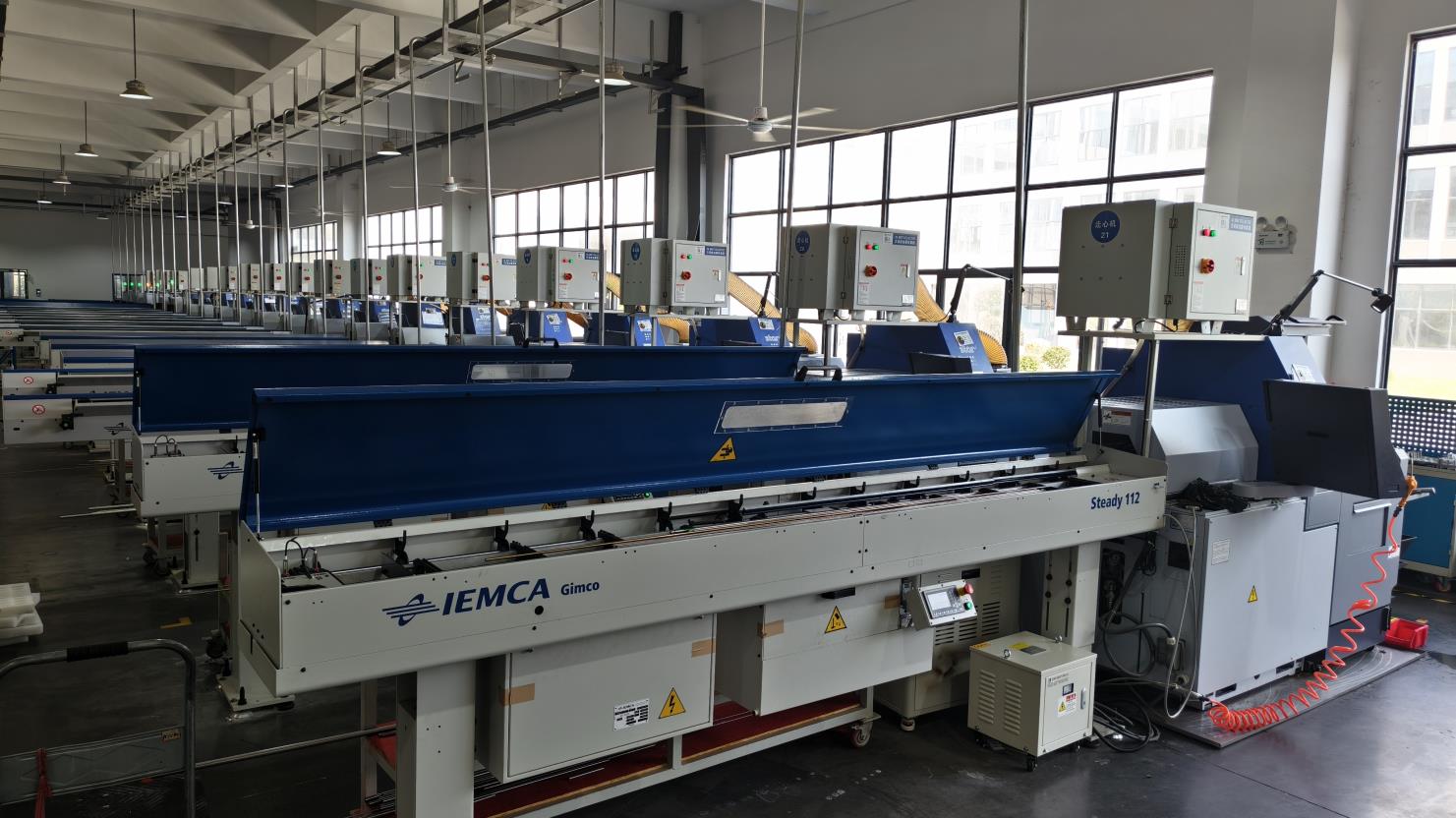
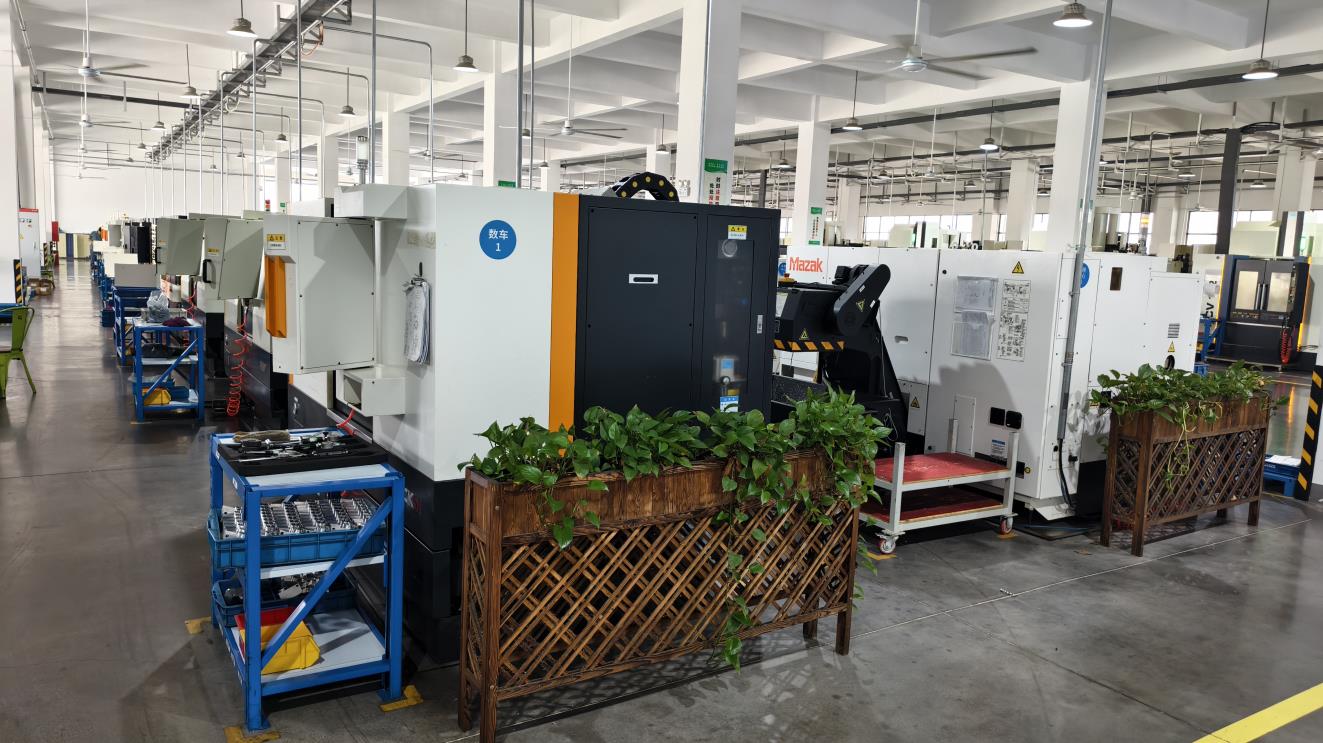
Using 5-axis CNC machining and electrical discharge machining (EDM), factories achieve dimensional tolerances as narrow as ±0.005mm. This guarantees that multi-part instruments like bone retractors and drill guides assemble and function with zero mechanical play.
To combat the harsh, humid, and chemical environment of autoclave sterilization cycles, leading factories employ state-of-the-art nitric or citric acid passivation. This creates an inert chromium oxide layer, effectively preventing rusting and pitting over thousands of uses.
Premium manufacturers mandate batch-by-batch chemical analysis. Every shipment of raw steel is validated by optical emission spectrometry (OES) to confirm exact percentages of Chromium, Nickel, and Carbon, providing clients with certified Mill Test Reports (MTR).
A closer look at the concrete manufacturing capacity, quality control setups, and global market reach that support our supply chain operations.
North America: 25% | South America: 25% | Southeast Asia: 15%
Serving brand businesses, top medical distributors, wholesalers, and private clinics.
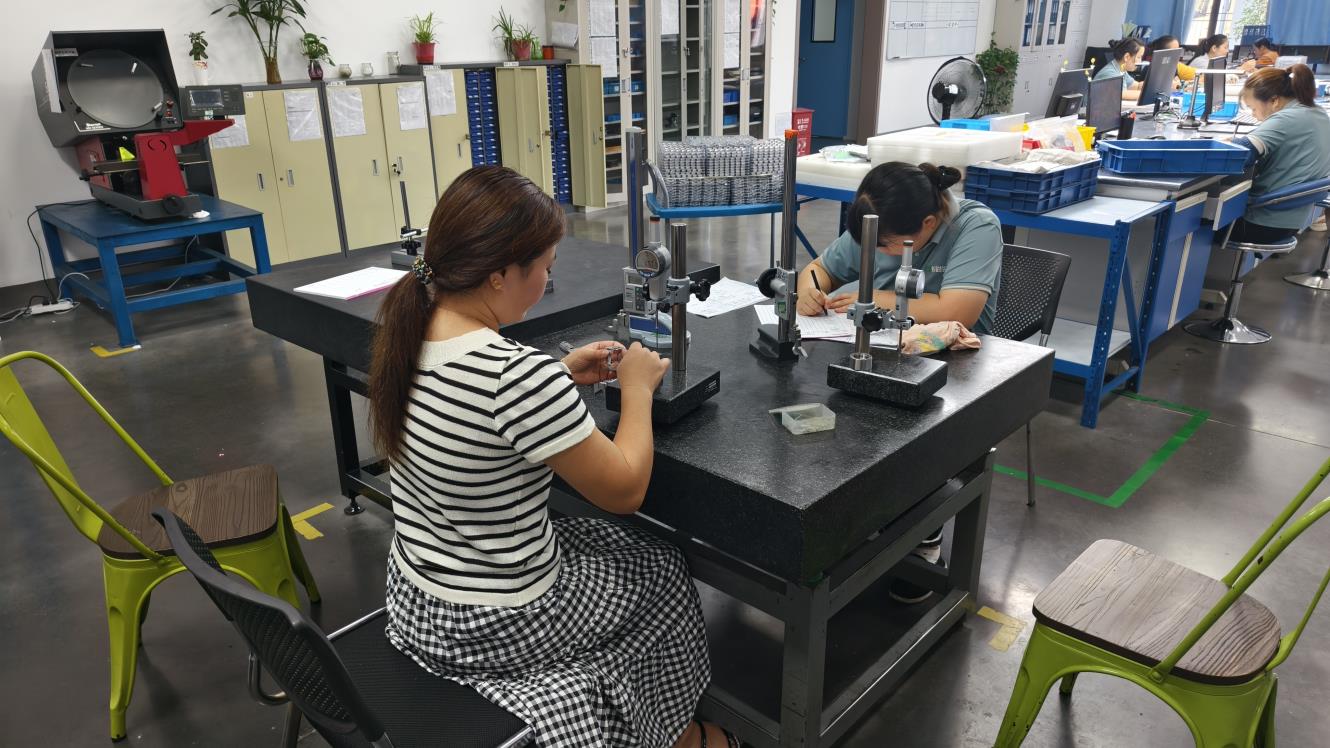
Inspection Method: Random inspections and rigorous pre-shipment tests aligned strictly to client-specific protocols.
Fully capable of sample processing, graphic customization (CAD/CAM blueprint processing), and tailored customization on demand.
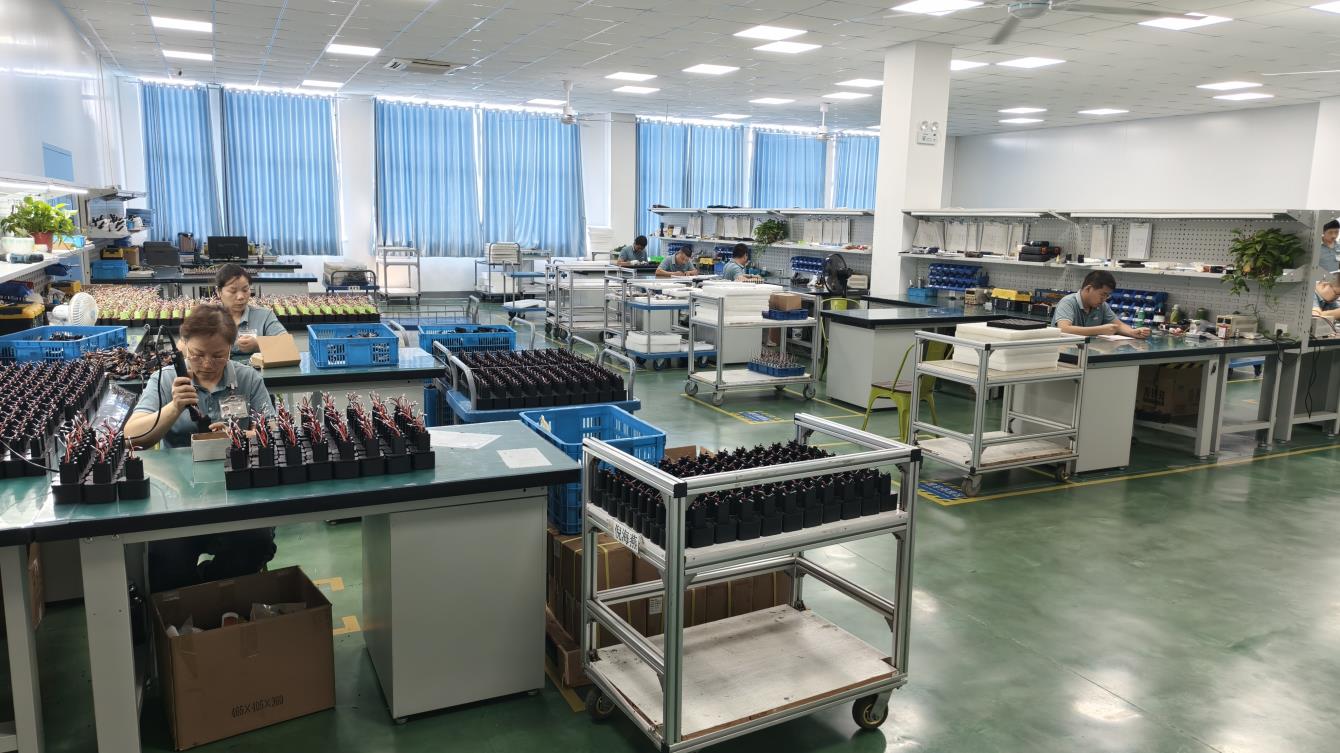
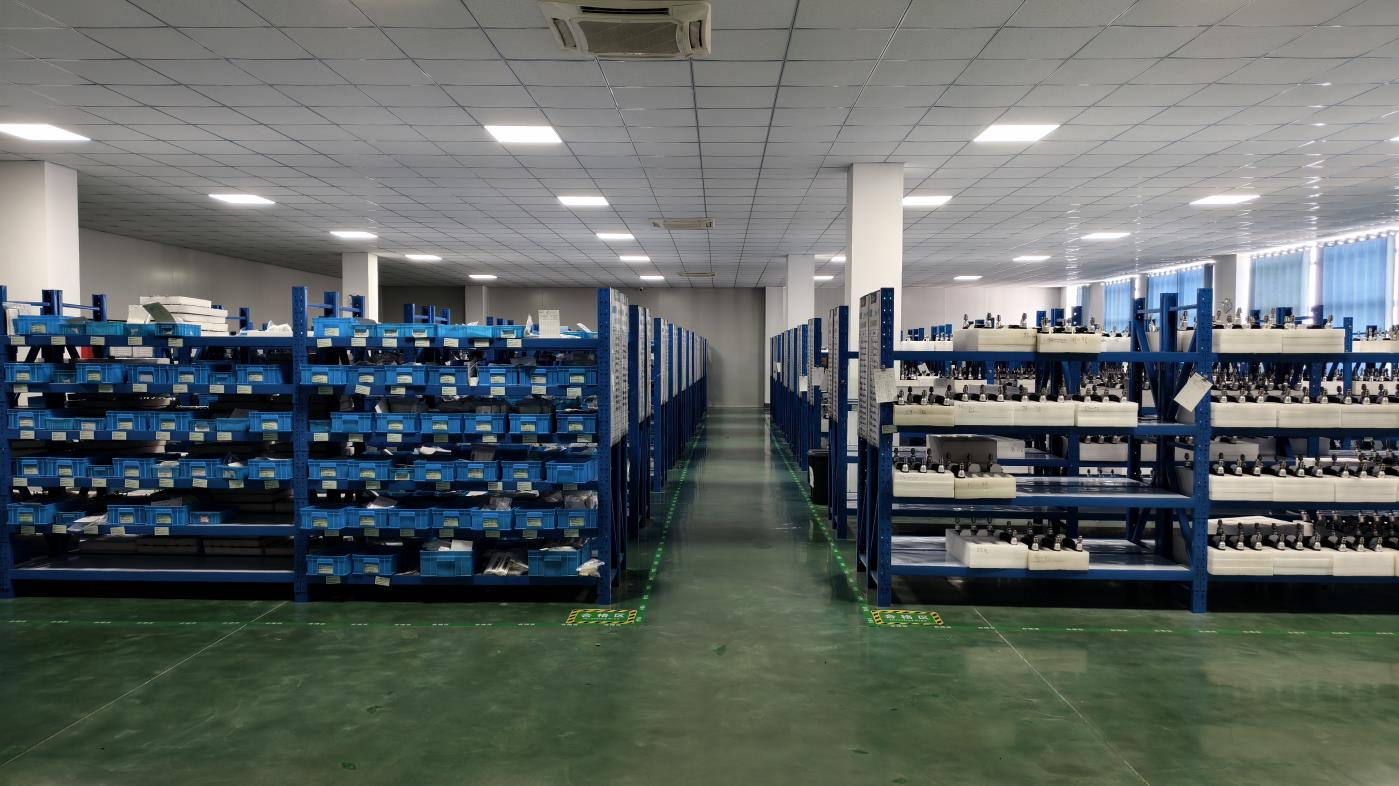
Real, unfiltered factory floor, laboratory, and inventory storage snapshots demonstrating high-capacity operations and sterile assembly standards.

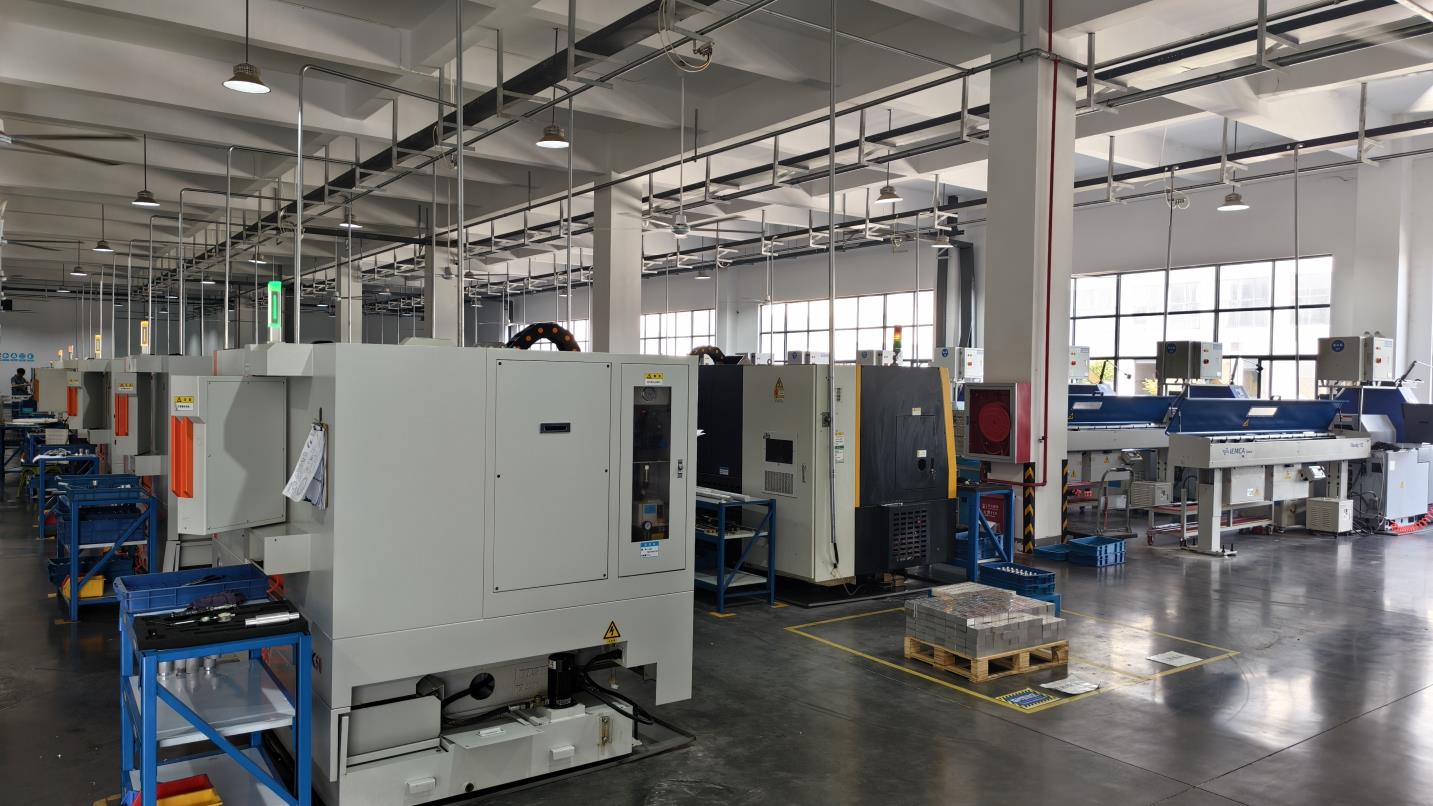
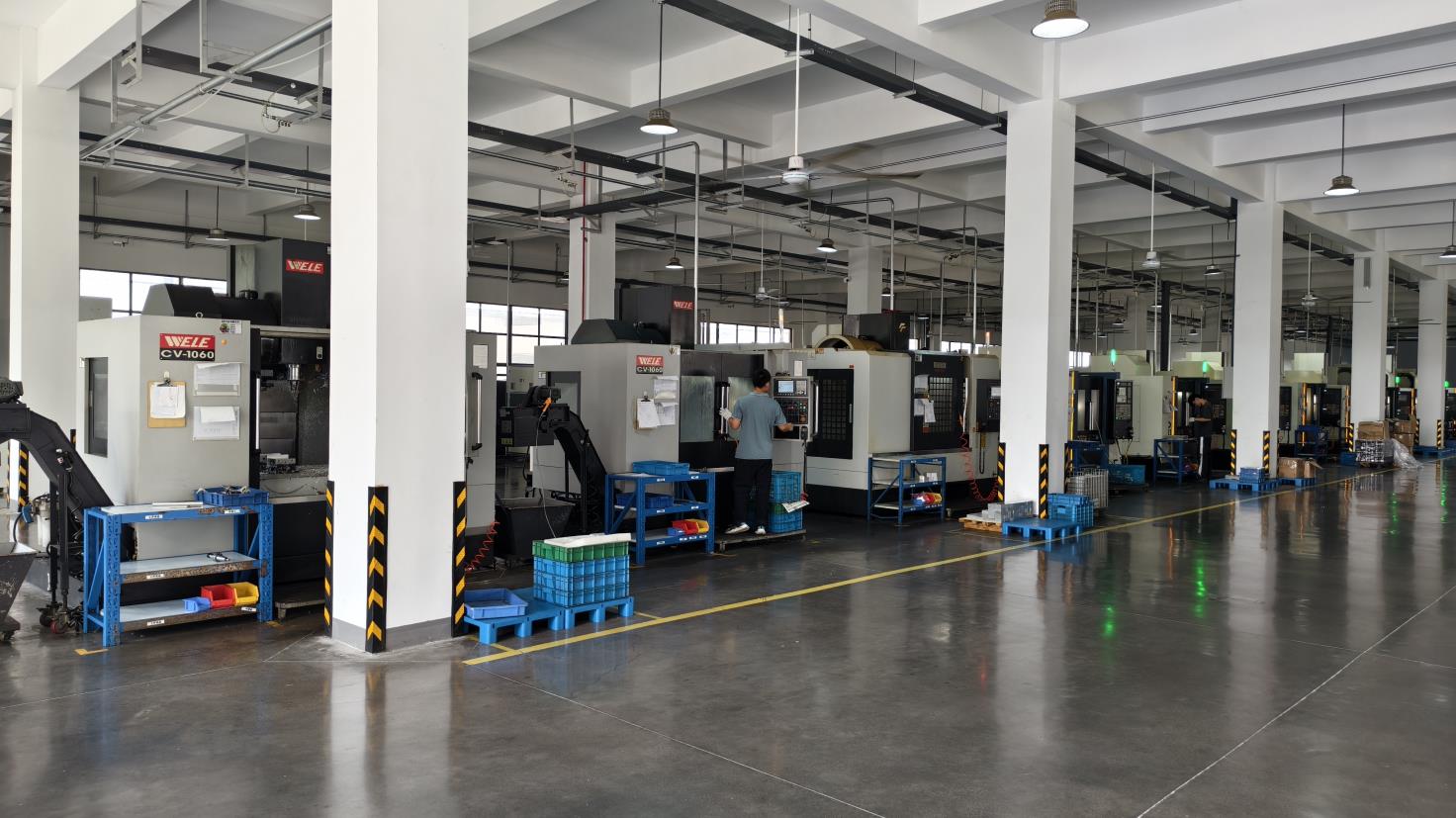
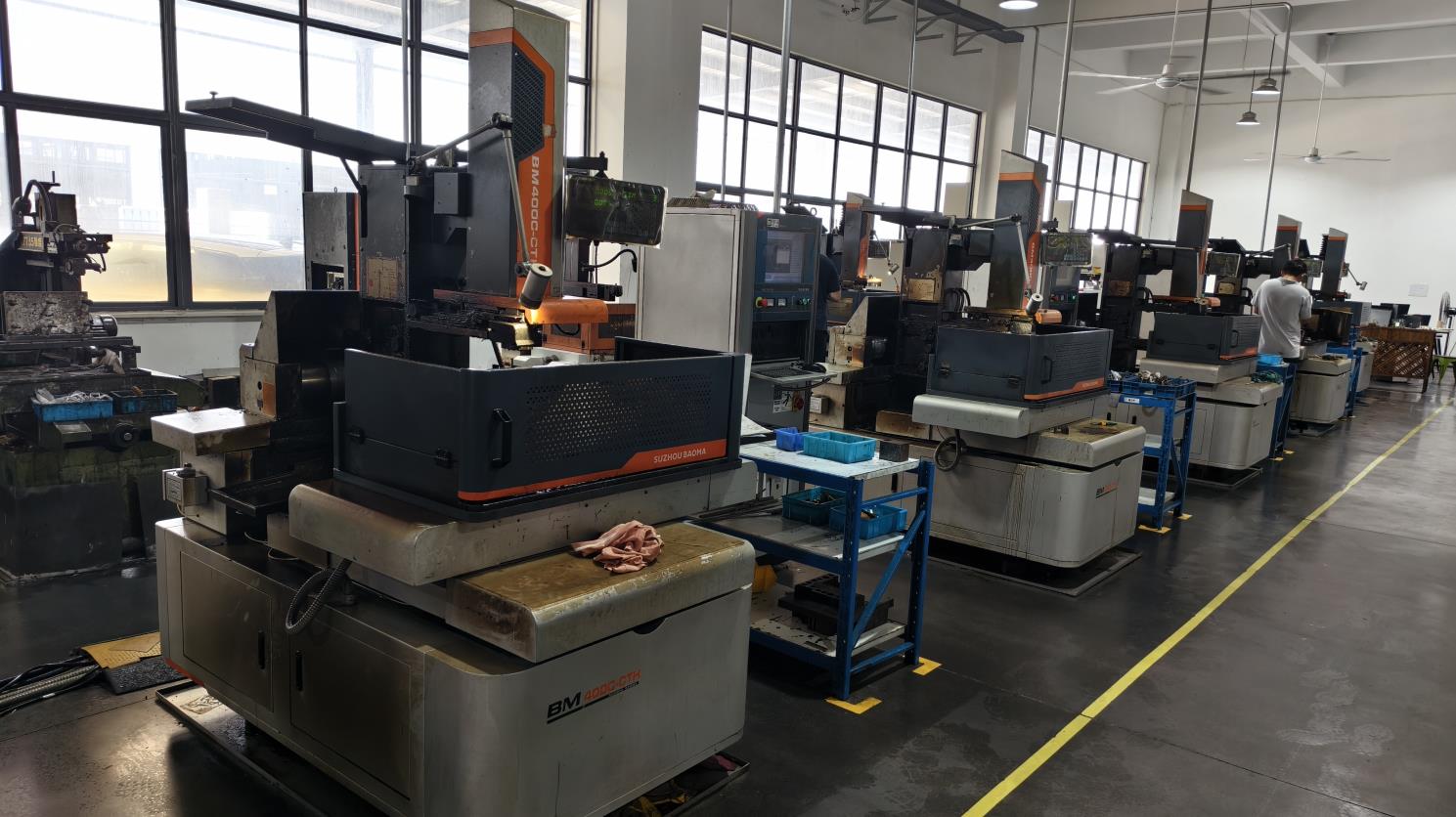
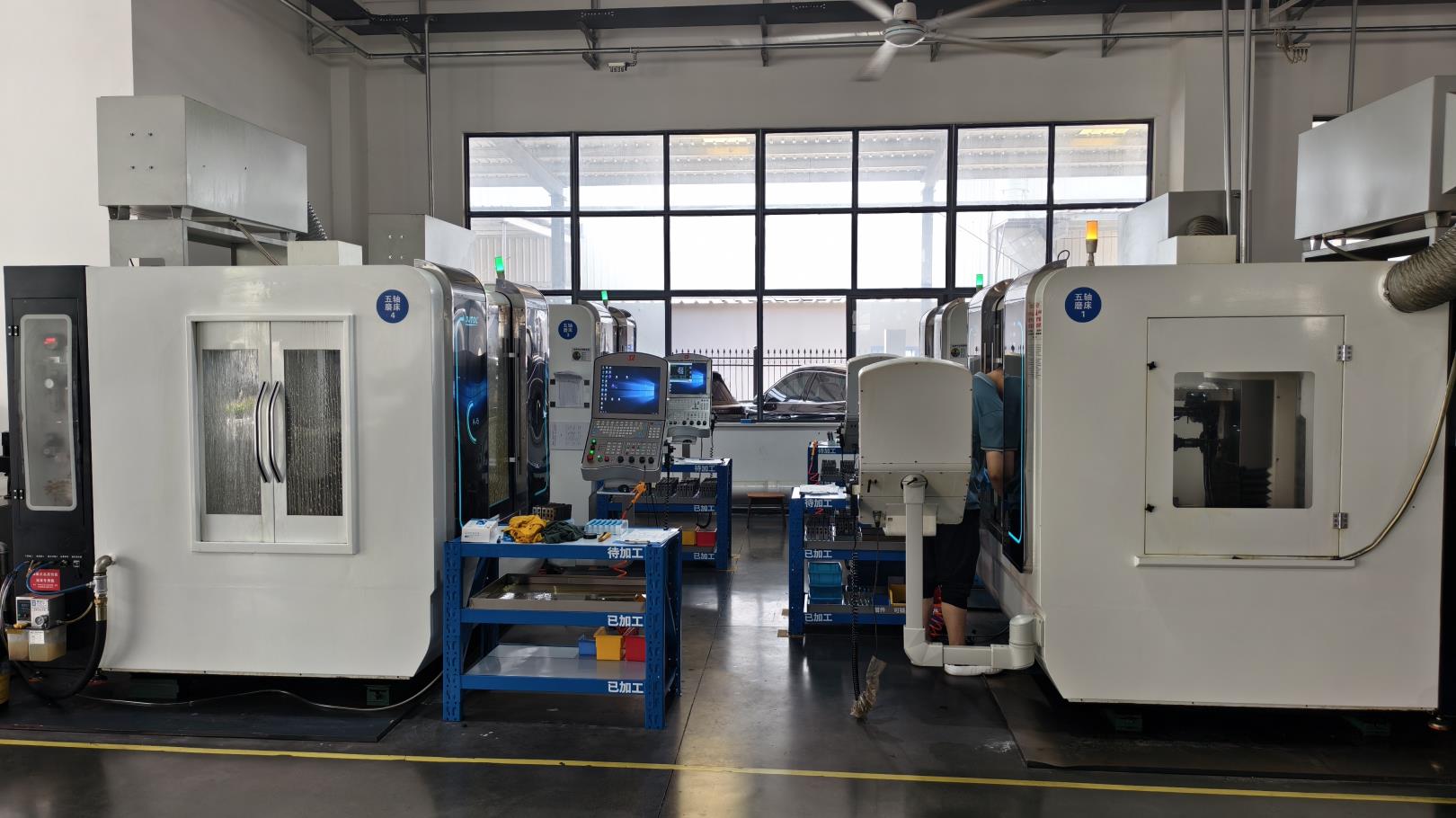
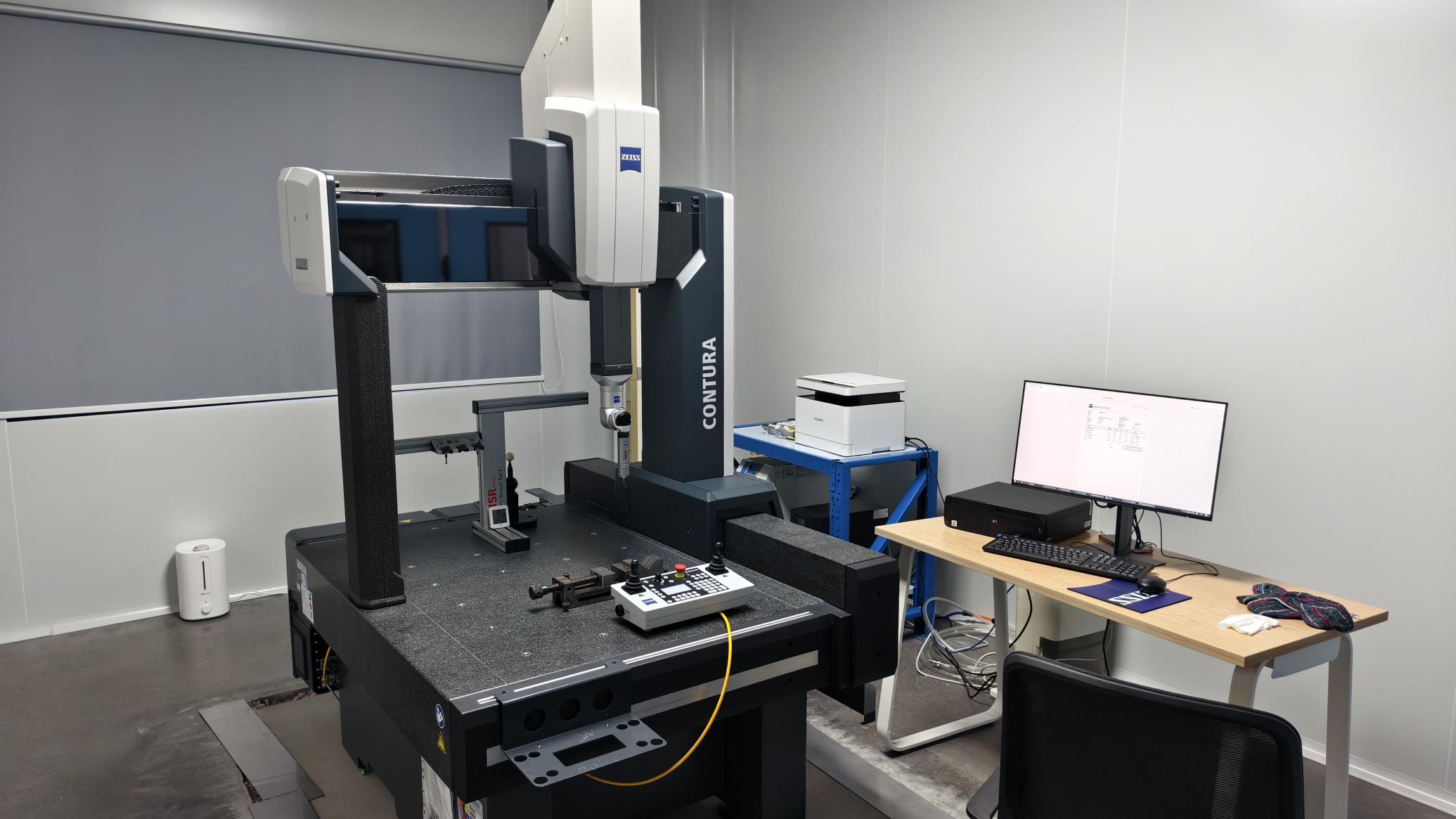
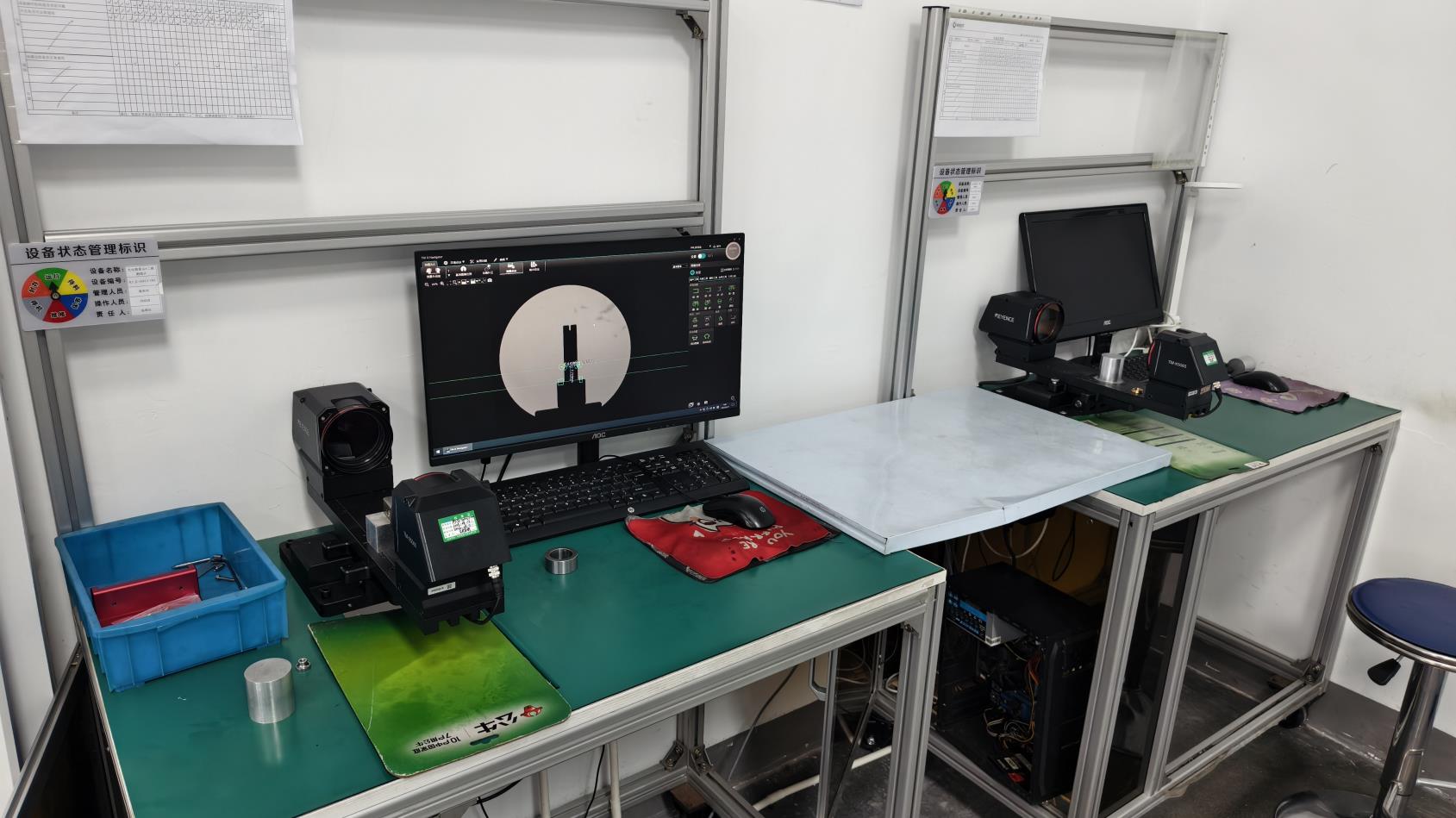
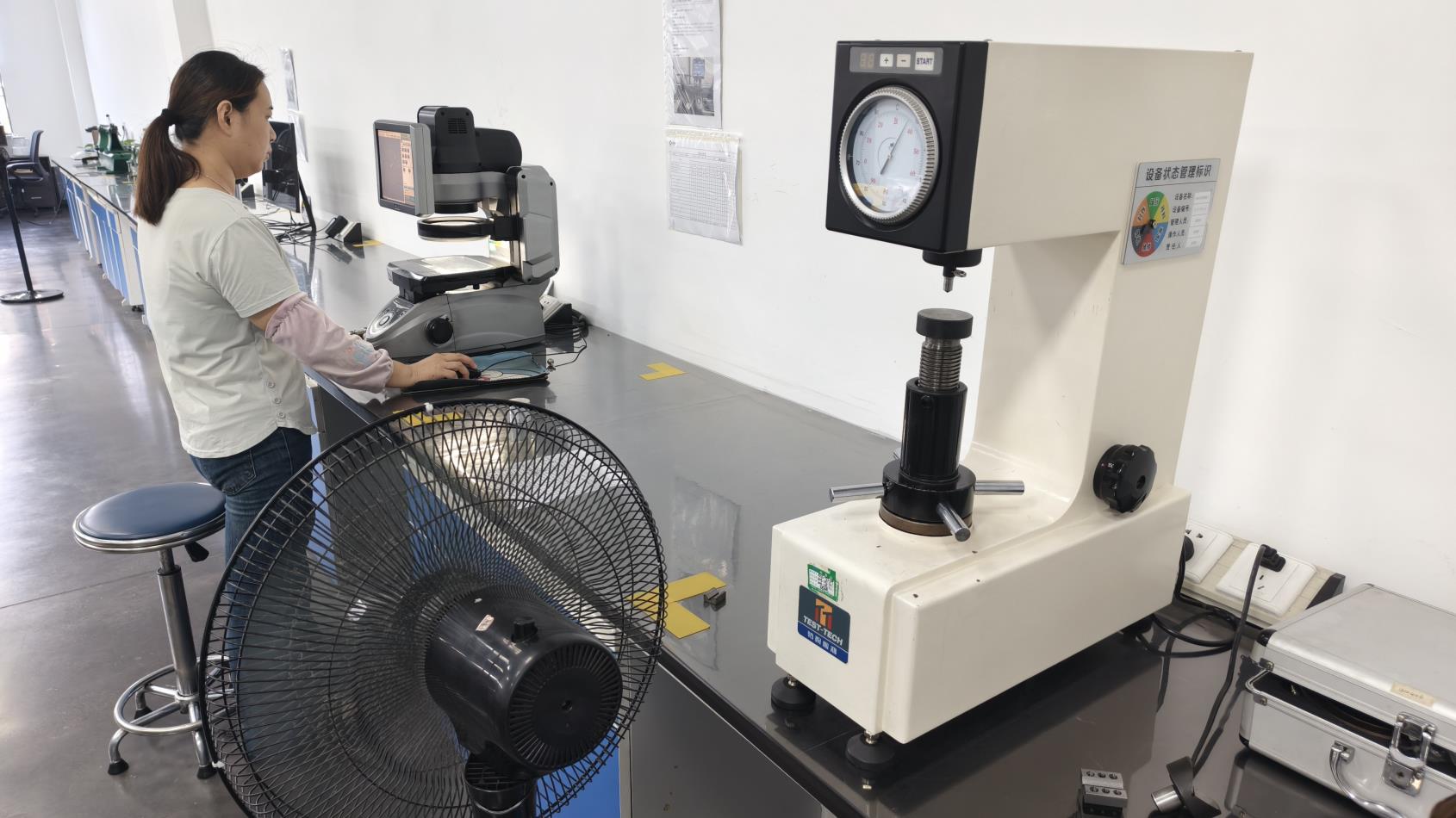
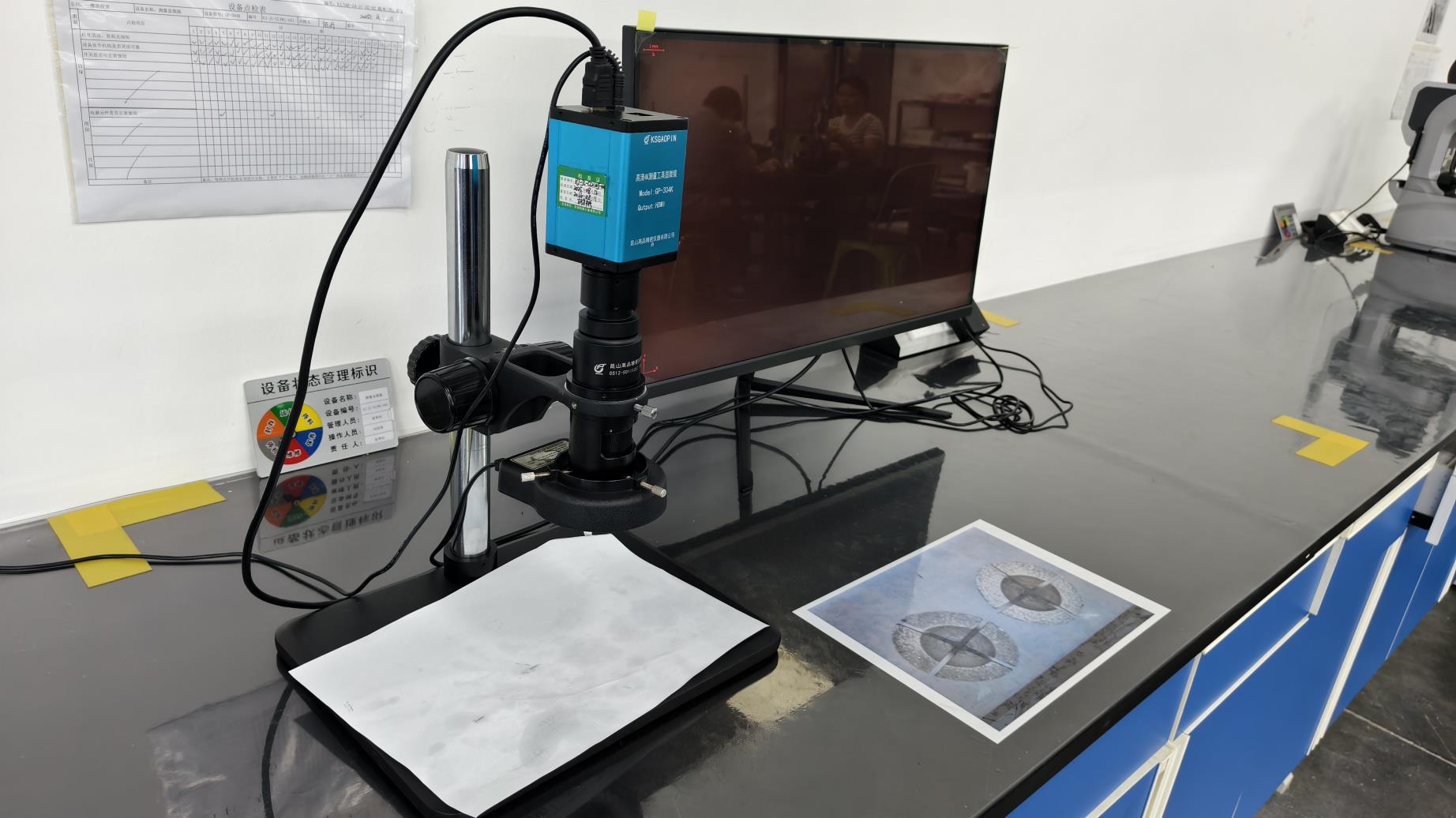
Aligning surgical instrument engineering with specific anatomical challenges and veterinary surgical specialties.
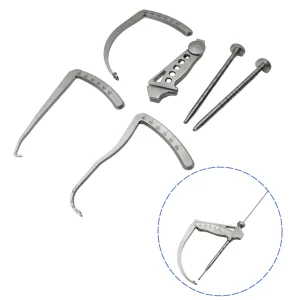
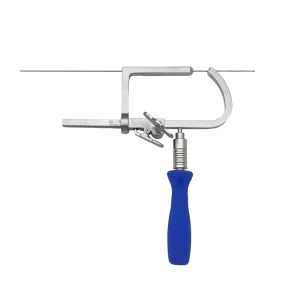
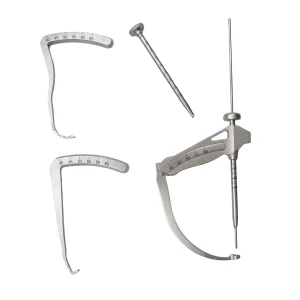
Complex fractures and joint reconstructions require flawless alignment. Instruments like the ACL-PCL Reconstruction Instrument Set and adjustable C-type drill guides provide orthopedists with the structural guidance necessary to drill precise intraosseous tunnels.
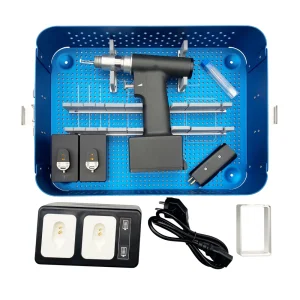
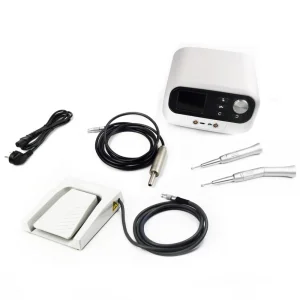
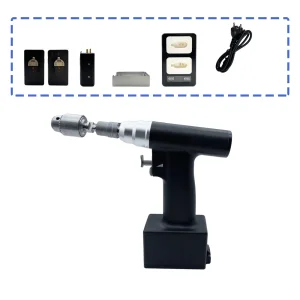
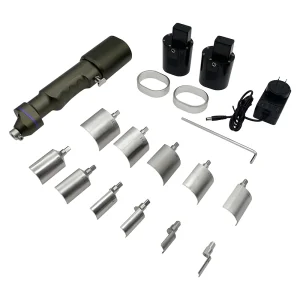
Key Products: Adjustable Drill Guides, Patellar Aimer Guides, Compression Cannulated Screws.Veterinary clinics need highly durable, autoclavable power tools tailored for small animal biomechanics. The TPLO Saw Electric Orthopedic Surgical Instrument allows precise radial cuts to level the tibial plateau, minimizing postoperative recovery time in canine patients.
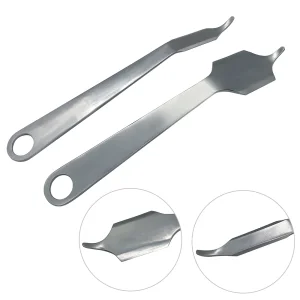
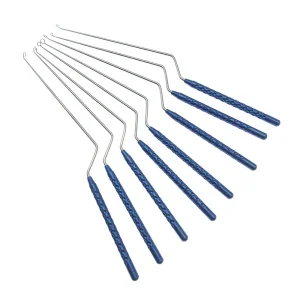
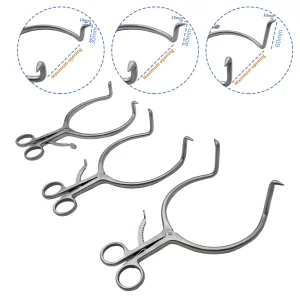
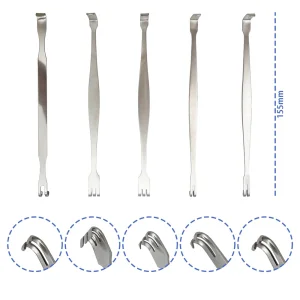
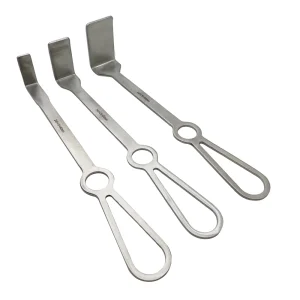
Key Products: TPLO Saws, Bone Retractors, Small Fragment Screws, Hohmann Retractors.Operating near vital neural networks leaves no room for error. The Micro Pituitary Malleable Ring Curette offers neurosurgeons tactile sensitivity, while the cordless Orthopedic Cranial Mill ensures clean, smooth bone access without damaging soft tissue.
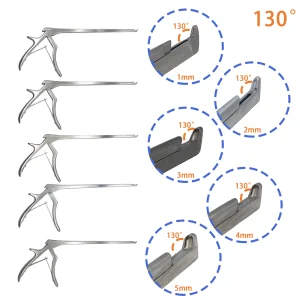
Key Products: Micro Pituitary Curettes, Spine Drills, Cranial Mills, Kerrison Rongeurs.For procurement directors at hospital groups, importing surgical kits involves managing operational risks, supply chain delays, and regulatory compliance. Our factories address these pain points with transparent manufacturing workflows and systematic quality checks.
Always request the HS Code verification prior to shipping. Surgical tools generally fall under HS Code 9018.9090. Make sure the factory provides correct, customized labeling (such as "Non-Sterile, Autoclave Before Use" or "Medical Device Class I/II") matching local importing country laws (FDA/MHRA/EUDAMED).
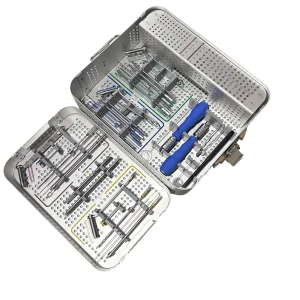
Procuring fully integrated sets—which combine retractors, screwdrivers, drills, and guides in custom sterilizing aluminum cases—reduces logistics costs by up to 35% compared to sourcing individual components from multiple vendors.
Brushless DC motors with embedded microprocessor control boards are replacing older motor systems. This allows real-time feedback loops for bone density, reducing drill plunge rates during spinal operations.
To lower carbon footprints, global medical groups are transitioning back to premium reusable tools. This shift places a premium on instruments made from materials that withstand repeated autoclaving without losing mechanical calibration.
PEEK (Polyether ether ketone) is increasingly integrated into retractor handles and guide plates to reduce kit weight and provide radiolucent advantages during intraoperative X-rays.
Clear, direct answers regarding regulatory compliance, metallurgical variations, logistics, and customized product options.
Complete your medical procurement requirements with specialized power equipment, orthopedic handles, and micro-surgery sets.