SENJIE Healthy & Technology
SENJIE Healthy & Technology
SENJIE Healthy & Technology
Explore our elite portfolio of high-grade surgical equipment and diagnostic tools engineered for maximum clinical efficacy.
Transparent production values, supply capabilities, and quality assurances that form the foundation of trusted international distribution partnerships.
Established as a pioneering production force in 2019, we have achieved strong growth in manufacturing and exporting specialized medical devices, orthopedic surgical instruments, and micro-instruments. Operating with an unwavering commitment to quality control and technical compliance, we support prominent medical brands, healthcare wholesalers, and clinical institutions worldwide.
| Company Est. Date | 2019-11-20 |
|---|---|
| Years Exporting | 6 Years |
| Years in Industry | 6 Years |
| Primary Export Markets | North America (25%), South America (25%), Southeast Asia (15%), Others (35%) |
| Accepted Languages | English |
All surgical tools and mechanical orthopedic systems conform to rigorous inspection metrics to guarantee biomechanical reliability and safety. By maintaining total traceability of raw materials and using medical-grade alloys, we secure long-term durability for extreme sterilization conditions.
| Raw Material Traceability | Yes (Full material certificates for SUS 304, 316LVM, Titanium) |
|---|---|
| QA/QC Inspection Personnel | 3 Dedicated In-House Inspectors |
| Inspection Methods | Random inspection, custom protocol testing matched to client requirements |
| Target Client Demographics | OEM Brand Businesses, Medical Device Distributors, Surgical Supply Wholesalers |
| Customization Capabilities | Sample processing, graphic custom-design, complete demand-based OEM/ODM |
An Executive Overview of Manufacturing Hubs, Technological Advancements, and Global Compliance Standards.
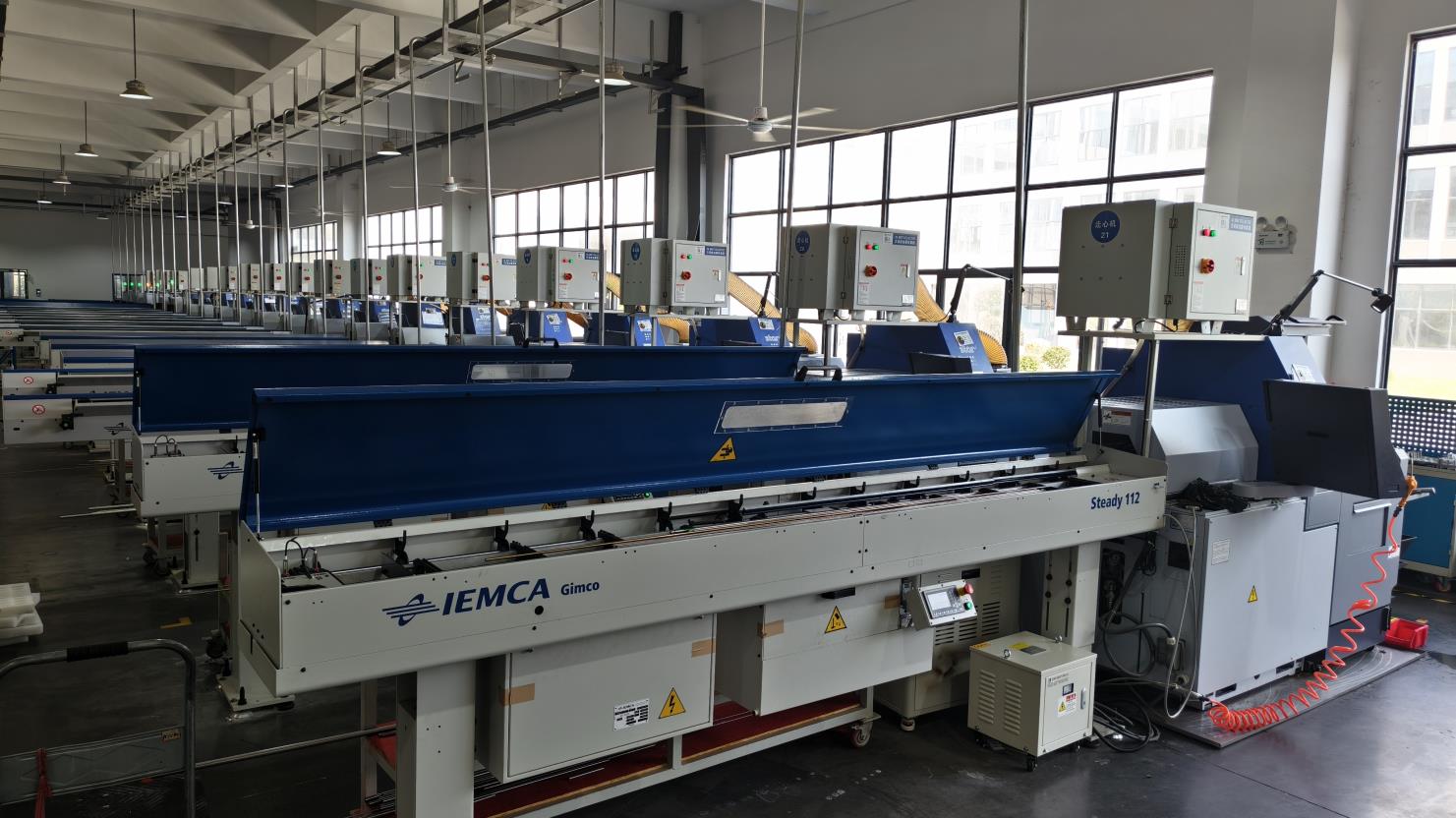
China has transitioned from a component manufacturer to a hub of advanced medical device engineering. Centered in provinces such as Jiangsu, Zhejiang, and Shanghai, the medical device supply chain offers complete integration. From raw metallurgical supply (biomedical grade titanium alloy and ultra-refined stainless steel) to high-precision CNC multi-axis milling, finishing, and passivating, every production stage is optimized.
For international buyers, this localization yields several major advantages:
The global healthcare industry is seeing a shift toward minimally invasive surgery (MIS) and veterinary orthopedics. This movement drives demand for smaller, more precise instruments:
Advanced spine retractors and micro-tubular casing instruments allow surgeons to access deep surgical corridors with minimal soft-tissue disruption. Our systems leverage lightweight materials to reduce fatigue during extended clinical cases.
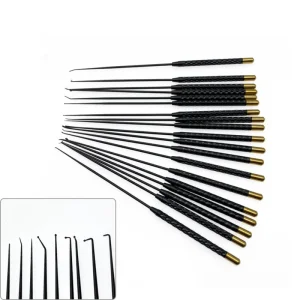
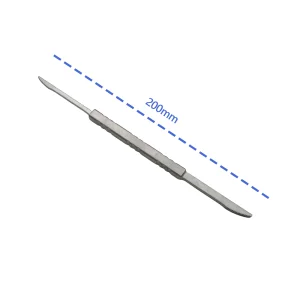
Micro-instruments like spatulas, nerve curettes, and teardrop dissectors demand precise geometric tolerances. With custom edge geometry, these devices support precise microvascular manipulation under high magnification.
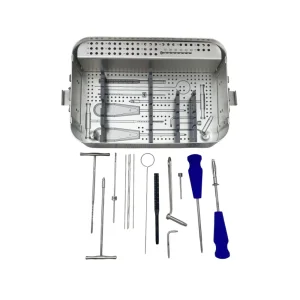
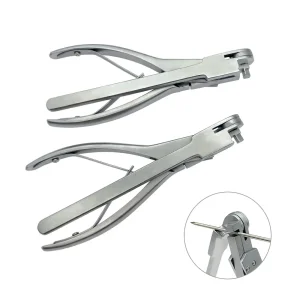
With the rapid expansion of veterinary clinics, specialized orthopedic tools like cannulated screw sets and K-wire benders are engineered to address various anatomical profiles, ensuring excellent surgical results.
Our OEM/ODM services help brand partners move projects efficiently from concept to finalized product. Our process follows a strict quality pipeline:
| Phase | Description | Critical Quality Gates | Target Milestones |
|---|---|---|---|
| 1. Technical Review | Analysis of 2D/3D CAD files or reference physical samples. | Evaluation of dimensional tolerances and metallurgical options. | 3-5 Days |
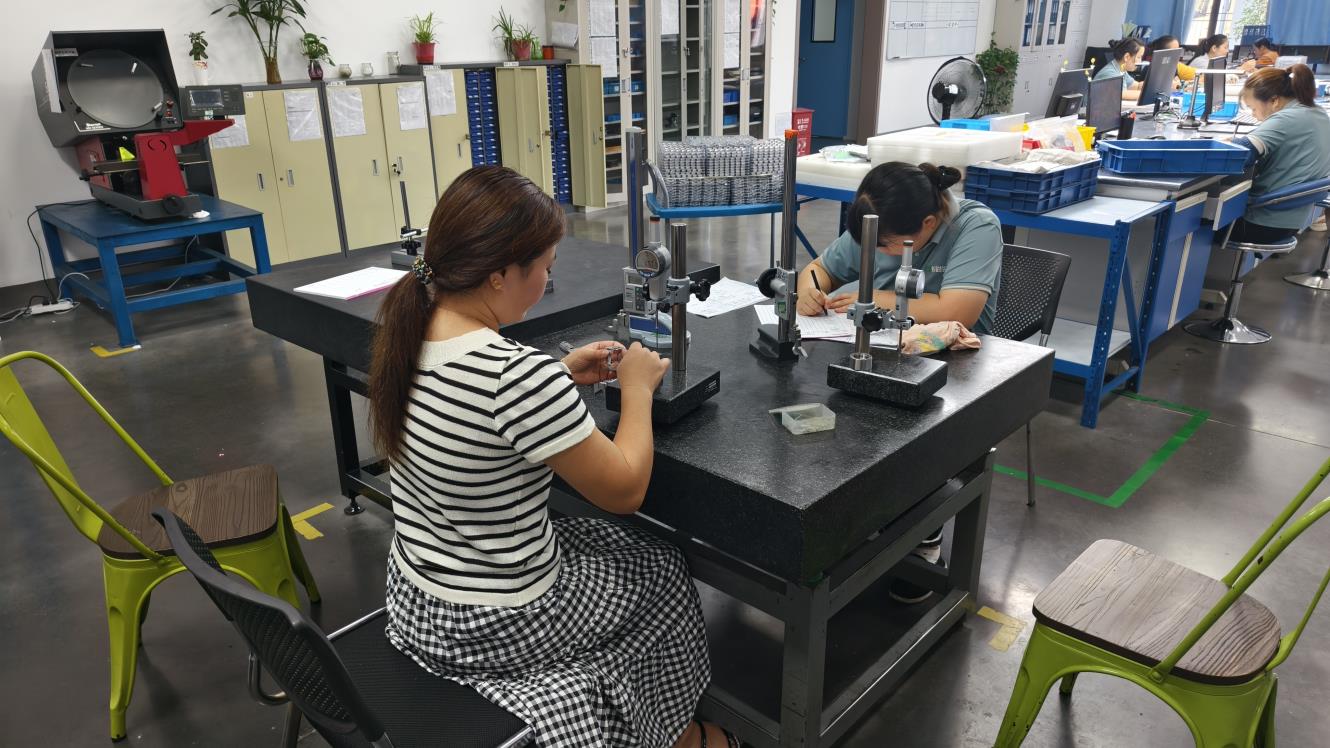
| 2. Prototyping | CNC machining of initial product samples. | Microscopic measurement of dimensions and mechanical load testing. | 10-14 Days |
| 3. Validation | Corrosion resistance testing, passivating checks, and autoclave simulations. | Boil testing and hardness checking (e.g., Rockwell C scale). | 7 Days |
| 4. Mass Production | Batch production using automated equipment. | Random inspections matching AQL 1.5 standards. | 25-35 Days |
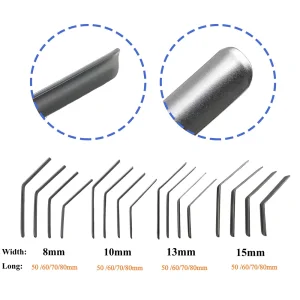
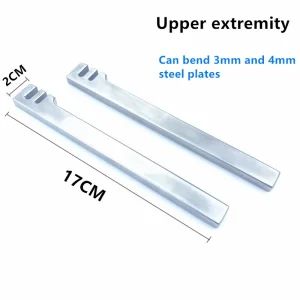
This organized lifecycle protects clients against typical procurement bottlenecks, ensuring that every batch of surgical bone plate benders or spine distractors meets target technical specifications.
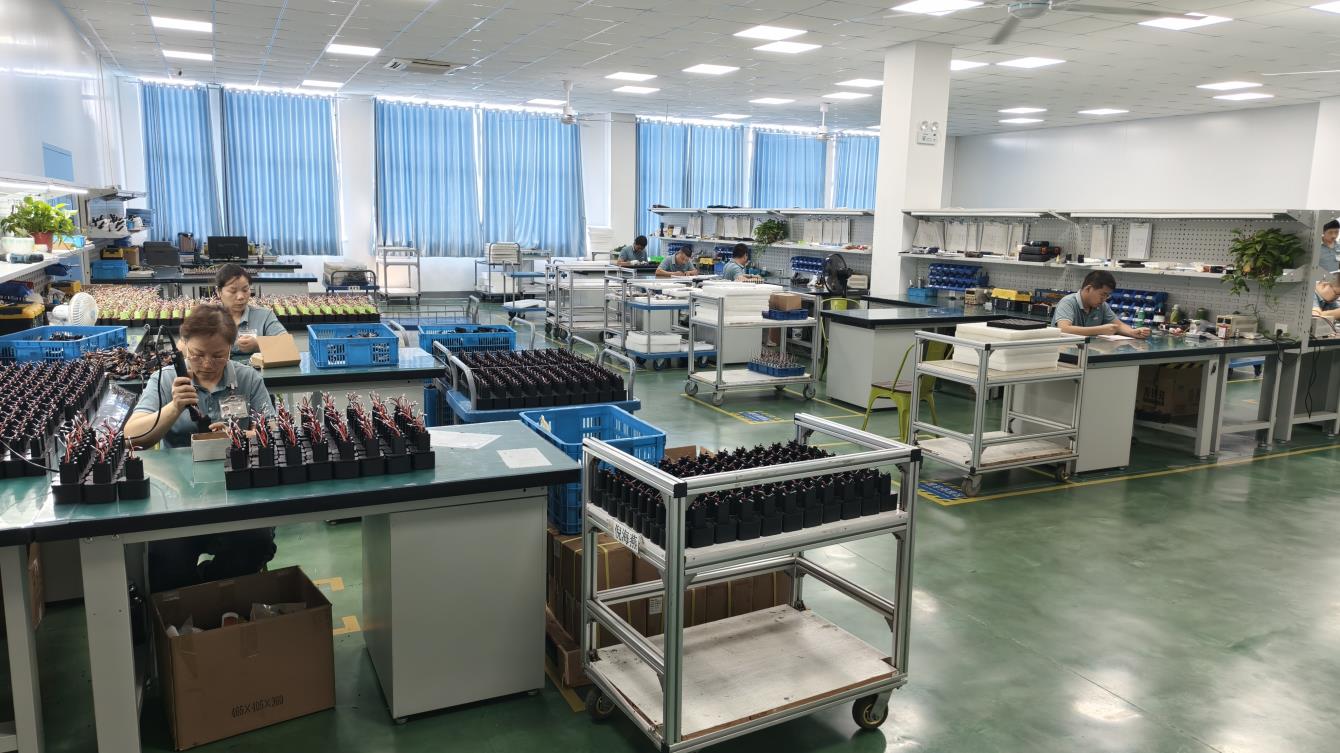
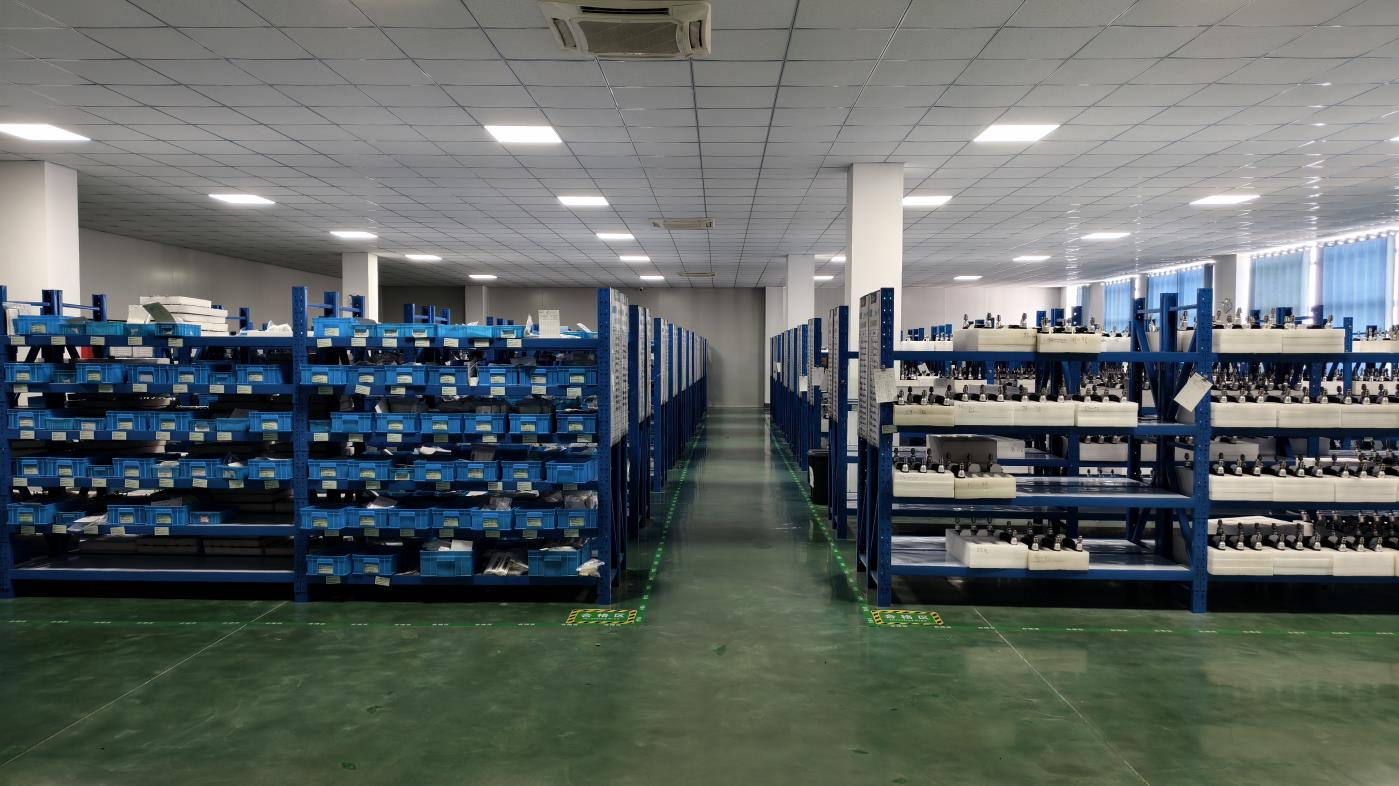
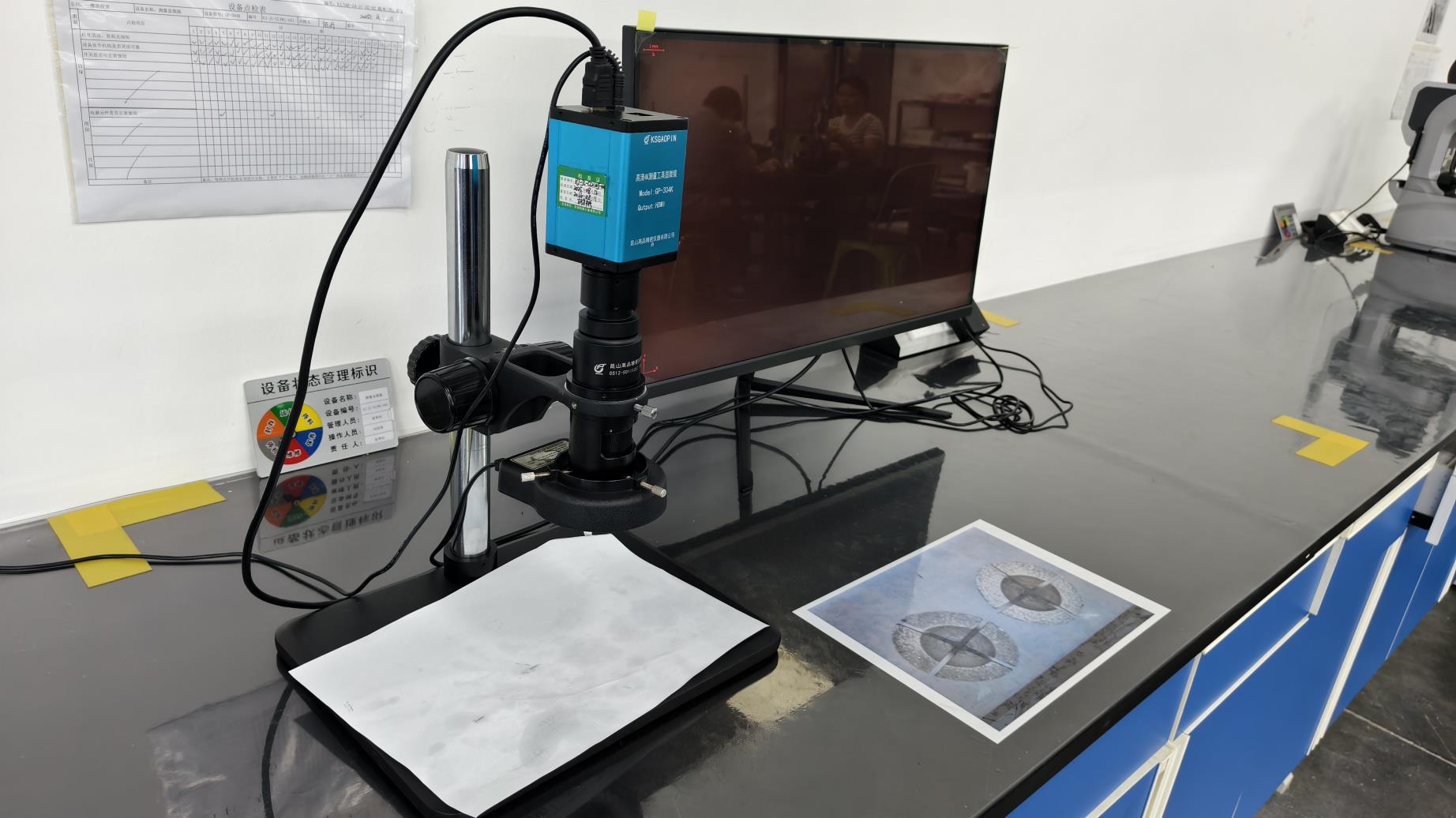
Inside our facilities: Precision CNC machining, finishing rooms, and strict quality control stations.
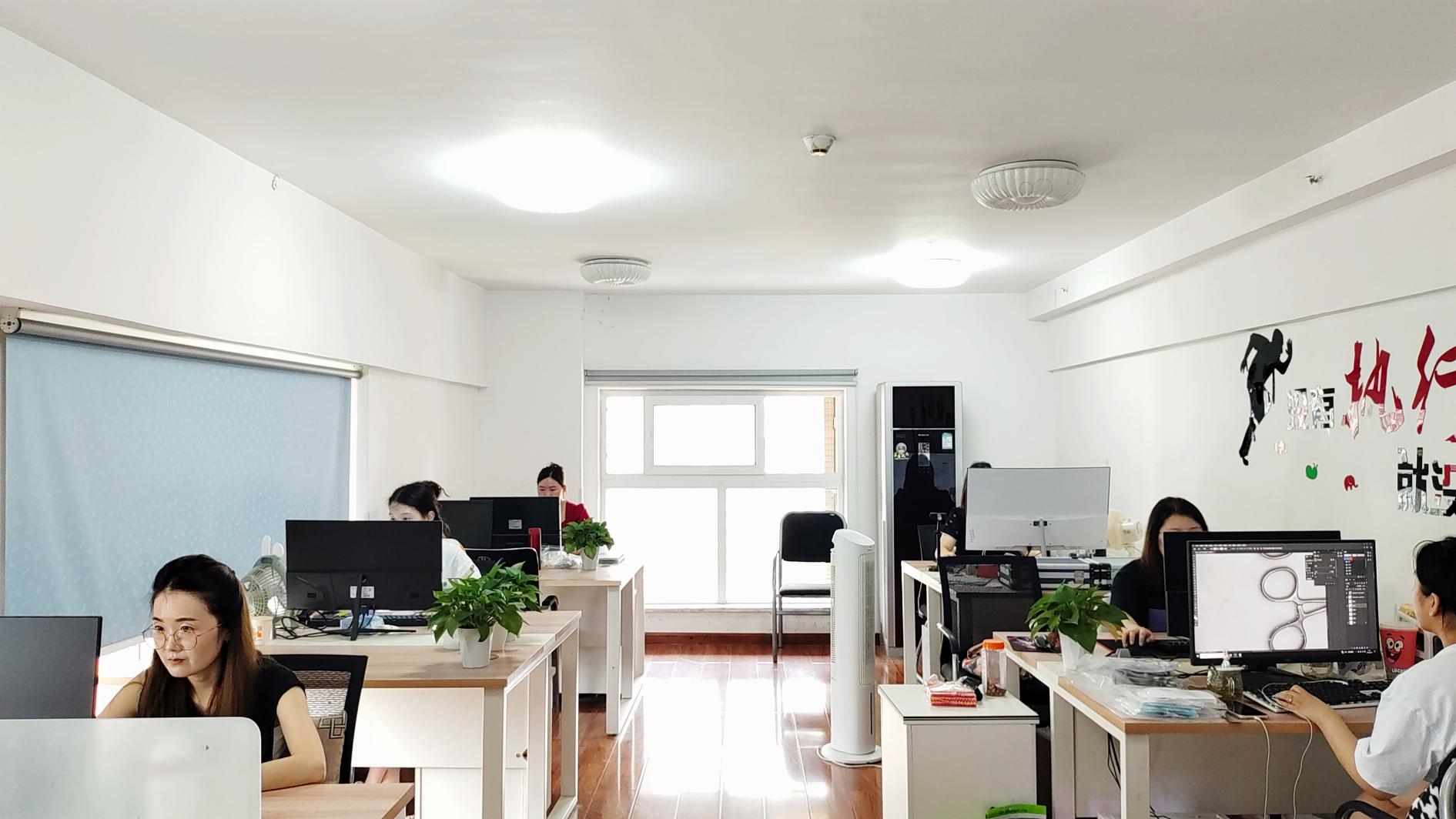
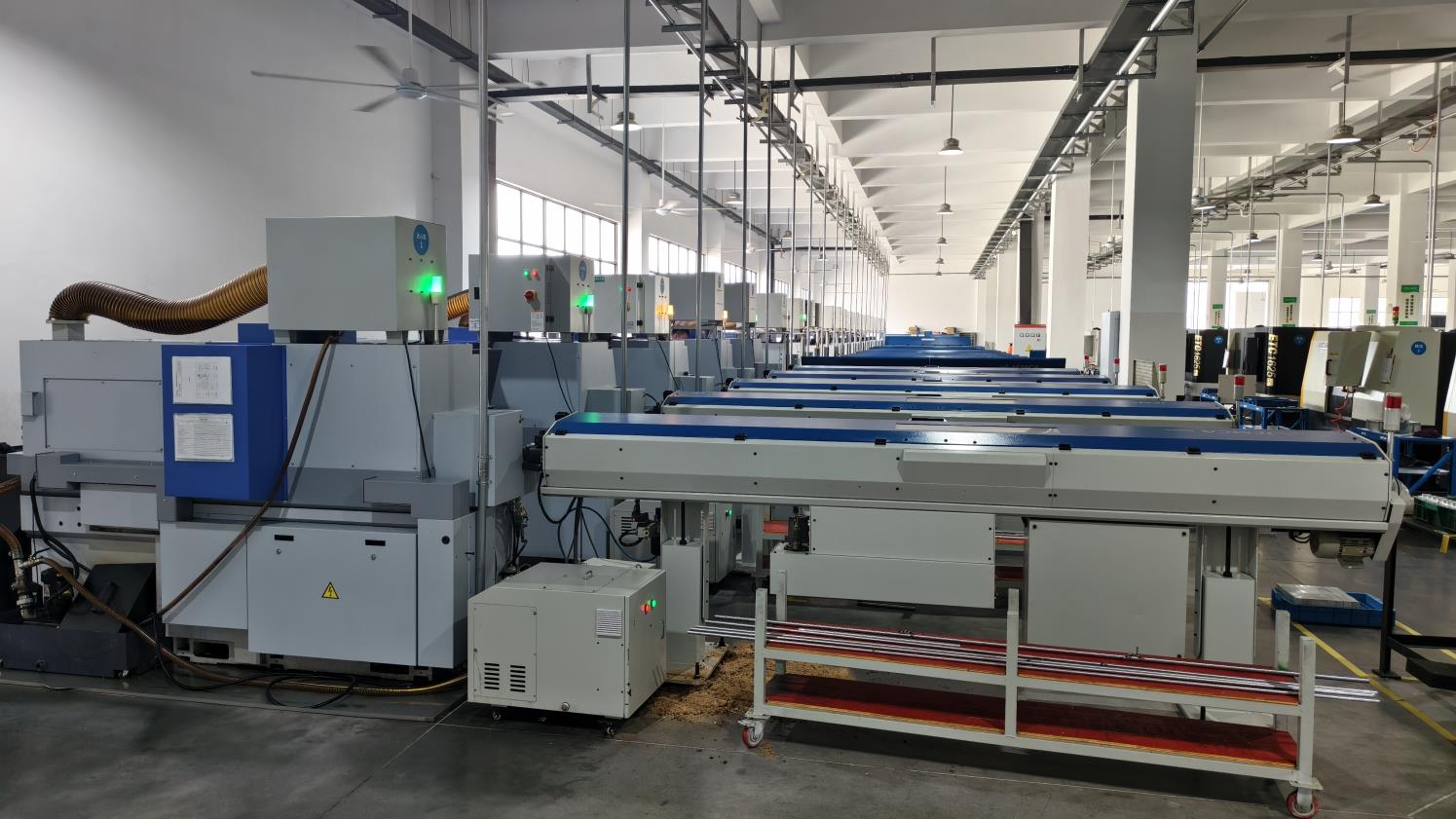
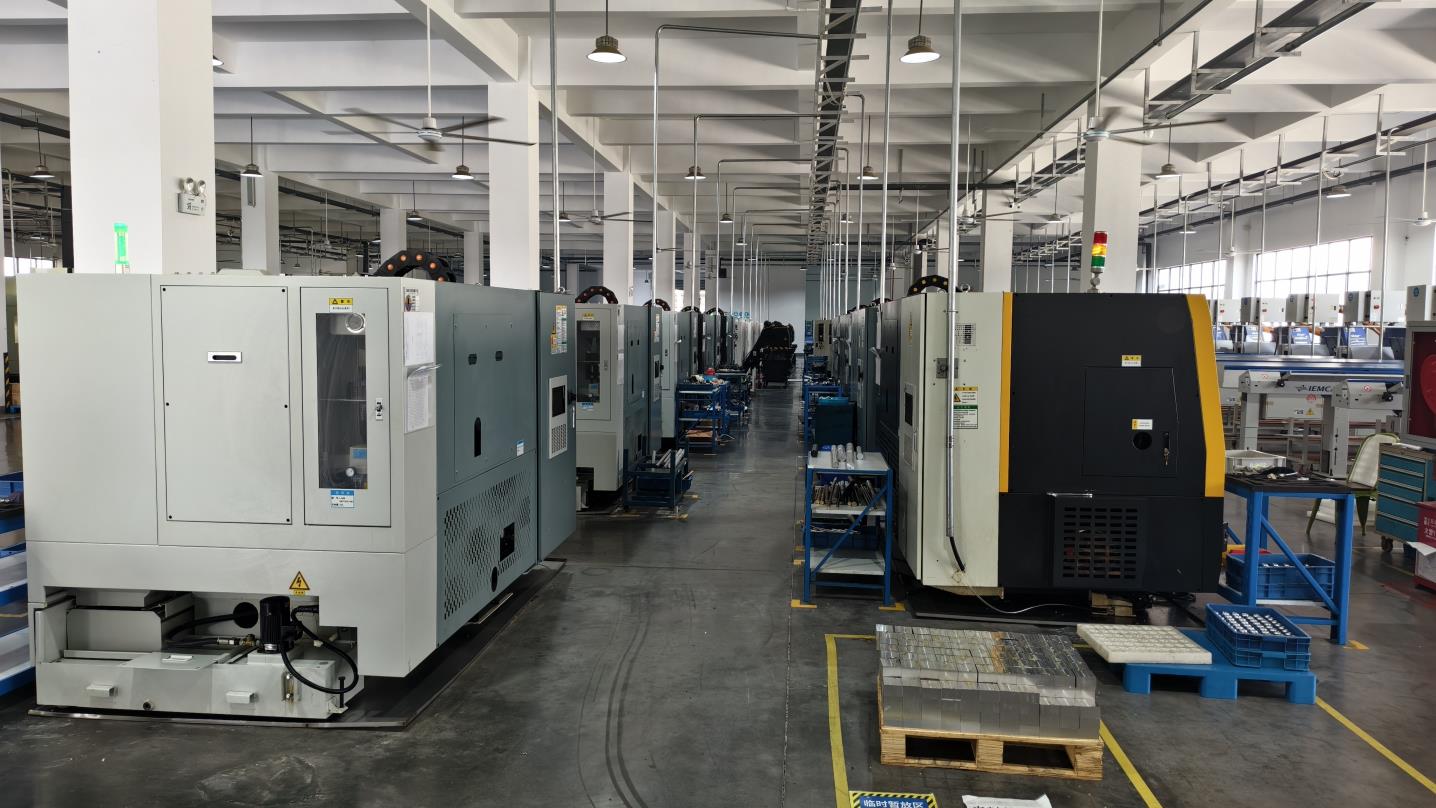
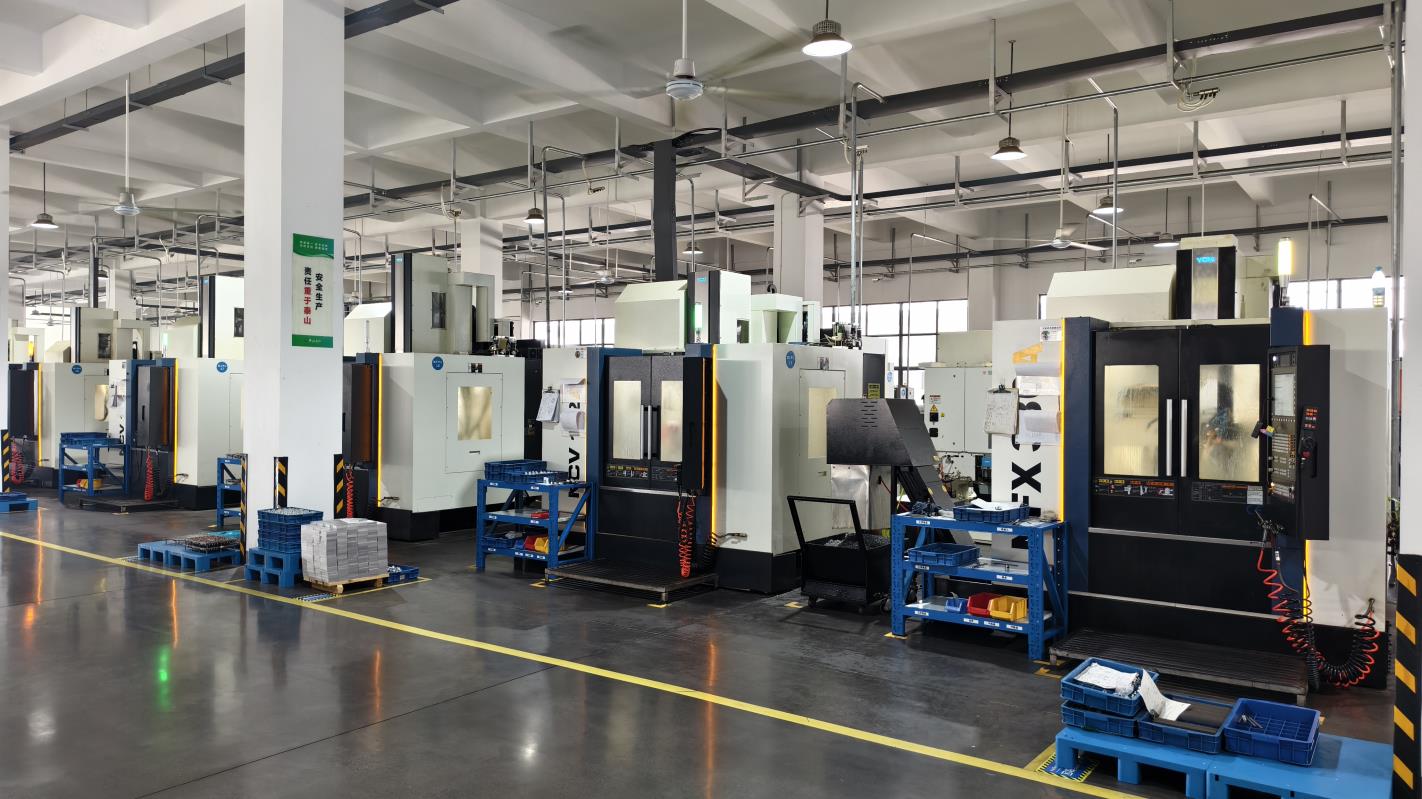
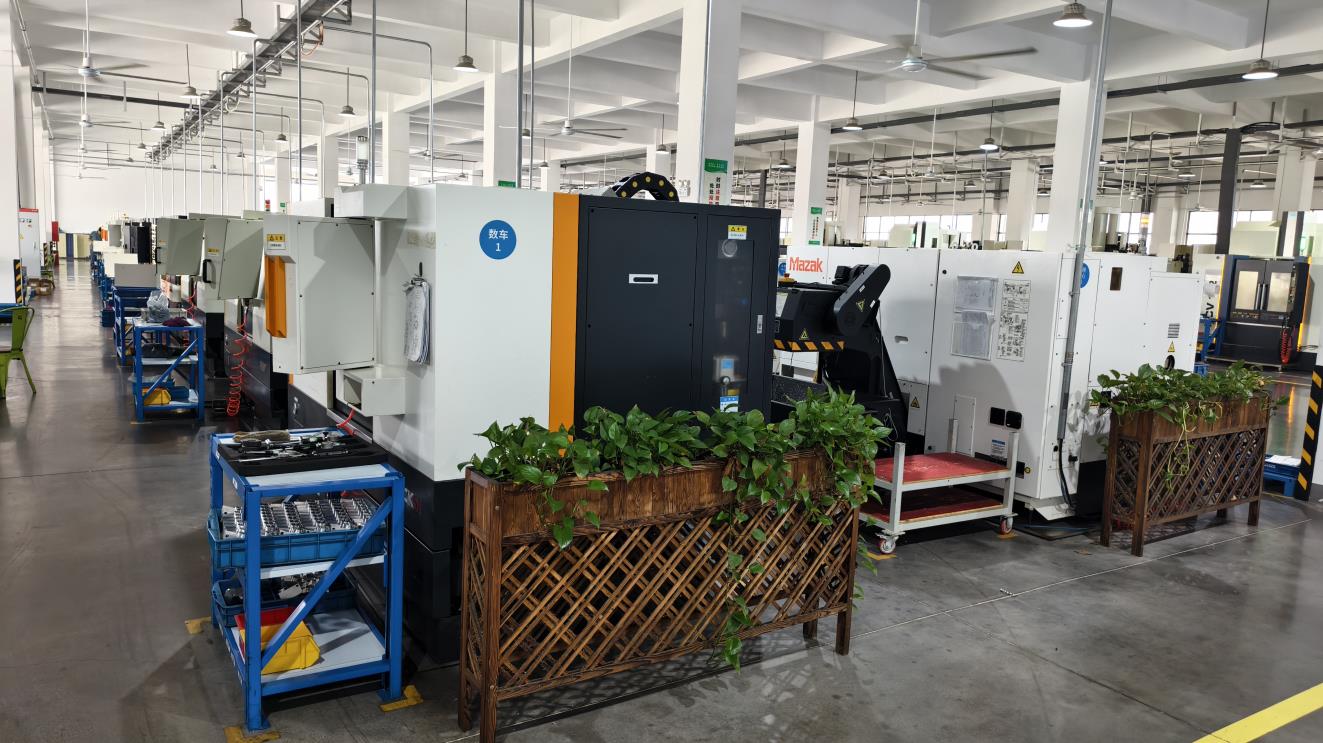
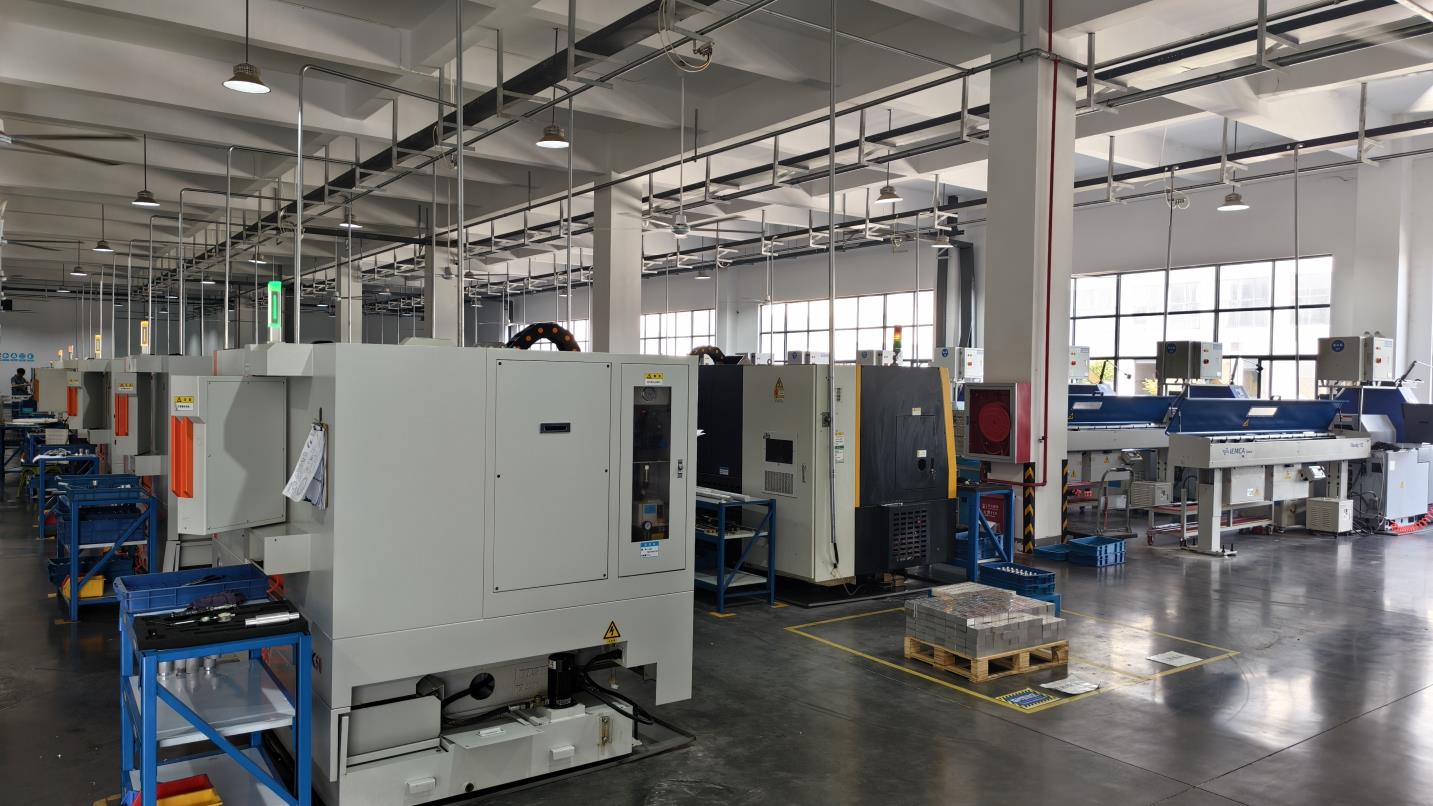
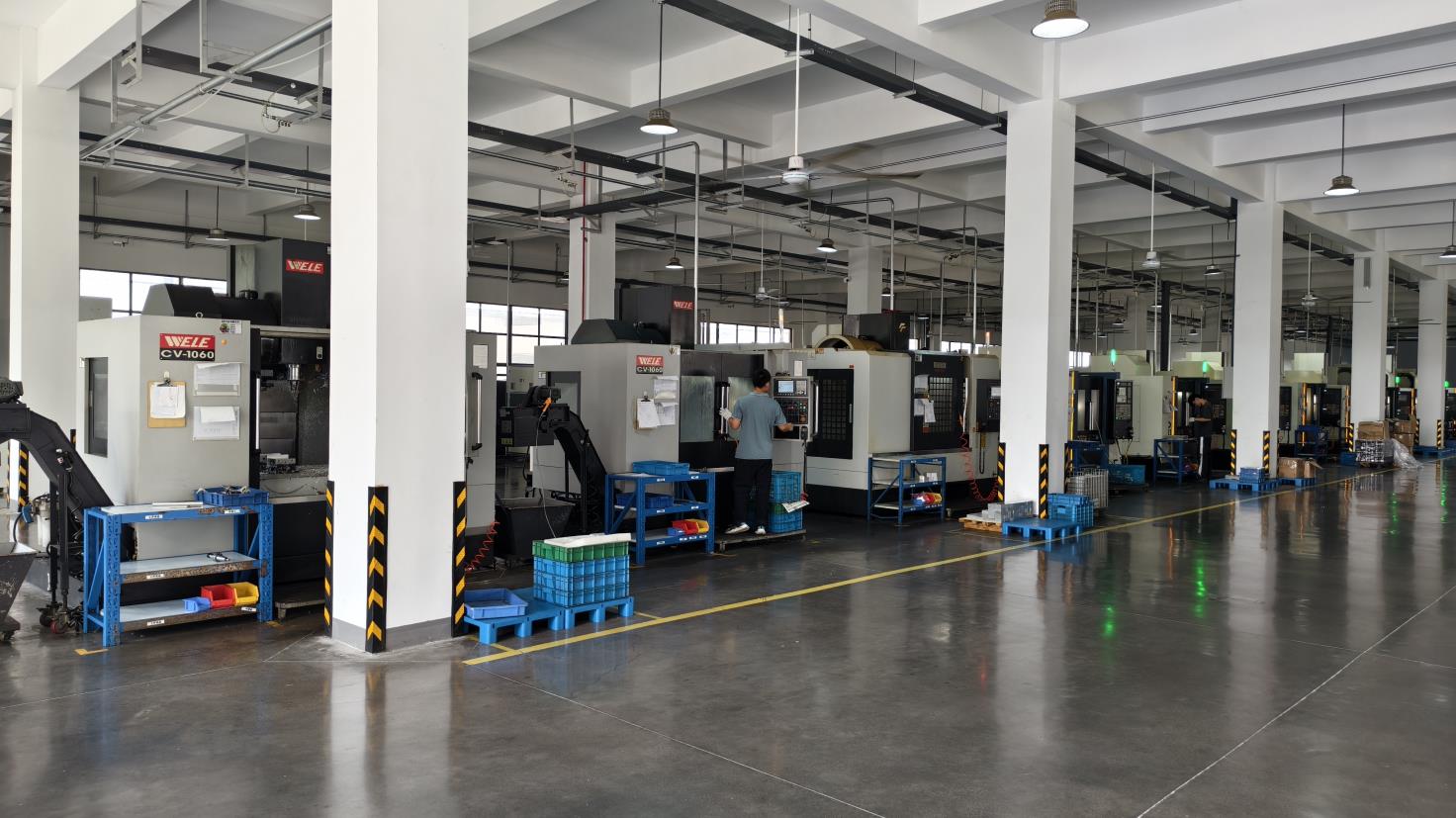
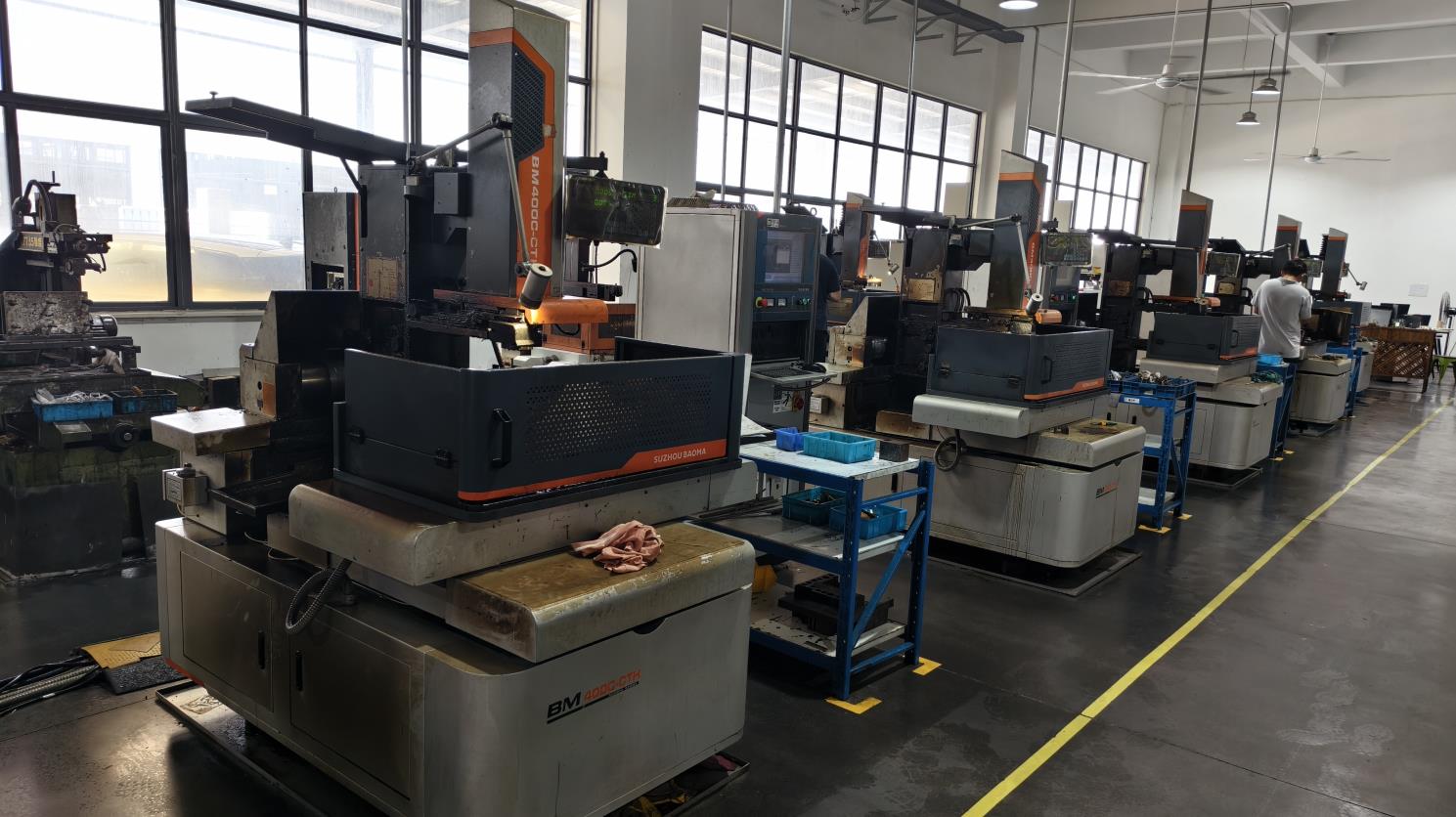
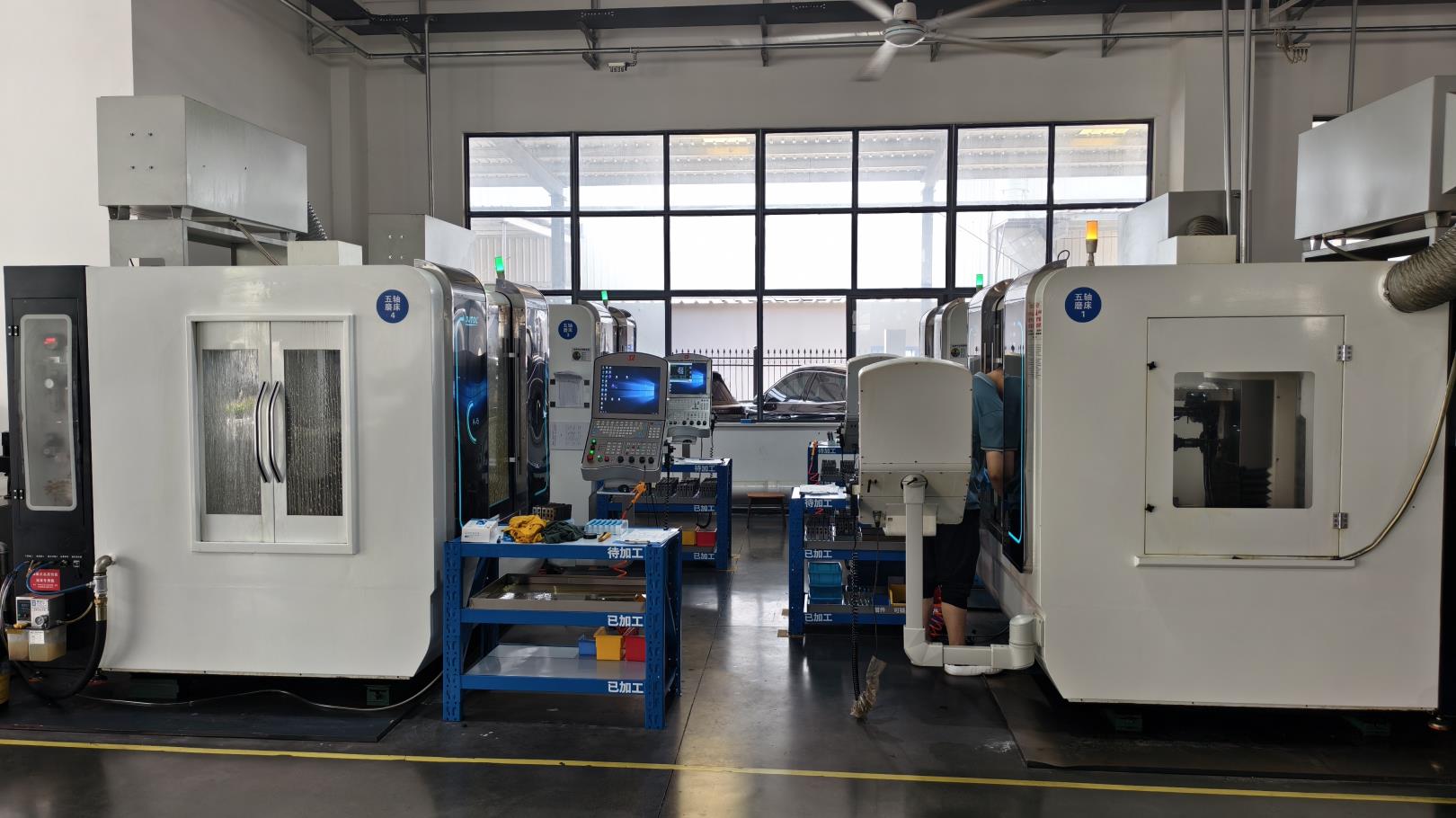
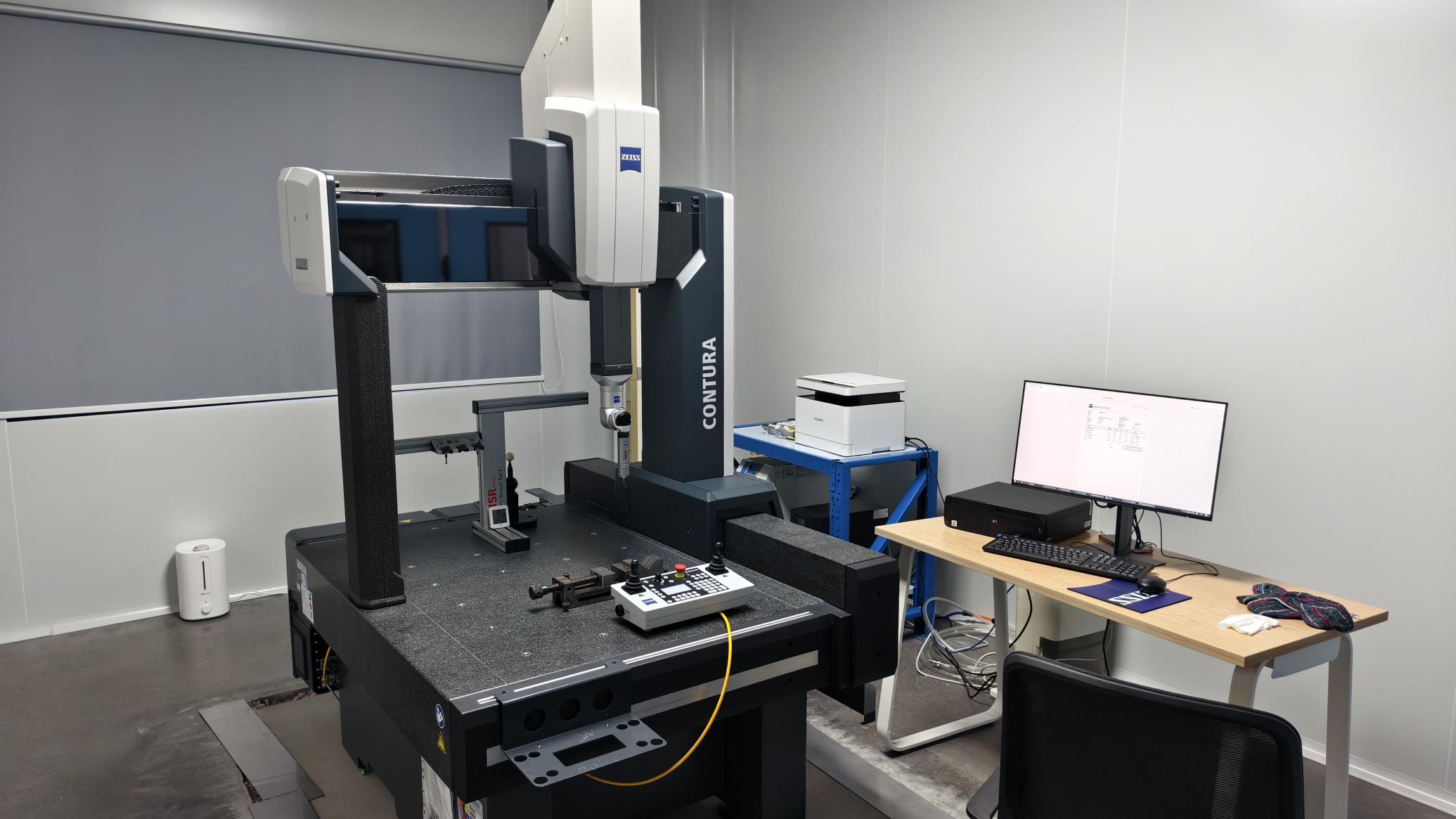
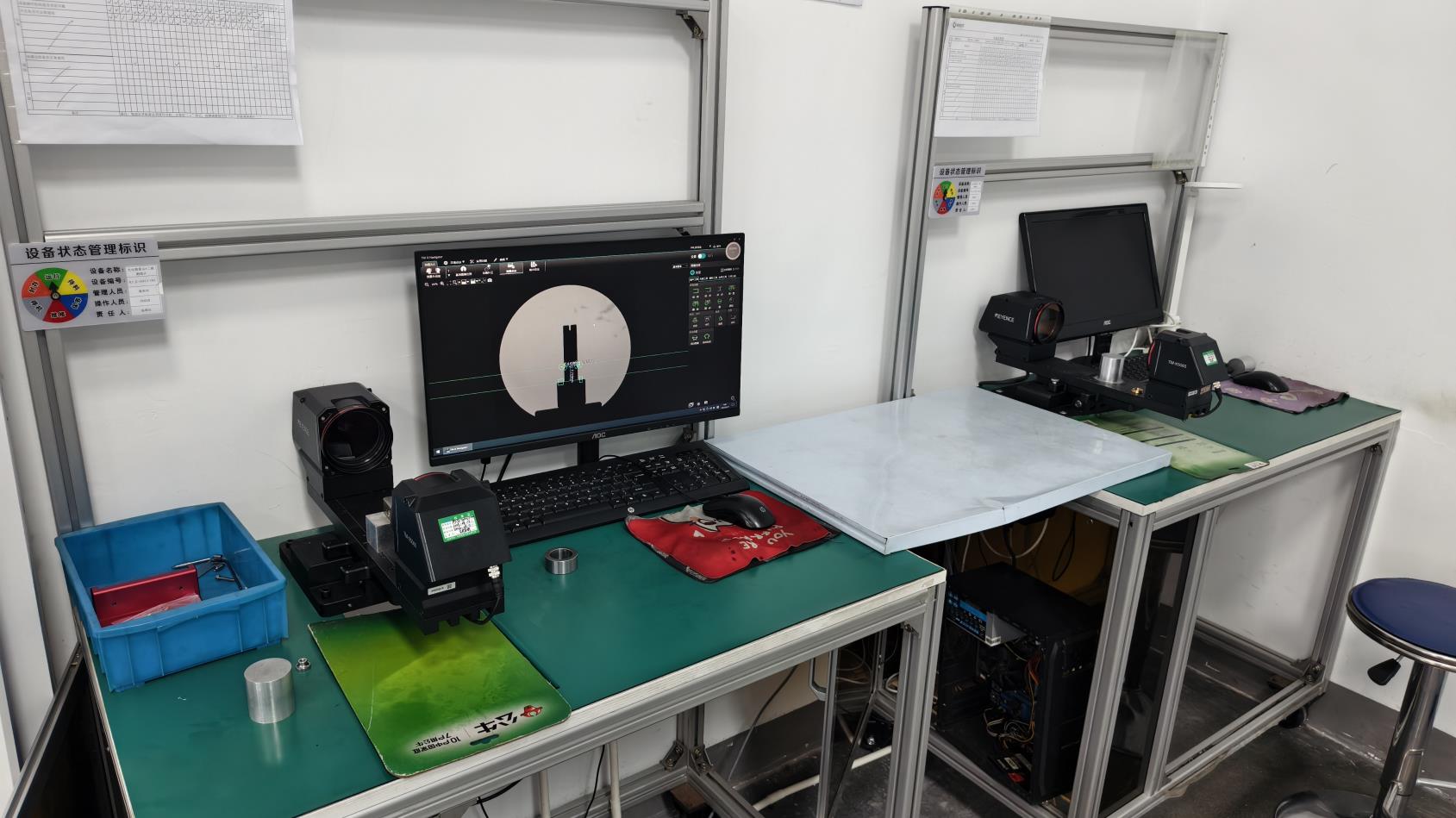
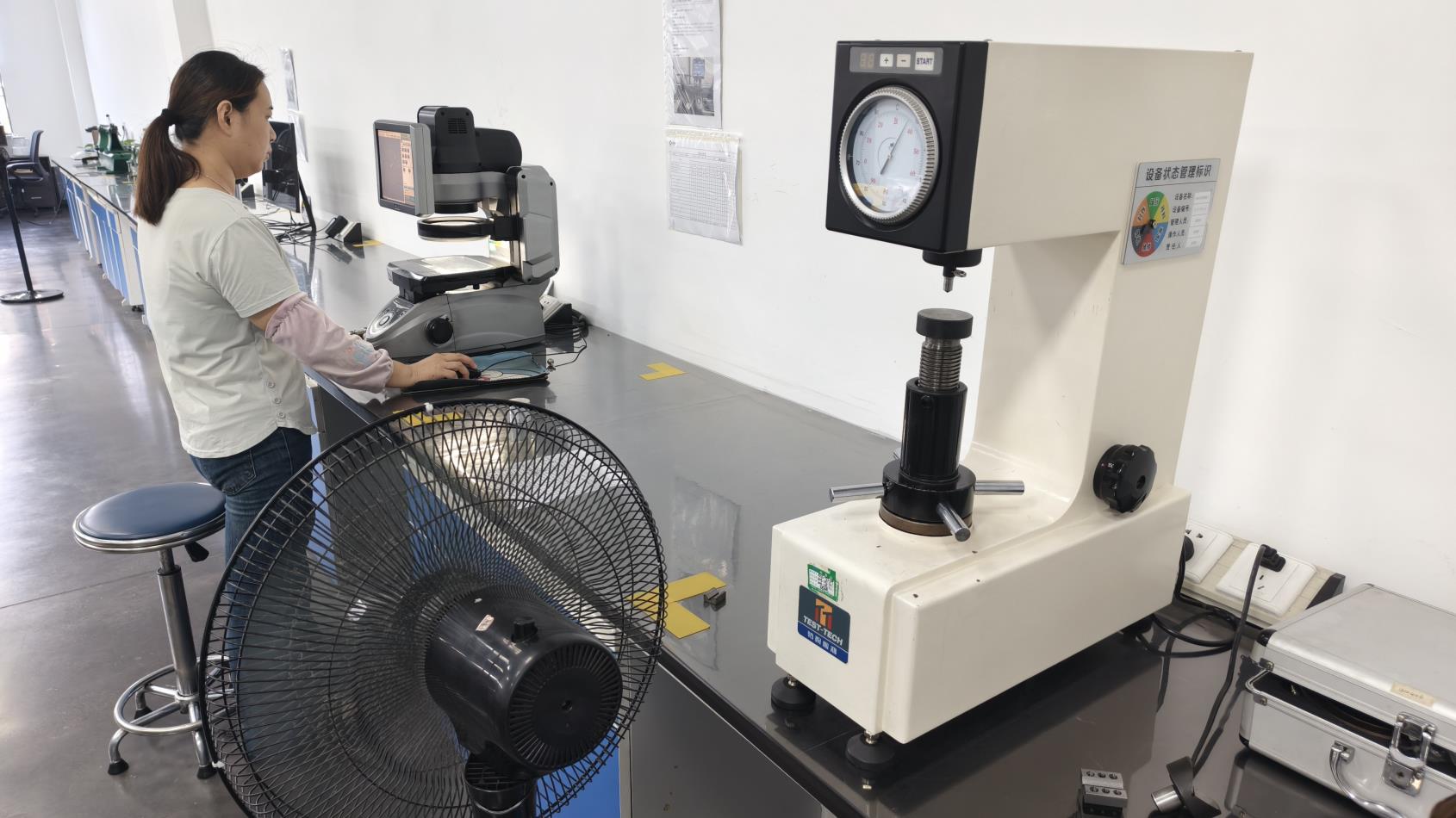
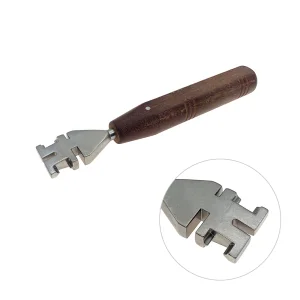
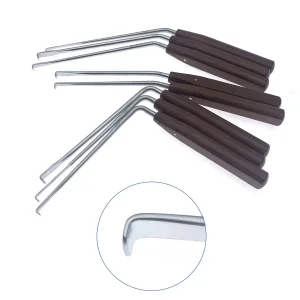
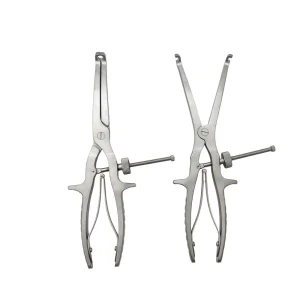
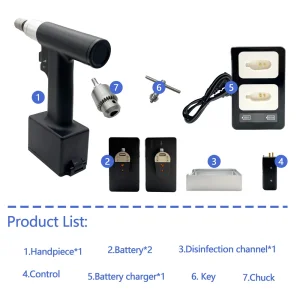
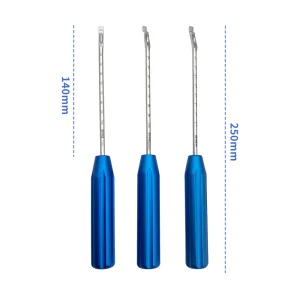
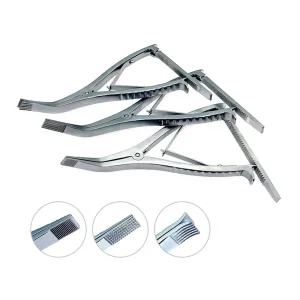
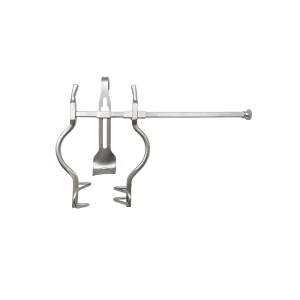
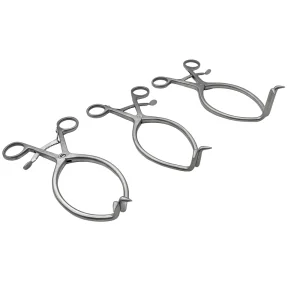
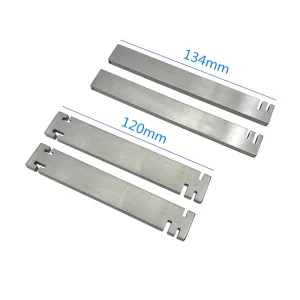
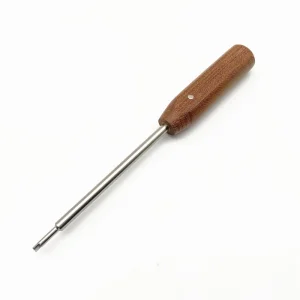
High-durability orthopedic instruments designed for complex trauma recovery, spinal fusion, and soft-tissue procedures.
Get detailed answers on material selections, regulatory compliance, testing standards, and OEM options.