SENJIE Healthy & Technology
SENJIE Healthy & Technology
SENJIE Healthy & Technology
Browse our premier selections of high-caliber orthopedic implants, specialized instrumentation, and mechanical systems manufactured to strict tolerances for elite operating rooms.
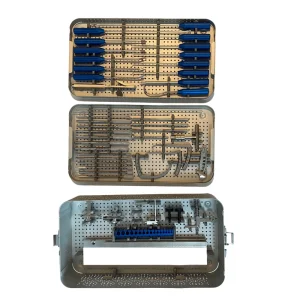
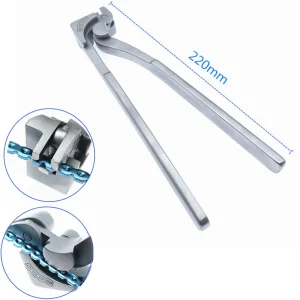
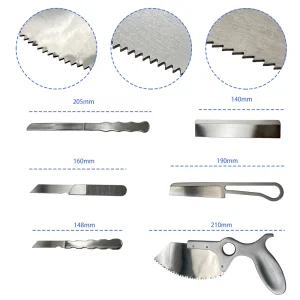
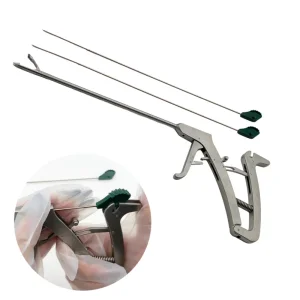
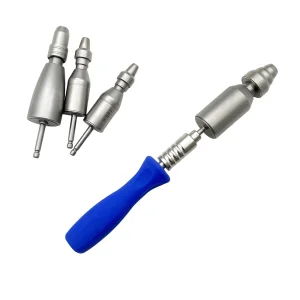
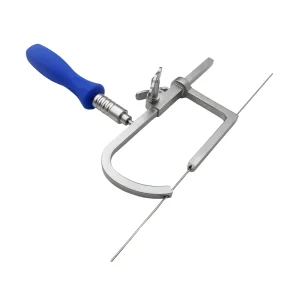
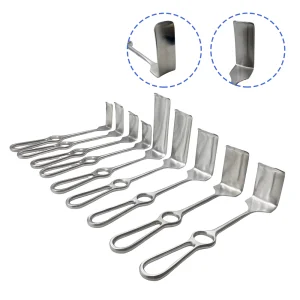
In high-stakes clinical environments, the synergy between Surgical Light Panels and specialized surgical instruments is paramount. Optimal surgical visualization is not merely a matter of brightness, but a sophisticated matrix of shadowless engineering, high color rendering performance, and thermal control. Surgical light panels (such as overhead LED units, view boxes, and digital control panels) act as the foundational visual infrastructure of the operating suite, enabling orthopedic surgeons to execute micro-milling, bone cutting, and ligament aiming with micron-level accuracy.
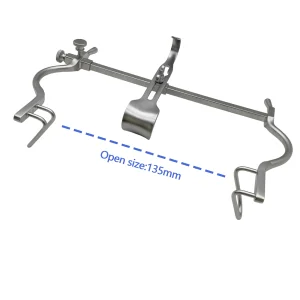
Modern manufacturers focus heavily on resolving the physiological constraints of human vision under prolonged stress. High-intensity illumination without proper diffusion causes glare, optical fatigue, and shadow creation when clinicians intercept the light path. Therefore, specialized solid-state surgical light panel systems rely on multi-lens matrices to merge multiple light channels, achieving a shadow dilution value of up to 99%. This technological alignment ensures that instruments like arthroscopy forceps, bone saws, and spinal retractors remain perfectly illuminated without dark zones.
Elevated CRI (Ra > 97) and red color rendering (R9 > 95) values allow surgeons to accurately differentiate between muscles, neural tissue, blood vessels, and bone material, significantly minimizing surgical margins and risks.
Aerodynamic panel designs limit turbulence and resistance in laminar airflow ceilings, ensuring that the sterile vertical airflow stream over the surgical field is maintained, reducing surgical site infection rates.
Applying advanced cool LED substrates keeps thermal emissions under 10W/m² in the operating field, avoiding surgical site dehydration and ensuring delicate neural and orthopedic tissues remain viable during operations.
As an established OEM/ODM leader in the clinical hardware space, our industrial roadmap addresses key challenges in international sourcing. Main distribution regions including North America (25%), South America (25%), and Southeast Asia (15%) depend on our supply chains for specialized medical equipment. We support diverse client classifications, supplying global brand businesses, large medical wholesalers, local retailers, and custom private practitioners with tools that comply with international standards.
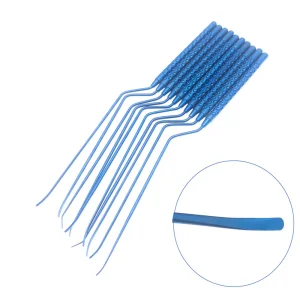
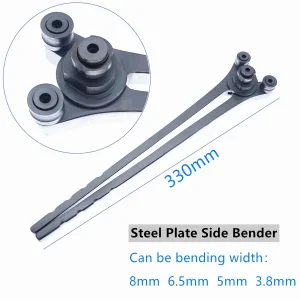
Our manufacturing platform is built on operational traceability. Every batch of surgical stainless steel and optical housing used in our orthopedic line (such as the AO bone bending tools or the rotator cuff suture passers) undergoes metallurgical characterization. This level of verification prevents material failures under mechanical stress and ensures all instruments withstand high-temperature autoclaving without structural deterioration.
Modern surgical panel and instrument deployments vary greatly across clinical departments. Custom configurations optimize workflows based on procedural demands:
Operating spaces that incorporate real-time imaging systems (such as C-arms and CT scanners) require lighting panels that interface with hospital networks. In this environment, surgical panels adjust their output dynamically when digital imaging screens are active. This minimizes screen glare while maintaining clear visualization of manual tools like the ACL Orthopedic Ligament Aimer Guide.
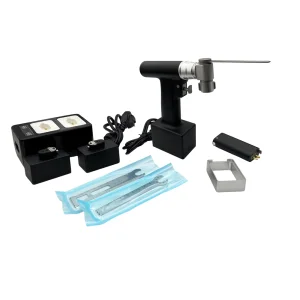
Under high patient volumes, instrument durability is crucial. In trauma surgery, components like the Orthopedic Oscillating Saw and high-performance retractors are subjected to continuous autoclave cycles. Advanced stainless steel formulas and anti-abrasion finishes prevent corrosion, ensuring reliability during emergencies.
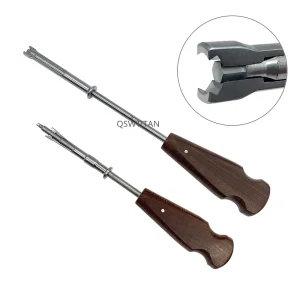
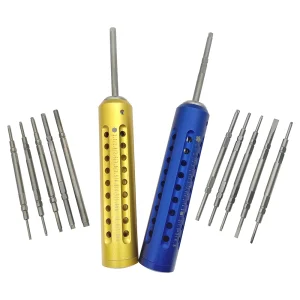
Veterinary orthopedics requires specialized tool sizes. Compact plate bending benders, retractors, and micro bone screwdrivers are necessary for small animal trauma care. Our production lines process custom designs, scaling down human surgical instruments into configurations suited for small-animal skeletal frameworks.
We are currently integrating smart technologies into our lighting panels. Future designs feature auto-dimming LED arrays that track the surgeon's position to adjust lighting dynamically, maintaining a shadow-free workspace. Additionally, light systems are being updated to support robotic-assisted orthopedic platforms, using wavelengths that do not interfere with spatial tracking cameras.
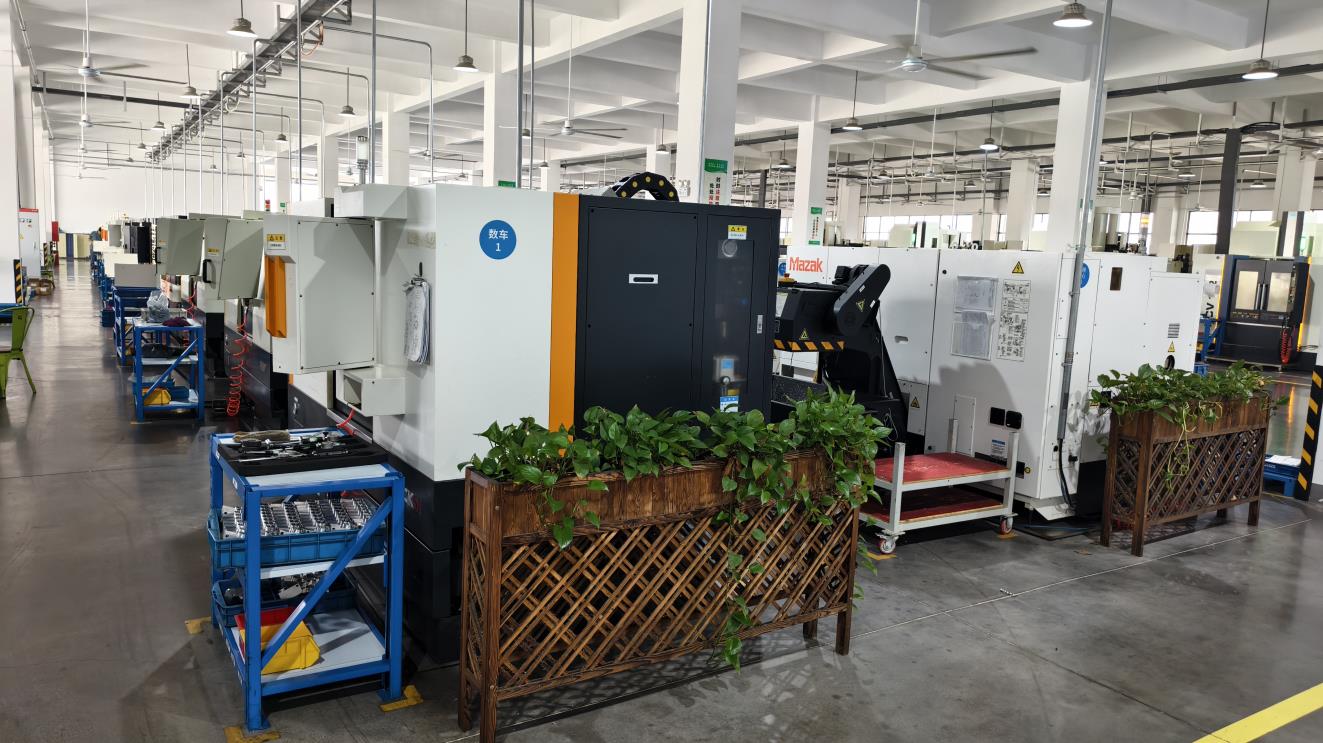
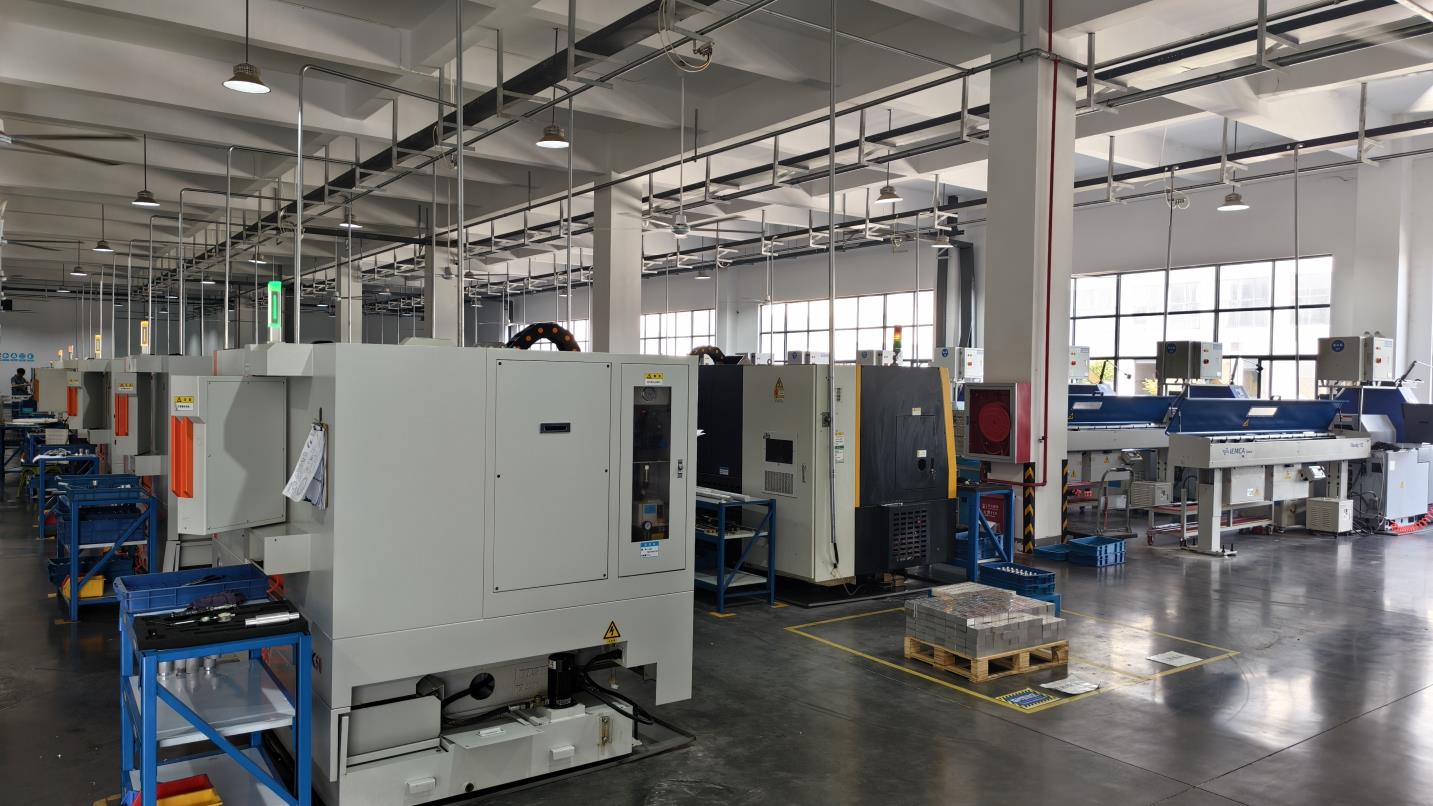
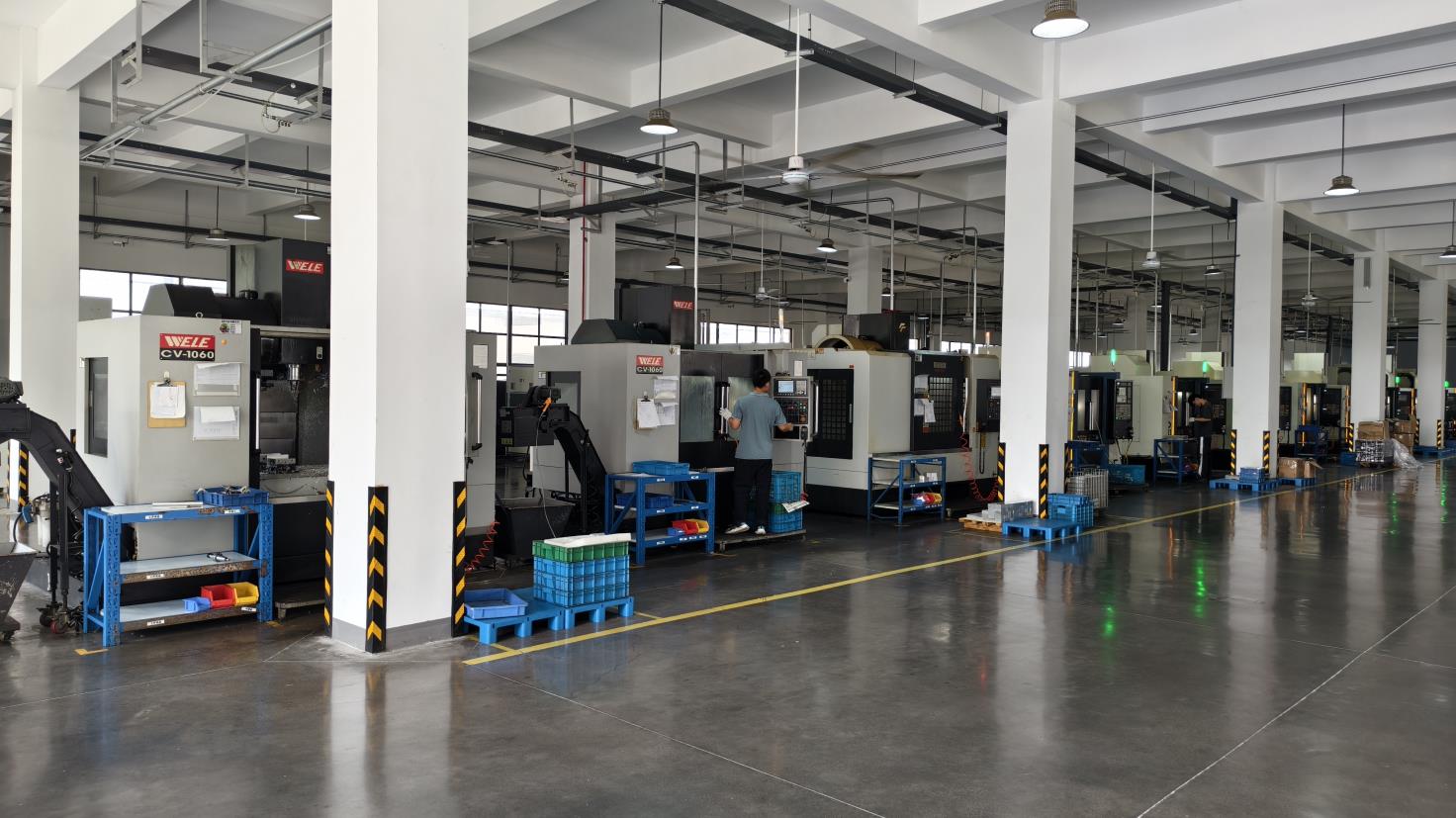
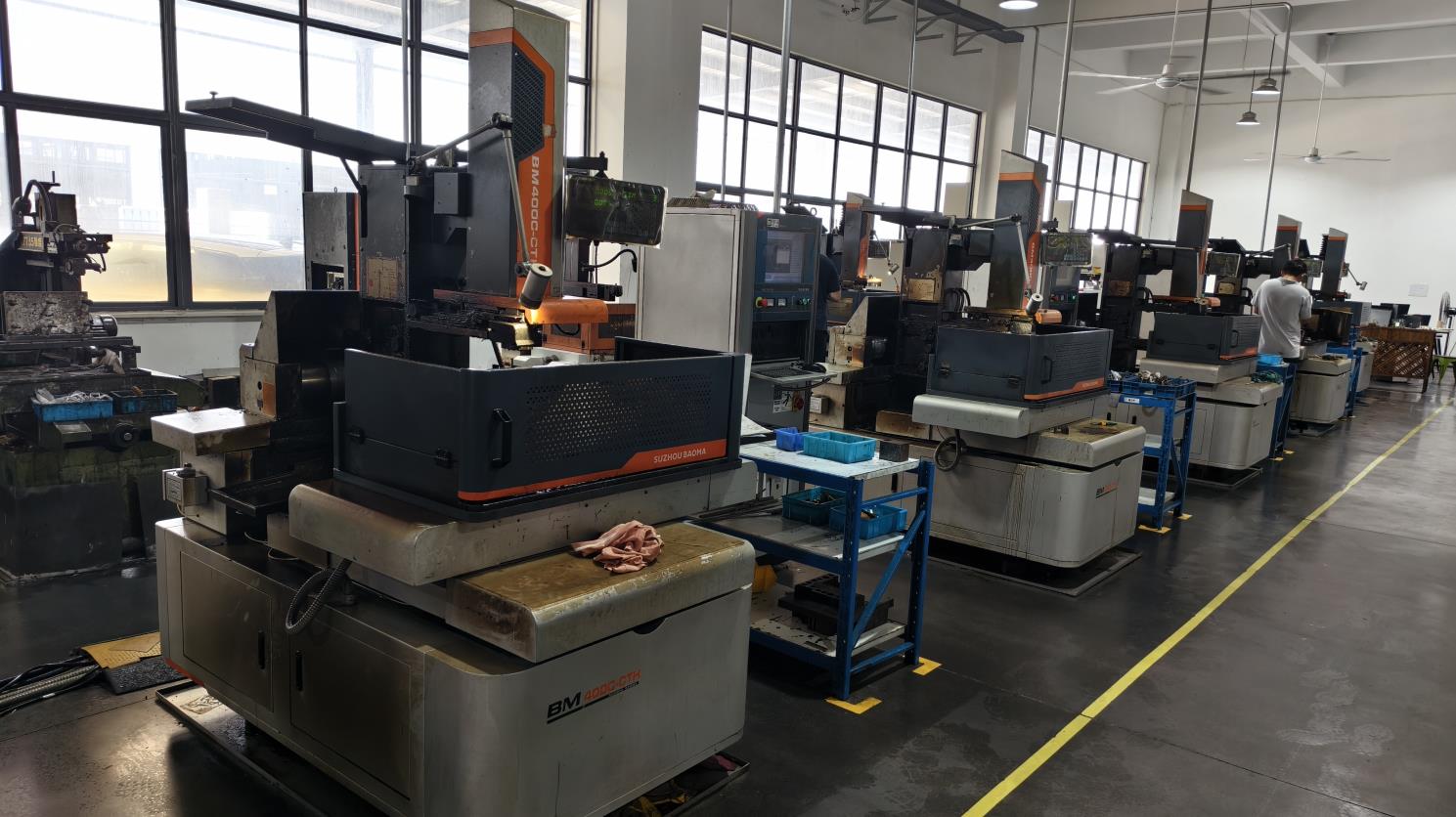
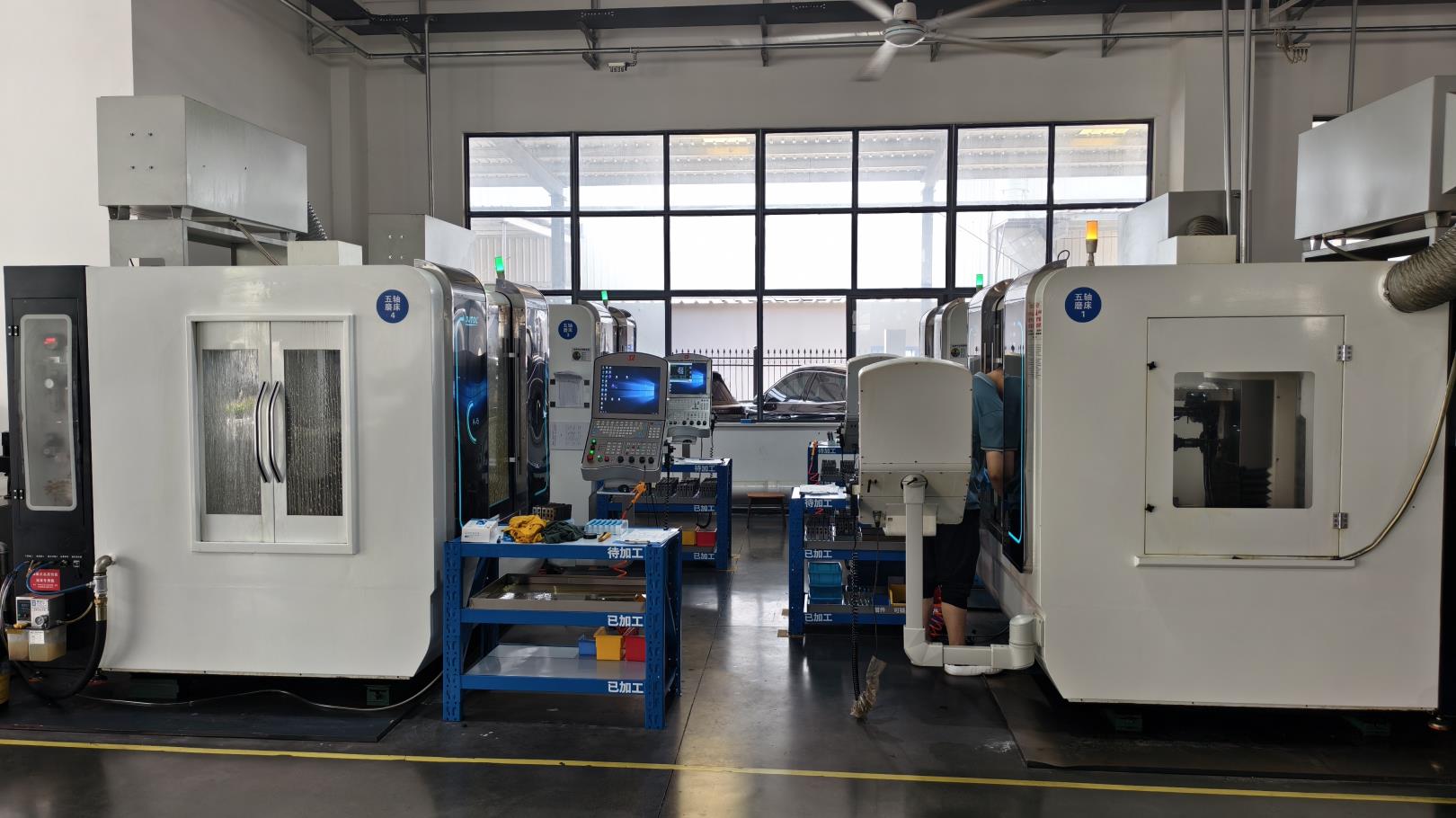
Our manufacturing facility balances state-of-the-art automated production with manual inspection processes. This combination ensures high output capacity while maintaining strict tolerances.
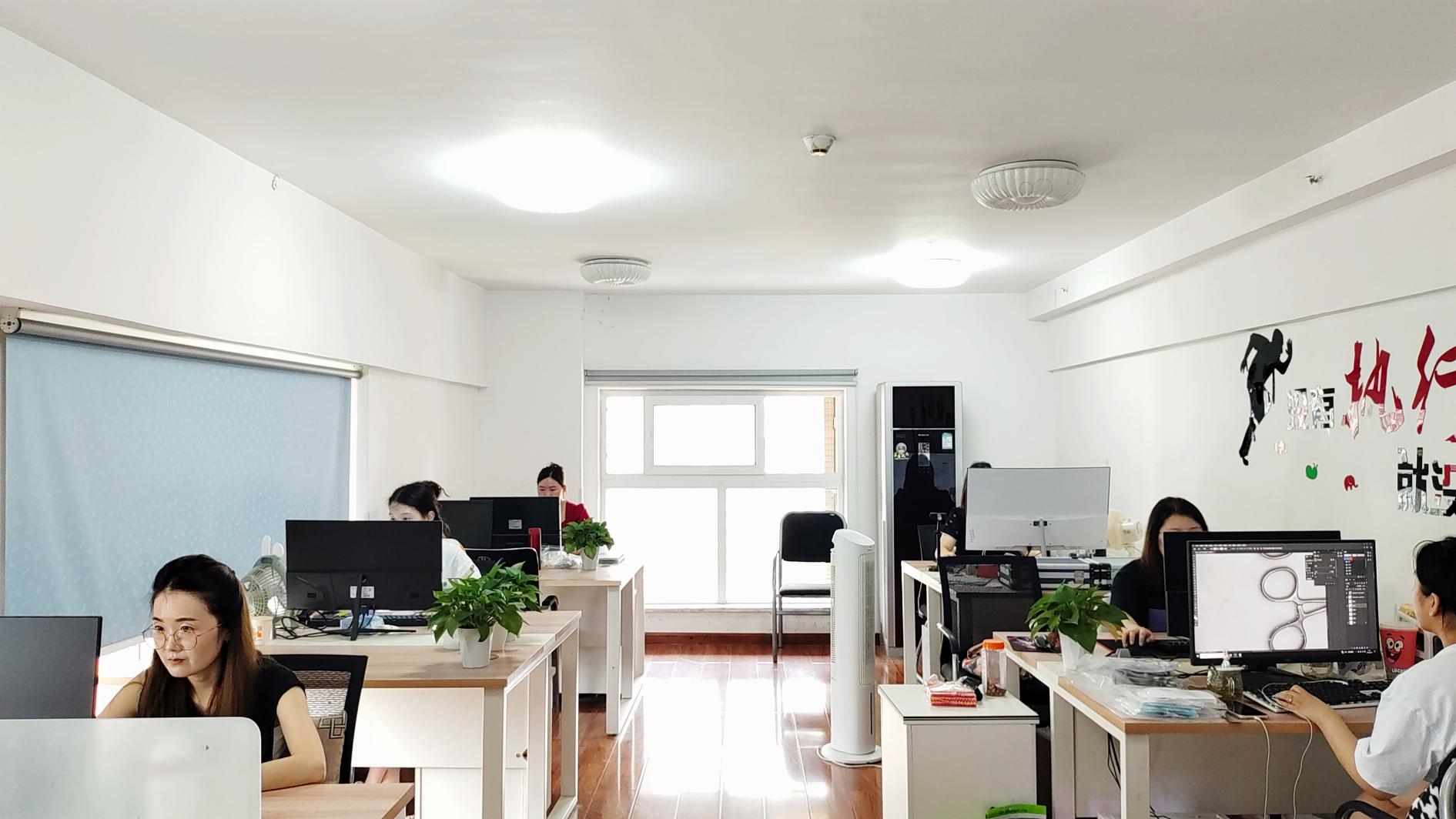
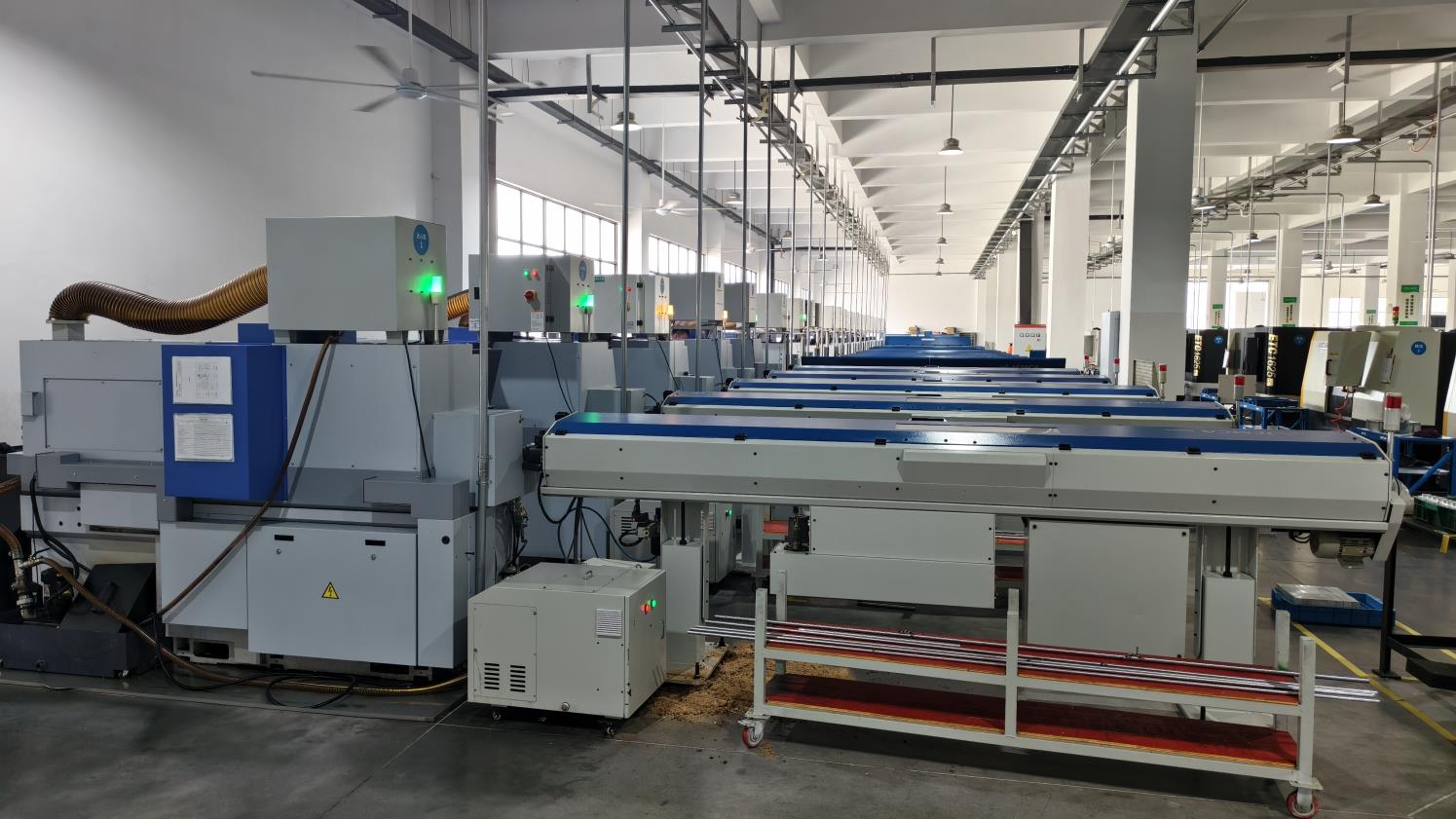
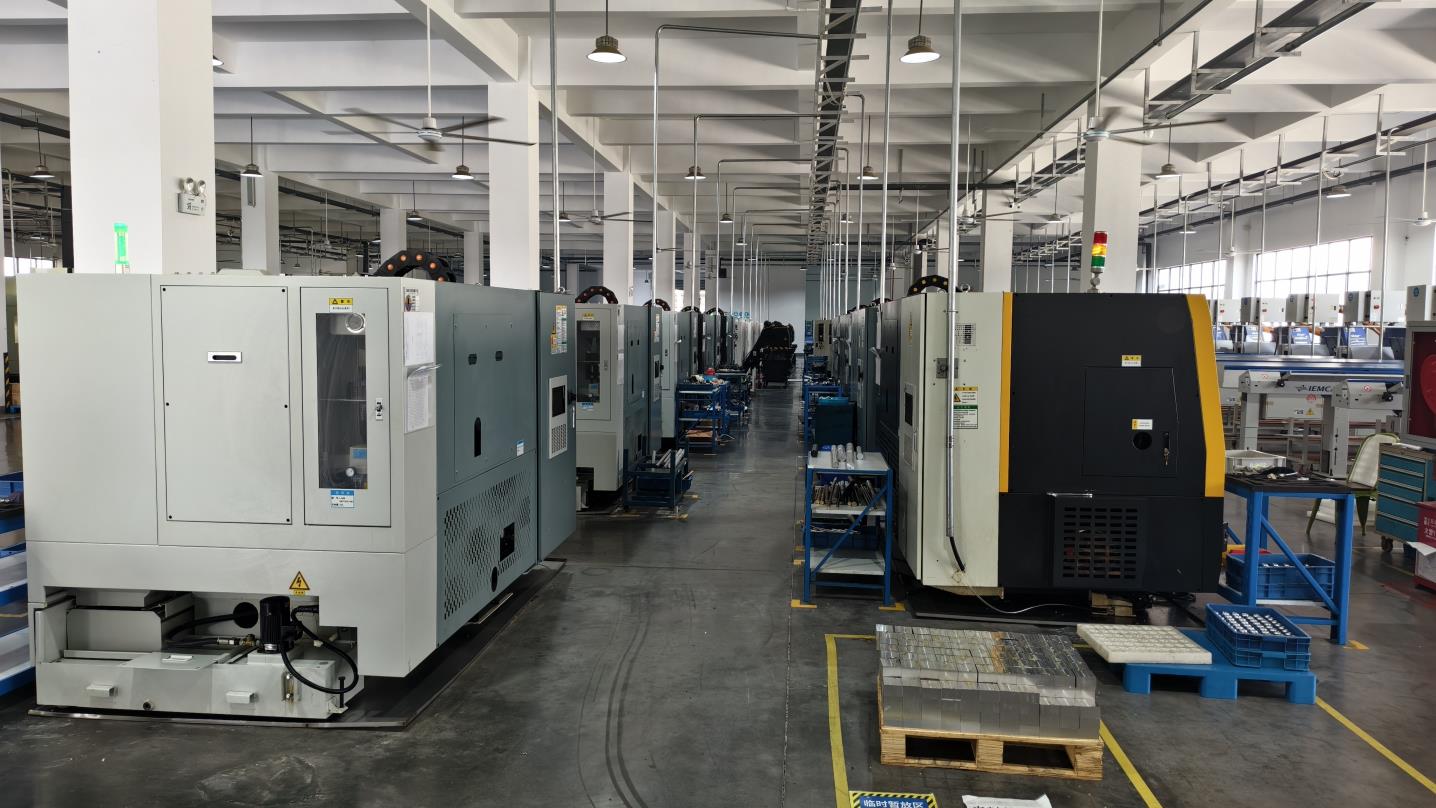
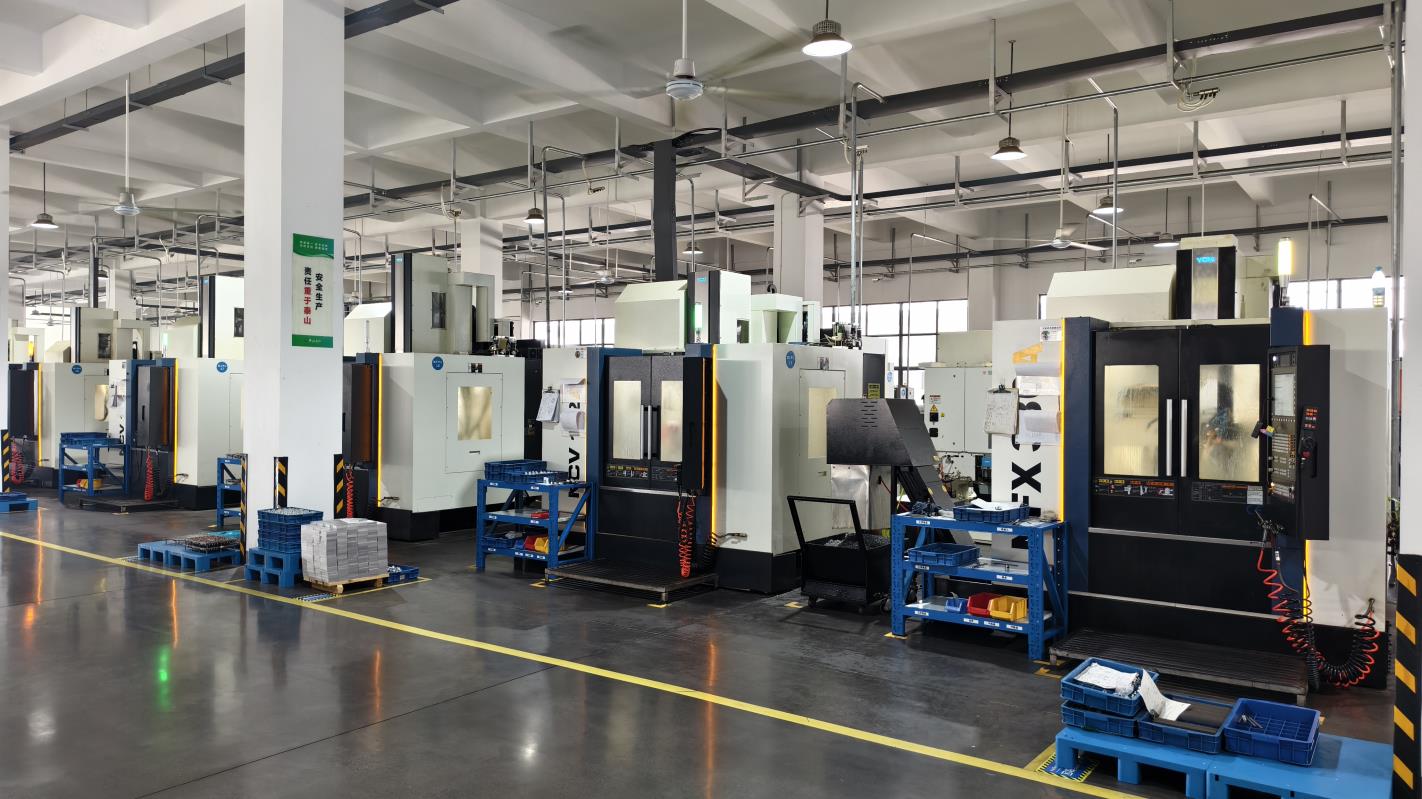
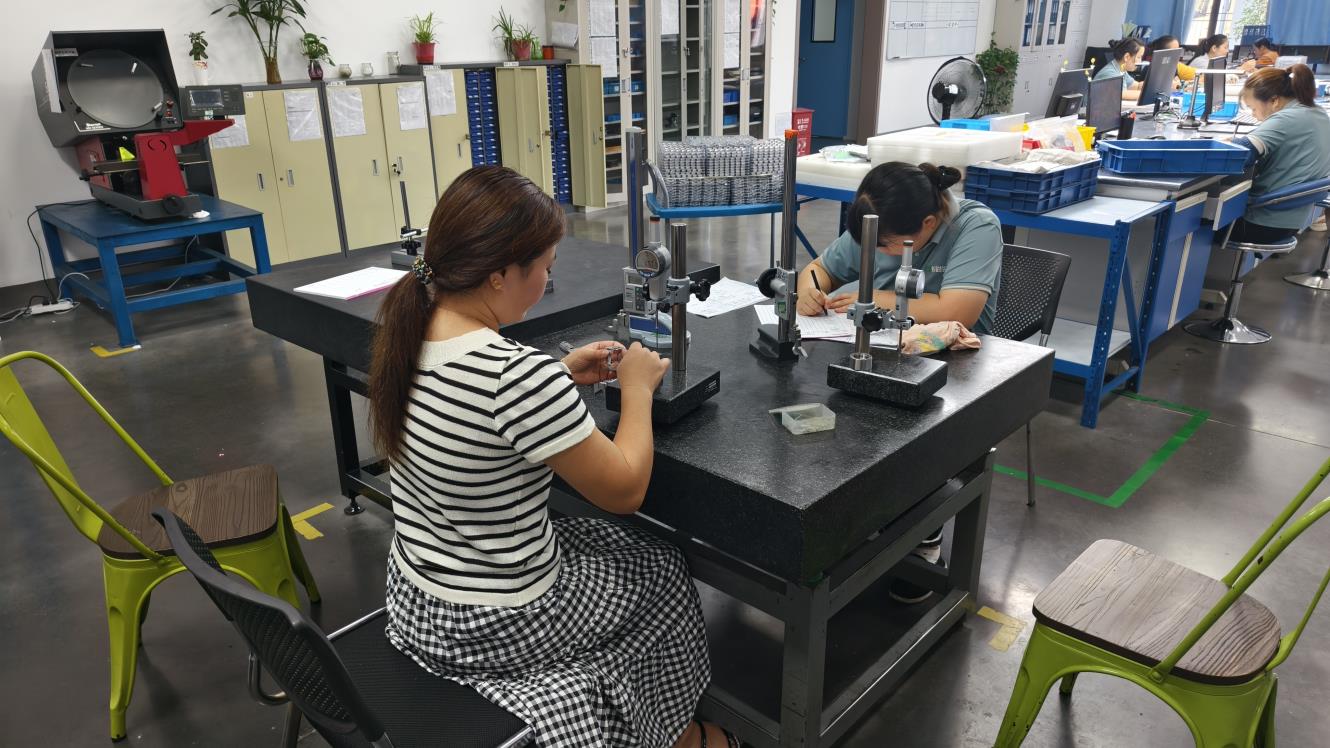
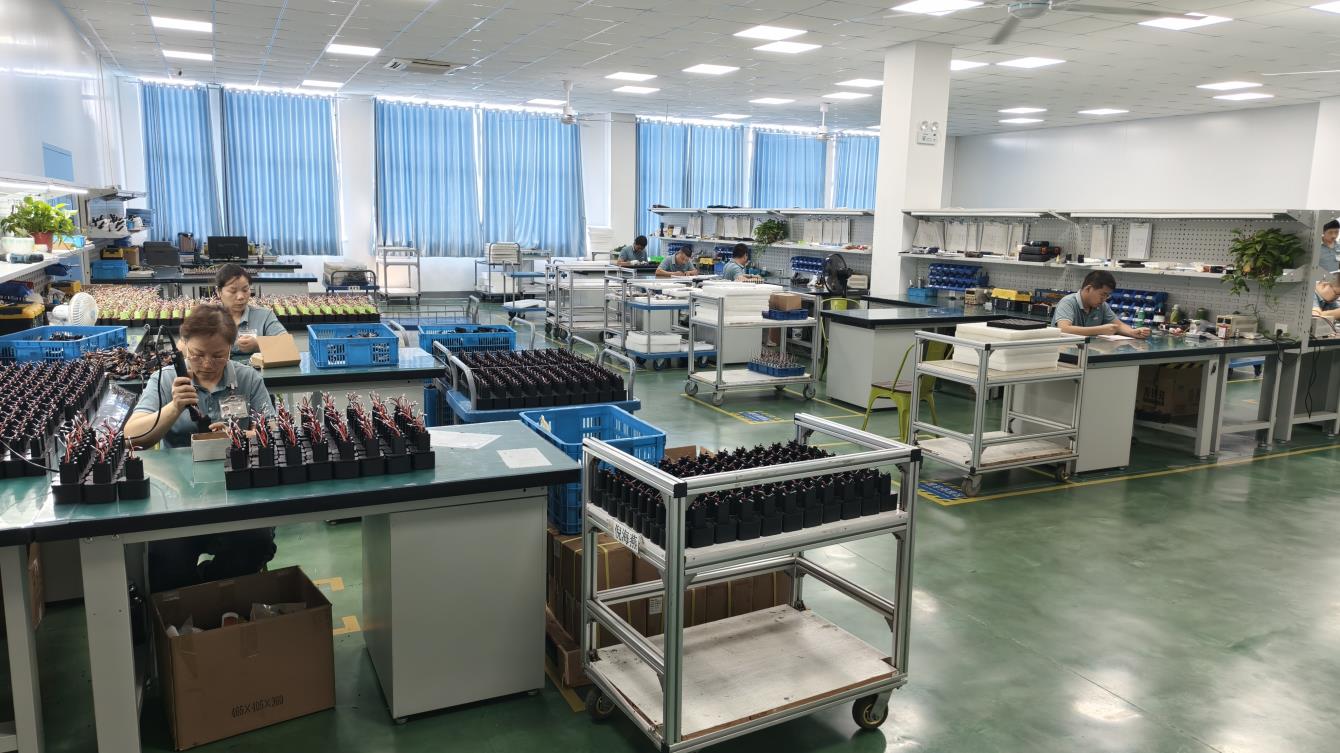
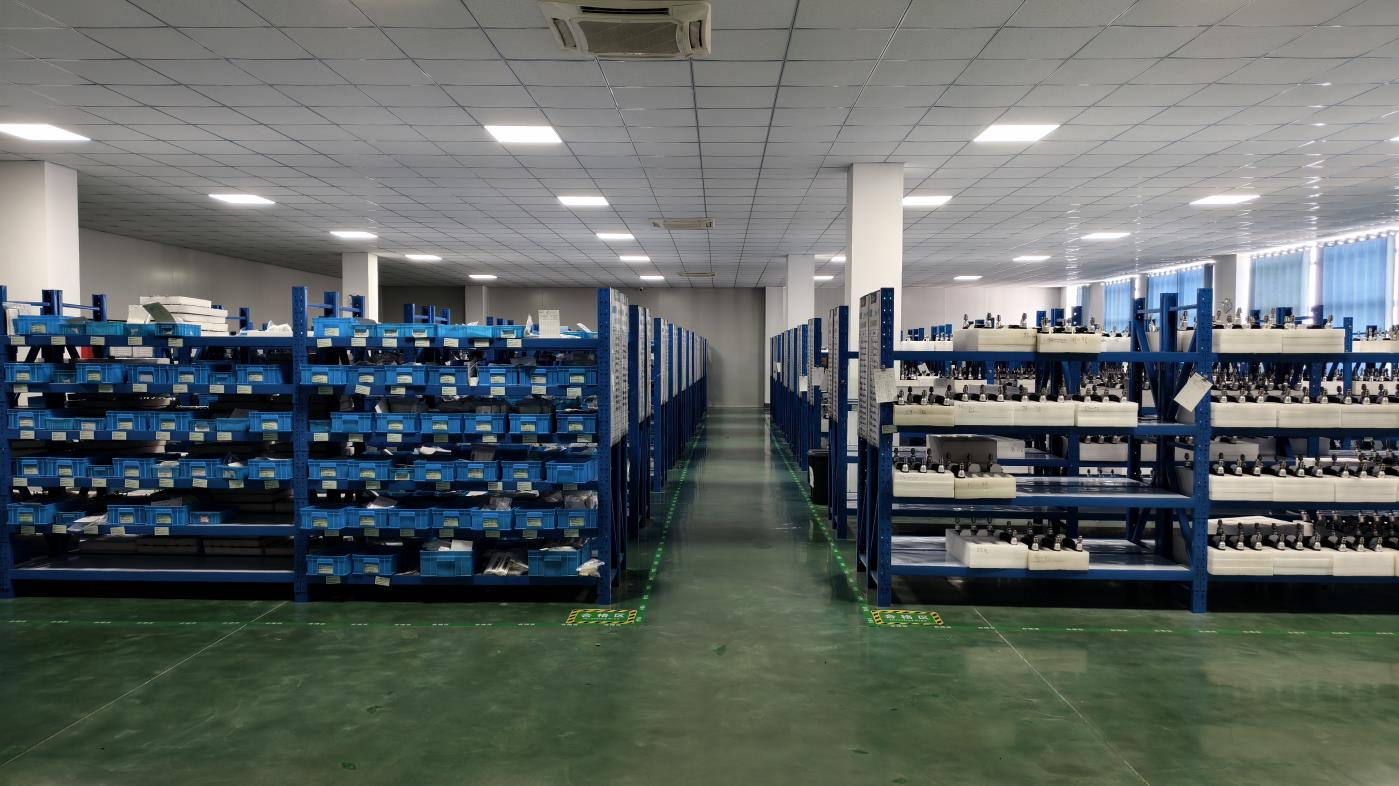
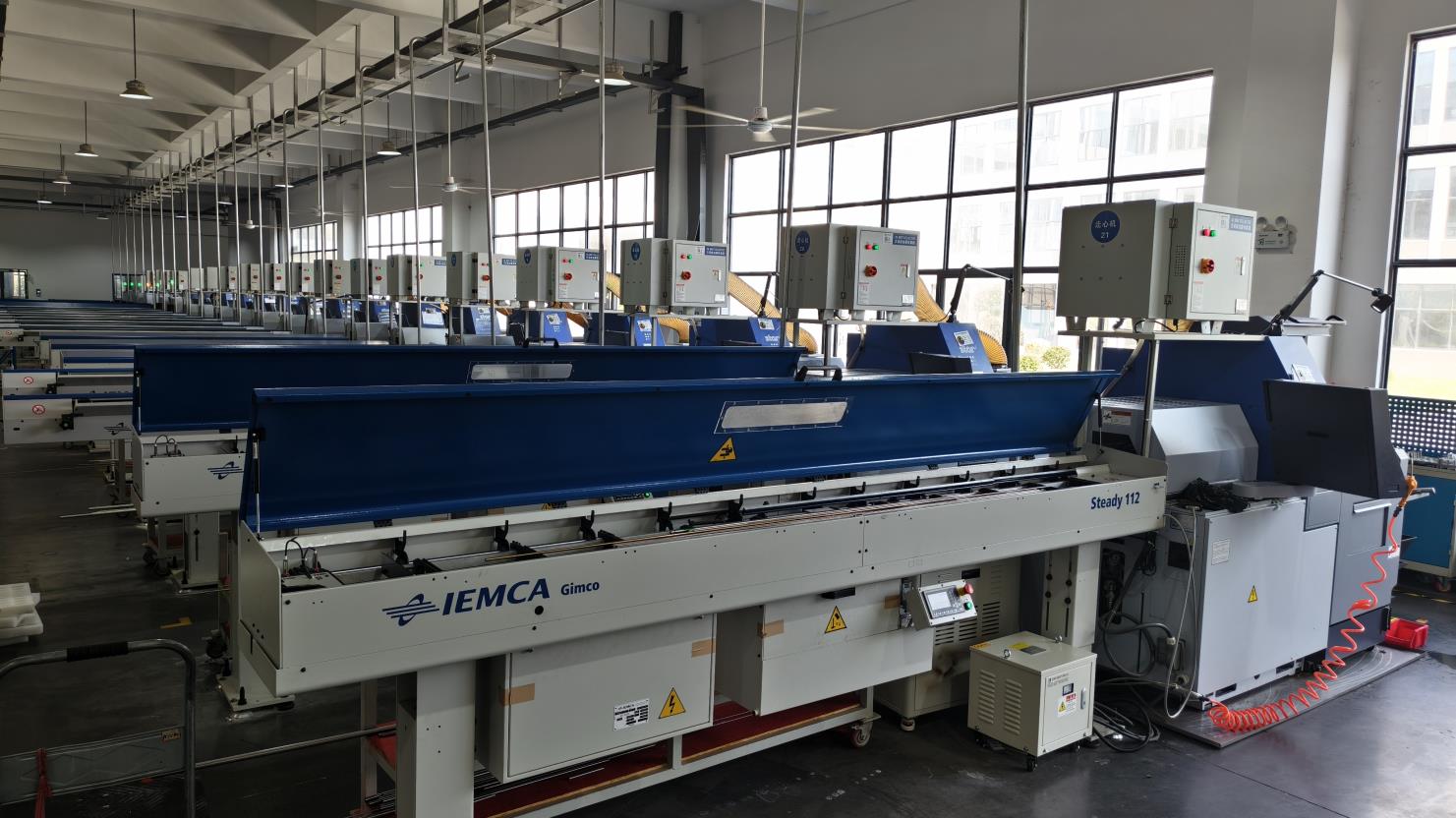
Our manufacturing capabilities support rapid customization requests. Clients can submit blueprints, graphics, or benchmark samples to create specialized orthopedic solutions. This flexibility is critical for regional distributors who must adapt products to meet specific local regulatory requirements.
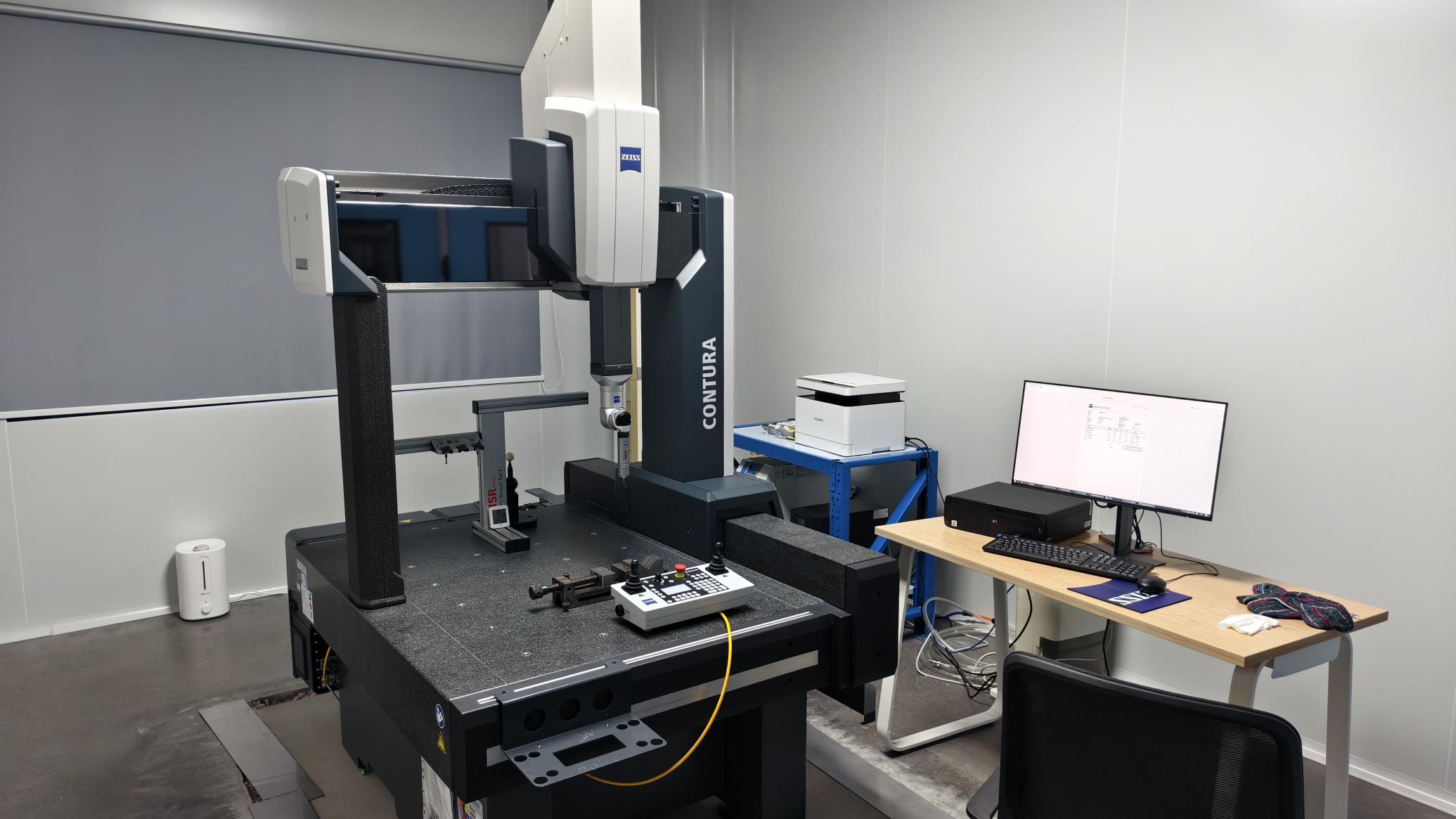
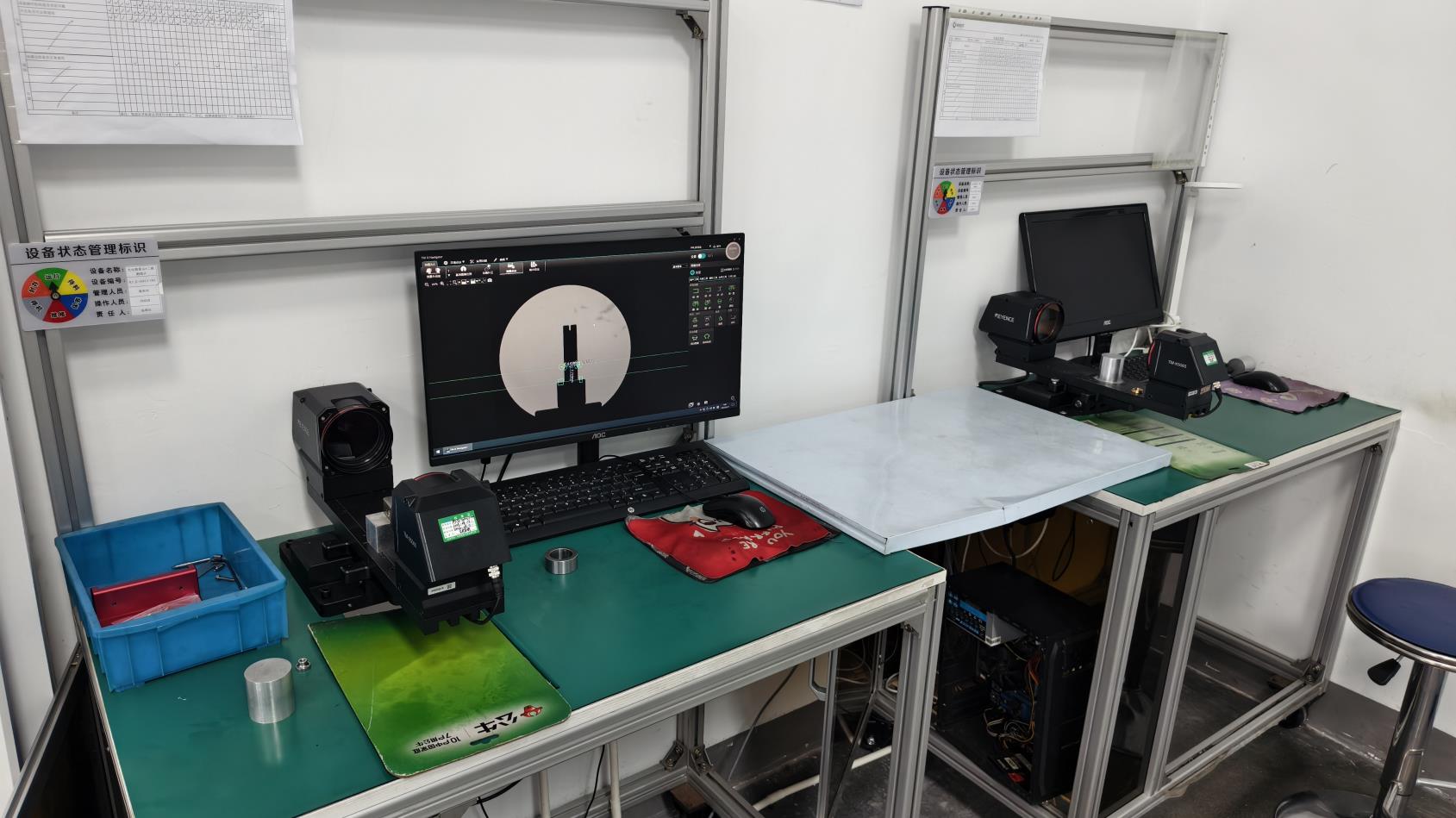
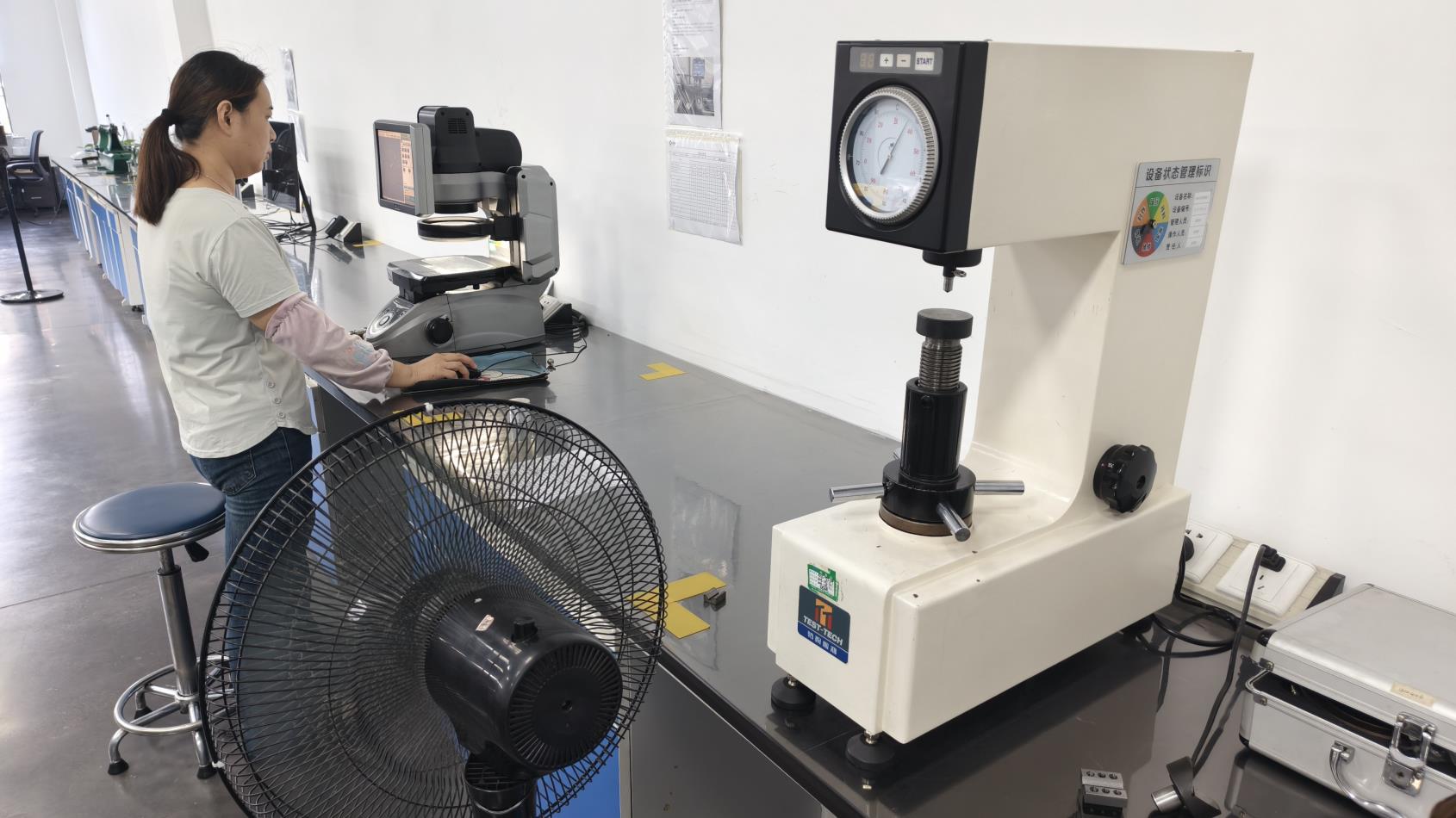
Our supply chain operates with lead-time efficiency. By maintaining raw material inventories, including medical-grade alloys and high-purity glass, we stabilize costs and avoid the supply disruptions common in global logistics. Our quality control system is built around a multi-stage workflow:
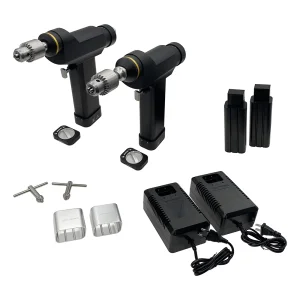
Discover our mechanical and battery-operated surgical tools designed to optimize control and accuracy during intensive operating room procedures.