SENJIE Healthy & Technology
SENJIE Healthy & Technology
SENJIE Healthy & Technology
Advanced surgical instruments engineered for neurological, spinal, and veterinary surgeries across major Pakistani healthcare networks.
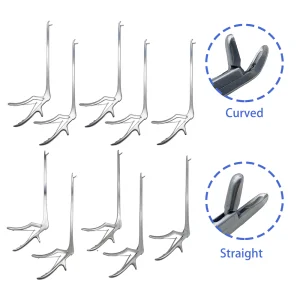
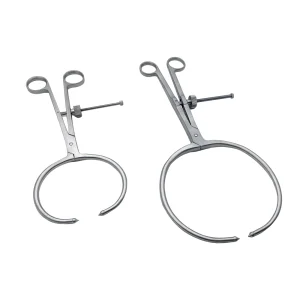
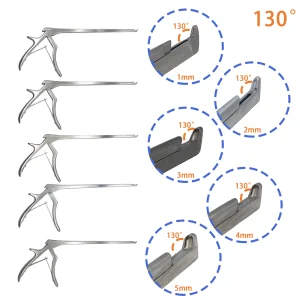
A deep analysis of the trade corridors, demand factors, and supply chain demands within the Pakistani veterinary and clinical sectors.
The healthcare infrastructure of Pakistan is undergoing rapid structural updates. Major metro hubs such as Karachi, Lahore, Rawalpindi, and Peshawar are seeing massive private and public sector investments in tertiary care hospitals, specialized spine surgery centers, and advanced veterinary research institutions. Consequently, this surgical growth creates an urgent domestic demand for premium-grade, German-level standard medical instruments. While Pakistan has a historical reputation for manufacturing hand-held surgical tools in Sialkot, high-tier clinical practices—particularly those involving neurosurgery, spinal microsurgery, and complex arthroscopic procedures—increasingly rely on imported high-precision forceps that guarantee precise bite force, perfect alignment, and raw material traceability.
This shift has transformed the import pipeline, placing China at the center of high-quality surgical supplies due to cost efficiency and superior metallurgical technology. Through targeted import platforms, healthcare facilities in Pakistan can access advanced devices like double-action rongeurs, Kerrison punch forceps, and pelvic reduction clamps with high-spec stainless steel finishes that prevent corrosion under harsh autoclaving regimes.
Operating as an exporter serving Pakistan requires a comprehensive understanding of the Drug Regulatory Authority of Pakistan (DRAP) guidelines. According to the Medical Devices Rules of Pakistan, surgical forceps fall under Class A (low-moderate risk) or Class B (moderate risk) depending on their invasiveness. Importers must hold a valid establishment license for medical device importation, and every product category requires a registration profile verifying conformity with international quality management systems.
Our export workflow satisfies this framework completely. We supply all shipments with detailed certificates of conformance, ISO 13485 certifications, and material test reports (MTR) confirming chemical compositions of AISI 304, 420, or 630 stainless steel. This rigorous attention to paper-trail details ensures smooth customs clearance through major entry points like Karachi Port (KICT/PICT) and Allama Iqbal International Airport Cargo Terminal in Lahore.
A statistical summary highlighting our manufacturing capacity, quality control parameters, and targeted export distribution.
| Company Background Profile | Detailed Status / Specification Details |
|---|---|
| Registration & Track Record | Registered since 2019-11-20, possessing 6 active years of medical instrument engineering & export specialization. |
| Quality Control Protocol | Random inspection default; Customizable 100% inspections per batch according to Pakistani client requirements. |
| Primary Target Export Markets | North America (25%), South America (25%), Southeast Asia (15%), with growing infrastructure channels in Central Asia & Pakistan. |
| Customization Capabilities | Accepts Custom Sample Processing, Graphic/CAD blueprint processing, and custom-on-demand configurations. |
| Material Conformity | Medical Grade Stainless Steel (autoclavable, corrosion-resistant, high tensile strength). |
In the modern surgical supply landscape, delivery times and pricing predictability are critical. Traditional Western manufacturers are often bottlenecked by long production cycles and complex export protocols, driving up unit costs. By leveraging the trade pathways built under the China-Pakistan Economic Corridor (CPEC), Chinese manufacturing centers offer an optimal combination of speed and cost management.
Our factories leverage advanced computer-aided machining (CNC) along with manual alignment processes to maintain consistent tolerance values on joint pins and bite jaws. By consolidating ocean and air cargo shipments through optimized trade routes, we reduce delivery lead times to Pakistan by up to 45% compared to European surgical brands.
Additionally, our strict raw material validation systems protect hospitals from low-grade metal fatigue. Each batch of steel is tested for mechanical properties under heavy stress, guaranteeing that force transmission to the jaws of our forceps is smooth, direct, and completely reliable.
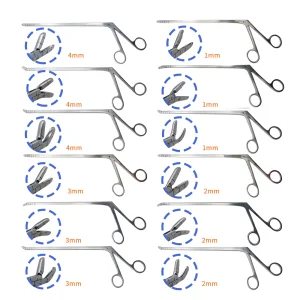
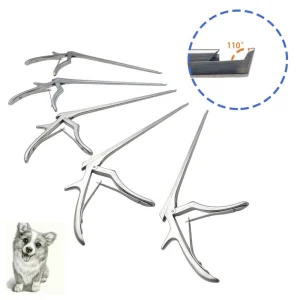
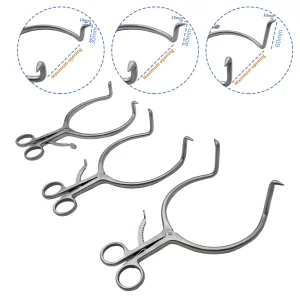
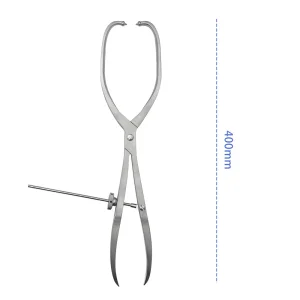
Pakistan’s medical landscape is unique because it features a large agricultural economy alongside a growing urban healthcare network. This demands high-quality instruments for both veterinary clinics and human surgical suites. Our orthopedic forceps line supports both fields:
A visual look at our design blueprints, machining accuracy, assembly stages, and final clinical packaging processes.
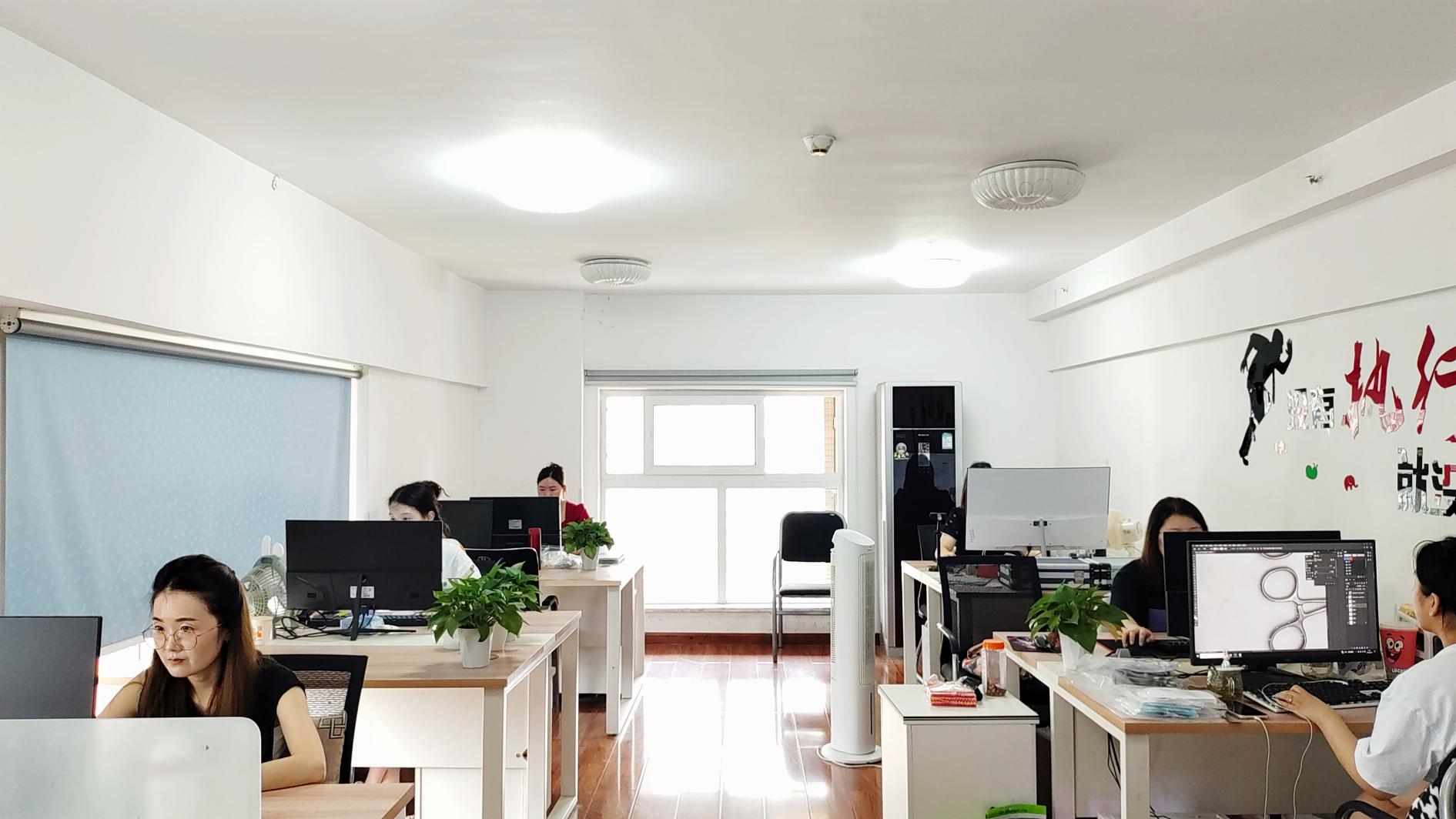
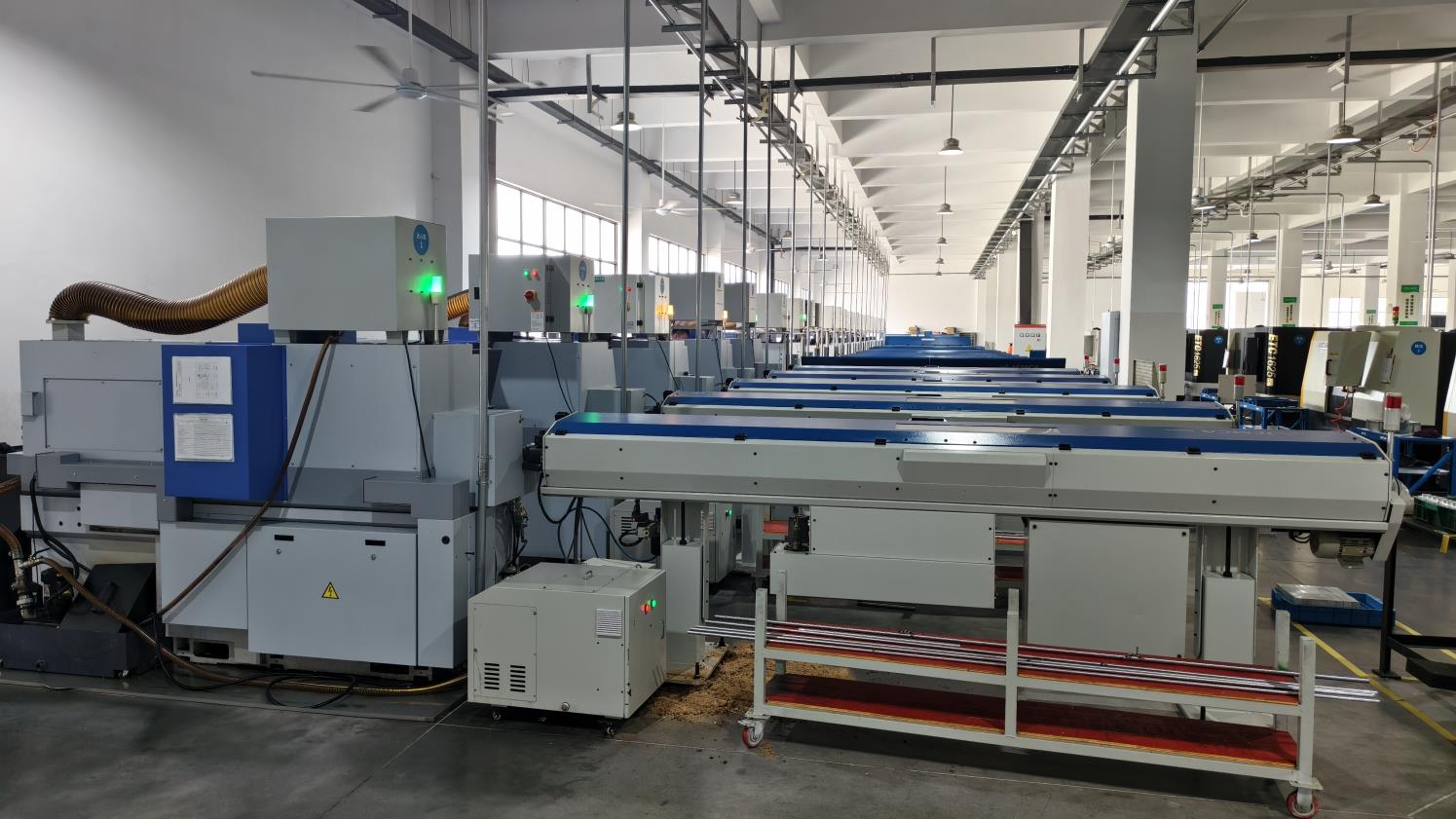
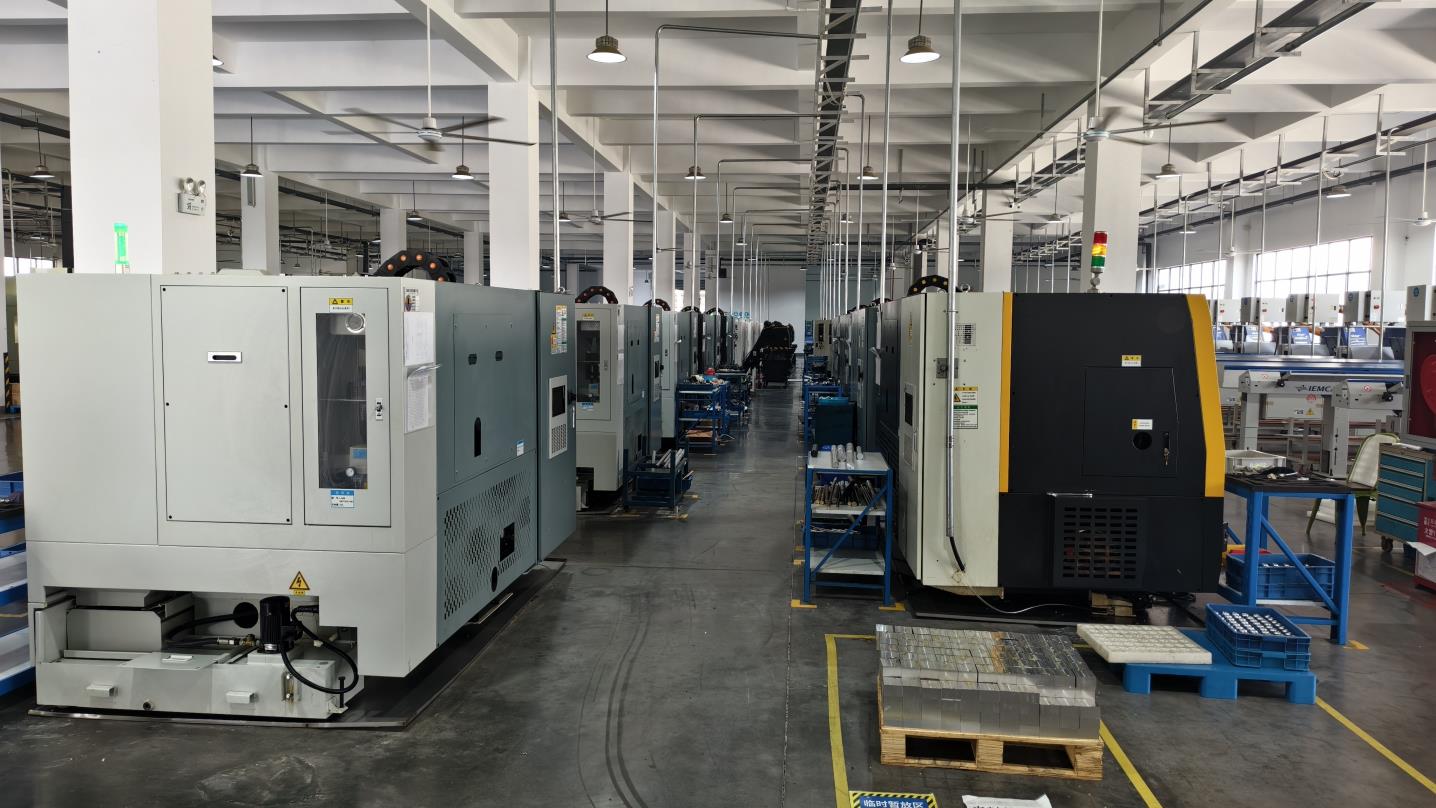
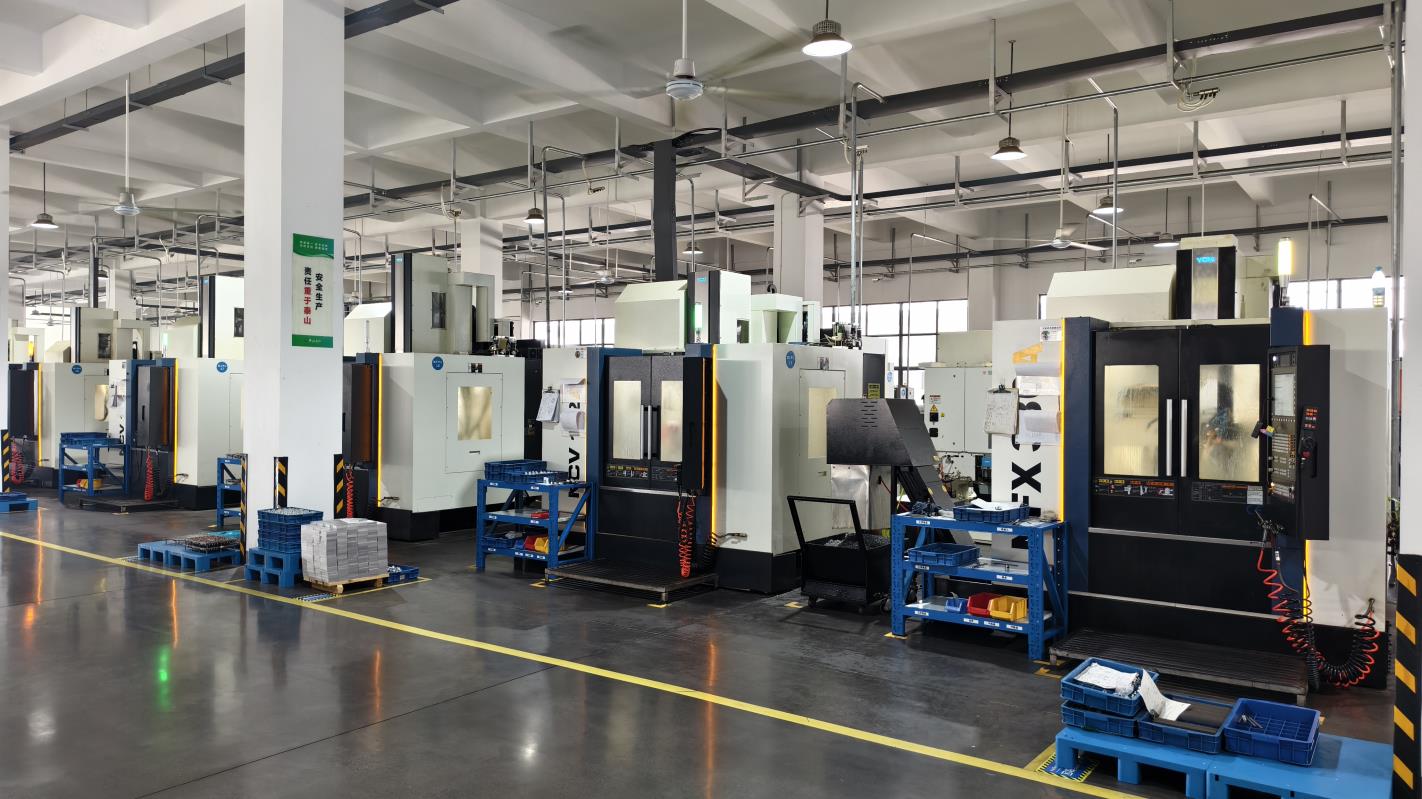
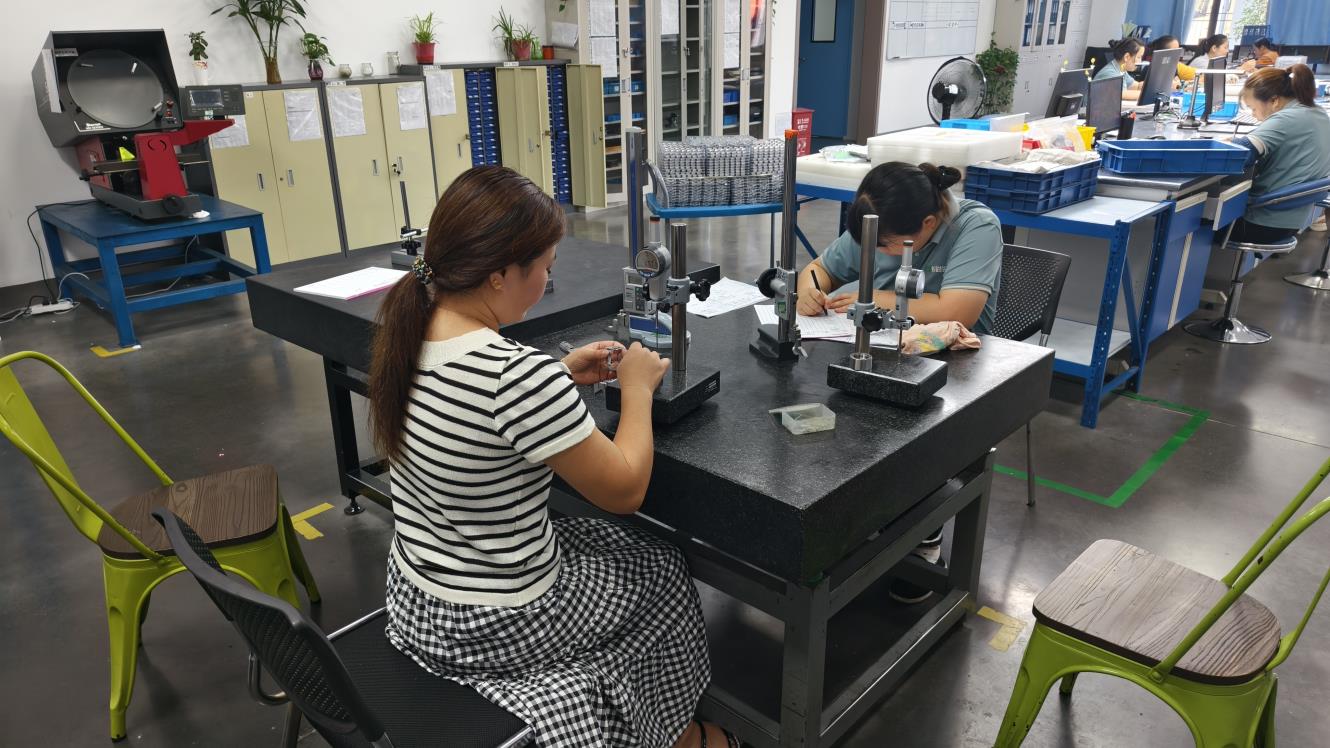
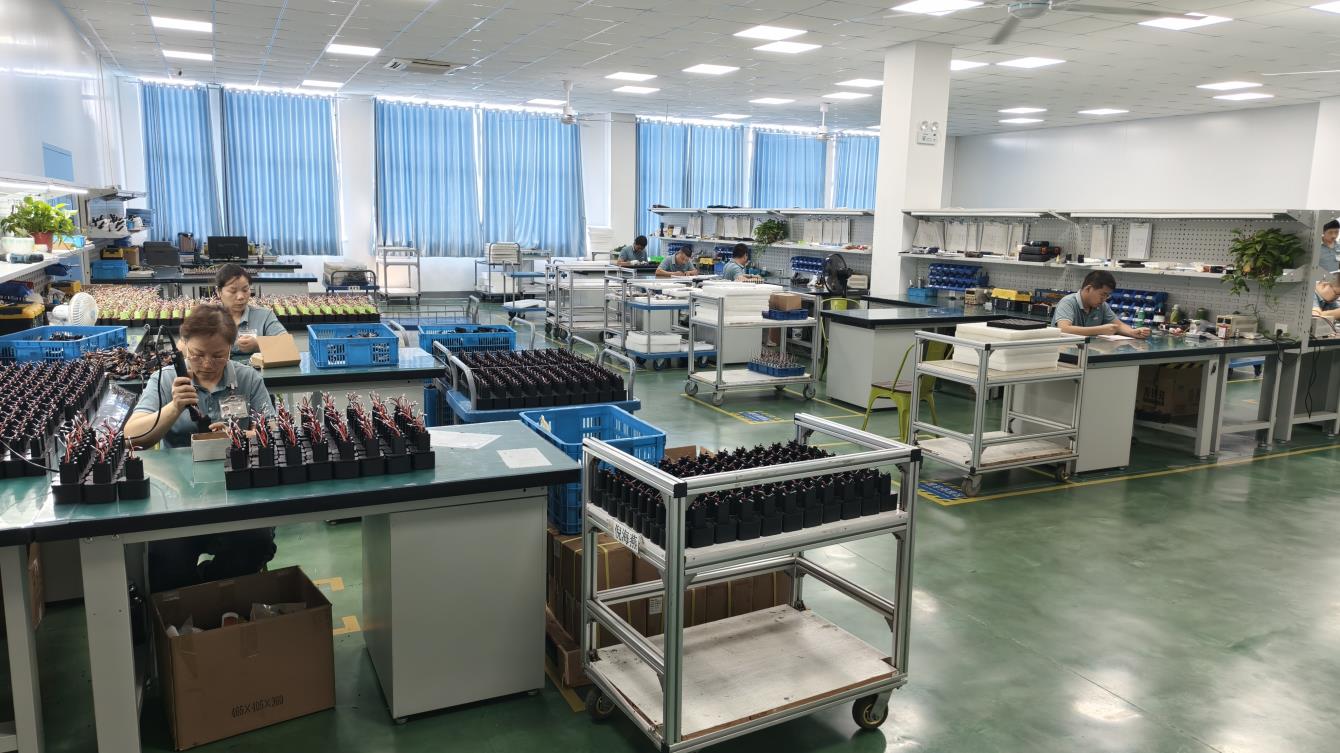
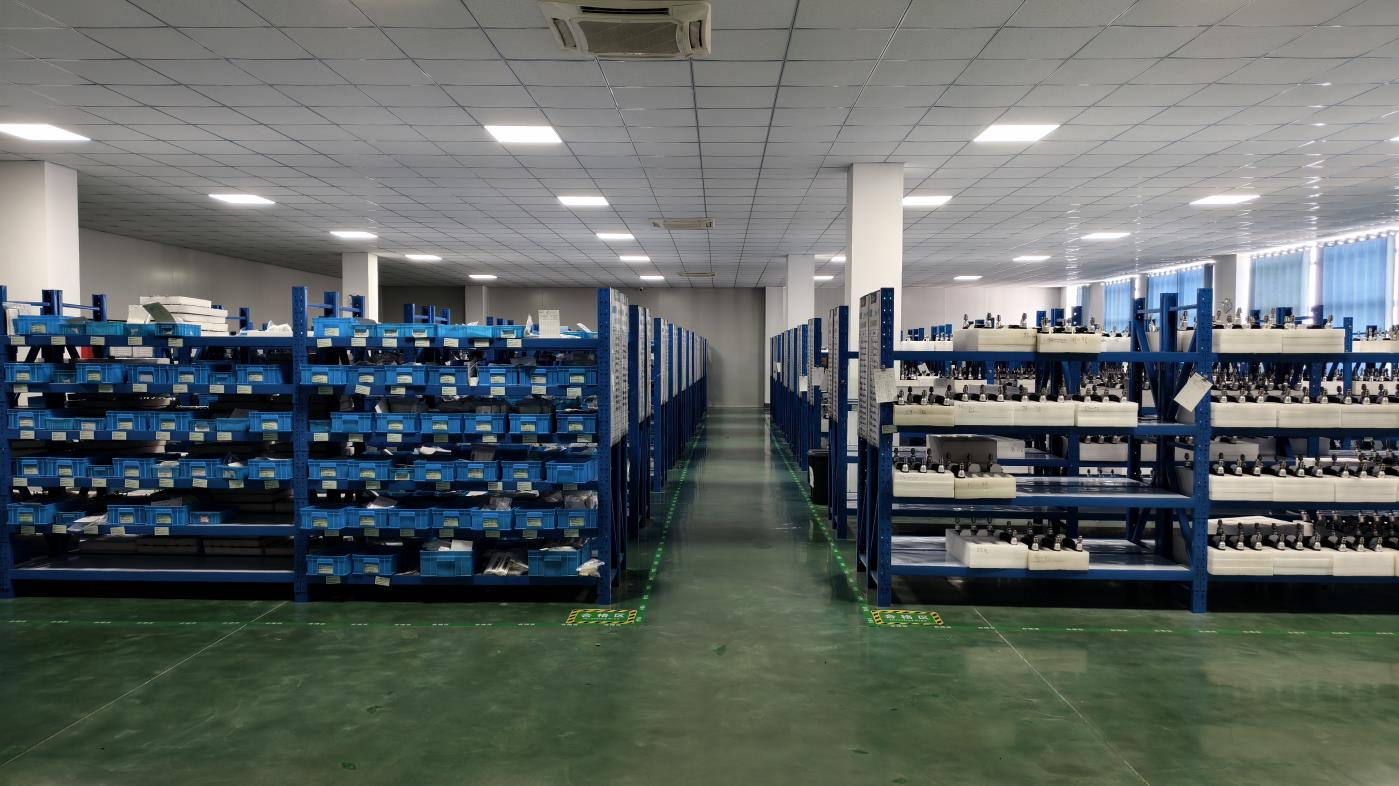
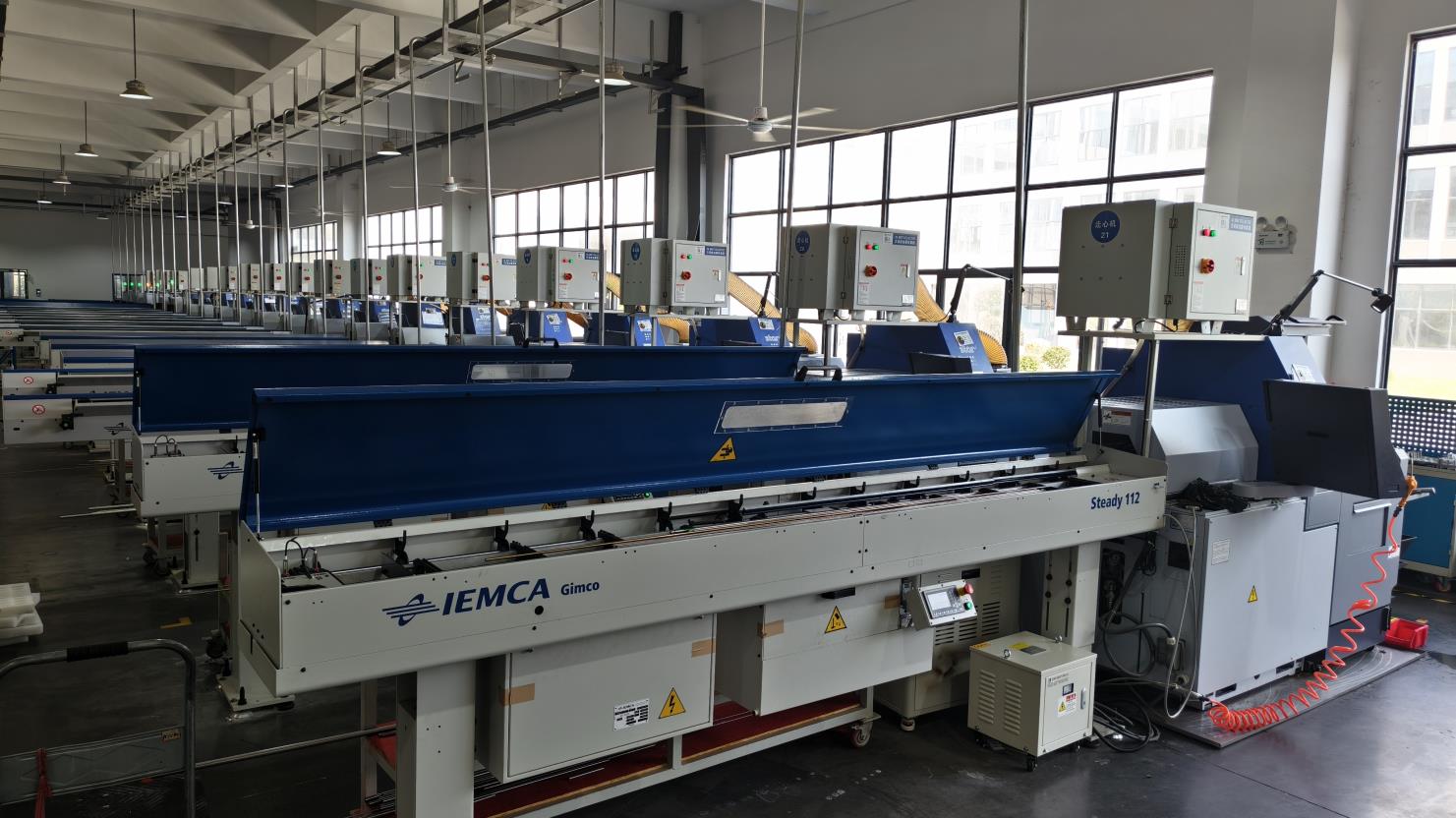
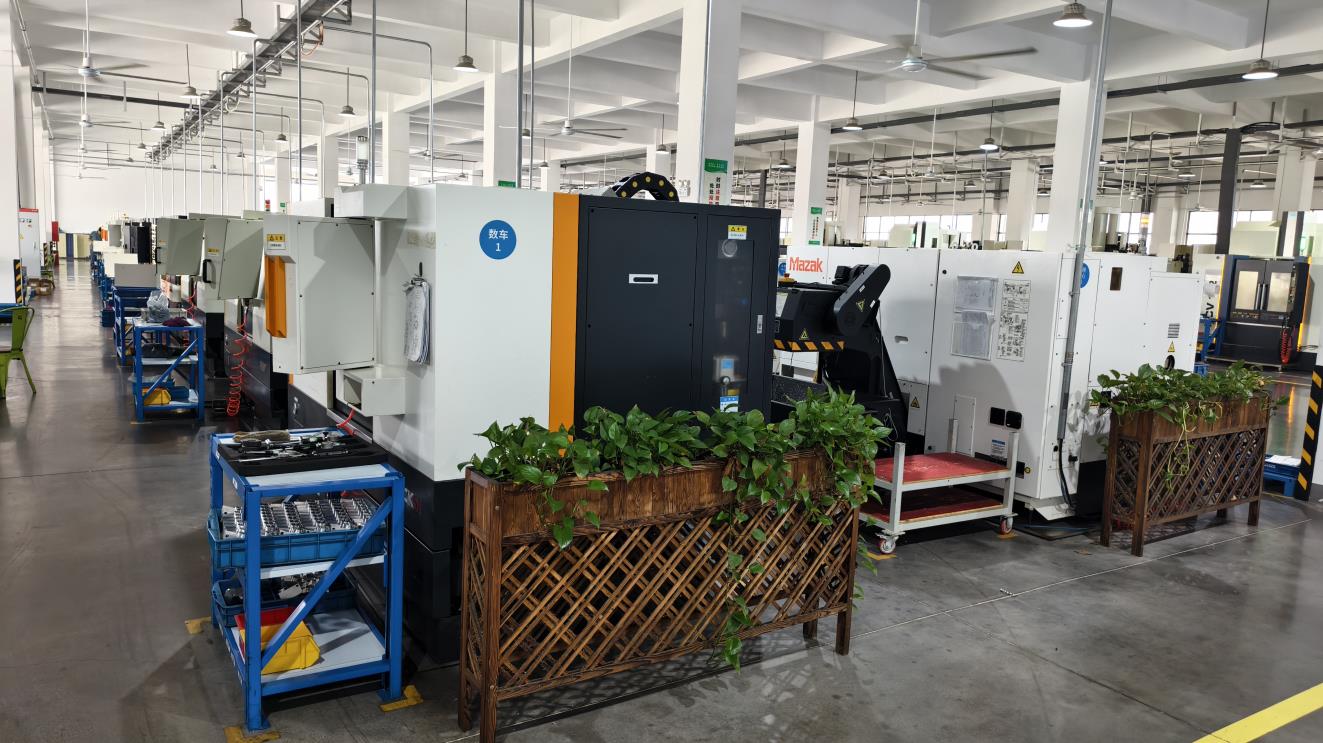
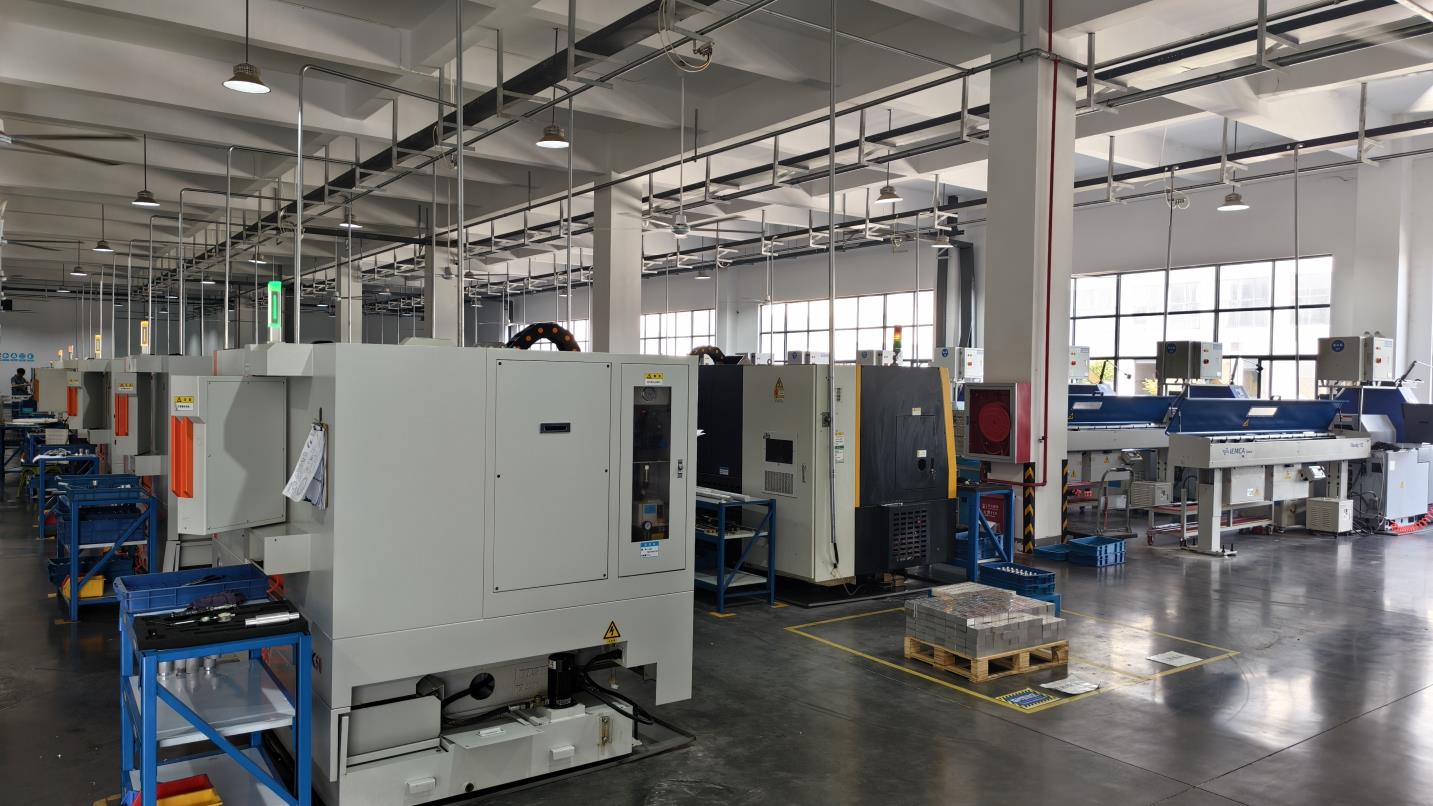
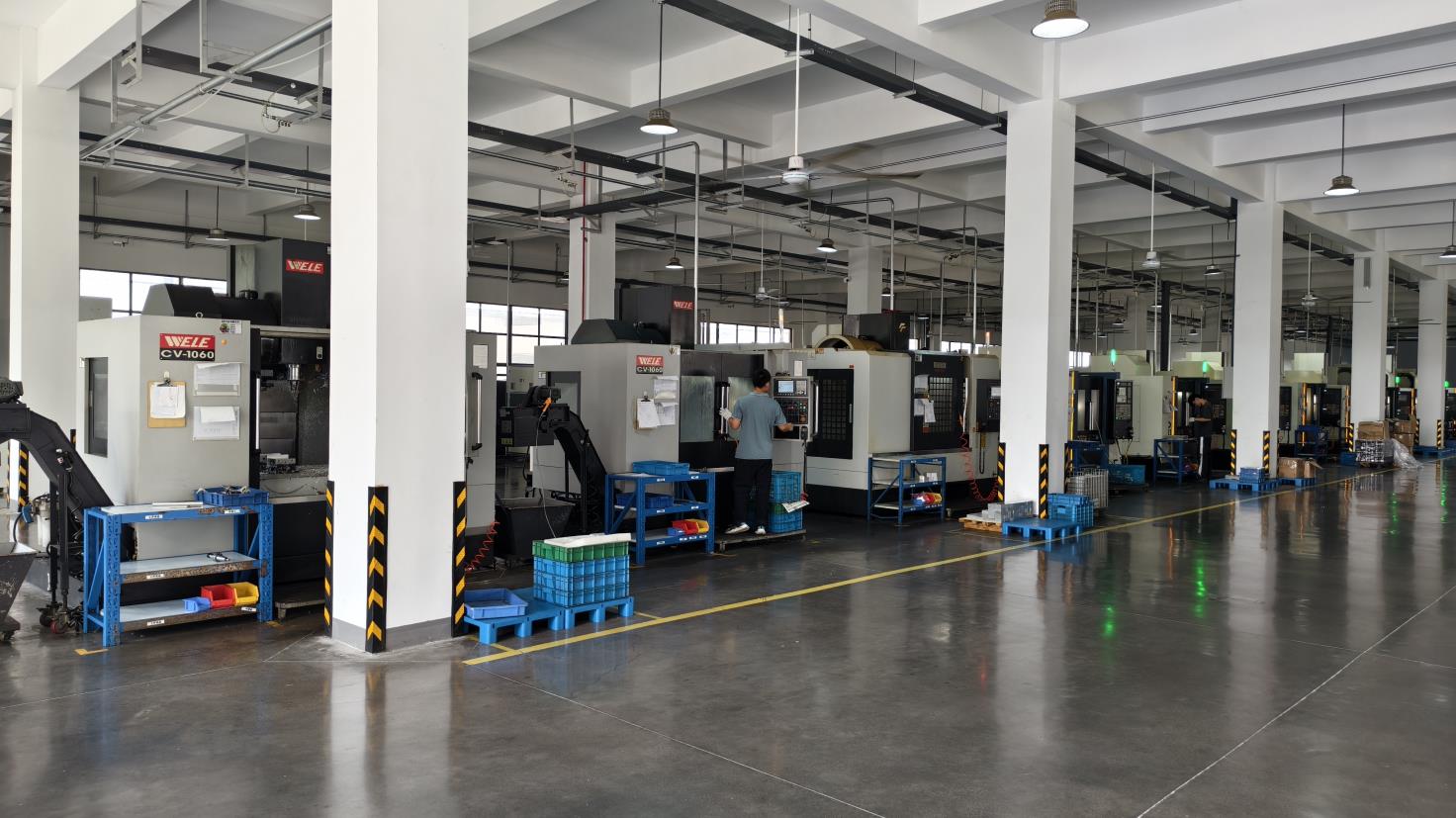
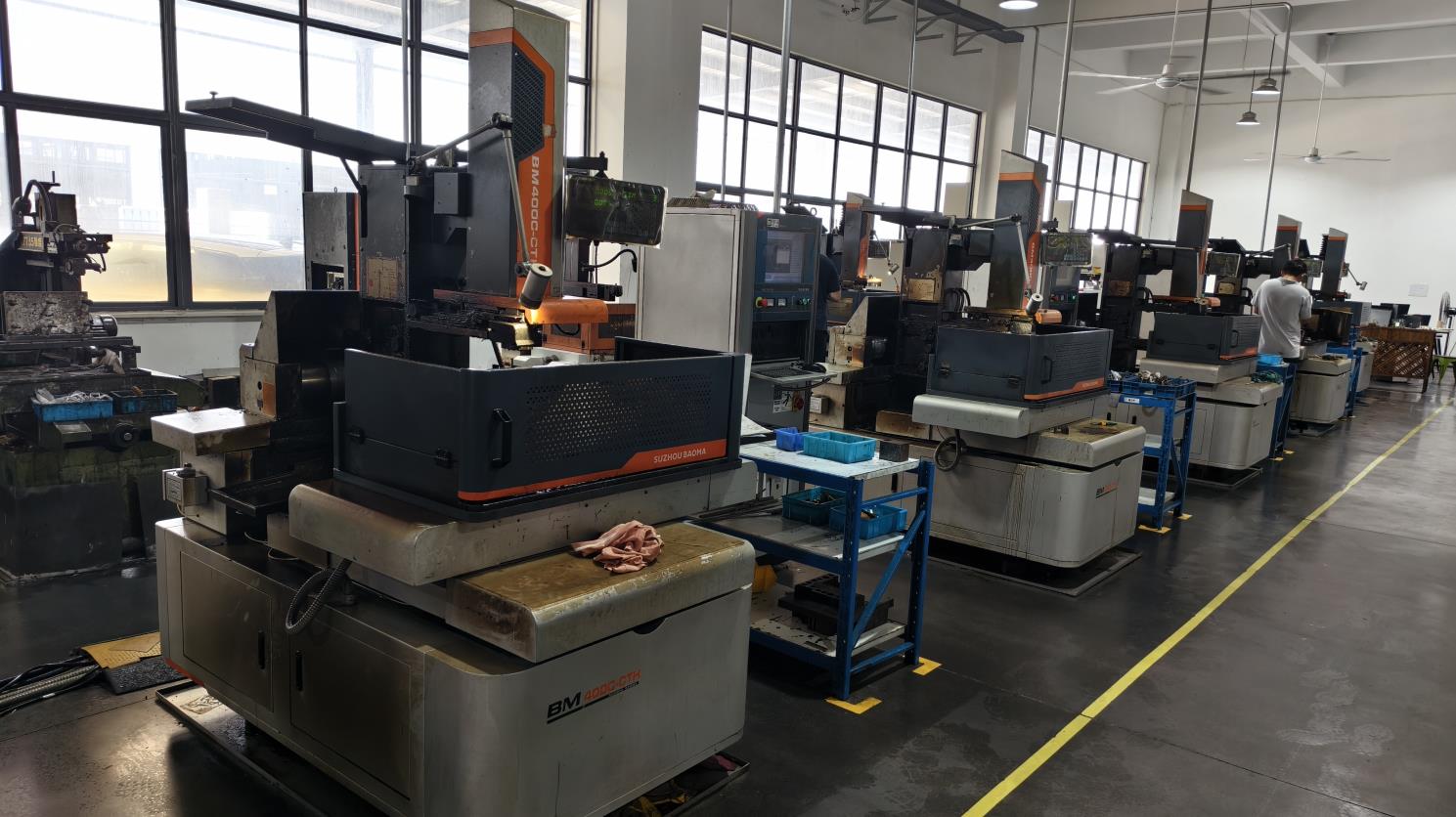
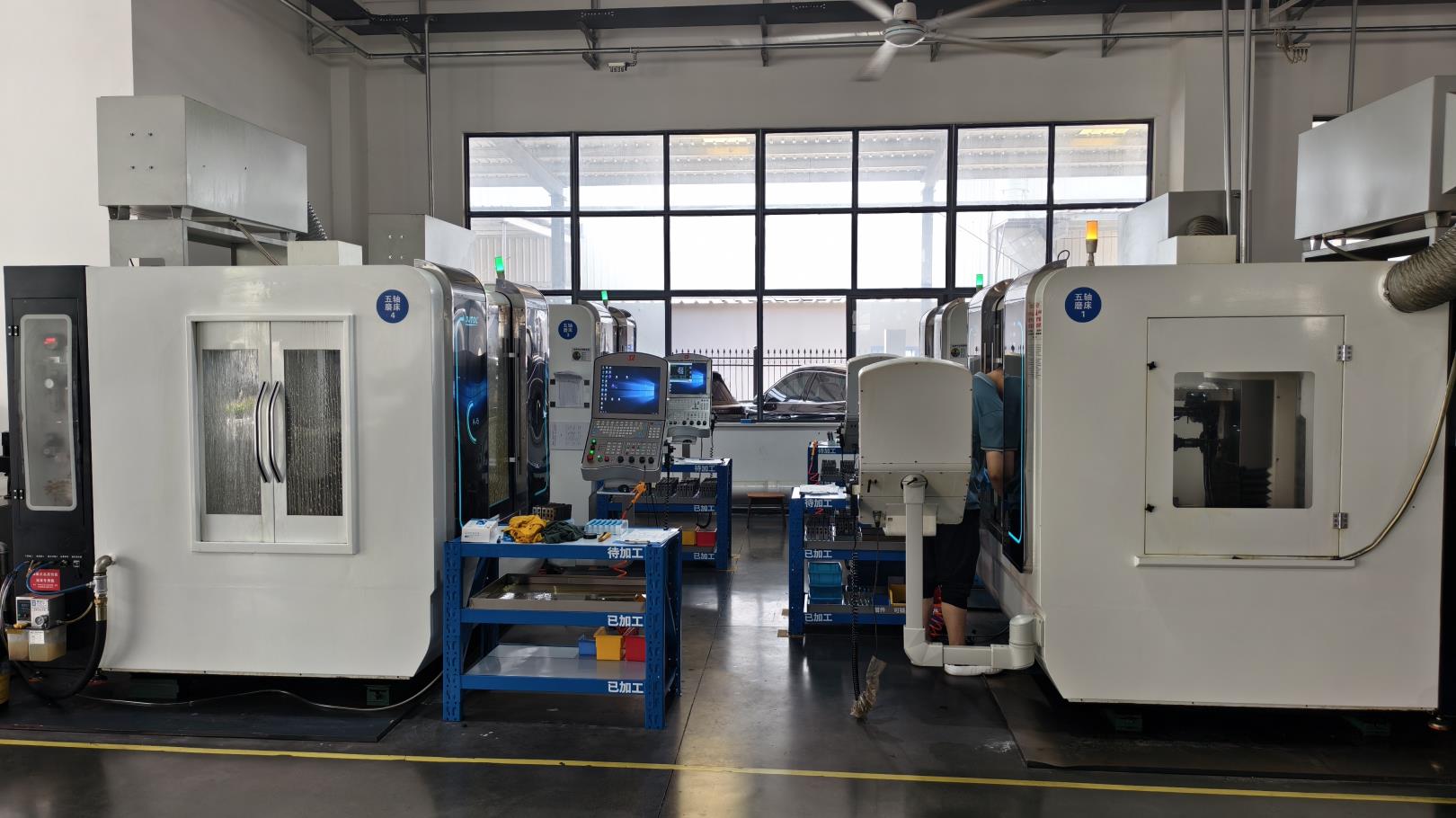
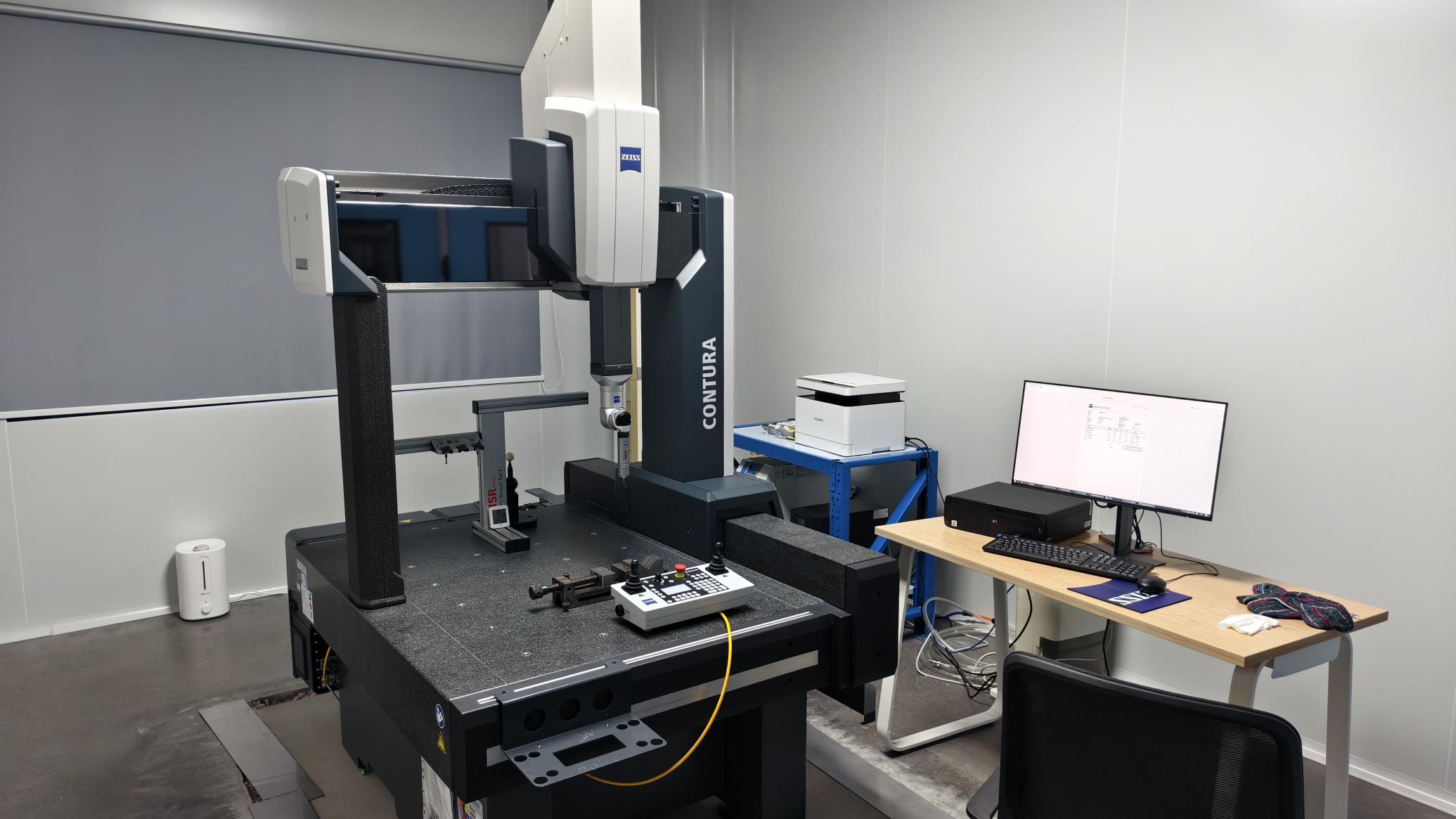
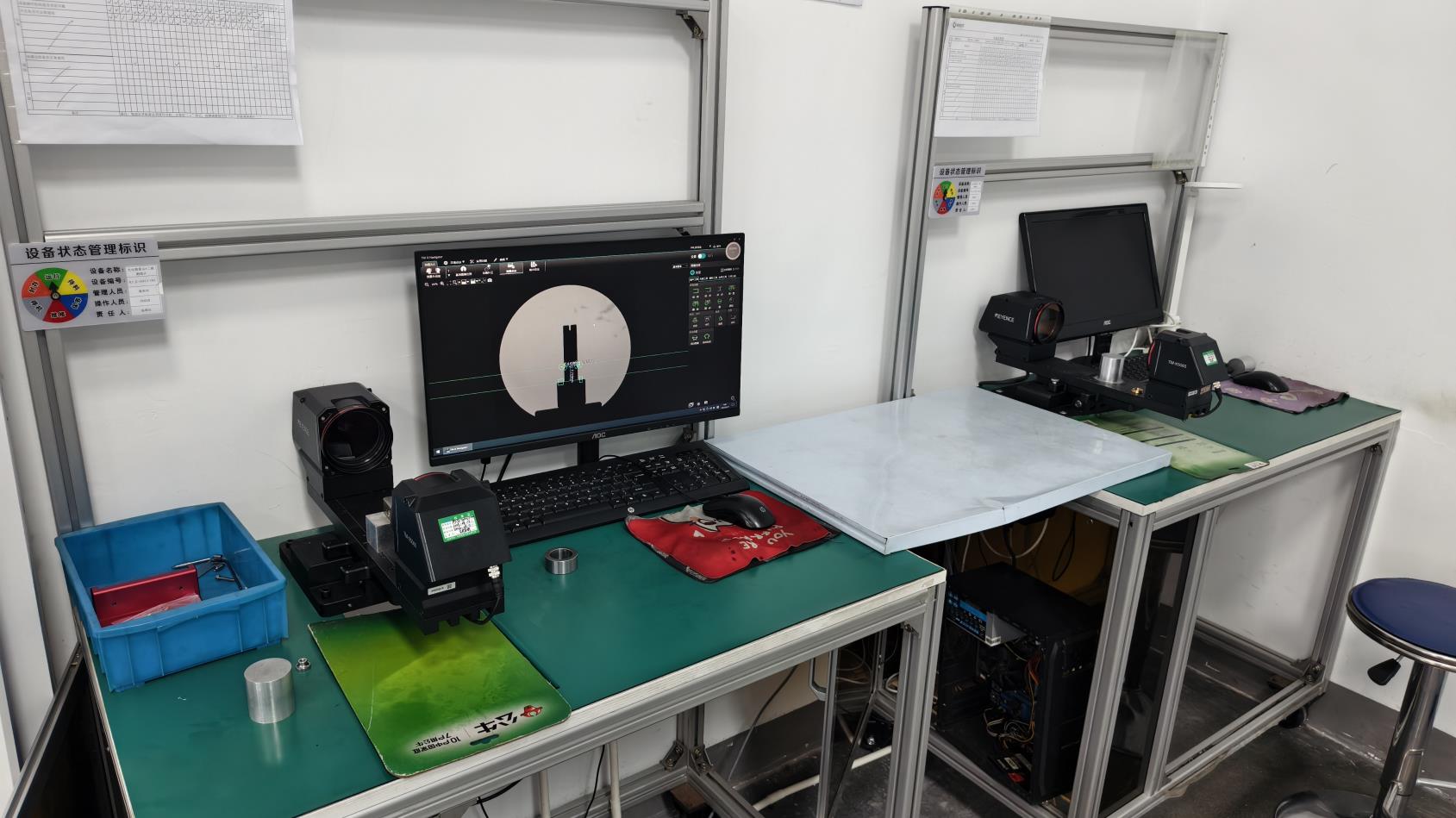
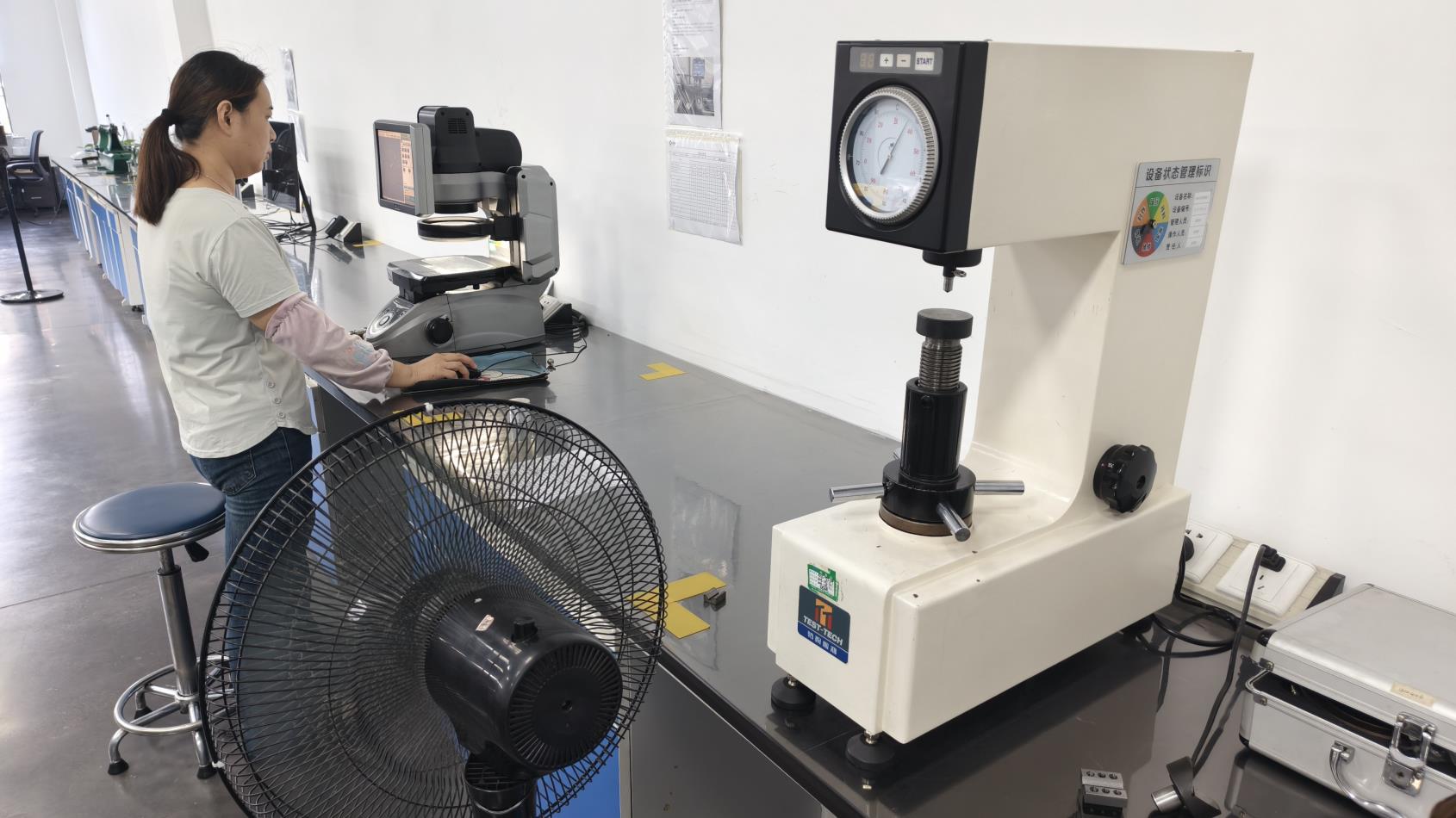
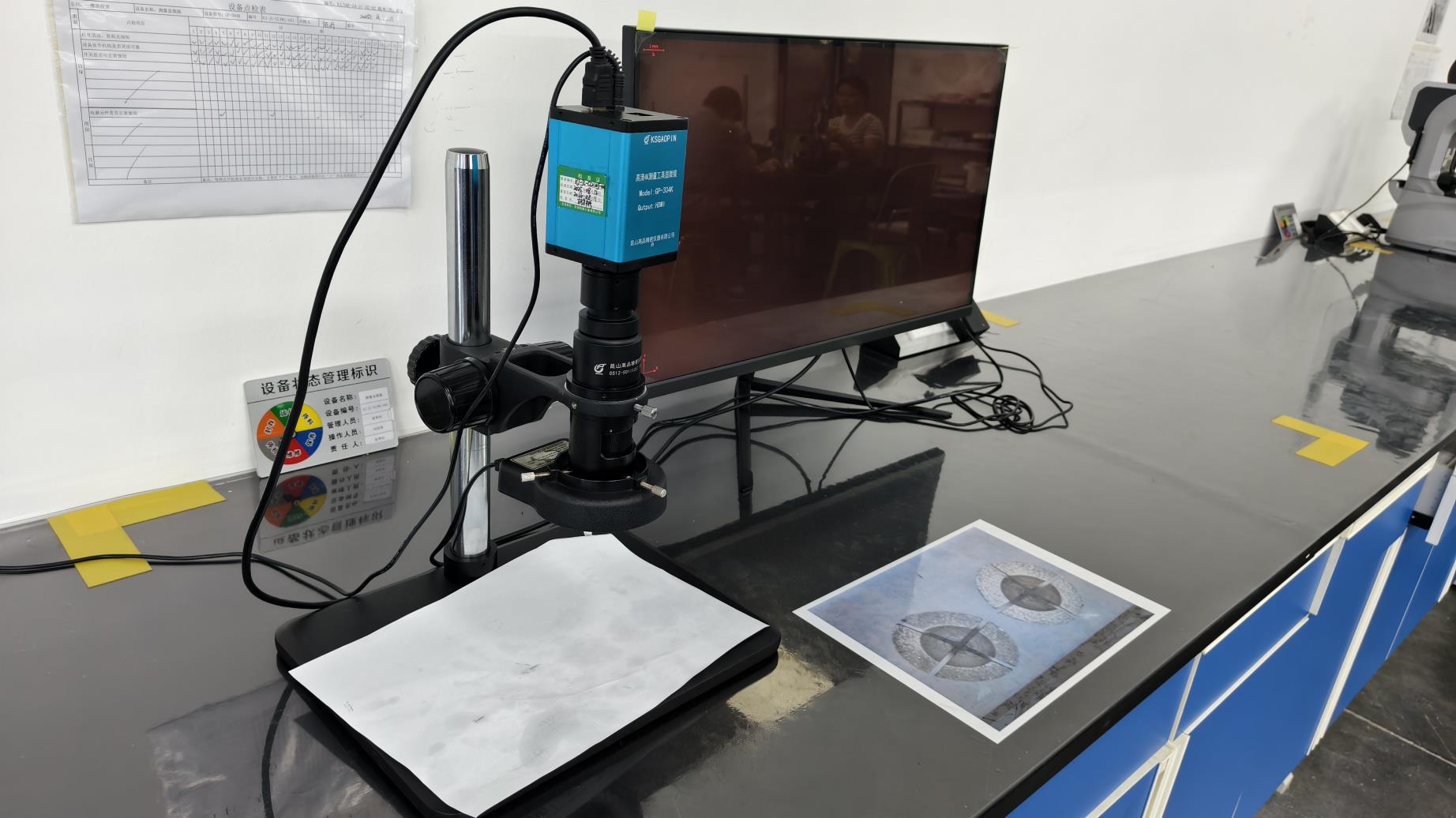
Explore our highly-specialized veterinary retractors, bone ronangers, and arthroscopy grasper tools for Pakistani distributors.
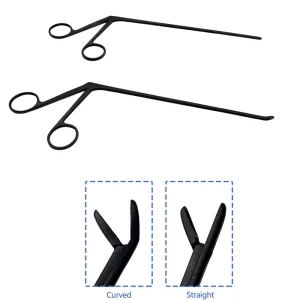
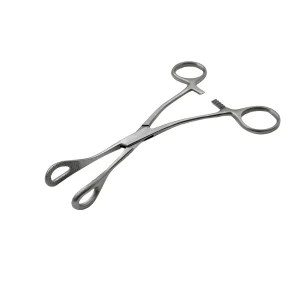
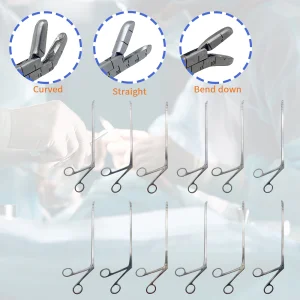
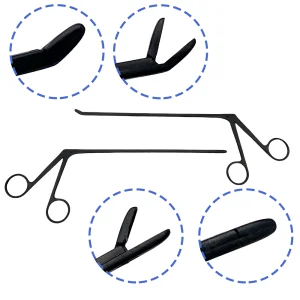
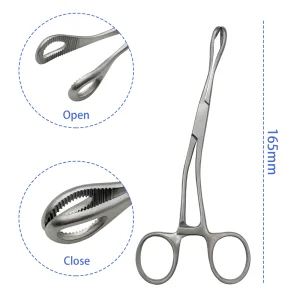
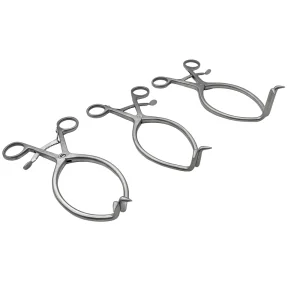
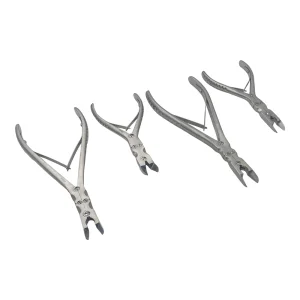
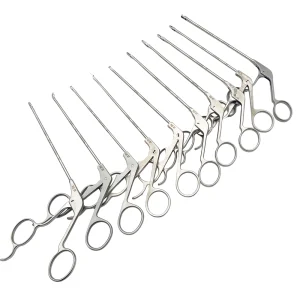
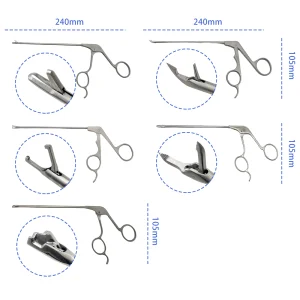
The global surgical framework is transitioning toward minimally invasive surgeries (MIS) and robotic-assisted clinical tools. While standard hand forceps remain critical, their integration with navigation markers and robotic manipulators is the next industry horizon. Our production lines are actively adapting to this trend by modifying the handles and pivot joints of our instruments.
We are optimizing ergonomic grip structures to reduce hand fatigue for surgeons during long operations. Our ongoing R&D efforts focus on lightweight designs, using high-durability medical alloys to reduce weight without sacrificing jaw strength. This ensures our forceps remain reliable tools as clinical technology continues to evolve.
We enforce strict quality control standards to verify the reliability of our surgical instruments:
Essential trade, regulatory, and technical specifications for distributors and hospitals importing medical forceps to Pakistan.
We primarily use high-grade medical alloys like AISI 420 (for cutting and biting instruments like Kerrison Rongeurs) and AISI 304 (for structural retractor systems and bone reduction forceps). These materials provide high hardness, edge retention, and resistance to corrosion during autoclave cycles.
We provide full customization based on CAD drawings, reference blueprints, or physical samples. Our engineering team can adjust tip dimensions, handle lengths, and jaw bite configurations to meet your specific clinical or veterinary requirements.
We offer flexible freight options, including air cargo for urgent clinical needs (approx. 5-7 days) and ocean shipping via Karachi Port for bulk orders (approx. 18-25 days). We handle export documentation, certificates of origin, and detailed packing list specifications to support local customs clearance.
Yes, our surgical forceps are completely autoclavable and built to withstand standard high-temperature, high-pressure steam sterilization cycles (134°C / 273°F). We provide detailed cleaning and maintenance guidelines with each shipment to maximize the working life of the instruments.
Our manufacturing processes conform to ISO 13485 (Medical Devices Quality Management Systems). We offer full material traceability reports and random or 100% inspection configurations based on the requirements of our importing partners.
Partner with a verified manufacturer to access high-quality surgical forceps, reliable supply chains, and transparent import documentation tailored for the Pakistan market.
Send Inquiry Now