SENJIE Healthy & Technology
SENJIE Healthy & Technology
SENJIE Healthy & Technology
Direct from our state-of-the-art production lines, engineered to meet rigorous international standards for orthopedics, spinal neurosurgery, and micro-dissection.
Uzbekistan is undergoing a comprehensive structural transformation in its healthcare landscape. Driven by the national "Sog'liqni Saqlash" health reforms and the rapid growth of private healthcare systems in key metropolitan centers like Tashkent, Samarkand, and Bukhara, the demand for high-quality, clinical-grade surgical instruments has surged dramatically.
Local clinics and state-level healthcare procurement departments are moving away from substandard disposable options, transitioning instead toward durable, high-precision, autoclavable medical equipment. Among these, specialty bone forceps, spinal rongeurs, and micro-forceps represent a critical requirement for modern orthopedics, spinal neurosurgery, and advanced veterinary medicine.
"To satisfy the precision demands of Uzbekistan's expanding neurosurgical and orthopedic wards, factories must deliver instruments with exact mechanical tolerances, using premium biocompatible steel alloys that withstand intense autoclave sterilization protocols."
By working directly with certified medical instrument manufacturers, Uzbekistani distributors, surgical centers, and OEM clients bypass intermediaries, ensuring direct input control over metallurgical components, surface finishings, and anatomical designs.
Rising regional demand for high-grade neurosurgical, orthopedic, and cardiovascular forceps capable of repetitive sterilization cycles.
Utilization of ASTM F899 / ISO 7153-1 compliant martensitic and austenitic stainless steel grades (such as SUS 420 and 316L).
End-to-end chemical analysis reports, laser-marking validation, and batch traceability from raw bar stocks to finished, passivated instruments.
The global production of surgical forceps is a highly specialized engineering field governed by strict international regulatory systems. Standard industrial processes utilize drop-forging, precision CNC milling, electrical discharge machining (EDM), and manual alignment procedures to yield products with perfect joint articulation and reliable gripping forces.
Surgical instruments are continuously exposed to physiological fluids, harsh cleaning detergents, and extreme thermal conditions during steam sterilization. To prevent pitting corrosion and hydrogen embrittlement, premium factories use specific grade alloys:
Surgical forceps are subjected to a secondary surface processing layout to enhance clinical lifespans and safety profiles:
Our engineering and export foundation highlights transparent parameters, guaranteeing traceability, raw material verification, and versatile customization solutions.
Registration Date: 2019-11-20 | Years in Industry: 6 Years | Exporting Experience: 6 Years. Our key export systems support full English communication.
Traceability: Supported raw materials tracing. Inspection: Random inspection and customized client-specific procedures. Powered by 3 dedicated QA/QC inspectors.
We support sample-based processing, graphic-guided development, and tailored-on-demand dimensional changes (lengths, bite sizes, curved degrees).
North America (25%), South America (25%), Southeast Asia (15%), with expanding distribution hubs in Central Asia (Uzbekistan, Kazakhstan).
How smart design, digital manufacturing, and advanced surface engineering are transforming the next generation of forceps.
Utilizing Finite Element Analysis (FEA) to evaluate the stress points along forceps pivots and handles. This minimizes metal fatigue and prevents joint breakage during orthopedic procedures demanding high manual compression forces.
Integrating 5-axis computer numerical control (CNC) mills and selective laser melting (SLM) metal 3D printing to create ultra-lightweight, ergonomic handles and precise jaw configurations for minimally invasive surgeries (MIS).
Applying Diamond-Like Carbon (DLC) and Titanium Nitride (TiN) physical vapor deposition coatings. These ultra-thin films increase superficial hardness, eliminate friction inside sliding joints, and dramatically extend cutting-edge retention on bone rongeurs.
Visualizing our raw material processing, precision grinding, cleanroom assembly lines, and high-performance quality checkpoints.
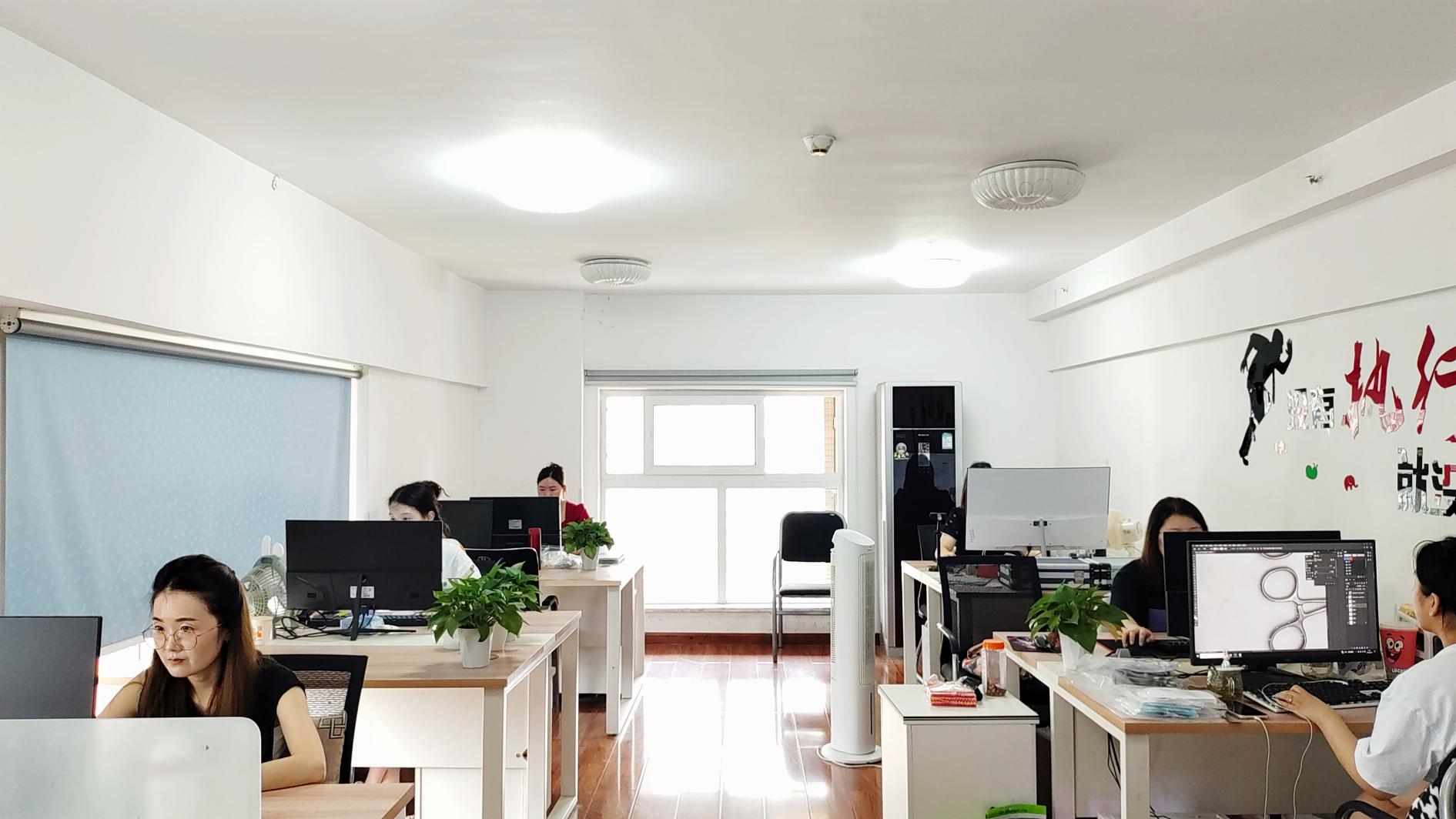
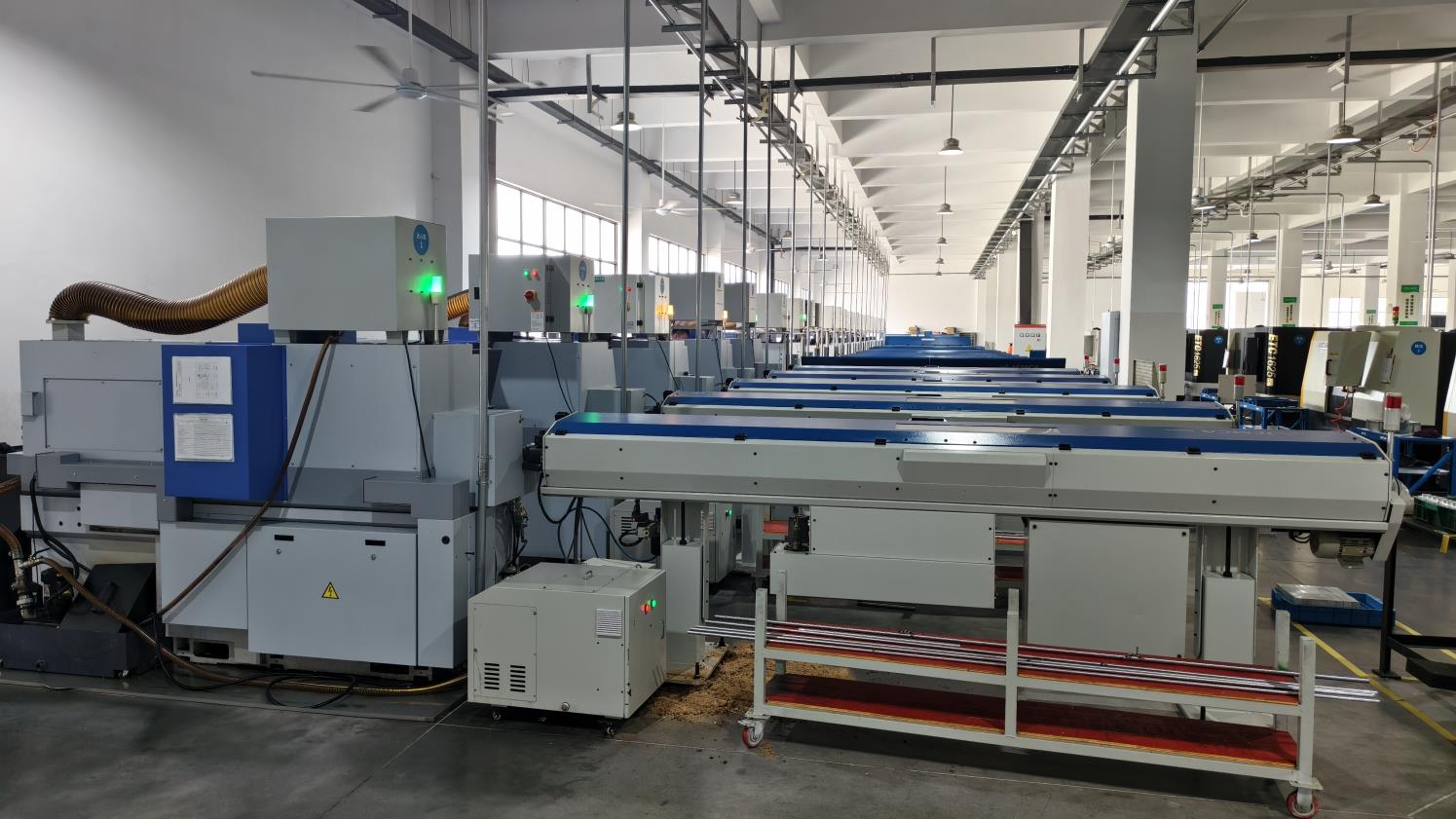
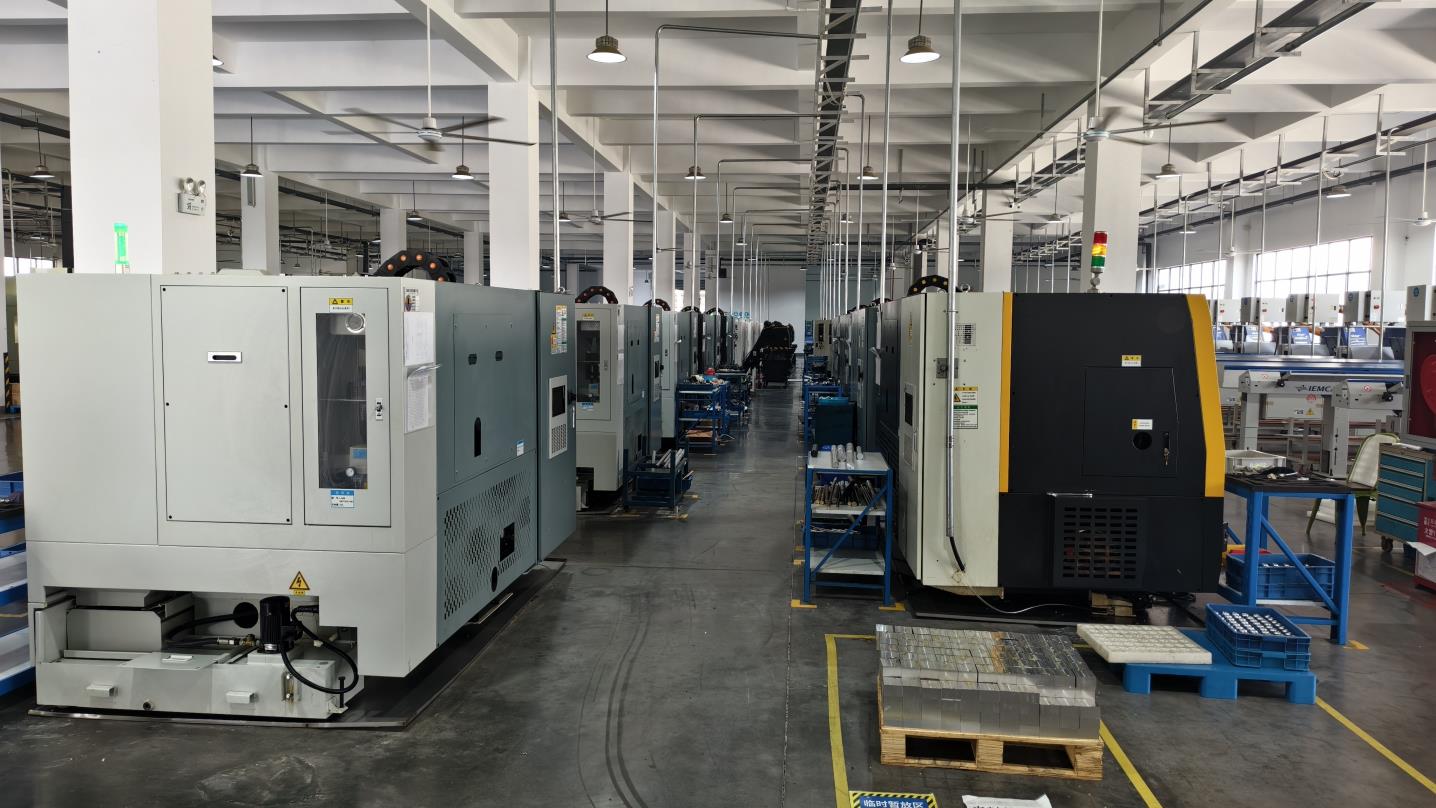
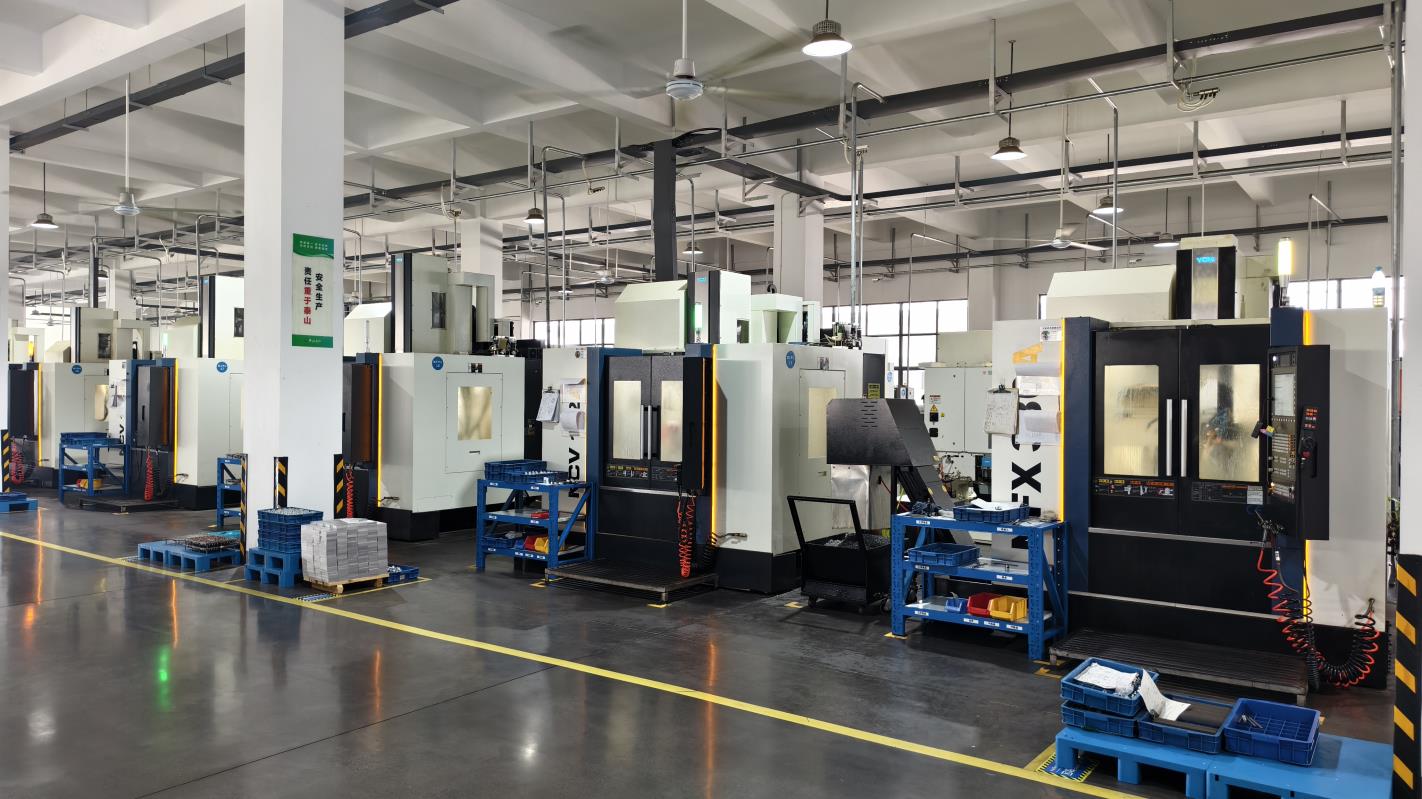
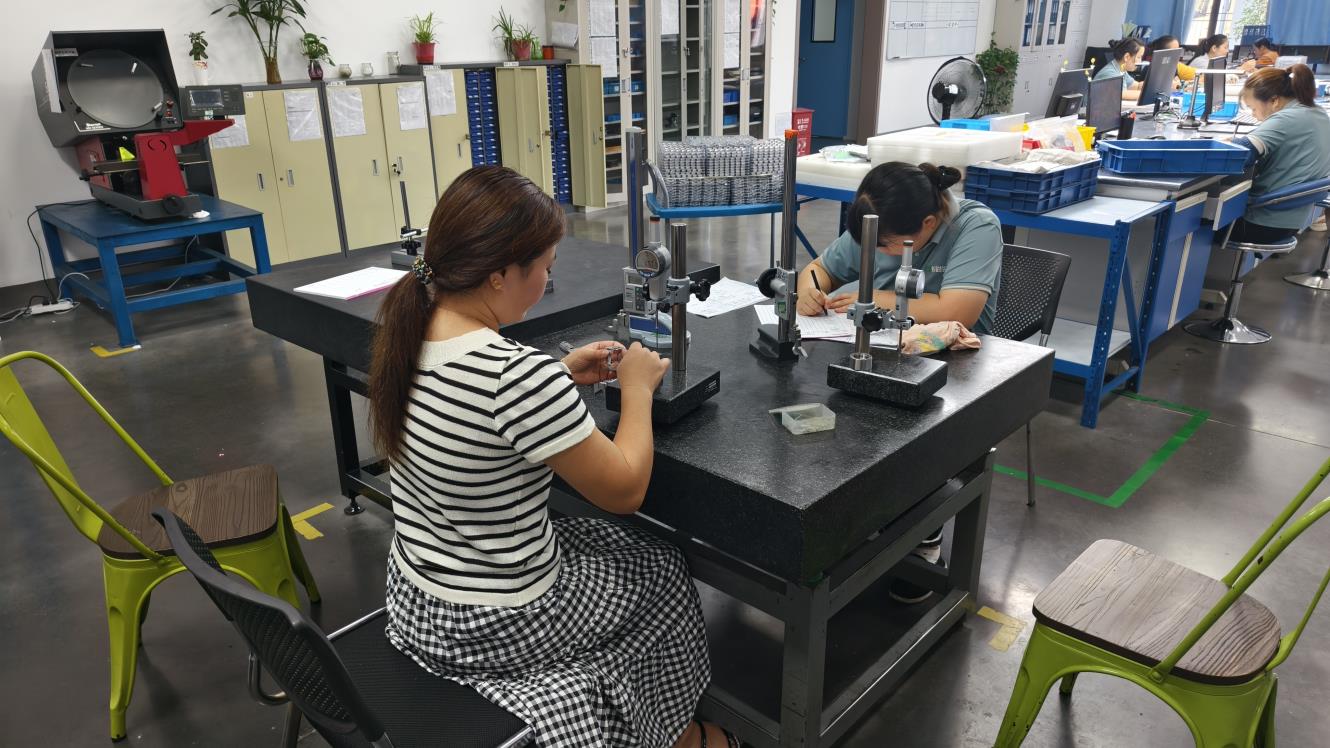
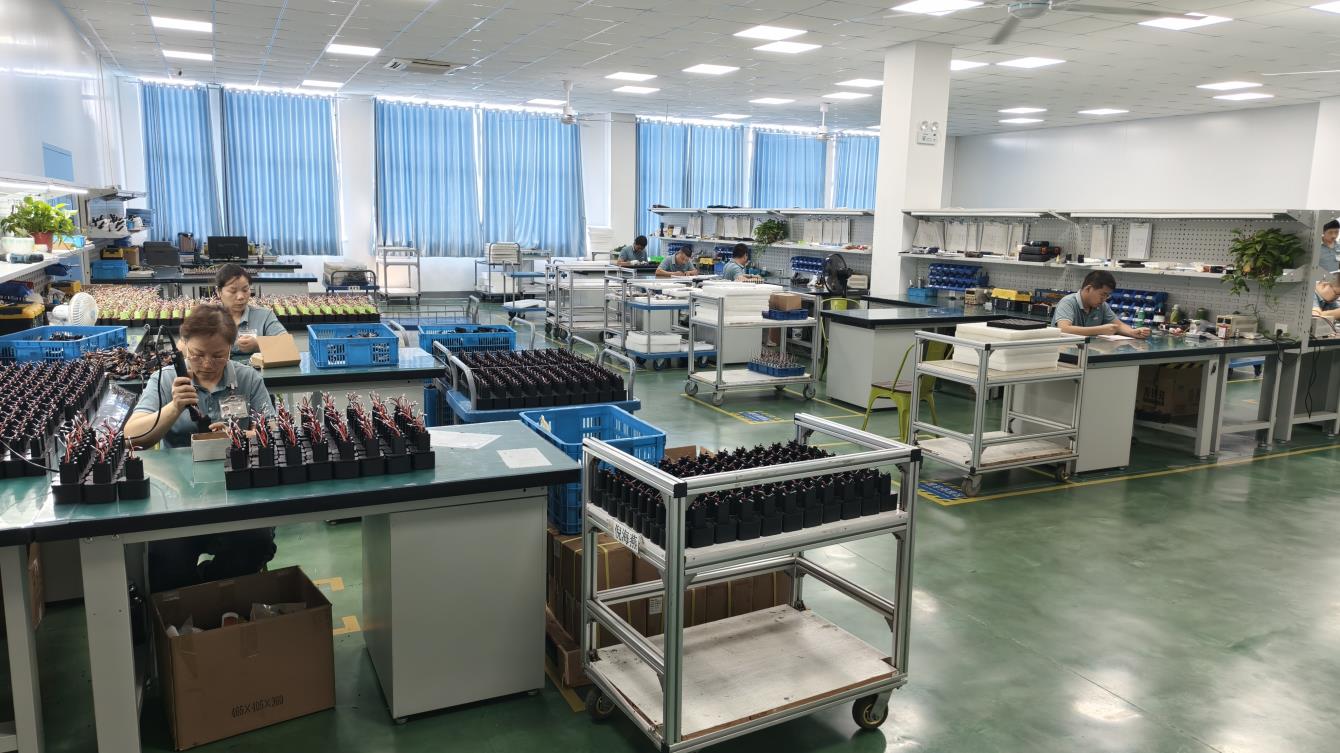
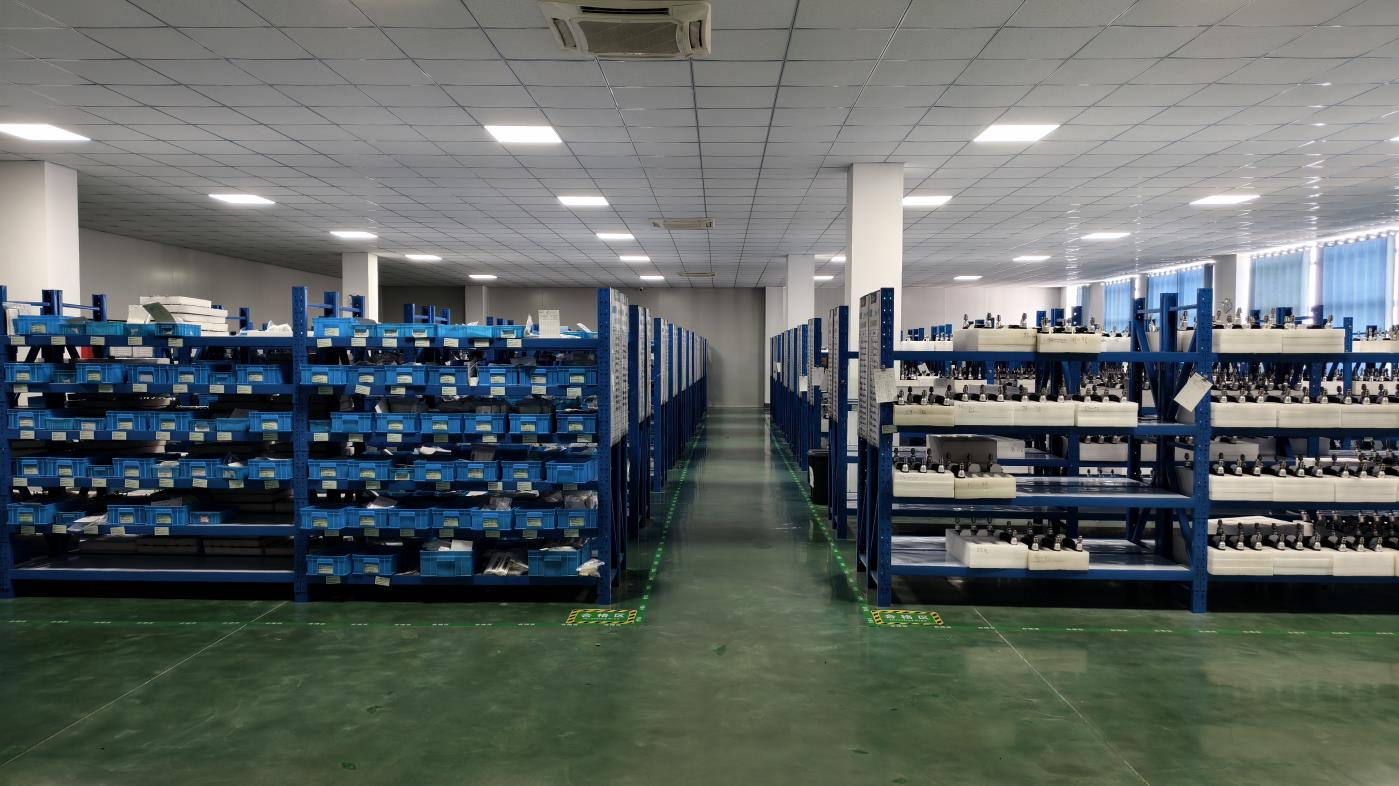
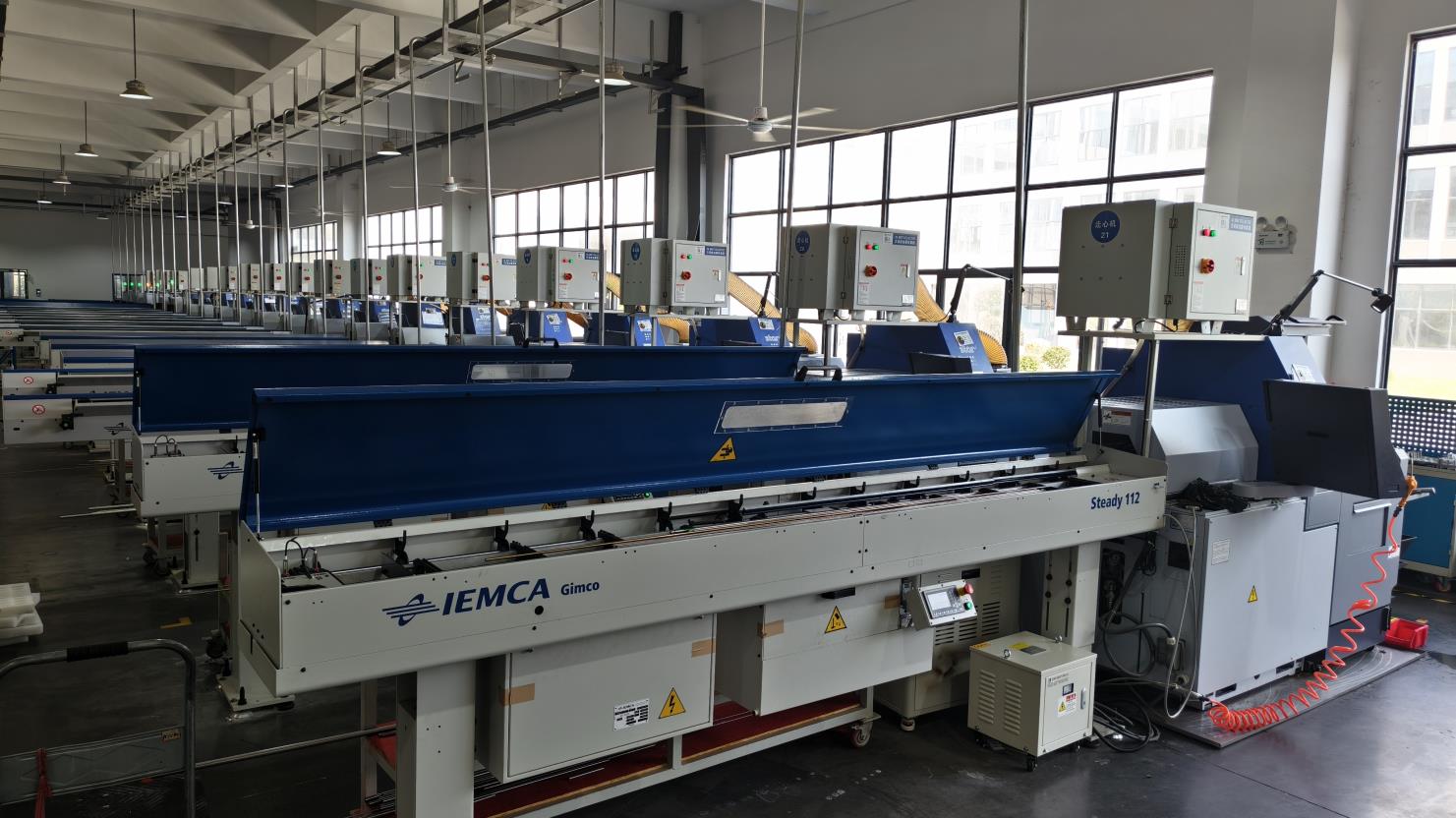
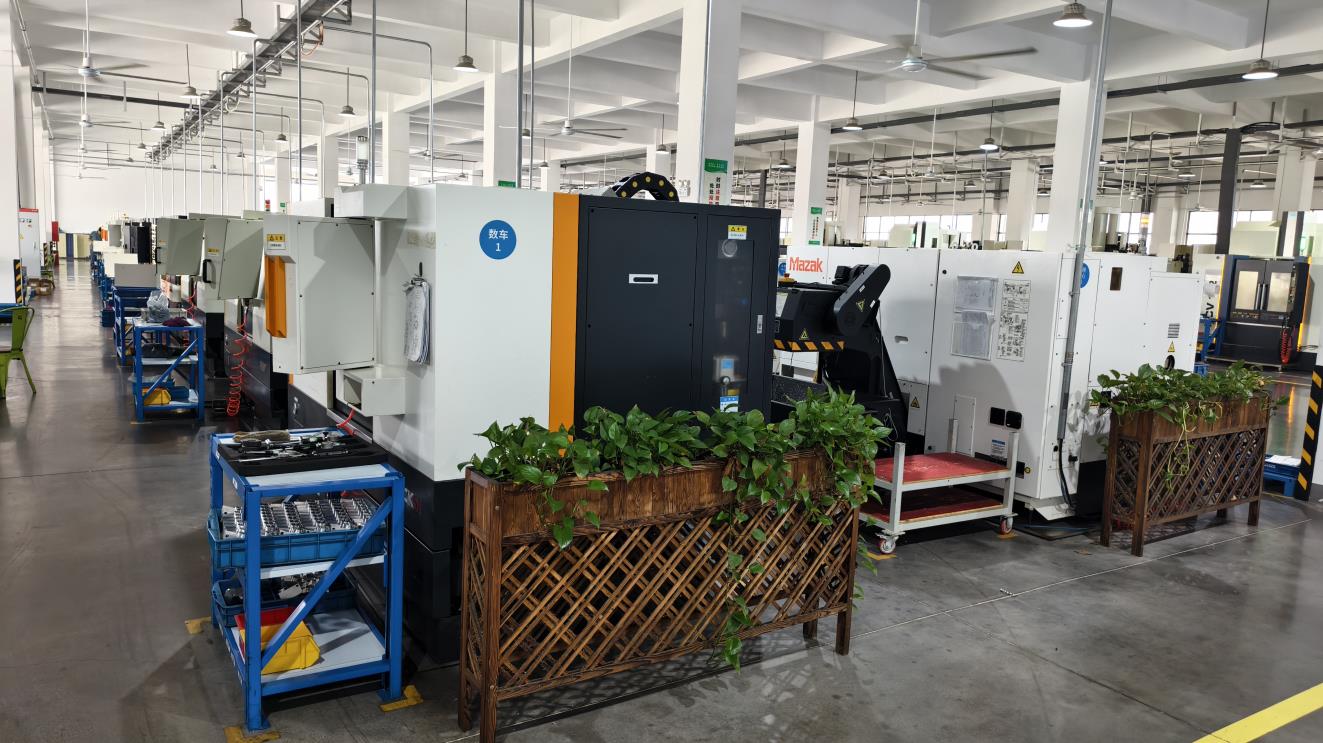
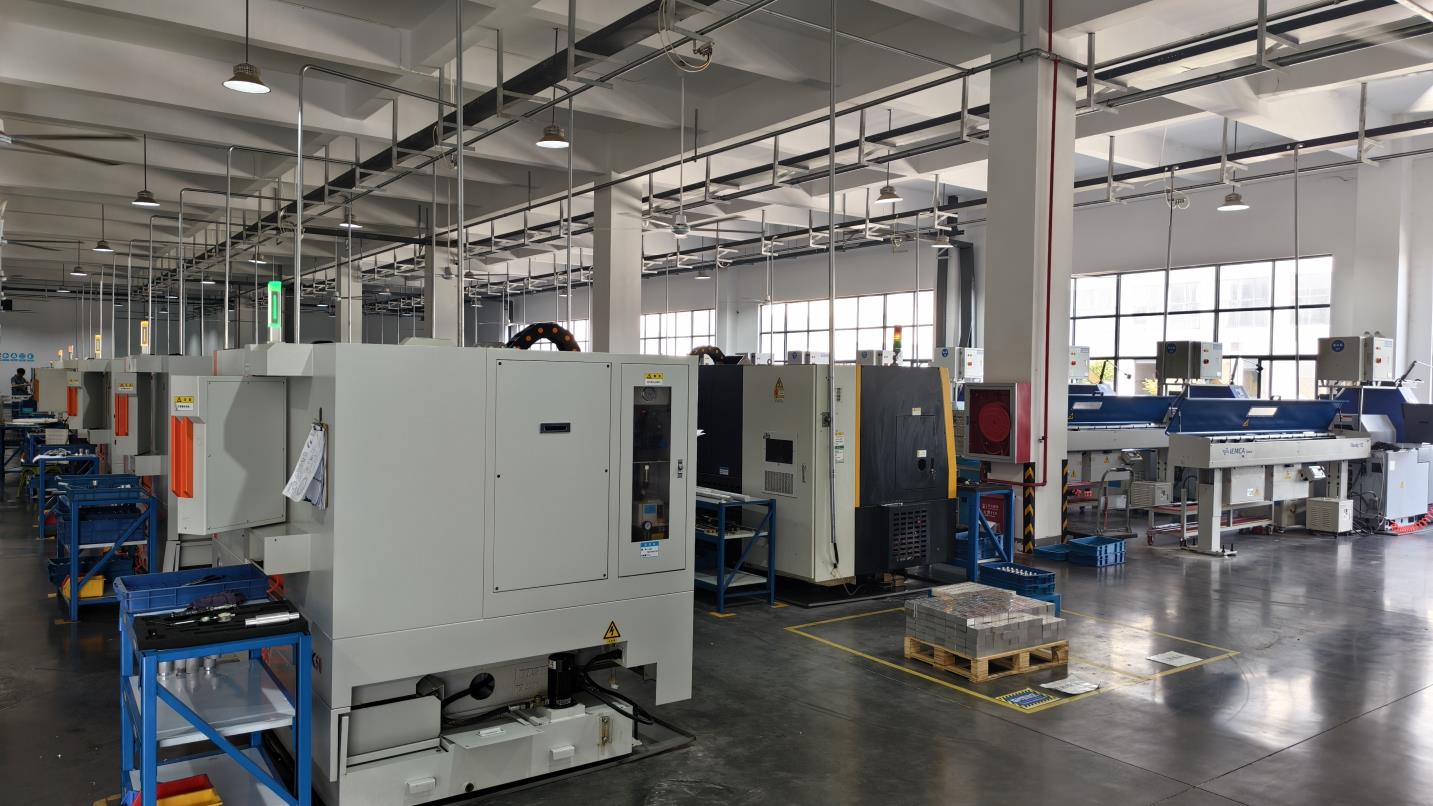
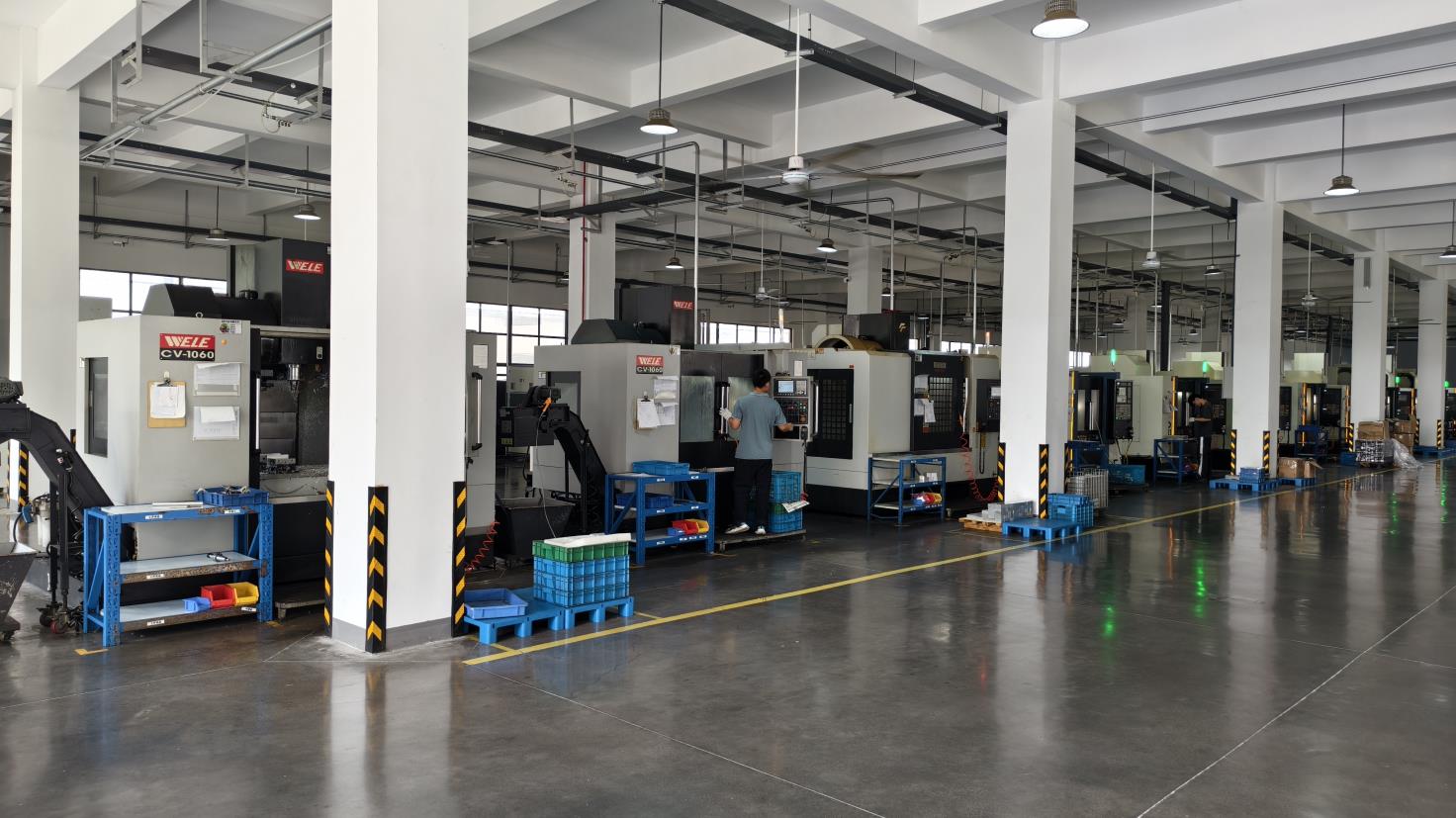
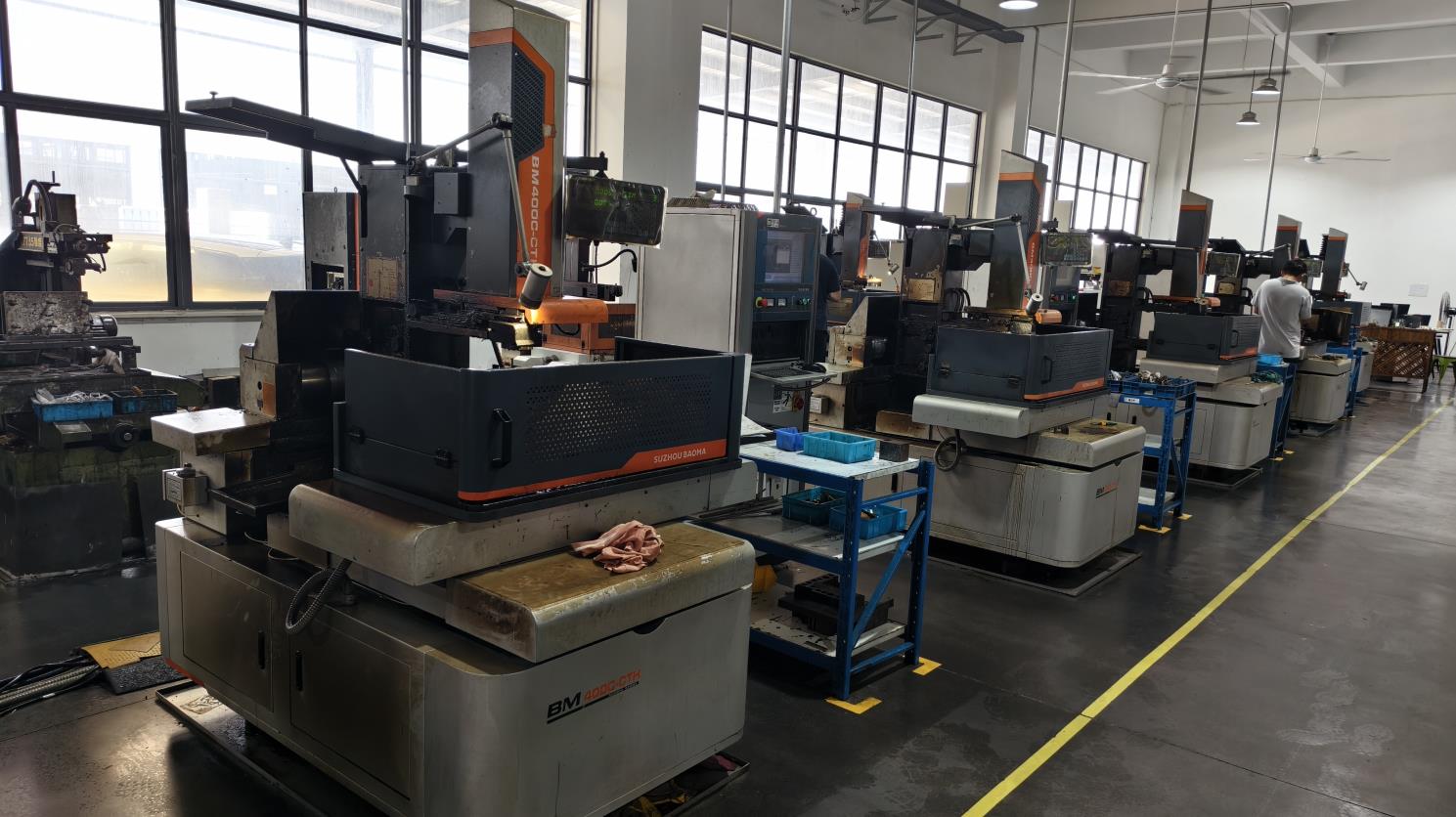
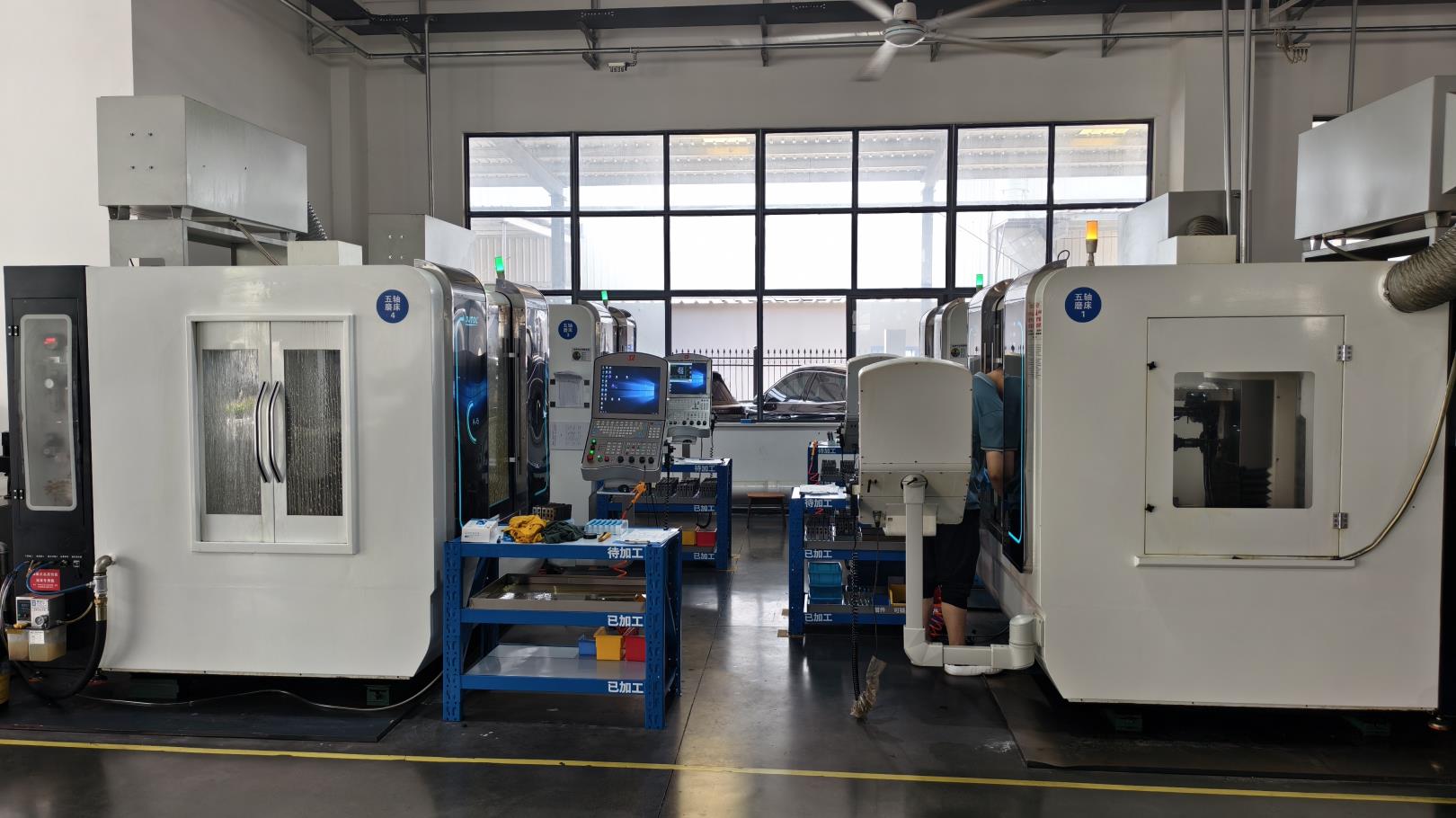
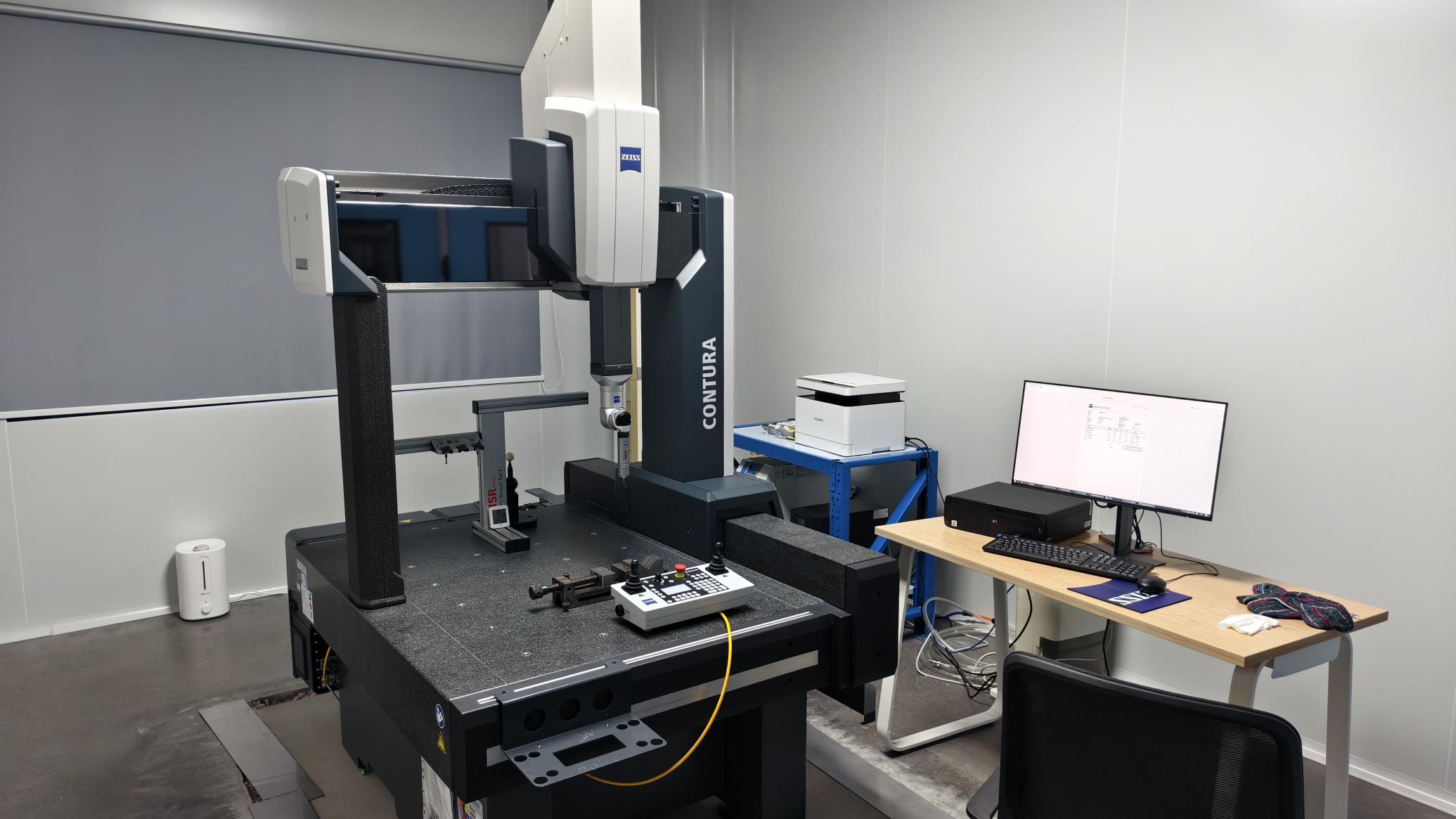
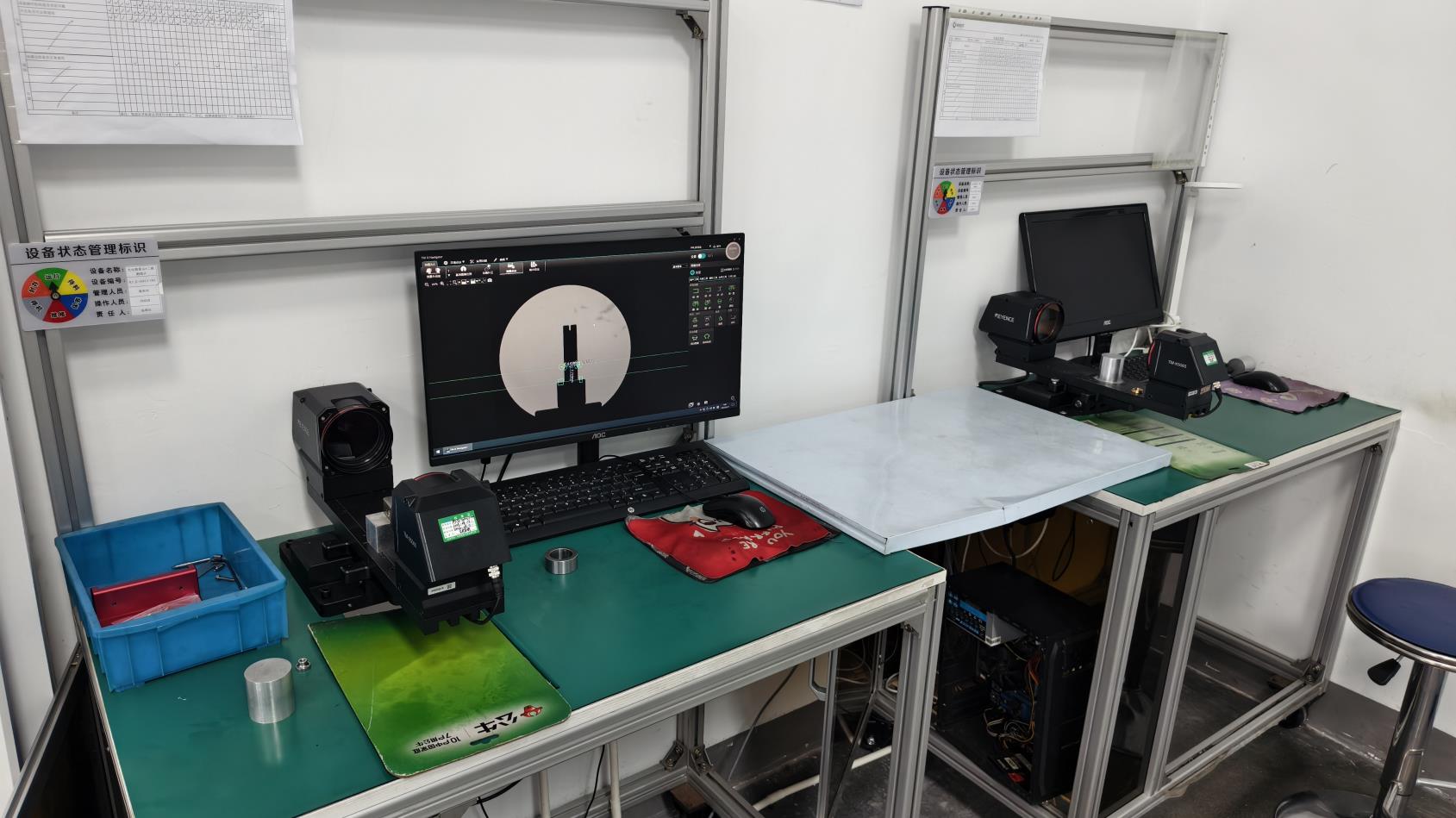
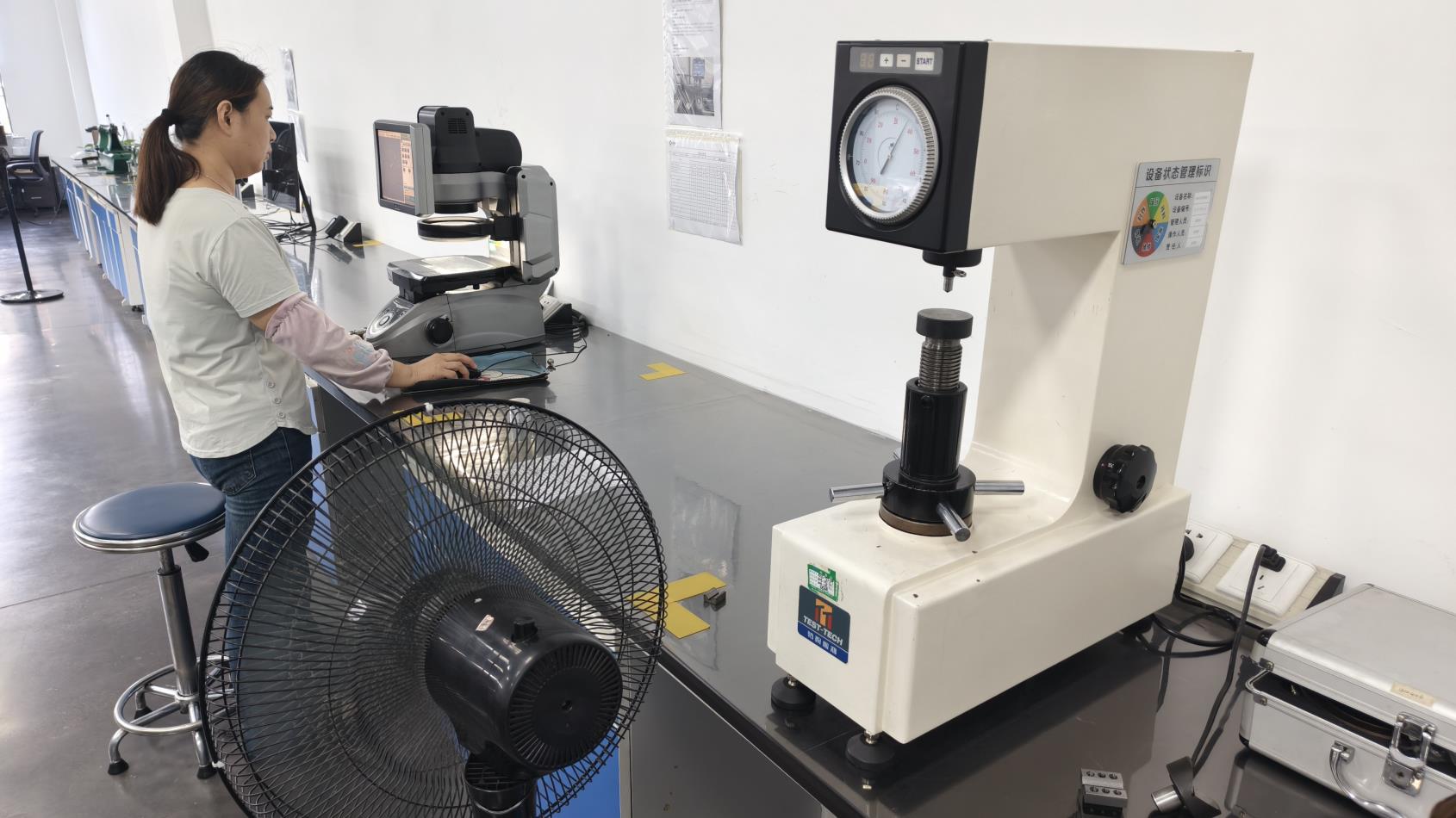
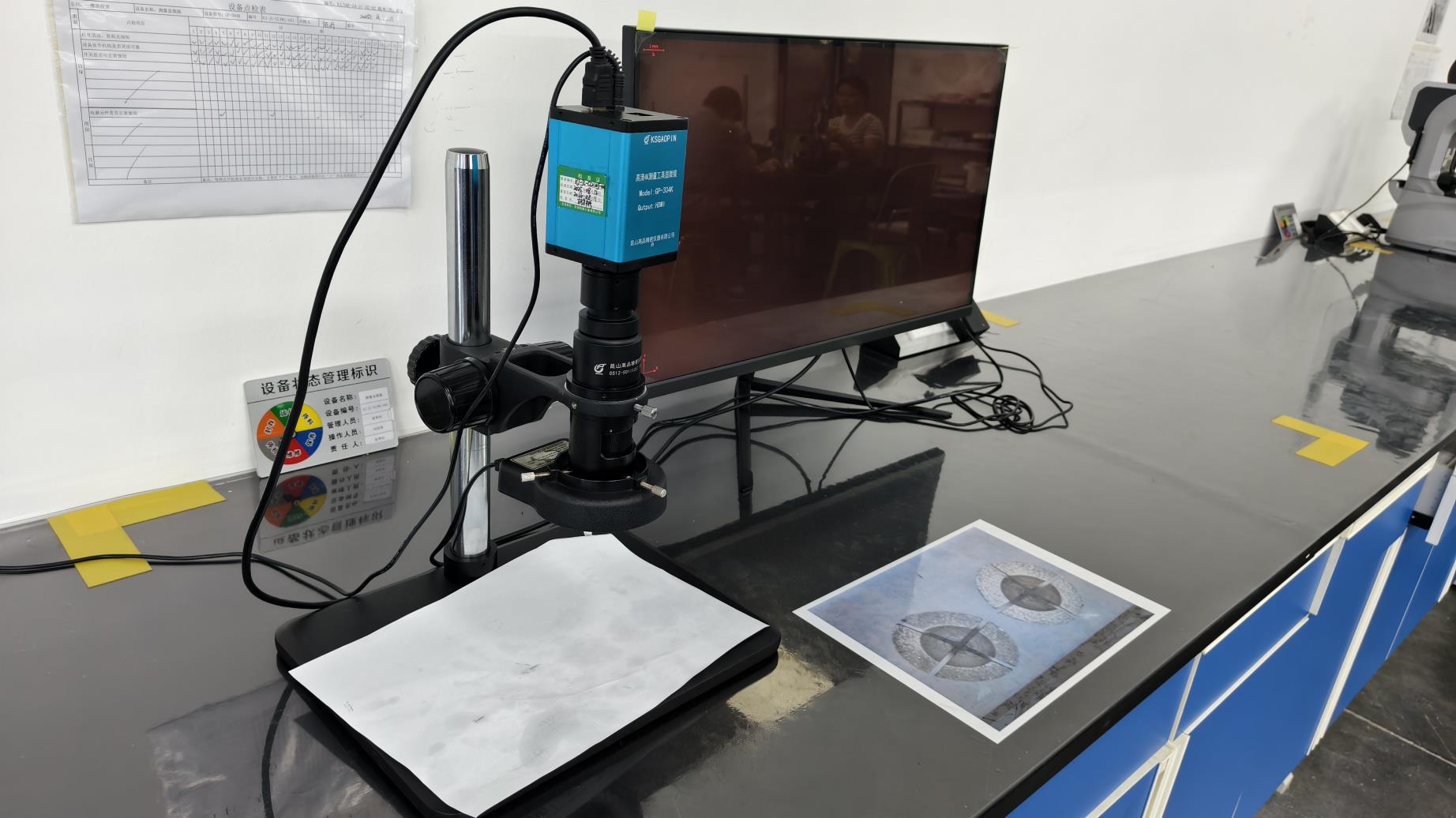
Highly customizable instruments designed for human orthopedic surgeries, clinical veterinary centers, and research laboratories.
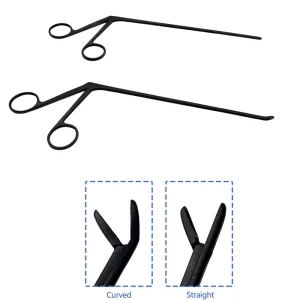
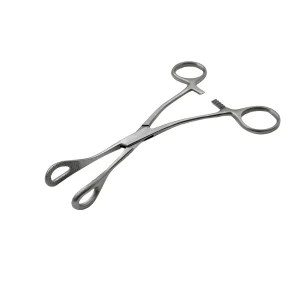
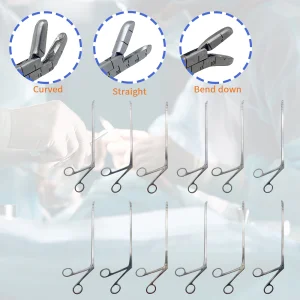
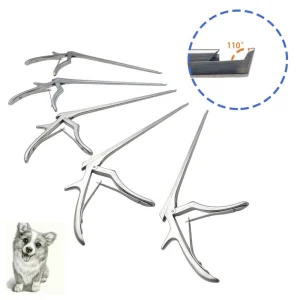
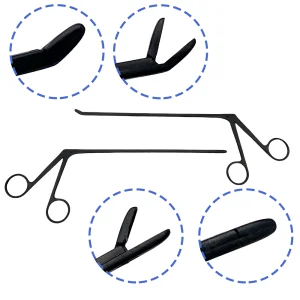
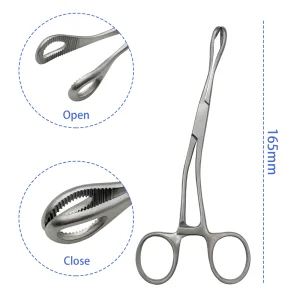
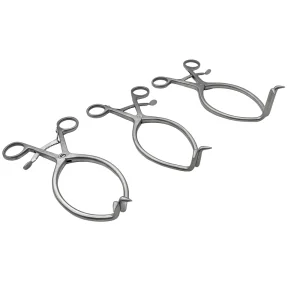
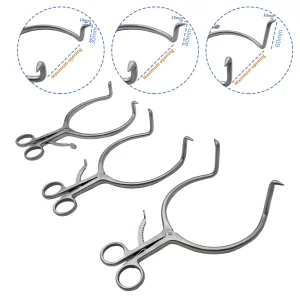
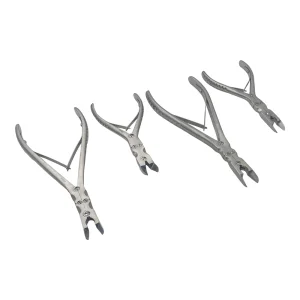
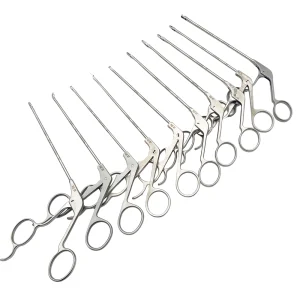
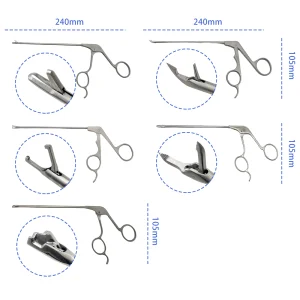
Purchasing surgical equipment for central hospital groups and commercial veterinary chains in Tashkent and other regions requires deep coordination. To ensure long-term clinical efficiency and regulatory compliance within the Republic of Uzbekistan, procurement directors should focus on three foundational solutions:
Operating rooms in Uzbekistan typically utilize steam autoclave systems running standard high-pressure sterilization cycles. Raw materials used in cheap imports often degrade under repeated exposure to 134°C heat, leading to premature joint jamming and rust. Securing medical-grade steel (e.g., German standard SUS 420 or SUS 316) prevents oxidation and maintains bite alignment over years of service.
Shipping custom surgical instruments from overseas factories to Uzbekistan requires proper documentation. We provide full certificate packages, including material analysis declarations, ISO 13485 certifications, and CE declarations. This expedites customs clearance at dry ports and border checkpoints, preventing operational delays at local medical centers.
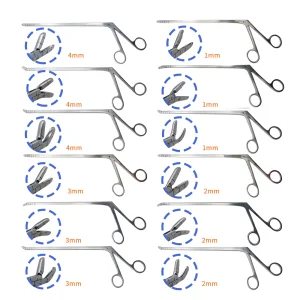
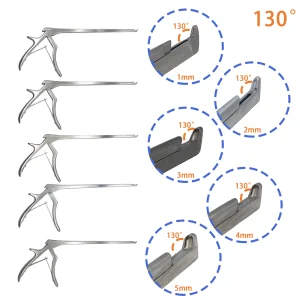
Different clinical regions exhibit varying preferences for surgical grip spans, shaft lengths, and jaw bite configurations (1mm to 5mm). Our manufacturing facility adapts products based on drawings or client samples, delivering exact alignment geometries tailored for local surgical teams.
Essential information on ordering, metallurgical standards, sterilization, and importing medical forceps into Uzbekistan.
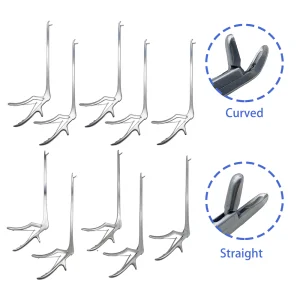
We manufacture our forceps using high-grade biocompatible stainless steel. Typically, we use Martensitic Stainless Steel (SUS 420 or equivalent) for cutting/biting forceps (such as Kerrison Rongeurs) to ensure excellent edge retention, and Austenitic Stainless Steel (SUS 316L or 304) for non-cutting clamps to maximize corrosion resistance.
Yes. All our manual surgical instruments are fully autoclavable at standard high-temperature steam sterilization parameters (134°C / 273°F at 2.1 bar pressure). Proper passivation and polishing procedures protect the surfaces from corrosion during repeated processing cycles.
We supply all essential commercial invoices, detailed packing lists, certificates of origin, and compliance certifications (ISO 13485, CE declarations). We coordinates with local logistics partners to manage rail and air transport routes directly into Uzbekistan, ensuring efficient customs clearance.
Absolutely. We offer complete OEM/ODM options. Customers can provide technical drawings, dimension files, or reference samples. We then create pre-production prototypes for functional validation before commencing full-scale manufacturing.
Partner with an established medical instrument factory. Get direct access to bulk customization options, compliant manufacturing, and specialized technical support.
Send Inquiry Now →