 SENJIE Healthy & Technology
SENJIE Healthy & Technology
SENJIE Healthy & Technology
Direct supply line featuring high-precision medical-grade alloys engineered for clinical performance in Seoul's tier-one hospitals.
The metropolitan area of Seoul, South Korea, stands as one of the most technologically advanced medical hubs in the Asia-Pacific region. Home to world-class clinical research centers such as the Asan Medical Center, Seoul National University Hospital (SNUH), and Samsung Medical Center, the city acts as a major catalyst for innovation in robotic surgery, orthopedic reconstruction, and micro-neurosurgery.
However, the local manufacturing landscape for hand-held, non-robotic surgical instruments in South Korea has undergone a structural transition. Rising domestic labor overheads and strict focus on capital-intensive medical robotics (like Meere Company’s Revo-i) have shifted the production dynamics. While Seoul remains the intellectual hub for clinical trials, engineering design, and regulatory clearances (MFDS approvals), the raw production of high-end mechanical instruments like forceps, bone rongeurs, and retractors is increasingly dependent on global manufacturing partnerships.
“Seoul’s clinical excellence requires instruments that exhibit zero defect tolerance. Achieving this requires a deep synergy between Korean medical product designers and advanced raw material processing facilities capable of high-scale precision forging.”
For hospital chains, medical device distributors, and private practices in Seoul, importing directly from certified manufacturing hubs in China provides a highly optimized balance of cost and performance. Surgical instrument factories in China utilize state-of-the-art automated CNC milling, EDM wire cutting, and advanced thermal treatment techniques.
Medical requirements in South Korea are increasingly driven by two major demographics: the rapidly aging human population demanding complex spinal and orthopedic surgeries, and the skyrocketing pet care market in wealthy districts such as Gangnam and Seocho.
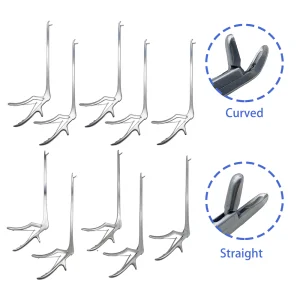
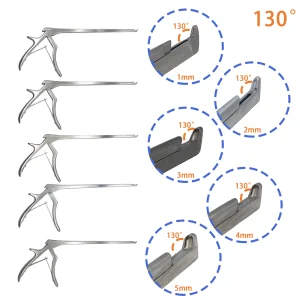
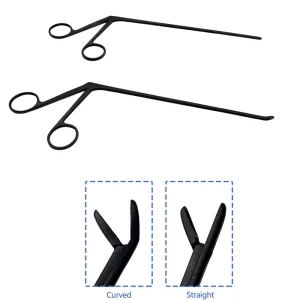
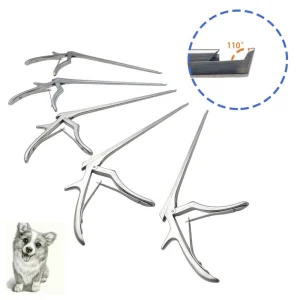
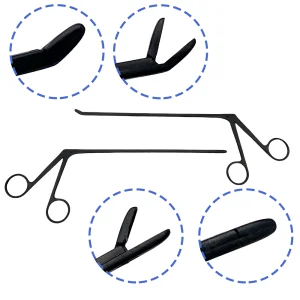
Spinal neurosurgeons in Seoul utilize microscope-integrated surgical setups for disc removal. This clinical path demands forceps with low-profile shafts (such as the 220mm Nucleus Pulposus Forceps) that do not block the surgeon’s sightline. Our Kerrison Rongeurs and Nucleus Pulposus Clamps feature optimized jaw angles (90-degree and 40-degree up-bite configurations) and non-glare coatings, allowing clinicians to operate safely near nerve roots.
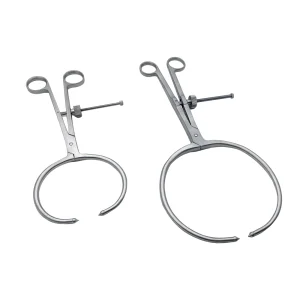
Seoul’s pet owners show a high preference for toy dog breeds (e.g., Pomeranians, Maltese, Poodles). These breeds are prone to congenital patellar luxations, bone fractures, and Intervertebral Disc Disease (IVDD). General orthopedic instruments designed for large animals are unusable here. This creates a specific demand for miniature bone reduction forceps, micro-Weitlaner retractors, and fine-nib 1mm Kerrison Rongeurs.
| Instrument Class | Common Medical Grades Used | Hardness Standard (HRC) | Sterilization Tolerance | Primary Application in Seoul Clinics |
|---|---|---|---|---|
| Nucleus Pulposus Forceps | SUS 420J2 / Titanium Alloy | 48 - 52 HRC | Autoclavable (134°C / 273°F) | Micro-discectomy, Laminectomy |
| Kerrison Rongeur Bone Punches | Hardened Martensitic Steel | 52 - 56 HRC | Autoclavable (134°C / 273°F) | Spinal decompression, Osteotomy |
| Bone Reduction Pliers / Retractors | SUS 304 / SUS 420J2 | 45 - 50 HRC | Autoclavable & Chemical Prep | Small animal patellar fixing, plating |
Visualizing our advanced CNC machining, precision forging, manual detailing, and rigorous QA verification stages.
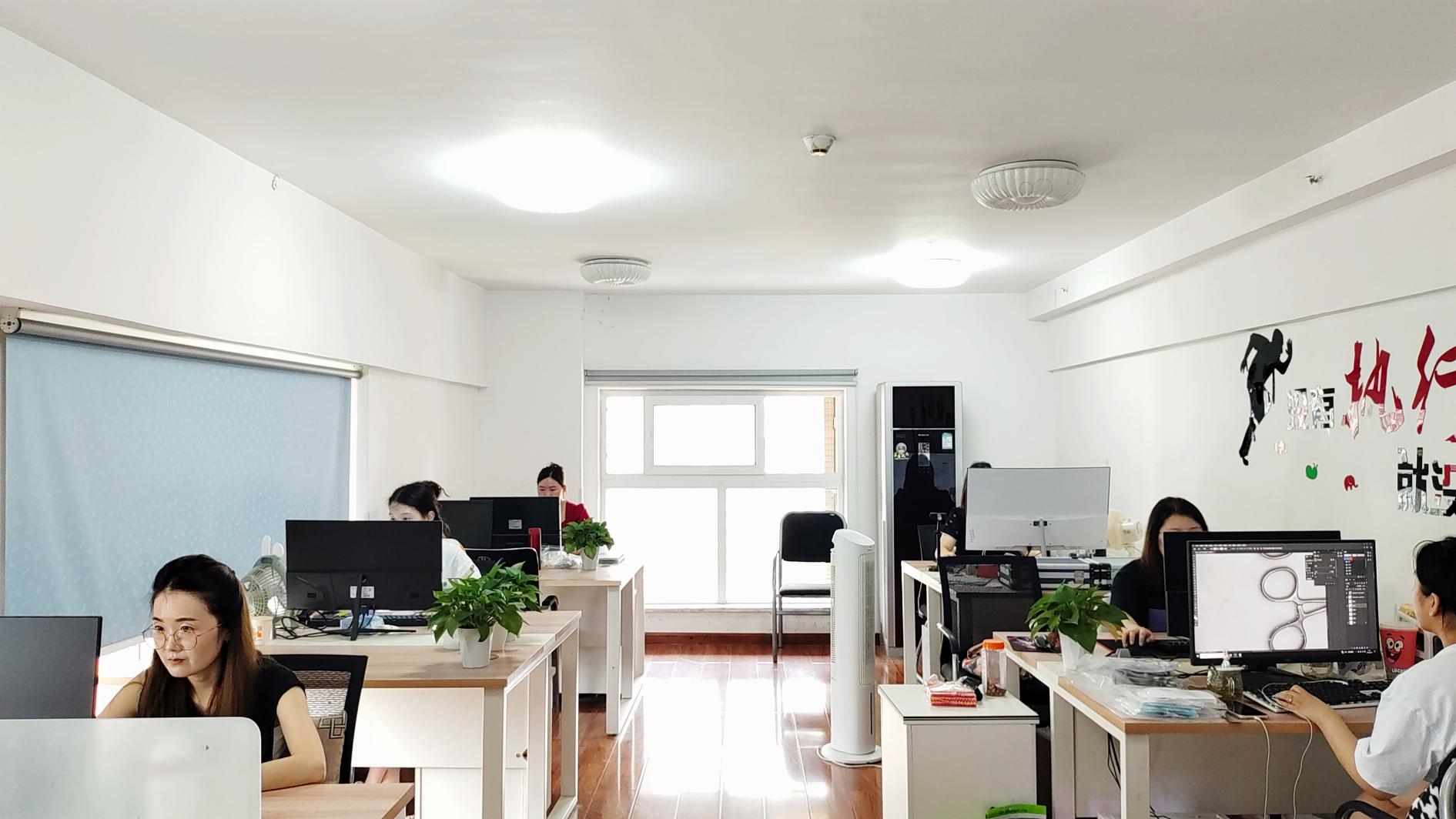
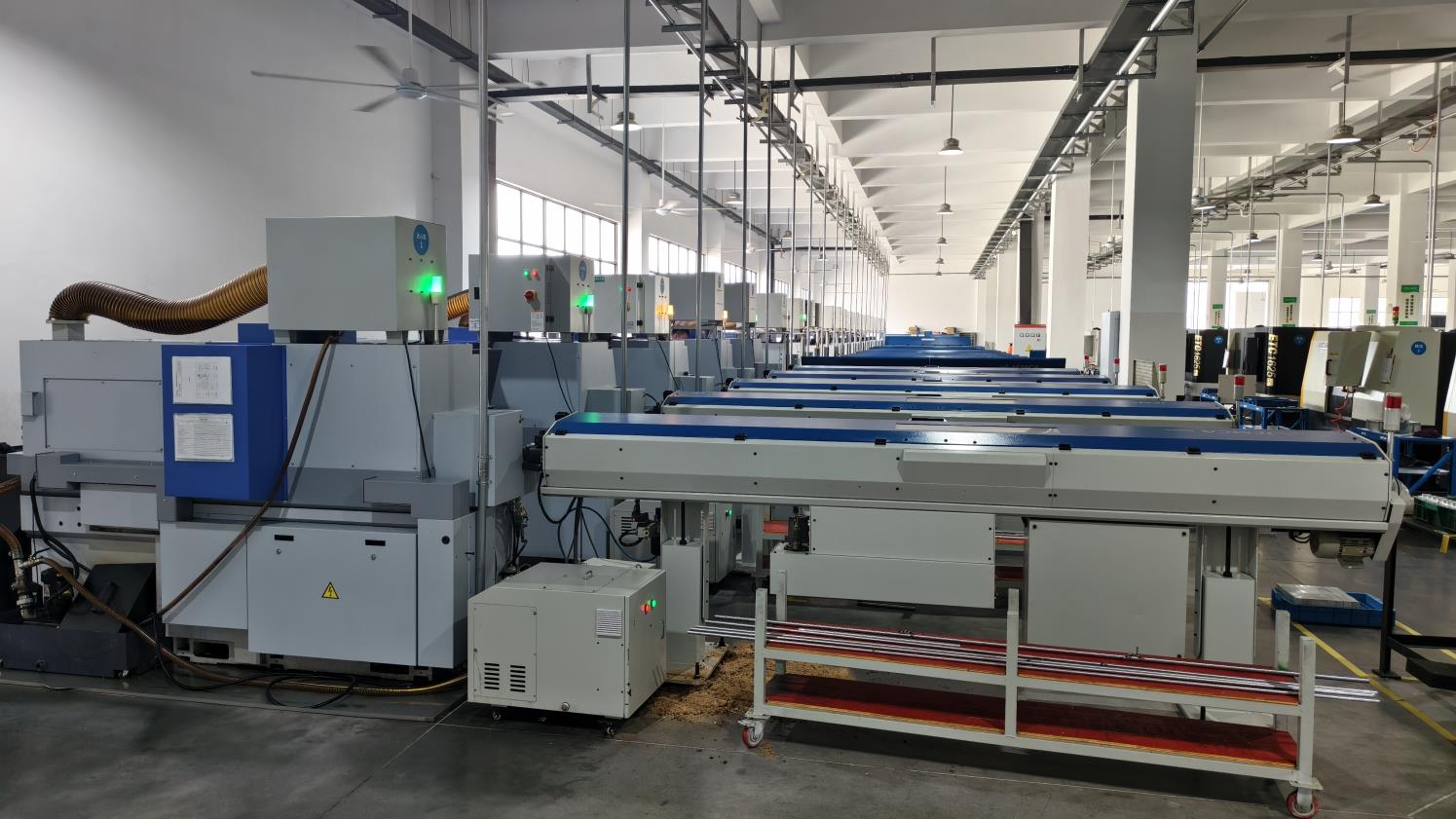
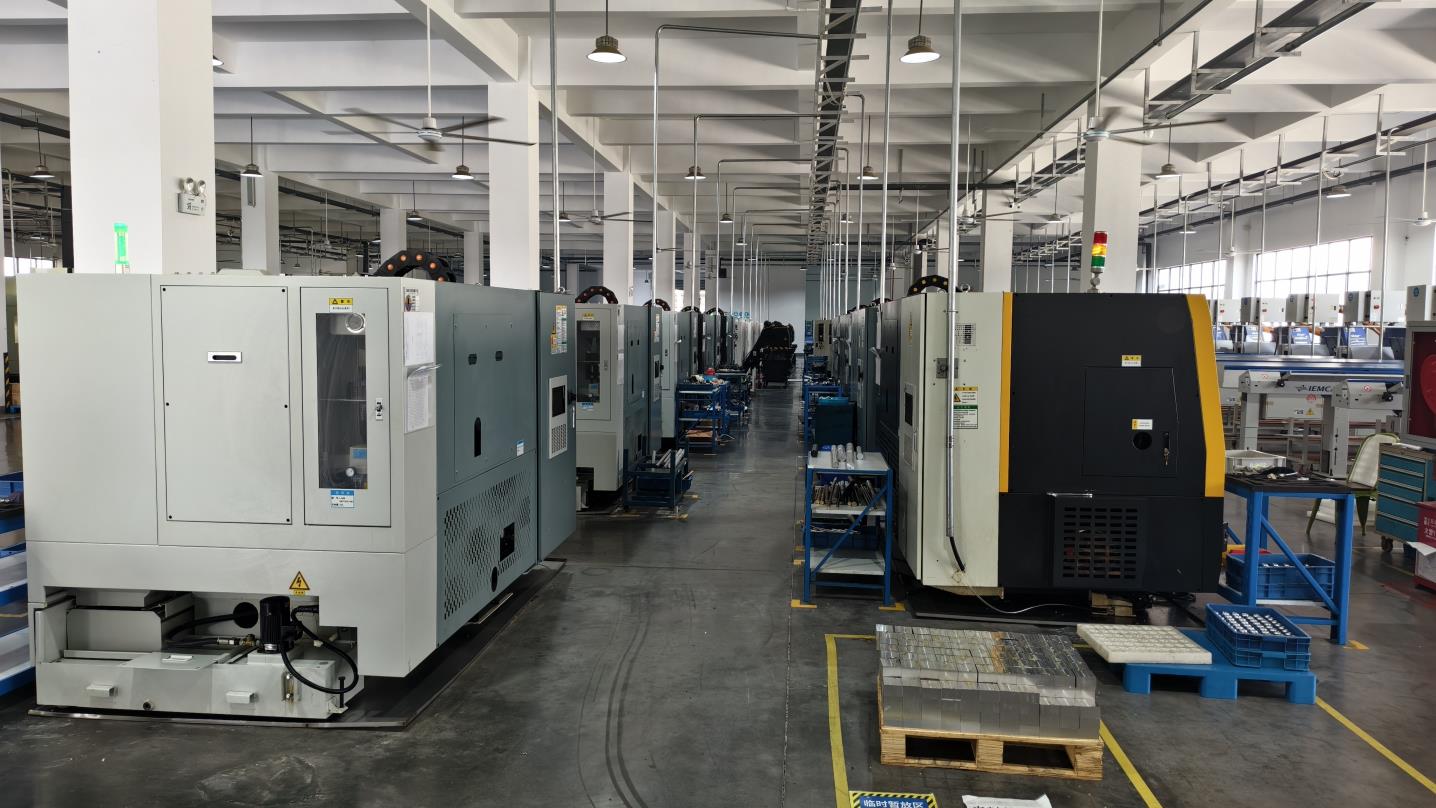
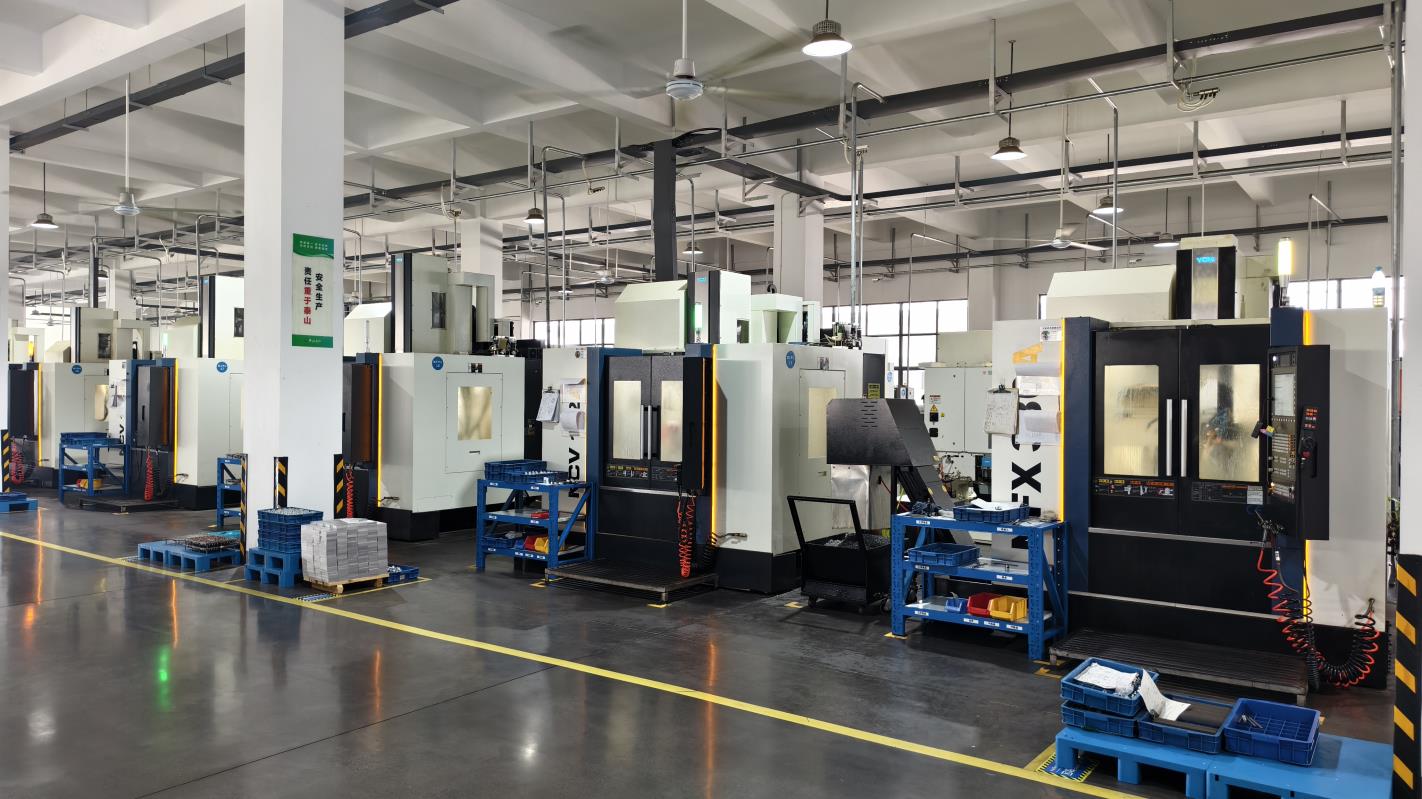
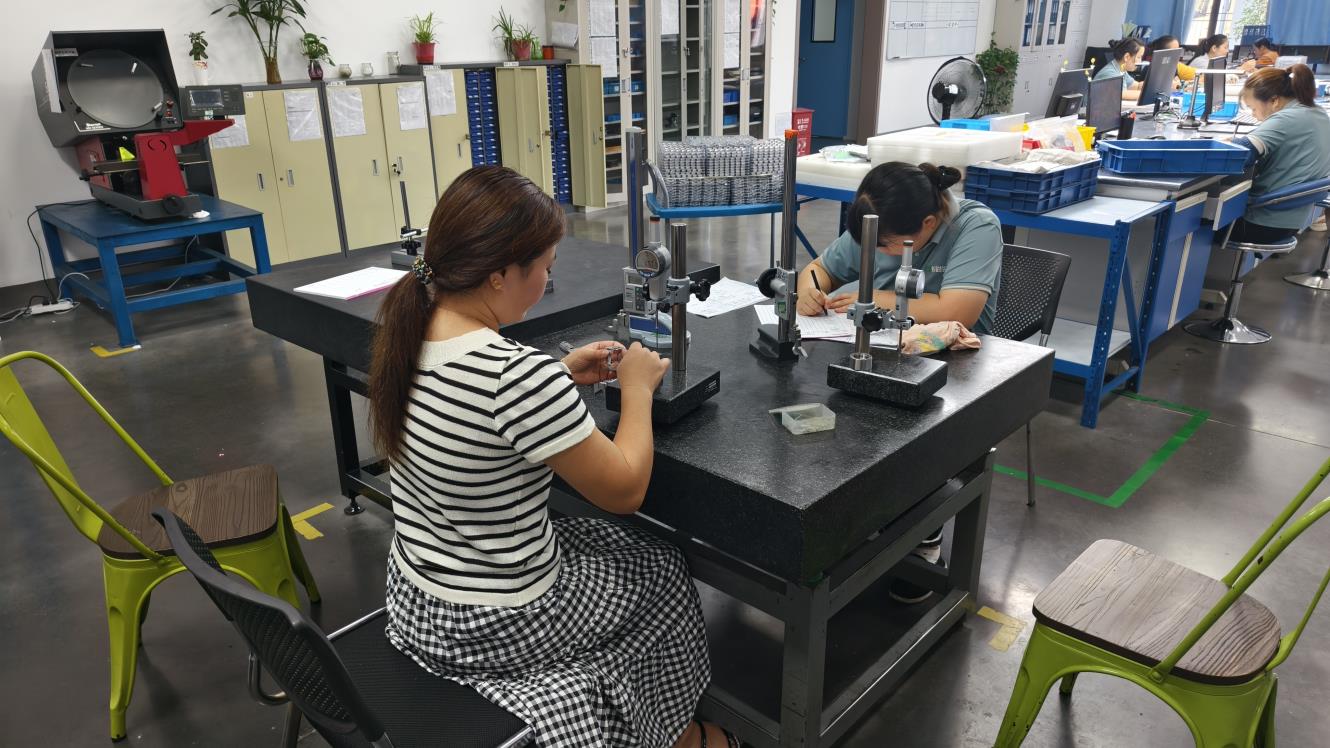
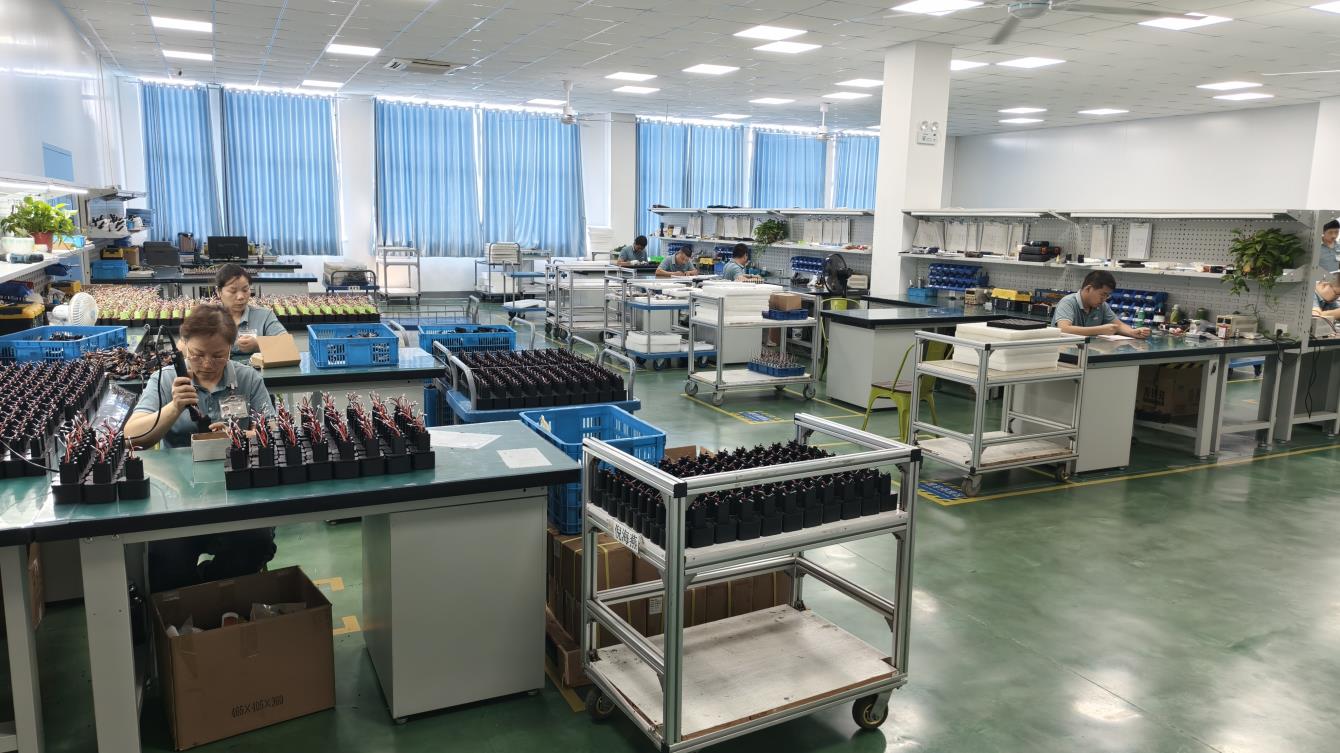
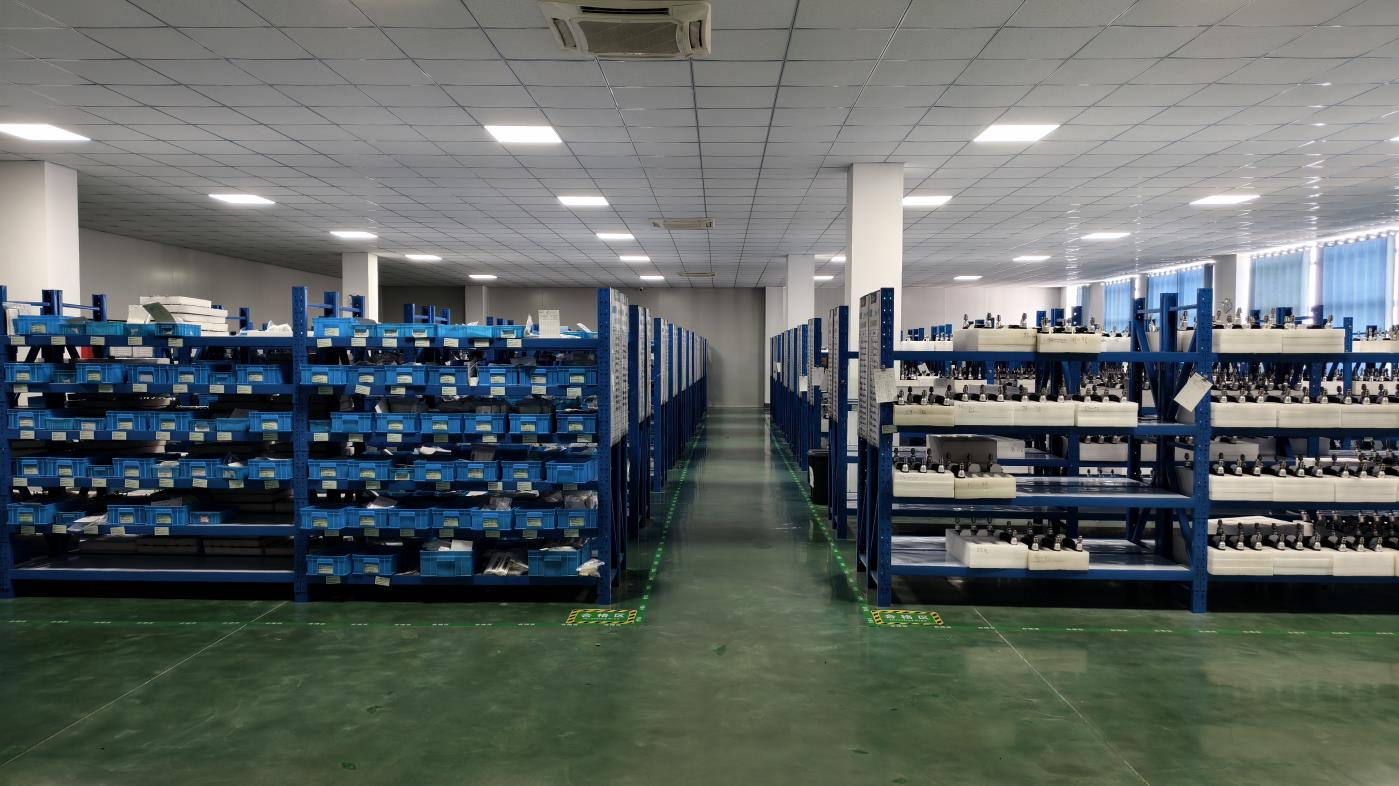
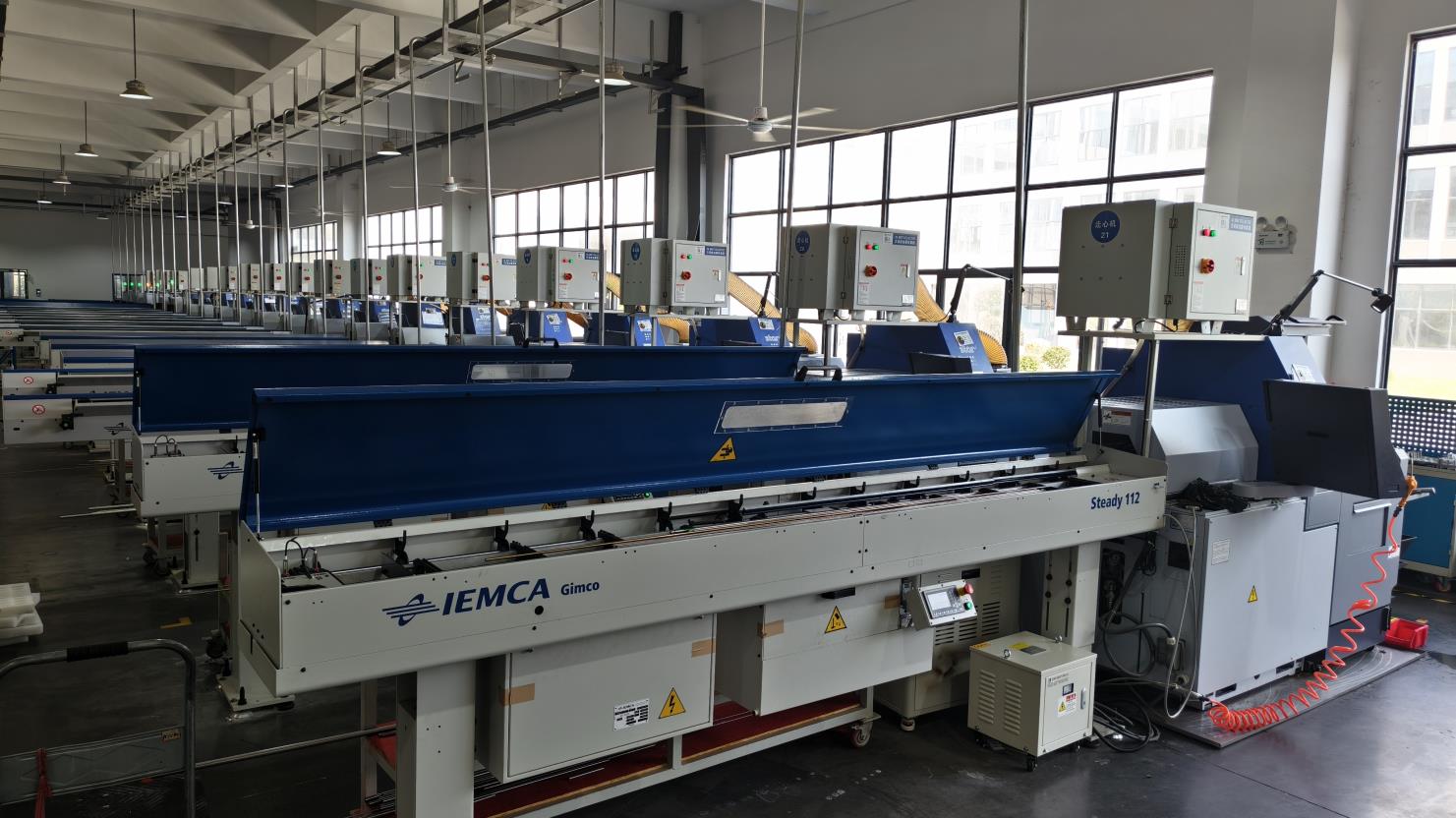
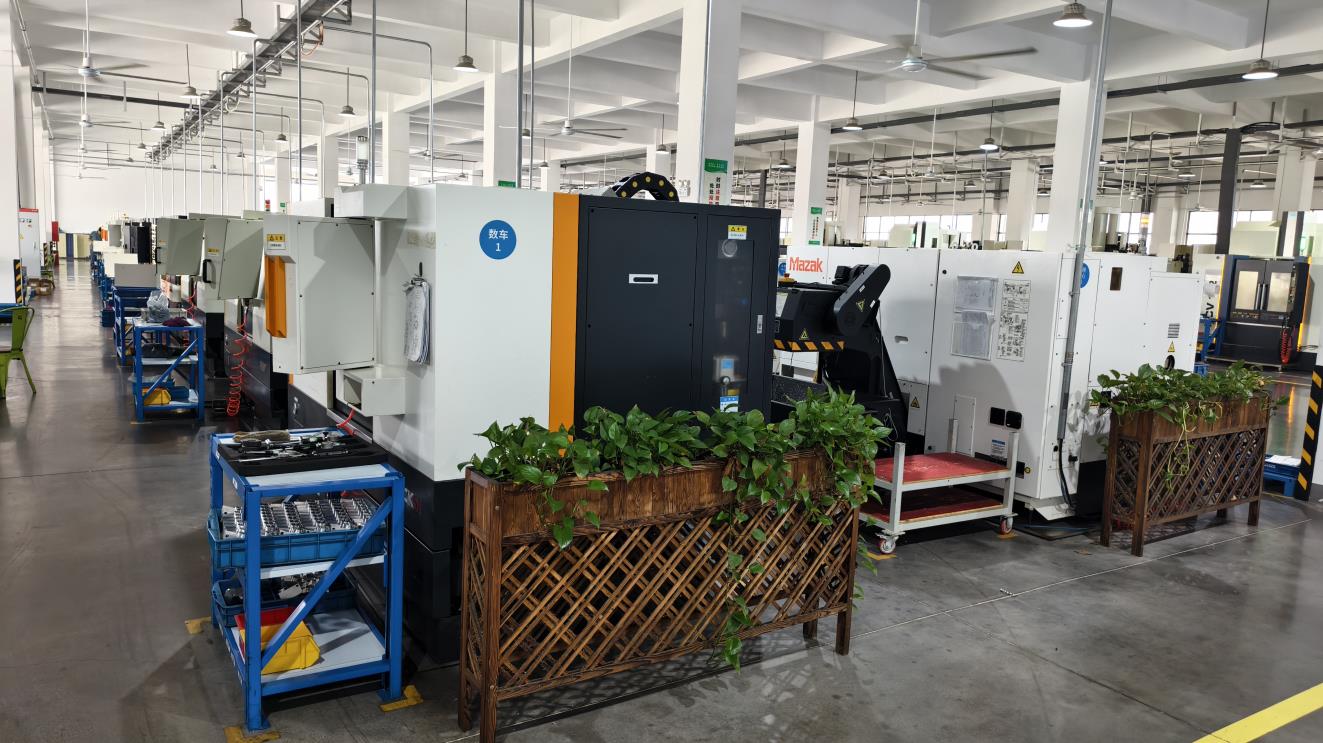
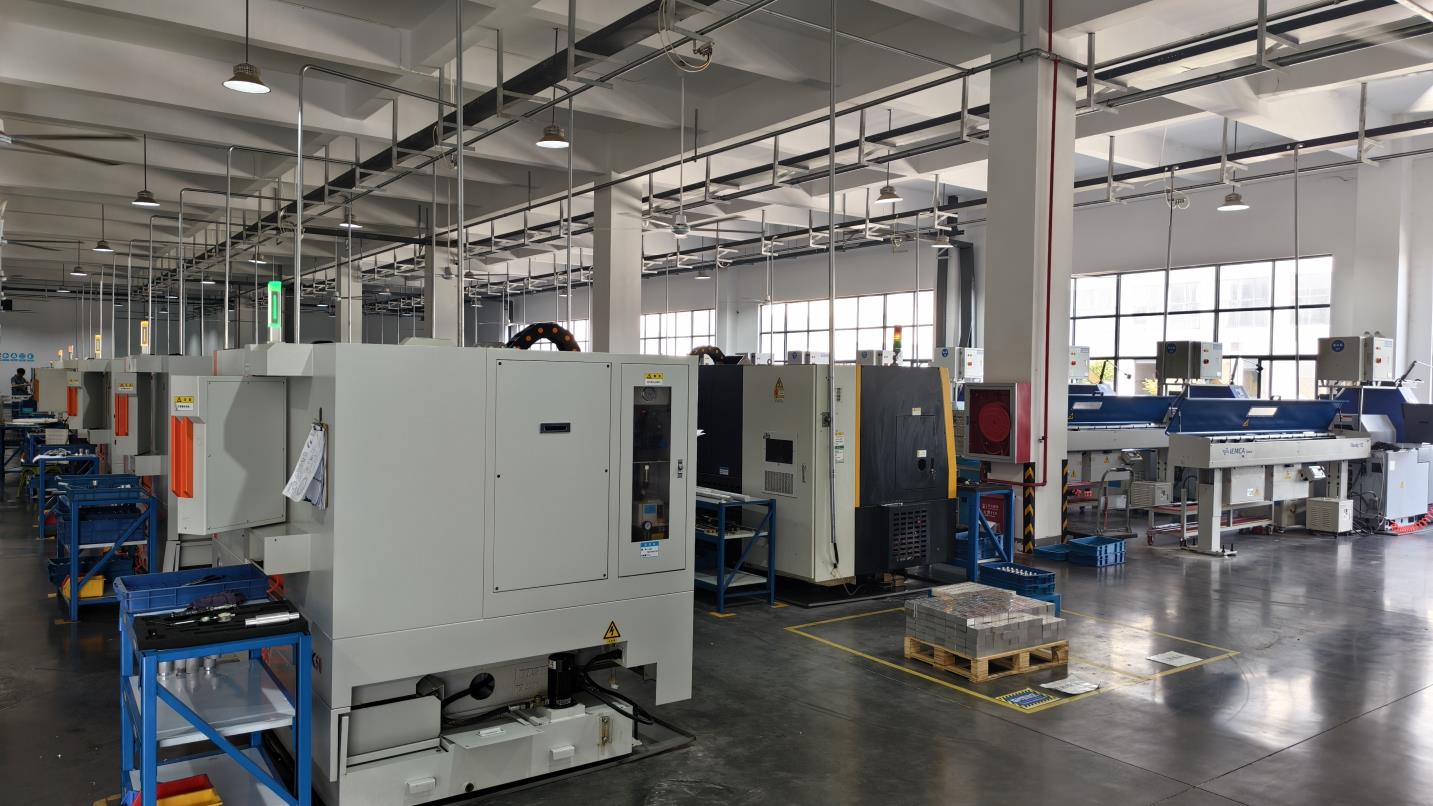
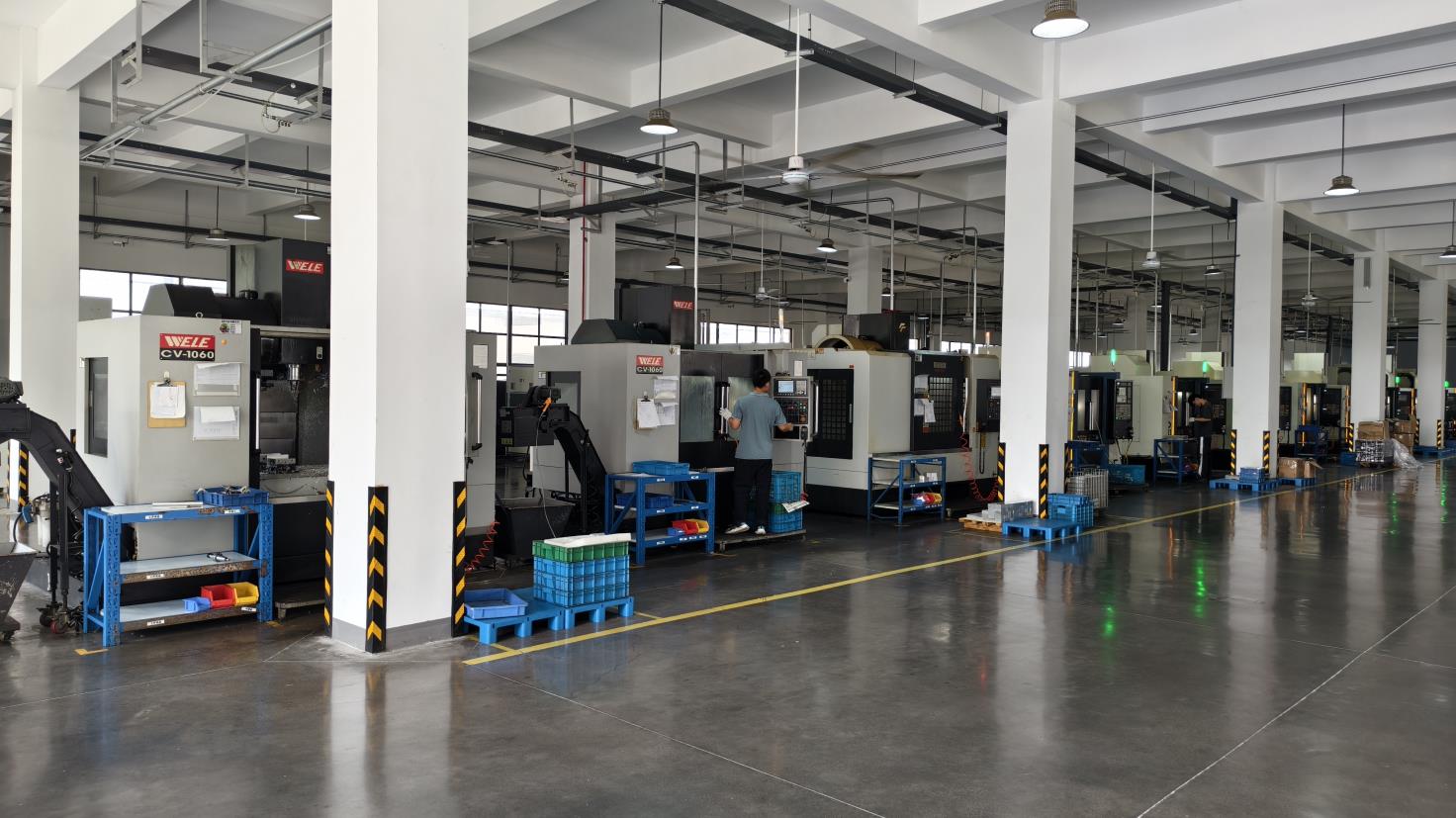
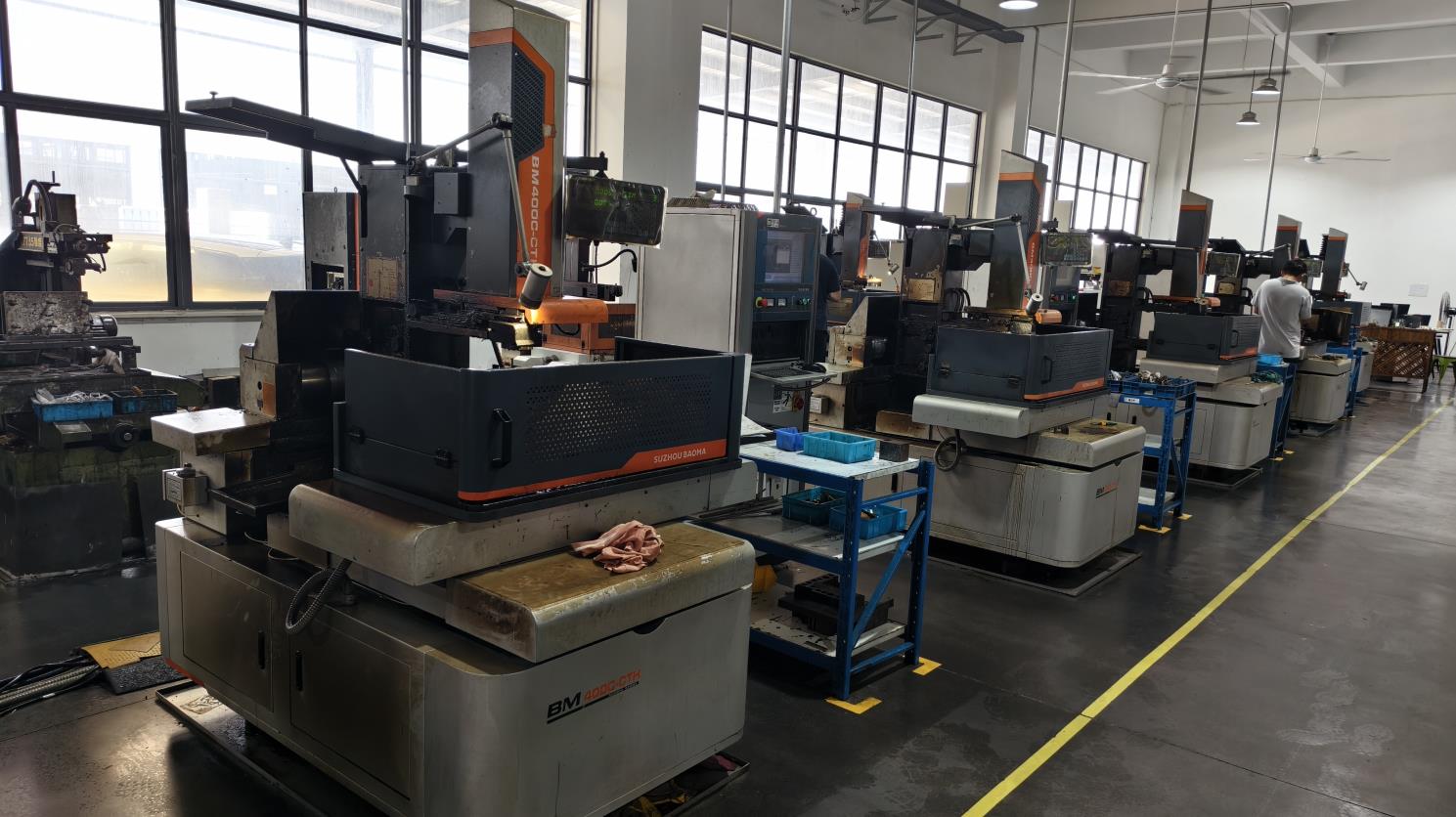
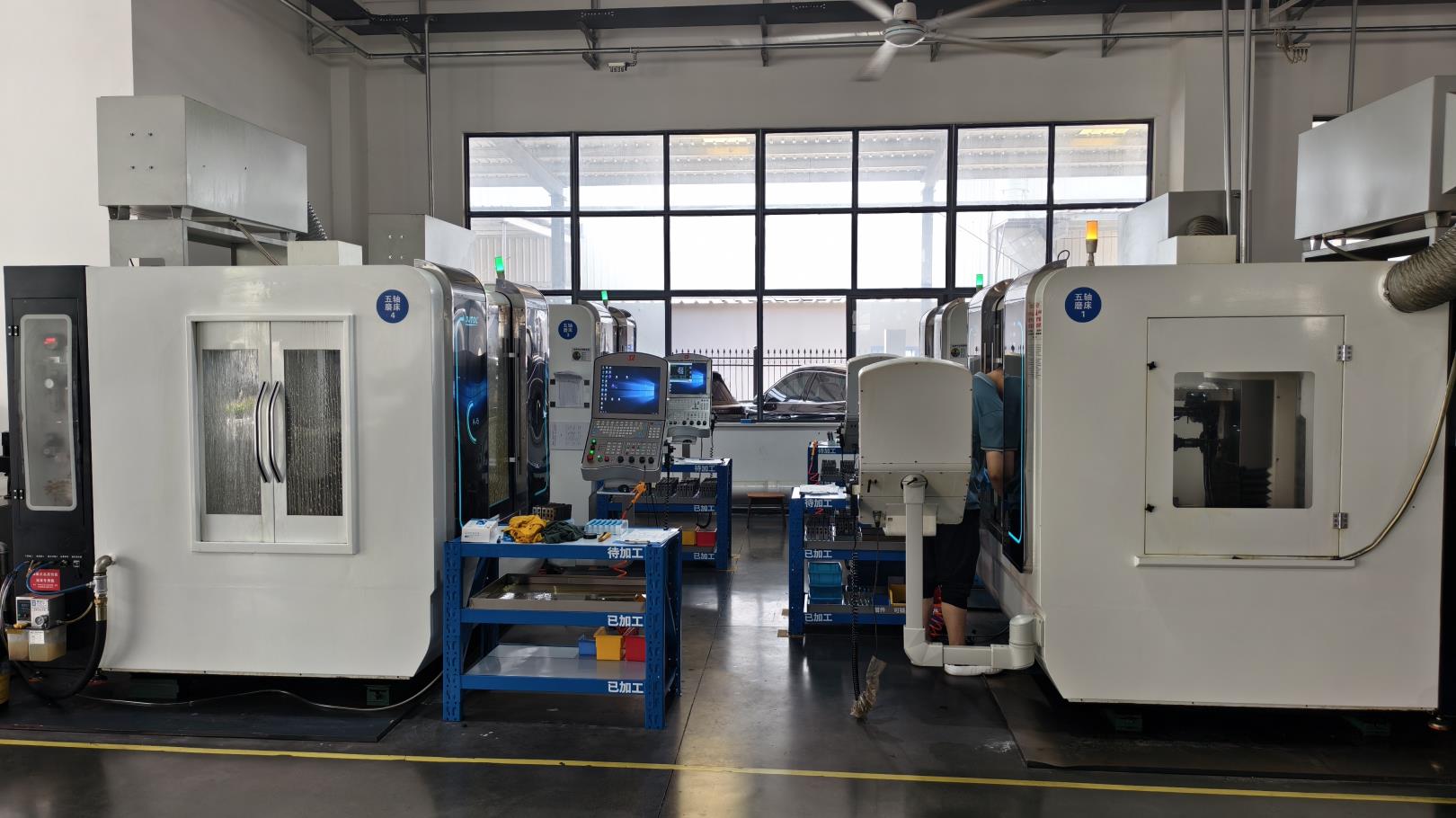
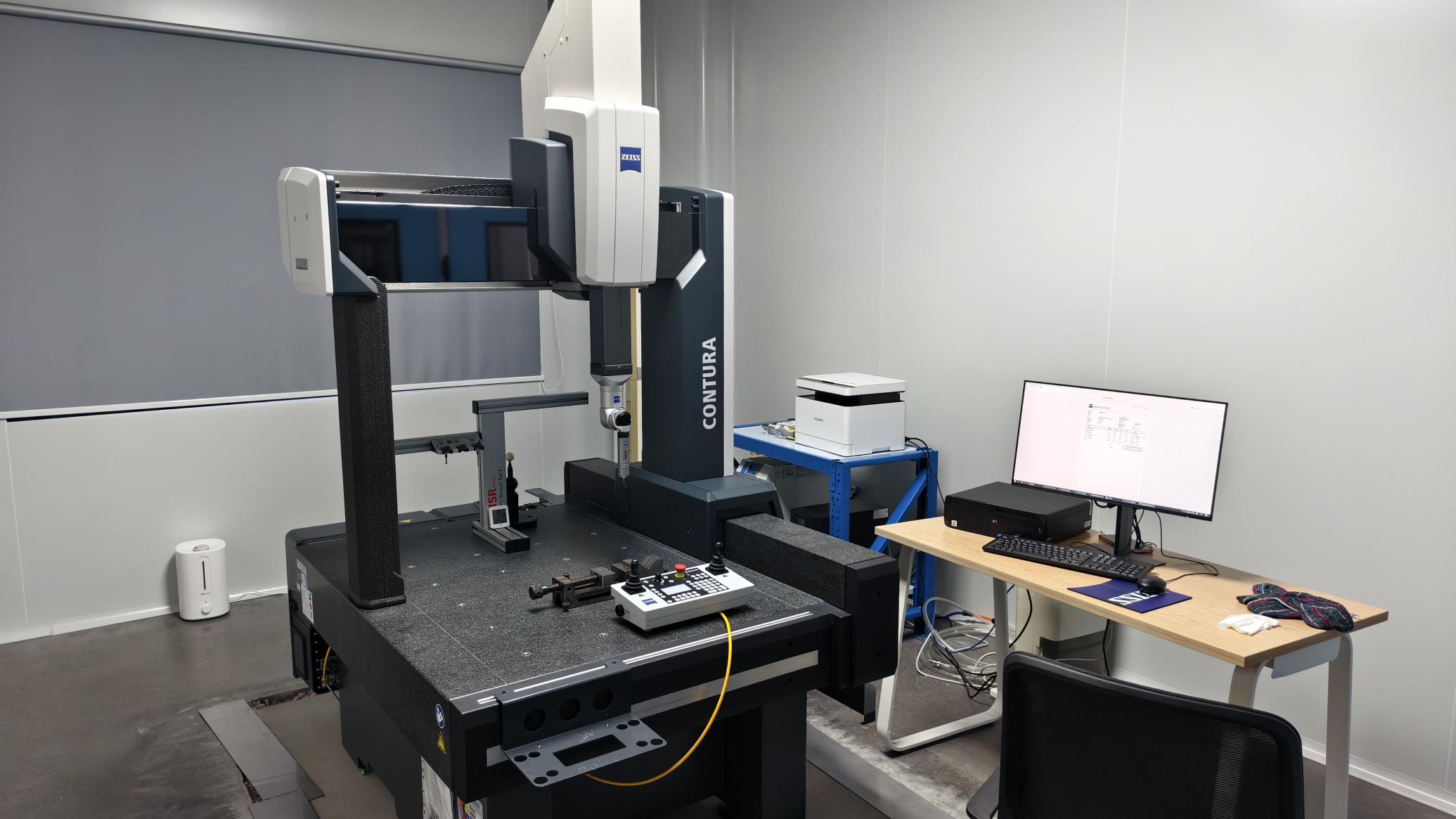
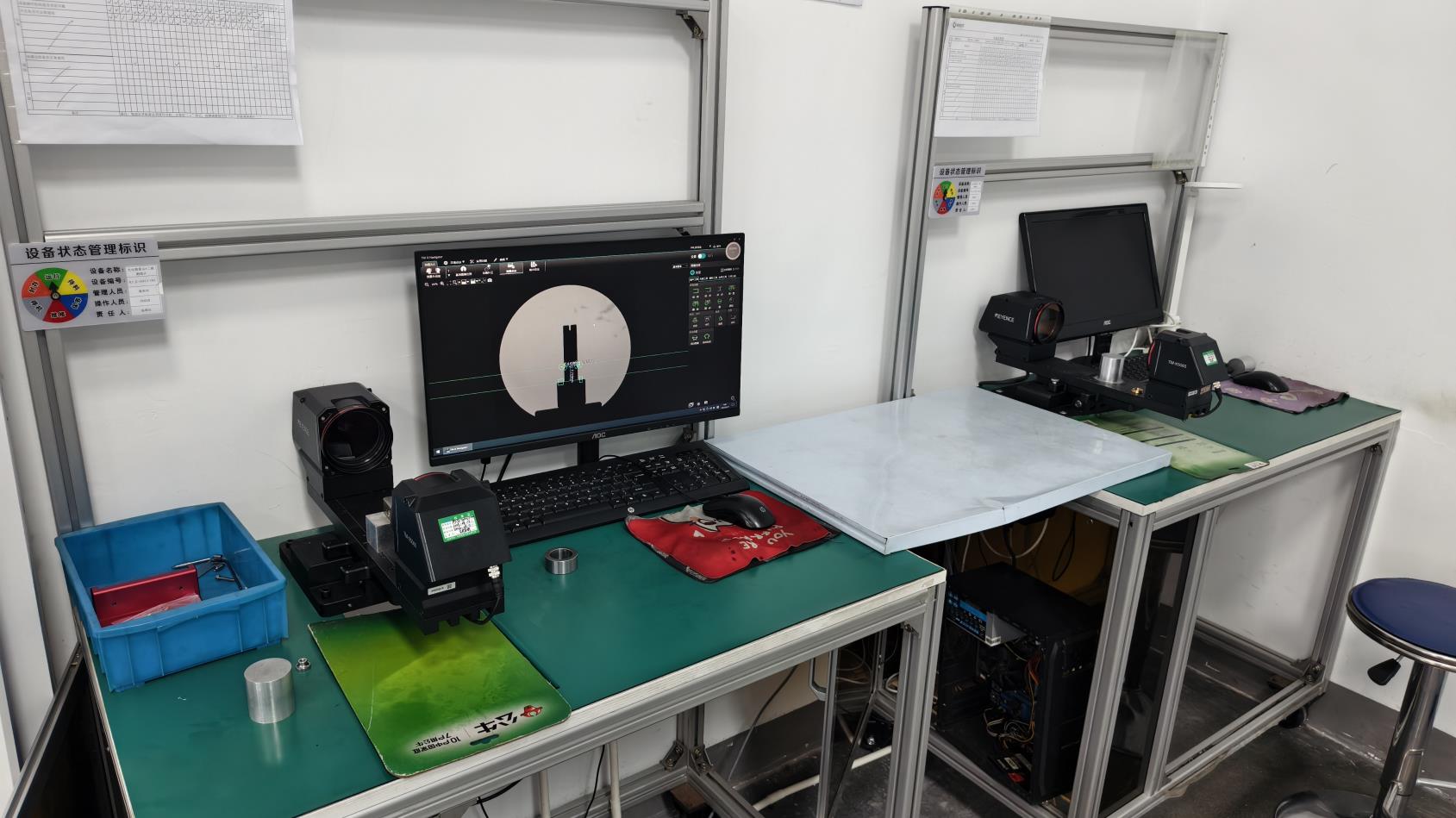
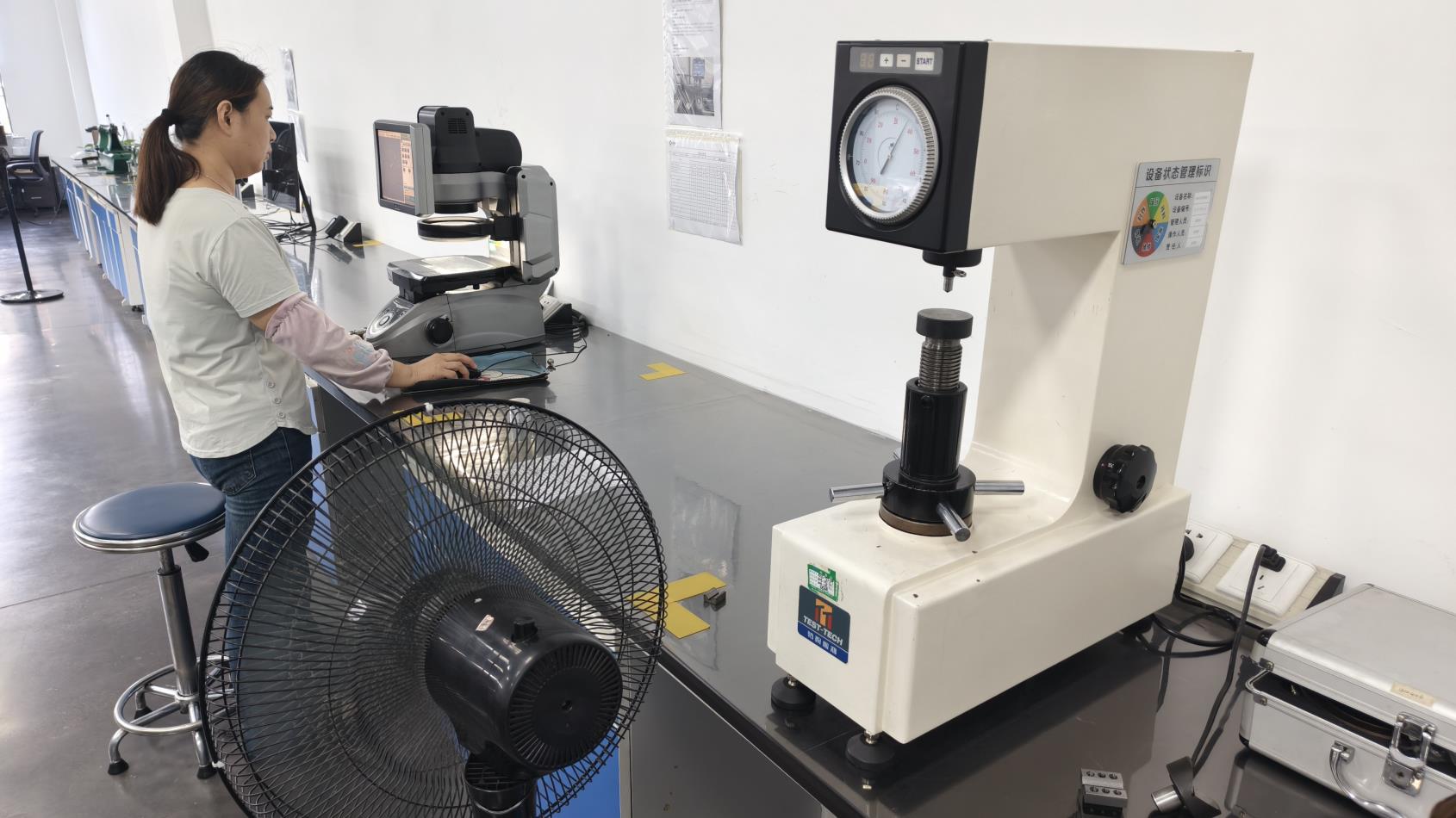
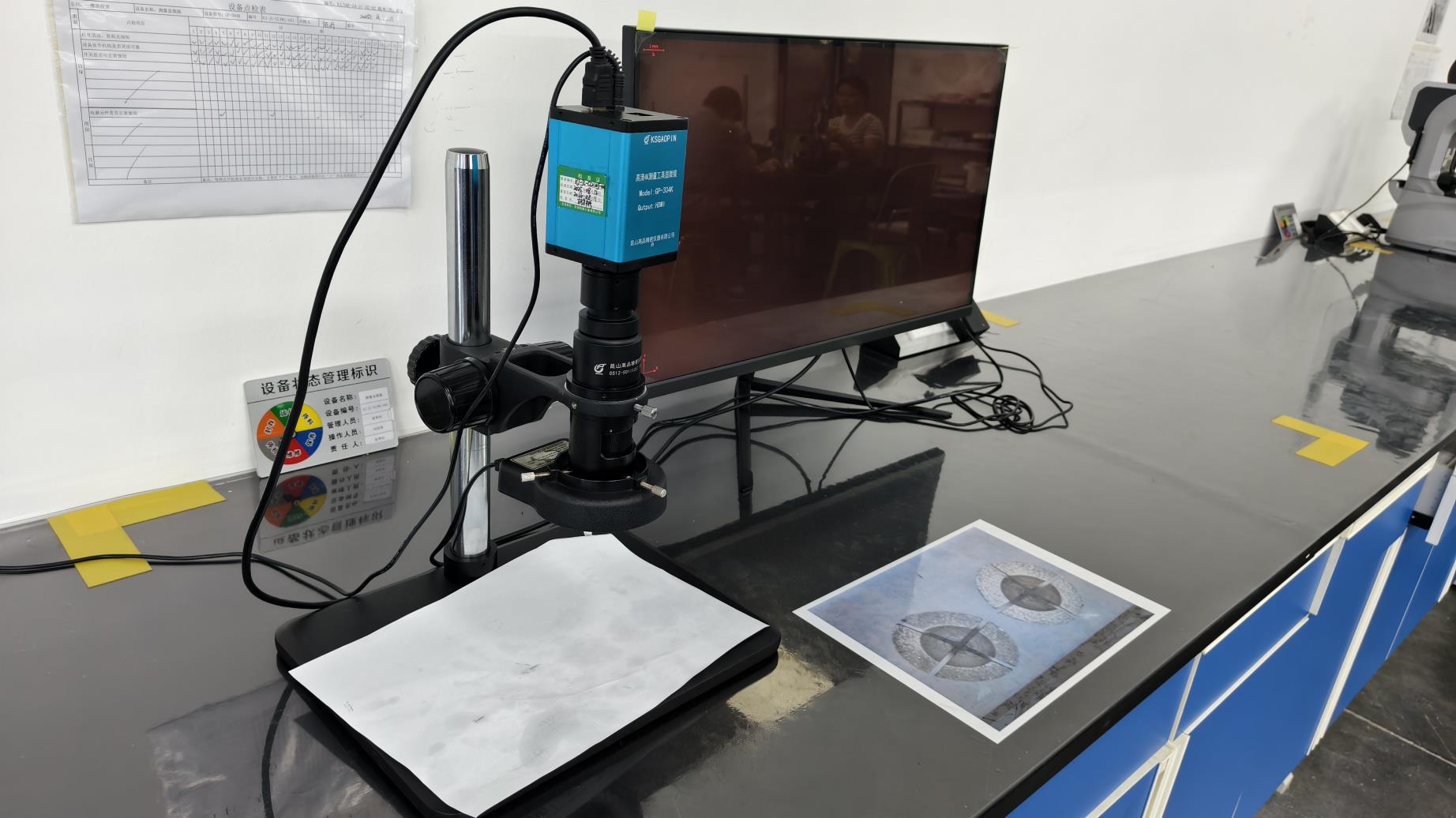
B2B buyers, including hospitals purchasing managers in Seoul and international medical device brands, must follow a rigorous verification framework when vetting a surgical instrument factory. Quality failures on surgical forceps can lead to patient harm, prolonged anesthesia times, and severe legal liabilities.
| Quality Assurance & Operations Dashboard | |
|---|---|
| Company Registration Date | 2019-11-20 (Operating as a stable, long-term manufacturer) |
| Years in Surgical Industry | 6 Years of Deep Specialized Experience |
| Years Exporting | 6 Years (Providing frictionless customs clearances globally) |
| Core Markets | North America (25%), South America (25%), Southeast Asia (15%), & East Asian MedTech Hubs |
| Raw Material Traceability | Yes, 100% trace log maintained from raw bar stock to finished instrument |
| Product Inspection Methods | Random inspection, custom protocol execution per client’s validation plan |
| Active QA/QC Staff | 3 Dedicated Inspectors checking alignment, spring resistance, and surface finish |
| Customization Capabilities | Sample processing, technical drawing translation, graphic printing, custom dimensions |
| Accepted Languages | English (Offering seamless technical communication for international engineering teams) |
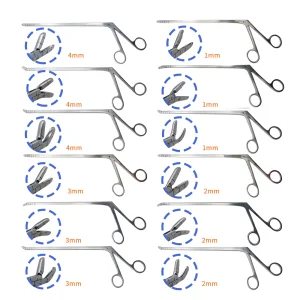
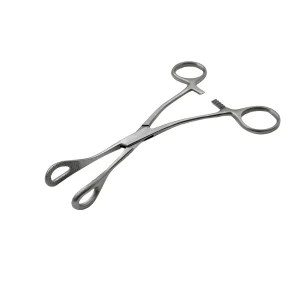
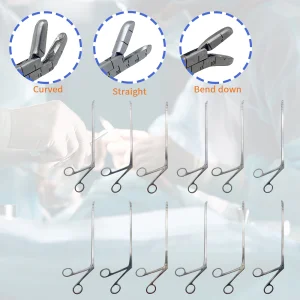
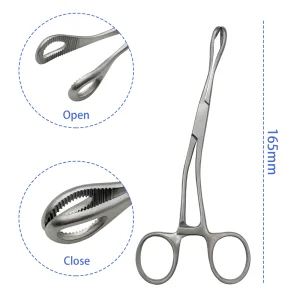
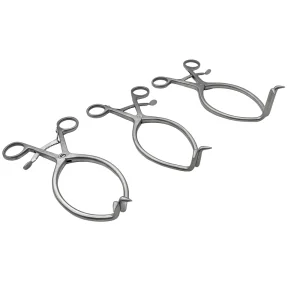
Explore our complete range of specialized spinal clamps, bone reduction tools, self-retaining retractors, and micro-punches.
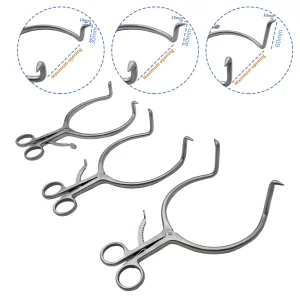
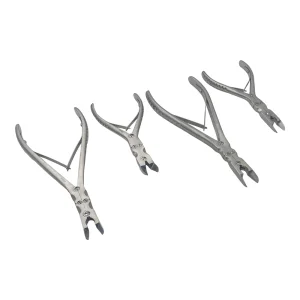
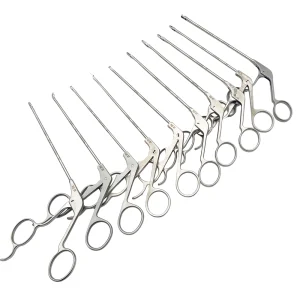
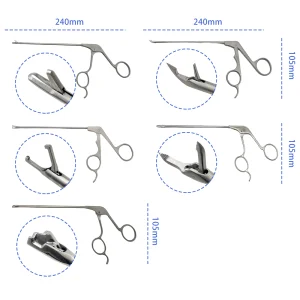
In-depth, clinical and metallurgical answers satisfying the intent of medical procurement teams and regulatory coordinators in Korea and globally.
The Ministry of Food and Drug Safety (MFDS) in South Korea classifies surgical forceps and retractors as Class I or Class II medical devices depending on the duration of tissue contact and invasiveness. Importing requires registration under a local licensed representative (an importer license holder). Factories must provide detailed Device Master Files (DMF) certifying ISO 13485 compliance, raw material certificates (verifying biocompatibility parameters under ISO 10993), and complete validation logs of sterilization capability.
During machining and grinding of stainless steel, free iron can be left on the surface. If this iron is not completely removed through passivation (citric or nitric acid treatment), it will rust rapidly when exposed to moisture and saline during surgeries or autoclaving. This compromises patient safety and breaks the structural integrity of the steel. A reputable factory must perform copper sulfate testing or corrosion assays on random samples from every production run.
Yes. All surgical instruments listed in our catalog, including the Nucleus Pulposus clamps and Kerrison Rongeurs, are manufactured using premium martensitic and austenitic stainless steel. They are fully compatible with standard autoclave sterilization cycles (typically 134°C for at least 3 to 15 minutes), as well as low-temperature gas plasma sterilization (hydrogen peroxide gas) commonly used for delicate micro-instruments.
Single-action rongeurs have a single pivot point. If a surgeon attempts to cut hard bone, they must apply maximum hand force, which causes hand strain and reduces precision. Double-action rongeurs integrate a secondary leverage system that multiplies the force applied by the hand. This design is highly preferred for procedures like pelvic reduction and laminectomies in heavy spinal surgeries, allowing clean bone cuts with minimal physical exertion.
Our production capabilities include comprehensive OEM/ODM options. We accept graphic CAD data, technical drawings, or physical samples. We can adjust jaw sizes (e.g. producing specialized 1.5mm up-bite Kerrison jaws), modify shaft lengths from 180mm up to 300mm, and laser-etch custom brand logos or tracking QR codes onto each instrument for traceable clinical assets management.