SENJIE Healthy & Technology
SENJIE Healthy & Technology
SENJIE Healthy & Technology
High-Grade Suture Instrumentation Compliant with CE, MDR 2017/745, and ISO 13485 Standards for French Clinical Excellence
Advanced Orthopedic, Neurosurgical & Soft Tissue Adaptation Instruments Certified for Global and French Healthcare Facilities
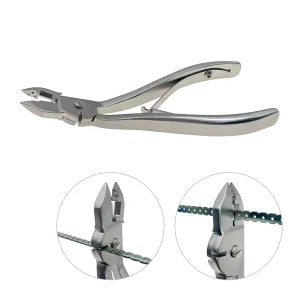
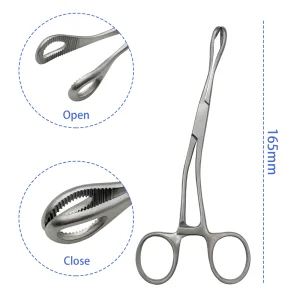
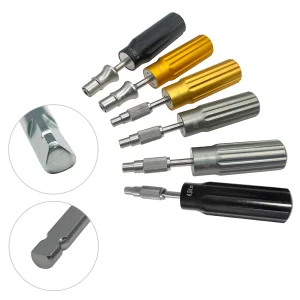
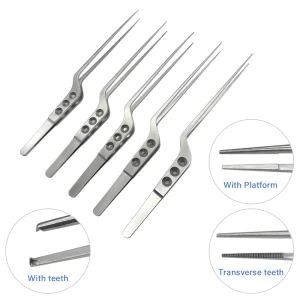
In the highly regulated French medical market, surgical efficiency, bio-compatibility, and operational longevity are paramount. Under the auspices of the Haute Autorité de Santé (HAS) and strict conformance to the European Union's Medical Device Regulation (MDR 2017/745), medical procurement centers across France (such as the Central Purchasing Bodies like UniHA and Resah) demand premium quality surgical instrumentation.
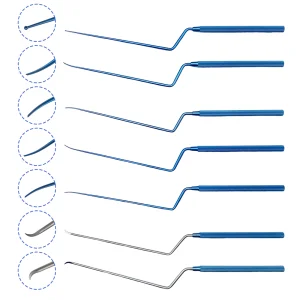
Surgical needle holders (porte-aiguilles) represent the cornerstone of reconstructive surgery, wound closure, and micro-suturing protocols. As a leading specialized manufacturer, we supply medical-grade needle holders specifically engineered to meet French national standards. Whether utilized in the sterile departments of Centres Hospitaliers Universitaires (CHU) or specialized private clinics (cliniques privées), our instruments deliver uncompromised precision. We utilize advanced vacuum-tempering protocols to optimize structural tensile strength, ensuring that our instruments endure standard thermal disinfection and autoclaving processes without compromise.
Globally, the demand for precision surgical instrumentation is expanding, driven by aging populations, a rise in minimally invasive procedures, and veterinary orthopedic innovations. The French domestic market represents a significant portion of this demand. French veterinary surgeons, grouped under the Ordre National des Vétérinaires, and orthopedic surgeons operating in facilities like the Institut de l'Appareil Locomoteur require high-grade surgical instruments that can stand up to high-stress, rapid-turnaround sterilization protocols.
Unlike general-purpose B2B standard tools, surgical needle holders require specialized localized design considerations for France:
The manufacturing of our surgical instruments relies on strict control of structural metallurgy. We utilize specialized heating processes to achieve a hardness of 48-52 HRC on standard stainless steel shafts and up to 70 HRC on specialized Tungsten Carbide jaw inserts.
Our tech roadmap integrates advanced laser-welding protocols that join TC inserts to the stainless steel frame, mitigating the classic failure mode of insert delamination during ultrasonic cleaning. In addition, our surface treatment is completed with a chemical passivation protocol that creates an inert chromium-oxide outer layer. This delivers reliable defense against corrosion, pitting, and discoloration when subjected to high-temperature thermal disinfection cycles common in European sterilization facilities.
B2B Manufacturing Infrastructure and Global Quality Assurance Compliance
Authentic visual evidence of our high-precision fabrication, cleanrooms, and testing facilities
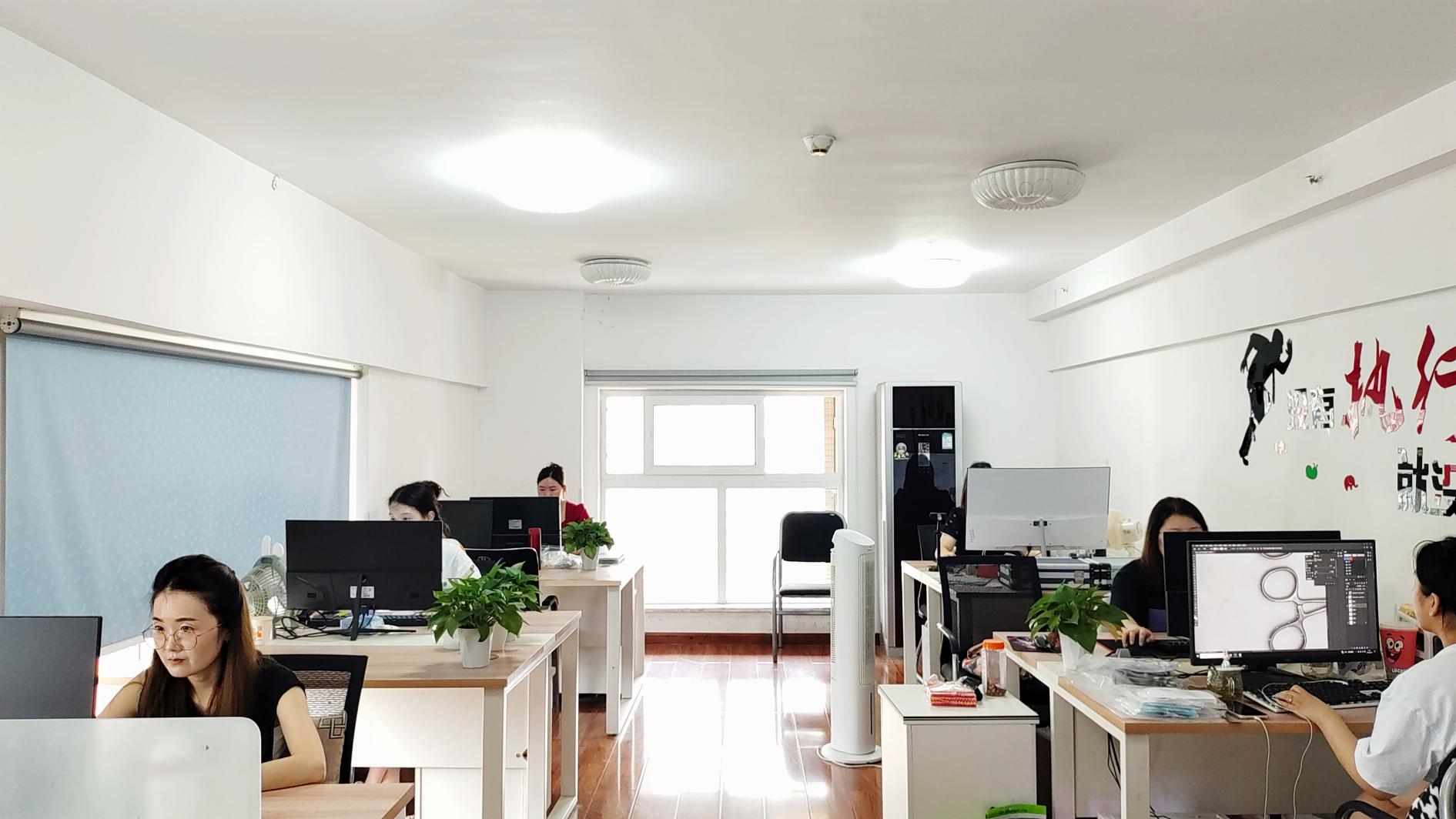
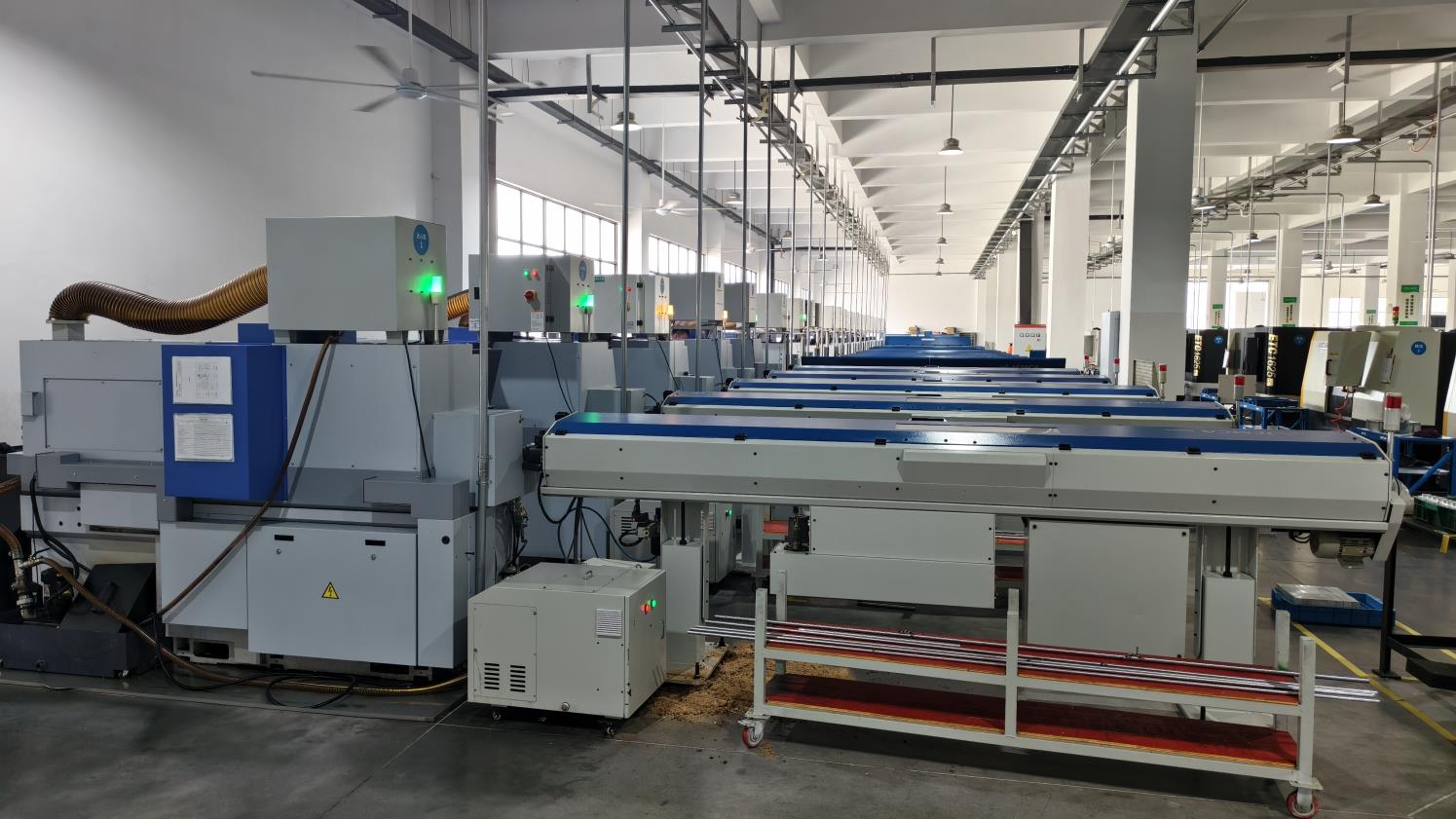
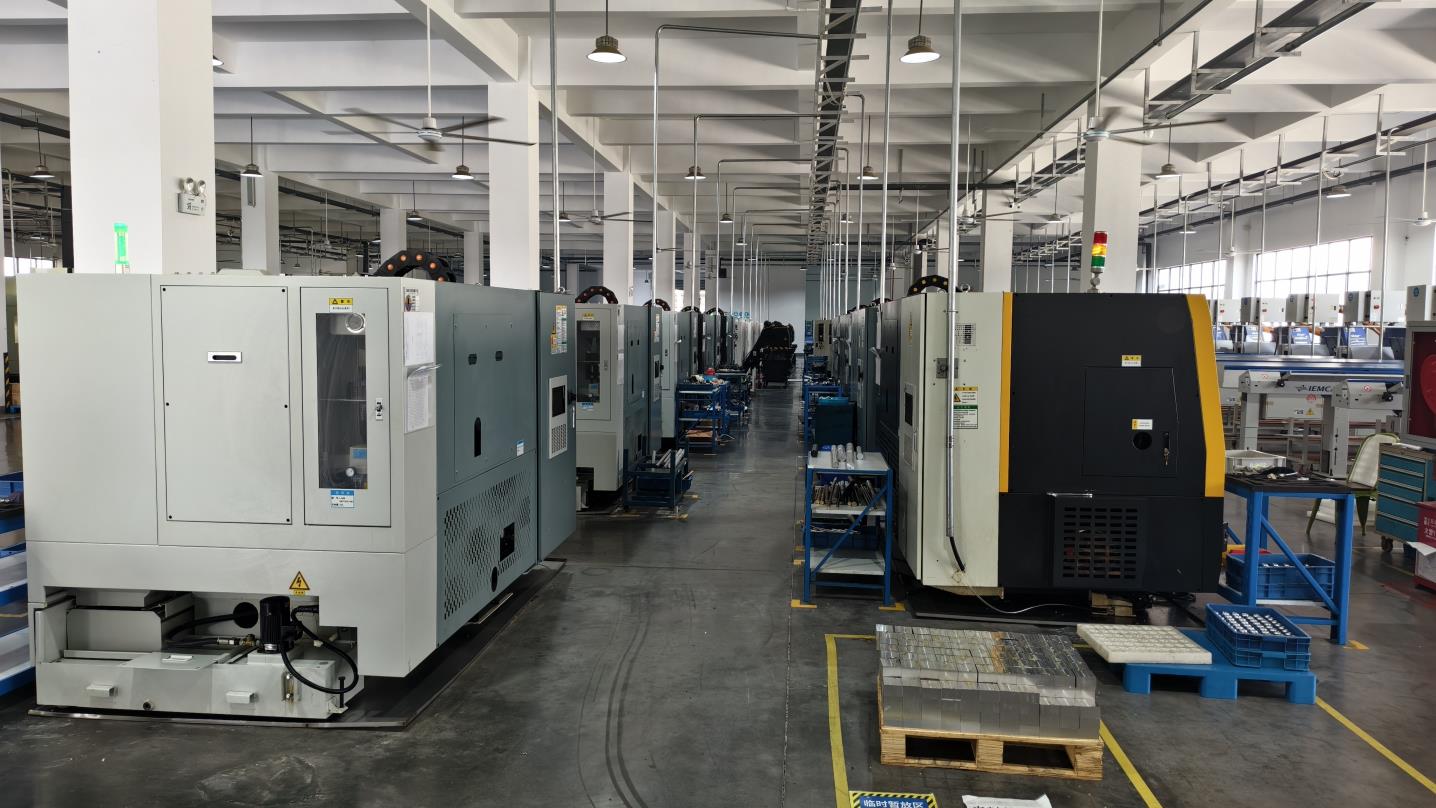
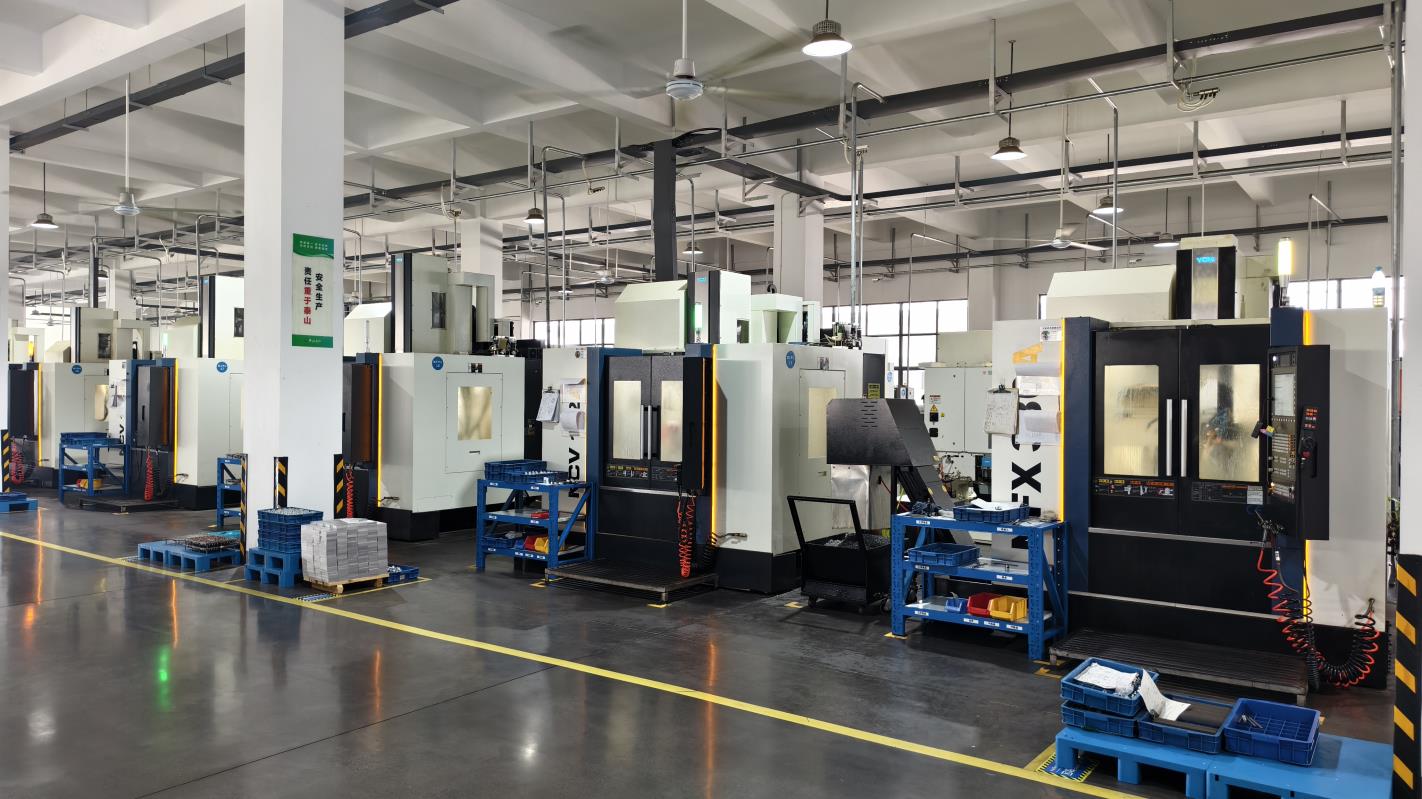
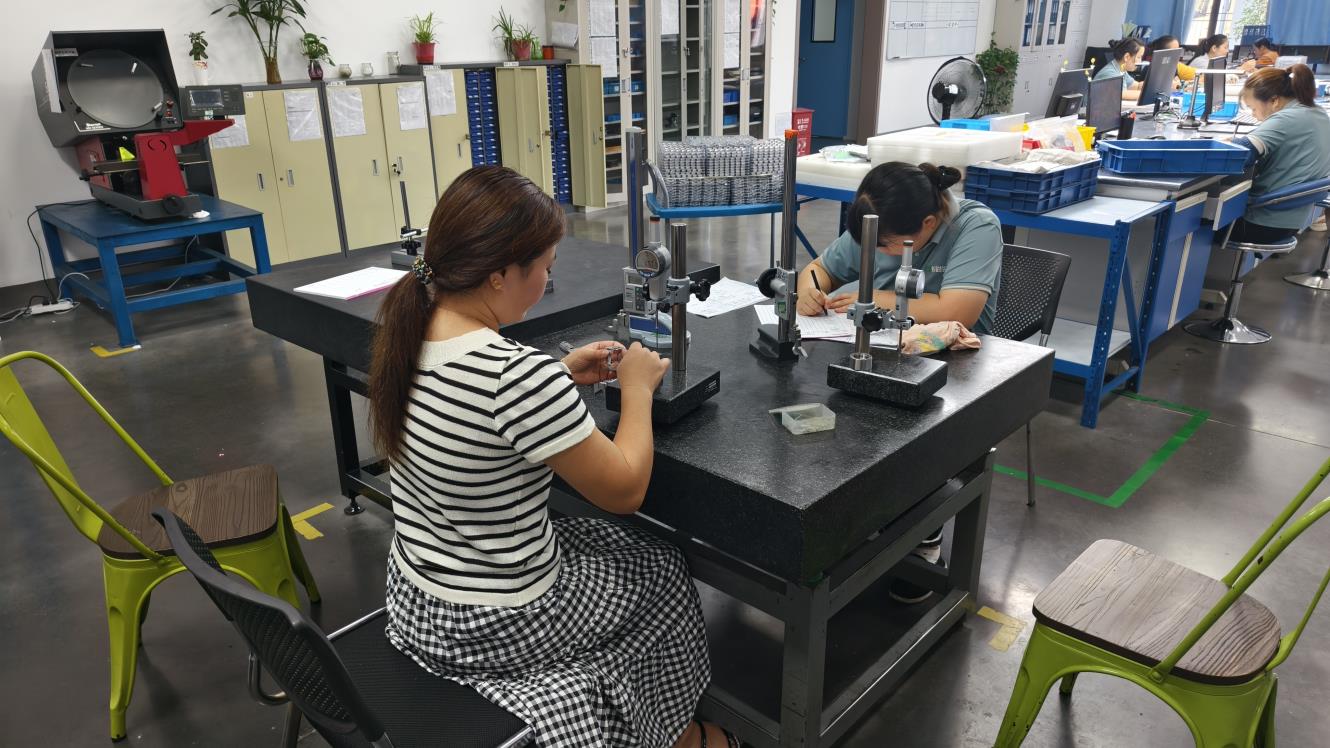
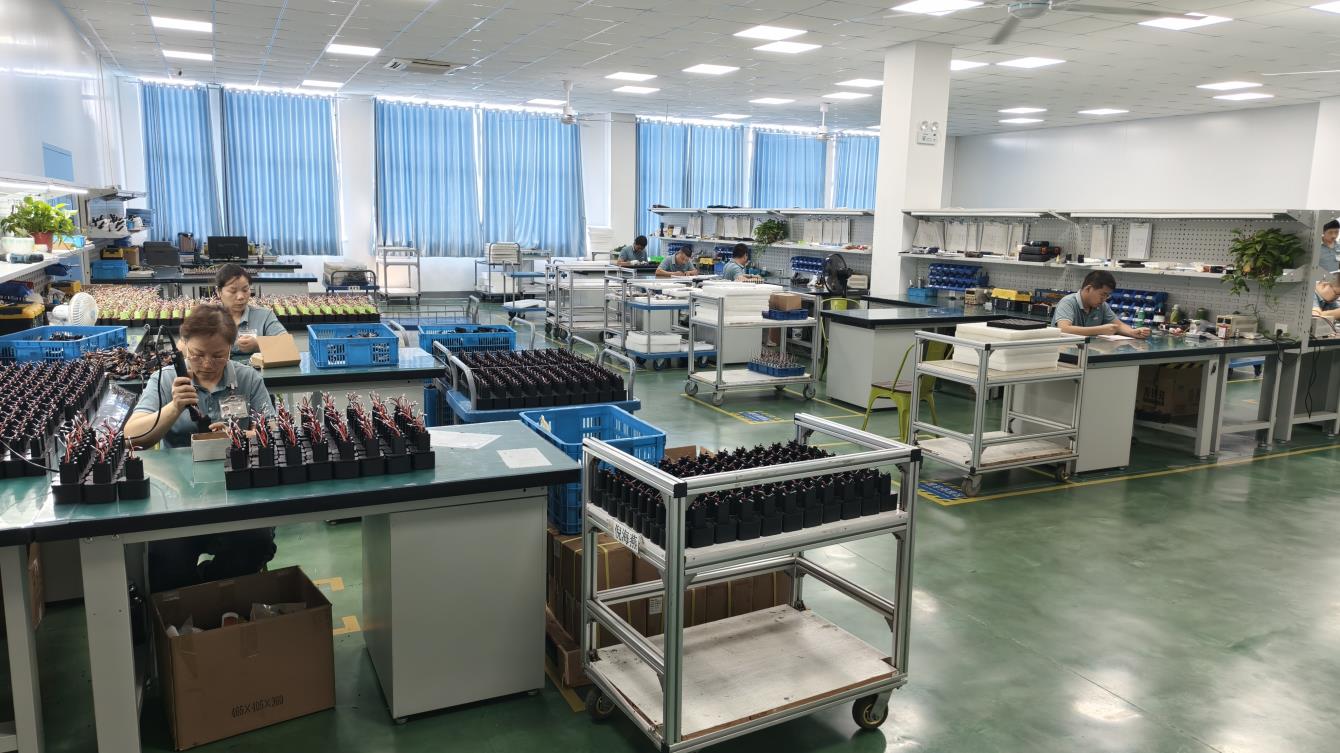
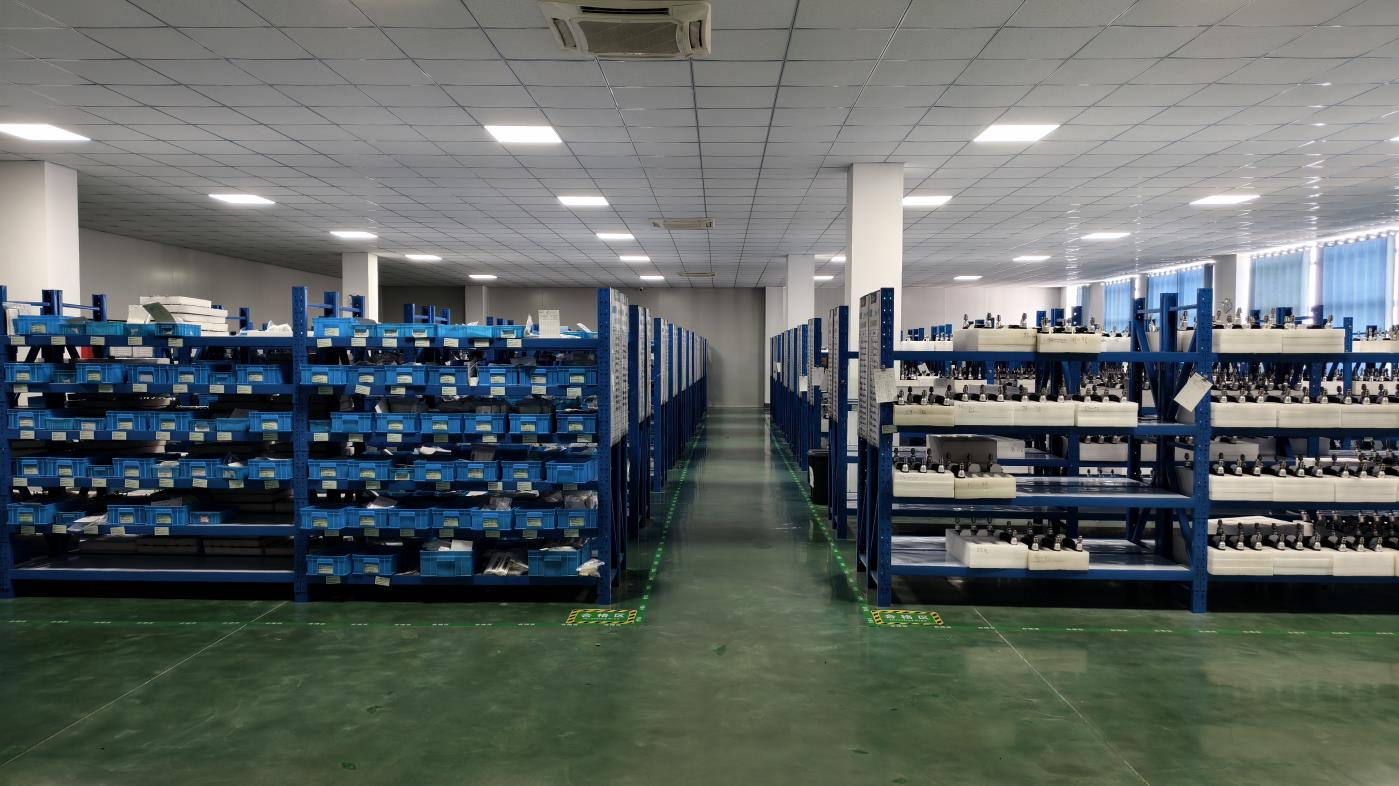
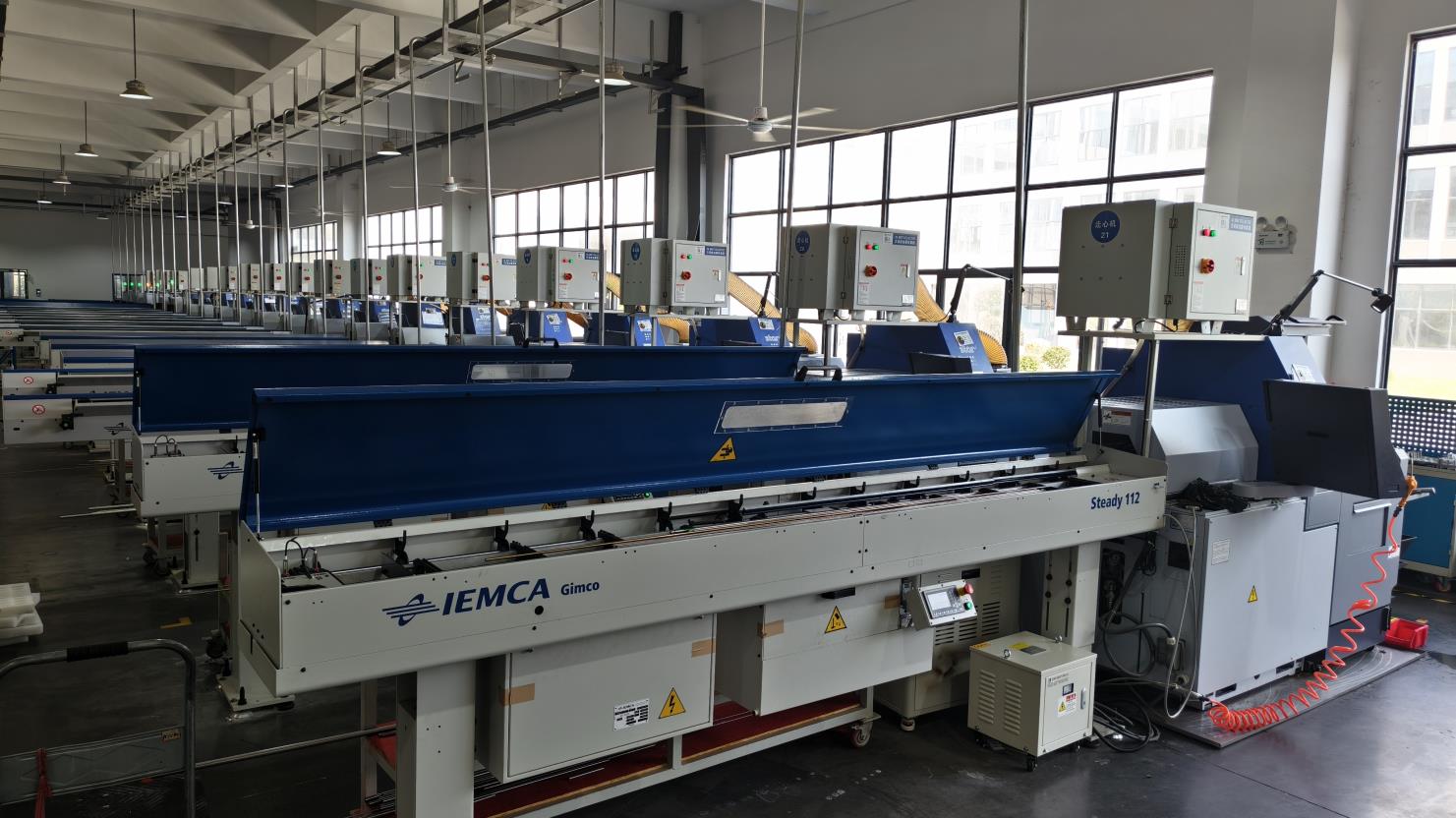
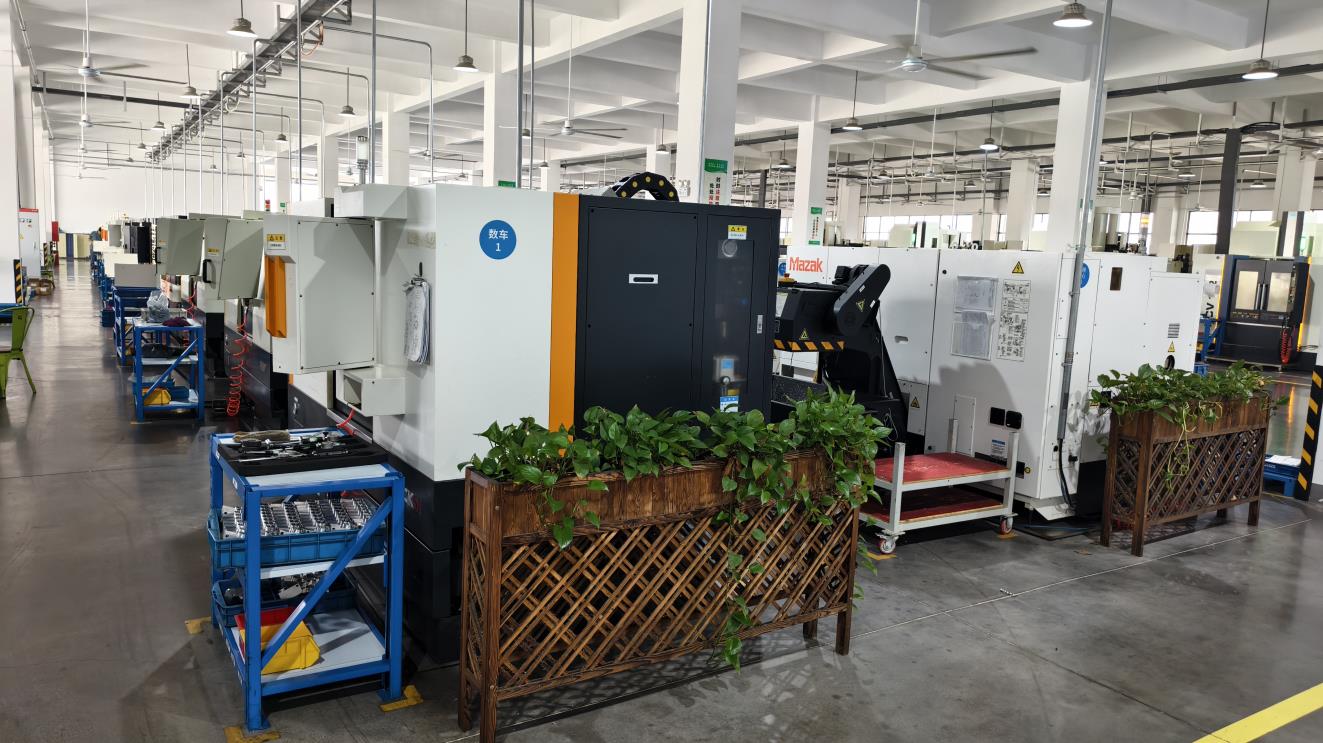
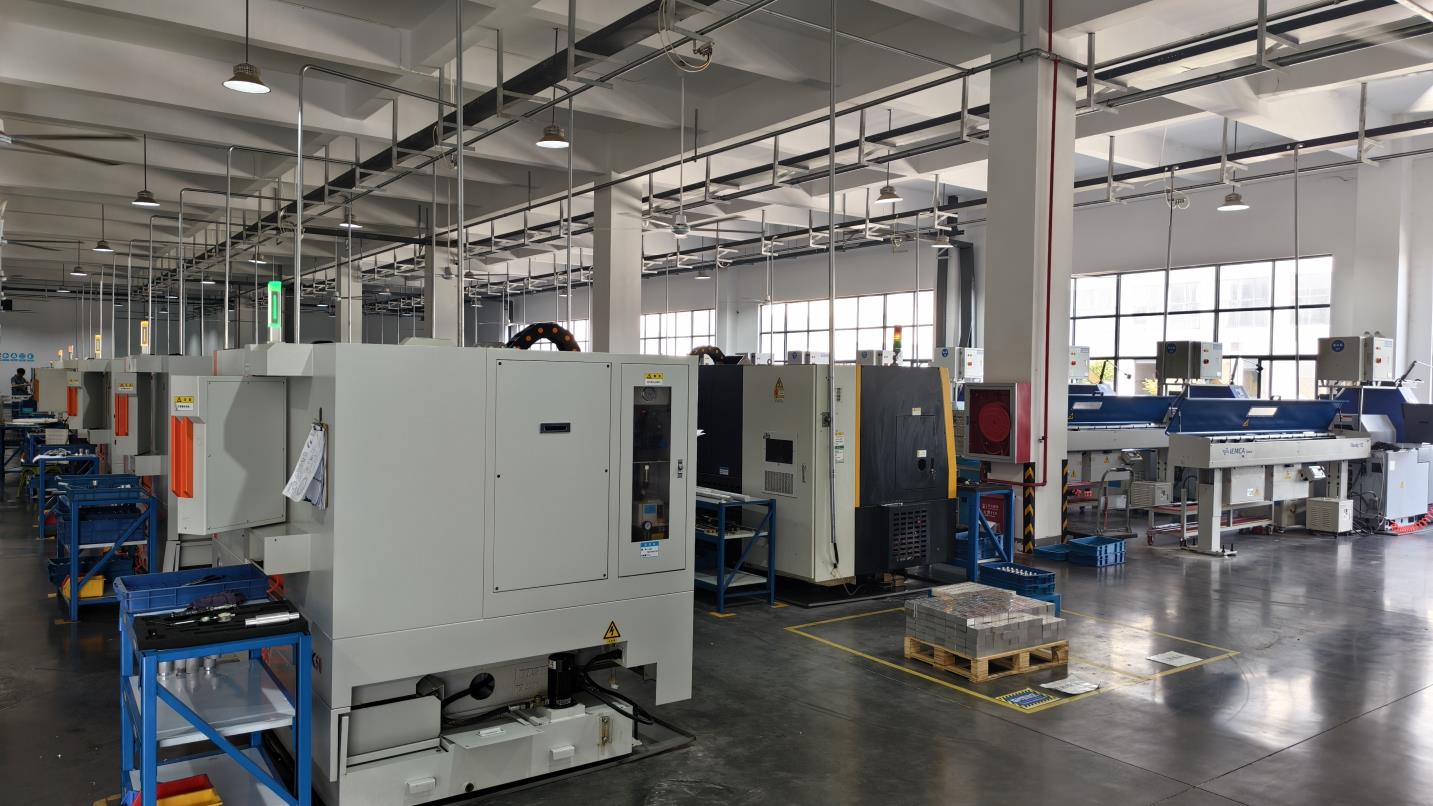
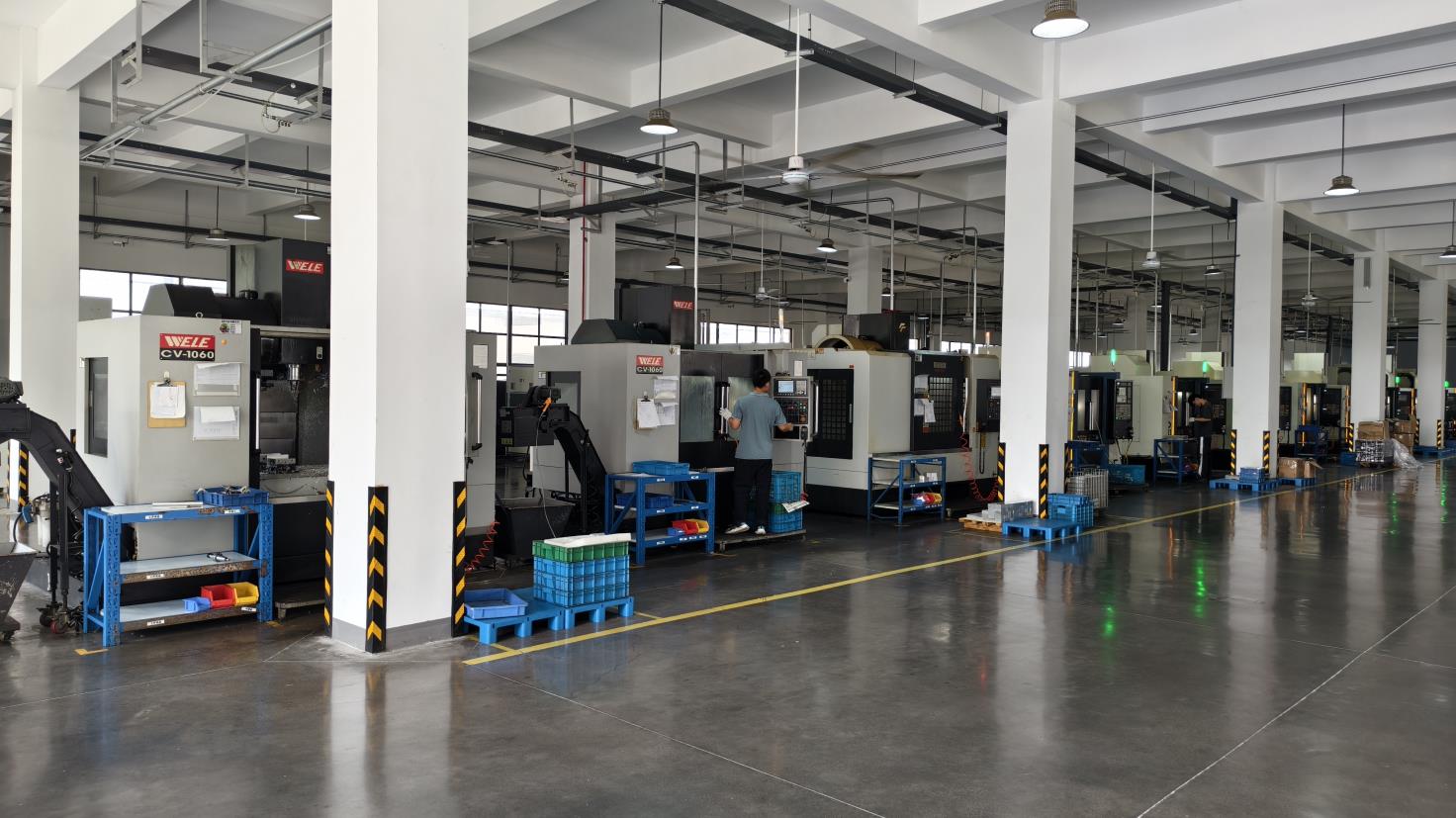
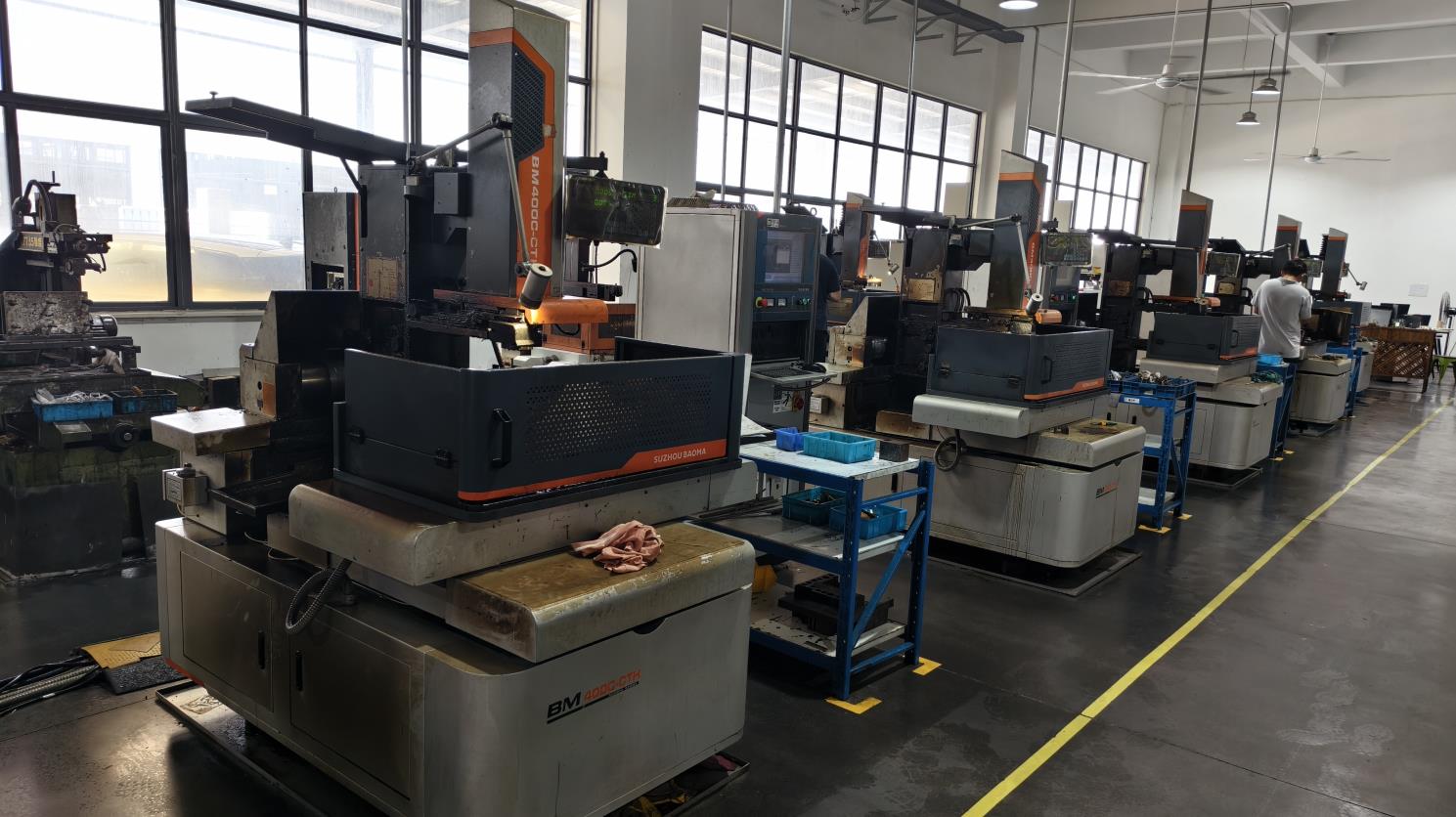
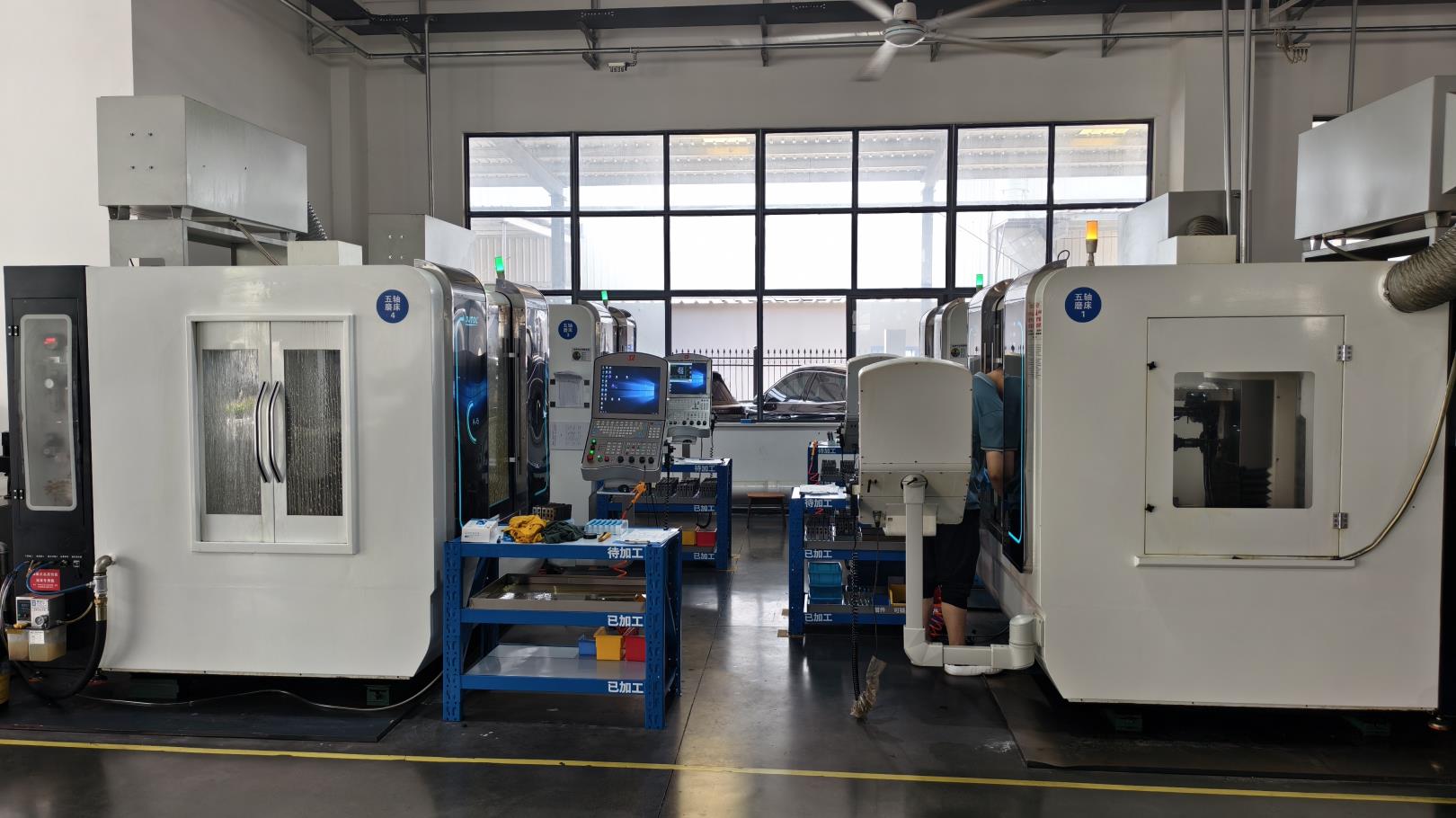
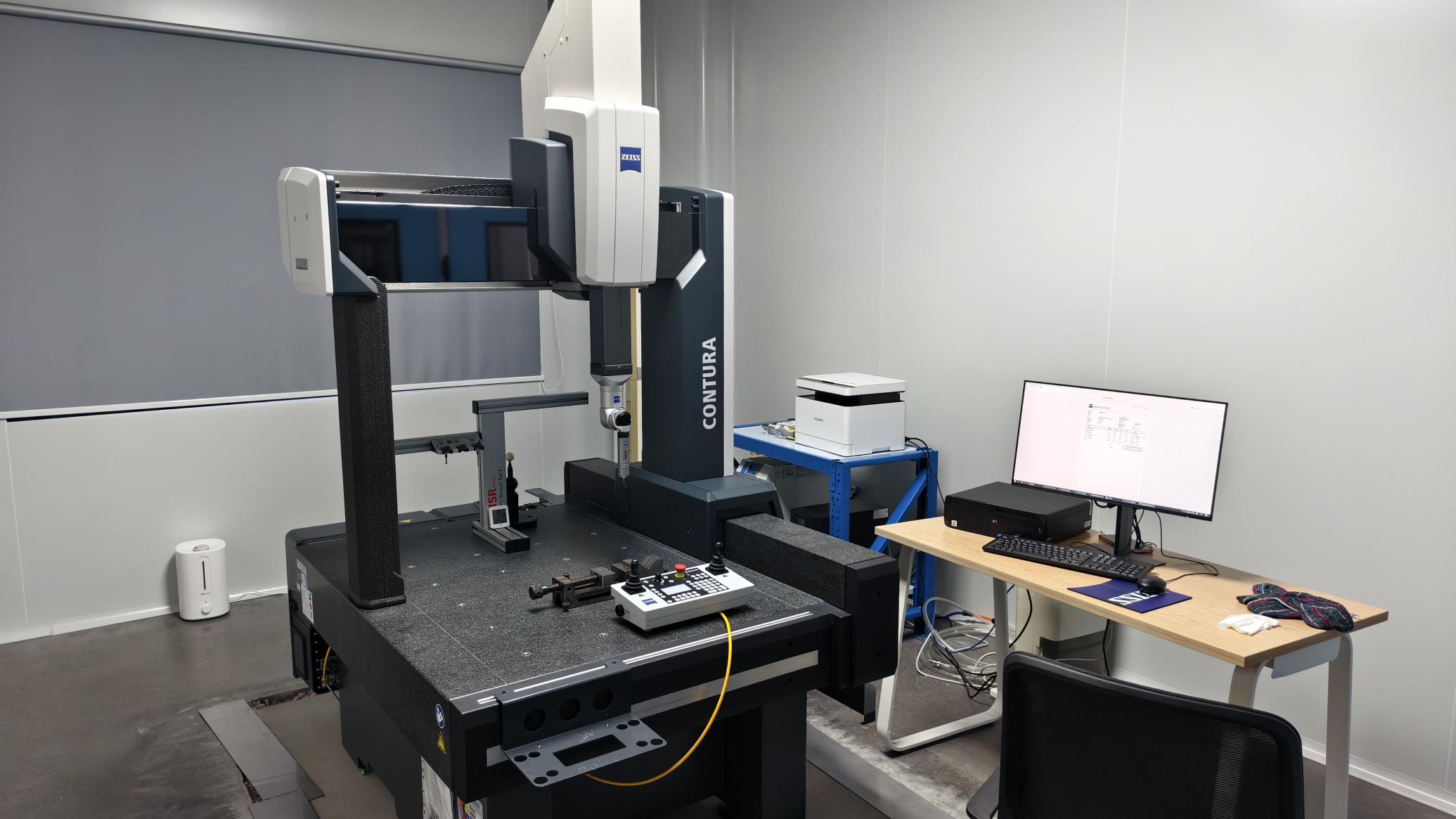
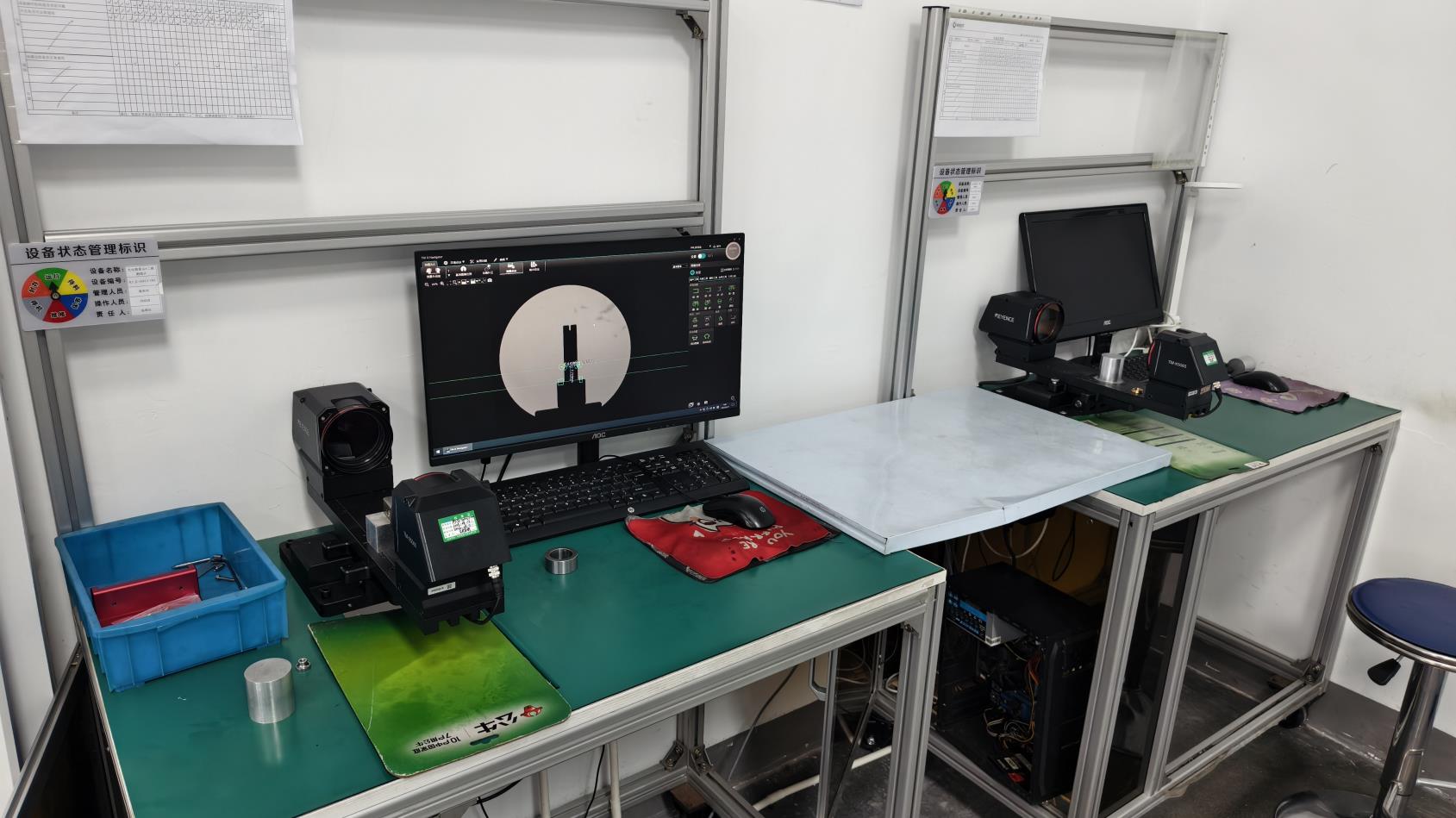
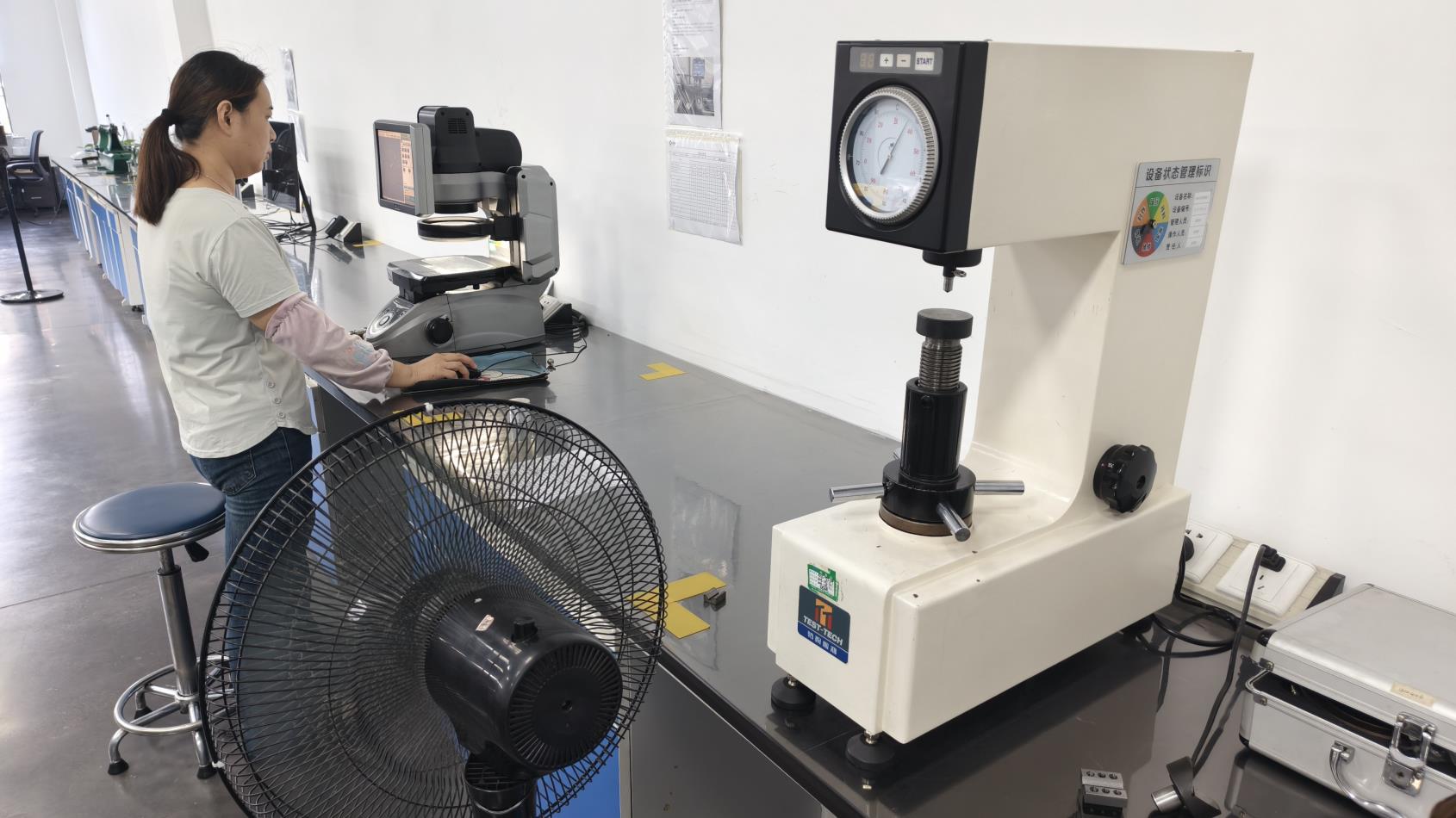
Important considerations for French B2B buyers, biomedical engineers, and sterilization specialists
Yes. All surgical instruments manufactured for export to France are compliant with European safety standards. We provide complete technical files and declaration of conformity documentation to streamline customs clearance and local medical registration.
We build our standard instrument lines from Martensitic surgical steel AISI 420 and AISI 410, compliant with EN ISO 7153-1 standards. For structural orthopedic devices such as plate bending pliers and bone reduction forceps, we use premium AISI 316L/316LVM to ensure high fatigue resistance and excellent corrosion protection.
Yes, they are designed to withstand standard steam autoclaving processes (commonly 134°C for 18 minutes in France to meet regional prion inactivation and general sterilization requirements). We use professional vacuum heat treatment and surface passivation to prevent rust or deterioration over time.
We offer comprehensive OEM capabilities, including custom laser etching for product tracking, modifications to jaw serrations, adjustments to scale dimensions, and customized handles. We also offer custom manufacturing from engineering drawings or samples.
Every production batch is linked to a specific steel mill certificate and heat number. Quality checks are recorded at every stage of the process, including raw forging, machining, heat treatment, passivation, and final sterilization prep. This systematic documentation is designed to support the regulatory requirements of French hospitals and veterinary groups.
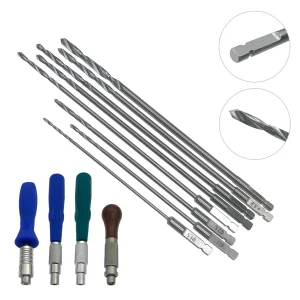
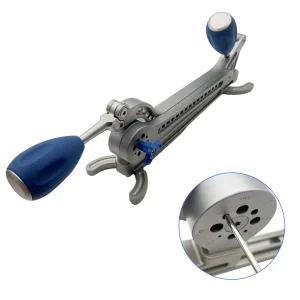
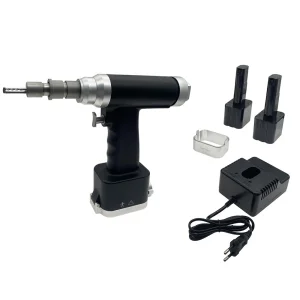
A comprehensive range of high-performance B2B instruments for human and veterinary orthopedics