SENJIE Healthy & Technology
SENJIE Healthy & Technology
SENJIE Healthy & Technology
Premium grade devices configured to meet German healthcare standards (DIN ISO) and optimized for specialized surgical pathways.
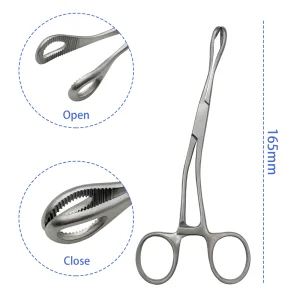
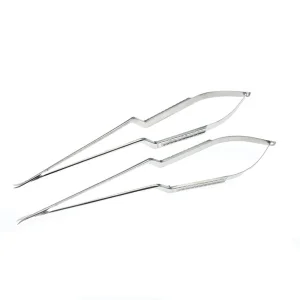
Berlin stands as a leading global medical center, anchored by world-renowned academic medical institutions like Charité - Universitätsmedizin Berlin, extensive municipal networks such as Vivantes, and a surging biomedical ecosystem. The demand for highly reliable surgical tools is driven by a strong shift toward minimally invasive procedures, microvascular reanastomosis, and intricate orthopedic reconstructions. In these clinical environments, the **needle holder** is not just an instrument, but an extension of the surgeon's hand.
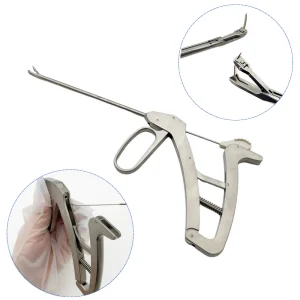
Our company specializes in manufacturing and exporting medical devices that meet the highest standards required by German clinics. We ensure every needle holder, micro-forceps, and suture transfer device achieves unparalleled balance, zero suture slippage, and long-term durability through autoclaving cycles.
We source only high-grade medical alloys to produce our surgical tools, addressing the severe chemical and physical stress experienced in modern reprocessing lines (under DIN EN ISO 17665 sterilization procedures in Germany):
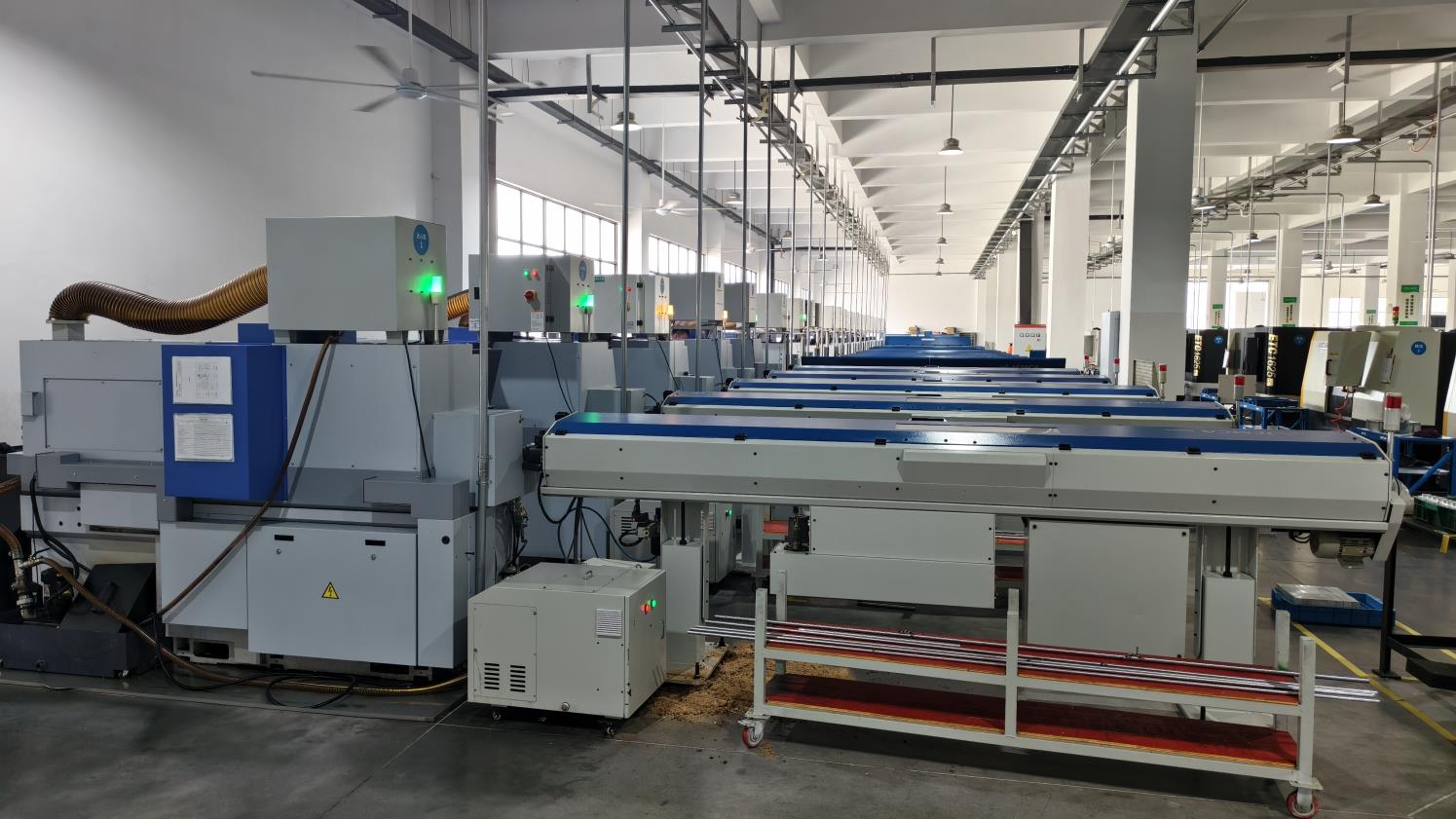
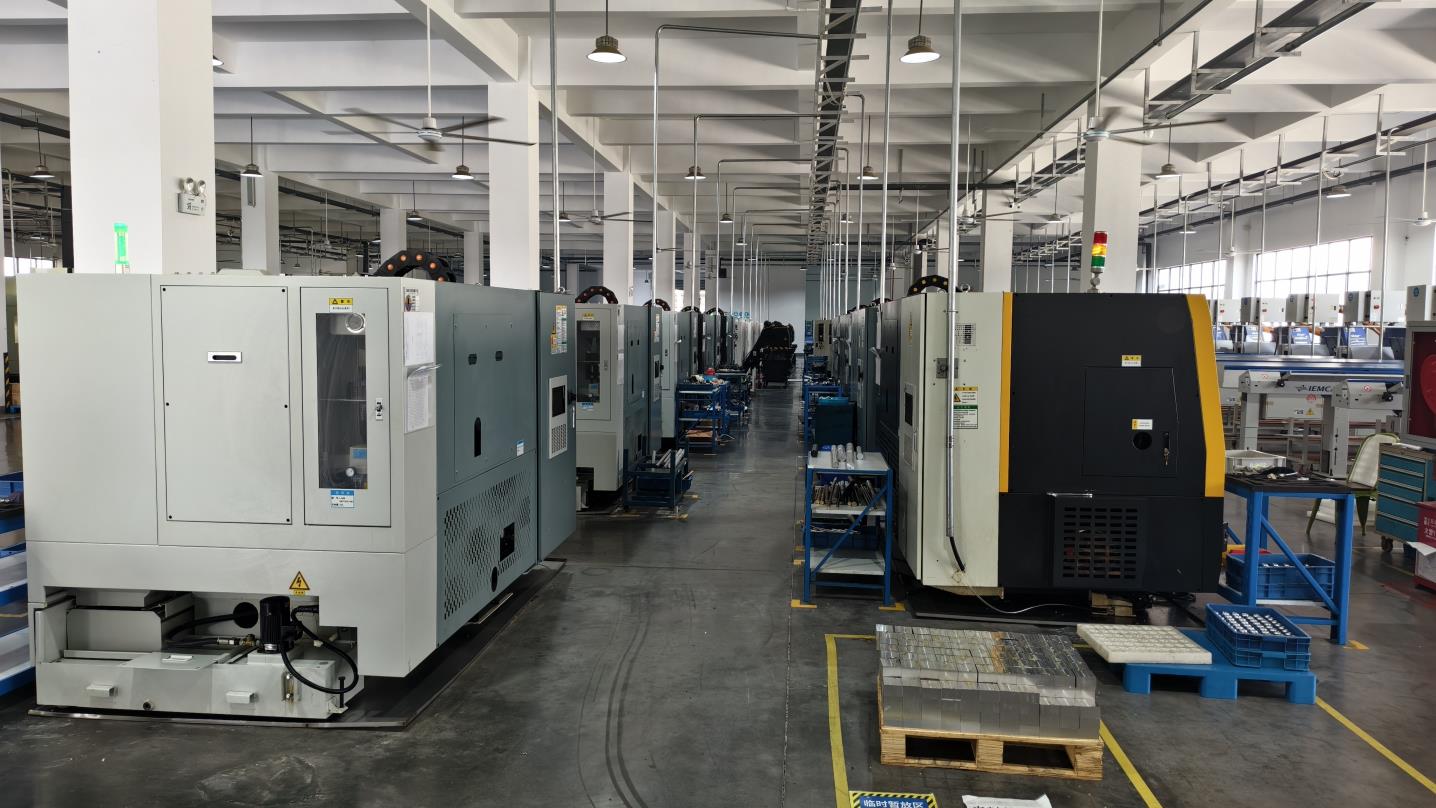
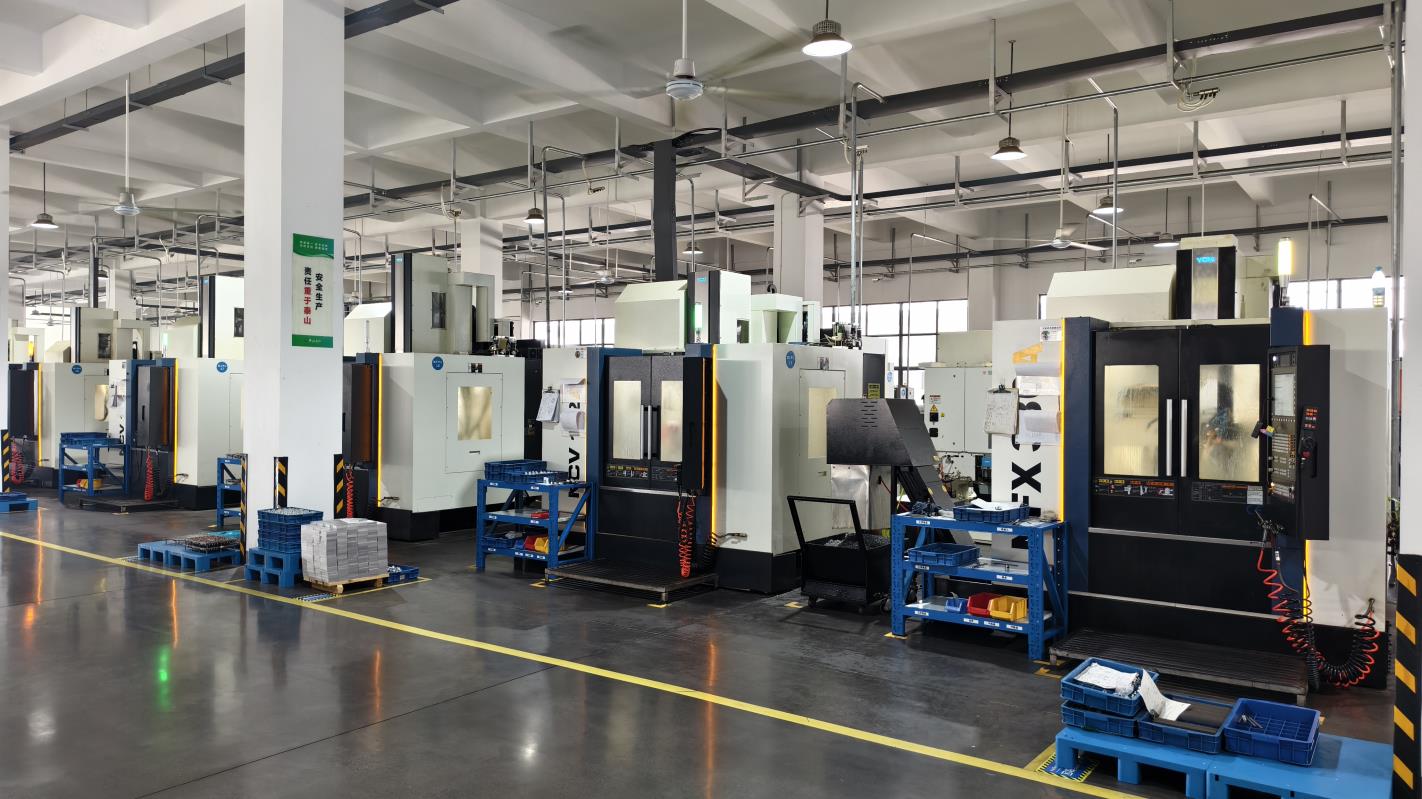
To eliminate the risk of corrosion, pitting, or early mechanical failure, our production floor combines automation with skilled manual finishing. Our QA process involves a mandatory passivation step conforming to ASTM A967. This process removes free iron from the surface of the stainless steel, creating a chromium-rich passive layer that resists aggressive cleaning chemicals and saline exposure.
| Suture Size | Jaw Type Recommended | Serration Pitch (mm) |
|---|---|---|
| 1-0 to 3-0 | Heavy-Duty TC Jaws | 0.5 mm |
| 4-0 to 6-0 | Medium/Fine Jaws | 0.4 mm |
| 7-0 to 10-0 | Smooth Micro-TC / Titanium | 0.2 mm or Smooth |
Why procurement officers at Berlin hospitals and medical device importers choose our custom manufacturing solutions.
We perform systematic metallurgical analysis on incoming stainless steel and titanium bars. Every batch is certified with raw material chemical composition certificates (MTR) to guarantee clinical compliance.
Whether you require custom Castroviejo micro-needle holders or specialized pelvic reduction forceps, our engineers can prototype components via CAD/CAM graphic processing within short turnaround cycles.
By keeping manufacturing centered in China's advanced medical industrial zones, we provide premium performance equivalents to European brands at a fraction of their manufacturing costs, freeing up capital for purchasing departments.
Expertly crafted instruments designed for delicate tissue manipulation, micro-reconstruction, and neurosurgical precision.
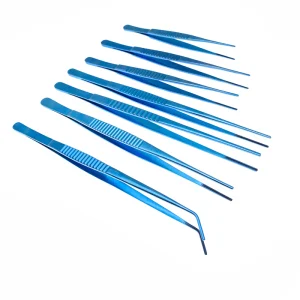
Navigating international supply chains for medical devices requires more than just high-quality manufacturing. It requires strict adherence to European regulatory structures, including MDR compliance documentation, packaging specifications, and customs classifications.
We work directly with major logistics networks to coordinate express air cargo shipments into Berlin Brandenburg Airport (BER) or maritime freight through the Port of Hamburg. We manage the necessary export documentation to ensure rapid customs clearance, preventing delayed schedules for orthopedic centers and veterinary practices in Berlin and the wider Brandenburg region.
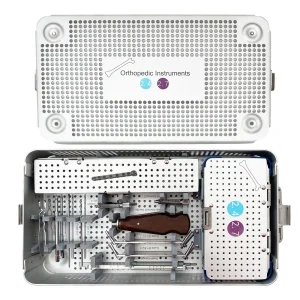
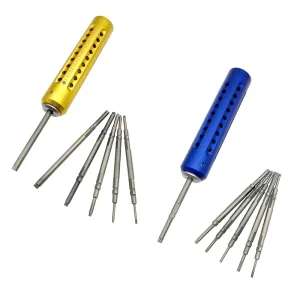
Beyond human clinical applications, our orthopedic sets, bone rasp files, and quick-coupling screwdrivers are widely integrated across metropolitan veterinary research clinics and emergency pet hospitals. Small animal osteosynthesis demands smaller, highly versatile hand tools that maintain precise tolerances. Our instruments are engineered to deliver reliable mechanical response during small-animal fracture fixation, plate application, and joint surgeries.
*Performance records evaluated against historical export volumes over the last 6 fiscal years (2019-2025).
Our complete collection of orthopedic rasp tools, skull power systems, custom retractors, and micro-scissors optimized for clinical distribution networks in Germany.
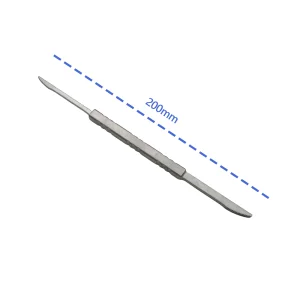
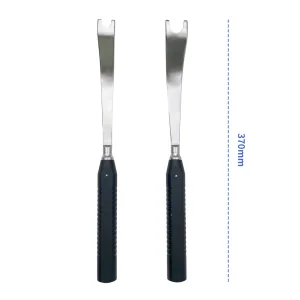
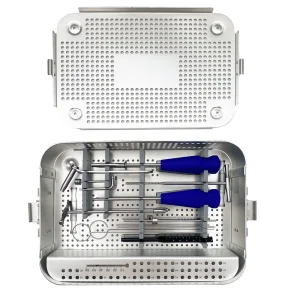
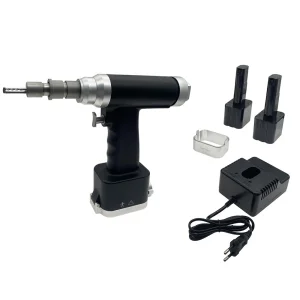
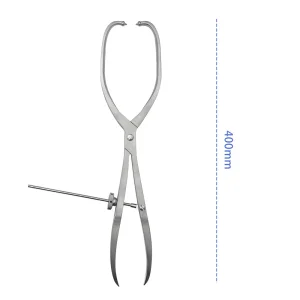
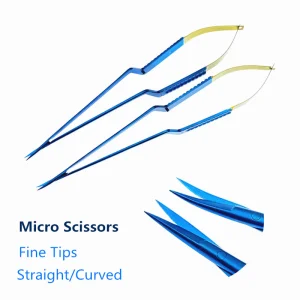
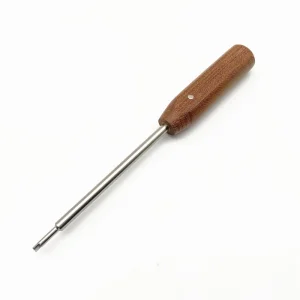
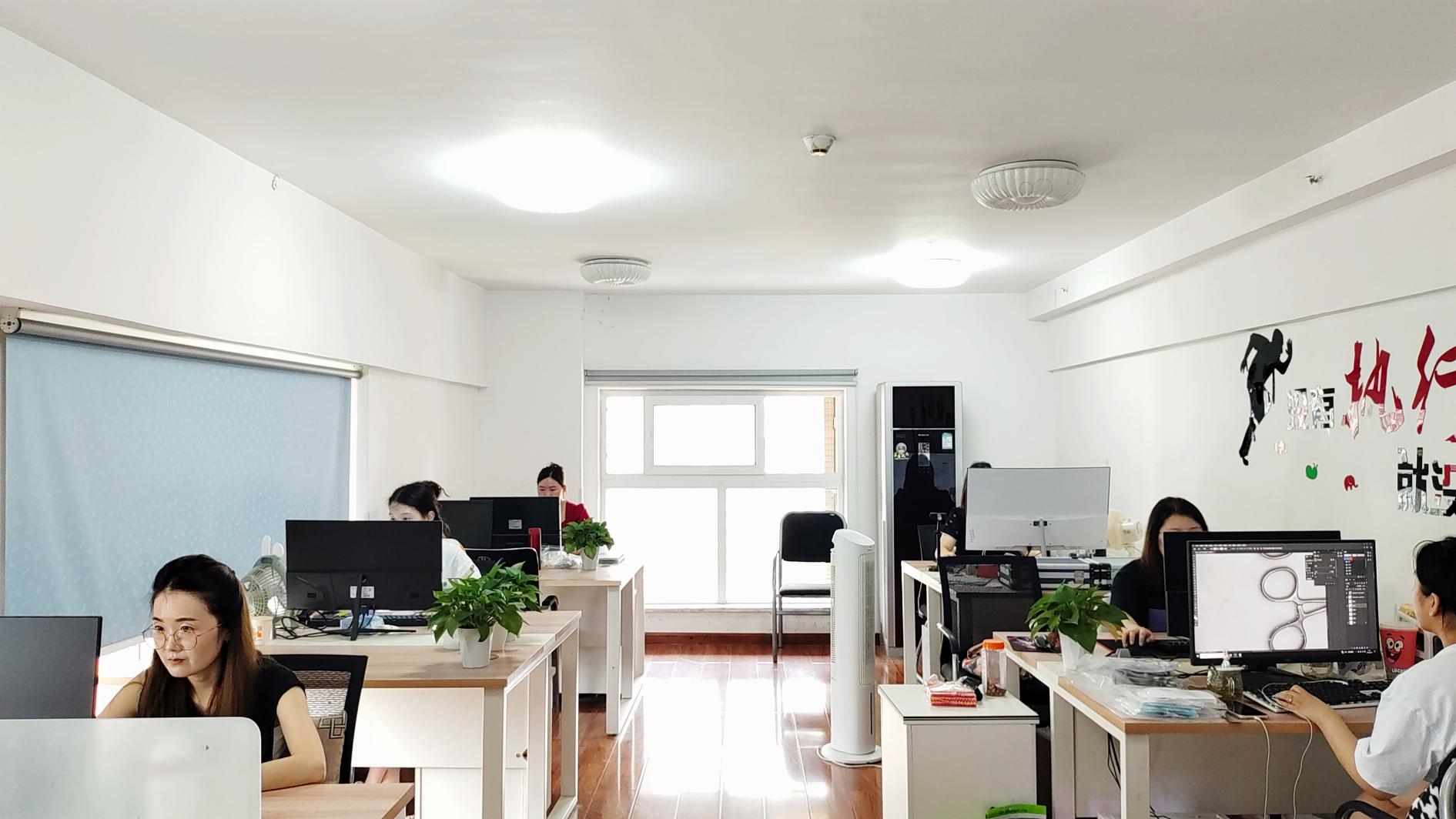
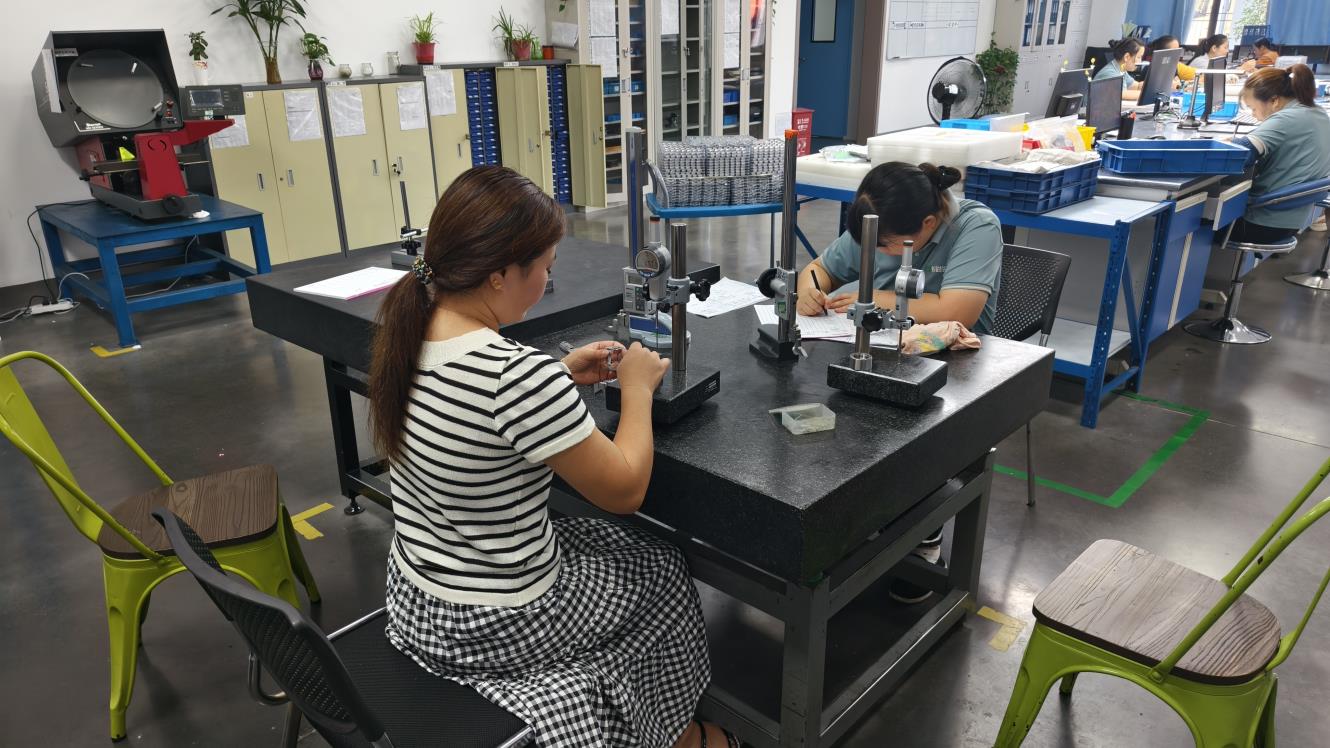
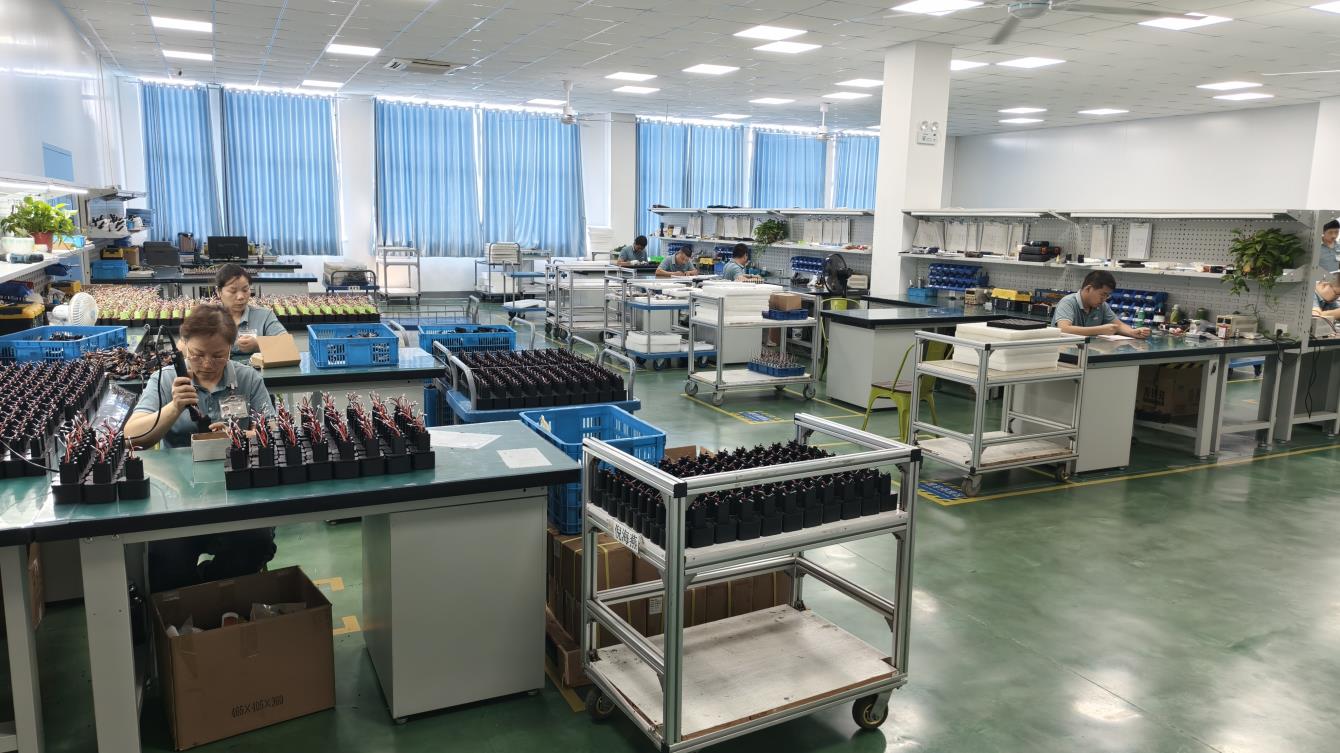
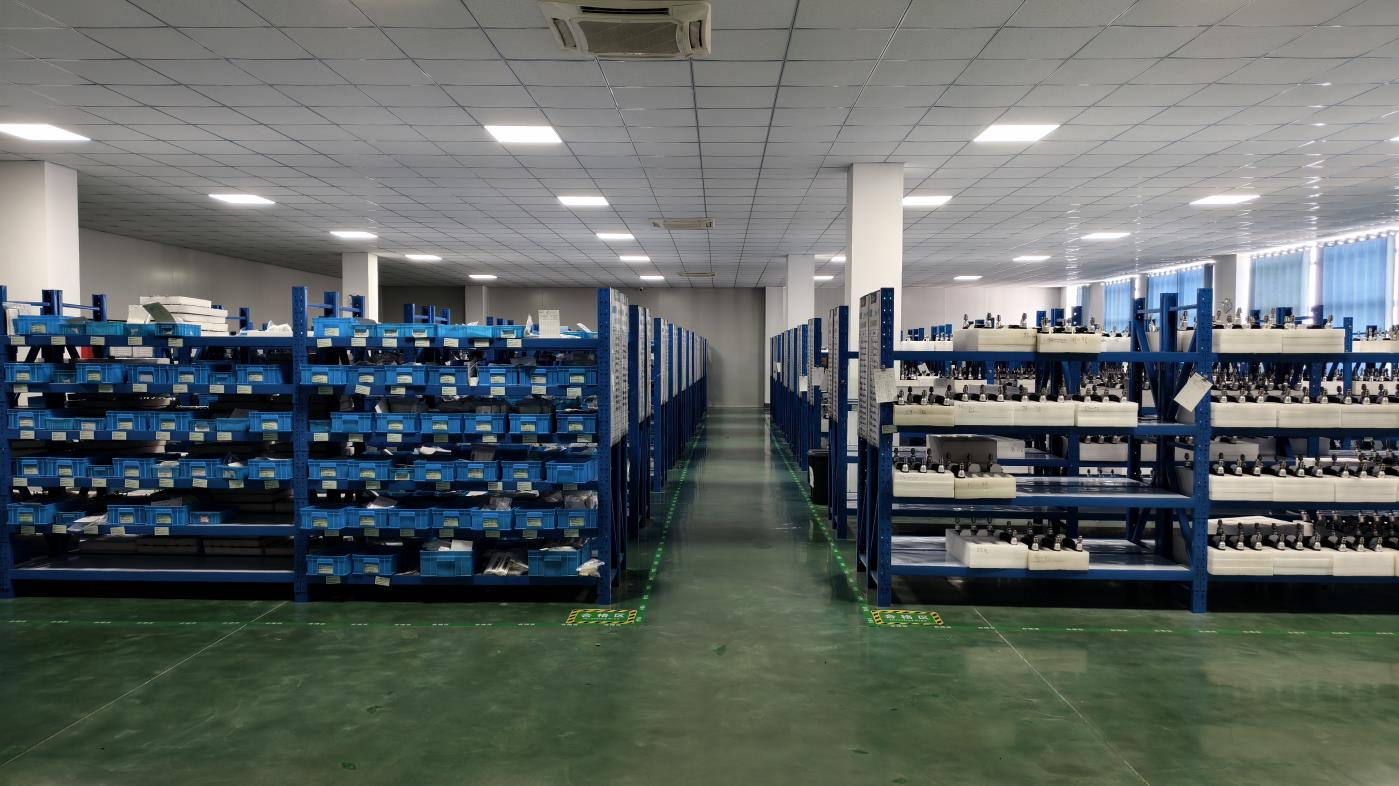
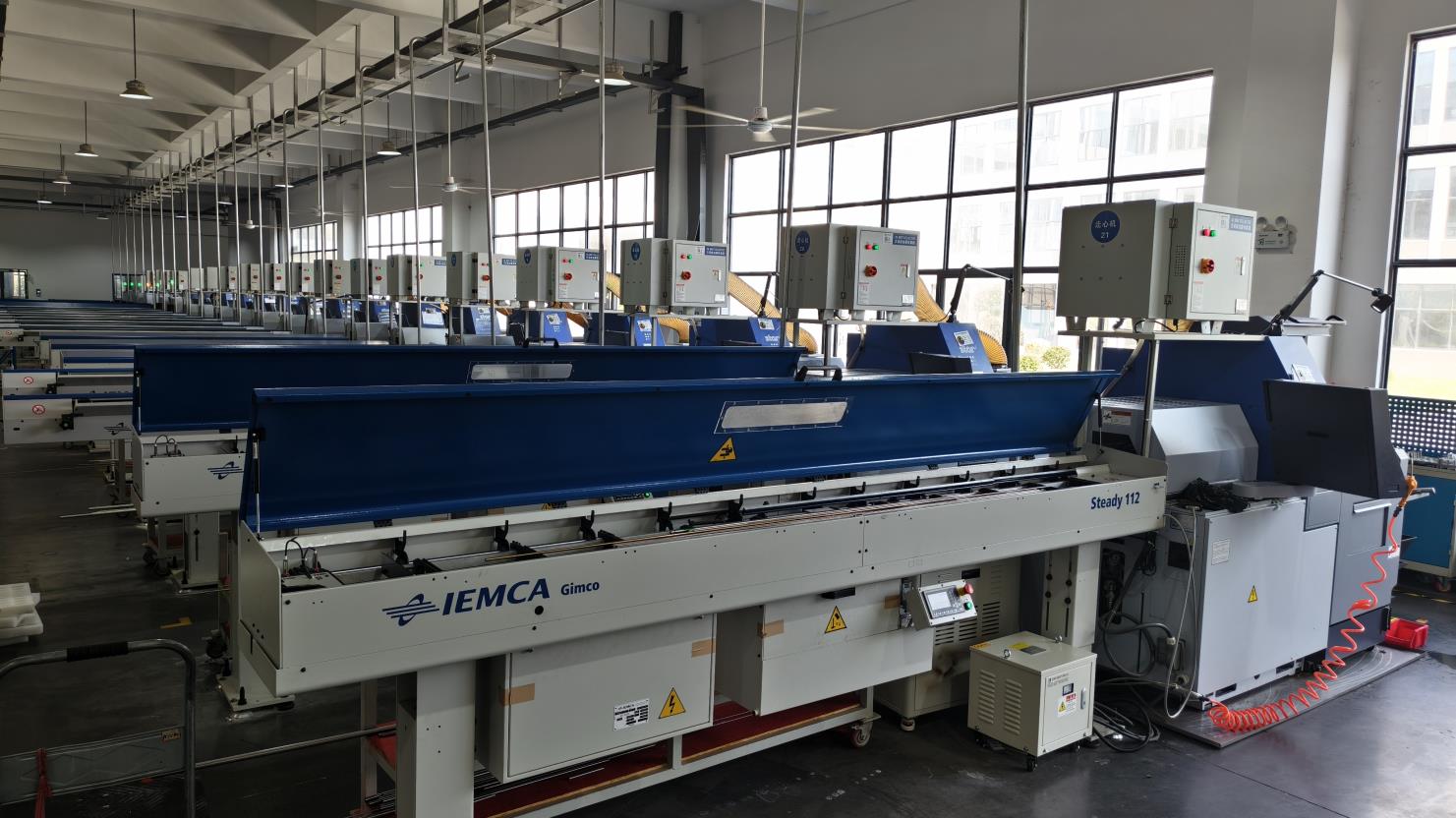
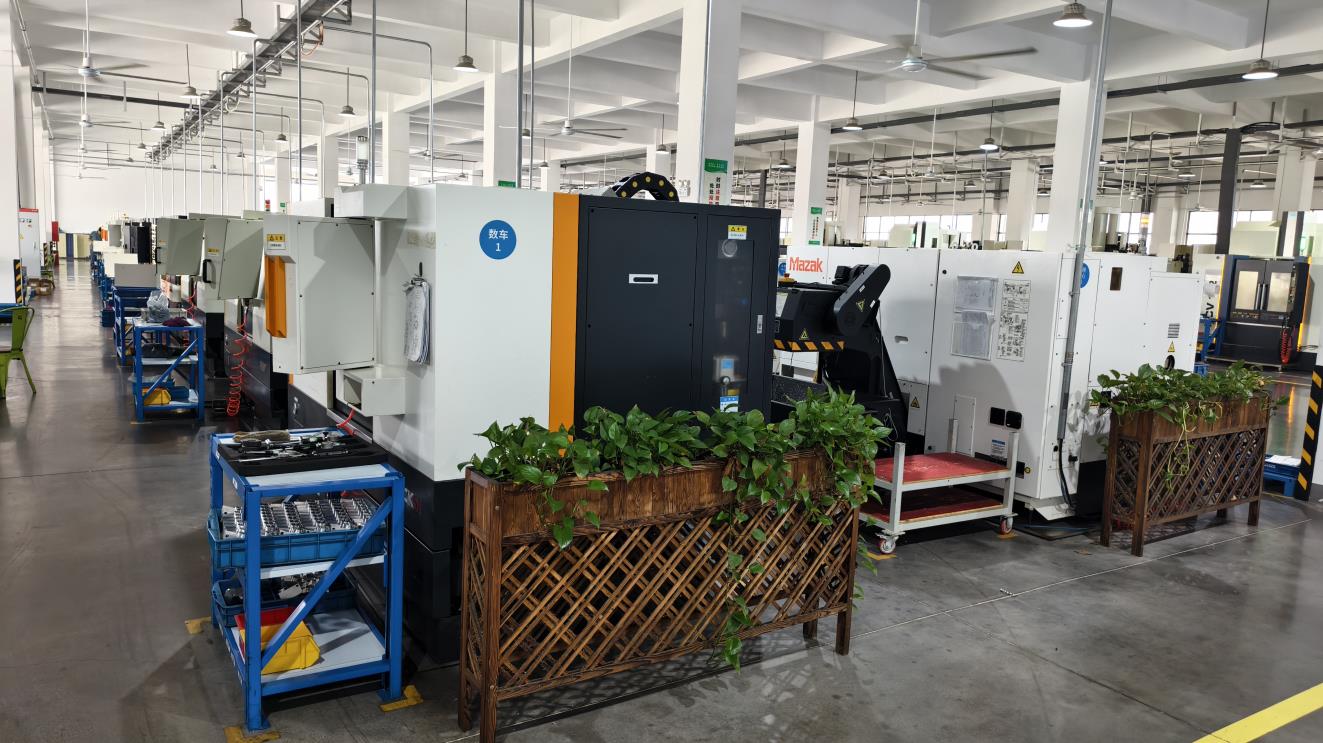
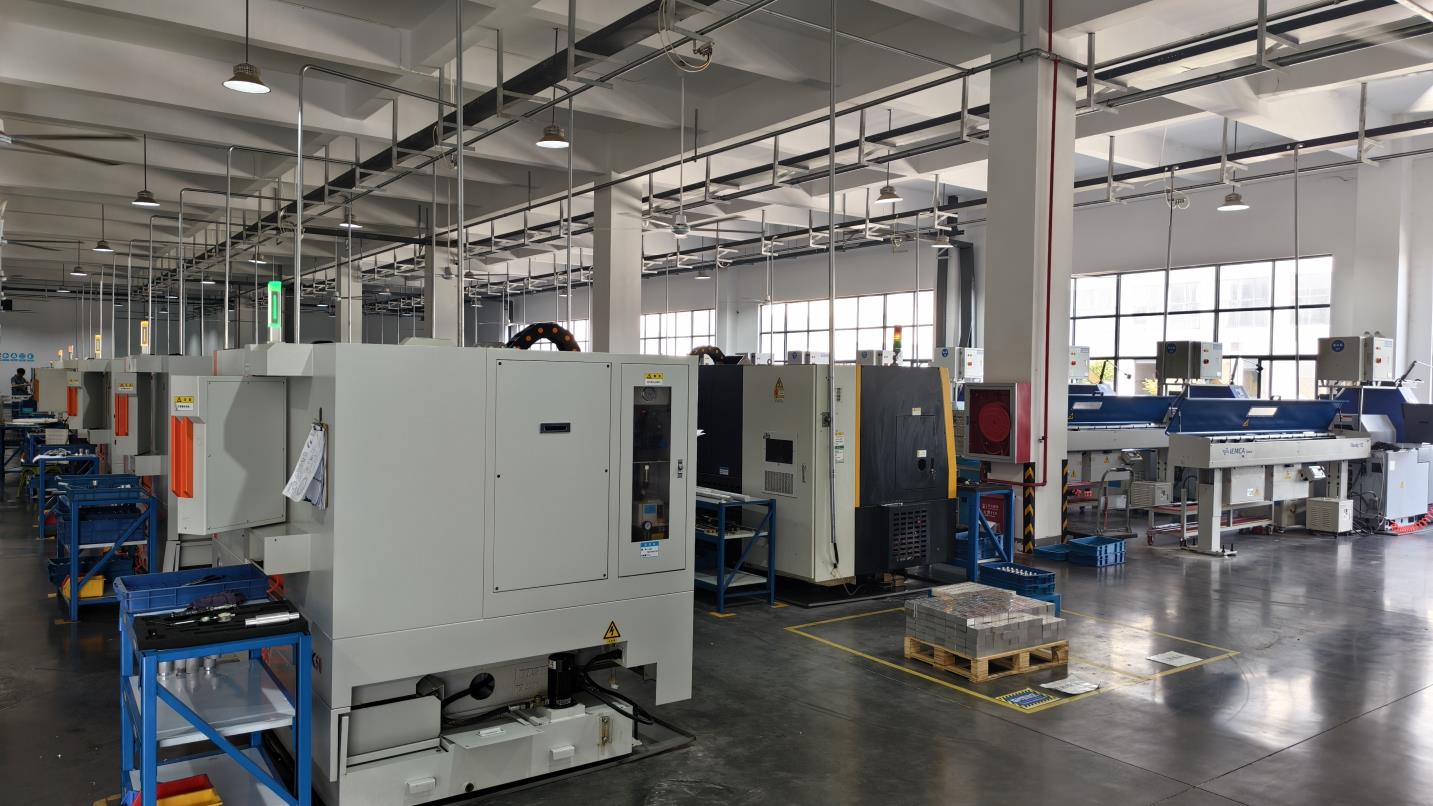
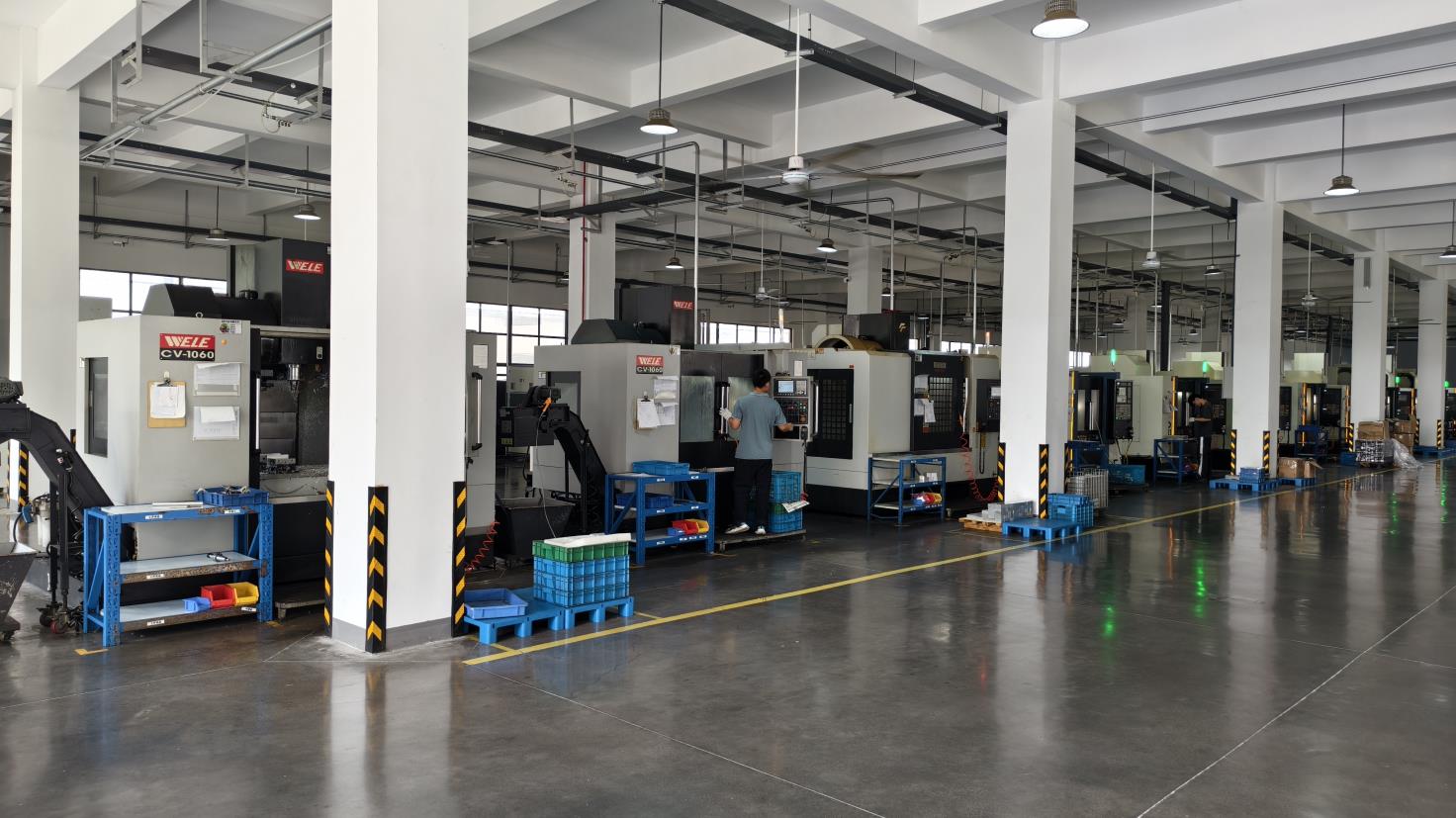
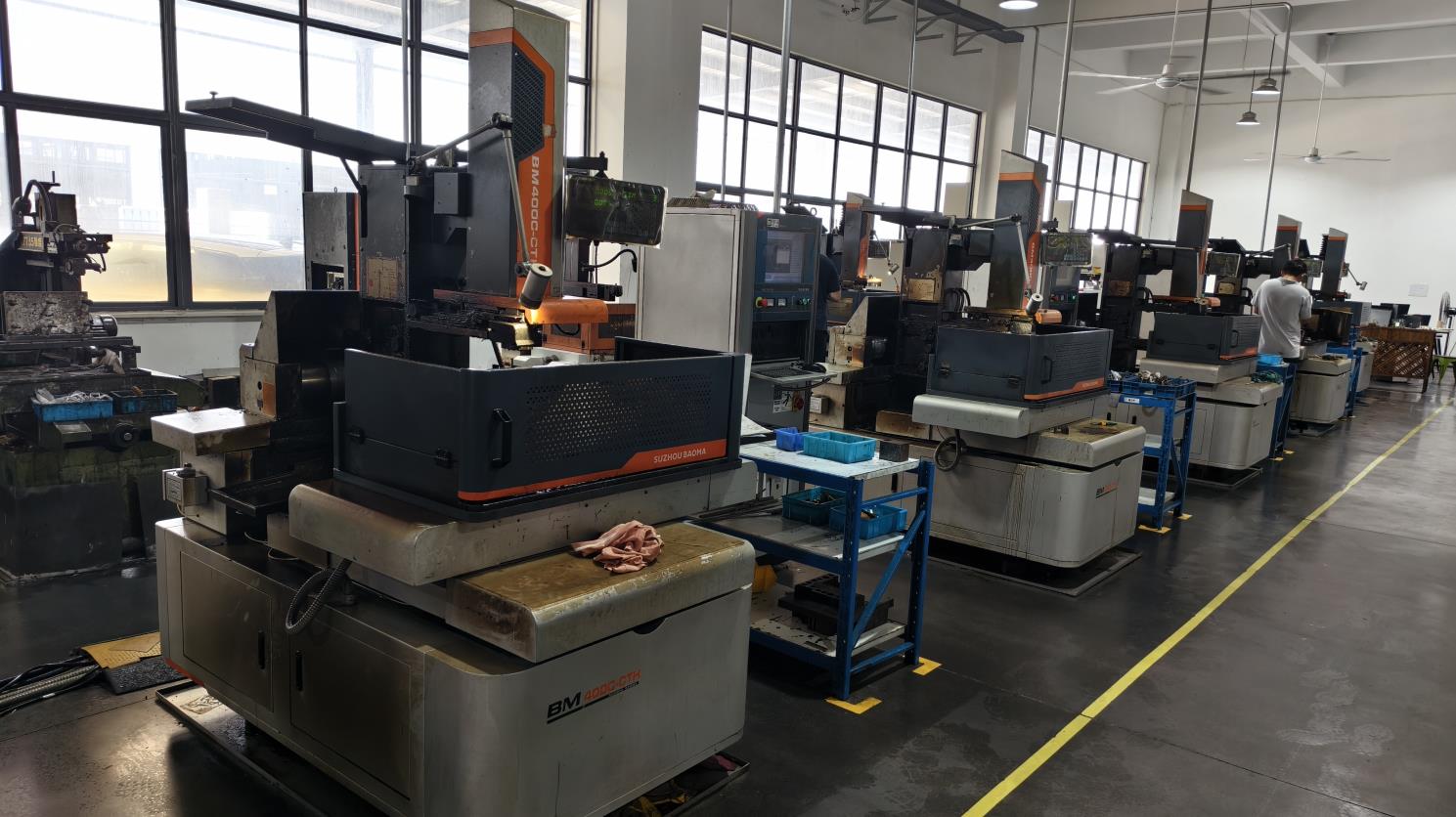
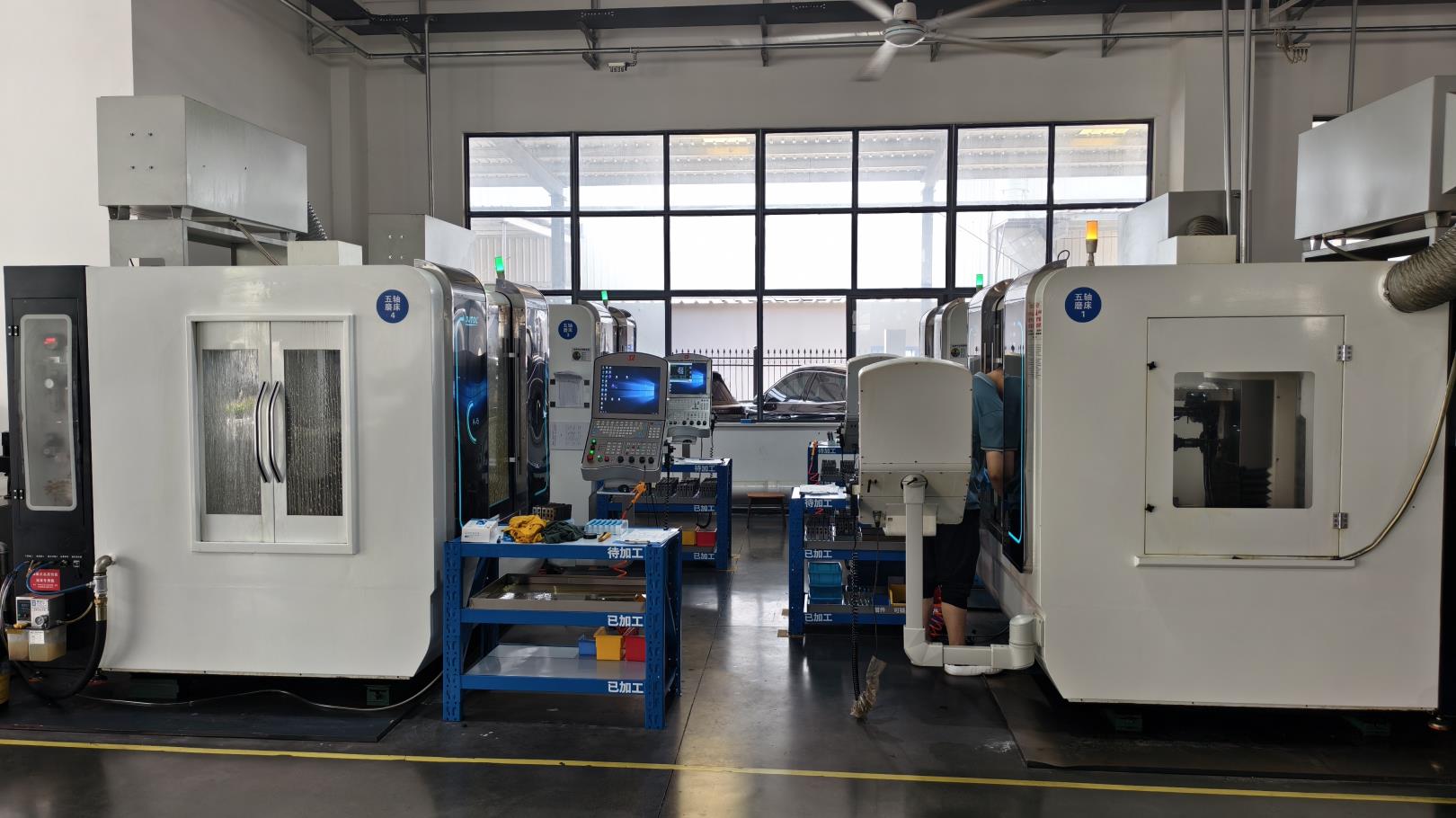
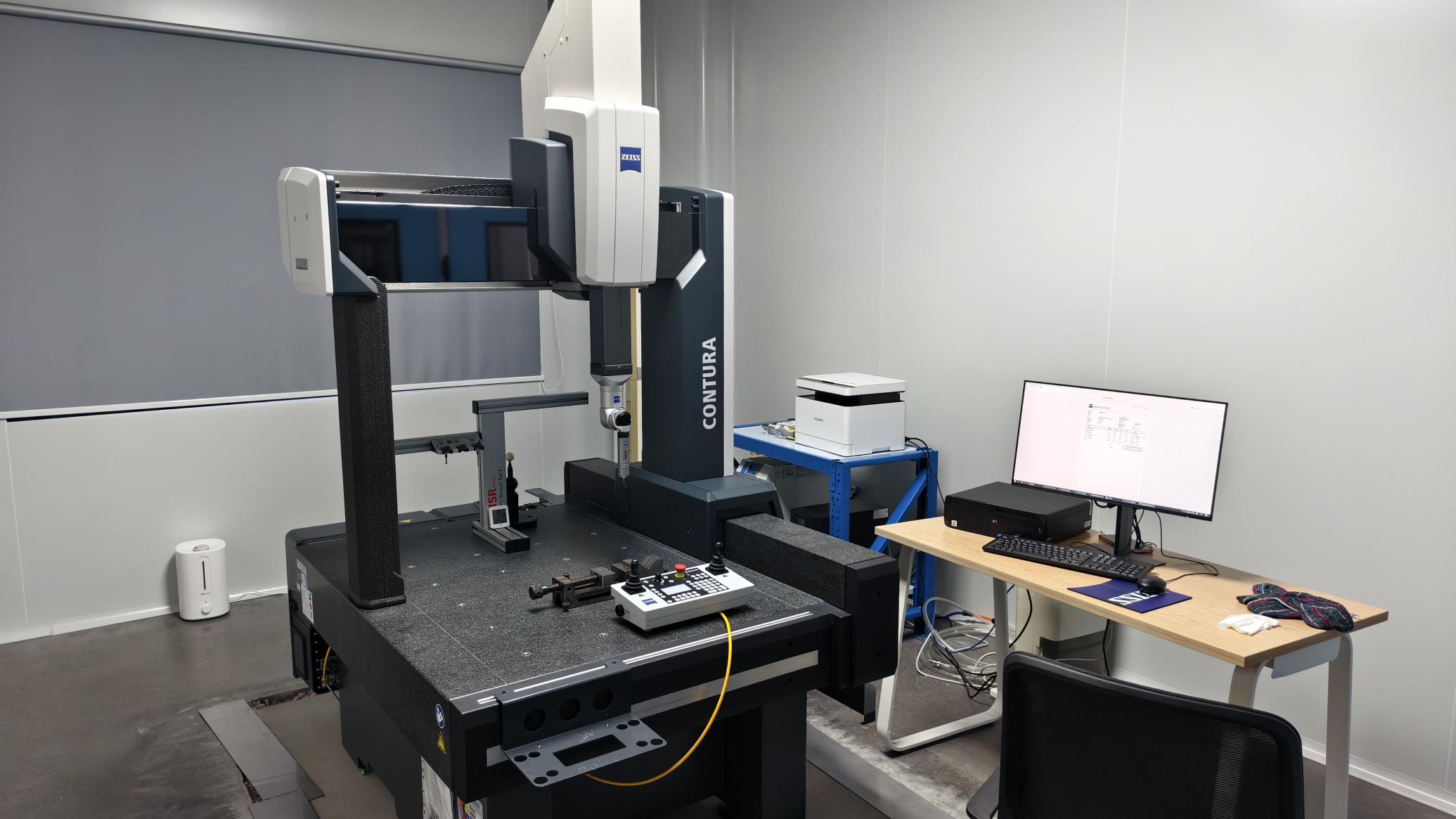
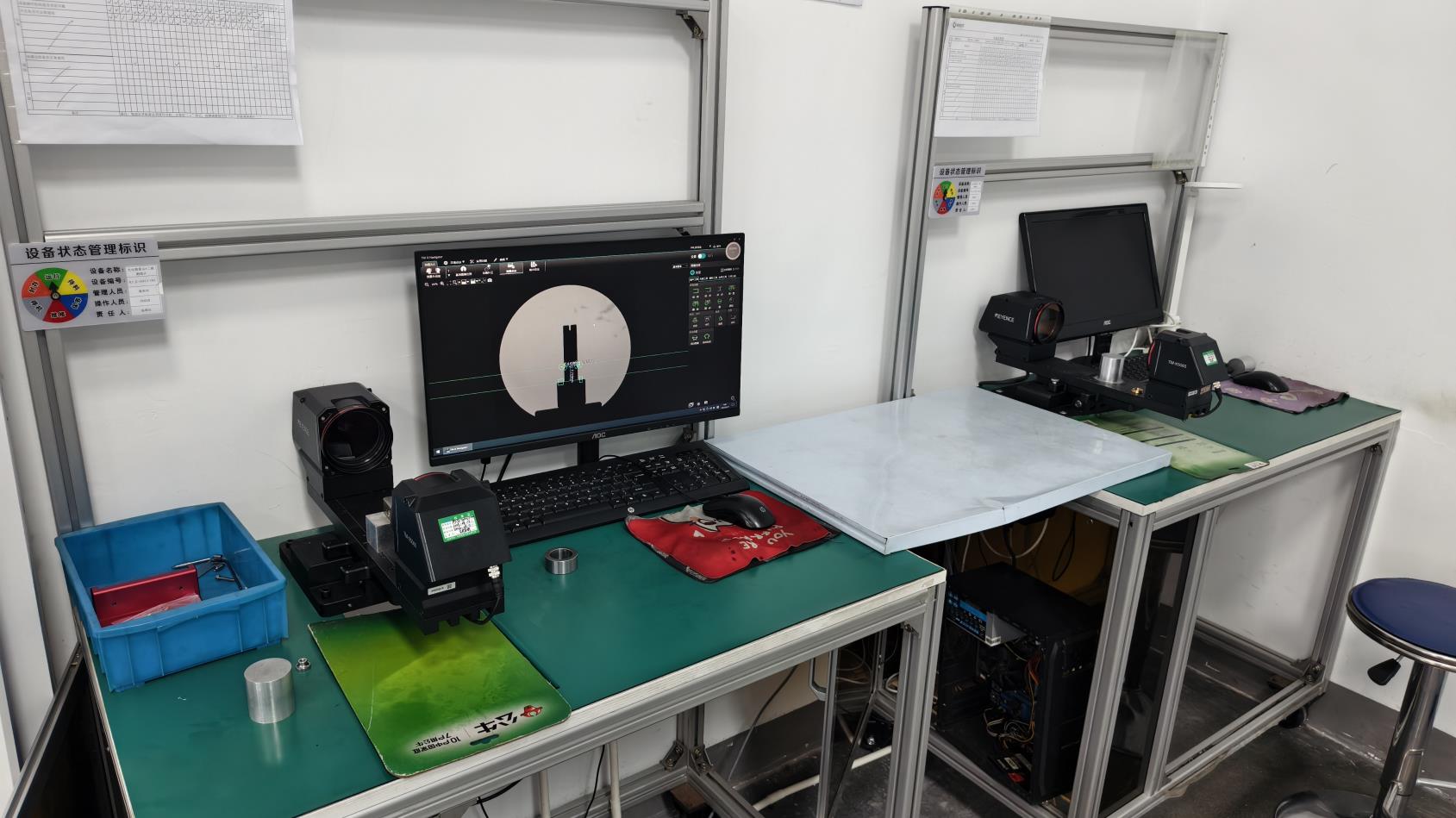
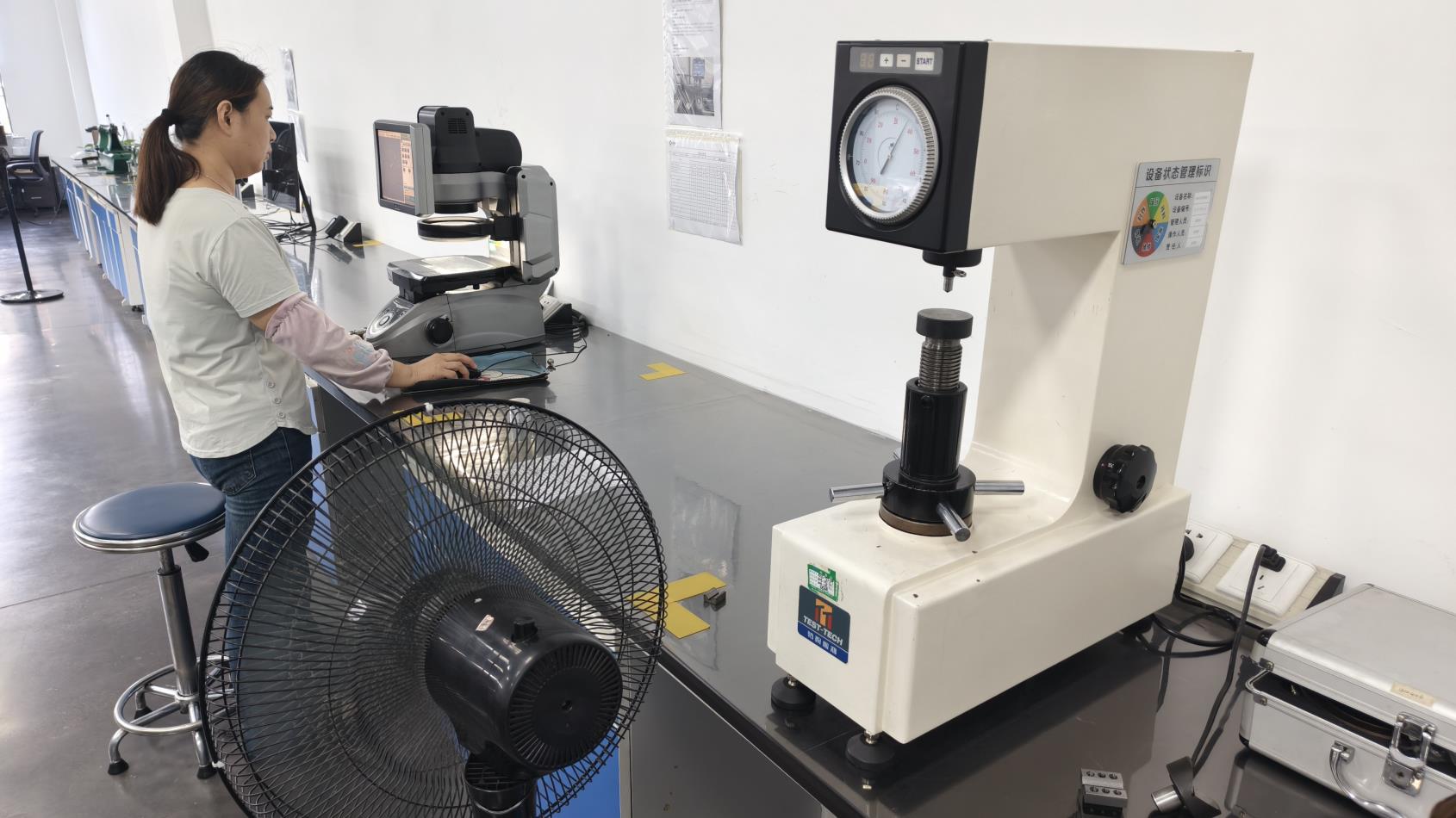
An inside look at our production and quality assurance lines, where precision tooling meets strict cleaning, testing, and batch inspection standards.
Get answers to technical, regulatory, and logistics questions about sourcing surgical instruments for Berlin hospitals.