 SENJIE Healthy & Technology
SENJIE Healthy & Technology
SENJIE Healthy & Technology
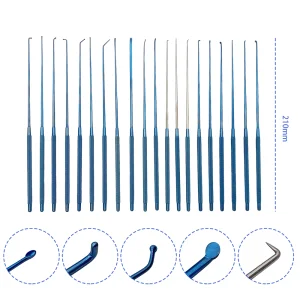
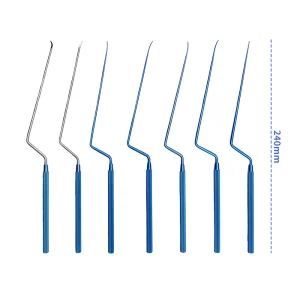
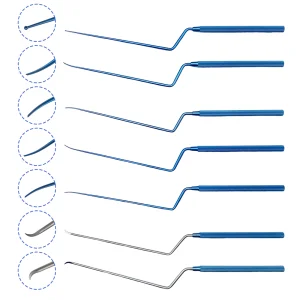
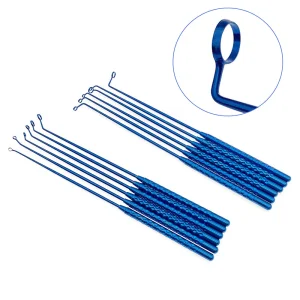
The Czech healthcare network, highly acclaimed for its academic depth and stringent clinical standards, operates under the rigorous oversight of the State Institute for Drug Control (SÚKL) and within the broader, updated requirements of the European Medical Device Regulation (EU MDR 2017/745). Leading medical centers, such as the Motol University Hospital (Fakultní nemocnice v Motole) in Prague, University Hospital Brno, and St. Anne's University Hospital, are consistently pushing the boundaries of microsurgical interventional techniques. This creates an urgent, persistent demand for surgical hand instruments that offer absolute precision, tactile feedback, and structural longevity.
For Czech healthcare procurement managers and medical distributors, acquiring reliable neurosurgery instruments is no longer just about cost control; it is about establishing a secure, traceable supply chain of instruments that exhibit flawless metallurgical compliance. Key market trends highlight a transition toward premium-grade titanium alloys and advanced passivated stainless steels, which withstand the intense, repetitive autoclave cycles standard in European sterilization protocols.
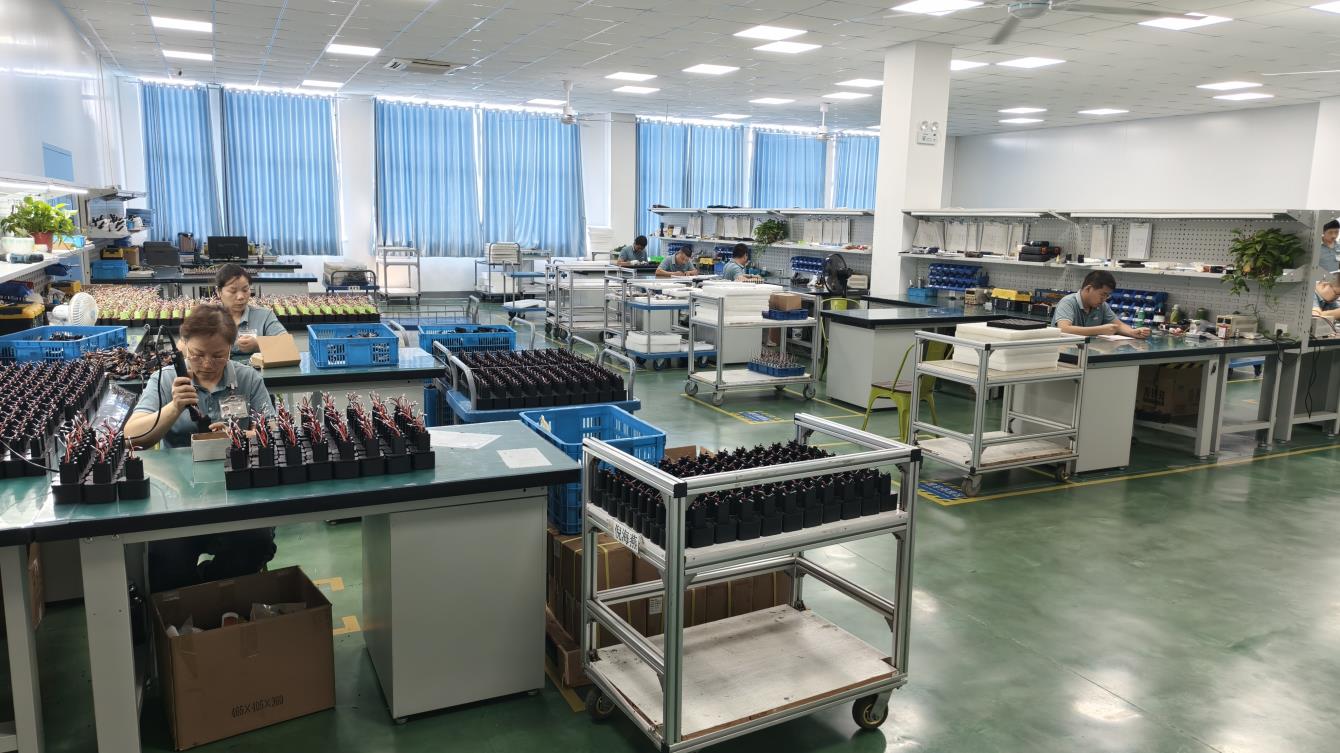
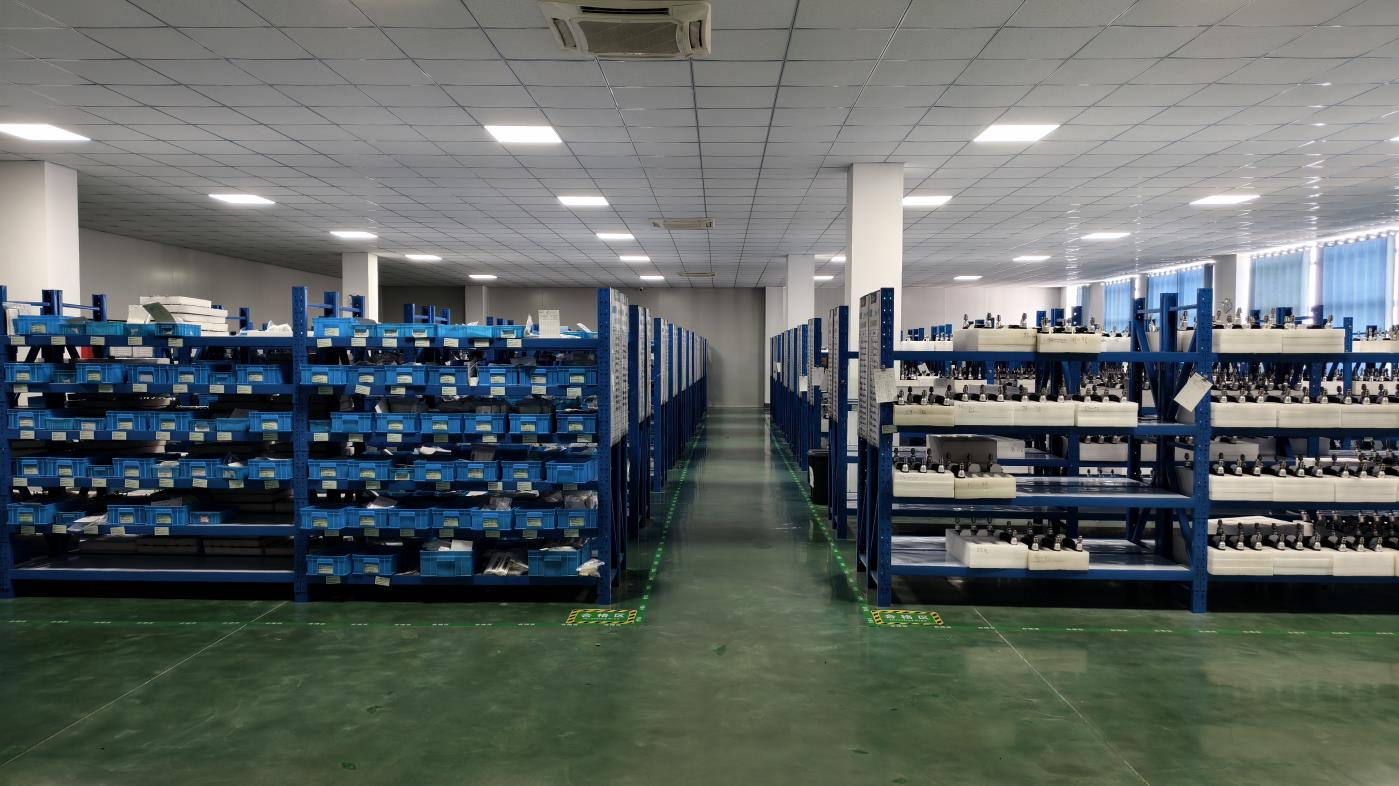
Our manufacturing and assembly lines conform strictly to EU medical-grade requirements, providing complete trace documentation, material heat-treatment logs, and reliable biocompatibility compliance records.
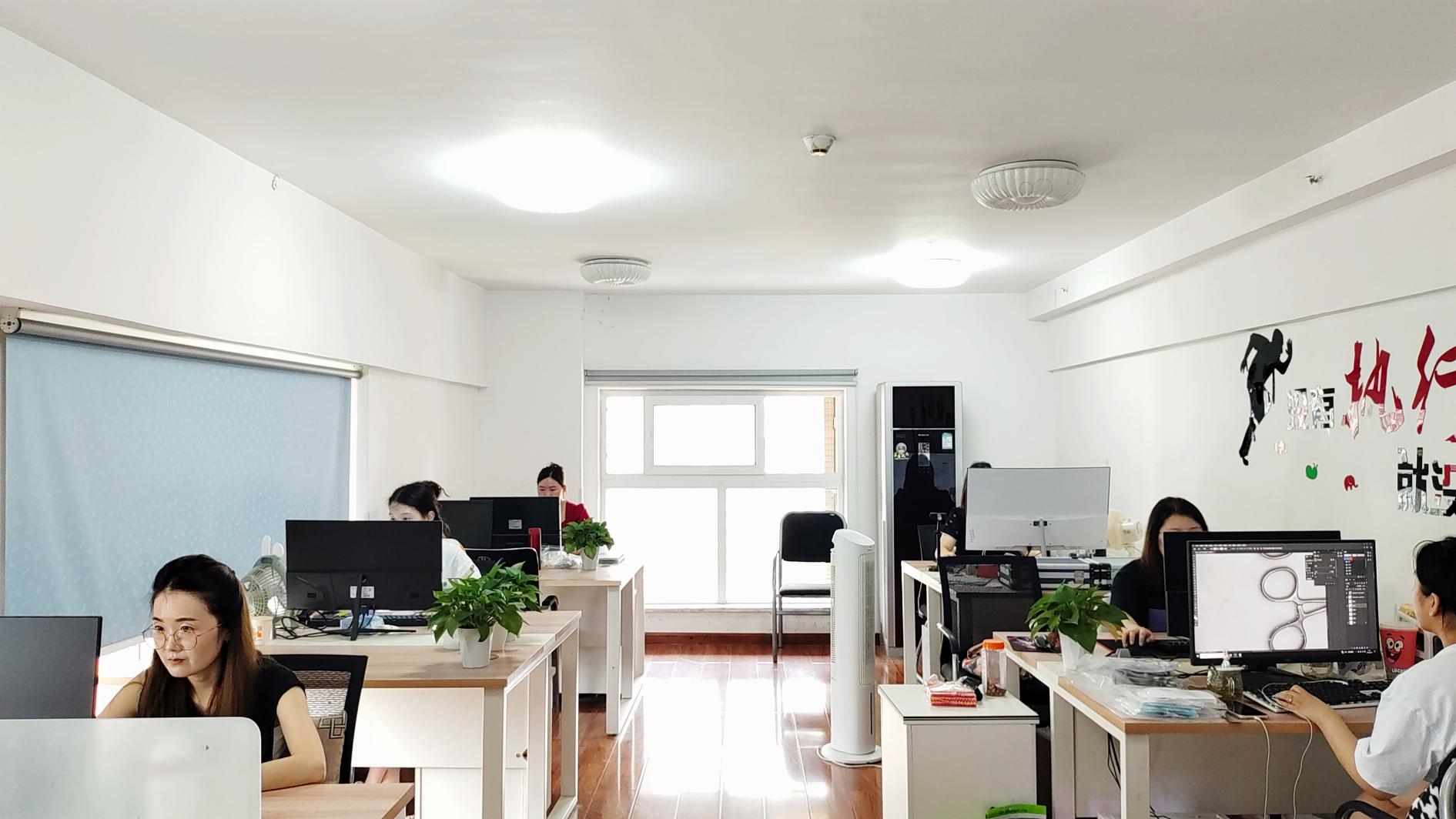
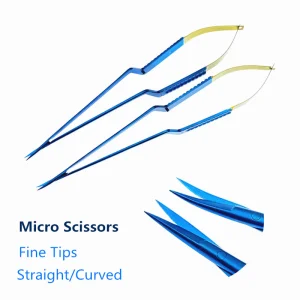
We work directly with medical researchers and clinical distributors in Prague, Brno, and Ostrava to modify spatulas, micro-scissors, and curettes to match localized clinical user intents.
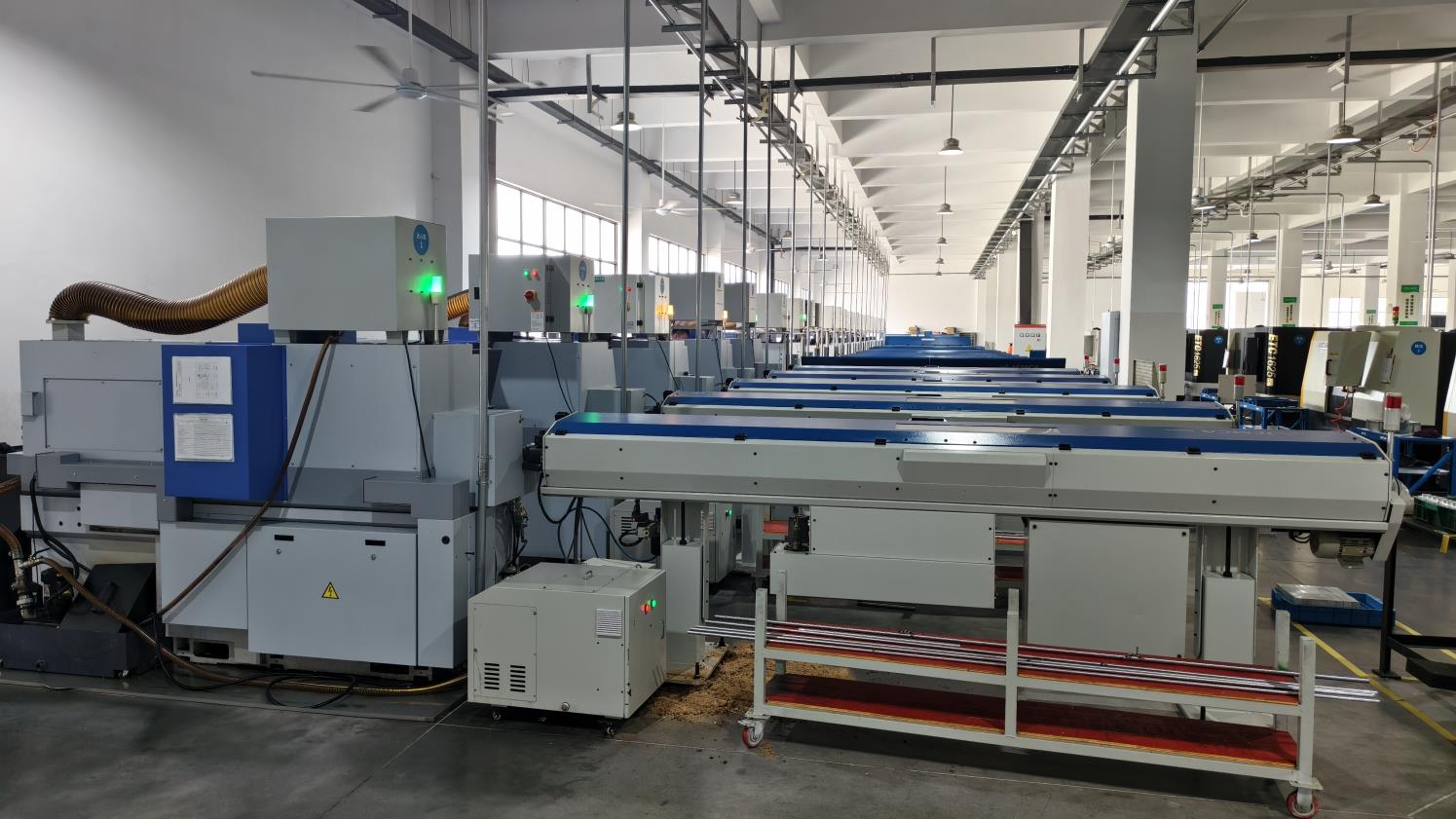
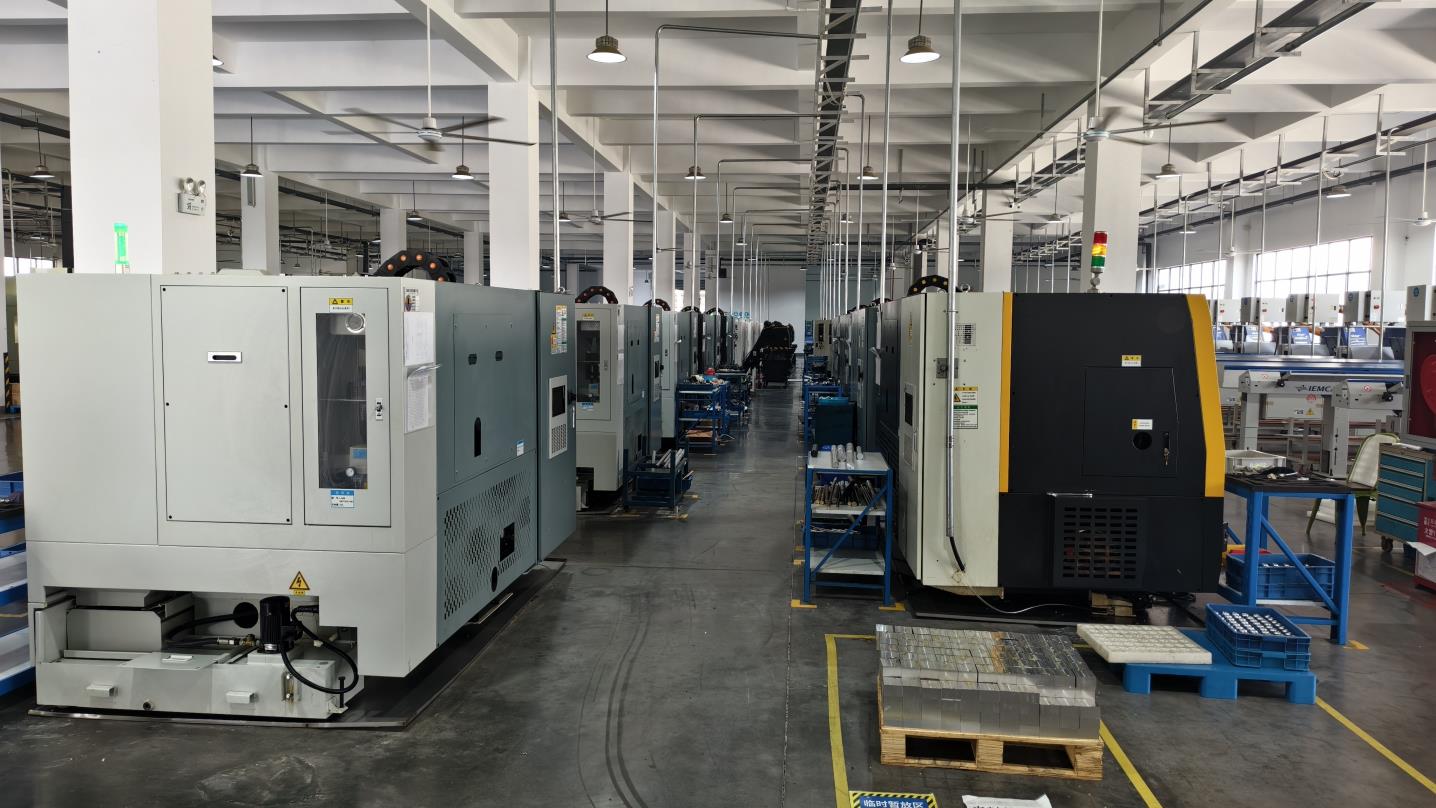
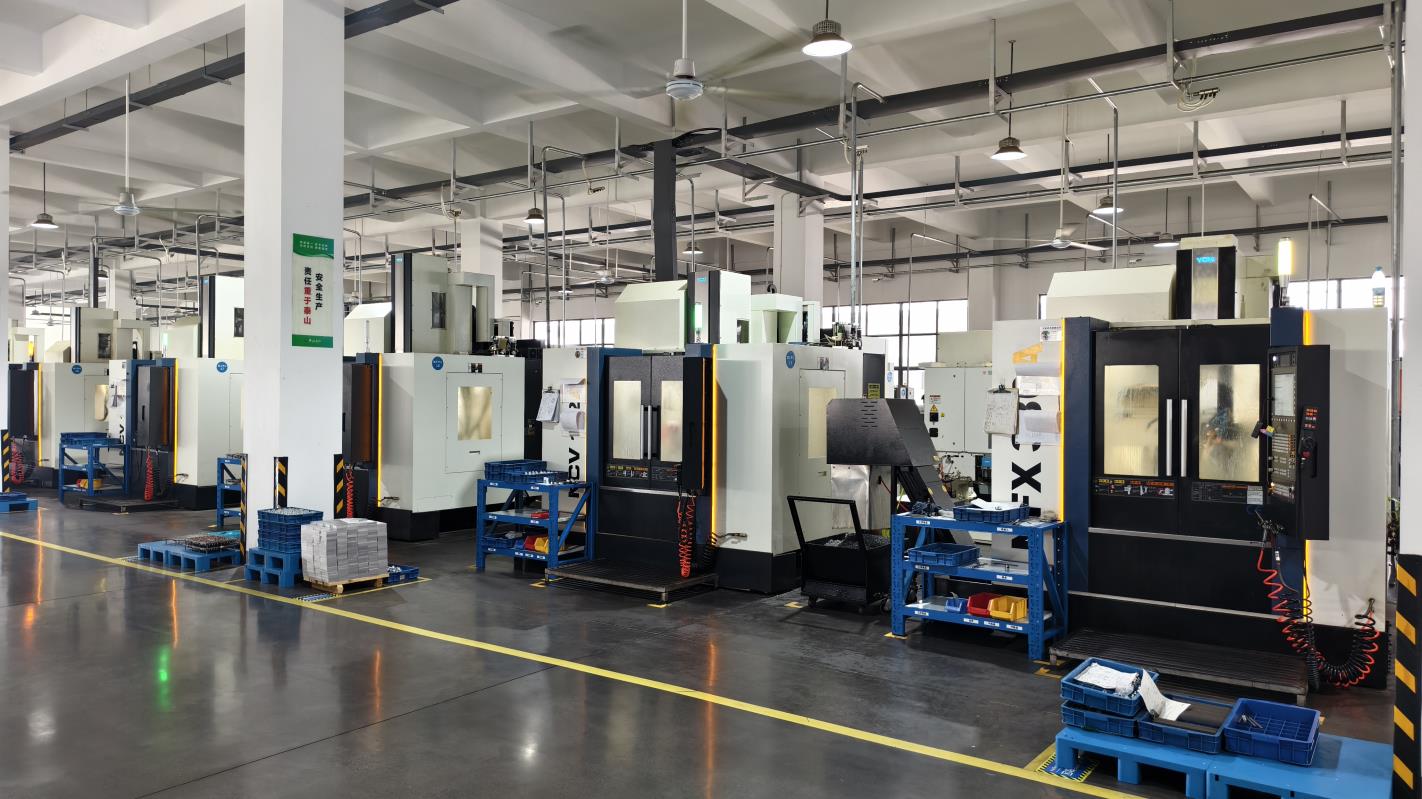
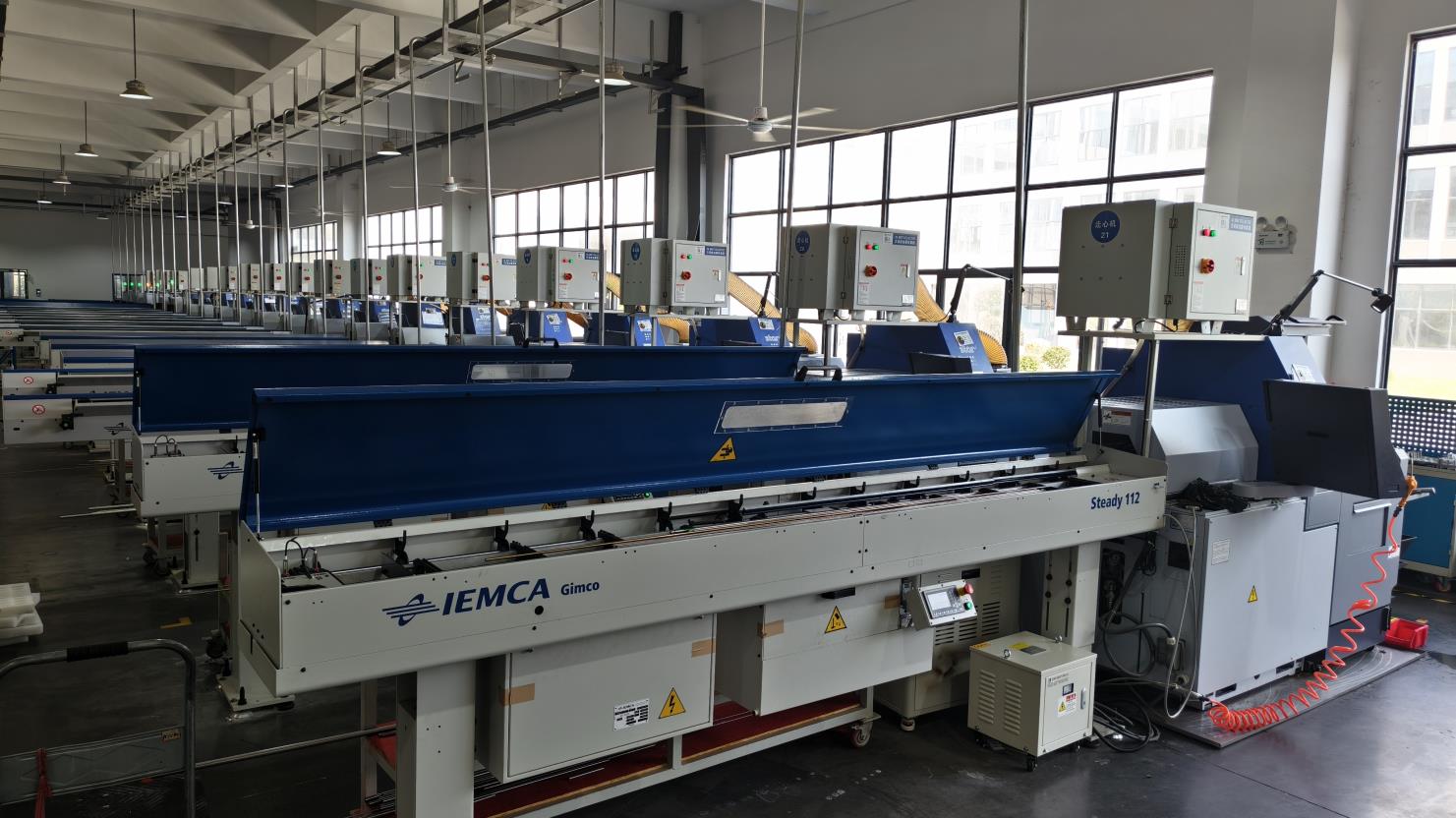
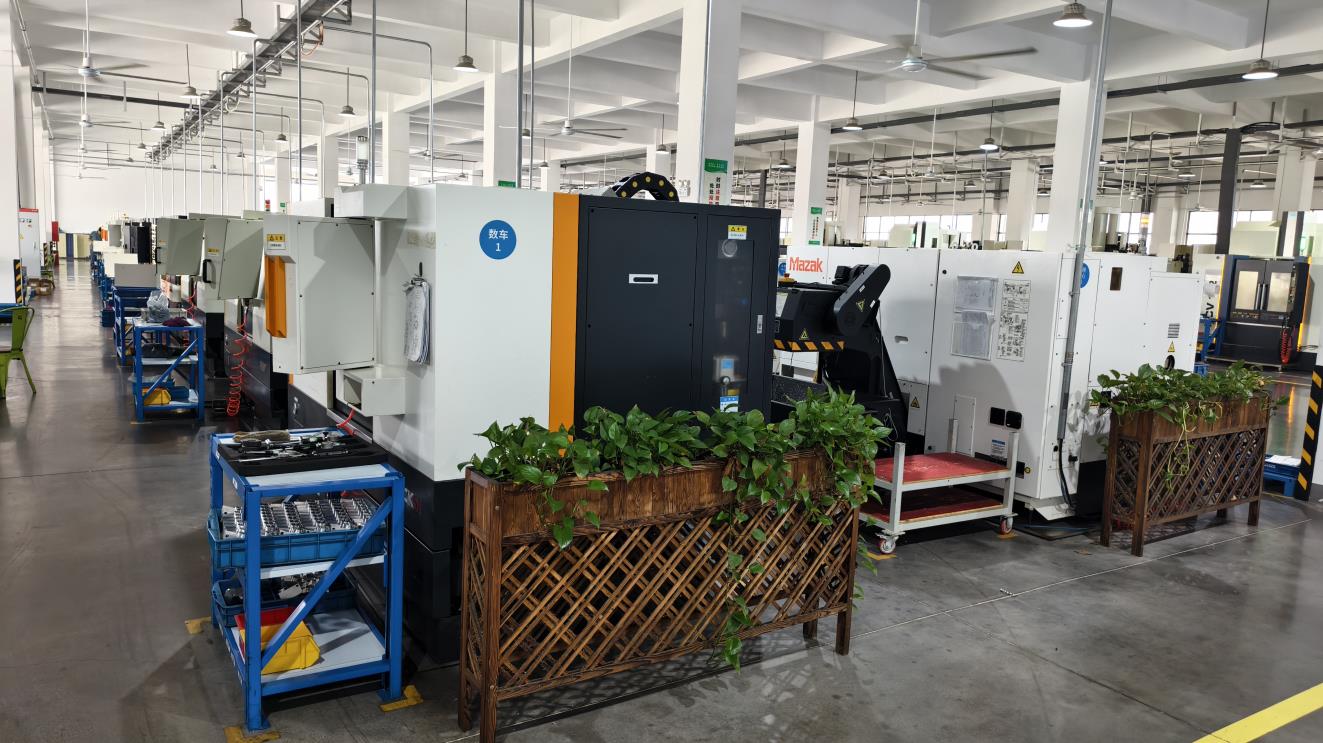
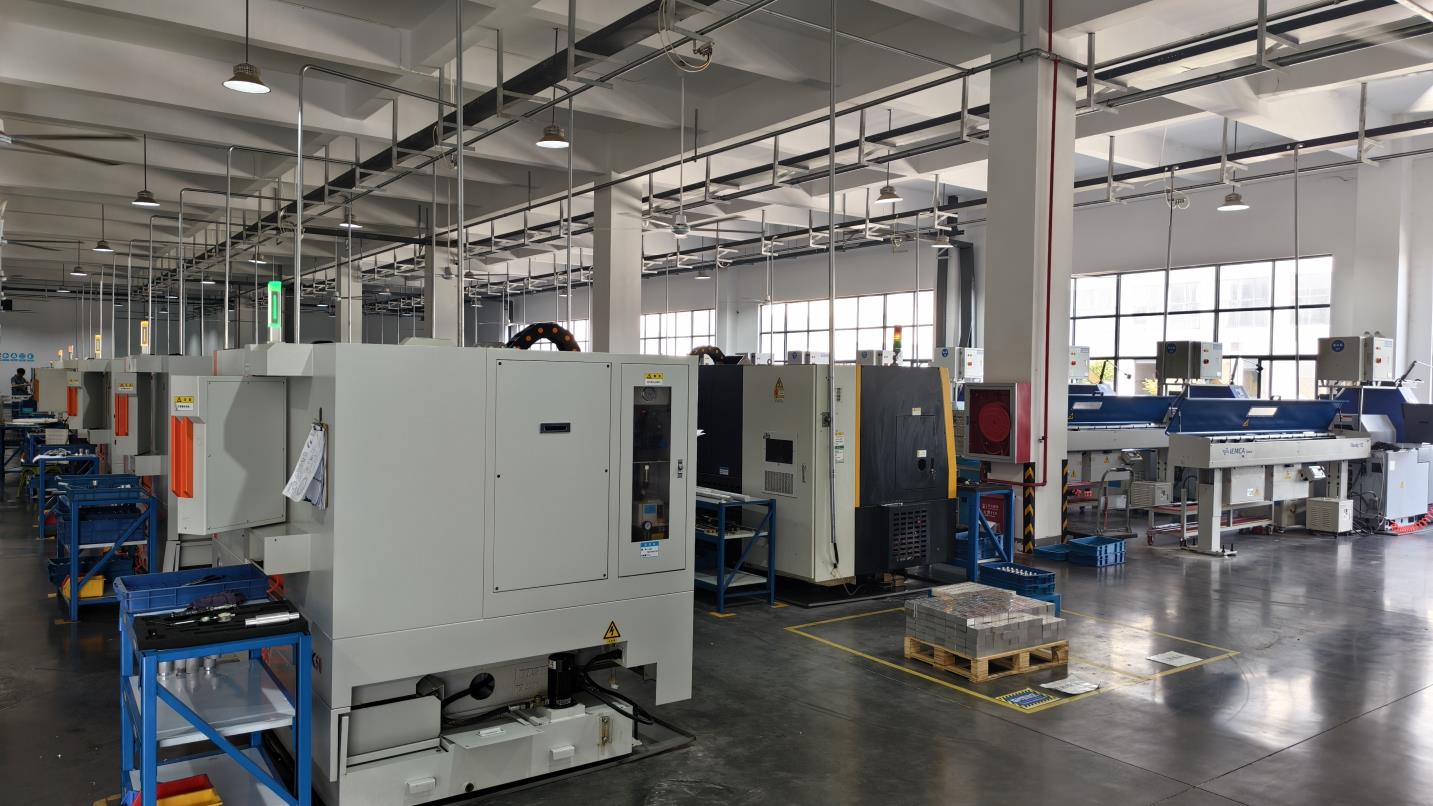
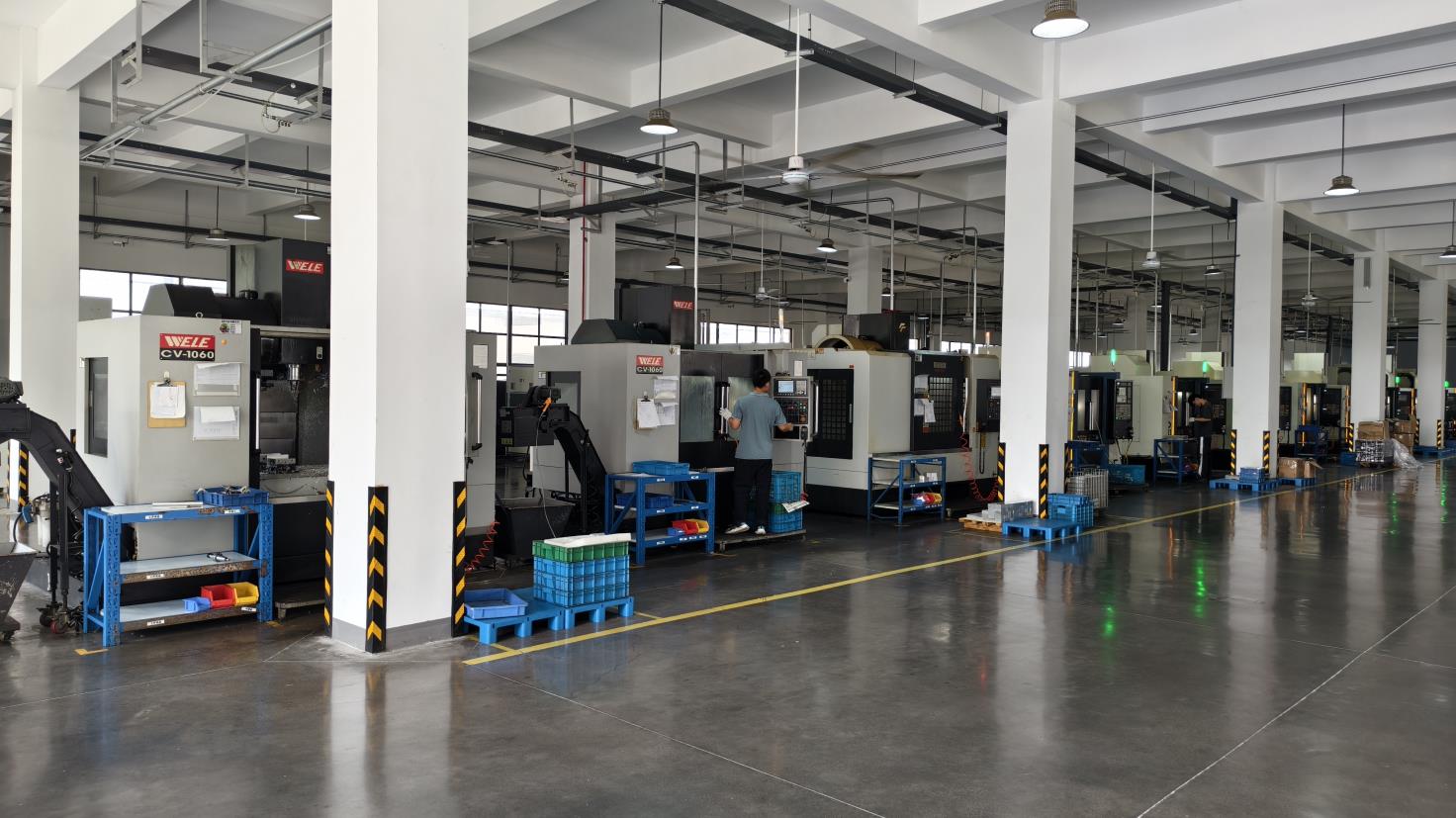
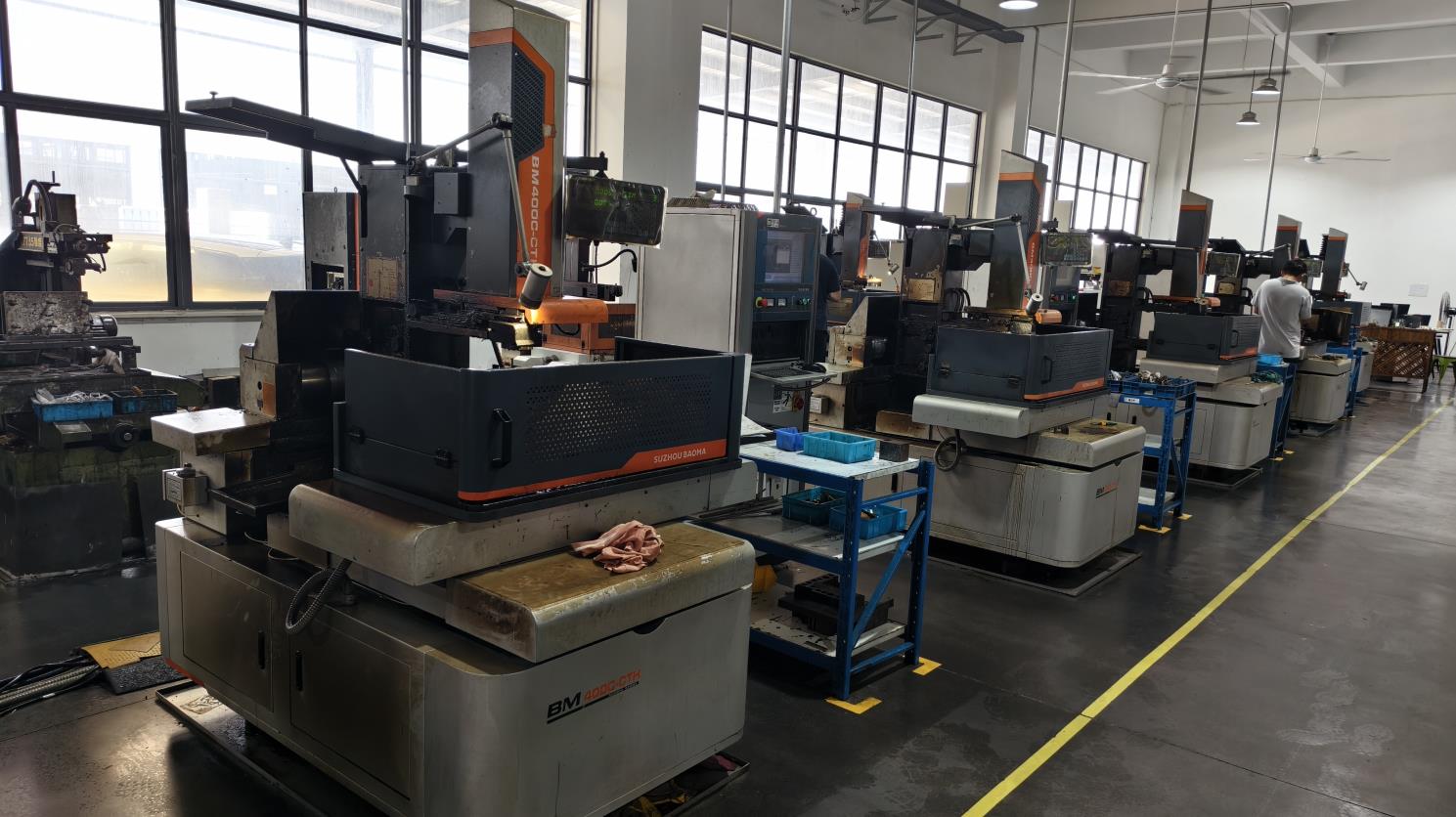
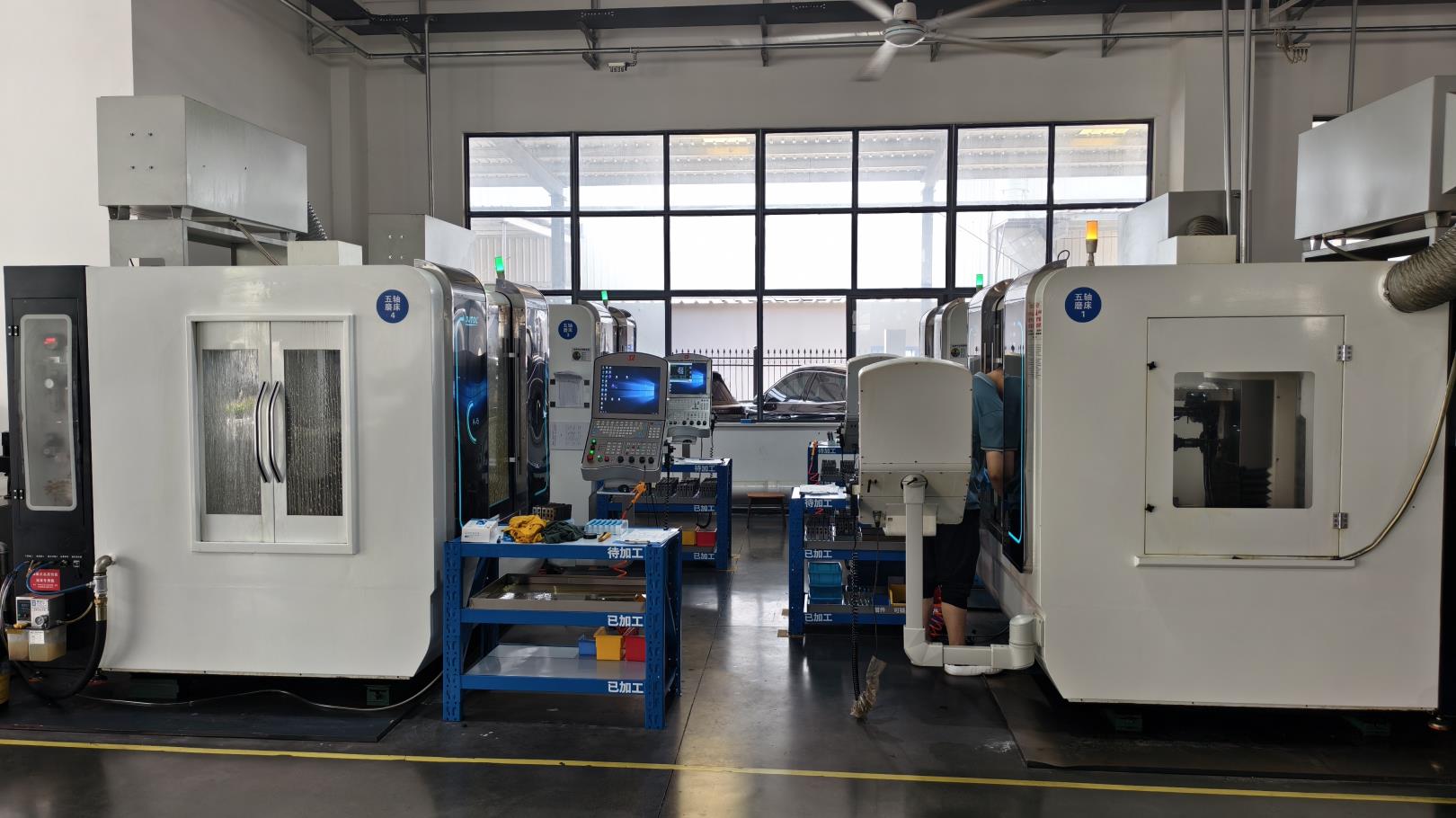
As a seasoned neurosurgery instruments supplier, our factory bridges the gap between high development costs in Europe and large-scale industrial execution. China's mature medical-grade metallurgical supply chain allows us to select and process the absolute finest raw materials. We utilize advanced German machinery for micro-grinding and EDM (Electrical Discharge Machining) profiling, enabling us to manufacture micro-curettes, dissectors, and bayonet forceps with tip dimensions precise down to 0.1 mm.
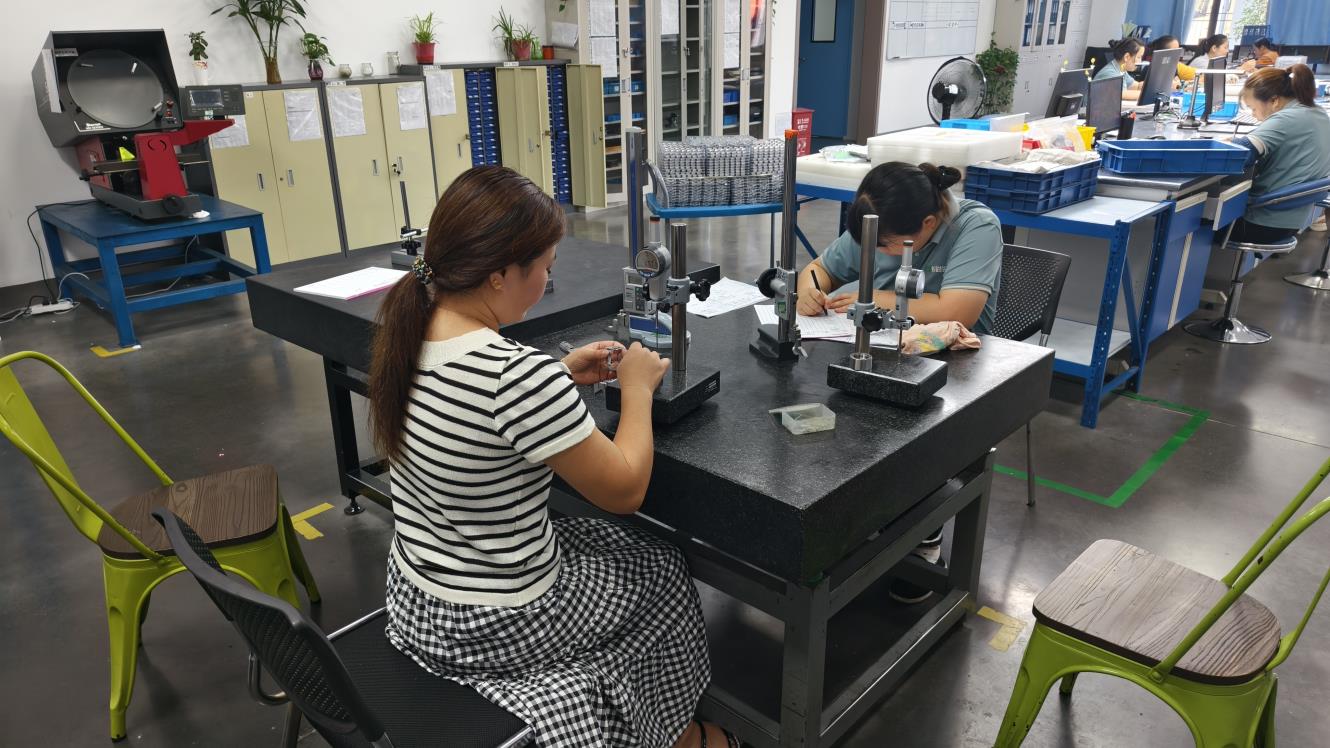
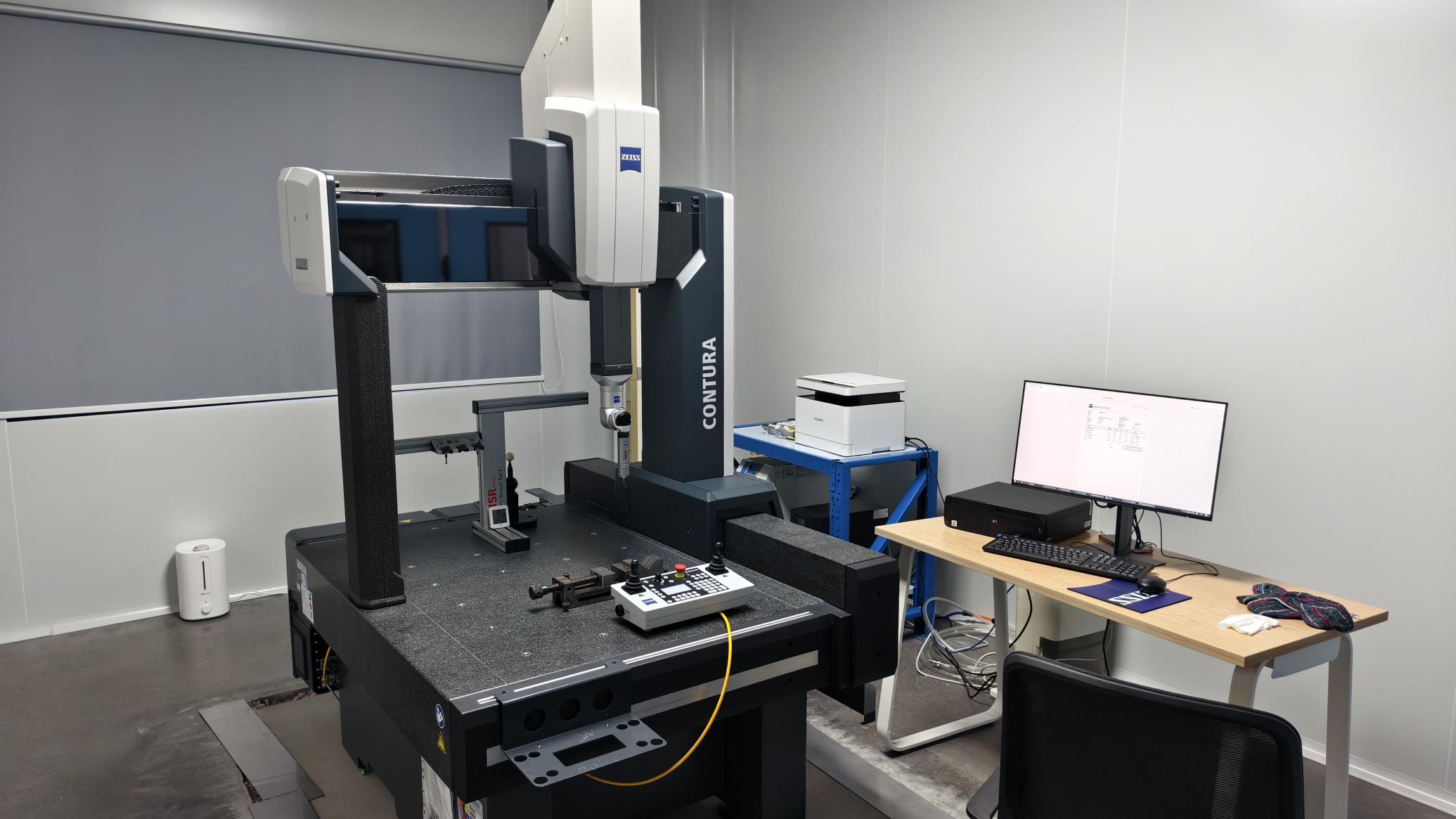
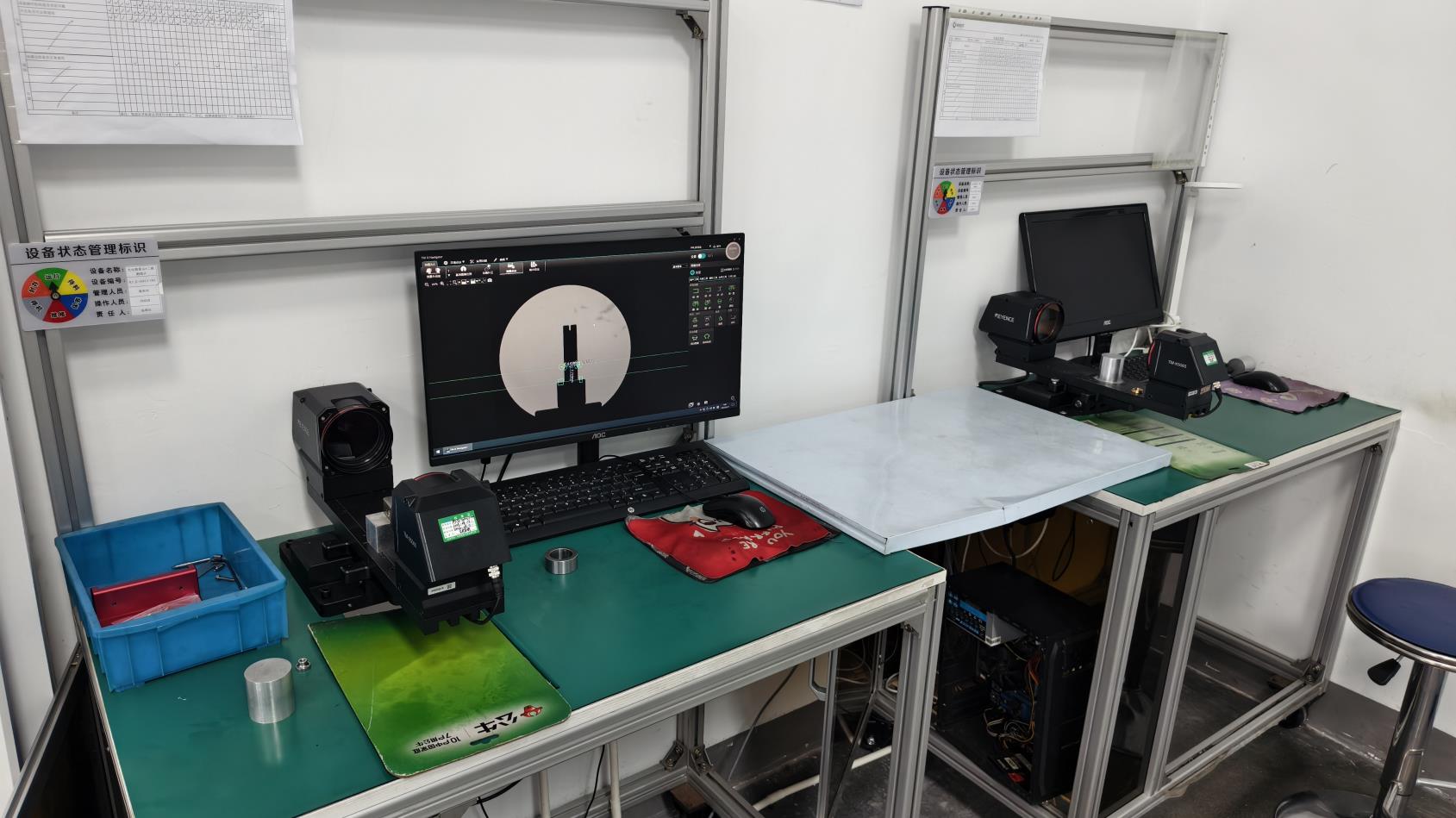
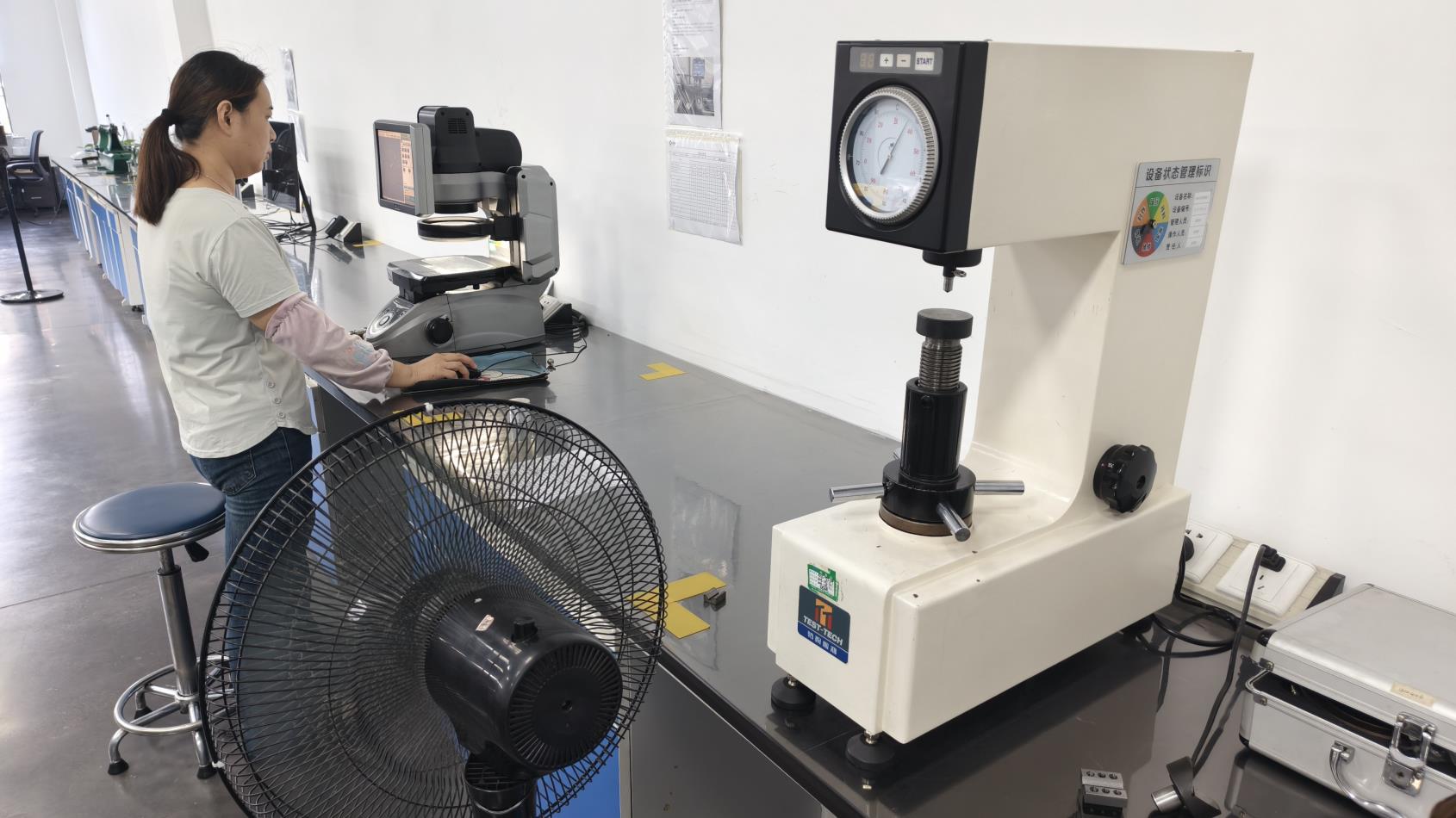
For Czech hospitals, this results in high-performance surgical instruments that match traditional Western European brands in tactile response, balance, and fatigue resistance, while reducing overall capital and operational expenditure (TCO). Our production lines incorporate automated quality assurance checks alongside visual inspections conducted by qualified QA professionals, ensuring zero-defect output for critical operations.
Our micro-scissors and dissectors feature meticulous ergonomic profiling, reducing surgical hand fatigue during complex, hours-long micro-neurosurgical procedures.
Every piece undergoes strict chemical passivation to ensure corrosion resistance, ensuring longevity even after thousands of cycles in hospital central sterile supply departments (CSSD).
Inspection Strategy: Random inspections and 100% batch checks according to specific client surgical requirements.
R&D Customization Options: Standard sample processing, graphic drawing file processing, and customized design on demand.
Primary Global Markets: North America (25%), South America (25%), Southeast Asia (15%), Europe & Czech Region.
Our instruments utilize medical-grade titanium and high-grade stainless steels. Each batch is accompanied by material certificates to verify chemical purity and tensile load capabilities.
This structural foundation prevents the instrument tips from bending, warping, or cracking during critical moments of microneurosurgical dissections.
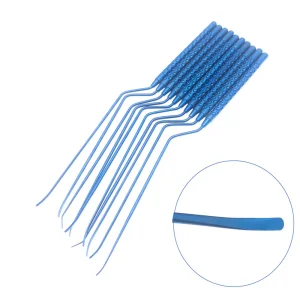
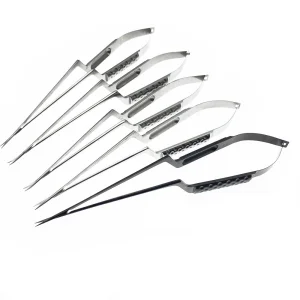
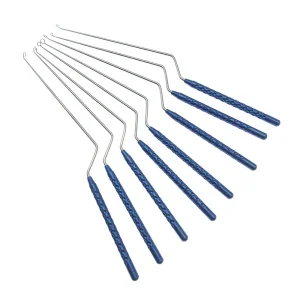
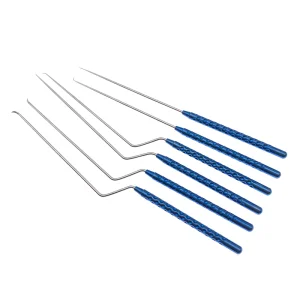
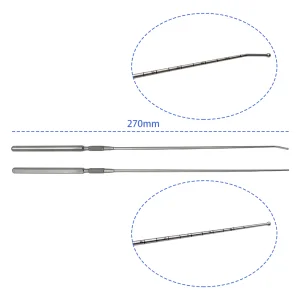
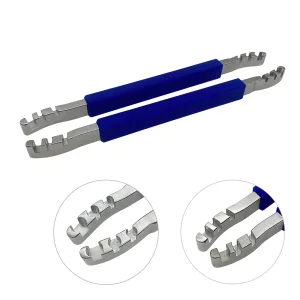
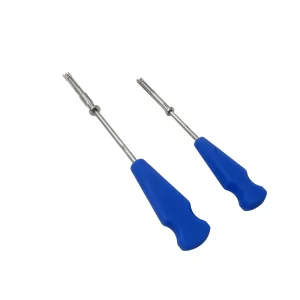
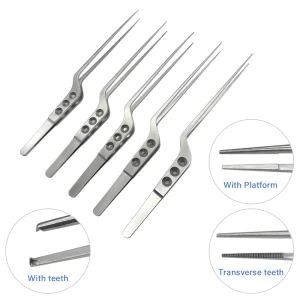
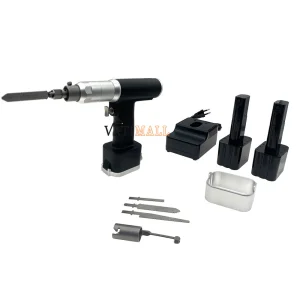
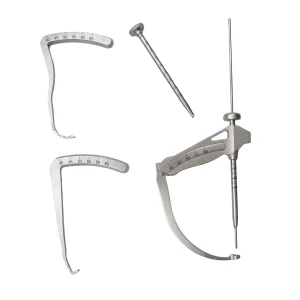
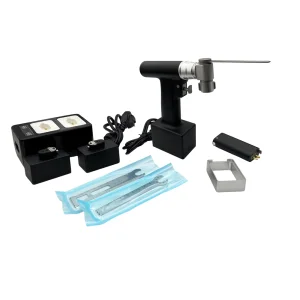
Our instruments are built to withstand routine sterilization protocols in European CSSDs, including steam autoclave sterilization at 134°C for up to 18 minutes. Titanium instruments are highly resistant to structural fatigue and heat degradation.
Weight balance distribution is carefully calibrated in our micro-bayonet forceps and micro-knives. Proper ergonomics allow surgeons to maintain precision control, preventing accidental muscle fatigue during micro-vascular and nerve surgeries.
Micro-neurosurgery requires high precision. When operating within tight anatomical corridors, such as during transsphenoidal pituitary tumor resections or microvascular decompressions, a surgeon’s tools must function as an extension of their hands. This requires optimal mechanical strength and weight balance. Our specialized titanium alloy tools provide a density reduction of approximately 45% compared to conventional stainless steel, without sacrificing tensile load limits.
For operations utilizing intraoperative magnetic resonance imaging (iMRI), our non-ferromagnetic titanium instruments minimize the risk of tool displacement in magnetic fields, helping to maintain a safe surgical environment.
We maintain a rigorous quality management system corresponding to ISO 13485 requirements. We compile and maintain technical files, supply comprehensive material certification (including chemical heat analysis), and support traceability. We work closely with authorized representatives and notified bodies to verify compliance before shipment.
We utilize medical-grade Titanium Alloy (typically Ti-6Al-4V ELI, conforming to ASTM F136 standards). This grade is chosen for its high purity, biocompatibility, high strength-to-weight ratio, and non-magnetic properties, making it well-suited for micro-dissectors, curettes, and micro-spatulas.
For standard catalog items, orders are processed and prepared for shipping within 7 to 15 days. For OEM or customized instruments (e.g., custom curve angles on micro-spatulas or custom-length bayonet forceps), the typical engineering and manufacturing cycle is 30 to 45 days, depending on drawing approval and production capacity.
Yes, we accommodate sample evaluation requests for qualified medical institutions and regional distributors. This allows surgical teams to evaluate the tactile feedback, weight distribution, and sterilization performance of our instruments before finalizing a procurement agreement.
We offer two main anti-glare options: a matte satin finish for stainless steel instruments, and a blue/dark anodization for titanium instruments. These finishes are designed to minimize reflection under surgical microscopes, helping to maintain visual clarity during procedures.
With proper maintenance and sterilization compliance, our premium-grade stainless steel and titanium instruments are designed to last for several years. We recommend avoiding harsh saline contacts and adhering to standard enzymatic pre-cleaning protocols before autoclaving.
Yes, we provide precise laser marking services for hospital logo identification, unique device identification (UDI) tracking codes, and instrument names, helping to simplify inventory management in sterile supply departments.
Each micro-instrument is packaged in an individual protective sleeve or case, ensuring that delicate tips (especially those with 0.1mm-0.5mm specifications) are protected from physical damage during transit. The outer cartons are moisture-resistant and secured to prevent movement.
Whether you represent a medical distributor in Prague, a clinical research facility in Brno, or require custom OEM manufacturing specifications, our team is ready to assist. Contact us today to request a catalog, discuss custom designs, or request a quote.
Send Inquiry Now