SENJIE Healthy & Technology SENJIE Healthy & Technology
Serbian Medical Distribution & Hospital OEM Center

Orthopedics Instruments Factories & Exporters serving the Serbia market

Precision-engineered clinical instrumentation complying with CE MDR & ISO 13485 regulations. Empowering hospitals in Belgrade, Novi Sad, Niš, and regional healthcare corridors.

White Paper & Regional Analysis

Serbian Orthopedic Instruments Market: Infrastructure & Procurement Dynamics

Serbia's medical device sector is undergoing a profound transformation. Under the governance of the Ministry of Health of the Republic of Serbia and driven by integration initiatives towards the European Union, regional hospitals—including the Clinical Center of Serbia (UKCS) in Belgrade and the Clinical Center of Vojvodina in Novi Sad—are demanding higher engineering standards for surgical instruments. The procurement dynamics of orthopaedic trauma and joint reconstructive products have shifted from basic localized supplies to highly certified, biocompatible surgical components.

This report highlights critical supply chain metrics, metallurgy requirements, and compliance structures mandatory for manufacturers exporting to the Serbian clinical market.

"Importing medical instrumentation into Serbia requires rigorous alignment with the Medicines and Medical Devices Agency of Serbia (ALIMS). Success in municipal public tenders requires not just clinical superiority, but also detailed technical documentation, biocompatibility compliance, and strong post-market traceability."

1. Material Engineering Standards: Biocompatibility and Fatigue Resistance

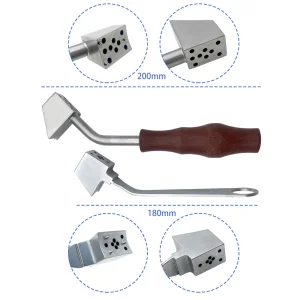
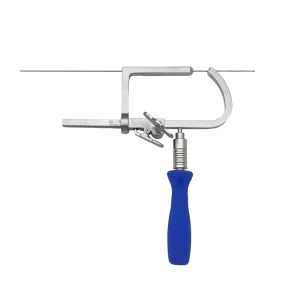
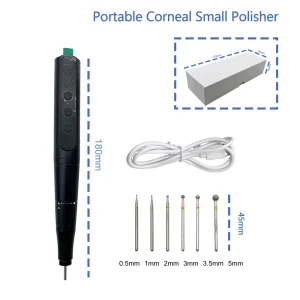
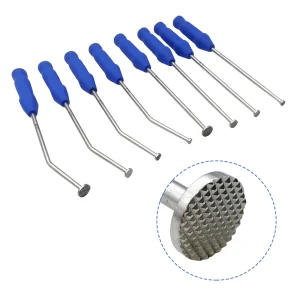
For bone osteotomes, surgical burrs, and guides utilized in complex human and veterinary procedures, material selection is non-negotiable. Leading factories target two primary metallurgical structures:

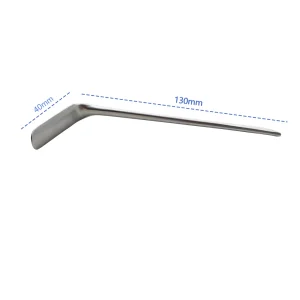
  • Austenitic Stainless Steel (AISI 316LVM / ISO 5832-1): Low-carbon, vacuum-arc-remelted stainless steel offers exceptional corrosion resistance, preventing pitting and galvanic reaction under bodily fluid contact. Essential for guides, bone rasps, and structural guides.
  • Titanium Alloys (Ti-6Al-4V ELI / ISO 5832-3): Employed in power tools, spinal instruments, and intramedullary drilling components where weight reduction and high fatigue resistance are paramount.

Surface treatments are also critical. Citric or nitric acid passivation forms an ultra-thin, protective chromium oxide passive film. Electropolishing removes micro-roughness, preventing the adhesion of bio-burden and facilitating repeated autoclaving cycles (134°C for 18 minutes at 2.2 bar) in Serbian clinical central sterile supply departments (CSSD).

2. The Regulatory Framework: ALIMS Registration & CE MDR Harmonization

Although Serbia is not yet a formal member of the EU, the Law on Medical Devices ("Sl. glasnik RS", br. 105/2017) ensures that registration processes with ALIMS are heavily aligned with the European Medical Device Regulation (EU MDR 2017/745). To export successfully, manufacturers must provide local distributors with:

  • EC Certificate of Conformity: Verifying conformity with EU standards.
  • ISO 13485:2016 Certification: Confirming the factory's quality management system is certified for medical device production.
  • Technical Dossier (TD): Including comprehensive sterilization validation, cleanroom environment monitoring, and risk management documentation (ISO 14971).
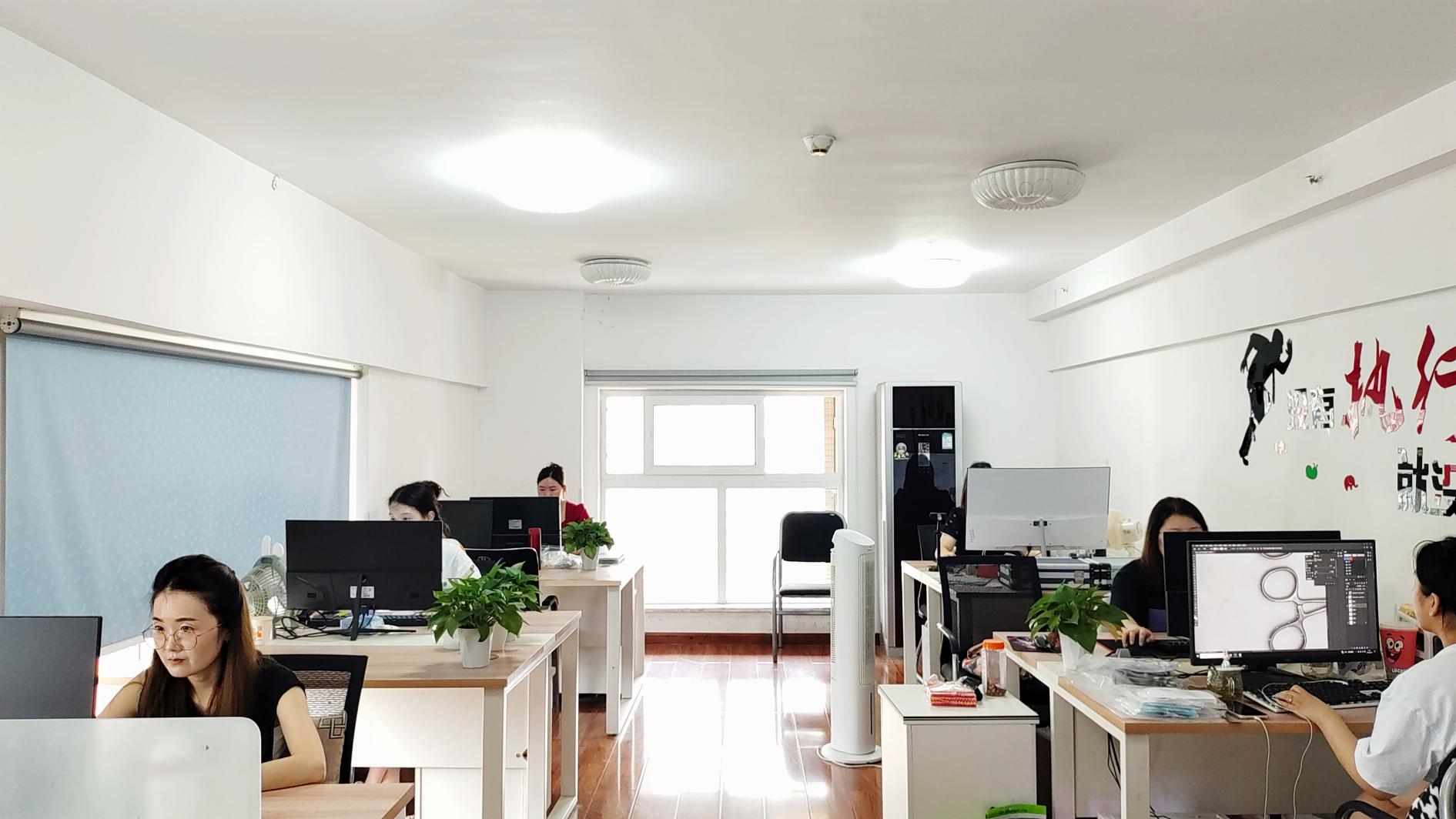
Factory Capability Profile
6+
Years Exporting
3
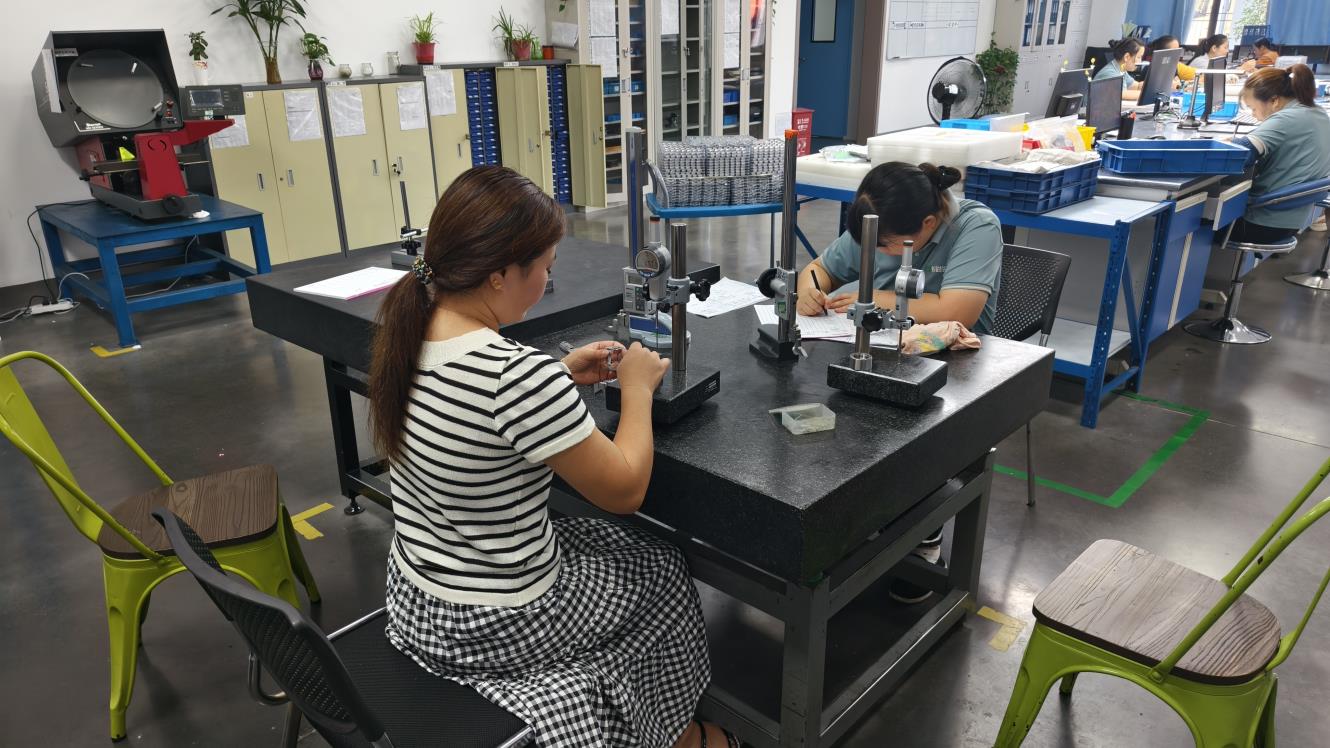
QC Inspectors
ISO
13485 Compliant
  • Company Registration 2019-11-20
  • Accepted Languages English
  • Primary Markets North America (25%), South America (25%), Southeast Asia (15%), Europe & Balkans (35%)
  • Customization Options Sample Processing, Graphic Processing, Customized OEM on Demand
  • Traceability Support Traceability of raw materials and laser engraving for UDI tracking
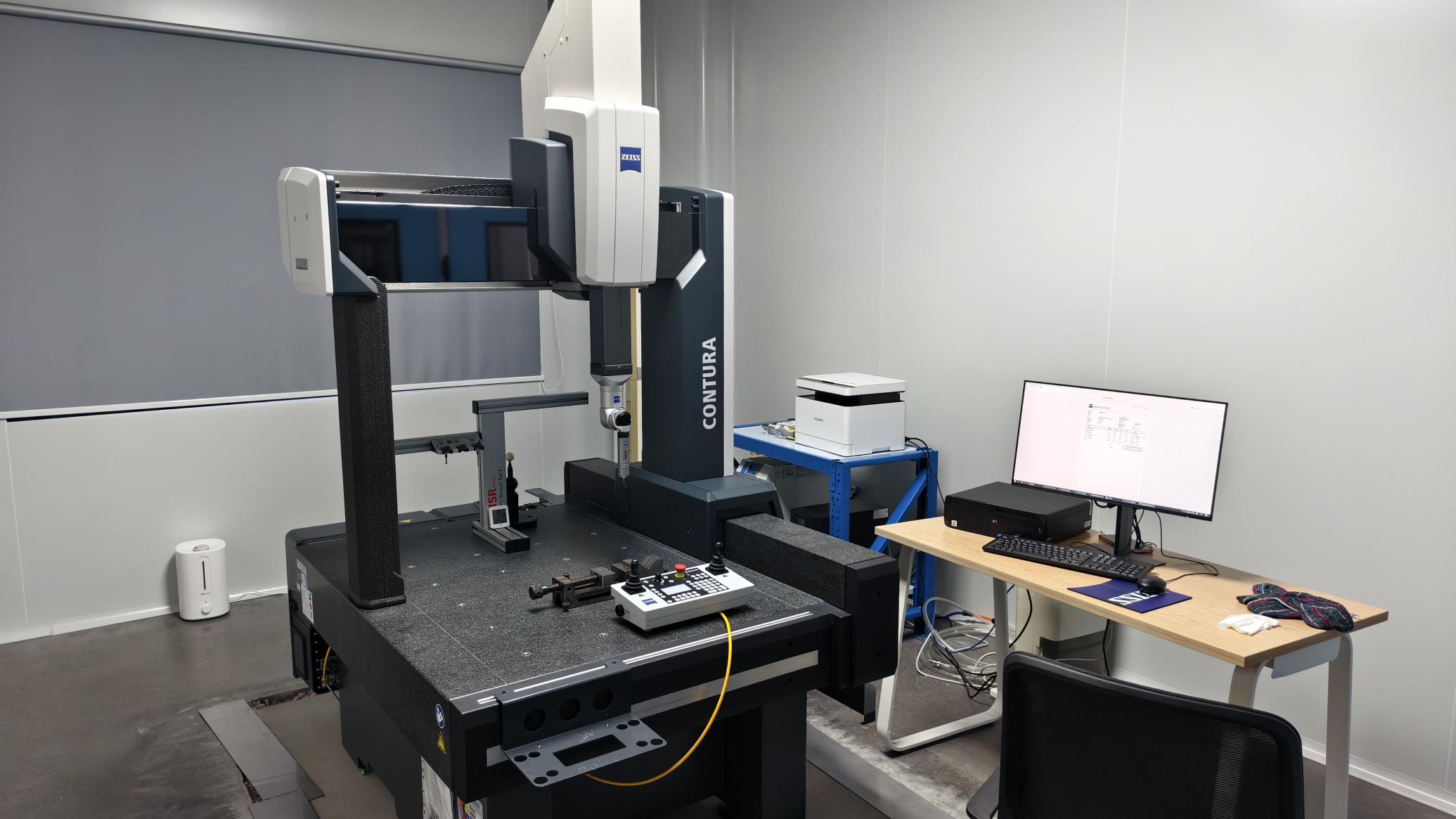
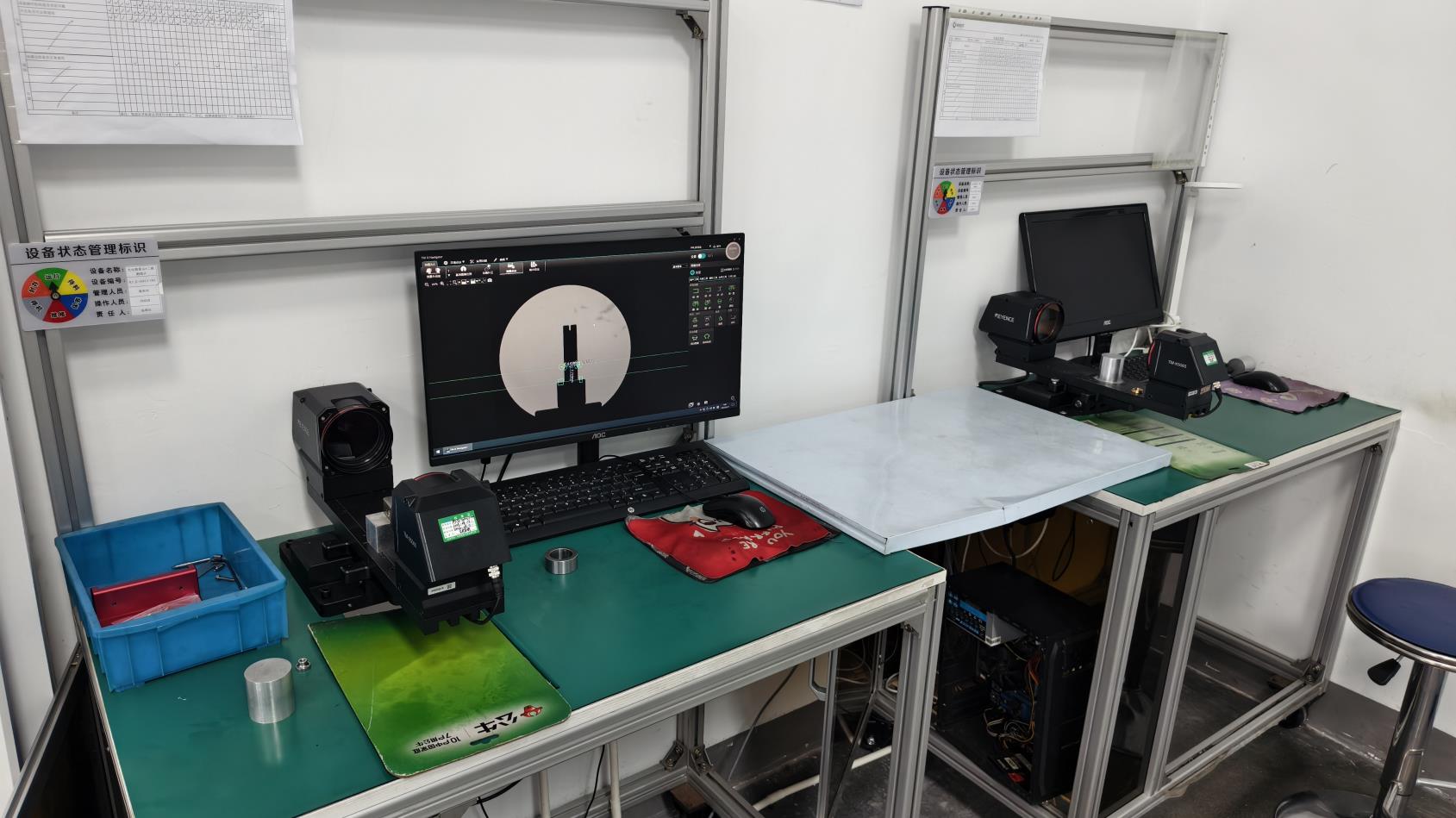
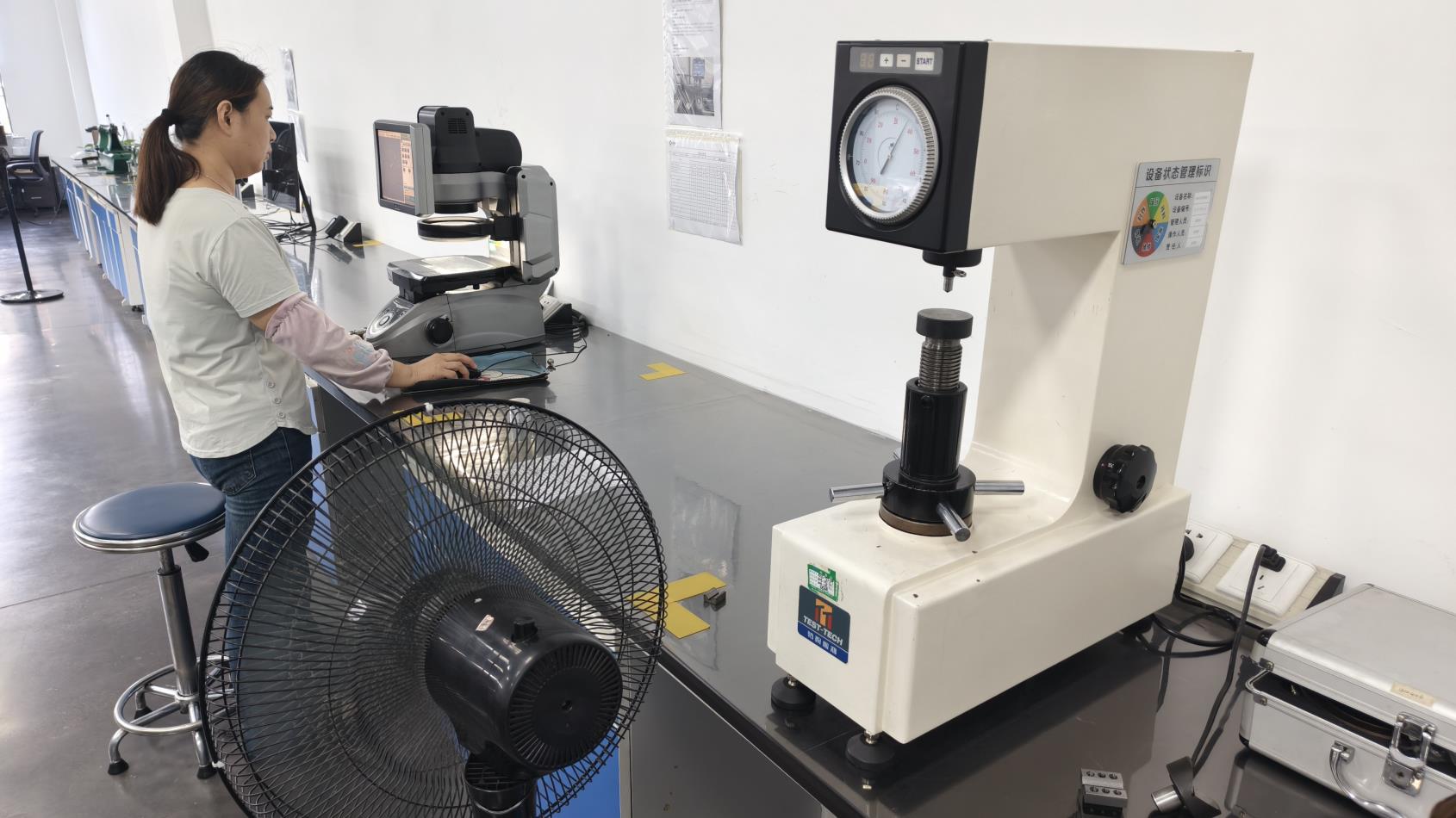
  • Product QC Strategy Random Inspection & 100% Dimensional Inspection on Critical Dimensions

Manufacturing Technology & Cleanroom Integrity

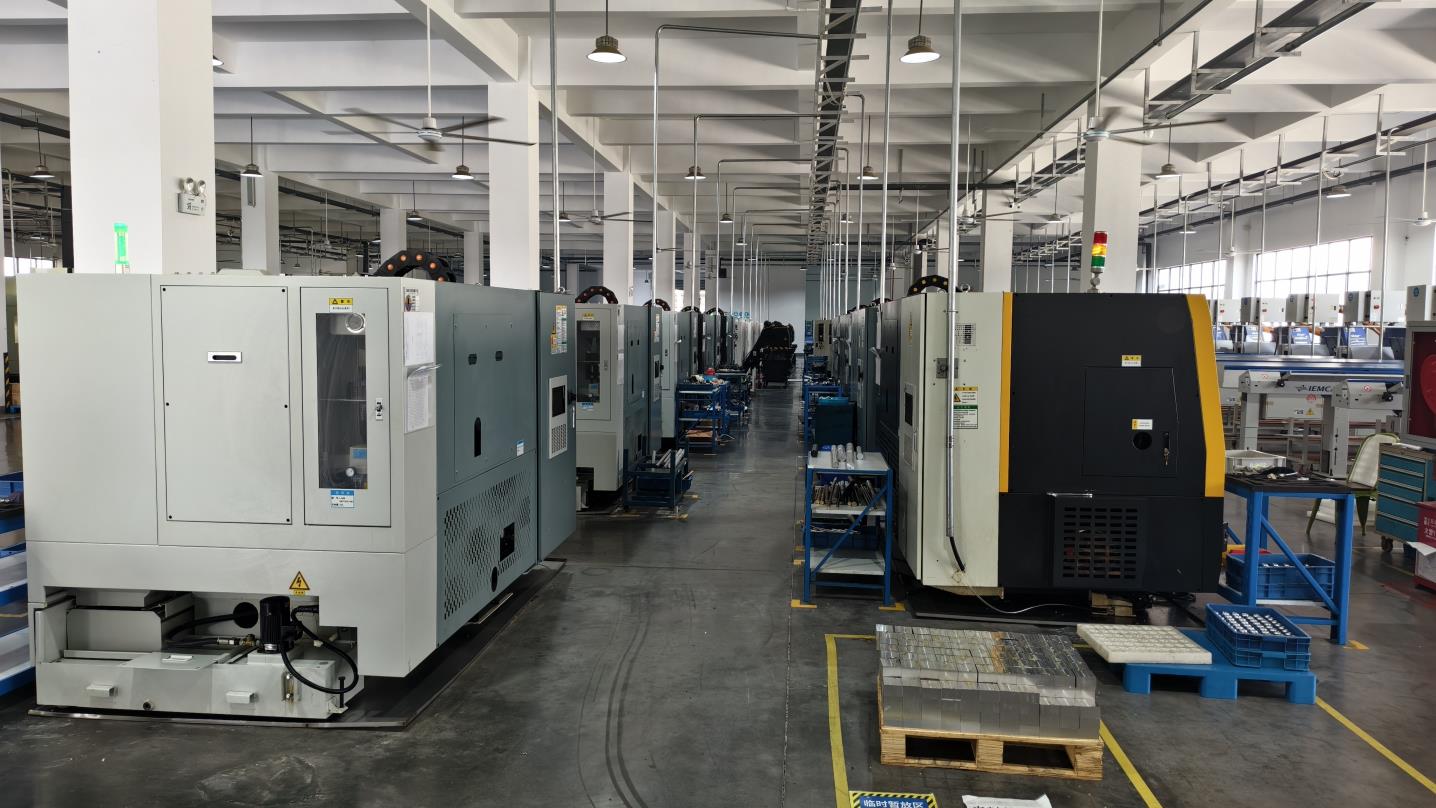
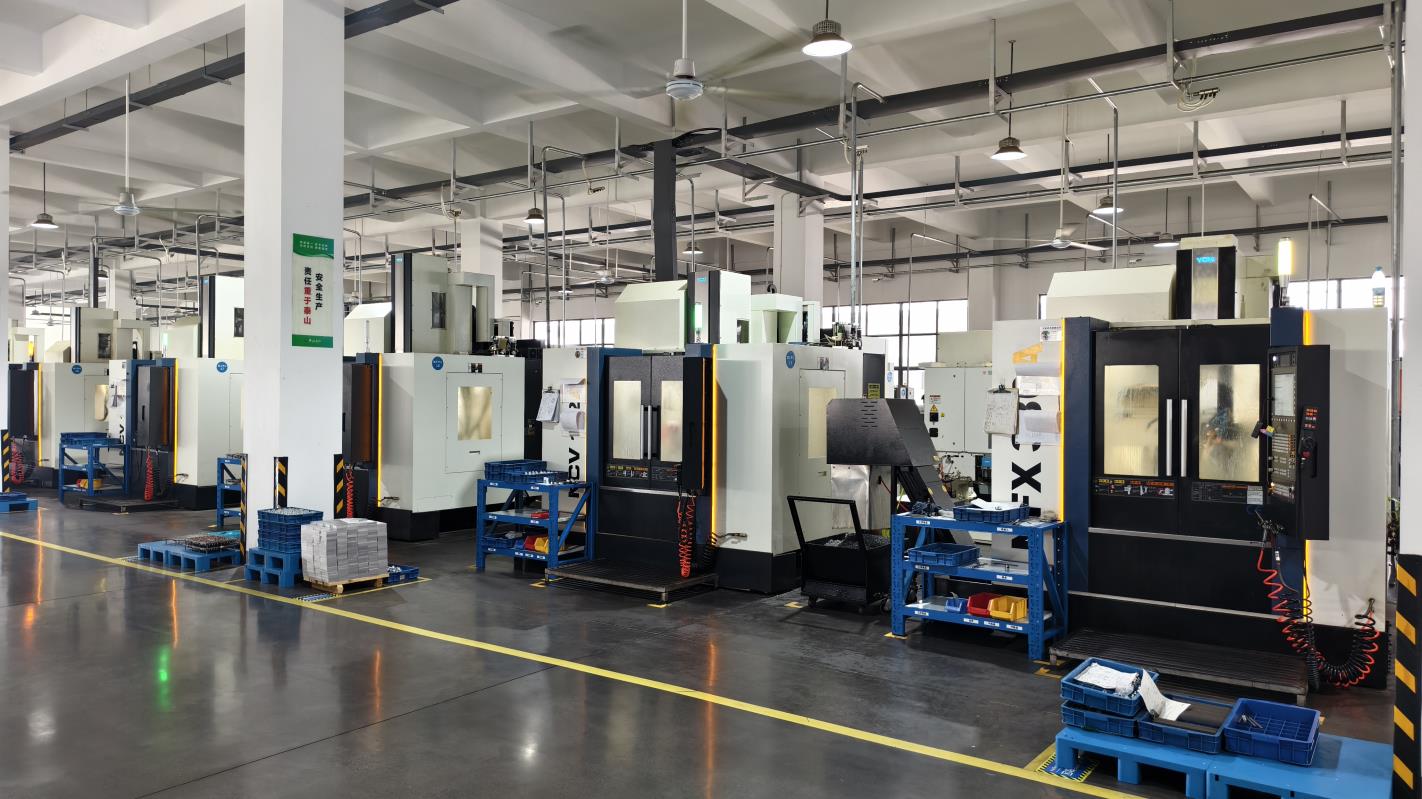
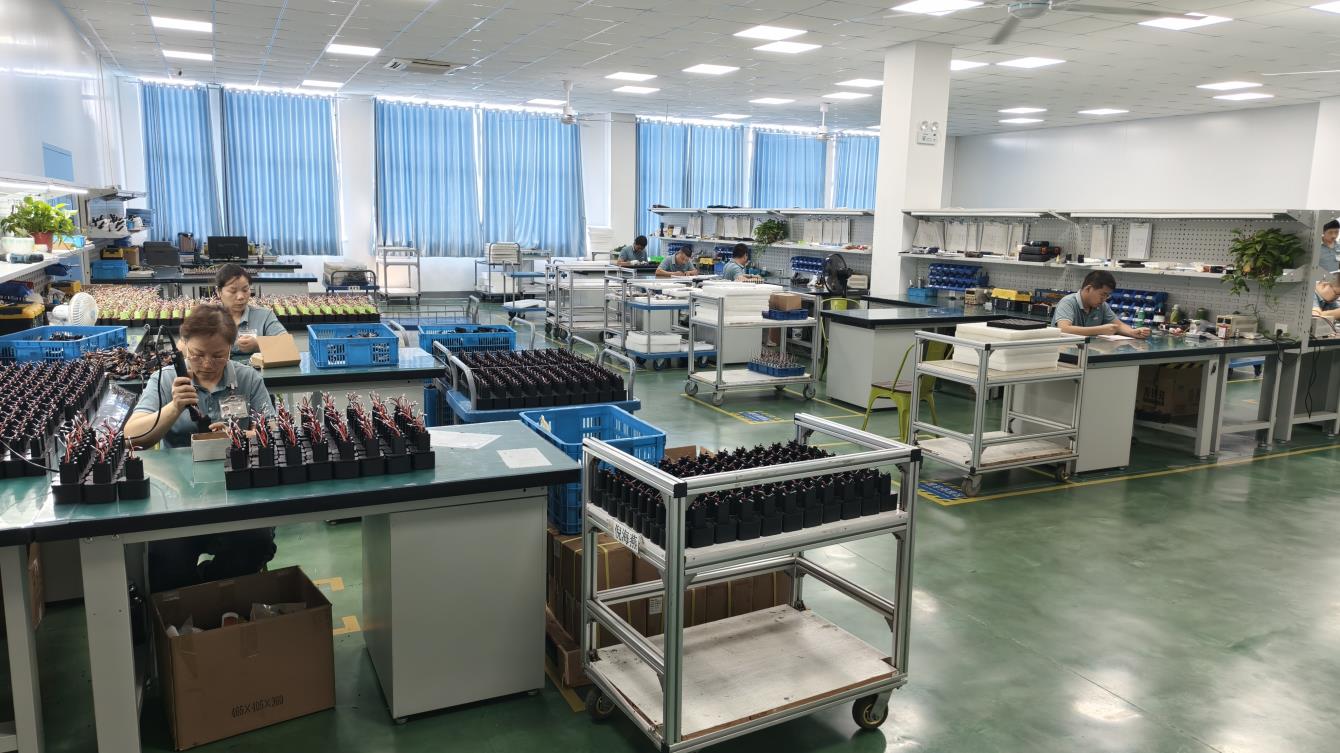
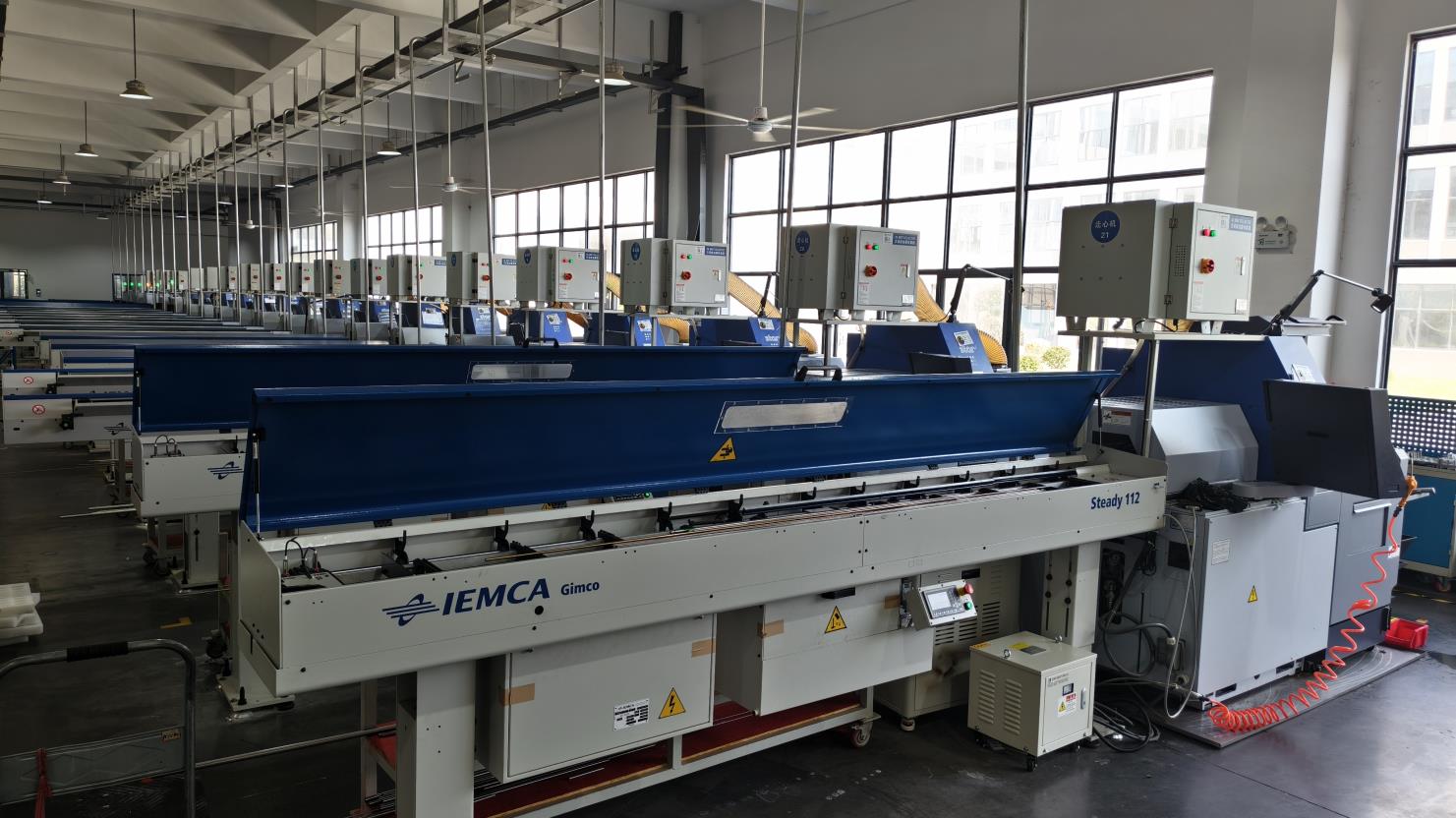
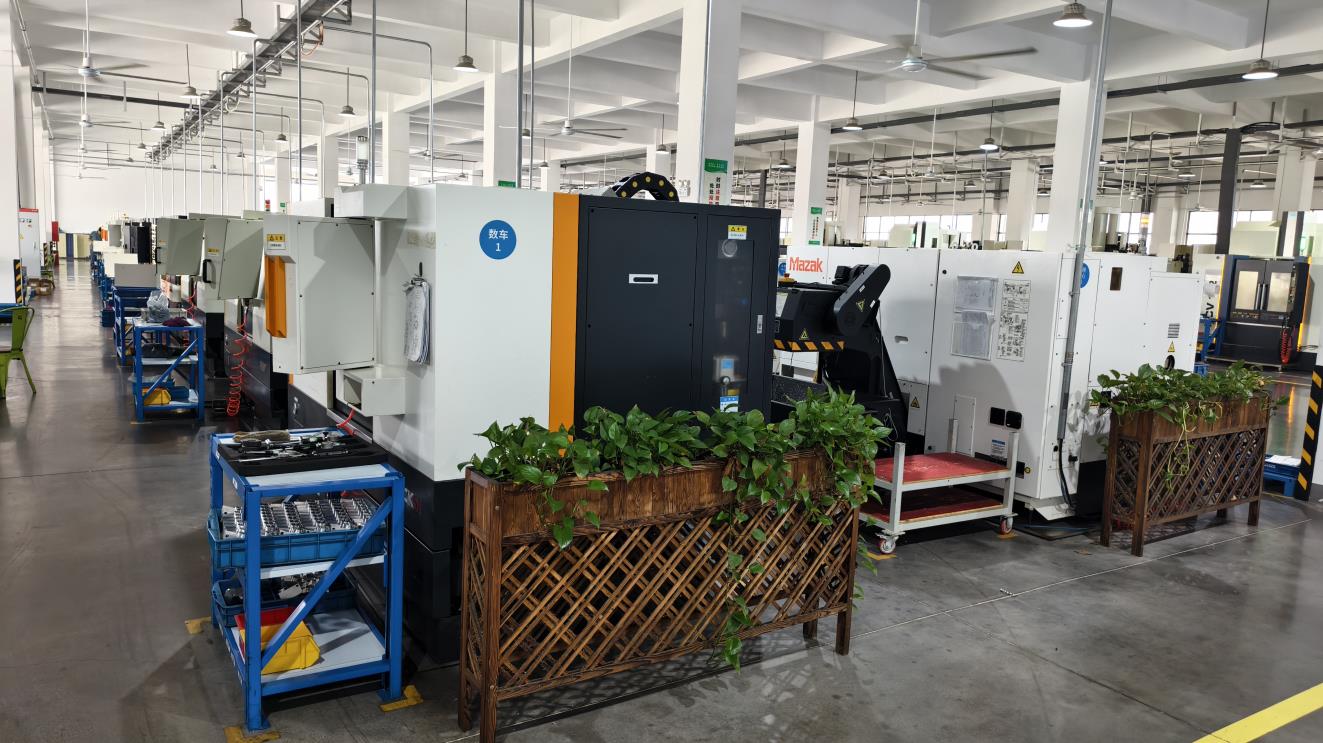
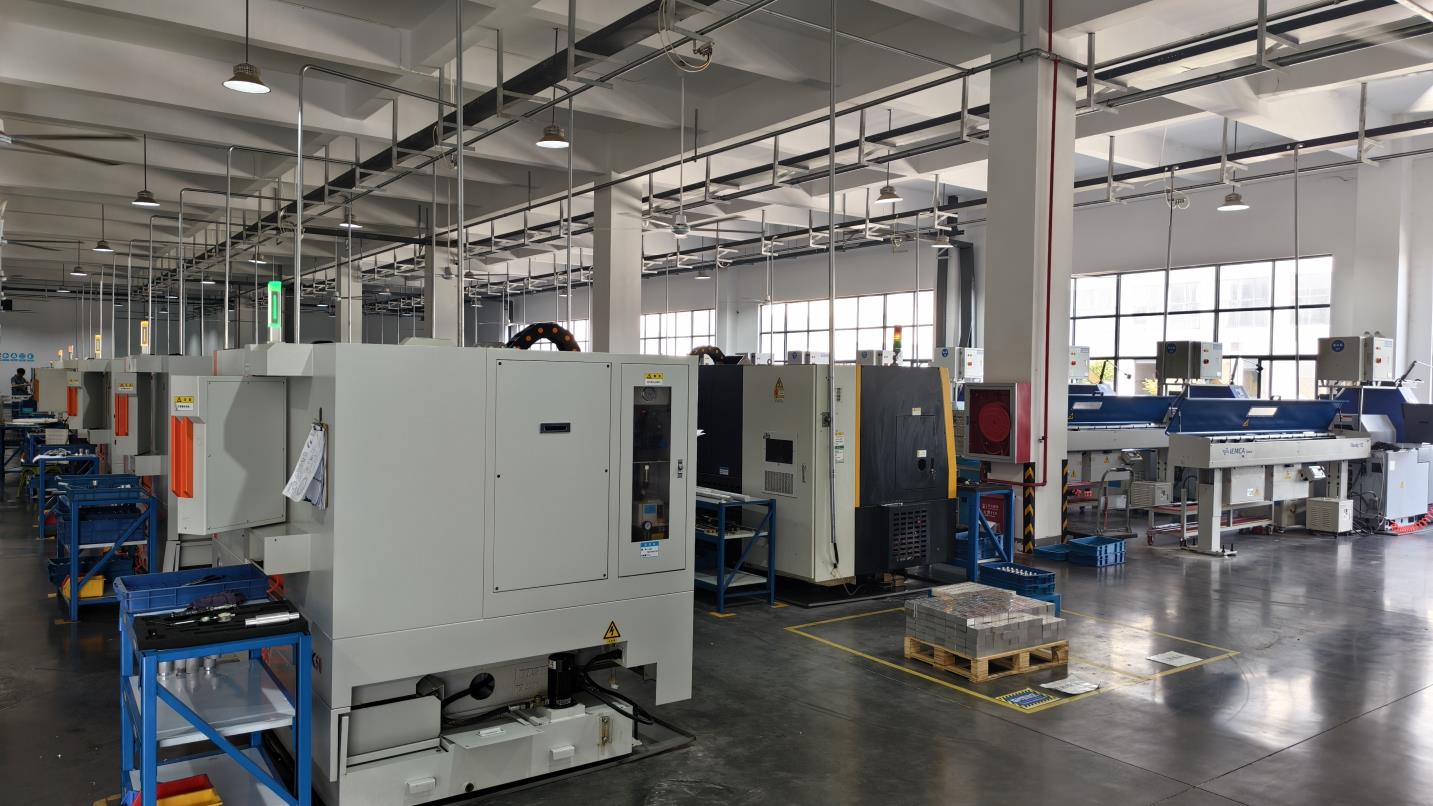
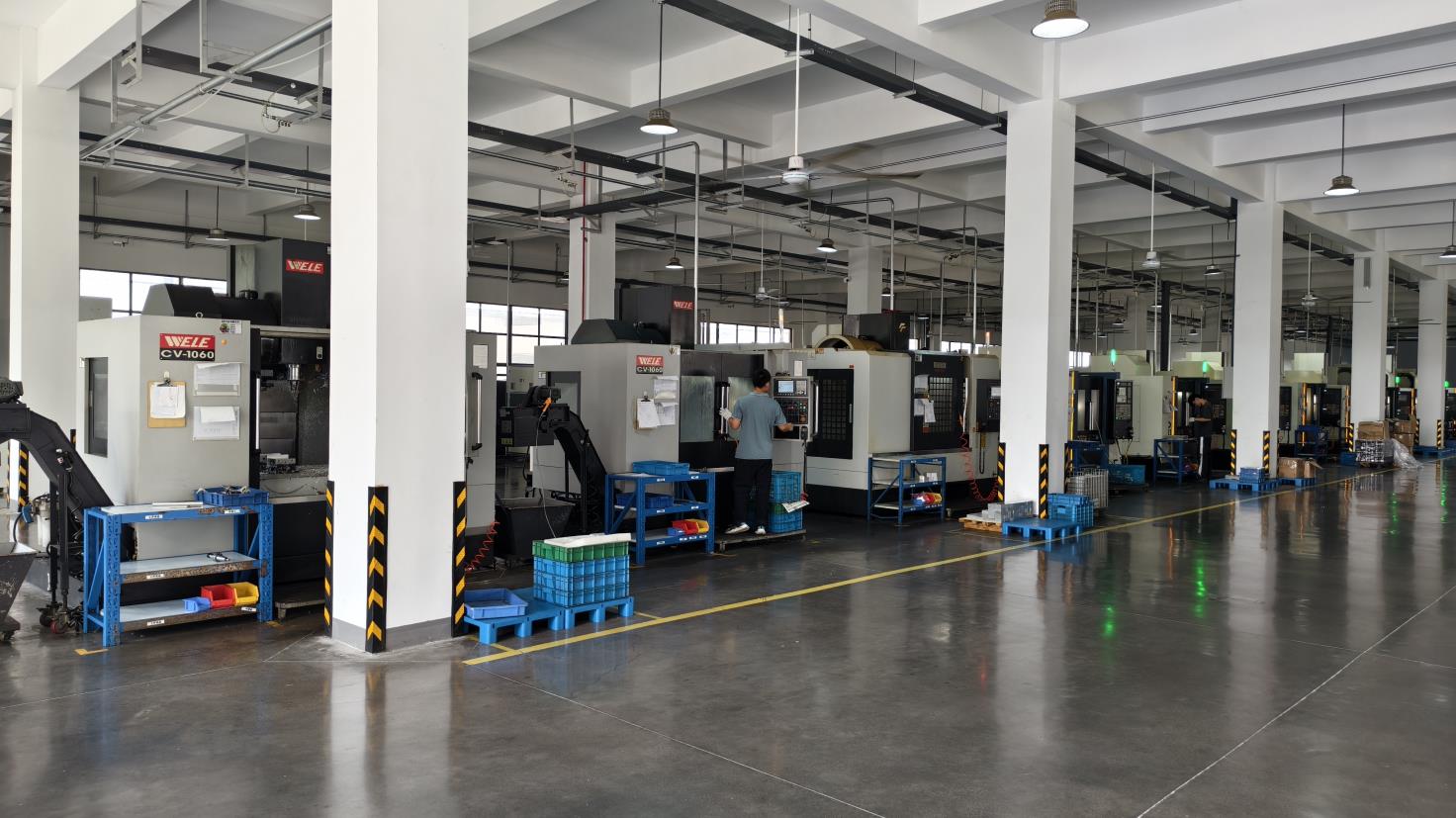
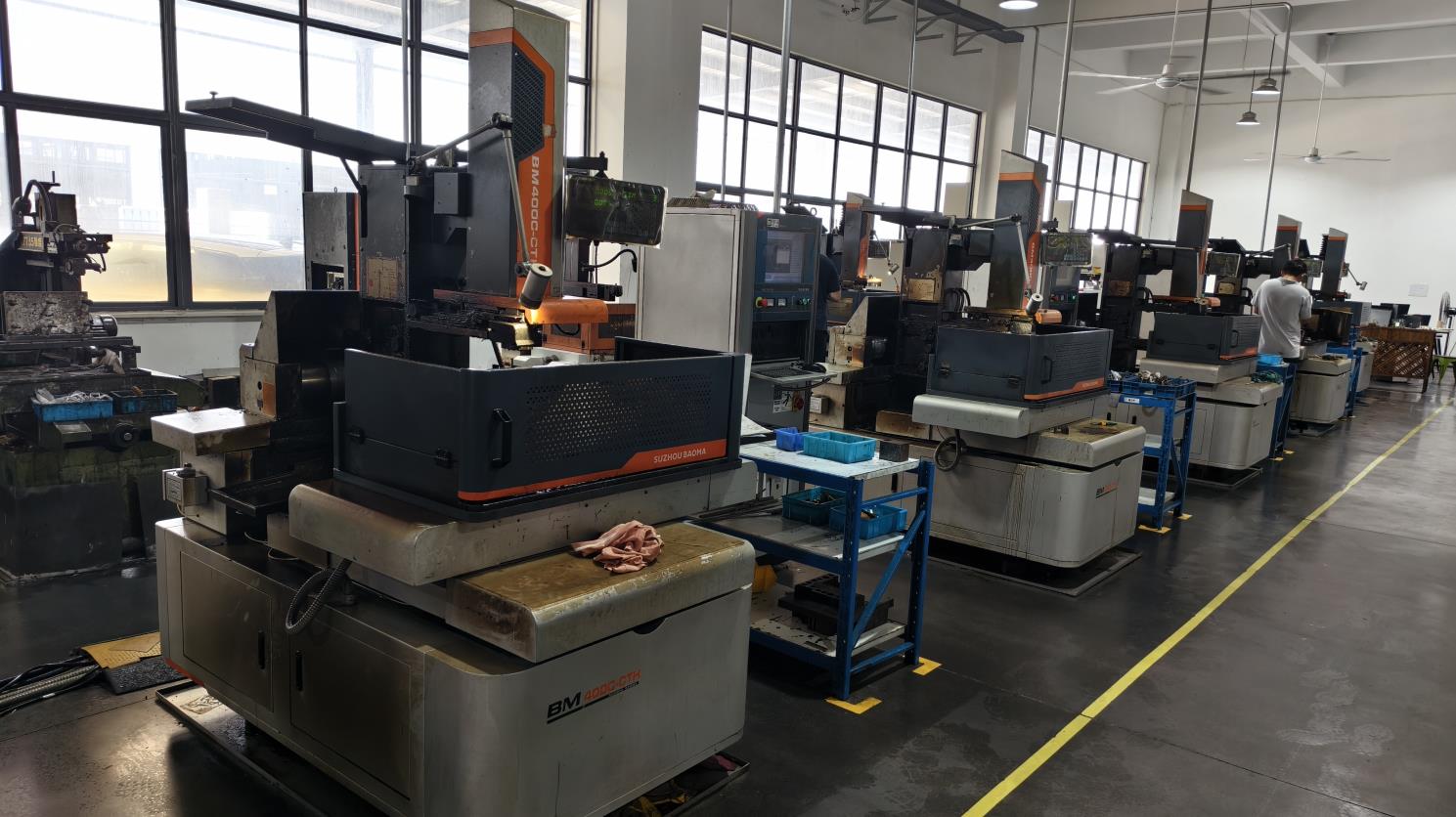
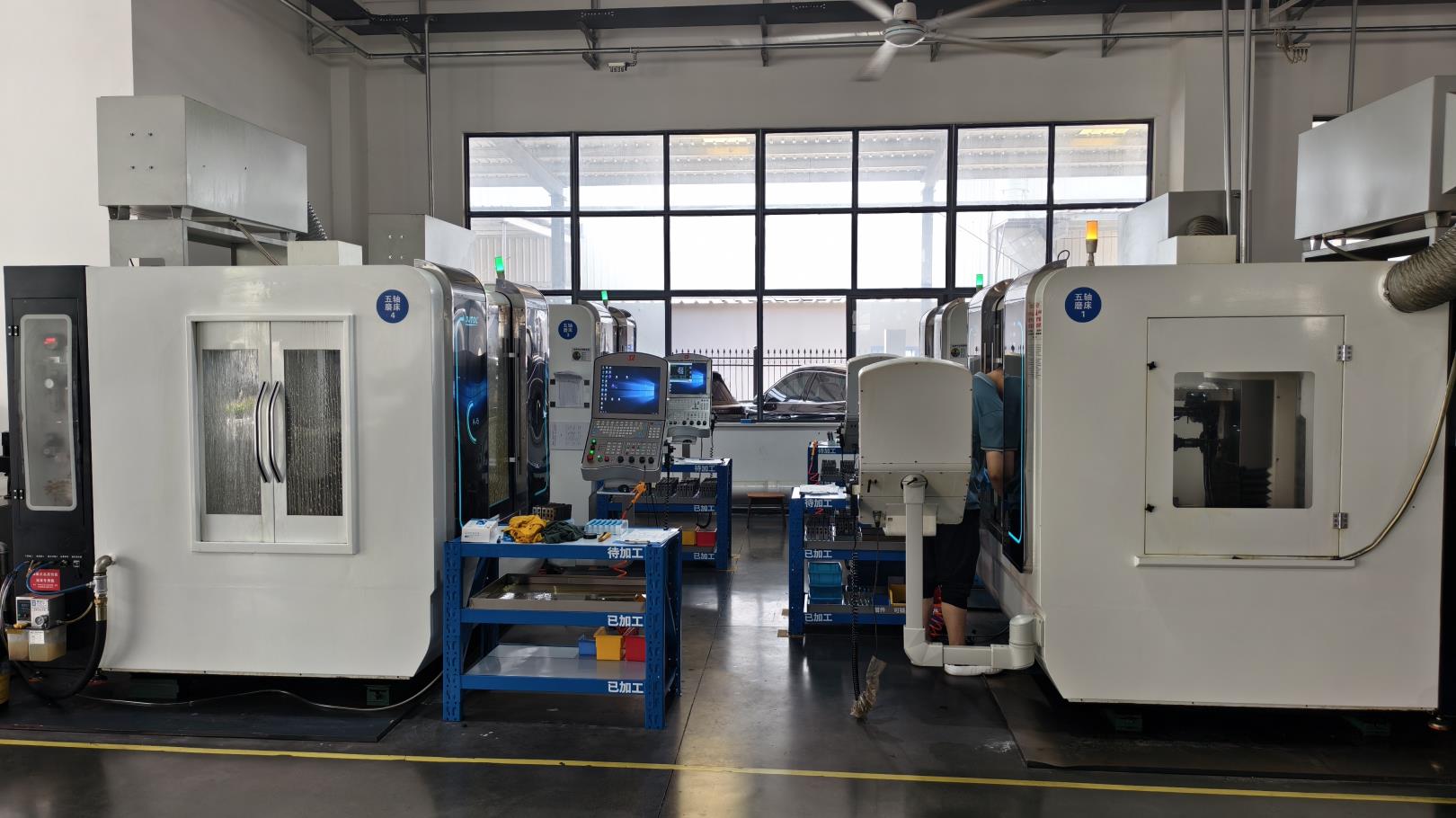
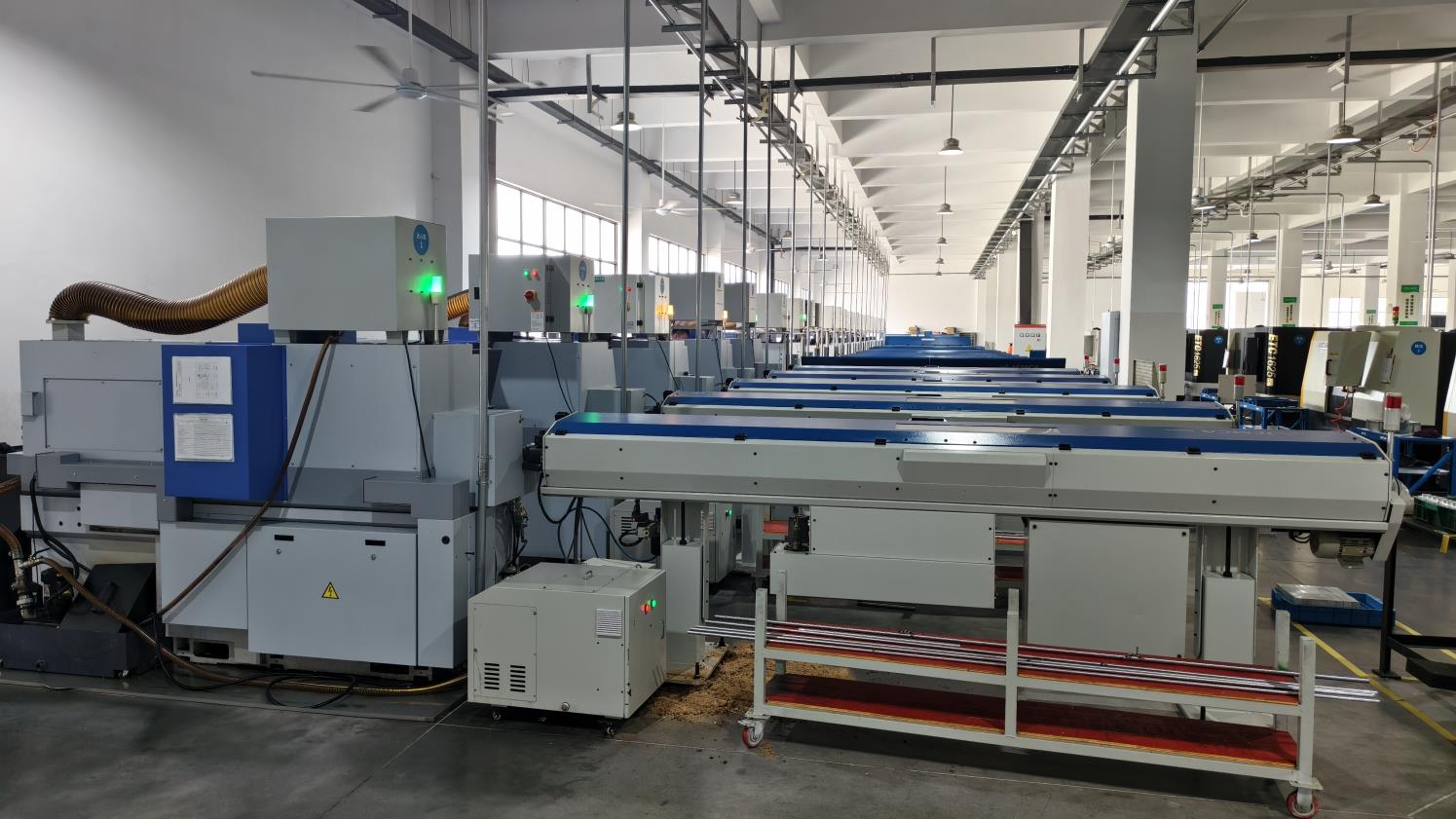
Our instruments are produced in state-of-the-art facilities utilizing precision CNC milling, Swiss lathes, and advanced passivation processes.

01
Precision Engineering

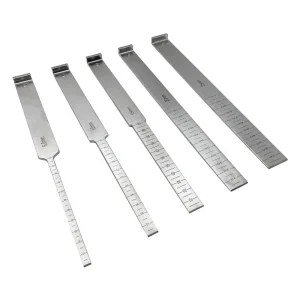
Using 5-axis computer numerical control (CNC) machining centers to ensure dimensional tolerances within ±0.01mm. This is vital for complex guides such as Patellar and Ligament aimers.

02
Chemical Passivation

All instruments undergo ASTM A967 compliant nitric/citric acid passivation. This critical process prevents oxidation and iron contamination, ensuring maximum longevity inside autoclave environments.

03
UDI Laser Marking

To support hospital logistics and compliance systems, each unit is laser marked with GS1 data-matrix barcodes for traceability and sterile processing history tracking.
Regulatory & Procurement FAQ: Importing to Serbia

Expert clarifications regarding registration, shipping, customs clearances, and technical specifications for surgical instruments.
What are the registration requirements for importing medical devices into Serbia?
Medical devices must be registered with the Medicines and Medical Devices Agency of Serbia (ALIMS). Importation requires a CE certificate (MDR 2017/745 compliant is highly preferred), a declaration of conformity, and an ISO 13485:2016 certified quality management system. The factory provides complete technical files, validation reports, and material composition certificates to facilitate this process.
How does the factory support OEM and customized instrumentation designs?
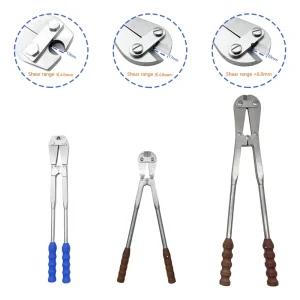
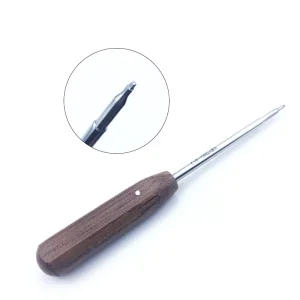
We specialize in customized medical engineering. We accept CAD models, dimensional specifications, and sample processing requests. Our R&D team can customize laser patterns, ergonomic handle configurations (such as wood, silicone, or anodized aluminum handles), and guide angles to match the surgical preferences of regional medical centers.
Which surgical steel grades are used for orthopedic instruments?
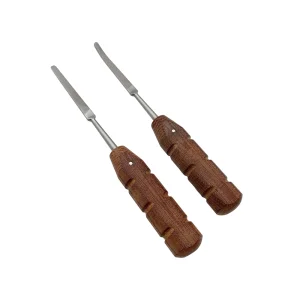
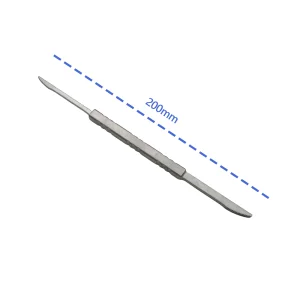
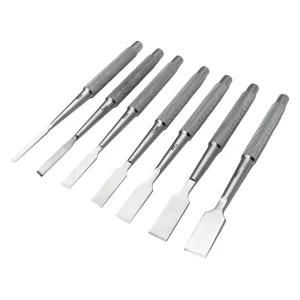
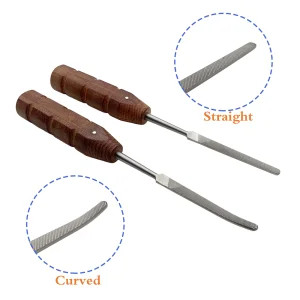
We primarily use implant-grade AISI 316LVM (Low Carbon Vacuum Melted) stainless steel and AISI 420/440 surgical grade steel for cutting tools (osteotomes, bone files) to maintain edge sharpness. For structural components, we use Titanium Alloy (Ti-6Al-4V ELI) conforming to ASTM F136 specifications.
Are these instruments fully autoclavable in hospital CSSDs?
Yes, our entire orthopedic instrument range is validated for repeated autoclave cycles. They can withstand standard steam sterilization parameters (134°C at 2.2 bar pressure for 18 minutes) without degradation of mechanical properties or surface passivation layers, conforming to EN ISO 17665-1 standard.
What are the standard delivery lead times and customs handling protocols for the Belgrade region?
Standard OEM production runs require 30 to 45 days depending on design complexity. Shipments are dispatched via air freight (to Belgrade Nikola Tesla Airport) or sea freight (via regional Adriatic ports like Rijeka or Bar). We supply custom commercial invoices, packing lists with Harmonized System codes (typically HS 901890), and origin documentation to streamline Serbian customs procedures.

Accelerate Your Orthopedic Distribution in Serbia

Get direct access to our manufacturing engineers, compliance documentation, and competitive volume pricing. Build your custom catalog with an ISO 13485 certified factory partner.