 SENJIE Healthy & Technology
SENJIE Healthy & Technology
SENJIE Healthy & Technology
Engineered to meet the exact precision demands of orthopedic and neurosurgical units within the Muharraq region.
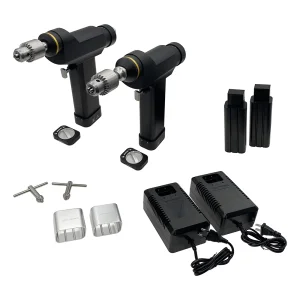
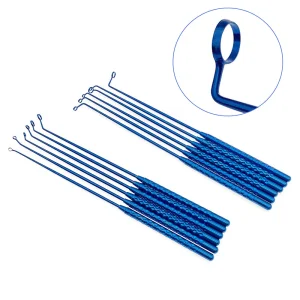
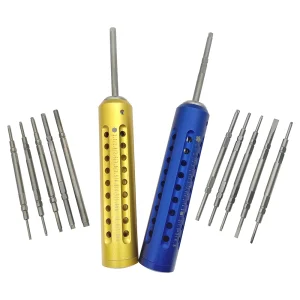
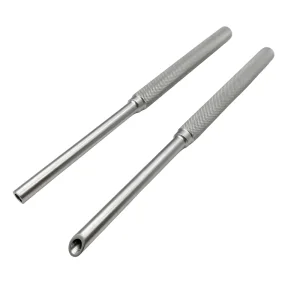
As the historic heart and major medical gateway of Bahrain, Muharraq is undergoing rapid modernization across its healthcare and veterinary sectors. Backed by the national mandate of Bahrain Economic Vision 2030, local institutions such as the King Hamad University Hospital and key private trauma clinics are continuously upgrading their operating theaters. High-precision medical hardware, including micro-scissors, orthopedic bone saws, surgical files, and heavy-duty bone cutters, forms the baseline requirements of these clinical infrastructures.
Furthermore, veterinary care standards in the Arabian Gulf have pivoted towards orthopedic sophistication. Modern veterinary clinics in Muharraq are adopting human-grade surgical methodologies. As a result, the demand for dual-application orthopedic devices—specifically trauma drill systems, reduction forceps, and locking plate adapters—has experienced an exponential increase of over 18% year-over-year.
Our industrial production lines in China align seamlessly with this transformation, offering high-grade medical alloys and custom-engineered mechanical tolerances directly to Muharraq’s medical procurement systems.
Analyzing the cost-to-performance ratio that drives procurement choices for global surgical brands and hospital systems.
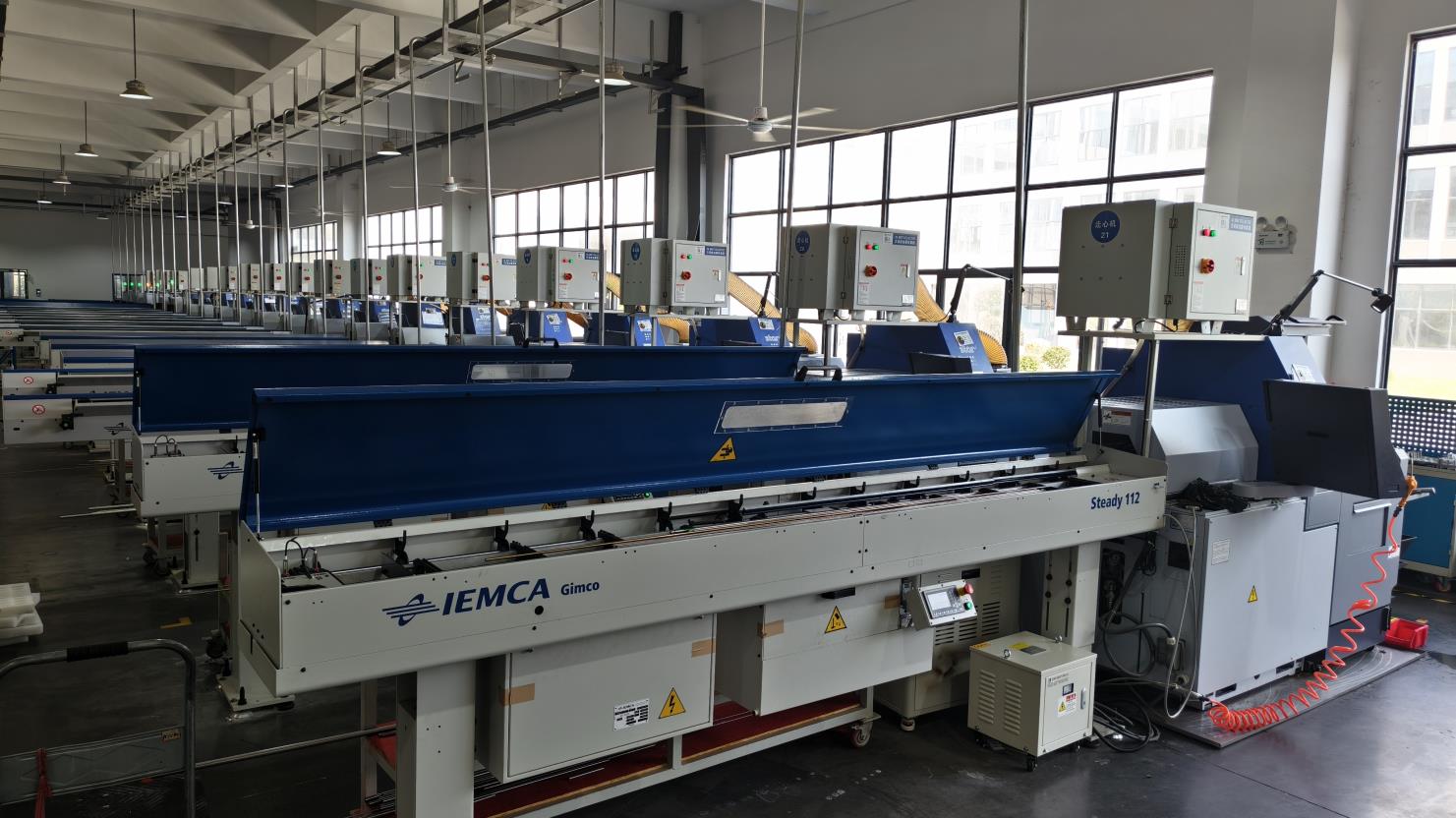
We utilize surgical-grade 316L and 420J2 stainless steels alongside premium tungsten carbide inserts. Our CNC mills achieve tolerances down to ±0.01mm, ensuring perfect alignment on micro scissors, rotating laminectomy rongeurs, and tibial plateau forceps.
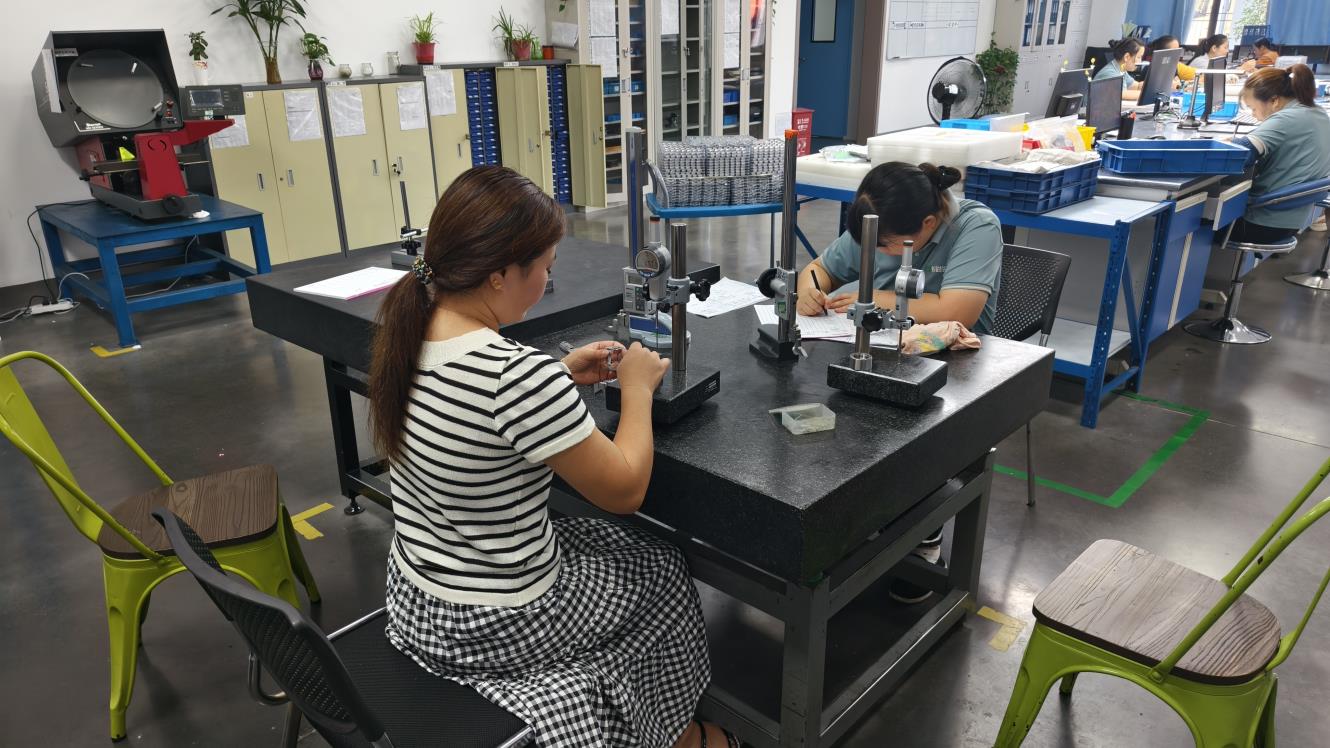
All raw materials are certified by spectroscopic testing. Our internal QA/QC protocols implement random lot checks alongside 100% inspections on functional tolerances, guaranteeing autoclave stability and wear resistance.
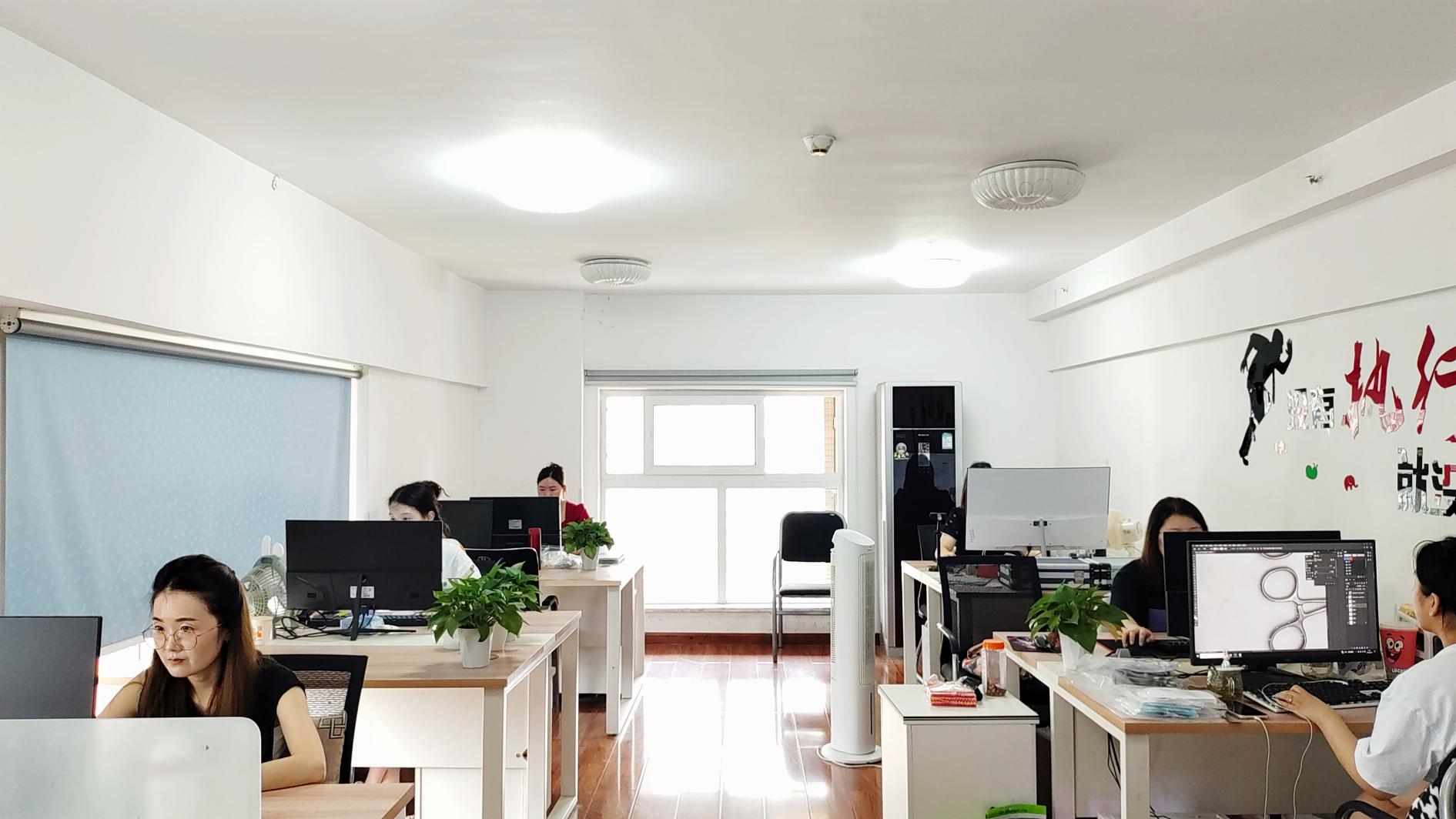
From bespoke orthopedic torque adapters to unique curvature requirements on micro ring curettes, our R&D capabilities accommodate sample processing, detailed graphic processing, and rapid tooling design.
Critical clinical apparatus built to maintain structural integrity under high mechanical load.
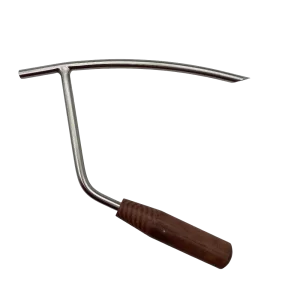
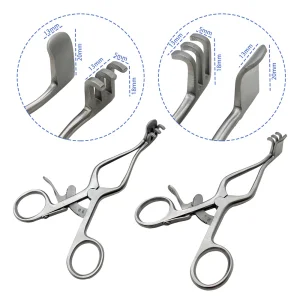
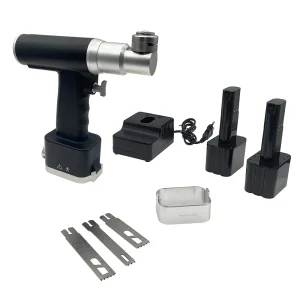
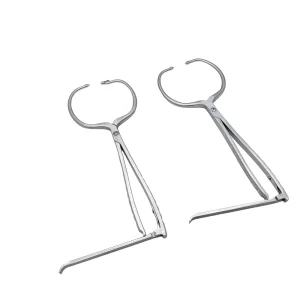
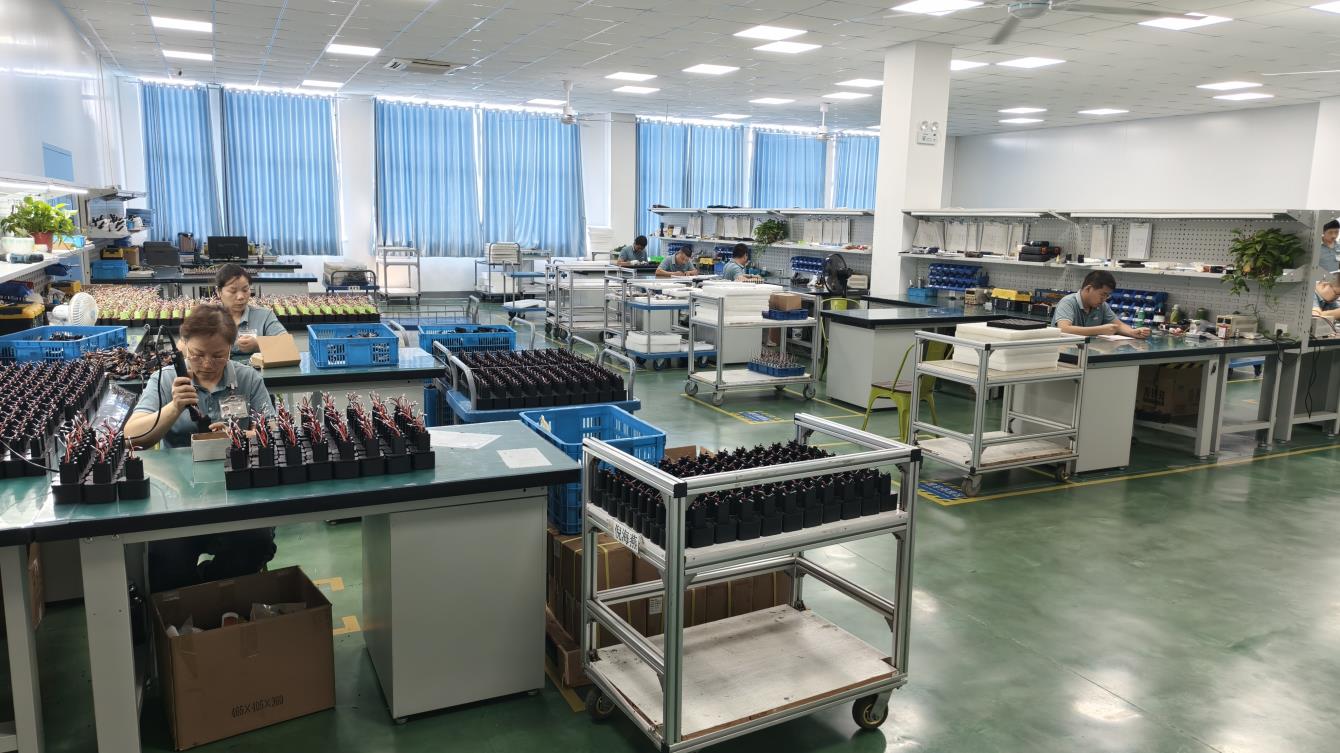
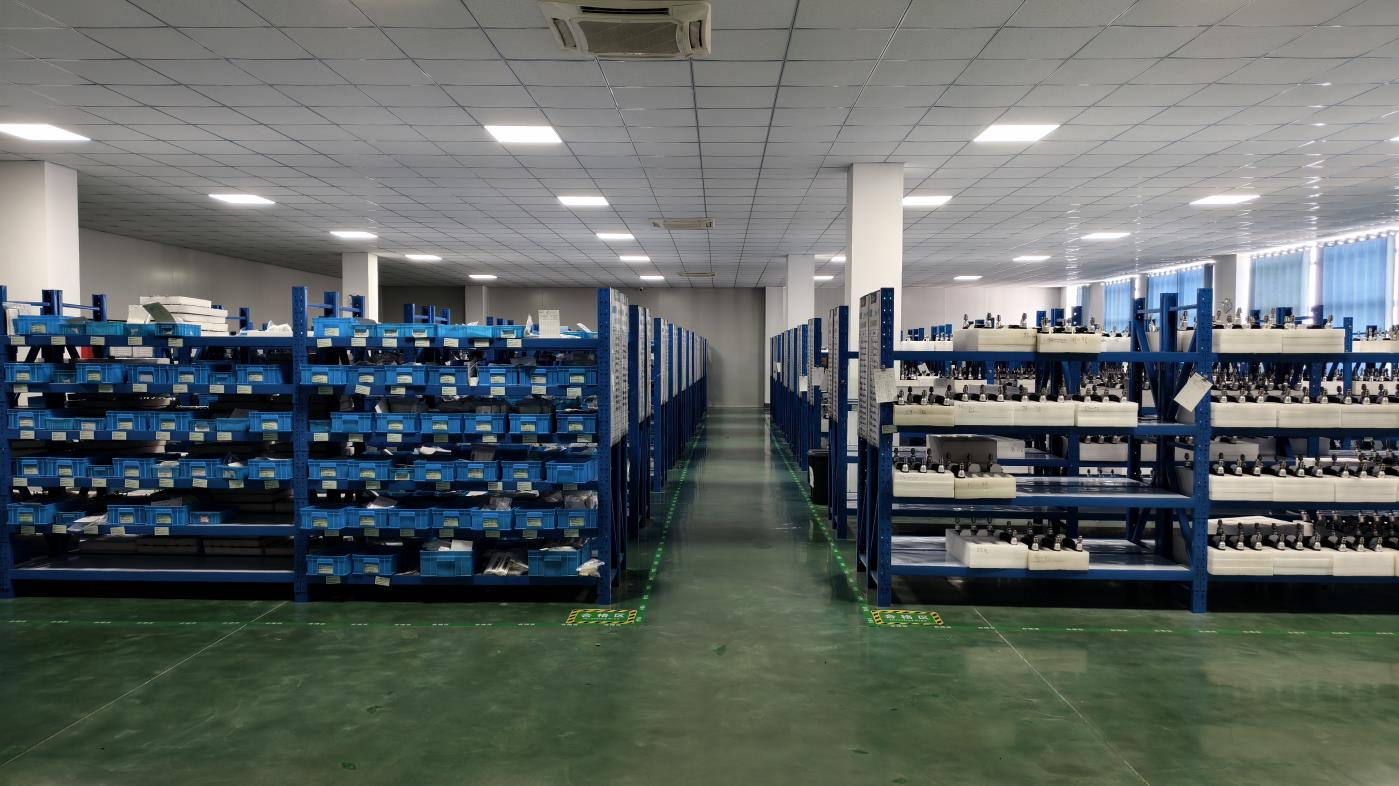
Transparency and engineering precision verified through modern R&D and QA processes.
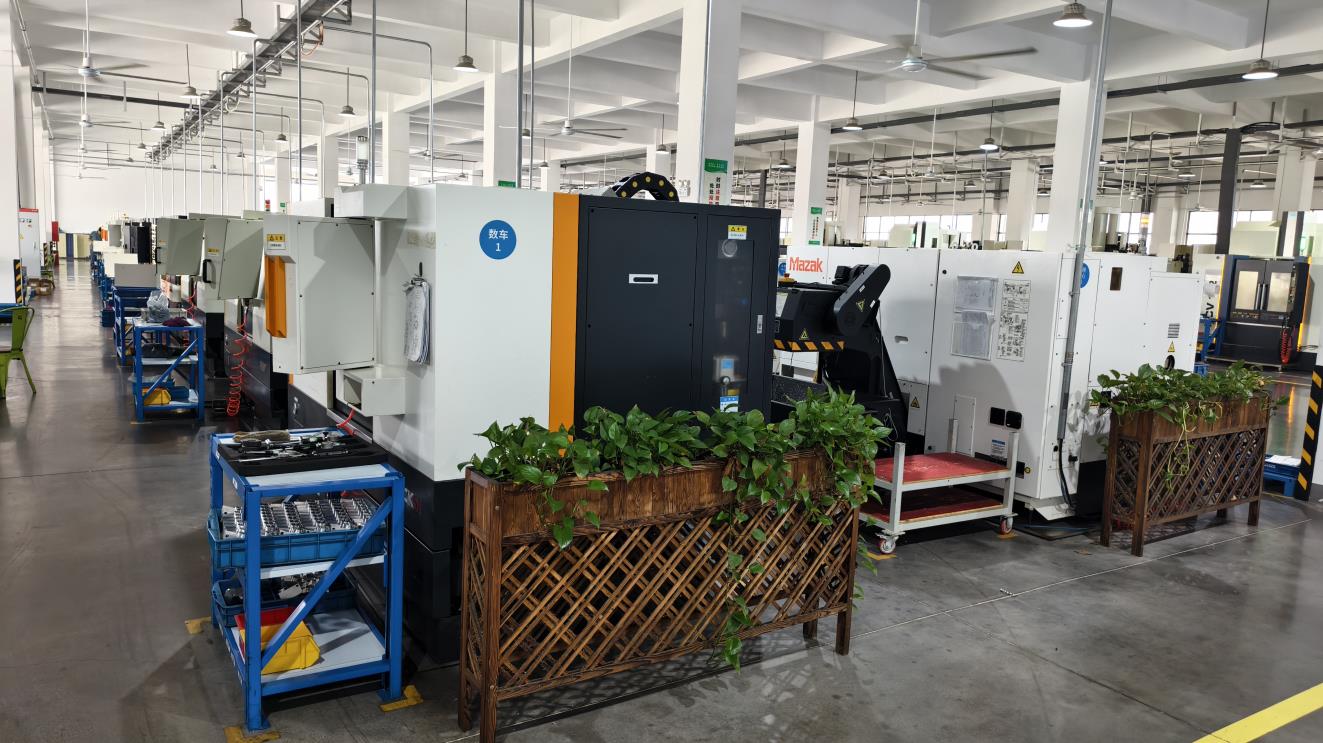
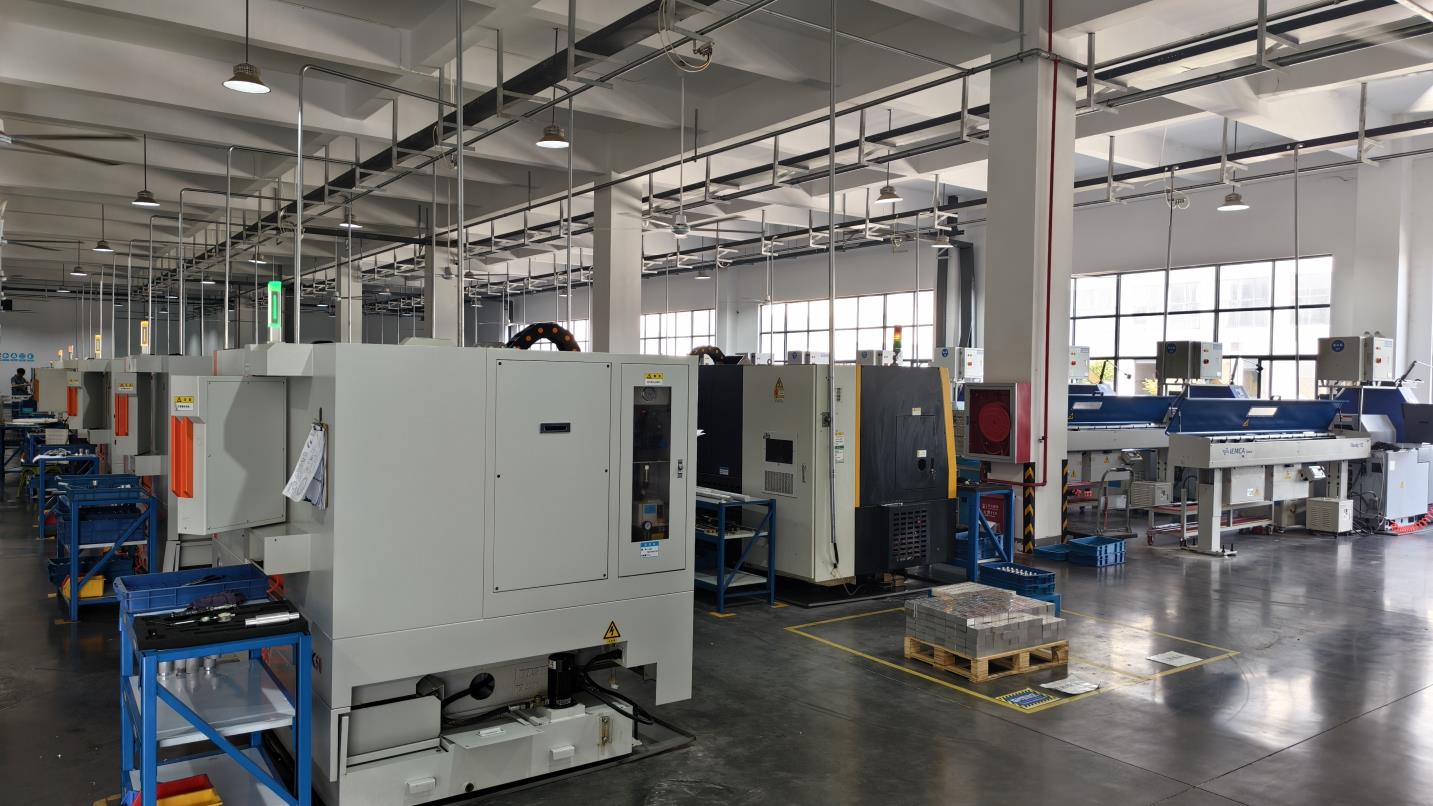
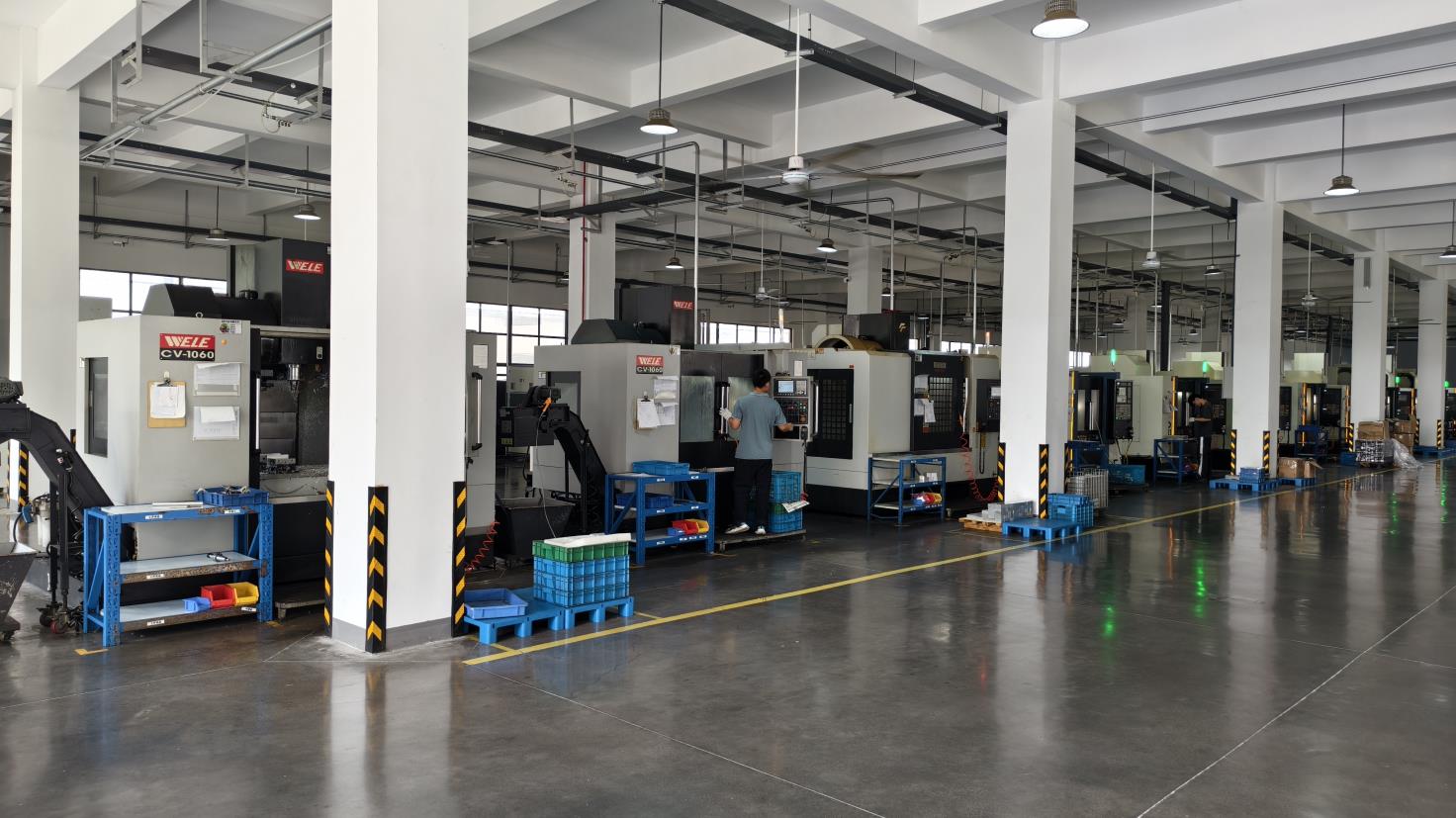
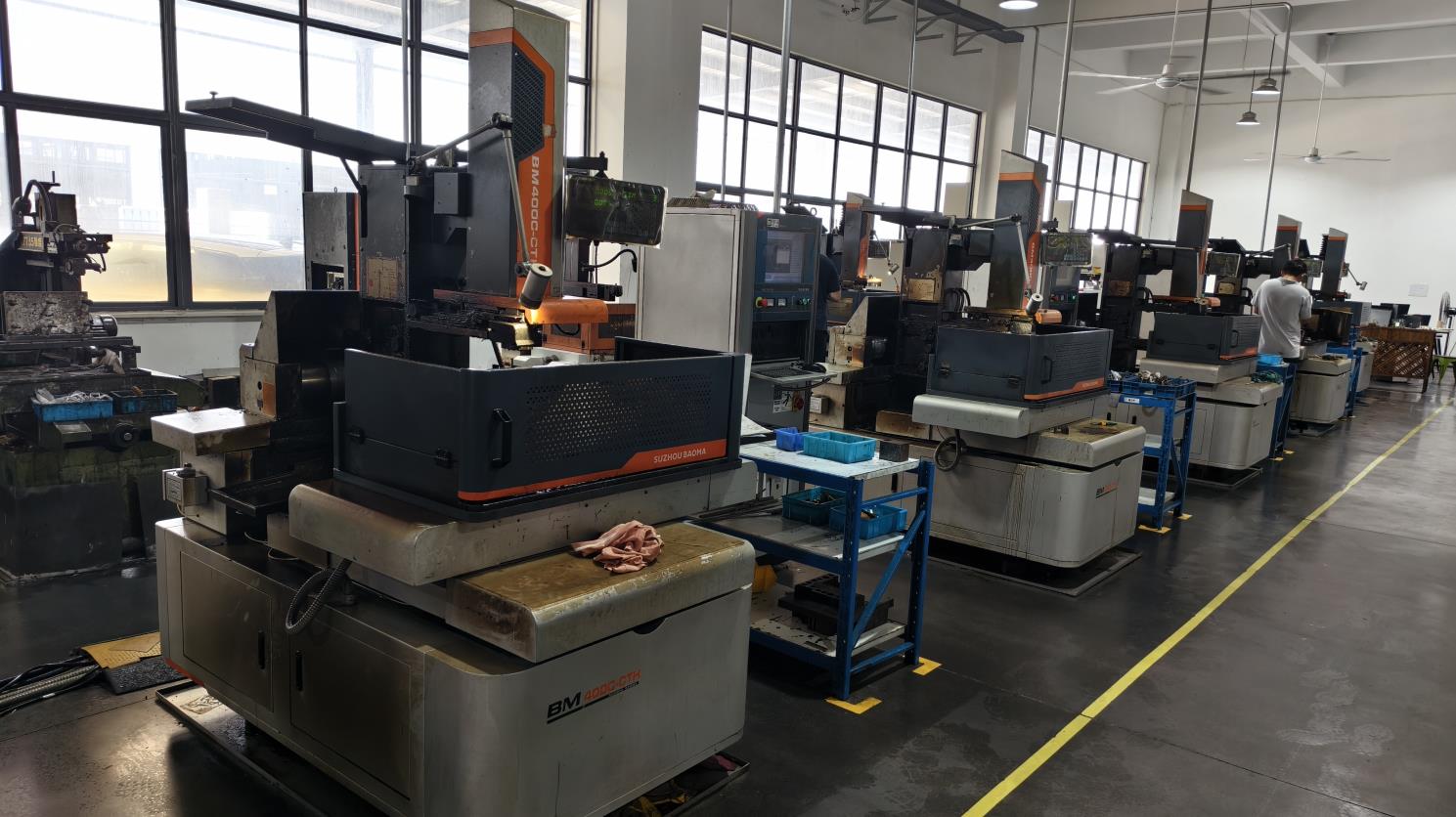
Our fabrication spaces are integrated with high-speed precision wire electrical discharge machining (EDM) equipment, vertical CNC machining centers, and micro-welding stations. Because medical bone knives, surgical scissors, and delicate files require perfect cutting margins, our quality protocol verifies geometry, tension, and hardness across every manufacturing run.
Before shipment, instruments undergo an aggressive passivation process to build the micro-thin, chromium-rich oxide layer that shields the stainless steel from high-temperature saline environments and frequent sterilization cycles. Standard procedures include autoclave cycle validation, corrosion testing, and tensile strength checks for torque-sensitive components.
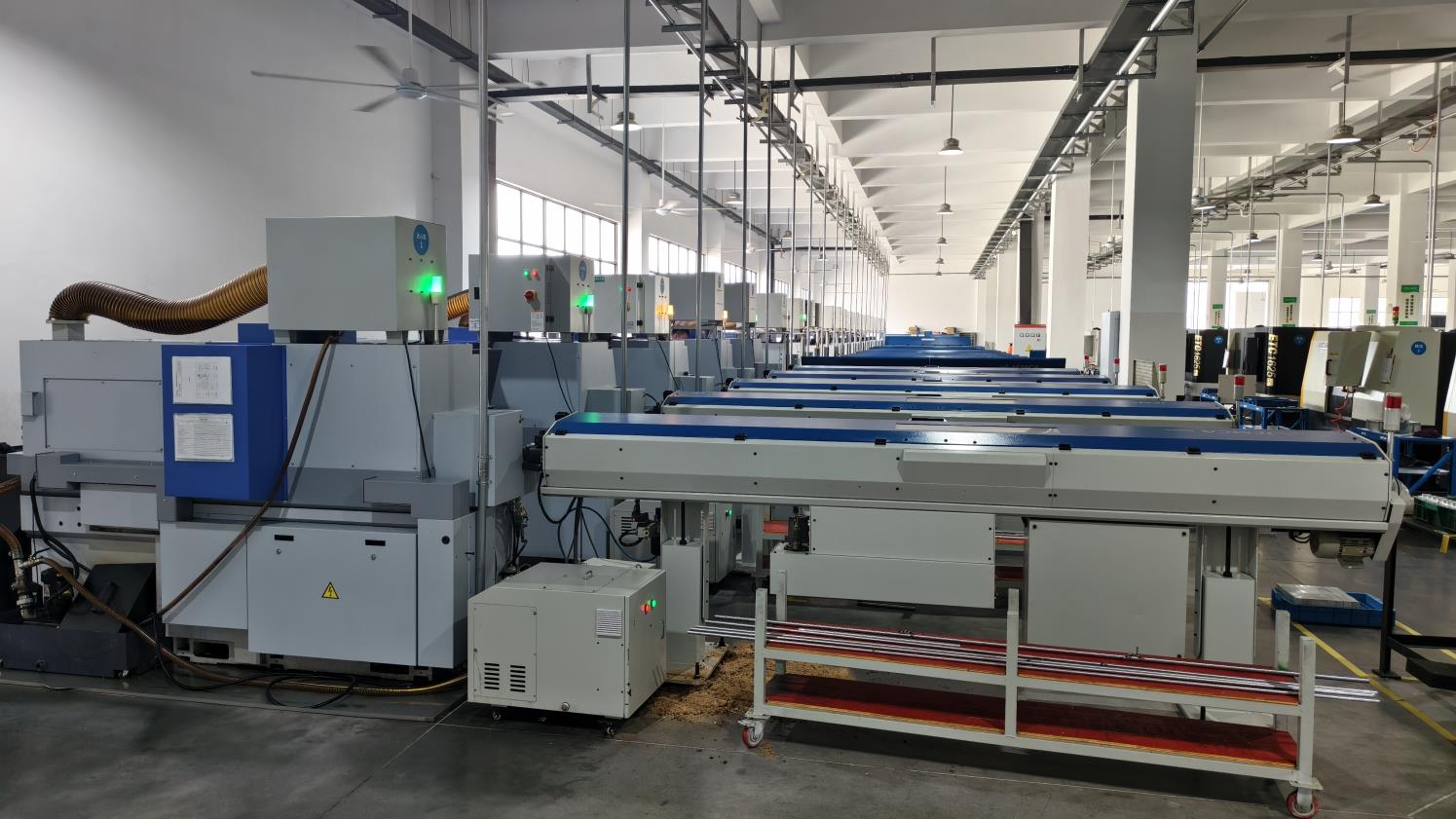
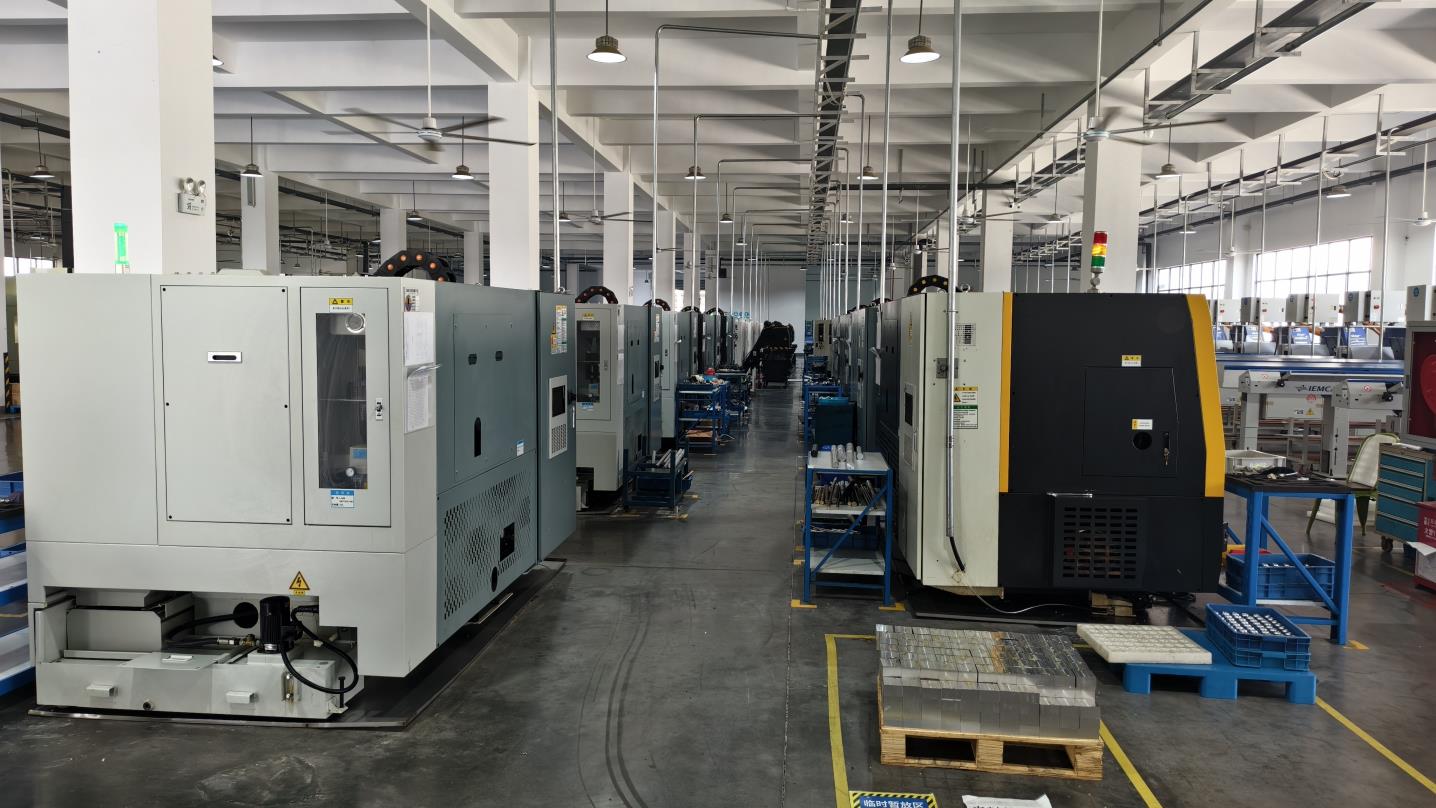
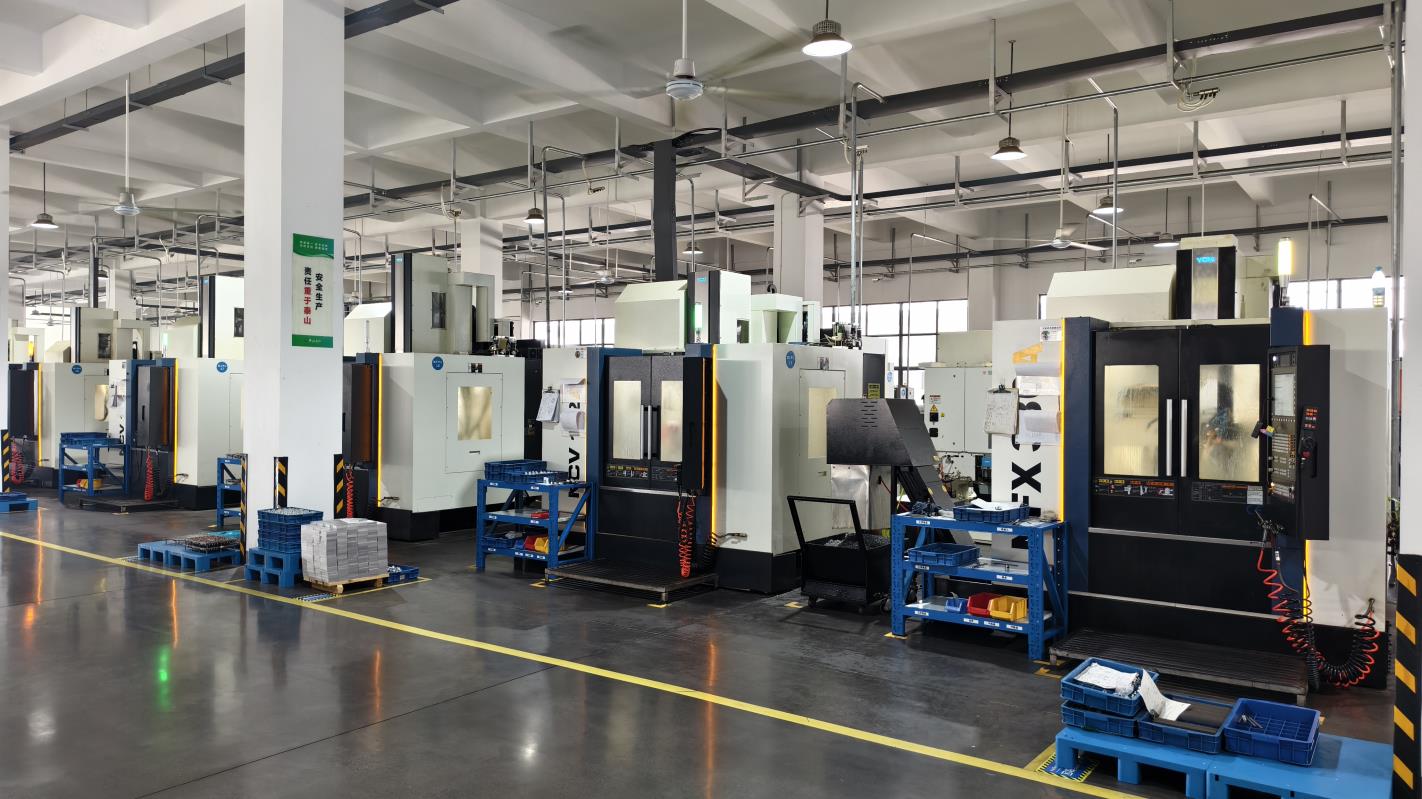
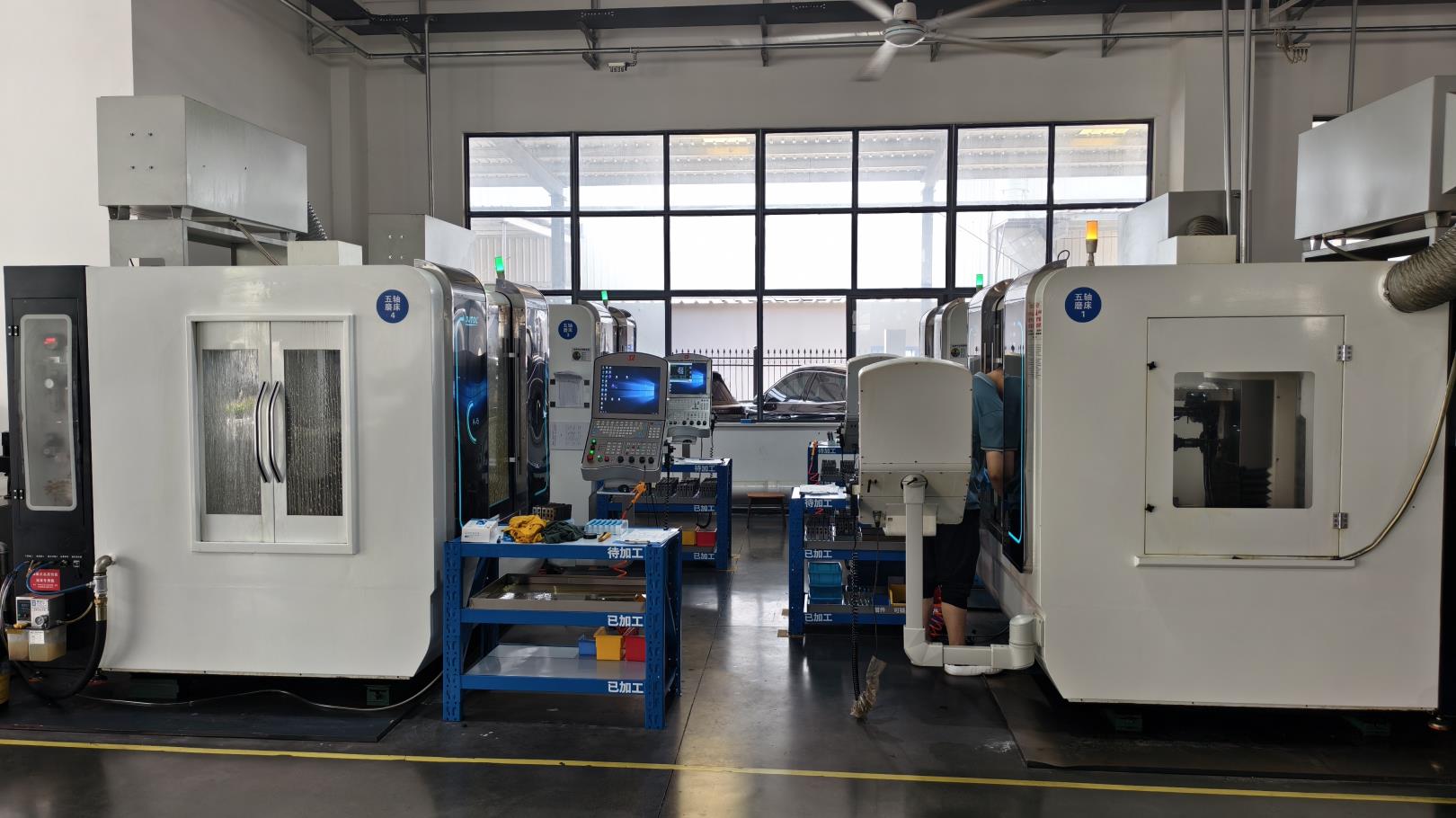
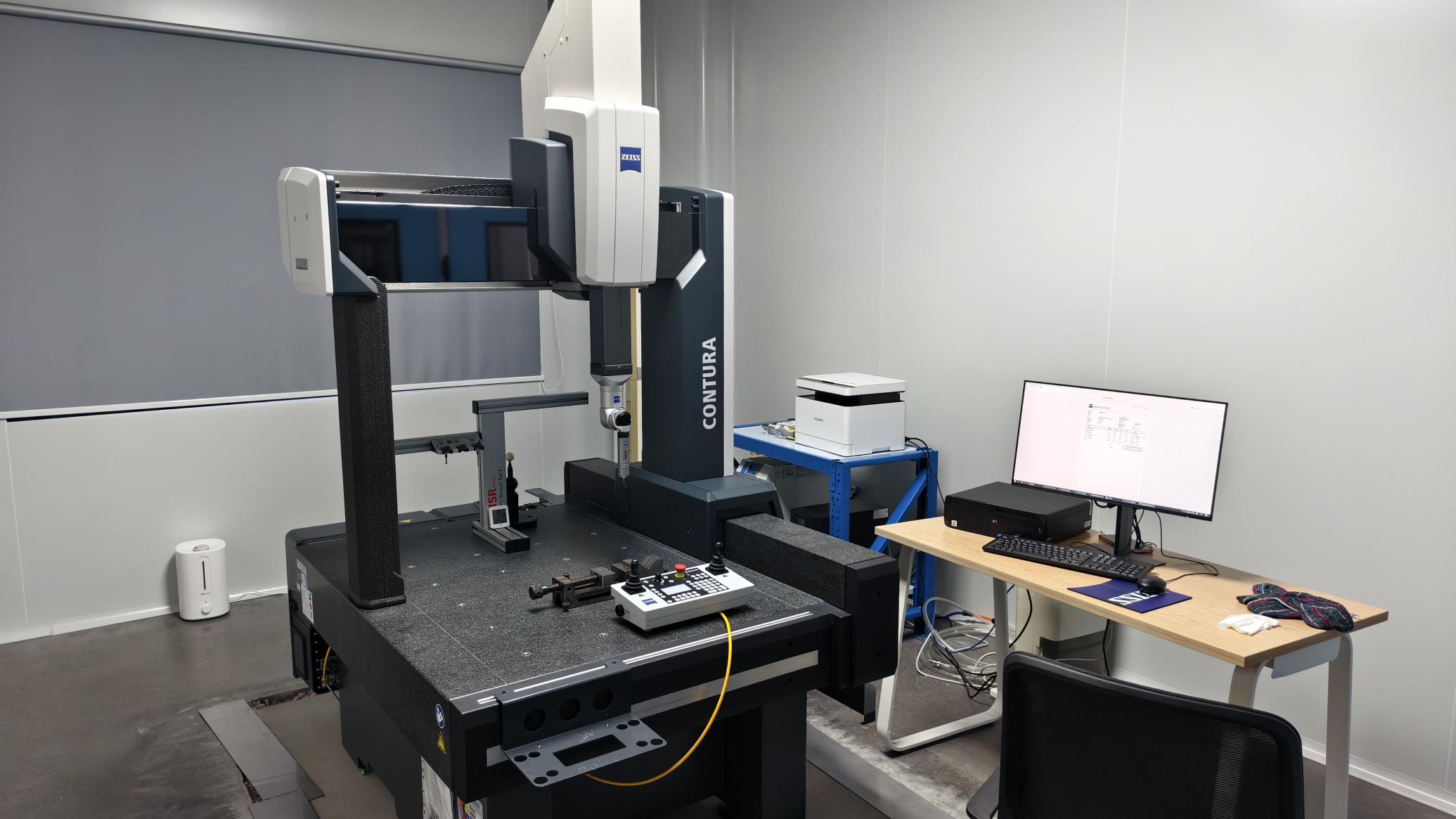
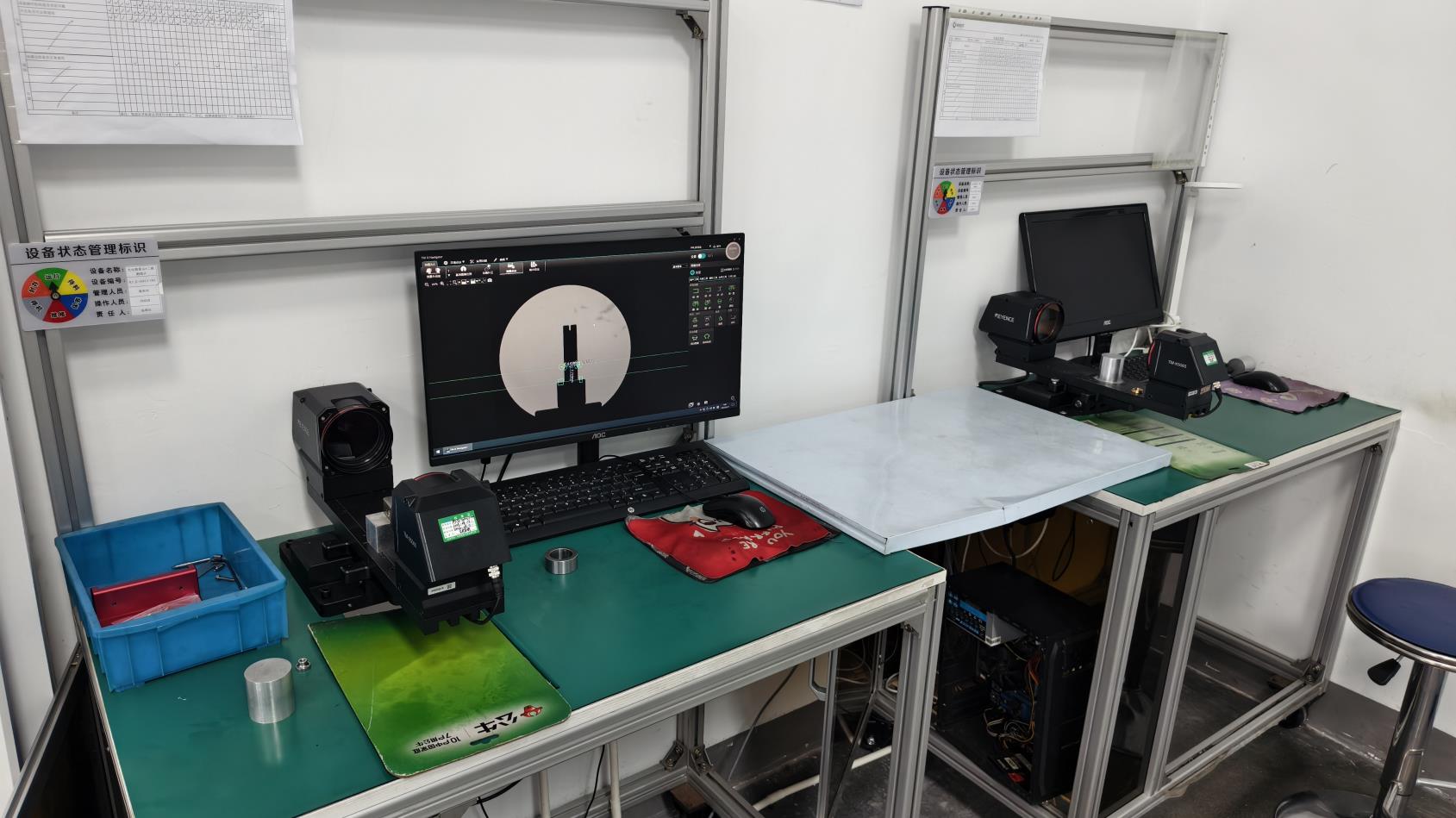
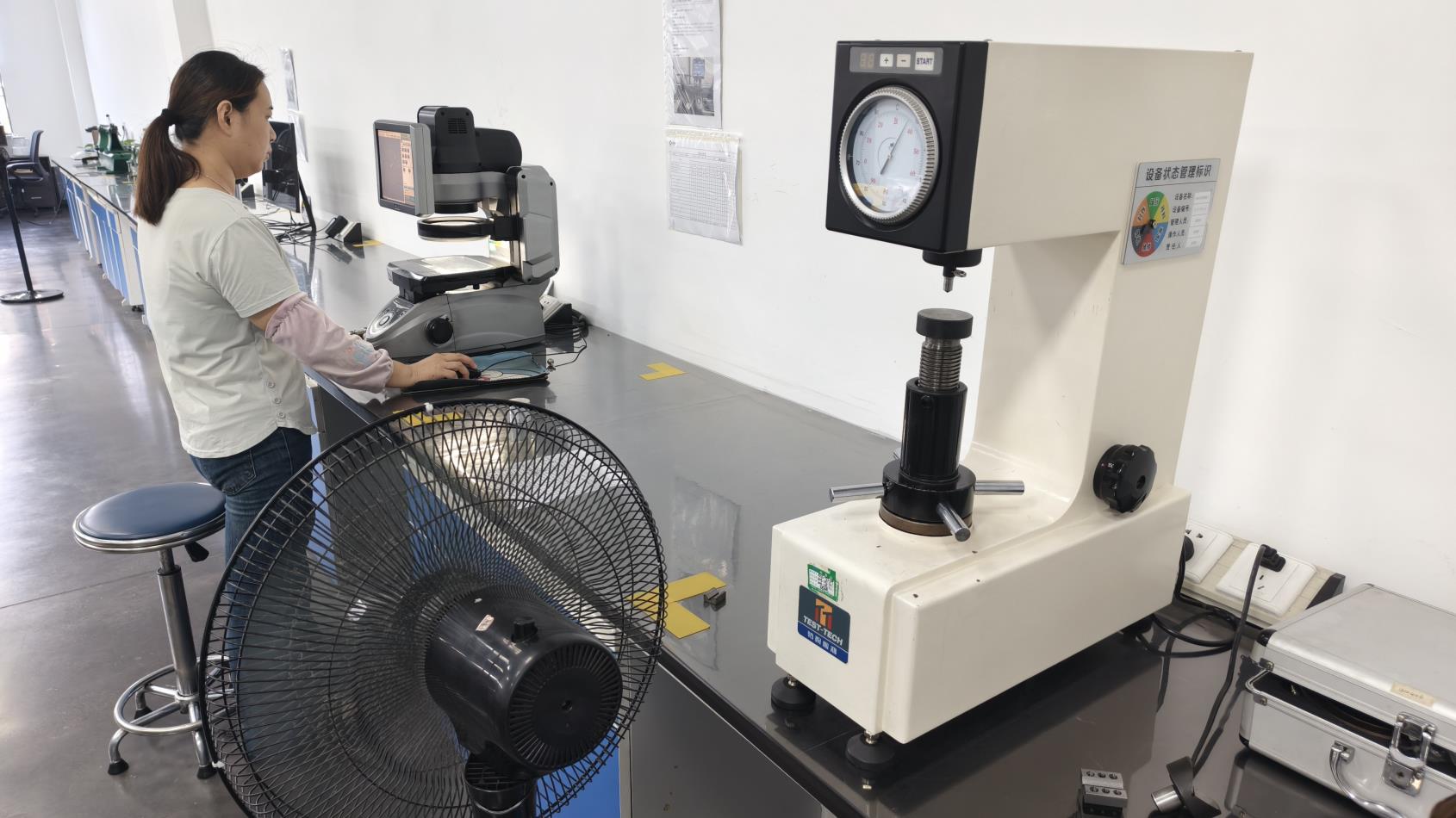
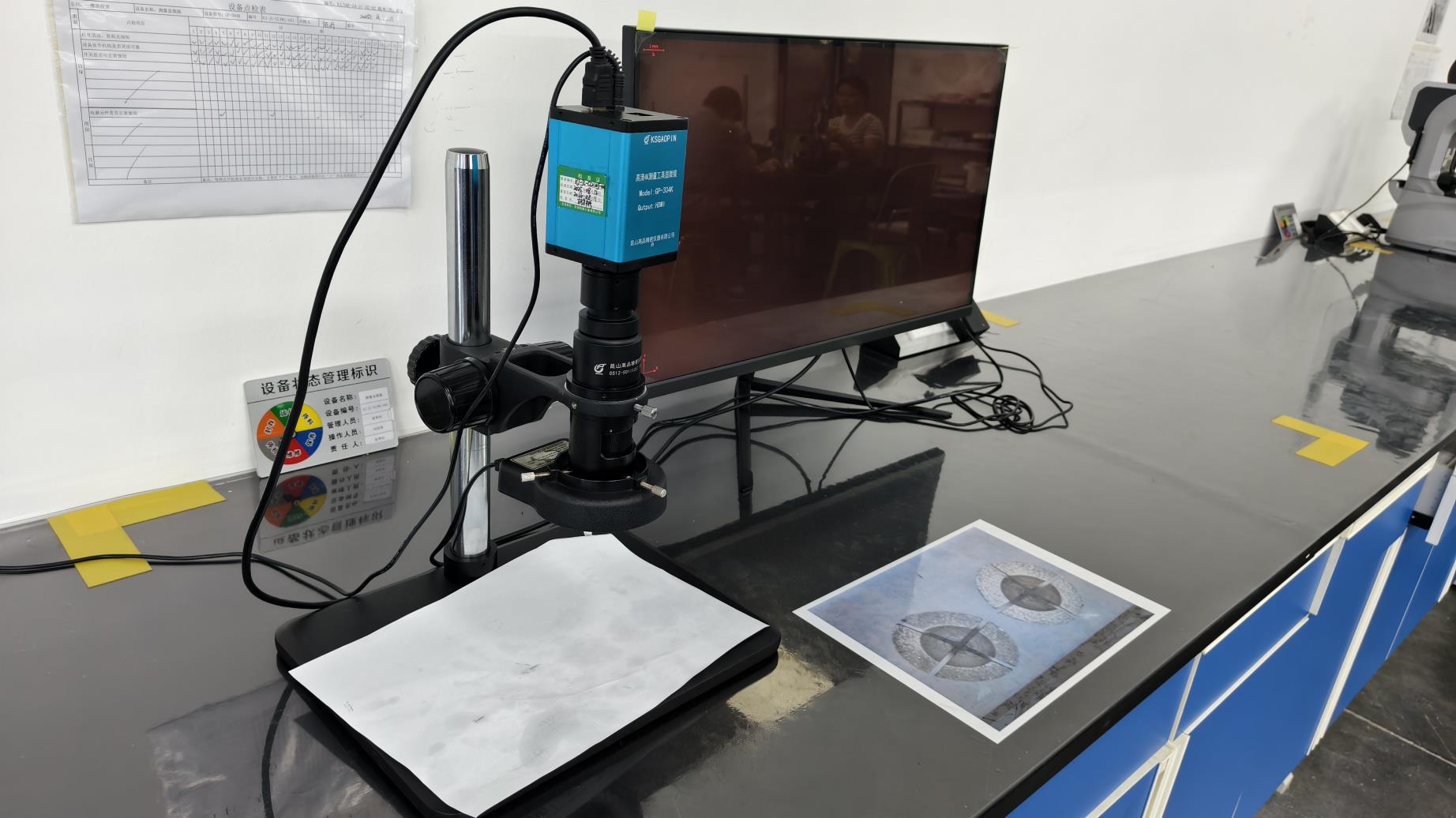
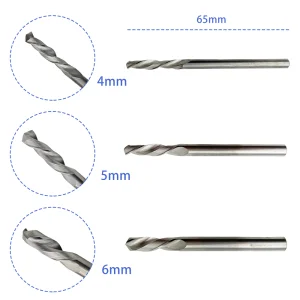
A comprehensive selection of surgical instruments designed to meet precise mechanical specifications.
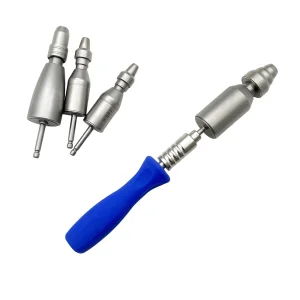
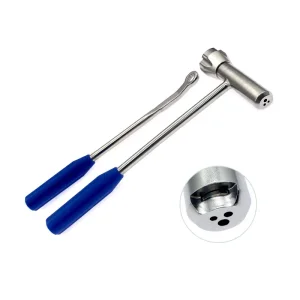
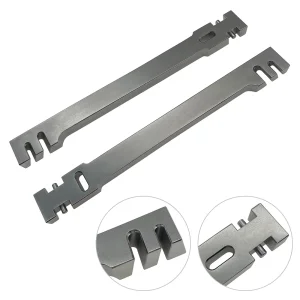
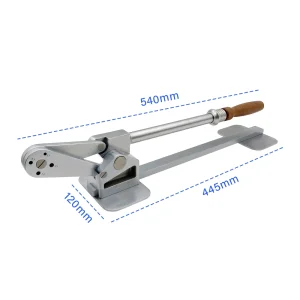
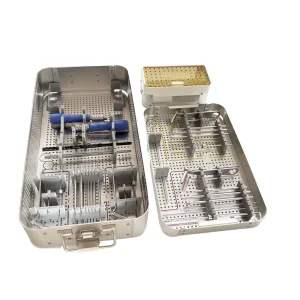
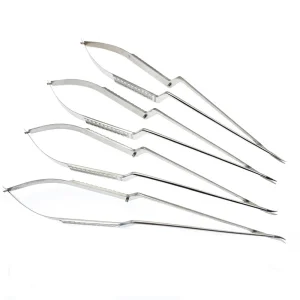
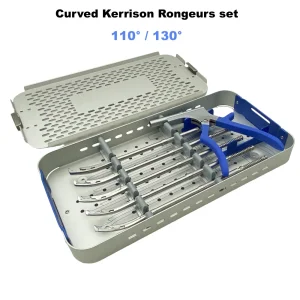
Evaluating the lifecycle value of orthopedic instrumentation in hospital environments.
Surgical instruments are subject to extreme mechanical and thermal stress in modern clinical workflows. The frequent transition between cutting dense cortical bone, exposure to physiological saline, and thermal shock during high-temperature autoclave serialization cycles (typically 134°C at 2.1 bar) leads to micro-pitting, surface oxidation, and rapid dulling of non-optimized steel.
Our instruments mitigate these risks through advanced passivation technology and precision metallurgical treatments. We supply comprehensive documentation detailing the corrosion-resistance profile of our instruments, ensuring compliance with both local hospital guidelines and global regulatory standards.
For large-scale procurement entities in Muharraq and across the GCC, establishing a reliable supply pipeline requires careful evaluation of manufacturing capabilities. Key steps to verify when sourcing include:
Addressing technical questions regarding material grades, customization, and regional distribution for the Muharraq healthcare market.
Our cutting instruments (such as micro scissors and bone saws) are forged using martensitic stainless steels (typically ASTM 420J2 or 440C), which provide high hardness and wear resistance to keep sharp cutting edges. For non-cutting instruments, retractors, and torque limiters, we use austenitic 316L stainless steel, known for its superior resistance to physiological corrosion and chemical agents during sterilizing processes.
All surgical instruments are designed and passivated to withstand repeated steam autoclaving cycles at 134°C (273.2°F). Our surgical power tools, including electric bone drills and oscillating saws, are built with high-quality seals and heat-resistant components that prevent moisture ingress and mechanical failure during standard medical decontamination cycles.
Yes. Our in-house R&D and engineering teams specialize in custom tooling. We can modify tool dimensions, surface finishes, joint mechanisms, and handles. We support detailed graphic processing, sample-based replication, and custom prototyping to meet specific surgeon requests or clinical trial requirements.
For components like manual torque adapters and limiter handles, every production lot undergoes mechanical testing on calibration rigs to verify release thresholds. Torque limits are measured in Newton-meters (Nm) to verify compliance within ±5% of specified tolerances, reducing the risk of screw shearing during surgery.
Standard catalog items are processed and shipped within 15 to 30 days depending on order size. Custom OEM runs requiring specialized molds or custom dimensions usually take 45 to 60 days. All shipments are accompanied by detailed custom clearances, Certificate of Conformity, and material traceability sheets for regulatory compliance.