 SENJIE Healthy & Technology
SENJIE Healthy & Technology
SENJIE Healthy & Technology
Premium grade cutting & tissue management tools configured for advanced surgical procedures.
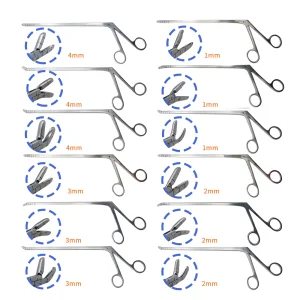
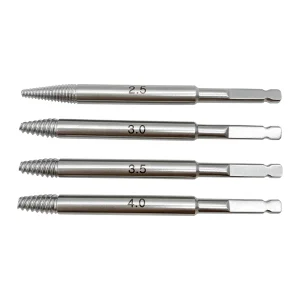
A technical overview of bone cutters, oscillating saws, surgical files, and knives in modern orthopedic interventions.
Bone knives and osteotomes are engineered for high impact and structural cleavage. Standard procedures demand raw material integrity that resists fracturing under mechanical pressure. Made from tempered AISI 420 stainless steel, our knives feature an edge geometry calculated to minimize bone splitting while ensuring rapid osteotomy margins.
Surgical files require fine mechanical teeth configurations to perform osteoplasty and smoothen sharp bone edges without generating localized heat. Micro-abrasive grain distribution avoids thermal necrosis during continuous bone modeling, which is vital for quick osseointegration of prosthetics in total joint replacements.
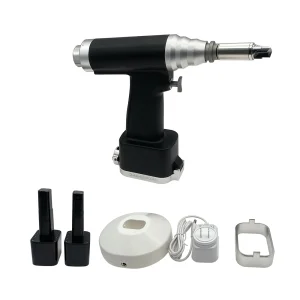
Motorized trauma saw systems require specialized blades with precise set angles to execute straight osteotomies. Oscillating frequencies between 12,000 to 15,000 CPM require rigorous vibration-resistant coupling hubs. Hub structures are CNC machined to prevent lateral drift during transverse bone resectioning.
In orthopedic biomechanics, the quality of surgical cutting tools directly correlates with patient recovery times. Substandard blades or worn osteotomy knives cause micro-fractures in surrounding trabecular bone, delaying healing and increasing infection risk. Incorporating medical-grade chromium and carbon levels in the steel formulation guarantees long-lasting edge retention and superior corrosion resistance under repeated autoclave sterilization cycles (typically at 134°C for 5-18 minutes at 2.1 bar).
Gitarama (located in the Muhanga District of Rwanda) serves as a strategic logistic and distribution gateway for medical hardware and precision tools in the East African Community (EAC). As public and private investments expand trauma networks at regional institutions like Kabgayi Hospital, local distributors are facing shifting procurement paradigms.
Historically, medical operations in the region relied heavily on high-cost Western imports, leading to supply chain bottlenecks. By developing robust localized assembly and quality assurance networks in Gitarama, regional suppliers can bypass these delays. Local importers are transitioning from trading low-grade generic instruments to establishing technical sourcing agreements with global manufacturers to secure high-performance, FDA and CE-compliant devices.
How advanced production technology drives down manufacturing costs while raising geometric accuracy.
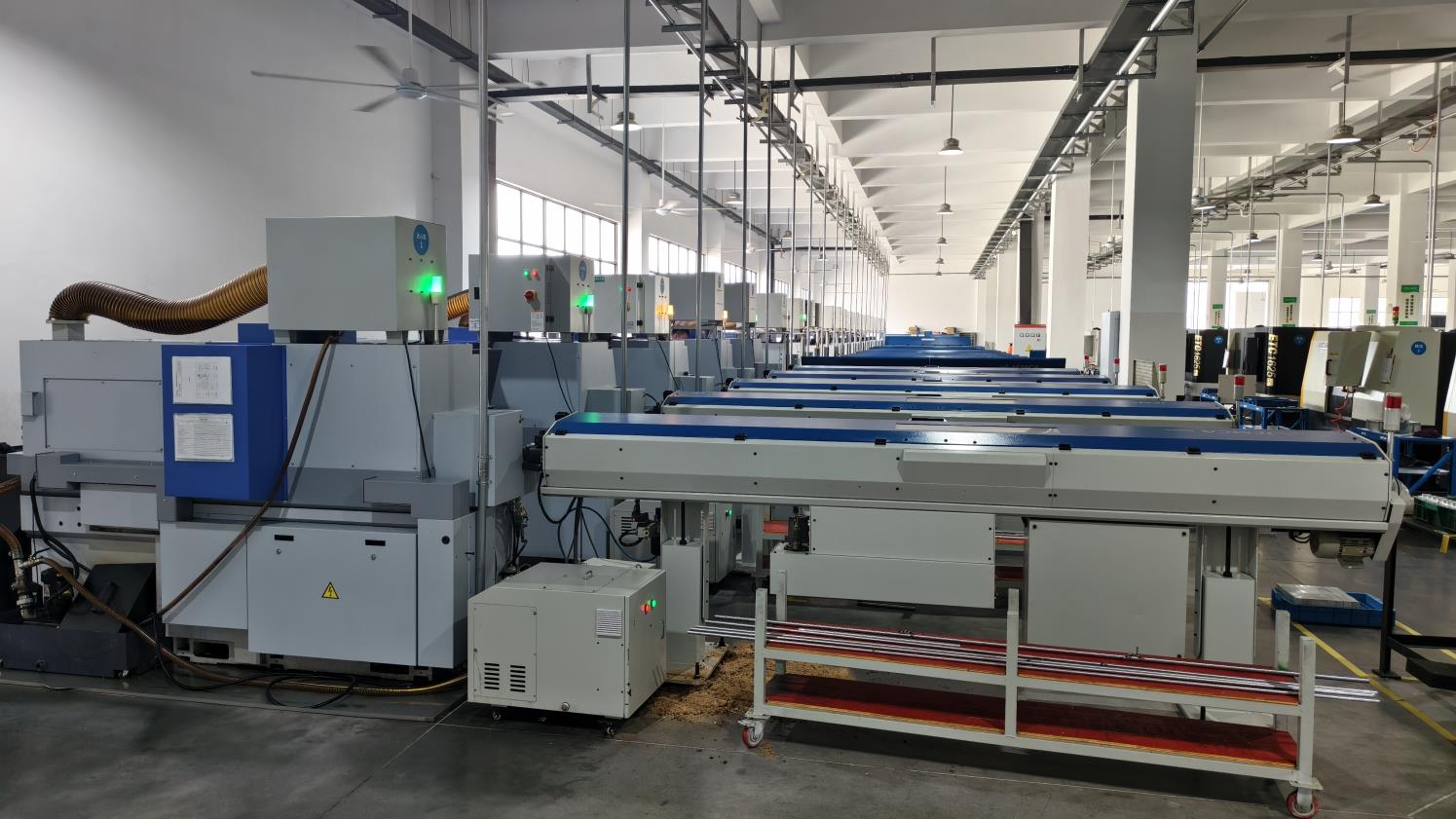
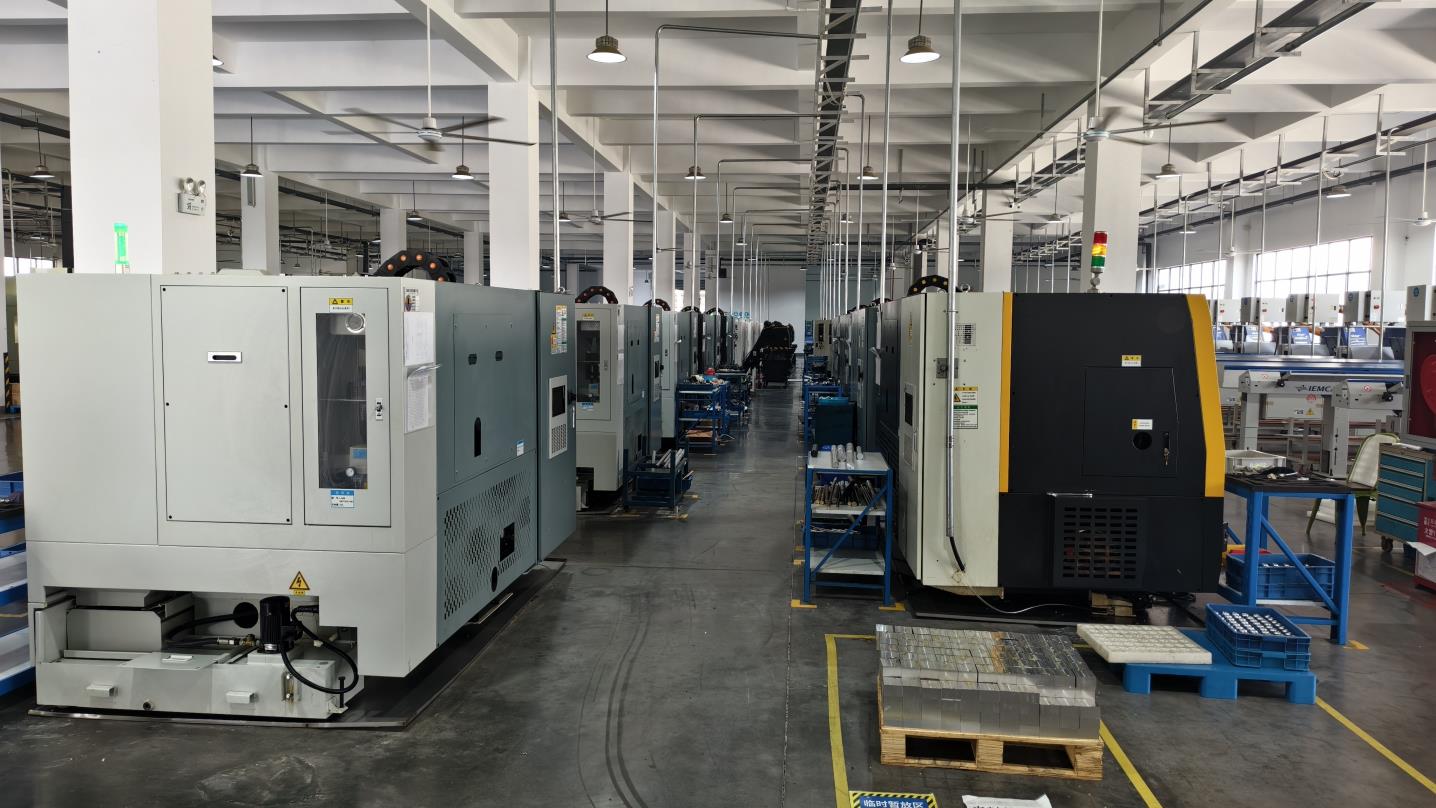
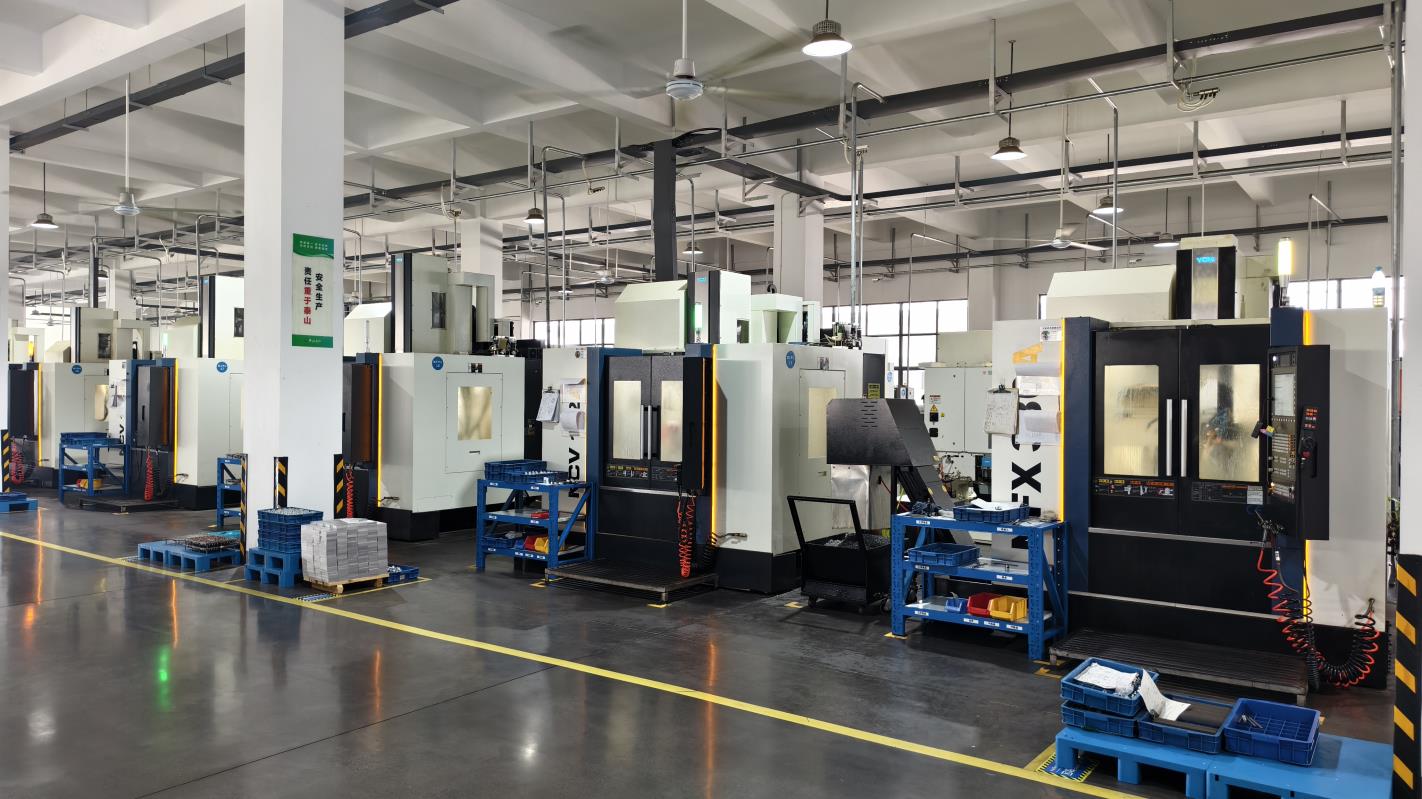
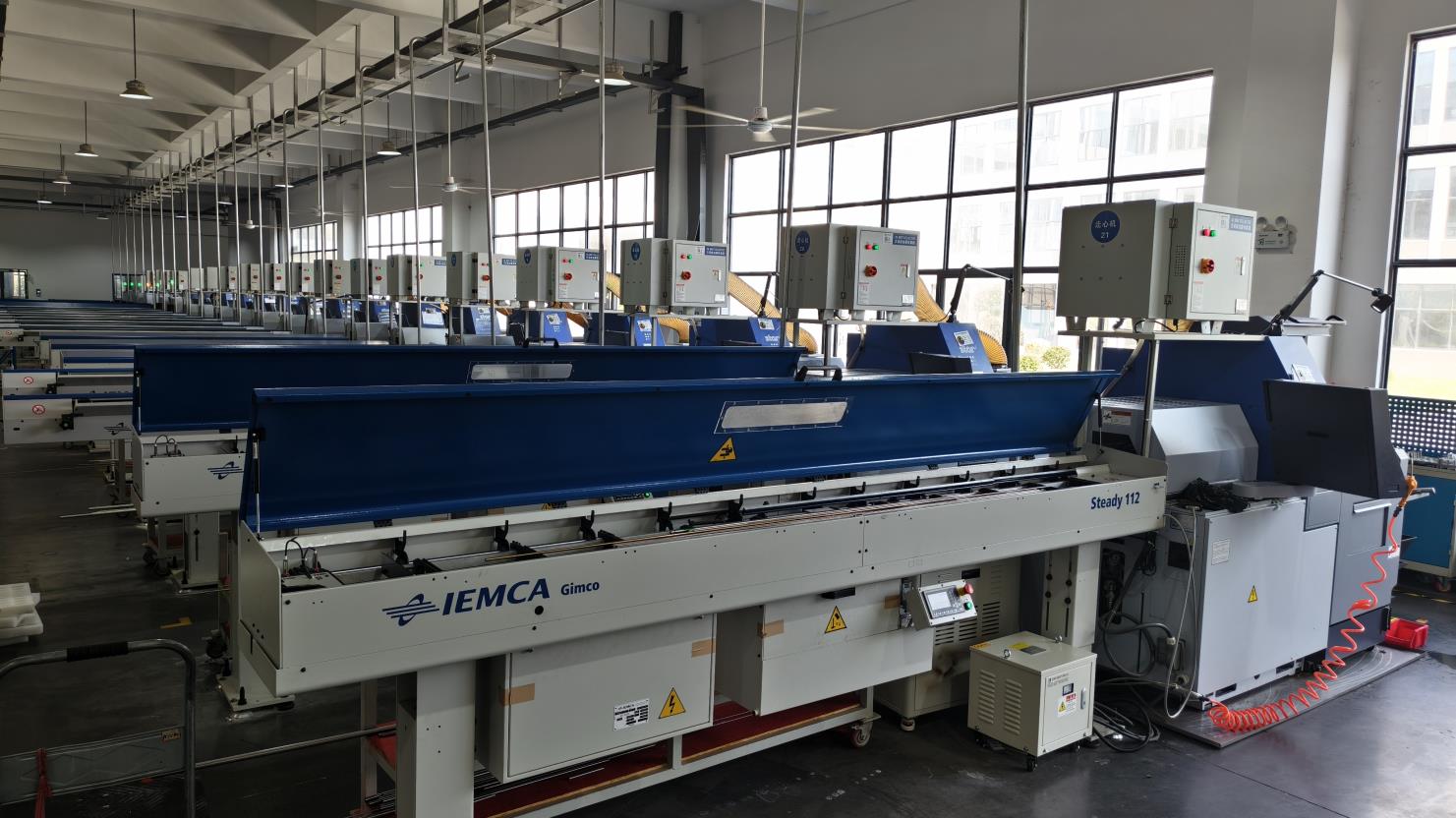
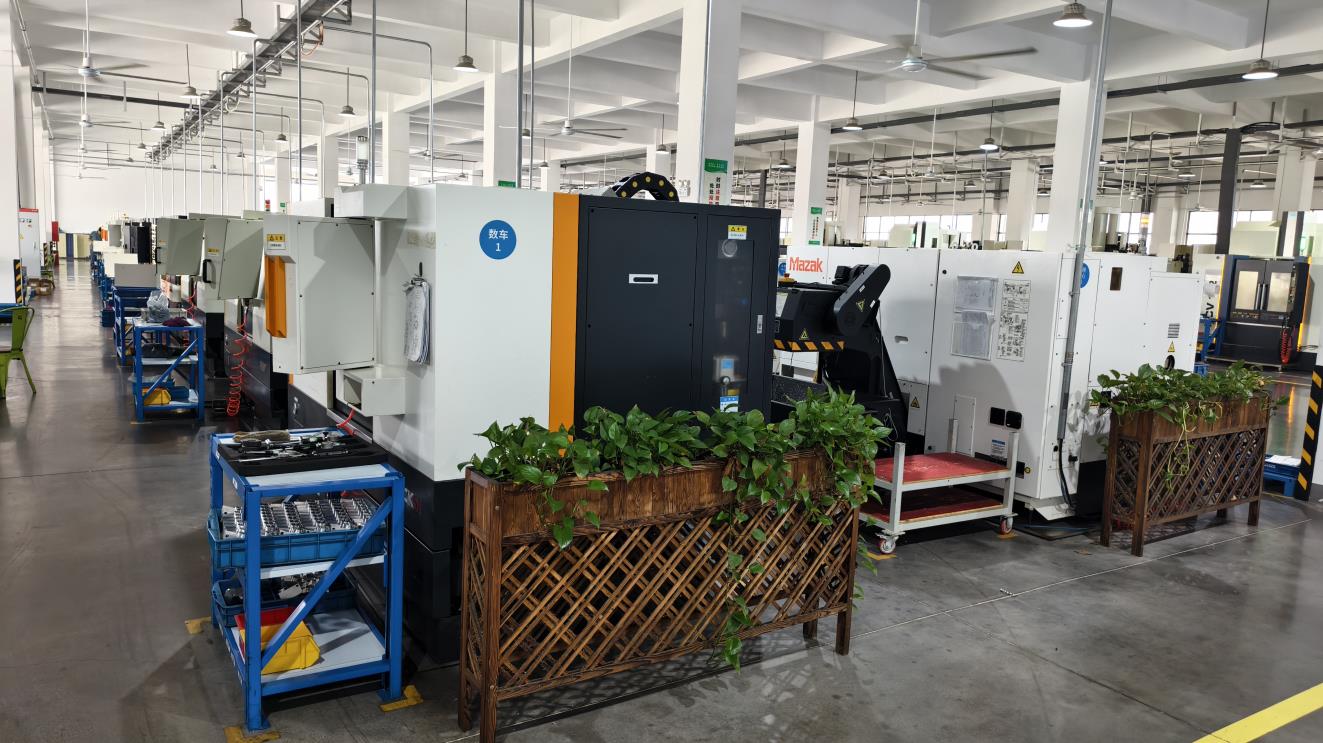
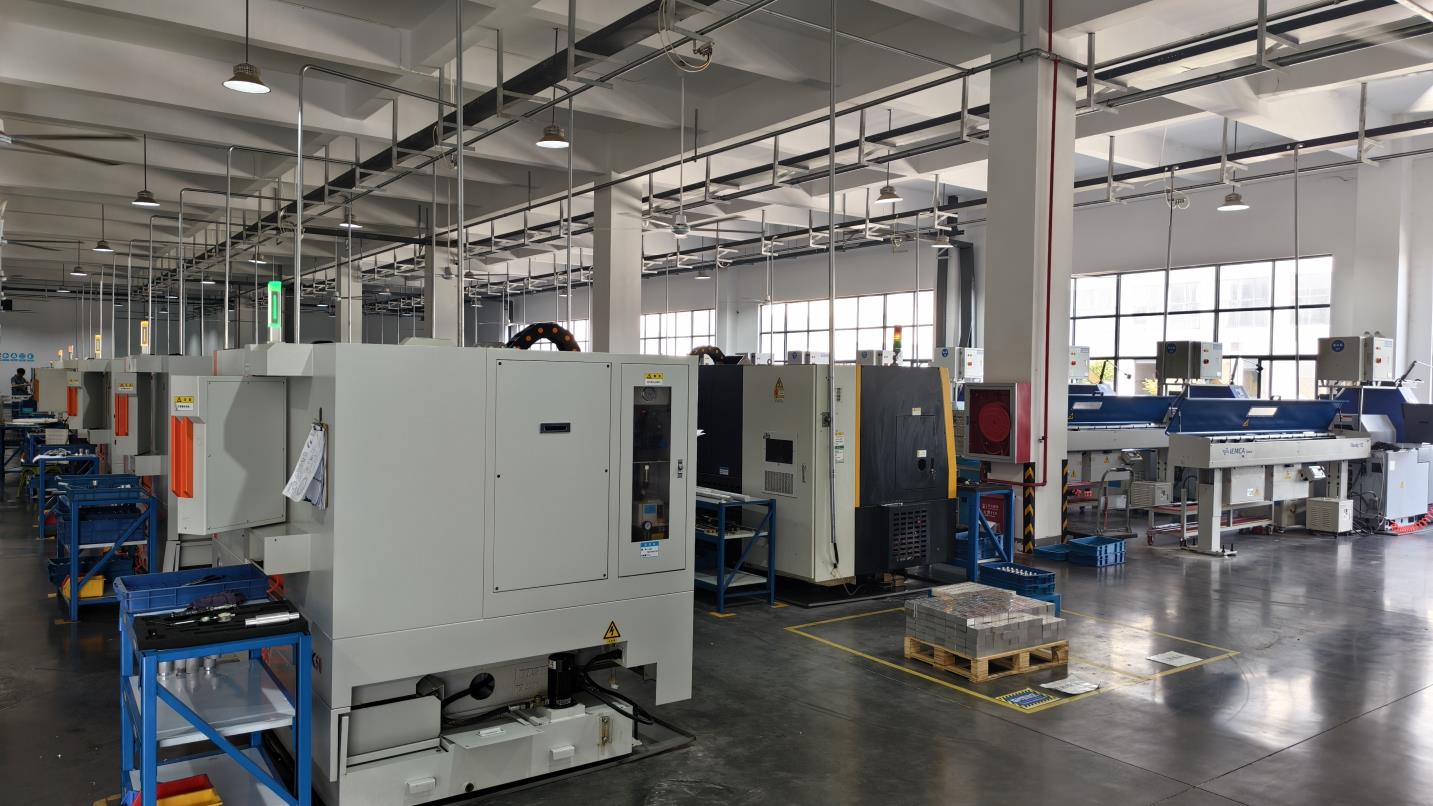
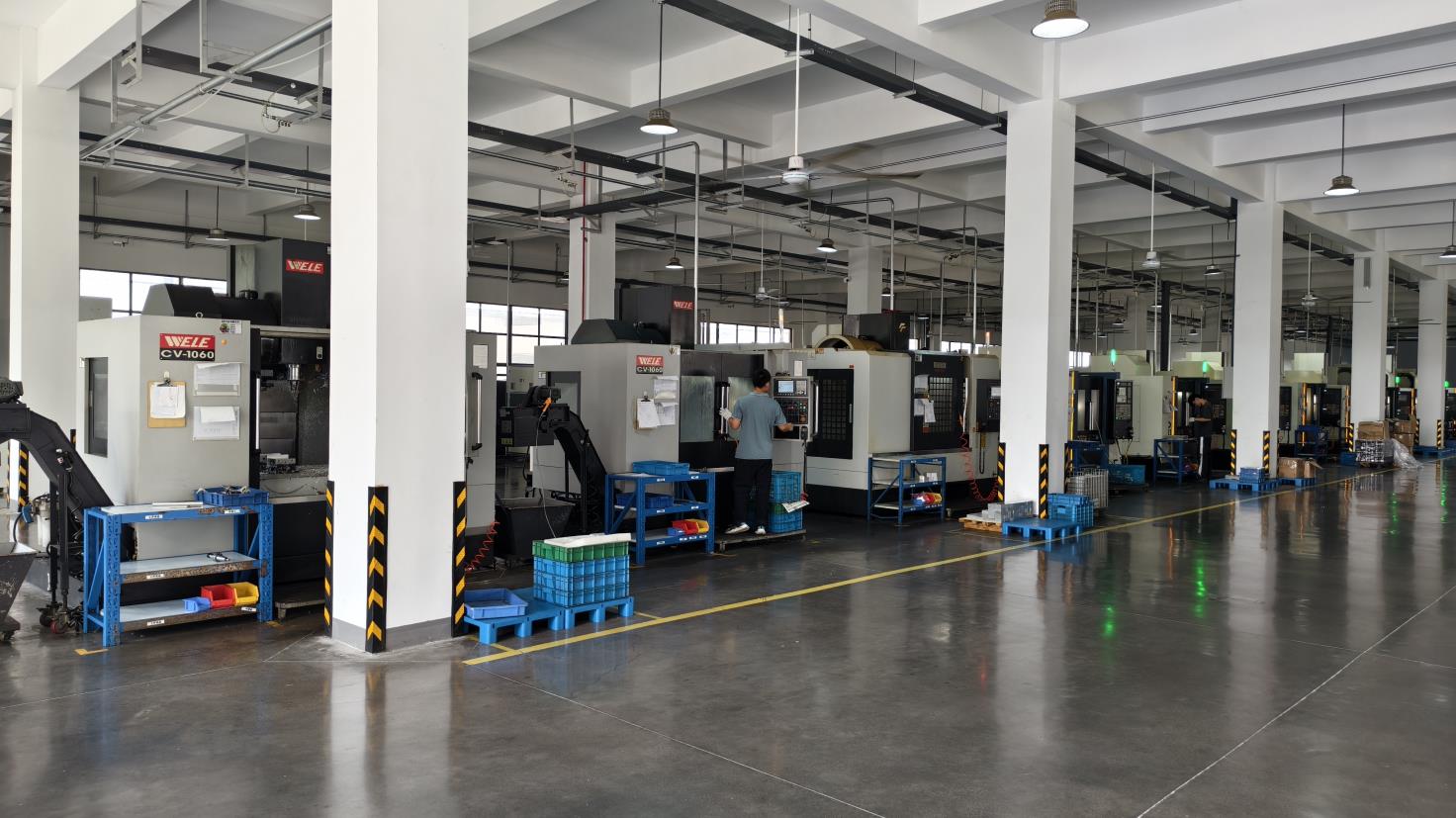
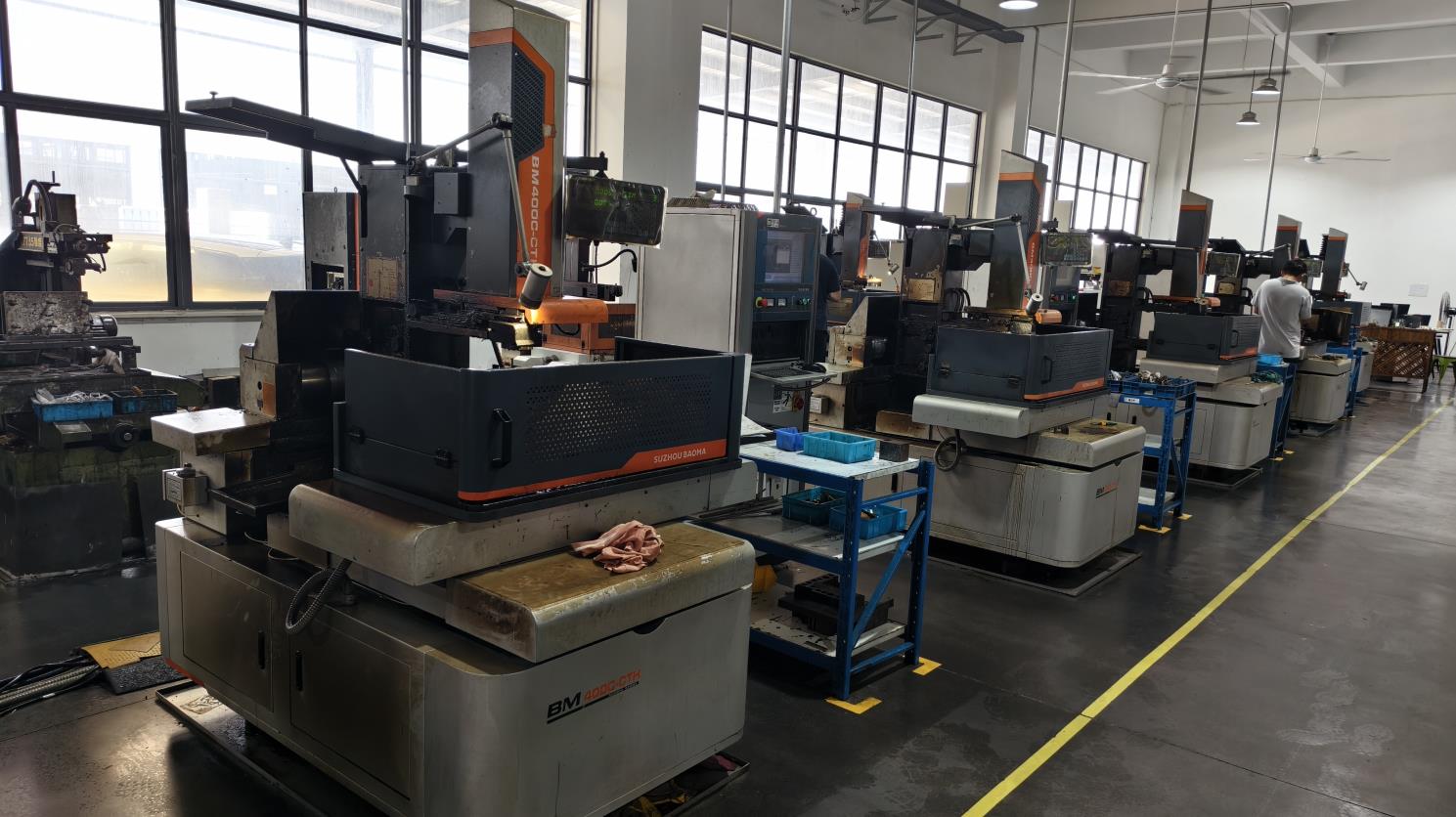
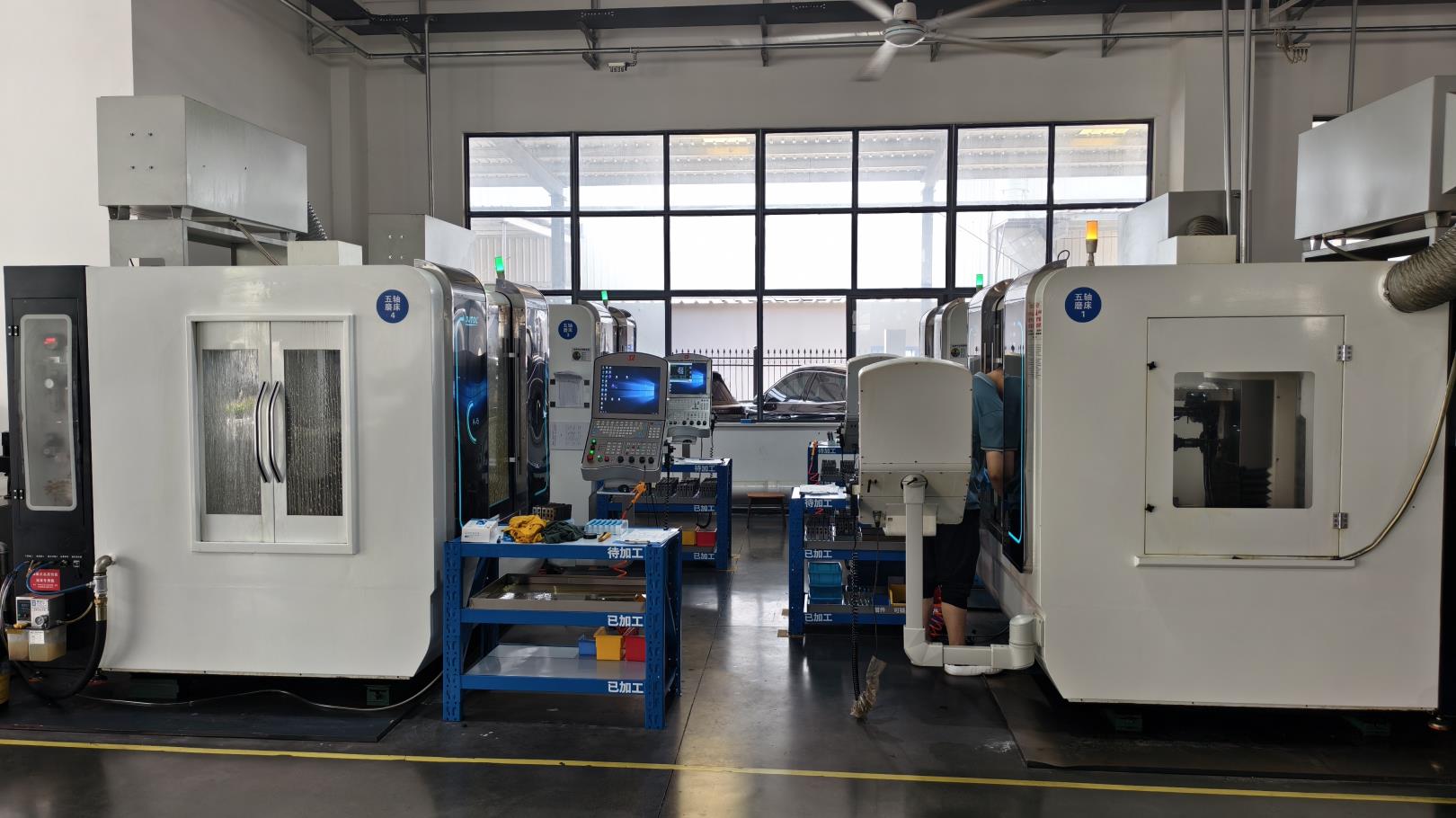
Traditional orthopaedic manufacturers in developing regions rely on mechanical drop forging and manual polishing. This process yields variations in dimensions, which can compromise surgical precision. In contrast, Chinese factories utilize multi-axis CNC machines and automated wire EDM (Electrical Discharge Machining) to produce components with dimensional tolerances within ±0.01 mm. This level of precision ensures that quick-coupling adapters and sagittal saw blades fit perfectly without play.
By consolidating processing steps—combining laser-welding, precision grinding, and electrochemical passivation on a single line—factories can significantly lower unit manufacturing costs. These savings are passed down to medical distributors in Africa, Latin America, and Southeast Asia.
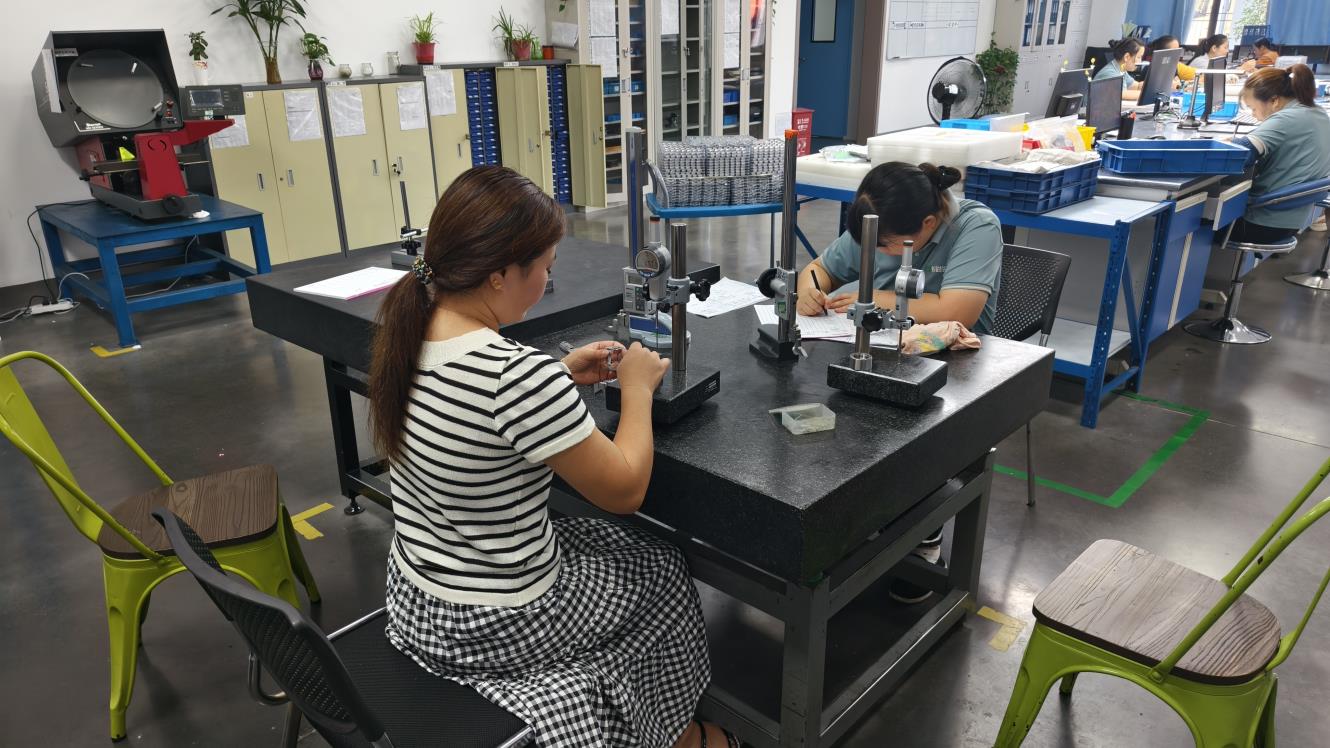
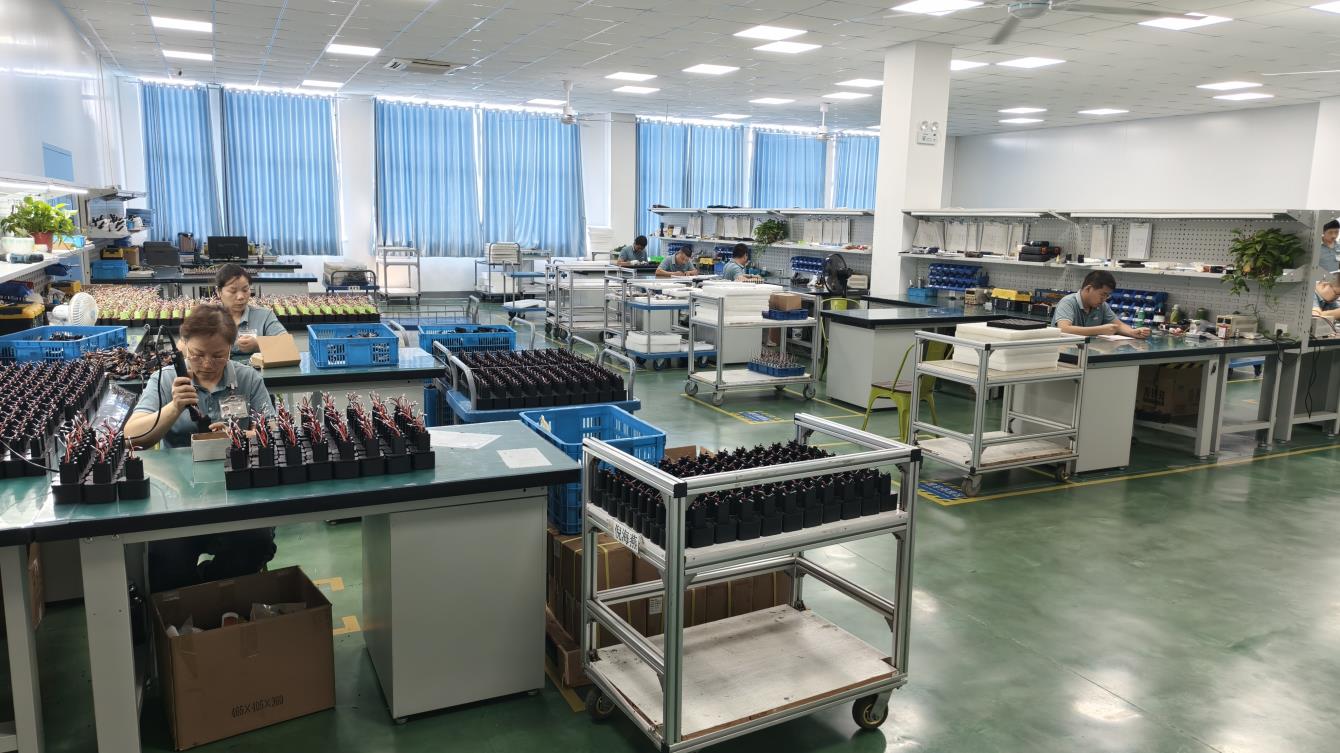
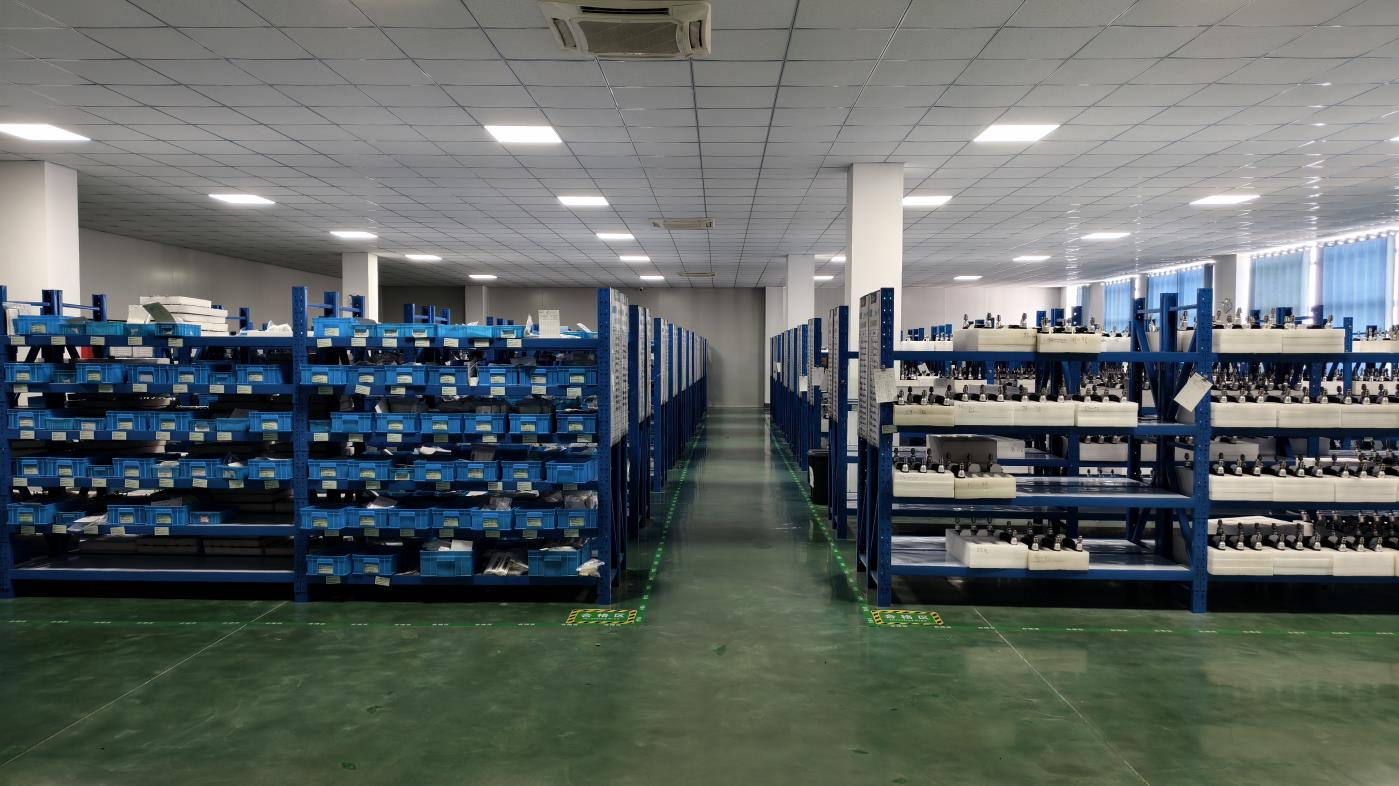
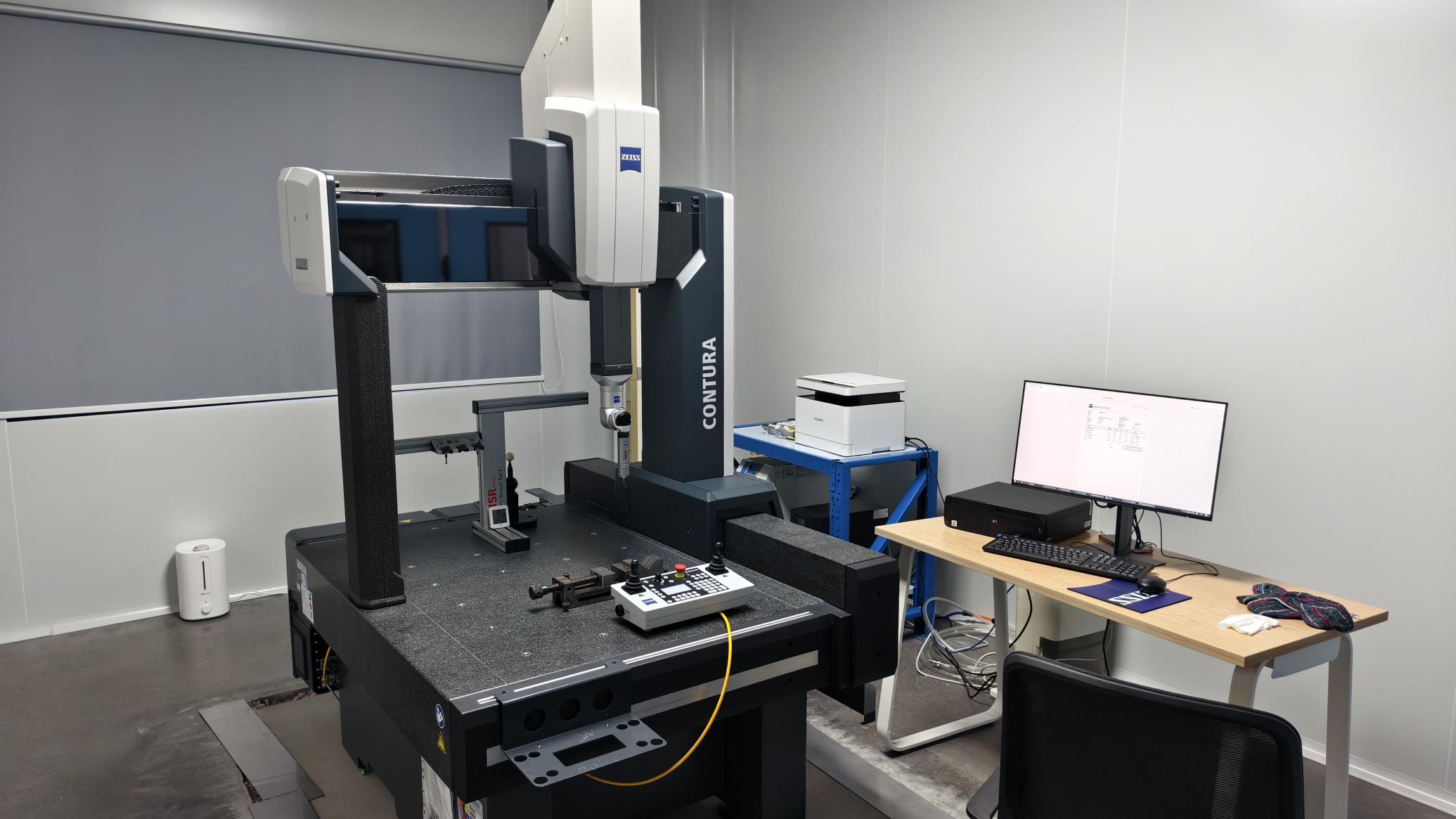
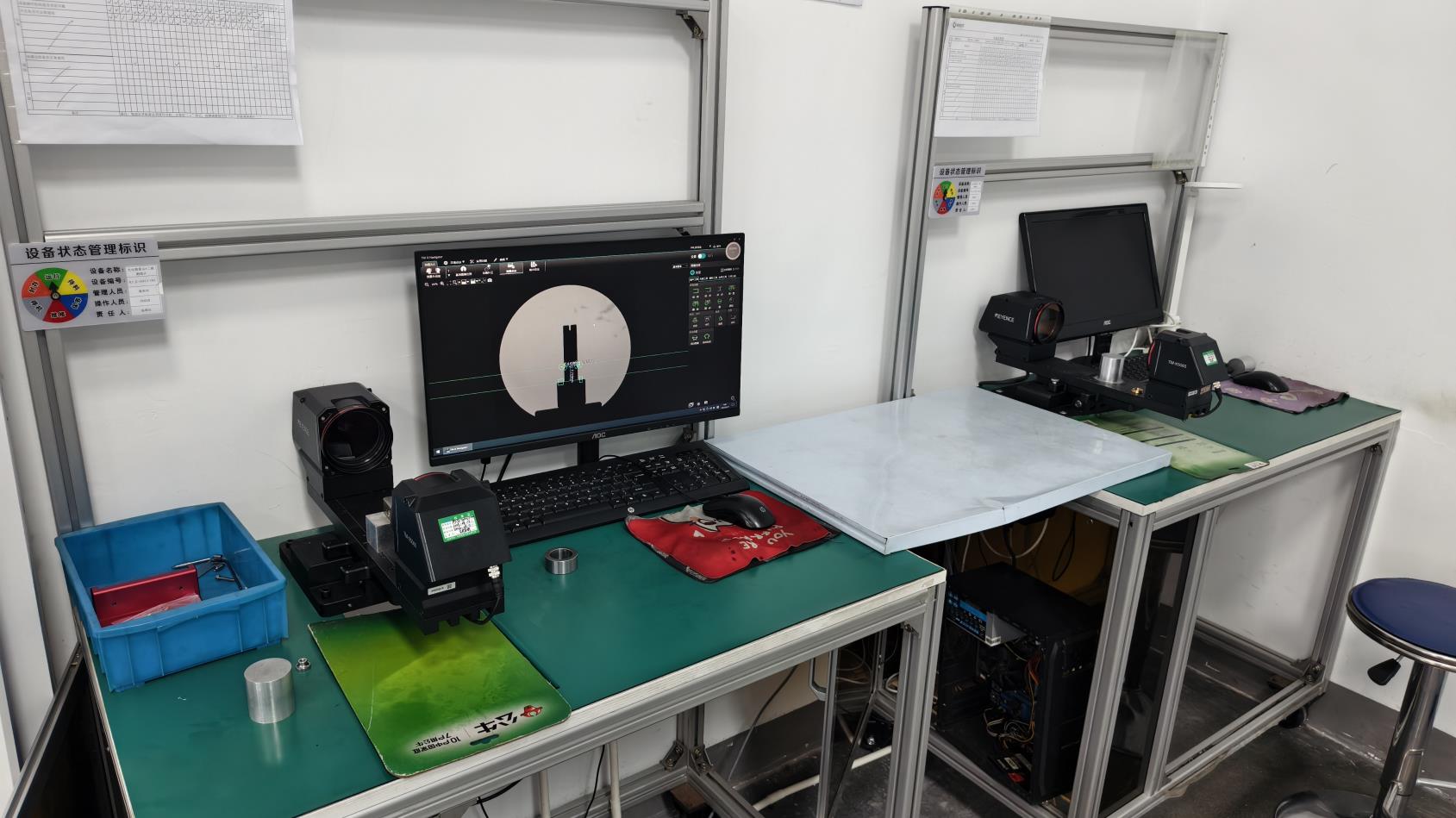
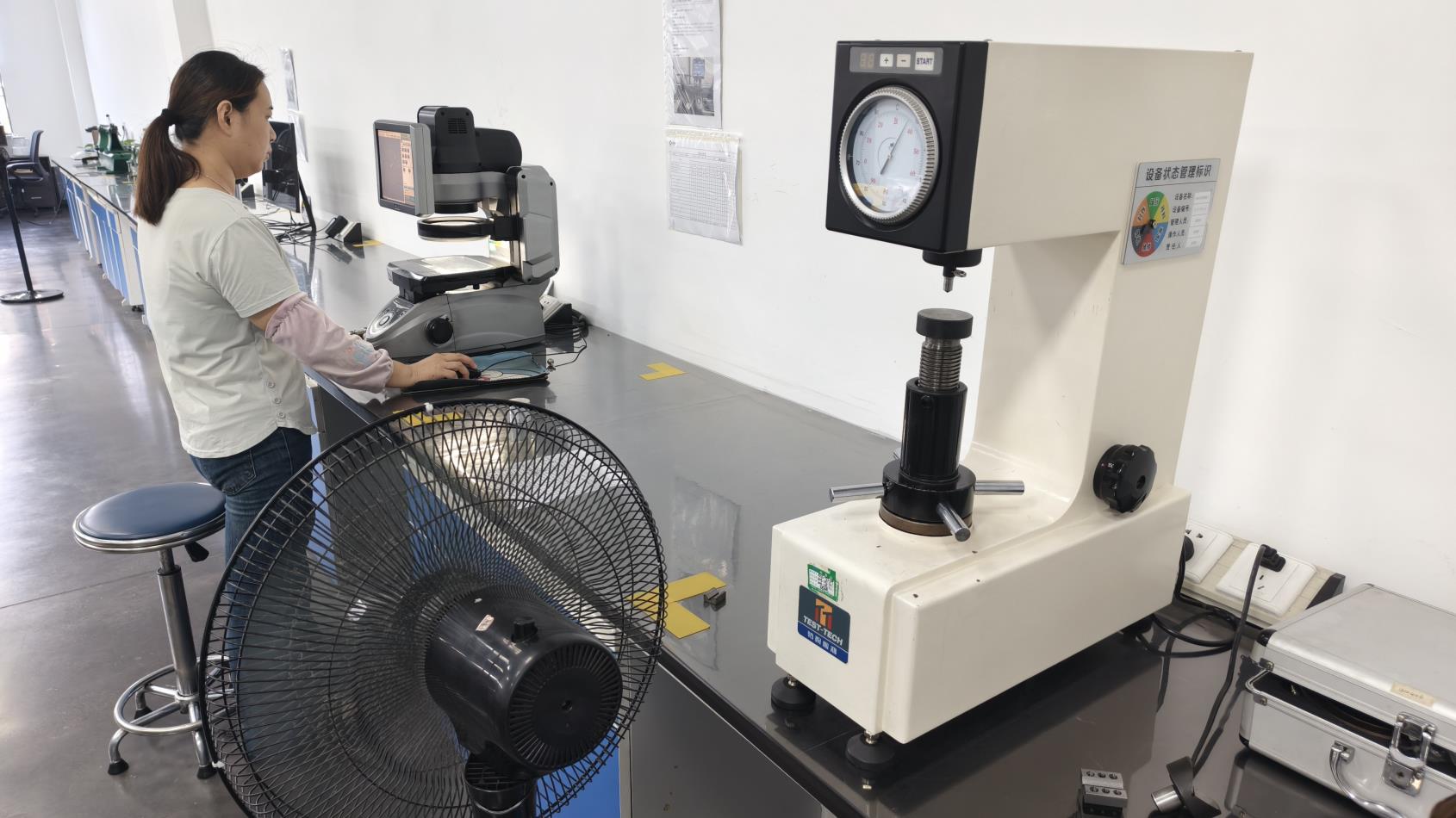
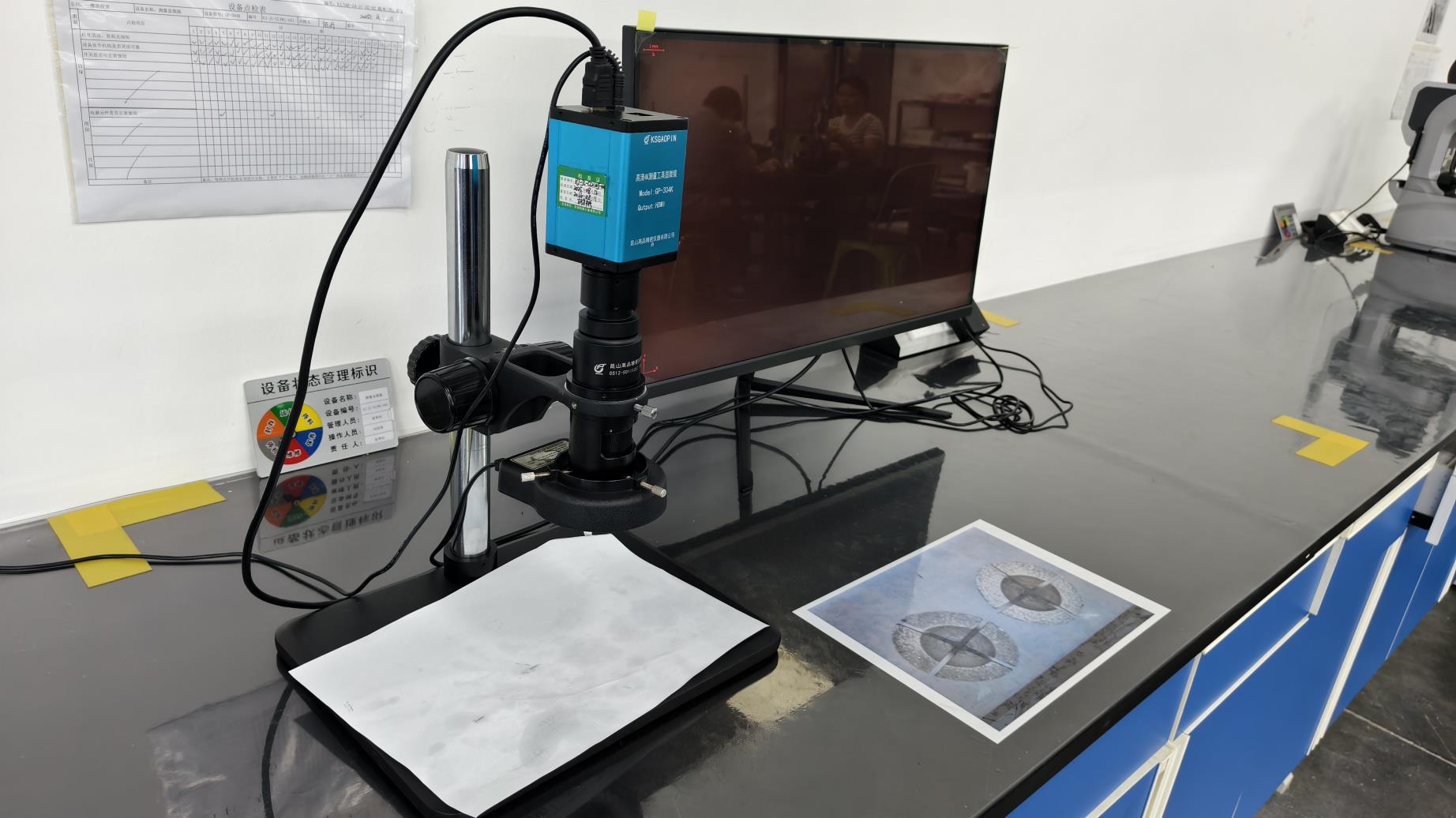
Quality is paramount in surgical settings. Our medical-grade raw materials are verified using Optical Emission Spectrometry (OES) to check compliance with international standards (ASTM F899 / ISO 7153-1). We implement a strict three-tier quality control protocol, led by dedicated QA/QC inspectors:
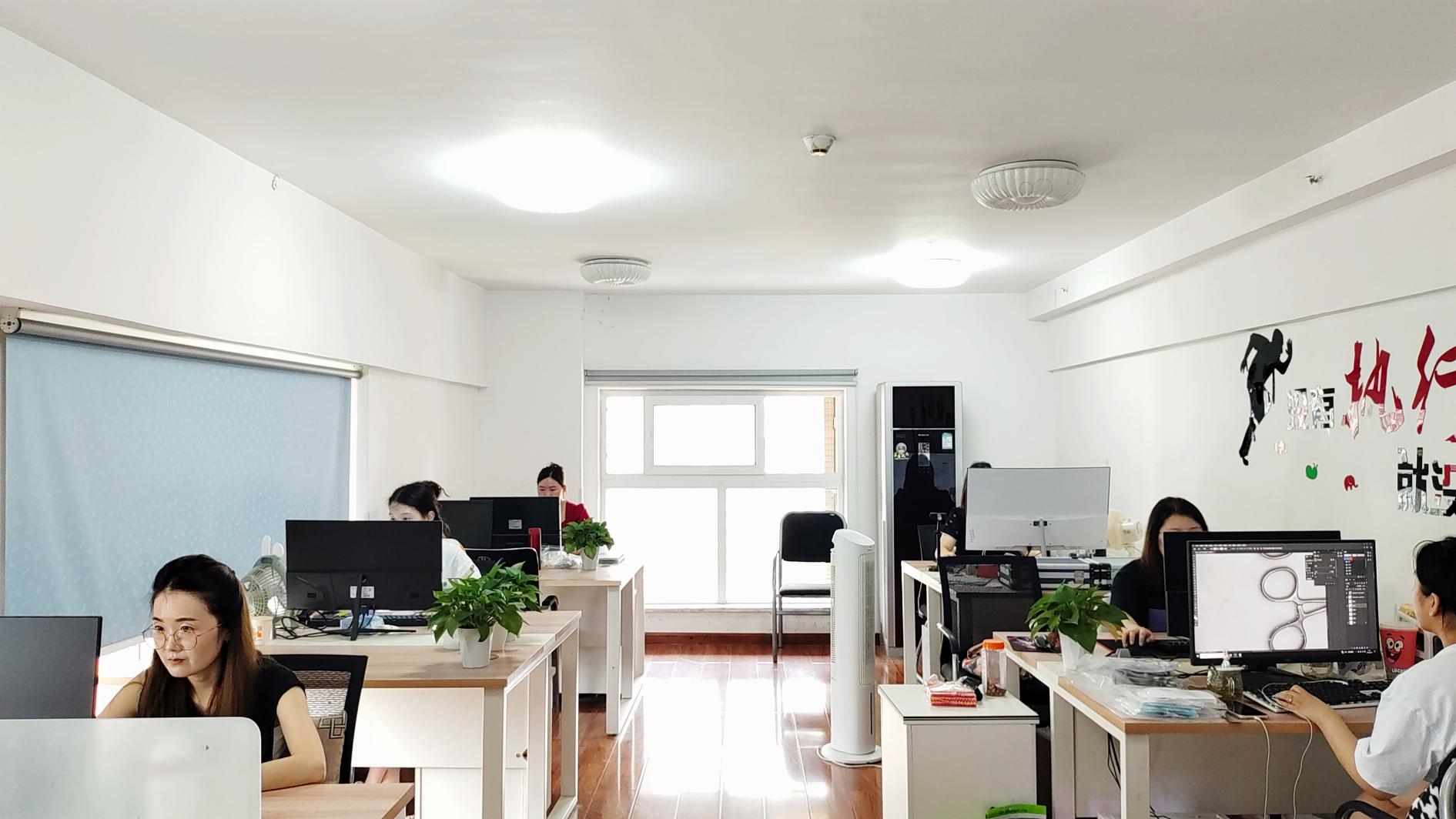
A behind-the-scenes look at our production and quality control processes.
How our specialized instruments perform in demanding surgical procedures.
During osteotomies (like High Tibial Osteotomy - HTO), surgeons use osteotomes and bone saws to make precise adjustments to bone alignment. Our instruments are designed to prevent structural micro-fracturing and reduce thermal stress in surrounding tissue. This helps minimize bone resorption and supports a stronger recovery.
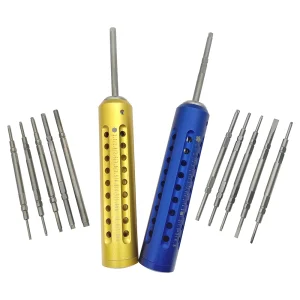
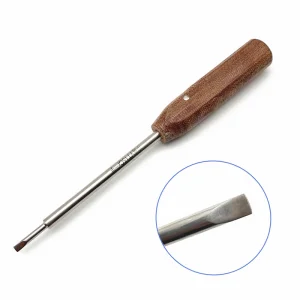
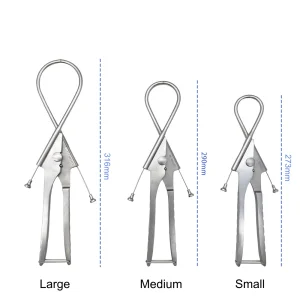
Veterinary orthopedics involves treating patients of diverse sizes, from small pets to larger livestock. This requires versatile tool sets, such as adjustable plate bending pliers and specialized screwdrivers. Our quick-coupling systems allow veterinary surgeons to switch tool sizes rapidly mid-operation, improving efficiency.
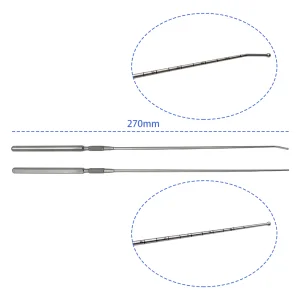
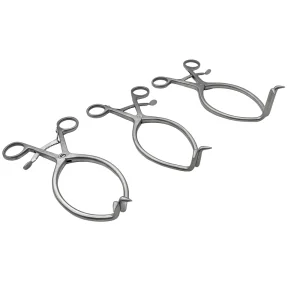
Spinal surgery requires precise, stable tools to operate safely near delicate nerve structures. Our dual-channel nerve root probes and spinal retractors are built to provide clear visualization and consistent retraction pressure. This helps surgeons access the site reliably while minimizing structural impact on the surrounding area.
Browse our catalog of veterinary and human surgical equipment, available for global export from our quality-certified lines.
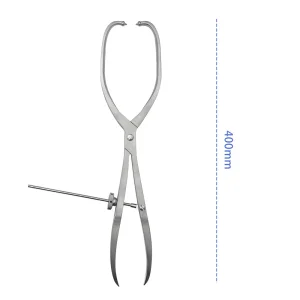
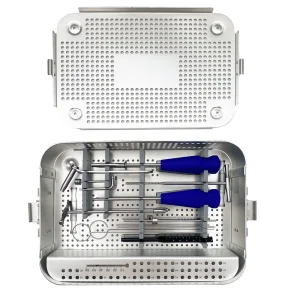
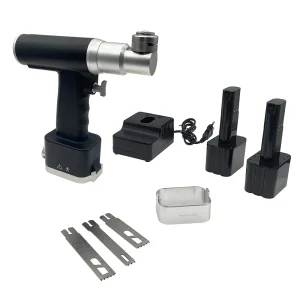
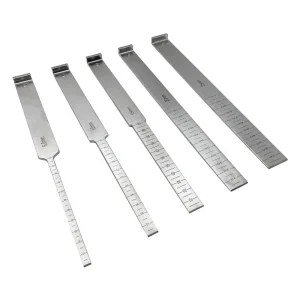
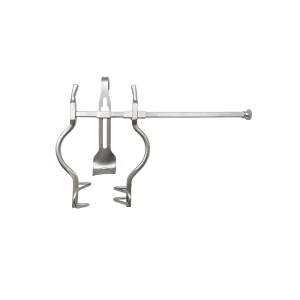
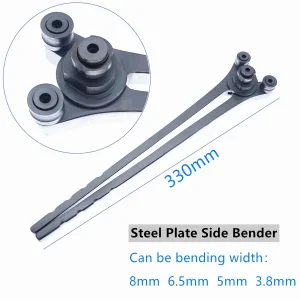
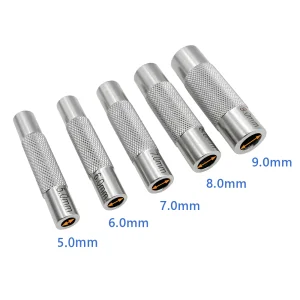
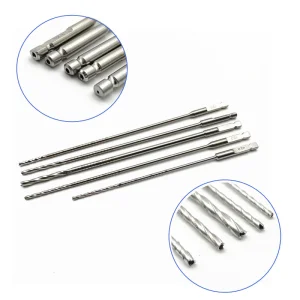
Analyzing key procurement criteria for hospital buyers and distributors in East Africa.
Hospital purchasing managers and veterinary distributors evaluate several key criteria when selecting a supplier:
Without clear material certifications, high-precision tools run the risk of premature failure. Trusted partners provide raw material heat numbers and chemical analysis certificates for every production batch. This documentation tracks the steel back to its foundry origin, confirming compliance with ISO 7153-1 specifications.
Reusable instruments must withstand repeated sterilization cycles without corroding or losing edge sharpness. Proper passivating (typically using nitric or citric acid baths to form a protective chromium oxide layer) helps prevent rust and pitting, extending the working life of the tool.
Surgical methods continue to evolve, driving demand for modified tool geometries. Modern production facilities must be able to convert CAD designs into functional prototypes quickly. Incorporating user feedback into the development cycle helps manufacturers refine tools for specific clinical applications.
Technical answers to common questions about sourcing surgical and veterinary instruments.
Contact our technical support and sales team for volume pricing, custom design requirements, or regional distribution agreements in Gitarama and East Africa.
Send Inquiry Now