 SENJIE Healthy & Technology
SENJIE Healthy & Technology
SENJIE Healthy & Technology
Engineered for neurosurgery, ophthalmology, and orthopedic trauma procedures requiring extreme visual precision and consistent material integrity.
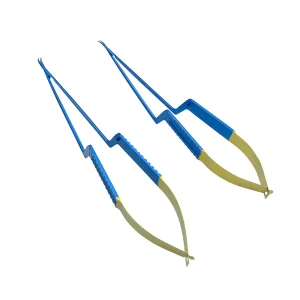
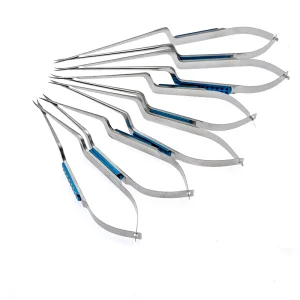
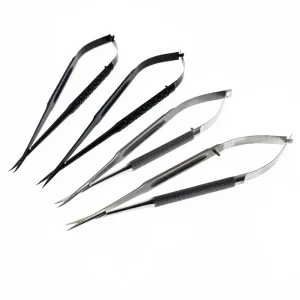
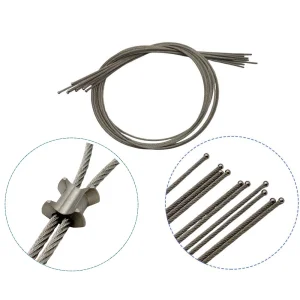
The surgical instrument procurement landscape in Moscow and the wider Russian Federation is undergoing a profound structural evolution. Historically reliant on traditional Western European clinical brands, leading Moscow medical research centers—such as the Burdenko National Medical Research Center for Neurosurgery, the A.V. Vishnevsky Institute of Surgery, and the N.I. Pirogov National Medical Surgical Center—are actively re-evaluating their supply chains. The current geopolitical and trade paradigms have accelerated the demand for highly reliable, cost-effective direct exporters who can deliver surgical instruments that meet and exceed rigorous international regulatory standards (ISO 13485, CE, EAC).
In high-stakes environments like neurosurgery, cardiovascular anastomosis, and ophthalmic reconstruction, the tool in the surgeon's hand is the ultimate differentiator. Microsurgical scissors require microscopic tolerances, flawless balance, and predictable metallurgy. Suppliers targeting the Moscow market must not only deliver high-volume commodity medical devices but also specialize in custom-engineered, autoclavable micro-instruments that can withstand aggressive chemical passivation and repeated high-temperature steam sterilization cycles (134°C / 2.2 bar) without losing their cutting integrity or suffering galvanic corrosion.
Sourcing professionals in Moscow prioritize suppliers who can offer end-to-end supply chain clarity. With strict Russian customs requirements and the necessity of conforming to Federal Service for Surveillance in Healthcare (Roszdravnadzor) documentation, distributors require detailed metallurgical certifications, raw material heat-number traceability, and standardized cleaning protocols. Importers must bridge the gap between high-precision Chinese manufacturing clusters and Russian clinical practice by offering comprehensive technical dossiers, physical samples for validation, and flexible packaging styles tailored for immediate sterile processing.
A surgical scissor is not simply a mechanical cutting tool; it is a complex assembly of metallurgical science and structural engineering. The selection of materials determines the longevity of the sharp edge, the resistance to biological staining, and the tensile strength under mechanical load.
The *Shark Blade* micro-scissors utilize a specialized geometric design: one micro-serrated blade and one razor-sharp, smooth opposing blade. The micro-serrations hold slippery tissues securely in place (preventing sliding during incision), while the ultra-fine razor edge shears the tissue cleanly at a micro-level. This structure reduces tissue trauma, mitigates postoperative necrosis, and allows for extremely precise cuts during microvascular bypasses and peripheral nerve repairs.
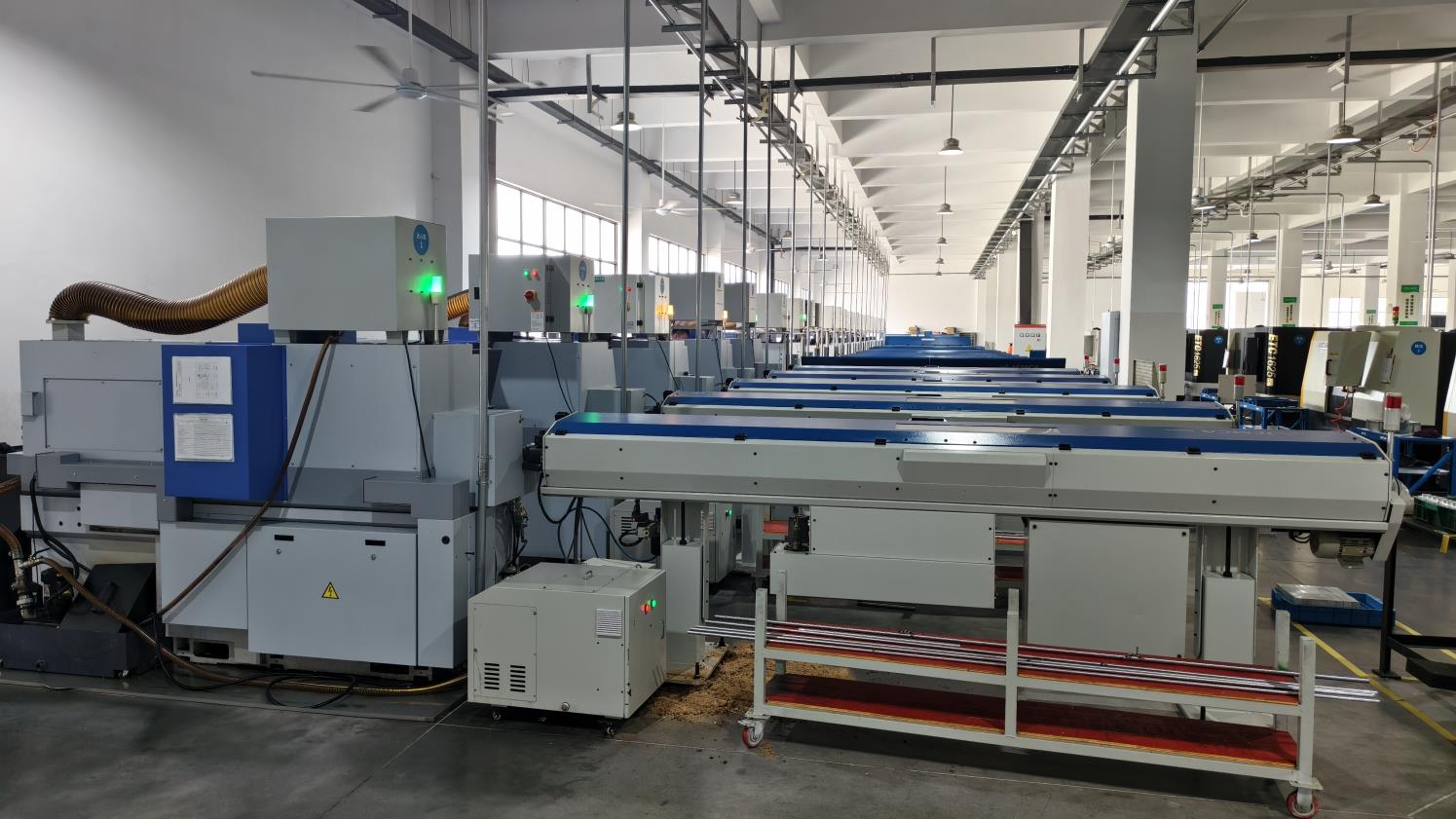
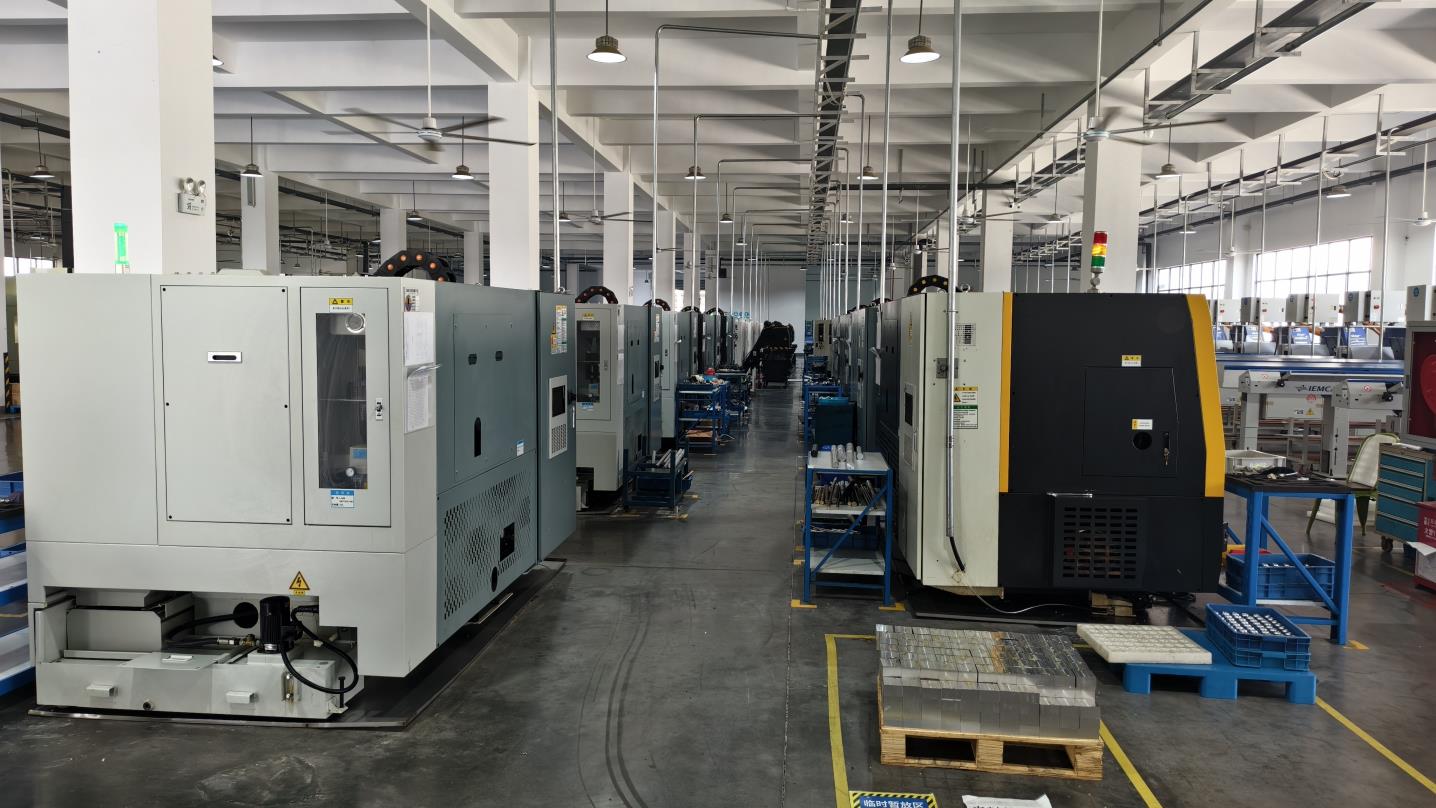
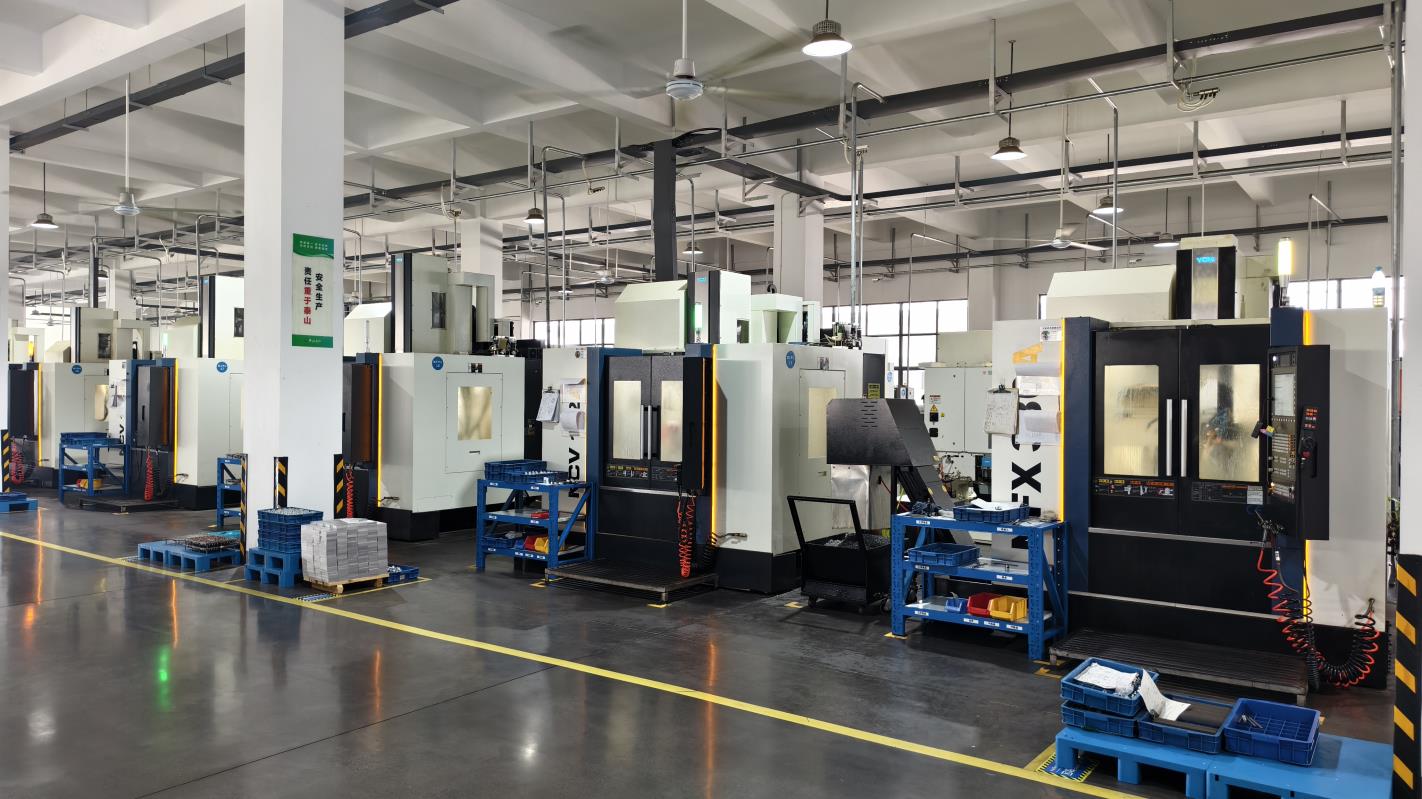
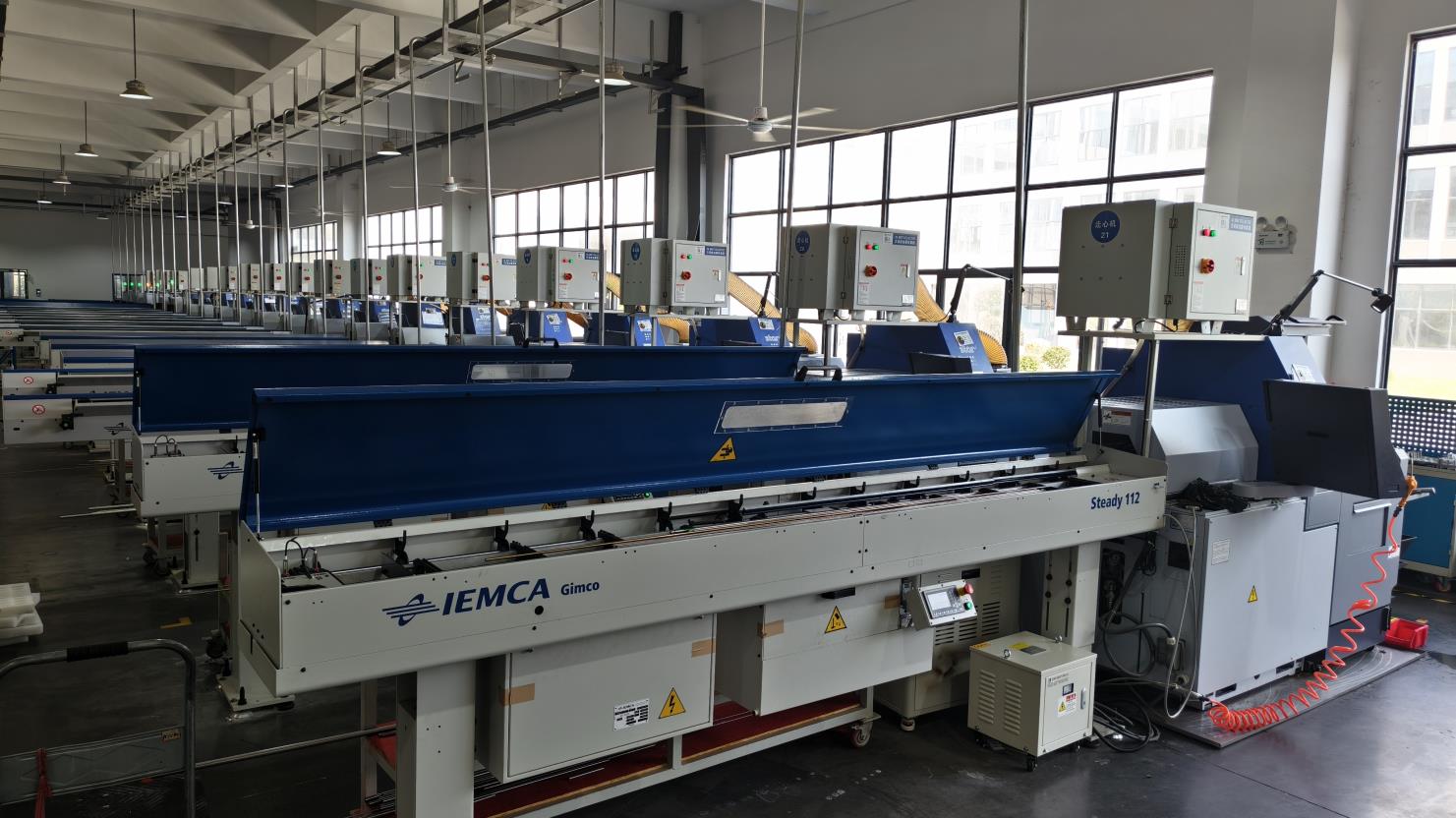
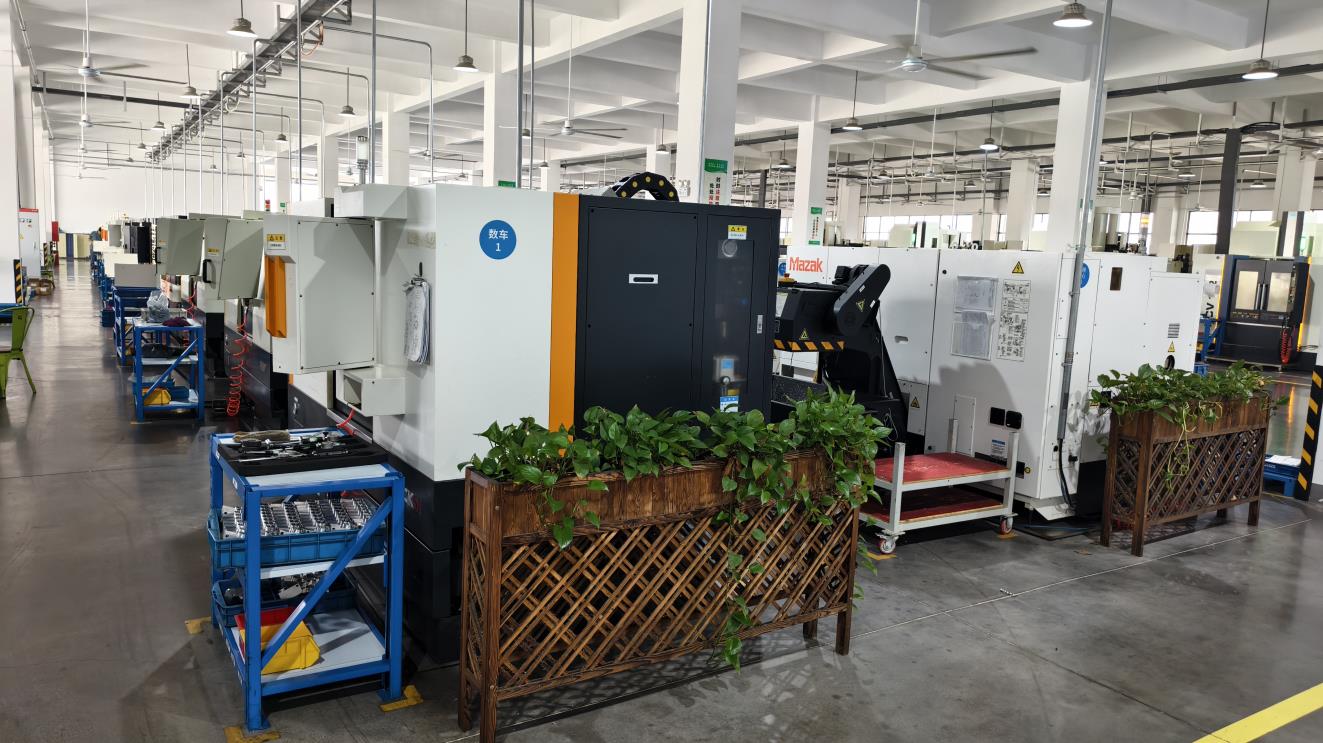
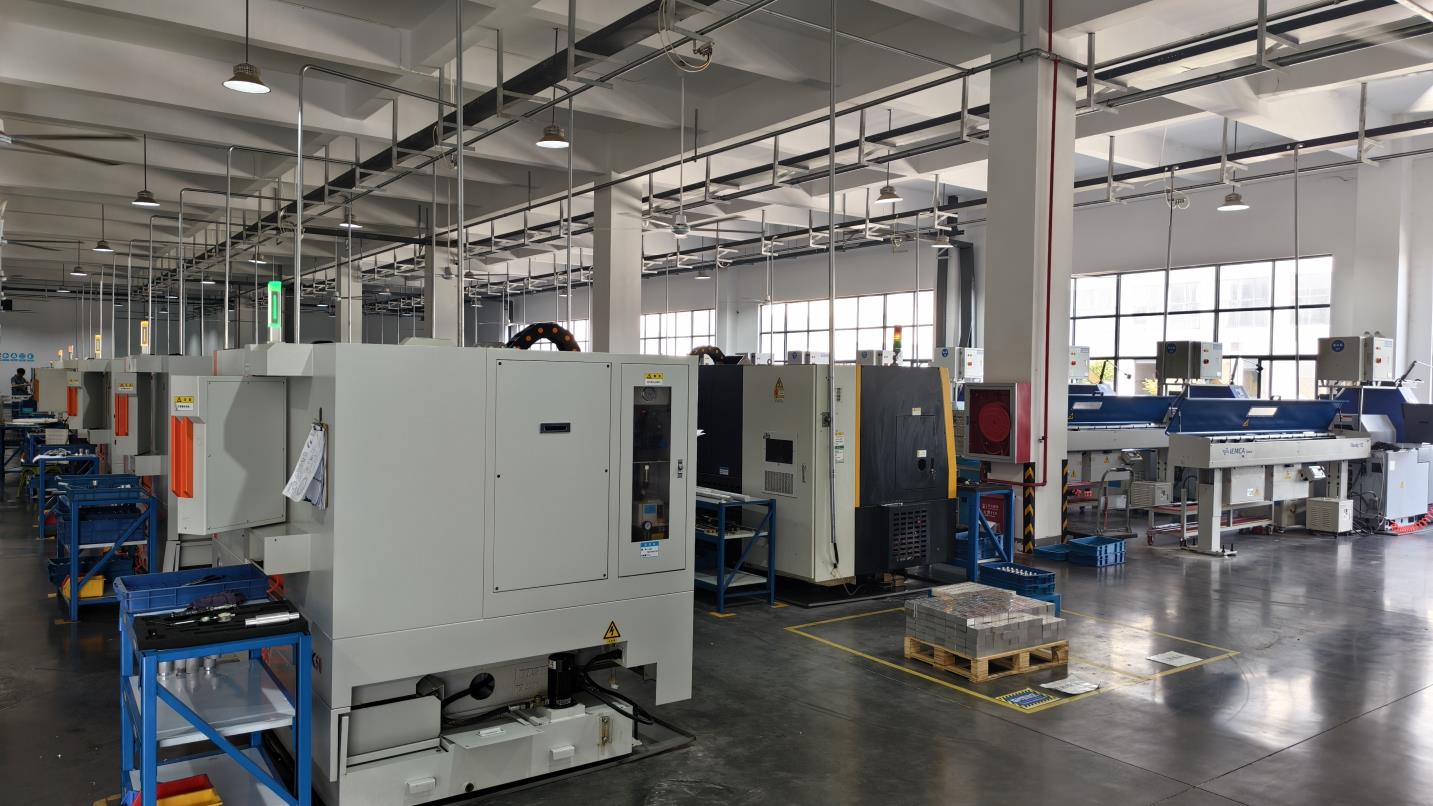
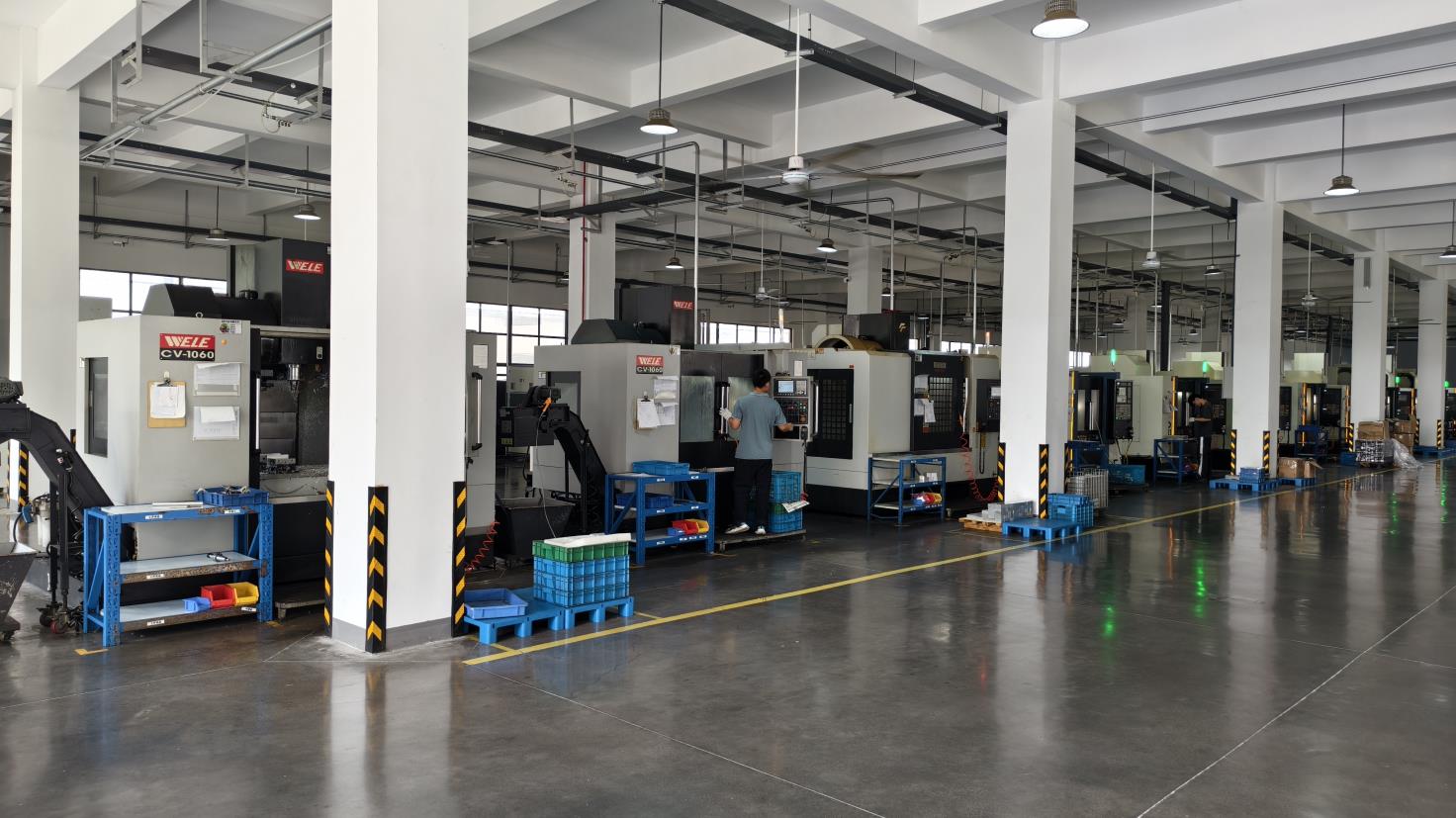
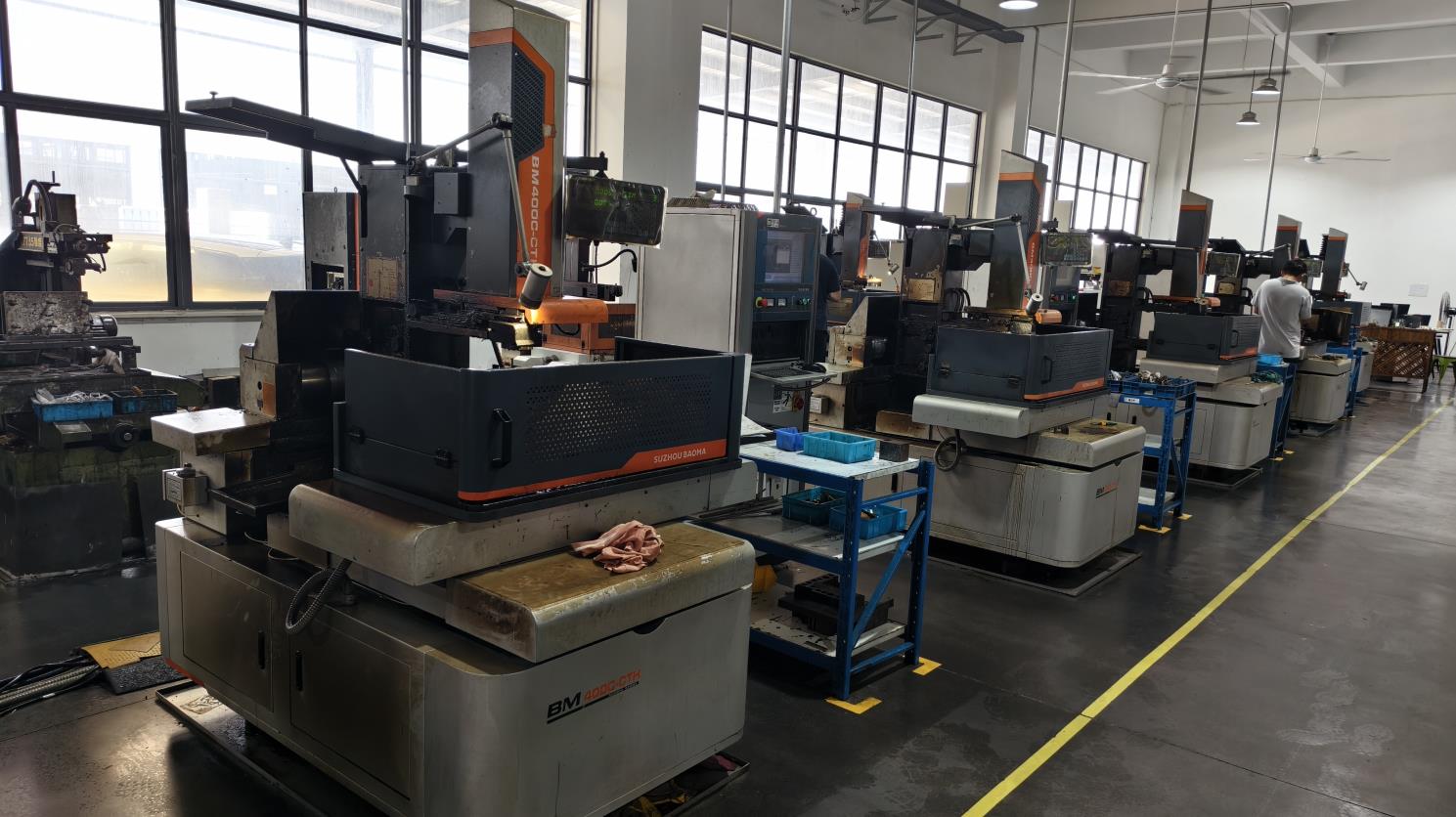
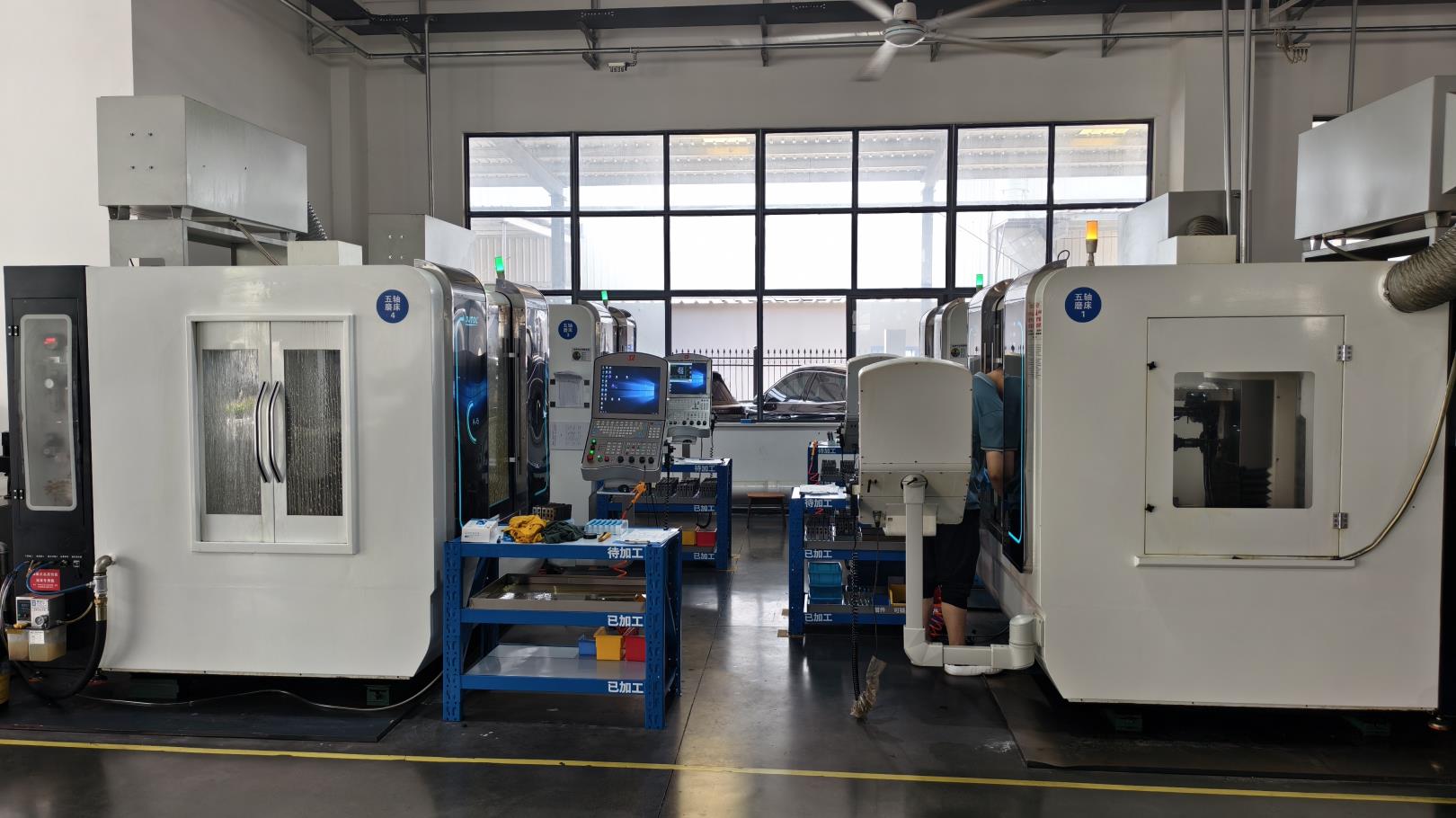
The global healthcare procurement system relies heavily on the efficiency of specialized industrial clusters. Chinese medical instrument manufacturing centers, particularly in Jiangsu and Zhejiang provinces, have evolved from basic casting workshops into world-class high-precision manufacturing hubs. By implementing advanced CNC multi-axis milling, automated wire electrical discharge machining (EDM), and high-frequency induction heat treatments, our facilities achieve consistency and repeatability that manual grinding alone cannot match.
This industrial synergy allows us to balance the economy of scale with clinical customization. Sourcing directly from our ISO 13485 certified facilities eliminates multi-tier trading margins, allowing Moscow hospitals and regional wholesalers to access premium-tier instruments at a fraction of Western European retail costs. Furthermore, our flexible production lines facilitate rapid OEM/ODM design modifications—such as custom handle lengths, specialized blade curvature angles (25°, 45°, 125°), or personalized laser markings for batch tracking.
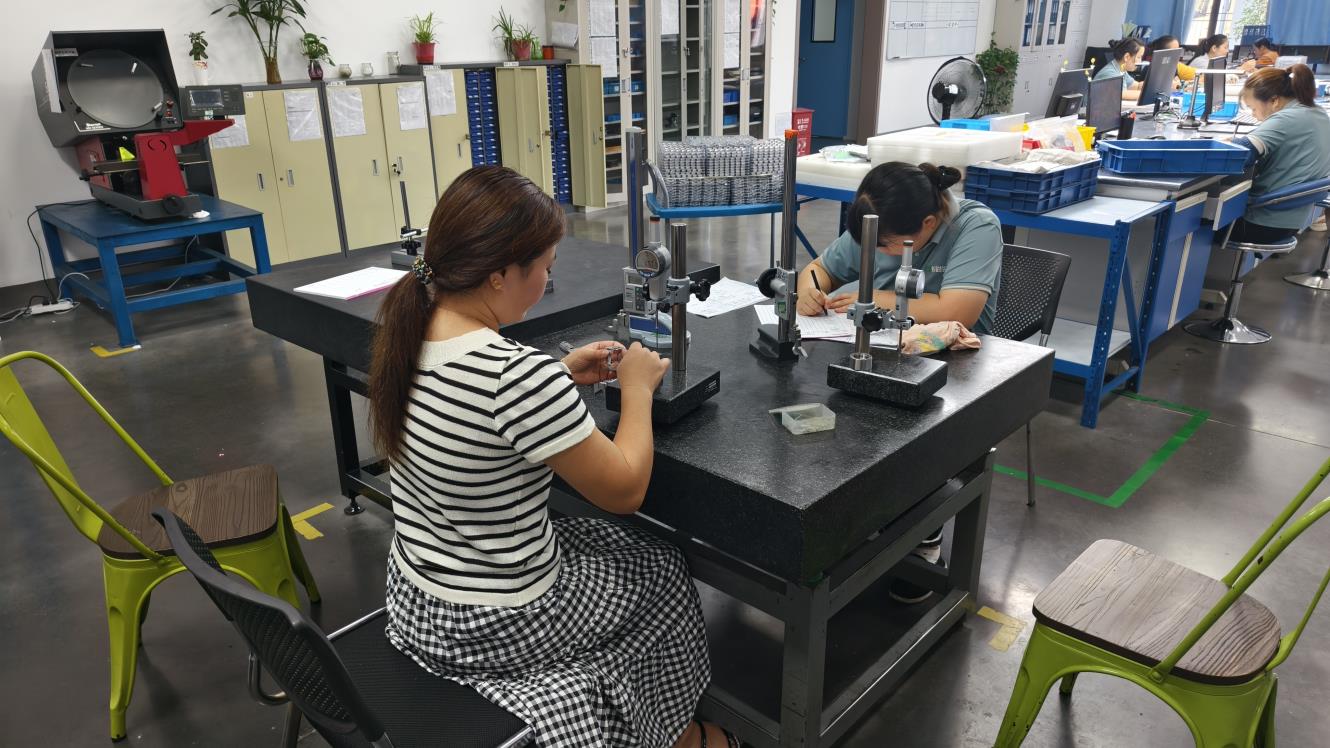
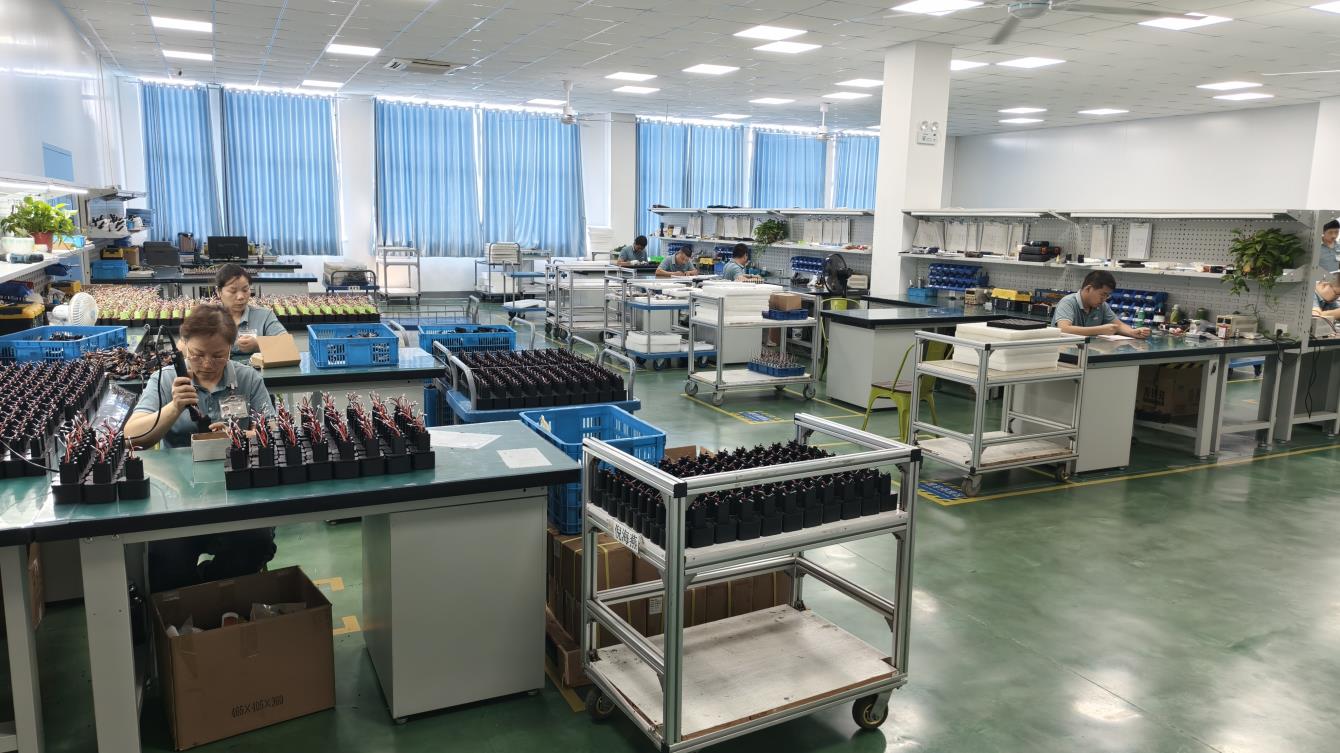
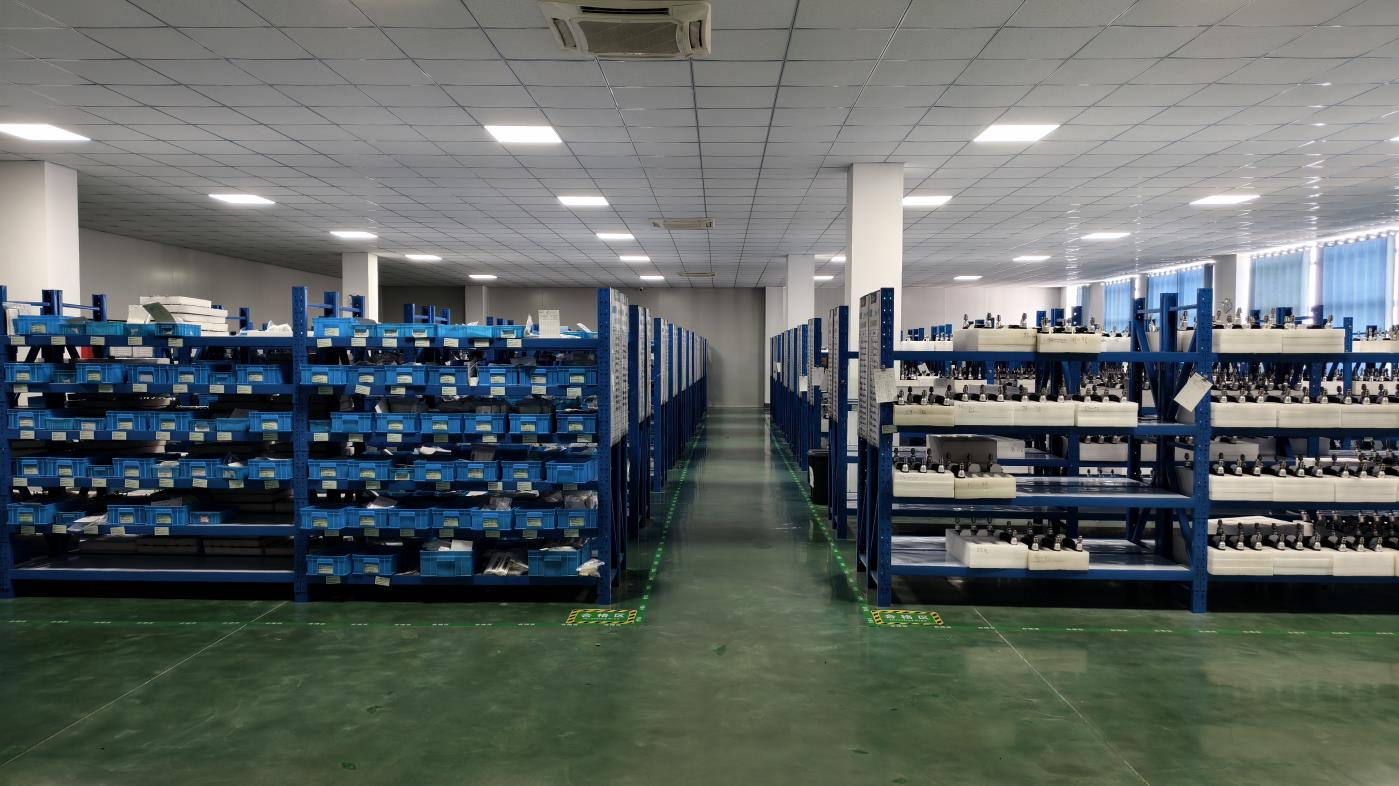
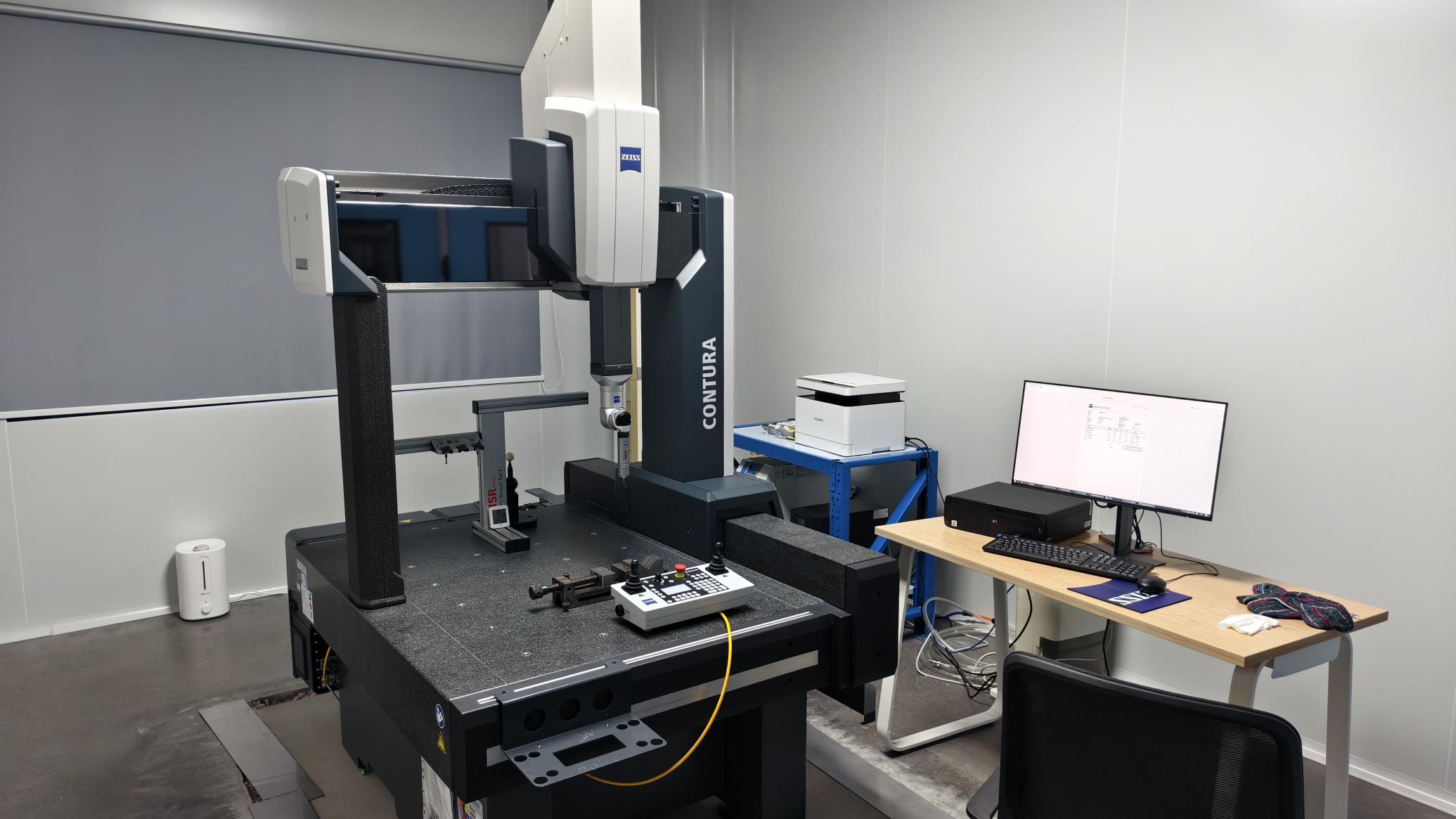
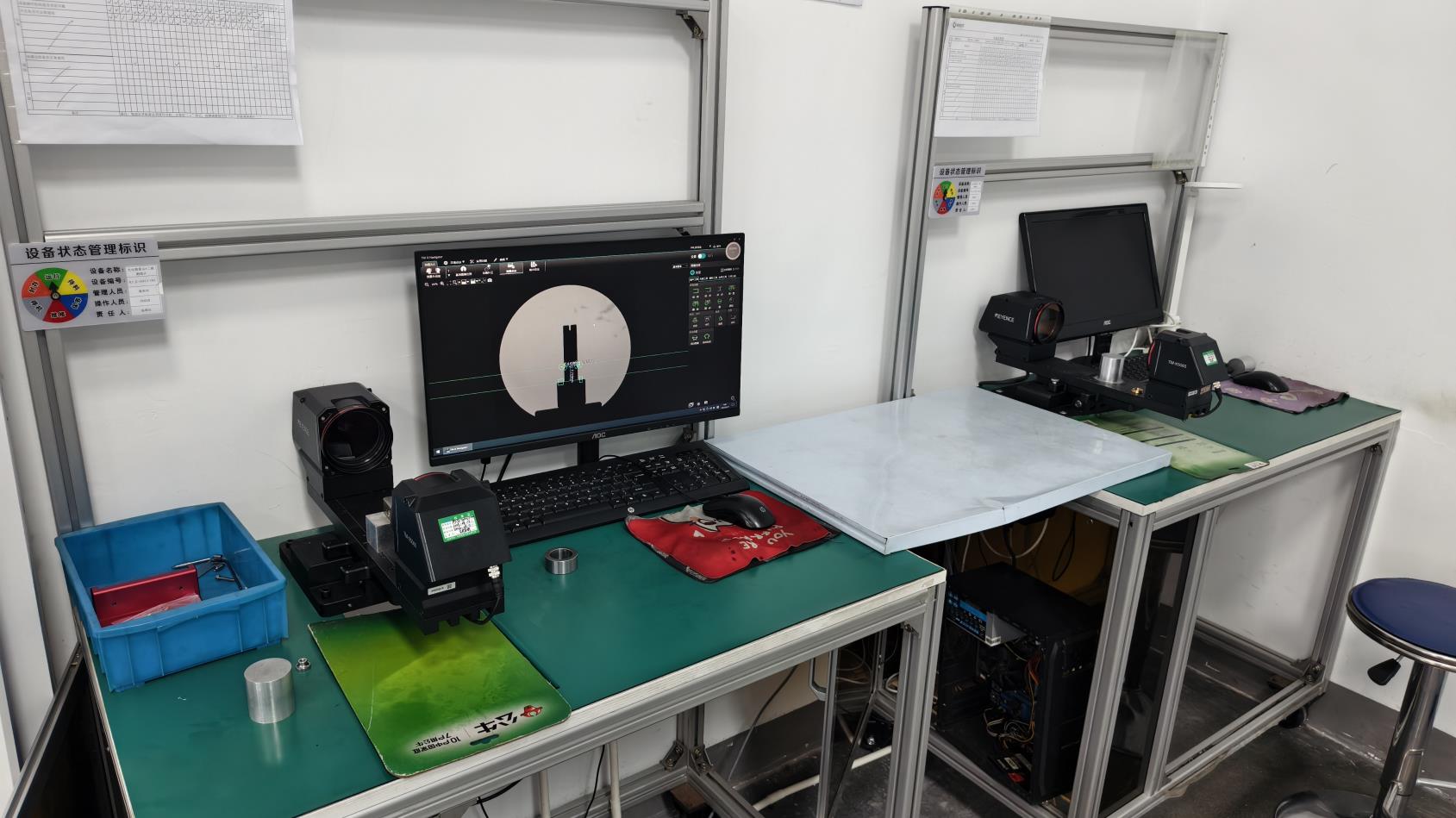
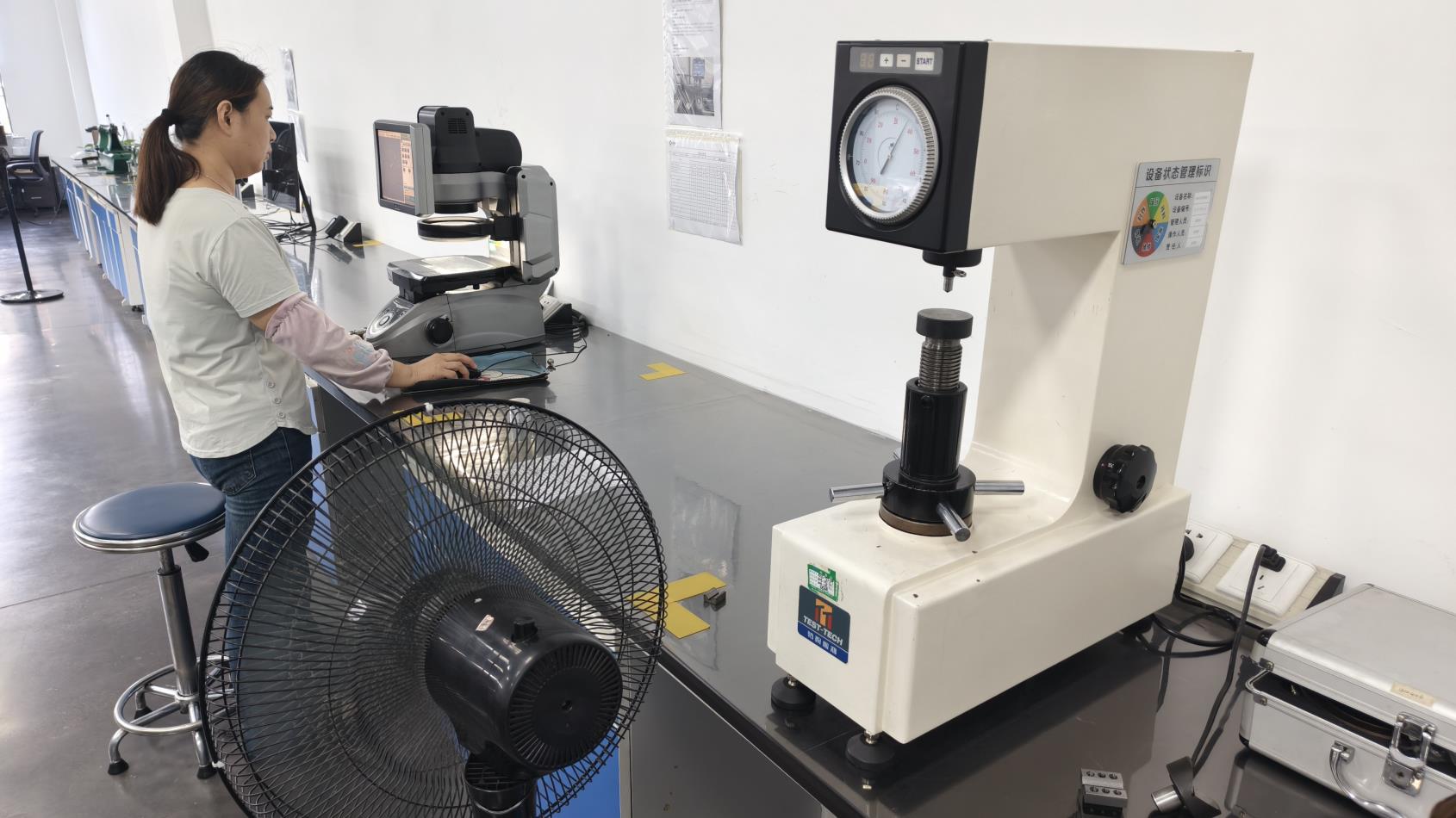
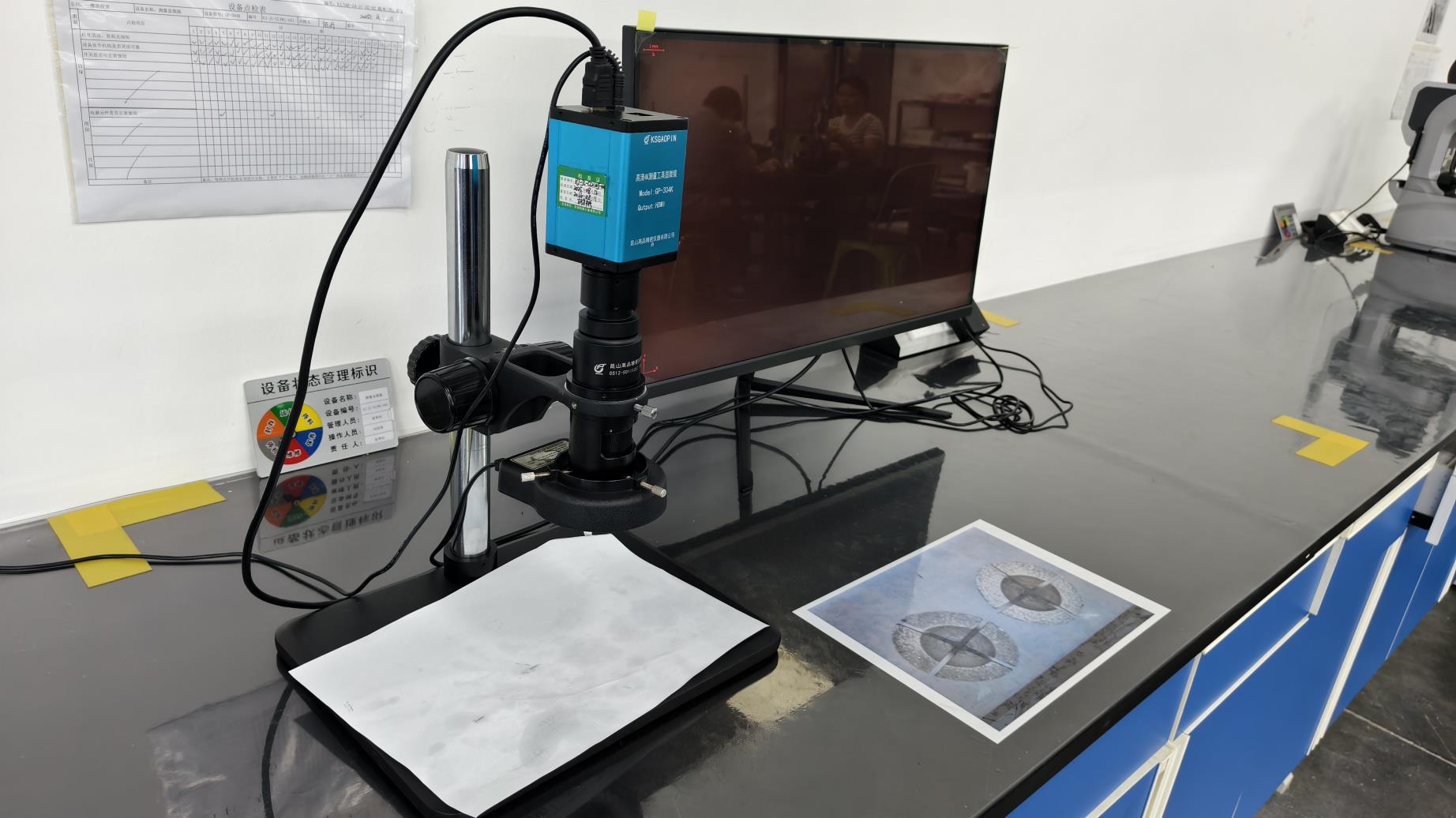
Our manufacturing and quality assurance operations leverage modern physical inspection, laser calibration, and metallurgical passivation techniques. Below are views of our actual production workspaces, highlighting the clean, calibrated processes behind our high-performance instruments:

In Moscow's modern medical centers, surgical devices are categorized by clinical demand. Different surgical departments require custom instrument setups:
Neurosurgical procedures necessitate micro-scissors (such as the *Shark Blade* series) capable of performing clean arteriotomies on vessels less than 1.0 mm in diameter. The blades must cut without tearing, as any rough edge on the vessel wall can trigger platelet aggregation, thrombosis, or bypass occlusion. High-durability titanium handles with spring-loaded structures reduce hand fatigue, ensuring stable movements in deep surgical corridors.
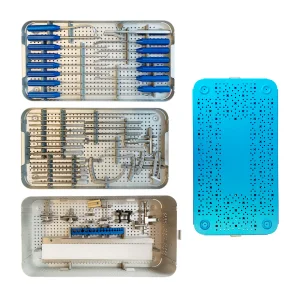
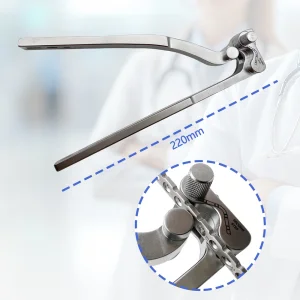
Orthopedic trauma units in Moscow hospitals frequently perform osteotomies, joint arthroplasties, and fracture internal fixations. Tools such as Kirschner's pins, K-wire distractors, and titanium cable fixation instruments must withstand substantial torque and leverage. If bone benders or plate contouring pliers have minor defects, they can damage the structural integrity of the bone plate, causing potential mechanical failures in the patient's body.
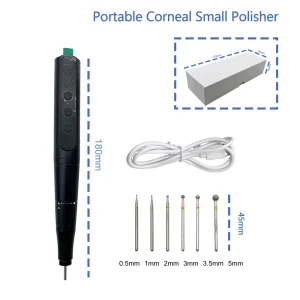
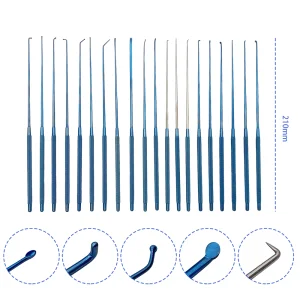
In corneal transplantations and glaucoma filtration surgeries, instruments operate within extremely tight margins. Corneal polishers must operate within precise rotational ranges (0–35,000 RPM) with zero lateral vibration. Spatula dissectors and micro-curettes need perfectly polished, burr-free tips to prevent accidental damage to the delicate Descemet's membrane or iris tissues.
Verified operational parameters showing our engineering capabilities, quality standards, and export demographics.
Modern B2B medical sourcing demands a combination of high-tech production capabilities and robust logistics. Today's procurement managers, medical wholesalers, and hospital group purchasing organizations (GPOs) operate in a highly regulated environment. This requires sourcing from factories that maintain complete material traceability, rigorous quality testing, and robust documentation pipelines.
A key trend in global medical sourcing is the transition from broad-line distributors to direct manufacturer alliances. By partnering directly with the manufacturing facility, buyers avoid middleman markups, gain access to specialized engineering teams, and secure predictable lead times. This direct integration is particularly critical for specialized instruments such as orthopedic wire passers, AO plate benders, and neurosurgical curettes. In these cases, minor geometric variations can directly impact surgical outcomes.
Additionally, modern supply chain strategies require diversified logistics planning. For Moscow-based distributors, this means establishing routes that balance speed and cost. This is achieved by combining overland rail freight with fast sea shipping through Far East ports, ensuring that critical hospital inventories remain fully stocked and functional throughout the year.
Explore our full range of professional veterinary and human-grade surgical tools. Each device undergoes multiple mechanical and chemical cleaning cycles prior to shipment.
Addressing key metallurgical, regulatory, and shipping questions for clinical directors and import managers.